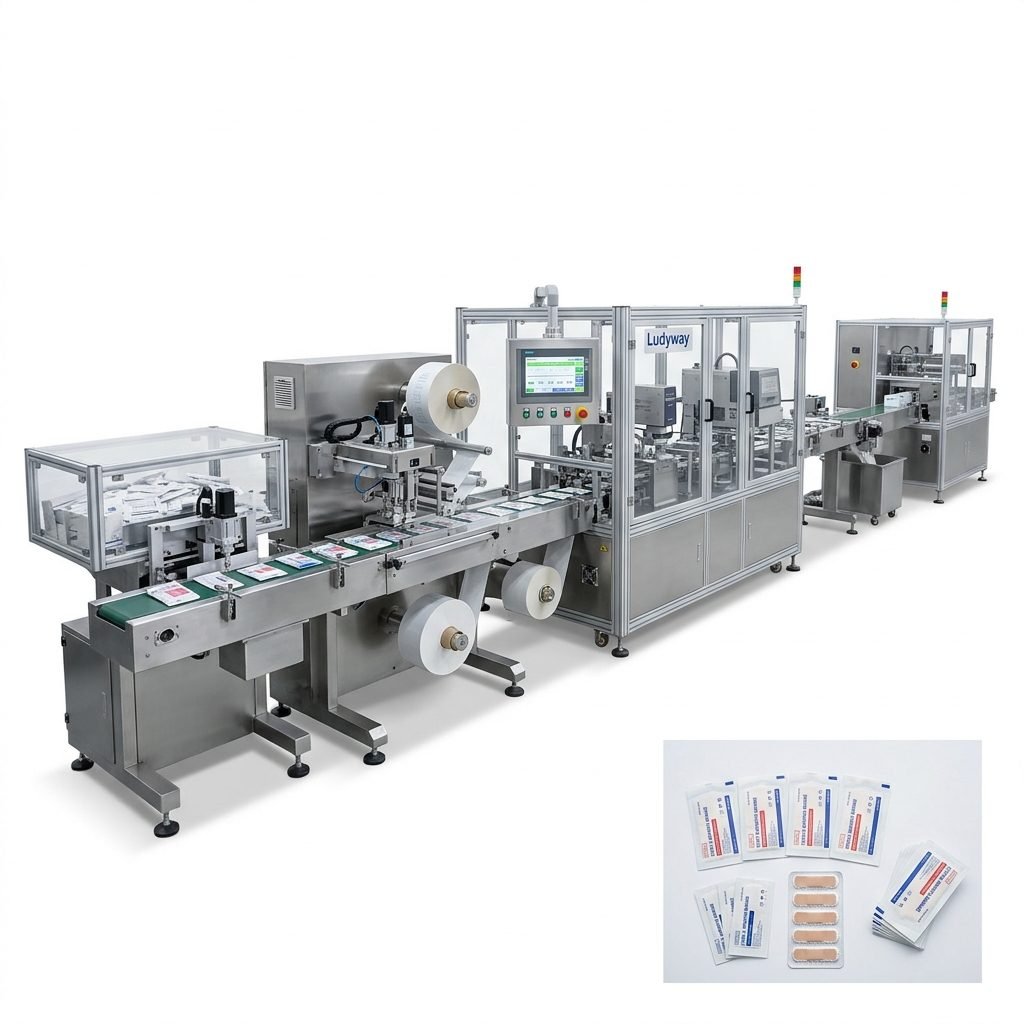
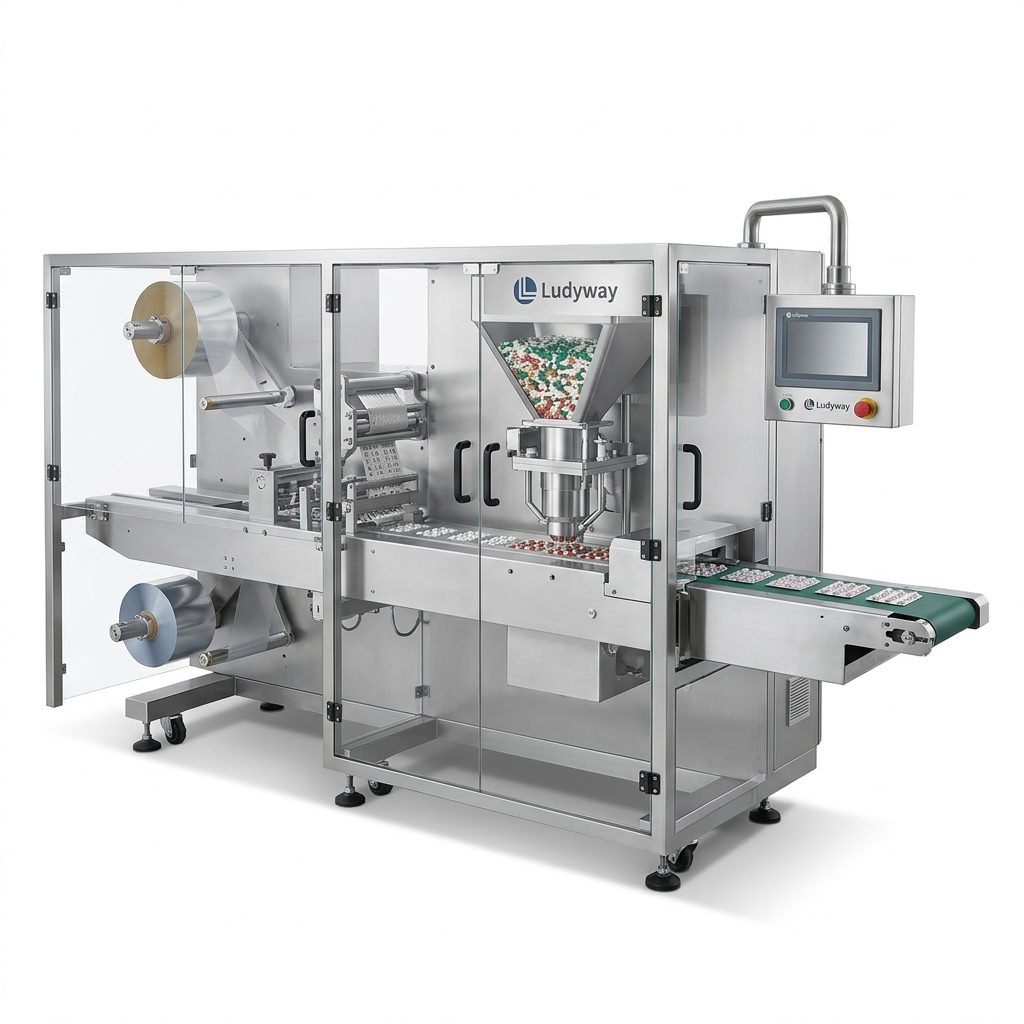
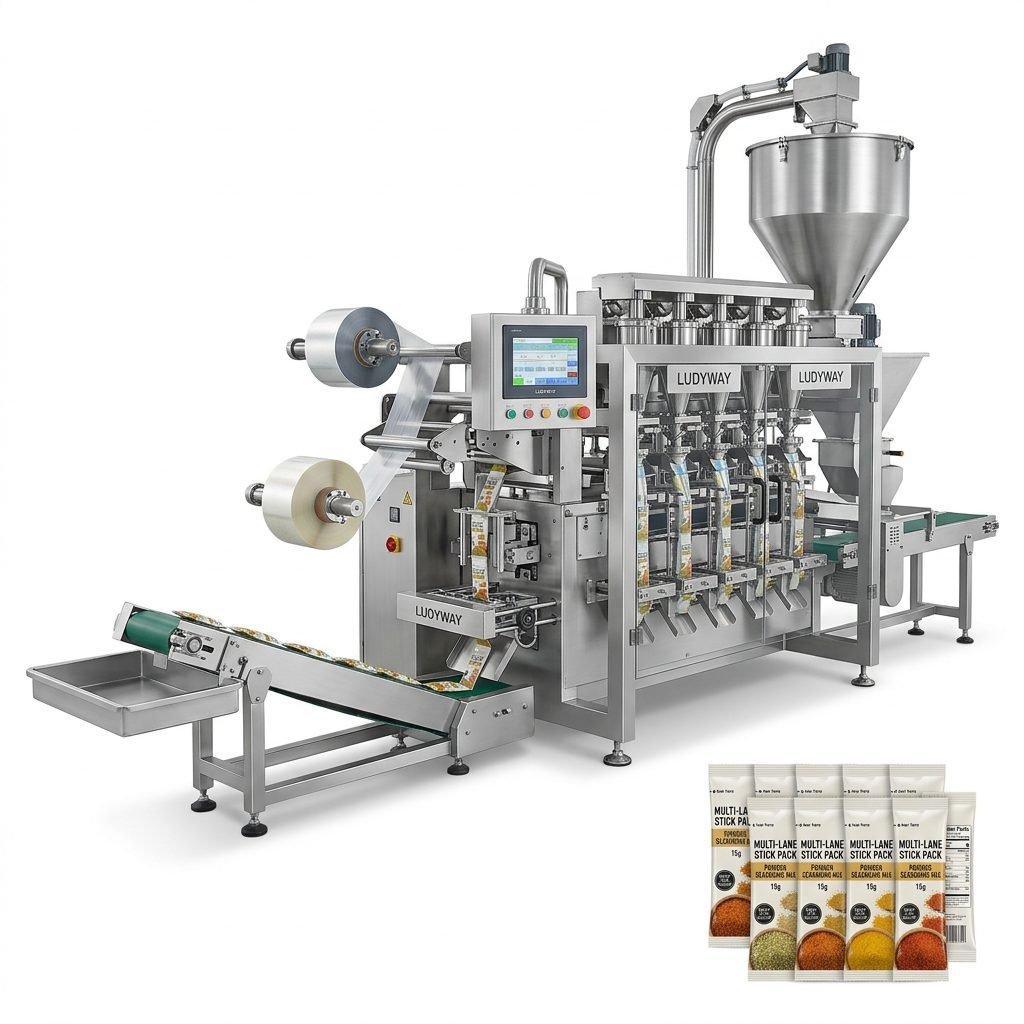
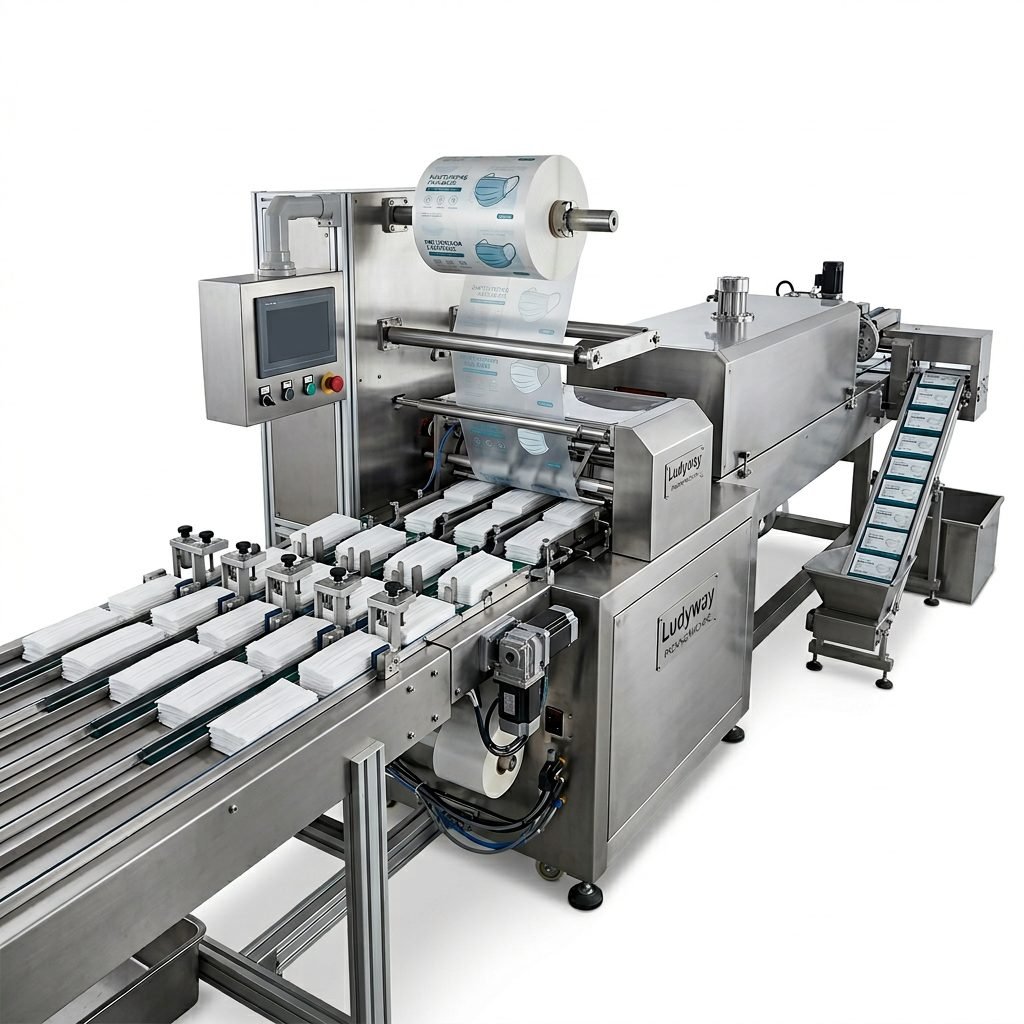
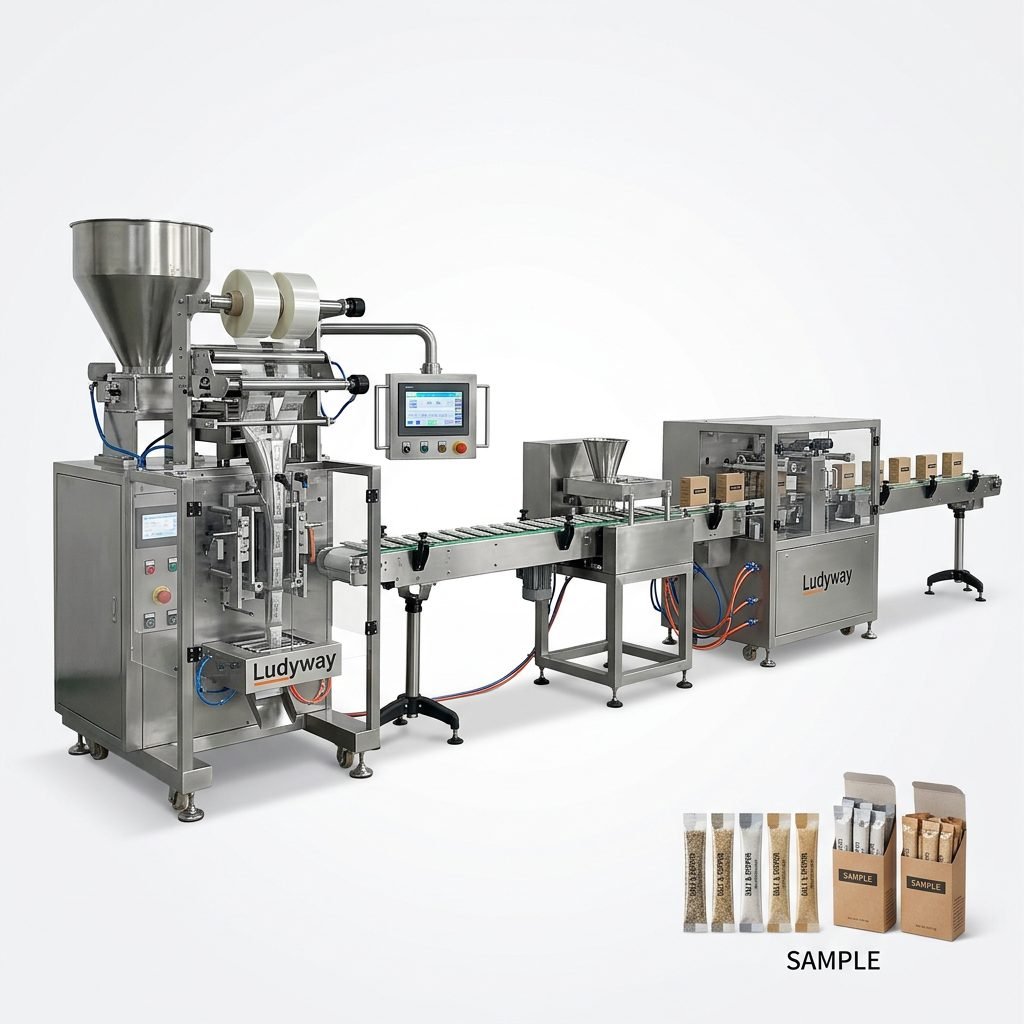
Fasteners such as screws, bolts, nuts, washers, and small hardware components require packaging that is accurate, fast, and reliable. In modern manufacturing and distribution, a fasteners packing machine helps businesses reduce manual counting errors, improve output consistency, and create clean, retail-ready or industrial-ready packs for different markets.
Whether you are packing mixed hardware kits, standard screw bags, bolt sets, or nut assortments for wholesale, e-commerce, automotive supply, or construction use, the right automated system can significantly improve line efficiency while lowering labor dependence.
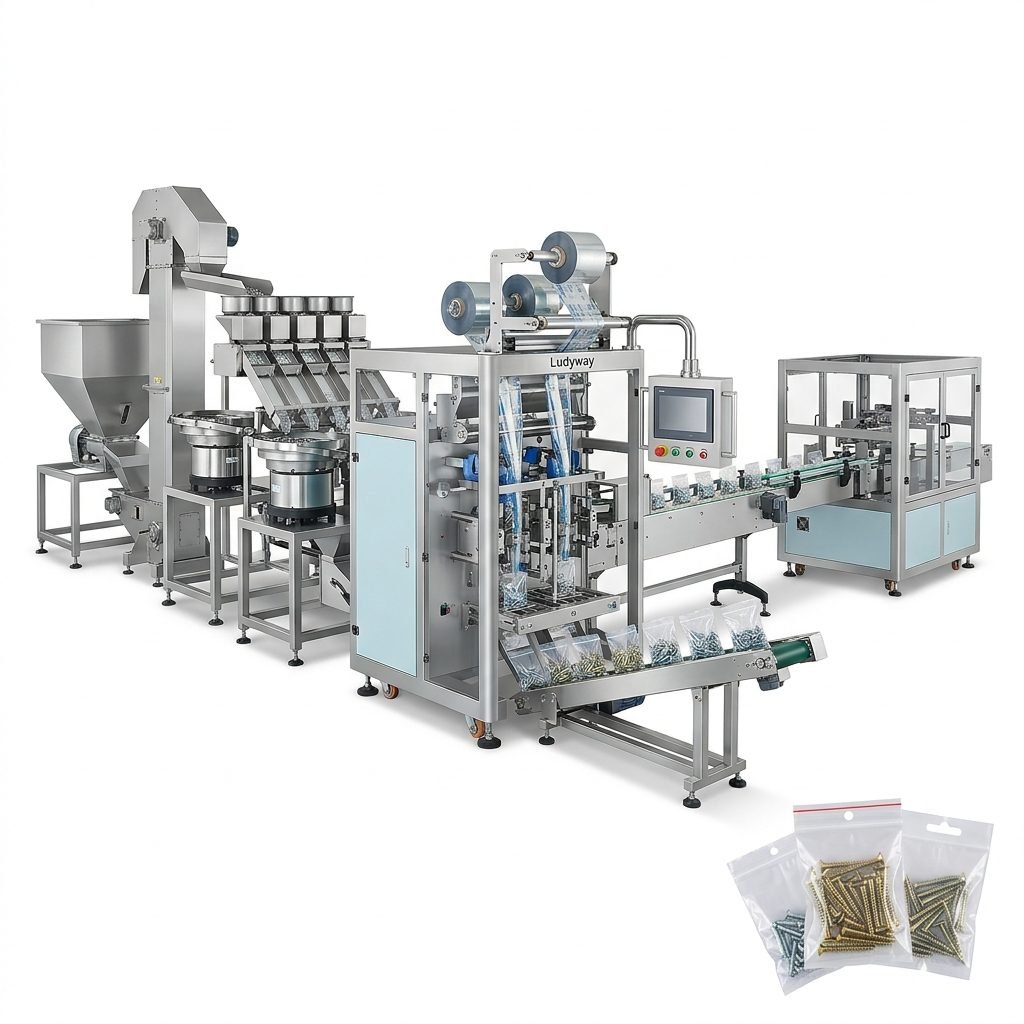
What Is a Fasteners Packing Machine?
A fasteners packing machine is an automated or semi-automated packaging system designed to count, weigh, sort, fill, and seal small metal parts into bags, pouches, boxes, kits, or other packaging formats. These machines are commonly used for:
- Screws
- Bolts
- Nuts
- Washers
- Anchors
- Pins and clips
- Assembly hardware kits
Depending on the production goal, the system may use vibration counting, optical counting, weighing modules, bowl feeders, conveyor feeding, and bagging or cartoning equipment to complete the packaging cycle automatically.
Why Automated Packaging Matters for Fasteners
Fasteners may be small, but the packaging challenge is not. Manual counting and bagging often create issues such as underfilled packs, mixed part errors, slow output, and inconsistent sealing quality. Automation solves these pain points by improving repeatability and production control.
| Packaging Challenge | How a Fasteners Packing Machine Helps |
|---|---|
| Manual counting errors | Uses controlled counting or weighing for higher accuracy |
| Low packaging speed | Automates feeding, counting, filling, and sealing in one flow |
| Mixed component mistakes | Supports multi-component sequencing for hardware kits |
| Labor-intensive packaging | Reduces reliance on repetitive manual packing tasks |
| Inconsistent pack appearance | Creates uniform, sealed, and presentable final packs |
Key Benefits for Screw, Bolt, and Nut Packaging
- Higher counting accuracy for standard and mixed fastener packs
- Faster throughput for large production volumes
- Reduced product giveaway and material waste
- Better SKU management across multiple hardware sizes
- Improved packaging consistency for retail and industrial customers
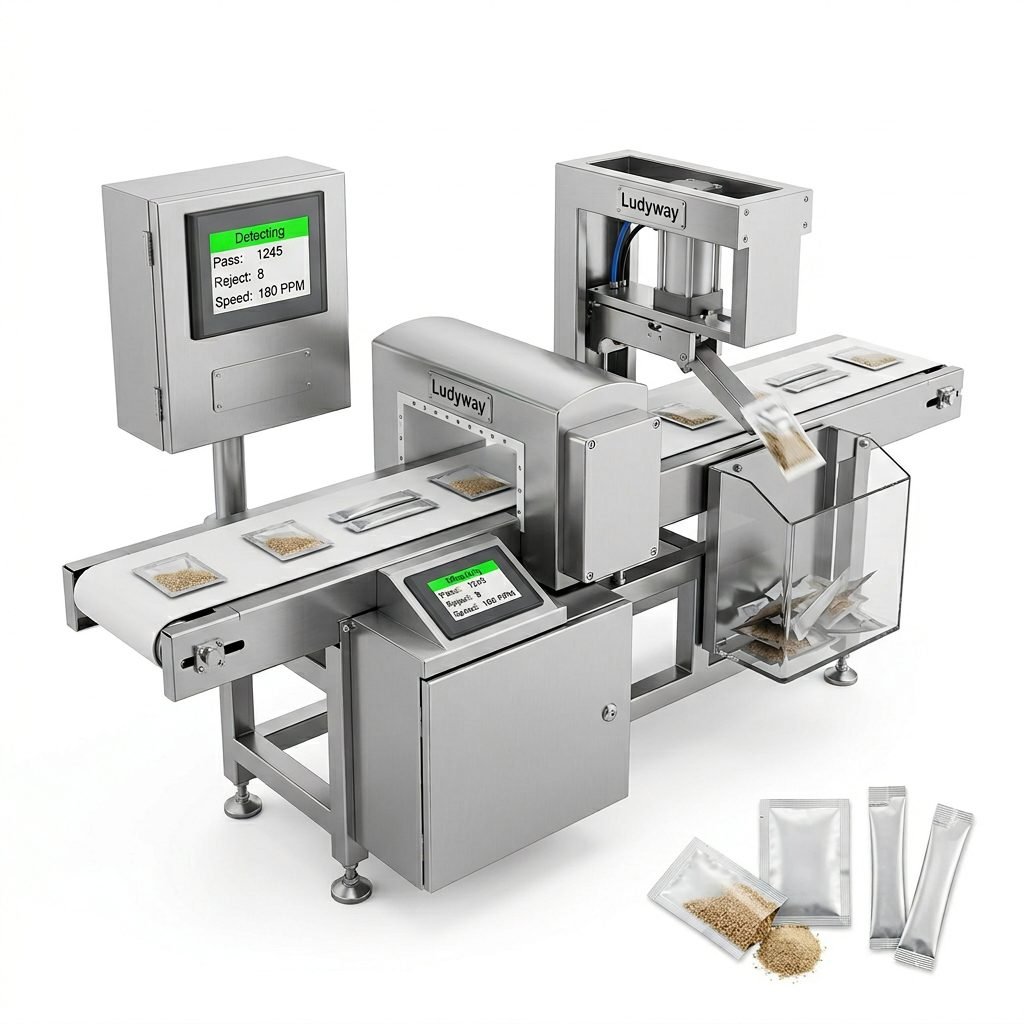
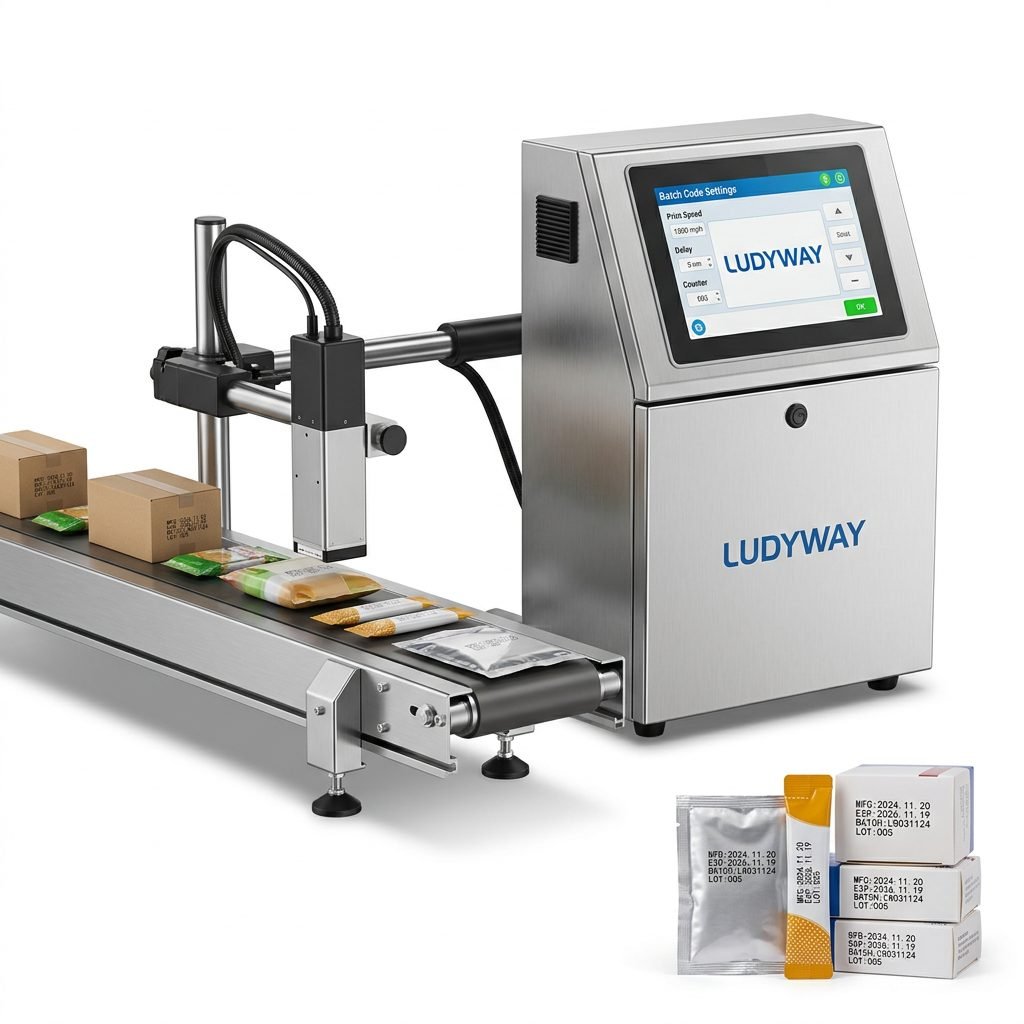
- Easy integration with labeling, coding, inspection, and cartoning systems
Common Packaging Formats for Fasteners
Different fastener businesses require different packaging outputs. A machine can often be configured based on the product type, order pattern, and end-market needs.
1. Poly Bag Packaging
Widely used for screws, nuts, and bolts sold in counted sets or bulk quantities. This is ideal for hardware retail, e-commerce fulfillment, and assembly kits.
2. Pouch Packaging
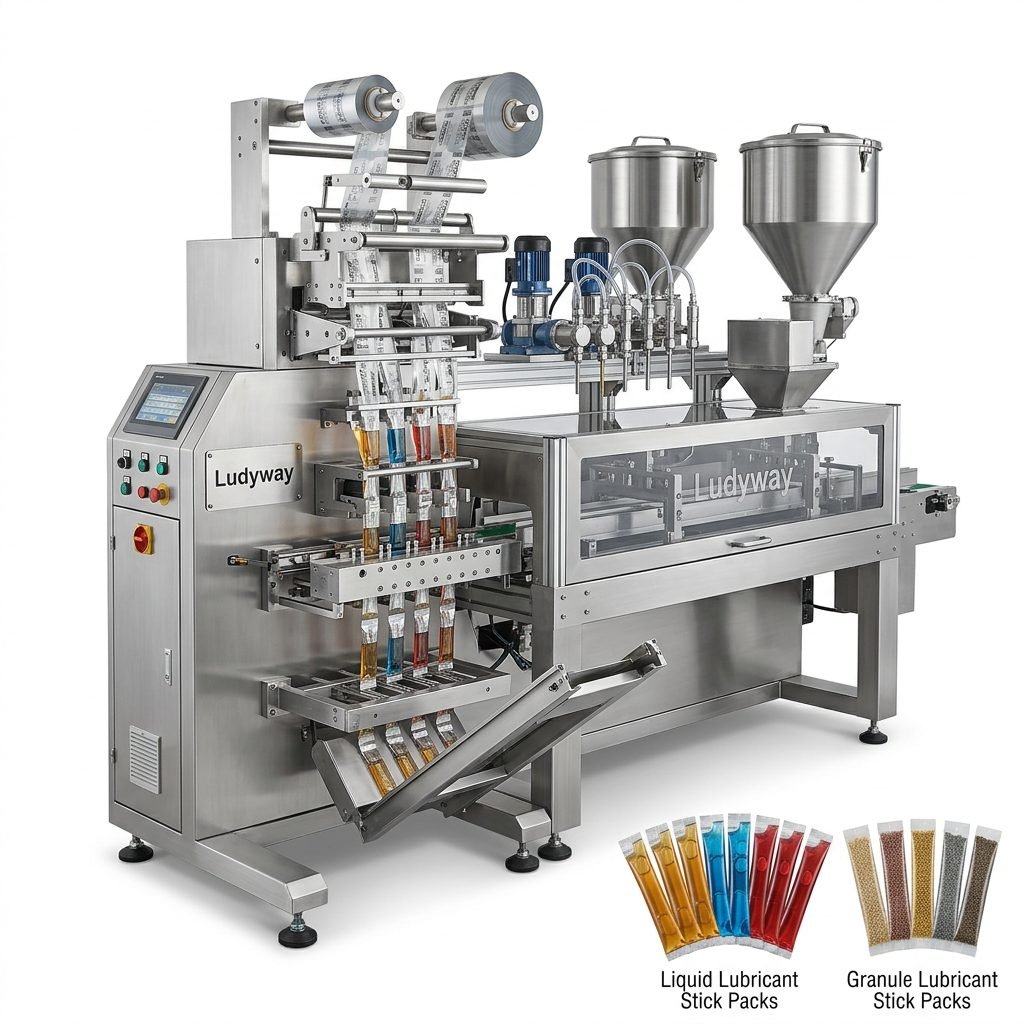
Suitable for branded retail presentation or stronger packaging requirements. Pouches can include printing, labels, and barcode identification.
3. Box or Carton Packing
Often used for larger hardware kits, industrial distribution, or organized product assortments. The machine can feed products into inner bags before final cartoning.
4. Mixed Hardware Kit Packaging
This application is highly popular in furniture, DIY installation sets, and construction accessory kits where different components must be packed in one bag with precise quantities.
Main Types of Fasteners Packing Machines
Automatic Counting Packing Machine
This type is designed to count a pre-set number of screws, bolts, or nuts before filling them into the package. It is highly suitable for standard quantity packs where count accuracy is critical.
Weighing Packing Machine
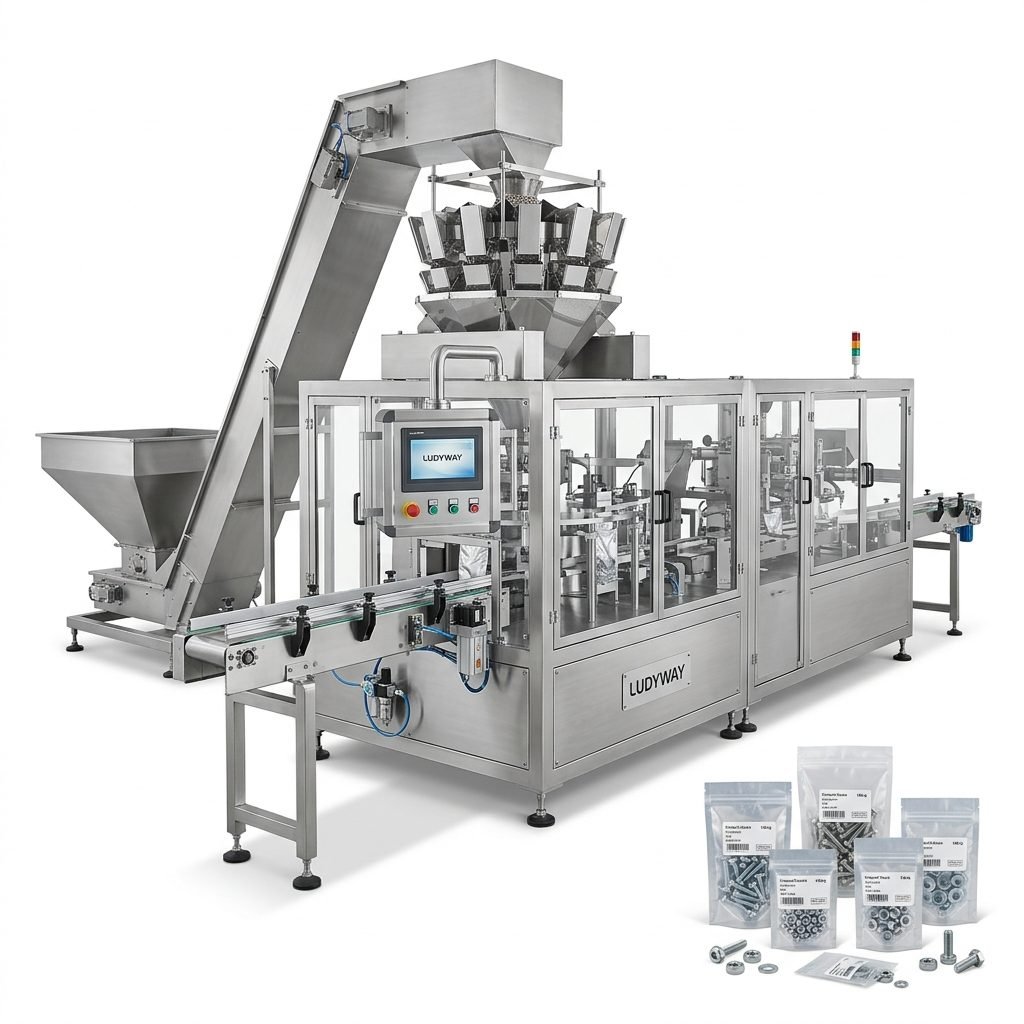
For products with variable size or where count-based packing is less practical, weighing systems can fill packs based on target weight. This is often used for bulk fastener supply.
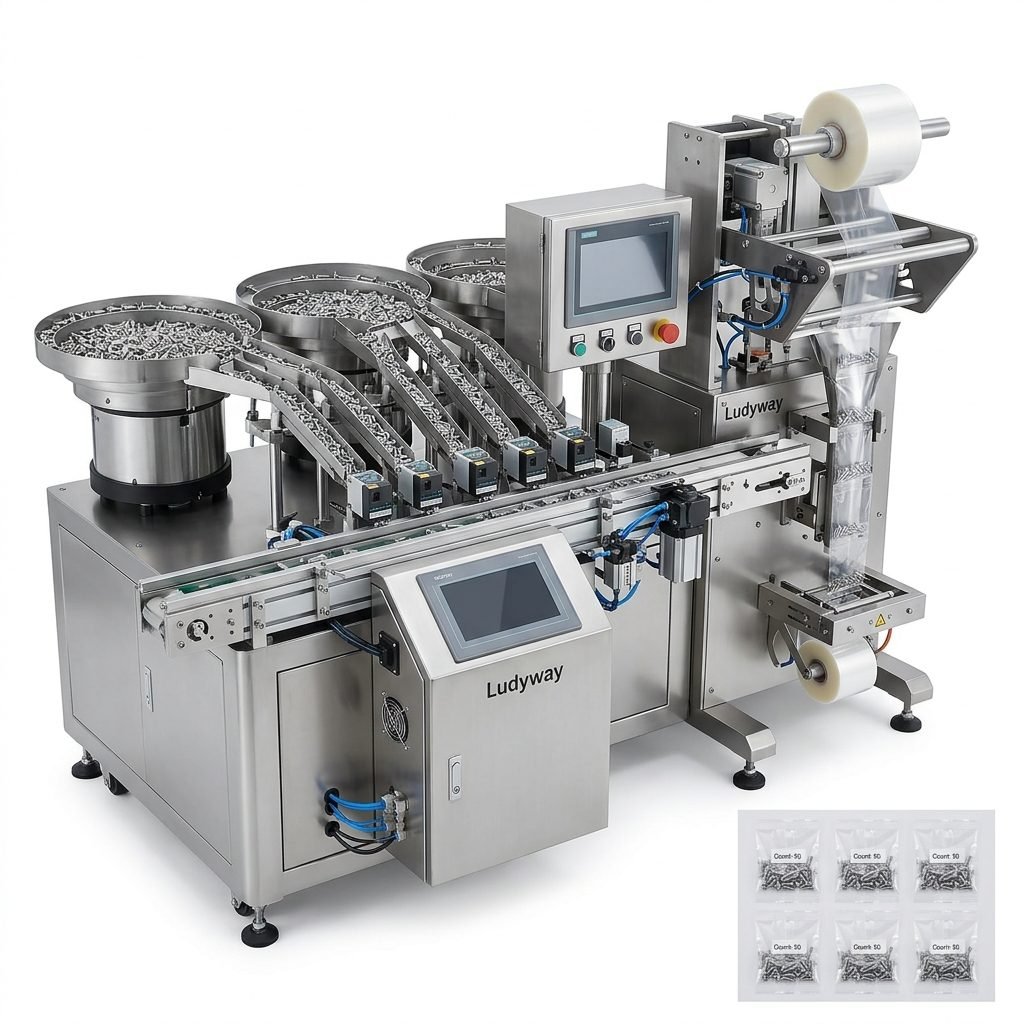
Multi-Bowl or Multi-Vibration Kit Packing Machine
Ideal for assembly kits containing several different parts. Each feeder handles a specific component and releases it in sequence into one package.
Turnkey Fastener Packaging Line
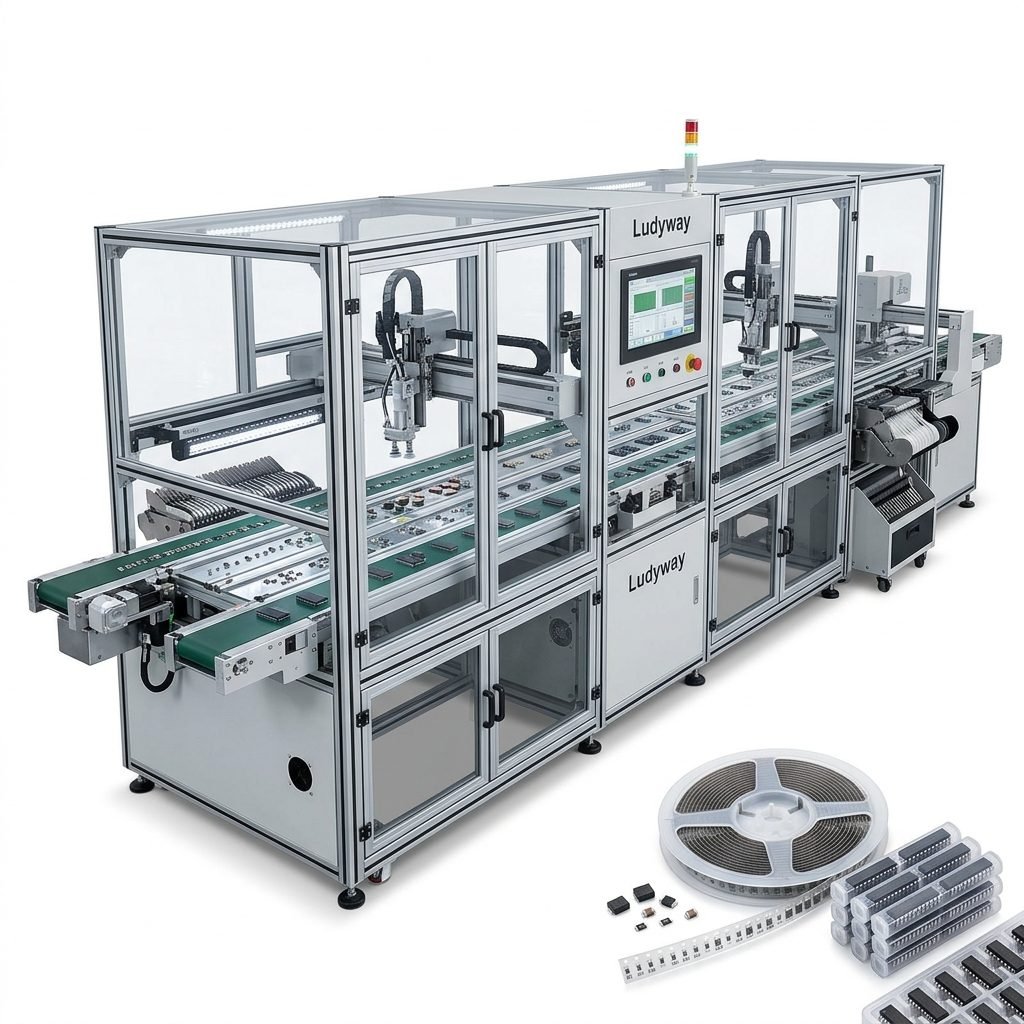
A full line may include feeding, counting, bag forming, sealing, coding, labeling, inspection, cartoning, case packing, and palletizing for fully automated operation.
Important Machine Features to Consider
| Feature | Why It Matters |
|---|---|
| Counting precision | Ensures pack consistency and customer satisfaction |
| Flexible tooling | Supports multiple screw, bolt, or nut sizes |
| Multi-product feeding | Enables mixed hardware kit packaging |
| Bagging compatibility | Allows pillow bags, pouches, or custom pack styles |
| Servo control system | Improves stable operation and parameter adjustment |
| Printing and labeling | Supports SKU management, traceability, and retail compliance |
Industries That Use Fastener Packaging Equipment
Fasteners packing machines are used across many sectors where small metal parts must be packed efficiently and consistently:
- Hardware manufacturing
- Construction supplies
- Furniture accessory kits
- Automotive parts distribution
- Electrical installation products
- DIY retail hardware sets
- E-commerce fulfillment centers
How to Choose the Right Fasteners Packing Solution
Selecting the best machine depends on your product and production goals. Before investing, it is important to define your requirements clearly.
Check Product Variety
If you pack only one screw size, a simpler automatic counting machine may be enough. If you pack mixed sets with washers, nuts, and bolts, a multi-station solution is more suitable.
Confirm Required Packaging Speed
High-volume operations need stable automation with continuous feeding and fast sealing. Smaller businesses may prefer a scalable machine that allows future upgrades.
Review Packaging Format
Choose whether you need bags, pouches, cartons, or combined packaging. The right machine should match both your product flow and customer expectations.
Evaluate Accuracy Demands
For retail and kit packs, precise counts are especially important. Even a small missing quantity can result in complaints, returns, and brand damage.
Think About Integration
If you want a complete automated line, consider compatibility with conveyors, printers, checkweighers, labeling systems, and end-of-line packaging equipment.
Automation Trends in Fastener Packaging
The fastener packaging sector is moving toward more intelligent and connected equipment. Manufacturers increasingly look for systems that offer not only speed, but also traceability, easy changeover, reduced downtime, and data visibility.
- PLC and touchscreen recipe management
- Quick size changeover for multiple SKUs
- Automatic alarm and fault diagnosis
- Vision inspection and weight verification
- Integration with ERP and production control systems
- Modular expansion for future packaging needs
Why Customization Is Important
Not all screws, bolts, and nuts behave the same way during packaging. Shape, surface finish, dimensions, flow characteristics, and required pack count can affect equipment design. That is why many buyers prefer customized systems built around their exact application.
For businesses looking for scalable automatic packaging machinery and integrated line solutions, Ludyway packaging machine manufacturer offers broad packaging expertise, extensive manufacturing experience, and turnkey automation capabilities for diverse industries.
Best Practices for Better Fastener Packaging Performance
- Standardize product sizes where possible to simplify feeding and counting
- Use durable packaging materials that resist puncture from sharp metal edges
- Test counting accuracy with real samples before final machine confirmation
- Include coding or labeling for easier warehouse and retailer tracking
- Plan preventive maintenance to maintain output stability
- Train operators on changeover and daily inspection procedures
Conclusion
A fasteners packing machine is a smart investment for companies that need efficient, accurate, and scalable packaging for screws, bolts, nuts, and other hardware parts. From small retail kits to high-volume industrial packing, automated systems help reduce errors, improve productivity, and deliver more professional packaging results.
By choosing the right counting, weighing, or turnkey packaging line, manufacturers and distributors can build a more competitive operation with stronger quality control and better delivery performance.