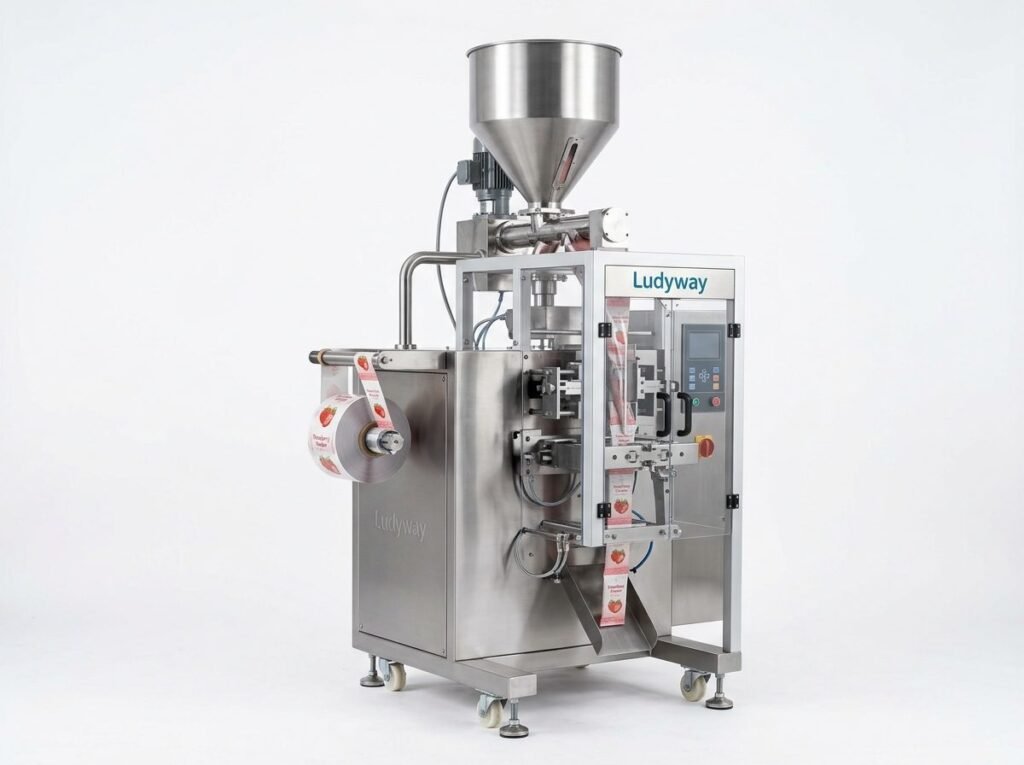
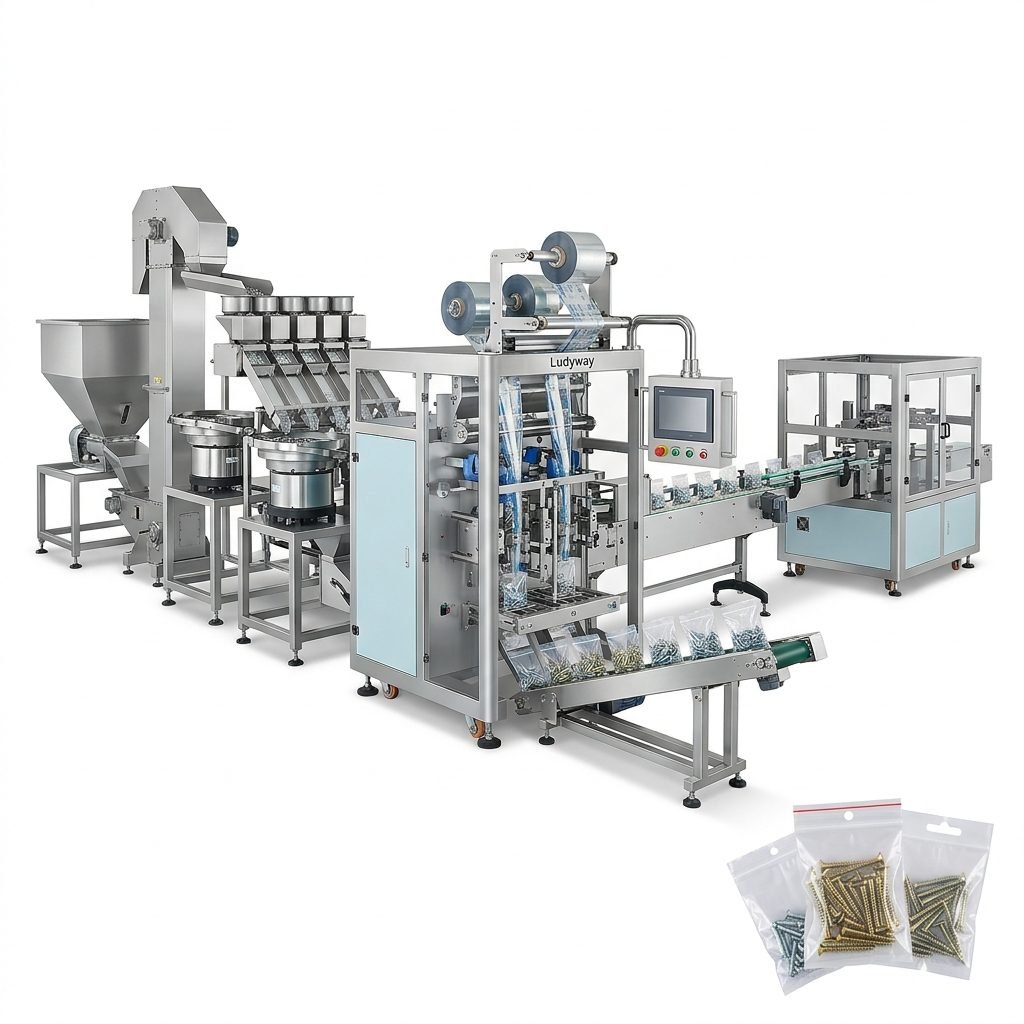
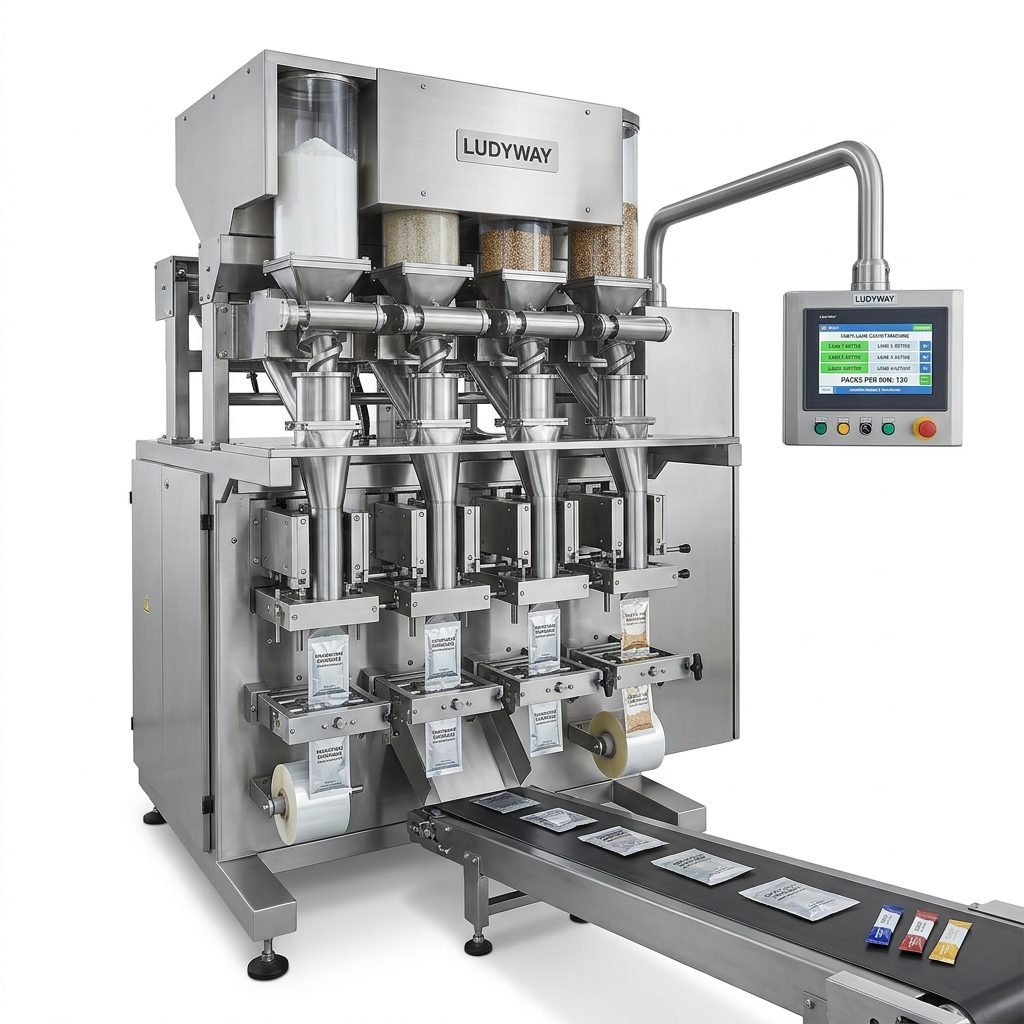
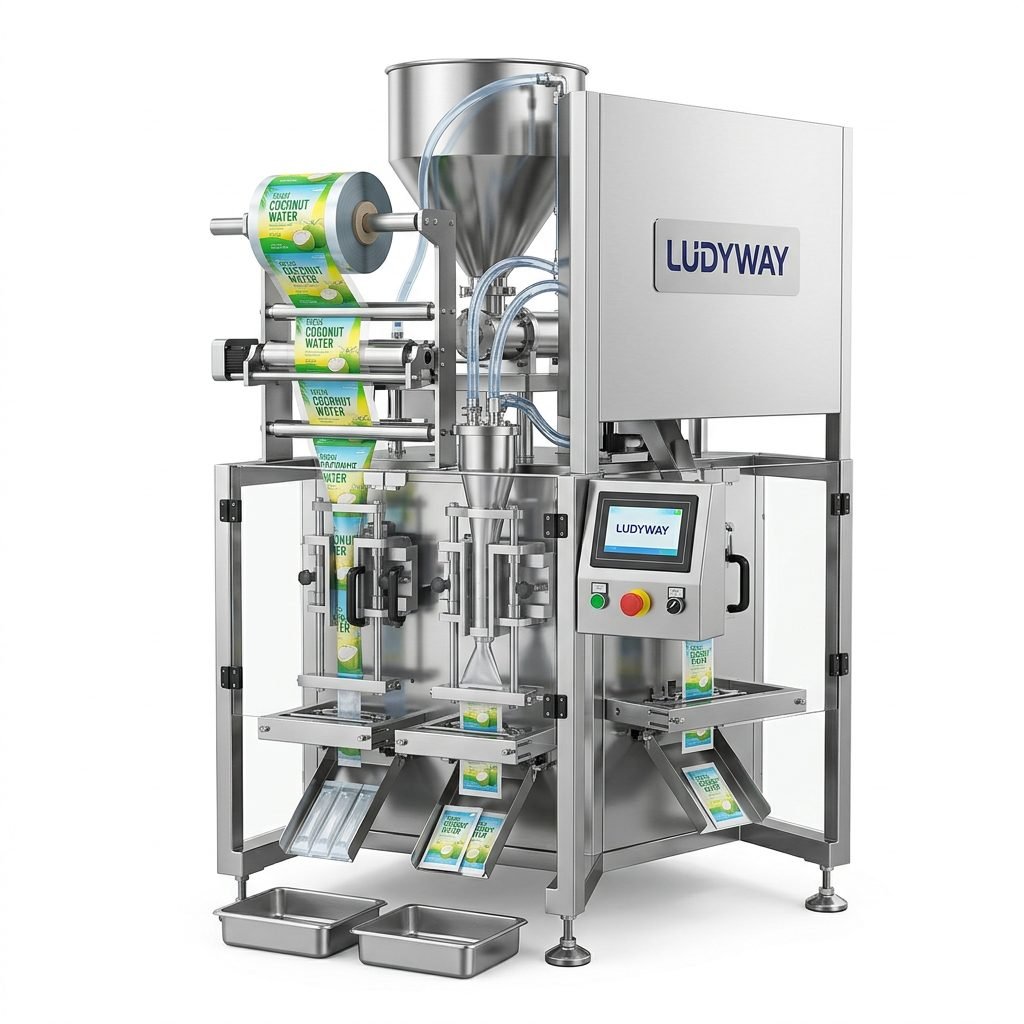
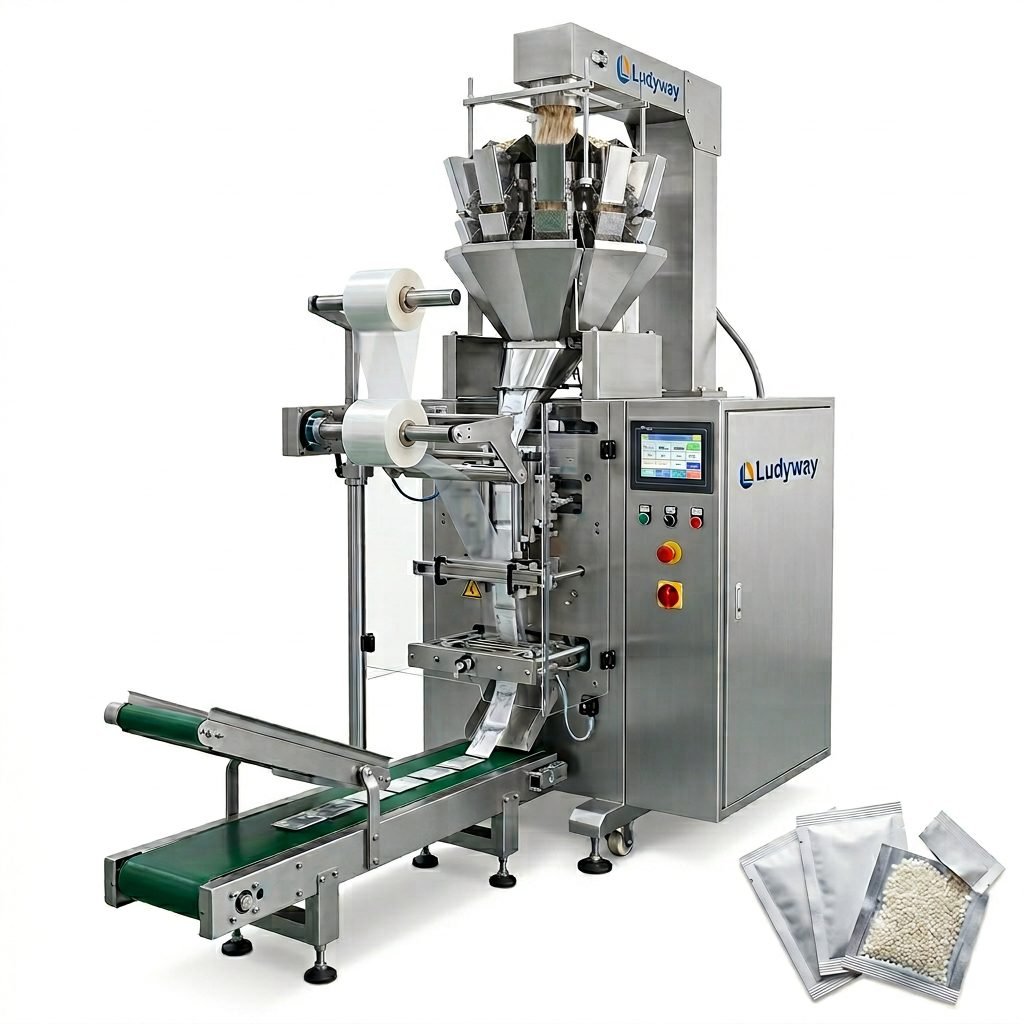
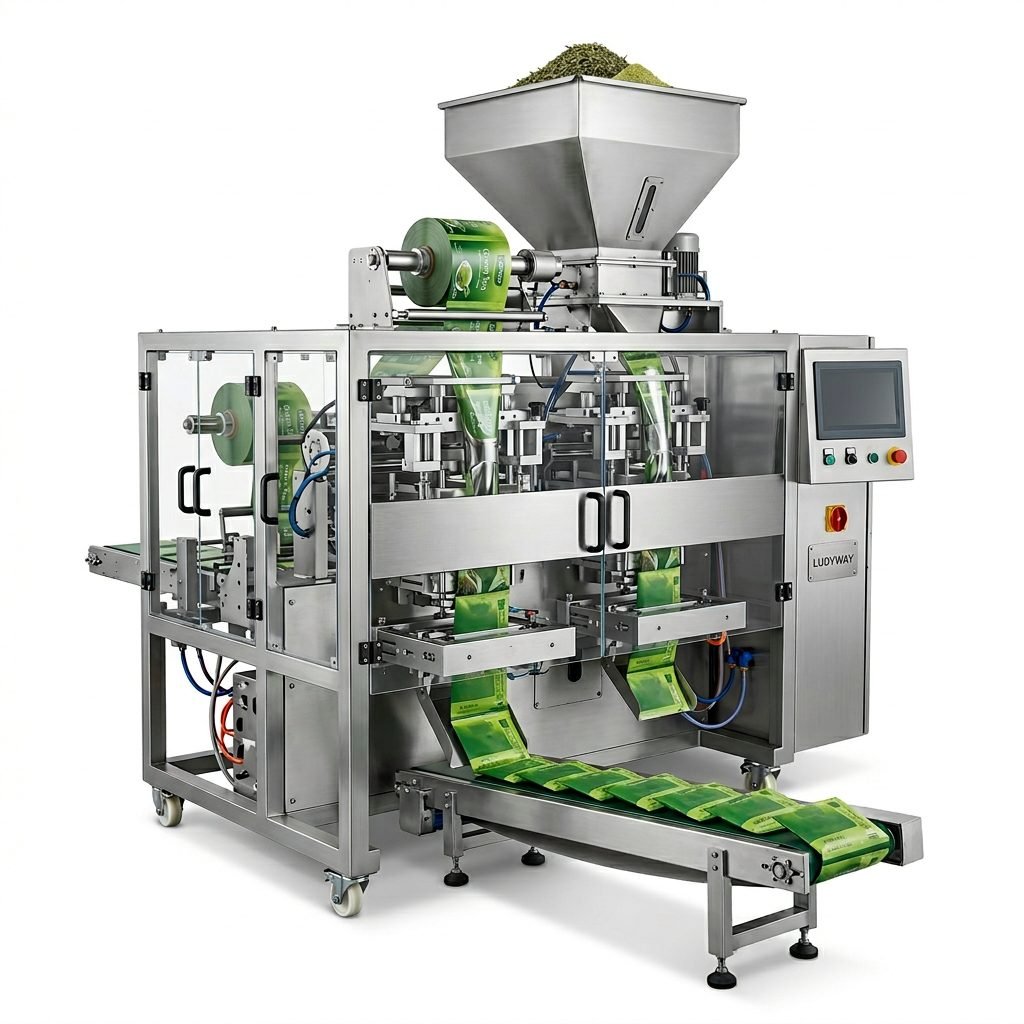
Buying used packaging equipment can be a smart way to expand production without taking on the cost of a brand-new line. Whether you run a food factory, nutraceutical brand, pharmaceutical plant, cosmetics workshop, or contract packing business, the right second-hand machine can improve output and shorten your return-on-investment timeline. The key is knowing how to identify real value instead of hidden repair costs.
This guide explains how to evaluate used packaging machinery, compare offers, avoid common risks, and choose equipment that still delivers stable performance. It also covers when used equipment makes sense and when a new or customized system may be the better investment.
Why Many Buyers Choose Used Packaging Machines
A used packaging machine is not just about lowering upfront cost. For many manufacturers, it is a strategic purchase. If your production demand is rising quickly, second-hand equipment can help you start faster while preserving cash for raw materials, labor, and distribution.
- Lower capital investment: often significantly cheaper than new equipment.
- Faster availability: no long manufacturing lead time in many cases.
- Good for pilot expansion: useful when testing new SKUs or markets.
- Better ROI for simple applications: especially for standard bagging, filling, sealing, or labeling tasks.
- Backup production support: can serve as a secondary machine during peak seasons.
This approach is especially attractive for small and medium-sized manufacturers, co-packers, startup brands, and factories in cost-sensitive industries where production flexibility matters.
What Types of Used Packaging Equipment Are Commonly Available?
The second-hand market includes a wide range of packaging systems. Availability depends on industry turnover, machine age, and whether previous owners upgraded to higher-speed automation.
| Machine Type | Typical Applications | Used Market Suitability |
|---|---|---|
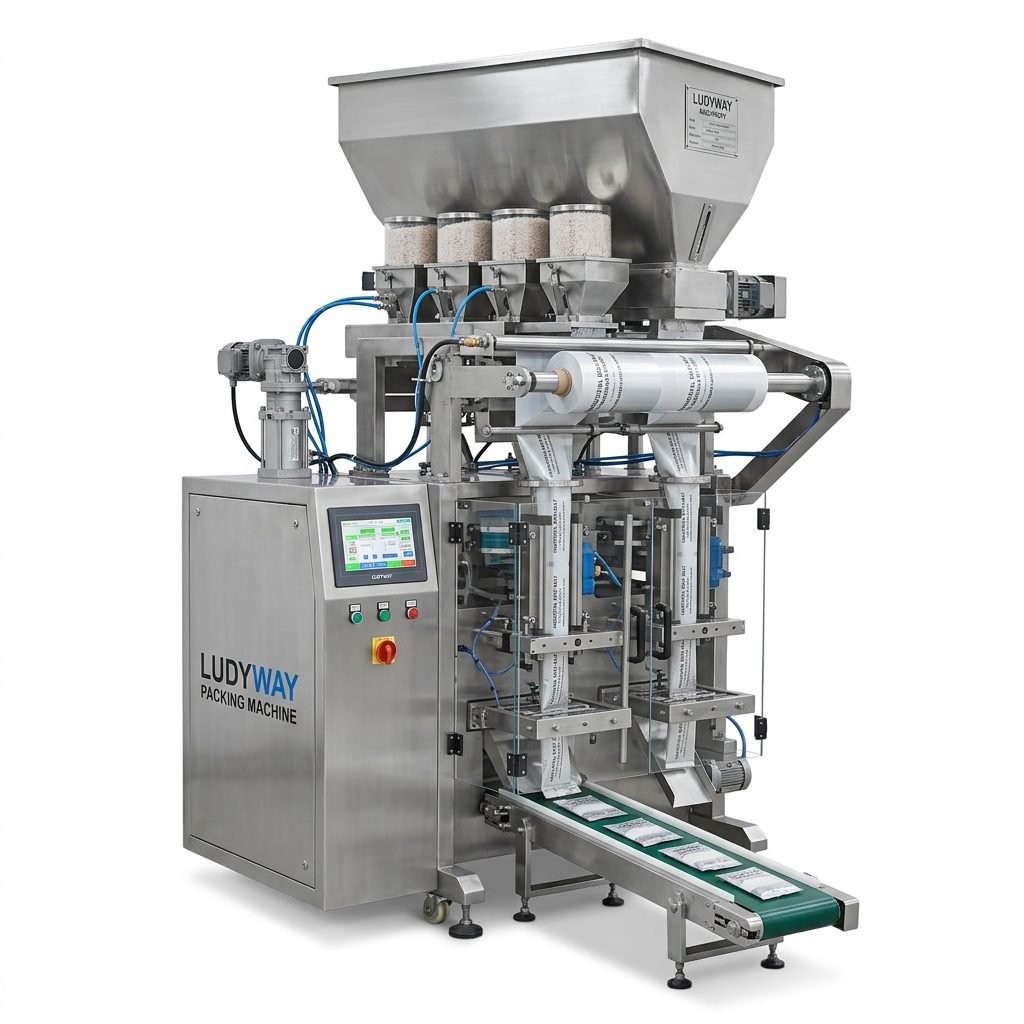
| Vertical form fill seal machines | Powder, granules, snacks, coffee, seasonings | High |
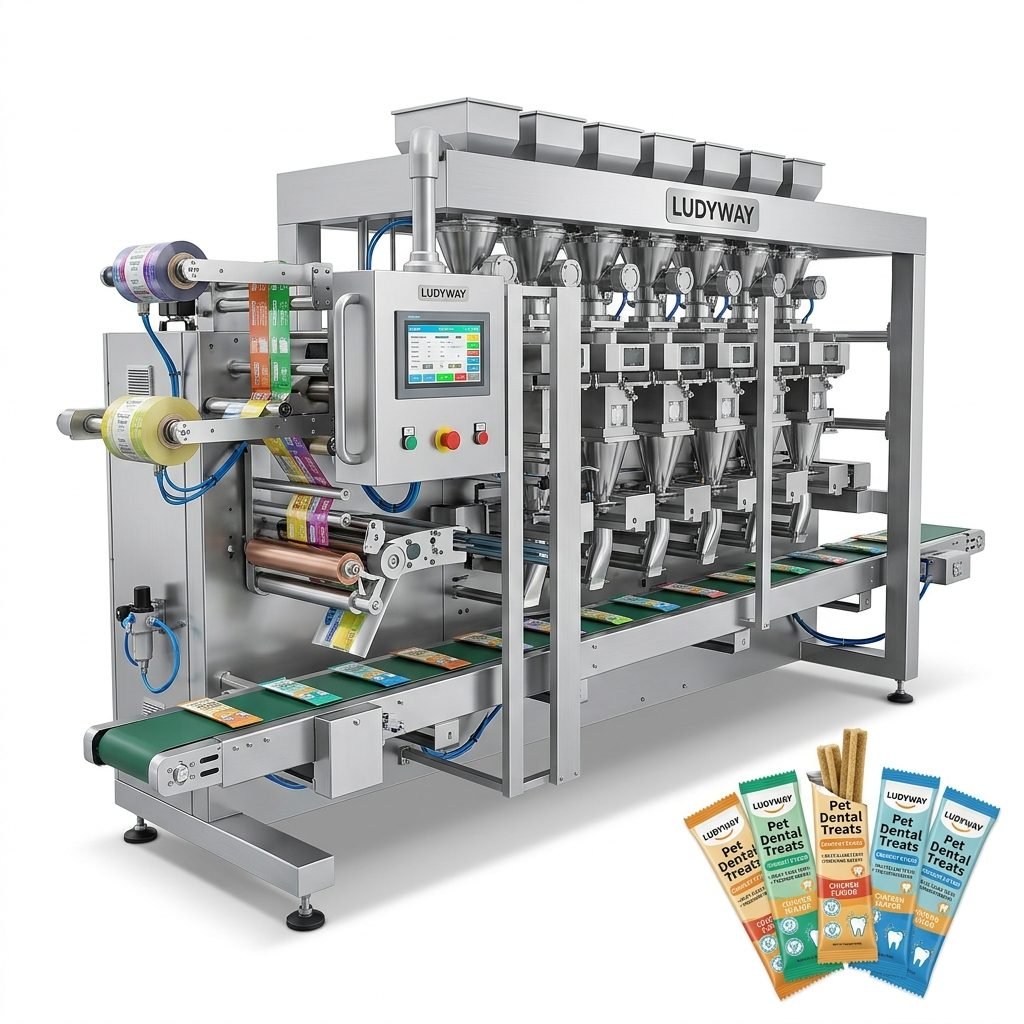
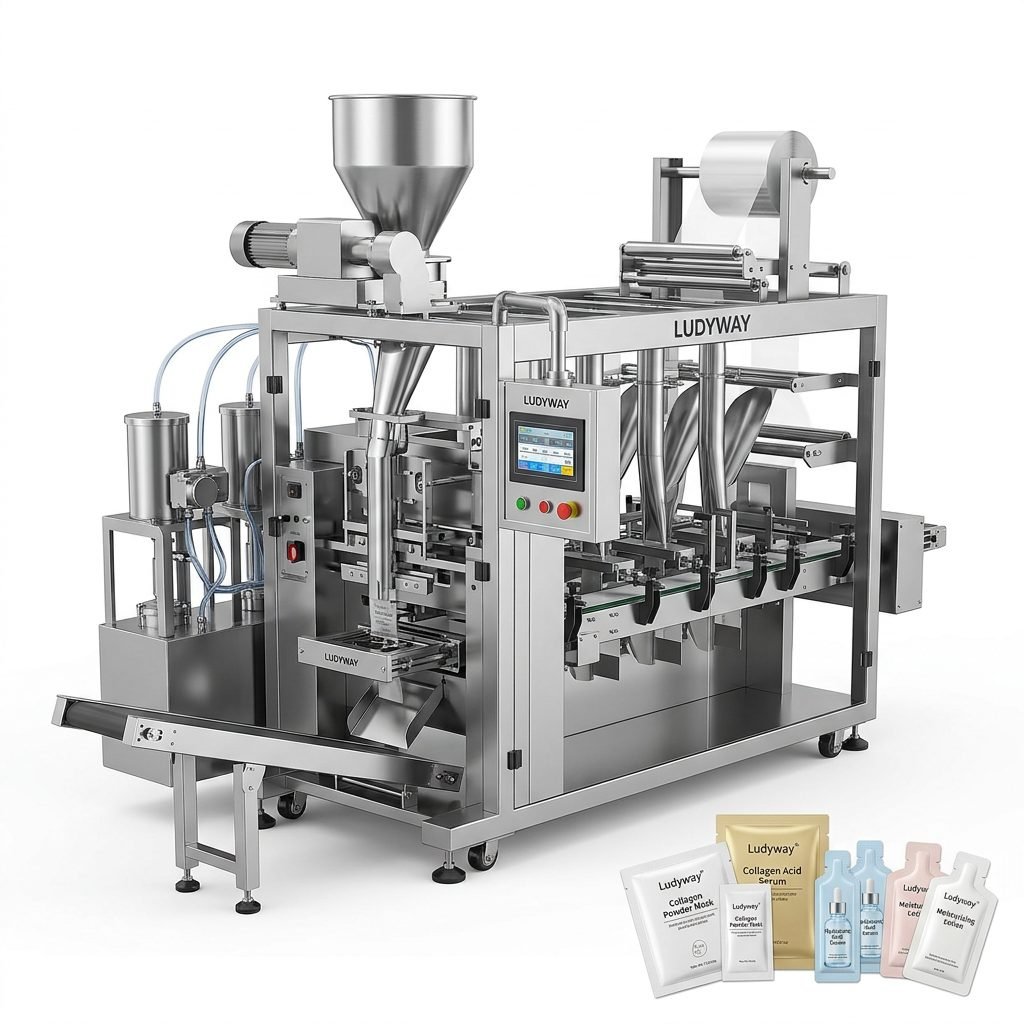
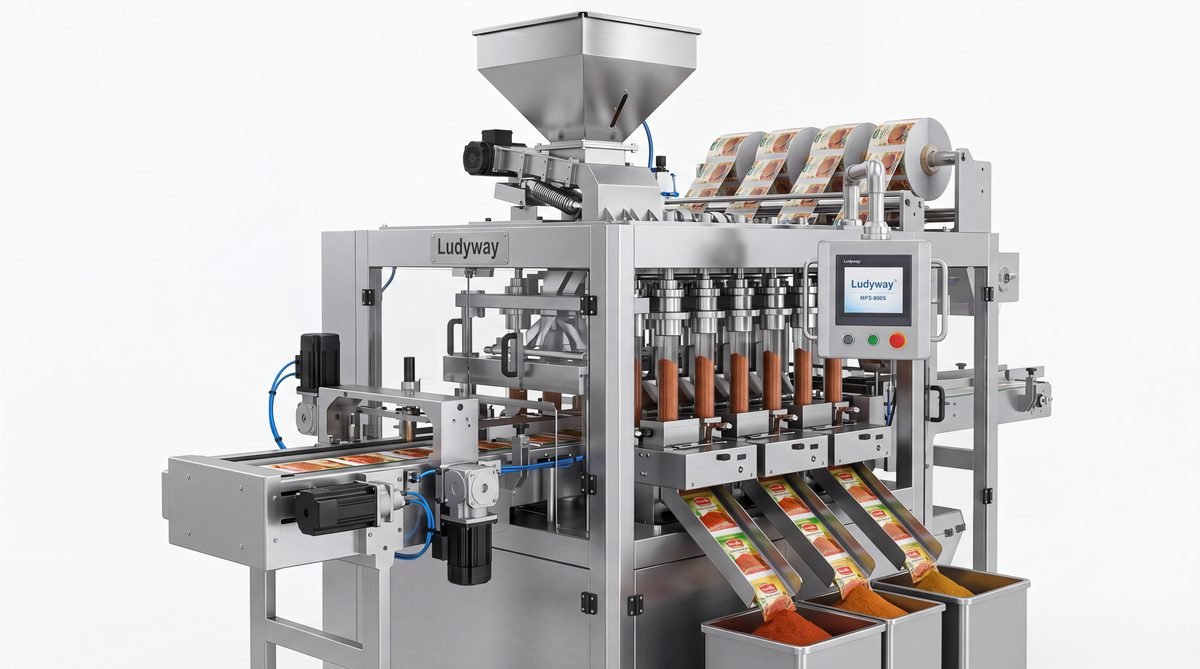
| Sachet and stick pack machines | Liquids, powders, health products, cosmetics | Medium to High |
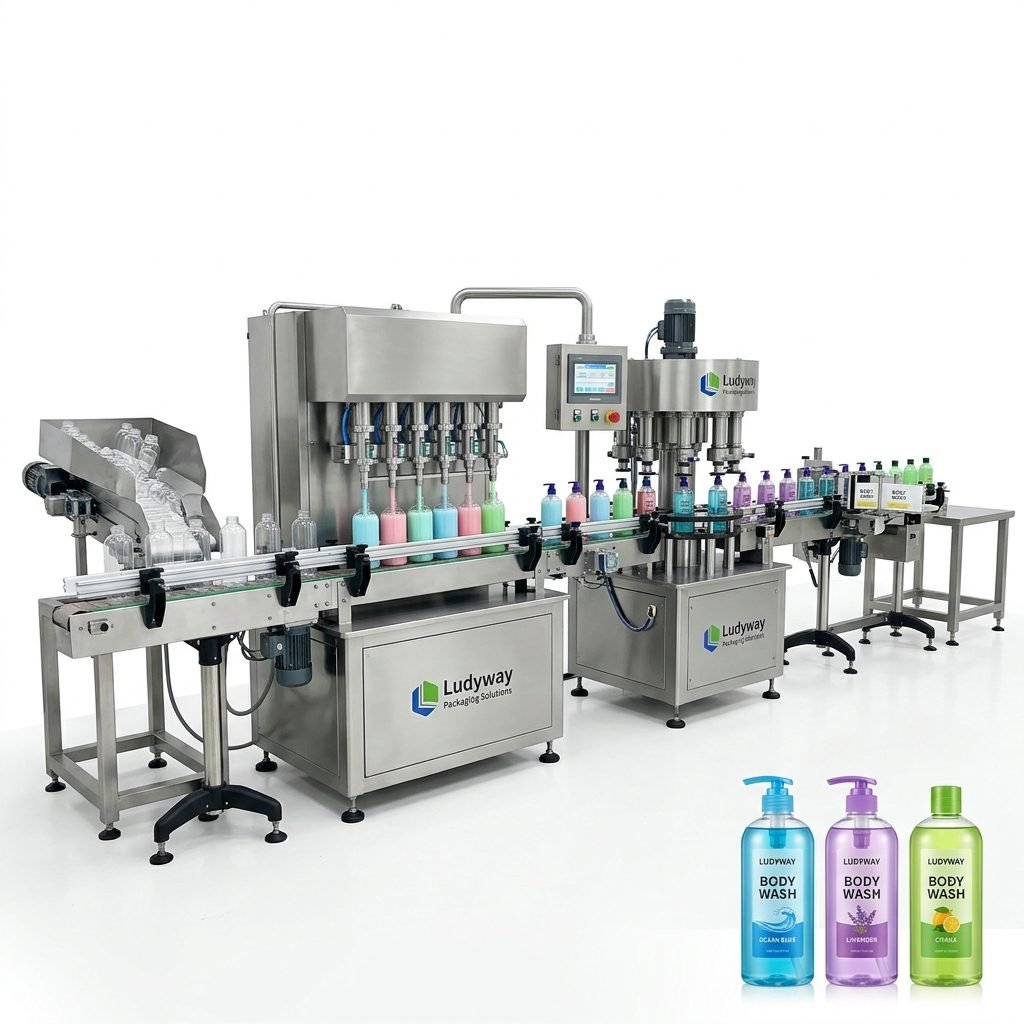
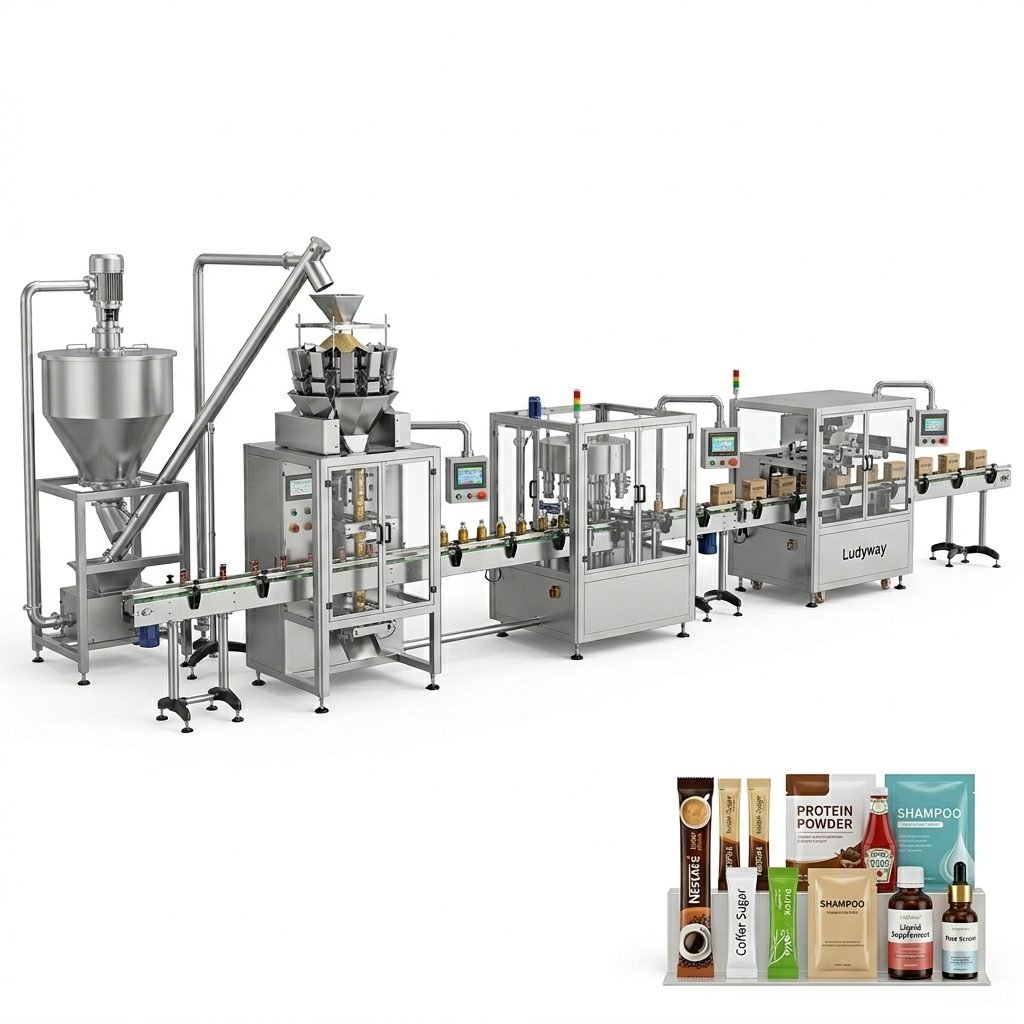
| Bottle filling and capping lines | Pharma, syrup, lotion, shampoo | Medium |
| Pouch filling and sealing machines | Foods, sauces, supplements, chemicals | High |
| Cartoning and case packing systems | Secondary packaging | Medium |
| Conveyors, feeders, checkweighers | Line support and automation | High |
How to Find the Best Deals on Used Packaging Machines
The best deal is not always the cheapest machine. A truly good purchase balances price, condition, serviceability, spare parts access, and compatibility with your products and packaging materials.
1. Start with a Clear Production Requirement
Before contacting sellers, define your technical needs:
- Product type: powder, liquid, paste, granule, tablet, pouch, etc.
- Target output per minute or per hour
- Package format and dimensions
- Material compatibility
- Voltage and factory utility requirements
- Cleaning and hygiene standards
- Available floor space
This prevents wasted time on machines that look affordable but cannot match your production goals.
2. Compare Multiple Sources
Good used packaging equipment can be found through:
- Direct factory resale
- Equipment dealers and liquidation companies
- Auction platforms
- Industry networks and trade contacts
- Manufacturers offering rebuilt or inspected systems
Comparing at least three offers helps you understand the real market price and identify suspicious listings.
3. Request Detailed Machine History
Always ask for as much background information as possible. A seller who cannot provide basic history may also be unable to prove maintenance quality.
| What to Ask | Why It Matters |
|---|---|
| Year of manufacture | Helps estimate wear level and technology relevance |
| Previous product application | Shows whether the machine suits your product category |
| Operating hours | Indicates actual usage, not just age |
| Maintenance records | Reveals care level and recurring issues |
| Parts replaced or upgraded | Can improve value if quality upgrades were done |
| Reason for sale | Helps identify whether sale is due to expansion or chronic failure |
How to Check Whether the Equipment Is Reliable
Reliability is the most important factor in used equipment buying. A low purchase price means little if the machine causes downtime, inaccurate filling, sealing failures, or difficult changeovers.
Inspect Mechanical Condition
- Check frame integrity, rust, cracks, and corrosion
- Inspect sealing jaws, forming parts, nozzles, pumps, augers, and drives
- Look for abnormal vibration or uneven motion
- Evaluate bearings, chains, belts, and guide rails
- Check pneumatic components for leakage
Review Electrical and Control Systems
- PLC and HMI brand and model
- Availability of replacement sensors, relays, and drives
- Condition of wiring, panel layout, and safety circuits
- Software accessibility and parameter backup
- Emergency stop and guarding compliance
Run a Real Product Test
If possible, ask for a video test or live demonstration with material similar to your own. A reliable test should show:
- Stable feeding
- Accurate dosing
- Consistent sealing quality
- Acceptable speed under load
- Minimal waste or leakage
Tip: A running machine is far more trustworthy than a machine shown only in still photos.
Red Flags to Avoid When Buying Used Packaging Equipment
- Seller refuses inspection or test run
- No serial number or nameplate
- Very low price with unclear reason
- Visible modifications without documentation
- Obsolete control system with unavailable parts
- Poor cleaning condition, especially for food or pharma use
- No manuals, wiring diagrams, or spare parts list
- Machine speed claims that cannot be verified
Used vs. Rebuilt vs. New: Which Is Better?
Not all buyers should choose a simple used machine. In many cases, a rebuilt or customized new system delivers better long-term value.
| Option | Best For | Main Advantage | Main Risk |
|---|---|---|---|
| Used | Budget-sensitive projects | Low upfront cost | Unknown wear and shorter lifespan |
| Rebuilt / refurbished | Buyers wanting lower cost with improved reliability | Balanced price and performance | Quality depends on rebuild standard |
| New | Long-term growth, regulated industries, custom applications | Warranty, support, latest automation | Higher capital cost |
When Buying New May Be the Smarter Choice
A used machine is not always the best answer. If your packaging process requires strict validation, high precision, or complex multi-lane automation, new equipment may reduce long-term risk.
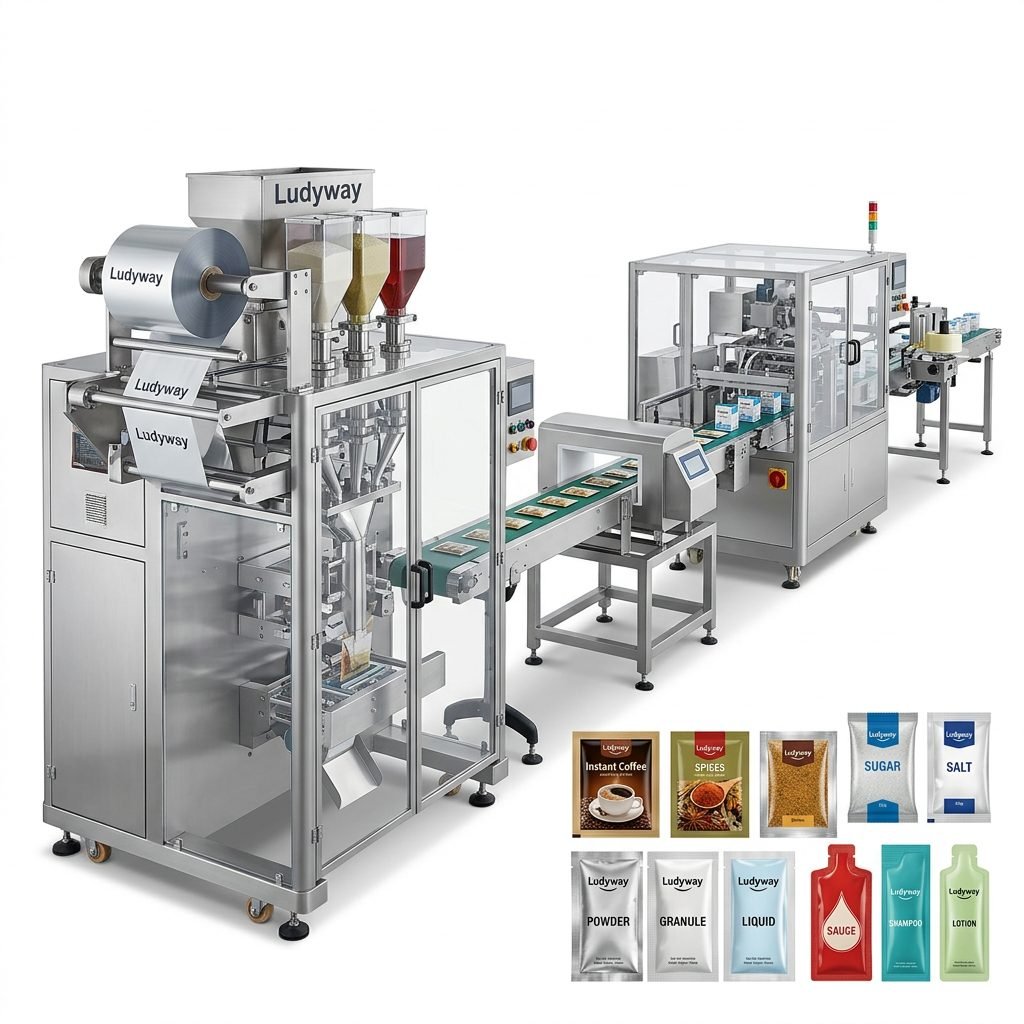
For example, manufacturers in food, pharmaceutical, health supplement, cosmetic, and chemical sectors often need machinery with stable dosing accuracy, upgradeable controls, and reliable technical support. In such cases, working with an established manufacturer such as Ludyway packaging machine solutions can be a stronger option when you need scalable production, turnkey integration, or customized configurations.
Questions You Should Ask Before Paying
- Can the machine run my exact product and packaging format?
- What parts are included in the sale?
- Are manuals, wiring drawings, and operating instructions available?
- Can I see a production video or arrange a factory inspection?
- Which wear parts should be replaced immediately?
- Are spare parts still easy to source?
- What is the installation requirement?
- Will the supplier provide remote or onsite support?
- What is the total landed cost including shipping, taxes, and setup?
- Does the machine meet local safety and compliance requirements?
How to Calculate the Real Cost of a Used Packaging Machine
Many buyers focus only on the purchase price, but the real cost is broader. A cheap machine can become expensive after transport, maintenance, retrofitting, and downtime.
| Cost Element | Include in Budget? |
|---|---|
| Machine purchase price | Yes |
| Inspection and testing | Yes |
| Disassembly and loading | Yes |
| Freight and insurance | Yes |
| Import duties and taxes | Yes |
| Parts replacement | Yes |
| Retrofitting or control upgrades | Often |
| Installation and commissioning | Yes |
| Operator training | Yes |
| Downtime risk | Yes |
Best Industries for Buying Used Packaging Machines
Used packaging machinery is often a practical option in the following sectors:
- Dry food and seasoning packaging
- Coffee, sugar, salt, and powder sachets
- Pet food and feed packaging
- Household cleaning products
- Basic cosmetic sachet filling
- Simple granule or powder pouch production
For more demanding industries like pharmaceuticals, sterile medical products, highly viscous liquids, or high-speed multi-lane systems, buyers should be much more cautious and often prefer new or professionally rebuilt machines.
Final Buying Checklist
- Match the machine to your product
- Verify machine age and operating condition
- Check spare parts availability
- Request video proof or onsite test
- Review manuals and technical documents
- Calculate the full installed cost
- Confirm after-sales support
- Compare used cost against new machine value
Conclusion
A used packaging machine can be an excellent investment when it is chosen carefully. The best deals come from machines with clear history, verified performance, available spare parts, and reasonable upgrade potential. Instead of buying on price alone, focus on reliability, compatibility, and total lifecycle cost.
If your project requires higher accuracy, broader product flexibility, or a complete packaging line with long-term support, comparing second-hand equipment with modern manufacturer-built systems is the smartest way to protect your investment and production capacity.