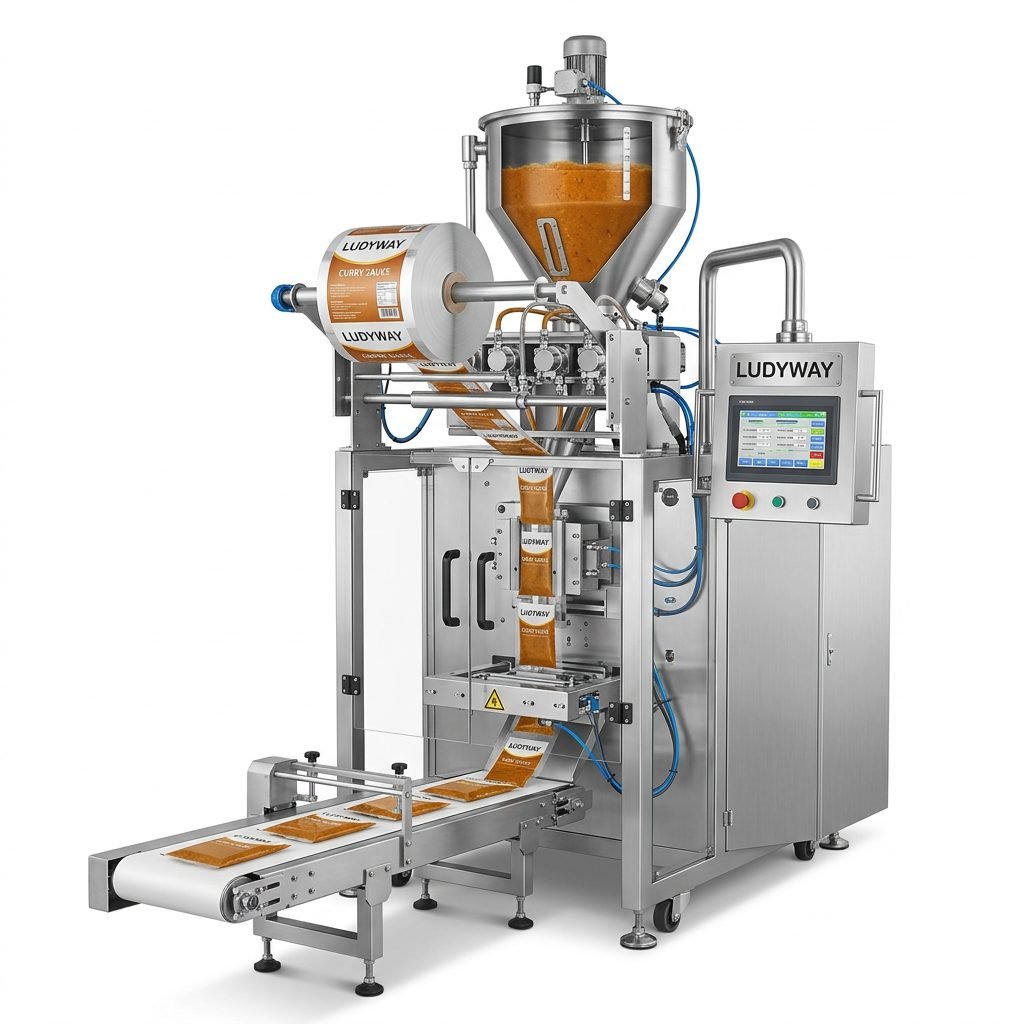
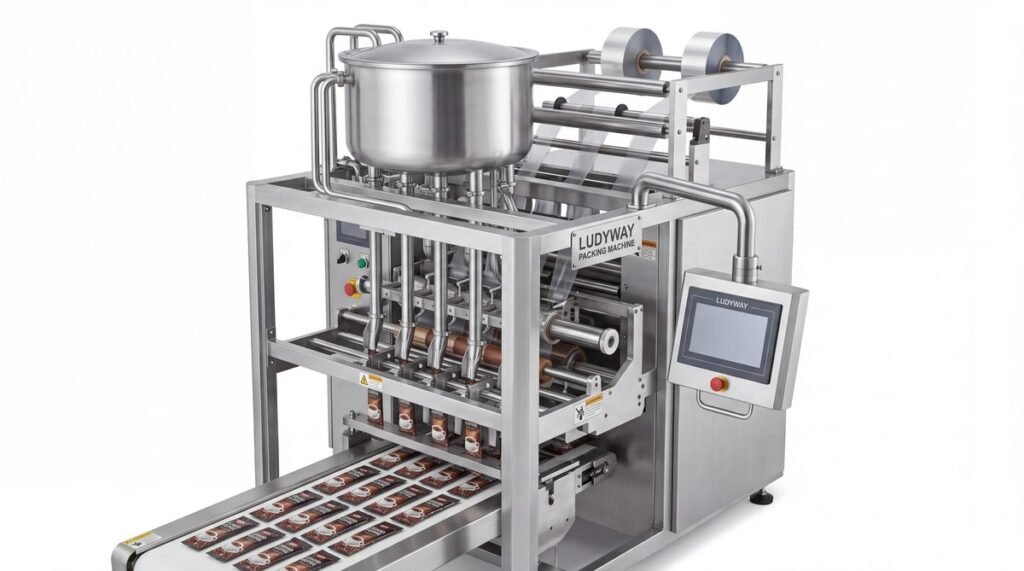
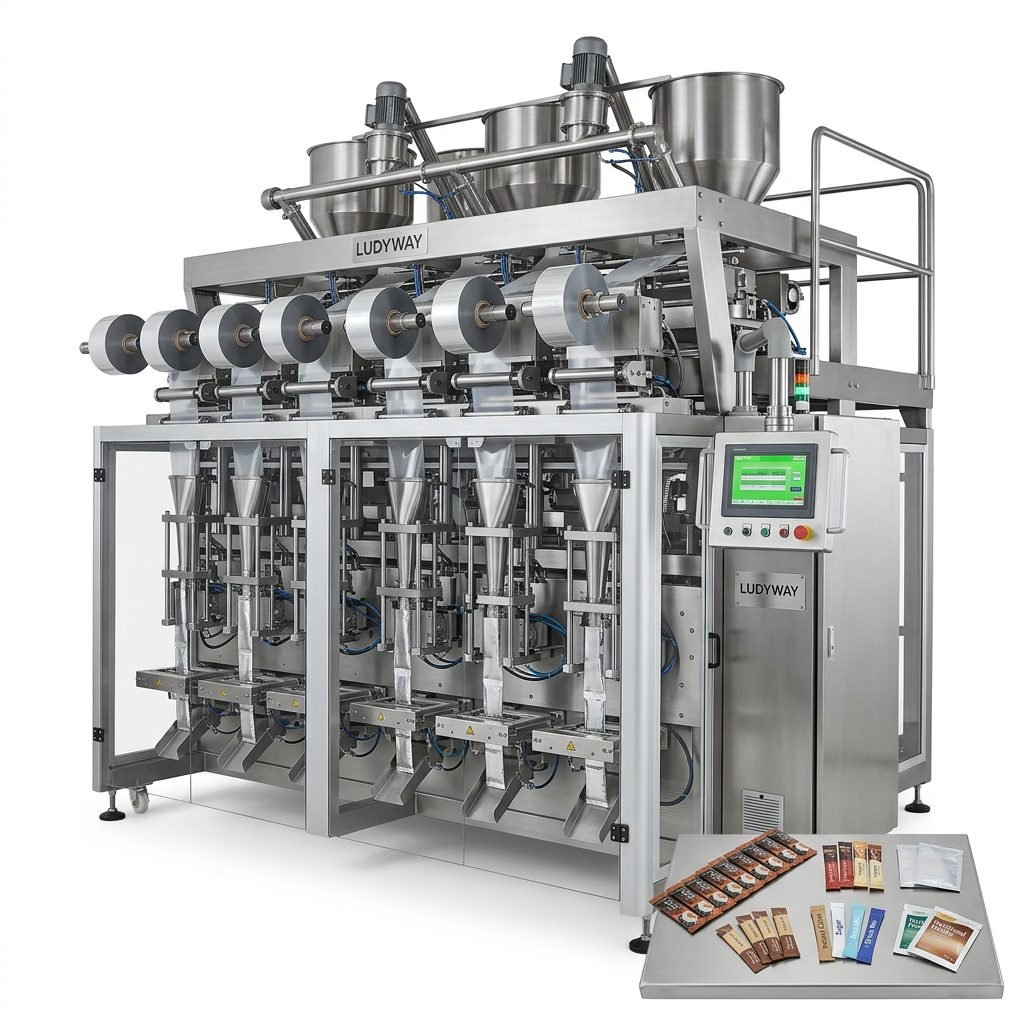
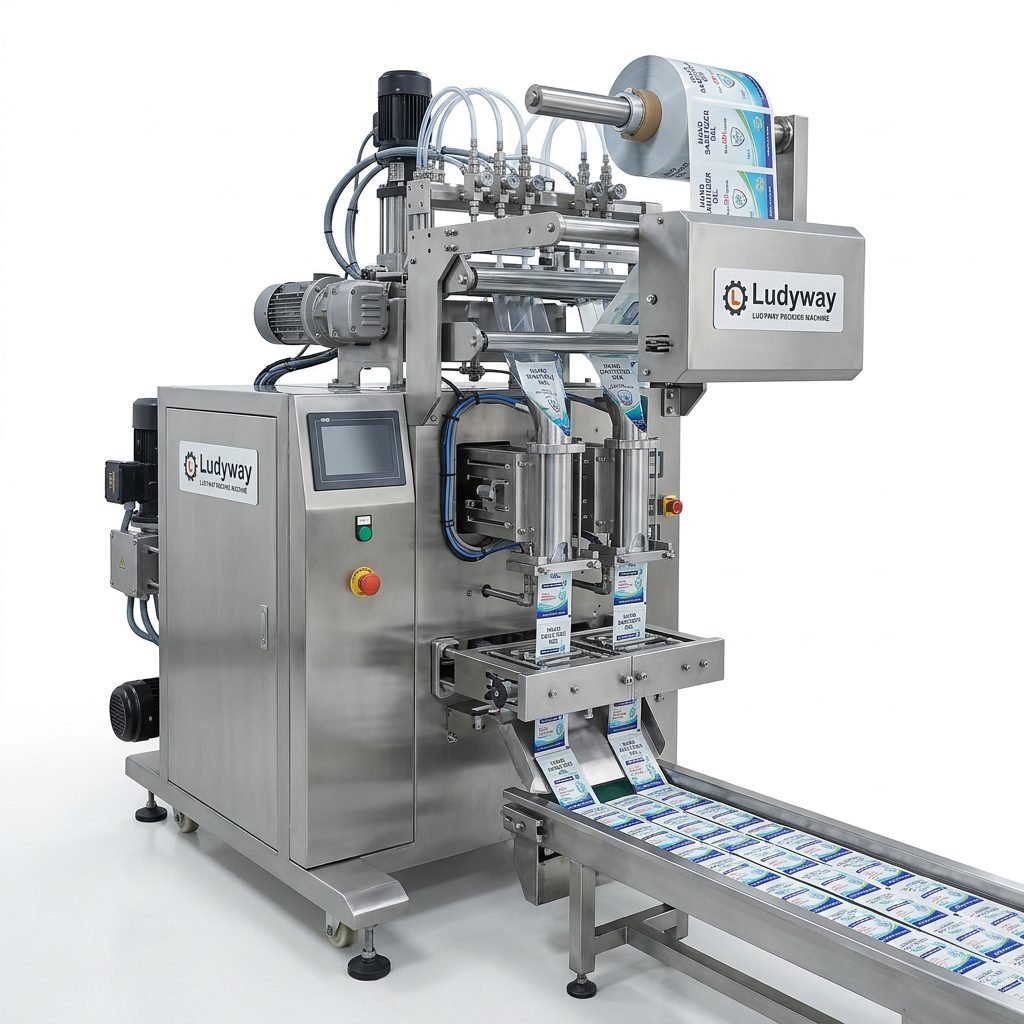
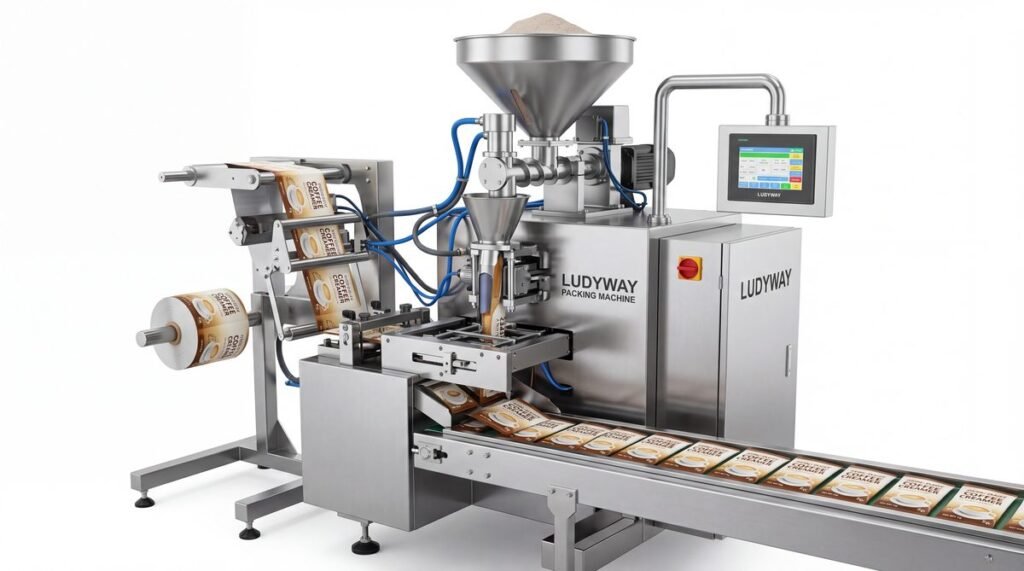
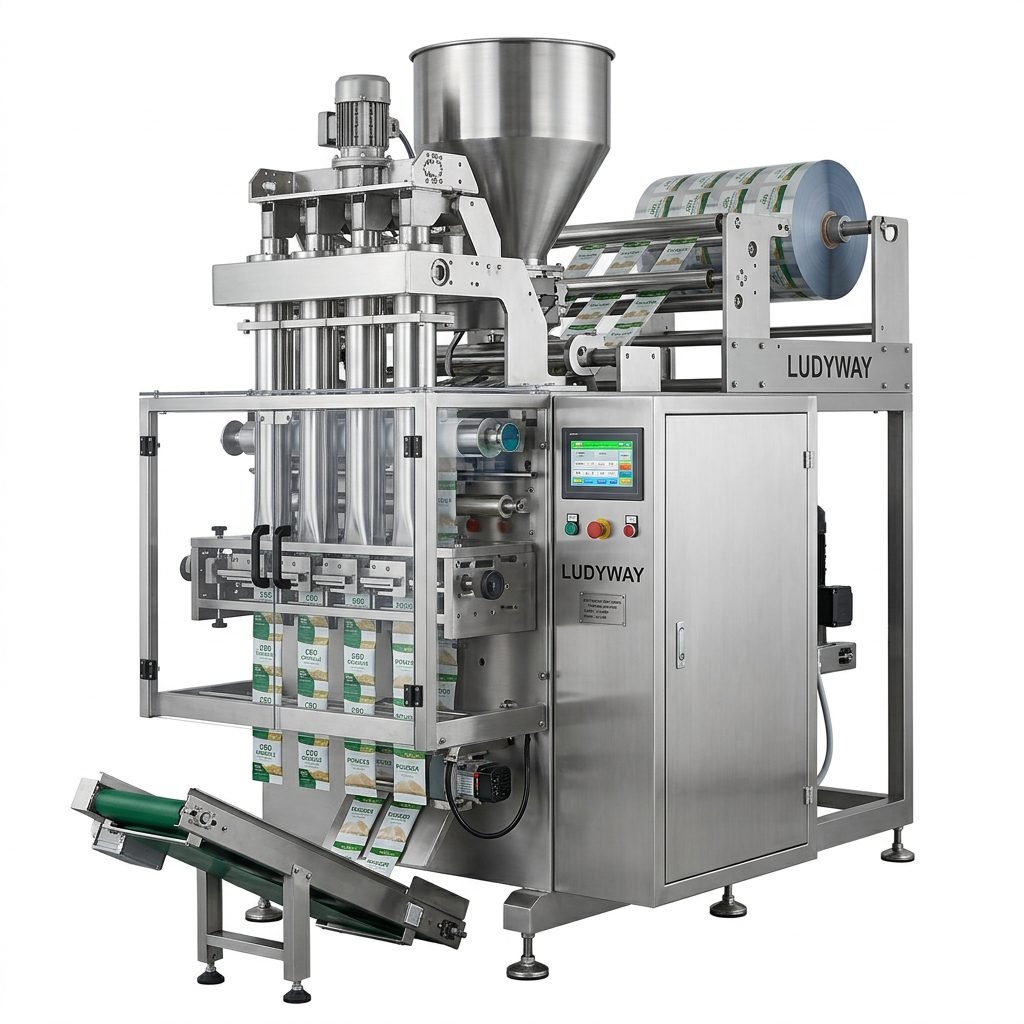
A tape packing machine can dramatically improve packing speed, sealing consistency, and overall production efficiency. Whether you package sachets, stick packs, pouches, or bundled products, the right machine should match your product type, output target, packaging material, and future expansion plans. Choosing correctly means lower waste, fewer stoppages, and a better return on investment.
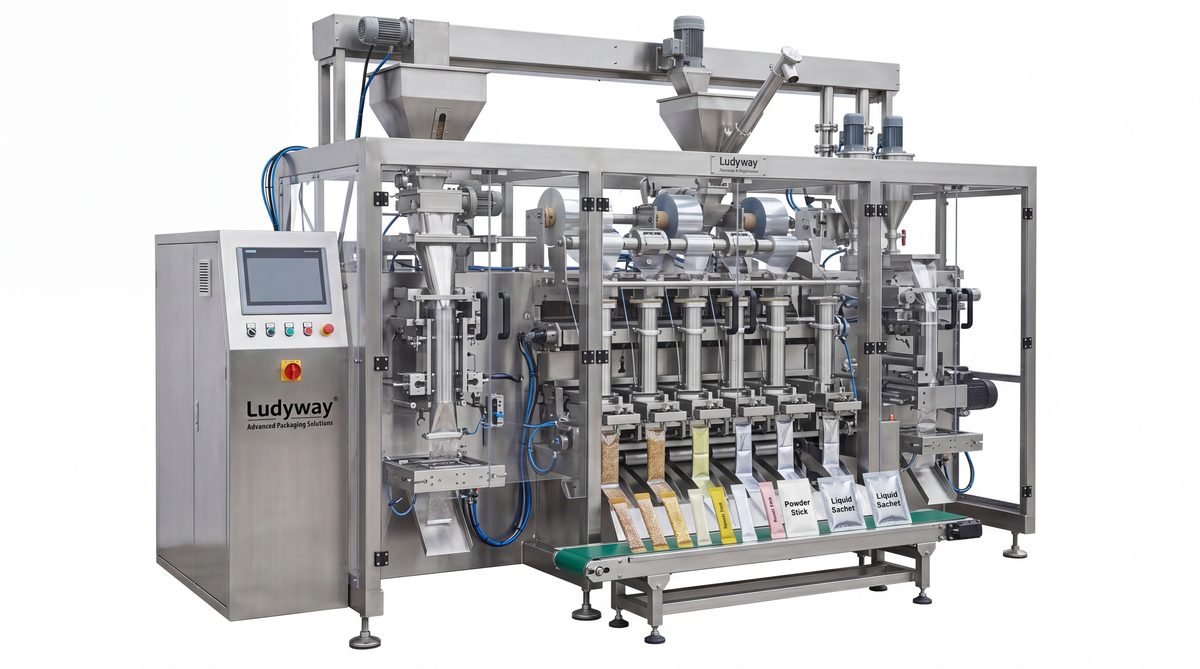
What Is a Tape Packing Machine?
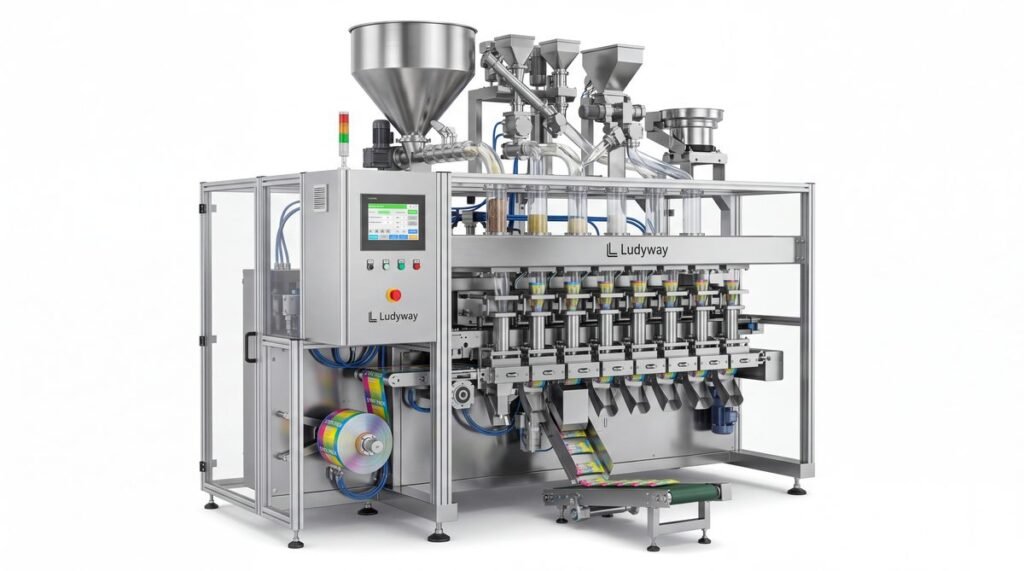
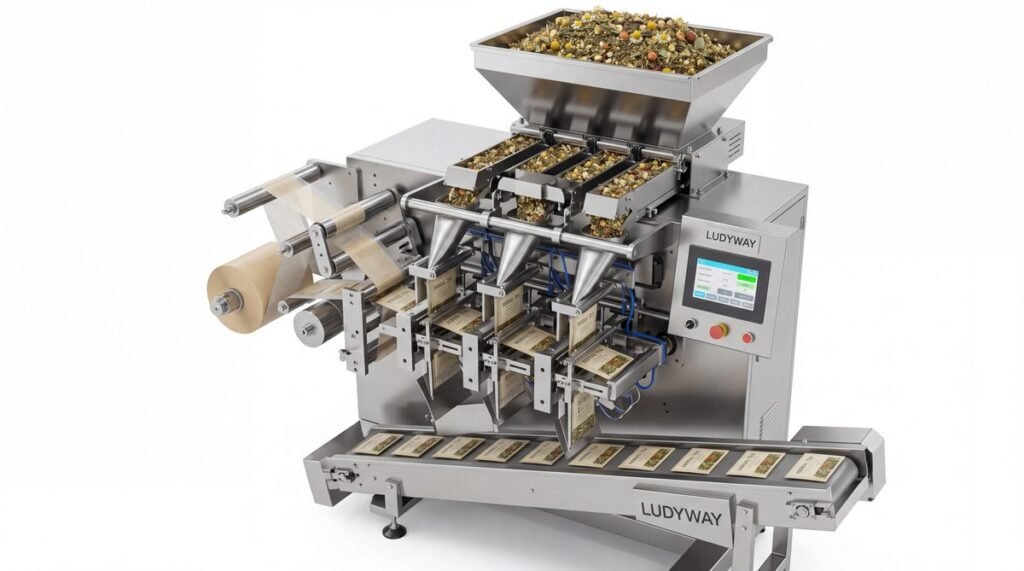
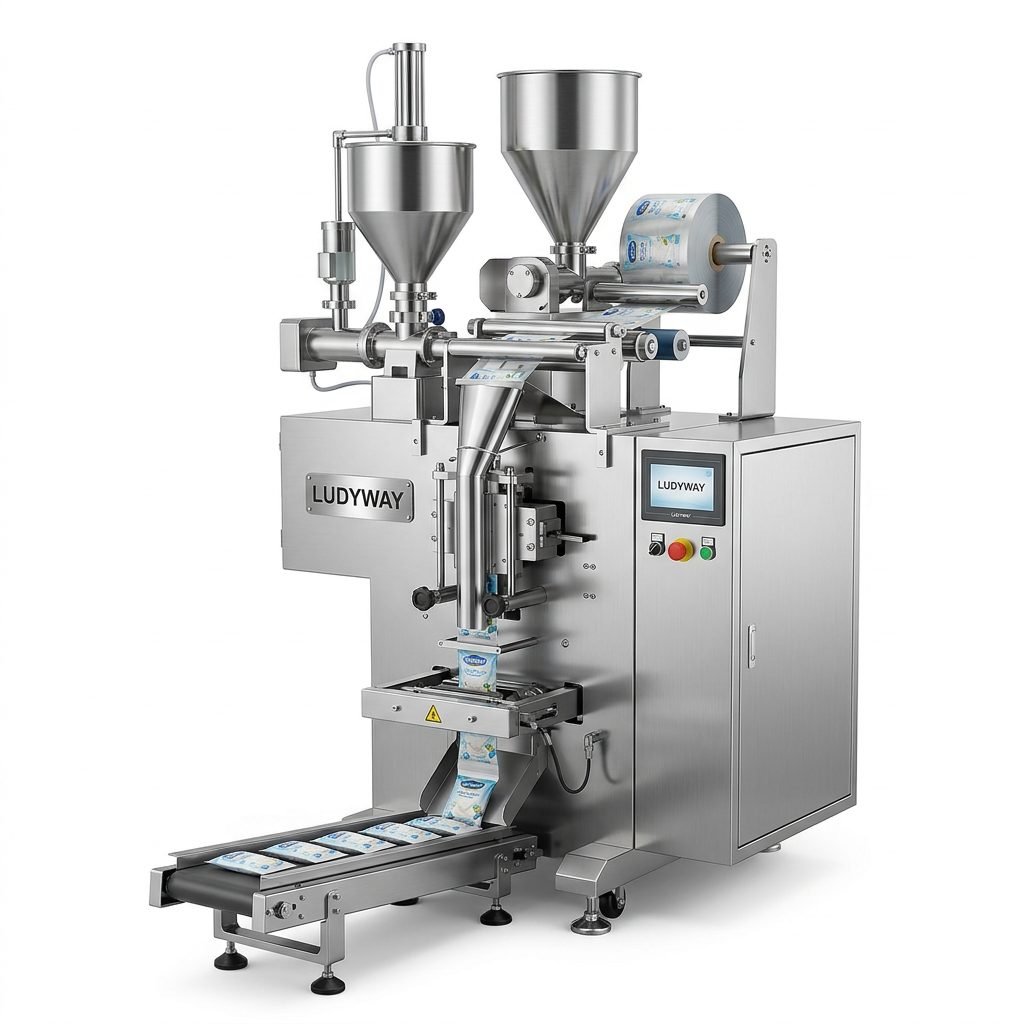
In industrial packaging, a tape packing machine is often used to describe equipment involved in forming, sealing, bundling, or packaging products in tape-like, stick-pack, strip, or continuous packaging formats. Depending on the application, this can refer to:
- Stick pack or sachet packaging machines
- Tape-style strip packaging systems
- Sealing and bundling equipment used in end-of-line packaging
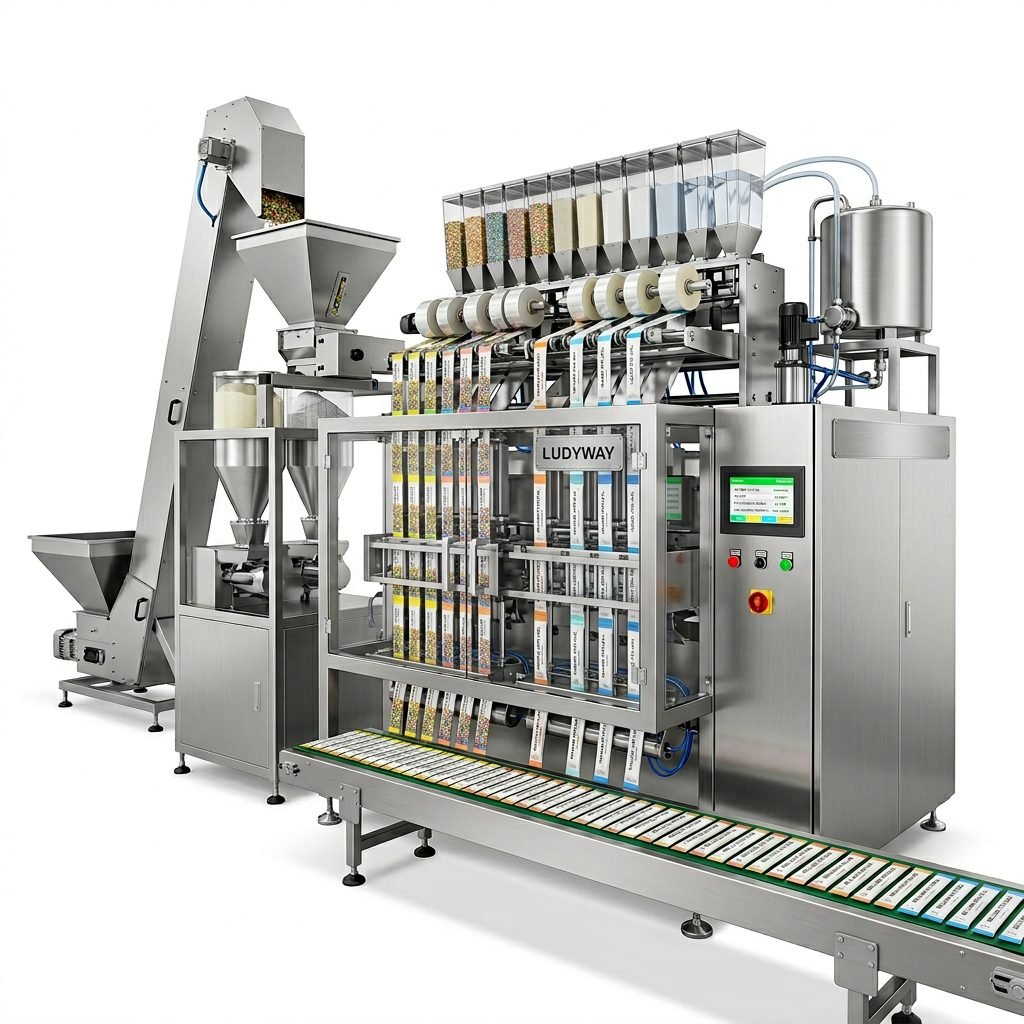
- Integrated automated lines with feeding, filling, sealing, coding, and cartoning
Because the term can cover different equipment types, the first step is to define exactly what product you pack and what final package format you need.
Why the Right Machine Matters
A machine that is too small will create bottlenecks. A machine that is too advanced for your current production may increase unnecessary capital cost. The best choice is one that balances capacity, flexibility, reliability, and maintenance simplicity.
- Higher output with stable sealing quality
- Reduced labor dependency
- Better material utilization
- Improved hygiene and product consistency
- Easier compliance for food, pharmaceutical, and health products
Key Factors to Consider Before Buying
1. Product Type
Different materials behave differently during filling and sealing. Powders may need auger filling and dust control. Granules may require cup fillers or weighing systems. Liquids and pastes demand reliable pumps and leak-proof sealing.
- Powders: milk powder, coffee powder, supplements, spices
- Granules: sugar, salt, seeds, instant drink mix
- Liquids: oil, shampoo, sauce, serum
- Pastes: cream, gel, honey, condiments
2. Packaging Format
Machine structure depends heavily on the final package style. Common formats include:
- Stick packs
- Sachets
- Pouches
- Strip or tape-like packs
- Grouped or cartoned units
If your business may expand into multiple SKUs, choose a machine with fast format changeover and adjustable tooling.
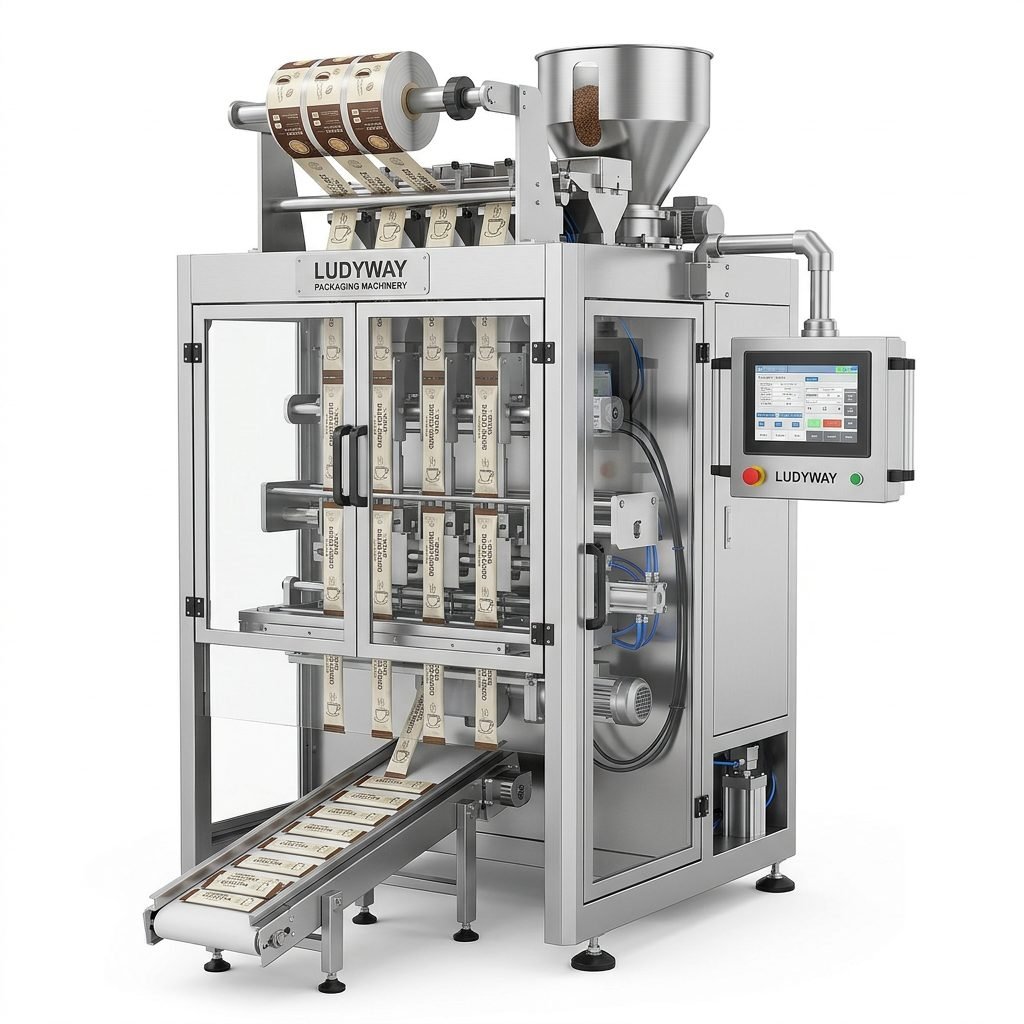
3. Required Output Speed
Output should be calculated by both packs per minute and daily production target. A realistic evaluation should include shift length, downtime, maintenance, and changeover time.
| Production Need | Recommended Machine Direction | Best For |
|---|---|---|
| Low volume | Compact semi-auto or entry automatic model | Startups, pilot production |
| Medium volume | Single-lane or flexible automatic machine | Growing brands, regional factories |
| High volume | Multi-lane high-speed packaging line | Large-scale manufacturing |
4. Filling Accuracy
If you package pharmaceutical, nutraceutical, or premium food products, precision is critical. Inaccurate filling can cause:
- Product giveaway and higher material cost
- Compliance issues
- Customer complaints
- Batch inconsistency
Ask suppliers for real filling accuracy data under actual production conditions, not just theoretical figures.
5. Packaging Material Compatibility
Your machine should run the film or laminate you actually use. Always confirm:
- Applicable film thickness range
- Sealing temperature control
- Material tracking stability
- Compatibility with recyclable or specialty films
6. Automation Level
Modern buyers increasingly prefer systems that integrate upstream and downstream processes, such as:
- Automatic feeding
- Weighing or dosing
- Date coding and printing
- Metal detection or checkweighing
- Cartoning and case packing
- Palletizing
If you expect long-term expansion, a modular machine is often more cost-effective than replacing your system later.
How to Match the Machine to Your Industry
Food Packaging
Food manufacturers usually prioritize hygiene, speed, seal integrity, and easy cleaning. If you package coffee, sugar, seasonings, protein powder, or instant beverages, stick pack and sachet systems are often ideal.
Pharmaceutical and Health Products
In pharma and supplement sectors, machine selection should focus on precision dosing, contamination control, validation support, and reliable documentation. Equipment surfaces, enclosure design, and cleanability become especially important.
Cosmetics and Personal Care
Creams, gels, serums, lotions, and liquid sachets require clean sealing, attractive appearance, and stable pump-based filling. For sample-size or travel-size packaging, multi-lane sachet systems can significantly improve efficiency.
Chemical Products
Chemical packaging often demands corrosion resistance, stronger sealing performance, and extra attention to safe material handling. Product viscosity, dust, or volatility should be reviewed before machine configuration is finalized.
Questions You Should Ask the Supplier
- What products has this model already packed successfully?
- What is the real production speed with my package size?
- How accurate is the filling system?
- How long does format changeover take?
- What spare parts are included?
- Do you provide installation, training, and remote support?
- Can the machine connect with my existing packaging line?
- What certifications and testing records are available?
Common Mistakes Buyers Should Avoid
| Mistake | Risk | Better Approach |
|---|---|---|
| Choosing based on price alone | Frequent downtime and poor quality | Compare lifecycle value |
| Ignoring future product changes | Limited scalability | Choose adjustable or modular design |
| Not testing actual samples | Unexpected packaging defects | Request sample trial before purchase |
| Overlooking after-sales service | Longer breakdown recovery | Confirm support response process |
Signs of a High-Quality Tape Packing Machine
- Stable servo control and accurate positioning
- Consistent sealing and neat package appearance
- Easy-to-use touchscreen interface
- Low material waste during operation
- Accessible parts for cleaning and maintenance
- Reliable electrical and pneumatic components
- Support for customization and line integration
Should You Buy a Standalone Machine or a Full Packaging Line?
If your current bottleneck is only in filling and sealing, a standalone machine may be enough. But if your production also suffers from manual feeding, coding delays, secondary packing inefficiency, or inconsistent final output, a complete line may be the smarter investment.
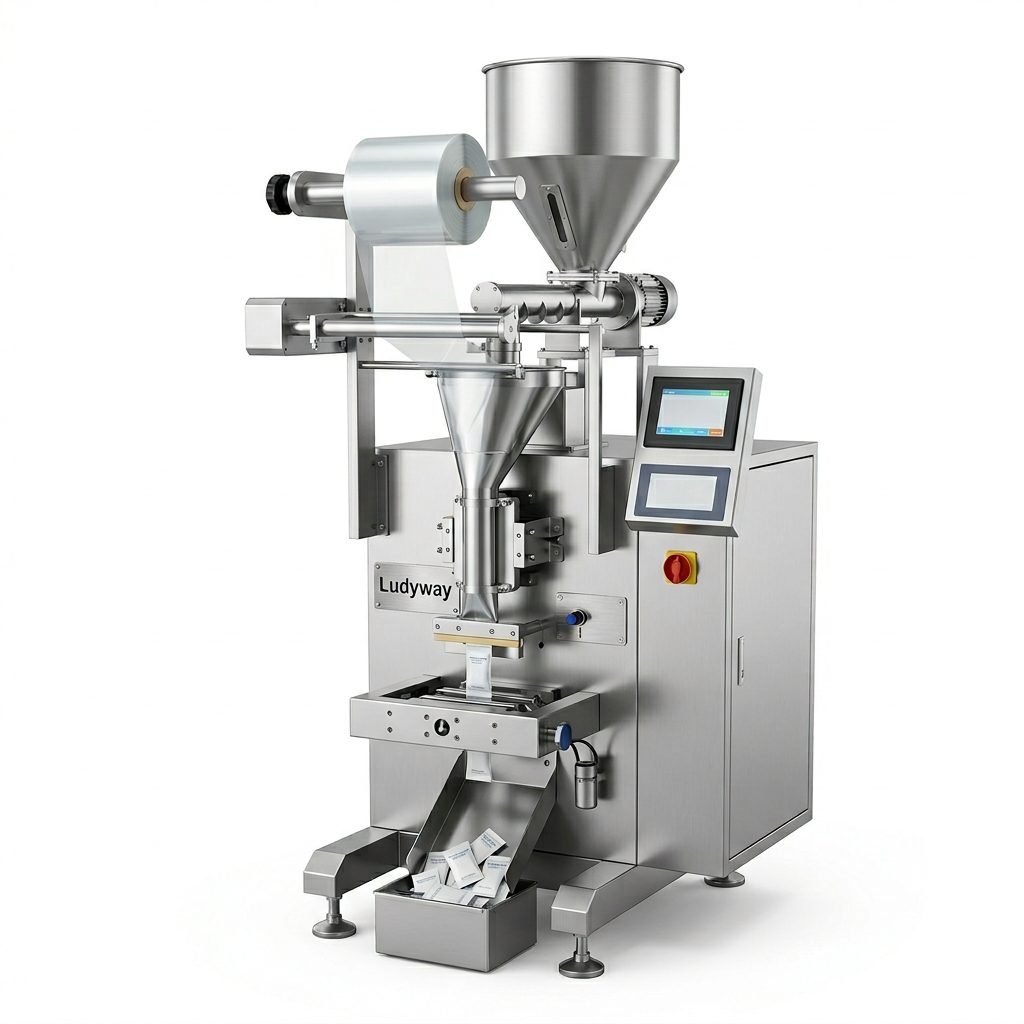
Buyers looking for scalable automation often consider experienced manufacturers such as Ludyway tape packing machine solutions for standalone systems and turnkey packaging lines across food, pharmaceutical, cosmetic, and chemical applications.
Final Checklist Before You Decide
- Product characteristics: powder, granule, liquid, or paste
- Package format: stick pack, sachet, pouch, or strip
- Output target: hourly and daily capacity
- Accuracy requirement: acceptable tolerance range
- Material compatibility: film and sealing needs
- Factory layout: available installation space
- Labor plan: manual, semi-auto, or fully automatic
- Growth plan: future SKUs and automation upgrades
Conclusion
The best tape packing machine is not simply the fastest or cheapest model. It is the one that fits your product, package format, quality standards, and long-term production goals. By evaluating filling method, speed, automation level, packaging material, and supplier support, you can select a machine that improves efficiency while protecting product quality and profitability.
A careful buying process today will save time, reduce waste, and create a more reliable packaging operation for years to come.