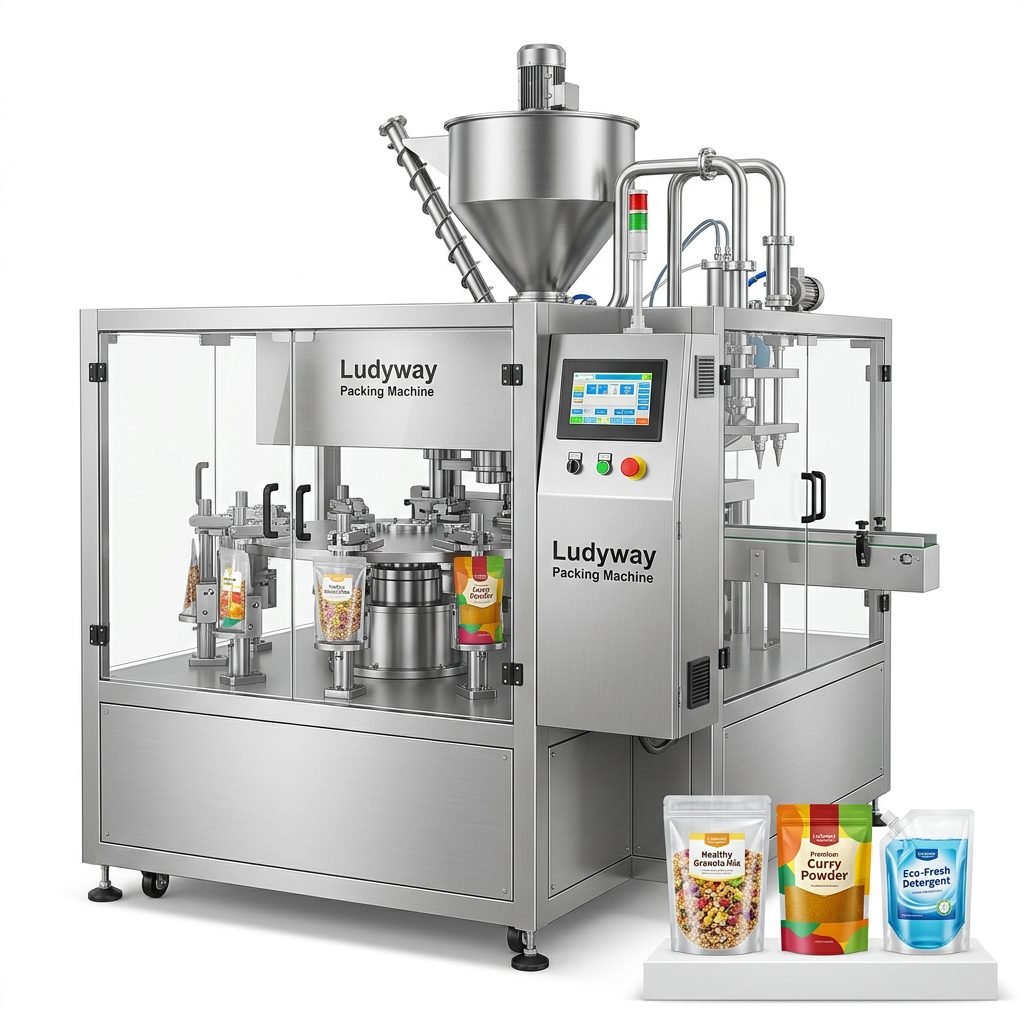
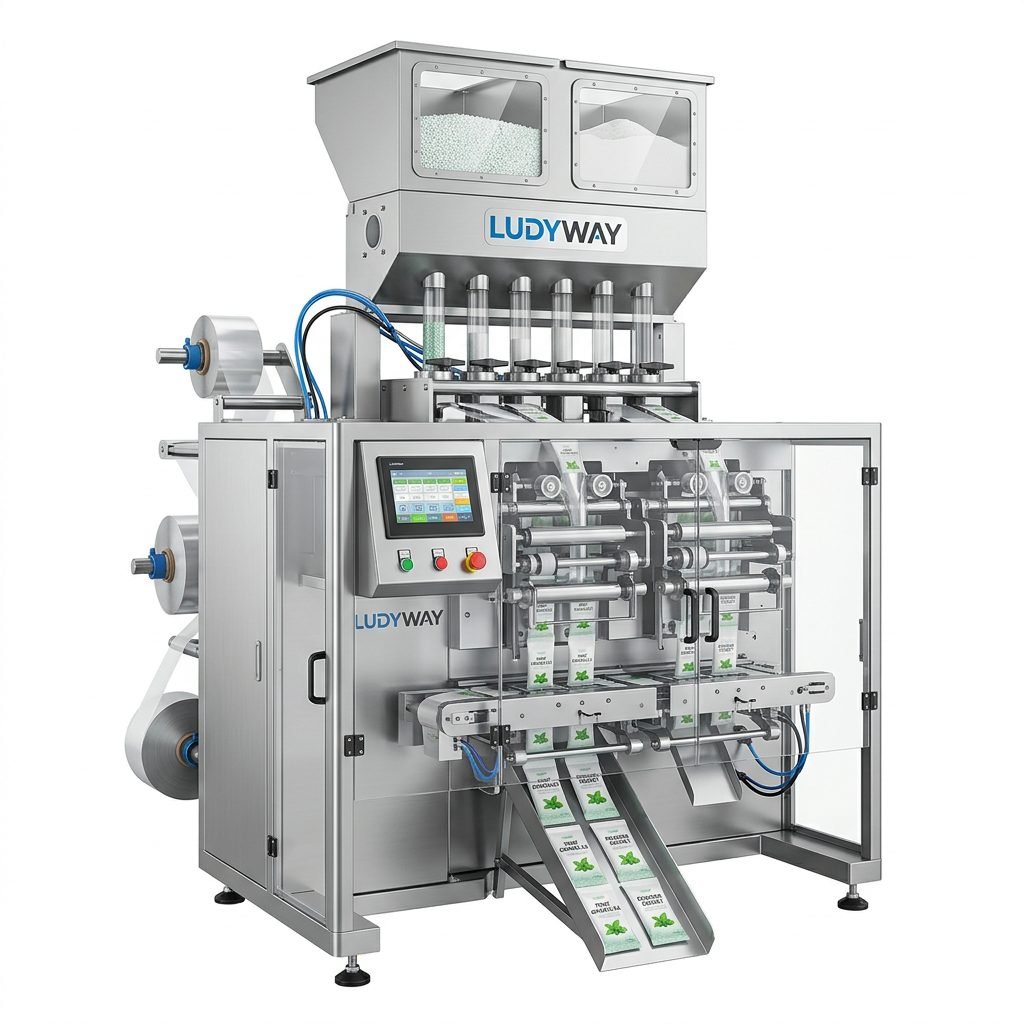
Choosing the right glass packing machine is not only about speed. It is about protecting fragile products, maintaining presentation quality, improving line efficiency, and making sure your packaging process matches your product type, output goals, and budget. Whether you pack glass bottles, jars, vials, ampoules, or specialty containers, the right solution can reduce breakage, cut labor costs, and support long-term production growth.
In many industries such as food, beverages, cosmetics, pharmaceuticals, and household chemicals, glass remains a premium packaging choice because it offers excellent barrier performance, strong shelf appeal, and recyclability. However, these benefits come with one important challenge: glass is durable in use but fragile in handling. That is why selecting the proper packing equipment matters.
Why Glass Products Need Specialized Packaging Equipment
Glass containers can crack, scratch, chip, or break if the packaging process is not carefully controlled. Manual packing may work for low volumes, but as production increases, consistency becomes harder to maintain. A dedicated glass packing machine helps create a more stable and repeatable process.
- Minimizes collision between containers
- Improves positioning accuracy during filling, sealing, labeling, and cartoning
- Supports protective materials such as dividers, trays, shrink film, cartons, or cushioning inserts
- Reduces product loss caused by handling errors
- Improves overall line efficiency and labor utilization
For businesses shipping fragile goods across long distances or through e-commerce channels, packaging quality becomes even more important. The machine you choose should protect the product not just on the factory floor, but also through warehousing, transport, retail display, and final delivery.
Key Questions to Ask Before Choosing a Glass Packing Machine
Before comparing models, define your real packaging needs. A machine that works well for one product may be inefficient or risky for another.
1. What Type of Glass Product Are You Packing?
Different glass products require different handling methods. Small pharmaceutical vials need precise orientation and gentle transfer. Glass beverage bottles need high-speed throughput. Cosmetic jars may need premium presentation and clean labeling.
- Glass bottles
- Glass jars
- Glass ampoules and vials
- Perfume bottles
- Sauce or condiment containers
- Chemical or laboratory glass containers
2. What Is Your Required Production Speed?
Output requirements determine whether you need a semi-automatic machine, a standalone automatic unit, or a fully integrated packaging line. Buying a machine with too little capacity creates bottlenecks. Buying one that is far too large may increase cost without delivering real value.
3. What Packaging Format Do You Need?
Glass products may be packed into cartons, trays, shrink bundles, partitioned cases, display boxes, or palletized loads. Your chosen equipment should match the final format required by your distribution channel.
4. How Fragile Is the Product During Movement?
Not all glass containers have the same break risk. Thin-wall cosmetic bottles, medical vials, and irregular-shaped containers usually need more controlled feeding, spacing, gripping, and buffering than standard jars or thick beverage bottles.
5. Do You Need Integration With Other Equipment?
In many factories, a glass packing machine is only one part of a larger process. You may also need conveyors, filling systems, capping machines, labeling machines, checkweighers, cartoners, case packers, palletizers, and inspection units.
| Selection Factor | Why It Matters | What to Check |
|---|---|---|
| Container type | Affects feeding, gripping, spacing, and packing method | Size range, shape, weight, neck finish |
| Production speed | Determines machine type and automation level | Units per minute, peak and average output |
| Packaging format | Impacts downstream shipping and shelf display | Carton, tray, shrink wrap, divider case, pallet |
| Breakage control | Essential for reducing waste and downtime | Soft transfer, servo control, guide design |
| Line integration | Improves full-process efficiency | Compatibility with filling, labeling, and case packing |
Common Types of Glass Packing Machines
The best solution depends on your product and workflow. Below are some common equipment options used in glass packaging operations.
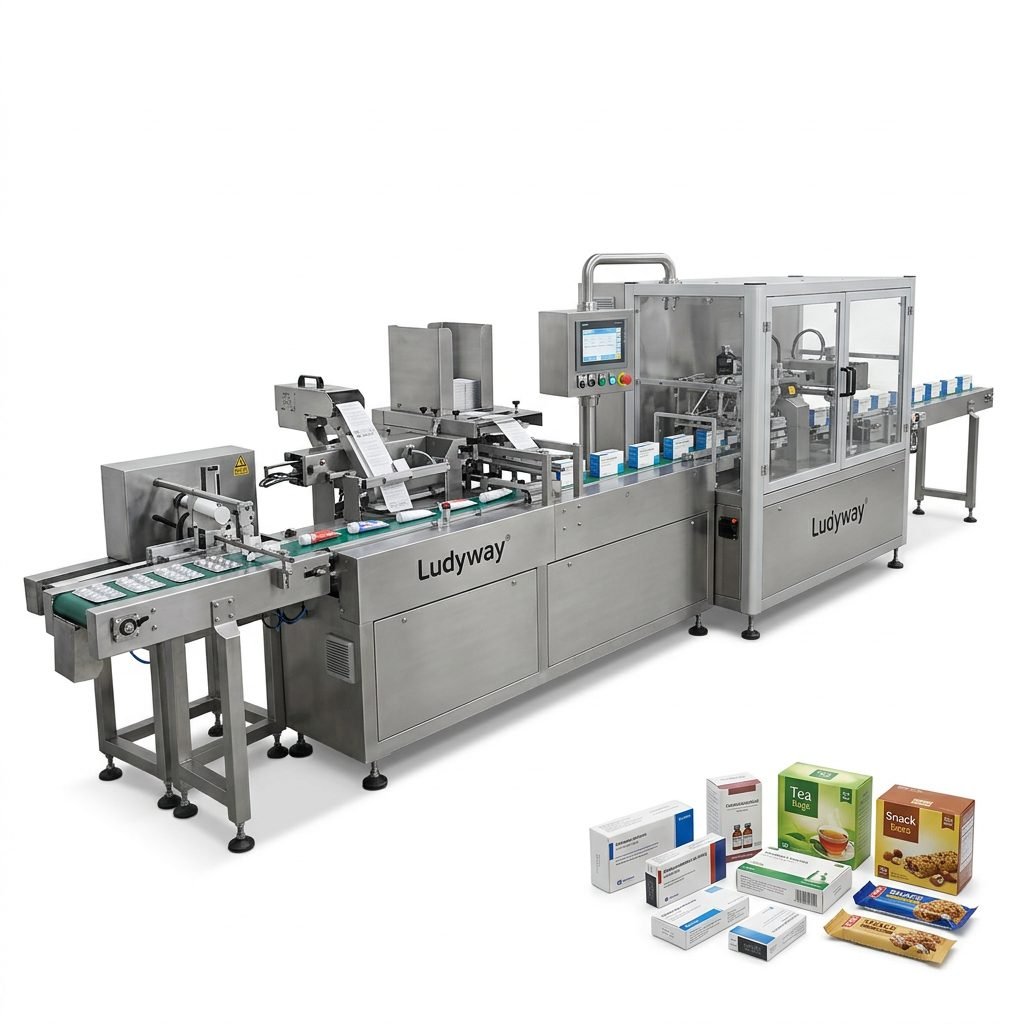
Cartoning Machines
Ideal for packing glass bottles, jars, or vials into cartons for retail or shipping. These machines can be configured with inserts, leaflets, and product orientation systems. They are often used in pharmaceutical, cosmetic, and premium food sectors.
Case Packers
Suitable for secondary packaging, where multiple glass containers are grouped into corrugated shipping cases. They help protect products during logistics and support high-volume operations.
Shrink Wrapping Systems
Often used for bottled beverages or household products. Shrink systems bundle products tightly, though fragile glass usually benefits from added trays or partitions depending on shipping conditions.
Tray Packing Machines
These machines place glass containers into trays that help keep products stable and organized. Tray packs are common for retail multipacks and warehouse-ready shipping formats.
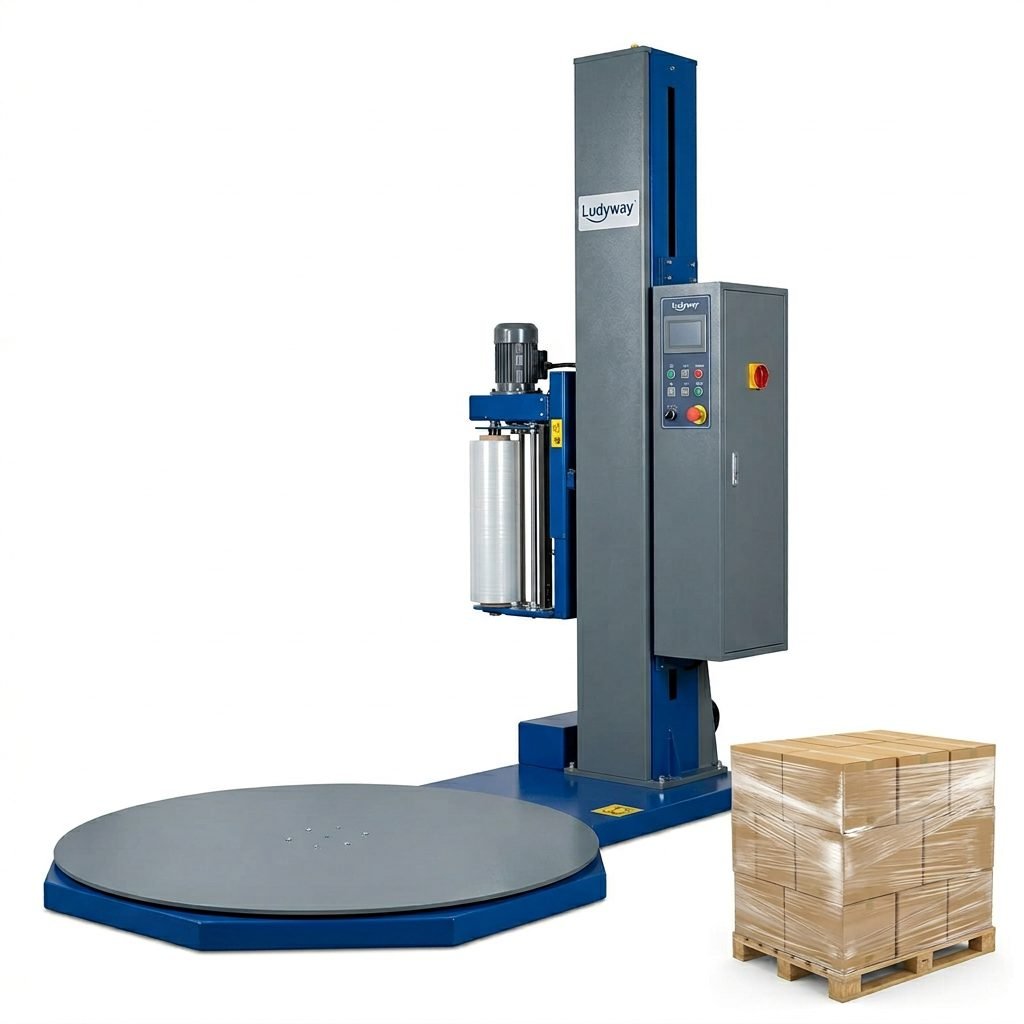
Palletizing Systems
For higher-volume operations, palletizers automate the final stage of stacking packed cartons or cases. This improves consistency and reduces manual handling damage.
Features That Matter Most in a Glass Packing Solution
Gentle Handling Design
Look for machines with smooth transfer paths, controlled infeed spacing, shock-reducing guides, and precise servo motion. These details can make a major difference in reducing breakage.
Flexible Changeover
If you handle multiple bottle or jar sizes, choose a system with easy changeover. Tool-less adjustments, recipe storage, and digital settings can reduce downtime and operator error.
Stable Output and Accuracy
A fast machine is not enough if it causes jams, poor carton loading, or misaligned packs. Consistent operation is especially important when handling fragile glass.
Inspection and Quality Control Compatibility
Modern lines may include vision inspection, weight checking, code verification, or reject systems. These additions improve quality control while reducing the chance of damaged or non-compliant packs reaching customers.
Sanitary or Cleanroom Suitability
Pharmaceutical, nutraceutical, and cosmetic glass packaging often requires cleaner machine construction and better contamination control. In these cases, machine design should support easy cleaning and regulated production environments.
How to Match the Machine to Your Industry
Food and Beverage
Glass bottles and jars in food applications often need moderate to high speed, reliable labeling alignment, and secure secondary packaging for transport. Sauces, beverages, condiments, coffee products, and premium foods frequently use glass for brand value.
Pharmaceutical
Glass vials, ampoules, and medicine bottles require high precision, excellent cleanliness, traceability, and minimal contact damage. Pharmaceutical buyers should prioritize compliance, inspection options, and repeatable handling accuracy.
Cosmetics and Personal Care
Cosmetic glass packaging usually focuses on both protection and appearance. Premium creams, serums, oils, and perfumes need machines that preserve packaging quality while supporting attractive retail presentation.
Chemical and Household Products
Glass is also used for specialty cleaners, solvents, and laboratory products. Here, chemical compatibility, sealed transport packaging, and operator safety become more important.
| Industry | Typical Glass Products | Priority Requirements |
|---|---|---|
| Food & Beverage | Sauce bottles, jam jars, drinks | Speed, sealing integrity, transport protection |
| Pharmaceutical | Vials, ampoules, syrup bottles | Precision, cleanliness, traceability |
| Cosmetics | Cream jars, serum bottles, perfume bottles | Appearance, gentle handling, flexible formats |
| Chemical | Specialty liquid containers, lab bottles | Safety, durability, leak prevention |
Mistakes to Avoid When Buying a Glass Packing Machine
- Choosing based on price alone instead of total operating value
- Ignoring container shape variations and future product expansion
- Overlooking changeover time between SKUs
- Not testing the actual glass container before purchase
- Failing to evaluate after-sales service and spare parts support
- Buying a machine that cannot integrate with the rest of the production line
A lower-cost machine may seem attractive at first, but frequent downtime, high breakage, poor compatibility, and difficult maintenance can create much higher long-term costs.
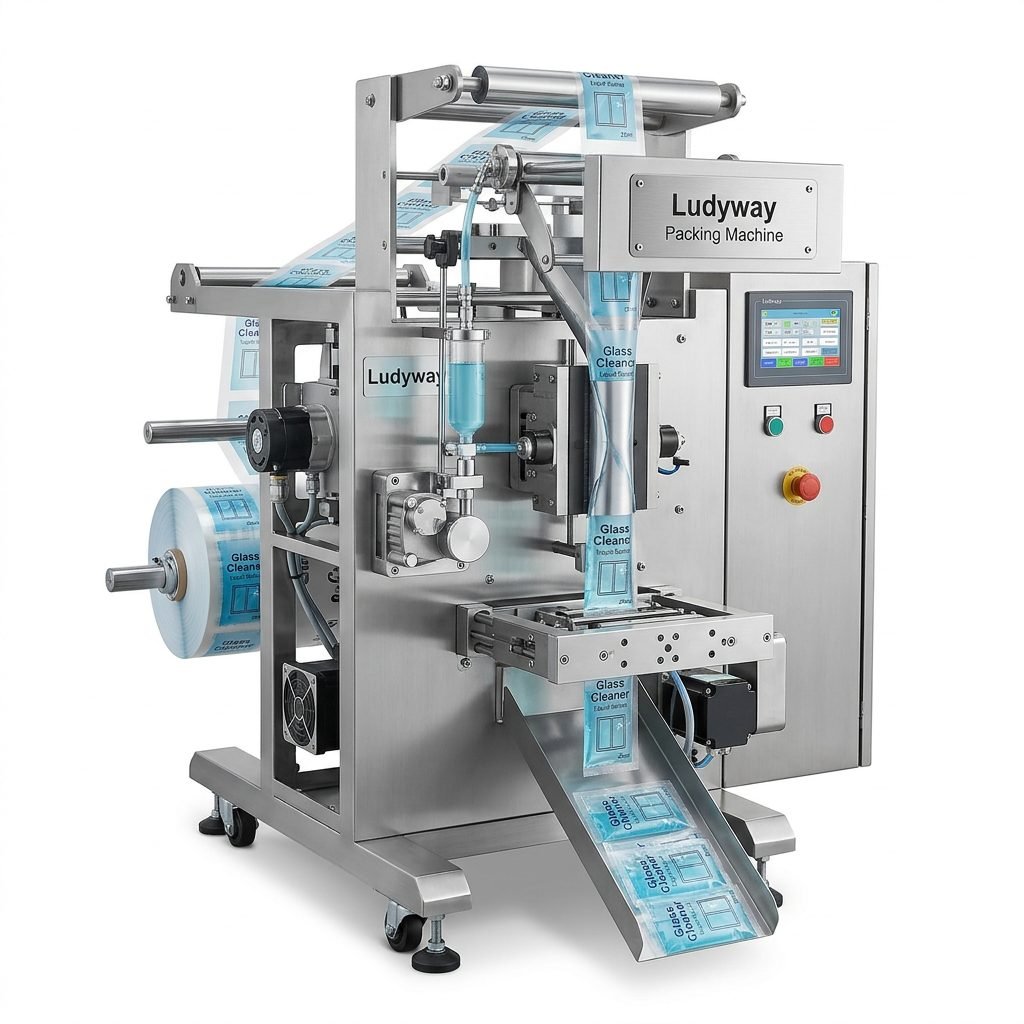
Should You Choose a Standalone Machine or a Turnkey Packaging Line?
If your current operation only needs one packaging step, a standalone machine may be enough. But if you want to improve efficiency across the whole process, a turnkey line can be the better investment.
A full solution may include:
- Container feeding and conveying
- Filling and sealing
- Capping or closing
- Labeling and coding
- Inspection and reject handling
- Cartoning or case packing
- Palletizing and final wrapping
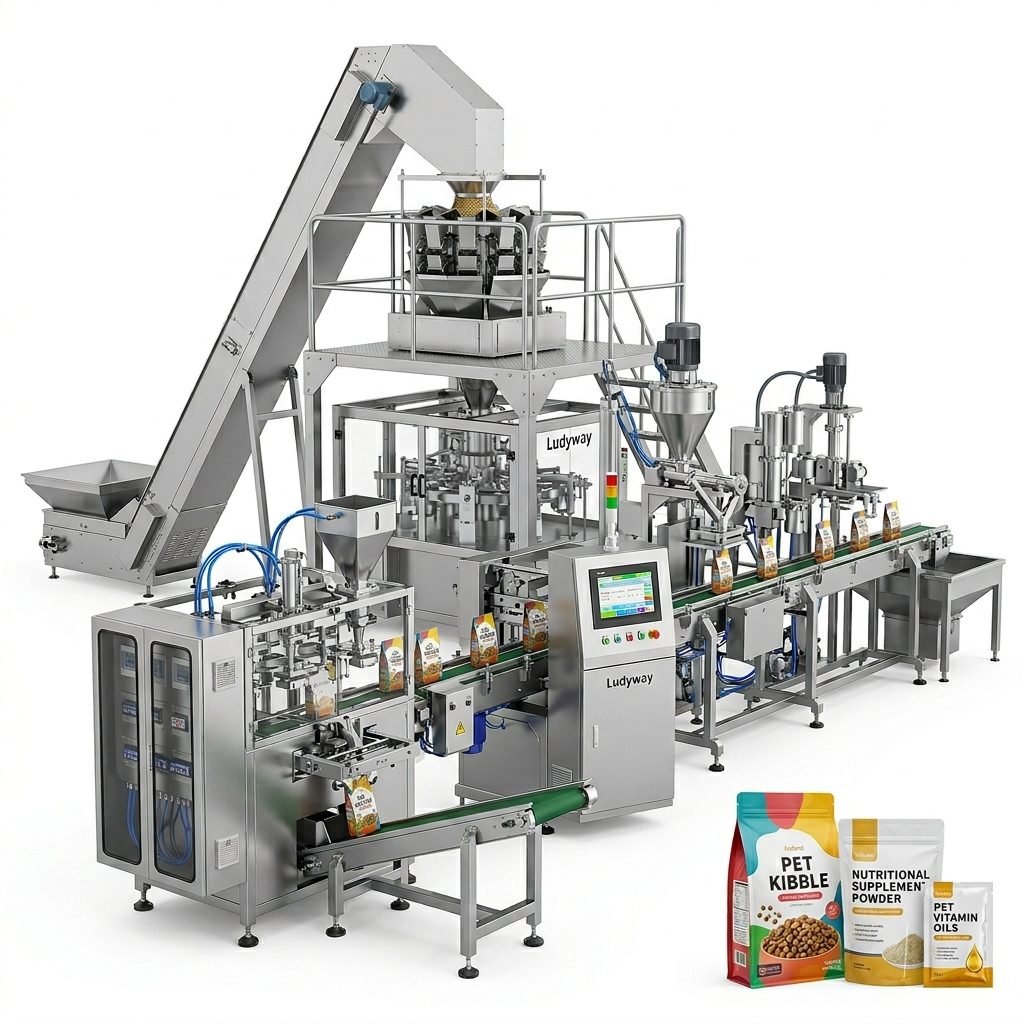
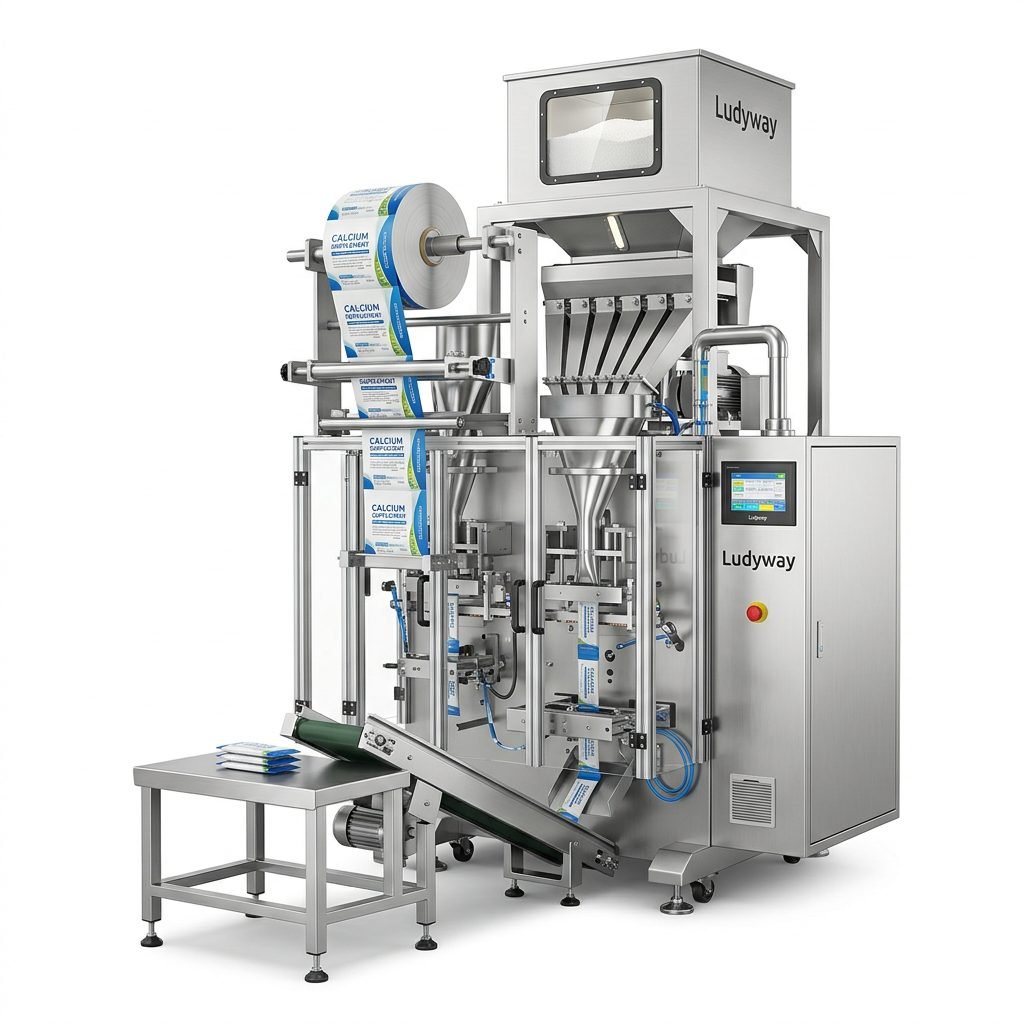
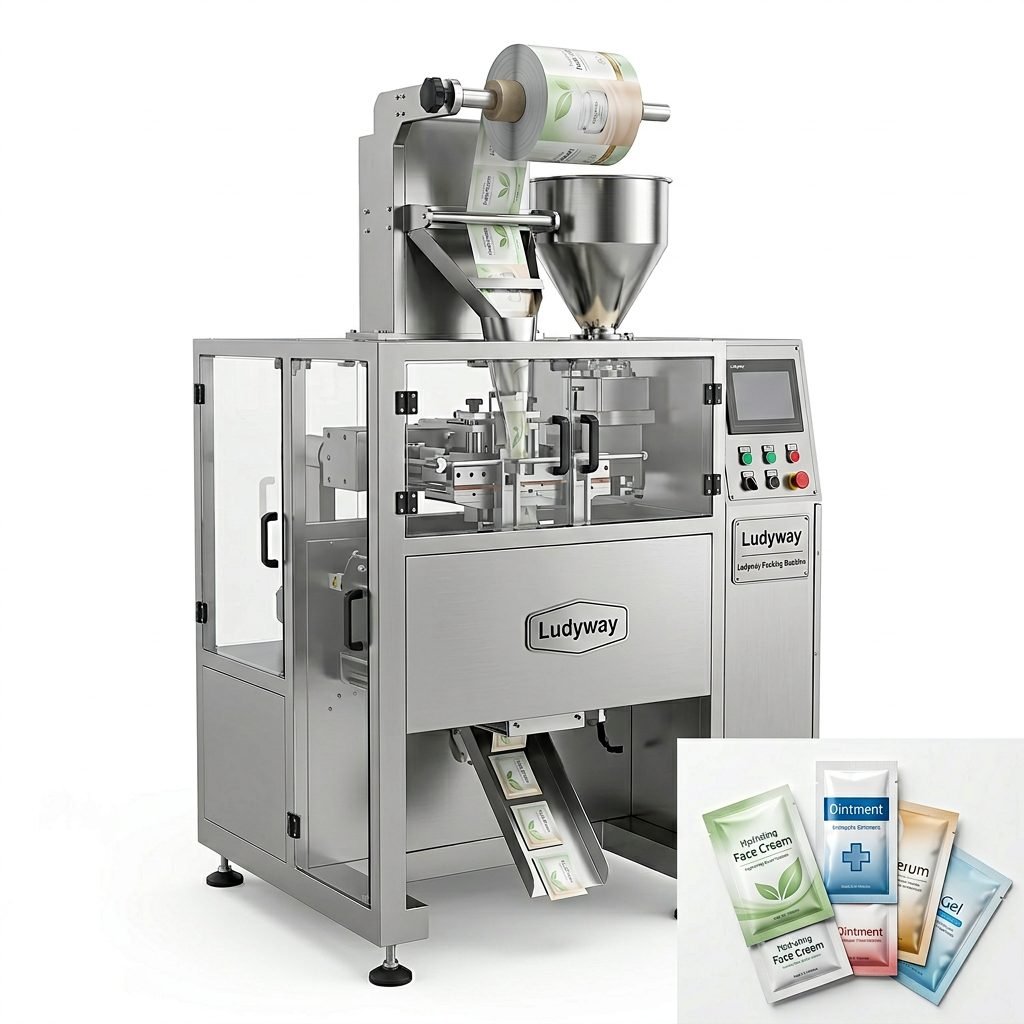
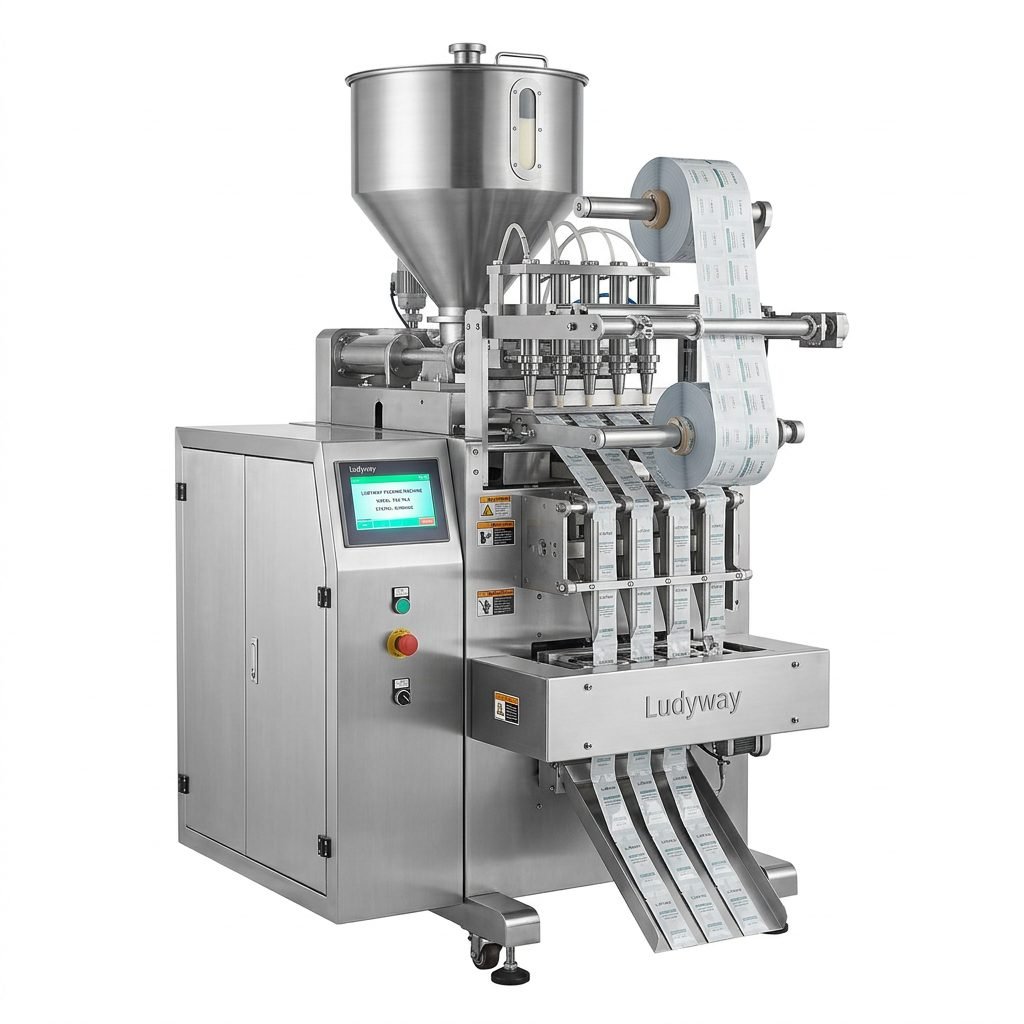
Turnkey systems are especially useful for companies that want better automation, line balance, and centralized technical support. Businesses looking for scalable packaging automation can explore solutions from Ludyway packaging machine manufacturer, which provides both standalone equipment and turnkey packaging lines across multiple industries.
How to Evaluate a Supplier
The machine itself is important, but the supplier behind it is equally important. A reliable packaging partner should understand your product, recommend suitable configurations, and support you before and after installation.
Look for These Supplier Capabilities
- Experience with fragile product packaging
- Customization ability for different glass formats
- Factory testing with your samples
- Clear technical documentation
- Installation, training, and after-sales support
- Availability of spare parts and remote troubleshooting
Final Buying Checklist
Before making your final decision, confirm the following:
- Machine matches your glass product dimensions and fragility level
- Required output capacity is realistic for your production goals
- Packaging style fits your market and shipping requirements
- Changeover is practical for your SKU mix
- Breakage prevention measures are built into the design
- Machine can connect with current or future upstream and downstream equipment
- Supplier offers dependable technical service
Conclusion
The right glass packing machine should do more than pack products quickly. It should protect fragile containers, support your packaging format, fit your production goals, and give you reliable long-term performance. When you evaluate product type, line speed, automation needs, and supplier support together, you can choose a solution that improves both efficiency and product safety.
In a competitive market, packaging quality affects operational cost, product integrity, and customer perception. Investing in the right solution today can help your business reduce waste, scale production, and deliver glass-packaged products with greater confidence.