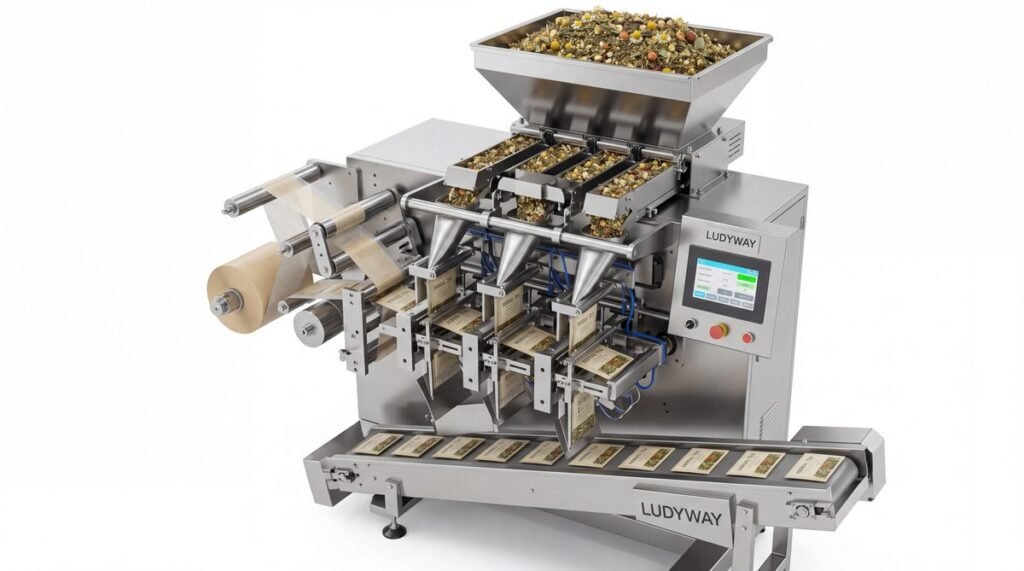
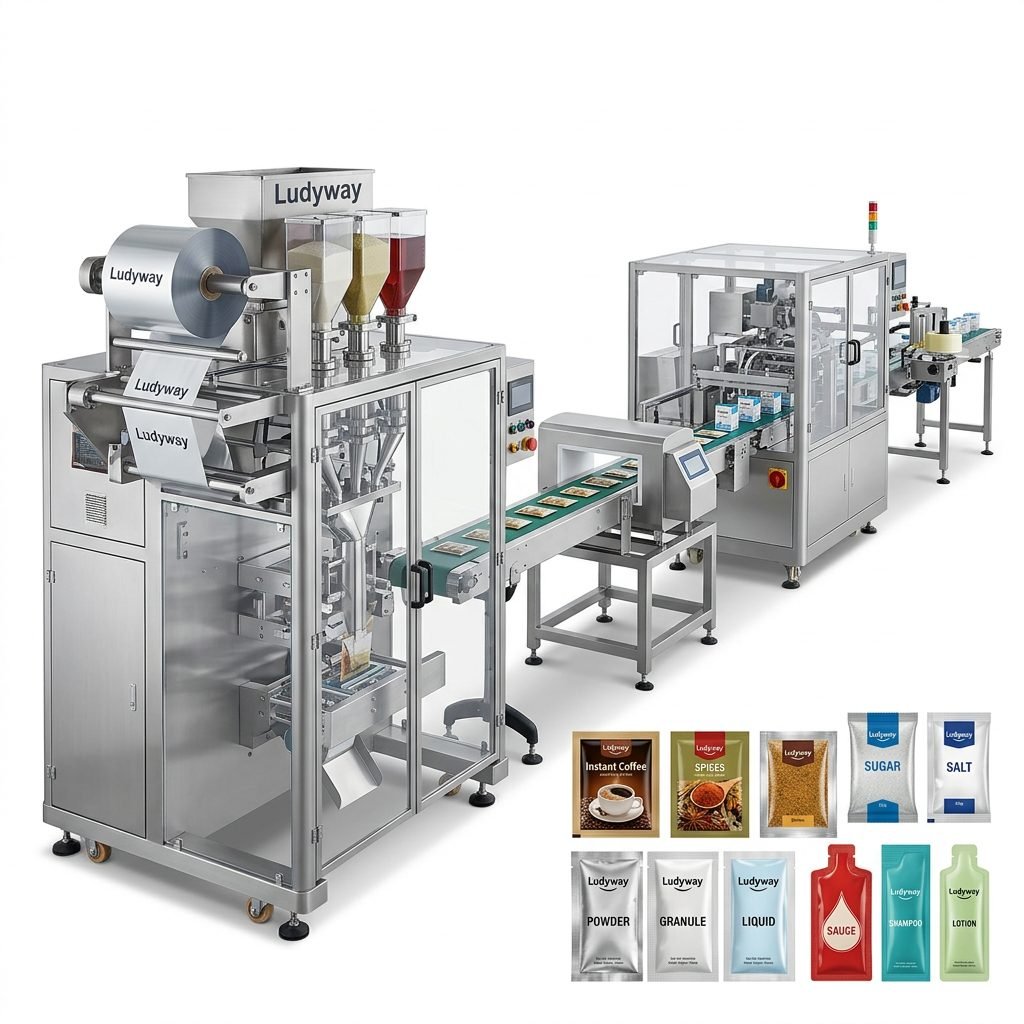
Efficient forage storage starts long before sealing the final package. The right silage packing machine helps preserve nutrients, reduce spoilage, improve transport efficiency, and support a more stable feeding plan throughout the year. Whether you manage a livestock farm, forage processing site, or agricultural supply business, choosing suitable equipment means balancing capacity, material type, automation, sealing quality, and long-term operating cost.
This guide explains how to evaluate silage packing equipment in a practical way, so you can invest with confidence and improve storage efficiency from the first season onward.
Why silage packing quality matters
Silage preservation depends heavily on oxygen control, compression consistency, and packaging integrity. Poor packing can cause air pockets, fermentation instability, mold growth, dry matter loss, and lower feed value. A well-matched machine helps create tighter, more uniform packs that are easier to store, stack, move, and open when needed.
- Reduced spoilage: better sealing limits oxygen exposure
- Improved nutrient retention: stable fermentation protects feed quality
- Higher labor efficiency: automated packing reduces manual handling
- Cleaner storage management: standardized pack sizes simplify inventory
- Lower logistics cost: denser packs are easier to transport and store
Main types of silage packing machines
Different operations require different machine structures. The ideal choice depends on forage condition, moisture content, throughput target, available labor, and storage format.
1. Bale wrapping machines
These are commonly used for round or square silage bales. After compression, the bale is wrapped with stretch film to create an anaerobic environment. They are suitable for farms that prefer flexible field handling and decentralized storage.
2. Bagging and filling machines
These systems fill silage into bags, sacks, or larger storage packages with controlled volume and density. They are useful for commercial forage operations and facilities requiring more standardized output.
3. Silage baler-packers
Integrated baling and packing machines compress and package in one workflow. They improve process continuity and can reduce labor input significantly.
4. Fully automated packaging lines
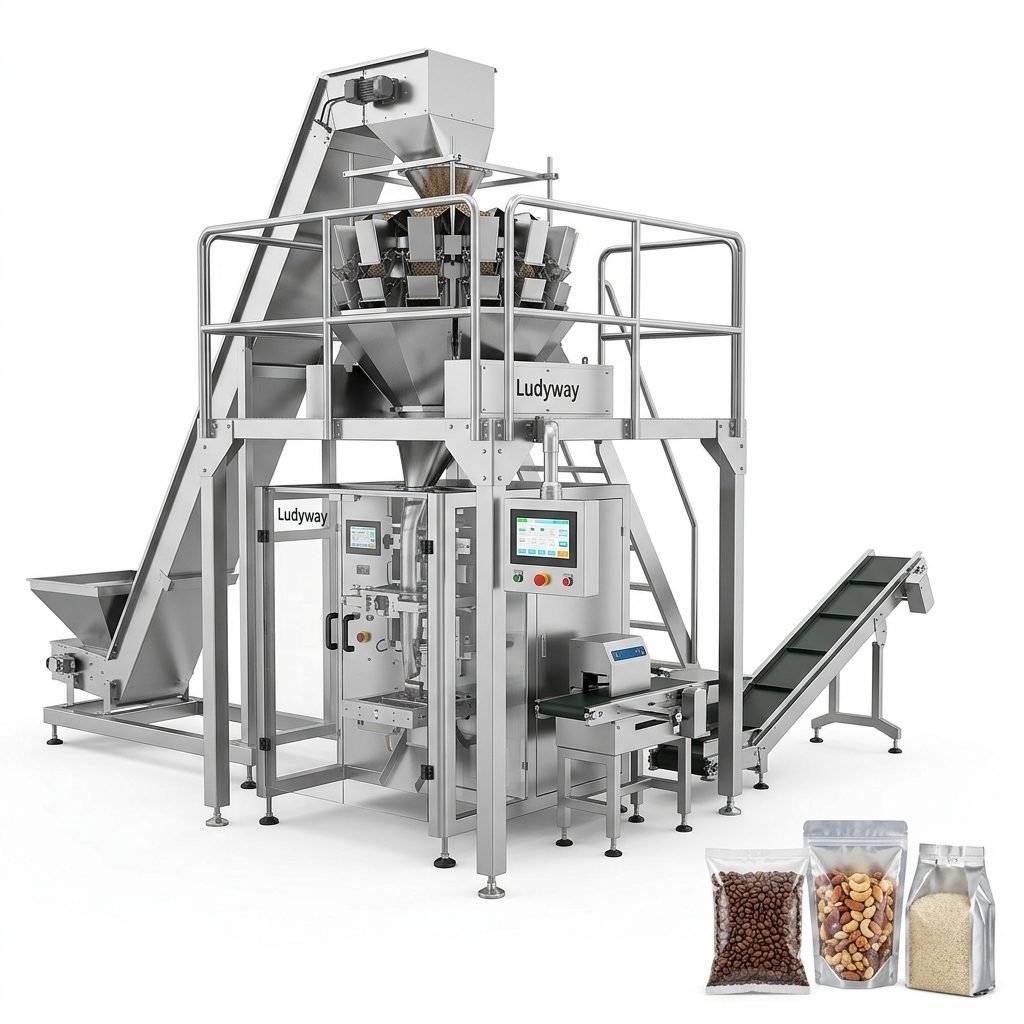
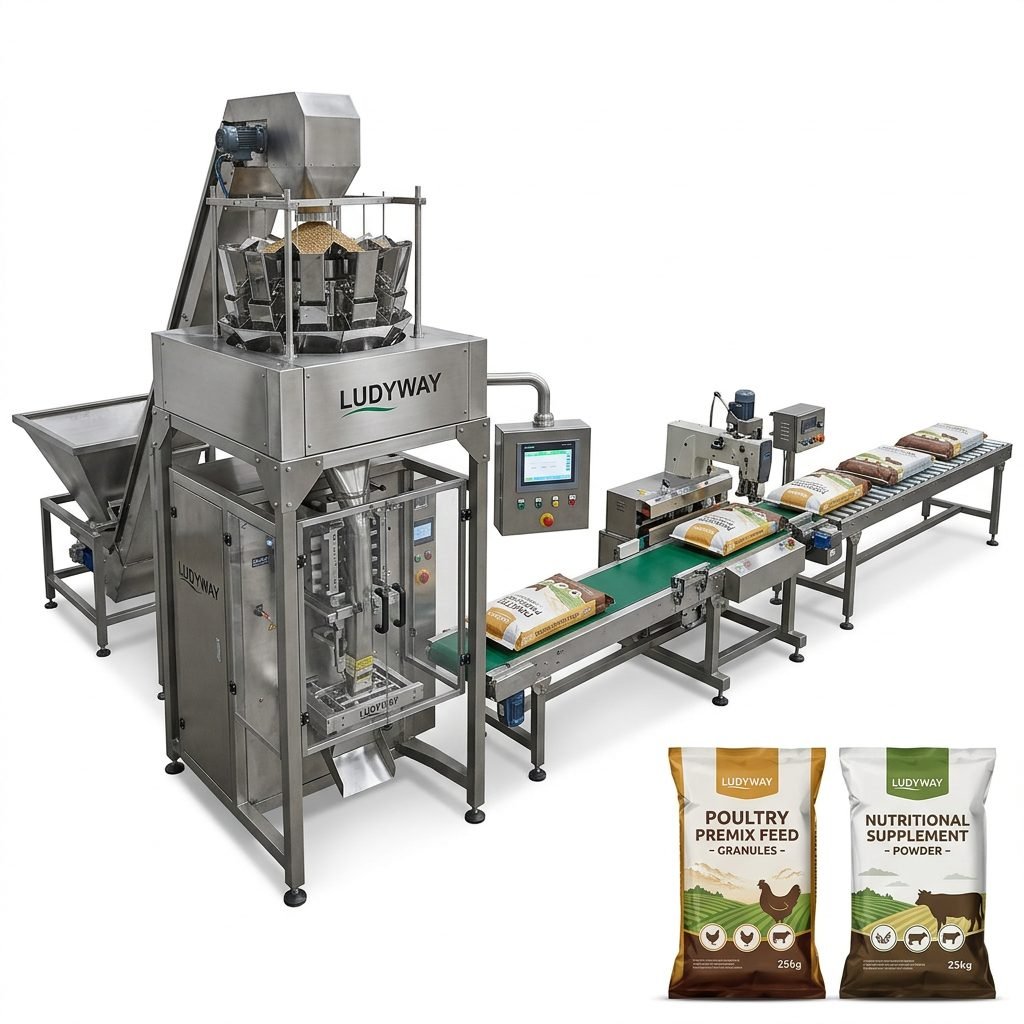
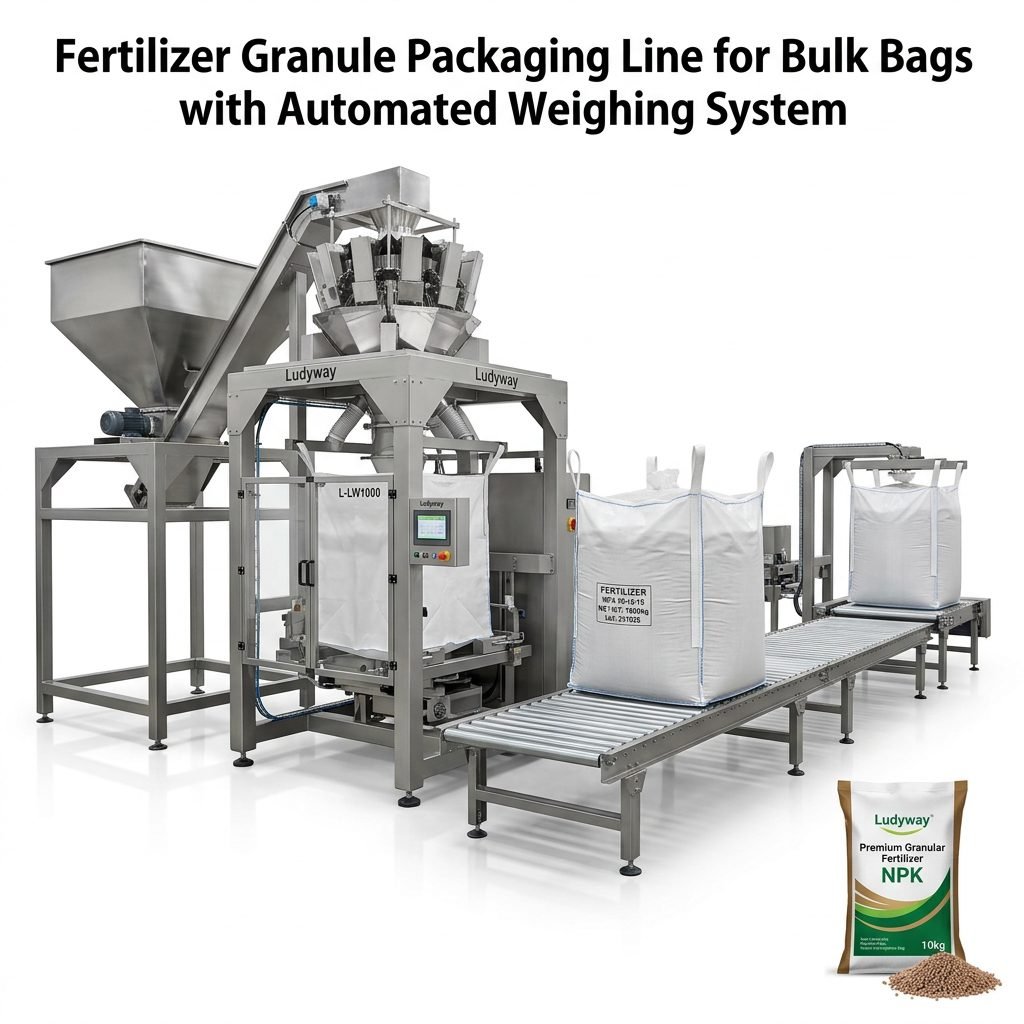
For larger processing plants, automated lines can combine conveying, weighing, bagging, sealing, coding, inspection, and palletizing. These solutions are best for businesses scaling output and aiming for high consistency.
Key factors to consider before buying
Forage type and moisture range
Corn silage, grass silage, alfalfa, straw mixtures, and fermented feed blends all behave differently during packing. Check whether the machine is suitable for your material’s density, chop length, moisture range, and flow behavior. Sticky or fibrous material may require special feeding or compression designs.
Required output capacity
Your machine should match seasonal workload. Buying too small creates bottlenecks during harvest; buying too large may increase upfront cost without real return. Estimate daily tonnage, peak harvest hours, and desired packaging speed.
| Operation Size | Recommended Machine Direction | Priority Focus |
|---|---|---|
| Small farm | Semi-automatic bale wrapper or compact bagger | Ease of use, low maintenance |
| Medium livestock operation | Integrated baler-packer or efficient wrapping unit | Balanced speed and cost |
| Commercial forage processor | Automated bagging/packing line | High output, consistency, scalability |
| Large industrial plant | Turnkey automated packaging solution | Integration, data control, labor savings |
Compression and sealing performance
Strong compression and reliable sealing are critical. Even a fast machine loses value if the package allows oxygen in. Ask for information on seal integrity, film compatibility, bag closure method, and pack density consistency.
Automation level
Semi-automatic equipment may suit farms with limited budgets and available labor, while automated systems are ideal where labor costs are high or throughput must remain stable. The best choice is not always the most advanced one; it is the one that fits your operating model.
Machine durability
Silage is often handled in demanding environments involving dust, moisture, fibers, and seasonal intensive use. Look for robust steel structure, stable drive systems, easy-clean contact parts, and durable wear-resistant components.
Questions you should ask a supplier
- What silage materials has this machine already handled successfully?
- What is the real working capacity under field conditions, not just theoretical output?
- How does the machine perform with high-moisture or fibrous forage?
- What packaging materials are compatible?
- How easy is it to clean, maintain, and replace wear parts?
- Are spare parts and remote technical support available quickly?
- Can the machine integrate with conveyors, weighing systems, or palletizing equipment later?
Features that improve storage efficiency
Some machine features make a noticeable difference over time, especially during peak harvest periods.
- Automatic weighing: improves package consistency
- Film tension control: enhances wrap quality and reduces breakage
- Programmable controls: simplifies recipe and format changes
- Conveyor integration: reduces manual feeding effort
- Dust and debris management: supports cleaner operation
- Batch coding and traceability: useful for larger commercial storage systems
Cost vs. value: what really matters
The cheapest machine may not deliver the lowest total cost. When evaluating investment, consider:
| Cost Element | Why It Matters |
|---|---|
| Initial purchase price | Affects budget, but should not be the only factor |
| Packaging material consumption | Poor efficiency increases recurring cost |
| Labor requirement | Automation may reduce long-term operating expense |
| Downtime risk | Breakdowns during harvest can be very costly |
| Feed loss reduction | Better packing quality can improve real return |
A reliable machine often pays back through lower spoilage, less rework, better density, and smoother daily operation.
How to match equipment to your operation
Choose compact systems if you:
- Run a smaller herd or seasonal forage program
- Need simple operation and quick setup
- Have limited installation space
- Prefer lower upfront investment
Choose integrated or automated systems if you:
- Process large silage volumes in short time windows
- Need standardized package weights and appearance
- Want to reduce dependency on manual labor
- Plan to scale production in the near future
Installation, service, and future expansion
A good silage packing machine is more than a piece of equipment. It is part of your full storage workflow. Consider the supplier’s engineering capability, installation guidance, commissioning support, operator training, and after-sales responsiveness. If you may later add conveyors, bagging modules, coding systems, or palletizing, choose a supplier that can support modular expansion.
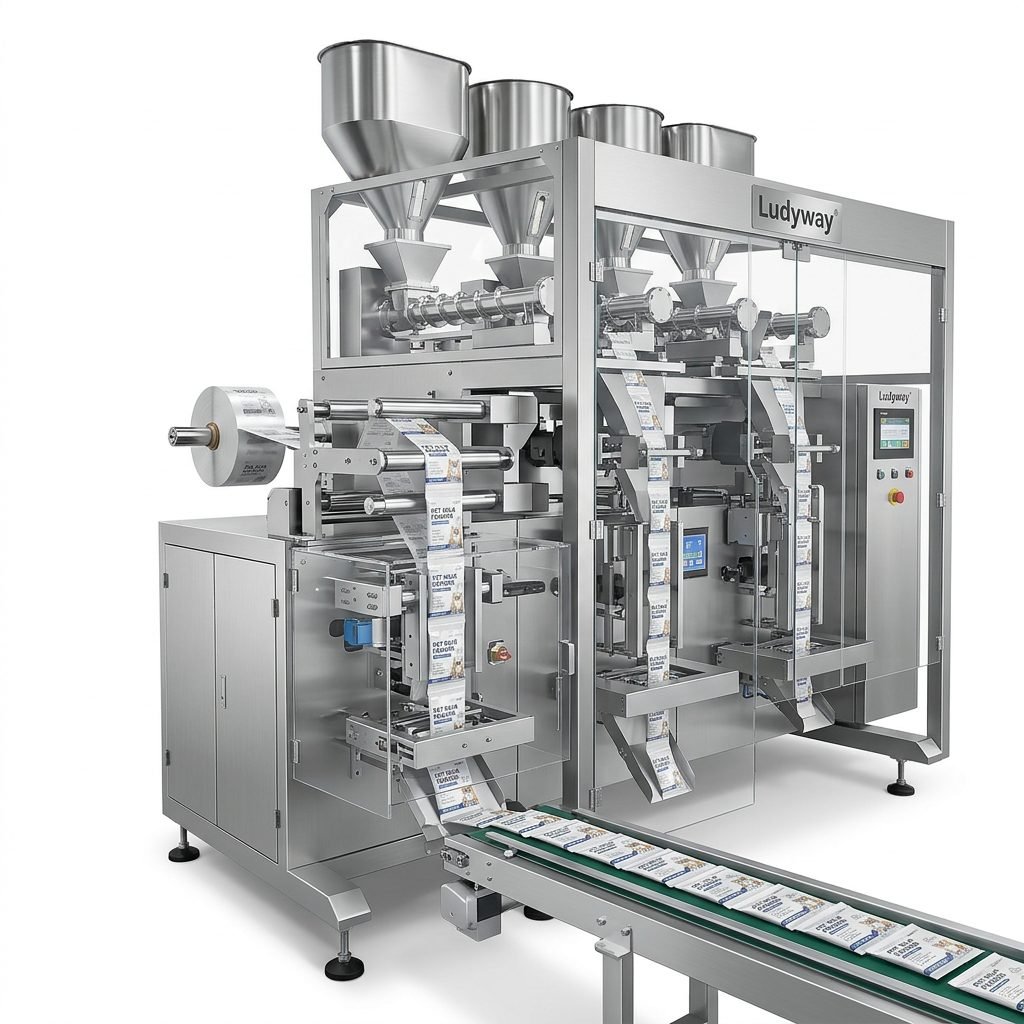
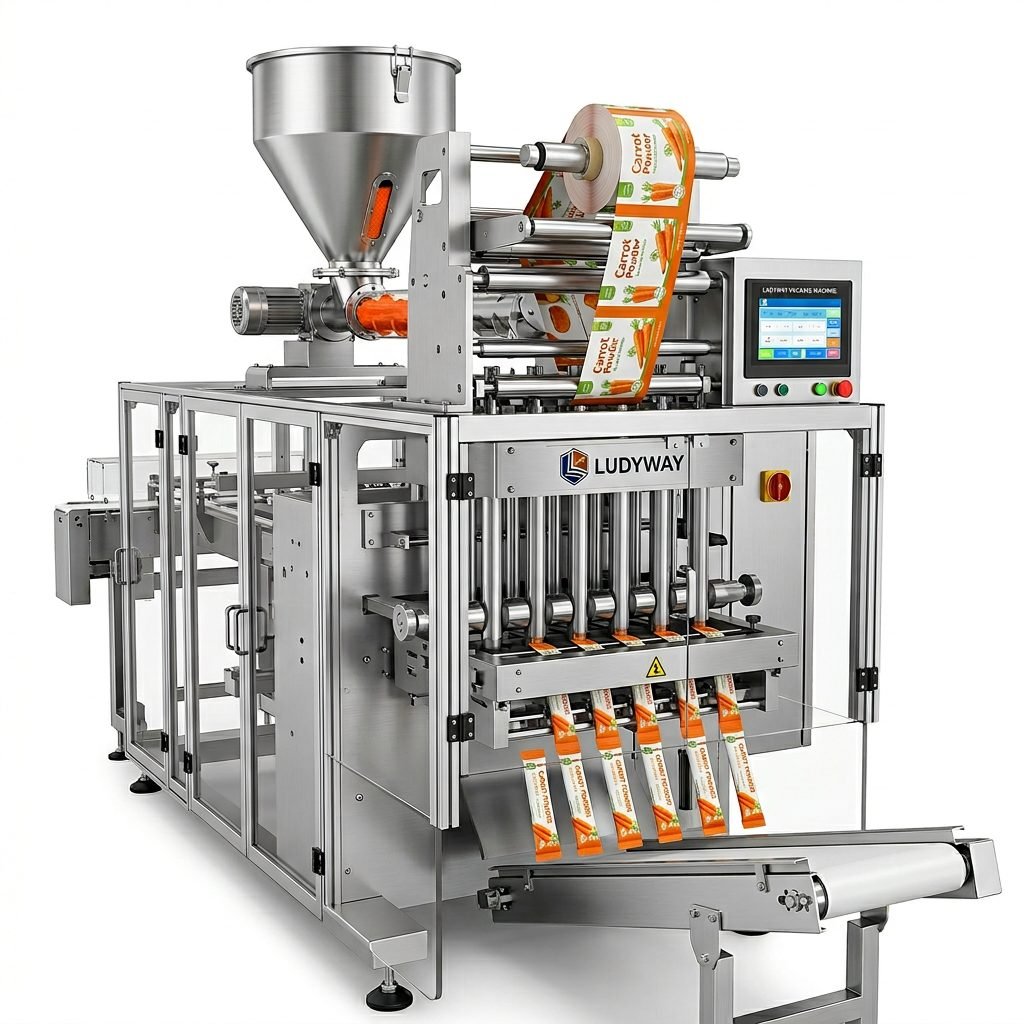
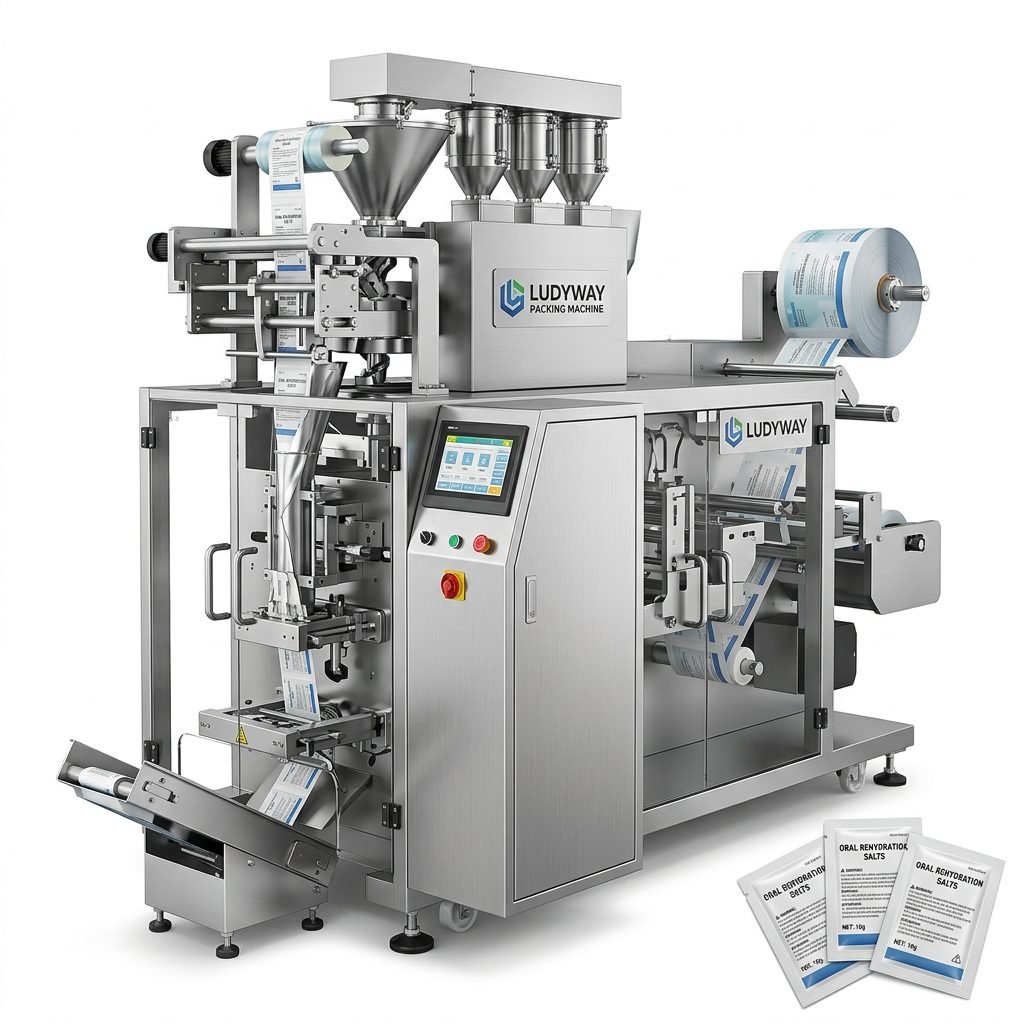
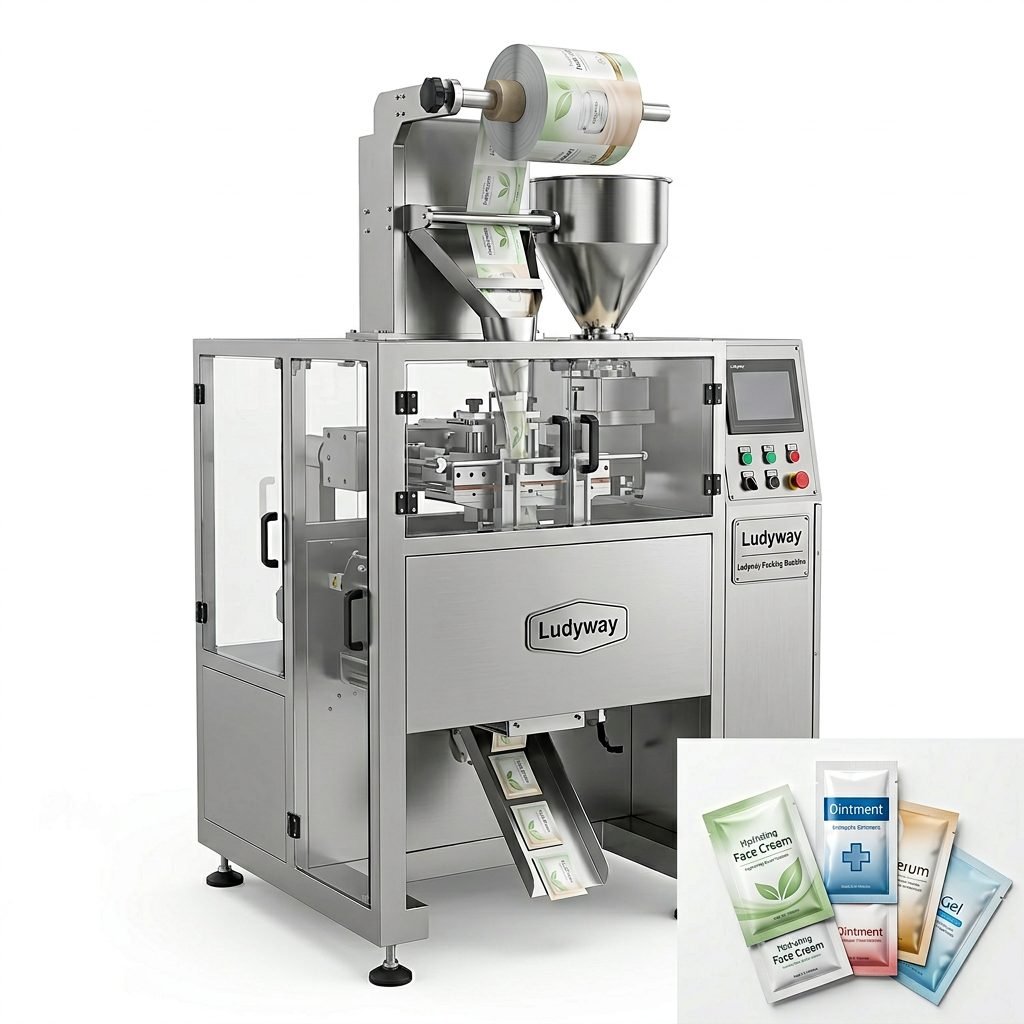
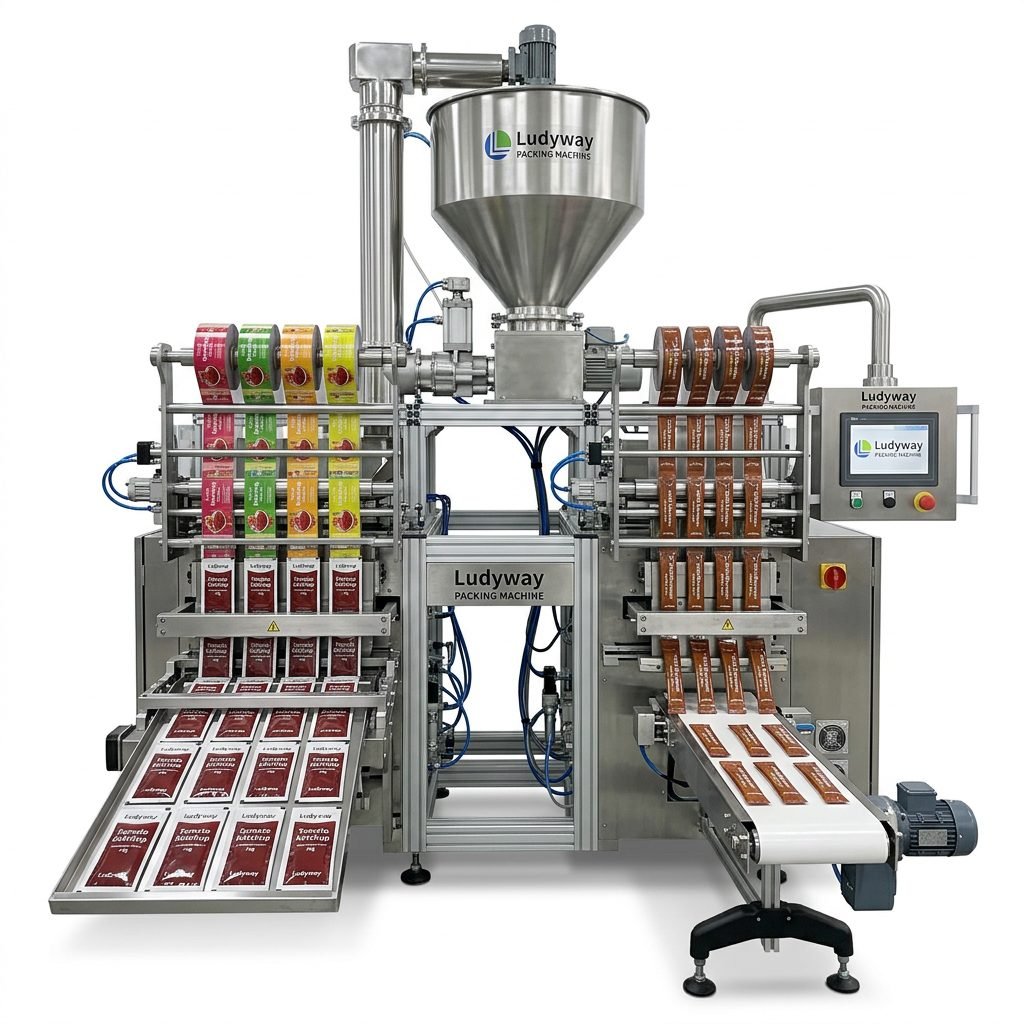
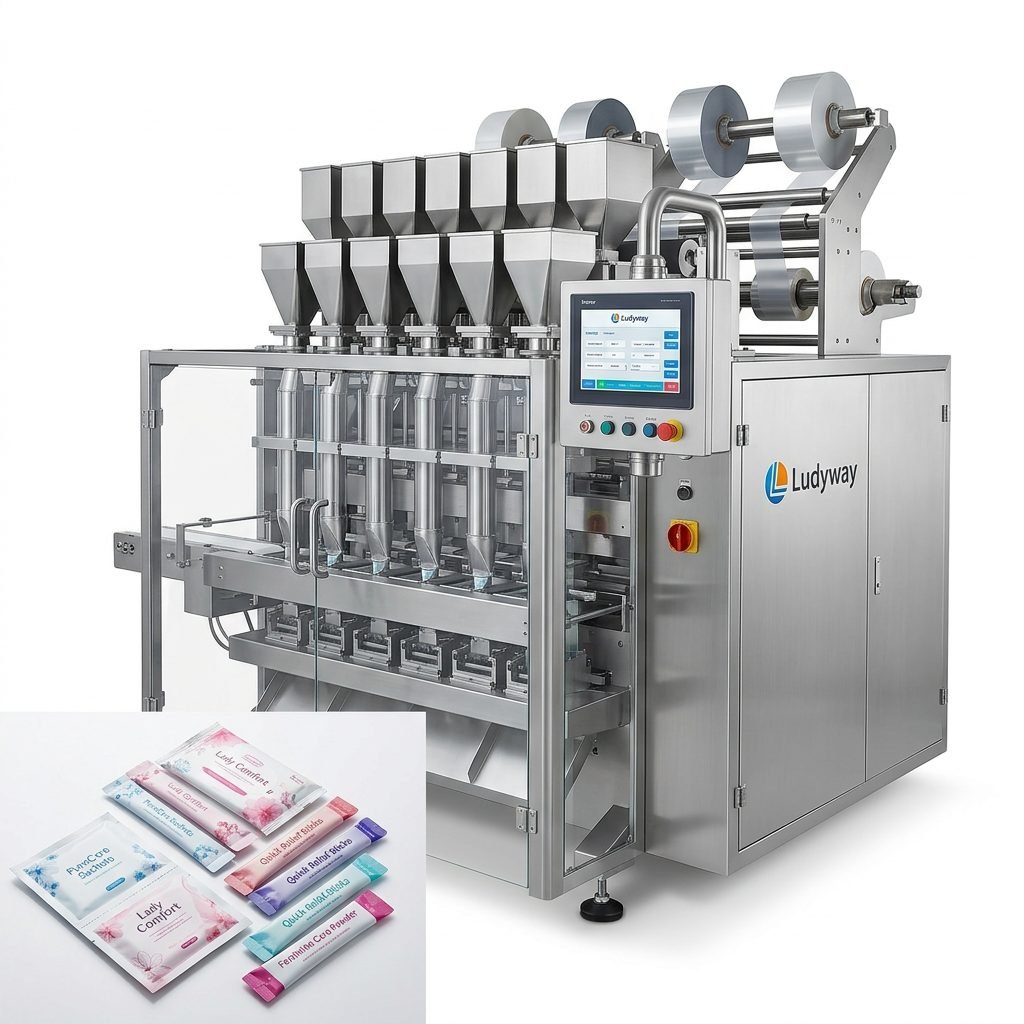
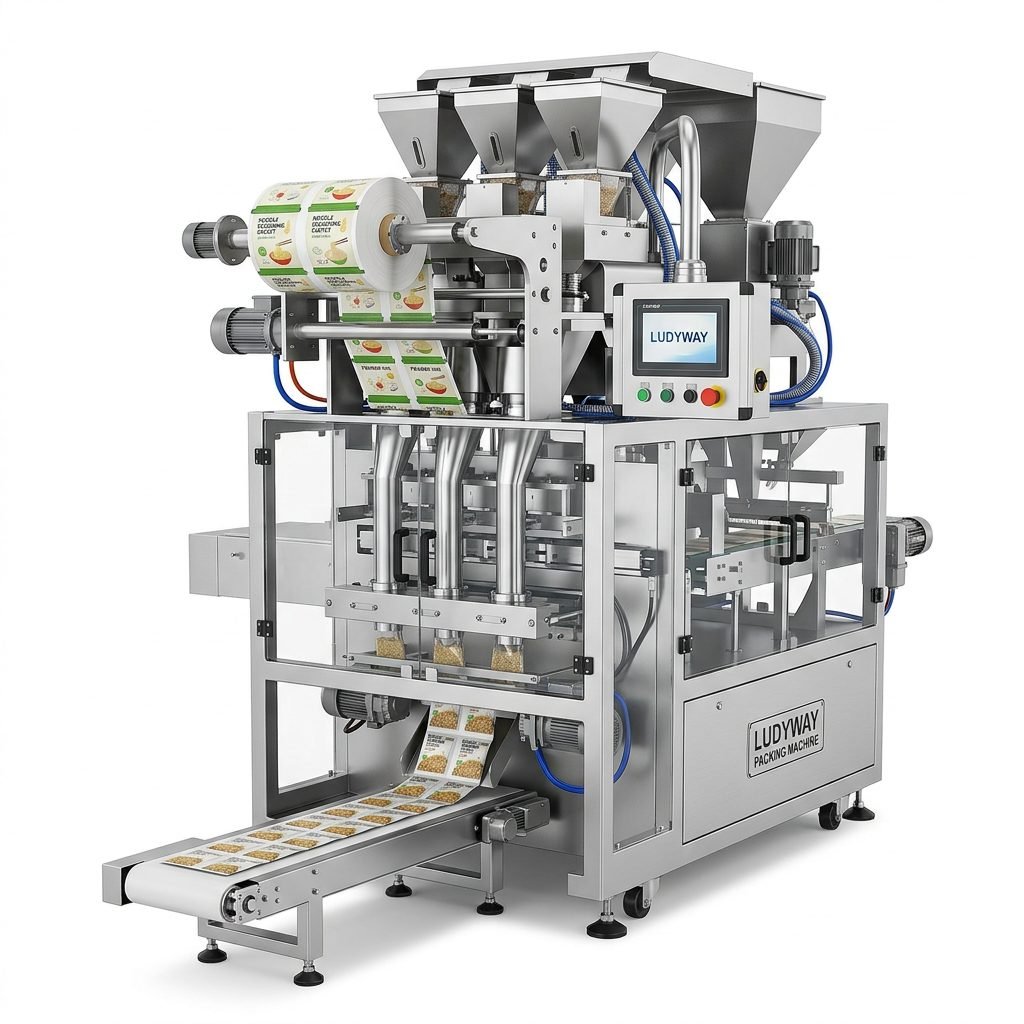
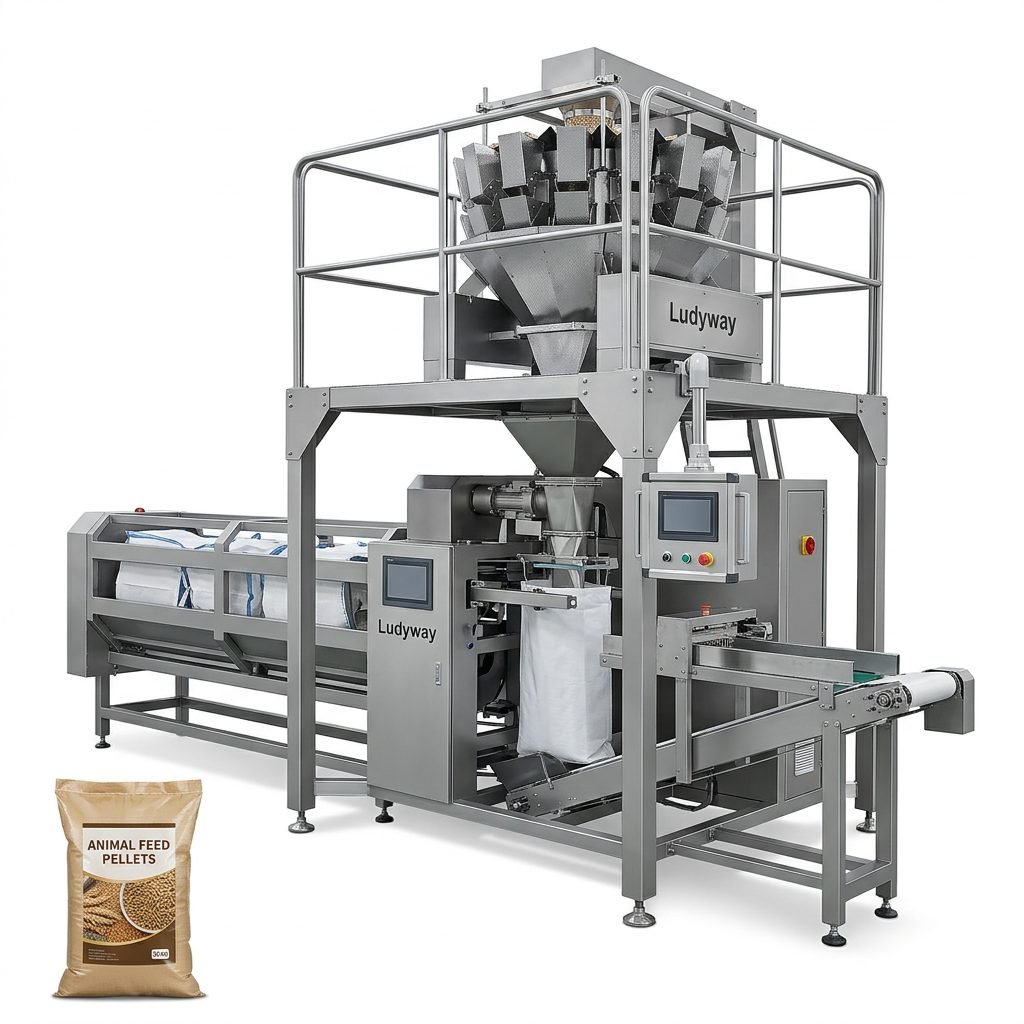
For buyers looking at broader automated packaging and line integration capabilities, silage packing machine solutions from Ludyway may be worth reviewing, especially for businesses that value scalable equipment design, manufacturing experience, and turnkey system support.
Common mistakes to avoid
- Choosing by price alone without checking sealing quality
- Ignoring forage characteristics and moisture variability
- Underestimating peak-season capacity requirements
- Overlooking spare parts availability and service support
- Buying equipment with no room for future automation upgrades
- Failing to request real test data or sample packaging results
Final buying checklist
Before making a final decision, confirm the following points:
- Material compatibility with your exact silage type
- Real production capacity during harvest peaks
- Package integrity after storage simulation
- Ease of maintenance and operator training
- Supplier support for installation and spare parts
- Upgrade flexibility for future line expansion
The best silage packing machine is the one that protects forage quality, fits your production volume, and supports efficient storage without creating unnecessary complexity. A careful equipment choice today can lead to better feed performance, lower waste, and more reliable farm operations season after season.