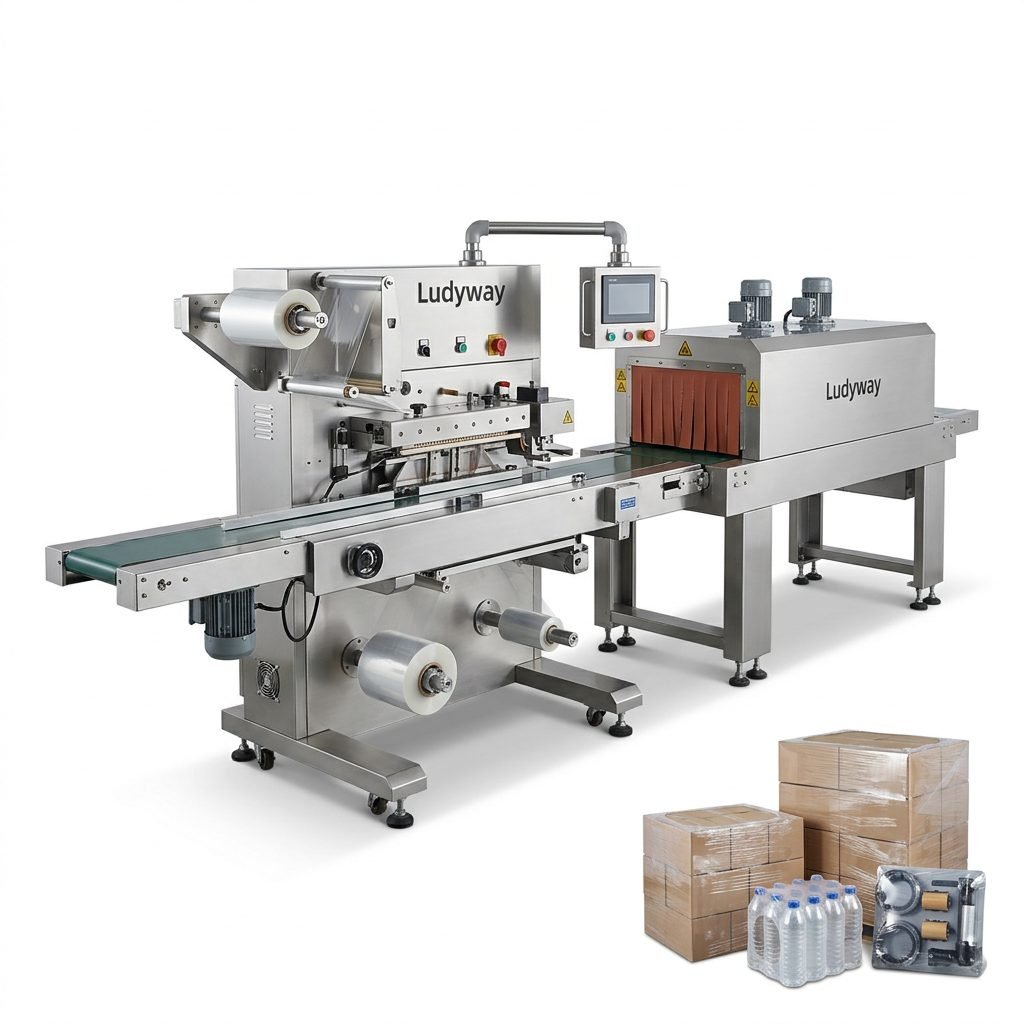
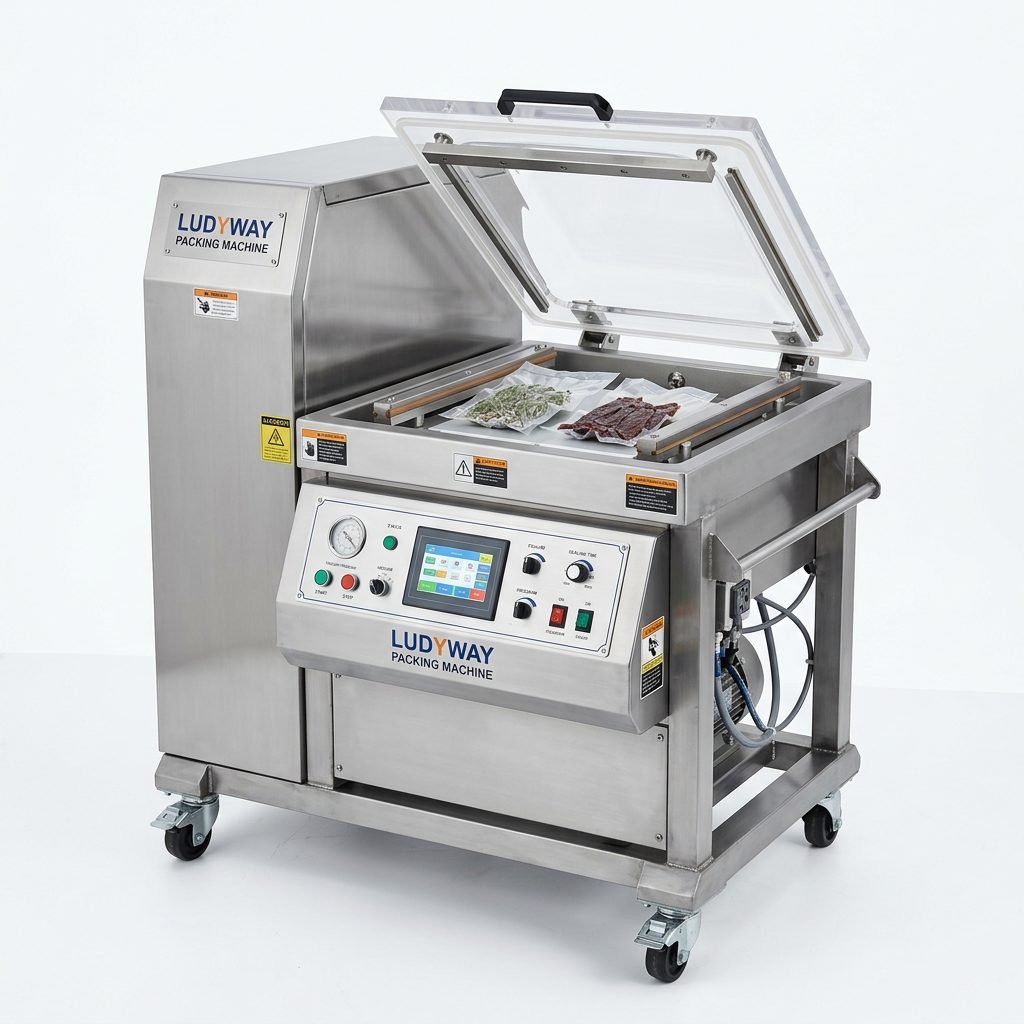
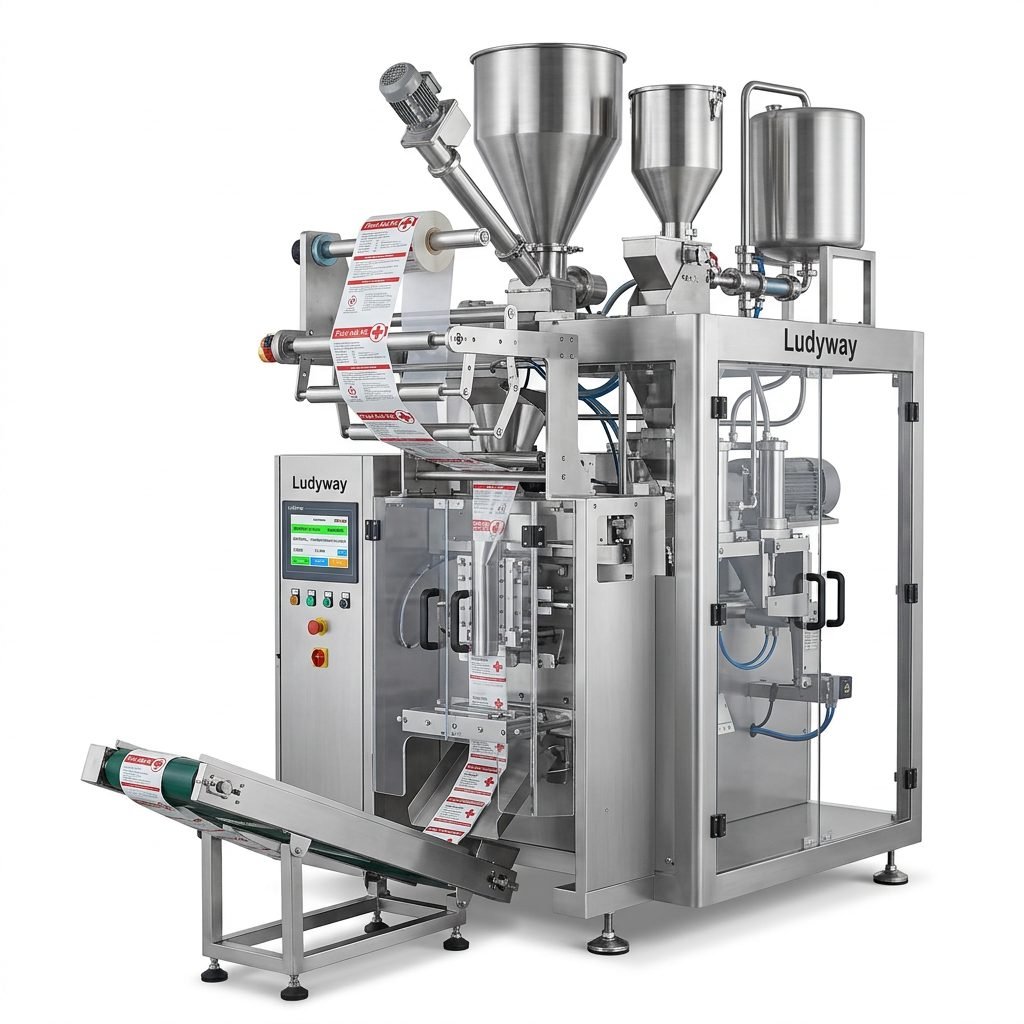
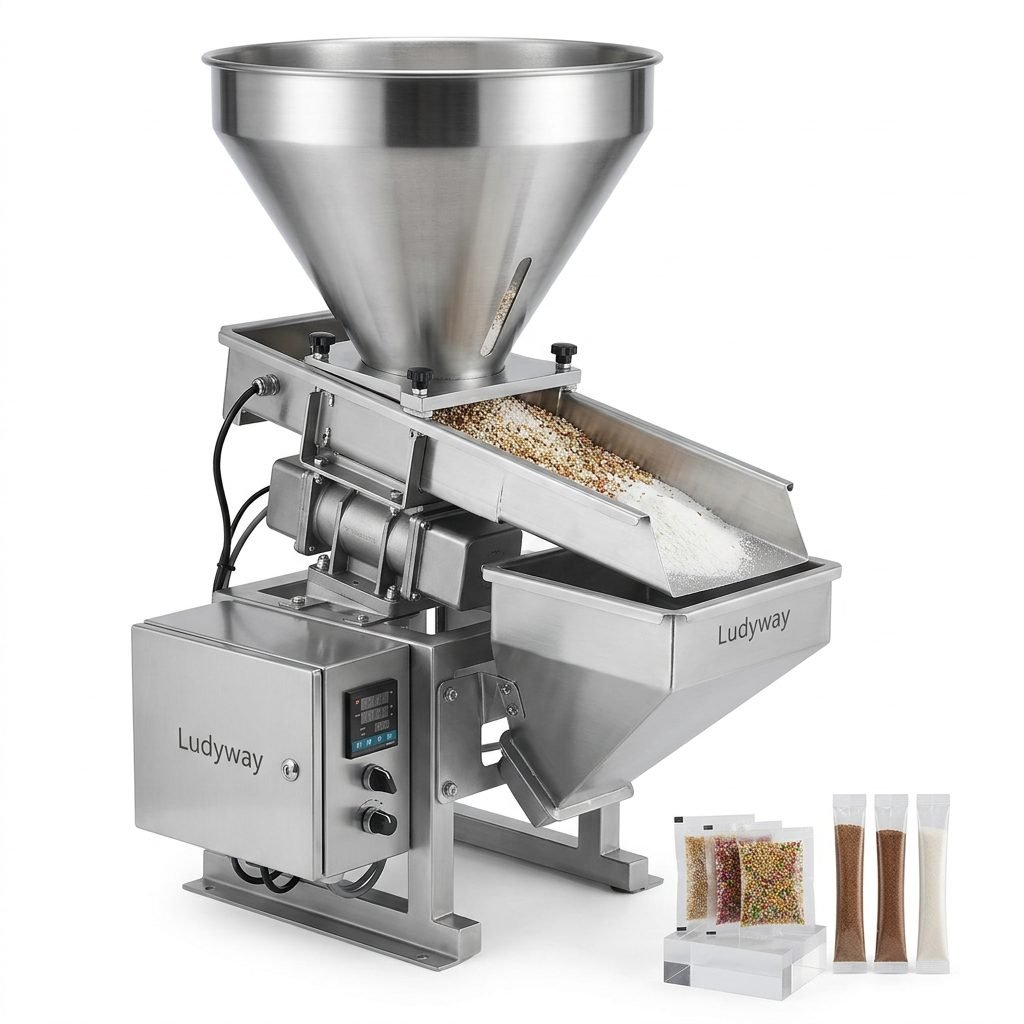
Buying a food packaging machine is not just about finding the lowest quotation. The real cost depends on the machine type, automation level, production capacity, packaging format, materials, compliance requirements, and after-sales support. A low upfront price can become expensive later if the machine runs slowly, wastes film, causes sealing defects, or cannot scale with your production.
For food manufacturers, co-packers, and brand owners, the smartest approach is to understand what drives pricing first, then compare equipment based on long-term return. This helps you choose a machine that fits your product, target output, labor plan, and expansion goals.

What Is the Typical Food Packaging Machine Price Range?
Food packaging machine prices vary widely because the market includes compact semi-automatic units, single-function packing machines, and fully integrated turnkey lines. In general, prices can range from a few thousand dollars for simple entry-level machines to well over six figures for high-speed automated systems.
| Machine Type | Typical Price Range | Suitable For |
|---|---|---|
| Semi-automatic filling/sealing machine | US$3,000–US$10,000 | Small batches, startups, manual-assisted production |
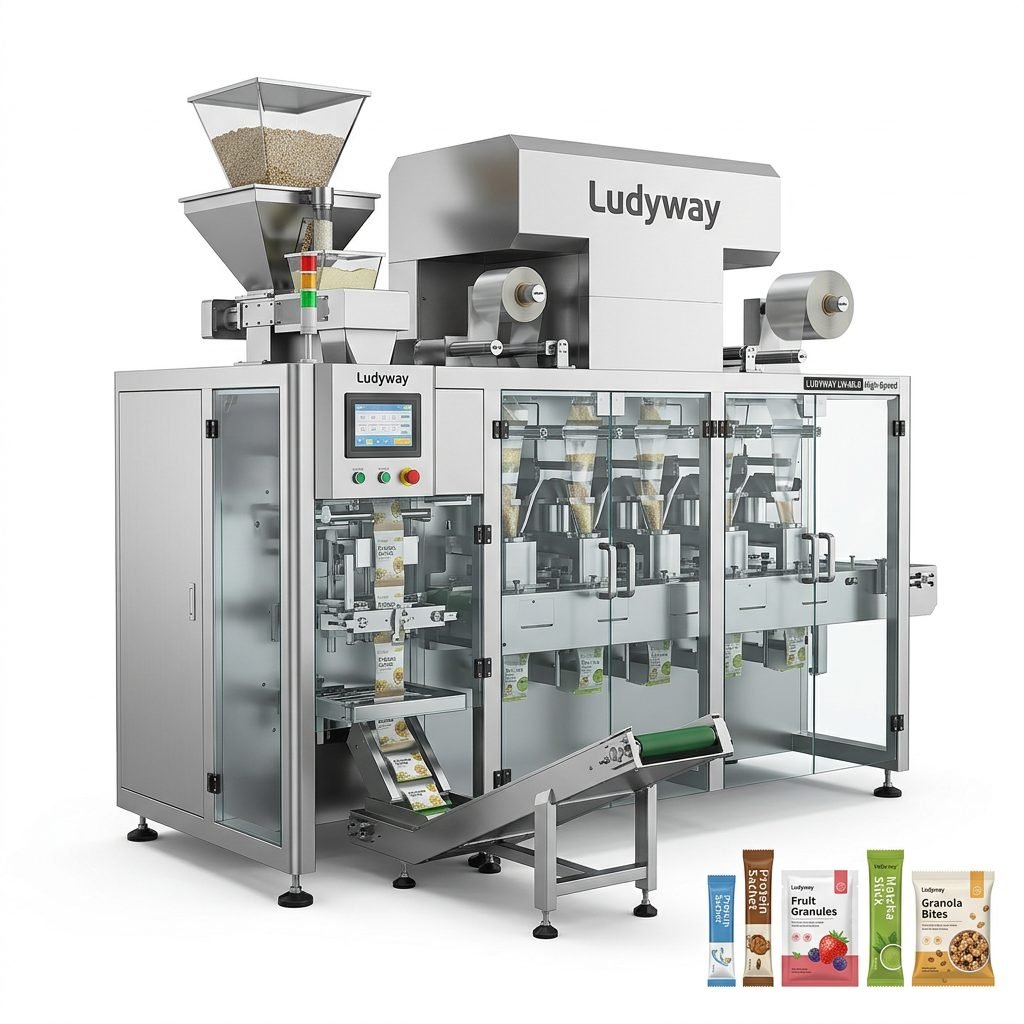
| Vertical form fill seal machine | US$8,000–US$35,000+ | Powders, granules, snacks, frozen food, dry food |
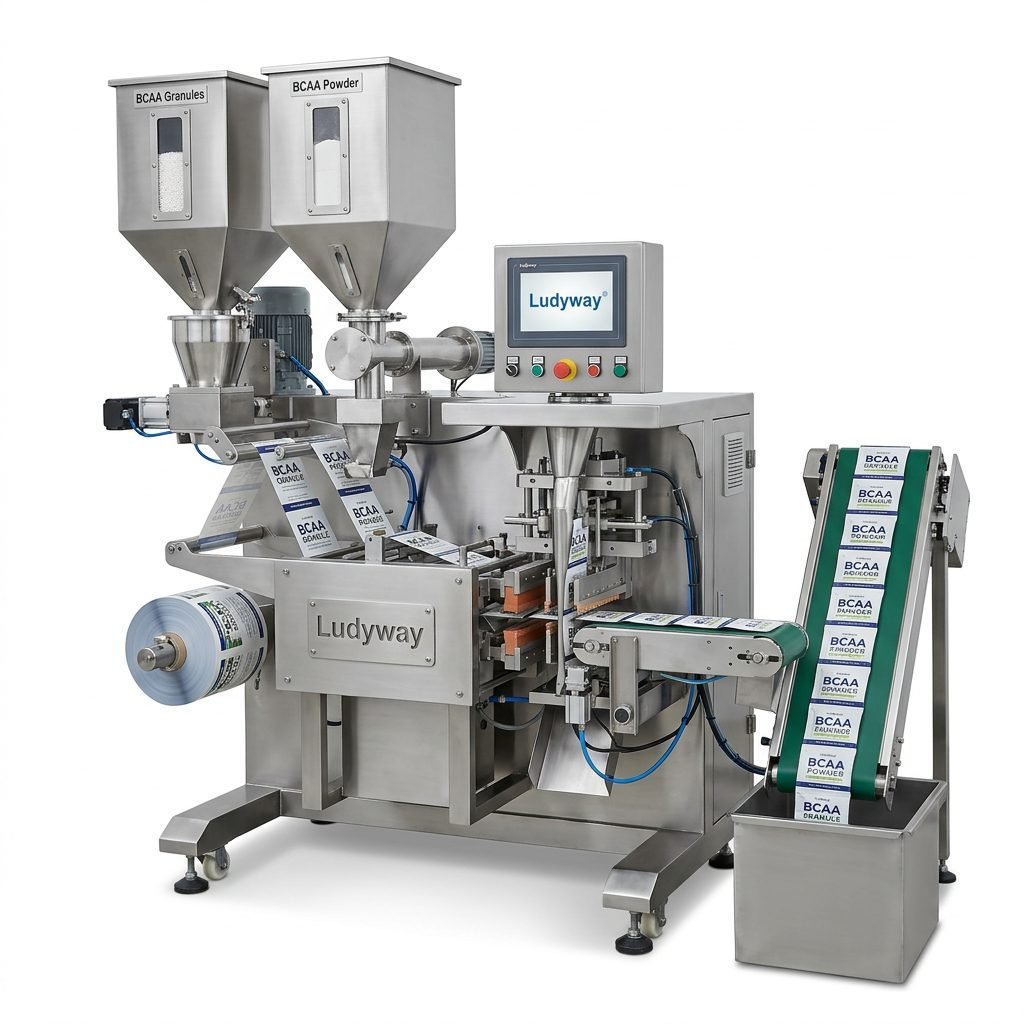
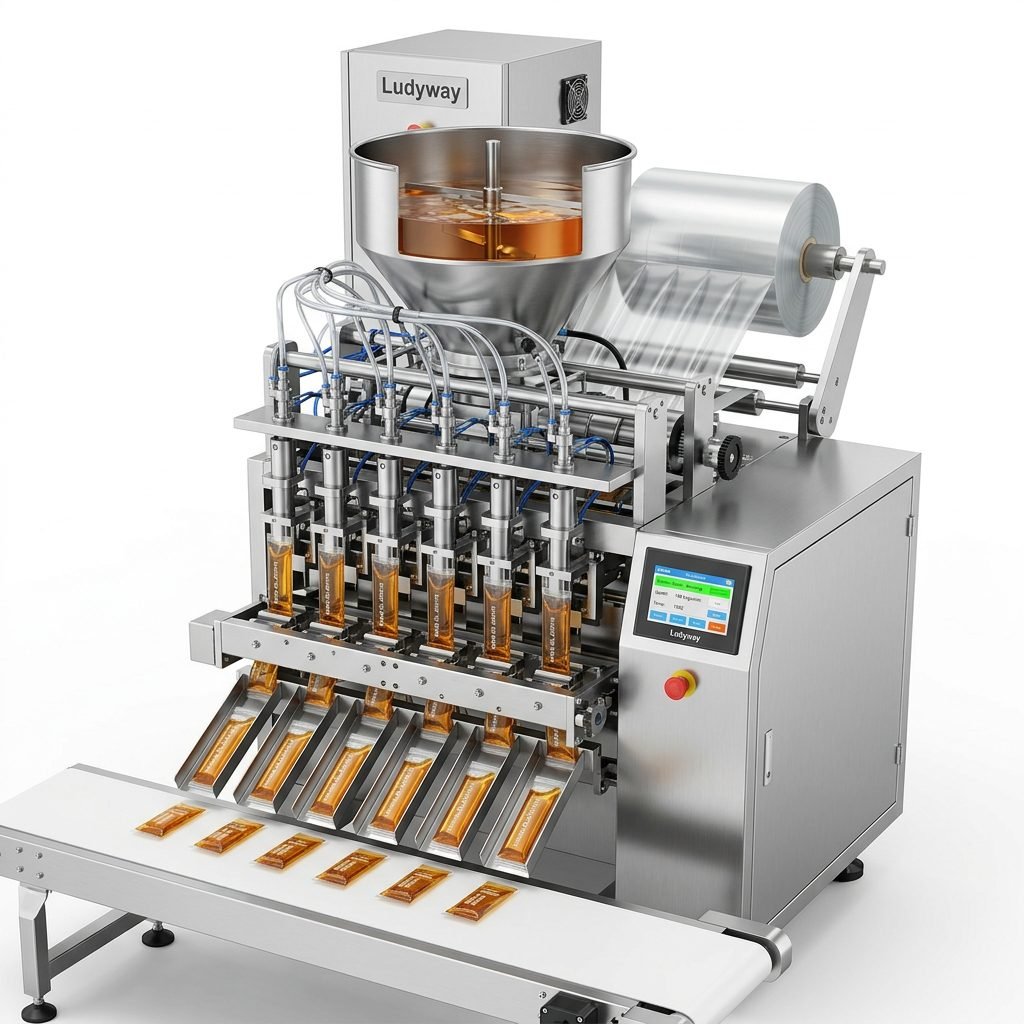
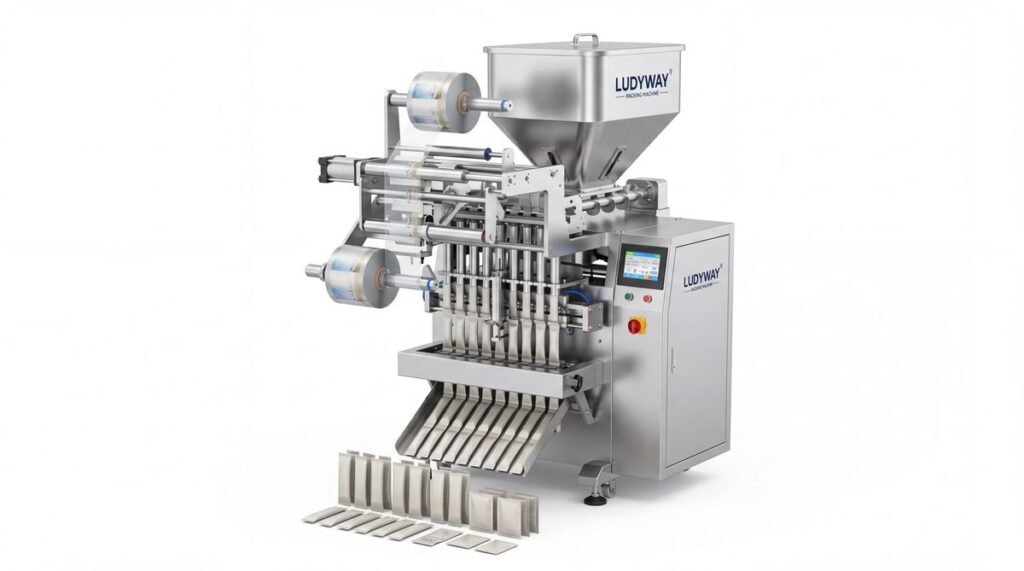
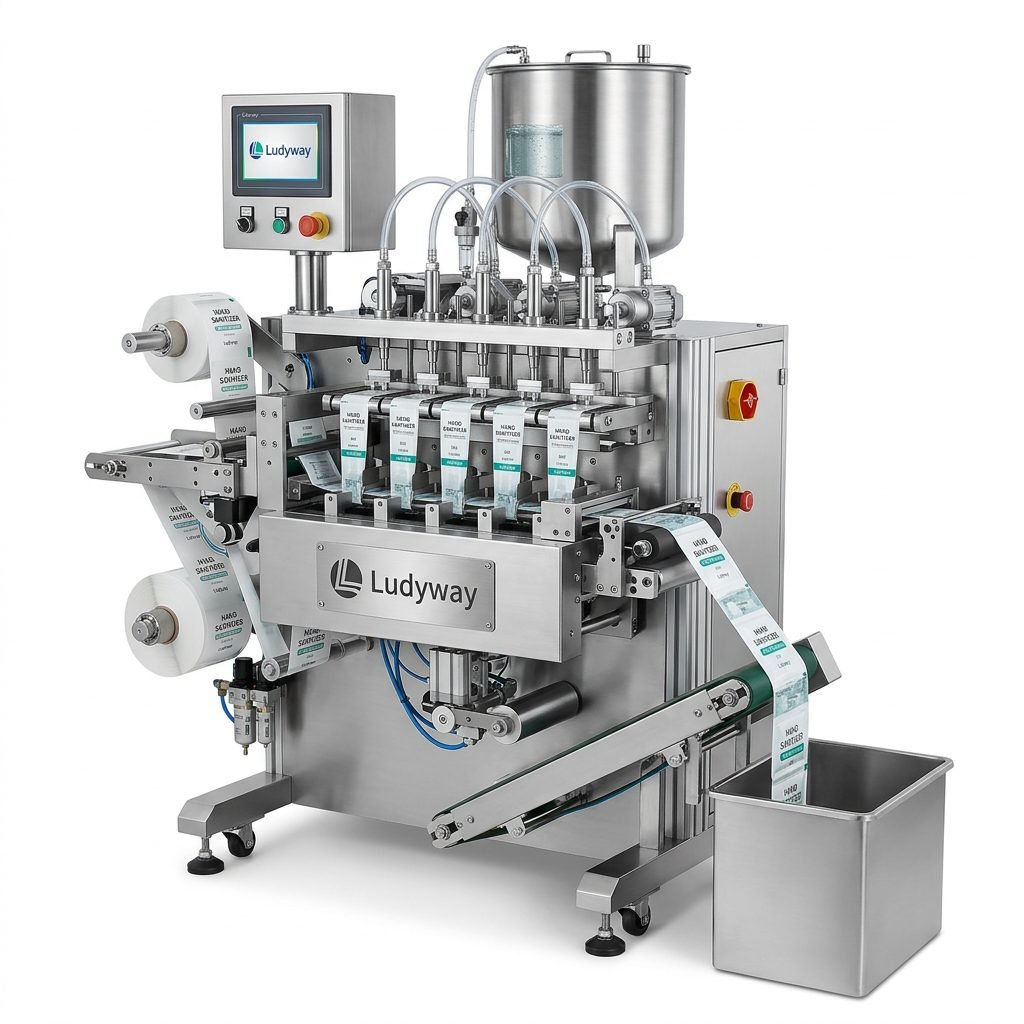
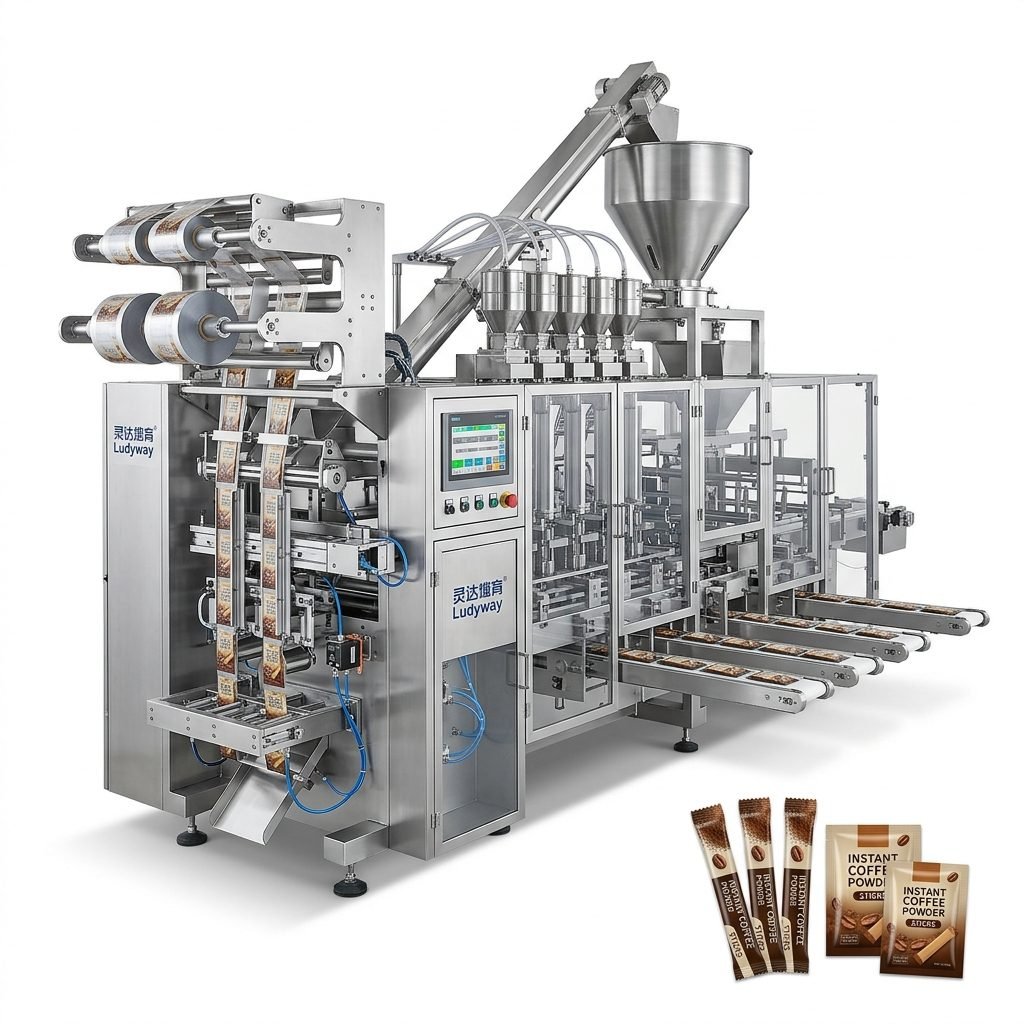
| Sachet or stick pack machine | US$15,000–US$80,000+ | Single-dose powders, sauces, seasonings, drink mixes |
| Premade pouch packaging machine | US$20,000–US$70,000+ | Stand-up pouches, zipper pouches, retail packs |
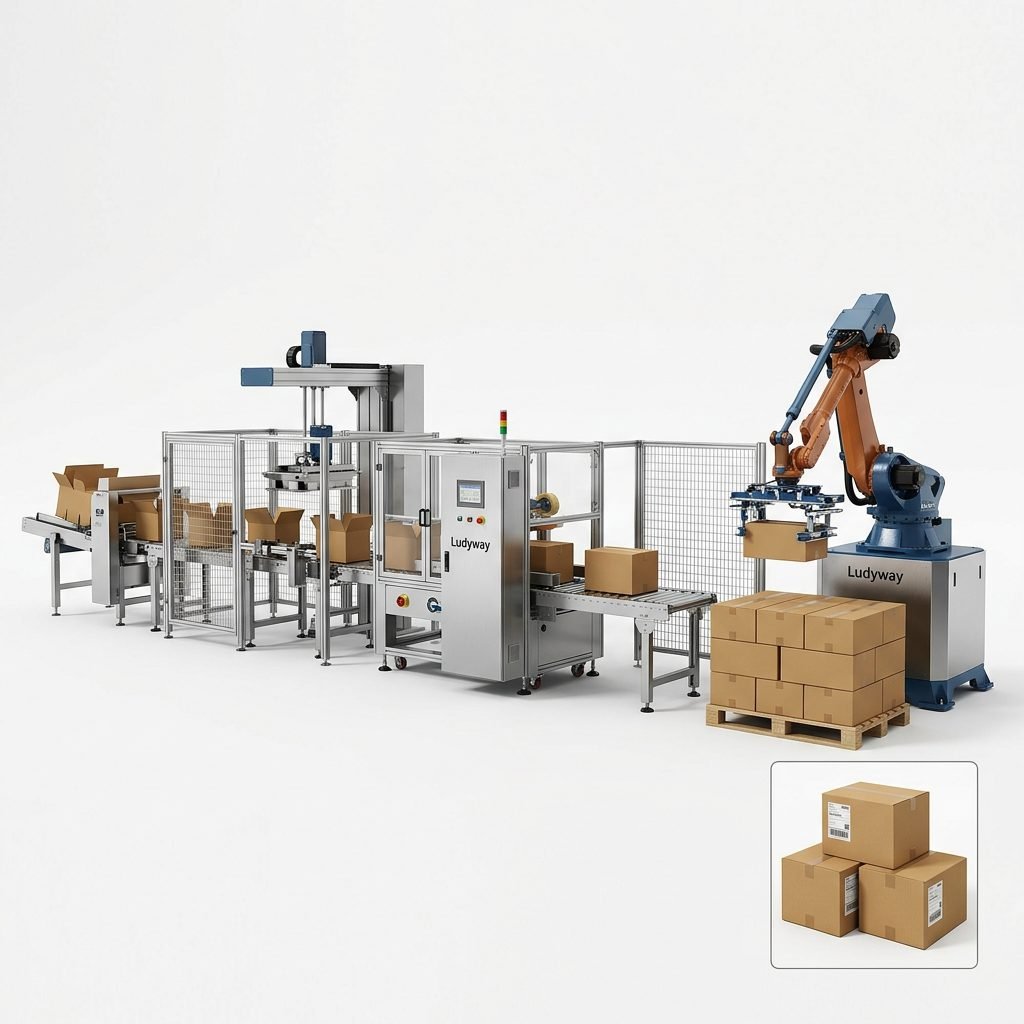
| Fully automatic turnkey packaging line | US$50,000–US$300,000+ | High-volume automated production |
These figures are only rough references. The final price can increase significantly when you add weighing systems, metal detectors, coding machines, conveyors, checkweighers, cartoning systems, nitrogen flushing, or custom control software.
Main Factors That Affect Food Packaging Machine Cost
1. Packaging Machine Type
The biggest cost driver is the machine category itself. A basic powder filler is very different from a multi-lane sachet line or a high-speed premade pouch system. Machines designed for complex bag shapes, precise dosing, and higher speed naturally cost more.
- Simple filling equipment costs less than integrated form-fill-seal systems
- Multi-lane machines are more expensive than single-lane machines
- Liquid and paste packaging usually requires more complex sealing and filling technology
- Turnkey lines cost more because they include feeding, filling, sealing, coding, inspection, and end-of-line automation
2. Product Characteristics
Different foods need different dosing and handling methods. Powder, granule, liquid, paste, oily products, sticky sauces, fragile snacks, or frozen foods all require specific machine structures. The more difficult the product is to handle, the more specialized the machine becomes.
For example:
- Free-flowing powders may use auger fillers or volumetric dosing
- Granules may need multi-head weighing or cup filling
- Liquids and sauces often require piston pumps or servo liquid systems
- Sticky or corrosive materials may require upgraded contact parts and special sealing design
3. Automation Level
Semi-automatic machines are cheaper at the beginning, but they depend more on labor. Fully automatic systems cost more upfront, yet they can reduce labor costs, improve output consistency, and lower human error.
| Automation Level | Initial Cost | Operating Impact |
|---|---|---|
| Semi-automatic | Low | More labor, lower output |
| Automatic standalone machine | Medium | Balanced productivity and cost |
| Fully integrated line | High | Maximum efficiency, fewer operators |
4. Output Capacity and Speed
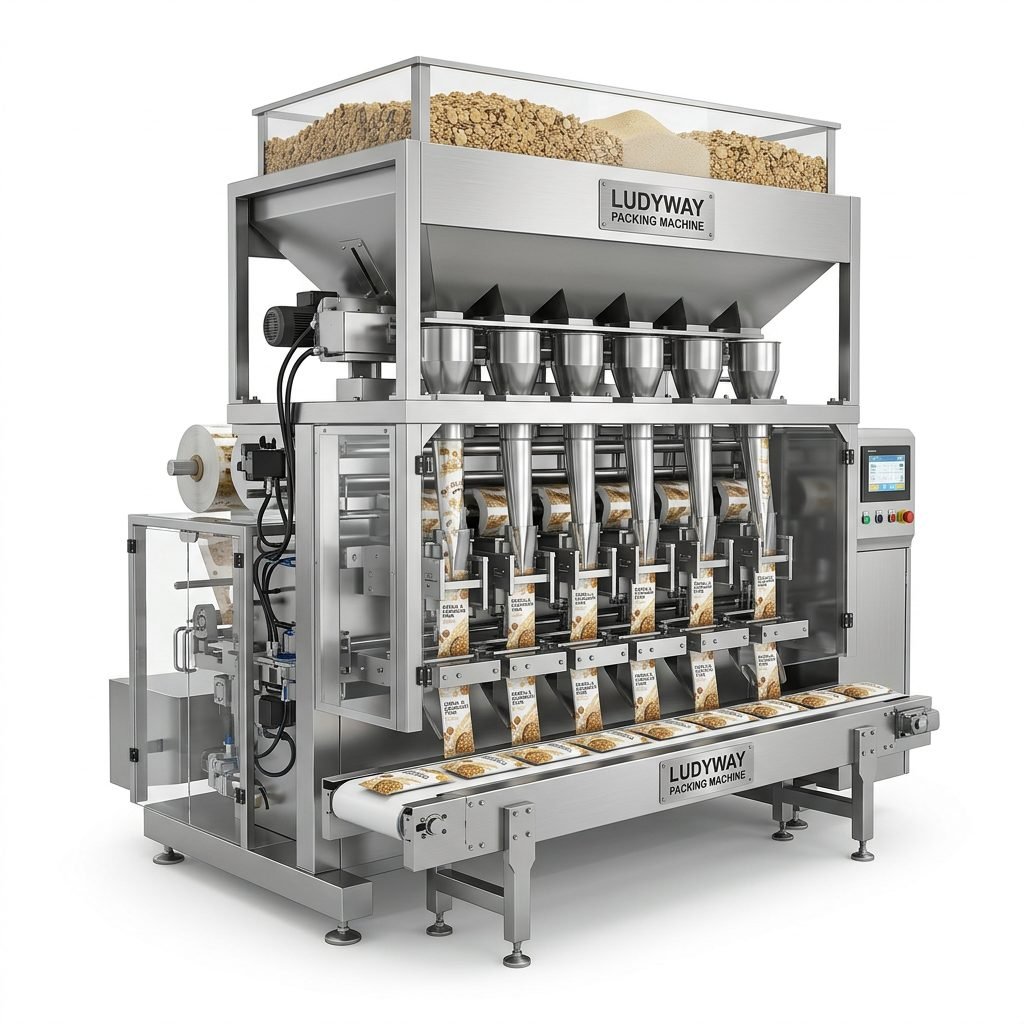
High-speed packaging machines require stronger frames, more precise motion control, better sealing systems, and advanced electrical components. As output per minute increases, machine price usually rises as well.
If your production target is modest, paying for an oversized high-speed system may not make financial sense. But if your plant runs multiple shifts or supplies major retailers, a faster machine may provide much better long-term value.
5. Packaging Format and Bag Style
The package format directly affects machine complexity. Flat sachets, stick packs, pillow bags, gusset bags, zipper pouches, vacuum packs, and spouted pouches all require different structures and forming systems.
- Pillow bags are usually more economical
- Stick packs and multi-lane sachets need more precise film tracking and sealing
- Zipper or stand-up pouches often involve higher machine and tooling costs
- Special shapes and custom pack designs increase engineering cost
6. Material Quality and Component Brands
Stainless steel grade, servo motors, PLC brand, touch screens, sensors, and pneumatic parts all influence cost. Machines built with higher-grade components generally cost more, but they often offer better stability and longer service life.
In food production, 304 or 316 stainless steel contact parts are commonly requested for hygiene and corrosion resistance. International component brands may also raise the quotation, especially when buyers request familiar electrical or pneumatic suppliers.
7. Customization Requirements
Standard machines are usually more affordable than customized solutions. If your product has unusual flow behavior, large particles, special hygiene requirements, or unique pouch dimensions, the manufacturer may need to redesign filling heads, hoppers, sealing jaws, or feeding systems.
Customization often adds cost, but it may also prevent downtime and poor pack quality later.
8. Food Safety and Certification Requirements
Compliance matters, especially for exporters and regulated food sectors. Requirements such as CE conformity, food-grade contact materials, GMP-oriented design, traceability systems, and validation documents can affect final pricing.
If your business supplies supermarkets, international distributors, or contract manufacturing clients, make sure the supplier can provide the documentation your market expects.
9. Auxiliary Equipment and Line Integration
Many buyers compare only the main machine price and forget the total line cost. In real projects, the packaging machine is often just one part of the investment.
- Feeders and elevators
- Mixers and storage hoppers
- Metal detectors and X-ray systems
- Checkweighers
- Date coding and printing devices
- Cartoning, case packing, and palletizing equipment
Once these are added, the total project price can increase substantially. However, integrated systems often deliver better workflow and less manual handling.
Hidden Costs Buyers Should Not Ignore
The machine quotation is only part of the total cost of ownership. Before making a decision, calculate these additional expenses:
- Shipping and import duties — especially for international purchases
- Installation and commissioning — on-site or remote support may differ in cost
- Operator training — necessary for stable operation
- Spare parts — wear parts and replacement schedules matter
- Film and packaging material compatibility testing
- Energy use and compressed air demand
- Maintenance downtime — poor machine quality creates hidden losses
A cheaper machine with frequent faults may cost more over two or three years than a higher-quality machine with reliable support.
How to Choose the Right Food Packaging Machine
Start with Your Product and Pack Format
First define exactly what you are packing:
- Powder, granule, liquid, paste, or mixed product
- Single-serve or bulk pack
- Sachet, stick pack, pillow bag, premade pouch, bottle, or jar
- Retail packaging or industrial packaging
The wrong machine type creates sealing problems, inaccurate filling, wasted materials, and lower productivity.
Match the Machine to Your Actual Production Volume
Do not buy based only on future dreams, and do not buy only for today if your orders are growing quickly. Try to choose a machine that covers your current demand while leaving reasonable room for expansion.
A practical rule is to evaluate:
- Daily output target
- Peak seasonal demand
- Number of shifts
- Expected business growth in the next 2–3 years
Focus on Stability, Not Just Speed
Advertised speed is not everything. A machine that runs at a slightly lower speed but maintains stable sealing, accurate dosing, and low rejection rates often delivers better real output than a faster but unreliable model.
Check Changeover Flexibility
If you run multiple SKUs, flavors, or pack sizes, ask how long changeovers take. Flexible equipment may cost more initially, but it saves time and labor when switching between products.
Review After-Sales Support
Technical support can make or break the purchase. Ask about:
- Installation guidance
- Video support and remote troubleshooting
- Spare parts availability
- Documentation and manuals
- Response time for service requests
An experienced supplier with export history can often reduce risks during setup and operation.
Questions to Ask Before Requesting a Quotation
To get an accurate food packaging machine price, prepare clear technical information. This helps suppliers quote the right model faster and reduces misunderstandings.
| Question | Why It Matters |
|---|---|
| What product will be packed? | Determines filling system and machine design |
| What is the pack size and bag type? | Affects forming, sealing, and tooling |
| What output do you need per minute or per day? | Determines speed class and automation level |
| What packaging film or pouch material will be used? | Impacts sealing quality and machine configuration |
| Do you need coding, inspection, or cartoning? | Affects total line budget |
| Do you require CE or other compliance? | Influences component and documentation cost |
When Is a Higher-Priced Machine Worth It?
Paying more can be justified when the machine offers measurable gains in efficiency and quality. In many food factories, a premium machine is worth it if it provides:
- Higher uptime and fewer breakdowns
- Better sealing consistency
- More accurate filling and lower giveaway
- Less packaging film waste
- Faster cleaning and easier maintenance
- Reliable operation across multiple shifts
- Easy future integration with full production lines
For growing food businesses, these advantages often improve ROI far more than chasing the lowest initial price.
Choosing a Reliable Packaging Machine Supplier
The supplier matters as much as the machine itself. Look for a manufacturer with proven experience in food packaging, customization capability, and international service support. If you need anything from standalone machines to complete automated lines, Ludyway food packaging machine solutions are often considered by buyers seeking scalable systems for powders, granules, liquids, sachets, stick packs, and turnkey production lines.
A qualified supplier should be able to analyze your product, recommend the right machine structure, provide layout advice, and support long-term operation rather than simply sending a price list.
Final Buying Tips
- Compare total value, not just machine price
- Request videos, sample tests, and technical specifications
- Confirm spare parts and support policy before ordering
- Think about future output and product expansion
- Choose a machine that fits your food type, packaging format, and plant workflow
The right food packaging machine should help you improve efficiency, protect product quality, and support business growth. When you understand what affects cost, it becomes much easier to choose equipment that delivers real long-term return.