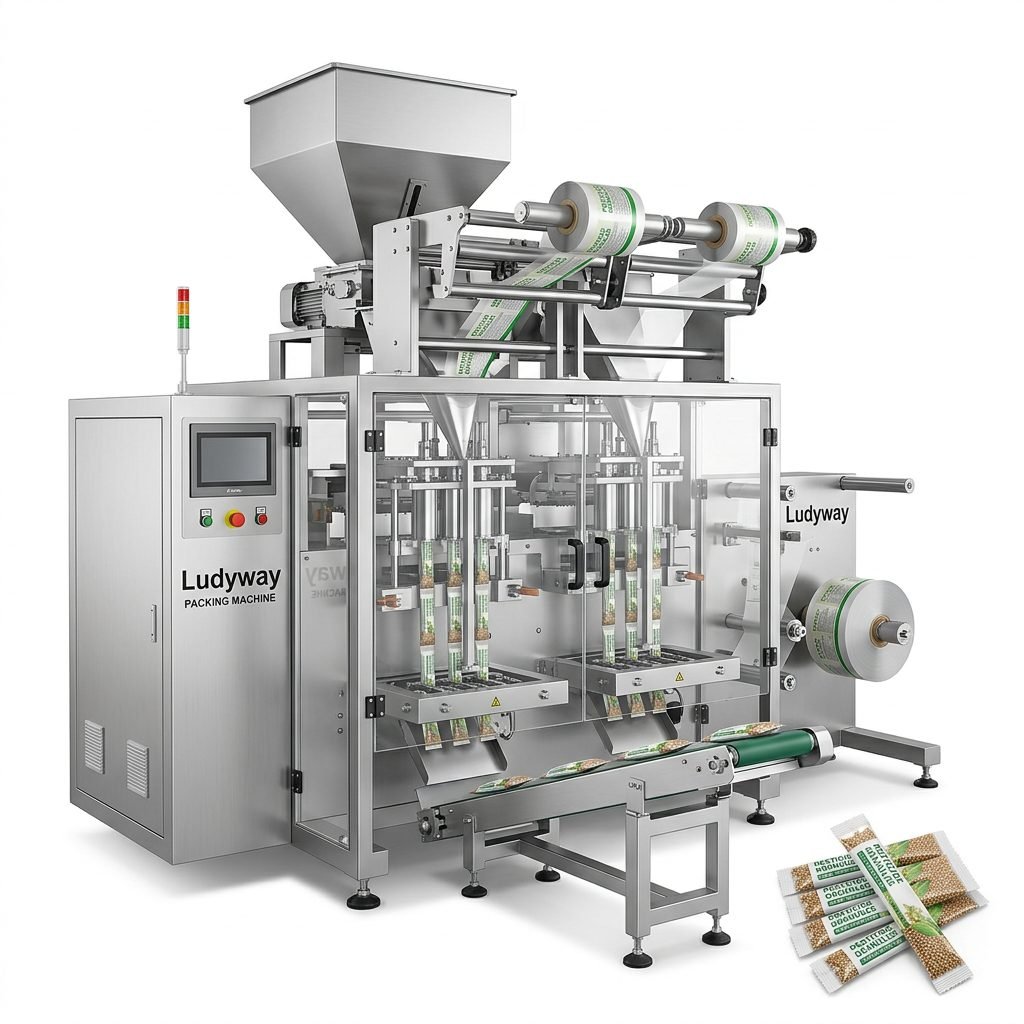
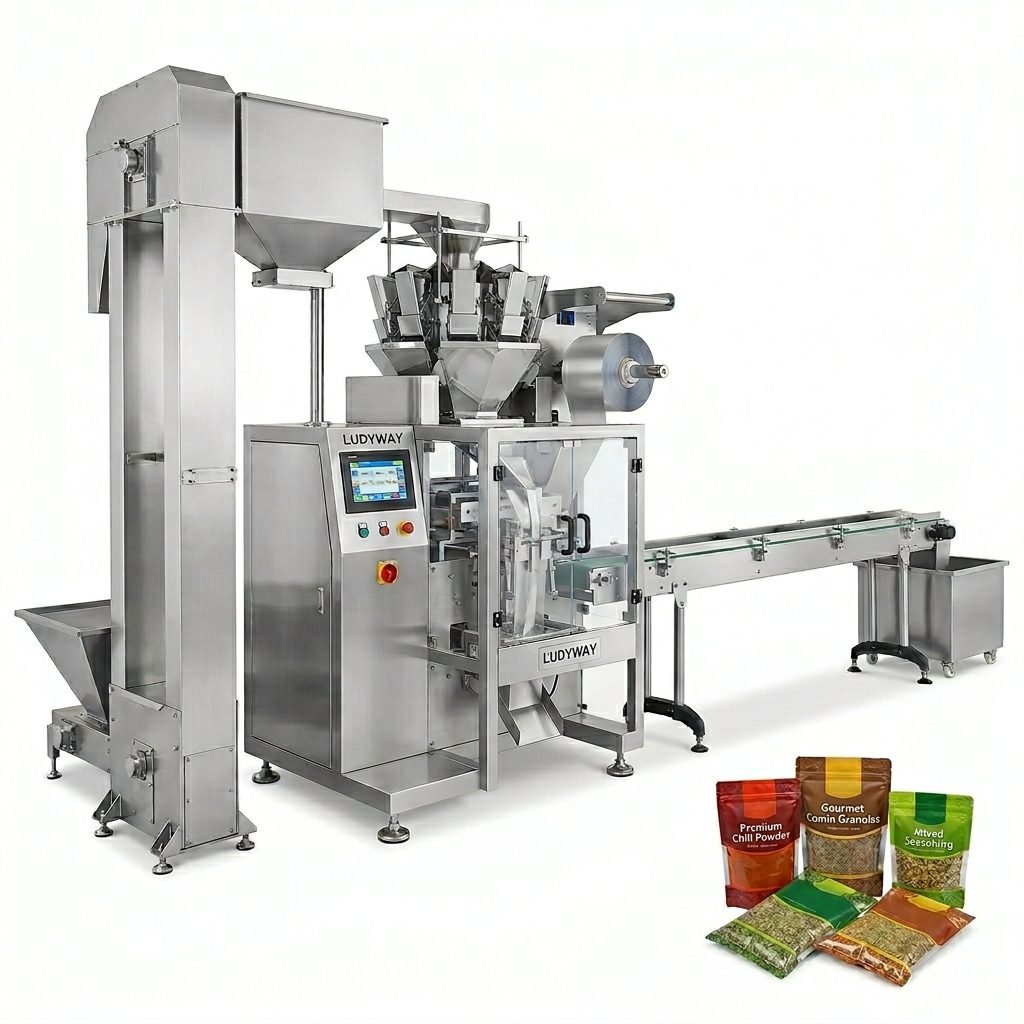
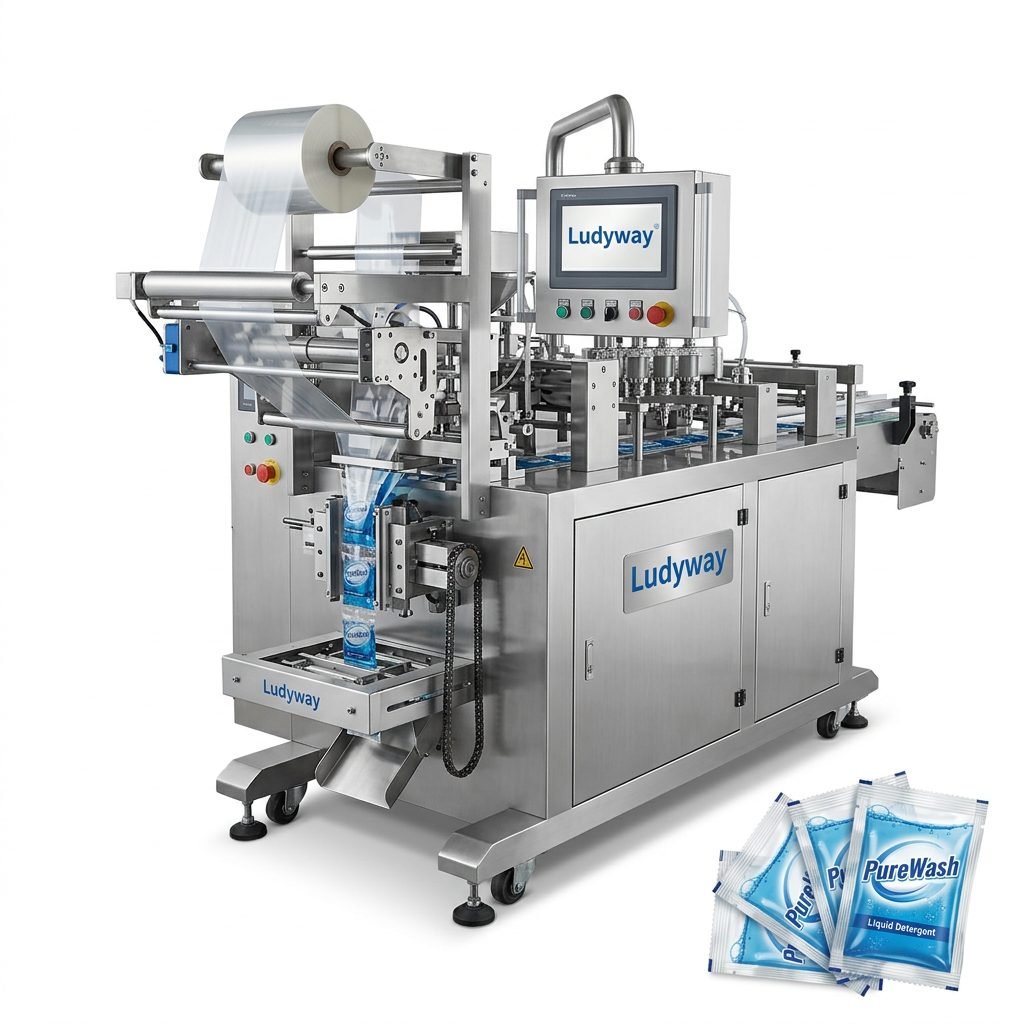
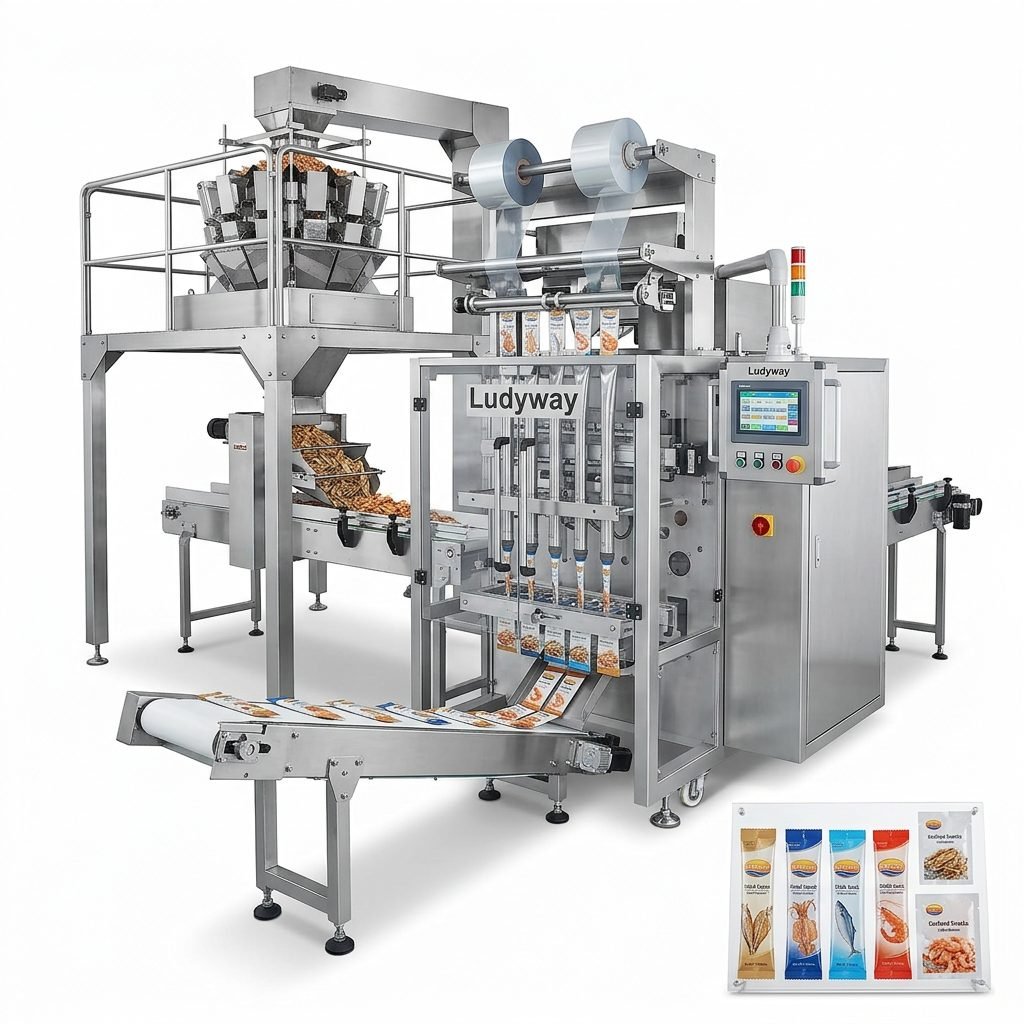
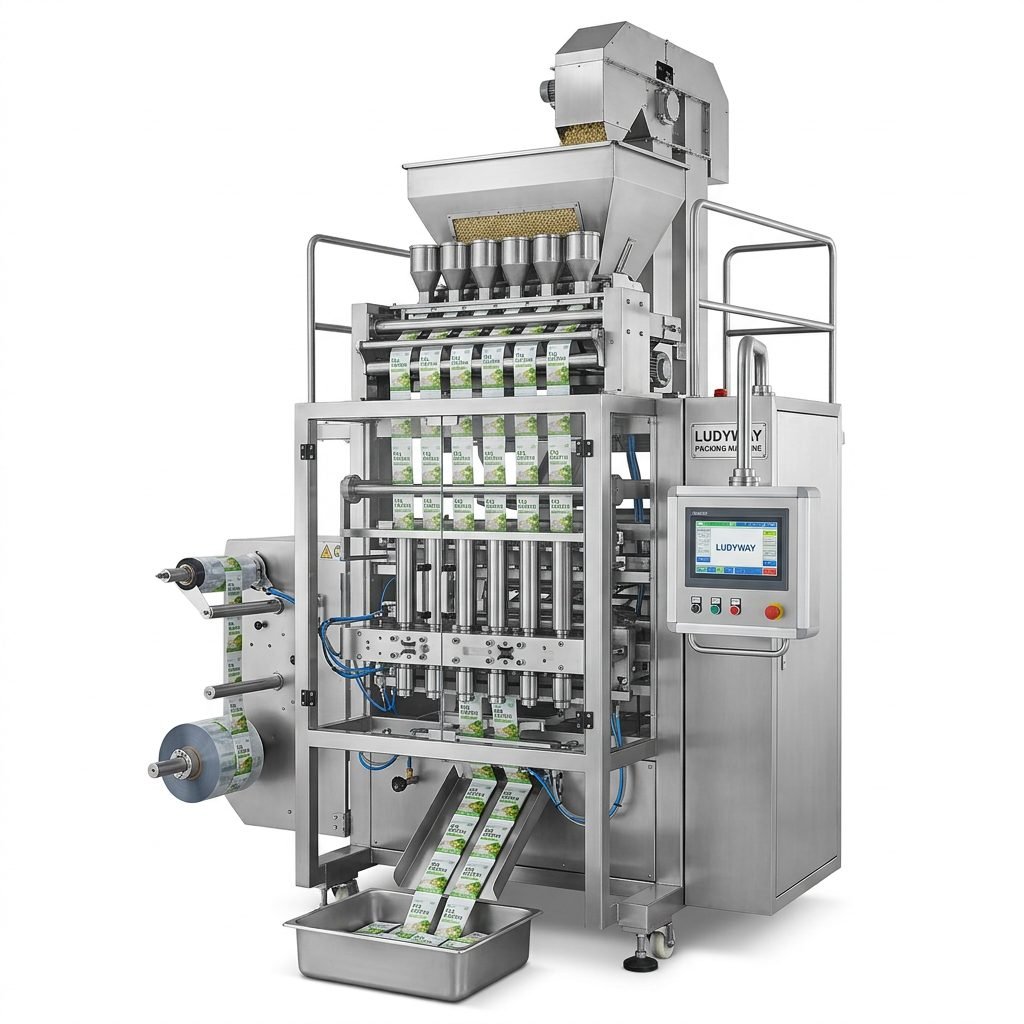
An automatic plastic packing machine is designed to form, fill, seal, wrap, bag, or overwrap products using plastic-based packaging materials such as PE, PP, laminated film, shrink film, stretch film, and flexible pouch film. For manufacturers in food, pharmaceuticals, cosmetics, chemicals, and consumer goods, the right machine can significantly improve output, packaging consistency, labor efficiency, and product protection.
This guide explains the main machine types, key features to compare, typical applications, and practical buying tips to help you choose the most suitable system for your production line.
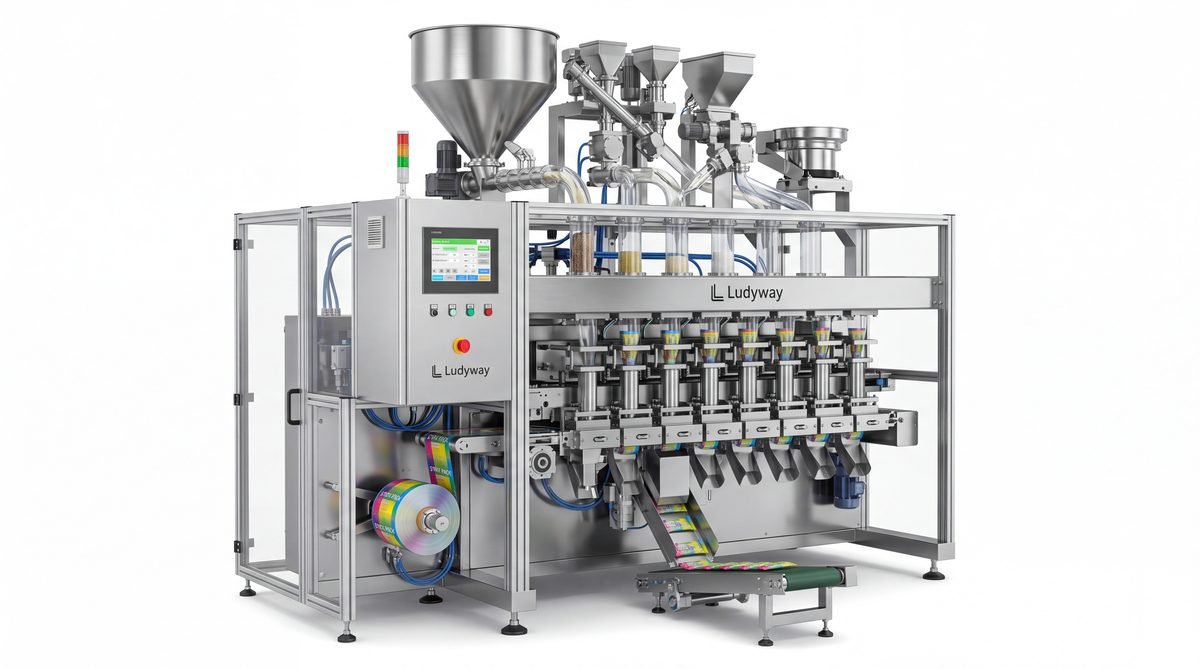
What Is an Automatic Plastic Packing Machine?
An automatic plastic packing machine is a packaging system that uses plastic film or plastic-based flexible materials to create finished packs automatically. Depending on the machine design, it can perform one or several operations:
- Product feeding and dosing
- Film unwinding and forming
- Filling by weight, volume, auger, pump, or counting
- Heat sealing or ultrasonic sealing
- Cutting, coding, and batch marking
- Discharge, inspection, cartoning, and case packing
These machines are widely used for powders, granules, liquids, pastes, tablets, capsules, snacks, detergents, sauces, supplements, and cosmetic samples.
Main Types of Automatic Plastic Packing Machines
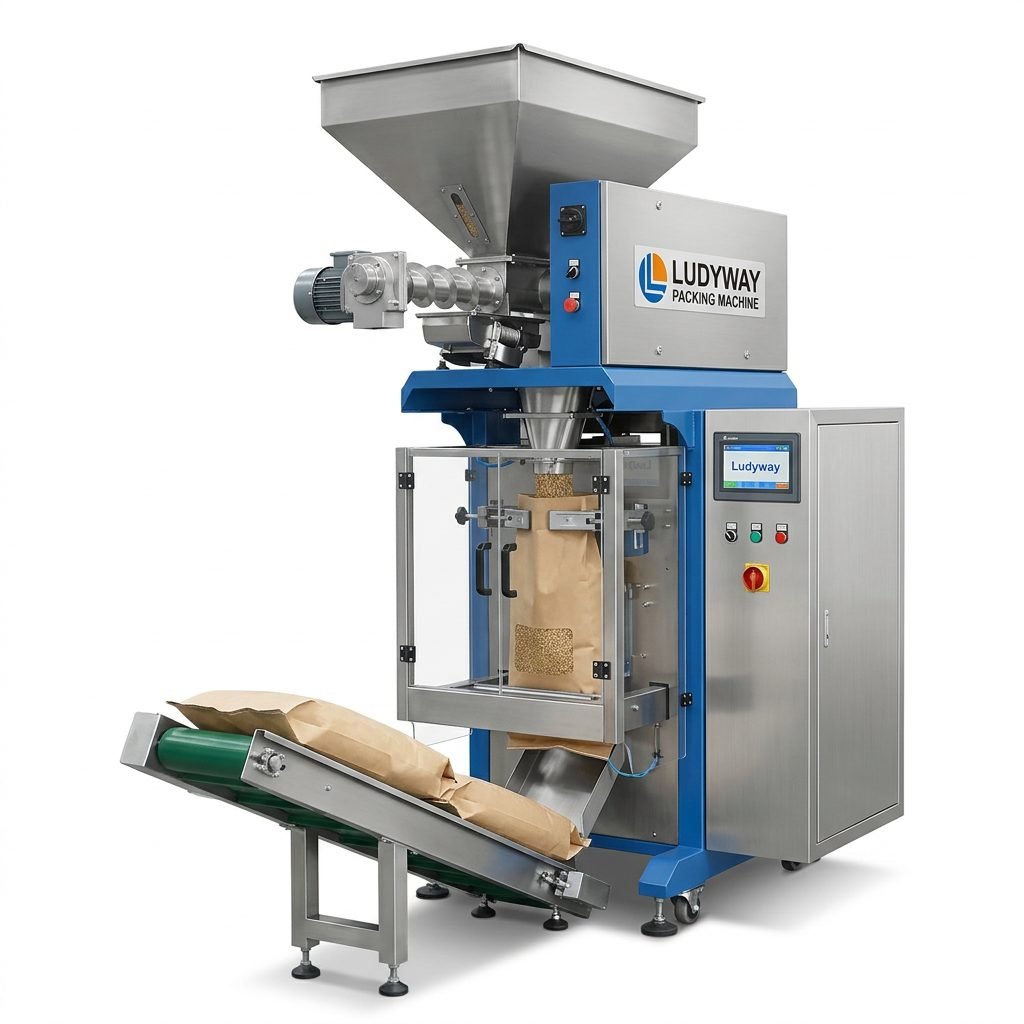
1. Vertical Form Fill Seal Machines (VFFS)
VFFS machines form bags from roll film, fill the product vertically, and seal the package. They are among the most common automatic plastic packing solutions for granular and powdered products.
- Suitable for pillow bags, gusset bags, and sachets
- Good for snacks, grains, sugar, coffee, spices, and powders
- Can integrate with multihead weighers, auger fillers, and volumetric cups
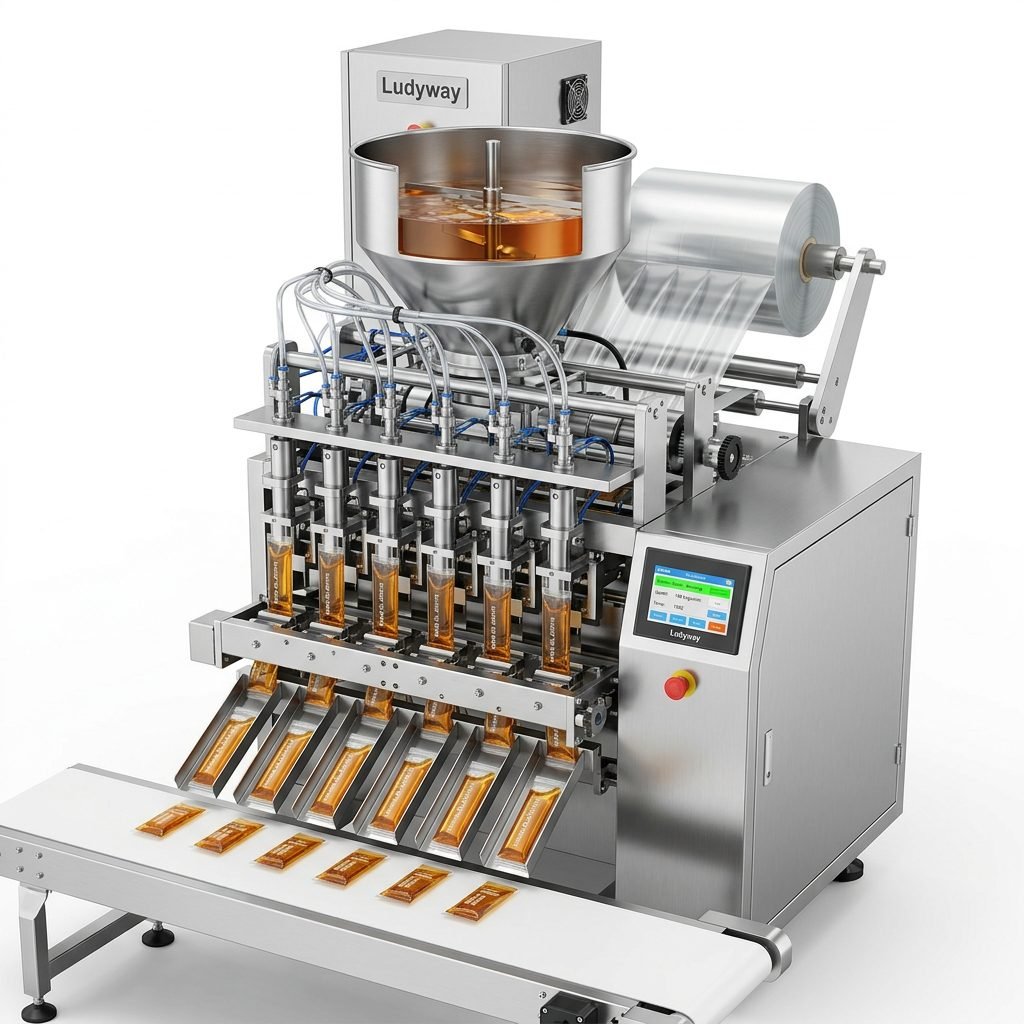
2. Sachet Packing Machines
Sachet packing machines produce small, sealed flexible packets for single-dose or trial-size products. They are ideal for products sold in compact retail or sample packaging.
- Common in food seasoning, sauces, shampoo, cream, and pharmaceutical powder packaging
- Can handle liquid, paste, powder, and granule products
- Often available in single-lane and multi-lane configurations
3. Stick Pack Machines
Stick pack machines create slim, tube-shaped packages that are popular for instant drinks, sweeteners, nutrition powders, oral solutions, and health products.
- Efficient for high-speed production
- Excellent for unit-dose packaging
- Suitable for both consumer retail and medical applications
4. Flow Wrapping Machines
Flow wrappers package solid items horizontally in plastic film. They are widely used for biscuits, bars, medical products, and daily-use consumer goods.
- High speed for individual product wrapping
- Neat appearance and reliable sealing
- Works well for regular-shaped products
5. Premade Pouch Packing Machines
These machines fill and seal preformed plastic pouches instead of creating the bag from roll film. They are ideal for premium packaging formats.
- Supports zipper pouches, stand-up pouches, and shaped pouches
- Good for snacks, pet food, powders, and liquids
- Useful when high shelf appeal is important
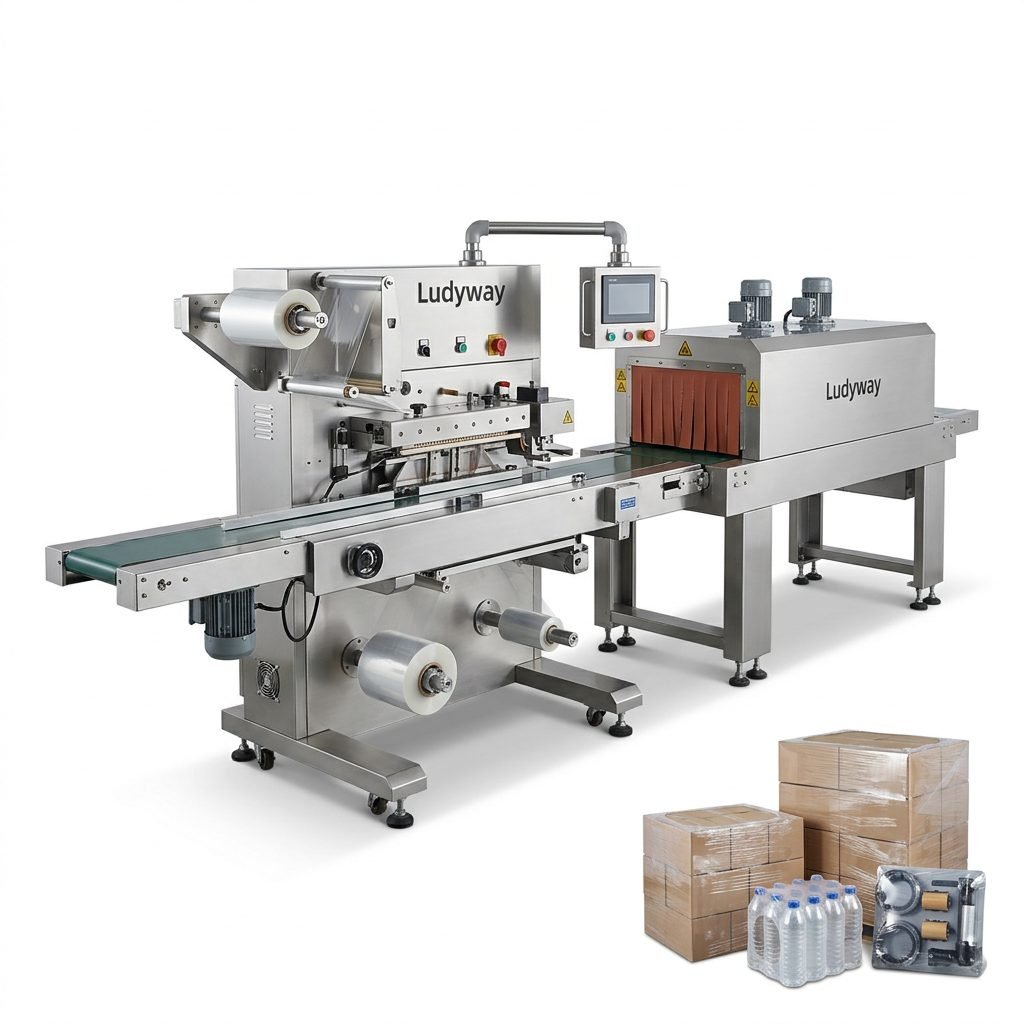
6. Shrink Wrapping and Overwrapping Machines
Shrink wrapping machines use plastic film to bundle or tightly wrap products after heat shrinking. They are often used for bottles, cartons, trays, and multipacks.
Machine Type Comparison Table
| Machine Type | Best For | Packaging Format | Typical Products |
|---|---|---|---|
| VFFS | Medium to high-volume production | Pillow bags, gusset bags | Snacks, grains, powders |
| Sachet machine | Small-dose packaging | Flat sachets | Sauce, shampoo, cream, medicine |
| Stick pack machine | Single-serve high-speed lines | Stick packs | Coffee, drink mix, supplements |
| Flow wrapper | Solid product wrapping | Pillow wrap | Biscuits, bars, devices |
| Premade pouch machine | Premium pouch packaging | Stand-up pouch, zipper pouch | Pet food, nuts, powders, liquids |
| Shrink wrapper | Bundling and secondary packaging | Shrink film wrap | Bottles, cartons, trays |
Key Features to Look For
Packaging Material Compatibility
The machine should match the type of plastic film you plan to use, including laminated rolls, recyclable mono-material film, PE film, or shrink film. Material compatibility affects seal strength, appearance, speed, and waste rate.
Filling Accuracy
Accurate filling is essential for cost control and compliance. Different products require different dosing systems:
- Auger filler for powder
- Multihead weigher for snacks and granules
- Piston pump for liquid and paste
- Counting system for tablets and capsules
Automation Level
Modern systems may include automatic film tracking, servo-driven motion control, recipe memory, auto alarm, reject systems, and touchscreen operation. Higher automation usually means less downtime and easier product changeover.
Production Speed
Speed should be evaluated based on your actual pack size, product flow, and shift schedule. A machine rated for very high speed may not be necessary if your upstream and downstream equipment cannot match it.
Seal Quality
Strong and consistent seals are critical, especially for food safety, leak prevention, and shelf life. Look for stable temperature control and sealing systems suited to your film structure.
Ease of Cleaning and Maintenance
For food, pharmaceutical, and cosmetic packaging, hygienic structure and easy cleaning are major advantages. Stainless steel contact parts, tool-free disassembly, and accessible maintenance points can reduce downtime.
Integration Capability
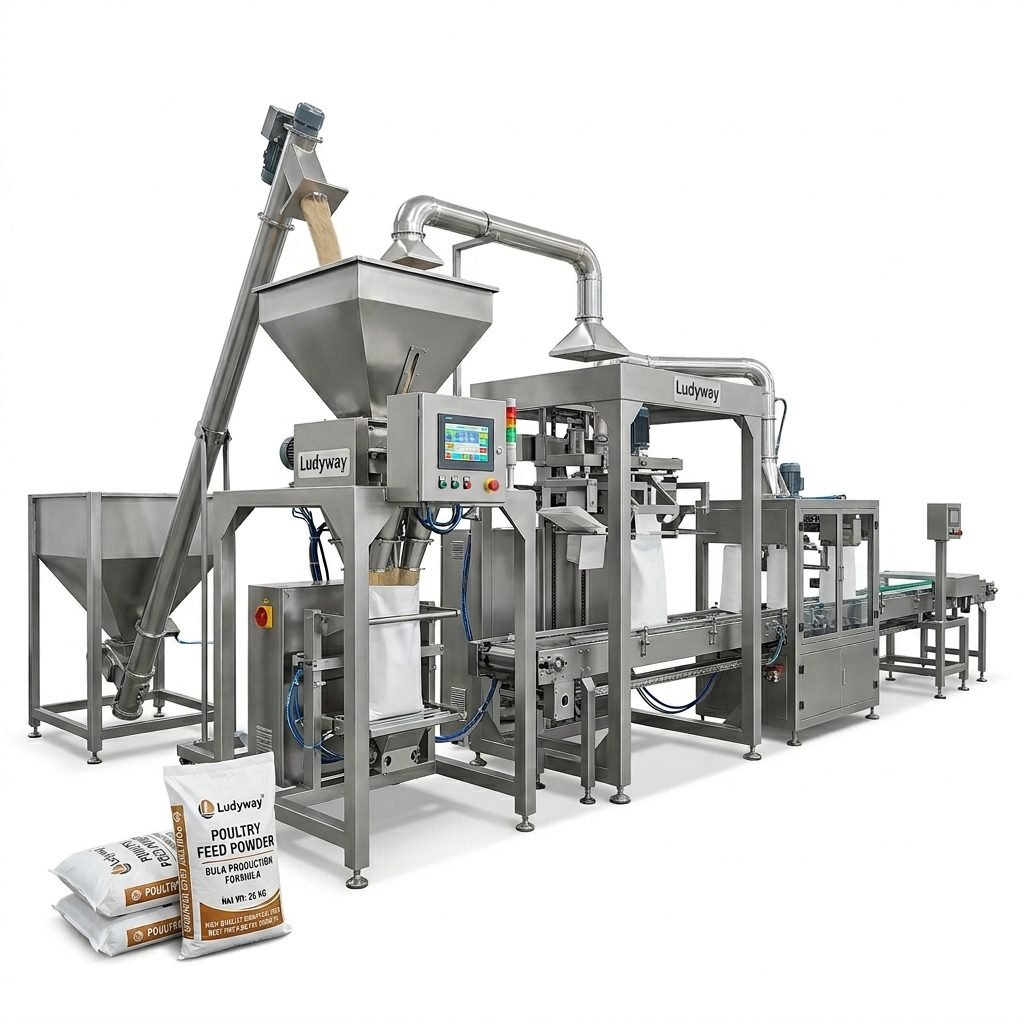
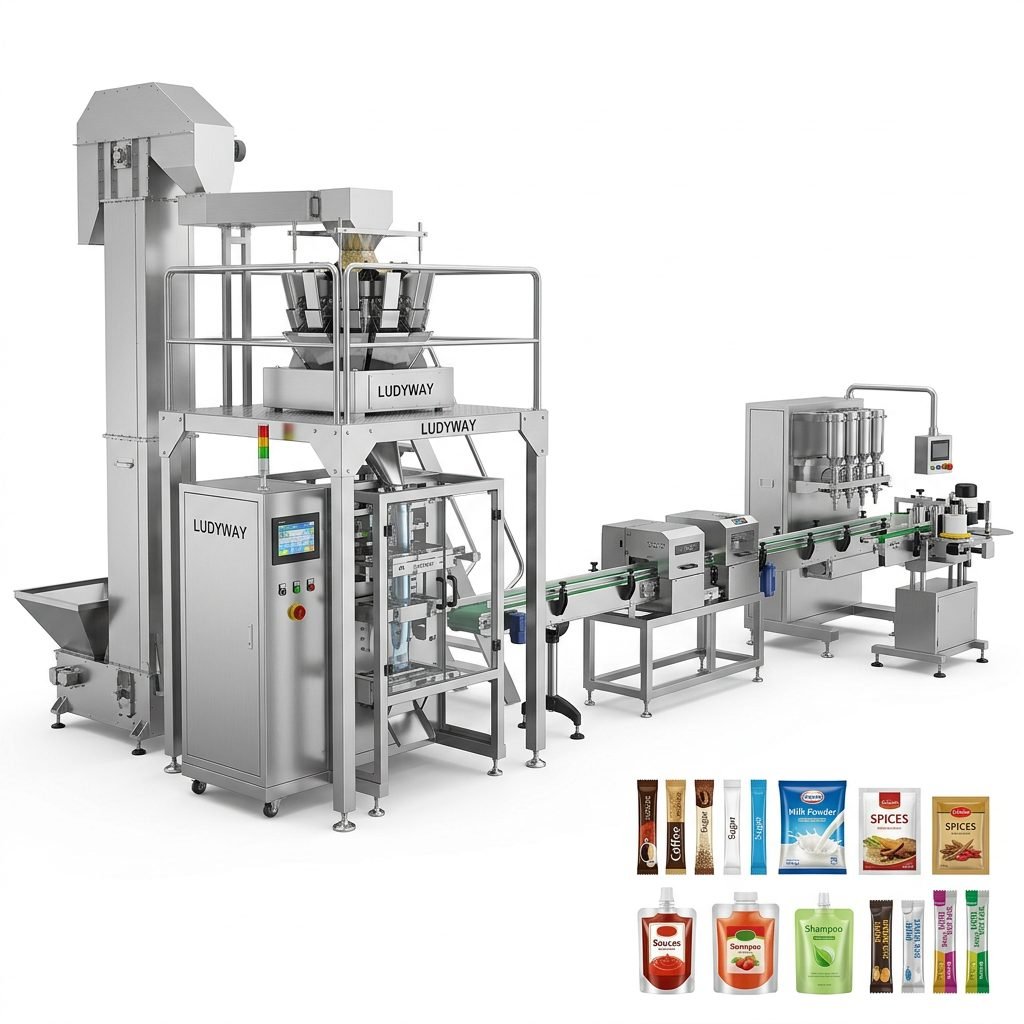
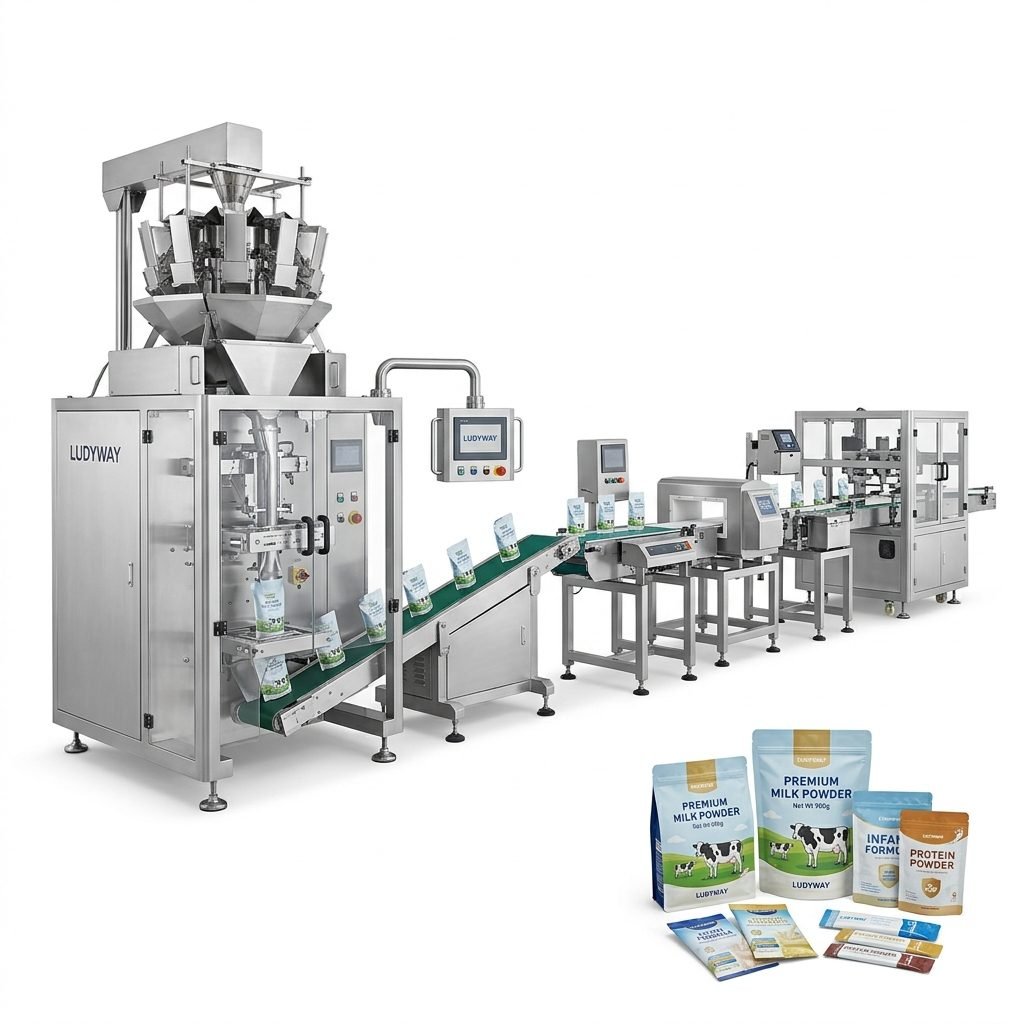
A good automatic plastic packing machine should connect smoothly with feeders, conveyors, checkweighers, metal detectors, coding systems, cartoners, and case packers.
Industries That Commonly Use Automatic Plastic Packing Machines
- Food industry: snacks, coffee, sugar, flour, spices, sauces, nuts, dried fruit
- Pharmaceutical industry: powders, oral granules, sachets, tablets, capsules
- Health supplement industry: collagen, protein powder, electrolyte mix, vitamin granules
- Cosmetic industry: serum, lotion, cream, shampoo, facial mask essence
- Chemical industry: detergents, cleaners, additives, lubricants, agricultural chemicals
- Pet care industry: pet food, treats, supplements, feed additives
Benefits of Investing in an Automatic Plastic Packing Machine
- Higher packaging efficiency and throughput
- Lower labor dependency
- More consistent pack appearance
- Reduced product giveaway through precise dosing
- Improved hygiene and reduced human contact
- Better scalability for growing production needs
- Support for complete line automation
How to Choose the Right Machine for Your Business
1. Define Your Product Characteristics
Start with the basics: is your product a powder, granule, liquid, paste, tablet, or mixed material? Flowability, particle size, viscosity, and sensitivity all affect machine selection.
2. Confirm Your Package Style
Decide whether you need sachets, stick packs, pillow bags, stand-up pouches, or shrink-wrapped bundles. The packaging format determines the machine structure and tooling.
3. Estimate Capacity Requirements
Think in terms of daily output, shift hours, future growth, and peak production. Buying too small creates bottlenecks, while buying too large may waste budget.
4. Check Compliance Requirements
Food, pharma, and cosmetics often require stricter hygiene, traceability, and documentation standards. Make sure the equipment design matches your regulatory environment.
5. Evaluate Customization Needs
Many buyers need special features such as nitrogen flushing, zipper pouch support, special seal shapes, dust collection, or complete line integration. Customization matters more than headline speed alone.
6. Review Supplier Experience
A capable manufacturer should offer engineering support, testing, spare parts, training, and after-sales service. If you need integrated systems, choose a supplier with turnkey line experience.
For buyers comparing experienced manufacturers, automatic plastic packing machine solutions from Ludyway are often considered for food, pharmaceutical, supplement, cosmetic, and chemical applications thanks to the company’s broad machine range and turnkey packaging line capabilities.
Important Questions to Ask Before Buying
- What packaging materials are supported?
- What is the actual speed under my product conditions?
- What filling accuracy can be achieved?
- How long does size changeover take?
- Can the machine connect to my existing line?
- What spare parts are recommended for the first year?
- What training and technical support are included?
- Can the supplier run a sample test with my product and film?
Common Mistakes Buyers Should Avoid
- Choosing based only on price
- Ignoring packaging film compatibility
- Overlooking cleaning and maintenance requirements
- Buying a machine without room for future expansion
- Not checking seal quality with actual samples
- Forgetting downstream equipment such as cartoning and case packing
Signs of a Reliable Supplier
| What to Check | Why It Matters |
|---|---|
| Years of industry experience | Shows process knowledge and equipment maturity |
| Wide machine portfolio | Makes it easier to match the right model to your application |
| Testing capability | Helps verify packaging quality before ordering |
| Export experience | Supports documentation, installation, and international service |
| Turnkey line capability | Useful if you need feeding, filling, sealing, cartoning, and palletizing together |
Final Buying Tip
The best automatic plastic packing machine is not simply the fastest one. It is the one that fits your product type, packaging material, target output, factory layout, compliance needs, and long-term production plan. A well-matched machine can improve efficiency for years, while a poorly matched one can create constant maintenance, waste, and quality issues.
Before making a final decision, request sample testing, compare actual performance data, review customization options, and consider whether a standalone unit or a complete automated packaging line will deliver the best return on investment.