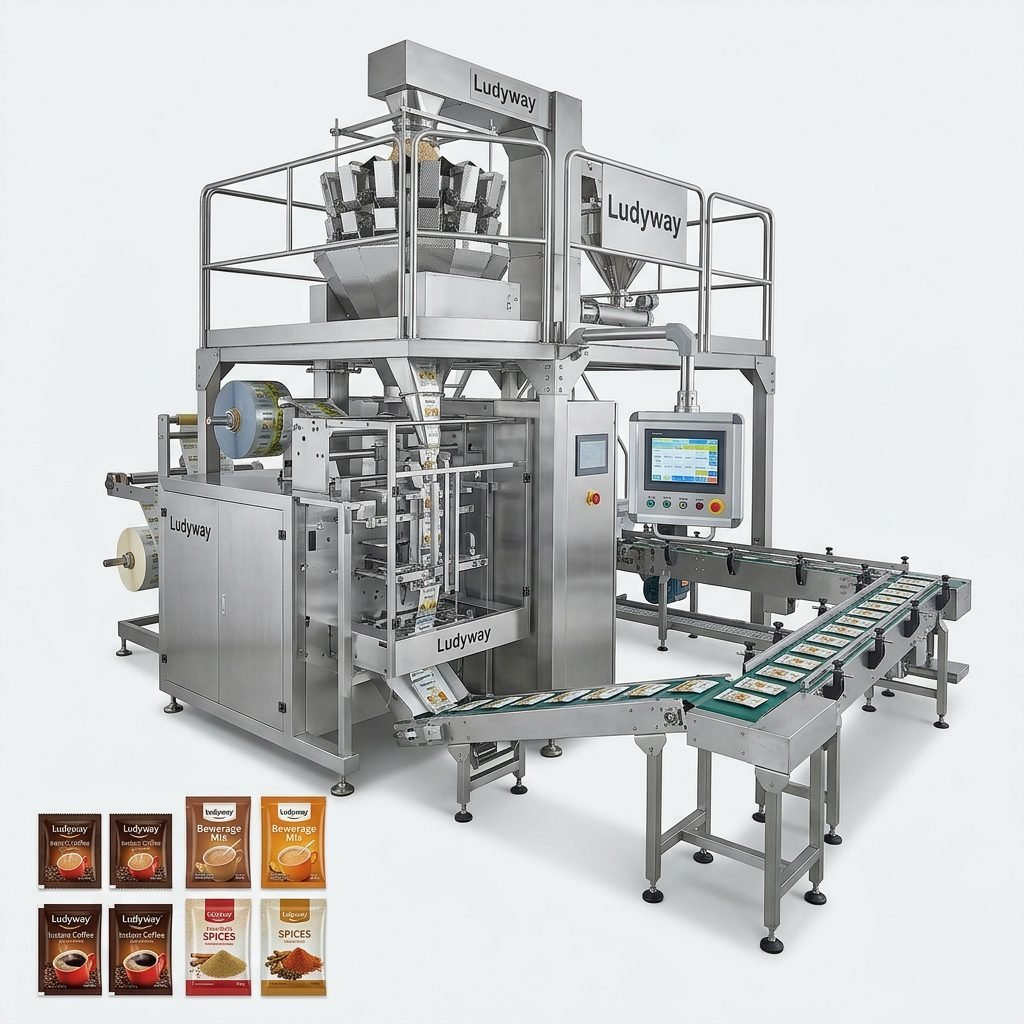
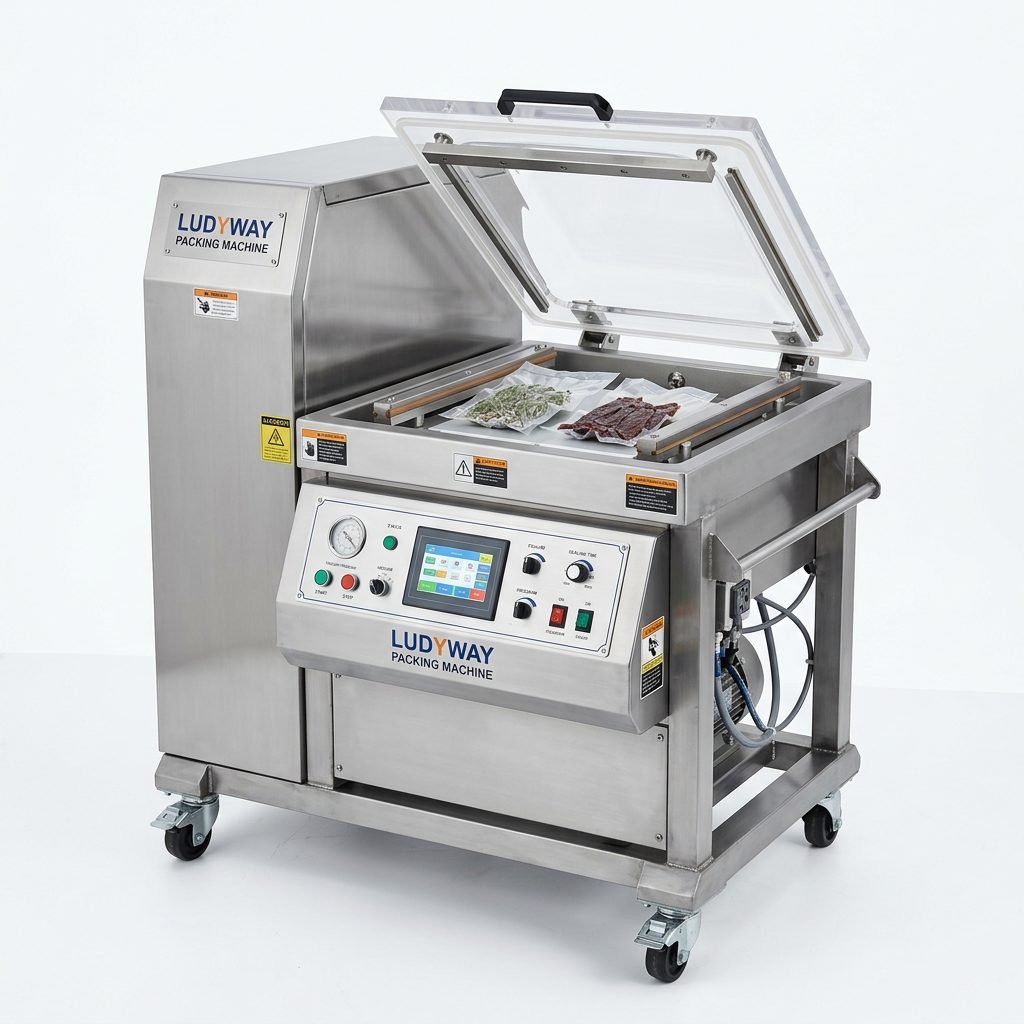
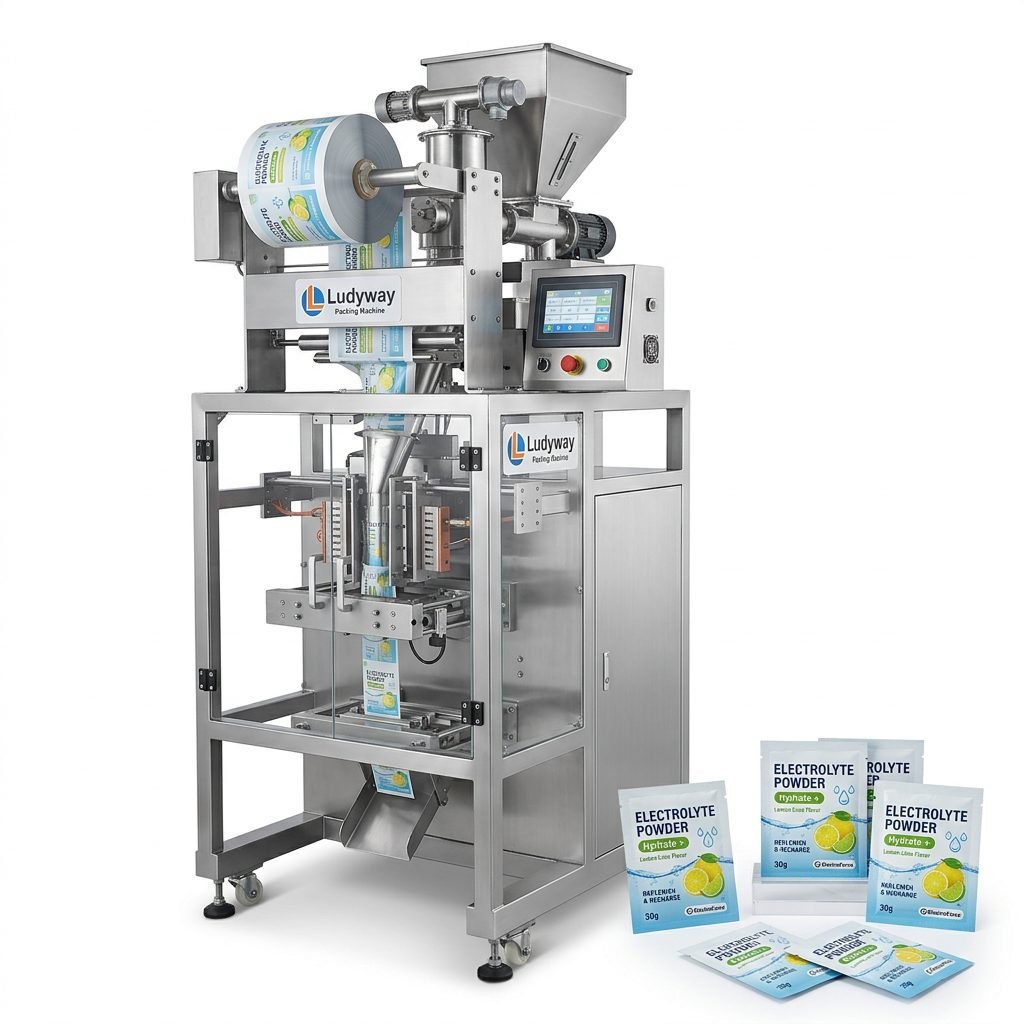
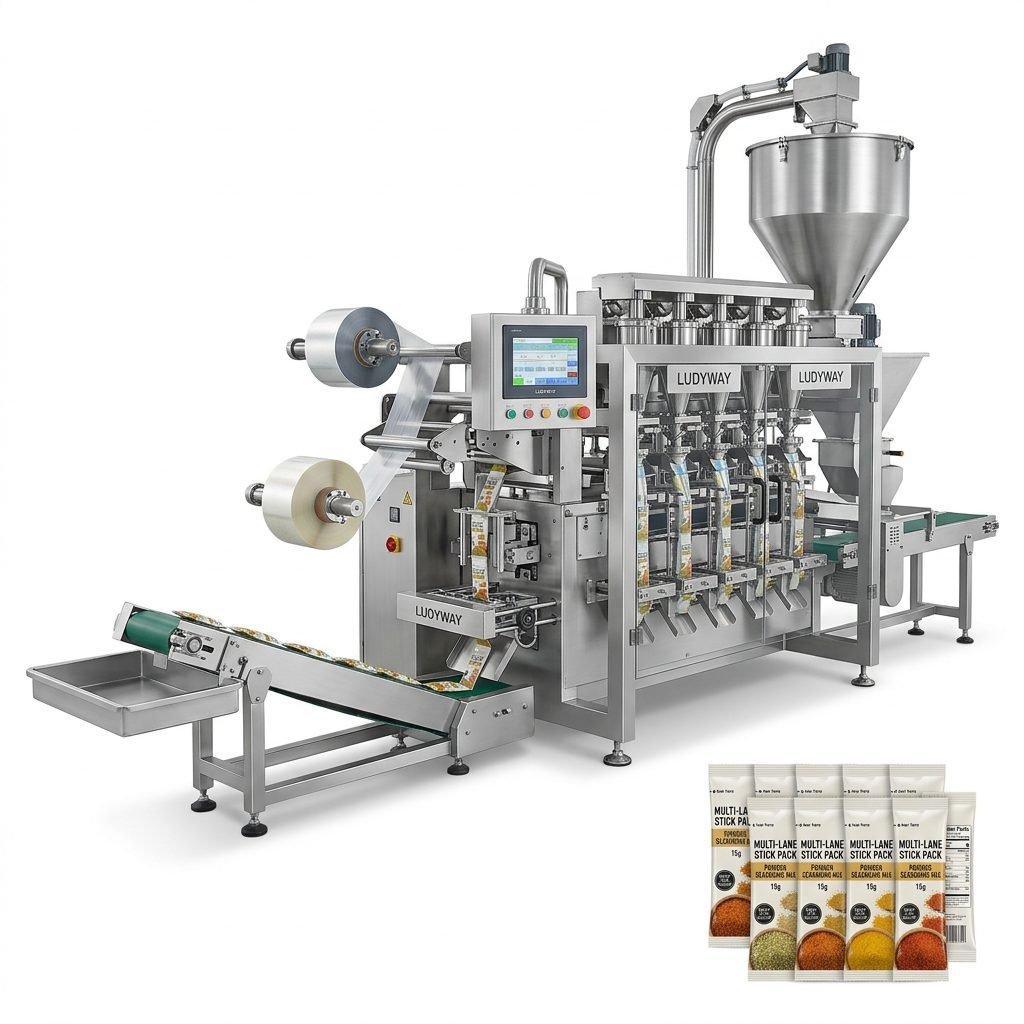
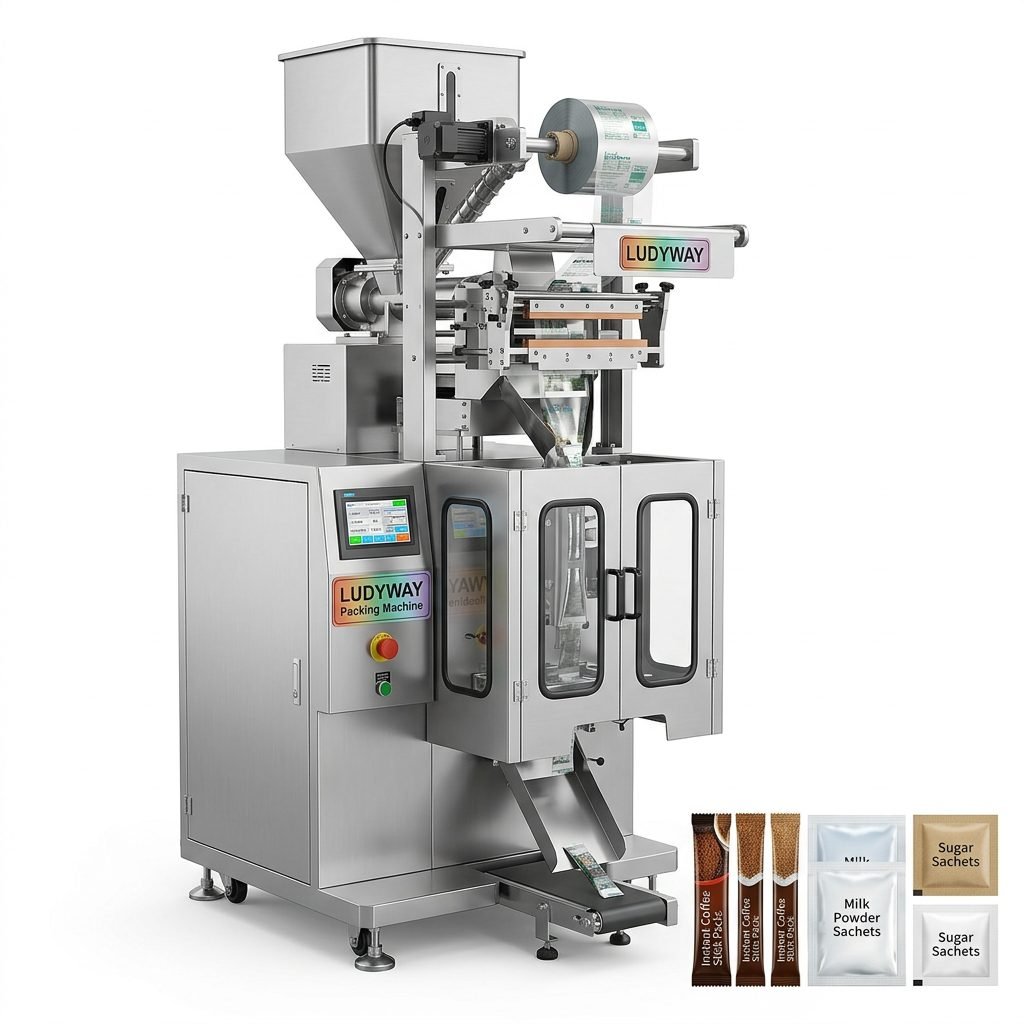
Choosing the right ground coffee packaging machine is one of the most important decisions for coffee brands, roasters, and contract packers. The right system does far more than fill bags or sachets. It helps protect aroma, improve production efficiency, reduce waste, support consistent pack quality, and create a packaging process that can scale with market demand.
Because ground coffee is sensitive to oxygen, moisture, and inconsistent dosing, buyers should look beyond basic machine speed. A better purchase decision comes from evaluating product characteristics, packaging format, output target, sealing performance, automation level, and after-sales support together.
Why ground coffee needs specialized packaging equipment
Ground coffee is not packaged like ordinary powder. Its flowability can vary by roast level, grind size, oil content, and environmental humidity. At the same time, coffee freshness depends heavily on proper sealing and controlled exposure to air. This means the ideal machine should combine accurate dosing, stable sealing, and reliable product handling.
- Ground coffee can bridge or clump in some feeding systems
- Fine powder can create dust, affecting seal integrity if the machine is not designed well
- Incorrect filling accuracy leads to giveaway or underweight packs
- Poor sealing shortens shelf life and reduces flavor retention
- Low automation increases labor cost and slows production
For businesses selling retail coffee, single-serve coffee sachets, or travel-size stick packs, the machine must also support attractive and repeatable package presentation.
Start with your packaging format
Before comparing machine models, first define exactly how you want to sell the product. Different coffee formats require different machine structures and dosing systems.
| Packaging Format | Best Machine Type | Typical Use |
|---|---|---|
| Pillow bags | Vertical form fill seal machine | Retail bags, medium to high output |
| Quad seal or gusset bags | Advanced VFFS system with shaped bag options | Premium shelf-ready coffee packaging |
| Pre-made pouches | Premade pouch packing machine | Stand-up pouches, zipper pouches |
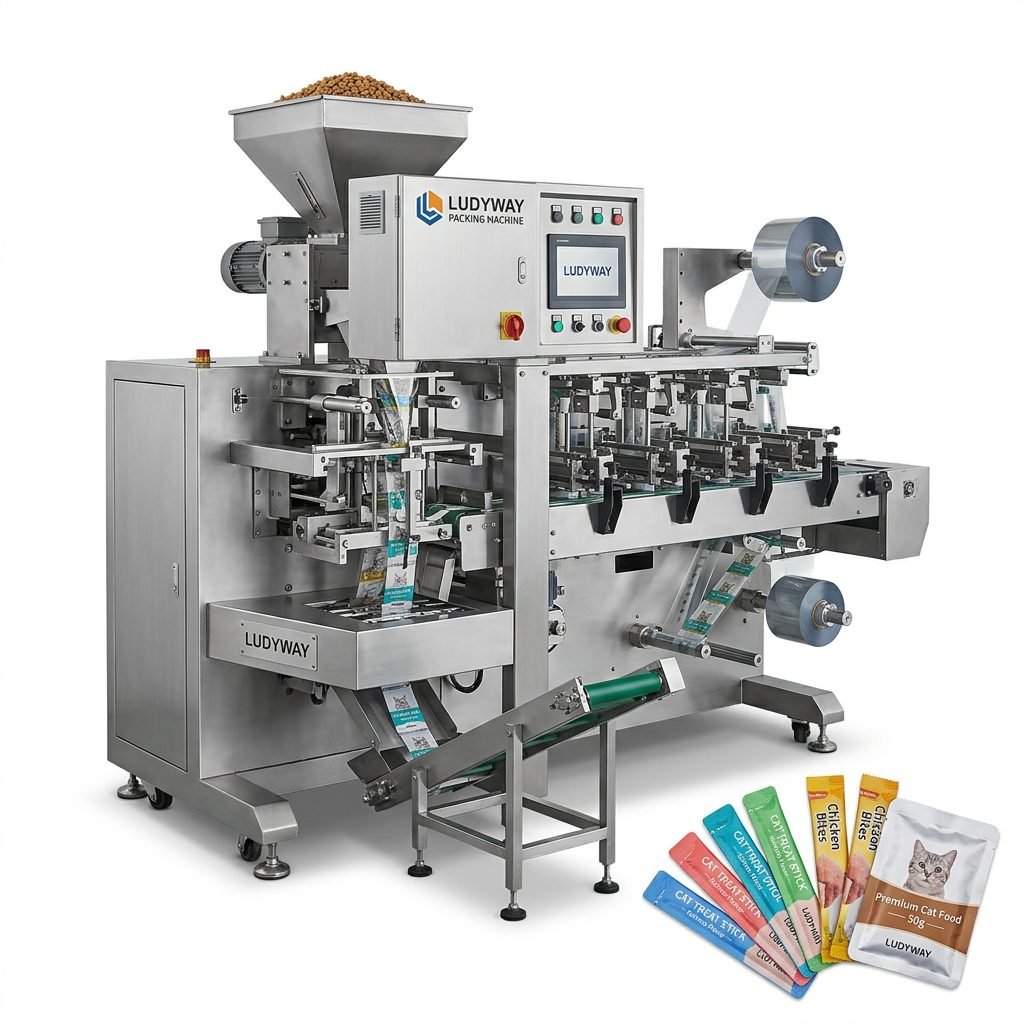
| Sachets | Sachet packaging machine | Single-serve portions, samples |
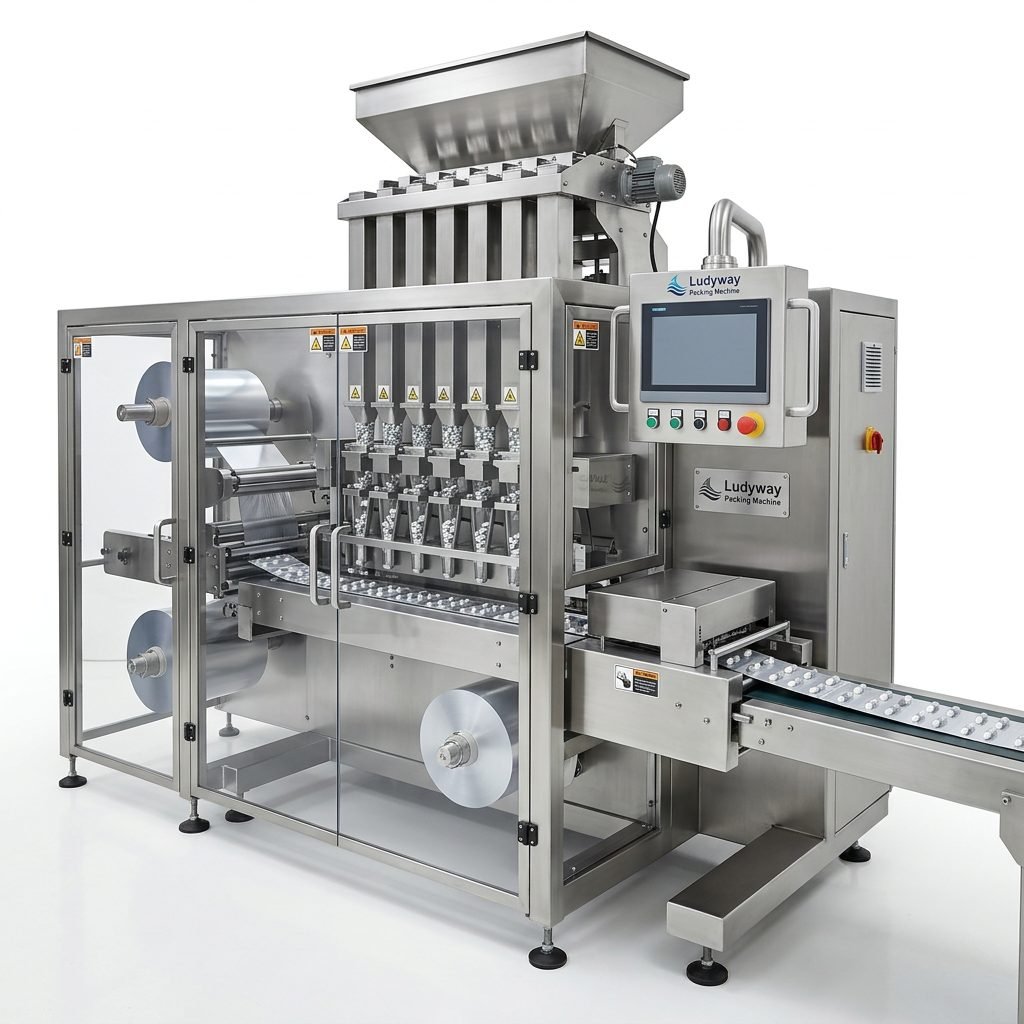
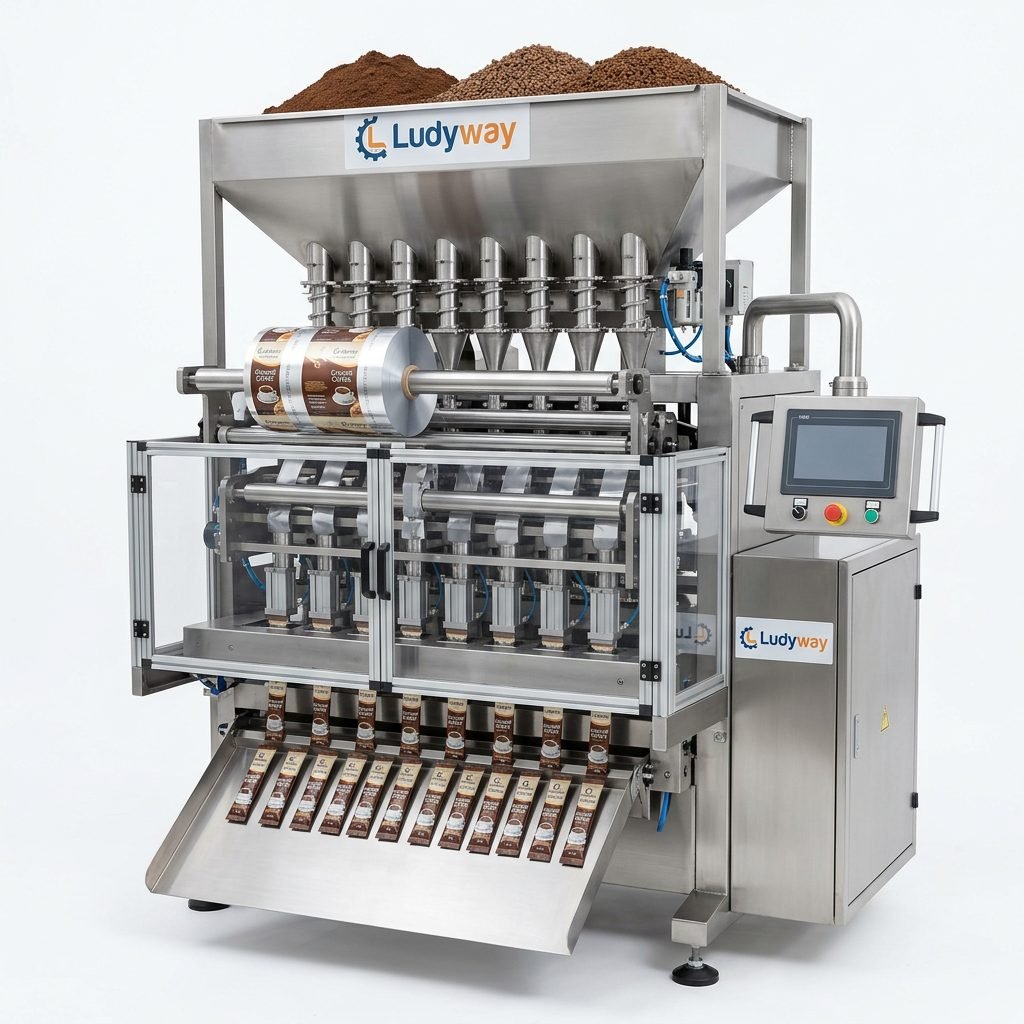
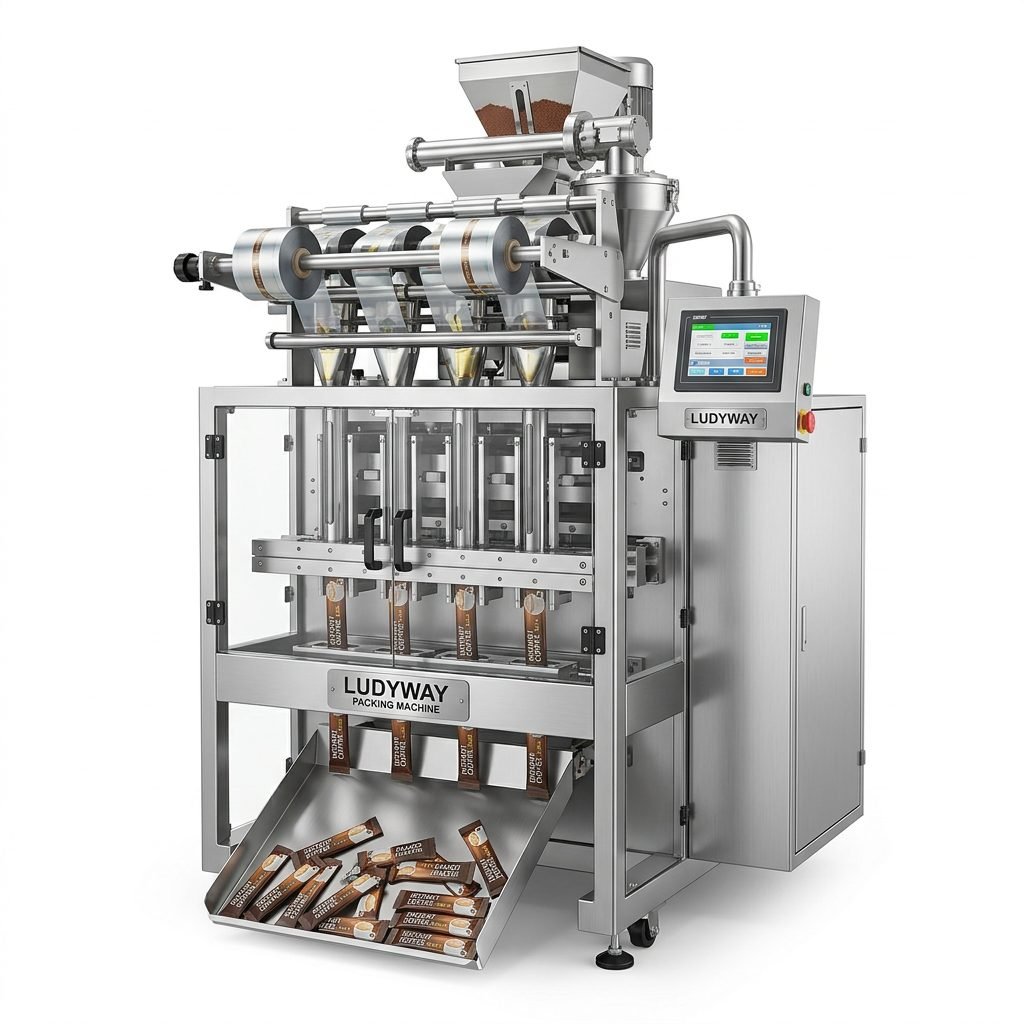
| Stick packs | Multi-lane stick pack machine | On-the-go coffee portions, travel packs |
If you are producing small, portable servings for e-commerce, hotels, offices, or convenience retail, sachet and stick pack systems are often the best match. If your business focuses on larger retail bags, a VFFS or premade pouch system may be more suitable.
Choose the right filling method for ground coffee
The filling system has a direct impact on accuracy and efficiency. Since ground coffee behaves like a fine powder or powder-granule blend depending on grind profile, machine selection should be based on actual product behavior rather than product name alone.
Common filling options
- Auger filling: Ideal for fine and semi-free-flowing coffee powder, especially where precision is important
- Volumetric cup filling: More suitable for freer-flowing granules, usually less precise for very fine coffee powder
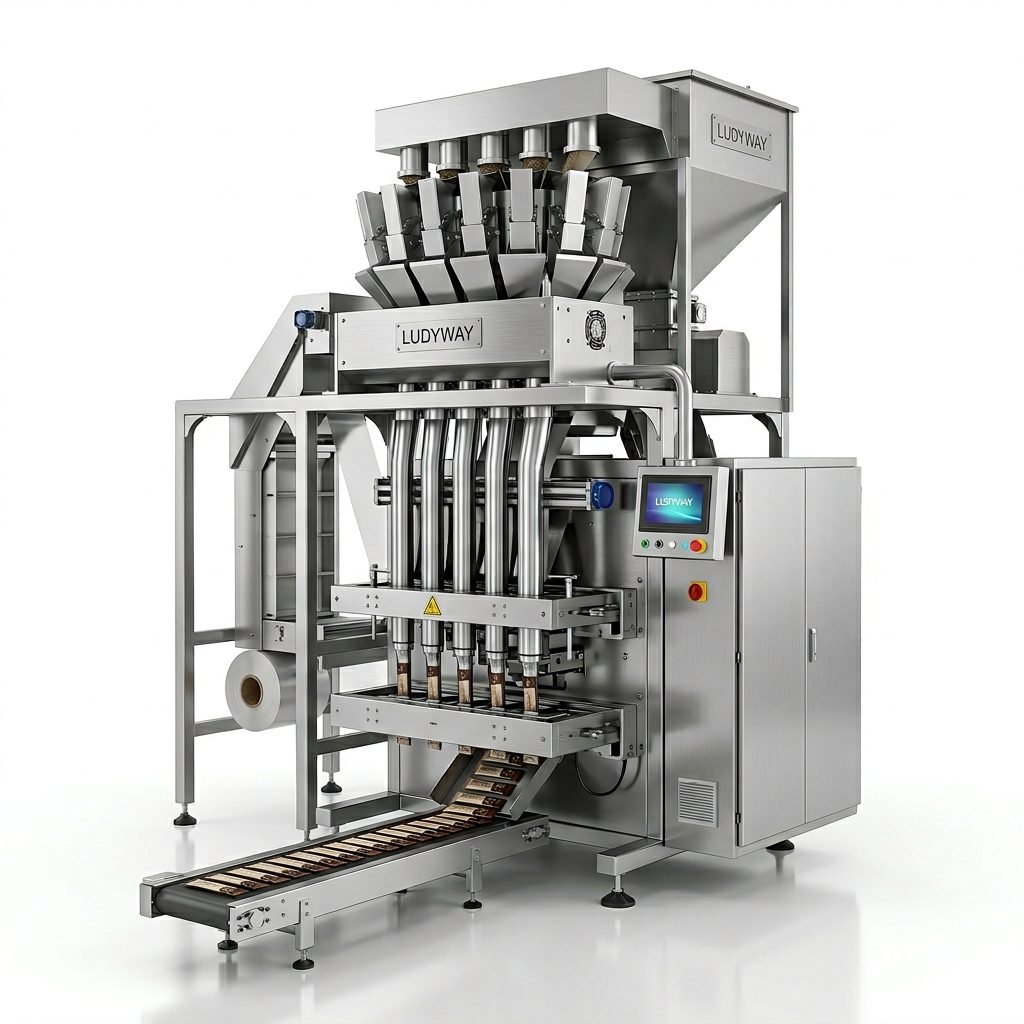
- Multi-head weighing: Typically better for whole beans than for fine ground coffee, unless the coffee texture supports stable weighing
For most ground coffee applications, an auger-based filling system is the preferred choice because it provides better control over dosage consistency. It is especially useful when filling compact pack sizes where even a slight variation can affect cost and compliance.
Match machine speed to real production needs
Many buyers focus too much on the highest speed number in a quotation. In reality, the best machine is not always the fastest one. It is the one that delivers stable output under real factory conditions.
Questions to ask before deciding on speed
- How many packs do you need per hour, shift, and day?
- Will you run one size only or multiple SKUs?
- How much downtime is acceptable during changeover and cleaning?
- Will demand increase within the next 1 to 3 years?
- Do you need space for future integration with cartoning, labeling, or case packing?
A medium-speed machine with good stability often delivers better total output than a high-speed machine that requires frequent adjustments. If your brand has multiple product formats or frequent lot changes, flexibility may be more valuable than peak speed.
Do not overlook sealing quality and freshness protection
When packing ground coffee, packaging quality is inseparable from freshness preservation. The machine should be able to produce consistent, strong seals even when dealing with dusty powder. Weak or contaminated seals can lead to leakage, aroma loss, and customer complaints.
Look for these features
- Stable temperature control for heat sealing
- Seal area design that minimizes powder contamination
- Nitrogen flushing option for oxygen reduction
- Degassing valve compatibility for larger coffee bags when required
- High-quality film pulling and tension control for smooth package appearance
If shelf life and flavor retention are central to your brand positioning, sealing performance should be treated as a primary selection factor, not a secondary one.
Consider film compatibility and pack appearance
Your machine should support the packaging materials you plan to use, whether they are laminated films, recyclable structures, foil-based barriers, or custom printed rolls. Good mechanical performance ensures neat package edges, centered printing registration, and consistent bag length.
This matters because packaging is not only functional. It also shapes retail presentation, consumer trust, and brand value. For coffee sold through supermarkets, online marketplaces, cafés, or gift channels, clean package aesthetics can influence purchase decisions.
| Selection Factor | Why It Matters |
|---|---|
| Film compatibility | Supports barrier performance and sustainability goals |
| Print registration | Keeps branded design aligned and professional |
| Bag consistency | Improves shelf appeal and secondary packing efficiency |
| Seal finish | Reduces leakage and supports freshness retention |
Think about automation, not just the main machine
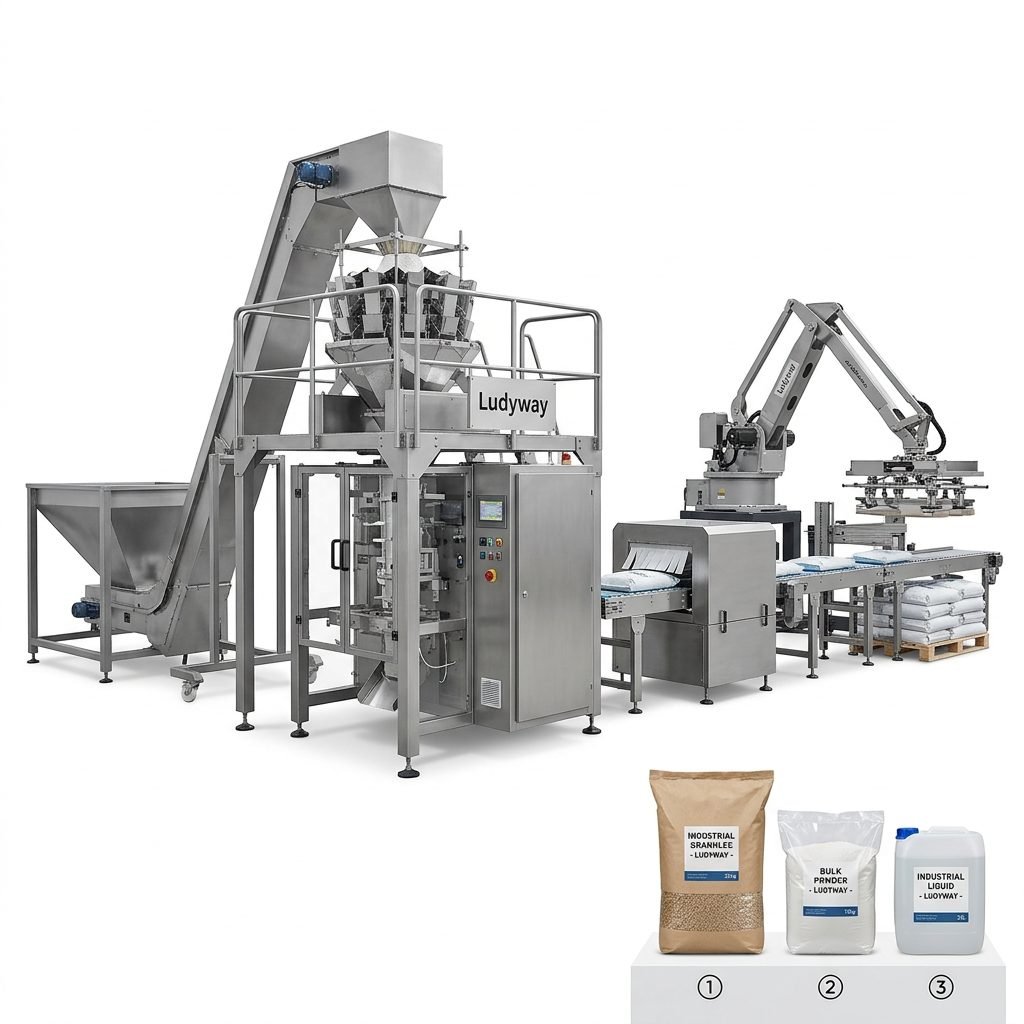
A packaging machine performs best when it is part of a complete and well-coordinated process. Depending on your output target, you may need more than a filler and sealer. Feeders, conveyors, checkweighers, coding systems, metal detectors, and cartoning equipment can all improve line efficiency.
For growing businesses, it often makes sense to choose a machine that can integrate into a broader packaging line later. This avoids costly replacement when production expands.
If you are evaluating long-term supply partners, Ludyway ground coffee packaging machine solutions are worth considering for businesses seeking both standalone systems and turnkey automation from an experienced manufacturer.
Key technical points to ask suppliers about
A professional supplier should be able to explain machine suitability using real application data, not only generic brochures. During evaluation, ask specific technical questions.
Checklist for supplier discussions
- What product range in grams can the machine handle accurately?
- What is the filling tolerance for my coffee type?
- Can the machine run different bag widths and lengths?
- How does the machine control dust during filling and sealing?
- Is nitrogen flushing available?
- What are the actual speeds under my target pack size?
- How long does size changeover take?
- Which spare parts need regular replacement?
- What training and remote support are provided?
- Can the machine be customized for my package style?
How to choose based on your business stage
For startups and small coffee brands
Look for compact equipment with simple operation, stable dosing, and room for future upgrades. Avoid overinvesting in excessive speed if your SKU volume is still limited.
For growing roasters and regional brands
Focus on a balance of speed, pack flexibility, and automation. A machine that supports multiple formats and better coding or inspection integration can improve long-term efficiency.
For large manufacturers and contract packers
Prioritize line stability, high OEE, automation integration, multi-SKU capability, and fast service response. At this level, downtime costs more than initial purchase savings.
Common mistakes to avoid
- Choosing a machine based on price only
- Ignoring the actual flow properties of ground coffee
- Buying for current demand without considering future expansion
- Not testing the packaging film in advance
- Overlooking sealing performance and freshness needs
- Failing to confirm service, spare parts, and training support
Final buying criteria for the best ground coffee packaging machine
The best machine is the one that fits your product, package, production target, and growth strategy. In most cases, an ideal ground coffee packaging solution should offer:
- Precise powder dosing
- Reliable sealing for aroma protection
- Compatibility with your preferred bag or sachet format
- Stable operation at practical production speed
- Easy cleaning and changeover
- Scalable automation and dependable technical support
If you compare machines using these criteria instead of only headline speed or low price, you will make a smarter investment and build a more efficient coffee packaging operation.