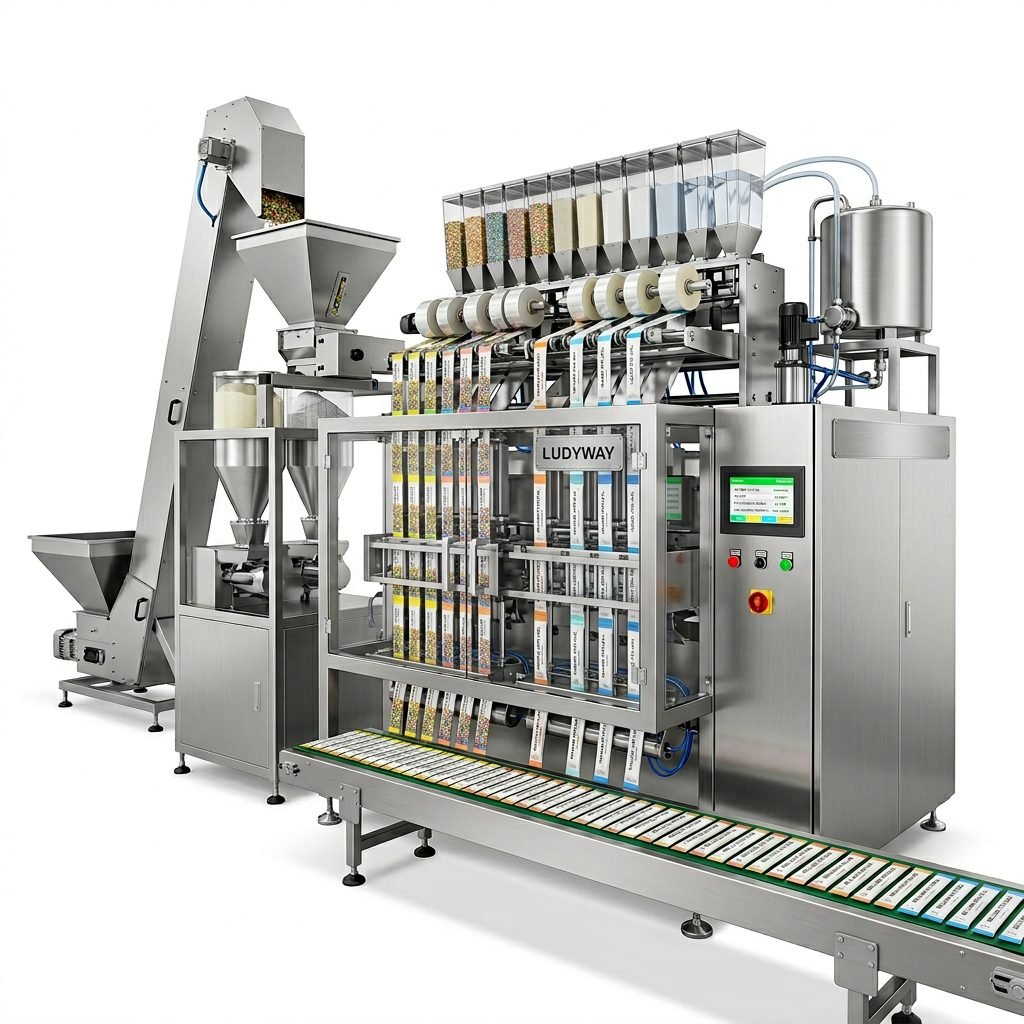
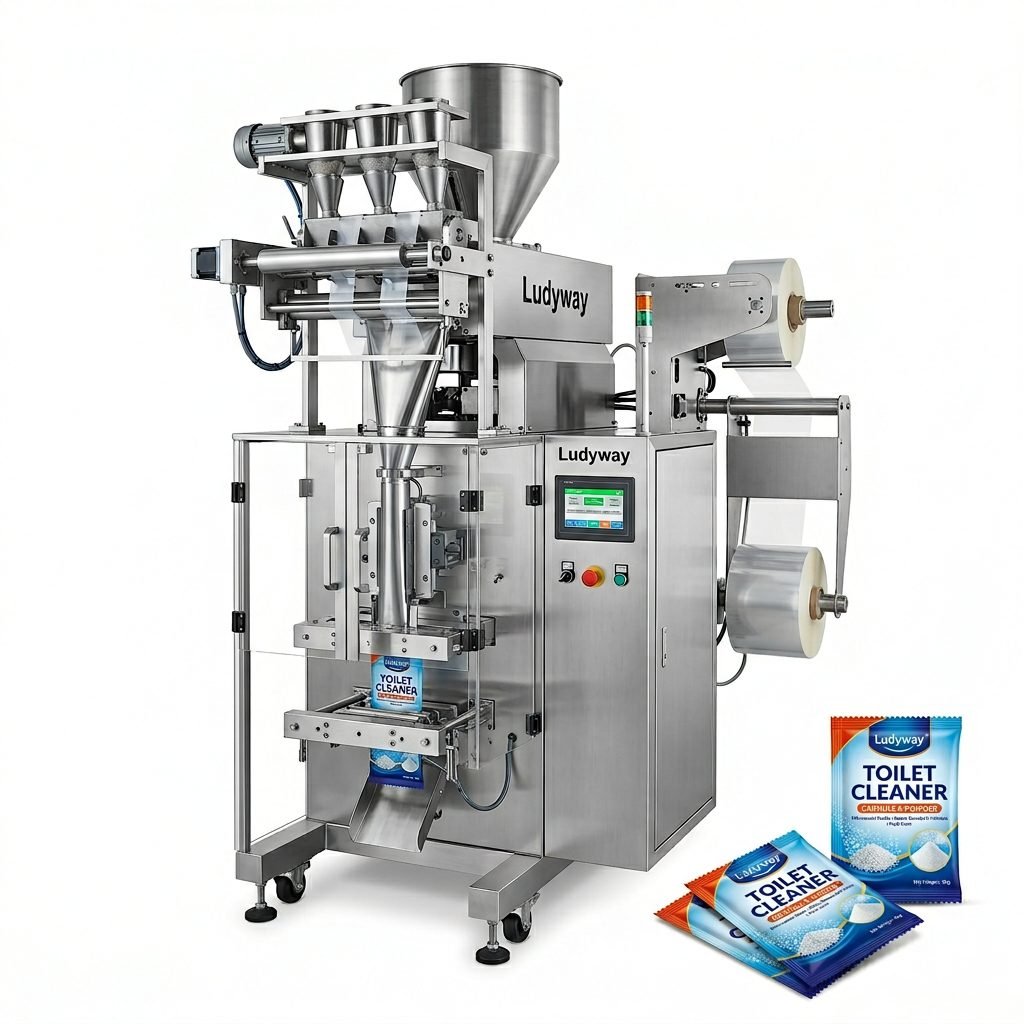
Medicine packaging machines play a critical role in modern pharmaceutical production. They help manufacturers package tablets, capsules, powders, granules, liquids, ointments, and medical consumables with higher accuracy, better hygiene, and more consistent output. As regulations become stricter and production volumes grow, choosing the right machine is no longer just about speed—it is also about compliance, flexibility, traceability, and long-term operating cost.
Whether you are building a new pharmaceutical line or upgrading an existing facility, understanding machine types, key features, and buying criteria will help you make a smarter investment.
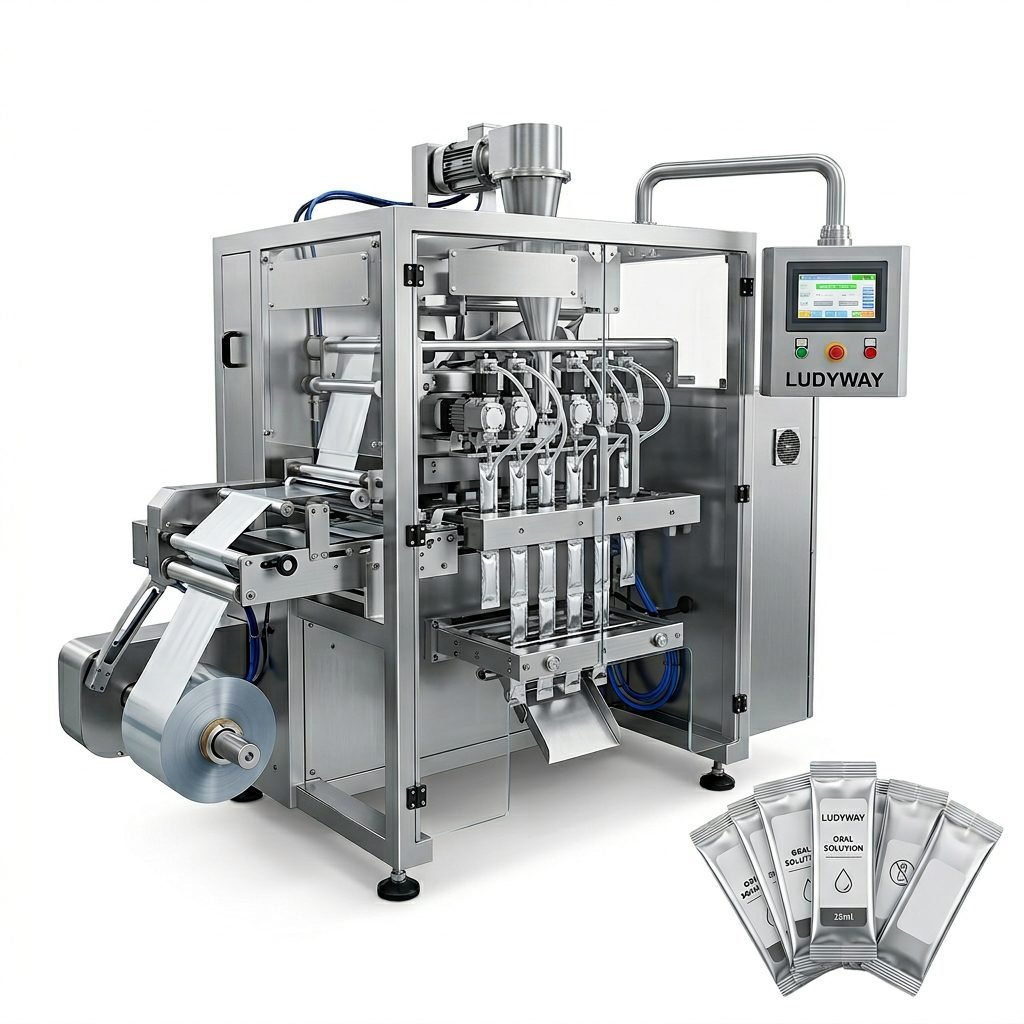
What Is a Medicine Packaging Machine?
A medicine packaging machine is specialized equipment designed to fill, seal, count, wrap, label, code, and sometimes inspect pharmaceutical products before they are distributed. Depending on the dosage form and packaging format, the machine may handle:
- Tablets and capsules
- Powders and granules
- Liquid medicines
- Creams and ointments
- Medical wipes and sterile consumables
- Single-dose and multi-dose pharmaceutical packs
These machines are used in pharmaceutical factories, nutraceutical plants, contract manufacturing facilities, and healthcare product packaging lines.
Main Types of Medicine Packaging Machines
1. Blister Packaging Machines
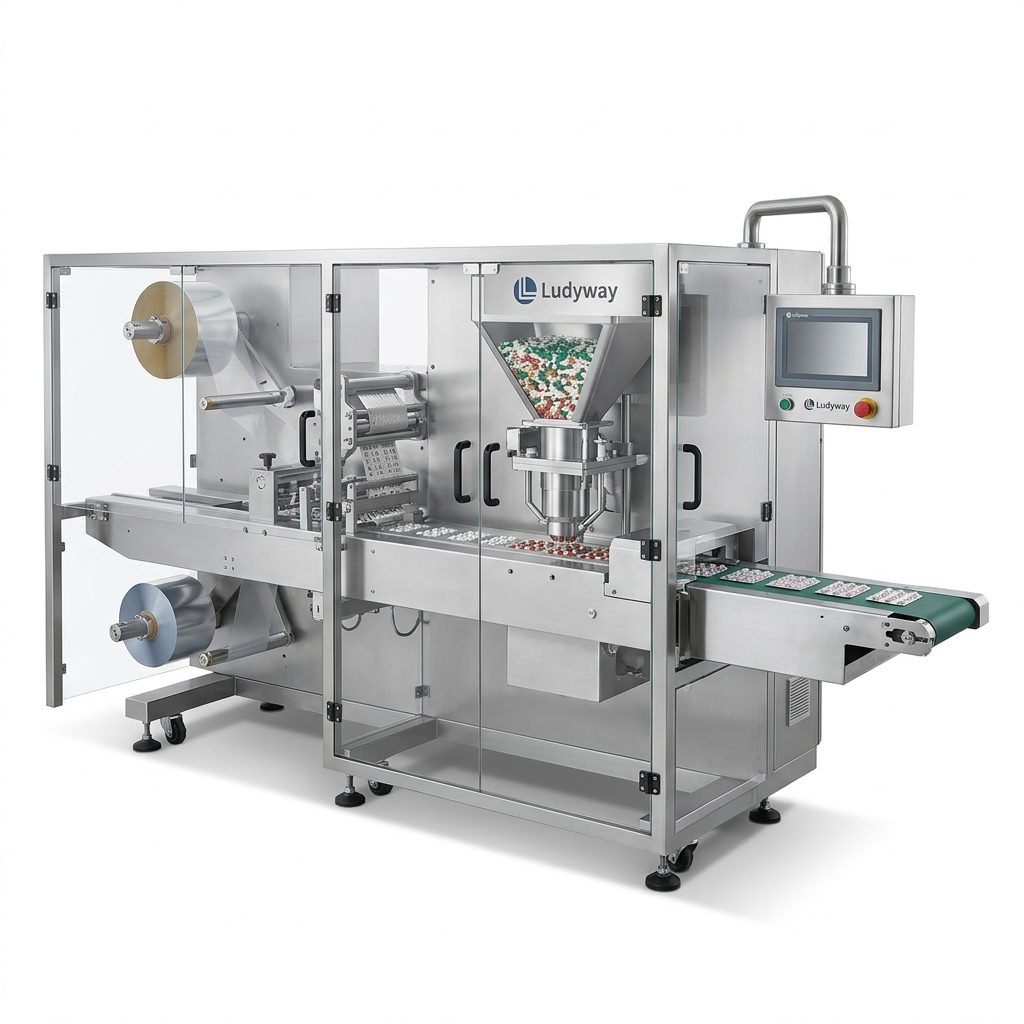
Blister packaging machines are widely used for tablets, capsules, and softgels. They form cavities from plastic or alu-alu material, fill the product, and then seal each unit with lidding foil.
Best for: unit-dose pharmaceutical packaging, moisture-sensitive products, retail-ready presentation.
- Excellent product protection
- Good tamper evidence
- Easy patient dosage control
- Suitable for high-speed pharma production
2. Strip Packaging Machines
Strip pack machines seal tablets or capsules between layers of heat-sealable foil. This format is compact and often chosen when protection from light, air, and moisture is important.
Best for: solid oral doses requiring strong barrier performance.
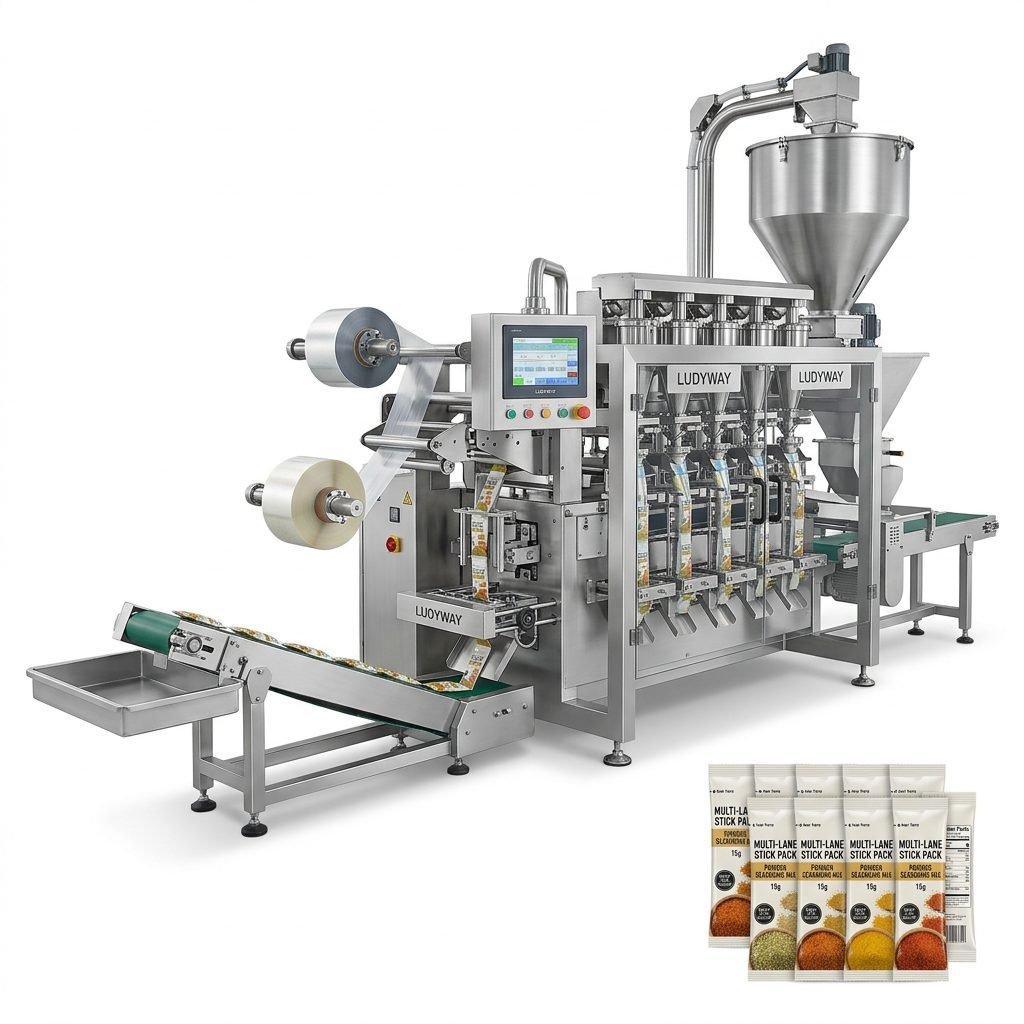
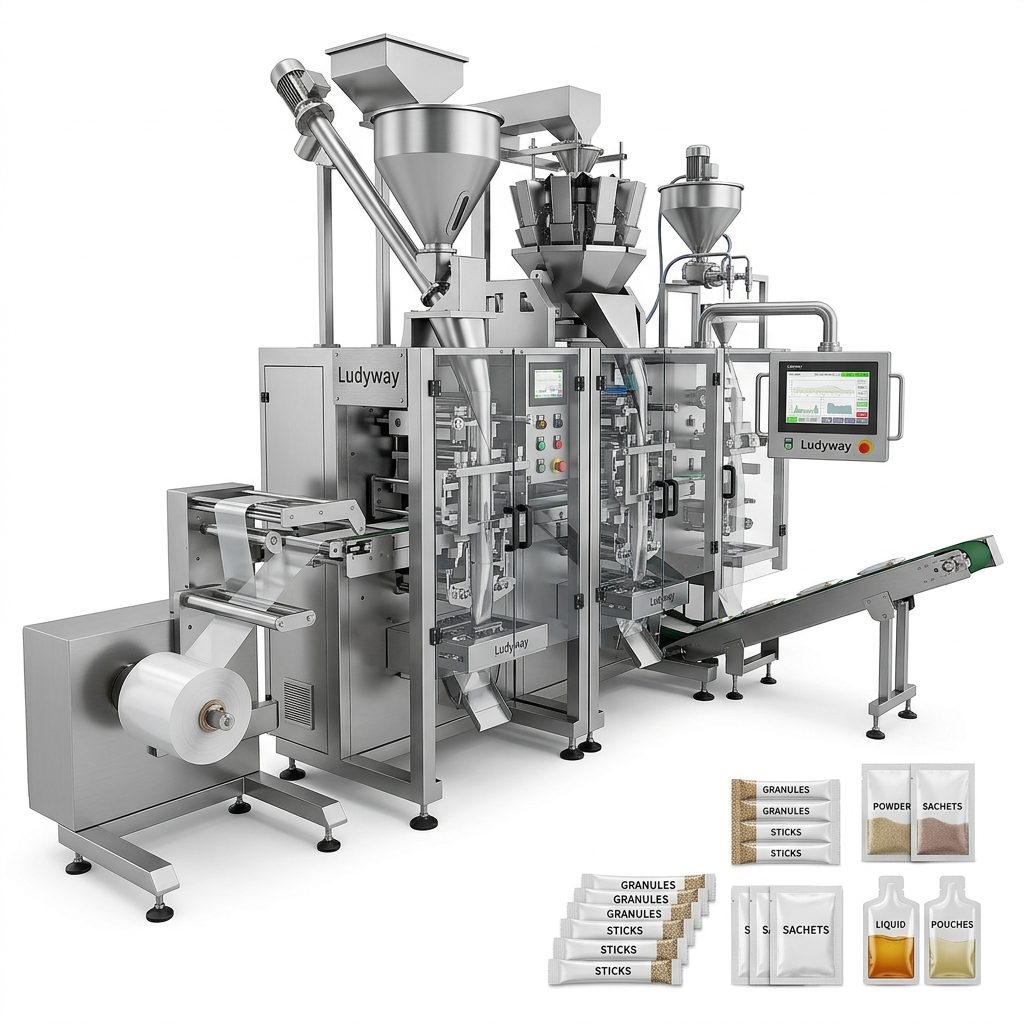
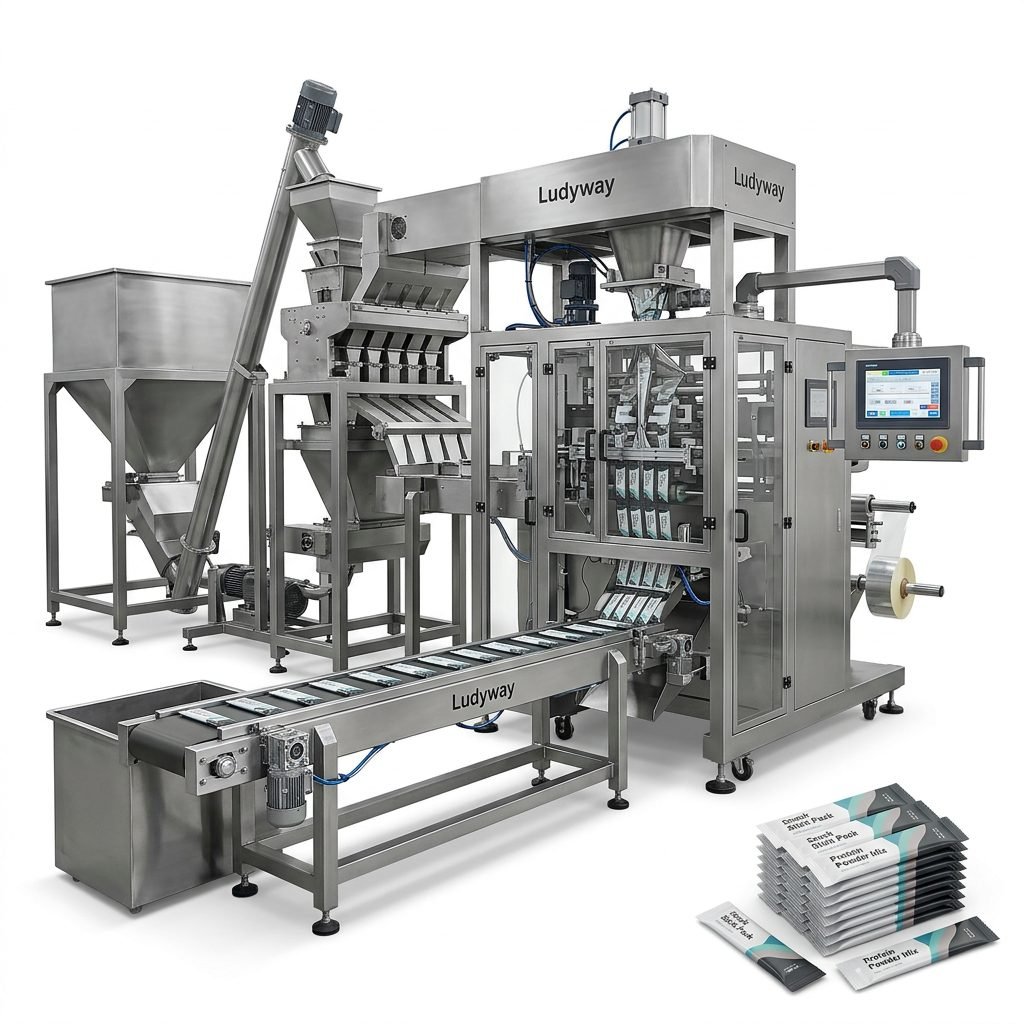
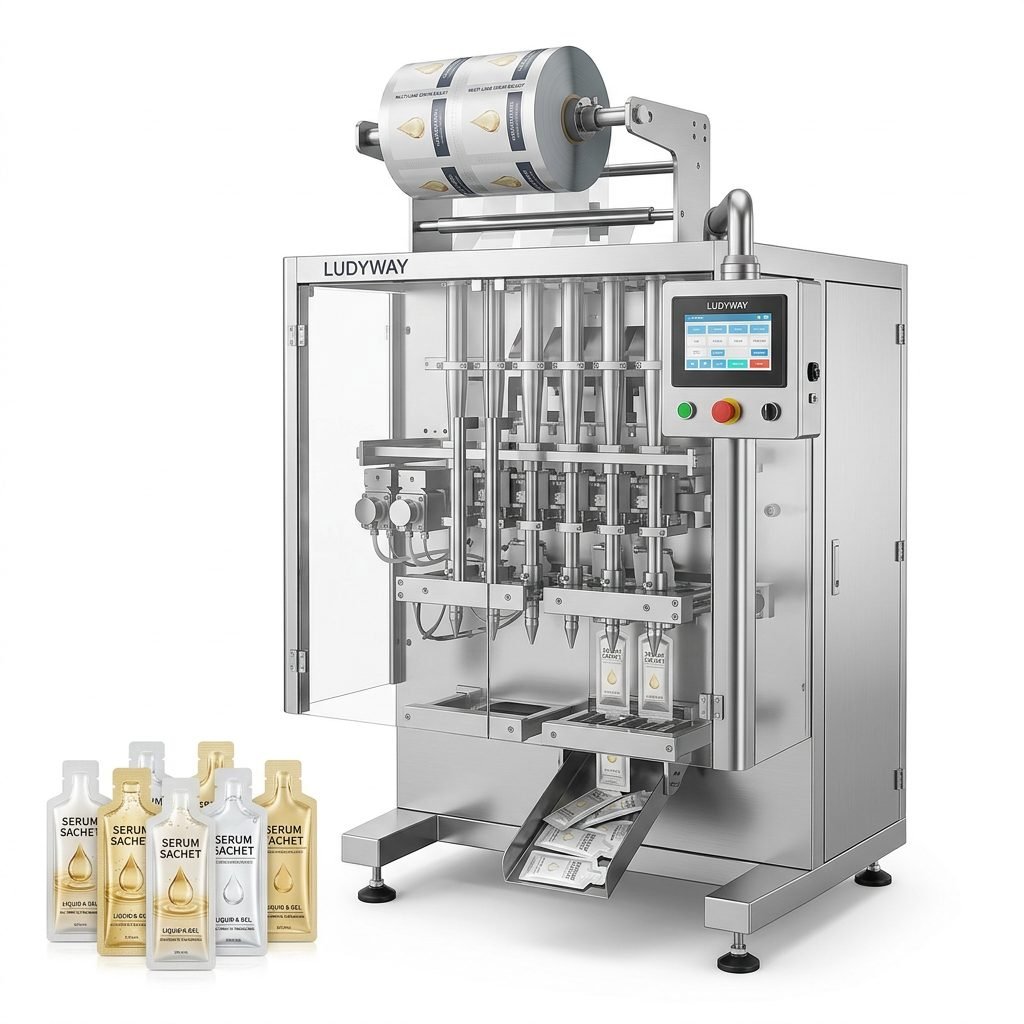
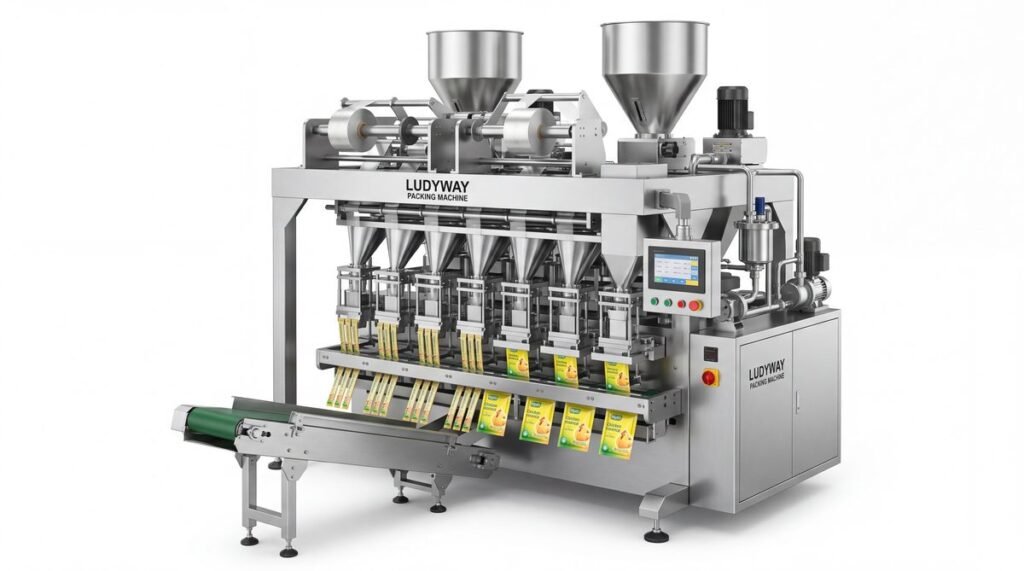
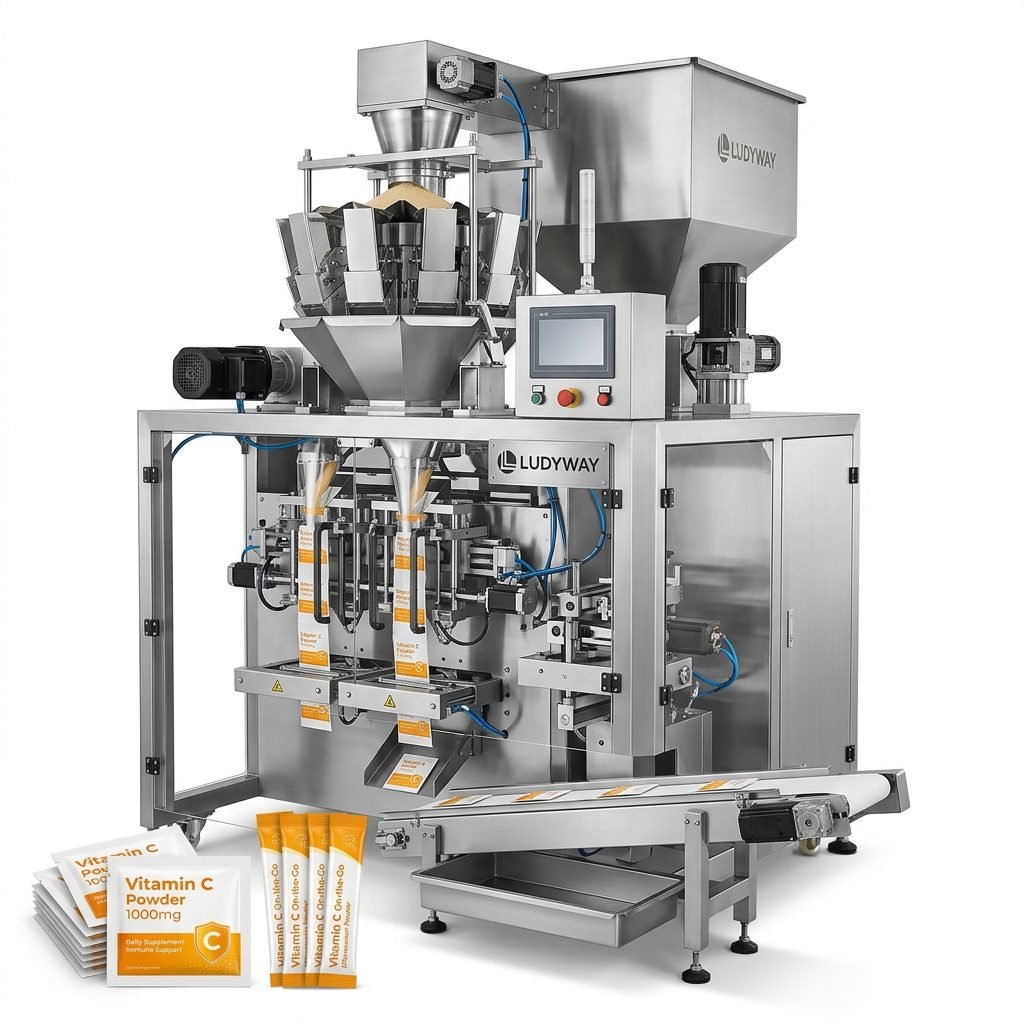
3. Sachet and Stick Pack Machines
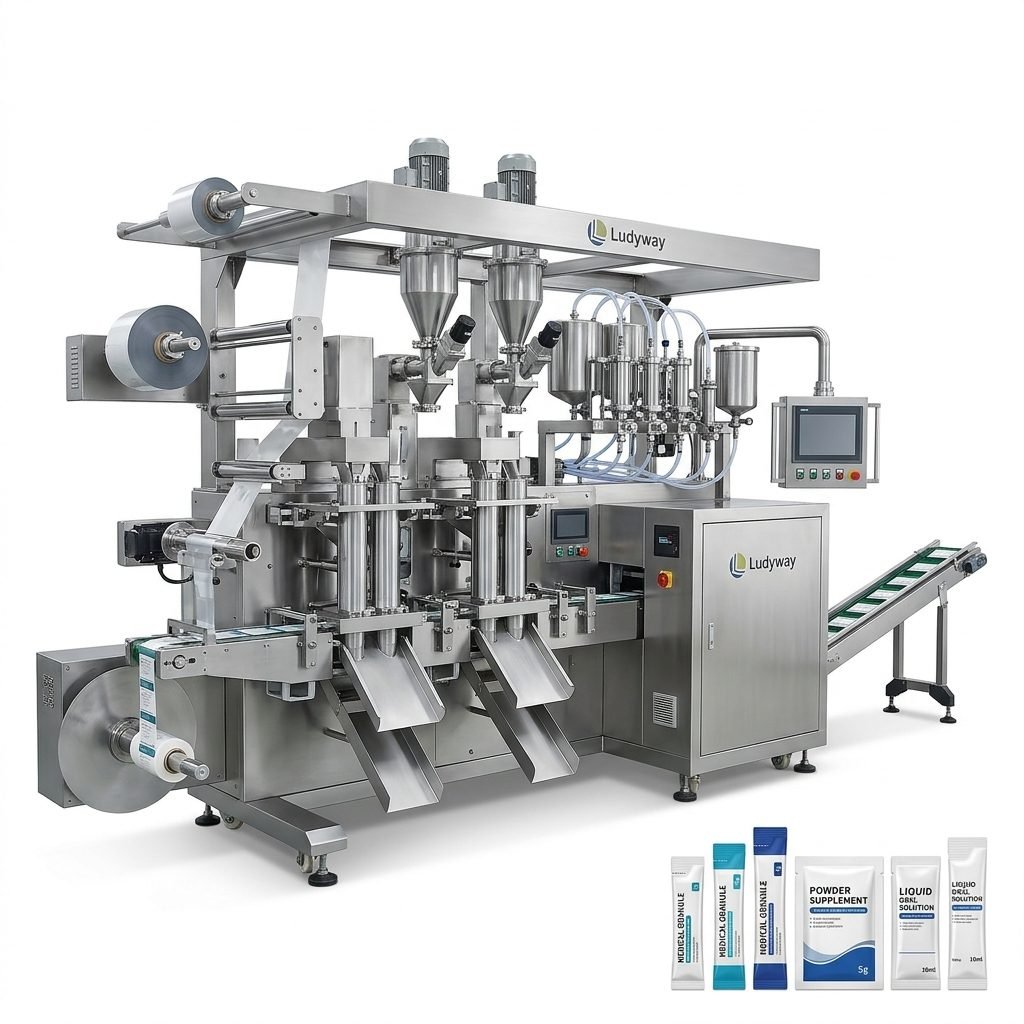
These machines package pharmaceutical powders, granules, and liquids into small single-dose sachets or slim stick packs. They are especially popular for oral rehydration salts, cold medicine granules, supplements, and liquid doses.
Best for: single-serve medicine formats, travel-size products, convenient outpatient use.
- Accurate dosing
- Compact packaging format
- Good portability for consumers
- Supports multi-lane high-speed output
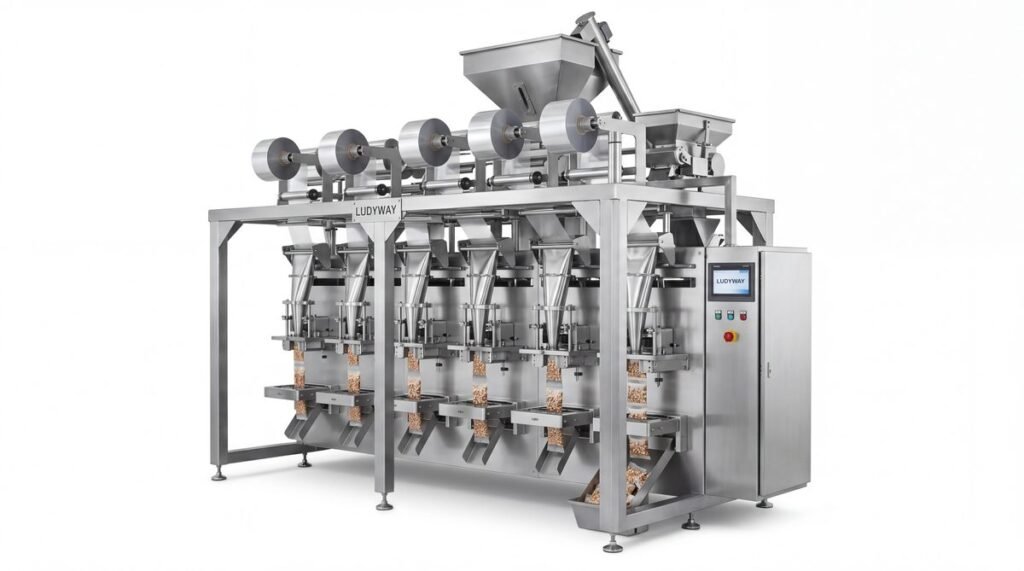
4. Bottle Filling and Capping Machines
Used for tablets, capsules, syrups, oral liquids, and health products, these machines can handle bottle feeding, counting or filling, capping, induction sealing, labeling, and coding.
Best for: bulk packs, family medicine bottles, pharmacy distribution channels.
5. Tube Filling and Sealing Machines
Tube packaging is common for topical medicines such as creams, gels, and ointments. These systems fill the tube precisely and seal it securely to avoid leakage and contamination.
Best for: dermatology products, topical analgesics, medicated creams.
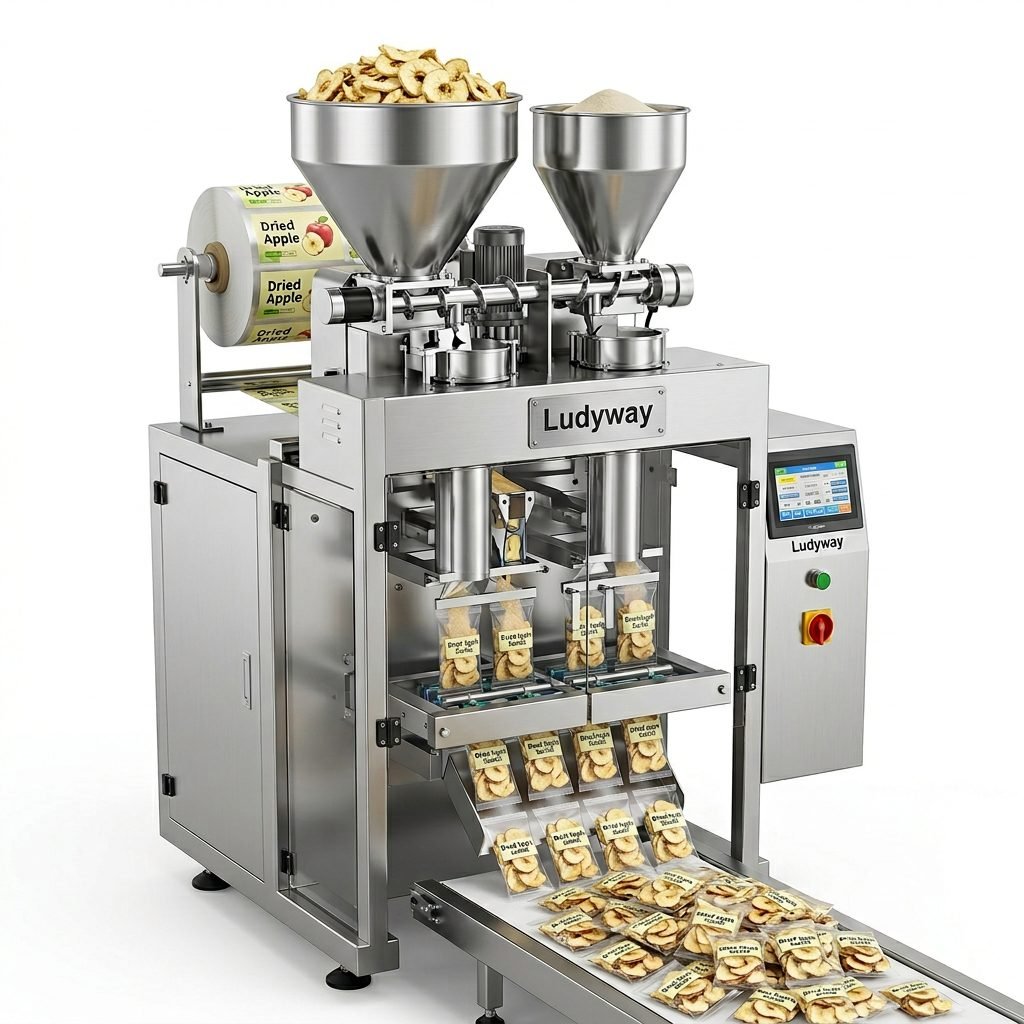
6. Pouch Filling and Sealing Machines
Pouch machines are used for powders, granules, liquids, and medical items. They can work with preformed pouches or form-fill-seal systems, depending on line design.
Best for: flexible packaging applications, larger dose packs, hospital-use products.
7. Cartoning and End-of-Line Packaging Machines
After primary packaging, pharmaceutical products often need secondary packaging such as cartoning, bundling, case packing, and palletizing. These machines improve logistics efficiency and maintain traceability.
Comparison of Common Medicine Packaging Machine Types
| Machine Type | Suitable Products | Key Advantage | Typical Packaging Format |
|---|---|---|---|
| Blister Packaging Machine | Tablets, capsules, softgels | Strong protection and unit-dose control | PVC/Alu, Alu-Alu blister packs |
| Strip Packaging Machine | Tablets, capsules | Excellent barrier properties | Foil strip packs |
| Sachet/Stick Pack Machine | Powders, granules, oral liquids | Portable, accurate single-dose packaging | Sachets, stick packs |
| Bottle Filling Machine | Tablets, capsules, syrups | High-volume retail packaging | Plastic or glass bottles |
| Tube Filling Machine | Creams, gels, ointments | Leak-free filling and sealing | Laminated or aluminum tubes |
| Cartoning Machine | Primary packed medicine products | Faster secondary packaging | Cartons, cases |
Key Features to Look For
High Filling Accuracy
In pharmaceutical manufacturing, dosage accuracy is essential. A reliable machine should maintain precise filling or counting performance with minimal variation.
GMP-Compliant Design
Look for hygienic structure, easy-clean surfaces, pharmaceutical-grade contact parts, and layouts that support cleanroom operation. Stainless steel construction and sanitary design are often expected.
Stable Sealing Quality
Poor sealing can compromise medicine safety and shelf life. Consistent sealing temperature, pressure, and alignment are critical for sachets, blisters, strips, and pouches.
Flexible Format Changeover
If your business handles multiple SKUs, package sizes, or dosage forms, quick changeover reduces downtime and improves production planning.
Integrated Inspection and Rejection
Advanced systems can include checkweighers, vision inspection, metal detection, leak detection, and automatic reject units to improve quality assurance.
Serialization and Traceability Support
Pharmaceutical packaging often requires coding, batch printing, and track-and-trace functions. Make sure the machine can integrate with your regulatory and ERP systems.
Automation Level
Fully automatic machines reduce labor dependence and help maintain output consistency. Semi-automatic systems may still be suitable for pilot-scale production or smaller factories.
How to Choose the Right Medicine Packaging Machine
1. Start with Your Product Type
The first question is simple: what exactly are you packaging? Tablets need different equipment than oral liquids or powder sachets. Your dosage form will determine the machine category.
2. Define the Packaging Format
Decide whether you need blister packs, strip packs, bottles, tubes, sachets, stick packs, or pouches. The package format affects material selection, sealing method, machine layout, and speed.
3. Evaluate Production Capacity
Choose a machine that fits your current throughput while leaving room for future expansion. Buying too small leads to bottlenecks; buying too large may increase unnecessary cost and floor space usage.
4. Consider Regulatory Requirements
Pharmaceutical packaging equipment should align with your target market standards, such as GMP-related manufacturing expectations, validation requirements, and data traceability needs.
5. Check Material Compatibility
Your machine should work well with the packaging films, foils, bottles, caps, cartons, or pouches you plan to use. Material mismatch can lead to poor sealing, waste, and instability.
6. Review Cleaning and Maintenance Needs
Easy disassembly, low dust retention, quick cleaning, and accessible maintenance points can significantly reduce downtime and help maintain hygienic standards.
7. Assess Customization Options
Many pharmaceutical manufacturers need custom dosing systems, lane configurations, coding modules, feeding systems, or line integration. A flexible supplier can make a major difference.
8. Look Beyond the Machine Itself
A complete solution may include feeding, filling, sealing, coding, inspection, cartoning, case packing, and palletizing. In many cases, an integrated line is more efficient than buying isolated machines one by one.
Practical tip: If you expect product expansion in the next 2–3 years, choose a machine platform that supports modular upgrades rather than a fixed single-format design.
Questions to Ask Before Buying
- What dosage forms and package sizes will the machine handle?
- What is the real output under production conditions, not just theoretical speed?
- How accurate is the filling, counting, or dosing system?
- How long does format changeover take?
- Can the machine integrate with printers, inspection units, and cartoners?
- What validation documents and technical support are available?
- Are spare parts and after-sales service easily accessible?
- Can the supplier provide line customization for my plant layout?
Common Applications in the Pharmaceutical Industry
Medicine packaging machines are used across a wide range of pharmaceutical and healthcare applications, including:
- Cold medicine granules
- Oral liquid sachets
- Pain relief tablets in blister packs
- Capsules in bottles or strips
- Topical ointments in tubes
- Powder supplements and nutraceutical sachets
- Sterile medical wipes and consumables
- Hospital-use packaged medical products
Benefits of Investing in the Right Machine
| Benefit | Why It Matters |
|---|---|
| Higher efficiency | Increases production output and reduces manual intervention |
| Better product protection | Helps preserve drug stability and shelf life |
| Improved compliance | Supports pharmaceutical quality and traceability requirements |
| Lower waste | Reduces rejected packs, underfills, and sealing defects |
| Greater flexibility | Makes it easier to launch new products or packaging sizes |
| Long-term savings | Cuts labor cost and improves line utilization over time |
Choosing a Reliable Packaging Machine Supplier
The supplier matters just as much as the machine. A strong manufacturer should offer technical consultation, machine customization, factory testing, installation support, and responsive after-sales service.
For pharmaceutical companies seeking scalable and customized automation, medicine packaging machine solutions from Ludyway are worth exploring. As one of China’s leading packaging machine and turnkey packaging line manufacturers, the company has over 30 years of industry experience and broad capabilities in pharmaceutical, food, and health supplement packaging automation.
Final Buying Checklist
- Product type: tablet, capsule, powder, granule, liquid, cream
- Package format: blister, strip, bottle, tube, sachet, stick pack, pouch
- Output target: present and future production capacity
- Accuracy requirement: dosing, counting, filling consistency
- Compliance: hygienic design, traceability, validation support
- Integration: coding, inspection, cartoning, case packing
- Flexibility: SKU changeover and customization potential
- Support: training, spare parts, maintenance response
By matching machine type, packaging format, production goals, and compliance needs, you can select a medicine packaging machine that delivers reliable performance now and supports business growth in the years ahead.