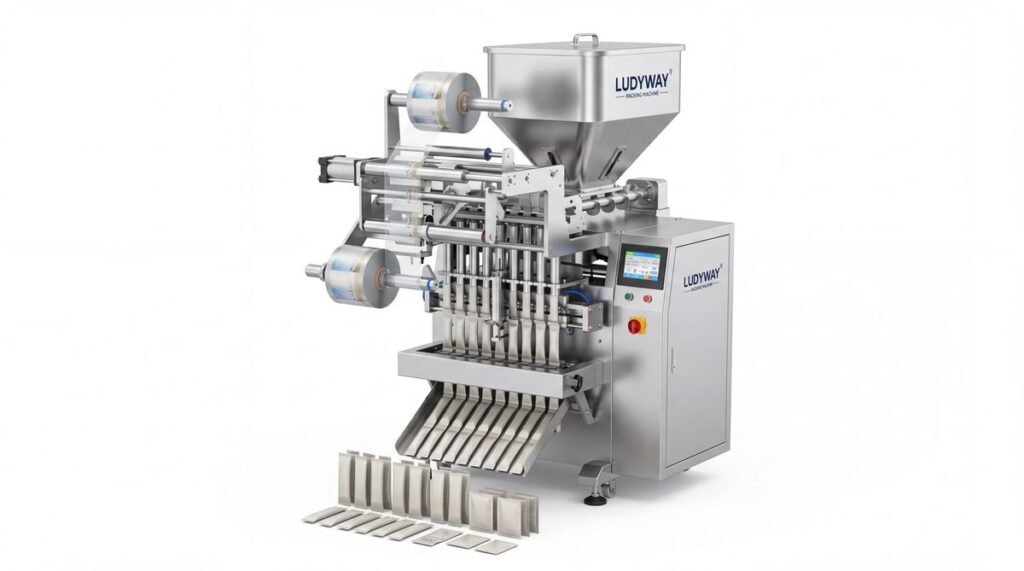
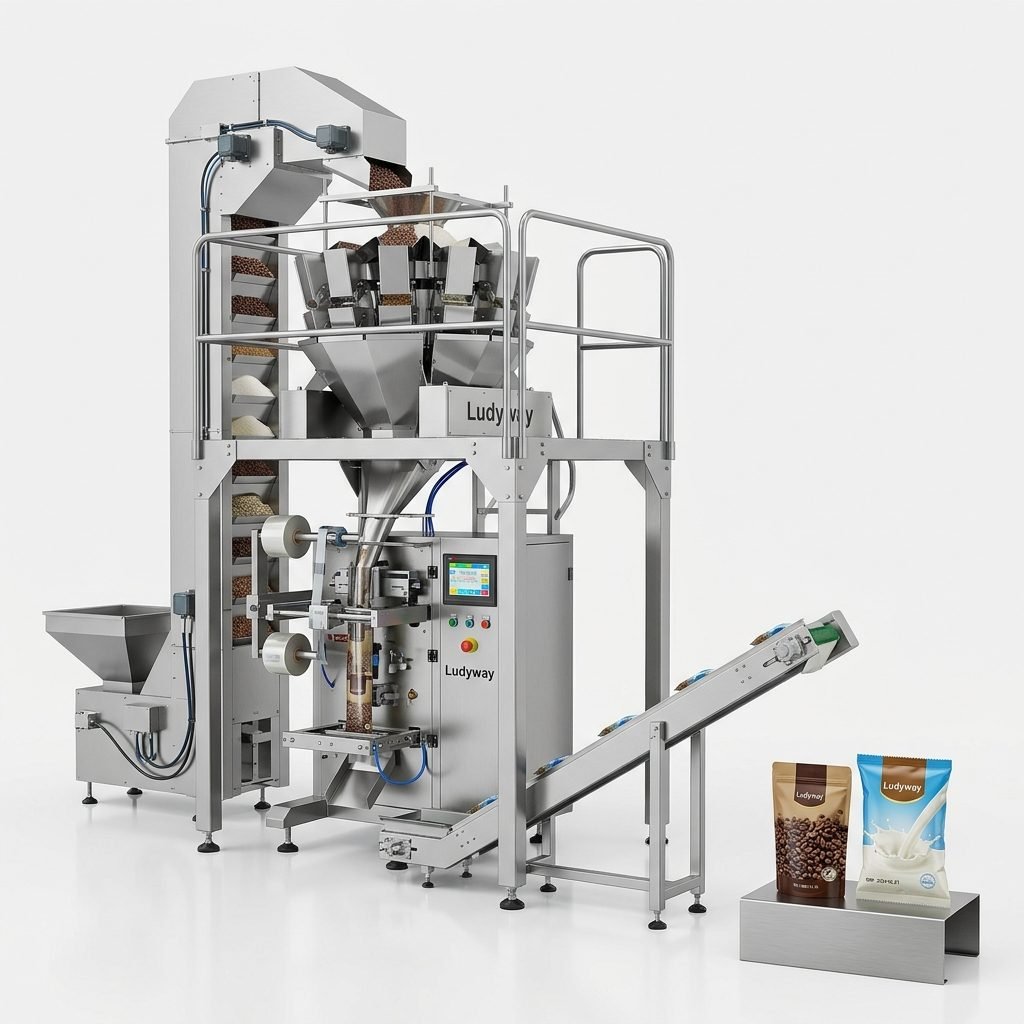
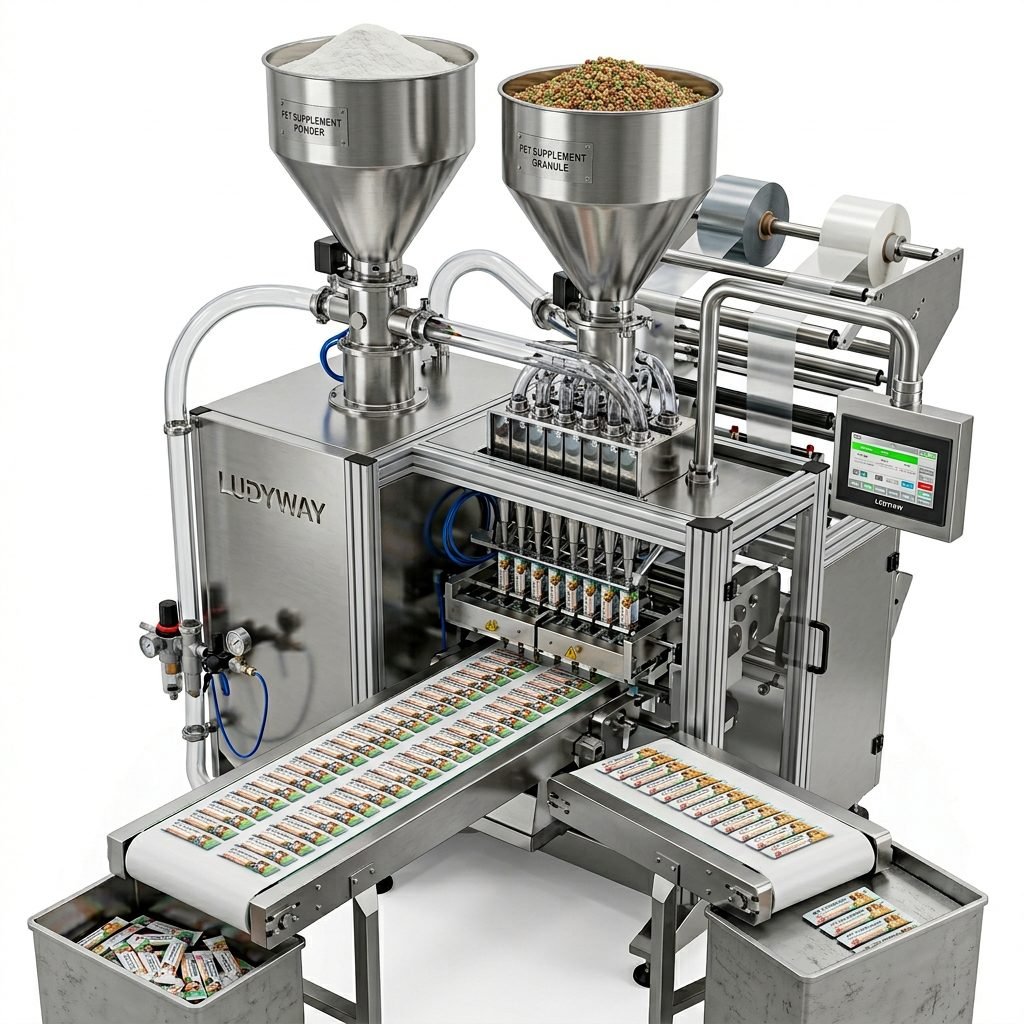
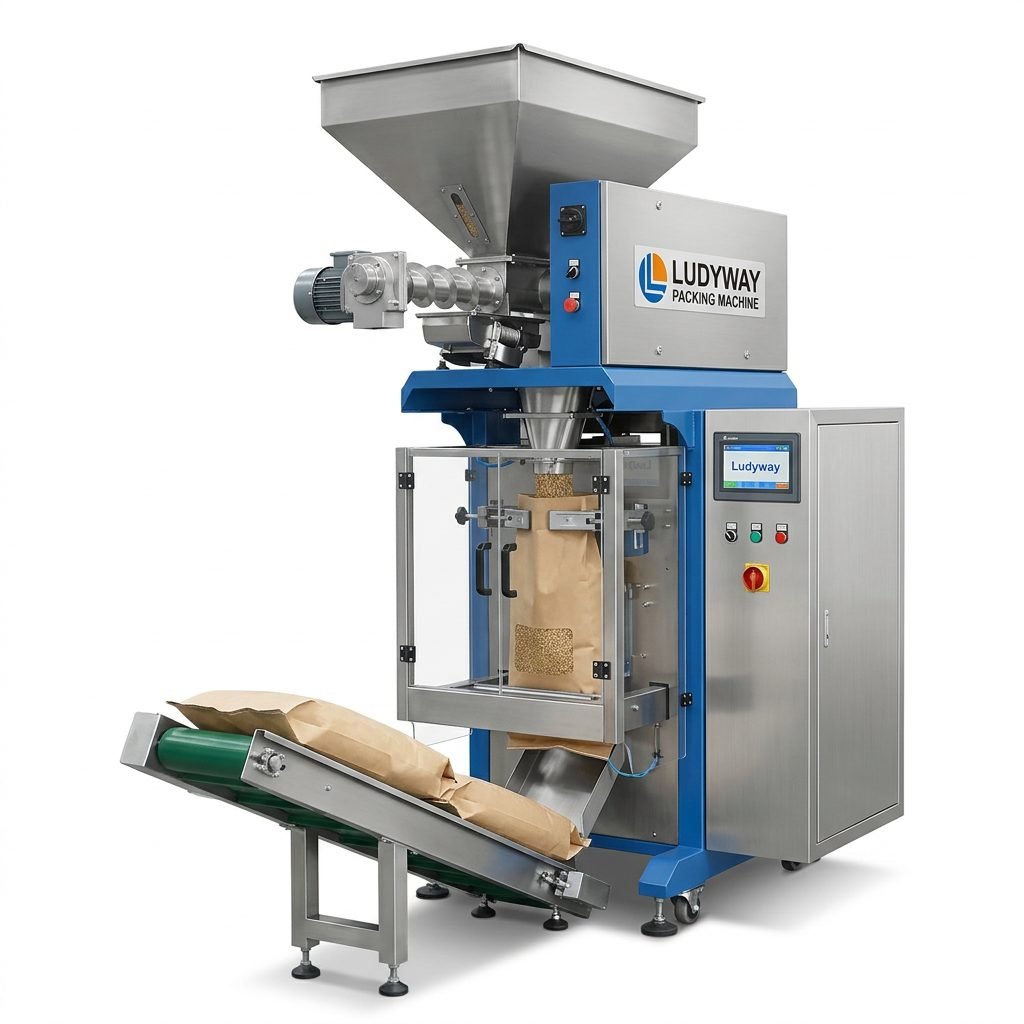
Vial packaging plays a critical role in pharmaceutical, biotech, cosmetic, and laboratory production. From sterile liquid filling to labeling, cartoning, and final case packing, every step must deliver accuracy, speed, and safety. A modern vial packaging machine helps manufacturers reduce manual handling, improve consistency, and support regulatory compliance while maintaining high throughput.
Whether you package injectable medicines, serums, diagnostic reagents, essential oils, or specialty healthcare products, the right automation solution can transform your production workflow. Today’s systems are designed to support delicate containers, precise dosing, clean sealing, reliable inspection, and efficient downstream packaging.
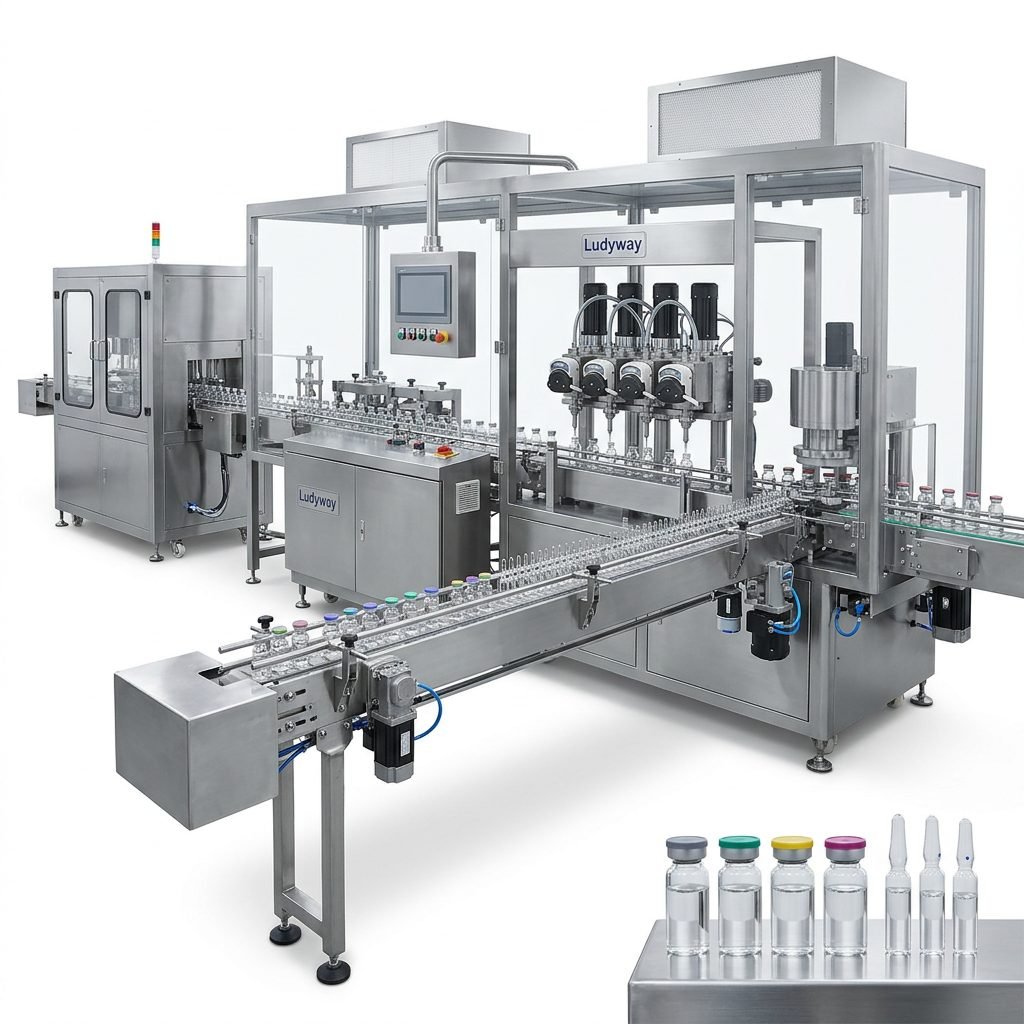
Why Vial Packaging Machines Matter in Modern Production
Vials are compact, fragile, and often used for high-value or sensitive products. Manual packaging can slow down output and increase the risk of contamination, breakage, labeling errors, and inconsistent presentation. An automated vial packaging machine solves these challenges by integrating multiple operations into one efficient system.
- Precise handling for glass or plastic vials
- Improved production speed with reduced labor dependency
- Better packaging consistency across every batch
- Safer product flow with less direct human contact
- Support for GMP-oriented and traceable packaging processes
- Easy integration with labeling, coding, cartoning, and inspection equipment
Core Functions of a Vial Packaging Machine
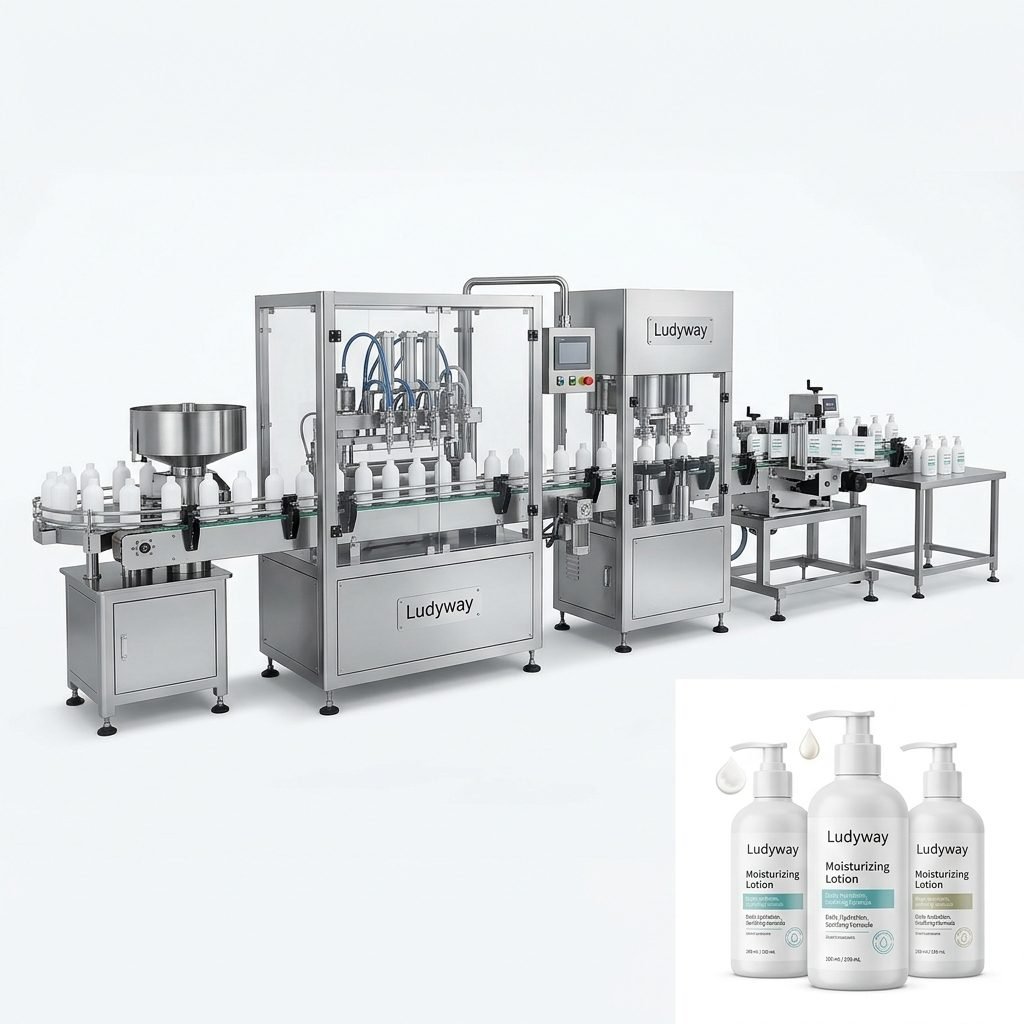
A complete vial packaging solution may include several automated stations depending on product requirements and plant layout. In most cases, the system is designed to optimize the entire packaging chain rather than just one isolated task.
1. Vial Feeding and Orientation
Vials are automatically fed into the line using infeed tables, unscramblers, or conveyor systems. Stable orientation is important for accurate filling, capping, labeling, and secondary packaging.
2. Filling
For pharmaceutical and health-related applications, filling accuracy is essential. Depending on viscosity and dosing range, systems may use piston fillers, peristaltic pumps, or other precision metering methods.
3. Stoppering and Capping
Automated stoppering and capping units ensure secure closure and product protection. This helps maintain integrity during transportation, storage, and end use.
4. Inspection and Rejection
Inspection modules can detect missing caps, underfilled vials, cosmetic defects, or coding issues. Non-conforming products are removed automatically to maintain quality standards.
5. Labeling and Coding
Vials typically require clear product identification, batch coding, and traceability information. Automated labeling and coding improve readability and reduce manual mistakes.
6. Cartoning and Case Packing
After primary packaging, vials may be grouped into trays, cartons, or cases for easier handling and shipping. This stage can also include leaflet insertion, counting, and final sealing.
Key Benefits of Automated Vial Packaging
| Benefit | How It Helps |
|---|---|
| High Accuracy | Reduces dosage variation, packaging defects, and labeling errors |
| Fast Throughput | Supports growing production demand and shortens packaging cycles |
| Safer Operation | Minimizes manual contact and lowers contamination risk |
| Labor Savings | Automates repetitive tasks and improves workforce efficiency |
| Consistent Quality | Creates uniform packaging appearance and dependable sealing results |
| Line Integration | Connects filling, capping, labeling, inspection, and cartoning into one workflow |
Industries That Use Vial Packaging Machines
Vial packaging machinery is widely used in industries where product protection and dosing precision are essential.
- Pharmaceutical manufacturing
- Biotechnology and laboratory applications
- Veterinary medicine packaging
- Cosmetic serums and ampoule-style skincare products
- Health supplement liquids and concentrates
- Diagnostic and medical reagent packaging
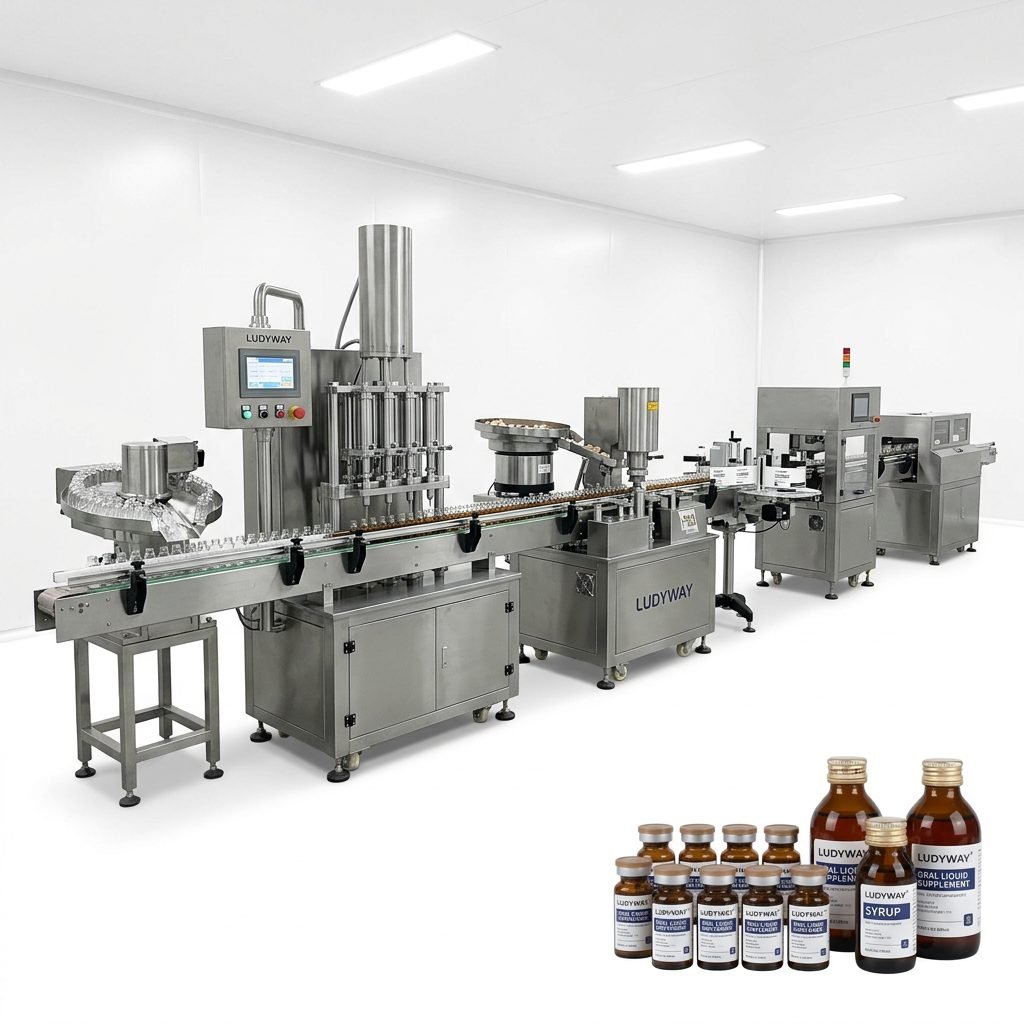
Important Features to Look For
Not all vial packaging equipment is built for the same products or production goals. When comparing options, manufacturers should focus on both technical performance and long-term operational value.
Accurate Dosing Control
The system should maintain stable fill volumes and support your target product characteristics, especially for sensitive pharmaceutical formulations.
Gentle Vial Handling
Smooth transfer systems help protect fragile containers and reduce breakage during high-speed production.
Flexible Changeover
If you run multiple vial sizes or product types, quick format change and user-friendly settings can reduce downtime.
Clean and Hygienic Design
For pharmaceutical and health-related applications, hygienic construction is essential for easier cleaning and safer packaging conditions.
Inspection Compatibility
Vision systems, checkweighers, and reject systems improve quality assurance and support compliance goals.
Expandability
A scalable line makes it easier to add labeling, cartoning, serialization, case packing, or palletizing in the future.
Standalone Machine or Turnkey Line?
The best choice depends on your production stage and packaging complexity. Some manufacturers need a single vial filling and capping machine, while others need a complete automated line from container feeding to final carton sealing.
| Option | Best For | Advantage |
|---|---|---|
| Standalone Vial Machine | Smaller lines or specific process upgrades | Lower initial investment and focused functionality |
| Integrated Turnkey Line | Medium to large-scale production | Better automation, synchronization, and overall efficiency |
How the Right Machine Improves Safety
In vial packaging, safety is not just about operator protection. It also includes product security, sterility control, packaging integrity, and traceability. A properly designed line reduces avoidable risks across the production floor.
- Limits direct contact with sensitive products
- Reduces breakage from unstable manual handling
- Supports controlled sealing and capping performance
- Improves batch identification and coding accuracy
- Helps maintain a cleaner and more organized packaging area
Applications for High-Speed Pharmaceutical Packaging
As production demand increases, pharmaceutical companies need packaging systems that combine speed with precision. High-speed vial packaging lines are especially useful for:
- Injectable drug packaging
- Oral liquid dose packaging
- Small-volume sterile vial filling
- Clinical trial batch packaging
- Diagnostic reagent and test kit support packaging
- Cosmetic serum and ampoule line automation
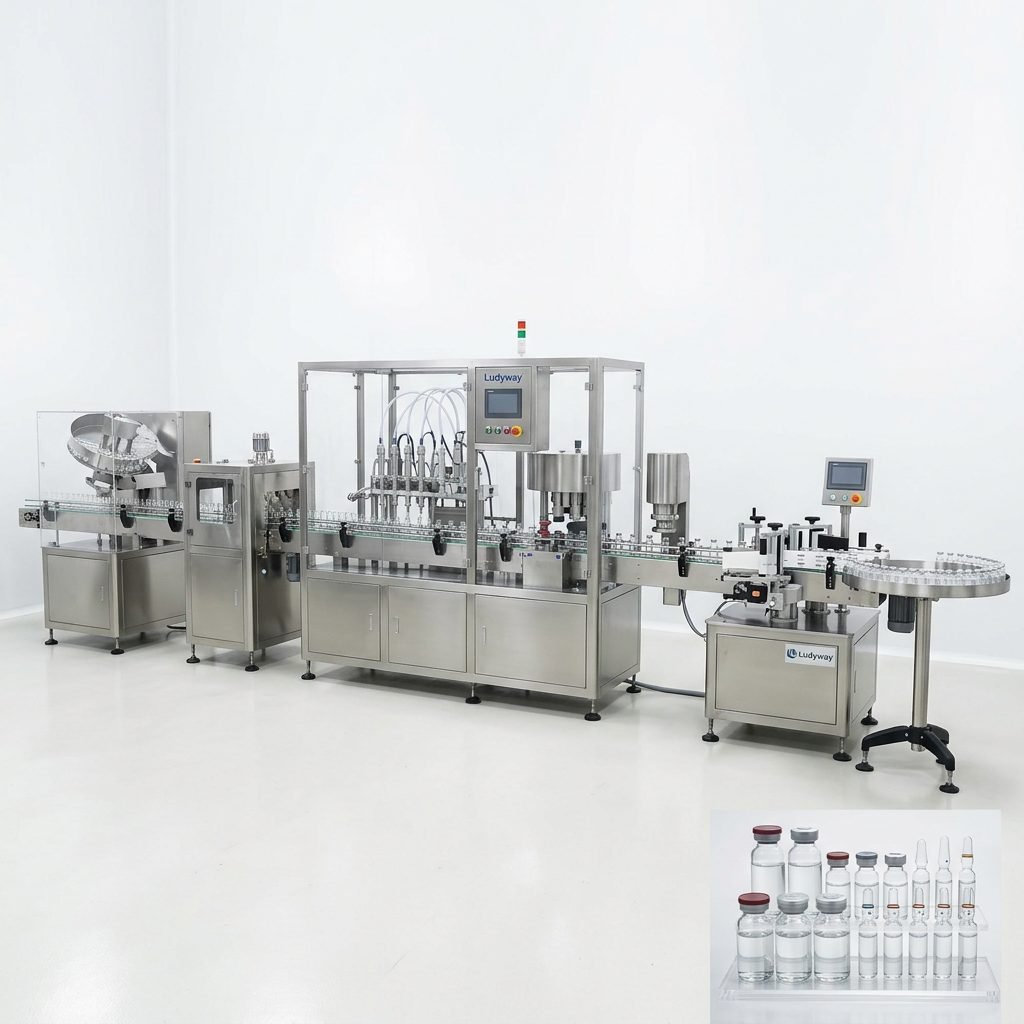
Choosing a Reliable Vial Packaging Machine Supplier
A machine supplier should offer more than equipment alone. For long-term success, buyers should evaluate engineering capability, customization support, installation experience, spare parts service, and global project understanding.
For companies seeking automated packaging equipment and turnkey packaging line support, Ludyway vial packaging machine solutions can be considered as part of a broader portfolio of packaging systems for pharmaceutical, health supplement, food, and related industries. With more than 30 years of manufacturing experience and a modern production base of over 20,000 square meters, the company supports customers looking for scalable automation and integrated line solutions.
Questions to Ask Before Buying
- What vial sizes and materials can the machine handle?
- What is the actual production speed under working conditions?
- How accurate is the filling system?
- Can the line integrate with labeling, coding, and cartoning equipment?
- Is the system suitable for cleanroom or pharmaceutical environments?
- How easy is format change and maintenance?
- What technical support is available after installation?
Common Buying Mistakes to Avoid
Selecting a vial packaging machine only by price can create expensive problems later. The lowest-cost machine may not match your compliance needs, output targets, or product characteristics.
- Ignoring future production expansion
- Choosing equipment without enough inspection capability
- Overlooking cleaning and maintenance access
- Buying a machine that lacks compatibility with upstream or downstream systems
- Not verifying service response and spare parts support
Final Thoughts on Efficient Vial Packaging
An advanced vial packaging machine is more than a production upgrade. It is a practical investment in precision, speed, safety, and long-term operational stability. For pharmaceutical and healthcare manufacturers, the right system can improve product quality, reduce waste, support regulatory expectations, and create a more efficient packaging workflow from start to finish.
If your production requires dependable vial handling, accurate filling, secure sealing, and scalable secondary packaging, a well-designed automated solution will help you stay competitive in a demanding market.