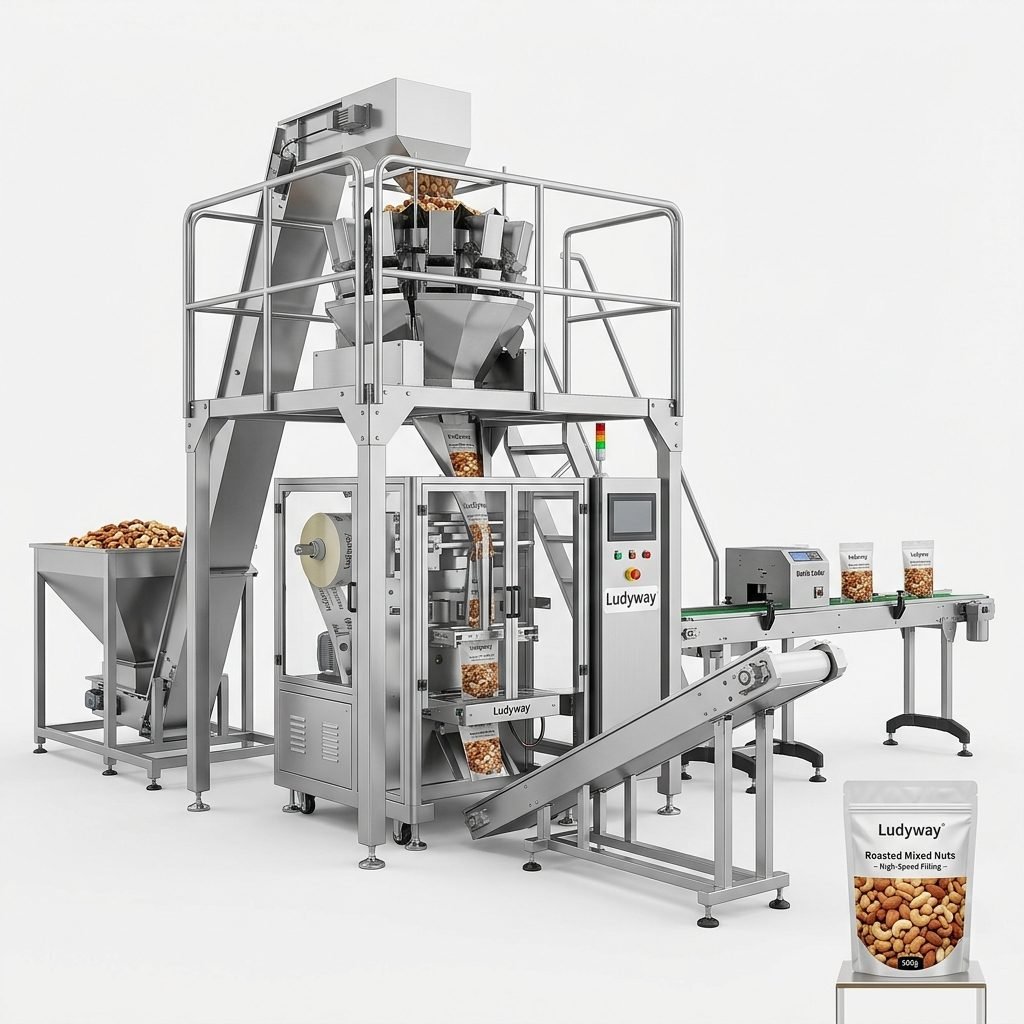
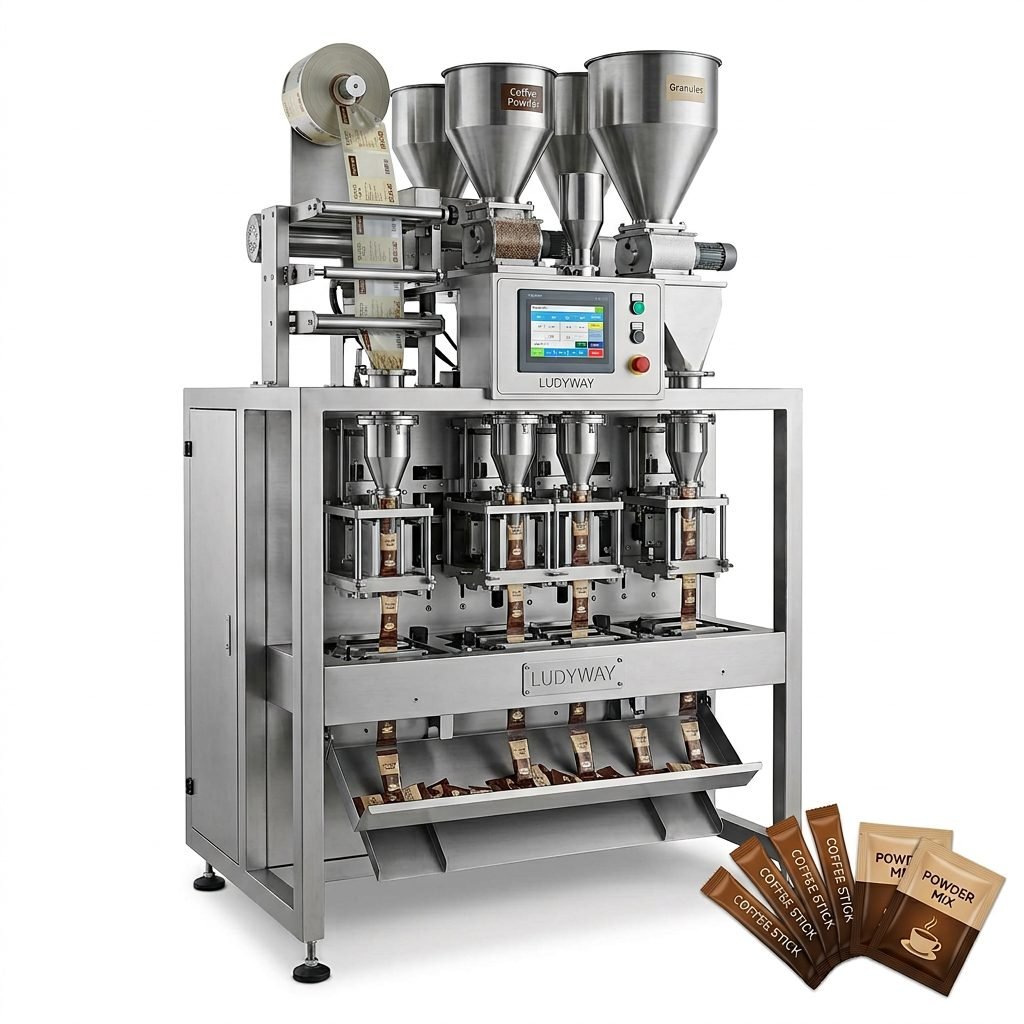
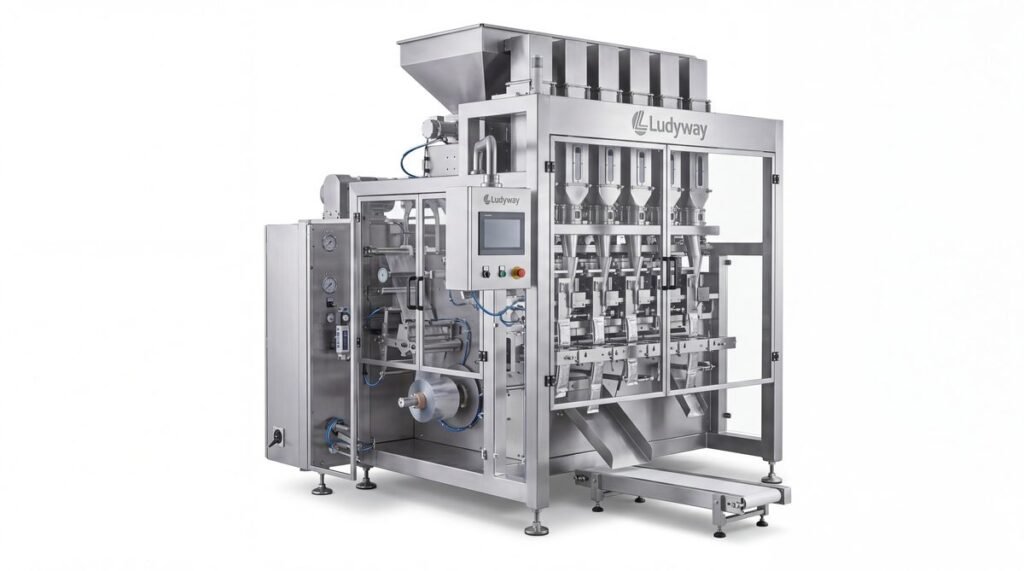
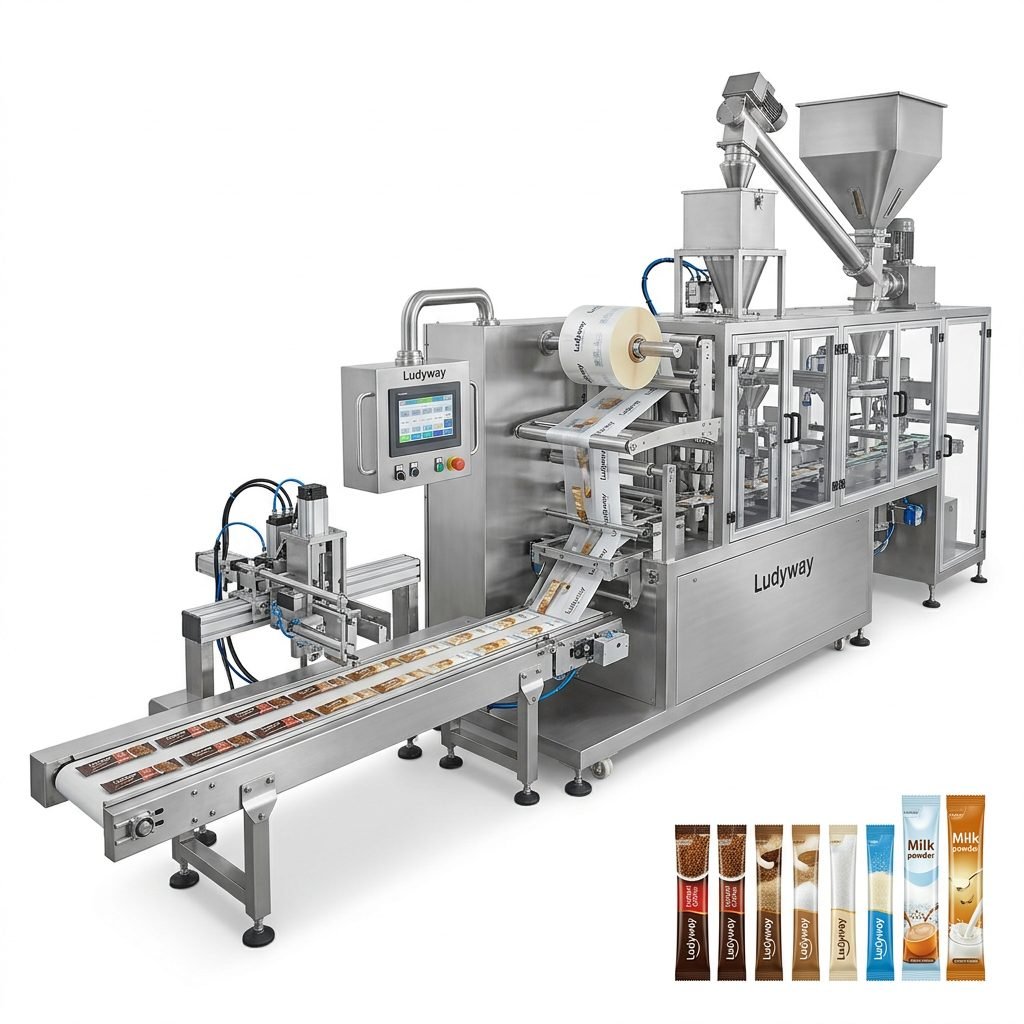
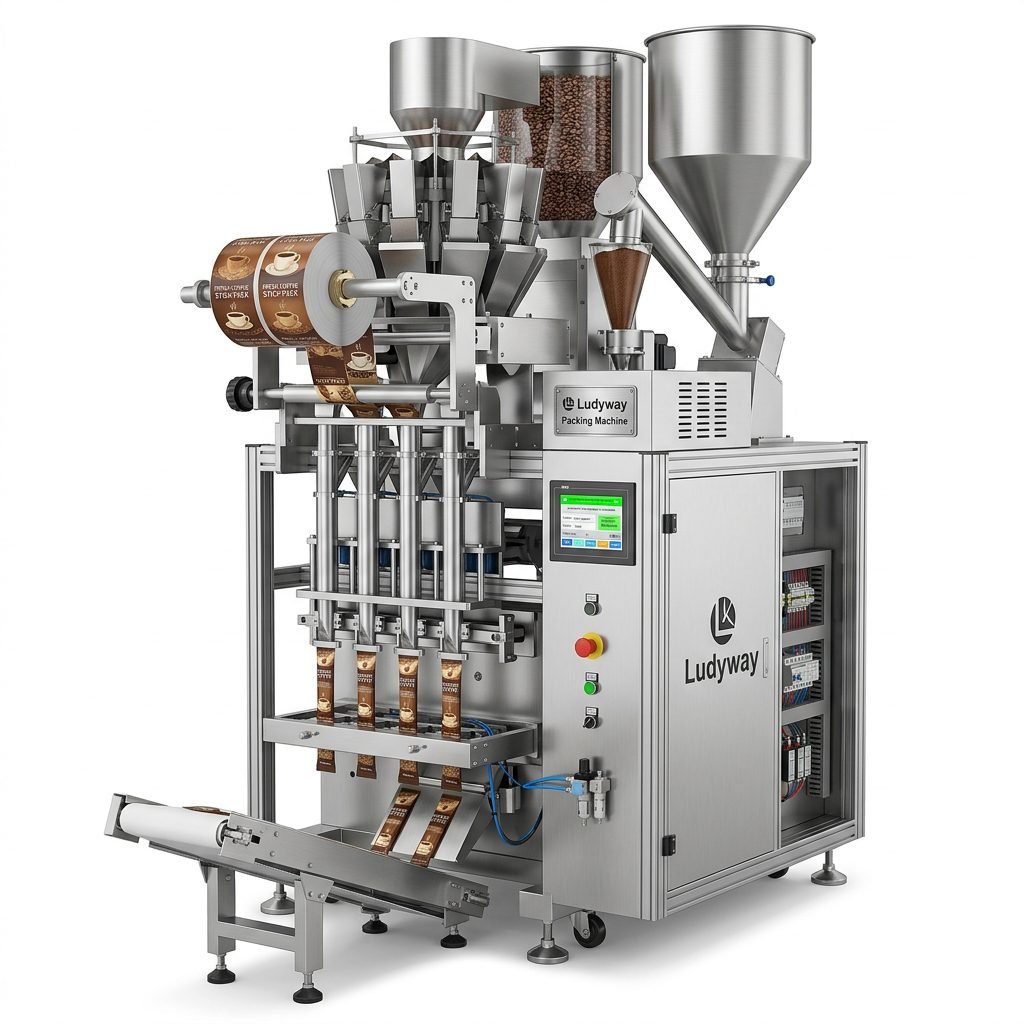
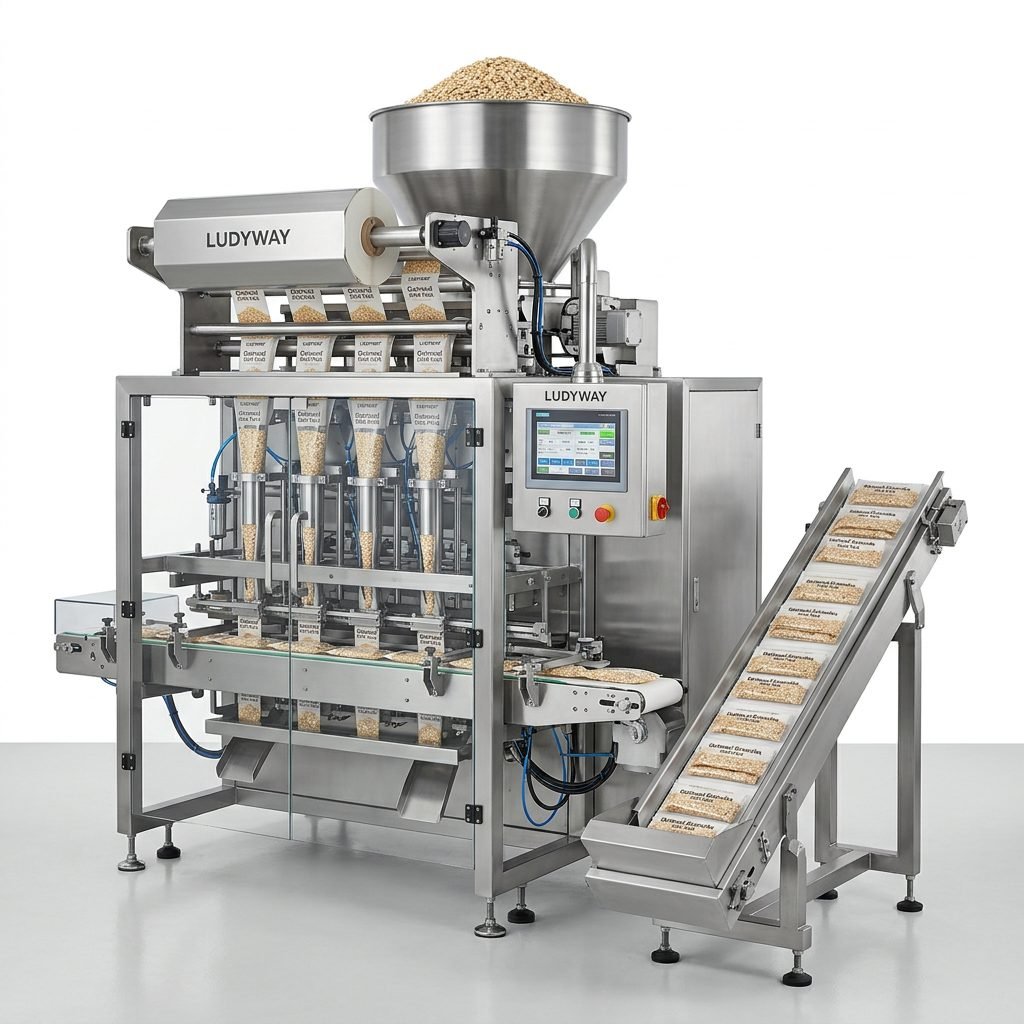
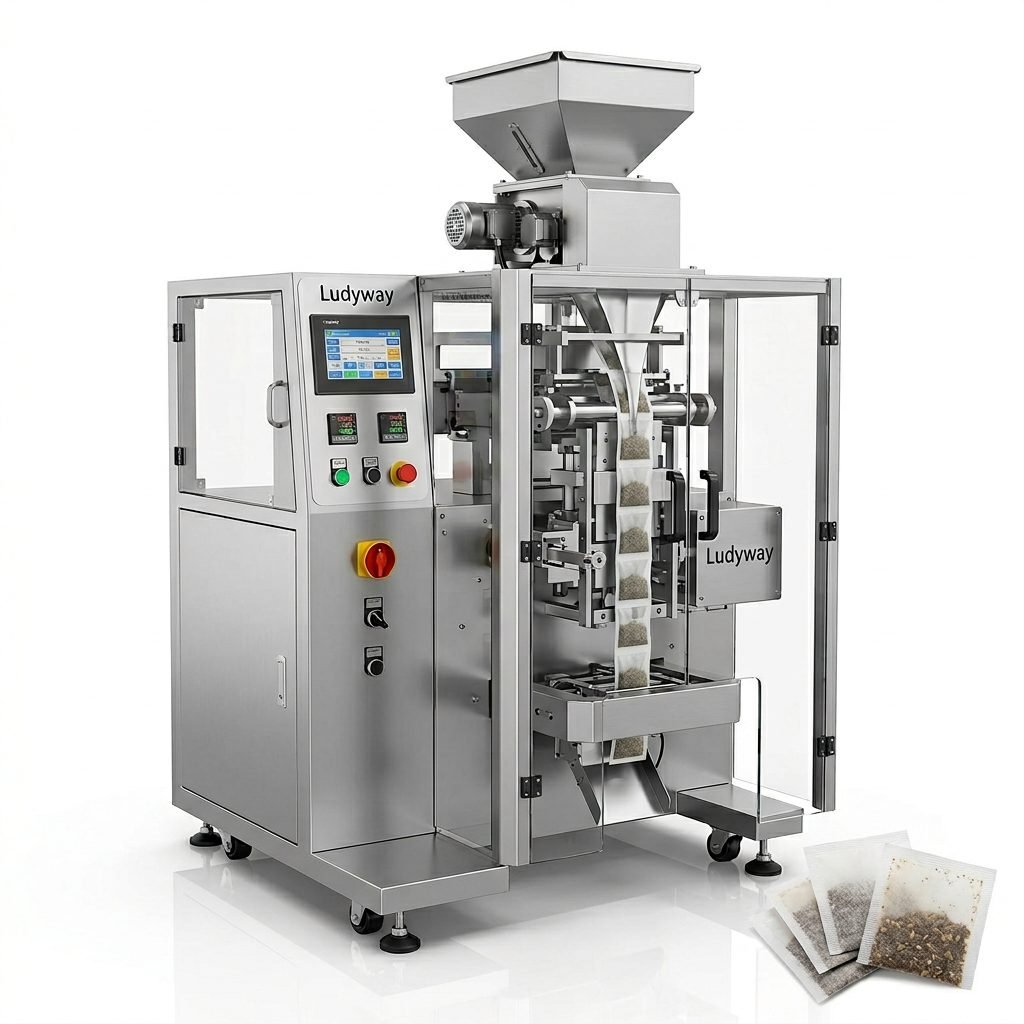
Tea bag packing machine price can vary widely, from entry-level semi-automatic units to fully automatic high-speed systems. The best choice is not simply the cheapest machine, but the one that gives you the best balance of cost, output, tea quality protection, and long-term return. If you are comparing suppliers, machine structures, and price ranges, this guide will help you make a more confident buying decision.
What Affects Tea Bag Packing Machine Price?
Before comparing quotations, it is important to understand what actually drives the cost. Two machines may look similar in photos but differ greatly in speed, automation, weighing accuracy, material compatibility, and support service.
- Machine type: inner bag only, inner and outer bag, pyramid tea bag, or string-tag tea bag.
- Automation level: semi-automatic machines cost less than fully automatic systems.
- Production speed: faster machines usually require more advanced control and feeding systems.
- Tea material: black tea, green tea, herbal blends, broken leaf tea, powders, and granules all need different dosing solutions.
- Packaging format: filter paper sachet, nylon pyramid bag, stick pack, or retail-ready overwrap.
- Customization: nitrogen flushing, date coding, cartoning, labeling, and conveyors can increase total cost.
- Electrical components: PLC, servo motors, sensors, and brand selection impact reliability and price.
- Compliance requirements: food-grade contact parts, CE-related requirements, and export standards may add value and cost.
Typical Tea Bag Packing Machine Price Range
The following table gives a practical overview of common price segments. Actual pricing depends on specifications, output requirements, and project scope.
| Machine Category | Estimated Price Range | Best For | Key Notes |
|---|---|---|---|
| Small semi-automatic tea bag machine | USD 3,000–8,000 | Startups, testing, small batch production | Lower output, more manual work |
| Automatic filter tea bag packing machine | USD 8,000–20,000 | Small to medium tea brands | Suitable for standard tea sachets |
| Inner and outer bag tea packing machine | USD 15,000–35,000 | Retail brands needing better shelf presentation | Adds product protection and branding value |
| Pyramid tea bag machine | USD 20,000–50,000+ | Premium loose leaf and herbal tea products | Higher bag quality and premium market appeal |
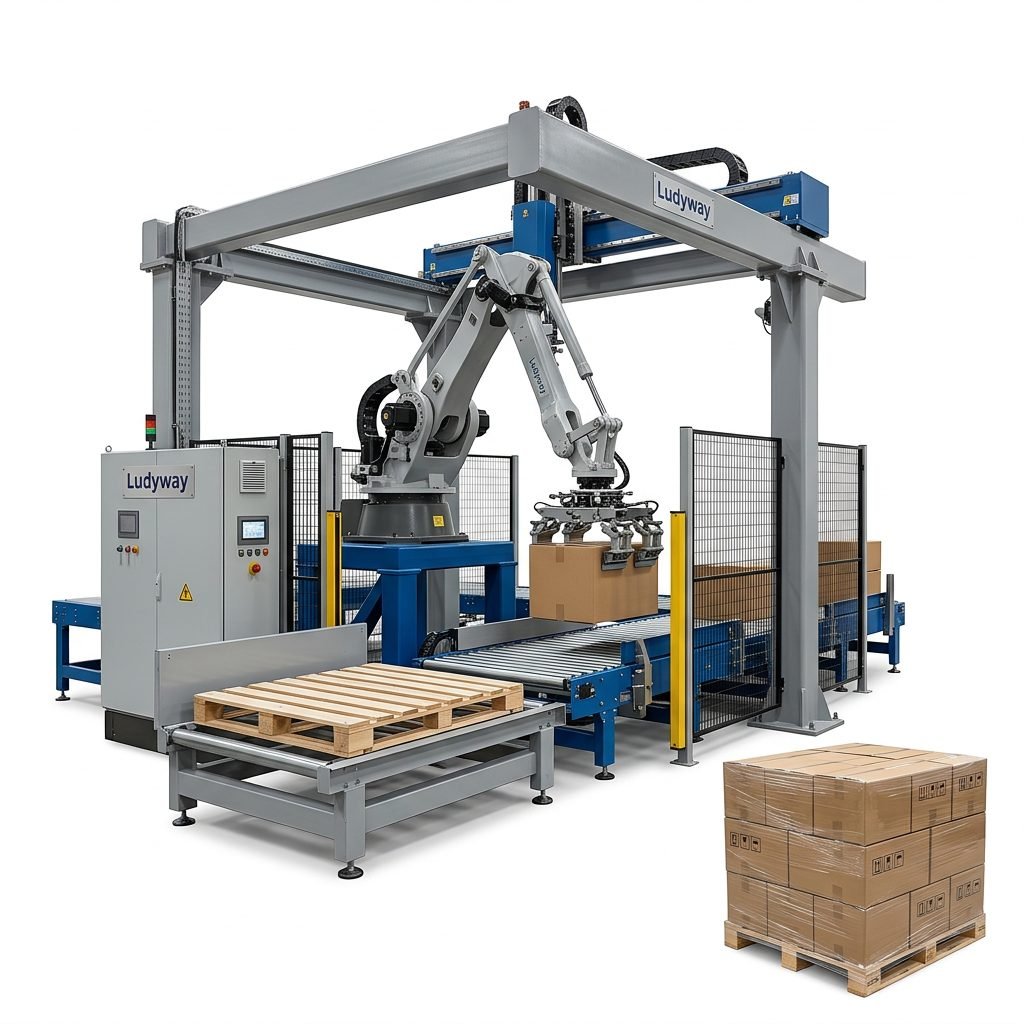
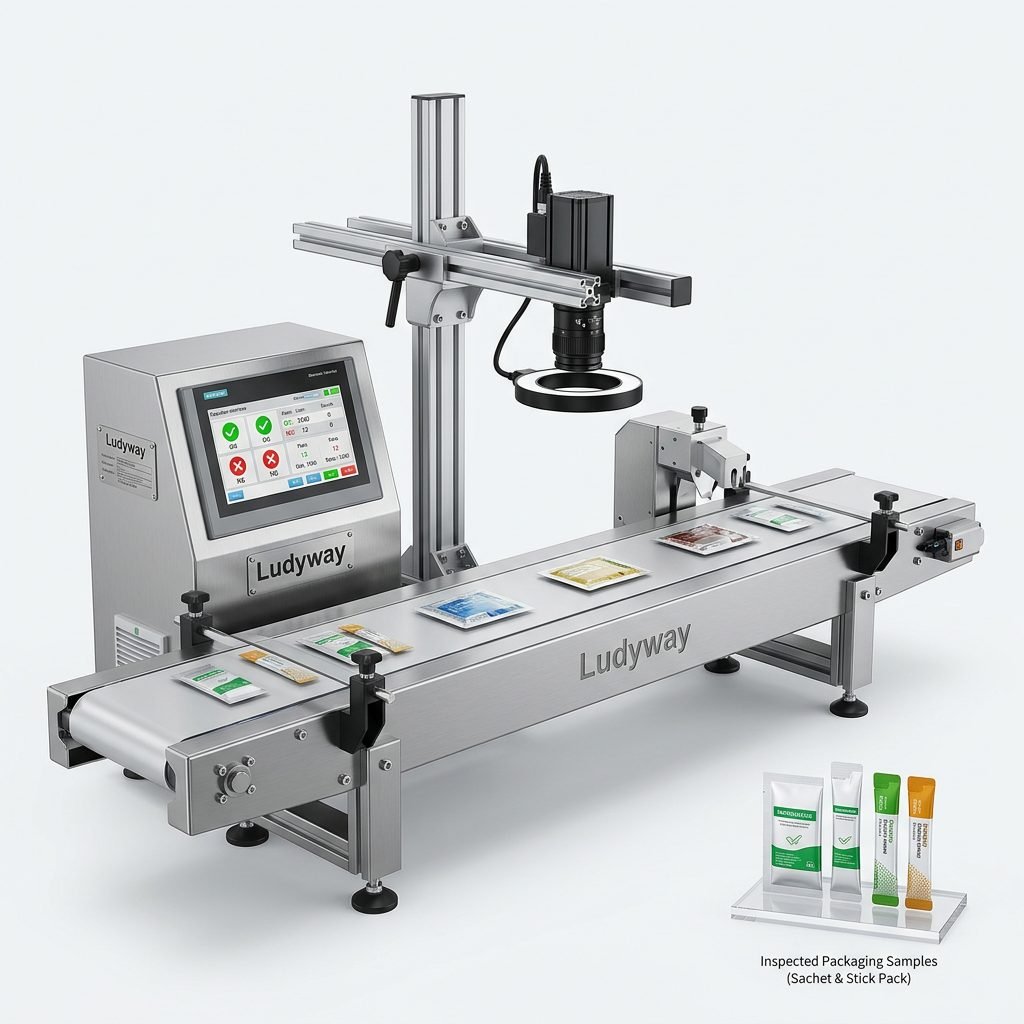
| Fully integrated tea packaging line | USD 50,000–150,000+ | Large factories and export-focused production | May include feeding, cartoning, coding, inspection, and case packing |
How to Match the Machine to Your Budget
A practical purchase starts with your business goals. Instead of asking only “How much does a tea bag packing machine cost?”, ask “What machine fits my current production needs without limiting my growth?”
1. Define Your Daily Output
If you produce a few thousand tea bags per day, a compact automatic machine may be enough. If you plan to supply supermarkets, distributors, or export markets, you may need a faster system with stable long-shift performance.
2. Identify Your Tea Product Type
Tea packaging performance changes depending on whether you pack:
- Broken tea leaves
- Herbal blends
- Flower tea
- Tea powder
- Functional drink mixes
- Premium loose leaf tea
Different materials may require volumetric cups, auger fillers, or precision weighing systems.
3. Consider Bag Style and Retail Positioning
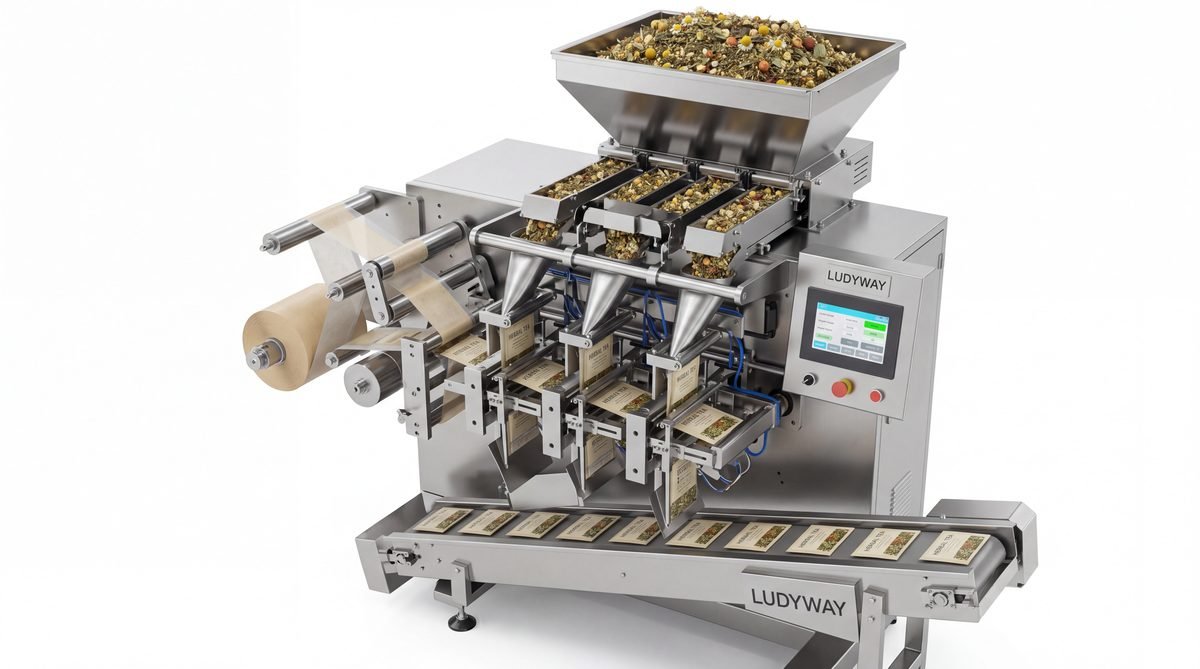
Standard flat filter tea bags are more economical. Pyramid tea bags and individually wrapped tea bags cost more, but they can help increase product value, improve aroma retention, and support premium branding.
Cheap Machine vs. Best Value Machine
The lowest quote is not always the best investment. A cheaper machine can become expensive if it causes frequent downtime, poor sealing, unstable filling accuracy, or high film waste.
| Buying Factor | Low-Cost Option | Better-Value Option |
|---|---|---|
| Initial price | Lower | Moderate to higher |
| Filling accuracy | Often basic | More consistent |
| Sealing quality | May vary | More stable |
| Downtime risk | Usually higher | Usually lower |
| Operator friendliness | Simpler but less refined | Better interface and adjustment control |
| Long-term ROI | Can be limited | Often stronger |
Key Features Worth Paying More For
If your budget allows, some upgrades can improve efficiency and reduce operating costs over time.
- Servo-driven control for smoother movement and more precise bag length control.
- Accurate dosing system for better weight consistency.
- Touchscreen PLC operation for easier changeover and troubleshooting.
- String and tag attachment system for classic tea bag presentation.
- Outer envelope packaging for improved shelf life and premium branding.
- Date coding and batch printing for retail and traceability requirements.
- Dust collection or anti-static design for powdery or fine tea products.
Questions to Ask Before Requesting a Quote
A detailed quote is only useful if the supplier understands your real production needs. Prepare the following information:
- What tea product will you pack?
- What is the target bag weight?
- What bag shape do you need?
- Do you need string, tag, or outer envelope?
- What is your expected speed per minute?
- What packaging film or filter material will you use?
- Do you need nitrogen flushing, coding, cartoning, or conveyors?
- What is your local voltage and factory layout?
When your requirements are clear, suppliers can recommend a machine that is right-sized for your budget instead of overselling or underspecifying.
Choosing a Supplier, Not Just a Machine
Your final cost includes more than the machine body. Technical support, spare parts availability, commissioning guidance, and future line expansion all matter. A supplier with broader engineering capability can often help you avoid expensive mistakes.
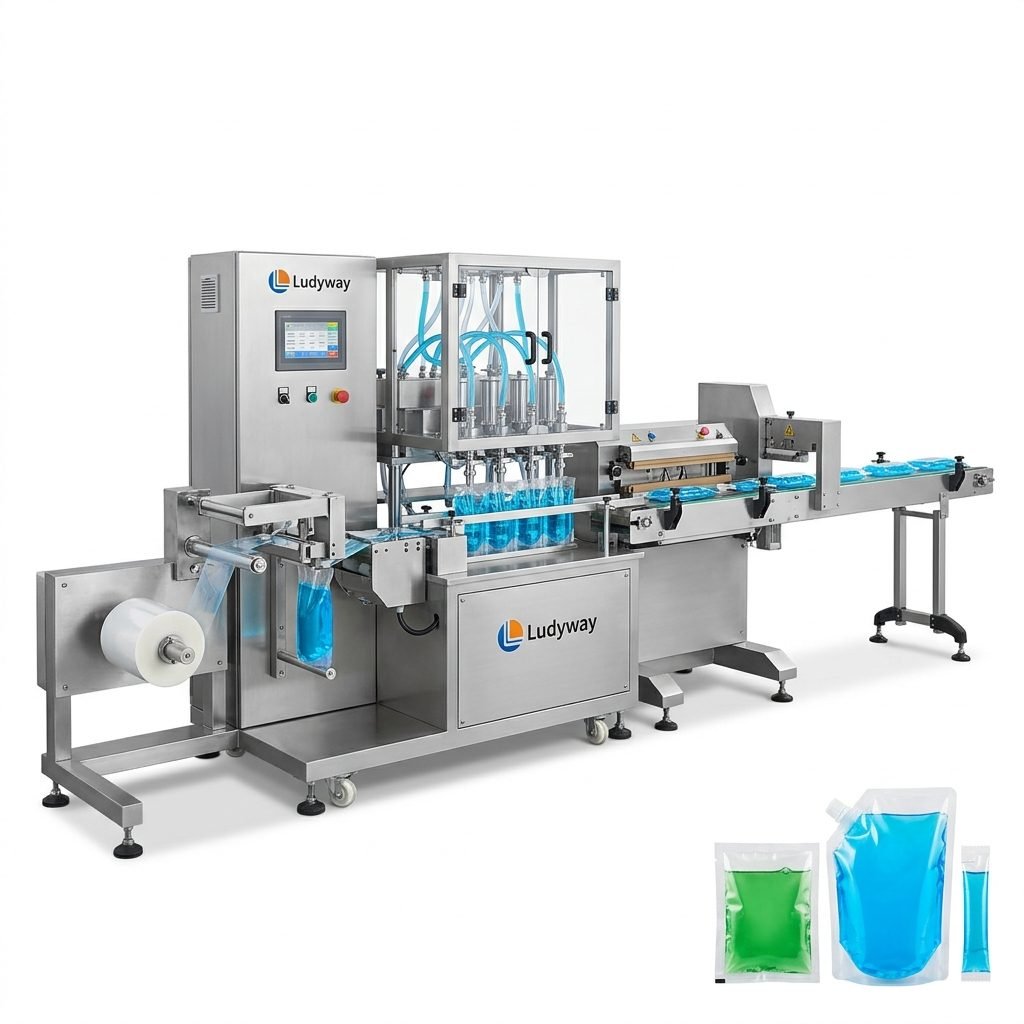
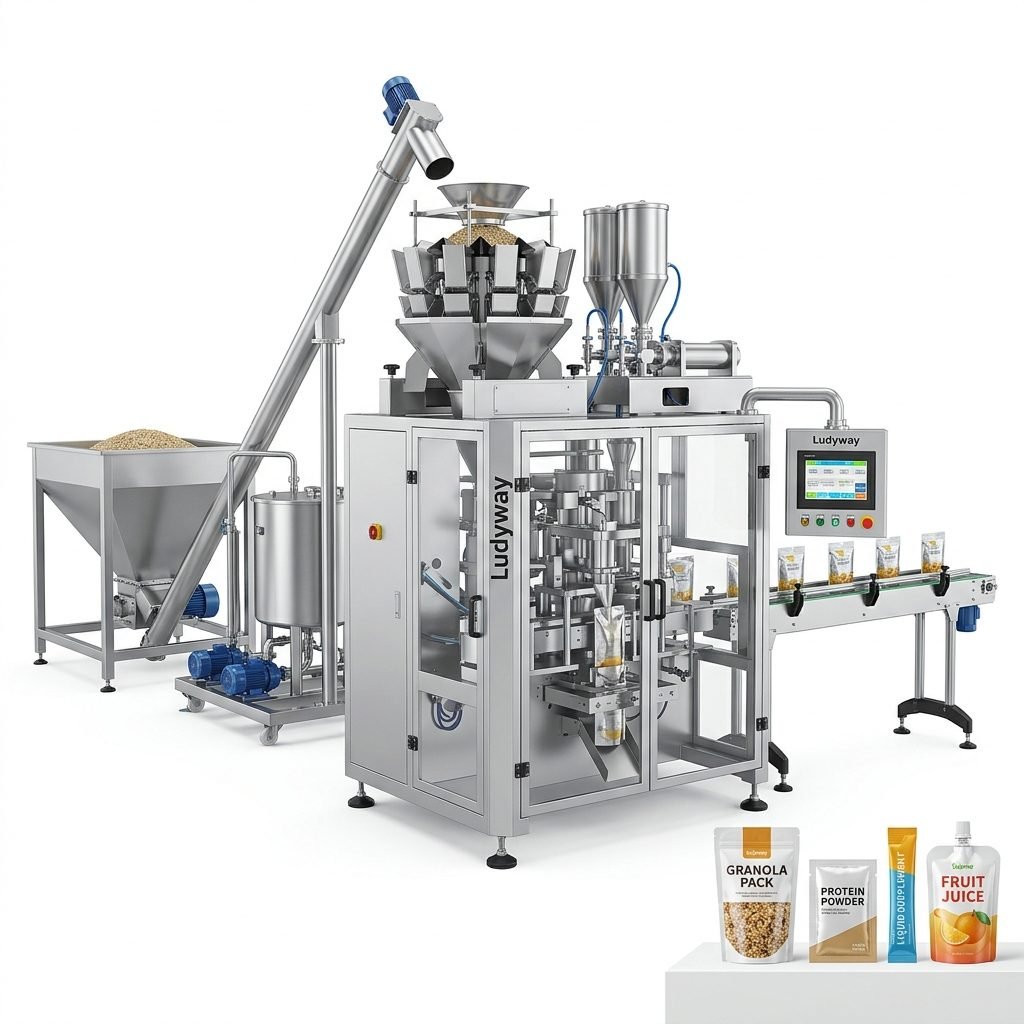
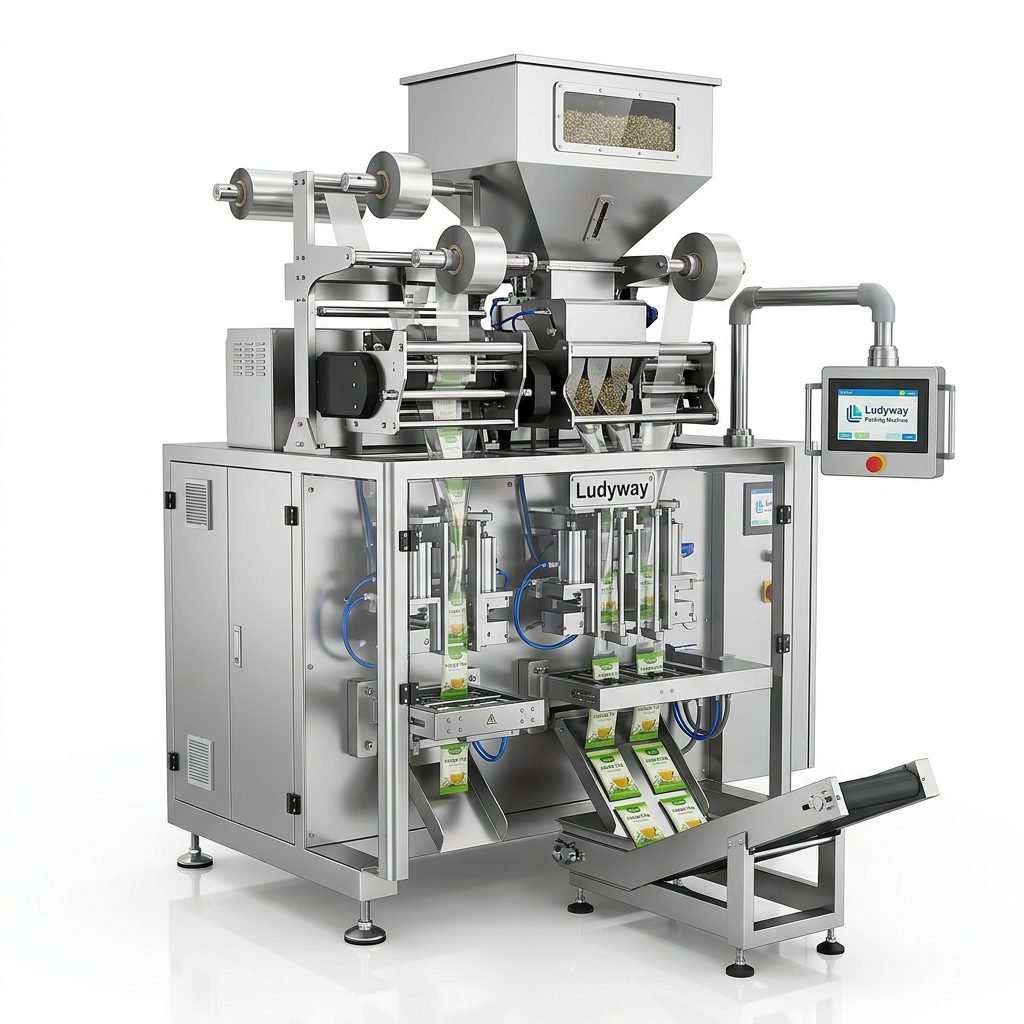
For buyers looking for scalable automation, tea bag packing machine solutions from Ludyway can be worth evaluating, especially for businesses that may later expand into full packaging lines for food, health products, or other sachet-based applications.
Supplier Evaluation Checklist
- Can they provide machine videos with similar tea products?
- Do they support custom bag formats?
- Can they offer complete turnkey line planning?
- Do they have export experience in your market?
- Can they provide operation manuals and remote support?
- Are spare parts and wear parts easy to replace?
Best Buying Advice for Different Budgets
Low Budget
Choose a simple automatic tea bag machine with stable core functions. Avoid too many optional add-ons at the beginning. Focus on sealing quality, dosing consistency, and easy maintenance.
Mid-Range Budget
Look for a machine with better automation, touchscreen controls, and flexibility for more than one tea product. This level often gives the best cost-performance ratio for growing brands.
Higher Budget
Invest in a premium tea bag packing system with pyramid bag capability, outer envelope packaging, coding, inspection, and downstream cartoning. This is ideal for strong retail branding, contract manufacturing, or export-scale production.
Final Tips to Get the Best Tea Bag Packing Machine Price
- Compare machines by configuration, not by price alone.
- Ask for sample testing using your actual tea material.
- Confirm output speed under real production conditions.
- Check whether the quoted price includes molds, spare parts, and training.
- Plan for future expansion if your tea business is growing.
- Choose a reliable supplier with strong after-sales support.
Conclusion
The right tea bag packing machine price depends on your product type, capacity target, packaging format, and growth plan. A lower-cost model may work for small production, while a higher-spec automatic machine can deliver better consistency, stronger branding, and lower long-term operating cost. The smartest buying decision is to match your budget with the machine features that directly improve production efficiency and market value.