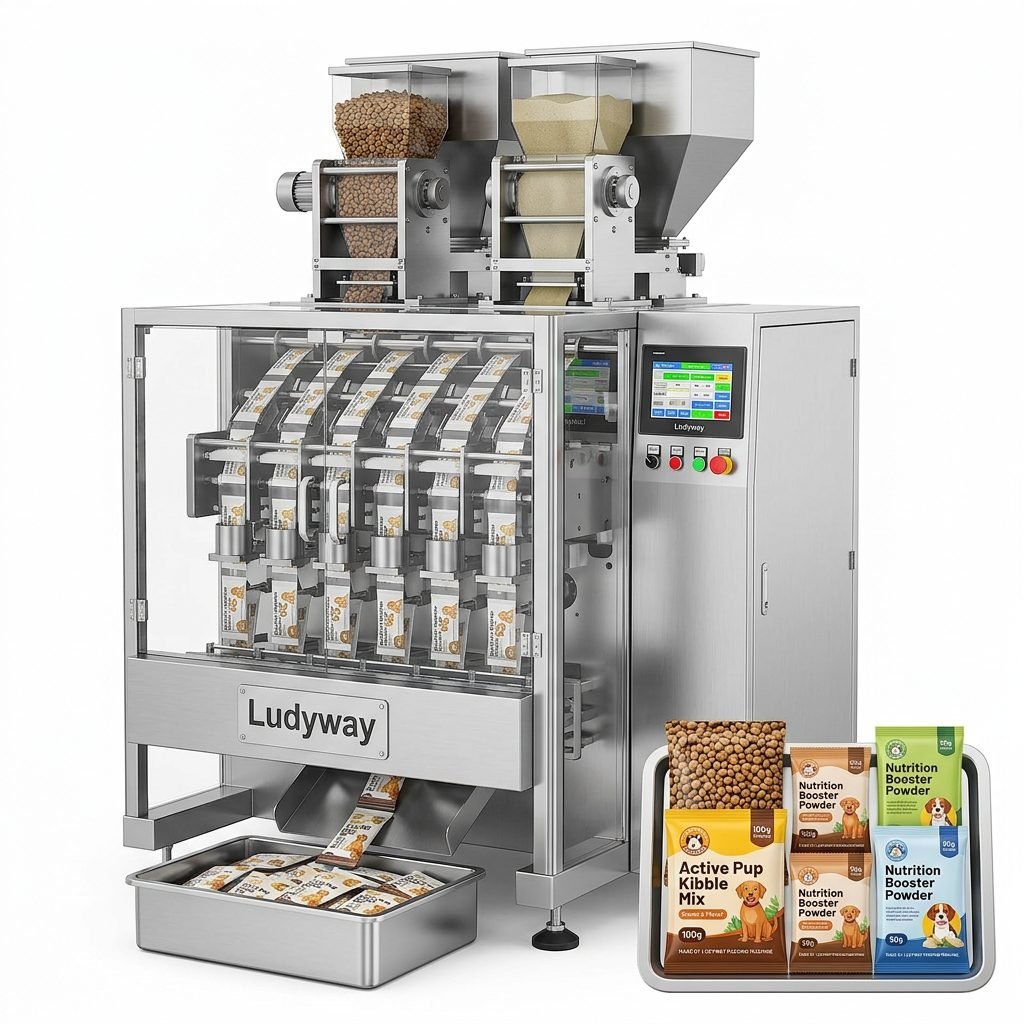
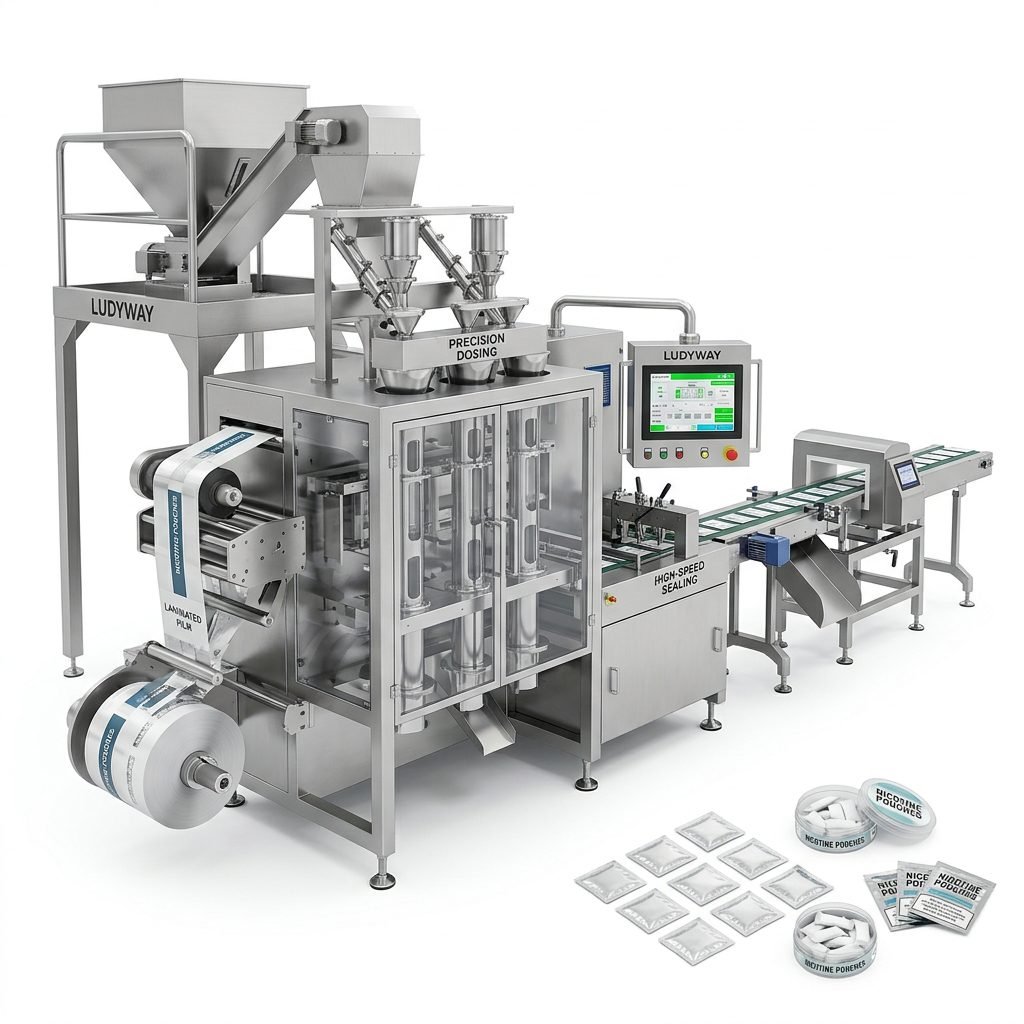
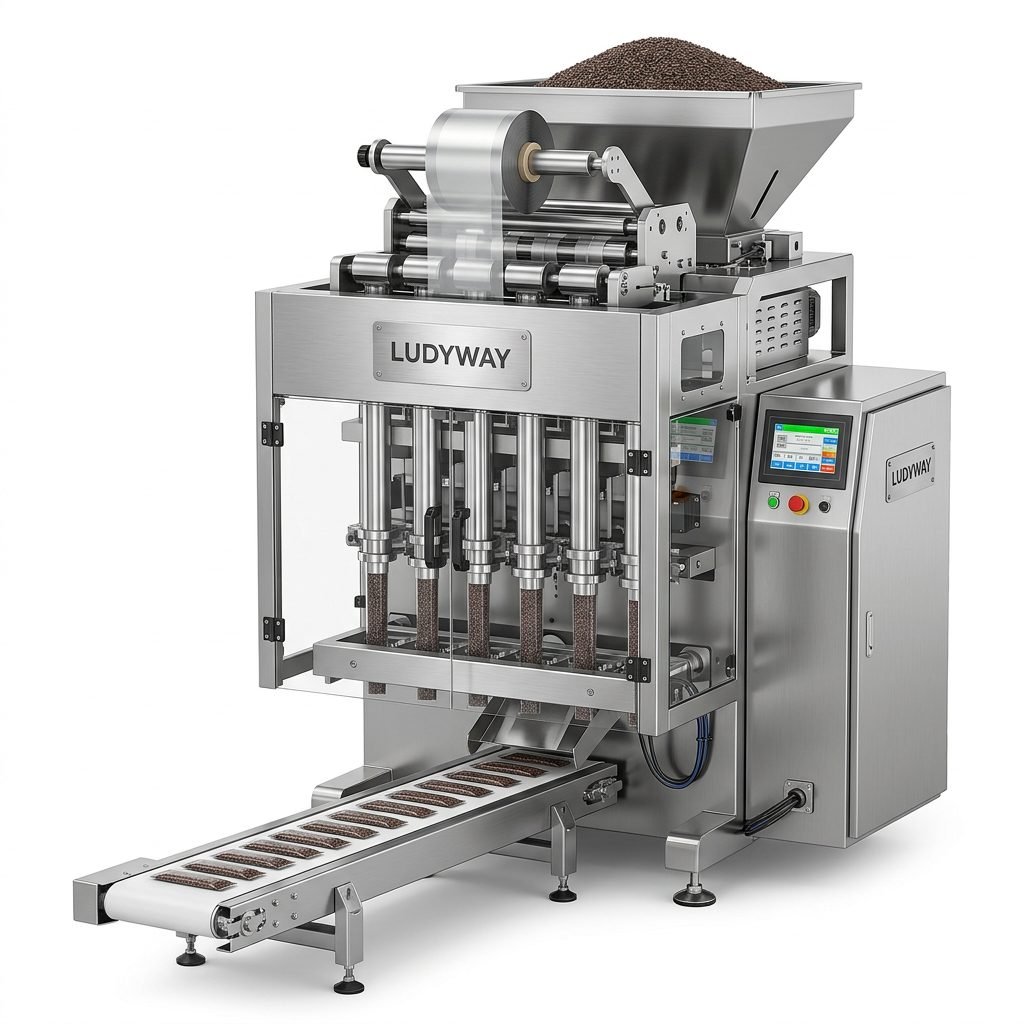
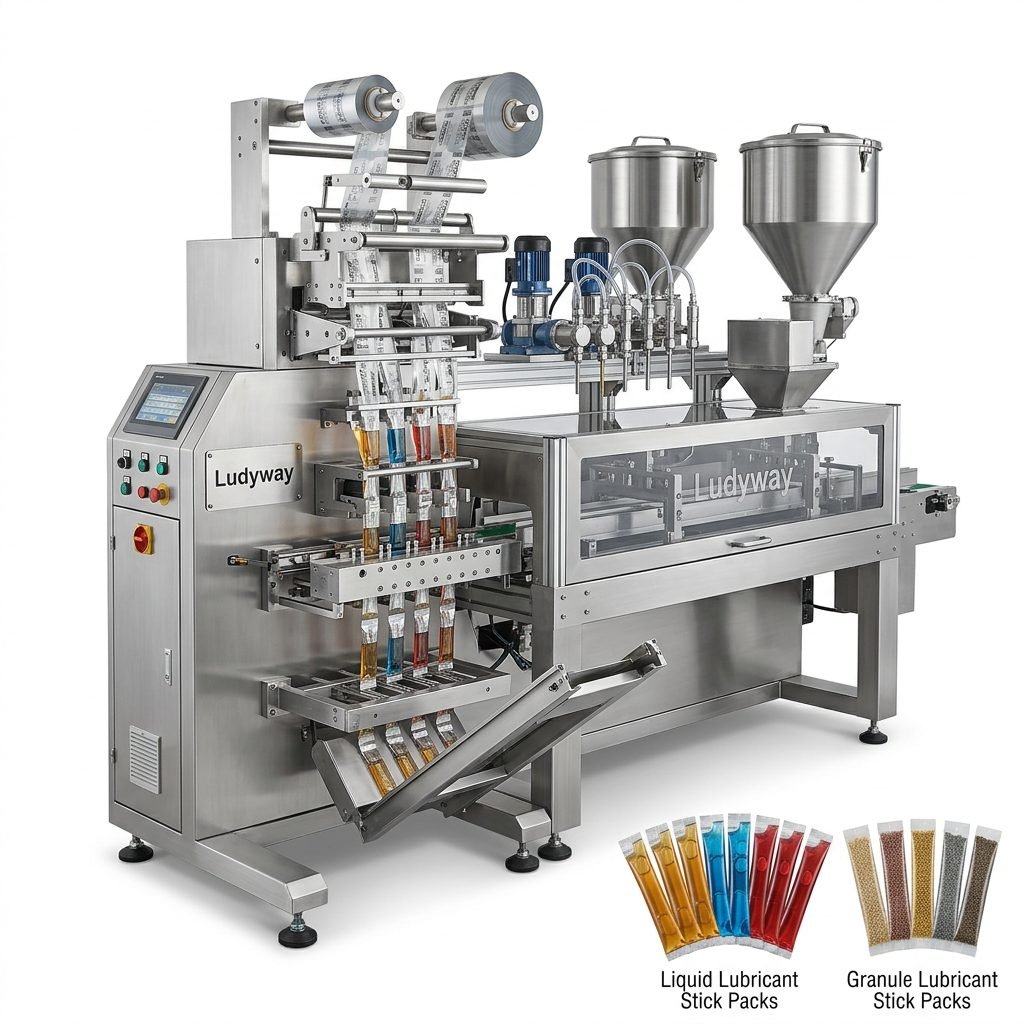
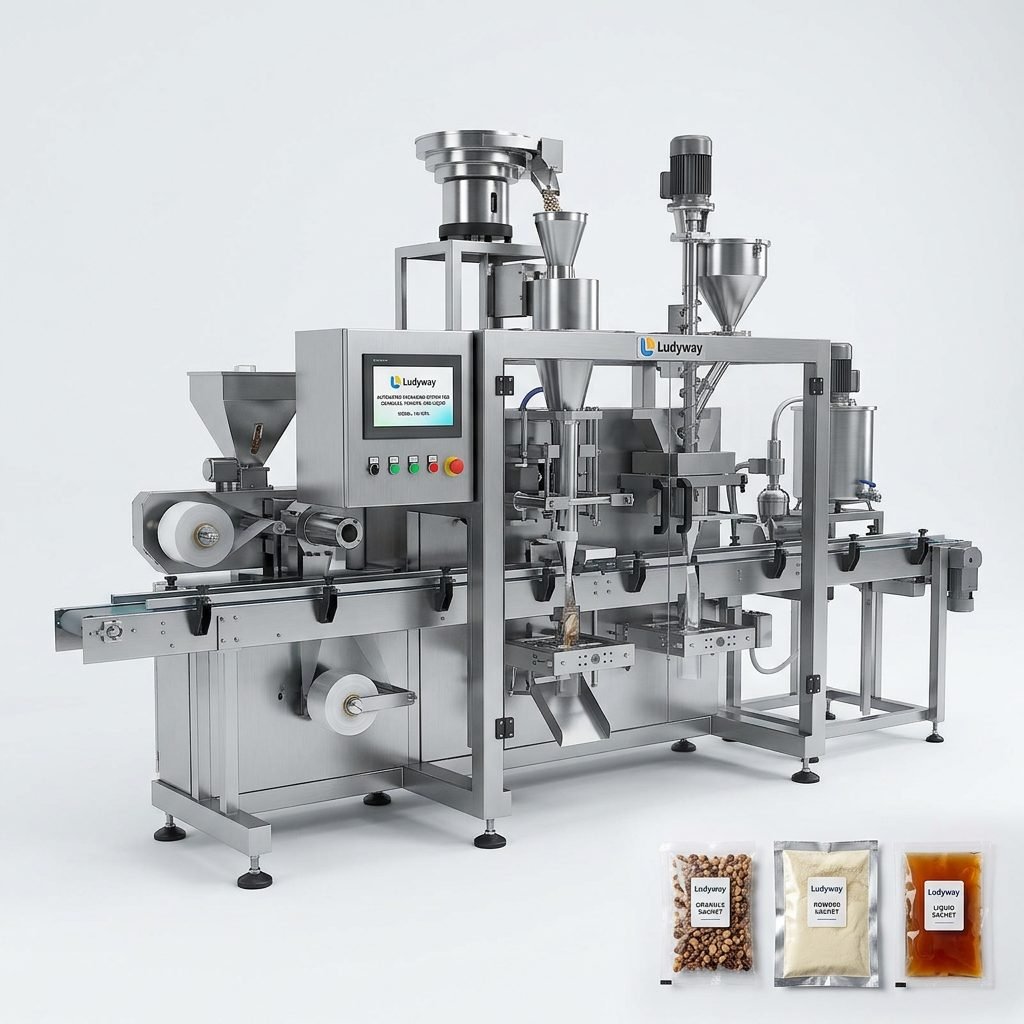
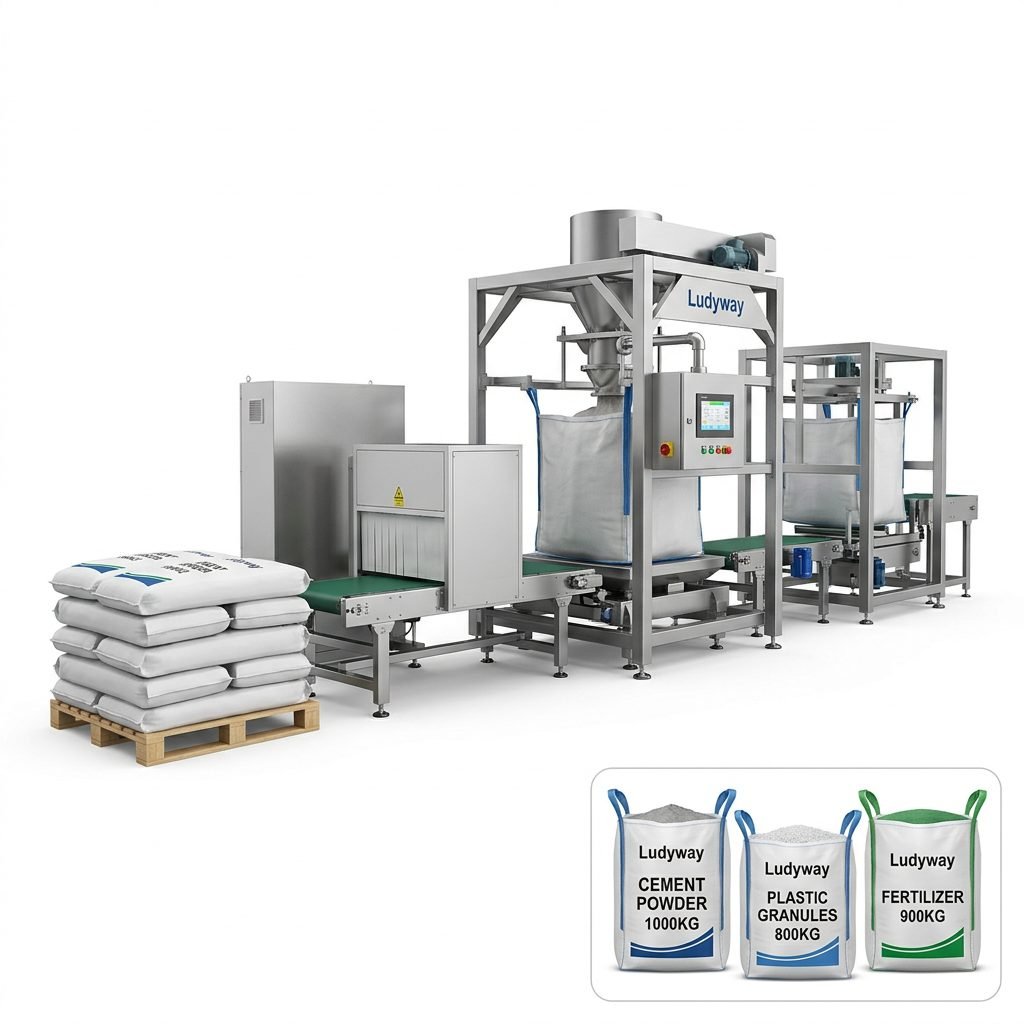
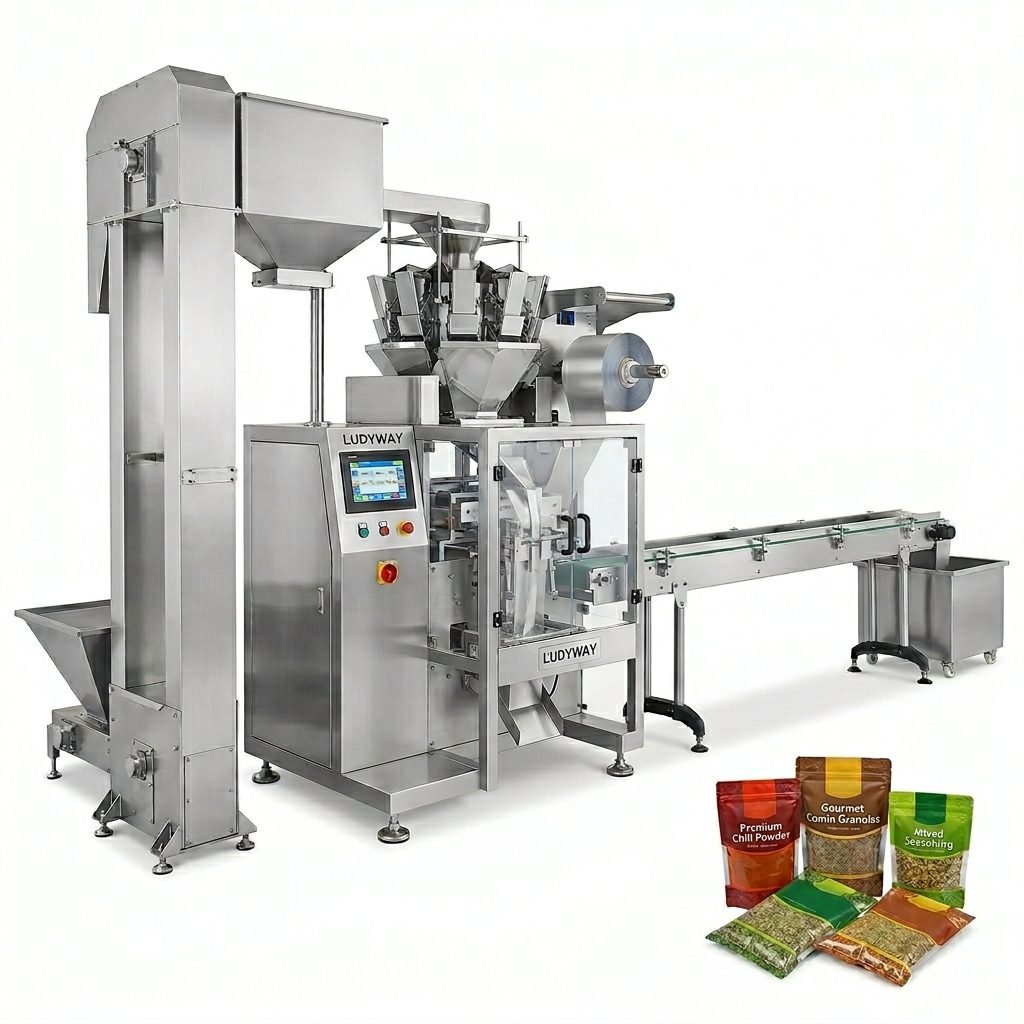
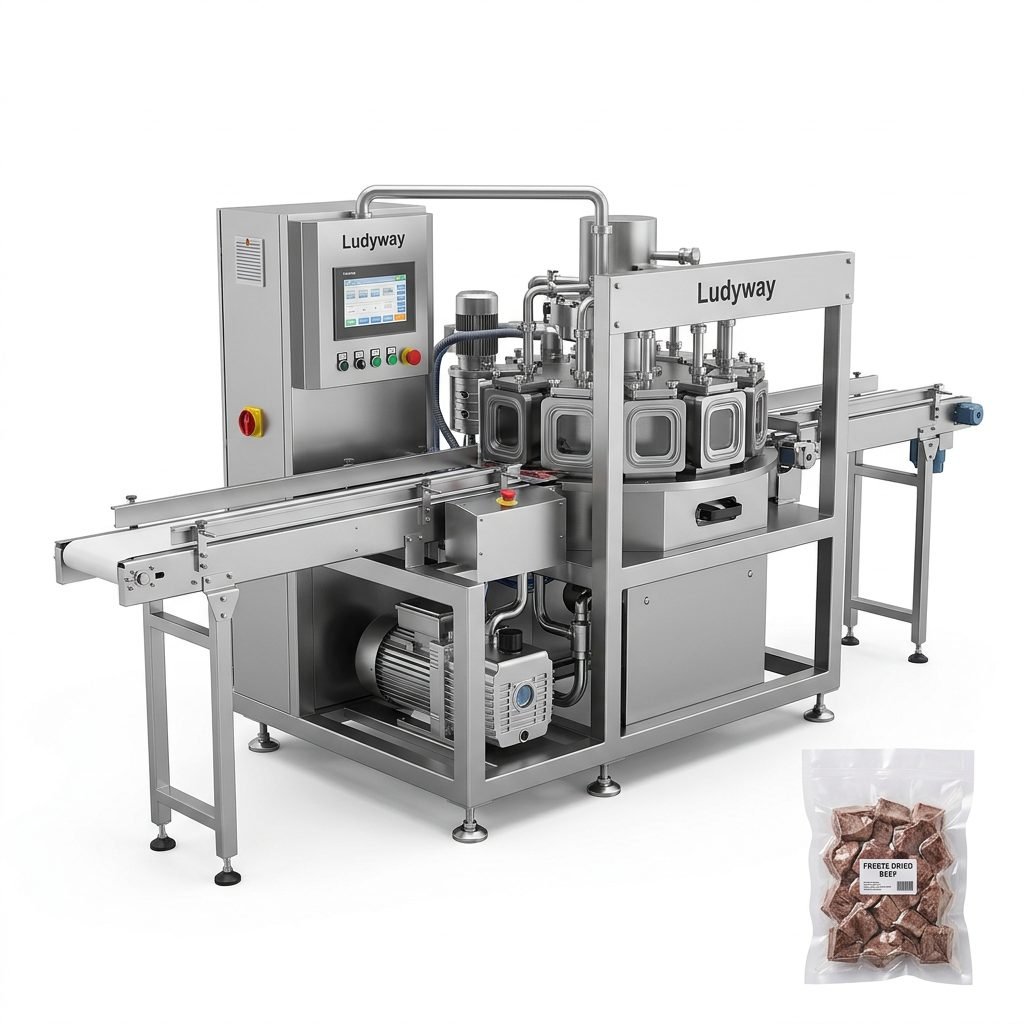
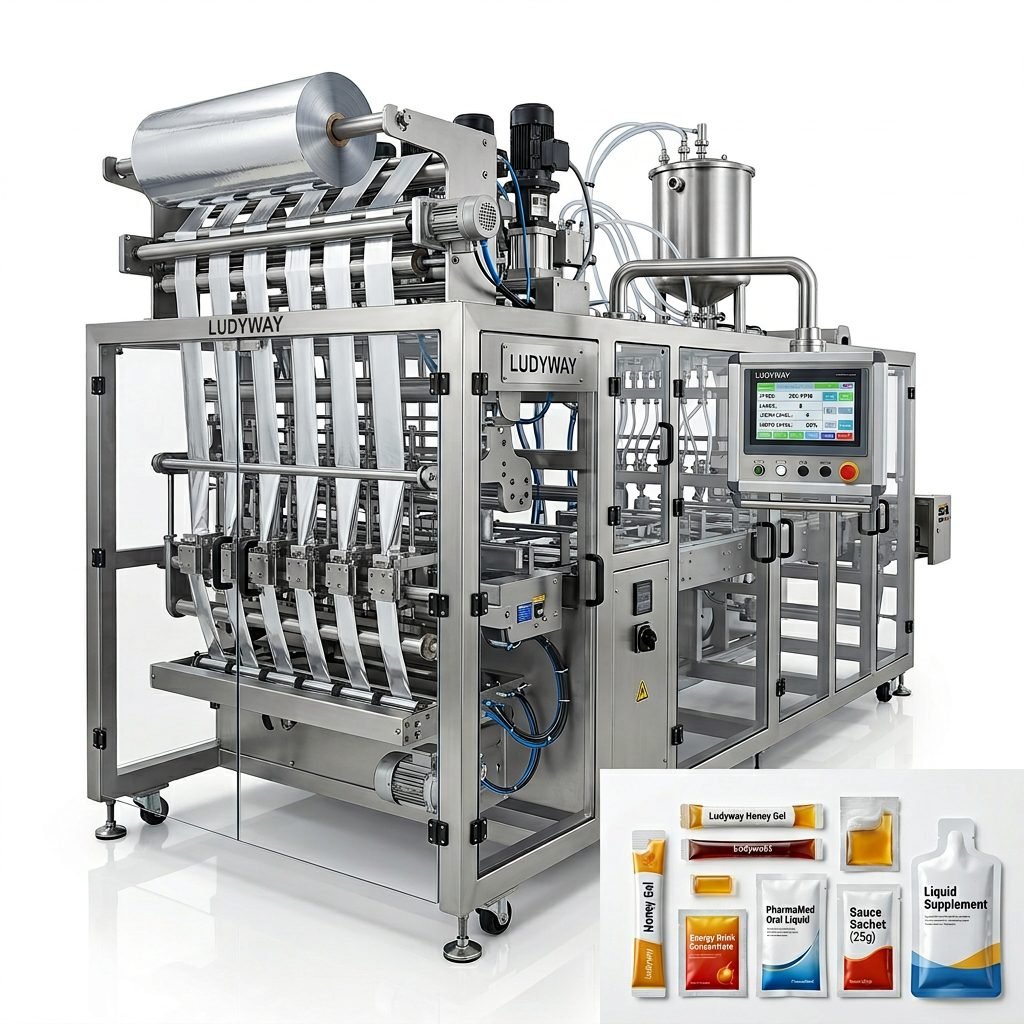
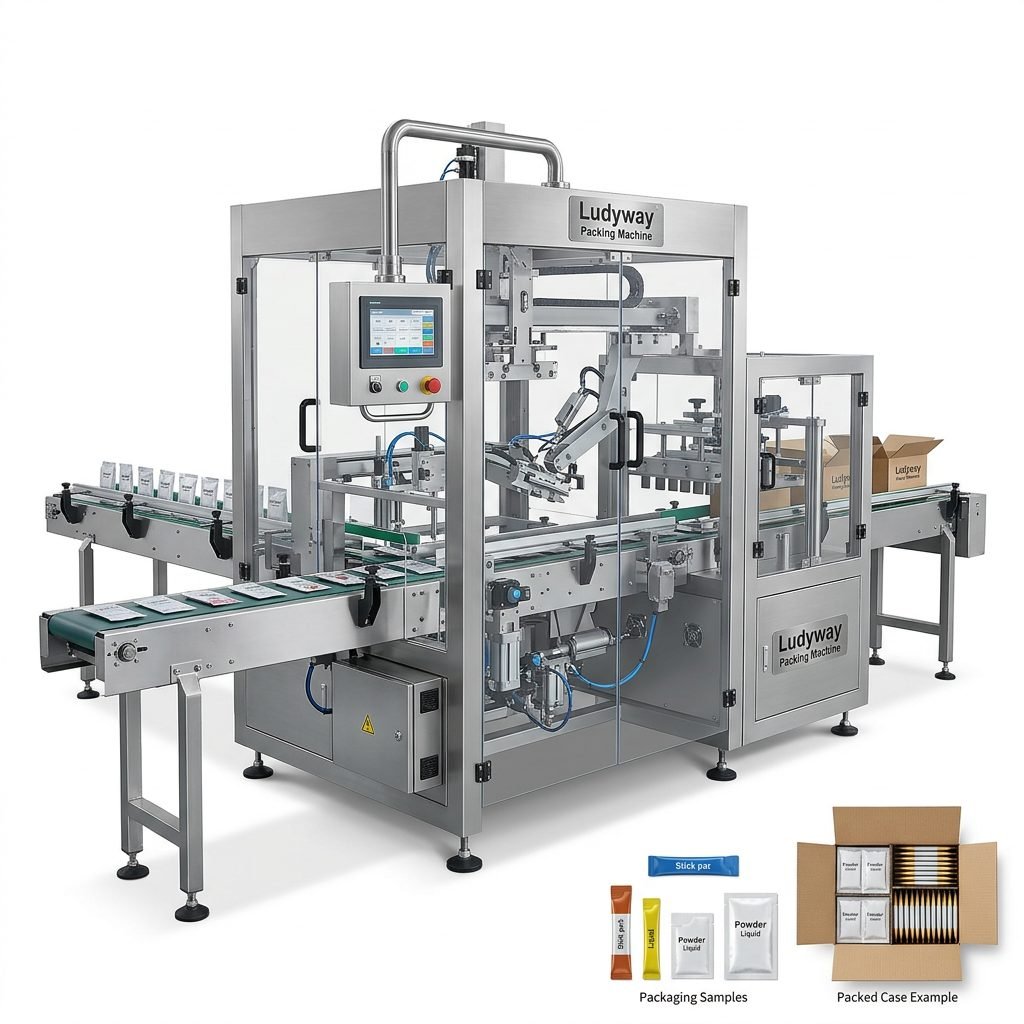
Automated tin packaging has become a practical choice for manufacturers that need consistent fill accuracy, reliable sealing, faster throughput, and cleaner production management. Whether you package tea, biscuits, powdered nutrition, candy, spices, coffee, pet treats, chemicals, or pharmaceutical products, the right tin packing machine can improve product protection while reducing manual labor and packaging variability.
This guide explains how tin packing machines work, what system types are available, how to choose the right configuration, and which technical features matter most when building a modern automated packaging line.
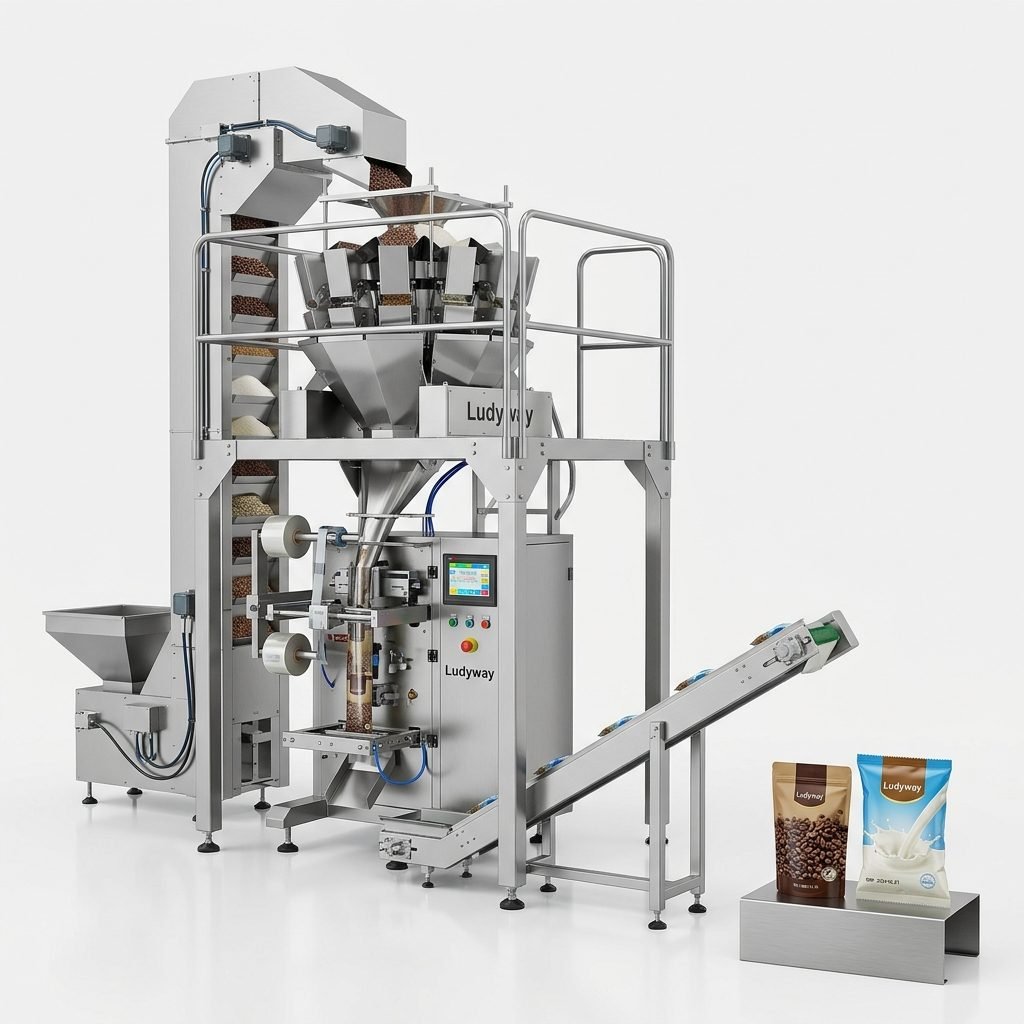
What Is a Tin Packing Machine?
A tin packing machine is an automated or semi-automated system designed to fill, position, seal, code, inspect, and discharge tin containers for commercial packaging. Depending on the product and required output, the machine can be configured for powder filling, granule dosing, liquid filling, paste filling, nitrogen flushing, lid placement, vacuum sealing, labeling, and end-of-line cartoning or palletizing.
Tin packaging is widely used because metal containers offer strong barrier performance, premium shelf appearance, and good protection against moisture, oxygen, light, and physical damage. That makes tin packaging especially valuable for products with higher quality expectations or longer shelf-life requirements.
Industries That Commonly Use Tin Packaging Equipment
- Food and beverage powders
- Tea, coffee, and instant drink mixes
- Cookies, confectionery, and snack products
- Nutritional supplements and health products
- Pharmaceutical powders and granules
- Cosmetic creams, balms, and specialty products
- Chemical powders and industrial compounds
- Pet nutrition and premium feed additives
How an Automated Tin Packaging Line Works
A complete line usually integrates multiple stations rather than a single standalone machine. The process often includes the following steps:
- Tin feeding: Empty tins are automatically unscrambled or manually loaded onto the conveyor.
- Container positioning: The system aligns each tin for accurate filling and sealing.
- Product dosing: Servo auger fillers, weighers, piston fillers, or liquid pumps dispense the product.
- Settling or vibration: Optional vibration removes air gaps and improves fill compactness.
- Lid placement: Lids or easy-open ends are fed and positioned.
- Sealing: The machine performs capping, seaming, pressing, or induction-related closure steps depending on the package design.
- Coding and labeling: Batch number, production date, or traceability codes are applied.
- Inspection: Checkweighing, metal detection, vision inspection, or seal integrity checks may be added.
- Secondary packaging: Finished tins move to cartoning, case packing, or palletizing.
Main Types of Tin Packing Machines
1. Powder Tin Filling Machines
These are commonly used for milk powder, protein powder, collagen, spices, coffee powder, and pharmaceutical blends. They often use servo auger filling technology to maintain dosing precision and stable performance.
2. Granule Tin Packing Machines
Suitable for sugar, seeds, candy, tea blends, grains, capsules, pellets, and snack particles. The system may use multi-head weighers, cup fillers, or linear weighers depending on product flowability and target speed.
3. Liquid and Paste Tin Filling Machines
Used for sauces, syrups, oils, creams, gels, and semi-fluid formulations. Piston pumps, gear pumps, or flowmeter fillers are selected based on viscosity, temperature, and hygiene requirements.
4. Vacuum or Nitrogen-Flushing Tin Packaging Systems
These are preferred for oxygen-sensitive products such as coffee, tea, nutrition powder, and premium foods. They help extend shelf life and preserve aroma, texture, and product freshness.
5. Turnkey Tin Packaging Lines
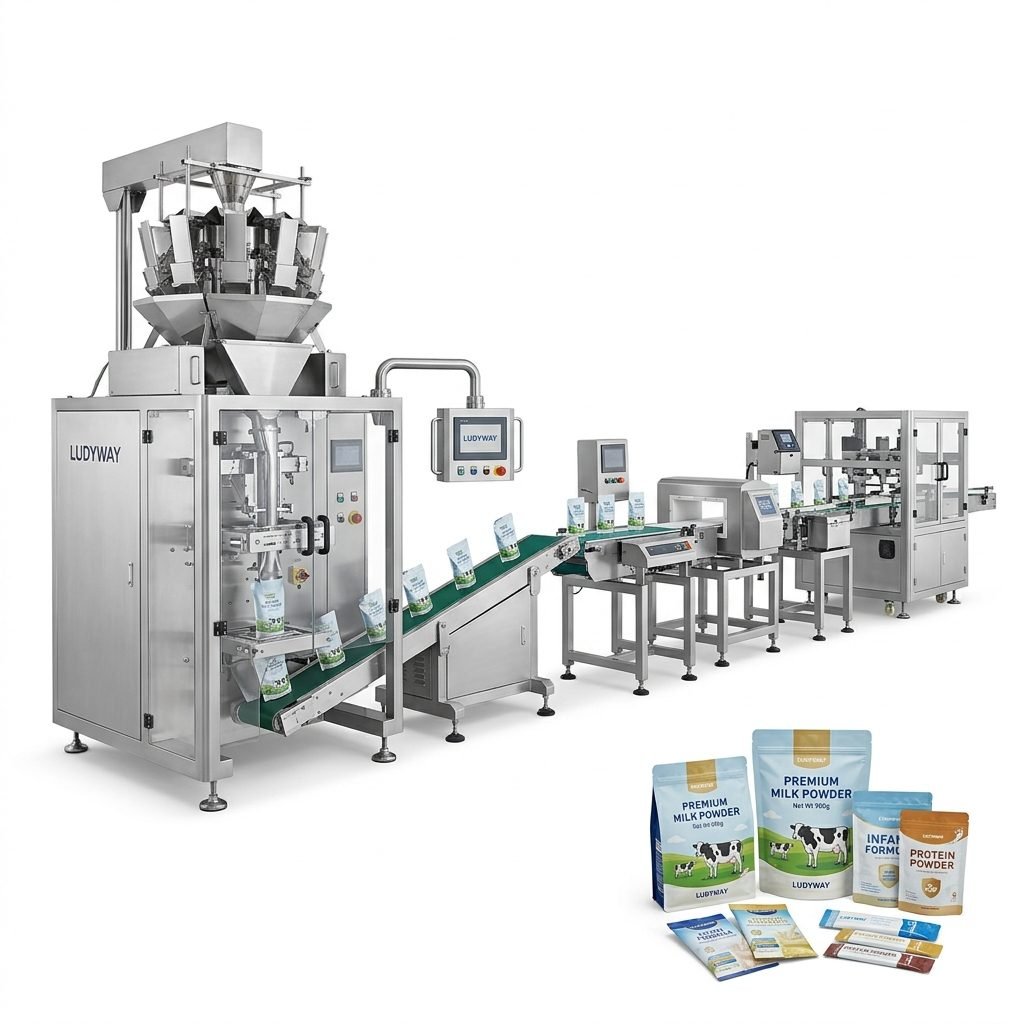
A turnkey system connects feeding, filling, sealing, coding, inspection, labeling, cartoning, and palletizing into one integrated production solution. This is ideal for manufacturers scaling output and standardizing operations across multiple SKUs.
Key Benefits of Automated Tin Packaging Solutions
| Benefit | Why It Matters |
|---|---|
| Higher efficiency | Reduces manual handling and increases output consistency. |
| Accurate filling | Helps control giveaway, reduce waste, and improve compliance. |
| Stable sealing quality | Protects the product and lowers leakage or contamination risk. |
| Labor savings | Cuts repetitive work and supports leaner production teams. |
| Better traceability | Integrated coding and inspection support quality management. |
| Scalability | Makes it easier to upgrade from standalone units to full lines. |
Critical Features to Evaluate Before Buying
Product Characteristics
- Powder, granule, liquid, or paste
- Dustiness, flowability, viscosity, or particle size
- Sensitivity to moisture, oxygen, or breakage
- Hygiene or contamination-control requirements
Tin Specifications
- Tin diameter and height range
- Round, square, or custom-shaped containers
- Lid style and closure method
- Material thickness and deformation tolerance
Production Requirements
- Target speed per minute
- Daily or monthly output goals
- Number of product formats and changeover frequency
- Future expansion planning
Automation Level
The right system may range from a compact semi-automatic filler to a fully integrated automatic line with conveyors, cappers, seamers, coding units, reject stations, and robotic palletizing.
Compliance and Sanitation
Food, pharmaceutical, and nutraceutical projects often require stainless steel construction, clean-contact parts, easy washdown design, and documented validation support.
Recommended Machine Configuration by Product Type
| Product Type | Recommended Filling Method | Optional Add-Ons |
|---|---|---|
| Milk powder / protein powder | Servo auger filler | Nitrogen flushing, checkweigher, vacuum feeder |
| Tea / coffee granules | Linear weigher or cup filler | Aroma protection, coding, metal detector |
| Candy / snacks / nuts | Multi-head weigher | Vibration settling, cap feeder, labeling |
| Sauce / oil / paste | Piston or pump filler | Heated hopper, anti-drip nozzles, date coding |
| Pharmaceutical granules | Precision auger or weigher | Dust collection, inspection, batch traceability |
Important Performance Indicators
When comparing suppliers, look beyond just speed. Evaluate the machine using these practical indicators:
- Filling accuracy under real product conditions
- Changeover time between tin sizes
- Sealing reliability and reject rate
- Machine uptime and maintenance intervals
- Operator interface simplicity
- Availability of spare parts and remote support
- Compatibility with upstream and downstream equipment

Standalone Machine vs Complete Tin Packaging Line
A standalone machine may be enough for small-volume production or pilot runs. However, companies with growing demand often move toward a complete line because it improves synchronization, lowers handling errors, and creates a more predictable output flow.
| Option | Best For | Limitation |
|---|---|---|
| Standalone tin filler | Lower initial investment, simple production needs | More manual intervention and less scalability |
| Integrated packaging line | Medium to large output, multiple packaging stages | Higher upfront planning and system integration needs |
Common Optional Equipment for Tin Packing Systems
- Vacuum feeders or screw conveyors
- Z-type bucket elevators
- Dust collection systems
- Tin unscramblers and lid feeders
- Checkweighers
- Metal detectors or X-ray inspection systems
- Inkjet or thermal transfer coders
- Labeling machines
- Cartoning machines
- Case packers and palletizers
How to Choose the Right Supplier
Selecting the right equipment partner is just as important as choosing the machine itself. A qualified supplier should understand filling technology, sealing performance, product behavior, line integration, and after-sales support.
- Ask for similar project references
- Request testing with your actual tins and products
- Confirm electrical standards and export experience
- Check spare parts planning and training support
- Review customization capability for future expansion
For businesses seeking scalable automation, Ludyway tin packing machine solutions are backed by more than 30 years of packaging machinery experience, a manufacturing facility of over 20,000 square meters, and broad turnkey line integration capabilities across food, pharmaceutical, health supplement, cosmetic, chemical, and related sectors.
Typical Buyer Questions Before Investment
How fast should the machine run?
Speed depends on product type, fill weight, container size, and sealing method. Instead of only asking for the maximum speed, ask for stable running speed under your actual production conditions.
Can one machine handle multiple tin sizes?
Many systems support multiple sizes with change parts and recipe settings. If your production includes many SKUs, quick-change design is especially important.
Is nitrogen flushing necessary?
For oxidation-sensitive or aroma-sensitive products, nitrogen flushing can be highly beneficial. It is common in coffee, tea, milk powder, and premium nutrition packaging.
What level of automation is best?
Smaller businesses may start with semi-automatic filling and sealing. Larger factories usually benefit more from a complete automatic line because it improves long-term efficiency and process control.
Maintenance Tips for Long-Term Machine Performance
- Clean product-contact parts on schedule
- Inspect dosing components and seals regularly
- Calibrate weighing or filling systems periodically
- Monitor wear parts before failure affects output
- Keep operators trained on alarms and changeovers
- Maintain stable air supply and electrical conditions
Who Should Invest in an Automated Tin Packing Machine?
An automated system is a strong fit for manufacturers that need to increase output, improve packaging consistency, reduce labor dependence, or upgrade product presentation. It is especially valuable when packaging quality directly affects shelf life, brand image, or regulatory control.
Final Buying Perspective
The best tin packing machine is not simply the fastest model. It is the one that matches your product behavior, tin format, output target, hygiene requirement, and future expansion plan. A well-designed automated tin packaging solution can deliver higher efficiency, lower waste, stronger packaging quality, and better long-term production stability.
If you are planning a new packaging project, upgrading from manual operation, or expanding into a turnkey automated line, a detailed technical evaluation of filling method, sealing type, line layout, and support capability will help you make the right investment decision.