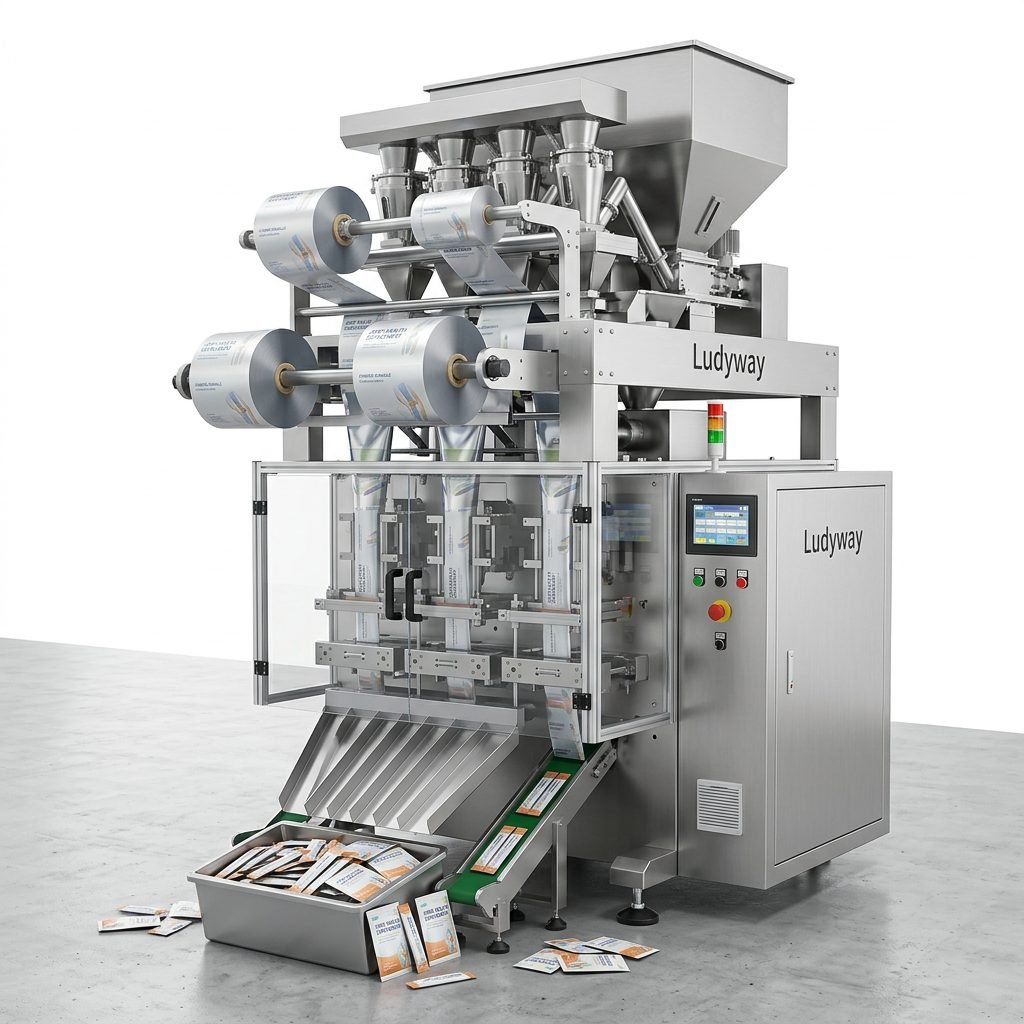
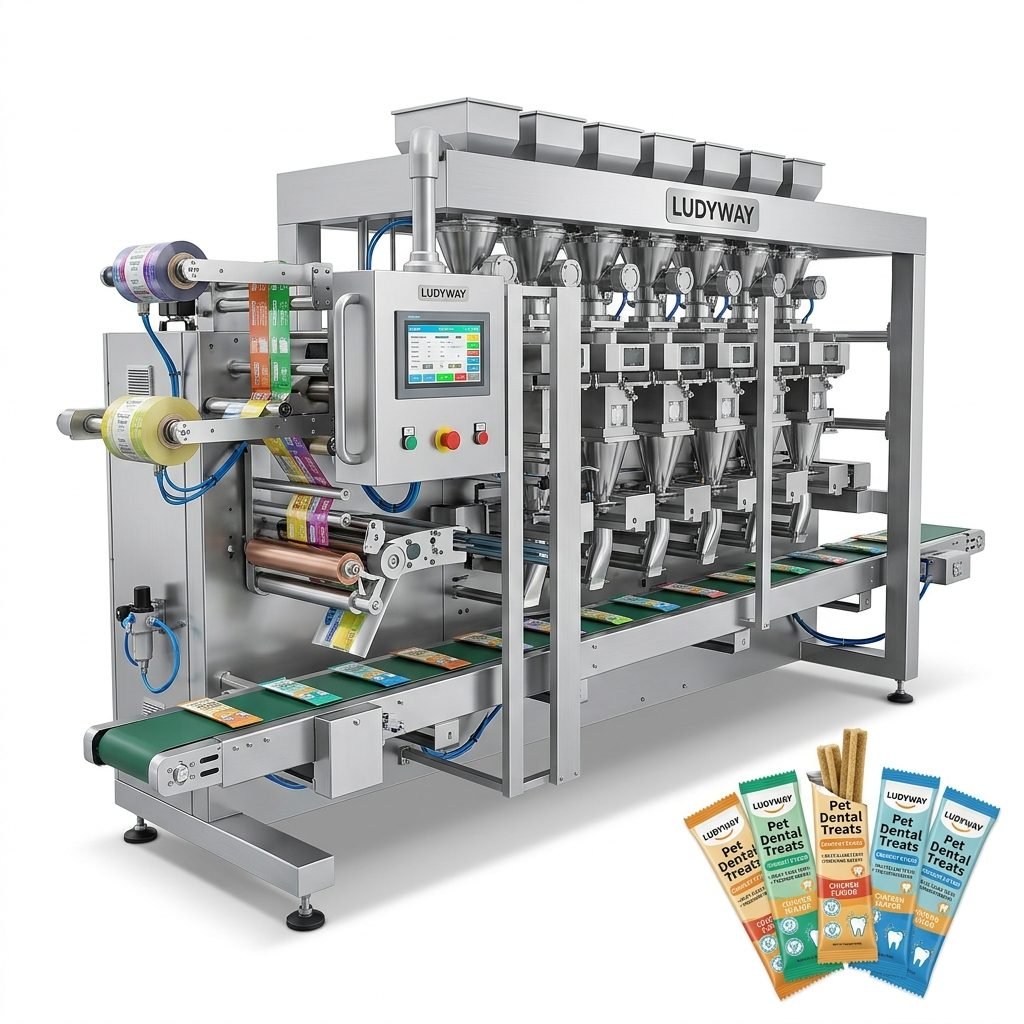
Choosing the right dirt packing machine is not simply about buying equipment that fills bags. For producers of potting soil, compost, topsoil, garden mix, peat-based blends, fertilizer-enriched substrates, and other loose soil products, the right solution must balance accuracy, speed, bag appearance, dust control, durability, and long-term operating cost. A well-matched machine can improve throughput, reduce material waste, and help your packaging line stay consistent during peak production seasons.
Whether you are packaging small retail bags for garden centers or large sacks for agricultural and landscaping applications, understanding your product characteristics and production goals is the first step toward selecting an efficient system.
Why the Right Dirt Packing Machine Matters
Soil and dirt products can be deceptively challenging to package. Depending on moisture level, particle size, organic content, and flow behavior, the same line may perform very differently from one product to another. A machine that works well for dry granules may struggle with fluffy compost or damp soil blends.
- Inconsistent weights can lead to customer complaints and compliance issues.
- Poor sealing performance can cause leaks, torn bags, and damaged pallets.
- Dust generation can reduce cleanliness and affect worker safety.
- Slow changeovers can lower overall production efficiency.
- Incorrect machine structure can accelerate wear when handling abrasive materials.
The best soil packing solution is one designed around your product, packaging format, and required output—not just headline speed.
Main Types of Soil and Dirt Packaging Machines
Different packaging systems suit different bag sizes and plant layouts. Below are the most common options used in the soil, compost, and fertilizer-related sectors.
Open-Mouth Bagging Machines
These are widely used for medium to large bags. The machine fills pre-made open-mouth bags and then closes them through sewing, heat sealing, or pinch-top sealing. They are ideal for bulk soil, fertilizer, mulch blends, and agricultural substrates.
Form-Fill-Seal Systems
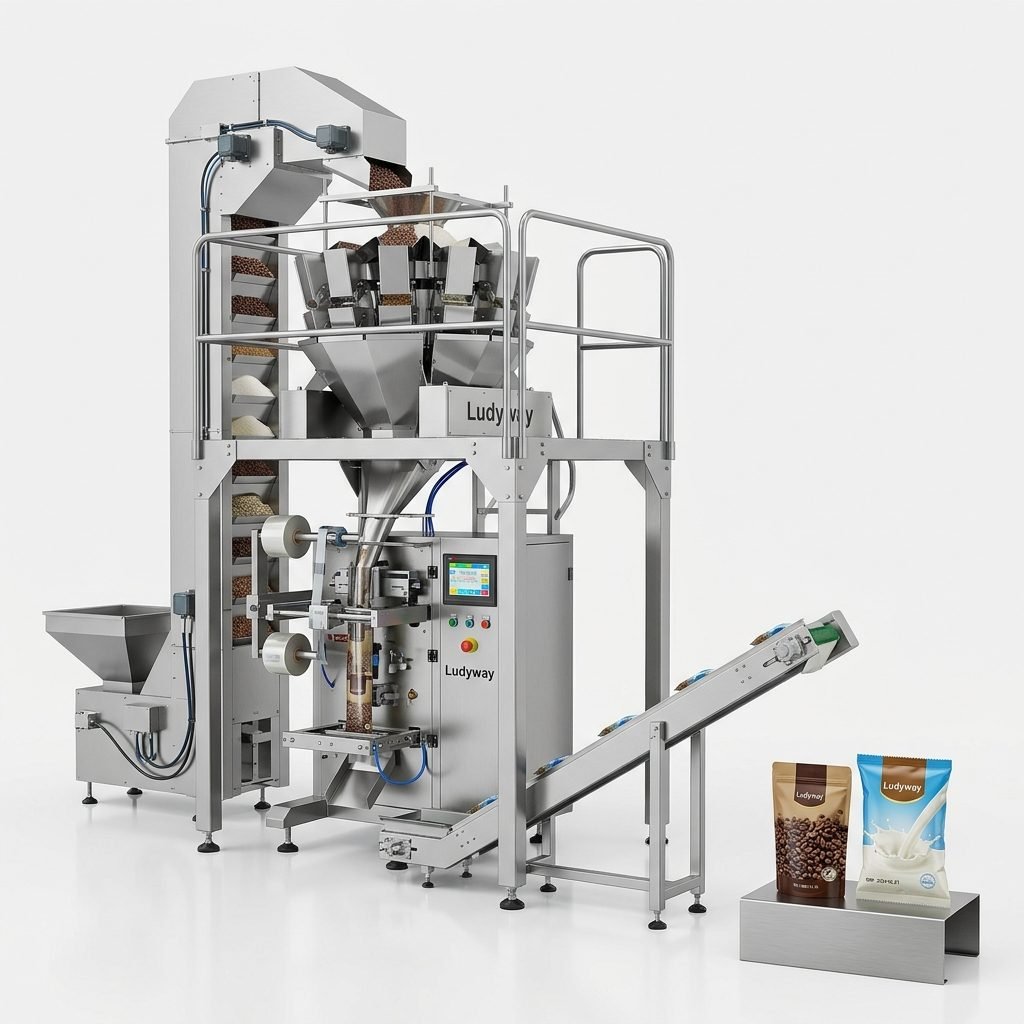
These machines form bags from roll film, fill the product, and seal the package automatically. They are commonly selected for retail-size soil products where branding, shelf presentation, and film cost control matter.
Valve Bag Fillers
Suitable for fine powders and some dry soil additives, valve bag systems can help reduce dust and provide compact bag presentation. They are more commonly used when the product is fine, dry, and free-flowing.
Big Bag / Jumbo Bag Filling Systems
For industrial-scale production, FIBC or jumbo bag filling systems are used for large-volume transport of soil conditioners, mineral substrates, or raw bulk materials.
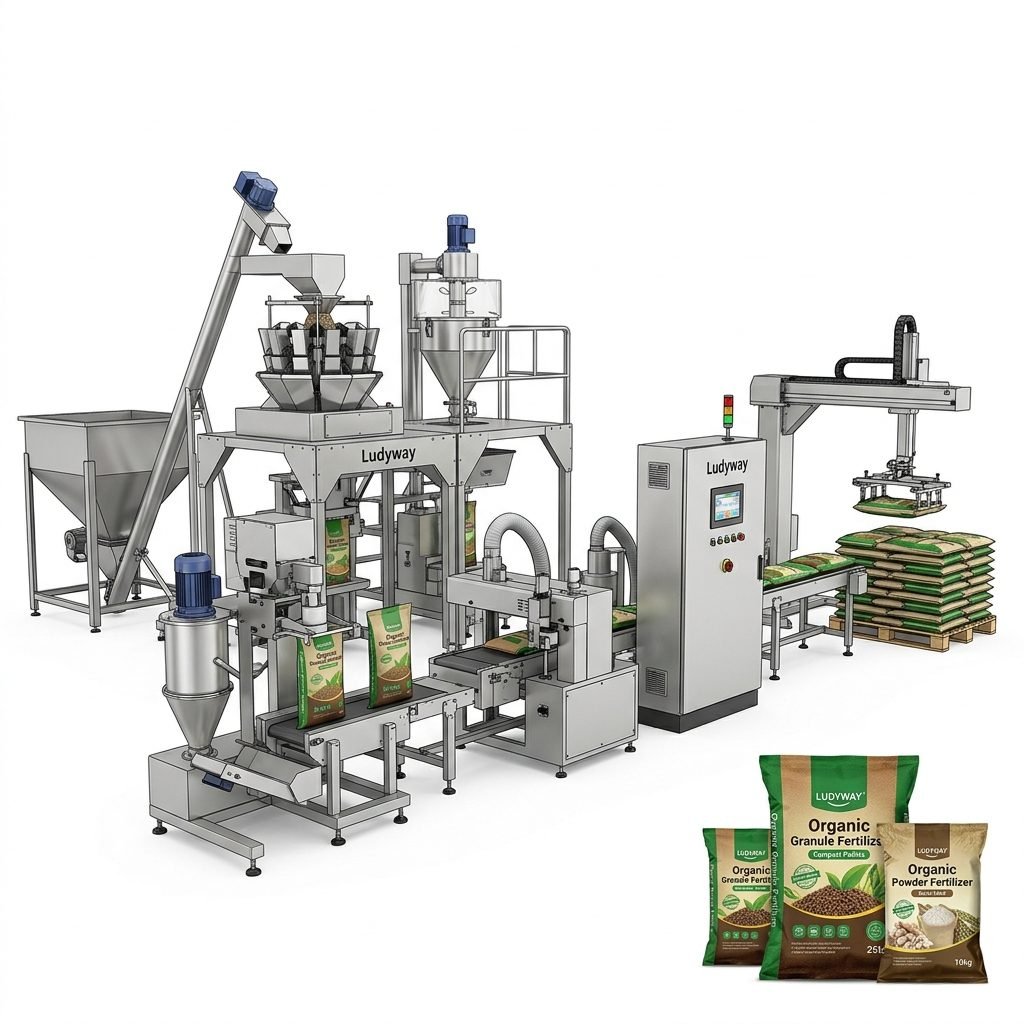
Fully Integrated Packaging Lines
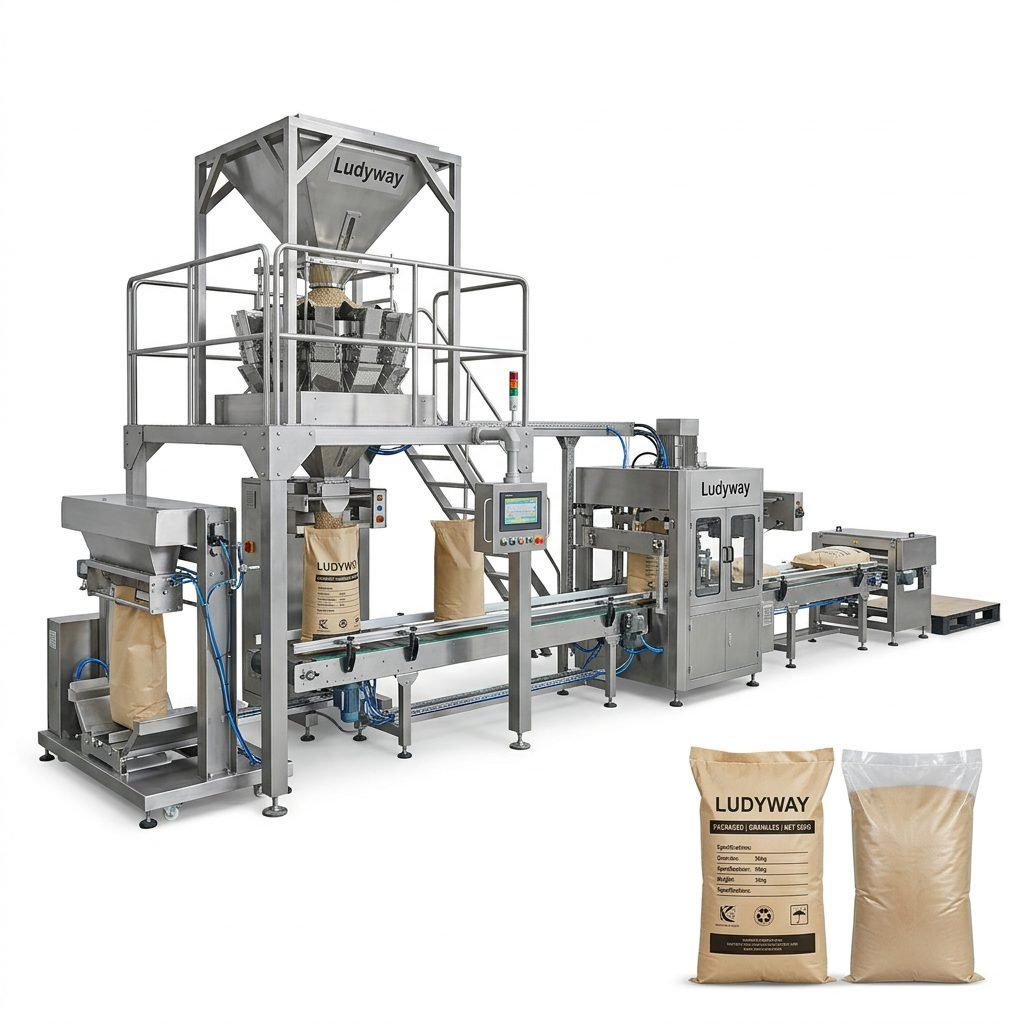
These include feeding, weighing, filling, sealing, coding, conveying, checkweighing, palletizing, and sometimes wrapping. For high-output factories, integrated lines often deliver the best long-term efficiency.
| Machine Type | Best For | Typical Bag Size | Key Advantage |
|---|---|---|---|
| Open-mouth bagging | Topsoil, compost, fertilizer blends | 10kg–50kg | Flexible and robust |
| Form-fill-seal | Retail soil and potting mix | 1kg–25kg | Lower packaging material cost |
| Valve bag filler | Fine dry powders and additives | 10kg–25kg | Dust reduction |
| Big bag filler | Bulk industrial materials | 500kg–2000kg | High-capacity bulk handling |
Key Factors to Consider Before Buying
1. Product Characteristics
Start with the material itself. Dirt, soil, and compost vary widely in flowability and density. Ask these questions:
- Is the product dry, damp, or wet?
- Does it contain large particles, wood fragments, stones, or fibrous matter?
- Is it abrasive?
- Does it bridge or clump in the hopper?
- Does it create heavy dust during filling?
A machine for dry screened topsoil may not be suitable for fluffy peat moss or moisture-rich compost. Product testing is essential before final selection.
2. Packaging Weight Range
Your target bag sizes heavily influence machine design. Small retail packs require precise metering and attractive bag forming, while 20kg to 50kg sacks demand stronger bag handling and stable filling structures.
3. Output Requirements
Do not choose capacity based only on current demand. Consider seasonal peaks, future expansion, and labor availability. A machine that is too small creates bottlenecks; one that is too large may increase investment without delivering returns.
4. Weighing Accuracy
For soil products, target accuracy should be practical and stable. The weighing system may use net weighing, gross weighing, auger feeding, gravity feeding, or belt feeding depending on product behavior. Stable accuracy helps reduce giveaway and improve consistency.
5. Dust Control and Clean Operation
Dust is a major challenge in soil packaging plants. Look for systems with enclosed filling points, dust extraction interfaces, clean bag clamping, and bag settling functions. These features improve both machine cleanliness and workplace safety.
6. Bag Type and Sealing Method
Common package formats include woven bags, PE bags, laminated bags, gusset bags, and pillow bags. Your selected machine must match not only the bag dimensions but also the closure method:
- Sewing
- Heat sealing
- Pinch-top closing
- Ultrasonic or specialty sealing in some applications
7. Automation Level
Some factories only need semi-automatic filling with manual bag placement. Others need a fully automatic line including feeding, bagging, conveying, palletizing, and wrapping. Automation should be chosen based on labor cost, production scale, and space.
How to Match the Machine to Your Soil Product
| Soil Product Type | Recommended Feeding / Filling Style | Notes |
|---|---|---|
| Dry screened topsoil | Gravity or belt feeder | Good flow, moderate speed possible |
| Potting mix | Gentle volumetric or net weigh filling | Protect product texture and reduce compression |
| Compost | Heavy-duty screw or belt feeding | Needs anti-bridging design for uneven material |
| Soil conditioner powder | Auger filler or valve bag filler | Focus on dust-tight structure |
| Fertilizer-enriched blends | Multi-stage weighing and robust sealing | Material may be abrasive or corrosive |
Important Machine Features for Better Packaging Efficiency
Durable Contact Parts
Abrasive products can wear down machine components over time. If you package mineral-rich or gritty material, choose wear-resistant parts and a structure designed for continuous industrial use.
Stable Bag Clamping
A secure bag holding system prevents leakage during filling and improves dust control. This is especially important for large and heavy bags.
Anti-Bridge Hopper Design
Damp or fibrous soil can bridge inside the hopper. Agitators, vibration devices, or specially designed hopper geometry can keep product flow stable.
Easy Cleaning and Maintenance
Soil packaging environments can be harsh. Machines should allow convenient access for cleaning, wear-part replacement, and routine inspection to minimize downtime.
PLC and HMI Control
Modern control systems simplify parameter adjustment, product changeover, weight setting, fault alarms, and maintenance records. They also help operators reduce manual errors.
Integration with Upstream and Downstream Equipment
The best dirt packing machine should work smoothly with your feeding conveyors, storage hoppers, sealing units, metal detectors if required, coding systems, palletizers, and wrapping systems.
Semi-Automatic vs Fully Automatic Soil Packing Solutions
Both options have practical use cases.
Semi-Automatic Systems
- Lower initial investment
- Suitable for smaller factories or flexible production
- Operators manually place and remove bags
- Good for moderate output and multiple SKUs
Fully Automatic Systems
- Higher speed and better consistency
- Reduced labor dependence
- Better suited for long production runs
- Ideal for large-volume commercial soil packaging plants
If your operation experiences seasonal spikes, automation can provide a strong advantage by helping maintain output even when labor availability is limited.
Questions to Ask a Dirt Packing Machine Manufacturer
- Has this machine handled products similar to my soil or compost blend?
- What bag sizes and bag materials are supported?
- What is the realistic output under actual working conditions?
- How is dust controlled during filling and sealing?
- Which parts are wear-resistant or easy to replace?
- Can the machine be integrated into a future automatic line?
- What technical support, commissioning, and spare parts service are available?
- Can product testing be arranged before purchase?
Common Mistakes Buyers Should Avoid
- Choosing by price alone without evaluating reliability and long-term maintenance cost.
- Ignoring product variability, especially moisture and particle size changes.
- Underestimating dust issues in the packaging area.
- Buying oversized equipment that does not match actual production demand.
- Failing to plan line integration with conveyors, sealing, palletizing, and transport systems.
Signs You May Need a Turnkey Soil Packaging Line
A standalone dirt packing machine may not be enough if your plant is already facing system-level bottlenecks. A full line may be the smarter investment if you need:
- Continuous high-volume bagging
- Automated feeding from storage silos or hoppers
- Multiple bag formats with faster changeovers
- Integrated coding, inspection, and palletizing
- Improved labor efficiency across the entire packaging area
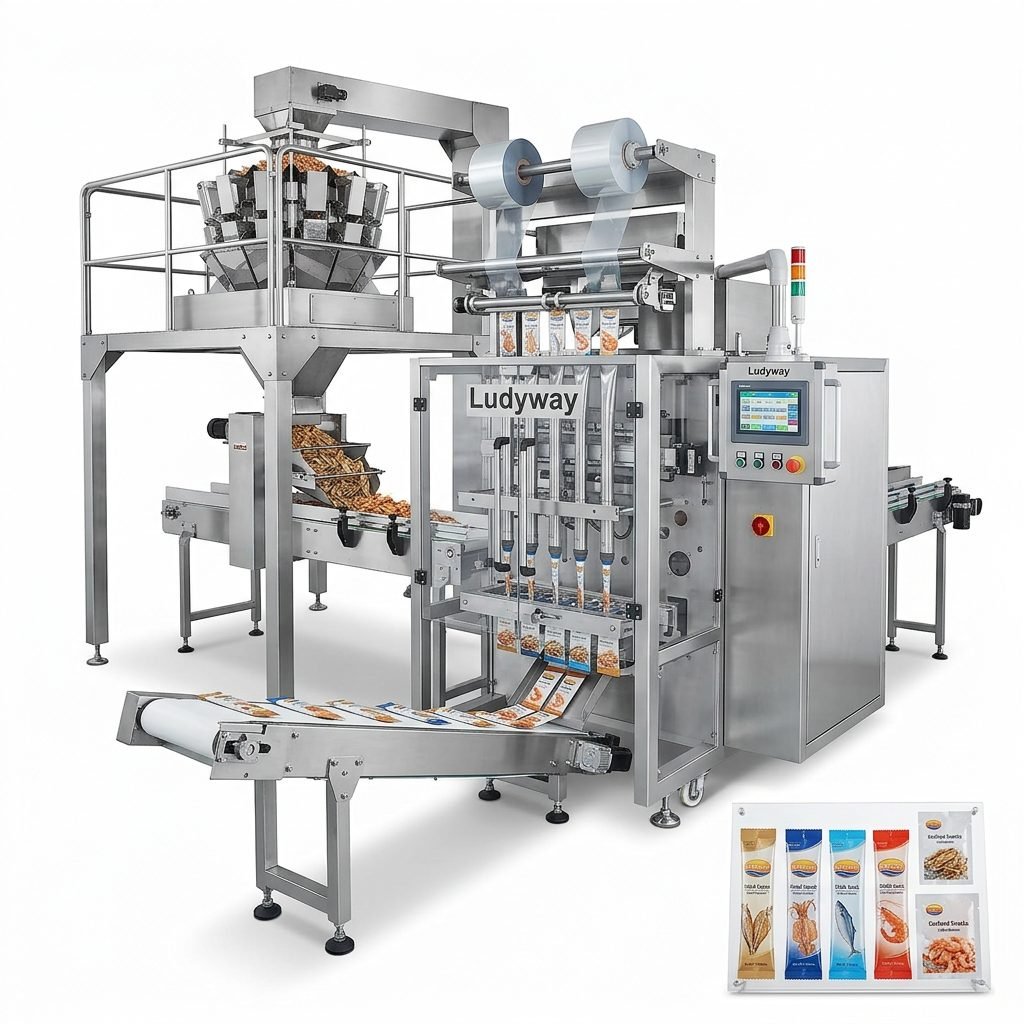
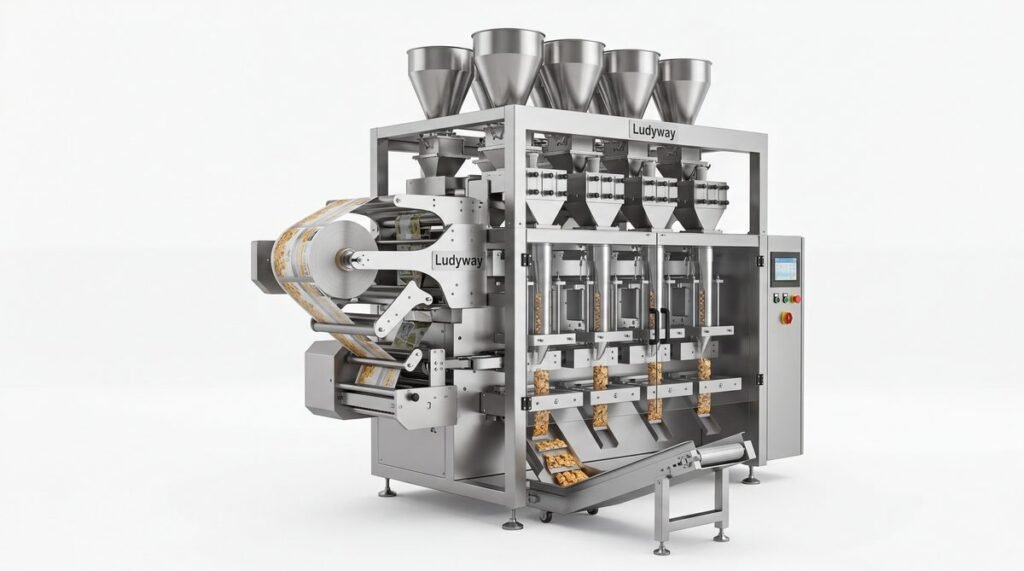
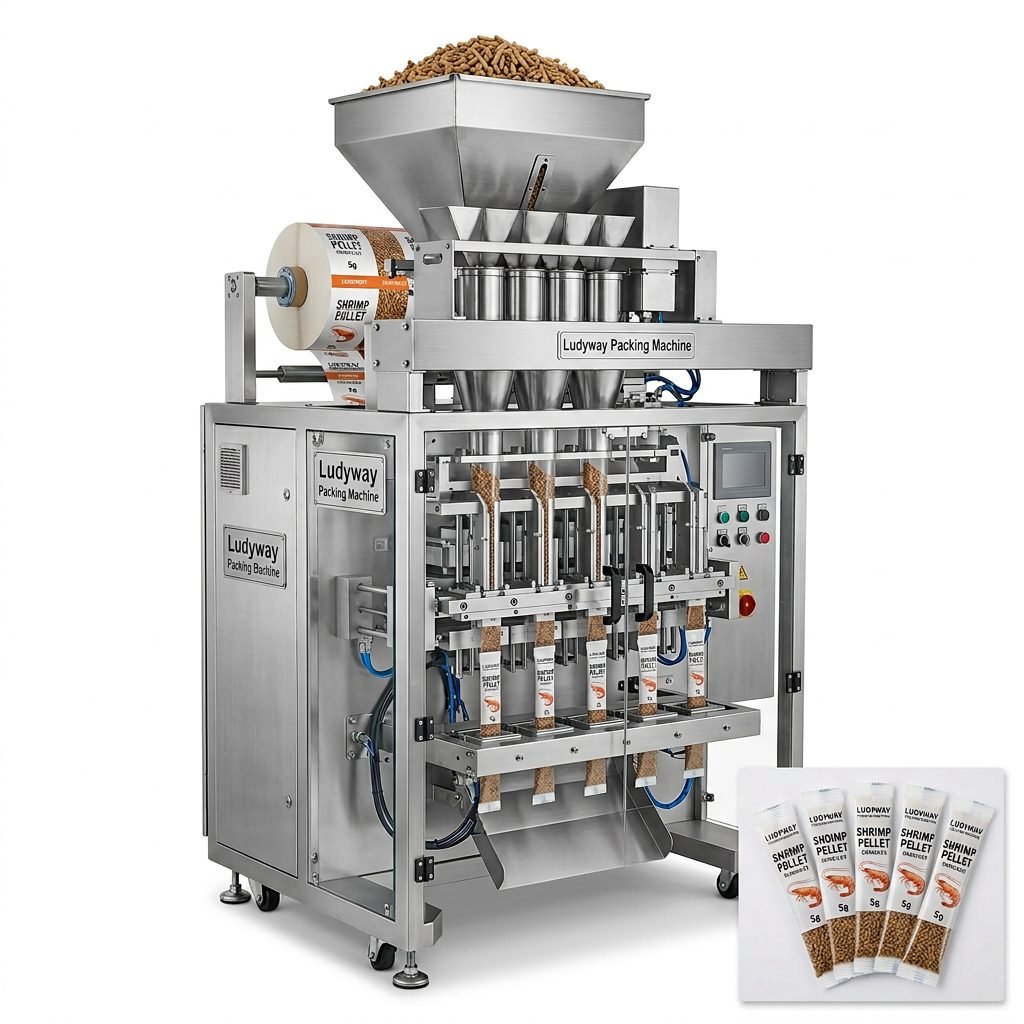
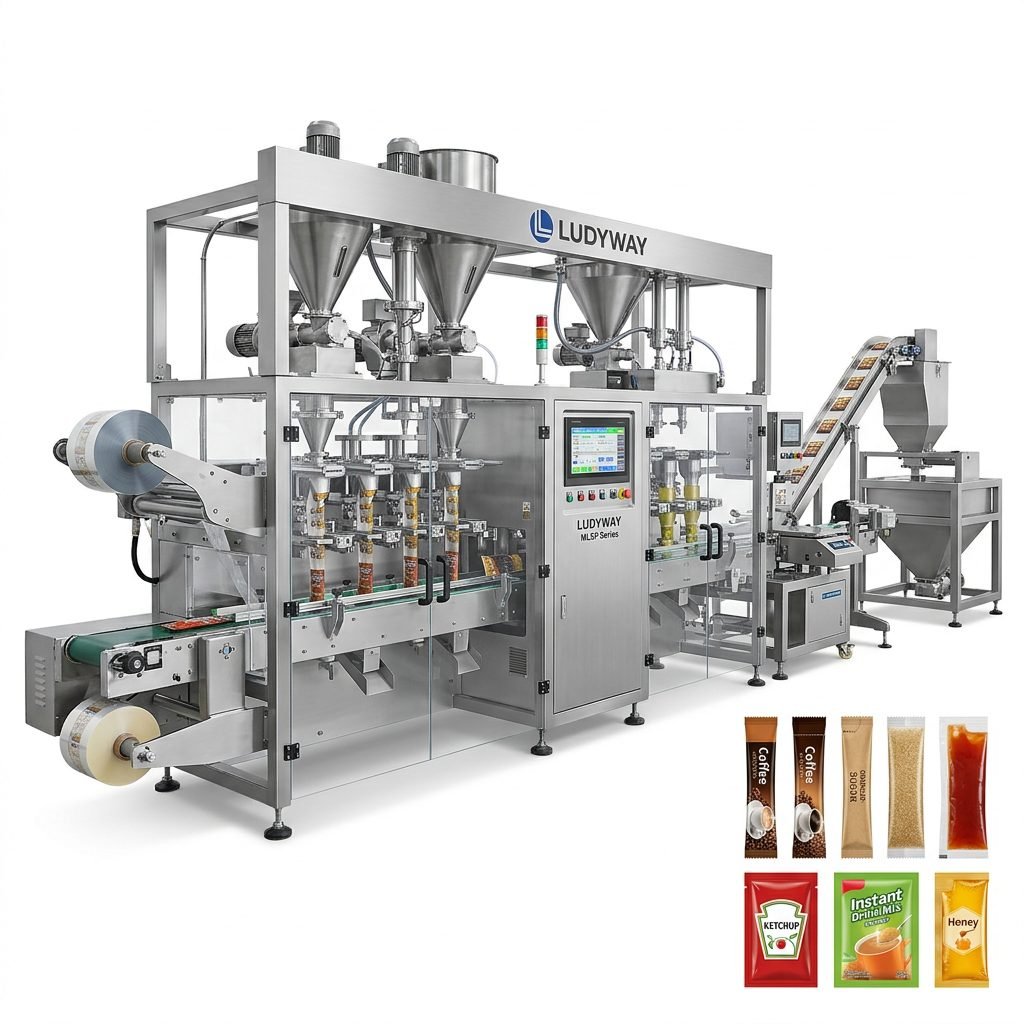
For businesses seeking scalable bagging equipment and integrated automation, Ludyway dirt packing machine solutions can support a wide range of granule, powder, and turnkey packaging line requirements with more than 30 years of packaging machinery experience.
Best Practices for Improving Efficiency After Installation
- Standardize soil moisture and upstream screening quality.
- Train operators on bag placement, HMI settings, and routine checks.
- Keep wear parts and sealing consumables in stock.
- Schedule preventive maintenance instead of waiting for breakdowns.
- Monitor actual weight deviations and sealing defect rates.
- Review production data during peak seasons to optimize output.
Final Buying Checklist
| Checklist Item | Why It Matters |
|---|---|
| Product sample testing | Confirms flow behavior and machine compatibility |
| Required bag sizes | Determines machine structure and filling method |
| Target output per hour | Prevents undercapacity or overspending |
| Dust control requirement | Improves safety and packaging cleanliness |
| Automation level | Aligns equipment with labor and scale goals |
| Service and spare parts support | Reduces long-term downtime risk |
The right soil packing solution should deliver more than basic filling performance. It should support stable weighing, clean packaging, reliable sealing, manageable maintenance, and room for future growth. By selecting equipment based on material characteristics, production targets, and line integration needs, you can build a dirt packaging operation that is both efficient and scalable.