Choosing the right packing belt machine or strapping equipment can dramatically improve packaging speed, load stability, and shipping safety. For manufacturers, warehouses, logistics centers, and exporters, the right system helps reduce labor, prevent carton damage, and keep palletized goods secure during storage and transportation.
Whether you pack cartons, bundled products, or palletized loads, selecting the proper strapping solution depends on product size, output requirements, strap material, automation level, and working environment. A good decision is not just about buying a machine—it is about matching equipment performance to your production reality.
Why Strapping Equipment Matters in Modern Packaging
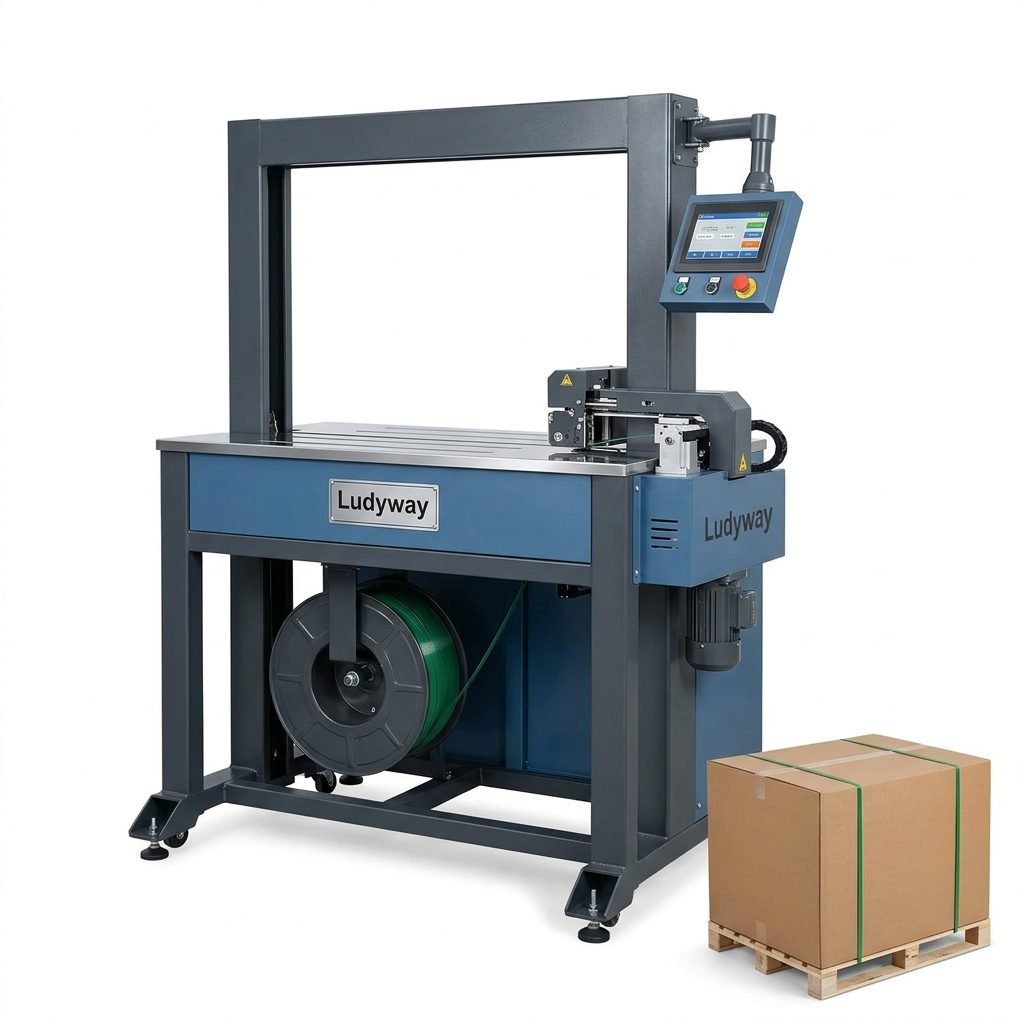
Strapping machines are designed to apply tensioned plastic or steel straps around products, cartons, bundles, or pallets. This keeps items compact, easier to handle, and more resistant to shifting during movement. In busy packaging operations, manual strapping often creates bottlenecks, inconsistent tension, and higher labor costs.
By moving to semi-automatic or fully automatic systems, companies can achieve:
- Higher packaging speed for medium- and high-volume production
- More consistent strap tension and sealing quality
- Reduced operator fatigue and manual handling risk
- Better package appearance for retail and export shipments
- Improved load security for warehousing and transportation
Main Types of Packing Belt Machines
Before choosing a machine, it is important to understand the common categories available in the market. Each type suits different packaging tasks.
1. Manual Strapping Tools
These are suitable for low-volume operations or locations where mobility is important. They are often used for large packages, outdoor strapping, or irregular loads. However, they depend heavily on operator skill and are slower than machine-based systems.
2. Semi-Automatic Strapping Machines
These machines are widely used for cartons and boxed goods in small to medium production environments. The operator places the package on the table and manually feeds the strap, while the machine tensions, seals, and cuts it.
3. Automatic Arch Strapping Machines
These are ideal for faster lines where products move continuously or in batches. The machine automatically feeds, tensions, seals, and ejects the strap around cartons or bundled items. They are well suited for food, pharmaceutical, printing, and consumer goods industries.
4. Pallet Strapping Systems
For heavy and stacked goods, pallet strapping machines provide stronger load containment. They are commonly integrated into warehouse and end-of-line packaging systems together with conveyors, stretch wrappers, and palletizers.
5. Fully Integrated Packaging Line Strapping
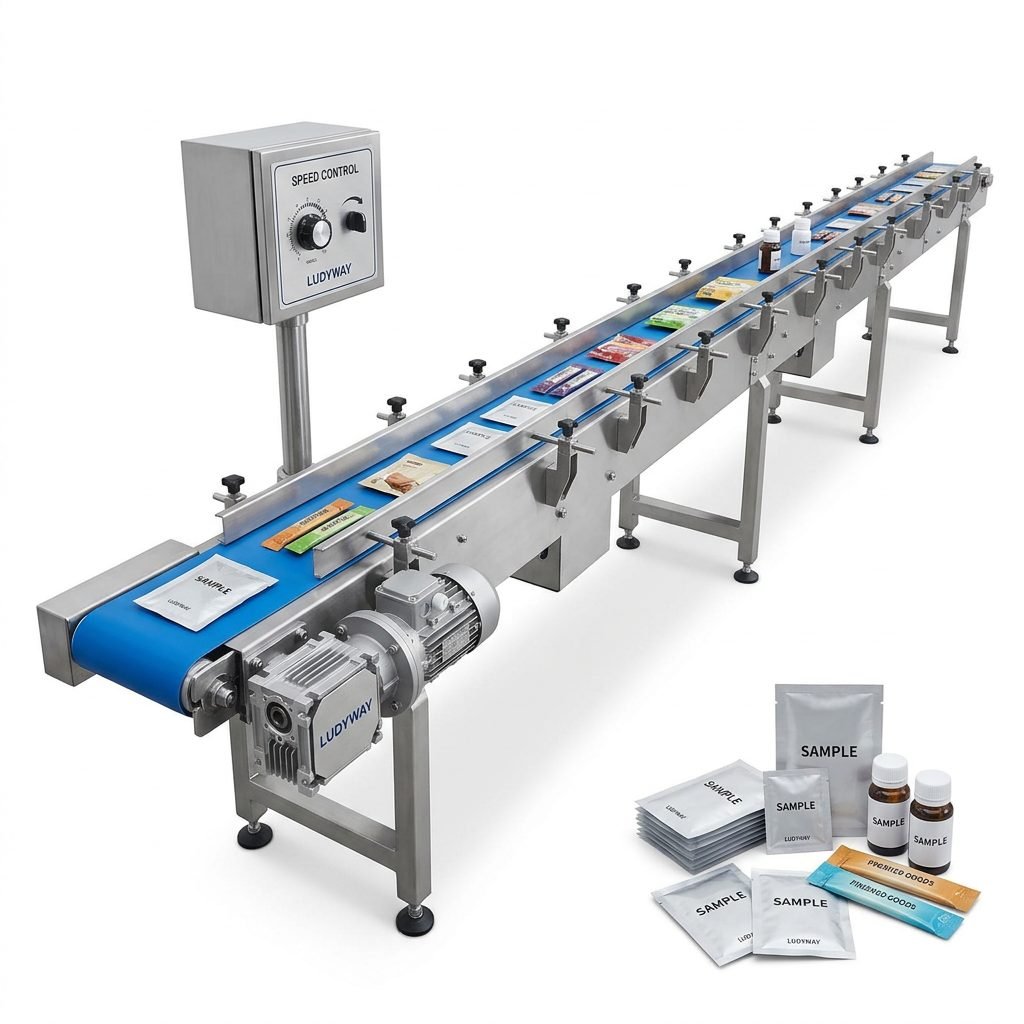
Large manufacturers often need strapping equipment that works with conveyors, case packers, barcode printers, labeling machines, and pallet handling systems. In such cases, strapping becomes part of a complete automated packaging workflow.
How to Choose the Right Strapping Equipment
Consider Your Product and Package Type
The first question is simple: what exactly are you strapping? Small cartons require a very different setup from large bulk boxes or pallets. Product dimensions, weight, surface stability, and packaging material all affect machine selection.
- Small cartons: table-type semi-auto or compact automatic machine
- Uniform box sizes: automatic arch strapping machine
- Heavy loads or pallets: vertical or horizontal pallet strapping system
- Fragile products: precise tension control is essential
- Irregular packages: manual or flexible-position strapping solutions may work better
Match Output Speed to Production Volume
A common purchasing mistake is choosing a machine that is either too slow or unnecessarily complex. If your line processes only a limited number of cartons per hour, a semi-automatic machine may be enough. But if you operate multiple shifts or high-speed production, automation becomes much more cost-effective over time.
| Production Need | Recommended Equipment | Best For |
|---|---|---|
| Low-volume packaging | Manual tool or semi-auto strapping machine | Small workshops, backup stations |
| Medium-volume carton sealing | Semi-automatic or entry automatic machine | General manufacturing and distribution |
| High-speed continuous line | Fully automatic arch strapping machine | Food, pharma, consumer goods |
| Heavy-duty pallet loads | Pallet strapping system | Warehousing, export logistics, bulk goods |
Choose the Correct Strap Material
The machine must be compatible with the strap type you plan to use. The most common materials are PP (polypropylene), PET (polyester), and steel strap.
- PP strap: economical, widely used for cartons and lightweight boxes
- PET strap: stronger, good for heavier products and palletized loads
- Steel strap: used for very heavy industrial products such as metal or building materials
Selecting the wrong strap can lead to poor sealing, unstable loads, increased waste, or unnecessary cost.
Evaluate Tension Control and Seal Quality
Not every product can tolerate the same tension. Corrugated cartons, printed boxes, pharmaceuticals, and delicate consumer goods often require controlled tension to avoid crushing. Stronger products may need higher tension for shipping stability.
Look for machines with:
- Adjustable tension settings
- Reliable heat sealing or friction welding
- Consistent cut-and-seal performance
- Minimal strap misfeed risk
Think About Available Space
Floor space is often limited, especially in growing factories. Compact semi-automatic machines may fit better in small packaging rooms, while automatic arch machines need more organized infeed and outfeed flow. For integrated lines, space for conveyors, accumulation, access, and maintenance should be planned early.
Check Integration Requirements
If your packaging line includes coding, labeling, weighing, case packing, or palletizing, the strapping machine should communicate smoothly with upstream and downstream equipment. This improves line balance and reduces stoppages.
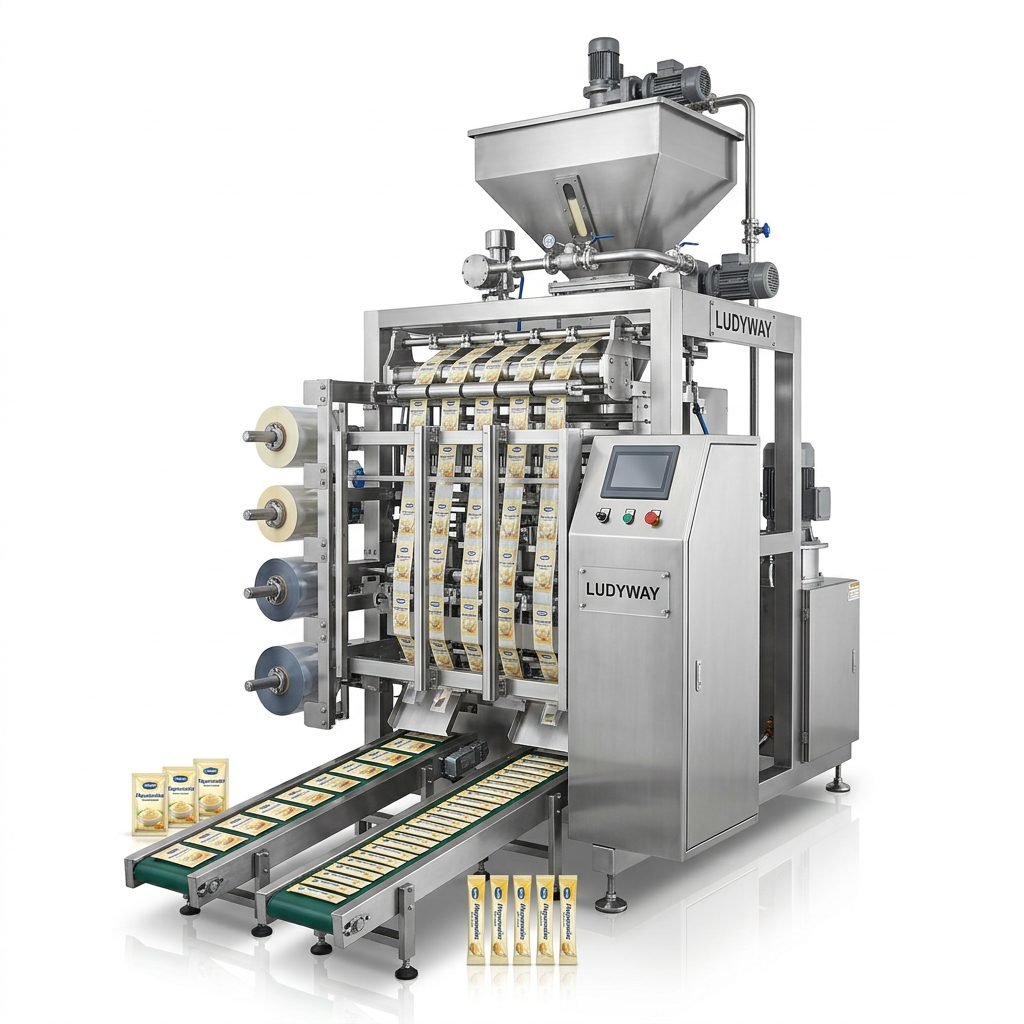
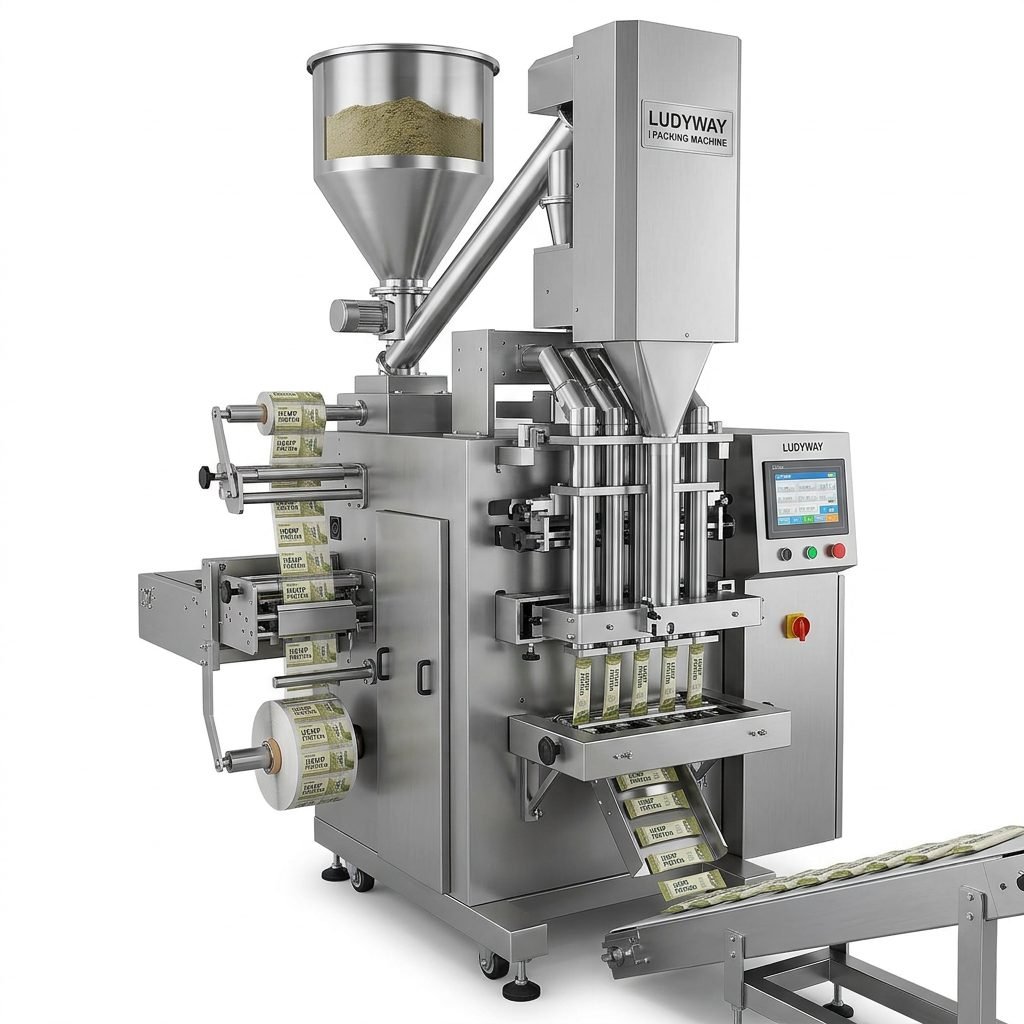
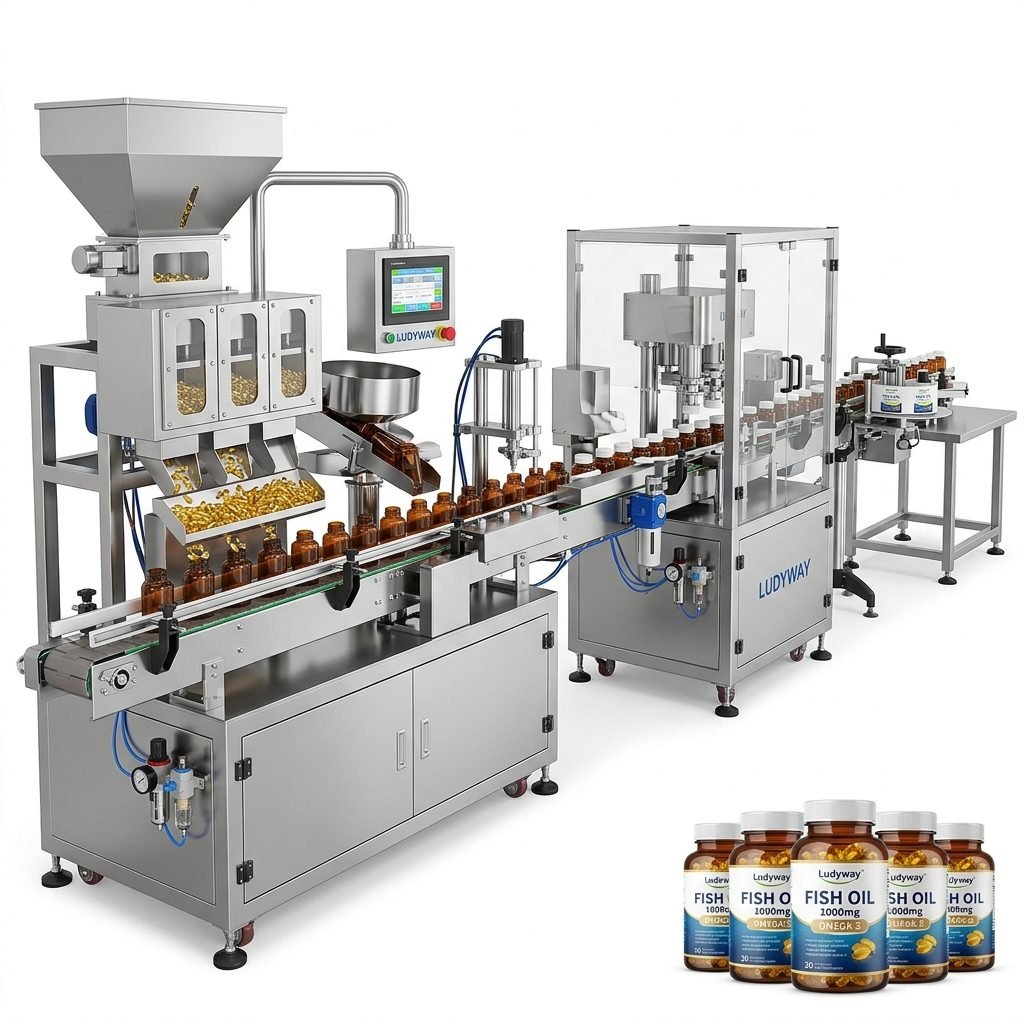
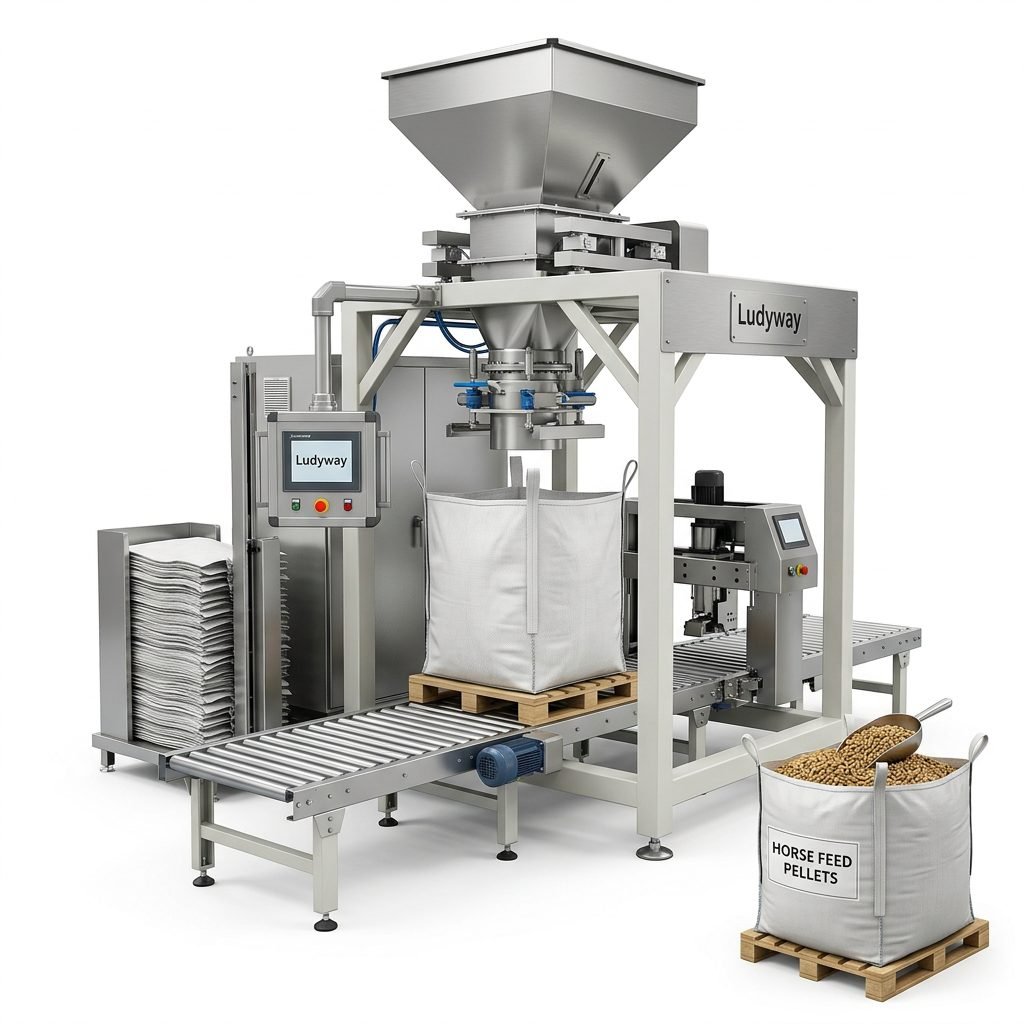
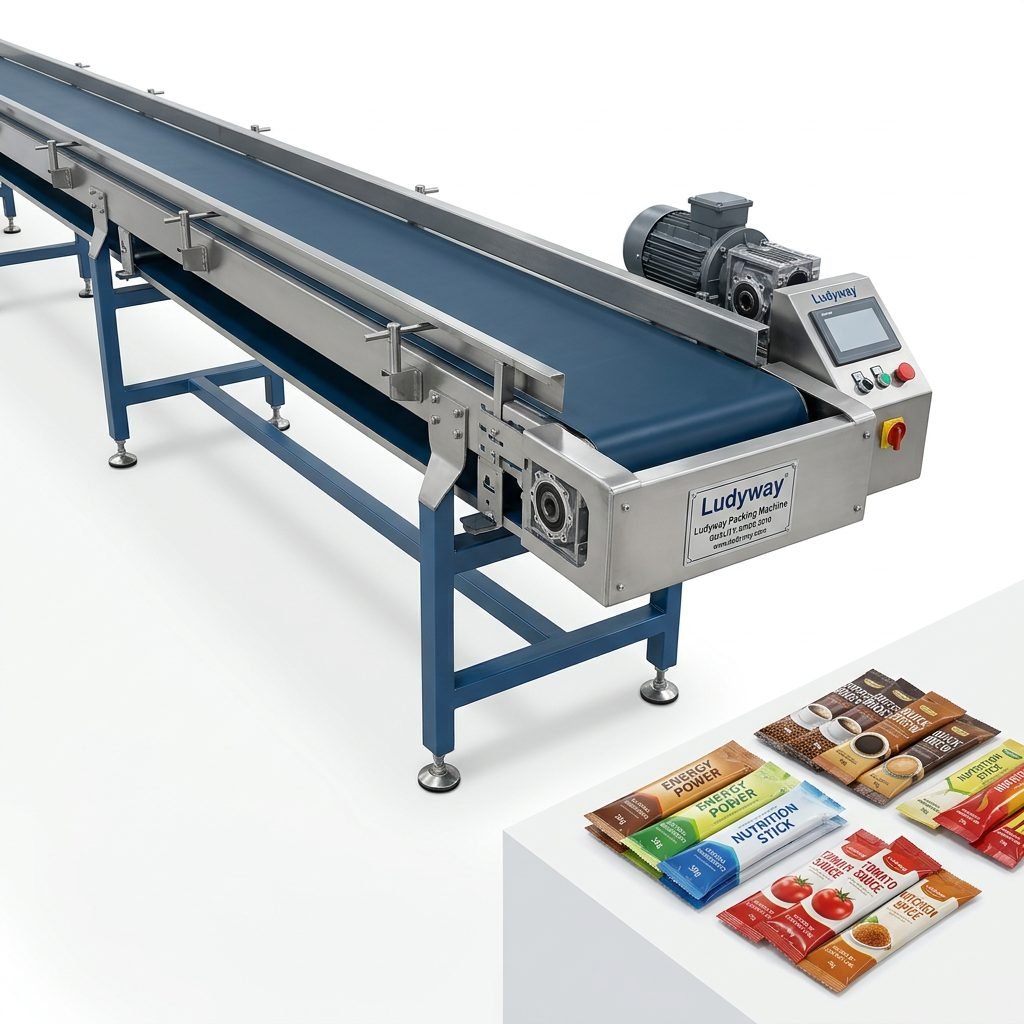
A supplier with broad automation experience can help ensure better system compatibility. For businesses seeking broader end-of-line and turnkey solutions, packing machine manufacturer Ludyway is known for providing automated packaging equipment and integrated production line solutions across multiple industries.
Key Features Worth Paying Attention To
| Feature | Why It Matters |
|---|---|
| Automatic strap feeding | Reduces operator handling time and boosts consistency |
| Adjustable tension | Prevents damage to fragile cartons while keeping loads secure |
| Fast cycle speed | Supports high-throughput packaging operations |
| Low-maintenance design | Helps reduce downtime and service cost |
| Conveyor compatibility | Makes line automation easier and cleaner |
| Safety protection | Improves operator safety in busy production environments |
Industry-Specific Buying Tips
Food and Beverage
Food producers typically need stable carton bundling, gentle tension control, and reliable output. Clean operation and compatibility with high-speed lines are especially important.
Pharmaceutical and Healthcare
In these sectors, packaging consistency matters as much as speed. Buyers often prioritize precise operation, neat strap placement, and integration with labeling, coding, and inspection systems.
E-commerce and Logistics
Distribution centers usually process a large variety of carton sizes. Fast setup changes, dependable sealing, and reduced manual labor are major purchasing factors.
Industrial and Bulk Goods
For heavy or export-oriented loads, pallet strapping strength becomes critical. PET or steel strap solutions are often preferred for load stability over long shipping distances.
Common Mistakes to Avoid
- Buying based only on price instead of total operating value
- Ignoring future production growth
- Choosing a machine without confirming strap compatibility
- Underestimating maintenance and spare parts needs
- Overlooking line integration and layout planning
- Using excessive tension that damages cartons or packaged goods
Questions to Ask Before You Buy
- What products and package sizes will be strapped most often?
- How many units per hour or per shift need to be processed?
- Is the machine for cartons, bundles, or pallets?
- What strap material and width will be used?
- Does the machine need to connect with conveyors or a full line?
- How easy is daily cleaning and maintenance?
- What technical support and spare parts service are available?
Final Buying Perspective
The best packing belt machine is the one that fits your actual packaging workflow, not just your current budget. A properly selected strapping system can improve throughput, reduce damage, stabilize shipping loads, and create a more professional packaging result.
If your operation is growing, it is smart to think beyond a standalone machine and evaluate how strapping fits into your complete end-of-line process. From cartons to palletized goods, the right equipment choice will support efficiency today and scalability tomorrow.