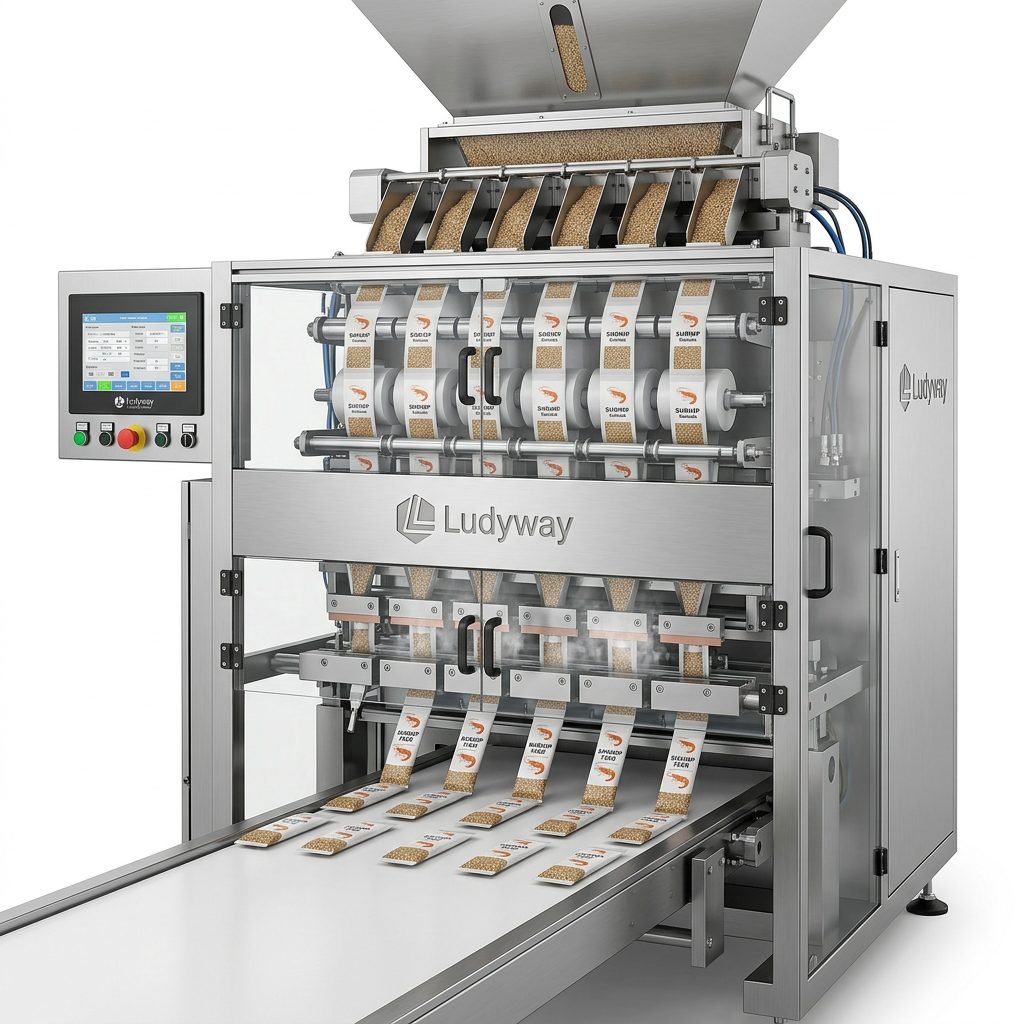
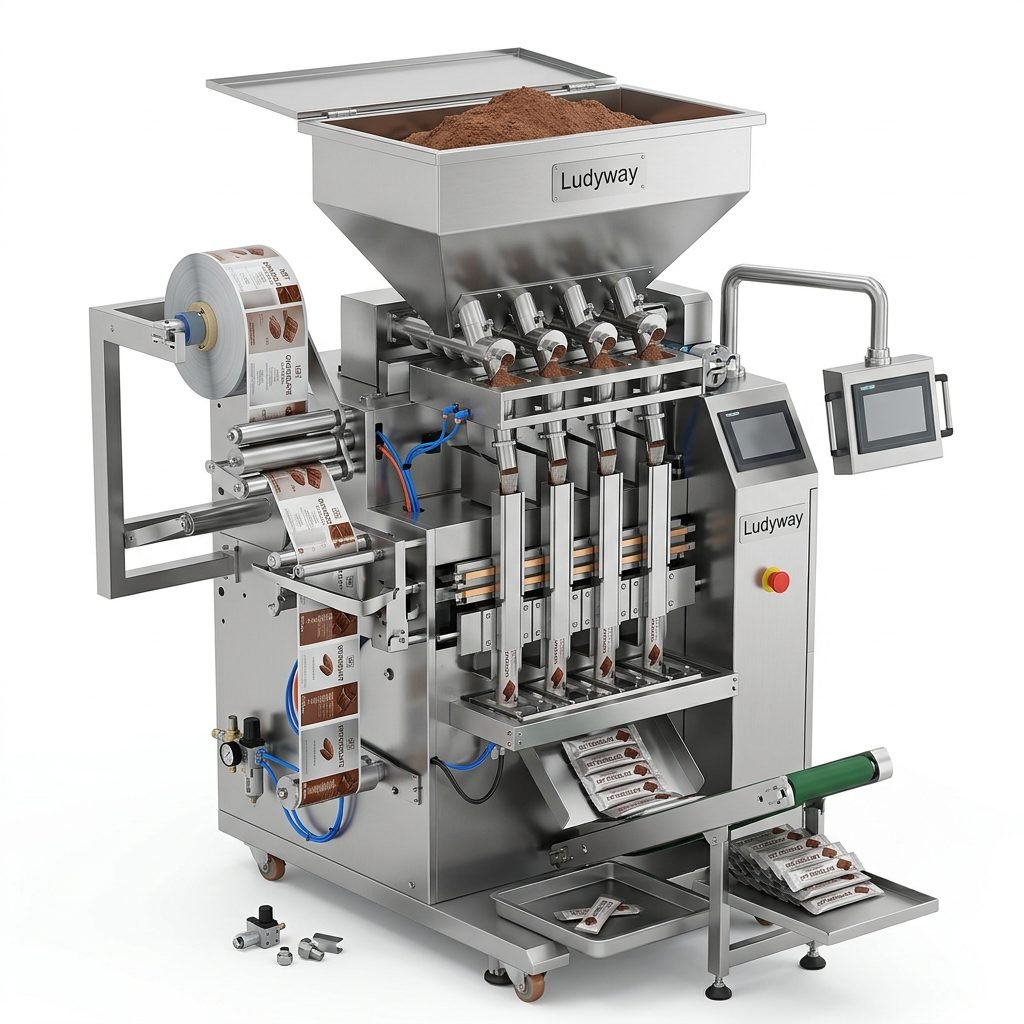
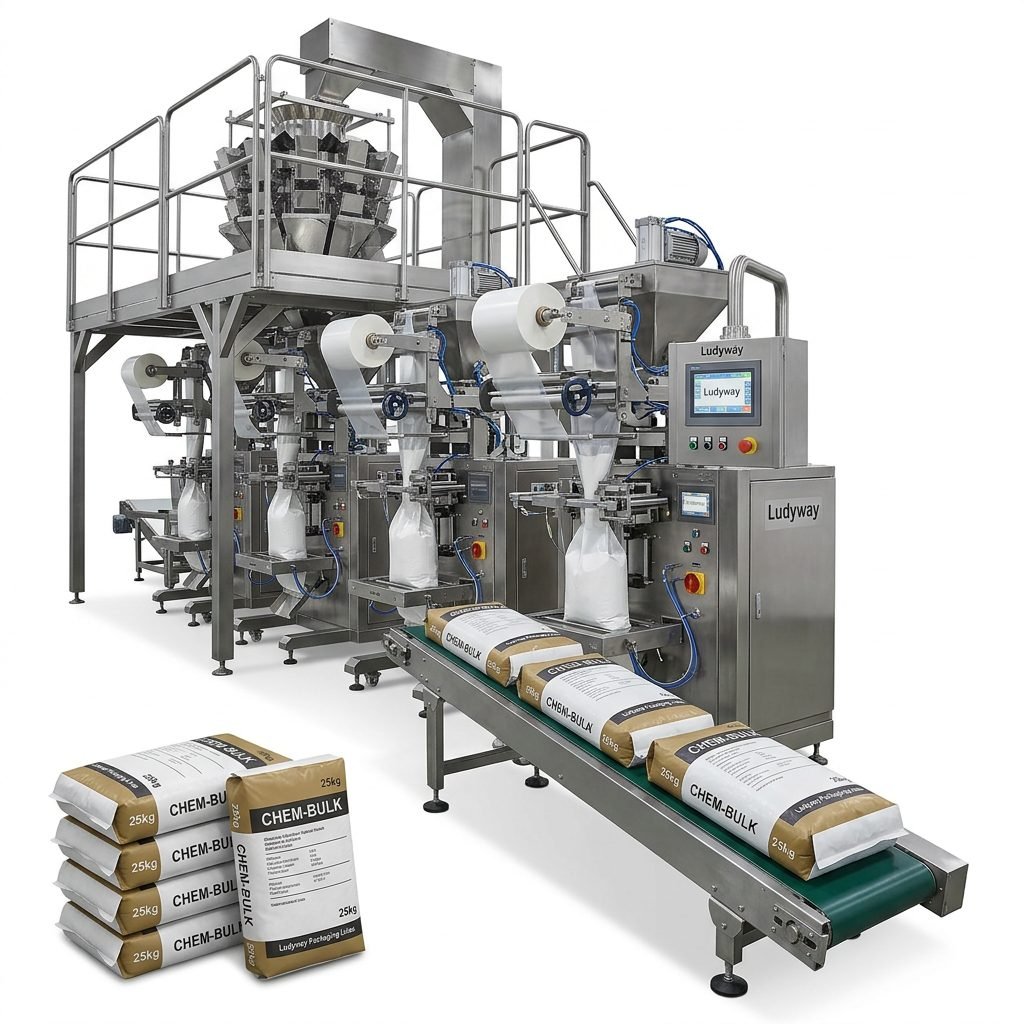
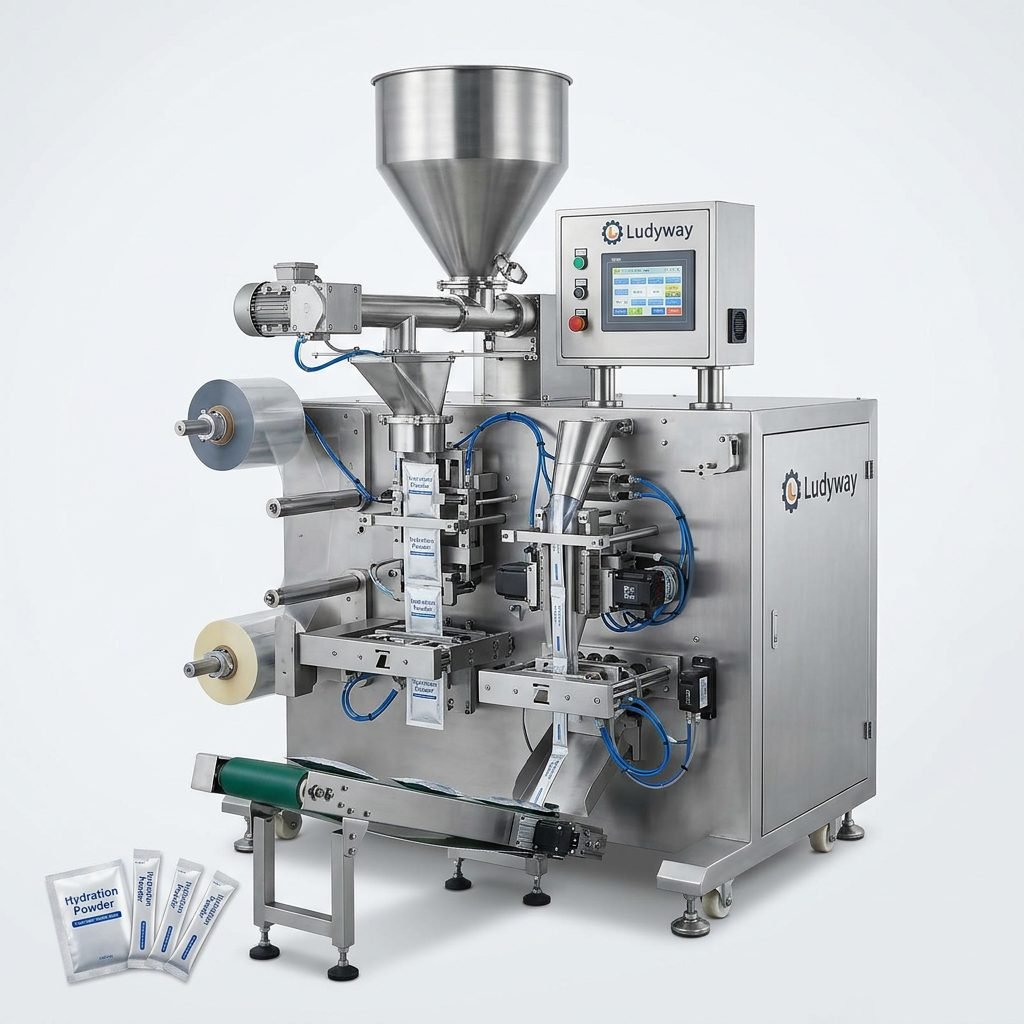
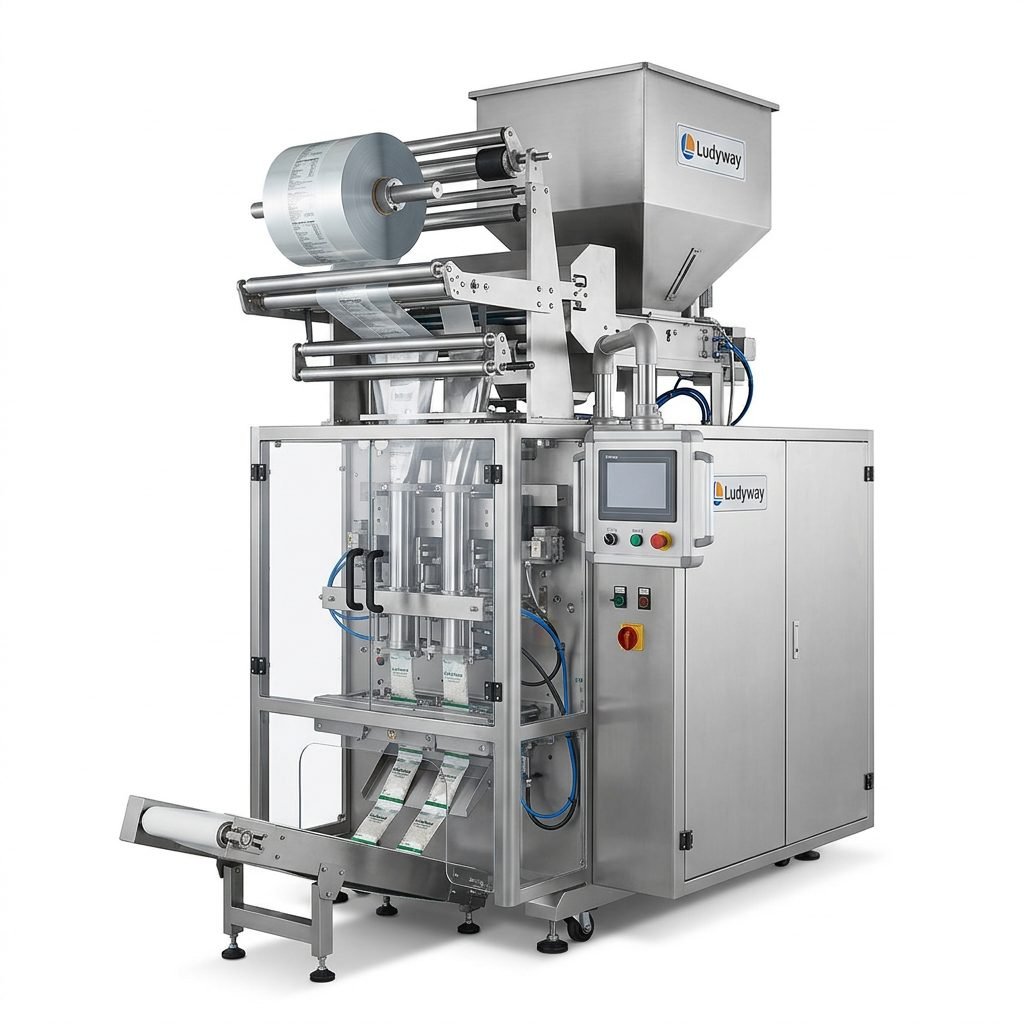
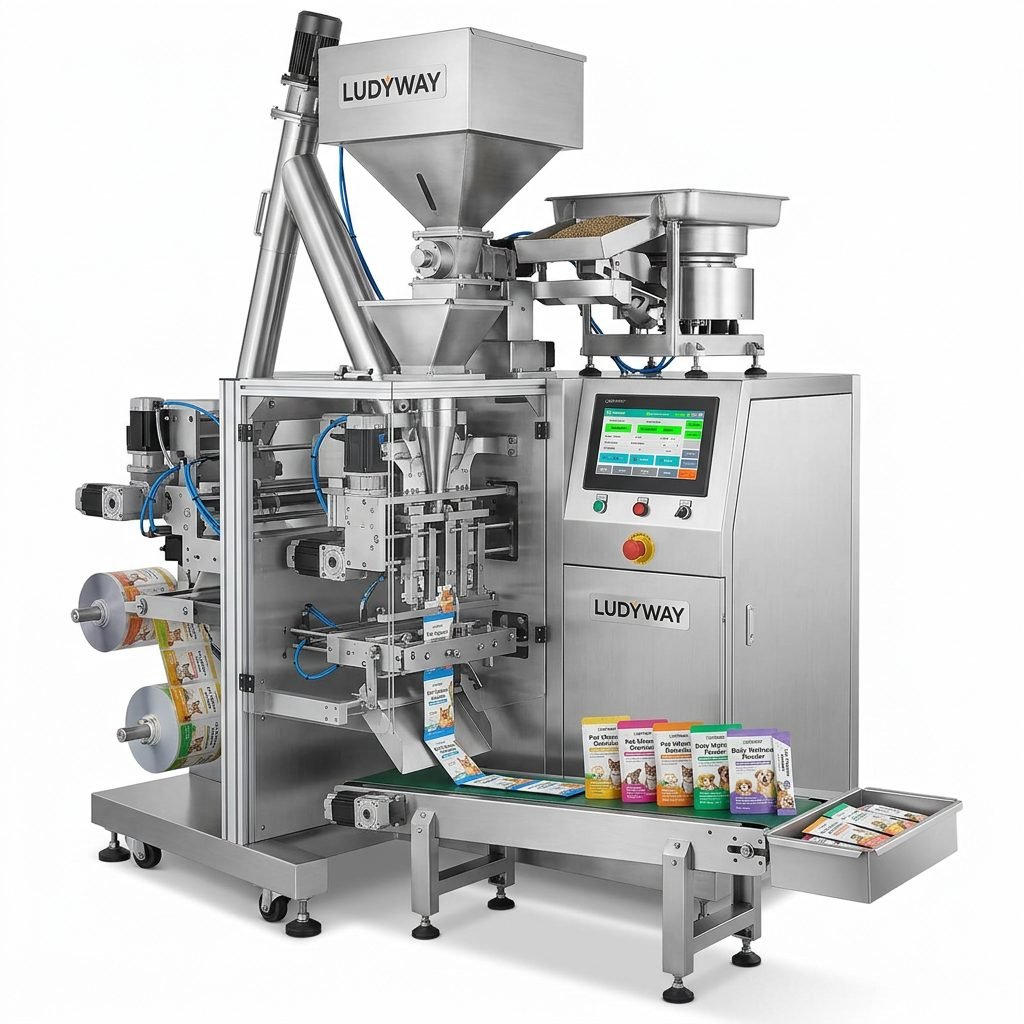
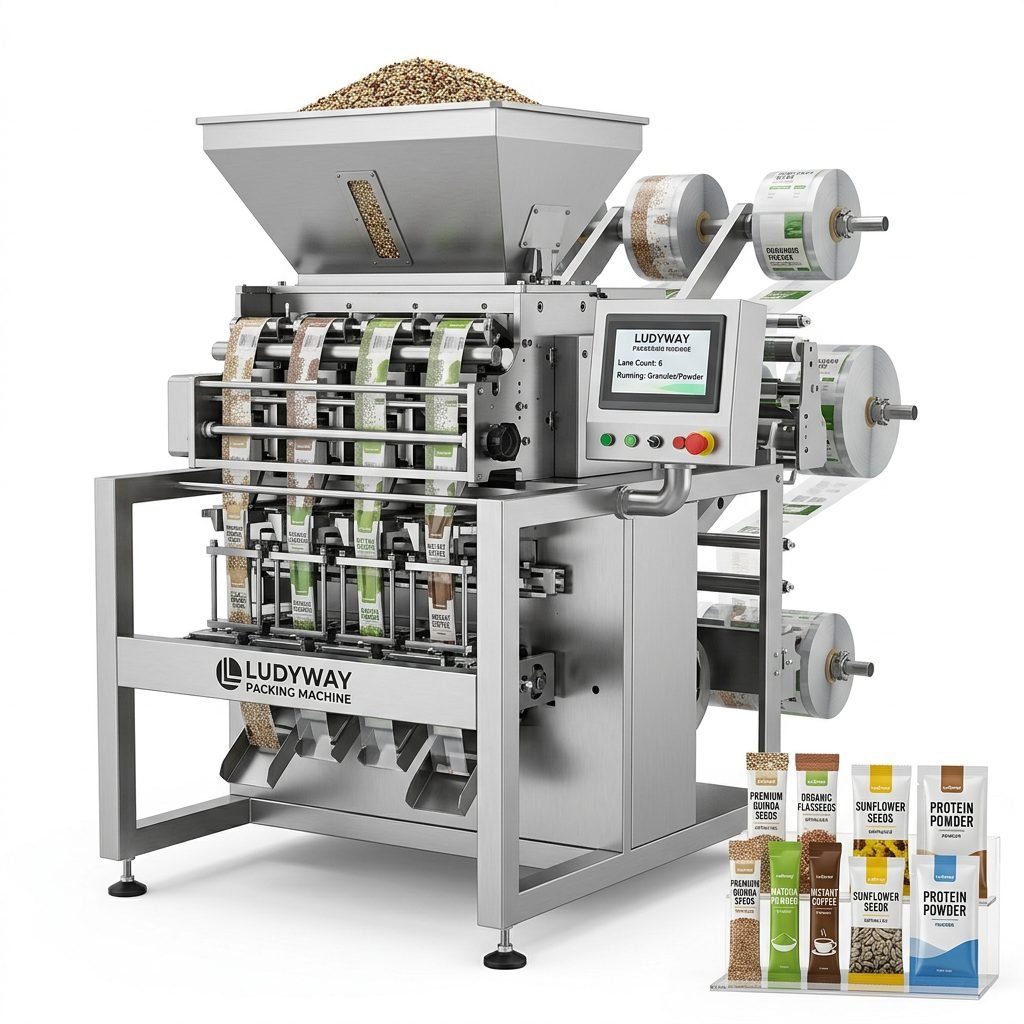
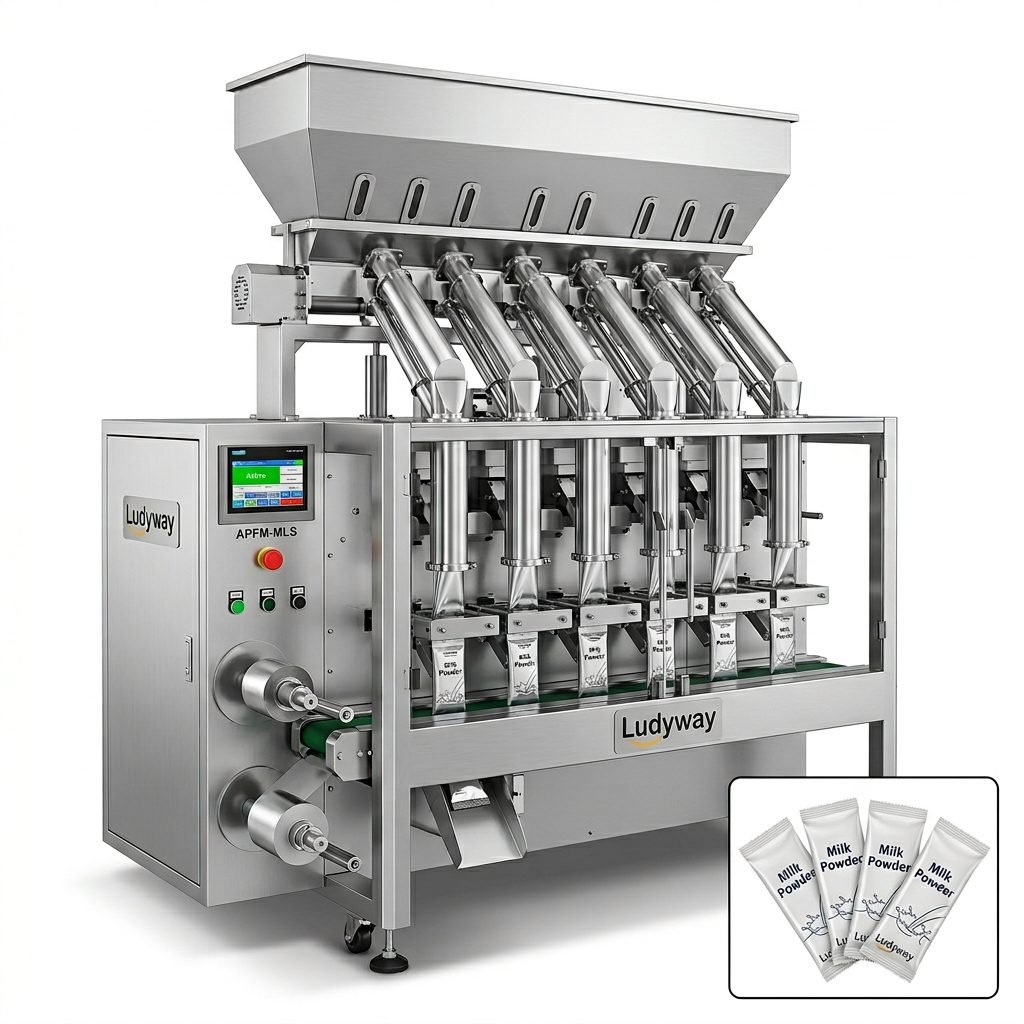
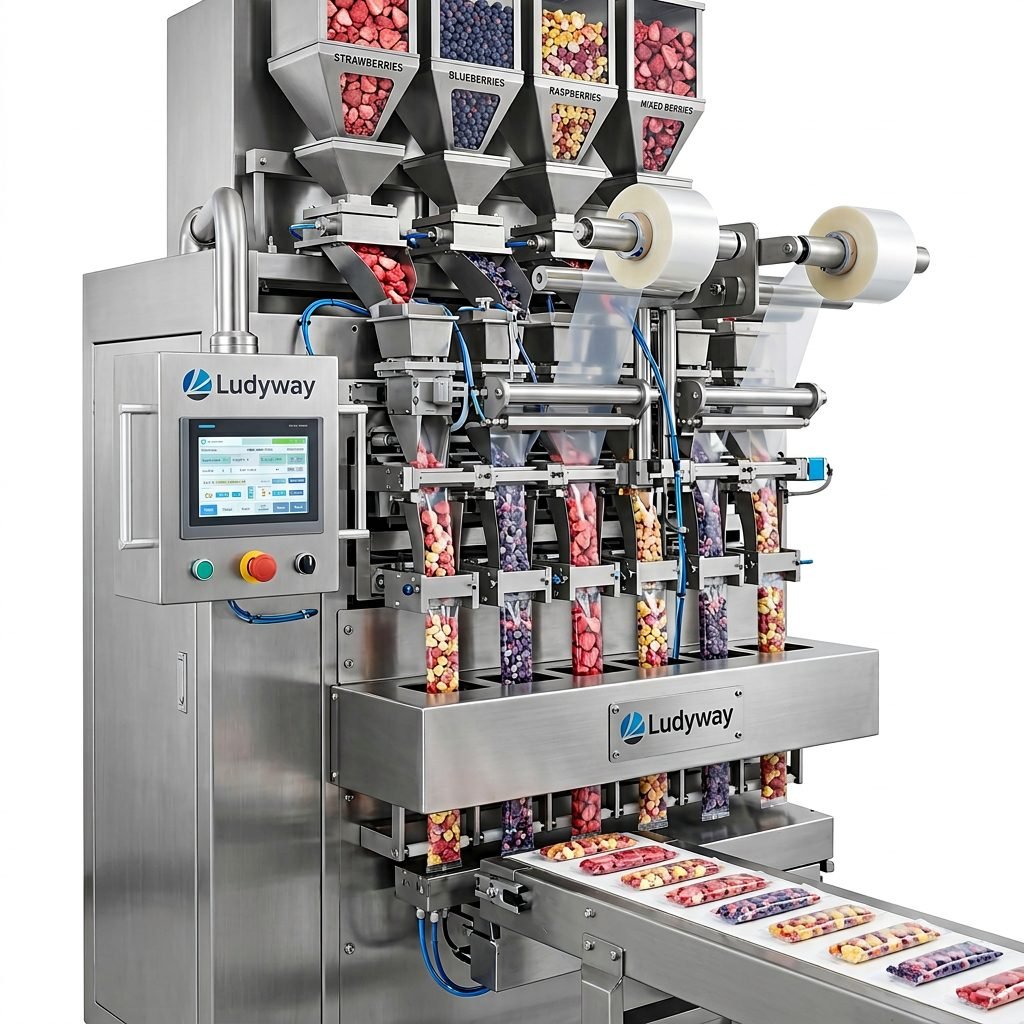
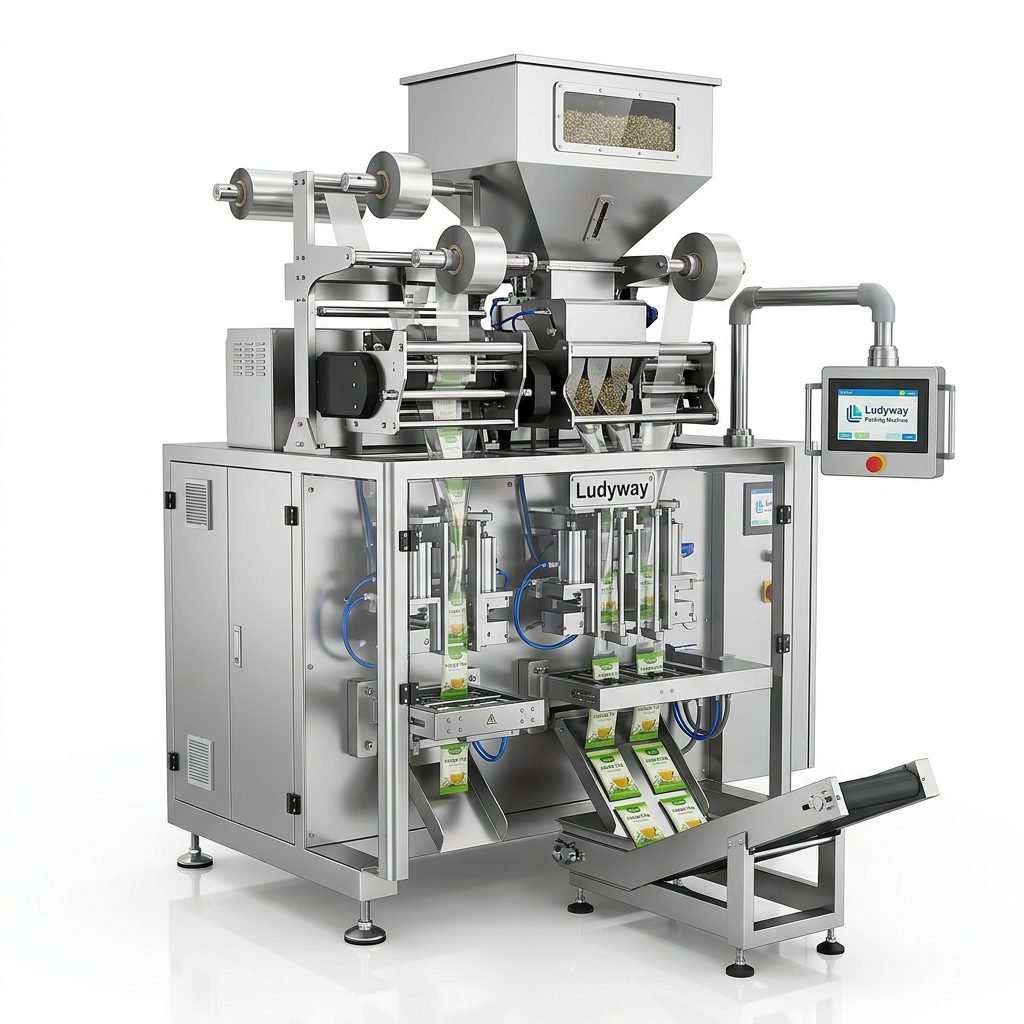
Shrink packaging equipment is widely used across food, beverage, pharmaceutical, cosmetic, daily chemical, and industrial sectors because it creates a neat, secure, and retail-ready pack. Whether you are bundling bottles, wrapping cartons, or protecting products during transport, the right shrink packaging machine can improve line efficiency, reduce labor, and enhance package appearance.
This guide explains the main types of shrink packaging equipment, the business benefits of using them, and the key factors to consider before choosing a machine for your production line.
What Is Shrink Packaging Equipment?
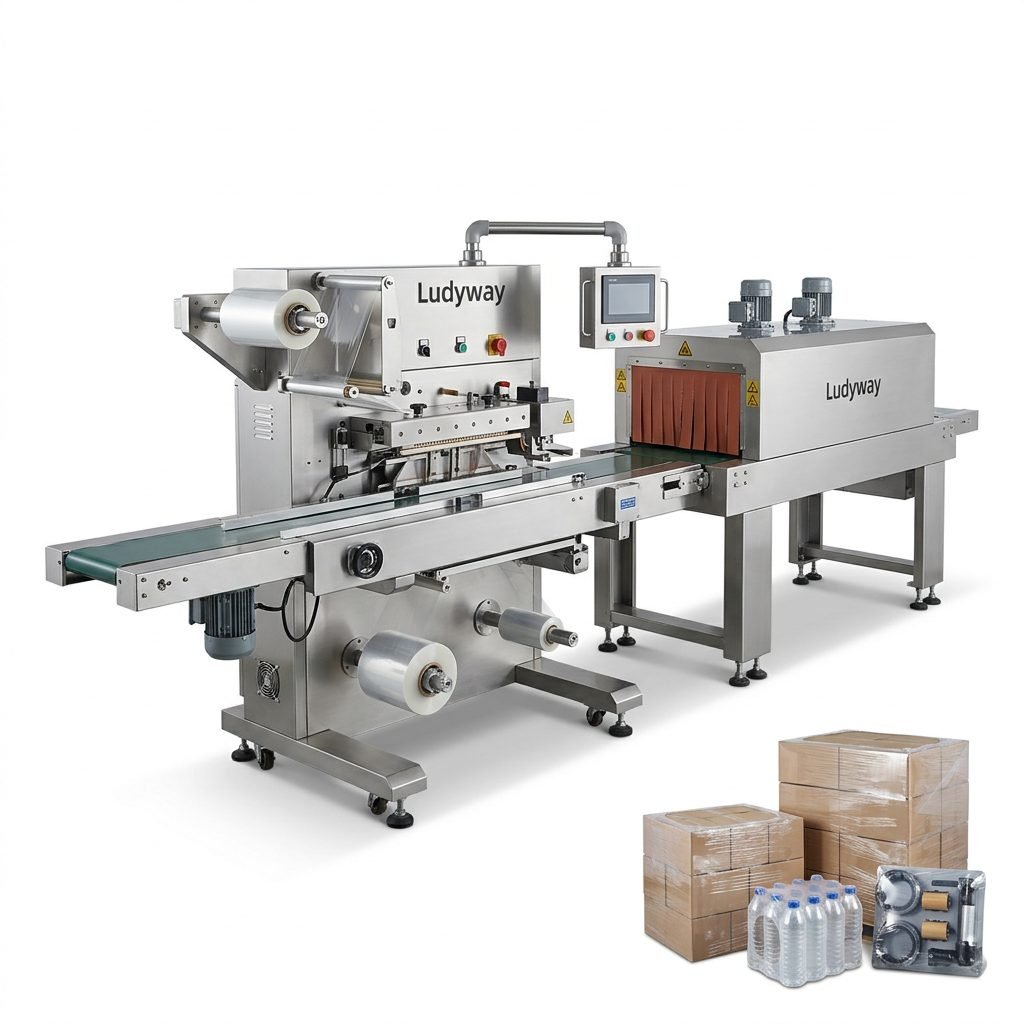
Shrink packaging equipment is machinery that applies shrink film around a product or group of products and then uses heat to tighten the film securely around the package. The result is a clean and tamper-evident wrap that helps protect products from dust, moisture, handling damage, and transportation stress.
A typical shrink packaging system may include:
- Film feeding and wrapping unit
- Sealing system
- Heat shrink tunnel
- Conveyor system
- Optional coding, inspection, or bundling modules
Main Types of Shrink Packaging Equipment
1. Manual Shrink Packaging Machines
Manual machines are suitable for low-output operations, startups, small workshops, and businesses with limited budgets. Operators place the product, manually seal the film, and move it through a heat process. These machines are simple but not ideal for high-volume production.
2. Semi-Automatic Shrink Wrapping Machines
Semi-automatic equipment increases productivity by automating part of the sealing or conveying process while still requiring operator loading. This option is often chosen by growing businesses that need more efficiency without investing in a fully automated line.
3. Automatic Shrink Wrapping Machines
Automatic shrink packaging machines are designed for continuous production. Products are fed automatically, wrapped, sealed, and sent through a heat tunnel with minimal operator intervention. They are ideal for medium to large manufacturers requiring high speed, stable output, and consistent pack quality.
4. Shrink Tunnels
A shrink tunnel uses controlled heat circulation to shrink film evenly around the product. Tunnel performance directly affects packaging appearance, seal quality, and production speed. Important tunnel factors include temperature stability, airflow design, and conveyor type.
5. Sleeve Wrapping Machines
Sleeve wrappers are often used for bundled packaging such as bottled water, beverage cans, cartons, and multipacks. The machine wraps a film sleeve around grouped products, then shrinks it tightly. This format is common in beverage and distribution packaging.
6. L-Bar Sealers
L-bar sealers are popular for retail products, printed boxes, cosmetics, books, and consumer goods. They create an L-shaped seal around the product before shrinking. These machines are valued for clean presentation and flexibility across different product sizes.
7. Side Seal Shrink Wrappers
Side seal machines are ideal for long products or varied product lengths. They offer continuous side sealing and are often used for higher-speed applications where flexibility and appearance are both important.
Common Shrink Film Materials
Selecting the machine also means selecting the right shrink film. The most common film types include:
| Film Type | Key Features | Typical Applications |
|---|---|---|
| POF | Clear, strong, flexible, food-friendly | Retail packs, food, cosmetics, pharma |
| PVC | Good shrink performance, economical | General retail packaging |
| PE | Thicker, durable, ideal for bundling | Beverages, industrial products, multipacks |
Benefits of Shrink Packaging Equipment
Improved Product Protection
Shrink wrapping helps protect products from dust, dirt, moisture, and external handling. It also stabilizes grouped items during storage and transportation.
Better Shelf Appearance
Tight, transparent shrink film creates a clean retail presentation. It allows product visibility while keeping the packaging compact and professional.
Higher Packaging Efficiency
Automated shrink packaging systems can significantly increase output, reduce manual handling, and improve line consistency. For manufacturers with expanding demand, this leads to measurable productivity gains.
Lower Labor Costs
Replacing manual wrapping processes with semi-automatic or automatic shrink equipment reduces labor dependency and minimizes repetitive handling tasks.
Tamper Evidence
Shrink packaging provides visible tamper evidence, which is especially valuable in food, healthcare, nutraceutical, and personal care applications.
Versatility Across Products
Shrink packaging equipment can handle individual items, multipacks, cartons, trays, bottles, cans, and many irregular product shapes depending on machine design.
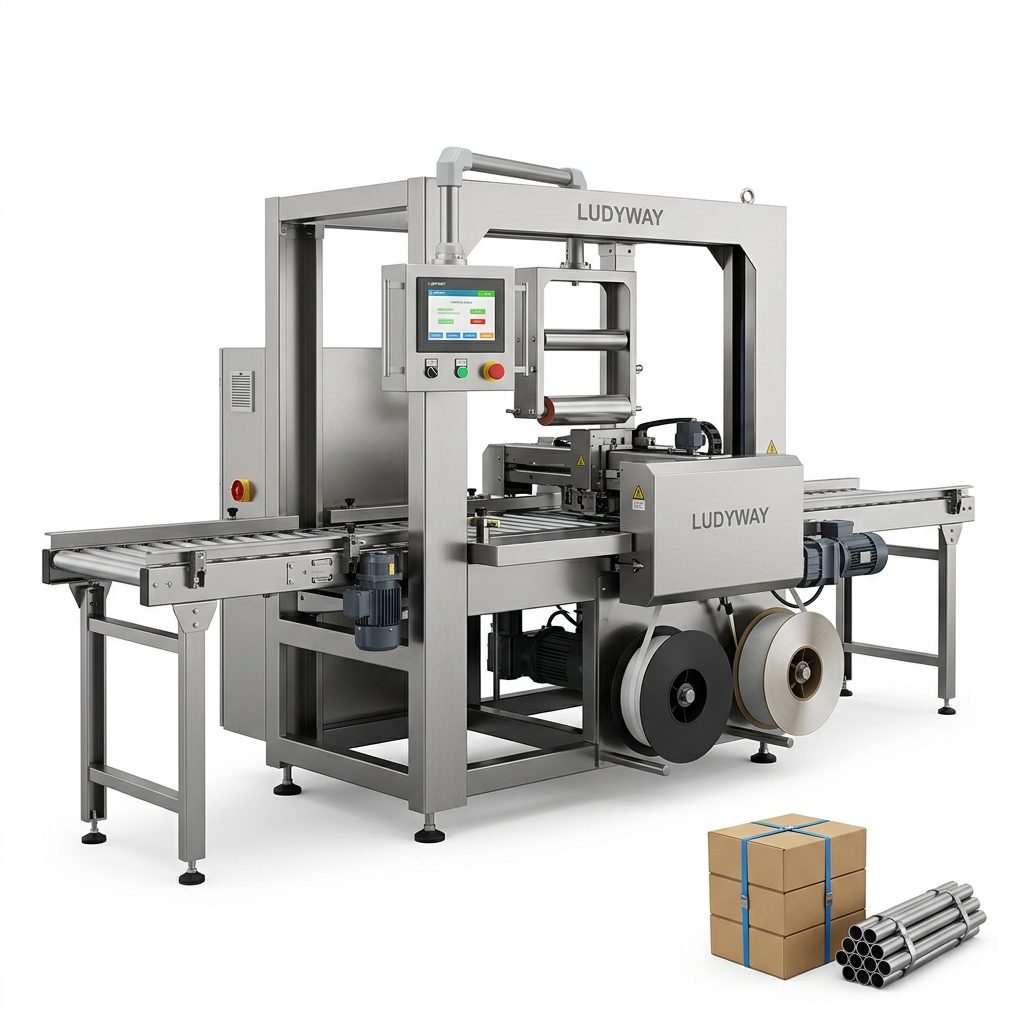
Industries That Commonly Use Shrink Packaging Machines
- Food and snack packaging
- Beverage multipacks
- Pharmaceutical and healthcare products
- Cosmetics and personal care items
- Household and cleaning products
- Printed boxes, stationery, and promotional bundles
- Industrial and hardware products
How to Choose the Right Shrink Packaging Equipment
1. Define Your Product Type
Start by understanding exactly what you need to package. Product dimensions, shape, fragility, and grouping method all influence machine selection. A machine suitable for boxed cosmetics may not be ideal for bottled beverages or heavy industrial packs.
2. Estimate Required Output
Production speed is one of the most important decision factors. Low-volume operations may only need manual or semi-automatic equipment, while high-volume lines require fully automatic shrink wrappers and high-performance tunnels.
3. Check Film Compatibility
Make sure the machine is compatible with the film you plan to use, such as POF, PVC, or PE. Film thickness and shrink characteristics affect sealing quality and final pack appearance.
4. Consider Product Size Range
If you package multiple SKUs, choose equipment with flexible adjustment ranges. Quick changeover capability can save time and improve production efficiency.
5. Evaluate Automation Level
The right automation level depends on your current capacity, labor costs, and future expansion plans. For businesses expecting growth, investing in scalable automation often provides better long-term value.
6. Assess Sealing and Shrinking Quality
A good machine should provide stable seal strength, smooth film shrinkage, and minimal wrinkles or burn marks. Uneven shrink results usually indicate poor tunnel design or inconsistent temperature control.
7. Review Integration Needs
In many factories, shrink packaging equipment is only one part of a larger packaging line. Check whether the machine can integrate with upstream and downstream systems such as filling, labeling, cartoning, coding, checkweighing, and palletizing.
8. Compare Maintenance and Reliability
Reliable operation is essential in continuous production. Choose equipment with durable components, accessible maintenance points, and dependable technical support.
9. Confirm Customization Options
Some applications require custom conveyors, infeed layouts, product grouping systems, or pack formats. A manufacturer with engineering capability can tailor the equipment to your actual production environment.
10. Choose a Supplier With Industry Experience
Working with an experienced supplier reduces project risk. If you need integrated packaging solutions beyond shrink wrapping, consider a manufacturer that can support complete line planning, customization, installation, and after-sales service. Ludyway shrink packaging equipment and packaging line solutions are often considered by buyers seeking scalable automation backed by more than 30 years of manufacturing experience.
Quick Machine Selection Guide
| Business Need | Recommended Equipment | Why |
|---|---|---|
| Low volume, simple products | Manual shrink machine | Affordable and easy to operate |
| Medium output with operator support | Semi-automatic shrink wrapper | Balanced cost and productivity |
| High-volume production | Automatic shrink wrapping machine | Fast, consistent, labor-saving |
| Bottle or can multipacks | Sleeve wrapper + shrink tunnel | Efficient bundling for grouped products |
| Retail boxes and consumer goods | L-bar sealer + tunnel | Neat presentation and flexible use |
Key Questions to Ask Before Buying
- What products and pack sizes will the machine handle?
- What is the required speed per minute or per hour?
- Which shrink film type will be used?
- Do you need single packs, bundled packs, or both?
- Will the machine connect to an existing packaging line?
- How much floor space is available?
- What voltage and utility conditions are on site?
- Do you need future upgrade or customization capability?
Signs You Need to Upgrade Your Shrink Packaging System
- Frequent film waste or poor sealing results
- Output cannot keep up with demand
- Too much manual handling is slowing production
- Inconsistent package appearance affects brand image
- Existing equipment cannot handle new product sizes
- Downtime and maintenance costs are increasing
Final Buying Advice
The best shrink packaging equipment is not simply the fastest or cheapest machine. It is the one that matches your product characteristics, target output, packaging material, factory layout, and long-term automation goals. A well-matched system can deliver better protection, stronger packaging consistency, improved efficiency, and lower operating costs.
Before making a final decision, compare machine performance, tunnel quality, film compatibility, integration options, and supplier support. A careful evaluation now will help ensure smooth installation and dependable packaging performance for years to come.