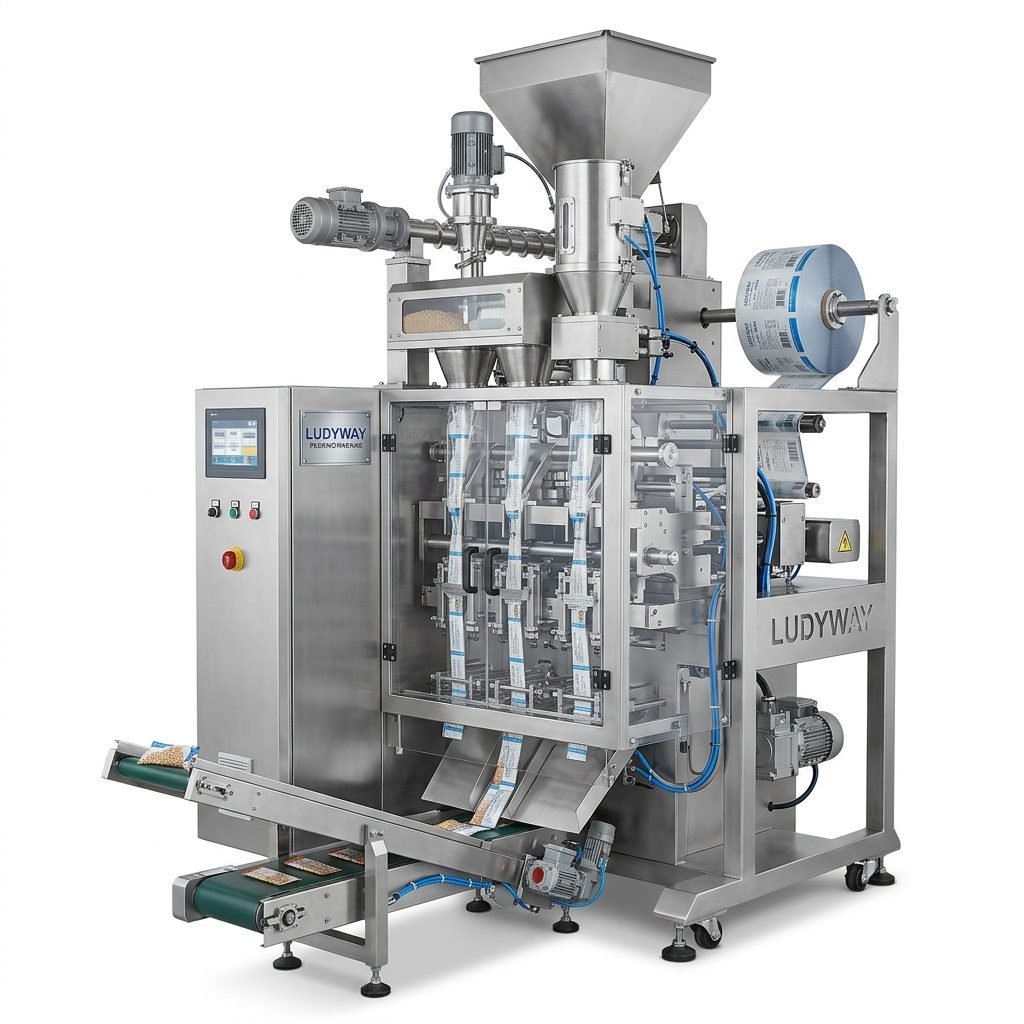
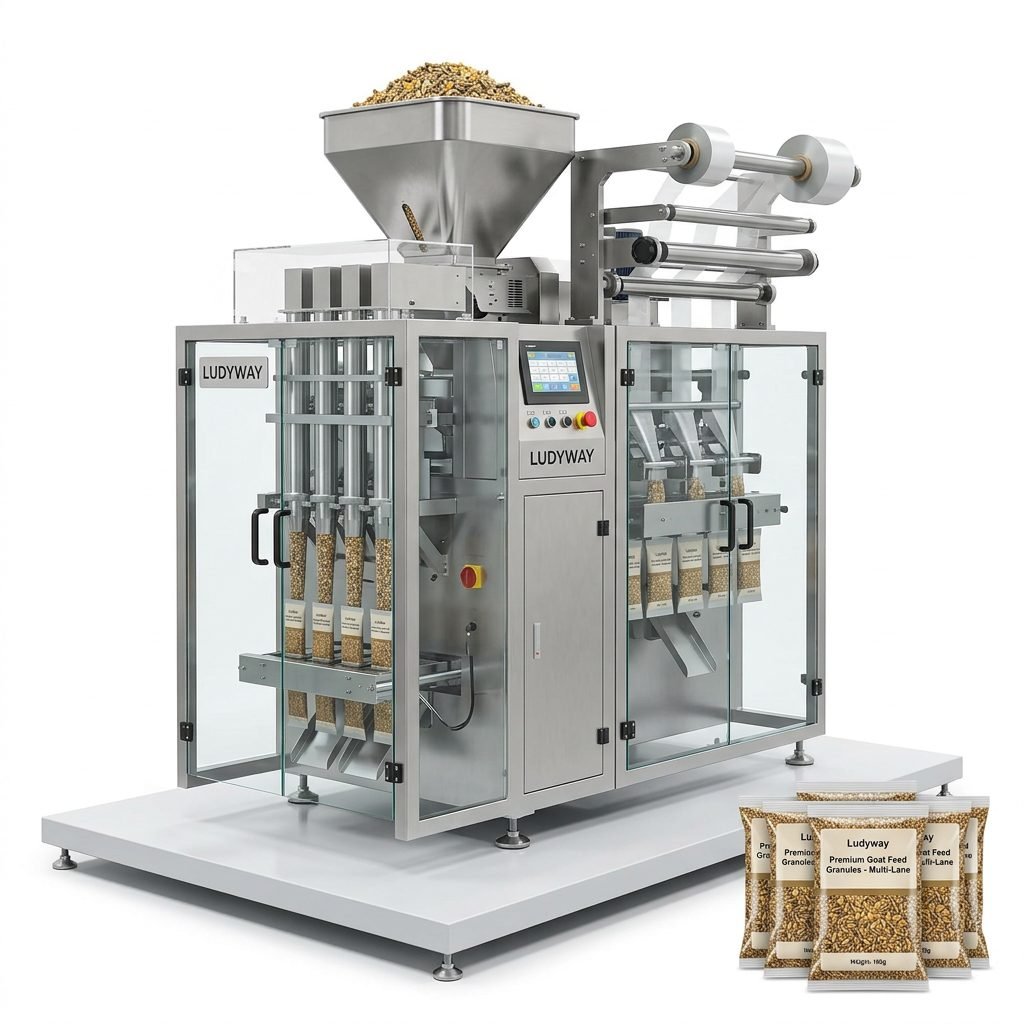
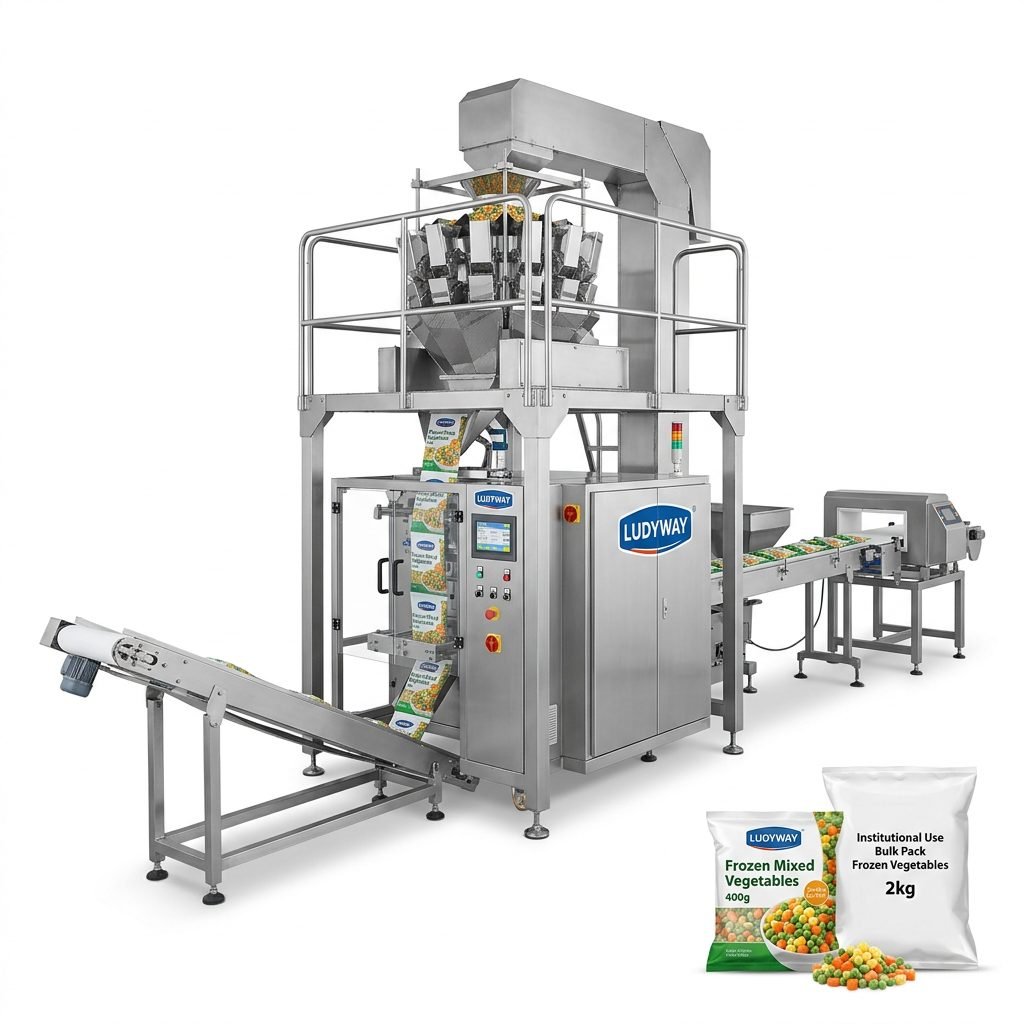
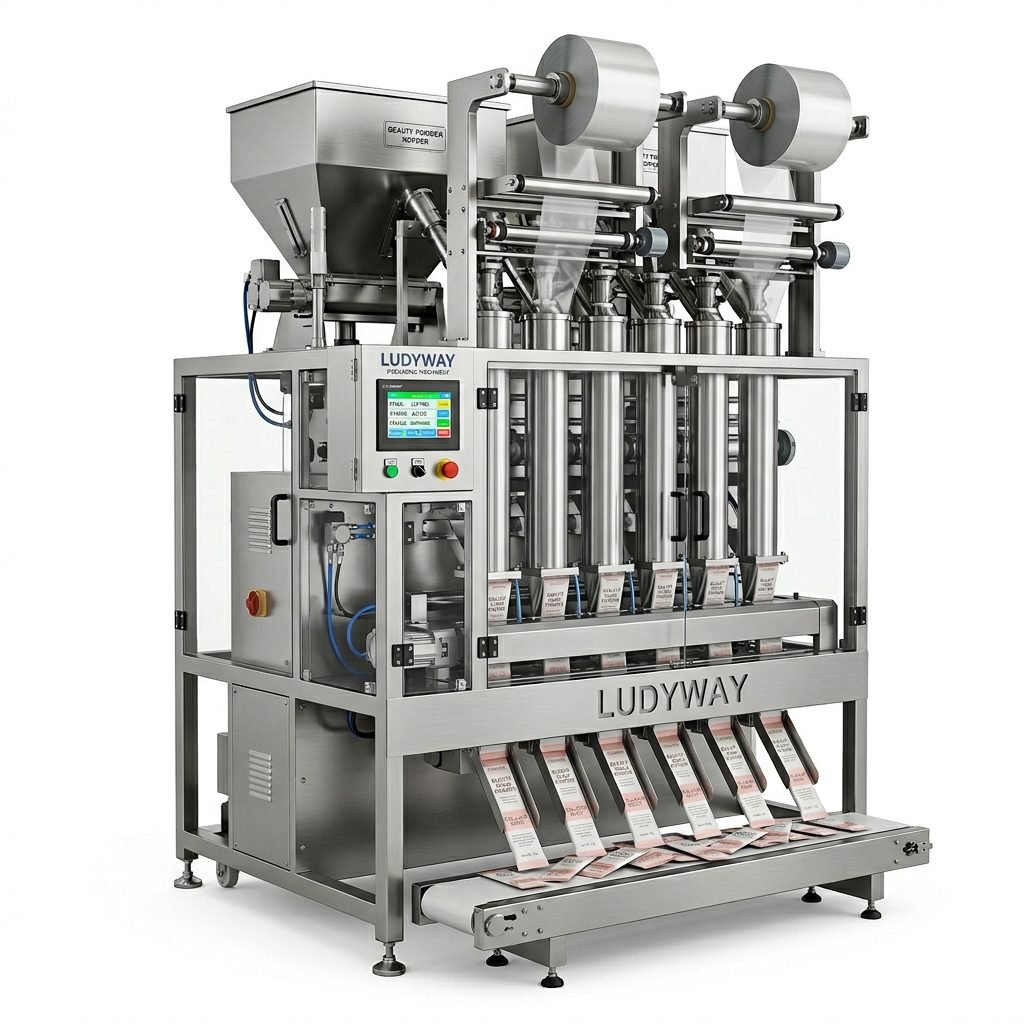
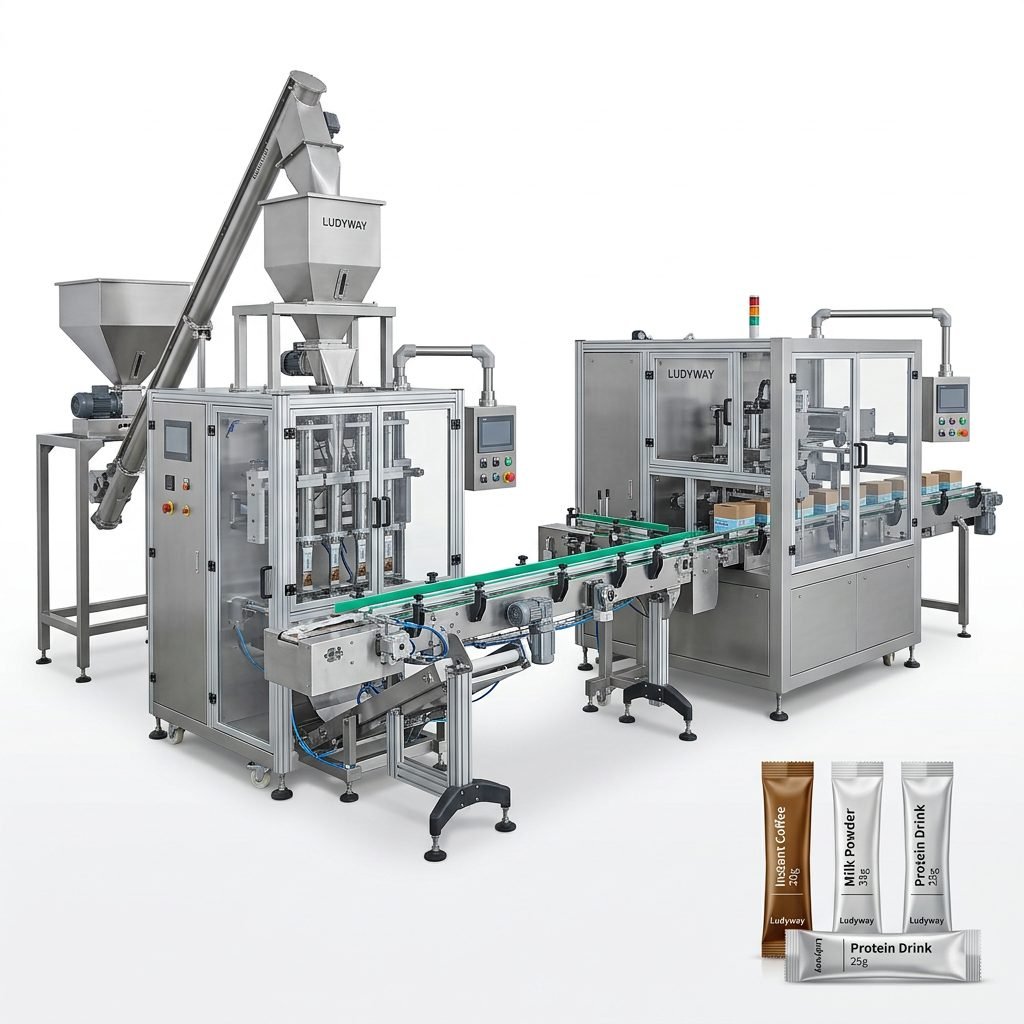
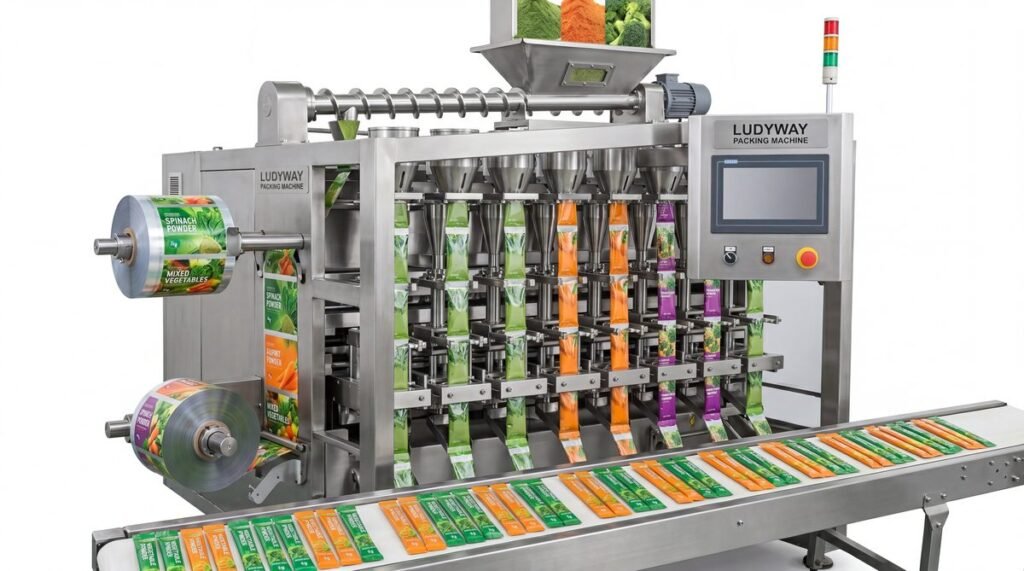
Understanding the price of a pani pouch packing machine is not just about comparing quotations. The total investment depends on machine type, production speed, filling accuracy, automation level, pouch size, optional modules, and long-term operating costs. If you are planning to package water, flavored drinks, liquid condiments, or similar low- to medium-viscosity products, this guide will help you evaluate pricing with more confidence.
For buyers, the smartest approach is to match the machine to your actual production goals instead of choosing only by the lowest number. A cheaper machine may increase downtime, waste film, or require more labor. A better-configured system can often deliver a lower cost per pouch over time.
What Is a Pani Pouch Packing Machine?
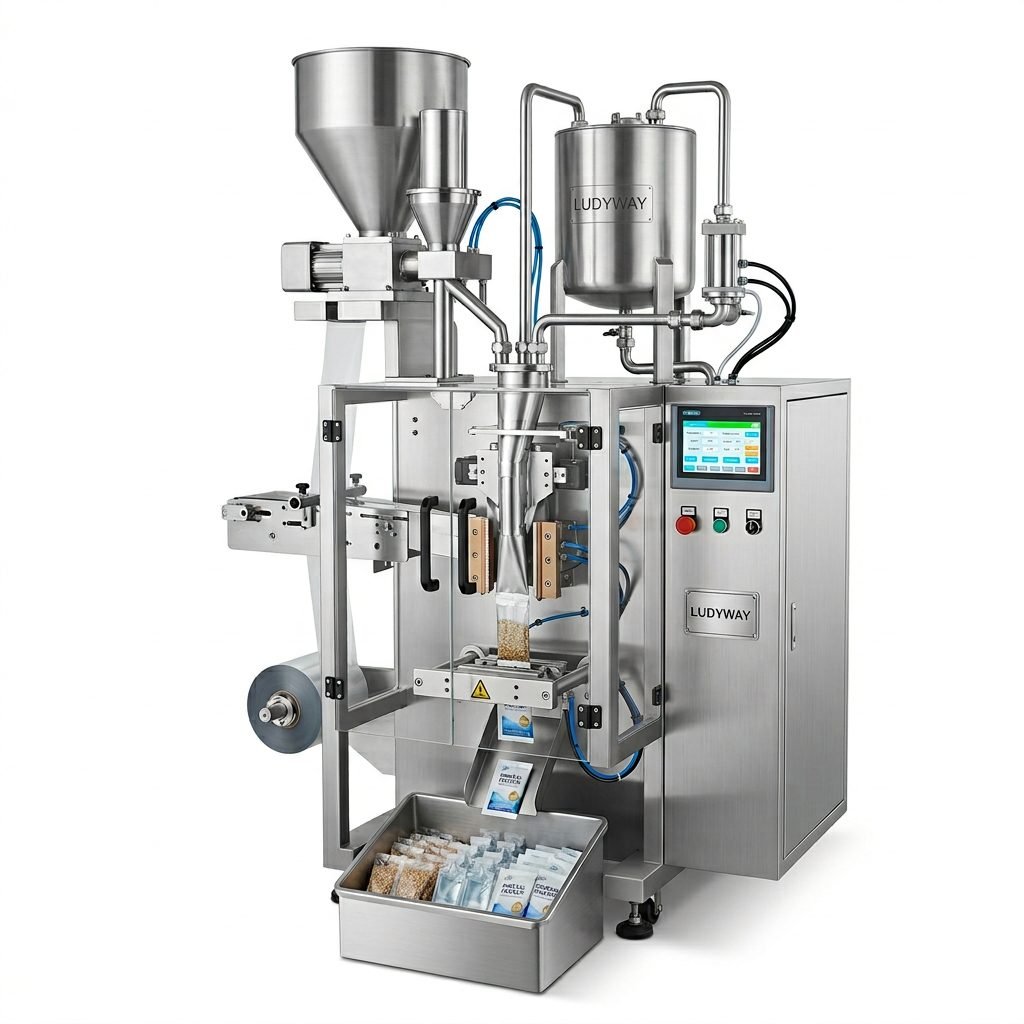
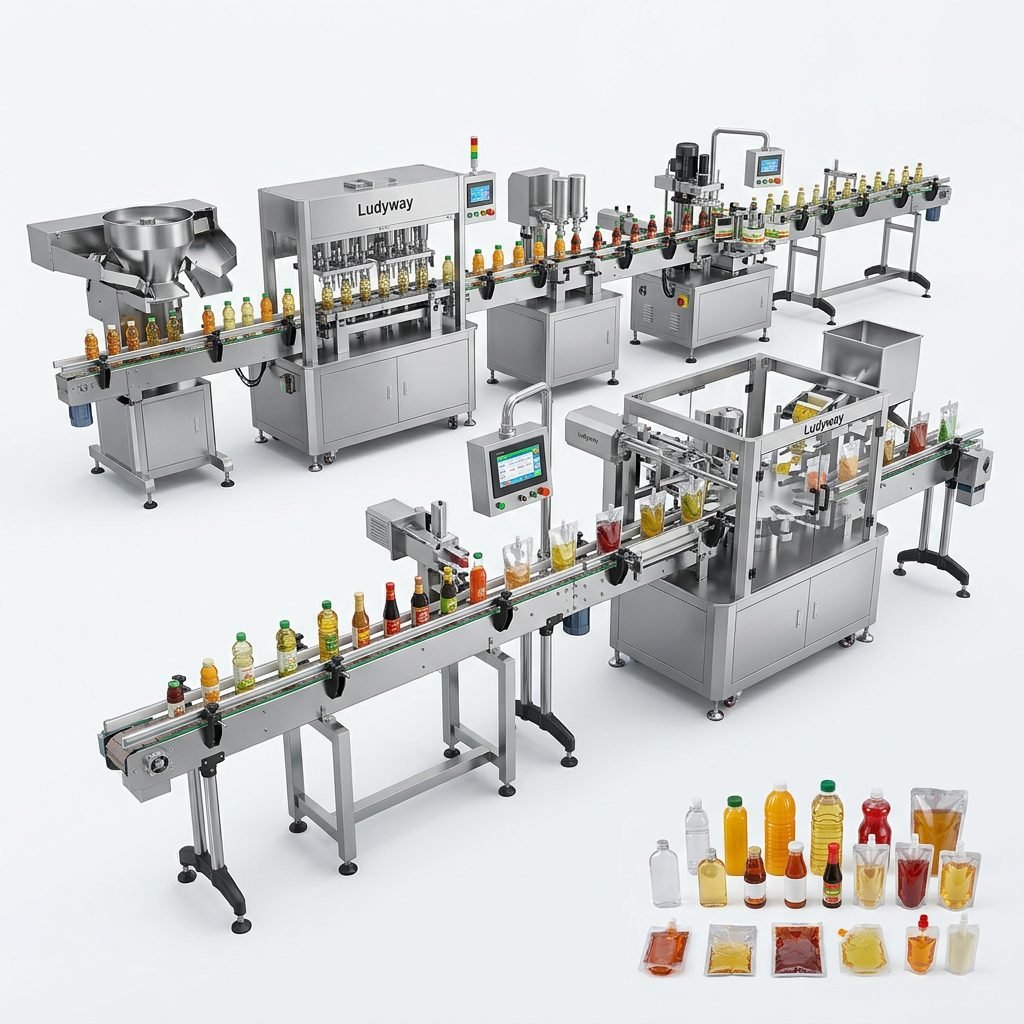
A pani pouch packing machine is a packaging system designed to form, fill, and seal liquid pouches. In many markets, “pani” commonly refers to drinking water, but the same equipment concept can also apply to juice, syrup, milk-based drinks, edible liquids, and certain chemical or personal care liquids depending on machine design and material compatibility.
These machines are commonly used by:
- Packaged drinking water producers
- Beverage startups
- Regional distributors
- Contract packers
- Food and daily chemical manufacturers
Average Pani Pouch Packing Machine Price Range
Below is a practical price overview. Actual quotations vary by output, materials, customization, and export requirements.
| Machine Type | Typical Price Range | Suitable For |
|---|---|---|
| Semi-automatic pouch filling machine | USD 2,000–8,000 | Small batches, entry-level production |
| Basic automatic liquid pouch packing machine | USD 8,000–18,000 | Small to medium output lines |
| High-speed automatic pani pouch packing machine | USD 18,000–45,000 | Commercial production with stable demand |
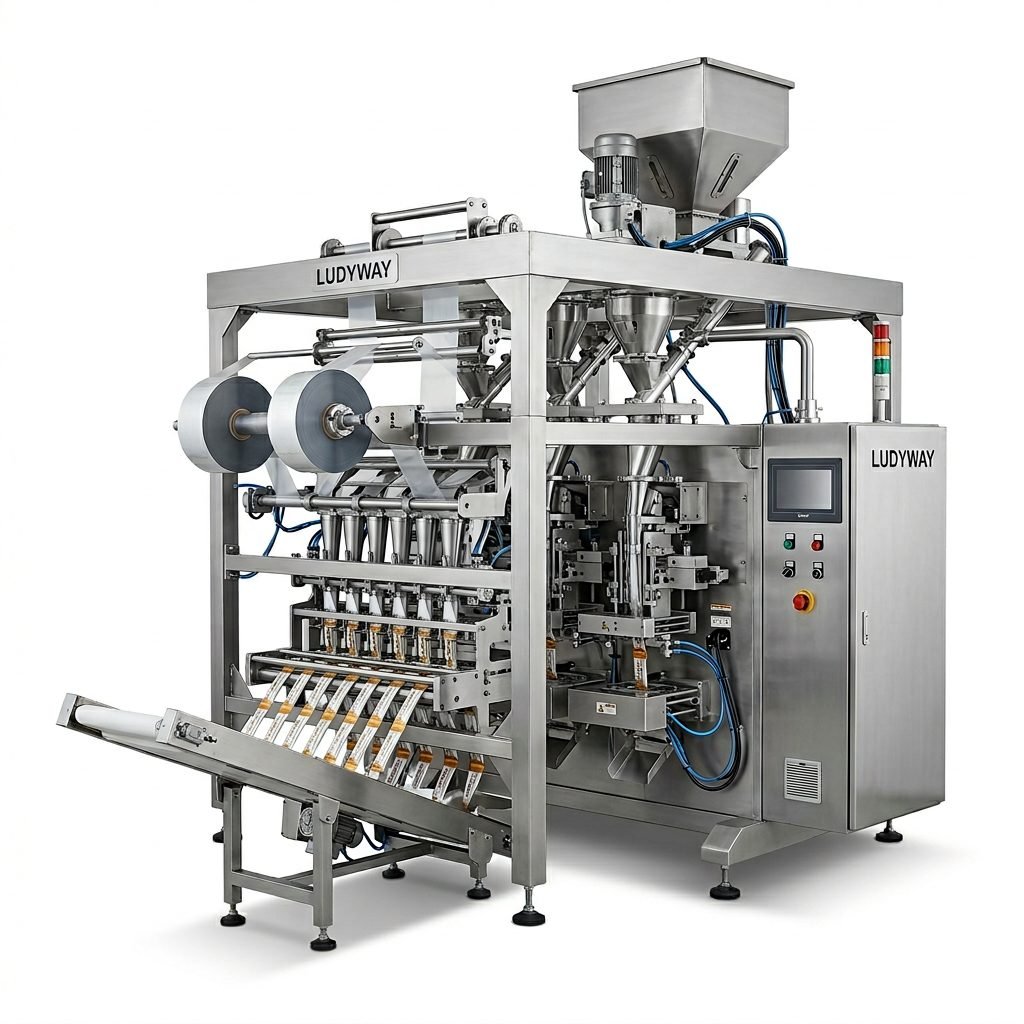
| Multi-lane or fully integrated pouch line | USD 45,000–120,000+ | Large-scale factories and turnkey projects |
Important: FOB machine price often does not include freight, customs duty, local installation, air compressor, or after-sales parts inventory. Always confirm the quotation scope.
What Affects the Price Most?
1. Output Speed
Speed is one of the biggest price drivers. A low-output machine for basic water pouch production costs much less than a high-speed automatic system. Faster machines require better servo systems, stronger sealing performance, more precise filling, and more stable film tracking.
2. Pouch Size and Format
Machines configured for standard pillow pouches are usually more affordable than systems designed for special pouch shapes, multiple sizes, or easy-tear features. If you want flexible size changeovers, expect higher cost.
3. Filling System Accuracy
For drinking water and other liquids, accurate volumetric or pump filling is essential. Better filling consistency reduces underfill, overfill, and product loss. That directly affects profit, especially in high-volume operations.
4. Machine Material and Hygiene Grade
Food-grade stainless steel construction, corrosion resistance, and clean-contact parts often increase price, but they are important for beverage and edible liquid applications. Machines built for hygienic production usually offer better long-term value.
5. Automation Options
- Auto film alignment
- PLC touch screen control
- Date coding printer
- UV sterilization or sanitizing module
- Conveyor connection
- Leak detection
- Checkweigher or inspection system
Each add-on increases upfront cost but may reduce labor and quality issues.
6. Brand, Manufacturing Quality, and Support
Experienced manufacturers usually price above low-end suppliers, but they often provide better machining quality, assembly accuracy, export documentation, spare parts support, and commissioning guidance. For many buyers, that difference matters more than the initial discount.
Price by Production Scale
| Production Scale | Recommended Machine Level | Budget Idea |
|---|---|---|
| Startup / pilot production | Semi-auto or basic auto | Lower upfront cost, more manual work |
| Small commercial line | Standard automatic pouch machine | Balanced price and efficiency |
| Growing factory | High-speed automatic system | Higher CAPEX, lower unit cost |
| Large industrial line | Integrated turnkey packaging line | Best for continuous mass production |
Core Features Worth Paying For
When comparing machine quotes, these features usually have the strongest effect on performance:
- Stable sealing quality to prevent leakage and rejects
- Accurate filling control for consistent pouch weight or volume
- Easy operation via touch screen for faster setup
- Quick changeover if you pack different pouch sizes
- Food-grade contact parts for beverage safety and cleaning
- Reliable electrical components for longer service life
- Local voltage compatibility and export-standard configuration
Hidden Costs Buyers Often Miss
A low machine price can look attractive until these extra costs appear:
- Shipping and insurance
- Import duty and tax
- Installation and commissioning
- Operator training
- Air compressor and auxiliary equipment
- Spare parts package
- Packaging film testing and adjustment
- Downtime from weak sealing or unstable components
Buying tip: Ask suppliers for the total landed cost and the expected cost per pouch, not only the machine price.
How to Choose the Right Machine for Your Business
Match Machine Output to Actual Demand
Do not overbuy just because a faster machine sounds better. If your market demand is still developing, a mid-range automatic model may provide a faster return on investment. If your distribution network is already stable, a high-speed line may be the better choice.
Check Product and Film Compatibility
Water and thin liquids require reliable anti-drip filling and consistent sealing temperature control. Your selected machine should be tested with your actual pouch film and target fill volume before shipment.
Evaluate Maintenance Simplicity
A machine that is easy to clean, maintain, and troubleshoot saves more money over time than a bargain unit with frequent stoppages. Ask how quickly wear parts can be replaced and whether remote support is available.
Ask for Real Performance Data
Good questions include:
- What is the stable production speed, not just the maximum speed?
- What filling tolerance can be achieved?
- What pouch materials have been successfully tested?
- What spare parts are included?
- How long is delivery time?
- What warranty and technical support are provided?
Should You Buy a Standalone Machine or a Turnkey Line?
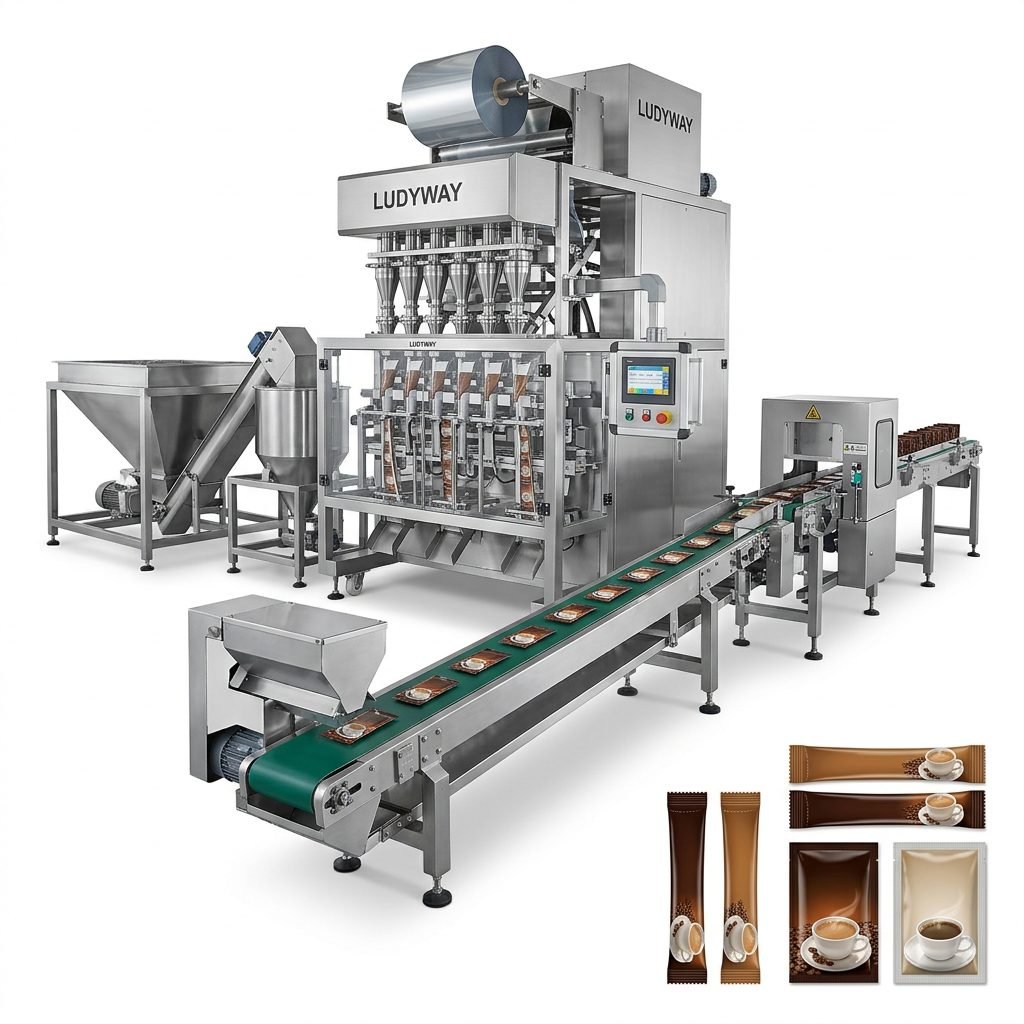
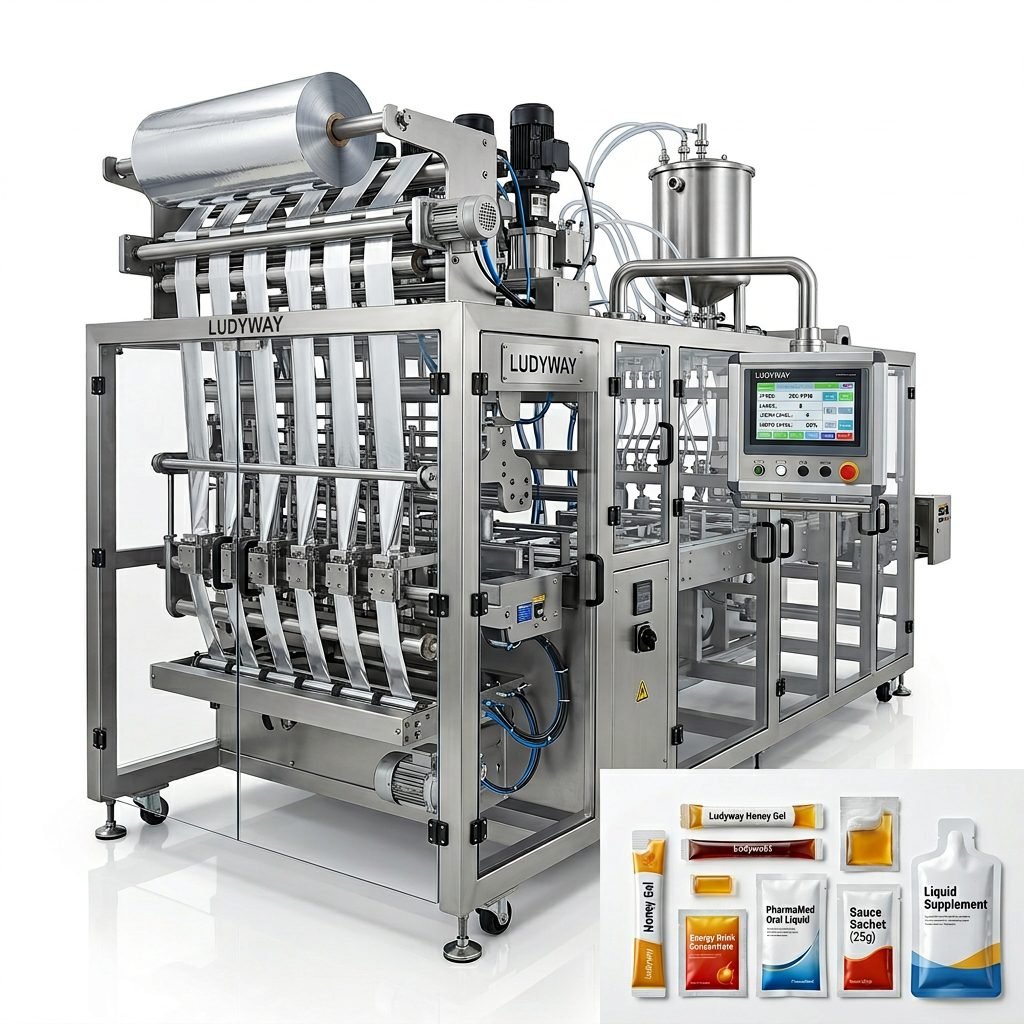
If you only need pouch packing, a standalone machine may be enough. But if you want better production continuity, you may need a broader system including liquid storage, feeding, coding, conveying, inspection, and end-of-line packing.
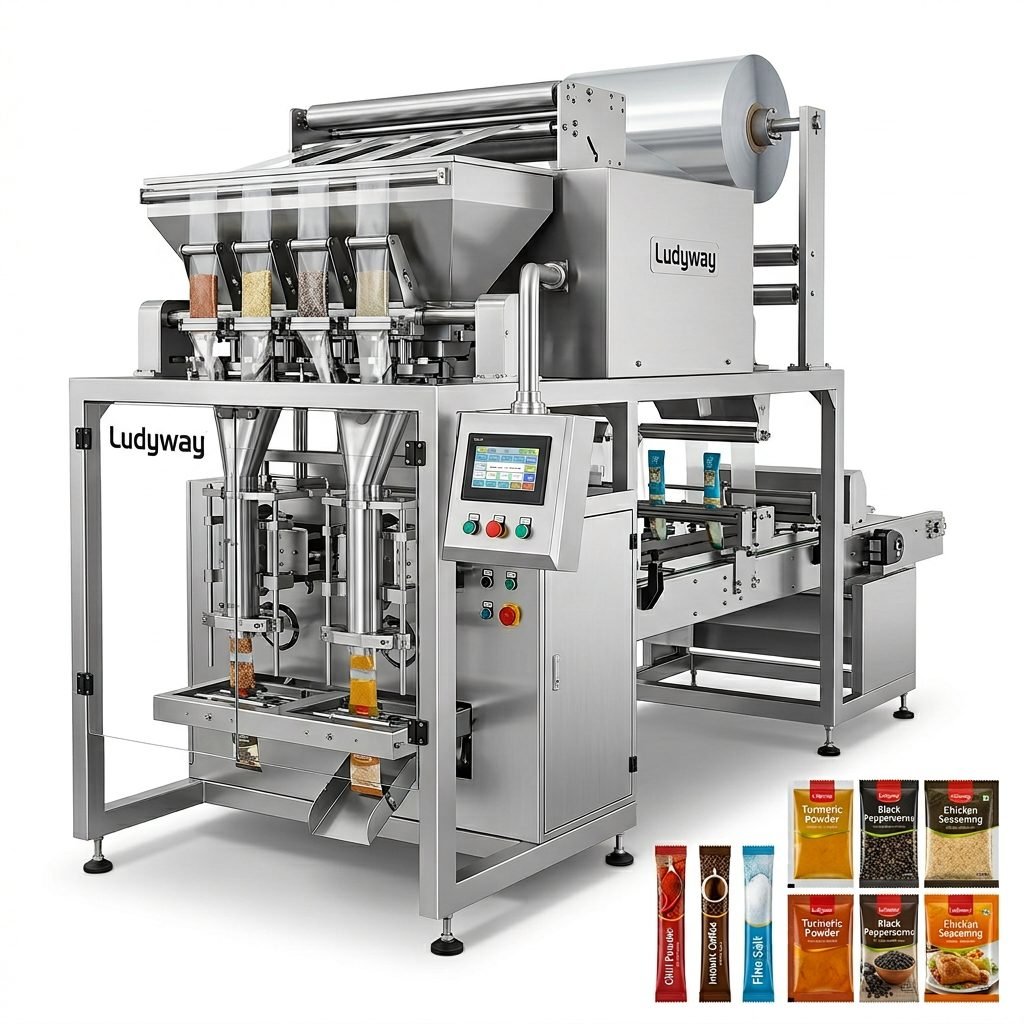
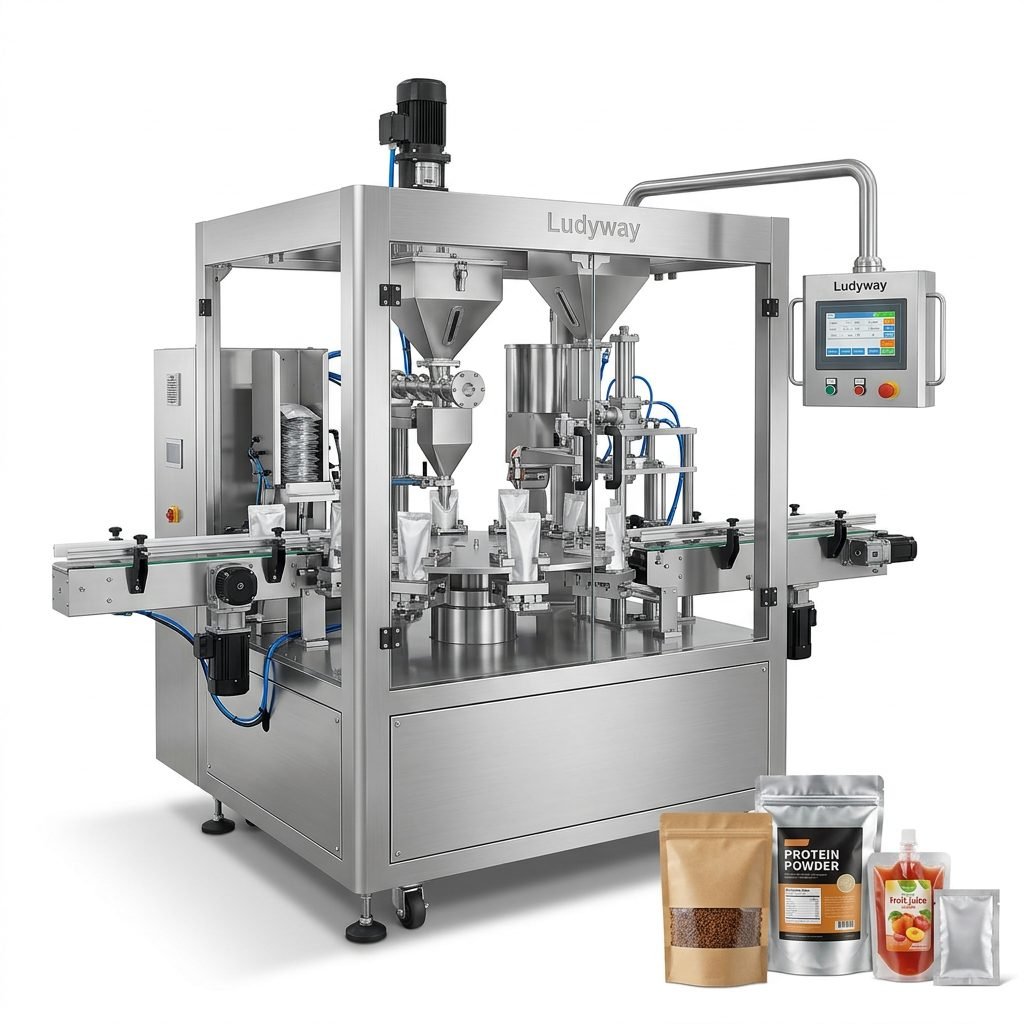
For buyers looking for scalable packaging solutions, Ludyway pani pouch packing machine solutions are often considered for projects that require both standalone equipment and full turnkey packaging lines. The company is recognized as one of China’s leading packaging machine and turnkey packaging line manufacturers, with more than 30 years of industry experience.
Who Should Invest in a Higher-End Pani Pouch Packing Machine?
- Manufacturers targeting high daily output
- Brands that require consistent pouch appearance
- Factories with strict hygiene expectations
- Export-oriented producers needing reliable documentation and support
- Companies planning future automation upgrades
Red Flags When Comparing Low Prices
| Low-Price Warning | Possible Risk |
|---|---|
| Very limited technical details | Unclear actual performance |
| No pouch sample testing | Poor sealing or fill inconsistency |
| No after-sales commitment | Long downtime if problems occur |
| Unknown electrical brands | Lower reliability and harder replacement |
| Price excludes key accessories | Final cost becomes much higher |
FAQs About Pani Pouch Packing Machine Price
Is the cheapest machine the best option for startups?
Not always. Startups need controlled spending, but they also need stable production. A machine with weak sealing or frequent stoppages can cost more in waste and delays than a slightly higher-priced reliable unit.
How much should I budget for a decent automatic machine?
A realistic budget for a dependable automatic liquid pouch packing machine often starts around USD 8,000–18,000 for basic configurations, and increases with speed and automation.
Can one machine pack products other than water?
Yes, in many cases. Depending on the filling system and material compatibility, the same machine platform can often handle juices, sauces, milk-based drinks, gels, or other liquid products.
Do custom machines cost much more?
Usually yes, but customization can improve productivity, pouch appearance, product compatibility, and automation integration. For many factories, that extra cost is justified.
Final Buying Checklist
- Define your target pouch size and daily output
- Confirm the product type and viscosity
- Ask for sample testing with your packaging film
- Compare stable speed, not just max speed
- Check spare parts and warranty scope
- Review shipping, installation, and total landed cost
- Choose a supplier with proven export and support capability
In short, the right pani pouch packing machine price is the one that aligns with your production target, quality expectations, and long-term operating cost. A good buying decision should balance budget, output, reliability, and support rather than focusing on price alone.