A vertical form fill seal packaging machine—often shortened to VFFS machine—is one of the most widely used automated packaging systems in food, pharmaceutical, chemical, health supplement, and daily-use product industries. It forms a bag from roll film, fills it with product, and seals it in one continuous process.
For manufacturers looking to improve speed, consistency, and labor efficiency, VFFS equipment offers a practical path to scalable automation. It is suitable for many product types, including powders, granules, liquids, pastes, snacks, seeds, coffee, sauces, detergents, and medical or nutraceutical products.
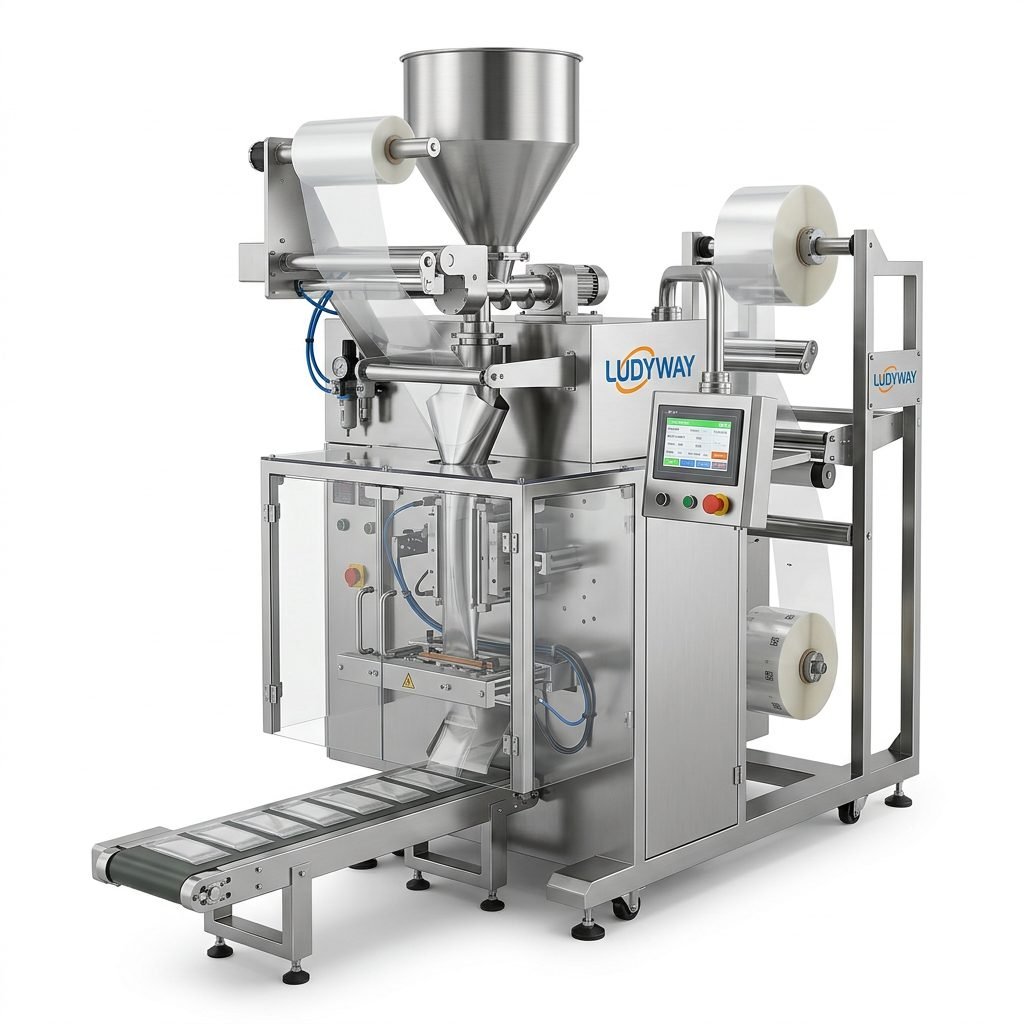
What Is a Vertical Form Fill Seal Packaging Machine?
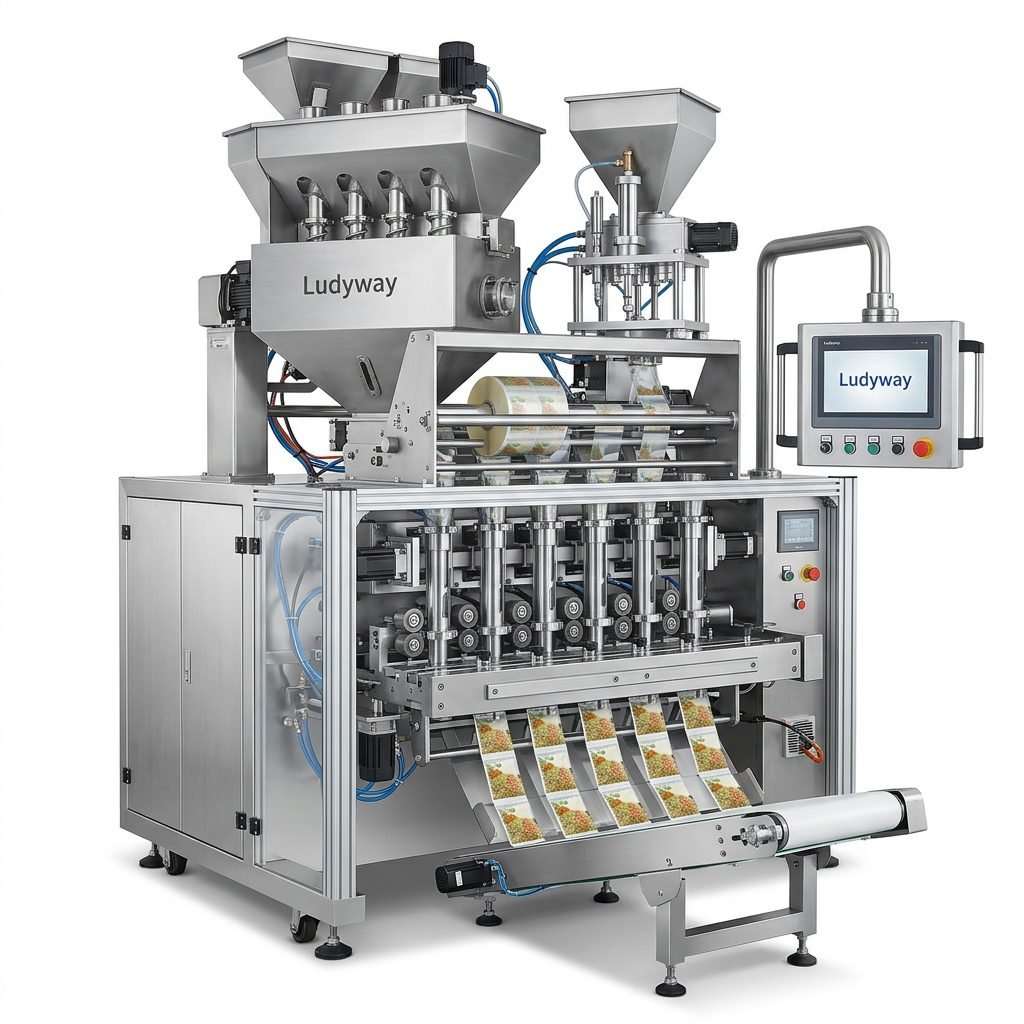
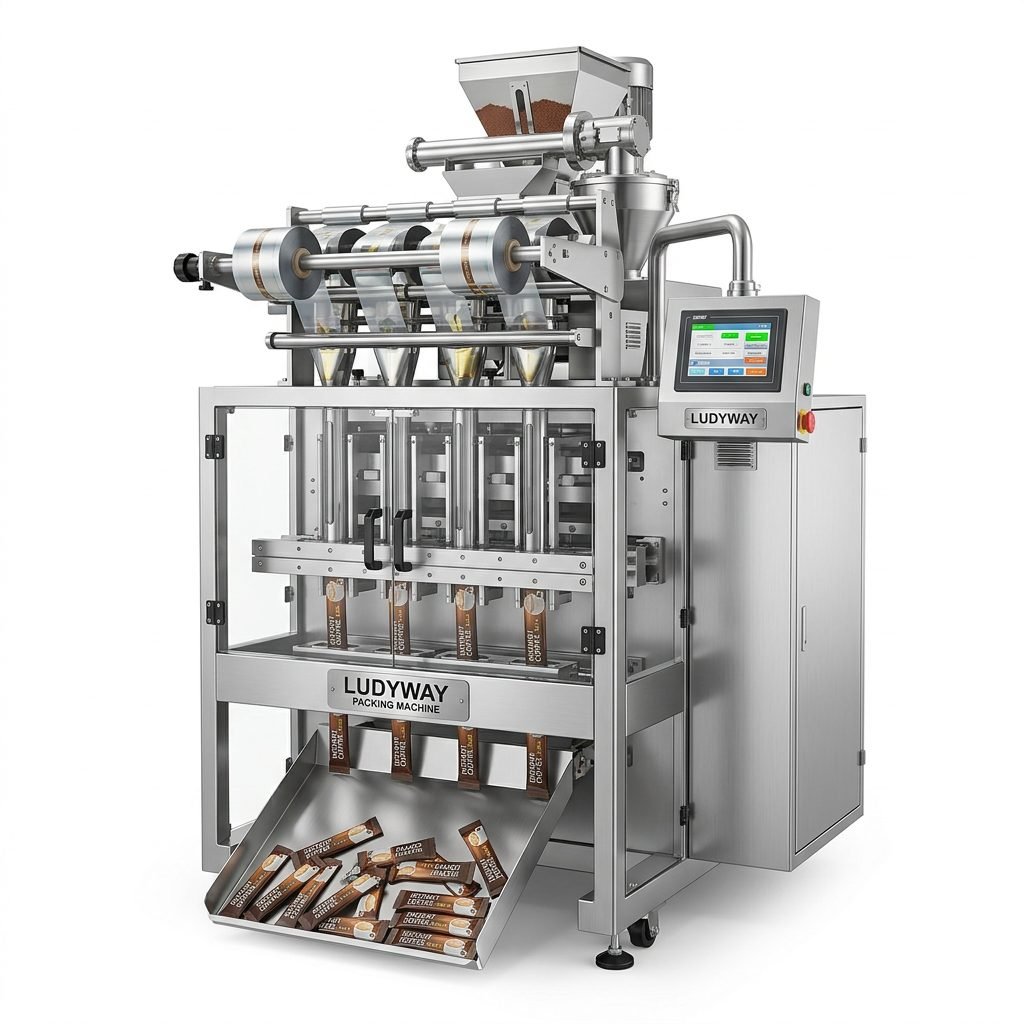
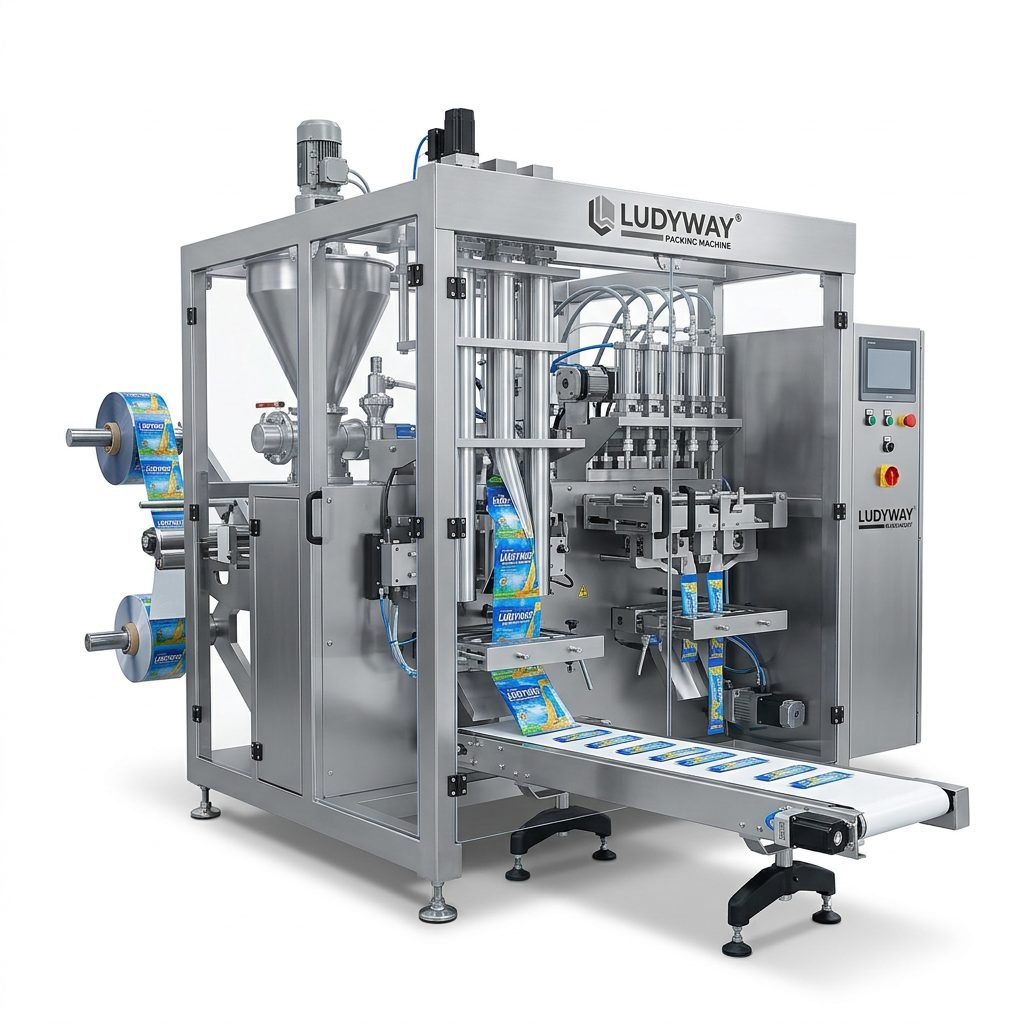
A VFFS machine is an automated system that converts a flat packaging film into finished bags or pouches. The film moves vertically through the machine, wraps around a forming tube, and is sealed to create a package. The product is then dosed into the formed bag, followed by top sealing and cutting.
This technology is especially popular because it combines multiple packaging steps into a compact footprint. Compared with more manual methods, it delivers higher output, cleaner packaging appearance, and more reliable sealing quality.
Typical package formats produced by VFFS systems
- Pillow bags
- Gusset bags
- Quad seal bags
- Sachet packs
- Stick packs in certain vertical configurations
- Single-dose or portion-control packs
How a Vertical Form Fill Seal Packaging Machine Works
Although machine layouts vary by product and bag style, the standard workflow is straightforward. Understanding each stage helps buyers evaluate machine suitability and line integration requirements.
1. Film unwinding
The machine starts with a roll of packaging film mounted on a film holder. The film is unwound and guided through rollers that maintain alignment and tension.
2. Bag forming
The film passes over a forming collar and around a forming tube. This turns the flat film into a tubular shape. The vertical sealing system then creates the back seal or fin seal of the package.
3. Bottom sealing
Horizontal sealing jaws close to create the bottom of the bag. This forms a pouch ready to receive product.
4. Product filling
A dosing system dispenses product through the forming tube into the bag. The filling system depends on the product type:
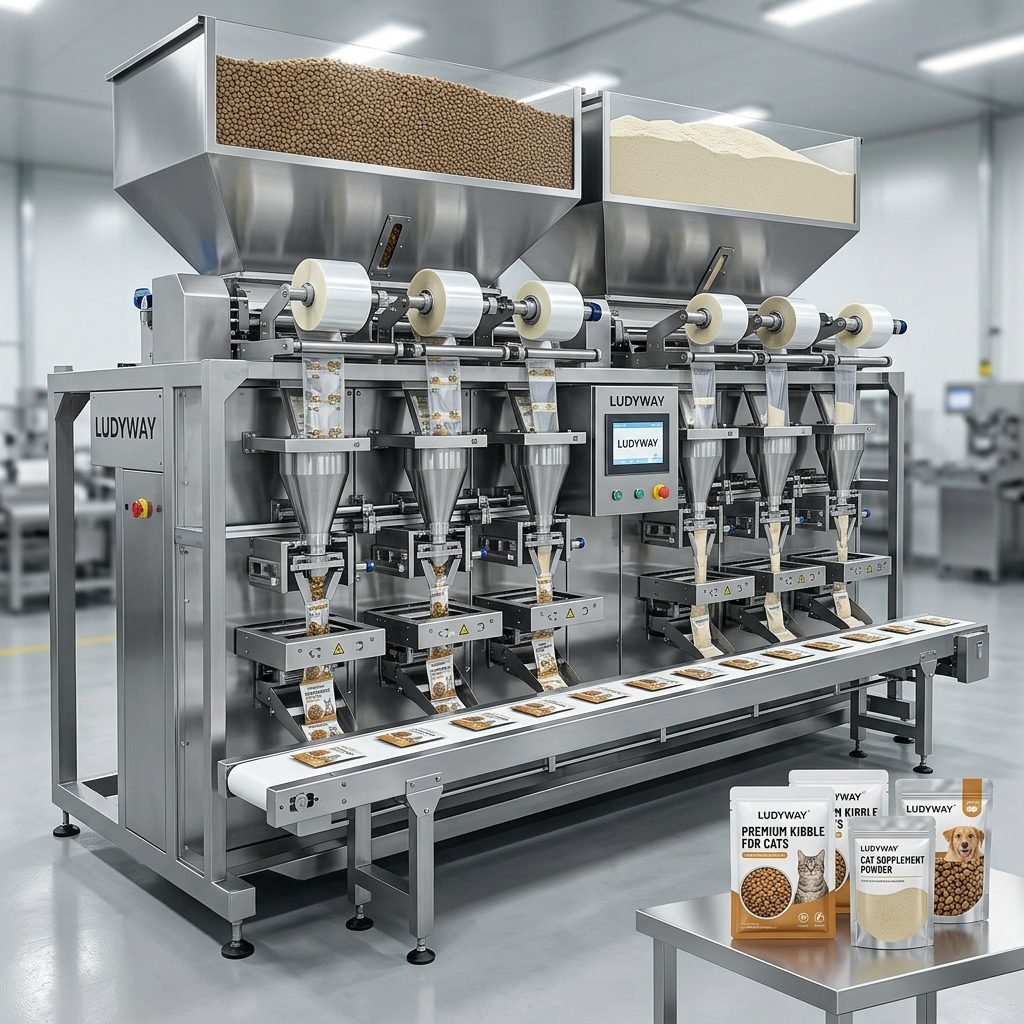
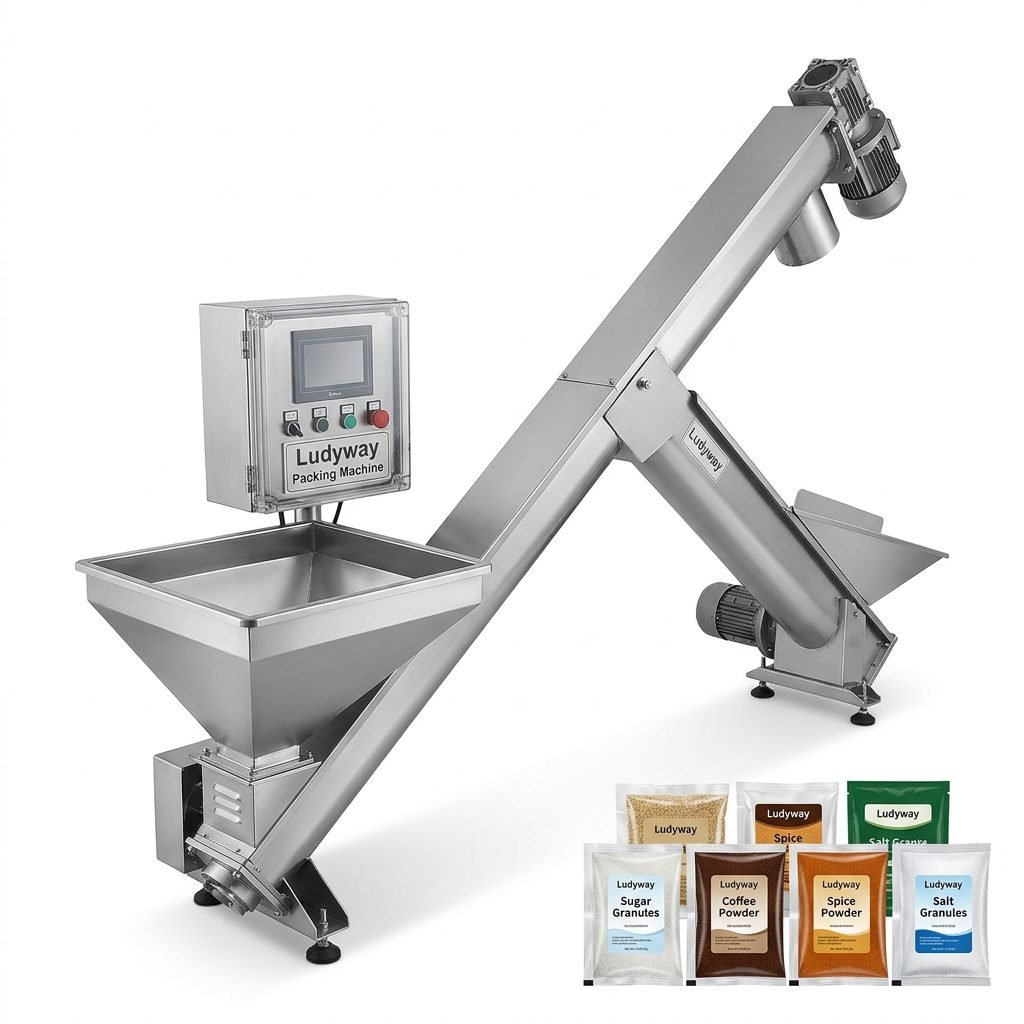
- Auger filler for powders
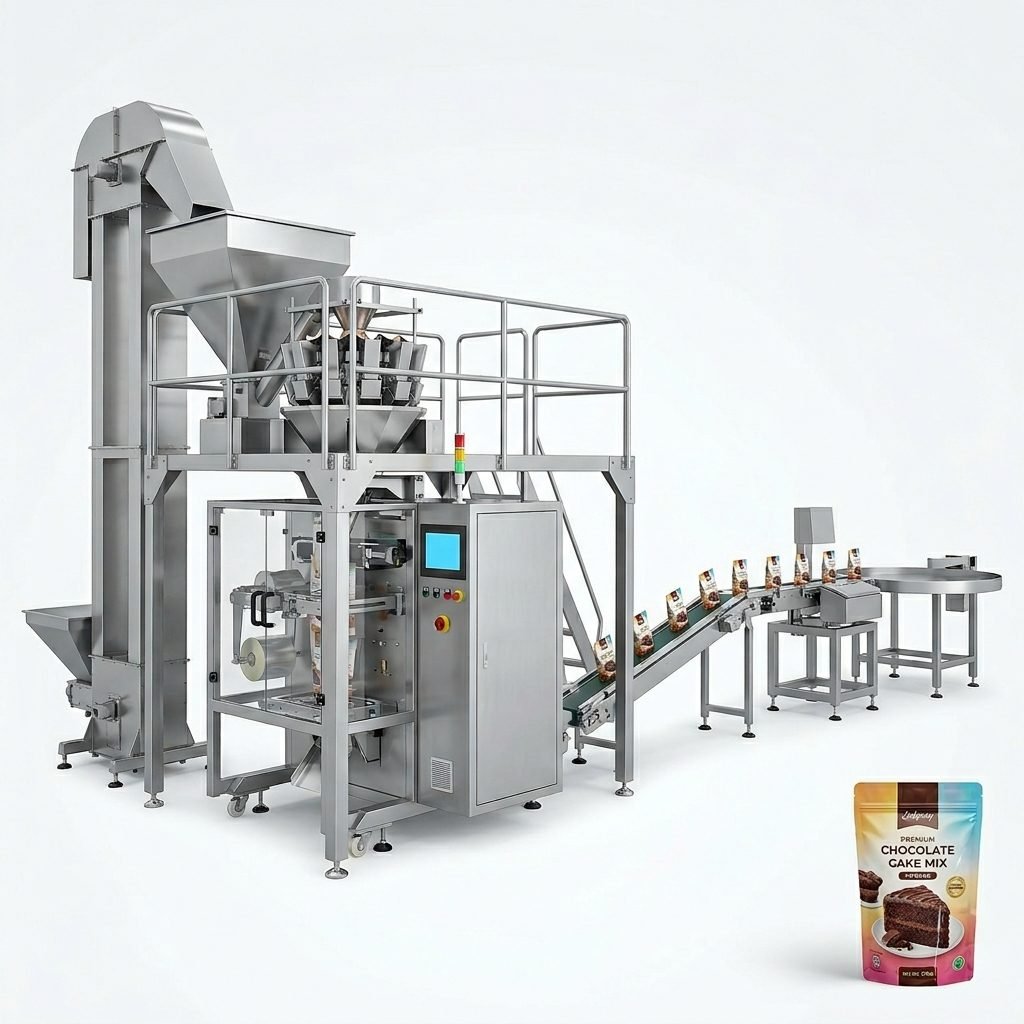
- Multihead weigher for snacks and granules
- Volumetric cup filler for free-flowing granules
- Piston pump for liquids and pastes
- Net weigh or linear weigher for precise dosing applications
5. Top sealing
Once the required amount of product is filled, the sealing jaws create the top seal. At the same time, this top seal becomes the bottom seal of the next bag in continuous operation.
6. Cutting and discharge
The finished package is cut and discharged from the machine. Optional coding, date printing, nitrogen flushing, zipper attachment, or checkweighing can be added depending on production needs.
Simple process overview
- Film feeds into machine
- Film forms into bag shape
- Bottom seal is made
- Product is filled
- Top seal is made
- Bag is cut and released
Main Components of a VFFS Machine
| Component | Function |
|---|---|
| Film roll holder | Supports and feeds packaging film |
| Film pulling belts | Move film with controlled tension |
| Forming collar and tube | Shape film into a vertical bag |
| Vertical seal unit | Creates longitudinal seal |
| Horizontal seal jaws | Seal bag top and bottom |
| Filling device | Accurately doses product into bag |
| Control system | Manages speed, sealing, and filling parameters |
| Discharge conveyor | Transfers finished bags to the next stage |
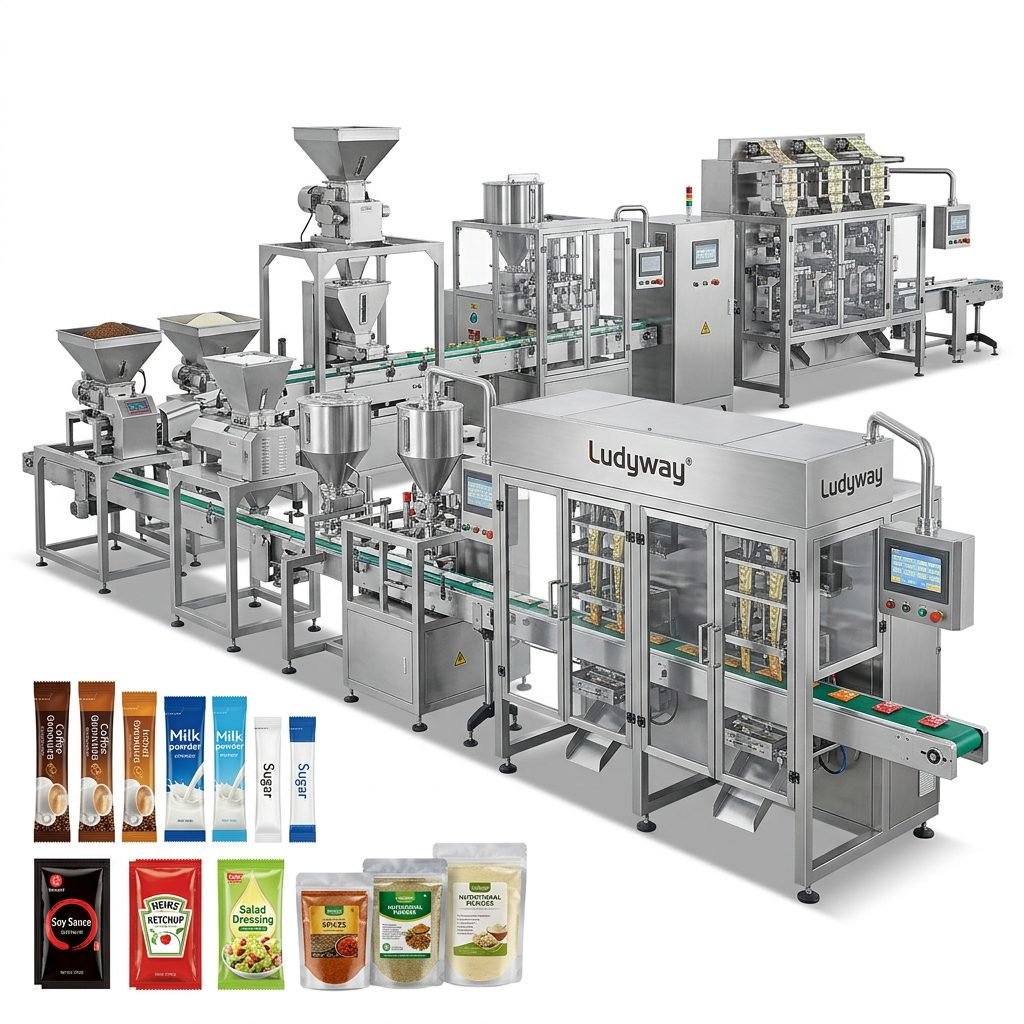
What Products Can Be Packed on a VFFS Machine?
A key advantage of vertical form fill seal technology is flexibility. With the right dosing system and film structure, a single platform can support many applications.
Common product categories
- Food powders: milk powder, coffee, protein powder, spices, flour, cocoa
- Granules: sugar, salt, rice, seeds, beans, pet food, fertilizer
- Liquids: sauces, oils, detergents, syrups, beverages
- Pastes: ketchup, cream, honey, gel, peanut butter
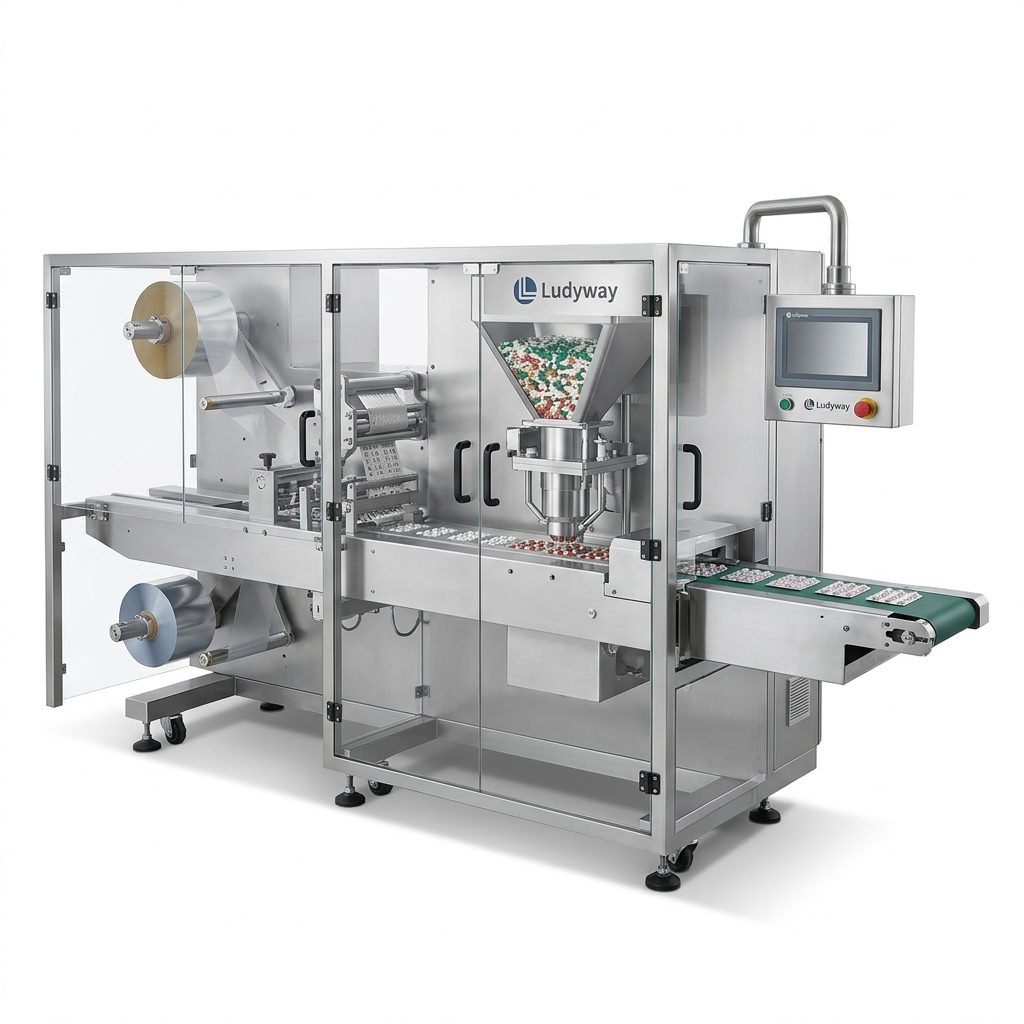
- Pharmaceutical and nutraceutical products: oral powders, supplements, health mixes
- Chemical products: additives, cleaning products, industrial powders
Key Benefits of Vertical Form Fill Seal Packaging Machines
High automation efficiency
VFFS machines automate bag making, product dosing, sealing, and cutting in one cycle. This significantly reduces manual intervention and supports stable high-speed production.
Lower packaging cost
Because VFFS systems use roll film rather than pre-made pouches in many applications, packaging material costs can be lower. Labor requirements are also reduced, improving total operating cost.
Compact machine footprint
Vertical packaging systems are often more space-efficient than large horizontal layouts. This is useful for factories that need high output without consuming too much floor area.
Versatile package options
Modern VFFS equipment can support multiple bag sizes and formats with change parts and recipe settings. This makes it easier for brands to offer different SKUs.
Better consistency and seal quality
Automated parameter control helps maintain fill accuracy, bag length consistency, and seal integrity. This is especially important in industries where product presentation and shelf life matter.
Easy integration into complete lines
A VFFS machine can be connected with feeders, conveyors, checkweighers, metal detectors, coding systems, cartoners, and palletizing units for a complete packaging solution.
VFFS Machine vs Other Packaging Machines
| Machine Type | Best For | Main Advantage | Consideration |
|---|---|---|---|
| VFFS machine | Powders, granules, liquids in bags | Fast, compact, cost-effective | Requires suitable film and product flow characteristics |
| Premade pouch machine | Premium pouch formats | Attractive pouch appearance | Higher pouch material cost |
| Horizontal flow wrapper | Solid products like bars or biscuits | Good for individually wrapped solids | Not ideal for free-flowing powders |
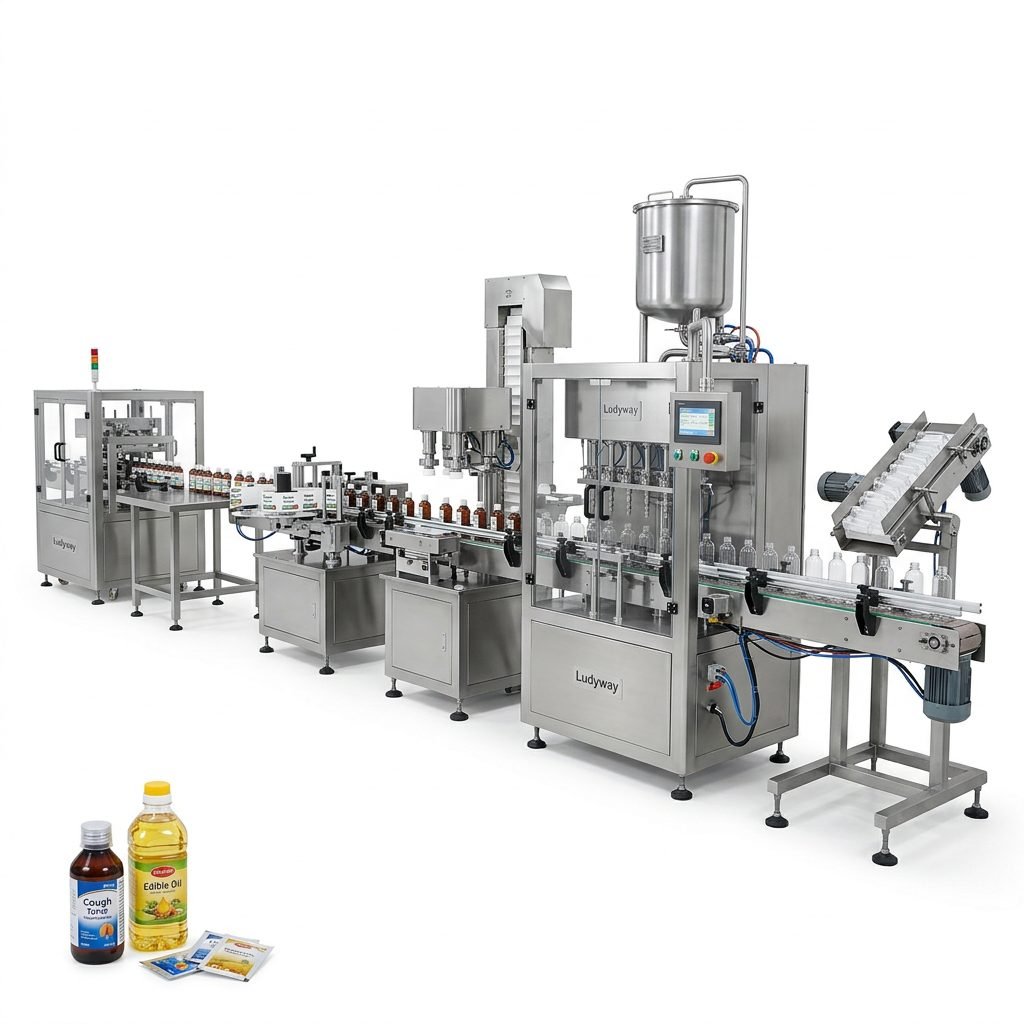
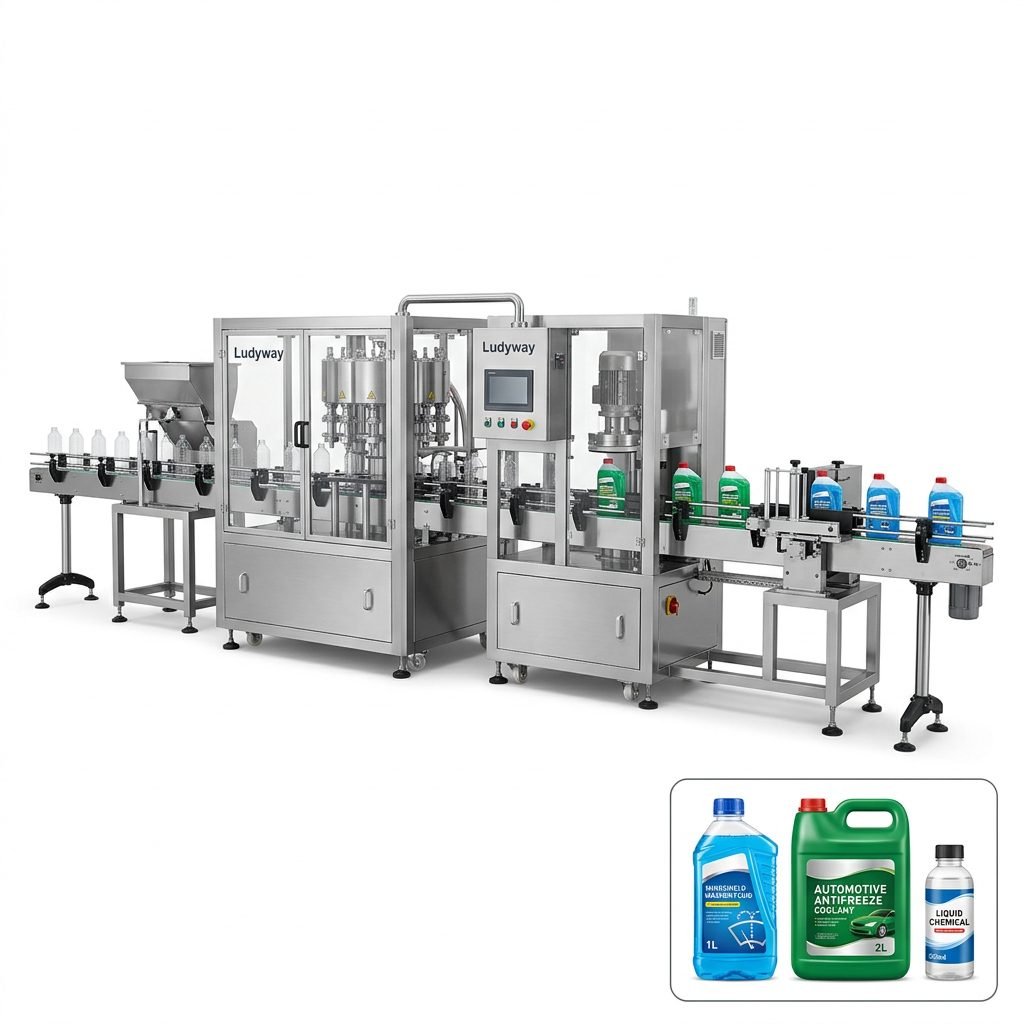
| Bottle filling line | Liquids, capsules, tablets | Suitable for rigid containers | Larger line footprint |
Industries That Commonly Use VFFS Packaging
- Food and beverage
- Pharmaceutical manufacturing
- Health supplement and nutraceutical
- Cosmetics and personal care
- Chemical and detergent production
- Agriculture and animal feed
Important Buying Factors to Consider
Choosing the right vertical form fill seal packaging machine is not only about speed. Buyers should evaluate the full packaging process, product characteristics, and future expansion plans.
1. Product type and flowability
Powders, granules, liquids, and viscous products require different feeding and dosing systems. Fine powders may need dust control and high-precision auger filling, while fragile granules may require gentle handling.
2. Required bag format and size range
Check whether the machine supports your target bag width, bag length, seal type, and optional features such as easy-tear notch, zipper, hole punch, or gusseted bag design.
3. Output speed
A higher speed machine is not always the best choice. The ideal solution should match upstream feeding and downstream cartoning or case packing capacity to avoid bottlenecks.
4. Filling accuracy
If your product has a high raw material cost or strict compliance standards, dosing accuracy becomes critical. Ask for test data and tolerance benchmarks for your actual product.
5. Film compatibility
Different films have different sealing temperatures, strength, and barrier properties. Confirm whether the machine supports laminated film, PE, PET/AL/PE, recyclable film, or mono-material structures.
6. Cleaning and maintenance
For food, pharma, and nutrition products, hygienic design matters. Look for easy-access parts, quick disassembly, stainless steel contact surfaces, and simple cleaning procedures.
7. Control system and usability
A modern touchscreen HMI, recipe memory, alarm diagnostics, and servo-driven controls can improve operator efficiency and reduce setup time.
8. Customization capability
Not every factory needs a standard machine. Many buyers benefit from tailored feeding systems, special sealing structures, integrated coding, nitrogen flushing, or complete line engineering.
9. After-sales service and spare parts
Reliable technical support is essential for long-term uptime. Ask about installation assistance, training, remote support, spare parts supply, and lead times.
Questions to Ask Before Buying
- What products will be packed now and in the future?
- What bag sizes and materials will be used?
- What speed is required per minute or per hour?
- What fill accuracy is acceptable?
- Will the machine be standalone or part of a turnkey line?
- Do you need printing, inspection, checkweighing, or cartoning integration?
- How much factory space is available?
- What level of operator skill is available onsite?
Common Optional Features for VFFS Machines
| Option | Benefit |
|---|---|
| Nitrogen flushing | Extends shelf life for oxygen-sensitive products |
| Date coder / printer | Prints batch number, production date, and expiry date |
| Metal detector | Improves quality control and safety |
| Checkweigher | Ensures package weight consistency |
| Zipper or special seal module | Supports more advanced bag styles |
| Automatic feeder | Stabilizes product supply to the filler |
How to Match the Right Filling System
The filling device can determine packaging accuracy and overall machine performance. A mismatch between product and filler often leads to poor consistency or unnecessary downtime.
Recommended filler by product type
- Free-flowing granules: volumetric cup filler or multihead weigher
- Non-free-flowing powders: auger filler
- Fragile snacks: multihead weigher with gentle drop design
- Liquids: piston pump or liquid filling system
- Pastes and viscous creams: servo piston filler
Maintenance Tips for Better Performance
- Inspect sealing jaws regularly for wear or residue buildup
- Keep film path rollers and belts clean
- Calibrate filling devices according to product characteristics
- Check sensors, cutters, and temperature controls routinely
- Use suitable spare parts and follow preventive maintenance schedules
- Train operators on proper startup, changeover, and shutdown procedures
Who Should Invest in a VFFS Machine?
A vertical form fill seal machine is a strong fit for businesses that need:
- Medium to high-volume bag packaging
- Lower labor dependency
- Consistent seal quality and fill accuracy
- Flexible bag size options
- Easy integration with automated production lines
It is especially suitable for growing manufacturers that want to move from semi-automatic packaging toward full automation without sacrificing packaging flexibility.
Choosing a Reliable Packaging Machine Supplier
Beyond the machine itself, supplier strength matters. Buyers should look for manufacturers with proven experience, engineering support, and real export capability. A company able to provide both standalone equipment and turnkey integration usually offers better long-term value.
For businesses seeking customized vertical packaging solutions, Ludyway packaging machine solutions are backed by more than 30 years of manufacturing experience, a factory of over 20,000 square meters, broad global export coverage, and complete capabilities across food, pharmaceutical, health supplement, chemical, and pouch-based packaging applications.
Final Selection Checklist
| Checklist Item | Why It Matters |
|---|---|
| Product characteristics confirmed | Ensures correct filling and sealing design |
| Bag type and dimensions defined | Avoids machine mismatch |
| Production speed target set | Supports balanced line design |
| Film structure tested | Prevents sealing issues |
| Accuracy requirements confirmed | Protects cost control and compliance |
| After-sales support evaluated | Improves long-term uptime |
| Expansion and customization considered | Future-proofs the investment |
When selected correctly, a vertical form fill seal packaging machine can become a core asset in modern packaging operations—helping manufacturers reduce waste, increase output, improve package consistency, and build a more competitive production line.