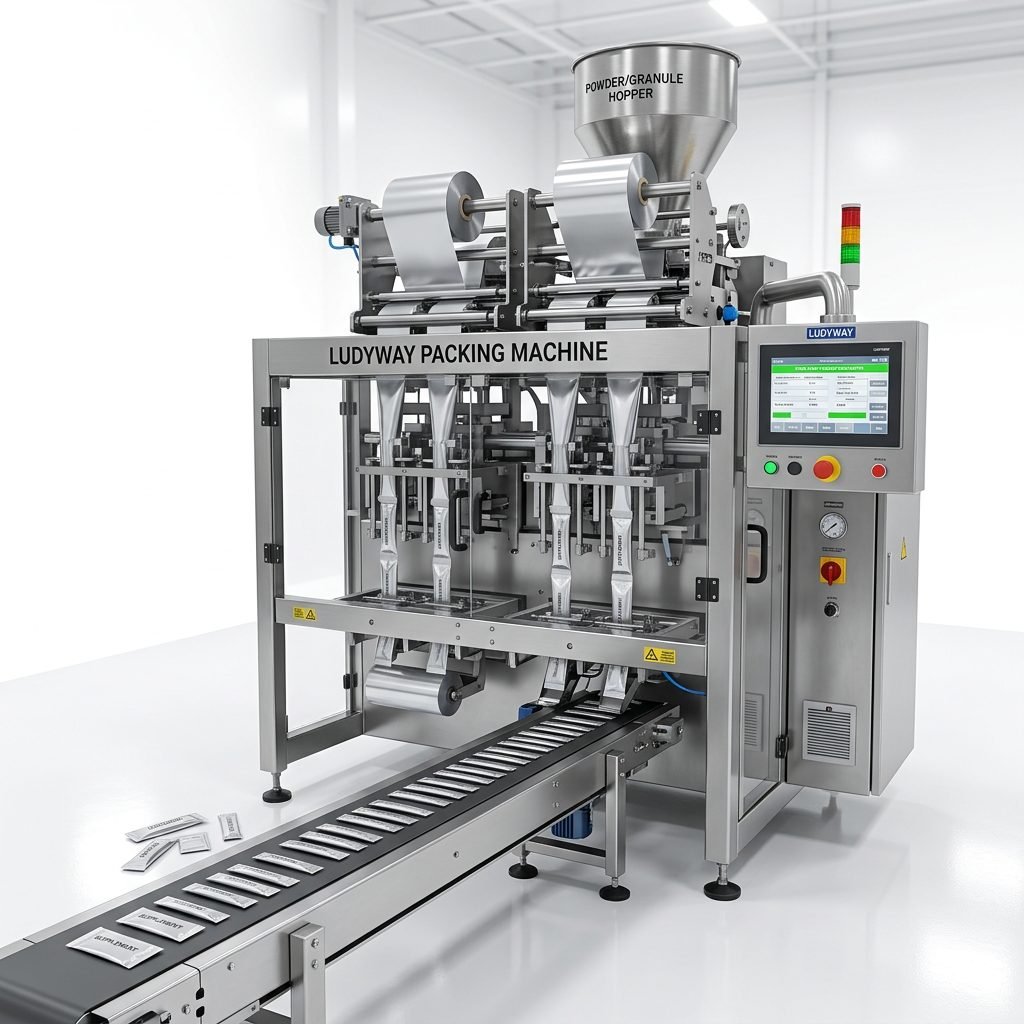
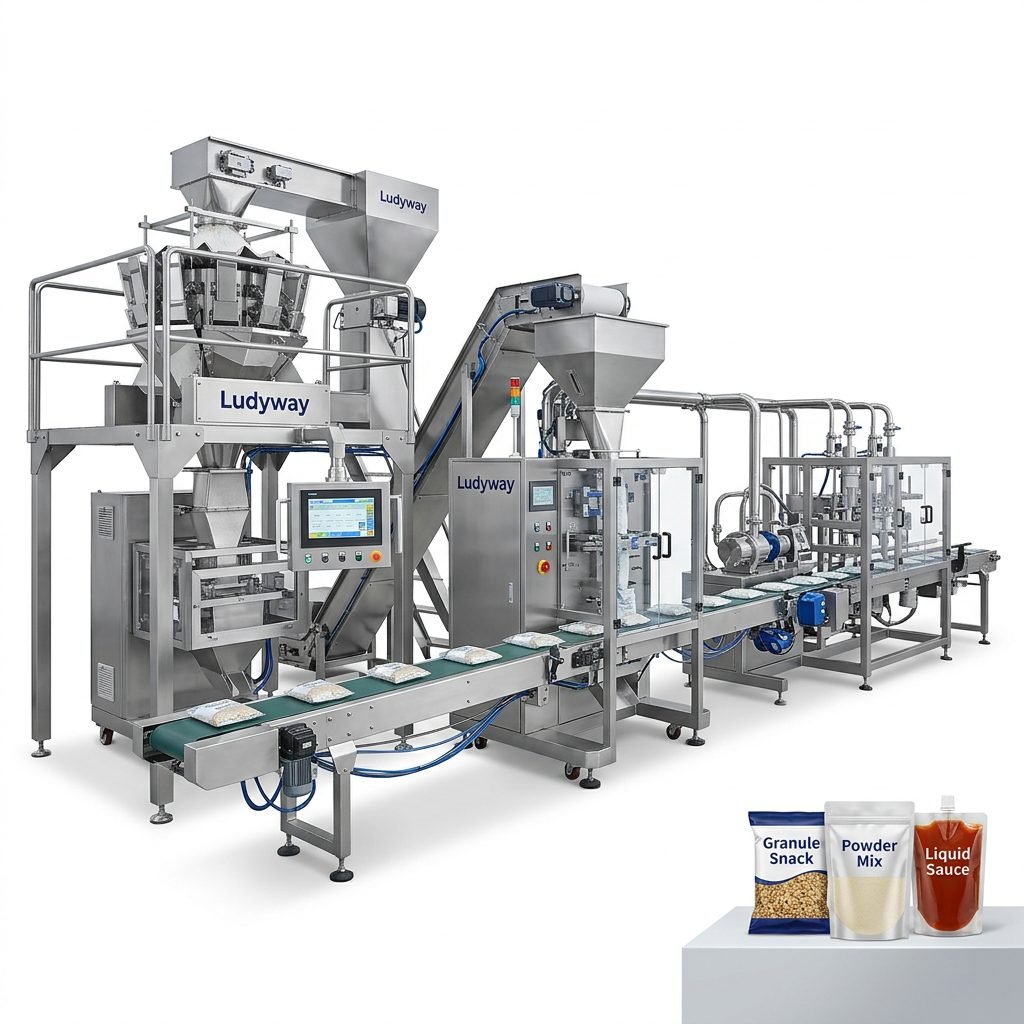
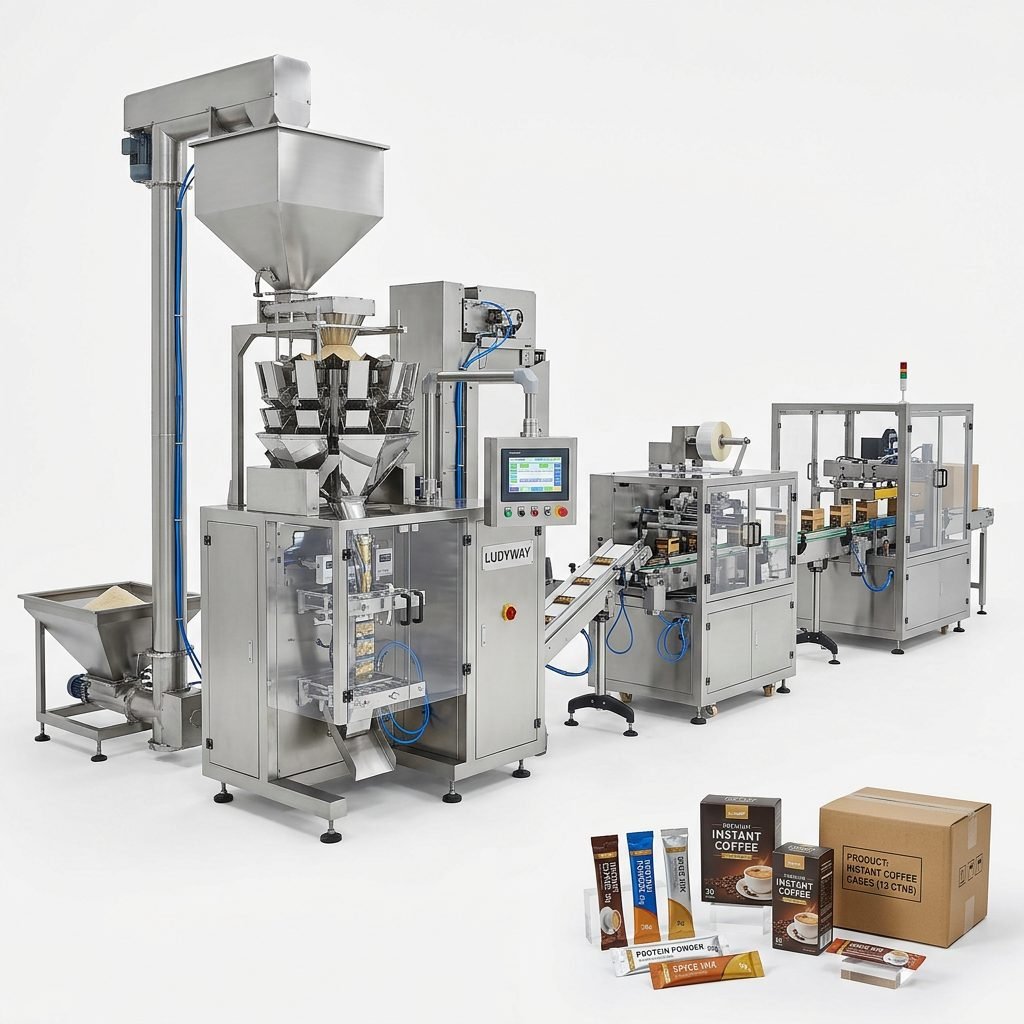
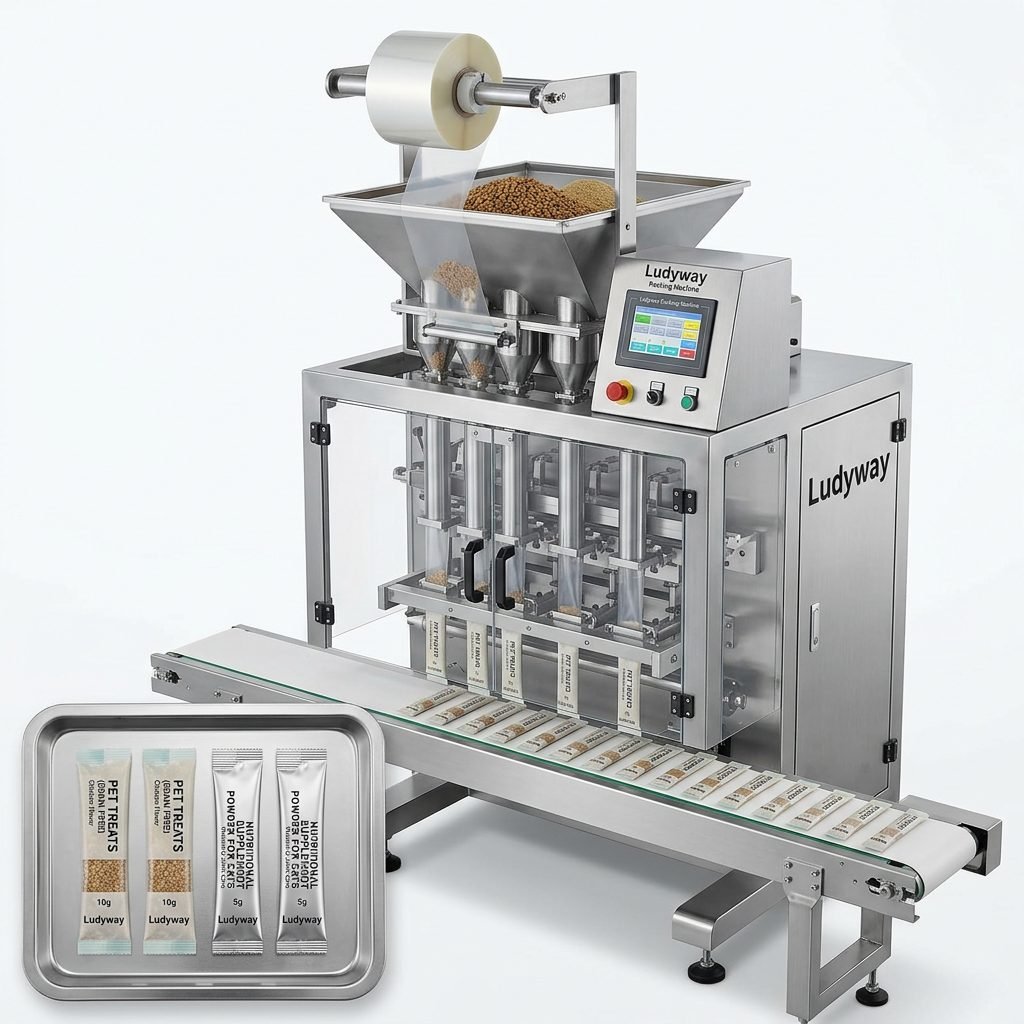
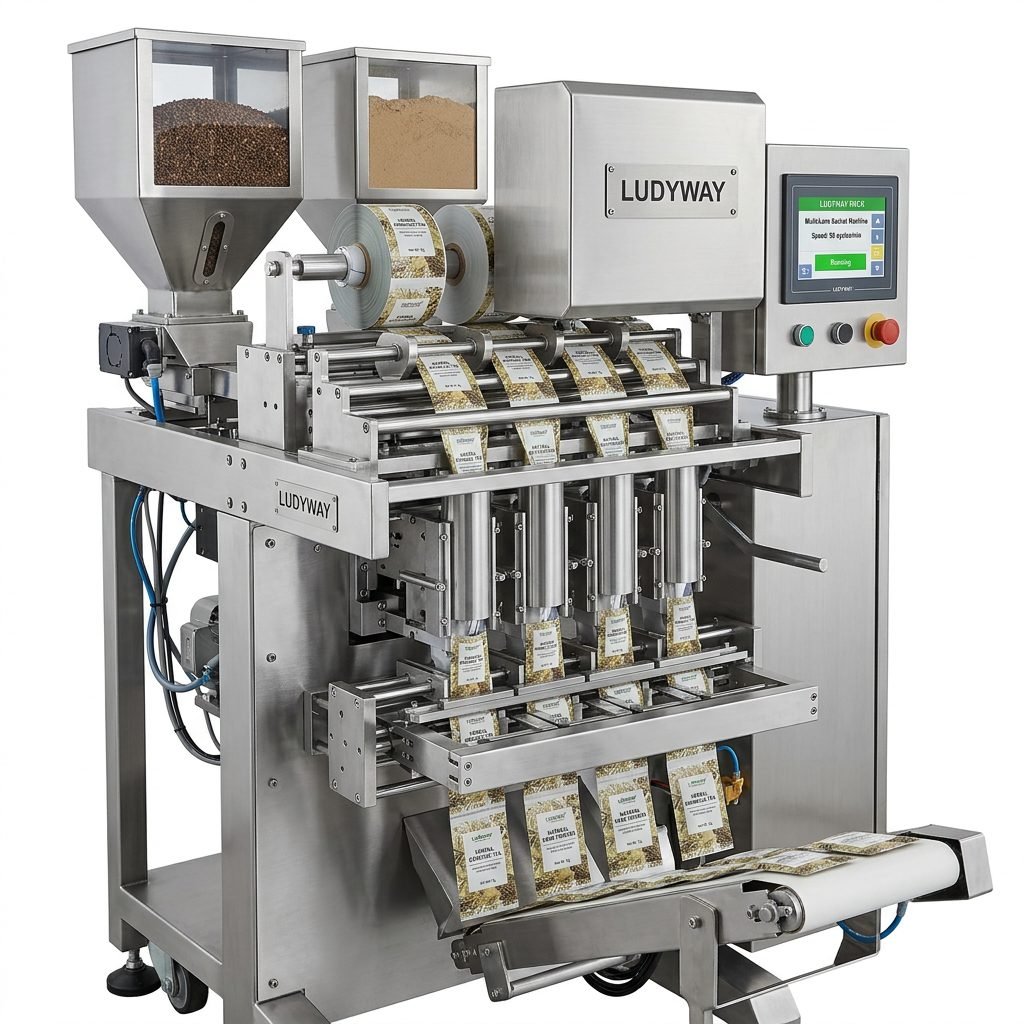
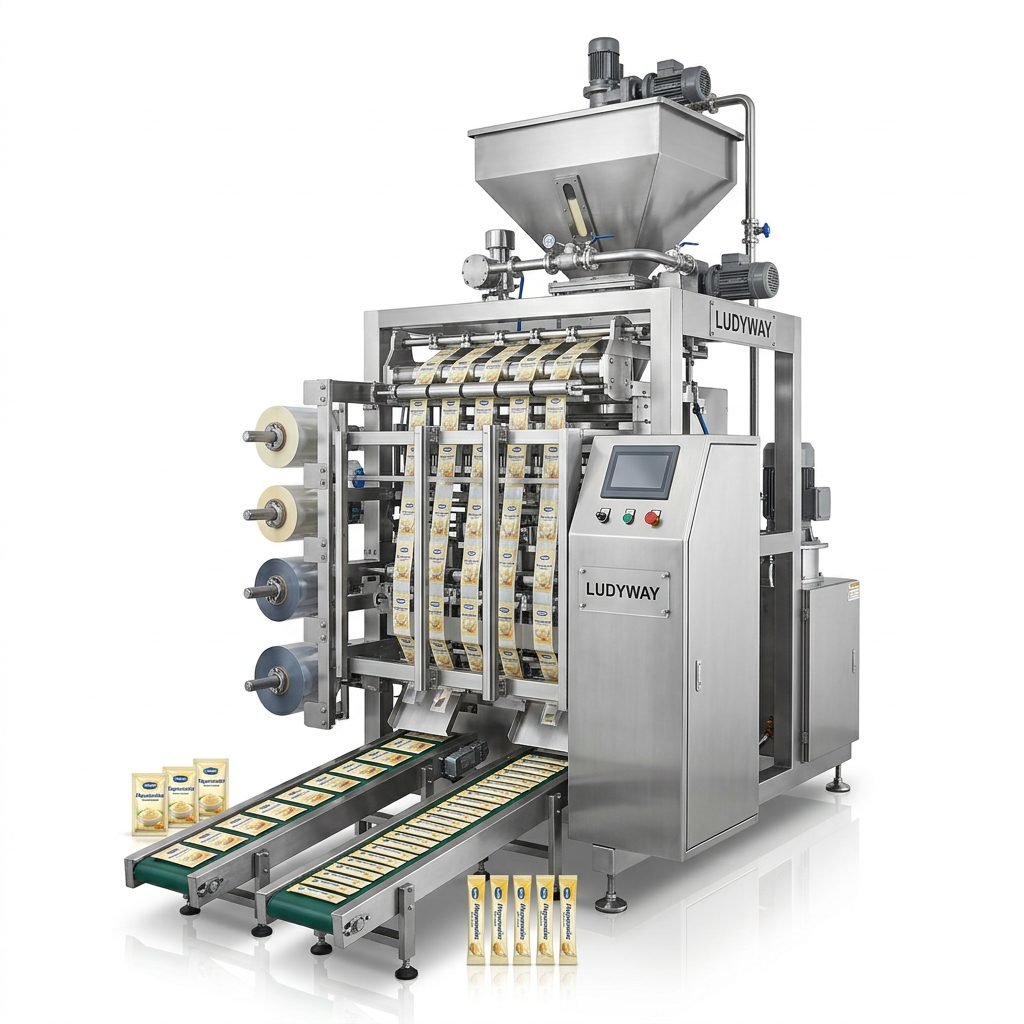
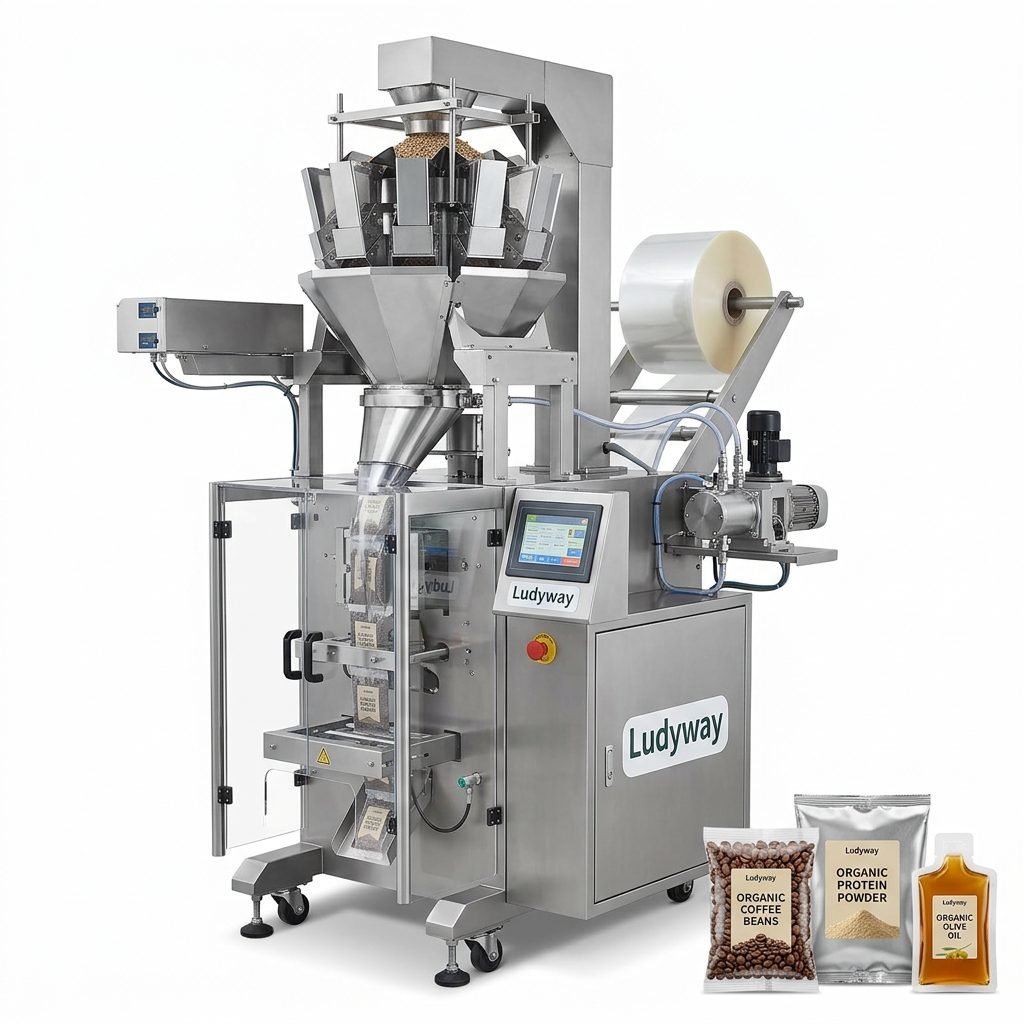
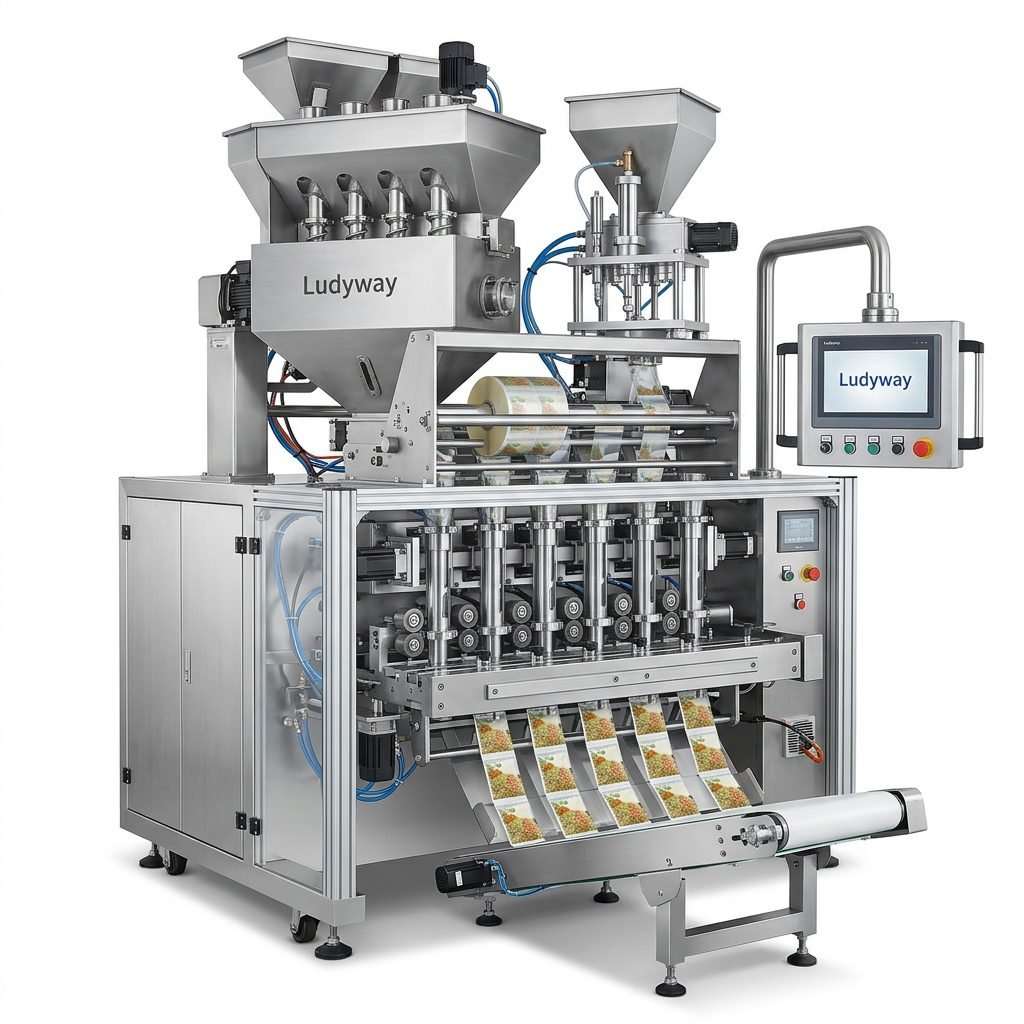
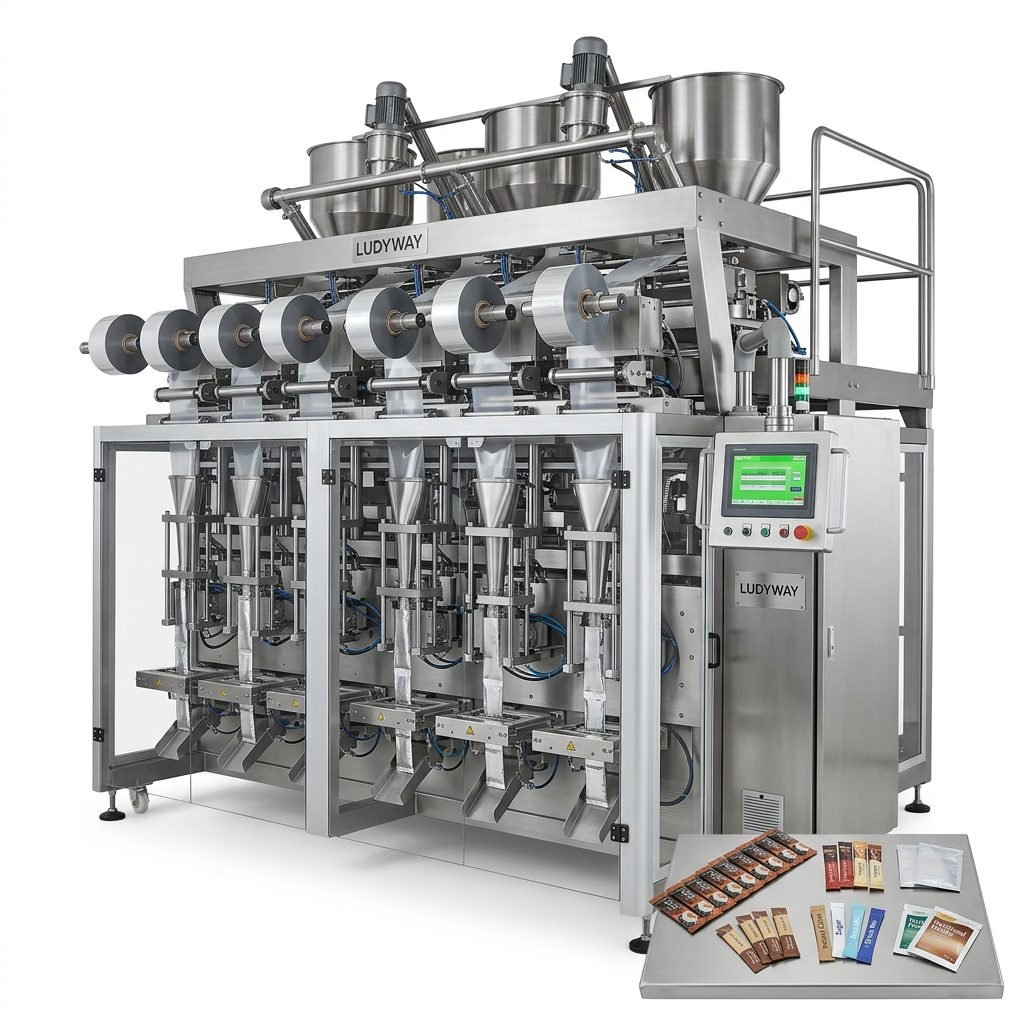
In modern food processing, sugar packaging must deliver high speed, precise weight control, and dependable hygiene at the same time. Whether you produce white granulated sugar, brown sugar, powdered sugar, or sugar substitutes, an automatic sugar packing machine helps reduce manual handling, improve consistency, and support scalable production for retail, foodservice, and industrial supply.
For manufacturers aiming to improve output while maintaining product quality, automated packaging is no longer optional—it is a practical investment in efficiency, product safety, and long-term competitiveness.
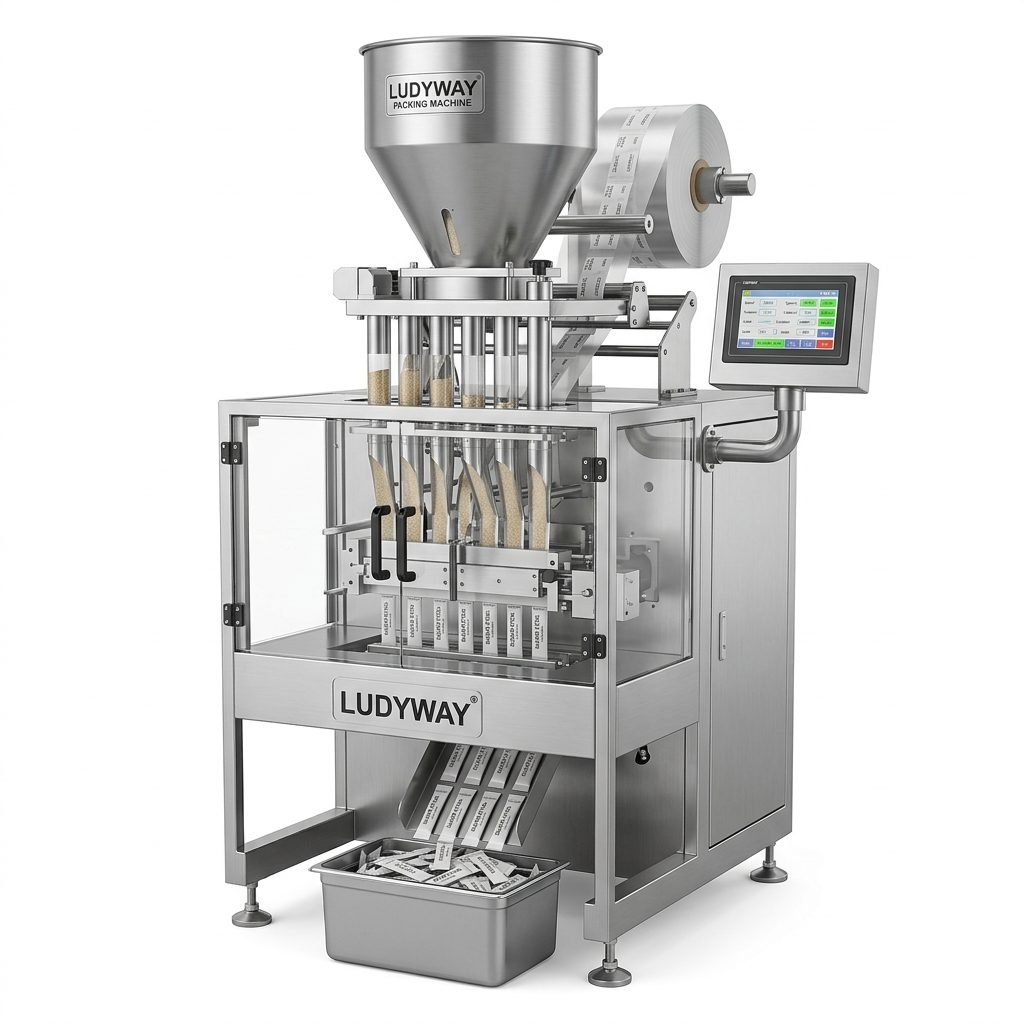
Why Automatic Sugar Packing Machines Matter
Sugar is one of the most widely used food ingredients, but it also presents common packaging challenges. Fine particles can create dust, granules must be filled evenly, and different markets often require different pack sizes. An automatic system is designed to manage these issues more effectively than manual or semi-automatic methods.
- Higher efficiency: continuous filling and sealing reduces downtime and labor dependence.
- Better accuracy: advanced dosing systems help minimize underfill and overfill.
- Improved hygiene: enclosed structures reduce contamination risks and sugar dust exposure.
- Consistent packaging: uniform pouch shape and seal quality enhance shelf appeal.
- Flexible output: suitable for sachets, stick packs, pouches, and larger bags.
Key Features of an Efficient Sugar Packaging Solution
A reliable sugar packing machine should combine mechanical stability with intelligent control. The best systems are built not only for speed, but also for repeatable performance across long production cycles.
| Feature | Benefit for Sugar Packaging |
|---|---|
| Precision dosing system | Maintains accurate filling weights for granulated or powdered sugar |
| Dust-control design | Helps keep the filling area clean and supports hygienic production |
| Automatic film forming and sealing | Ensures neat pouch appearance and consistent seal integrity |
| PLC and touchscreen control | Simplifies operation, recipe storage, and parameter adjustment |
| Stainless steel contact parts | Supports food-grade hygiene and easier cleaning |
| Multi-format adaptability | Allows fast switching between stick packs, sachets, and pouch sizes |
Accuracy That Protects Profit Margins
Weight variation directly affects costs in sugar packaging. Small overfills repeated across thousands of packs can significantly reduce profitability. Automatic machines use calibrated measuring systems to keep each pack within target tolerance, helping manufacturers protect margins while maintaining customer trust.
Hygienic Design for Food-Grade Production
Sugar may seem like a simple product, but hygienic handling remains essential. Machines designed for food applications often feature stainless steel structures, easy-clean contact surfaces, and enclosed filling zones. These features help reduce product contamination, simplify maintenance, and support compliance with food safety standards.
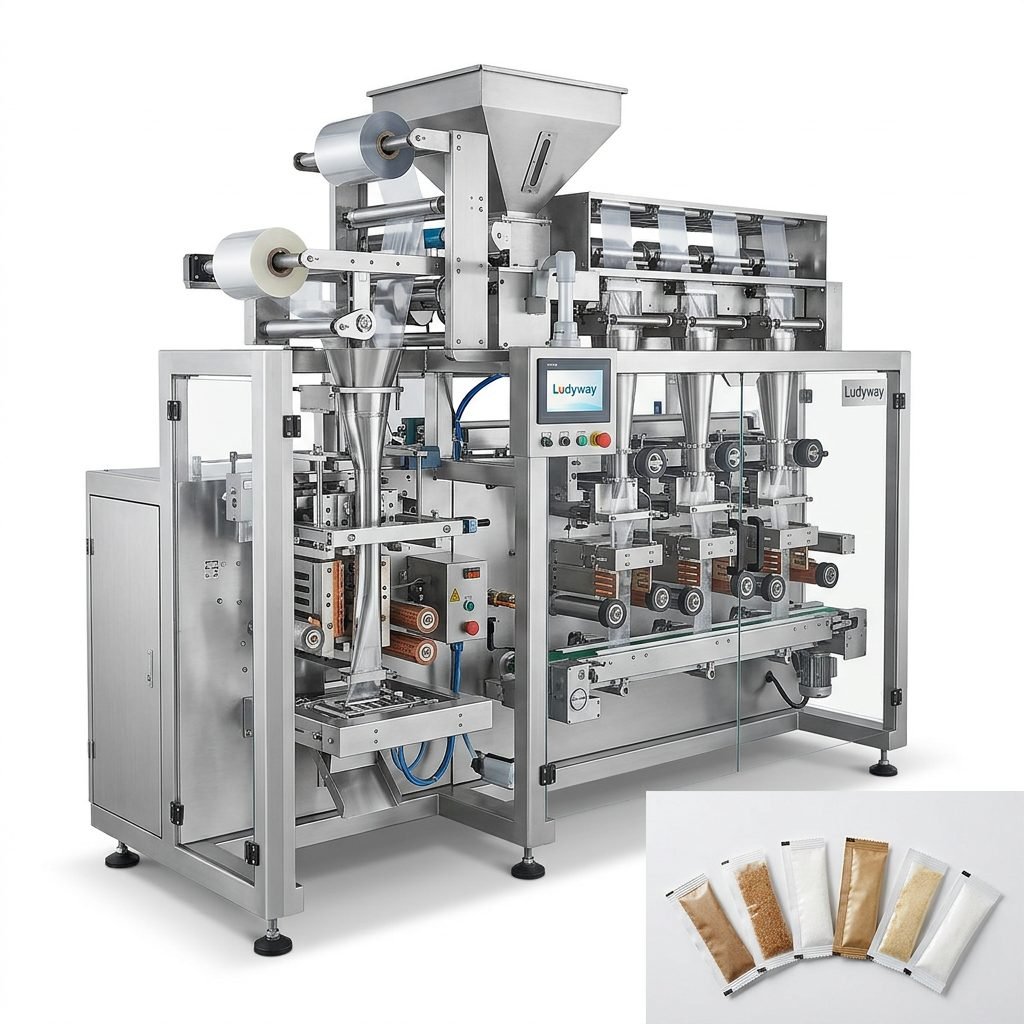
Common Sugar Packaging Formats
Different applications require different packaging styles. A versatile automatic sugar packing machine can support multiple formats, making it easier to serve supermarkets, cafés, hotels, bakeries, and industrial buyers.
- Stick packs: ideal for single-serve sugar portions used in coffee shops, airlines, hotels, and offices.
- Sachets: compact and efficient for retail or promotional packing.
- Pillow pouches: suitable for medium-volume retail packs.
- Larger bags: used for wholesale, foodservice, and industrial sugar supply.
- Customized packs: special dimensions or branding for private-label markets.
Types of Sugar Products Suitable for Automatic Packing
Modern sugar packaging equipment can handle more than standard white sugar. Depending on the filling system and material flow characteristics, a machine can be configured for a range of sweetener products.
- White granulated sugar
- Brown sugar
- Caster sugar
- Powdered sugar
- Icing sugar blends
- Sugar substitute granules
- Xylitol, erythritol, and other sweeteners
How Automation Improves Packaging Efficiency
Efficiency is not just about machine speed. A truly effective sugar packaging solution reduces manual intervention across the production flow—from feeding and dosing to sealing, coding, counting, and final discharge.
Automated equipment can be integrated with conveyors, feeders, date coders, checkweighers, metal detectors, and cartoning systems. This creates a smoother workflow and helps manufacturers move toward a more streamlined, labor-saving packaging line.
| Operational Goal | How Automation Helps |
|---|---|
| Increase output | Multi-lane and continuous operation boosts per-minute packaging capacity |
| Reduce labor cost | Fewer operators are needed for weighing, filling, and sealing tasks |
| Lower waste | Precise metering and stable film control reduce material loss |
| Maintain quality | Consistent packaging parameters improve sealing and pack appearance |
| Support scale-up | Modular machine design allows expansion with upstream and downstream equipment |
What to Consider When Choosing a Sugar Packing Machine
Selecting the right machine depends on your product type, target output, package format, and factory layout. A machine that works well for single-serve sachets may not be ideal for larger retail or bulk packs.
1. Product Characteristics
Consider whether your sugar is free-flowing, fine, coarse, blended, or moisture-sensitive. This affects feeder type, sealing performance, and dust management requirements.
2. Packaging Speed Requirements
If your business serves high-volume retail or foodservice channels, a high-speed multi-lane machine may be the best option. For lower volume or frequent SKU changes, flexible single-lane or modular systems can be more practical.
3. Pack Size Range
Make sure the machine supports your preferred dimensions and fill weights, from small tabletop sugar sachets to larger pillow bags.
4. Hygiene and Cleaning
Food-grade construction and easy disassembly can save time during routine sanitation and reduce cross-product contamination risks.
5. Integration Capability
If you plan to expand later, choose a system that can connect with conveyors, inspection units, and end-of-line packaging modules.
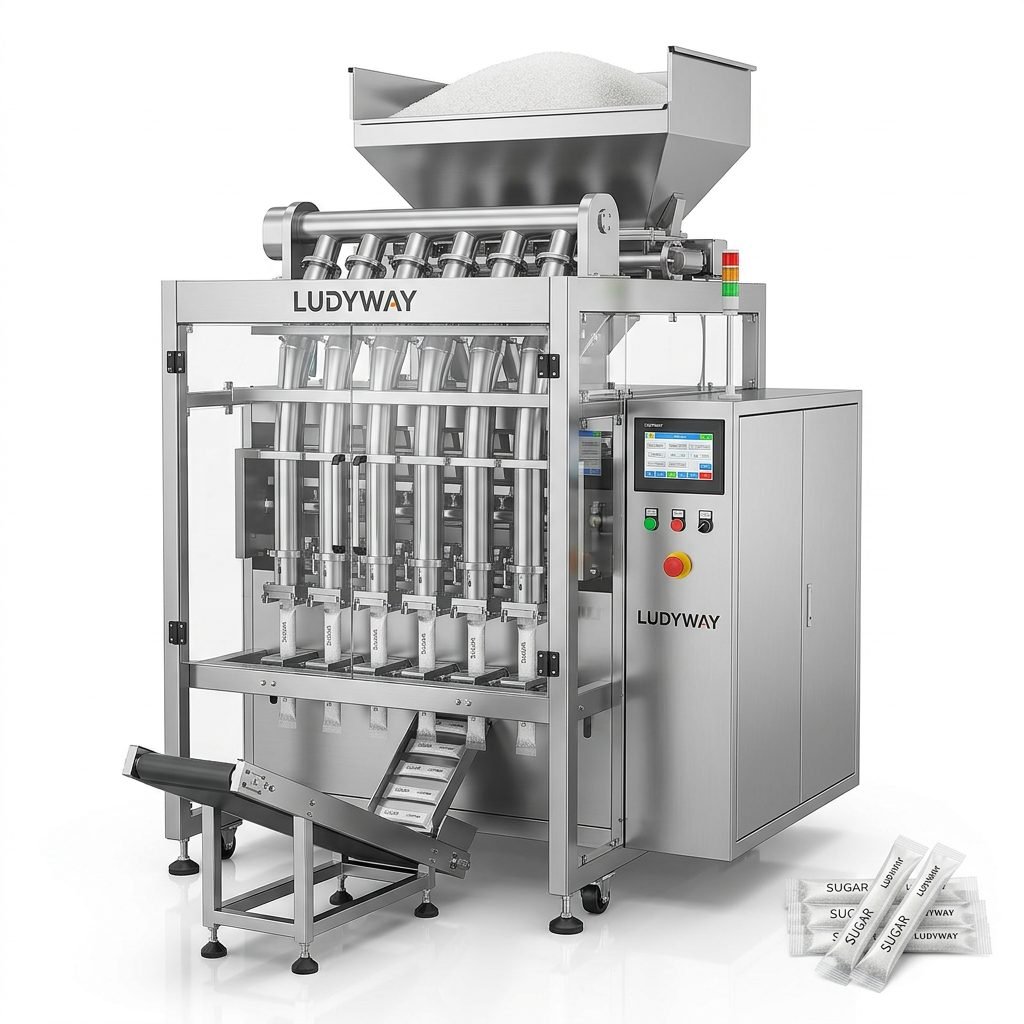
Benefits for Sugar Brands, Food Factories, and Contract Packers
Automatic sugar packaging equipment creates value across many business models. From branded consumer goods producers to OEM and private-label packers, automation helps improve day-to-day operational performance.
- For sugar brands: stronger packaging consistency and more attractive shelf presentation.
- For food ingredient suppliers: efficient handling of larger volumes with reliable filling precision.
- For contract packers: quick changeover and flexible pack format support for multiple clients.
- For export-oriented businesses: better standardization for international orders and retail packaging needs.
Why Turnkey Packaging Solutions Can Be a Better Choice
In many cases, buyers benefit more from a complete packaging line than from a standalone machine. A turnkey sugar packaging system can include feeding, weighing, filling, sealing, coding, checking, conveying, and final packing. This reduces compatibility issues and improves total production efficiency.
Companies looking for scalable automation often work with experienced manufacturers such as Ludyway automatic sugar packing machine solutions, especially when they need customized configurations, multi-format capability, or integrated turnkey packaging lines.
Maintenance and Long-Term Performance Tips
Even a high-quality machine performs best with proper maintenance. Routine care helps maintain filling accuracy, sealing quality, and stable machine uptime.
- Clean dosing and sealing areas regularly to prevent sugar buildup
- Inspect wear parts on schedule
- Calibrate weighing or dosing systems periodically
- Check sealing temperature and film tracking consistency
- Train operators on setup, cleaning, and troubleshooting
Final Considerations for Buyers
The right automatic sugar packing machine should match your production goals today while supporting future growth. Focus on accuracy, hygiene, machine stability, packaging flexibility, and integration potential. These factors determine not only how well the machine runs, but also how much value it brings over time.
As sugar markets become more competitive, efficient and hygienic packaging is a direct advantage. Investing in the right automated system can help you reduce waste, increase output, protect product quality, and build a more reliable packaging operation.