In modern manufacturing, packaging is no longer just the final step of production. It is a key driver of
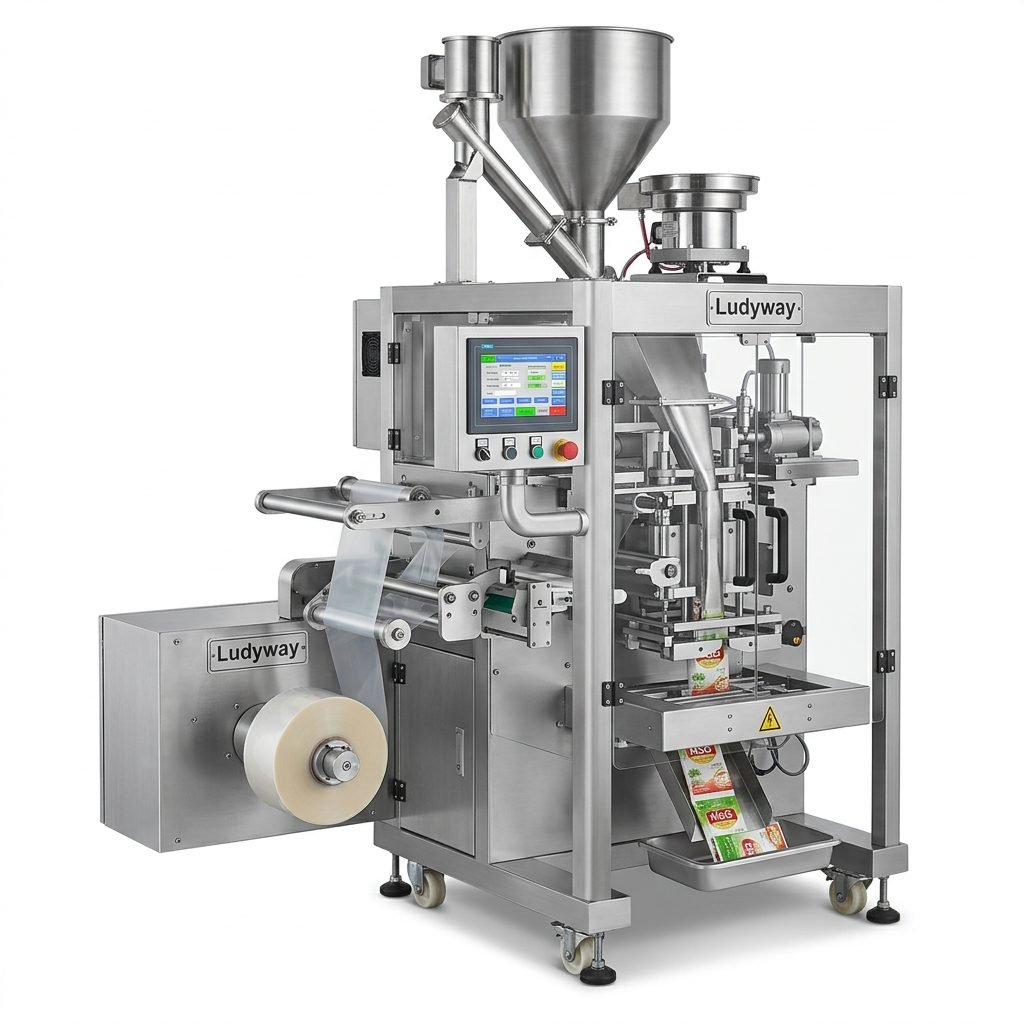
speed, quality consistency, labor efficiency, traceability, and brand presentation. For companies seeking dependable automation, KRW packaging machinery solutions are increasingly valued for their ability to support high-output production environments across food, pharmaceutical, personal care, and industrial sectors.
From single packaging units to integrated turnkey lines, today’s packaging systems must adapt to different product forms, changing market demands, and stricter quality expectations. Businesses that invest in the right machinery often gain a measurable advantage in uptime, accuracy, and long-term operating cost control.
Why Packaging Machinery Matters in Modern Production
As production volumes rise and customer expectations grow, manufacturers need equipment that can package products
quickly and reliably without sacrificing precision. Manual or semi-automatic operations often create bottlenecks,
increase labor dependency, and make standardization difficult. Automated packaging machinery solves these issues by
bringing more control to every stage of the process.
- Higher throughput for growing production demands
- Stable filling accuracy for powders, granules, liquids, and pastes
- Reduced product waste through controlled dosing and sealing
- Lower labor intensity with automated operation
- Improved packaging consistency for brand and compliance needs
- Easier line integration with conveyors, coding, checkweighing, and cartoning
In competitive industries, even small improvements in packaging speed and reliability can create significant gains
in overall equipment effectiveness. This is why packaging machinery is now treated as a strategic production asset
rather than a simple supporting tool.
Core KRW Packaging Machinery Applications
KRW packaging machinery is suitable for a wide range of production requirements. The best system depends on product
characteristics, package format, output target, hygiene requirements, and automation level. Common applications include:
| Industry | Typical Products | Common Packaging Formats |
|---|---|---|
| Food | Coffee, spices, flour, sauces, snacks, grains, protein powder | Sachets, stick packs, pouches, bags, cartons |
| Pharmaceutical | Granules, oral powders, capsules, tablets, sterile consumables | Blister packs, sachets, stick packs, bottles, medical pouches |
| Cosmetic & Personal Care | Creams, serums, lotions, gels, wipes | Sachets, tubes, bottles, stick packs, wipes packs |
| Chemical | Detergents, additives, cleaners, powders, industrial liquids | Sachets, pouches, bags, bottles, drums |
| Animal Nutrition | Feed premix, pellets, pet supplements, pet food | Bulk bags, sachets, pouches, stick packs |
Key Machine Types Used in Efficient Packaging Lines
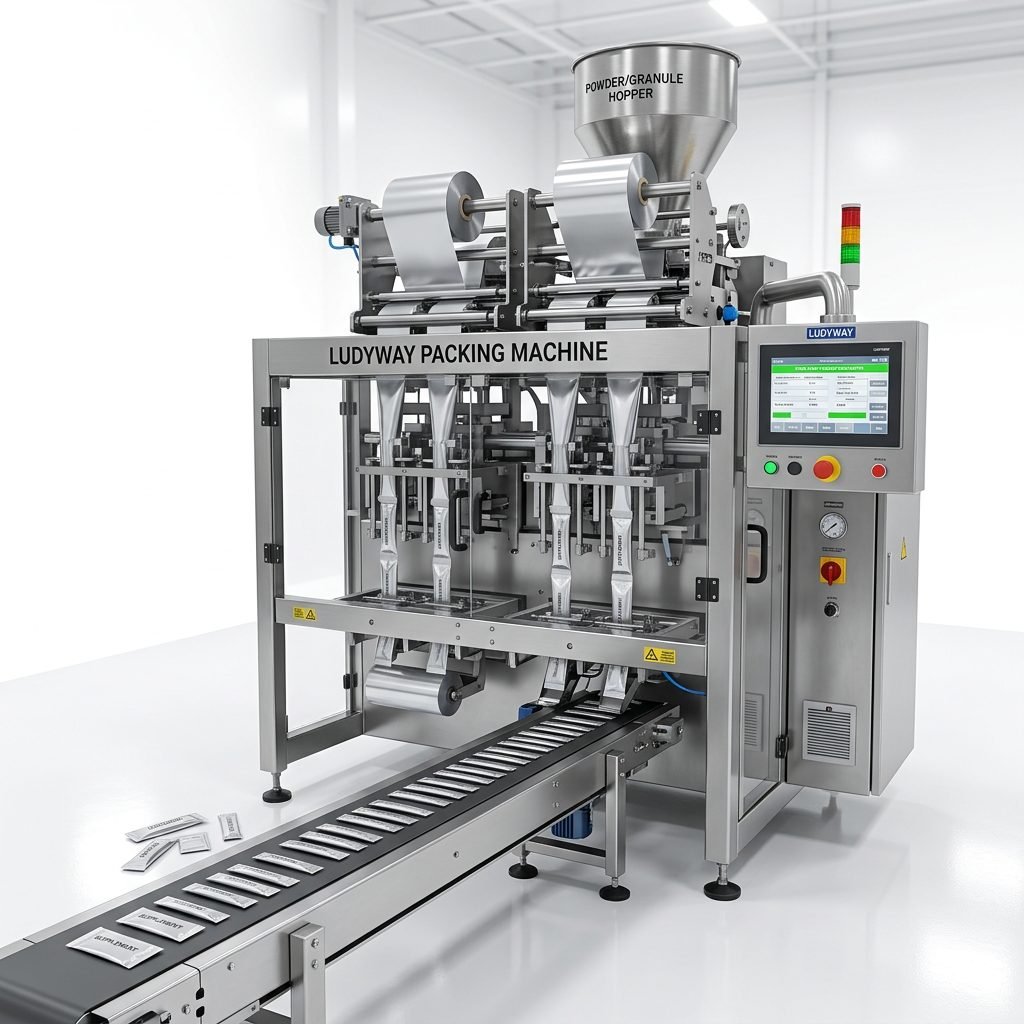
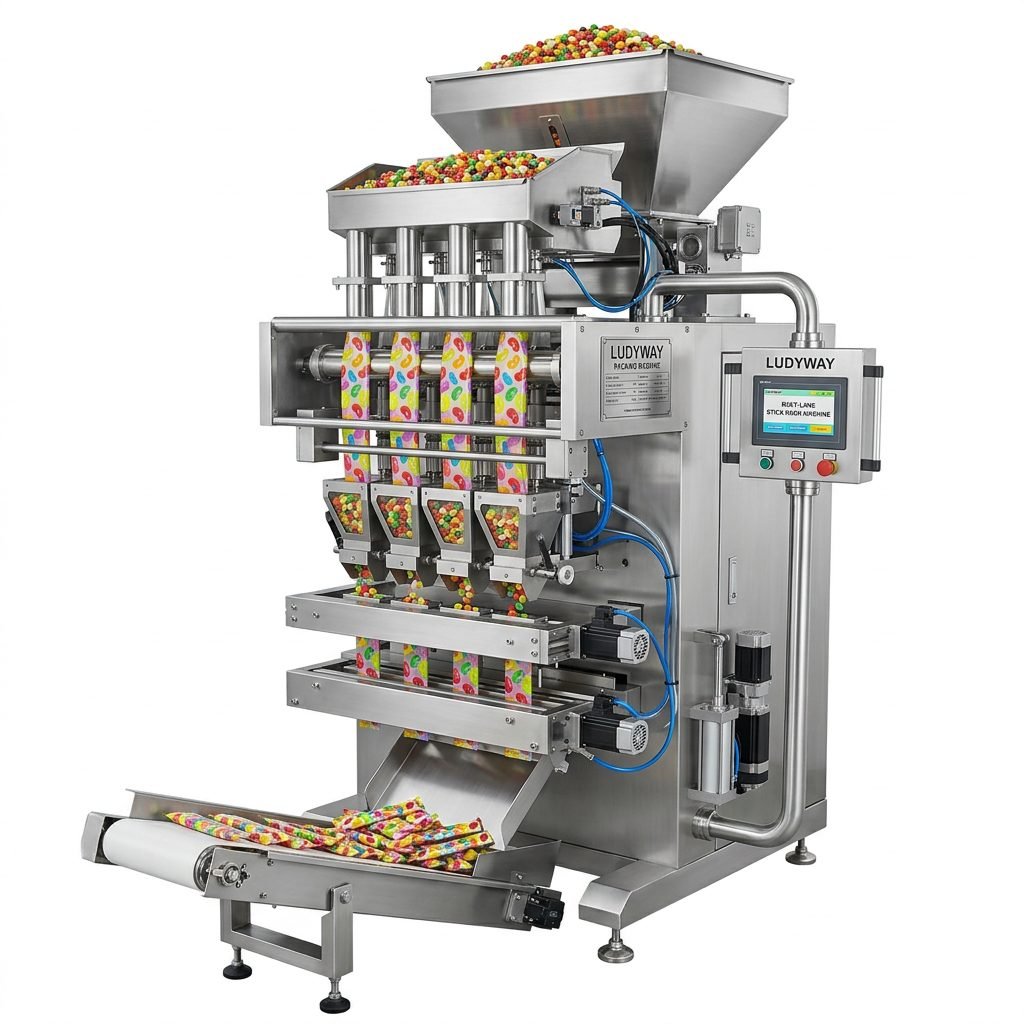
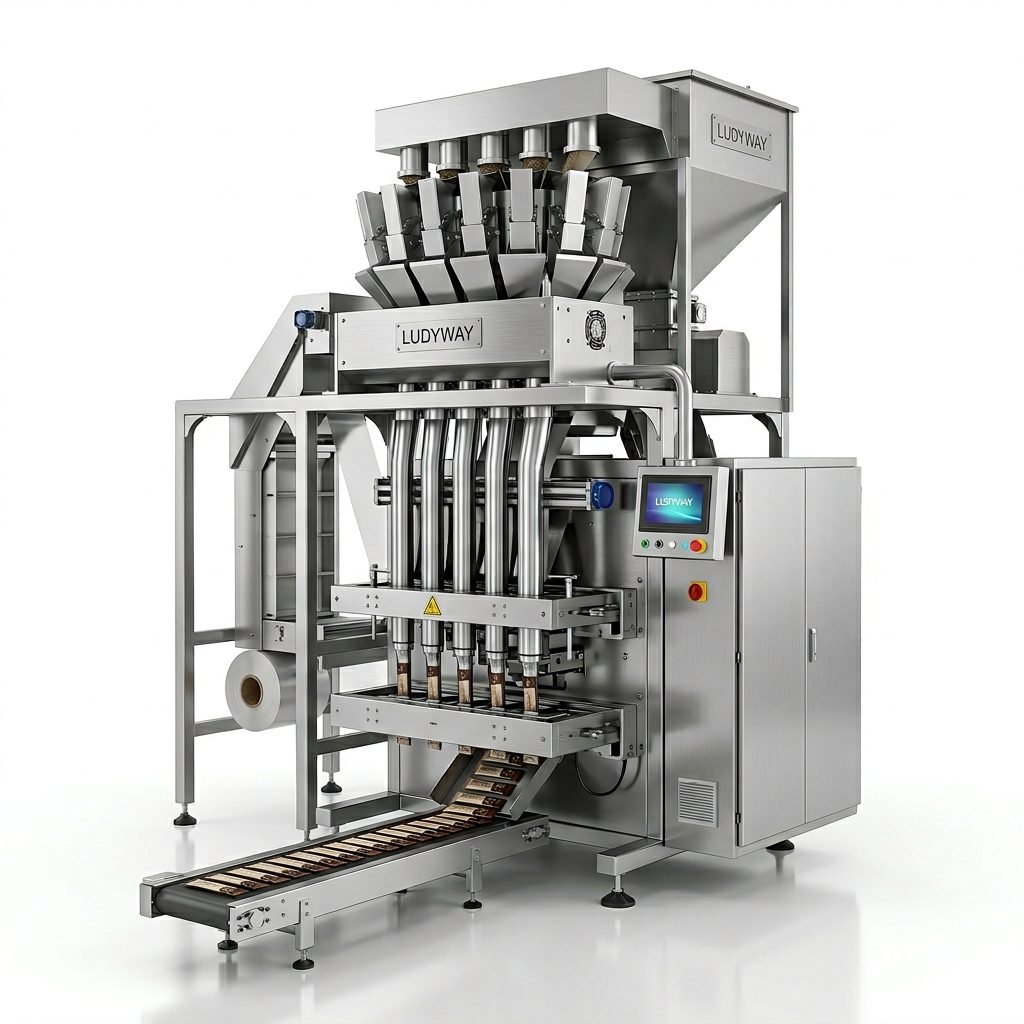
1. Multi-Lane Stick Pack Machines
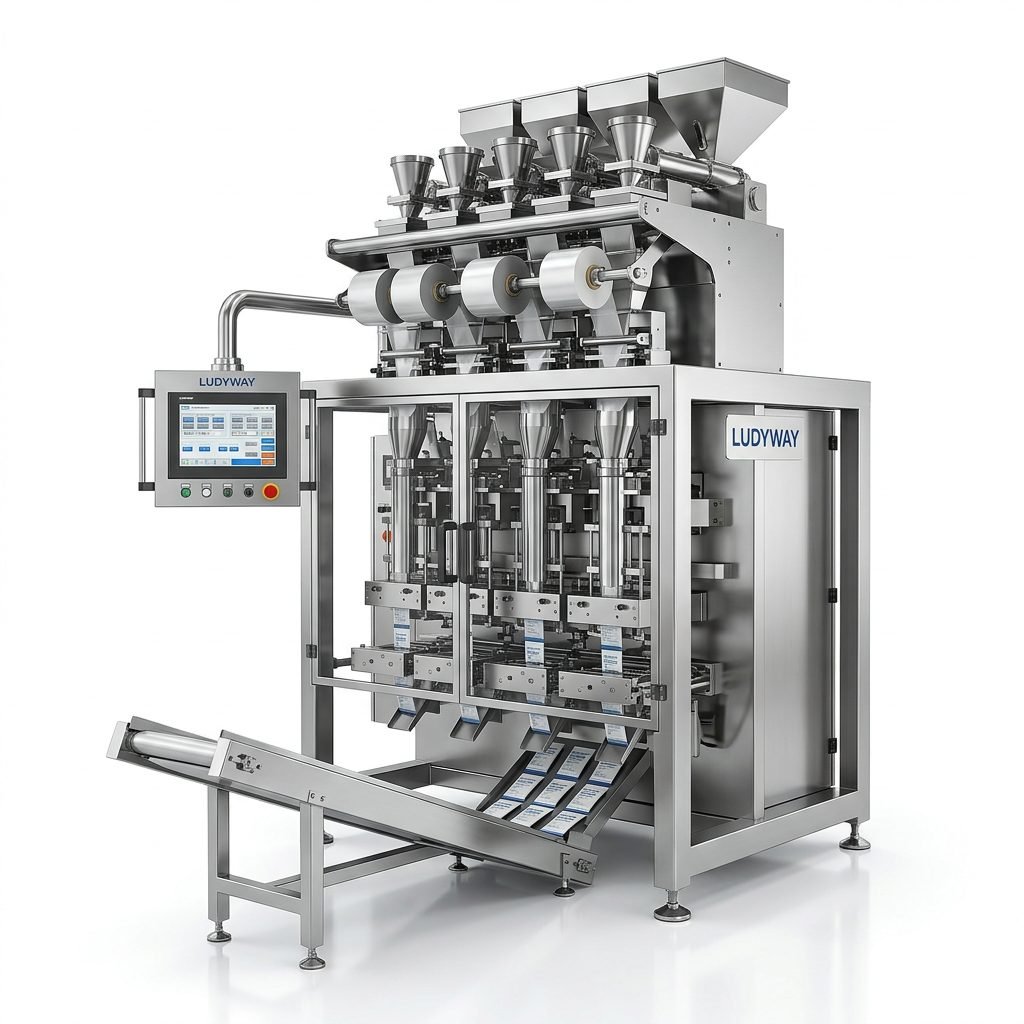
These machines are designed for high-speed packaging of powders, granules, liquids, and certain paste products.
Multi-lane structures allow several packs to be produced simultaneously, making them ideal for products such as
instant drink mixes, coffee, supplements, seasoning powders, and pharmaceutical granules.
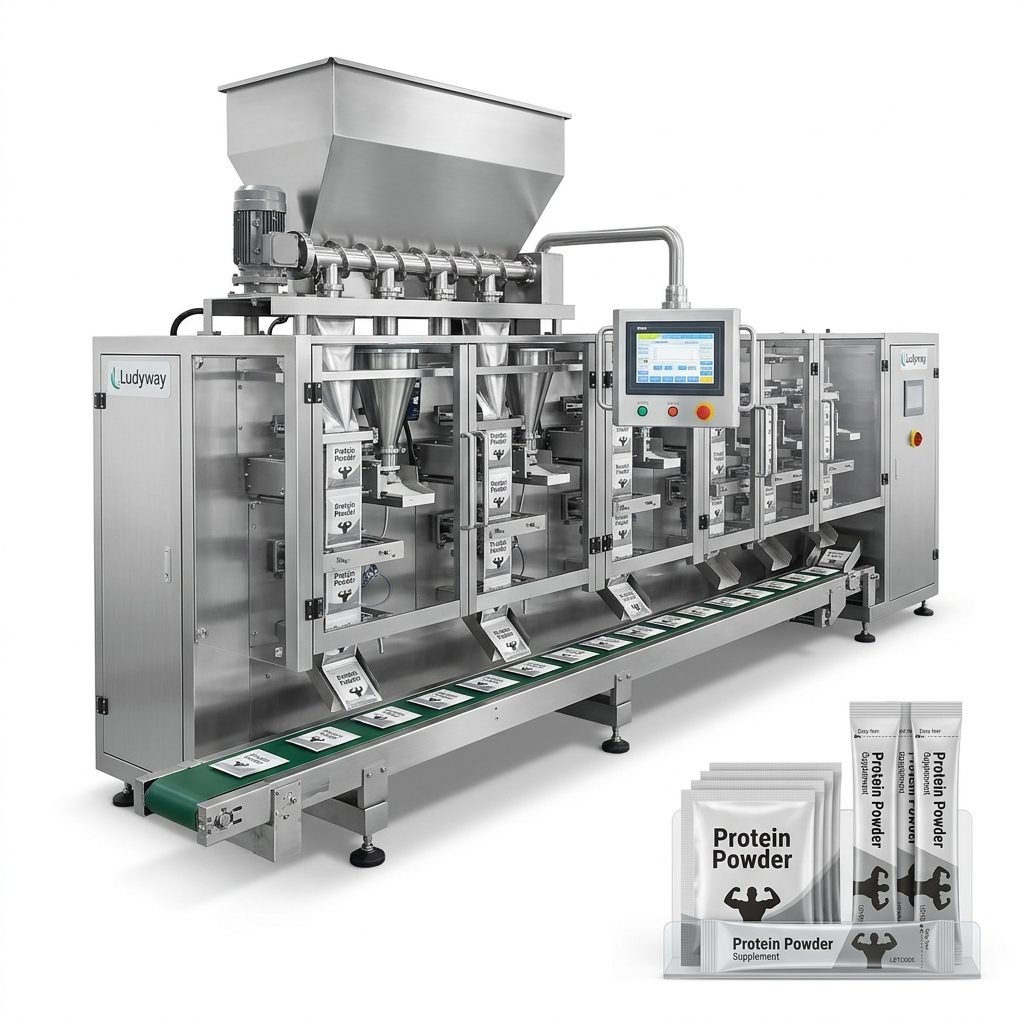
2. Sachet Packing Machines
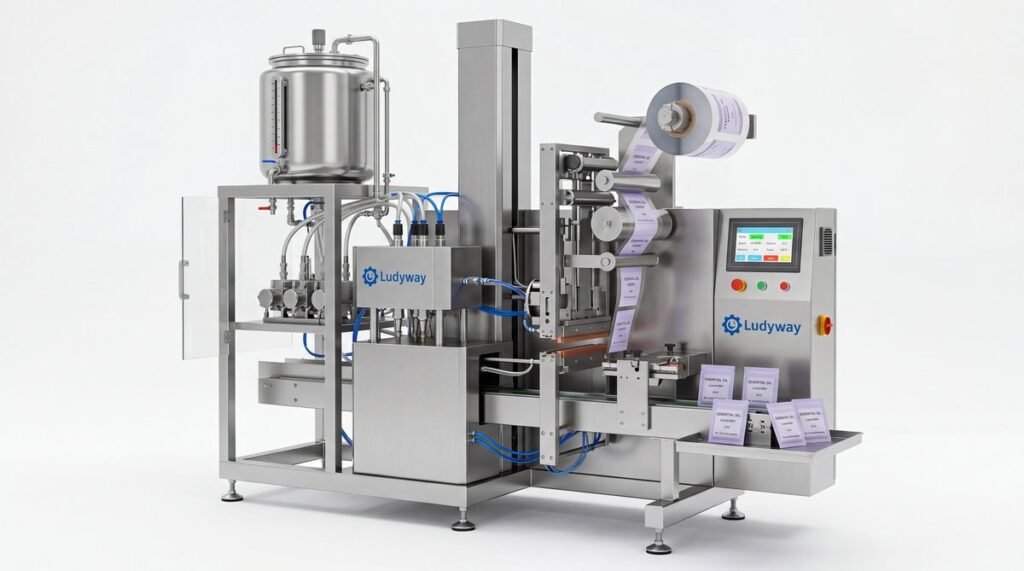
Sachet packaging machines offer flexibility for single-dose and retail-friendly packaging. They are widely used for
food seasonings, pharmaceutical powders, cosmetic creams, and household chemical products. Their compact package
style supports convenience, accurate portioning, and strong shelf appeal.
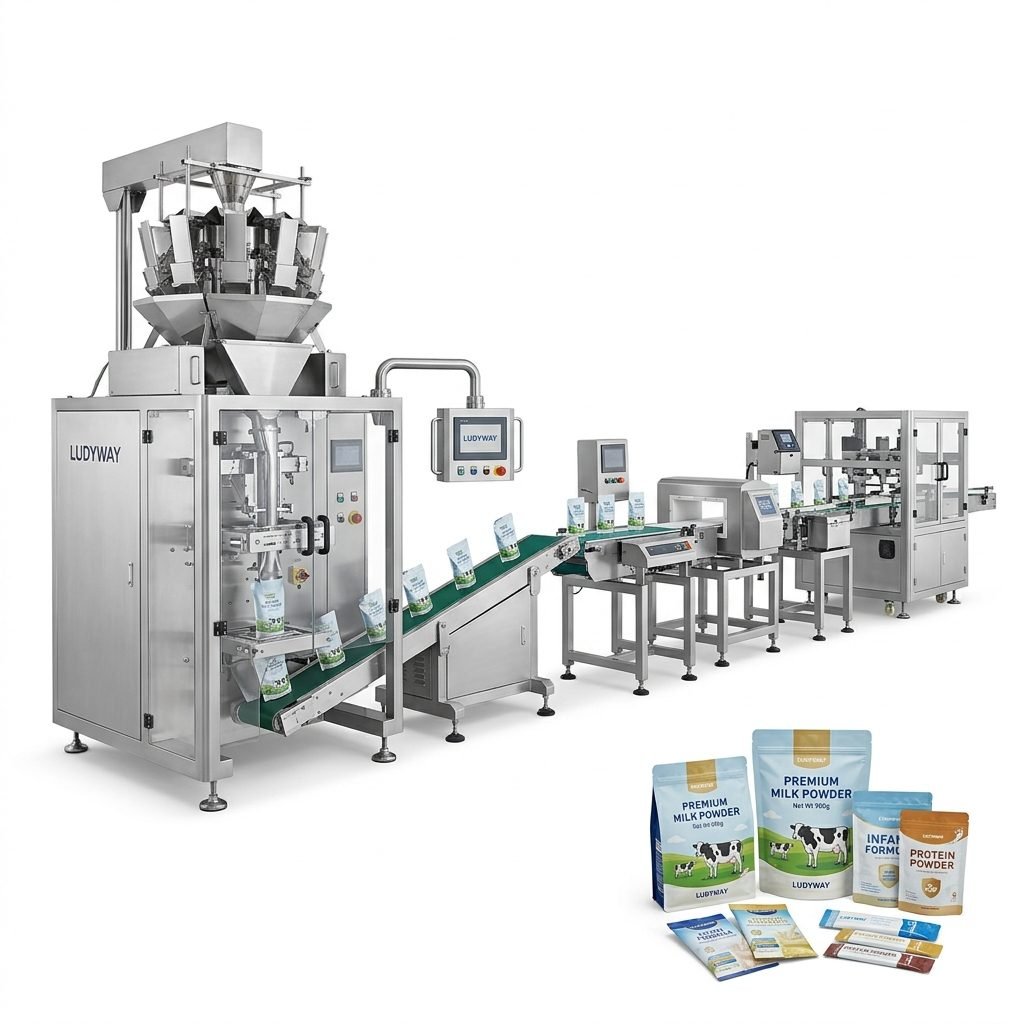
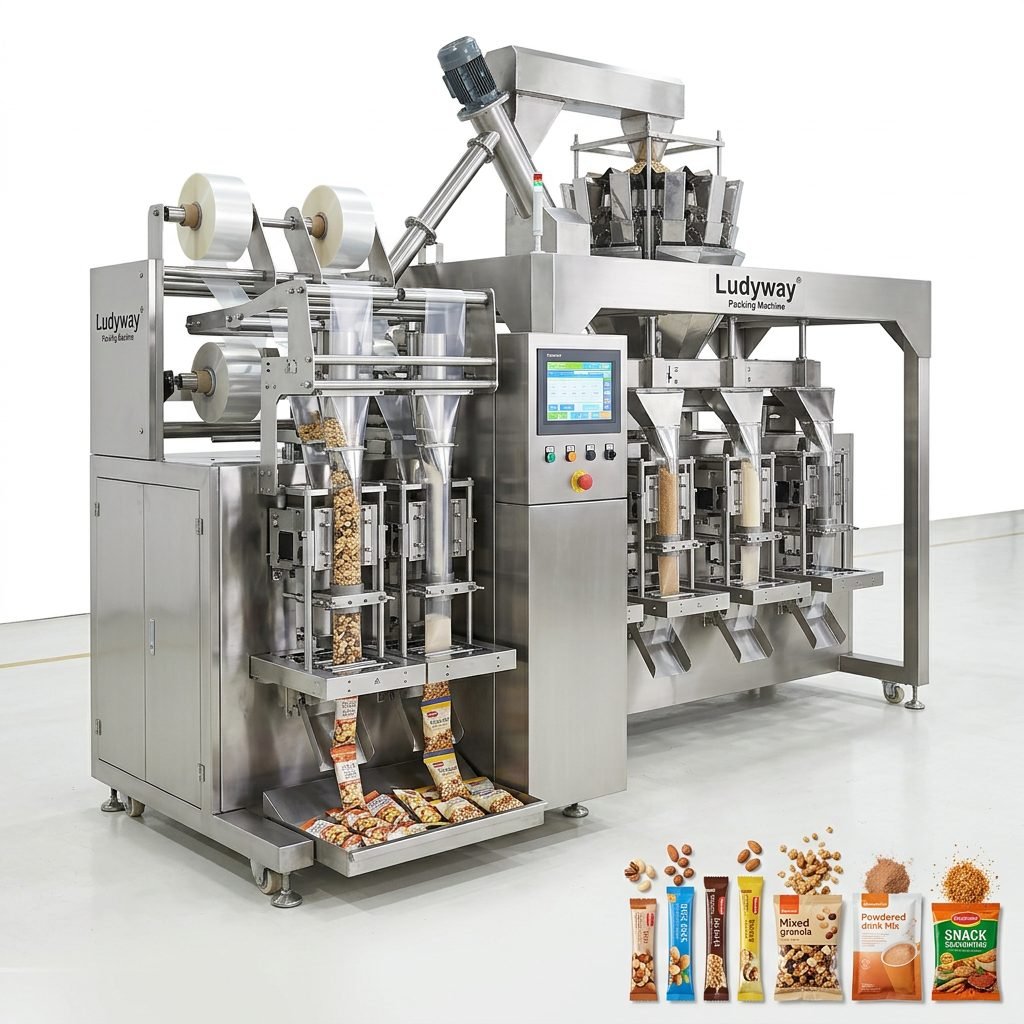
3. Vertical Packaging Systems
Vertical form-fill-seal systems are commonly used for free-flowing granules, powders, and small solids. They can be
matched with auger fillers, volumetric fillers, or multi-head weighers depending on product behavior and accuracy requirements.
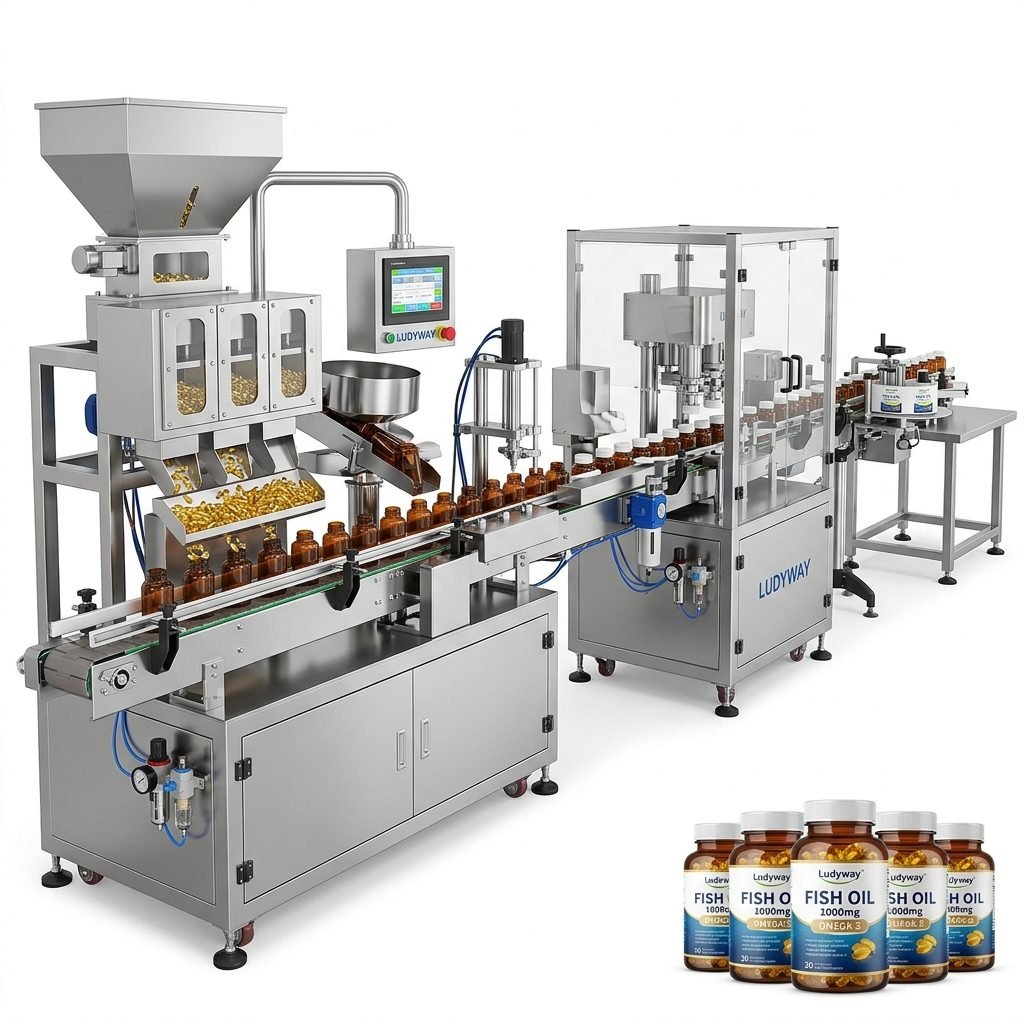
4. Filling and Sealing Machines
For liquid, paste, cream, and semi-fluid products, filling and sealing systems provide controlled dosing and reliable closure.
They are commonly selected for sauces, lotions, detergents, gels, and oral liquid products.
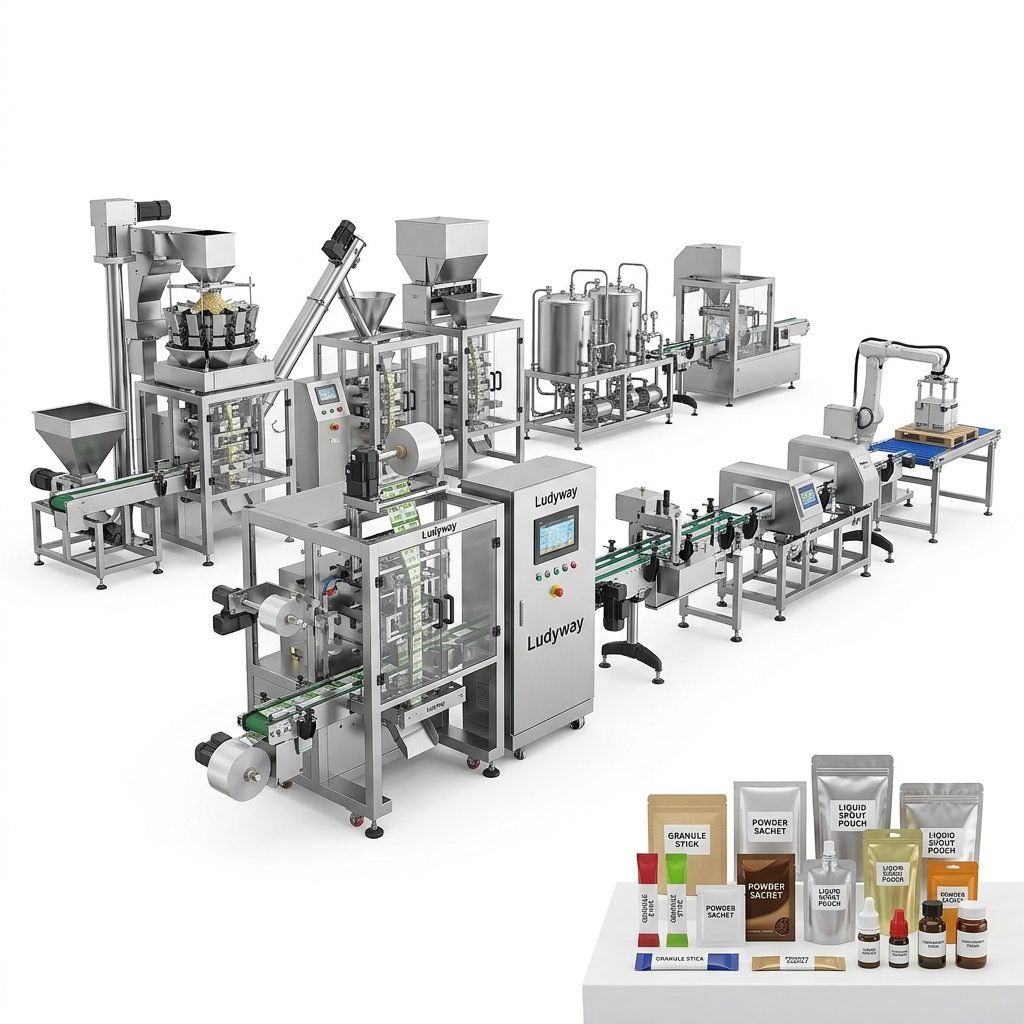
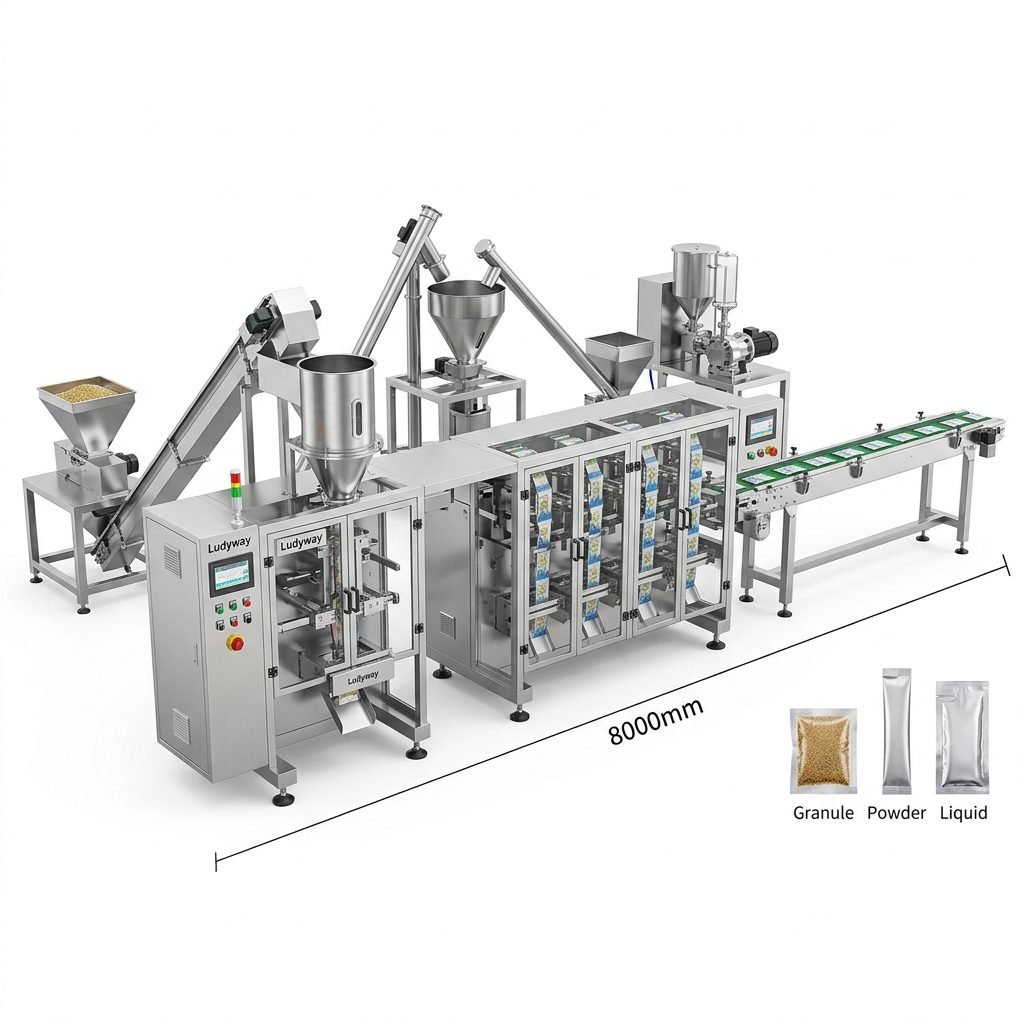
5. Turnkey Packaging Lines
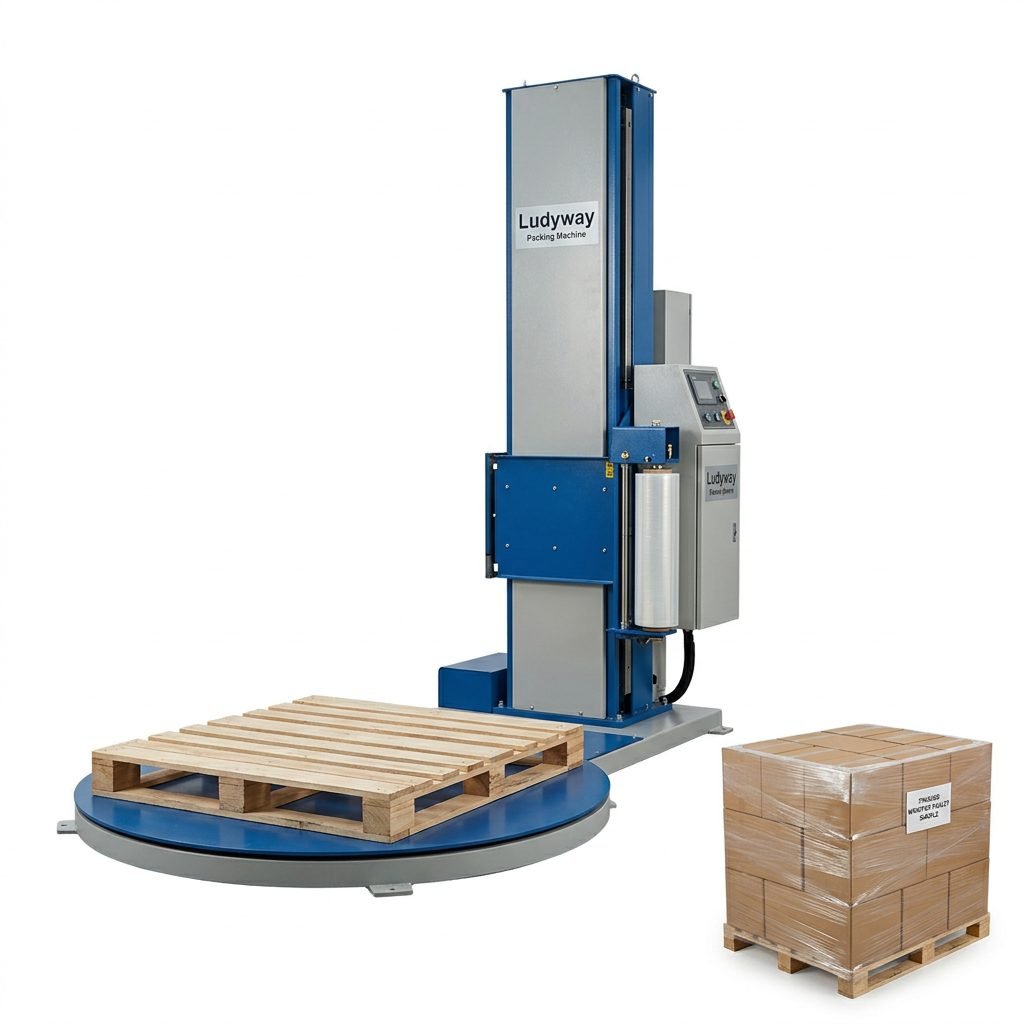
A turnkey line combines feeding, conveying, filling, packaging, coding, inspection, cartoning, case packing, and palletizing
into one coordinated system. This approach helps reduce manual handling and improves production continuity across the full line.
What Makes a Packaging Solution Efficient?
Efficiency in packaging is not defined by speed alone. A truly effective solution should combine productivity with
reliability, flexibility, hygiene, and maintainability. When evaluating KRW packaging machinery, buyers should focus on the following factors:
- Packaging accuracy: Consistent filling protects both profit margins and product quality.
- Machine stability: Reliable operation reduces downtime and maintenance interruptions.
- Format flexibility: Quick adjustment supports multiple SKUs and changing packaging sizes.
- Automation level: Integrated systems reduce manual intervention and labor cost.
- Cleaning and changeover convenience: Important for food, pharma, and personal care applications.
- Compatibility with inspection systems: Supports coding, weighing, sealing checks, and compliance needs.
- Scalability: The equipment should support future production expansion.
The right machinery should fit the real operating conditions of the factory, not just the theoretical production speed.
This includes product characteristics, factory layout, operator skill level, packaging materials, and future product plans.
Benefits of Automated Packaging for Growing Manufacturers
Whether a business is upgrading from manual packaging or replacing outdated equipment, automation brings both immediate and long-term benefits.
- Better production planning through predictable machine output
- More uniform package appearance for retail and export markets
- Improved hygiene control in sensitive sectors such as pharmaceutical and food processing
- Fewer packaging defects through controlled sealing and dosing systems
- Stronger traceability with printing, coding, and inspection integration
- Reduced total operating cost over the life of the line
Manufacturers with diverse product lines especially benefit from modular equipment that can handle multiple materials
and pack styles without extensive changeover time.
How to Choose the Right KRW Packaging Machinery
Selecting a packaging machine should begin with a clear understanding of the product and production target. Before making a purchase decision, manufacturers should evaluate:
| Selection Factor | Why It Matters |
|---|---|
| Product Type | Powder, granule, liquid, or paste requires different dosing and sealing technology |
| Output Requirement | Determines whether a single-lane, multi-lane, or full turnkey line is more suitable |
| Package Style | Sachet, stick pack, pouch, bottle, blister, or bag format affects machine structure |
| Material Characteristics | Flowability, dust level, viscosity, and particle size influence filling performance |
| Regulatory Needs | Critical in pharmaceutical, food safety, and export-oriented production |
| Future Expansion | A scalable platform helps avoid reinvestment too soon |
For many manufacturers, a customized solution delivers better value than a standard machine because it matches real packaging conditions more closely.
Turnkey Lines vs. Standalone Machines
Some producers only need a single machine to improve an existing process, while others require a complete line to support a new factory or product launch.
Both options can be effective, depending on the production strategy.
Standalone Machines Are Best For:
- Factories upgrading one packaging stage at a time
- Businesses with limited installation space
- Smaller production volumes or specialized products
- Companies integrating new equipment into an existing line
Turnkey Lines Are Best For:
- New production facilities
- High-volume manufacturers
- Projects requiring synchronized feeding, filling, sealing, cartoning, and palletizing
- Companies seeking stronger automation and labor reduction
Industries Driving Demand for Advanced Packaging Machinery
Several sectors are pushing the packaging machinery market toward faster, smarter, and more integrated systems:
Food and Beverage
Consumer demand for convenience packaging, portion control, freshness, and export-ready appearance continues to expand.
High-speed sachet and stick pack equipment is especially valuable for instant beverages, coffee, nutritional powders, and seasonings.
Pharmaceutical and Healthcare
Precision, cleanliness, traceability, and validation support are essential. Packaging lines in this sector must maintain
reliable performance while handling sensitive products and regulated packaging formats.
Cosmetics and Personal Care
Brands are increasingly adopting small-format packaging for samples, travel products, and e-commerce distribution.
This has increased demand for machines capable of filling creams, serums, gels, and liquids in compact sachet and stick formats.
Chemical and Industrial Products
Industrial users require durable packaging systems for powders, detergents, additives, lubricants, and treatment chemicals.
Material compatibility and sealing reliability are especially important in these applications.
Why Global Buyers Look for Experienced Chinese Packaging Machinery Manufacturers
China remains a major manufacturing base for packaging automation, offering a broad range of machine types and customization capabilities.
For global buyers, an experienced supplier can provide better engineering coordination, application knowledge, and faster project execution.
One recognized option in this field is Ludyway packaging machinery manufacturer, a company with more than 30 years of experience in packaging equipment and turnkey production lines. Established in 1993, with a factory area of over 20,000 square meters and customers in more than 100 countries and regions, it has built a broad portfolio for food, pharmaceutical, health supplement, cosmetic, chemical, nicotine pouch, and animal feed applications.
For buyers comparing suppliers, manufacturing experience, export capability, quality inspection procedures, engineering support,
and customization capacity are often more important than price alone.
Important Features to Look for in a Packaging Machinery Partner
- Application-based engineering rather than generic recommendations
- Broad machine portfolio covering different materials and pack types
- Turnkey integration ability for feeding, filling, sealing, coding, and end-of-line automation
- Export project experience for documentation and international standards
- After-sales support for installation, commissioning, and spare parts
Future Trends in KRW Packaging Machinery
The packaging machinery market is moving toward smarter and more flexible automation. Manufacturers are increasingly investing in:
- Digital monitoring for machine status and production data
- Faster changeovers to support multiple SKUs
- Integrated inspection and rejection systems
- Compact line designs for efficient use of factory space
- Higher sanitation standards for regulated sectors
- Modular systems that grow with production demand
Companies that prepare for these trends early are better positioned to meet changing market requirements while maintaining operational efficiency.
Final Considerations for Modern Manufacturers
Efficient packaging is essential to modern production performance. The right KRW packaging machinery can help manufacturers
improve output, reduce waste, standardize product presentation, and build a stronger foundation for long-term growth.
Whether the requirement is a compact sachet machine, a high-speed stick pack system, a liquid filling unit, or a complete turnkey packaging line,
the most effective solution is one that balances product compatibility, automation level, reliability, and future scalability.
Businesses that choose equipment strategically are far more likely to achieve stable returns and sustainable production efficiency.