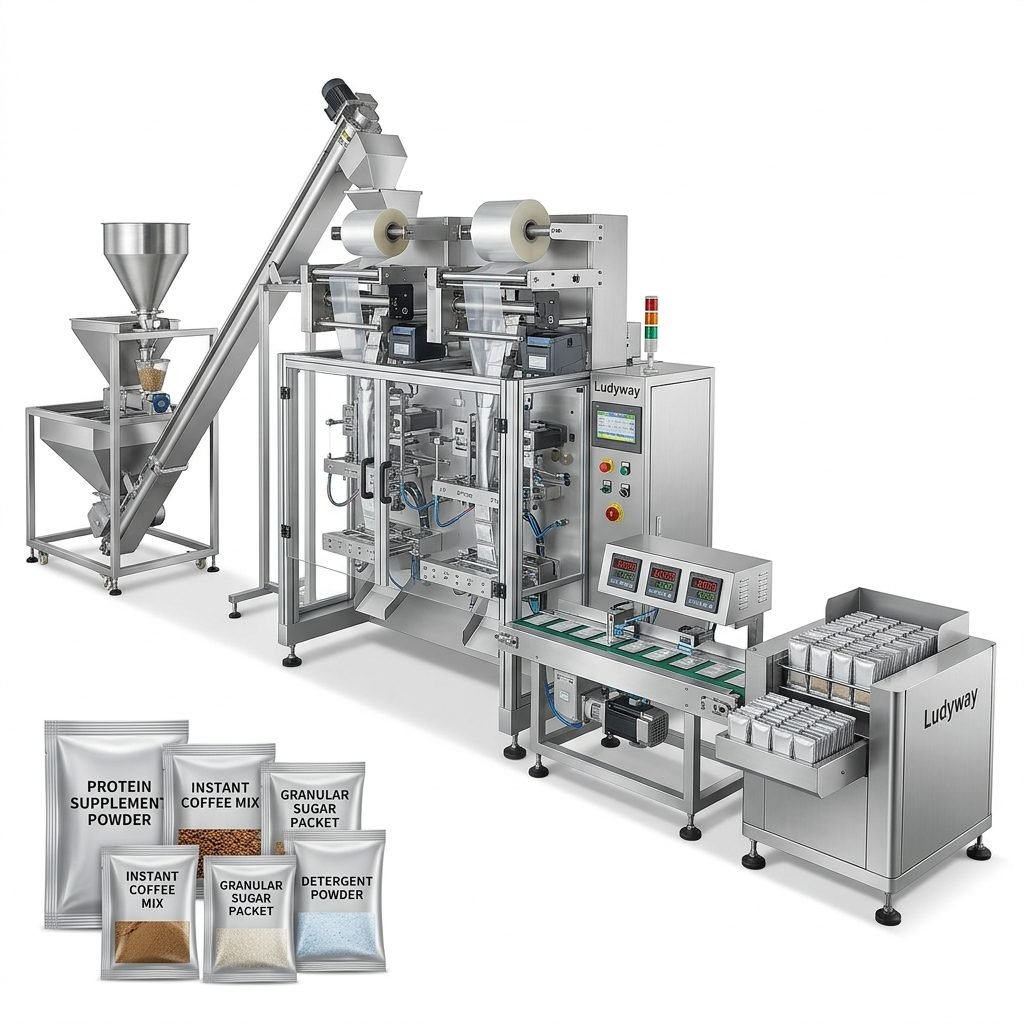
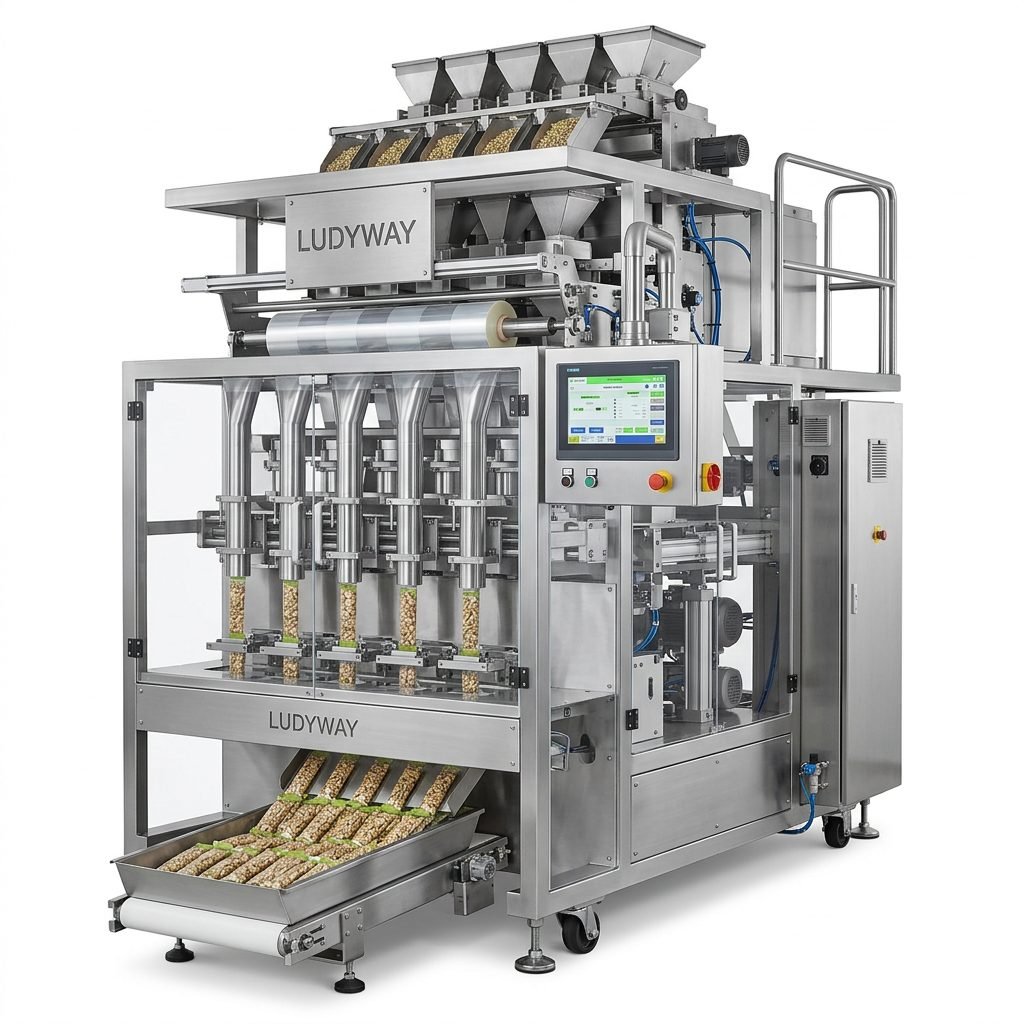
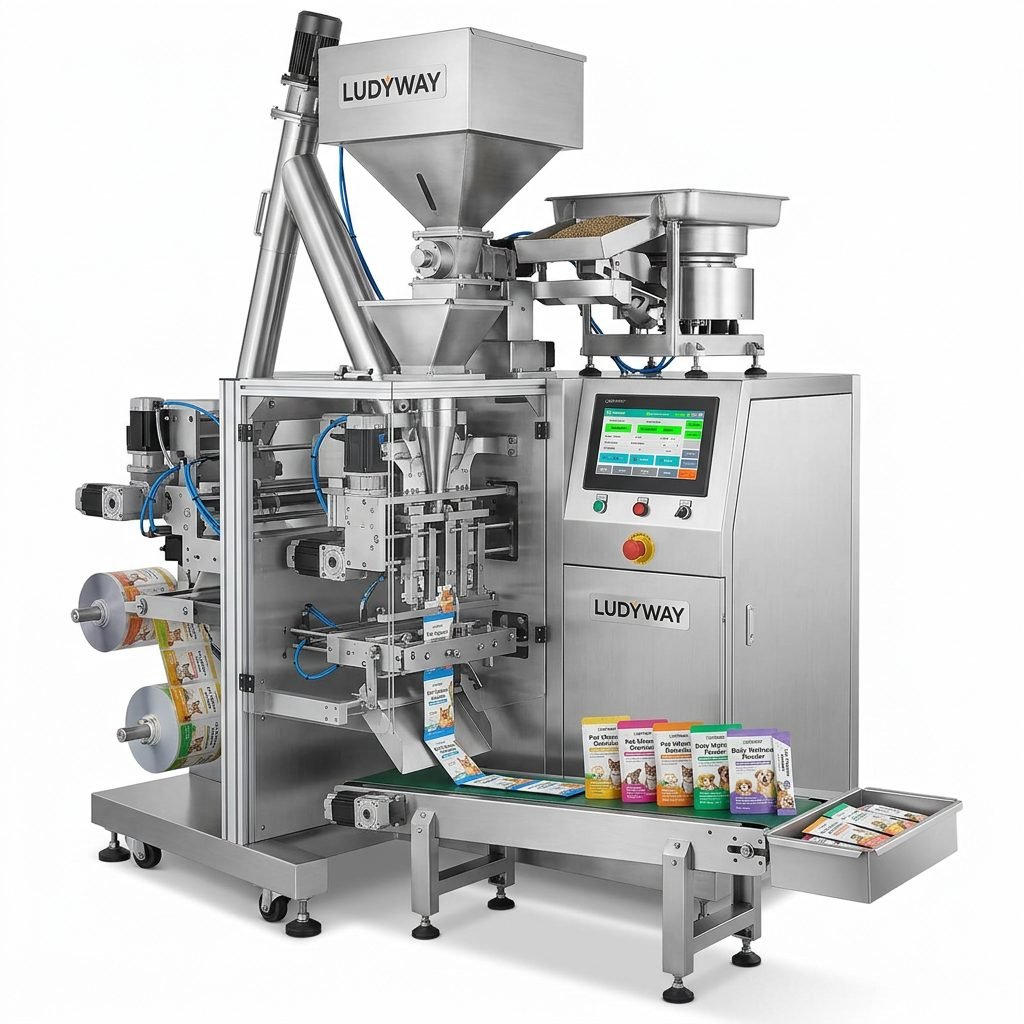
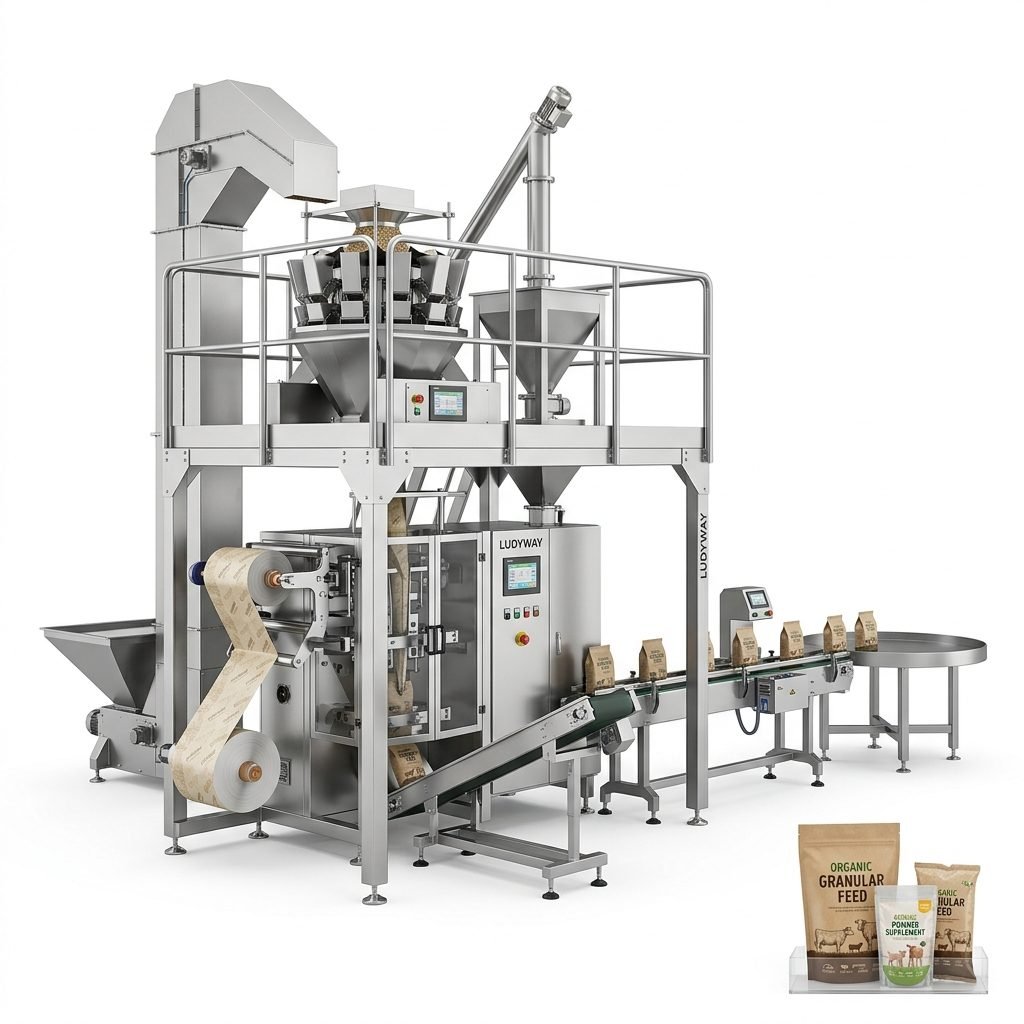
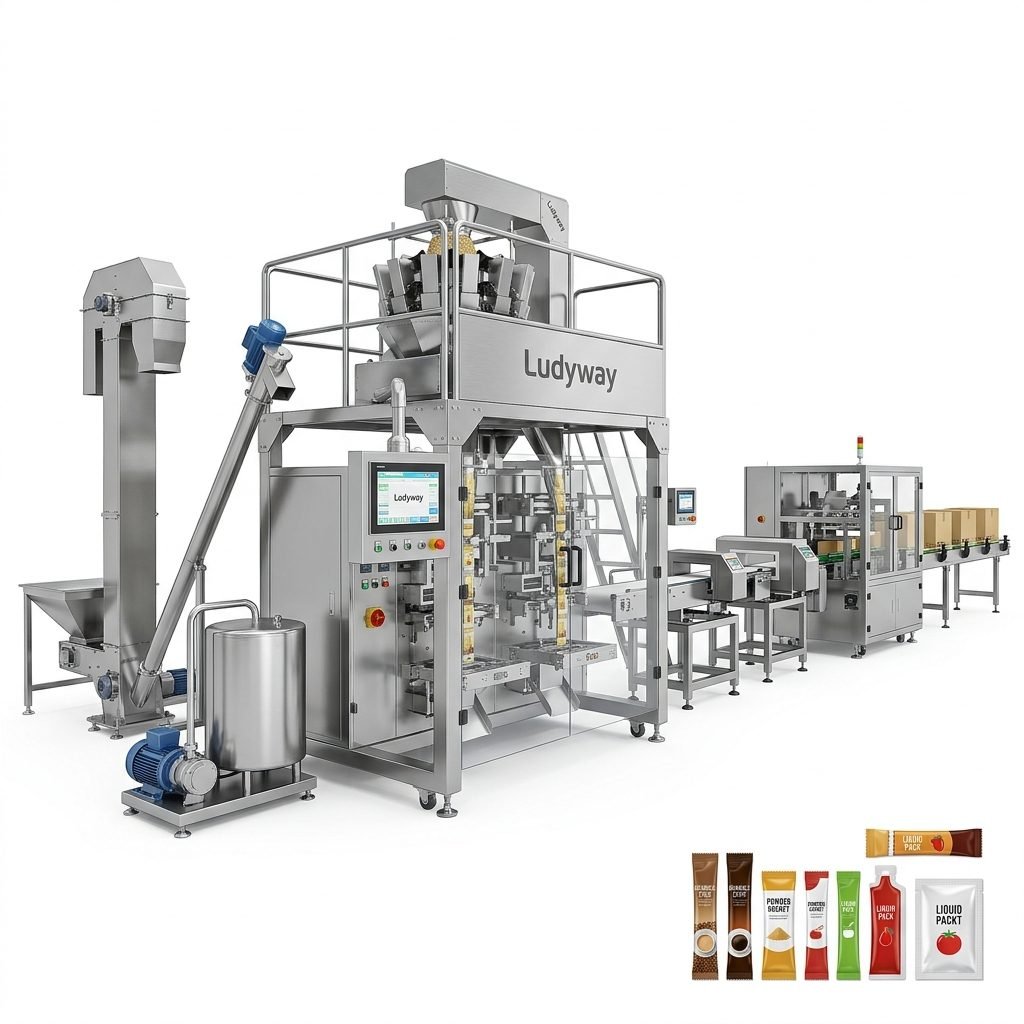
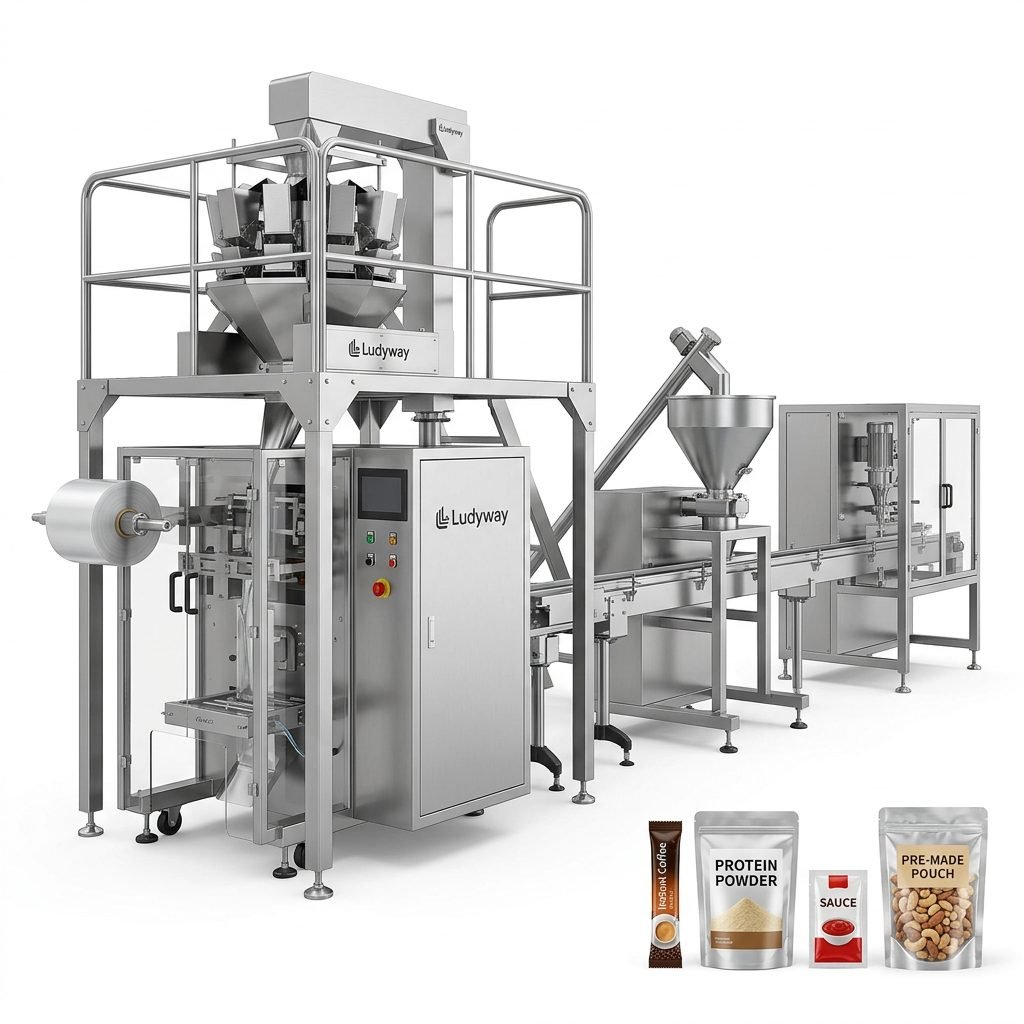
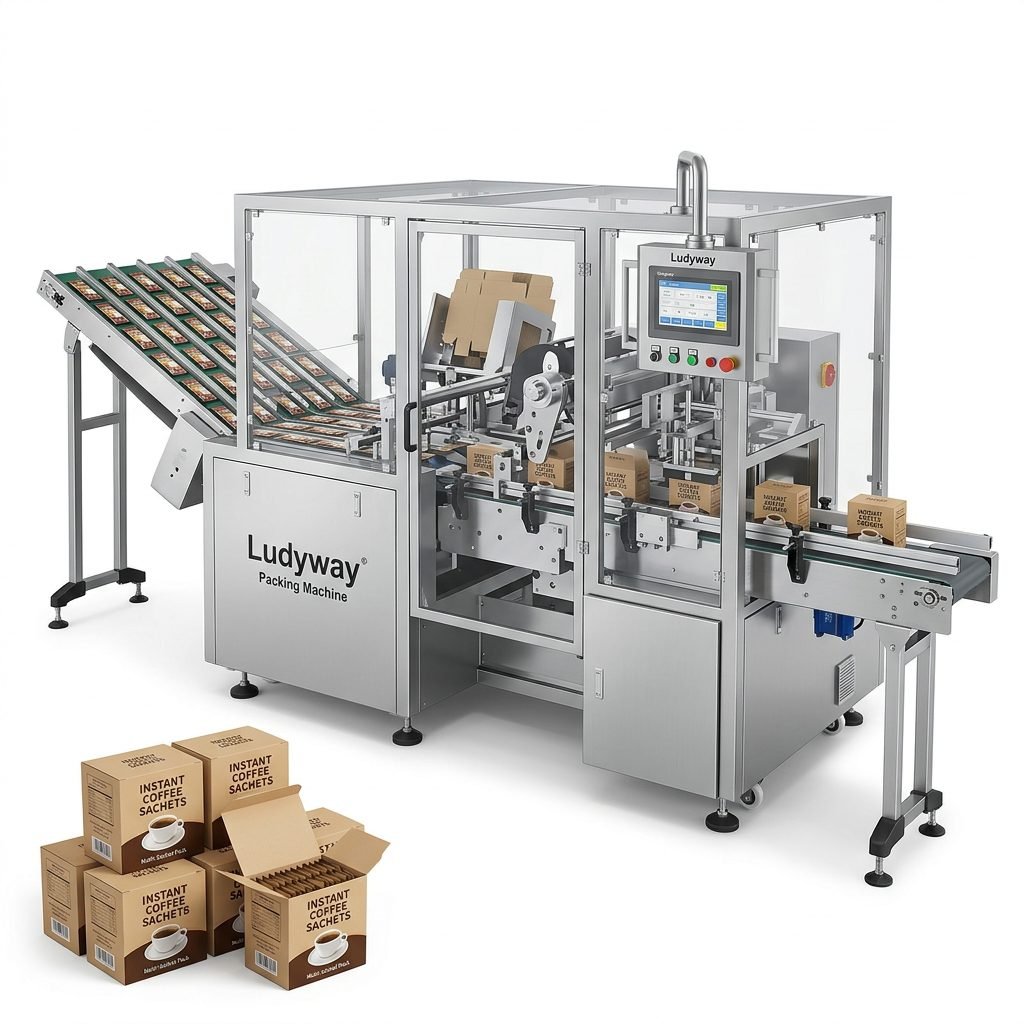
Understanding the real spice packing machine price is not just about comparing quotations. The final cost depends on machine type, output speed, filling accuracy, material compatibility, automation level, customization, and after-sales support. For spice manufacturers, seasoning brands, and contract packers, choosing the right equipment means balancing budget, production goals, packaging quality, and future scalability.
Whether you pack chili powder, turmeric, cumin, black pepper, mixed seasoning, or granulated spice blends, the machine you choose will directly affect product consistency, operating efficiency, labor use, and total return on investment.
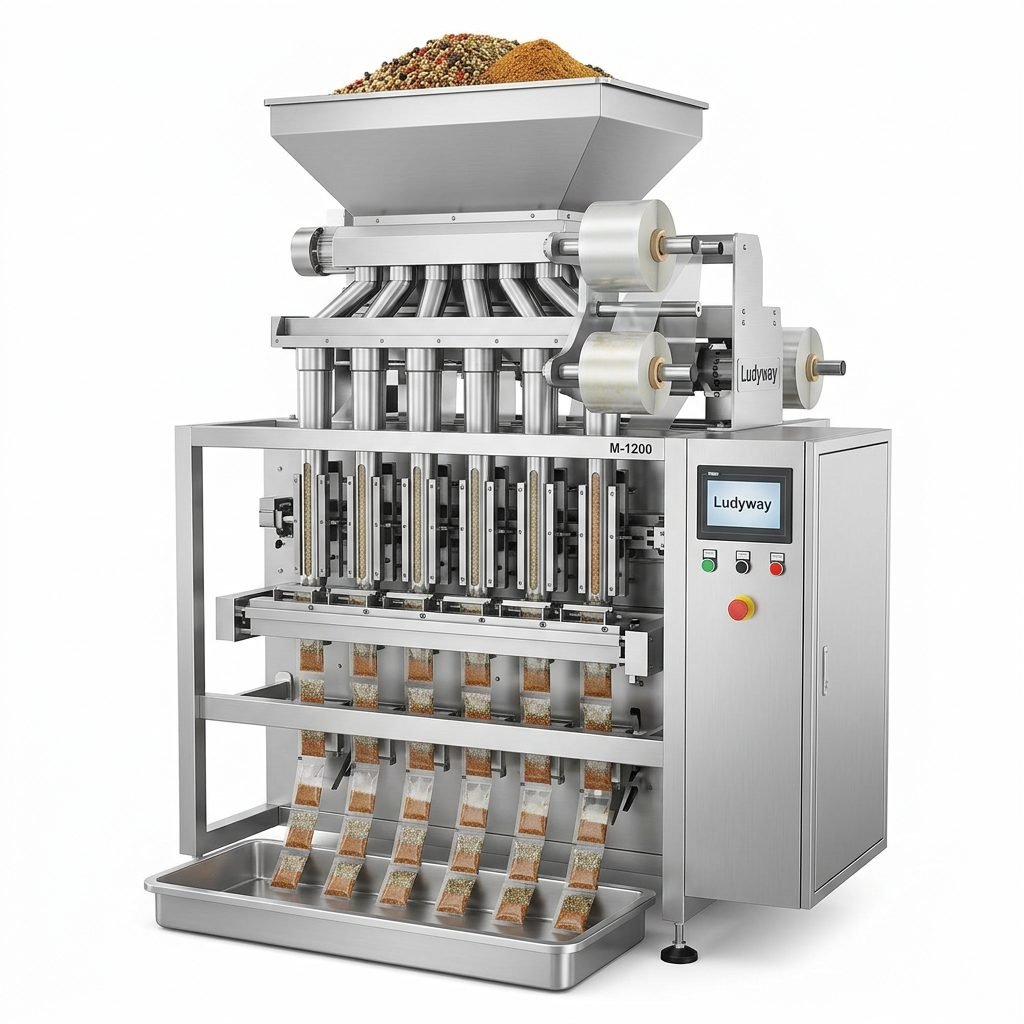
What Is the Typical Price Range of a Spice Packing Machine?
Spice packing machines can vary widely in price because different production needs require very different configurations. A semi-automatic unit for small batches costs far less than a high-speed multi-lane automatic system integrated with feeding, coding, inspection, and cartoning.
| Machine Type | Typical Application | Estimated Price Range |
|---|---|---|
| Semi-automatic powder filling machine | Small workshops, startup spice brands | $2,000–$8,000 |
| Vertical form fill seal machine | Pillow bags, back-seal or 3/4-side seal pouches | $8,000–$30,000 |
| Sachet or stick pack machine | Single-dose spice powder packs | $15,000–$60,000+ |
| Premade pouch packing machine | Stand-up pouches, zipper bags | $20,000–$80,000+ |
| Fully automatic turnkey line | Large spice factories, export-oriented production | $50,000–$300,000+ |
Important: these are general market references. The actual quotation depends on your packaging format, product behavior, desired speed, and technical requirements.
Key Factors That Affect Spice Packing Machine Cost
1. Type of Spice Product
Not all spices flow the same way. Fine powders such as paprika, turmeric, garlic powder, and curry powder often need different feeding and dust-control solutions than granulated seasonings or mixed spice blends. Powders with poor flowability, high dust, oil content, or easy bridging behavior usually require more advanced dosing and sealing technology, which increases price.
- Free-flowing granules are usually easier to pack
- Ultra-fine powders need better dust control and accuracy
- Sticky or oily seasonings may require special contact parts
- Blended products may need anti-separation feeding solutions
2. Packaging Format
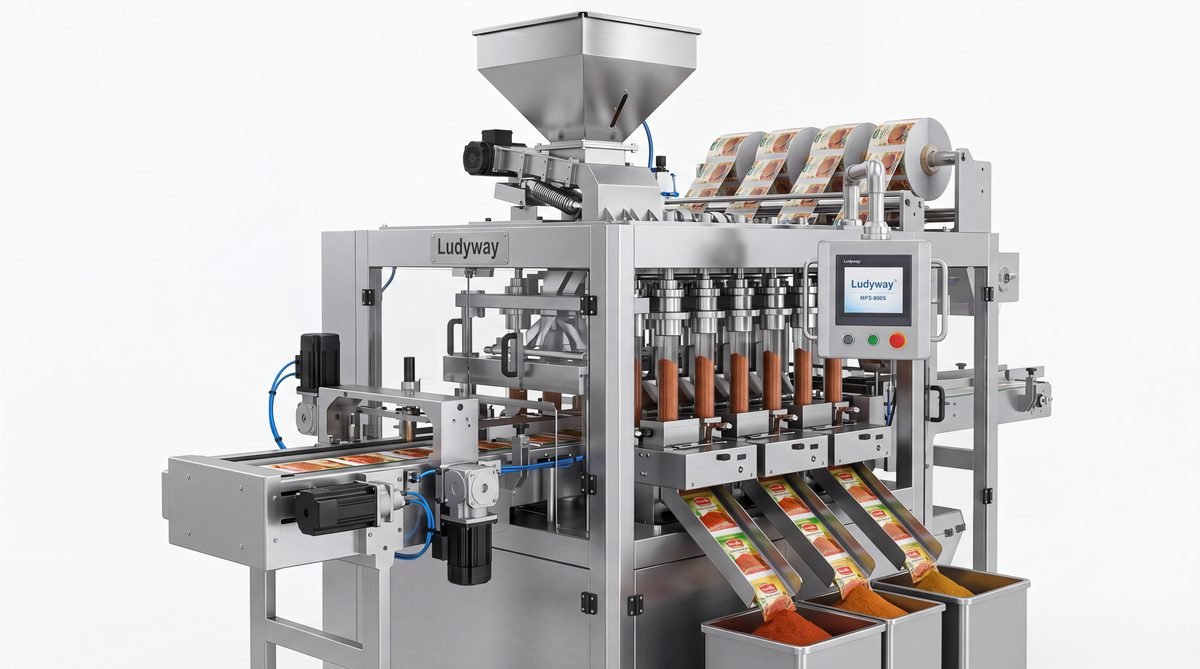
The bag style strongly affects equipment structure and cost. Basic pillow bags are usually more affordable than premade zipper pouches or multi-lane stick packs.
| Packaging Format | Cost Impact | Why |
|---|---|---|
| Pillow bag | Low to medium | Simpler forming and sealing structure |
| 3-side or 4-side seal sachet | Medium | Higher precision sealing and cutting |
| Stick pack | Medium to high | Multi-lane and compact filling structure |
| Premade pouch / zipper pouch | High | Pouch picking, opening, filling, sealing system required |
3. Speed and Output Capacity
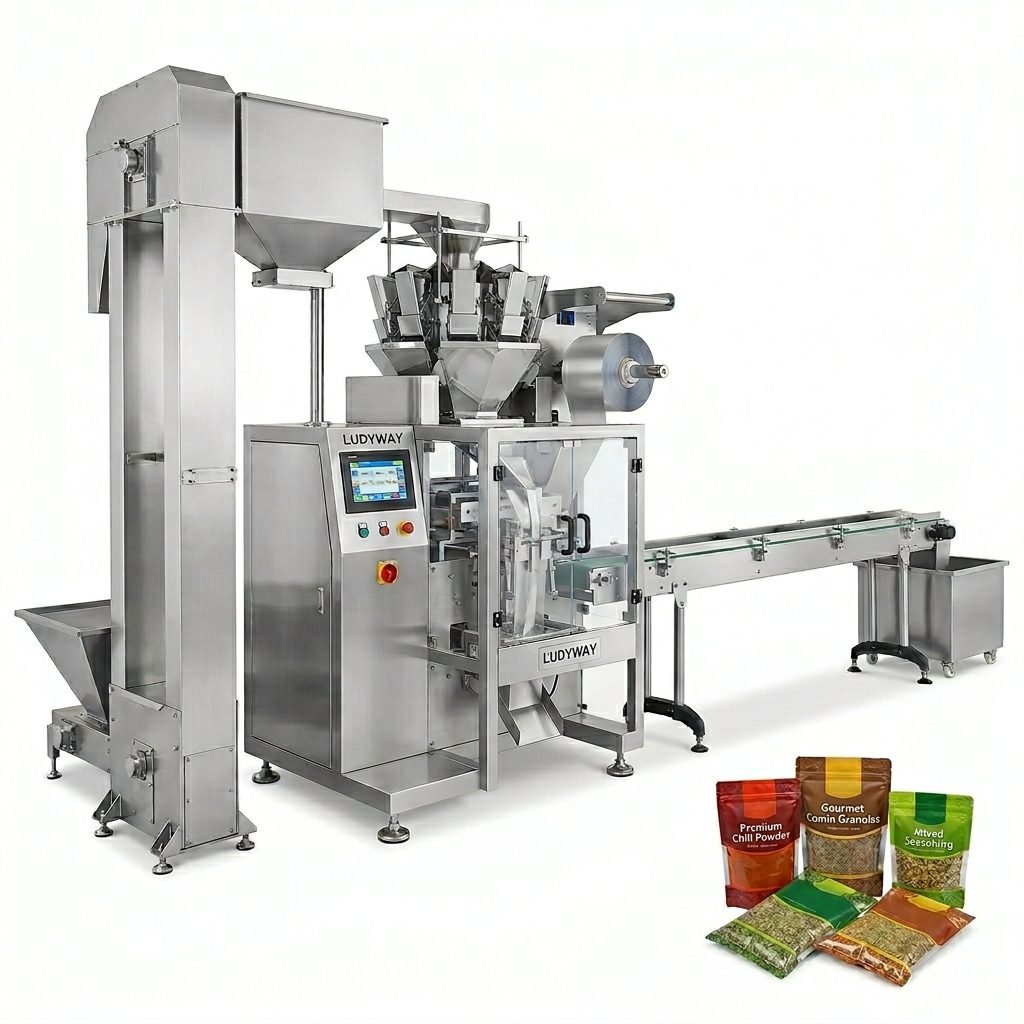
Higher speed almost always means a higher machine price. A low-speed single-lane machine is much cheaper than a high-output multi-lane spice sachet packaging system. If your production target is large, the higher upfront investment may still reduce your cost per pouch over time.
Ask yourself:
- How many packs per minute do you need?
- Do you run one shift or multiple shifts?
- Do you expect production growth in the next 2–3 years?
4. Filling Accuracy
Spices are often sold in small pack sizes, so even a small deviation in fill weight can create material waste or compliance issues. Machines with higher accuracy dosing systems, servo control, auger fillers, multi-head weighers, or feedback control cost more, but can improve profitability.
Example: If you consistently overfill each sachet by a small amount, the annual product giveaway can become significant.
5. Automation Level
A basic machine may only form, fill, and seal. A more advanced system can include:
- Automatic powder feeding
- Date coding or printing
- Nitrogen flushing
- Checkweighing
- Metal detection
- Cartoning
- Case packing
- Palletizing
The more integrated the line, the higher the initial investment. However, automation can lower labor dependency and improve consistency.
6. Material and Hygiene Requirements
Food-grade spices often require stainless steel contact parts, easy-clean structures, anti-dust design, and sanitary construction. Export-oriented producers may also need machinery that complies with stricter electrical or food safety standards.
These features raise the purchase price, but they are often necessary for long-term reliability and food industry compliance.
7. Customization
Customized spice packaging machines usually cost more than standard models. Typical custom requests include:
- Special sachet dimensions
- Unique seal patterns
- High-dust product handling
- Integration with existing production lines
- Multi-product changeover design
- Special voltage or certification requirements
8. Brand, Manufacturing Quality, and Service
A lower initial quotation may not always mean lower total cost. Machine durability, spare parts availability, technical support, installation guidance, and export experience all influence the real value of your purchase. Reliable suppliers typically provide stronger long-term support.
For buyers looking for scalable solutions, spice packing machine manufacturer Ludyway is often considered for automatic packaging equipment and turnkey packaging line projects across food, pharmaceutical, health supplement, and related industries.
Hidden Costs Buyers Often Forget
When comparing spice packing machine prices, many buyers only focus on the machine itself. In reality, the total project budget may also include:
- Shipping and freight
- Import duties and taxes
- Installation and commissioning
- Operator training
- Spare parts packages
- Air compressor or auxiliary equipment
- Packaging film compatibility testing
- Factory layout adjustments
| Cost Item | Should You Budget for It? |
|---|---|
| Machine unit price | Yes |
| Feeding system | Usually yes |
| Coding / printing unit | Often yes |
| Freight and import costs | Yes |
| Maintenance and spare parts | Yes |
| Packaging material testing | Recommended |
How to Choose the Right Spice Packing Machine
Define Your Product Clearly
Before requesting a quotation, prepare detailed product information. This helps suppliers recommend the right dosing and packaging structure.
- Spice name and composition
- Powder, granule, or blend type
- Flowability and moisture characteristics
- Pack weight range
- Target bag size and bag style
- Required production speed
Choose Based on Production Stage
Different businesses need different machine levels:
- Startup or small batch production: a semi-automatic or entry-level vertical machine may be enough.
- Growing spice brand: a reliable automatic machine with better accuracy and moderate speed is usually the best value.
- Large-scale manufacturer: a high-speed automatic line with feeding, inspection, and end-of-line automation may offer the best long-term return.
Focus on Total Value, Not Just Low Price
The cheapest spice packaging machine may lead to unstable sealing, inaccurate filling, excessive downtime, and difficult maintenance. The better question is: What machine gives the best cost-performance ratio for your real production needs?
Ask These Questions Before Buying
- What products has the machine packed successfully before?
- Can the supplier test my spice sample?
- What is the real running speed under my pack size?
- How accurate is the filling system?
- How long does changeover take?
- What spare parts should I buy with the machine?
- Is remote or on-site technical support available?
- Can the machine be upgraded later?
Best Machine Types for Different Spice Businesses
| Business Type | Recommended Machine | Why It Fits |
|---|---|---|
| Small spice startup | Semi-automatic auger filler | Lower investment and flexible use |
| Retail seasoning producer | Vertical form fill seal machine | Suitable for standard bags and stable output |
| Single-serve sachet supplier | Sachet or stick pack machine | Ideal for small-dose spice packaging |
| Premium seasoning brand | Premade pouch machine | Better shelf appeal and package presentation |
| Large industrial processor | Automatic turnkey packaging line | High efficiency, lower labor cost, scalable output |
When Is a Higher-Priced Machine Worth It?
A more expensive spice packing machine may be the right choice if:
- You have high daily output targets
- You need better weight accuracy
- Your spice powder creates dust or sealing difficulty
- You want to reduce labor dependence
- You supply supermarkets, distributors, or export markets
- You need room to expand production later
In these cases, paying more upfront can result in lower waste, better package quality, fewer breakdowns, and stronger long-term profitability.
Final Buying Tips for Spice Packaging Projects
- Always compare machine configuration, not just headline price
- Send samples to test real product performance
- Confirm packaging film and pouch compatibility
- Evaluate service support and spare parts access
- Think about future production expansion before buying
- Calculate total operating cost, not only purchase cost
Conclusion
The right spice packing machine price depends on much more than the machine model. Product type, bag style, speed, automation, accuracy, customization, and service all shape the final investment. Buyers who define their production needs clearly and evaluate total value instead of only the lowest quotation are more likely to choose equipment that delivers stable performance and better ROI.
If you are planning a spice packaging project, the smartest approach is to match the machine to your actual product characteristics, target output, and growth strategy.