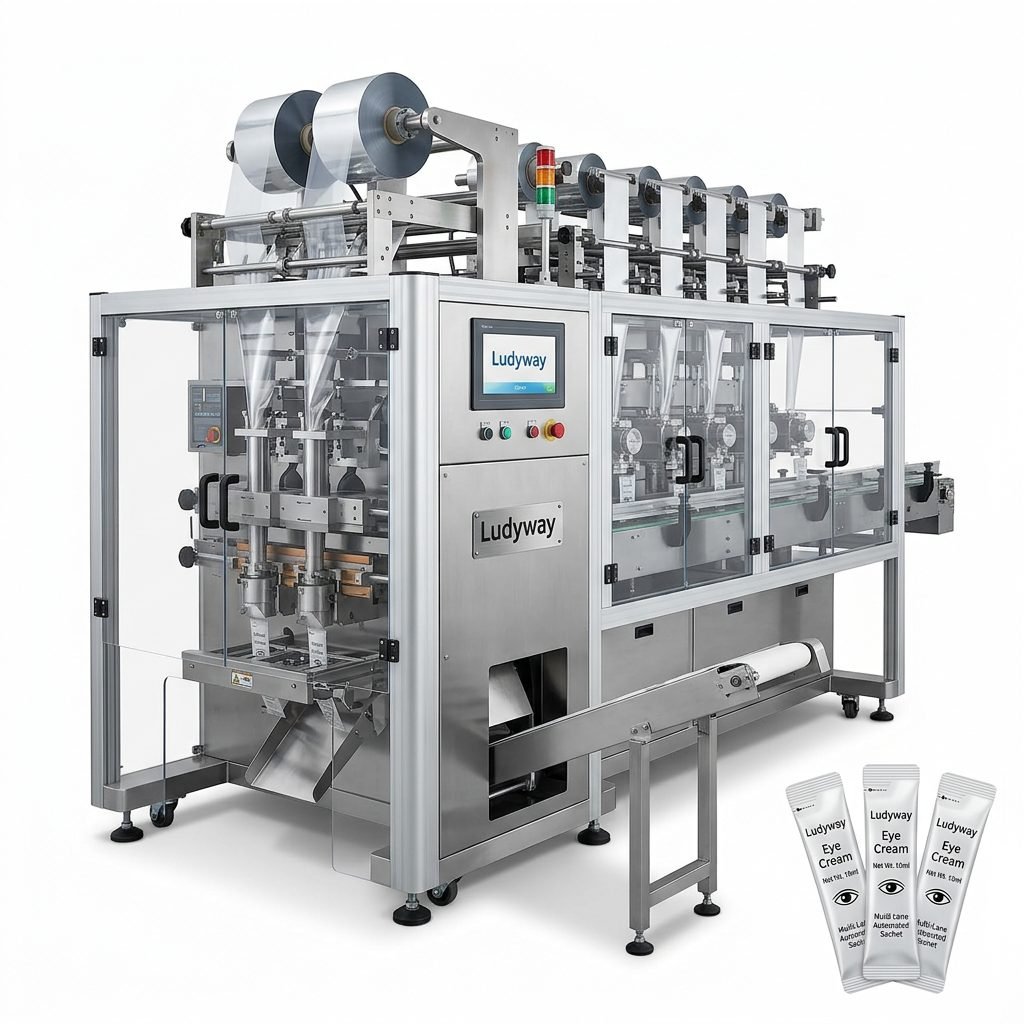
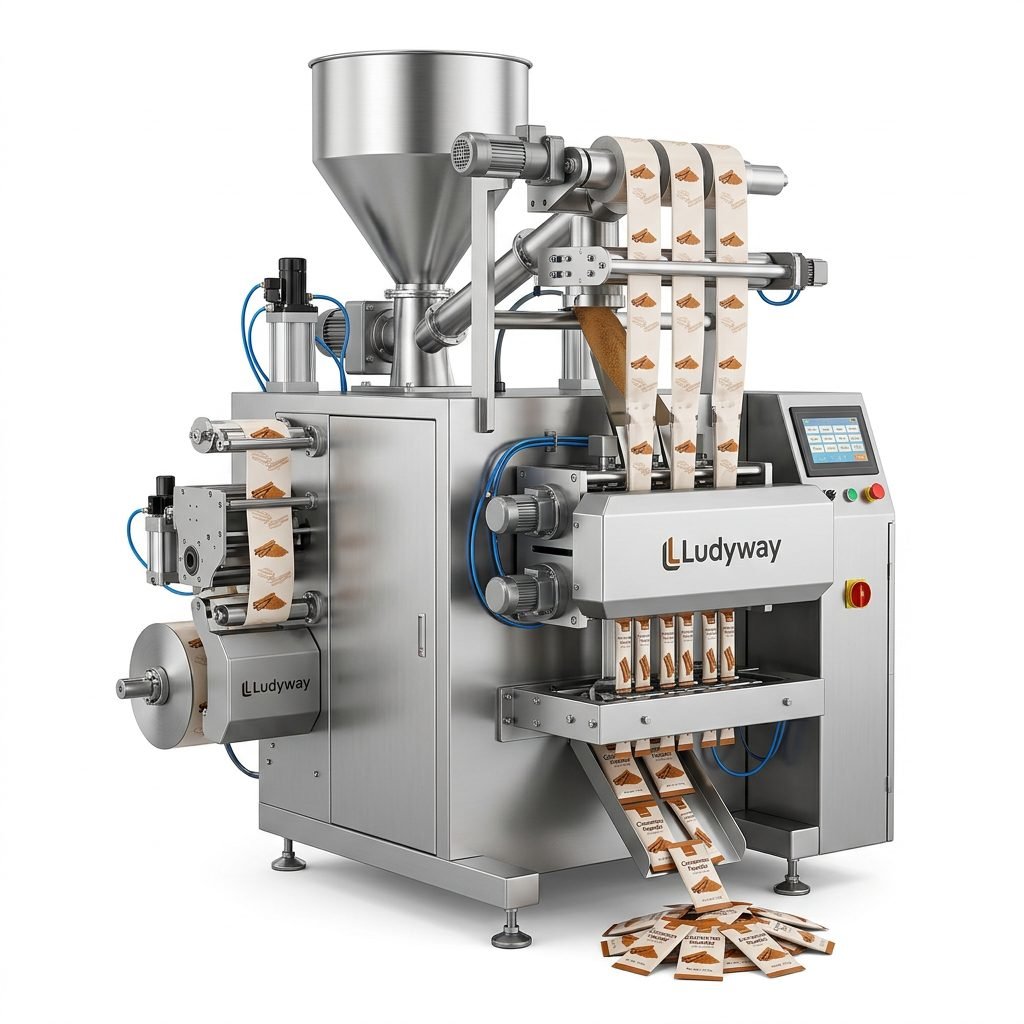
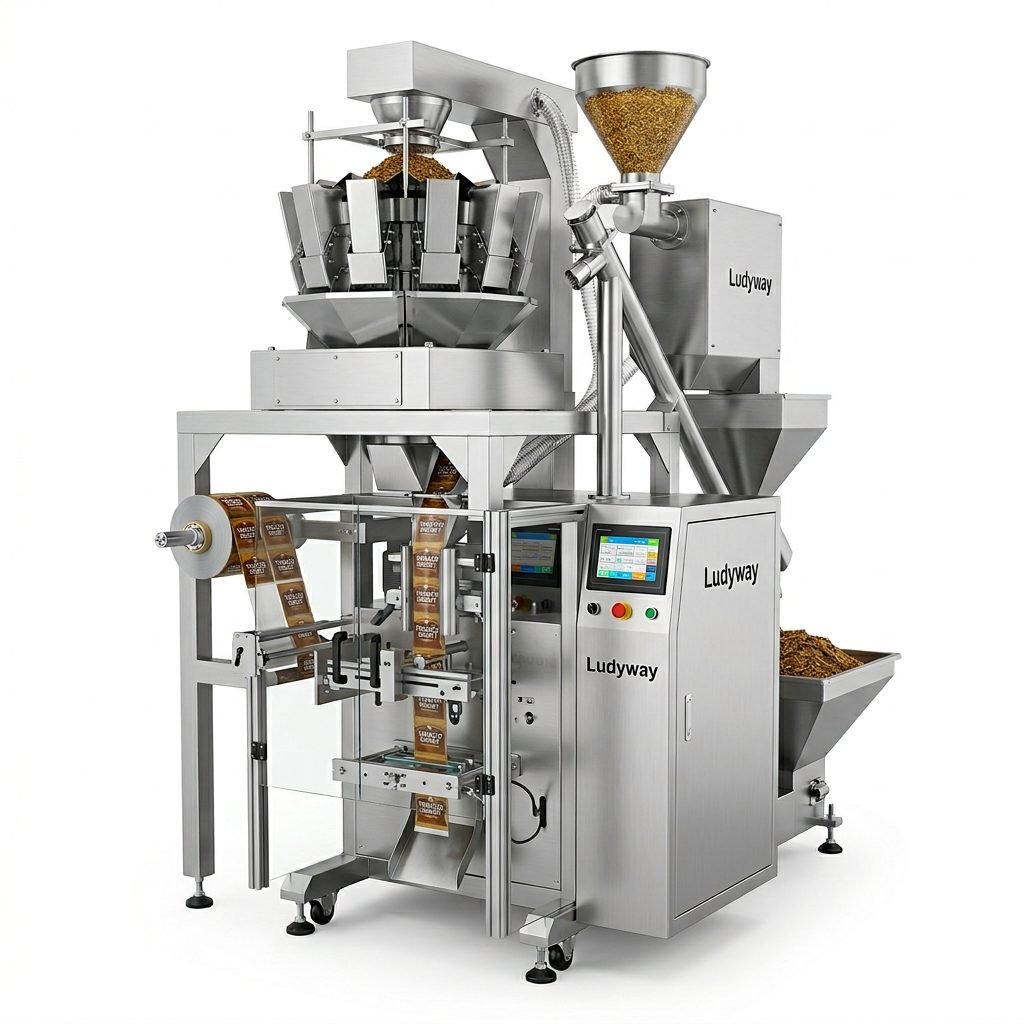
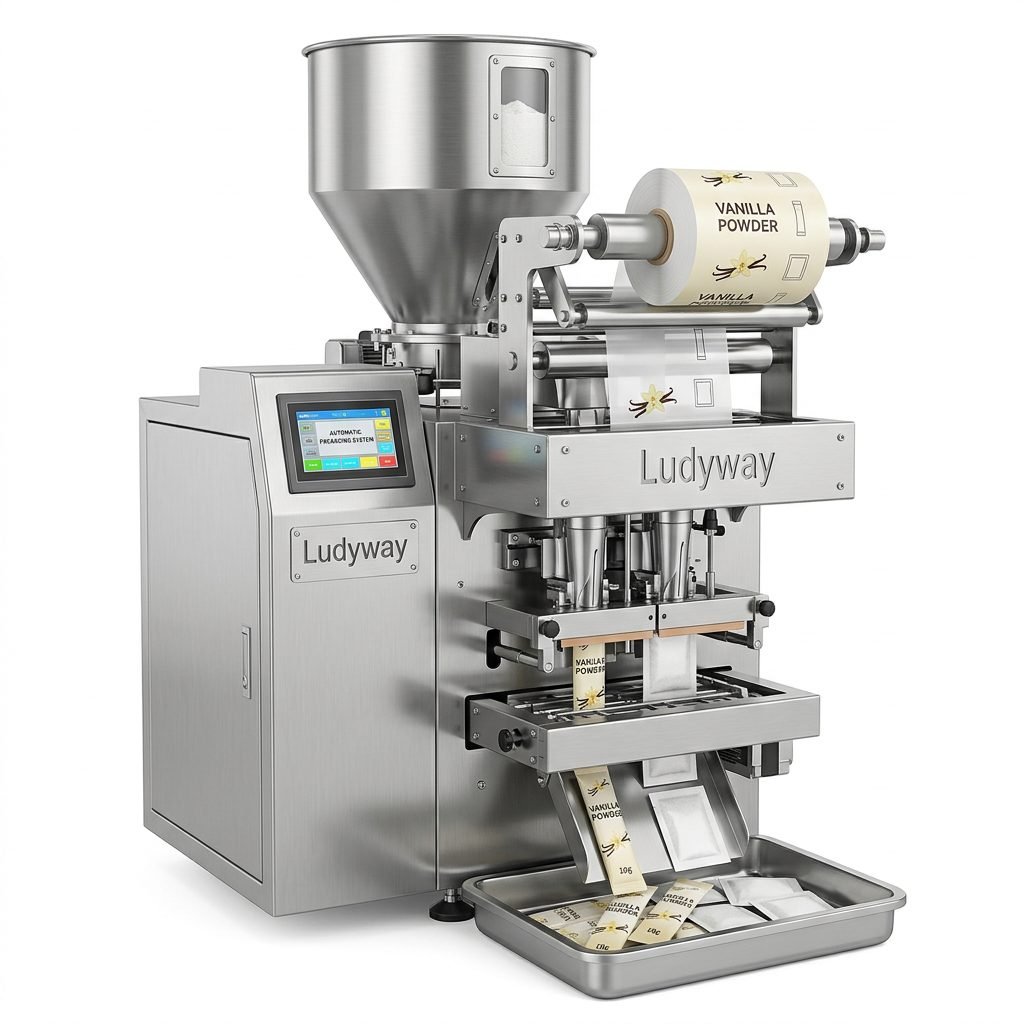
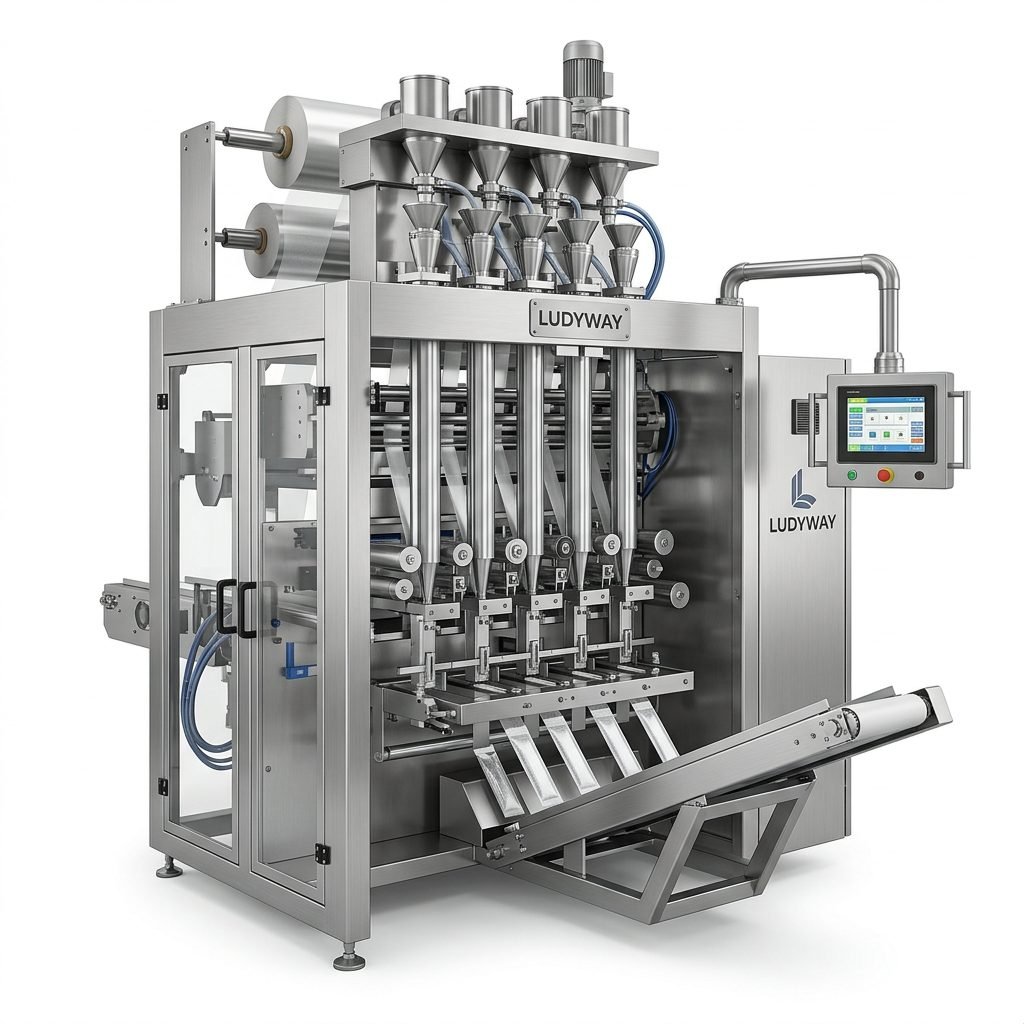
A packing machine is the core equipment behind fast, consistent, and hygienic product packaging in modern manufacturing. Whether you produce food, pharmaceuticals, cosmetics, chemicals, or animal feed, the right machine can improve output, reduce labor costs, enhance sealing quality, and support long-term automation goals.
In simple terms, packing machines measure, fill, seal, label, wrap, or case-pack products into a final saleable format. They are used for granules, powders, liquids, pastes, tablets, capsules, and premade pouches, making them essential for businesses that need accuracy, efficiency, and repeatable packaging results.
What Is a Packing Machine?
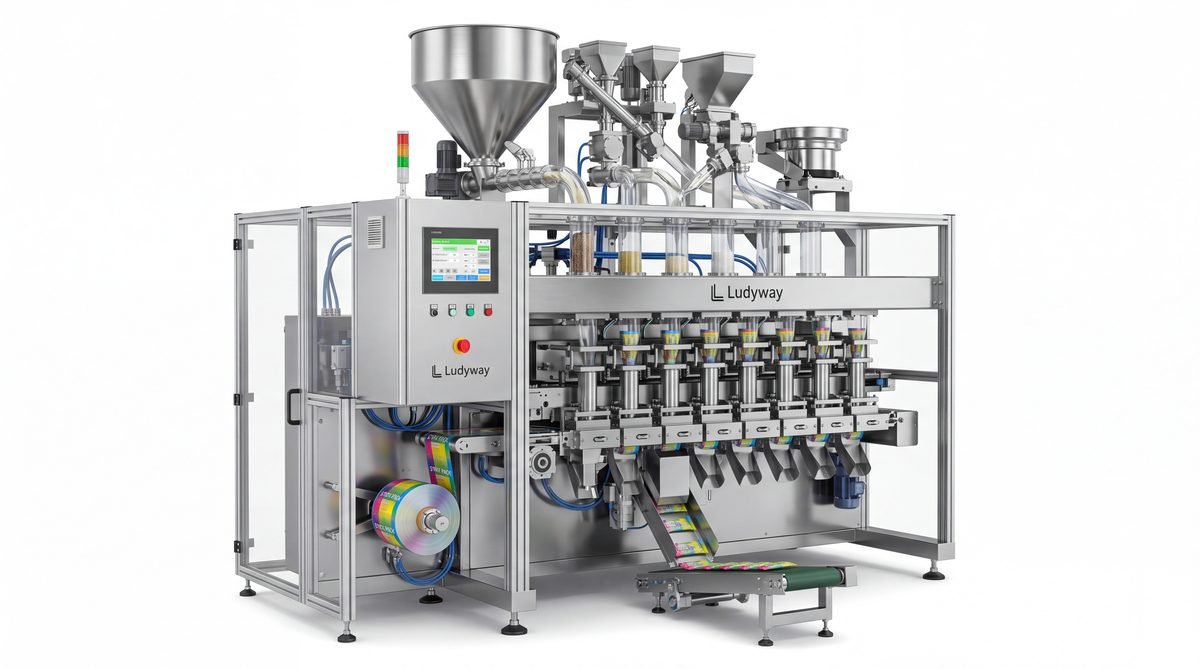
A packing machine is a mechanical or automated system designed to place products into packaging materials and prepare them for storage, shipping, or retail sale. Depending on the application, it may perform one or several tasks:
- Product feeding
- Weighing or dosing
- Filling
- Bag or pouch forming
- Sealing
- Date coding or printing
- Cartoning or case packing
- Palletizing
Today’s manufacturers often prefer automated systems because they deliver better consistency than manual packaging, especially in industries where weight control, hygiene, and packaging speed directly affect profitability and compliance.
Main Types of Packing Machines
Packing machines come in many forms, but most can be grouped by product type, package format, and automation level. Below are the most common machine categories used in production lines.
1. Vertical Form Fill Seal Machines
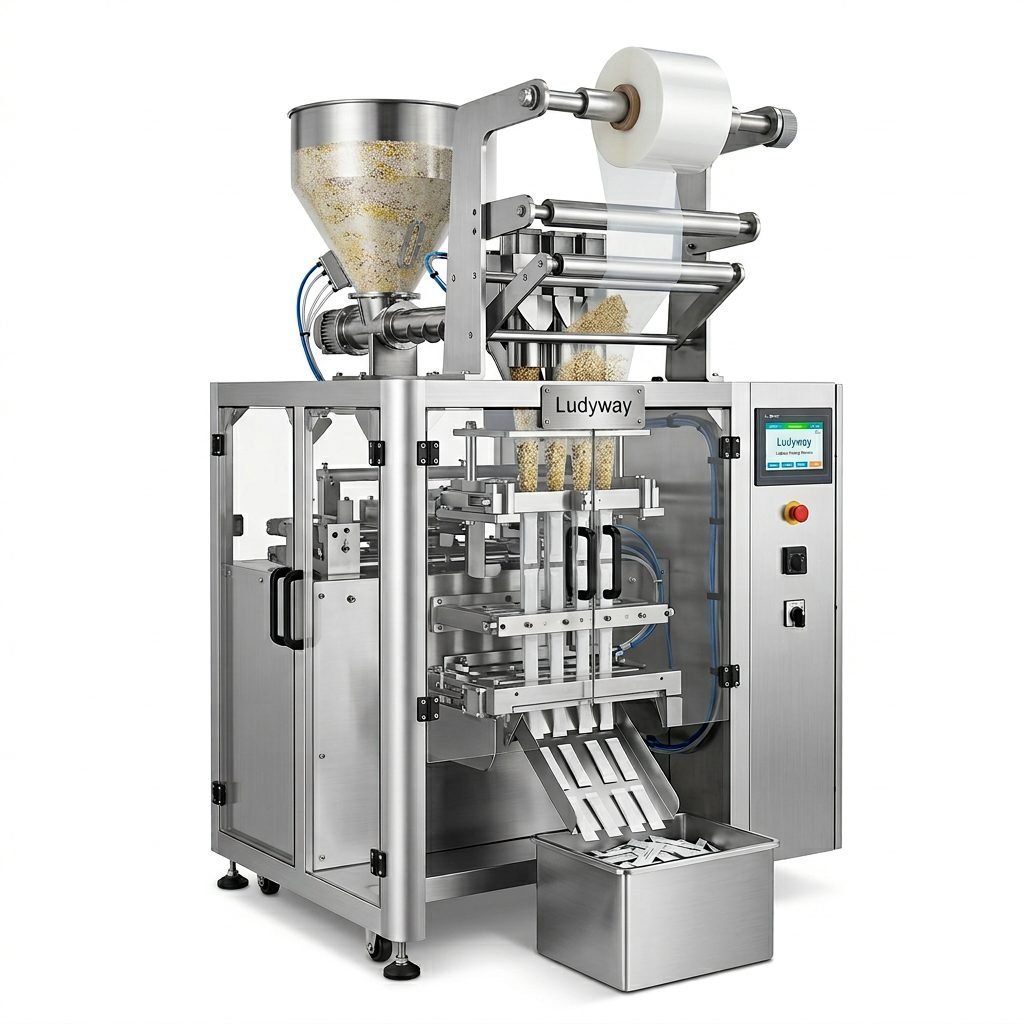
Vertical form fill seal (VFFS) machines create bags from roll film, fill the product, and seal the package in one continuous process. They are widely used for snacks, powders, coffee, grains, seasonings, and similar products.
- Suitable for granules and powders
- Compact footprint
- Efficient for medium to high output
- Supports pillow bags, gusset bags, and more
2. Sachet Packing Machines
Sachet packing machines are designed for small single-use or single-dose packs. They are common in food service, healthcare, personal care, and pharmaceutical markets.
- Ideal for powder, liquid, paste, and granule products
- Common for ketchup, sauces, coffee powder, supplements, shampoo, and creams
- Can be configured as single-lane or multi-lane systems
3. Stick Pack Machines
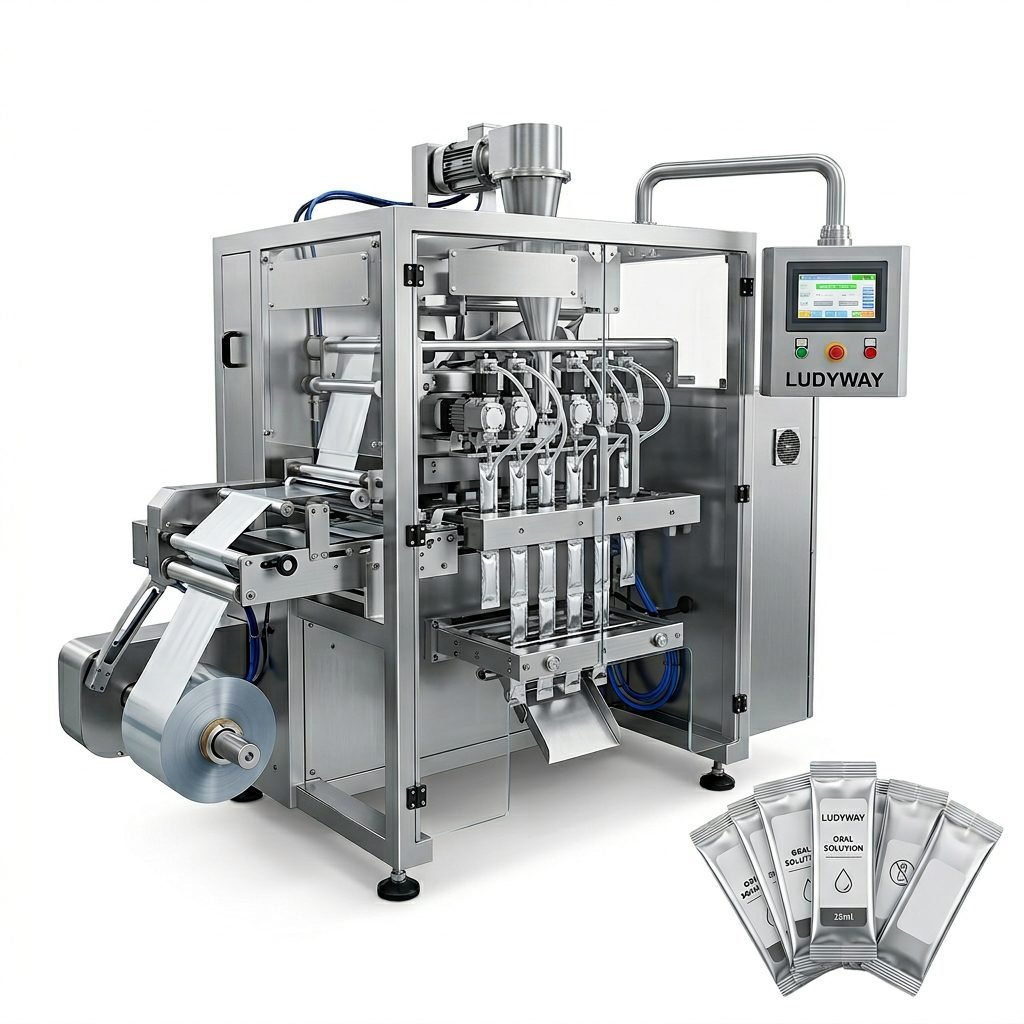
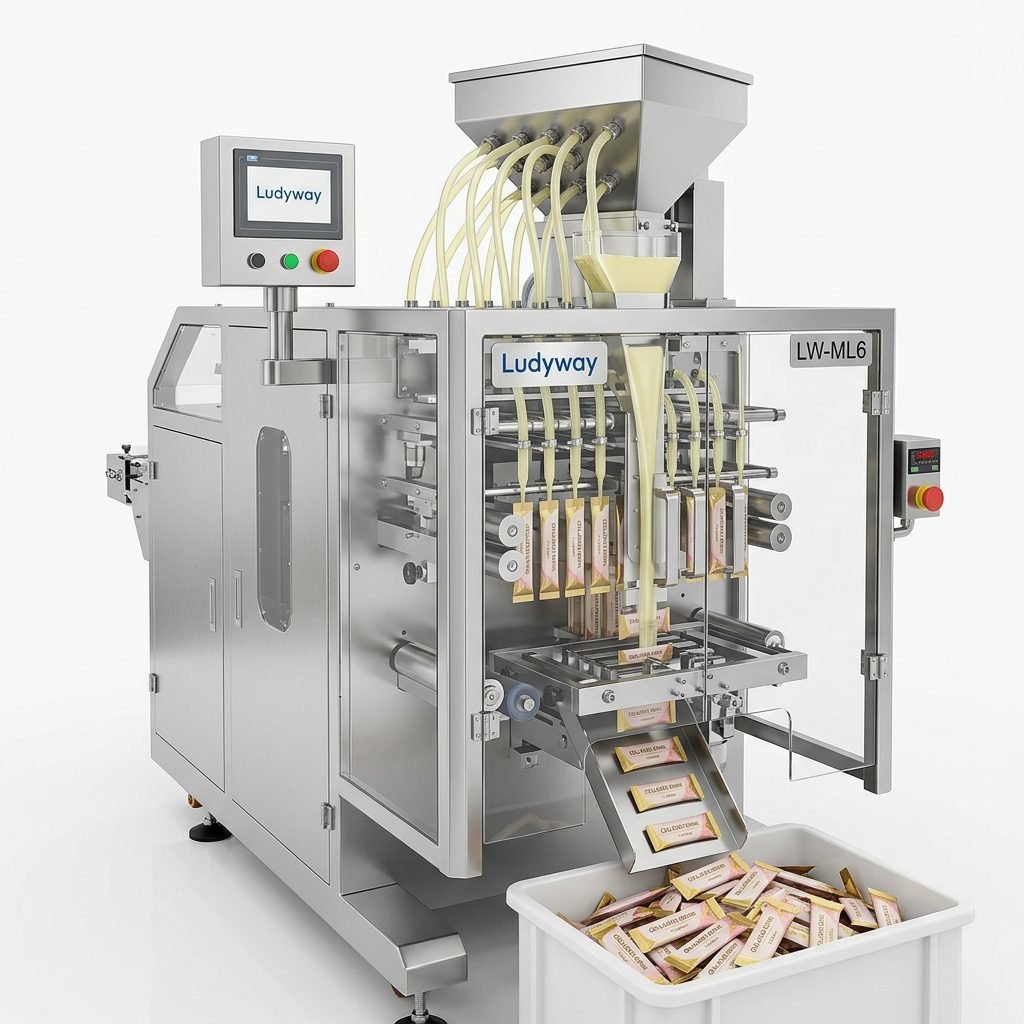
Stick pack machines produce narrow, elongated packets. They are popular for drink mixes, sweeteners, collagen powder, oral solutions, and pharmaceutical granules because they offer excellent portion control and attractive retail presentation.
4. Premade Pouch Packing Machines
These machines fill and seal preformed pouches rather than forming the package from film. They are often used when the customer wants a more premium pouch appearance, such as stand-up pouches, zipper pouches, or shaped pouches.
5. Liquid and Paste Filling Machines
These systems handle free-flowing or viscous products including oils, gels, syrups, sauces, creams, lotions, and detergents. Different pump systems may be selected based on viscosity and fill accuracy requirements.
6. Powder Packing Machines
Powder packaging usually requires auger filling or similar dosing technology to maintain precision. This type of machine is often used for milk powder, spice blends, health supplements, pharmaceutical powders, and chemical powders.
7. Granule Packing Machines
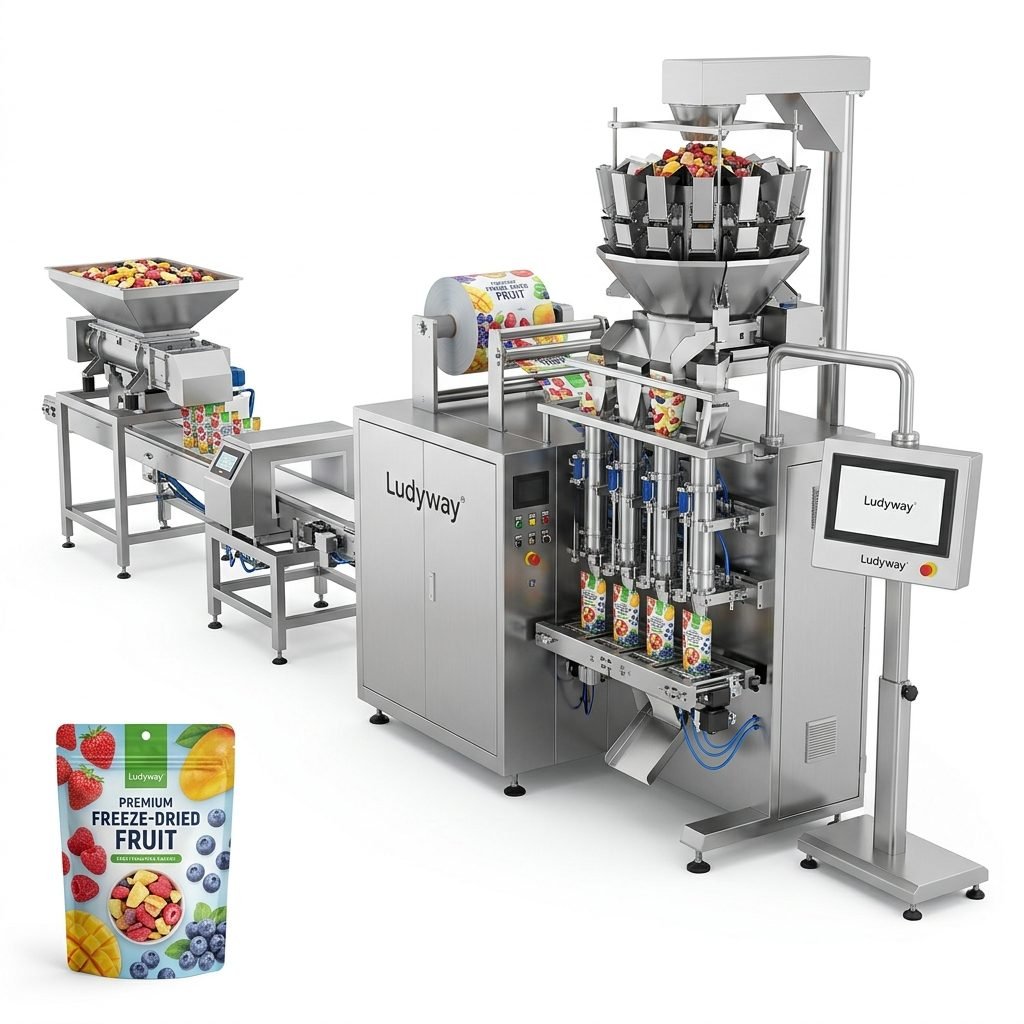
Granule machines are built for products like sugar, salt, seeds, cereals, beans, pet food, and fertilizer granules. Depending on the material, they may use cup fillers, weighers, or linear scales.
8. Cartoning and Case Packing Machines
After primary packaging, many manufacturers need secondary packaging equipment. Cartoners and case packers help organize sachets, sticks, bottles, or pouches into cartons or shipping cases for distribution.
Packing Machine Types by Product Form
| Product Form | Recommended Machine Type | Typical Applications |
|---|---|---|
| Powder | Auger filler, sachet machine, stick pack machine, VFFS | Milk powder, spices, protein powder, pharma powder |
| Granule | Cup filler, weigher, VFFS, stick pack machine | Sugar, salt, seeds, cereals, pet food |
| Liquid | Liquid filling and sealing machine, sachet machine, pouch machine | Sauces, oils, shampoos, oral liquids |
| Paste | Piston pump filler, sachet machine, pouch machine | Cream, lotion, peanut butter, gel |
| Tablets/Capsules | Counting machine, blister machine, bottle line | Pharmaceuticals, nutraceuticals |
Common Uses of Packing Machines
The use of packing machines varies by industry, but the business goals are similar: improve speed, lower waste, strengthen product quality, and create scalable production.
Food Industry
Food manufacturers rely on packaging equipment for seasoning powders, coffee, sauces, snacks, cereals, frozen foods, honey, starch, dried fruits, and ready-to-mix products. In this sector, sealing reliability and hygienic design are especially important.
Pharmaceutical Industry
Pharmaceutical packaging often requires strict dosing accuracy, traceability, contamination control, and compliance with validation standards. Machines are used for granules, oral liquids, medical wipes, powders, capsules, and blister-packed products.
Health Supplement Industry
This category includes protein powder, collagen, probiotics, electrolyte powder, vitamins, and nutraceutical granules. Stick packs and sachets are particularly popular because they are portable and easy for consumers to use.
Cosmetic and Personal Care Industry
Sachets and small pouches are common for lotion, serum, shampoo, conditioner, face cream, and cleanser. For these products, appearance, seal quality, and precise filling directly affect brand perception.
Chemical and Industrial Industry
Chemical products such as cleaners, adhesives, additives, powders, and industrial liquids require robust material compatibility and safe handling. Machine structure, corrosion resistance, and sealing performance are key.
Animal Feed and Pet Food Industry
Granules, pellets, powders, and pet nutrition products are often packed in sachets, pouches, or bulk bags. High-capacity weighing and stable feeding systems are important in these applications.
Benefits of Using the Right Packing Machine
- Higher production efficiency with less manual labor
- Better fill accuracy and lower material waste
- More consistent package appearance
- Improved hygiene and reduced contamination risk
- Stronger sealing quality for storage and transportation
- Easier expansion into high-volume production
- Better integration with conveyors, printers, checkweighers, and cartoners
How to Choose the Right Packing Machine
Choosing the best equipment is not only about speed. It requires a clear understanding of your product, package style, factory conditions, and future production plans.
1. Understand Your Product Characteristics
Start with the material itself. Ask the following:
- Is the product powder, granule, liquid, paste, tablet, or capsule?
- Does it flow easily or bridge during feeding?
- Is it dusty, sticky, corrosive, or heat-sensitive?
- Does it require sanitary or explosion-proof design?
These factors will affect the filling system, sealing method, and machine structure.
2. Confirm Packaging Format
The machine must match the package format you want to sell. Common formats include:
- Sachets
- Stick packs
- Pillow bags
- Stand-up pouches
- Zipper pouches
- Bottles, jars, tubes, or cartons
If your product is intended for retail shelves, sample packs, e-commerce, or hospital use, format selection becomes even more important.
3. Define Output Requirements
Ask how many packs you need per minute, hour, or shift. A startup may need a flexible machine with moderate capacity, while a large factory may need a high-speed multi-lane packaging system integrated into a turnkey line.
4. Check Accuracy Requirements
In food and pharma packaging, underfilling or overfilling can create serious cost and compliance issues. If your product has tight weight tolerance requirements, prioritize filling precision and stable dosing control.
5. Consider Automation Level
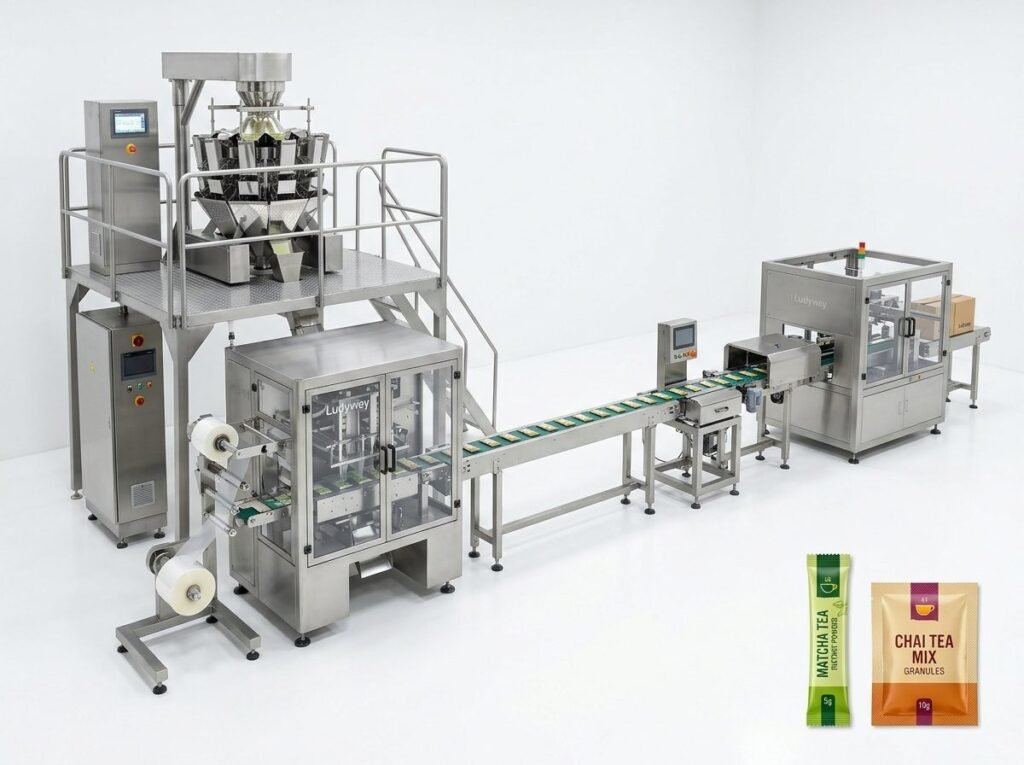
Not every company needs a fully automated line on day one. Machine selection can range from semi-automatic standalone equipment to full turnkey systems with:
- Feeding conveyors
- Weighing units
- Primary packaging machines
- Date coders
- Inspection systems
- Cartoning and case packing
- Palletizing
6. Evaluate Machine Material and Build Quality
For food, pharmaceutical, and cosmetic applications, stainless steel construction is often preferred. Build quality affects uptime, cleaning efficiency, maintenance frequency, and machine lifespan.
7. Review Maintenance and Technical Support
A good machine should be easy to clean, easy to change over, and supported by clear documentation. Spare parts access and after-sales service are just as important as the original machine price.
8. Think About Future Expansion
If you plan to add more SKUs or increase capacity later, choose equipment with room for upgrades. Flexible design can reduce future investment and avoid replacing the entire line too early.
Quick Packing Machine Selection Guide
| If You Need To Pack | Best Option | Why |
|---|---|---|
| Single-dose powder products | Stick pack or sachet machine | Accurate small-dose packaging with good retail convenience |
| High-volume granules | VFFS with weigher or cup filler | Efficient continuous production and flexible bag styles |
| Viscous cream or sauce | Liquid/paste filling and sealing machine | Handles viscosity better and improves fill consistency |
| Premium retail pouches | Premade pouch packing machine | High-end appearance and flexible pouch options |
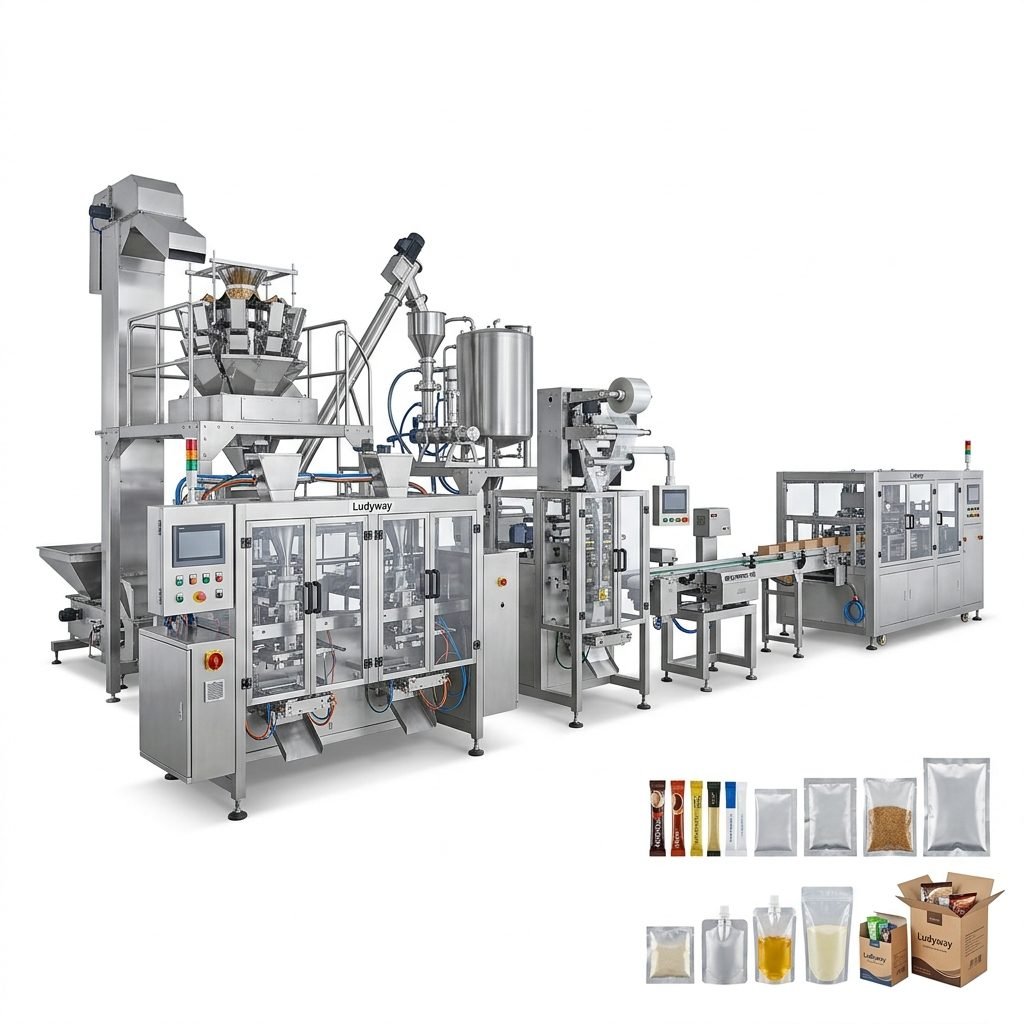
| Complete end-to-end automation | Integrated turnkey packaging line | Connects feeding, filling, sealing, inspection, and secondary packing |
Common Mistakes Buyers Should Avoid
- Choosing based only on price instead of total operating value
- Ignoring product flowability and dosing behavior
- Buying a machine without considering future SKU changes
- Underestimating cleaning and maintenance needs
- Failing to confirm packaging material compatibility
- Not asking about changeover time and spare parts support
When Should You Invest in an Automated Packaging Line?
You should consider moving from standalone equipment to an integrated packaging line when:
- Manual packaging is slowing down production
- Labor costs are increasing
- You need more stable product quality
- Your order volume is growing quickly
- You want better traceability and quality control
- You need a more professional packaging appearance for export or retail markets
For companies with expansion plans, turnkey lines often provide better long-term value because they reduce connection issues between separate machines and simplify production management.
What to Ask a Packing Machine Manufacturer Before Buying
- What products and package types can this machine handle?
- What is the real output range under normal production conditions?
- What filling accuracy can be achieved?
- How long does size changeover take?
- Can the system be integrated with conveyors, printers, or cartoners?
- What materials are used in product-contact parts?
- What training, commissioning, and after-sales support are available?
- Can the machine be customized for special applications?
Reliable Partner for Packaging Machinery
If you are looking for scalable equipment for food, pharma, health supplement, cosmetic, chemical, or feed applications, Ludyway packaging machine solutions are designed to support both standalone equipment needs and complete turnkey packaging line projects. With more than 30 years of industry experience, a manufacturing base of over 20,000 square meters, and service coverage across more than 100 countries and regions, the company is widely recognized for broad application support and flexible automation options.
Final Buying Insight
The best packing machine is the one that matches your product, packaging format, speed target, compliance needs, and future growth plan. A well-chosen machine does more than pack products—it improves efficiency, protects product quality, and strengthens your production capability over time.
Before making a final decision, compare machine type, dosing system, automation level, support service, and long-term scalability. That approach will help you choose equipment that delivers real value rather than short-term convenience.