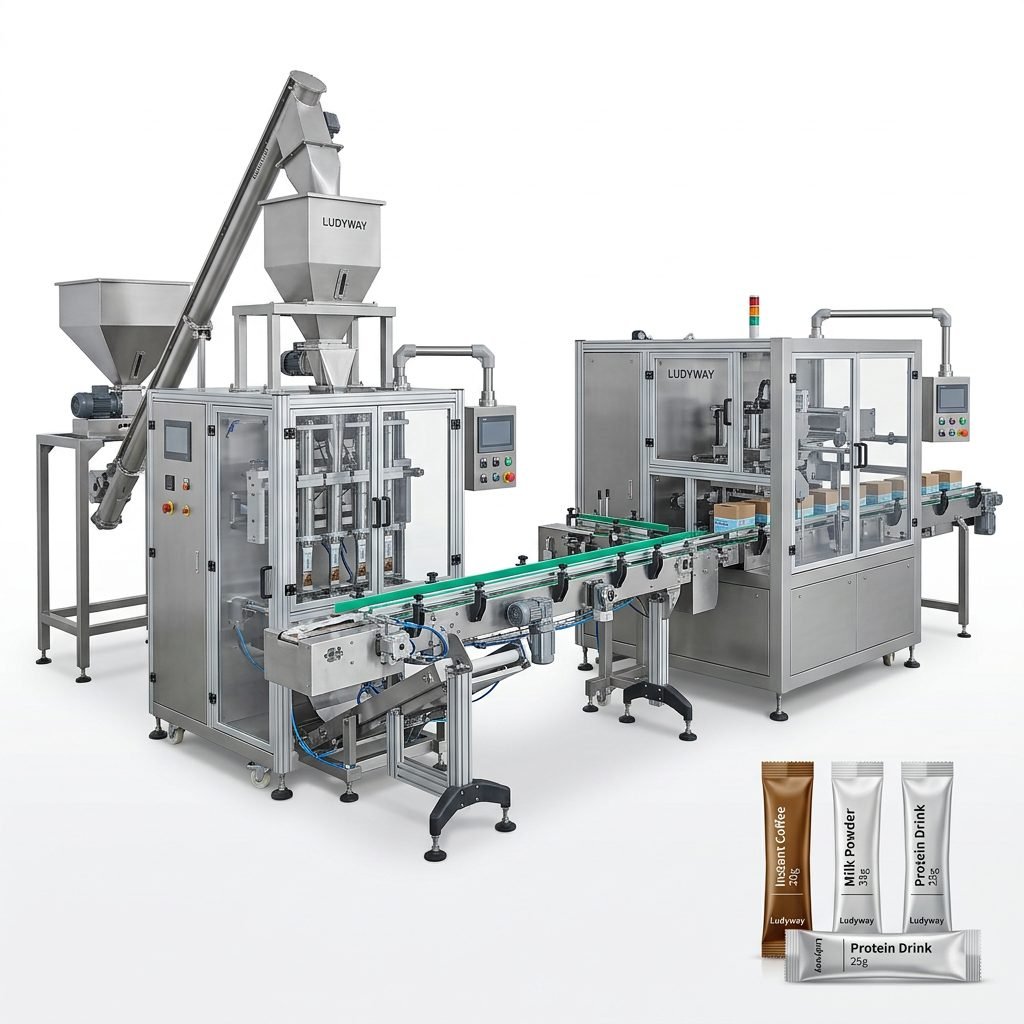
In modern manufacturing and distribution, every second in the packaging area affects output, labor costs, shipment accuracy, and customer satisfaction. An automatic box packing and sealing machine helps businesses streamline end-of-line operations by forming, filling, closing, and sealing cartons with greater consistency than manual work. For companies handling food, pharmaceutical, health supplement, cosmetic, and chemical products, this type of automation can become a practical way to improve packaging efficiency at scale.
As production volumes rise and labor pressure increases, businesses are looking for packaging systems that reduce handling, minimize downtime, and support continuous operation. A well-matched automatic cartoning, case packing, and sealing solution can improve throughput while maintaining neat carton appearance and shipment protection.
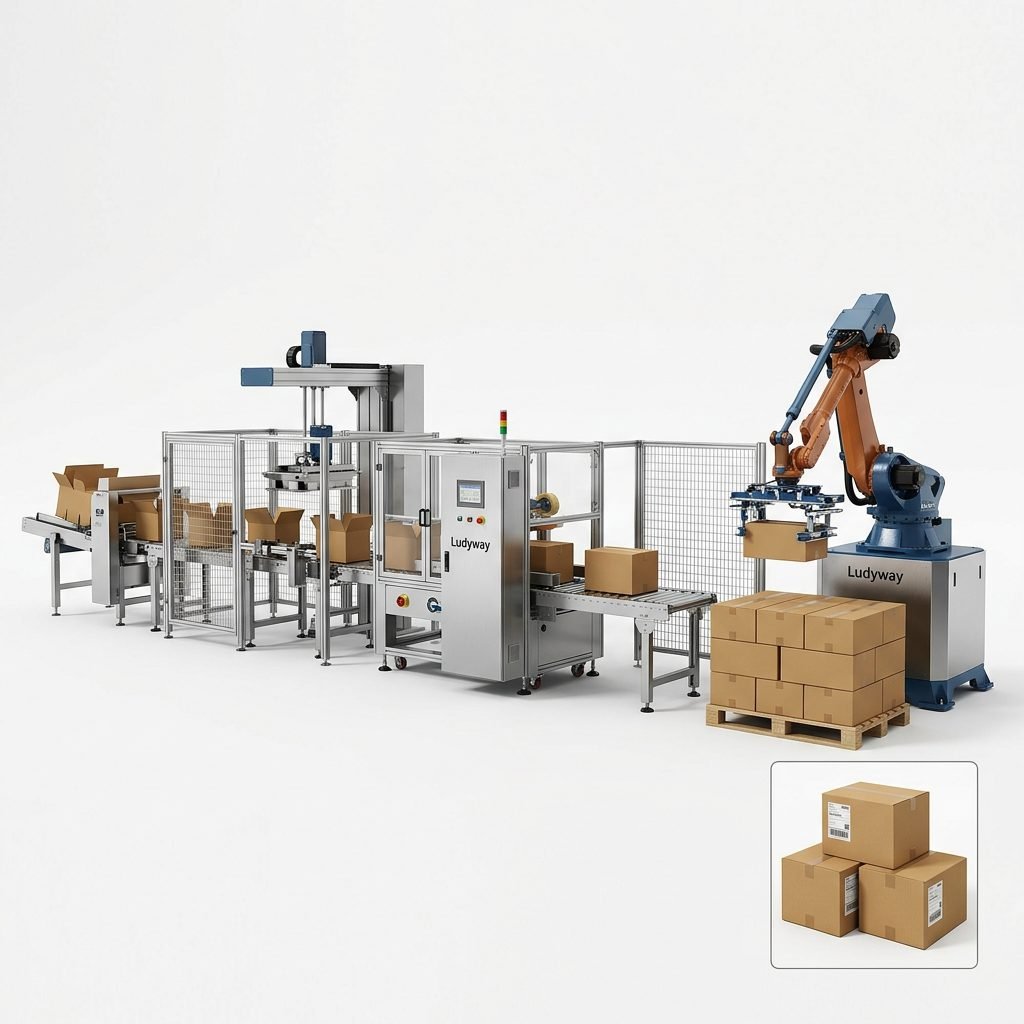
What Is an Automatic Box Packing and Sealing Machine?
An automatic box packing and sealing machine is an integrated packaging solution designed to move products into cartons or cases and then seal them securely for storage or shipping. Depending on the application, the system may include:
- Carton or case erecting for automatic box forming
- Product loading by robotic, pick-and-place, counting, or conveyor feeding methods
- Flap folding for precise carton closing
- Tape sealing or hot melt sealing for transport security
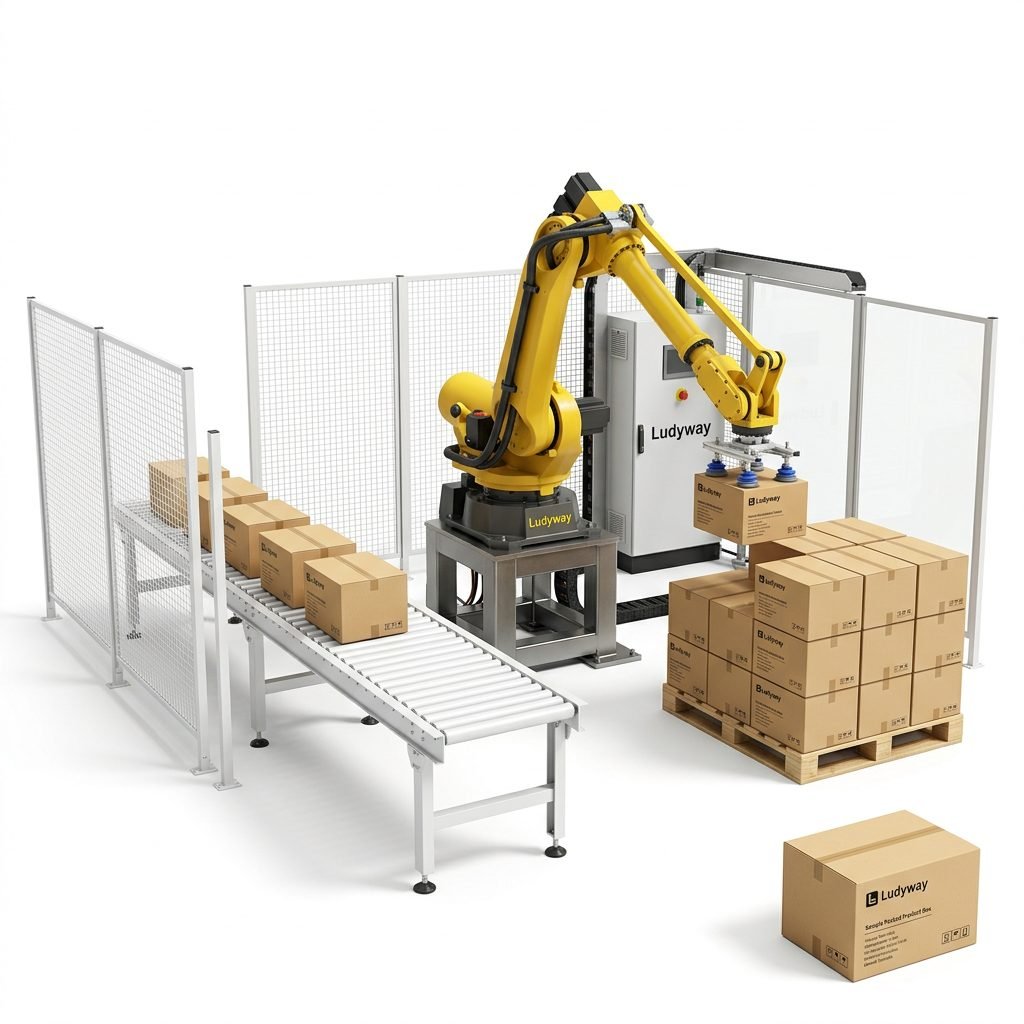
- Optional labeling, coding, weighing, and palletizing for full line integration
These machines are widely used when products have already been packed into sachets, stick packs, pouches, bottles, tubes, blister packs, or small cartons and need to be placed into larger shipping boxes quickly and accurately.
Why Businesses Are Investing in Box Packing Automation
Manual carton loading and sealing may work for low output, but it often becomes a bottleneck as demand grows. Automation offers measurable gains across multiple areas of production.
| Business Challenge | How Automatic Box Packing and Sealing Helps |
|---|---|
| High labor dependency | Reduces repetitive manual packing and sealing tasks |
| Inconsistent carton quality | Creates uniform box forming, loading, and sealing results |
| Slow end-of-line throughput | Supports continuous, high-speed packaging flow |
| Shipping damage risk | Improves seal quality and box integrity |
| Frequent packing errors | Enhances count accuracy and packing consistency |
Key Benefits of an Automatic Box Packing and Sealing Machine
1. Faster Packaging Throughput
One of the biggest advantages is speed. Automated systems can process far more boxes per minute than manual teams, especially in operations with continuous product flow. This allows production managers to balance upstream filling and packaging equipment with downstream case handling.
2. Lower Labor Pressure
Packing finished products into cartons and sealing them is repetitive, physically demanding work. Automation can reduce labor intensity, support workforce reallocation, and make it easier to run multi-shift operations with stable output.
3. More Consistent Packaging Quality
Uneven tape application, poorly folded flaps, underfilled cartons, and carton deformation can all affect brand presentation and transport reliability. Automatic equipment helps maintain consistent carton shape, seal quality, and product arrangement.
4. Better Product Protection
A secure box seal is essential for warehousing and shipping. Automated sealing reduces the chance of loose flaps, weak closure, or transit-related package failure, especially for export shipments and long-distance transportation.
5. Easier Line Integration
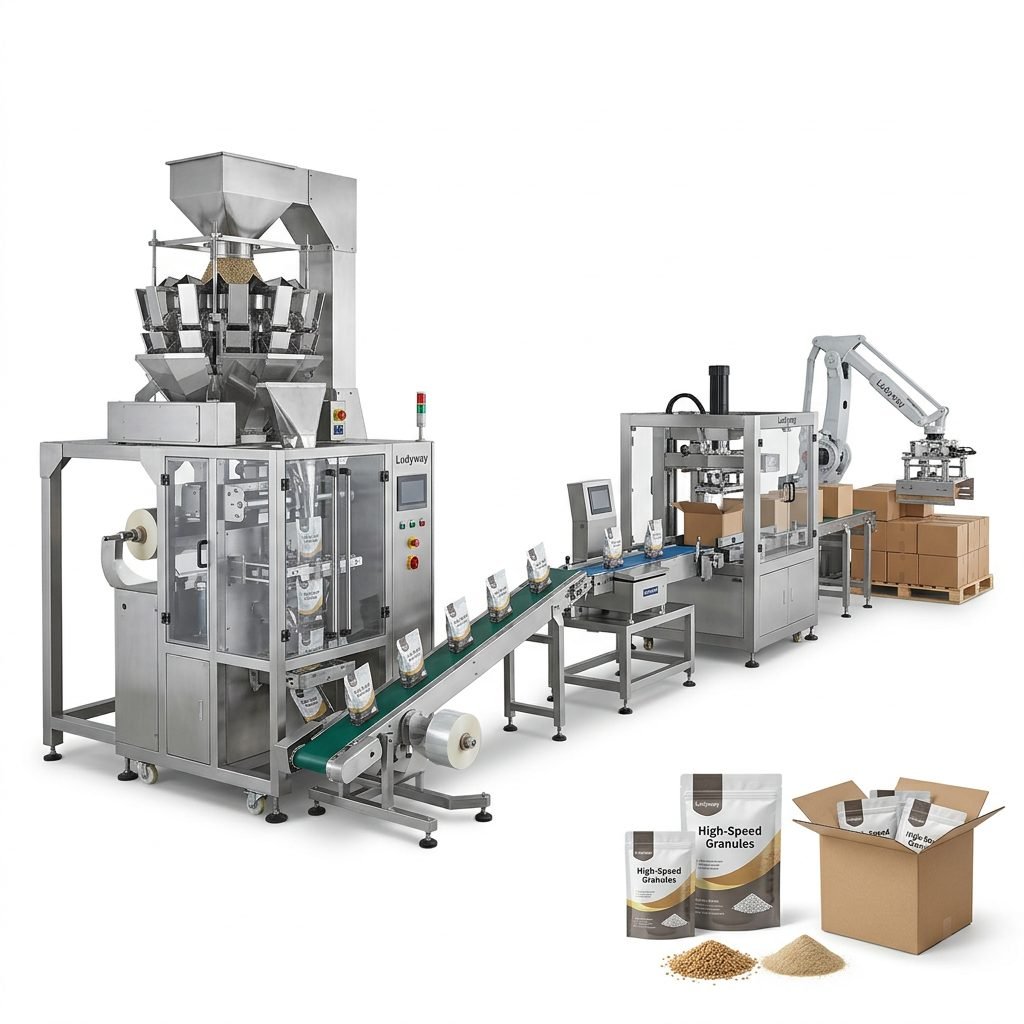
Automatic box packing and sealing machines can be integrated with conveyors, checkweighers, coding systems, robotic pick-and-place units, case packers, and palletizers. This creates a smoother packaging line with less manual transfer between processes.
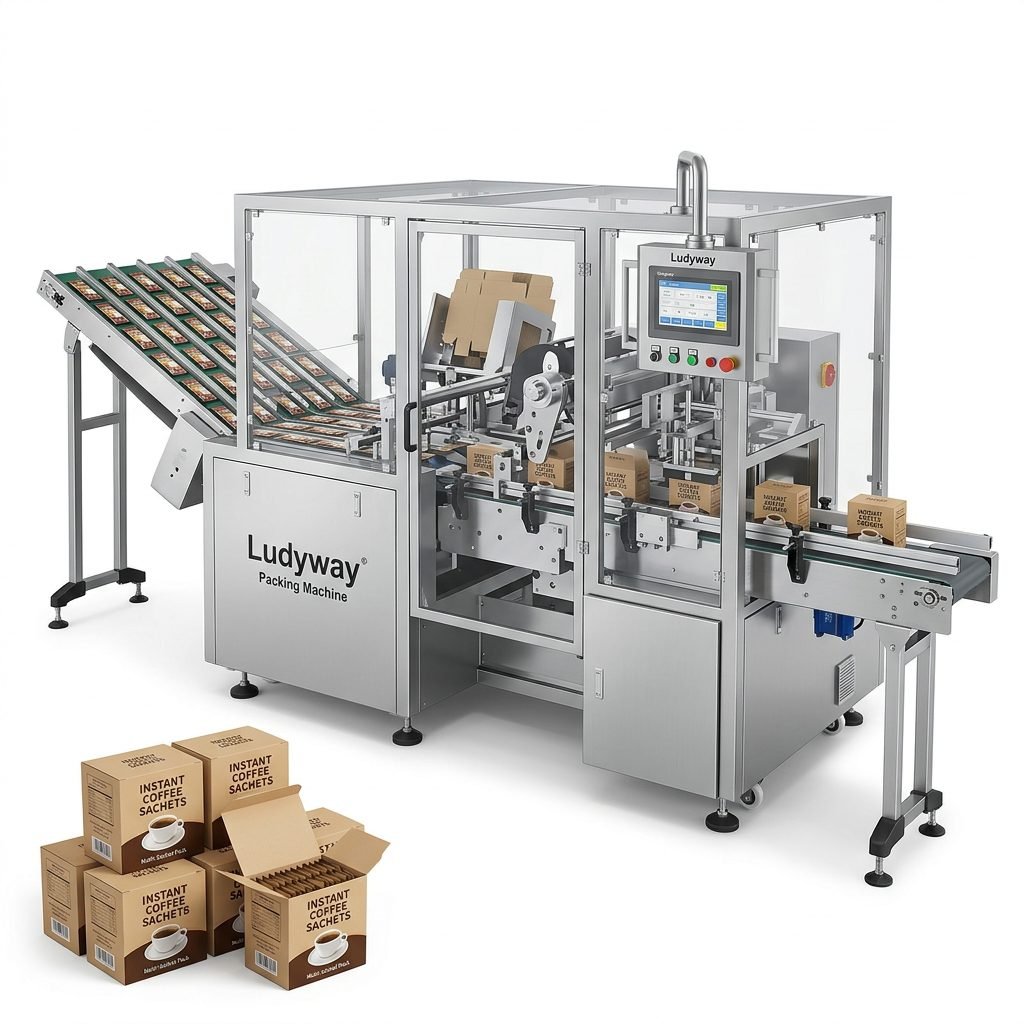
Industries That Benefit Most
This equipment is especially valuable for industries where product volumes are high, packaging standards are strict, and the product mix may require reliable secondary or tertiary packaging.
- Food industry: snacks, seasonings, coffee, tea, sugar, powdered drinks, sauces, frozen foods
- Pharmaceutical industry: sachets, granules, blister packs, bottles, sterile packaged items
- Health supplements: stick packs, capsules, protein powder sachets, nutraceutical products
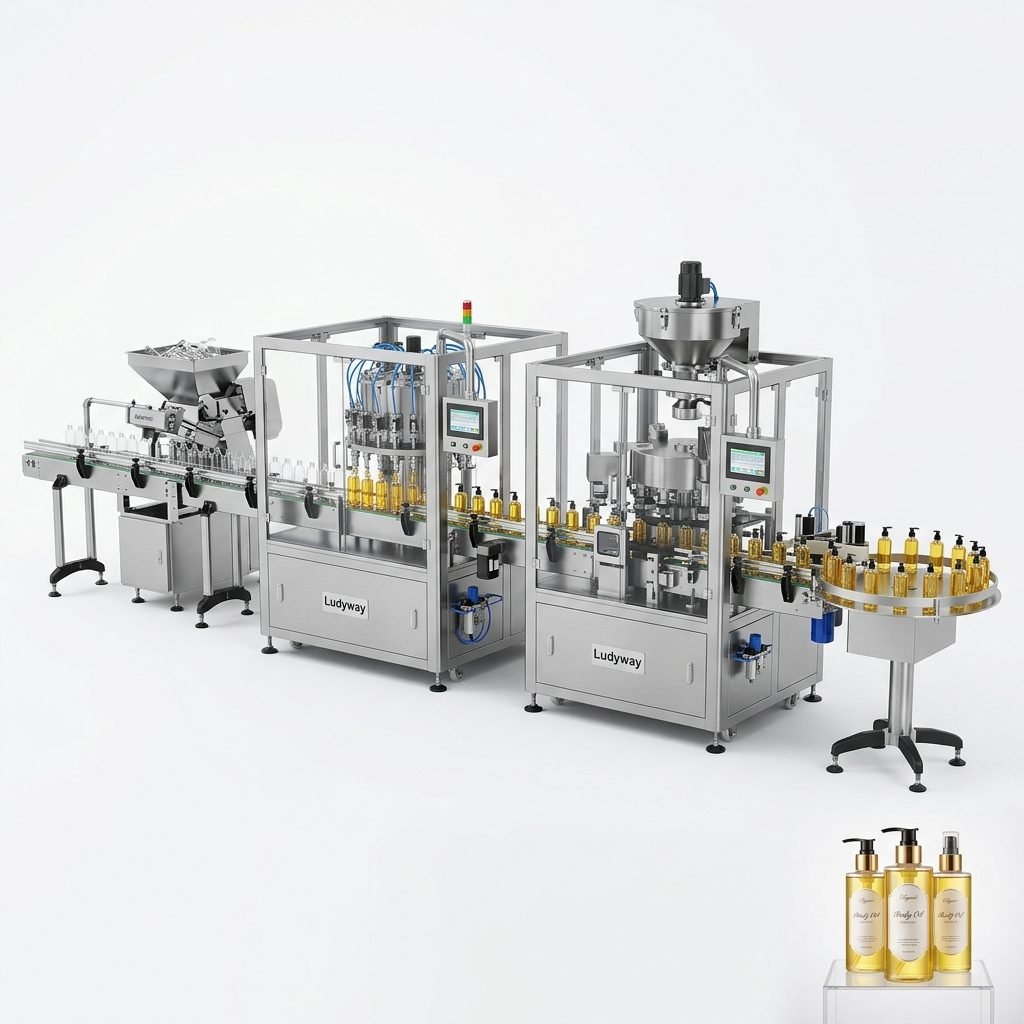
- Cosmetics and personal care: lotions, creams, wipes, facial masks, travel-size packs
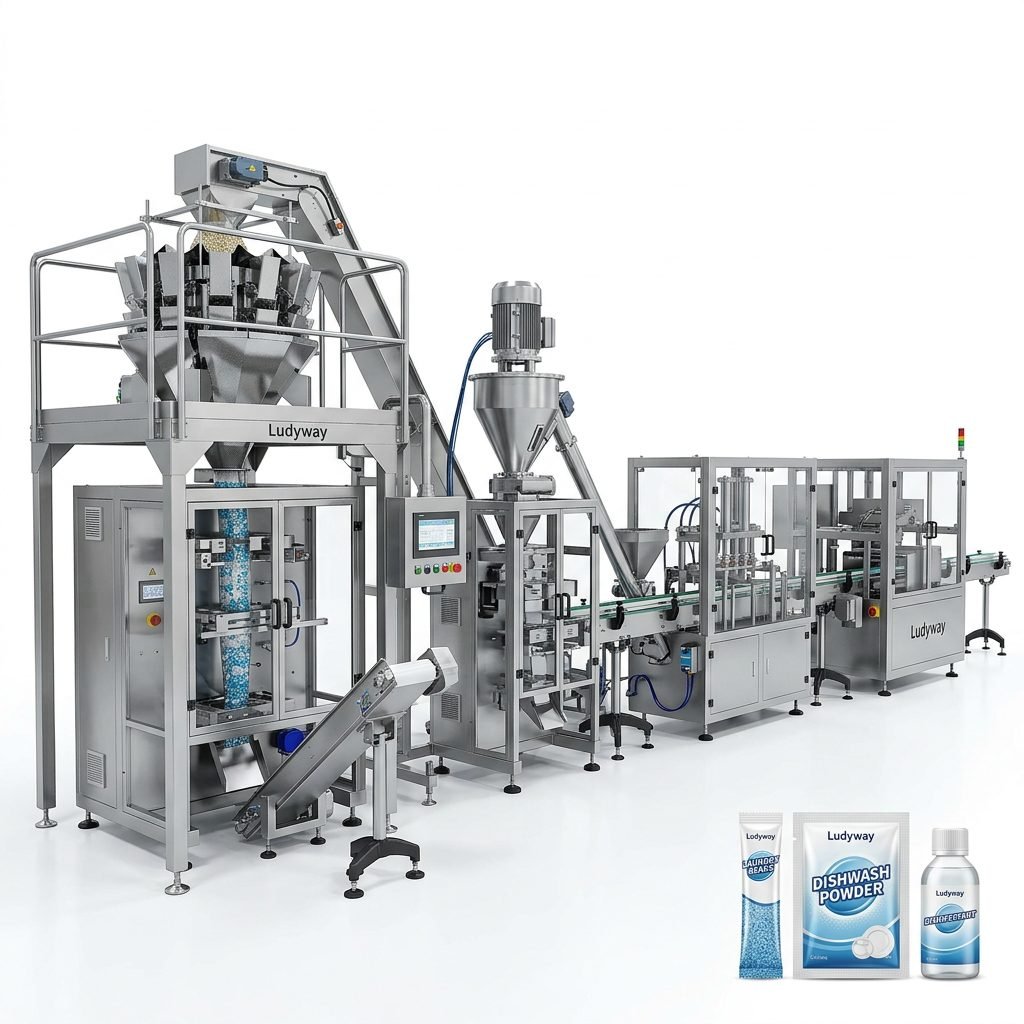
- Chemical products: detergents, cleaning agents, powders, industrial liquids, agricultural additives
Important Features to Look For
Not every automatic system fits every production line. Choosing the right machine depends on your packaging format, required output, and product handling needs.
Machine Selection Checklist
| Feature | Why It Matters |
|---|---|
| Box size adjustability | Supports multiple carton formats and product SKUs |
| Packing speed compatibility | Prevents mismatch with upstream packaging equipment |
| Loading method | Ensures suitable handling for fragile, lightweight, or irregular products |
| Seal type | Tape or hot melt should match transport and storage requirements |
| PLC and HMI controls | Simplifies operation, changeover, and troubleshooting |
| Safety protection | Improves operator safety and compliance |
| Line integration ability | Supports turnkey packaging automation |
How Box Packing and Sealing Improves Overall Packaging Efficiency
Efficiency is not only about machine speed. It is also about reducing stoppages, keeping packaging quality stable, and creating a smoother material flow from primary packaging to final shipment.
- Reduces manual touchpoints: fewer handling steps mean less risk of damage or miscounts.
- Improves line balance: end-of-line automation prevents cartons from becoming a bottleneck.
- Supports scalable growth: production can increase without adding labor at the same rate.
- Enhances shipping readiness: well-packed and sealed cartons are easier to store, label, palletize, and transport.
- Strengthens operational control: automated systems provide more predictable output and easier process monitoring.
Applications in Turnkey Packaging Lines
For many manufacturers, an automatic box packing and sealing machine works best as part of a complete packaging line rather than as a standalone unit. It can be connected after filling, pouching, sachet packing, stick pack production, cartoning, and inspection processes.
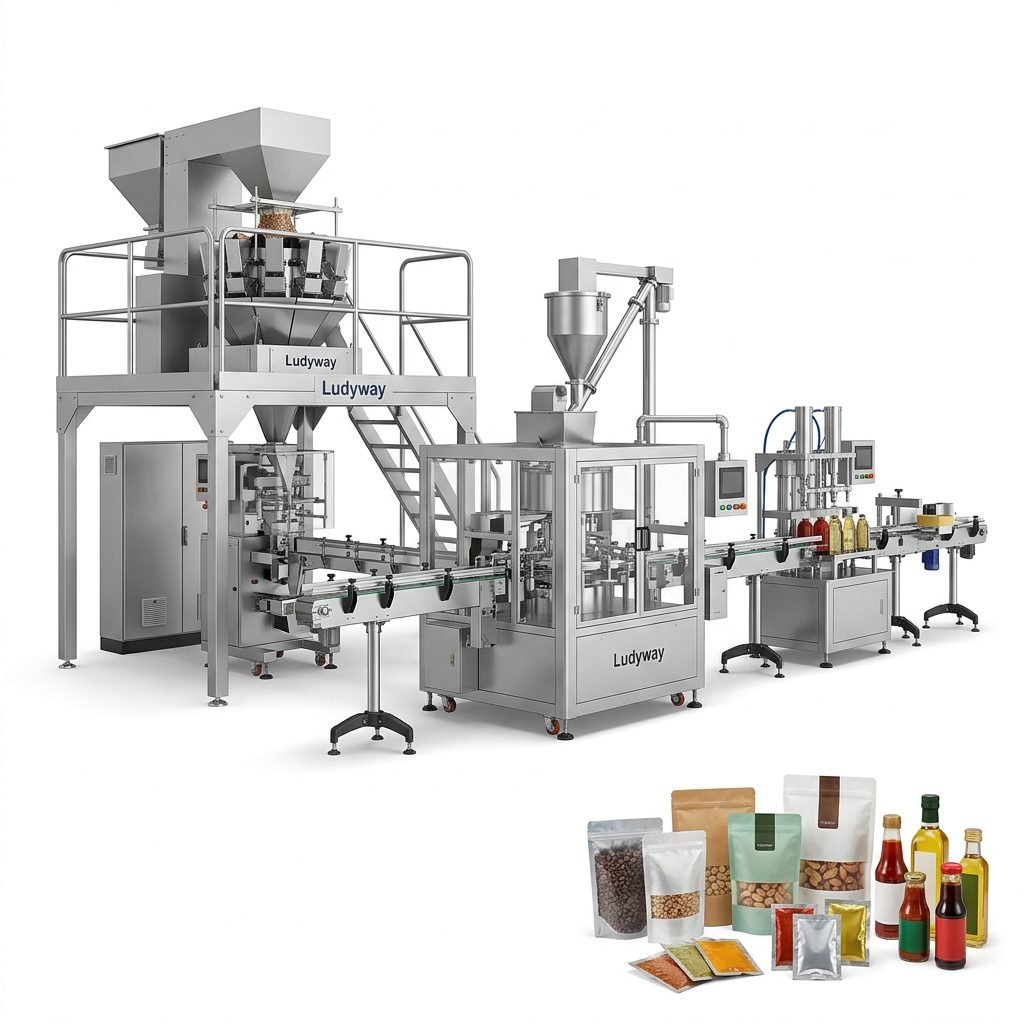
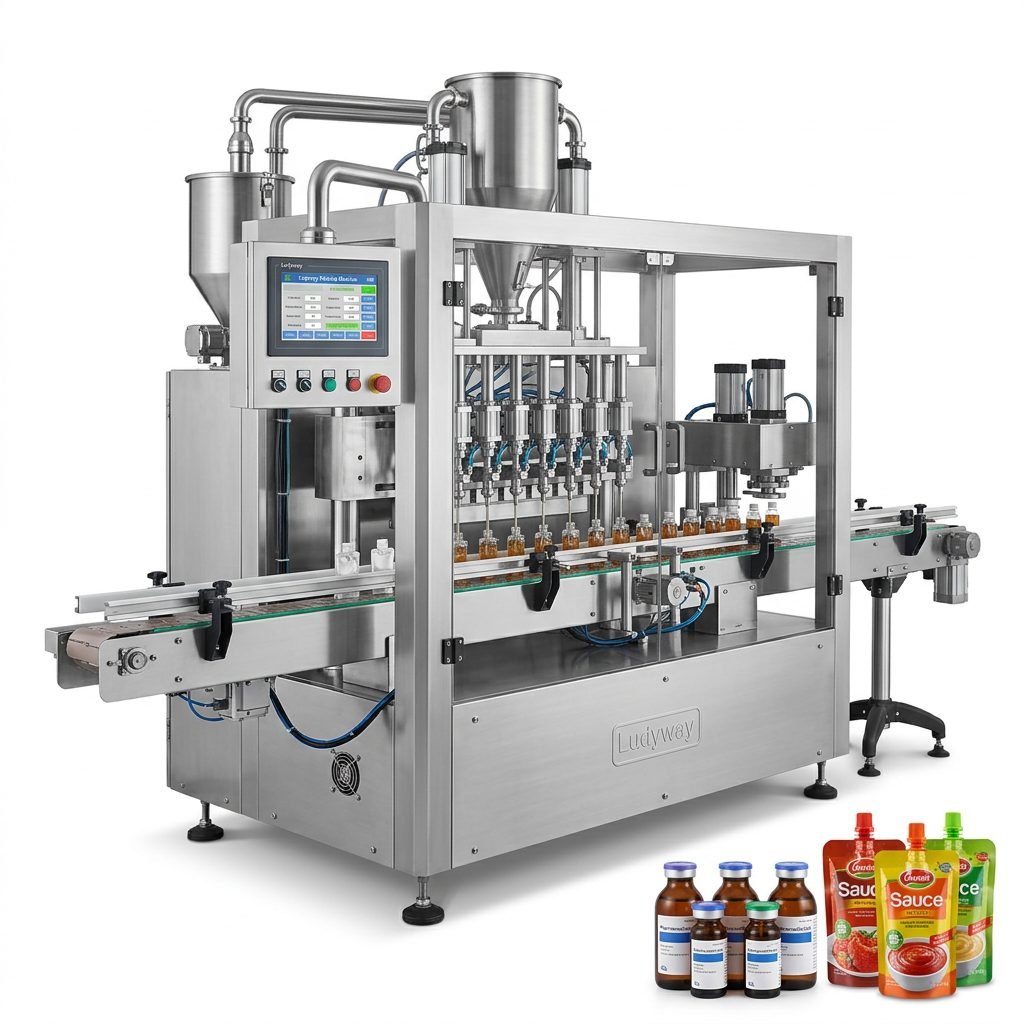
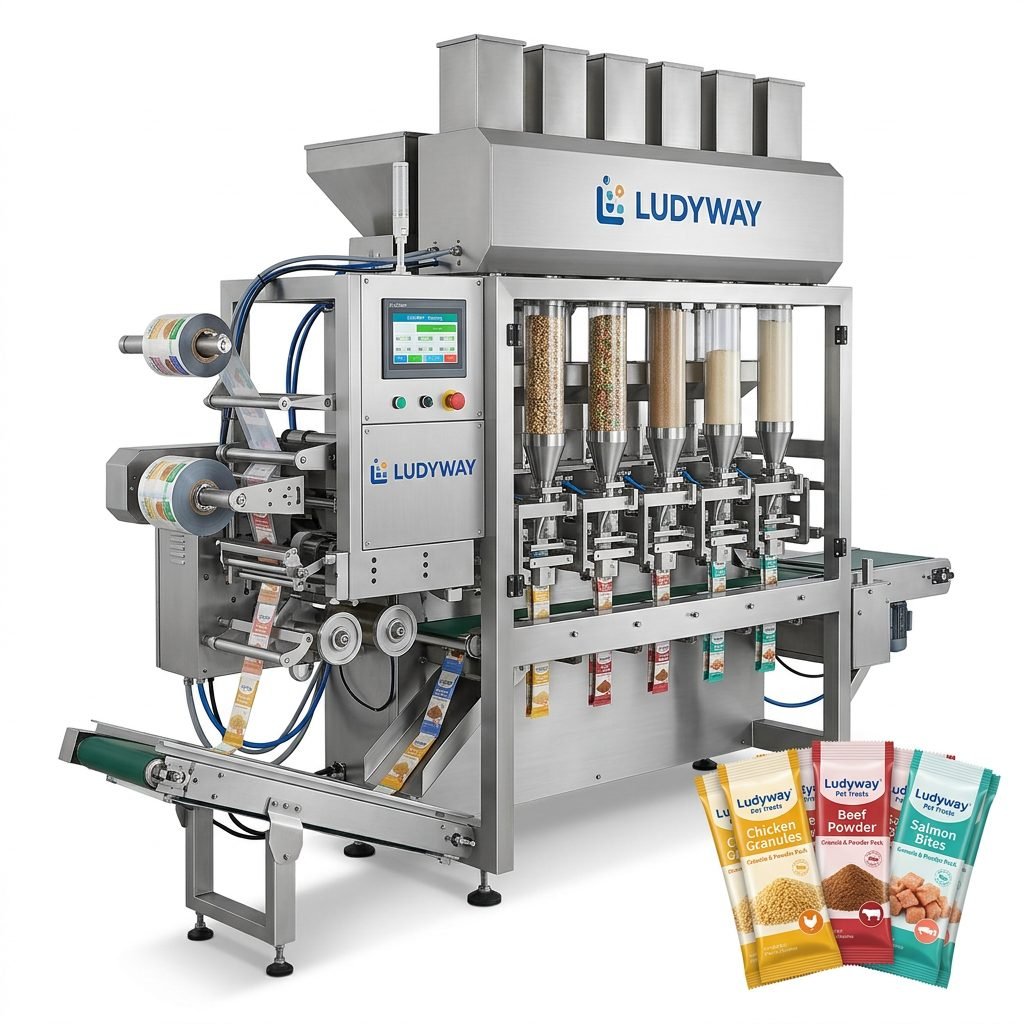
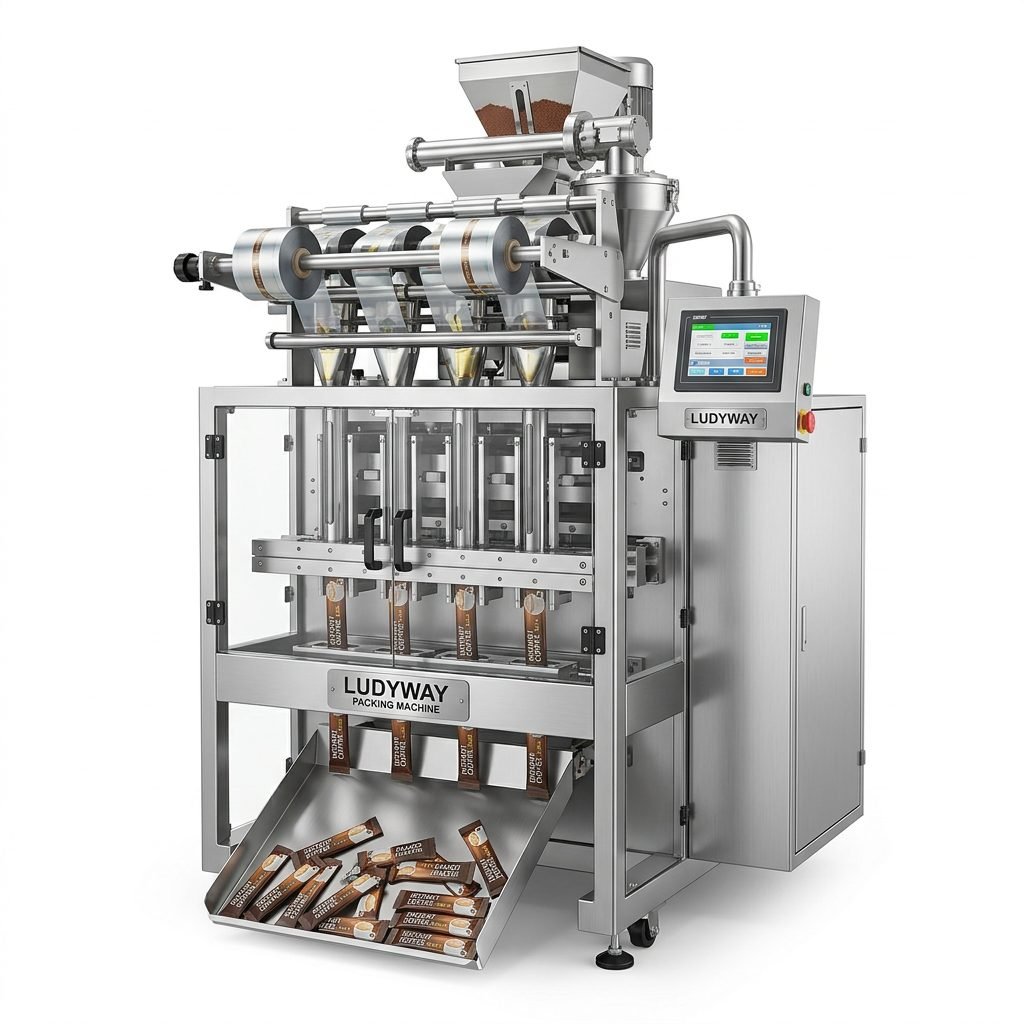
Manufacturers seeking full-line solutions often work with experienced suppliers such as Ludyway automatic packaging machine manufacturer, especially for projects that require coordinated feeding, filling, sealing, cartoning, case packing, and palletizing in one integrated system.
With more than 30 years of experience in packaging machinery, a factory area of over 20,000 square meters, and broad global market coverage, the company is positioned to support businesses that need flexible automation across food, pharmaceutical, health supplement, cosmetic, and chemical applications.
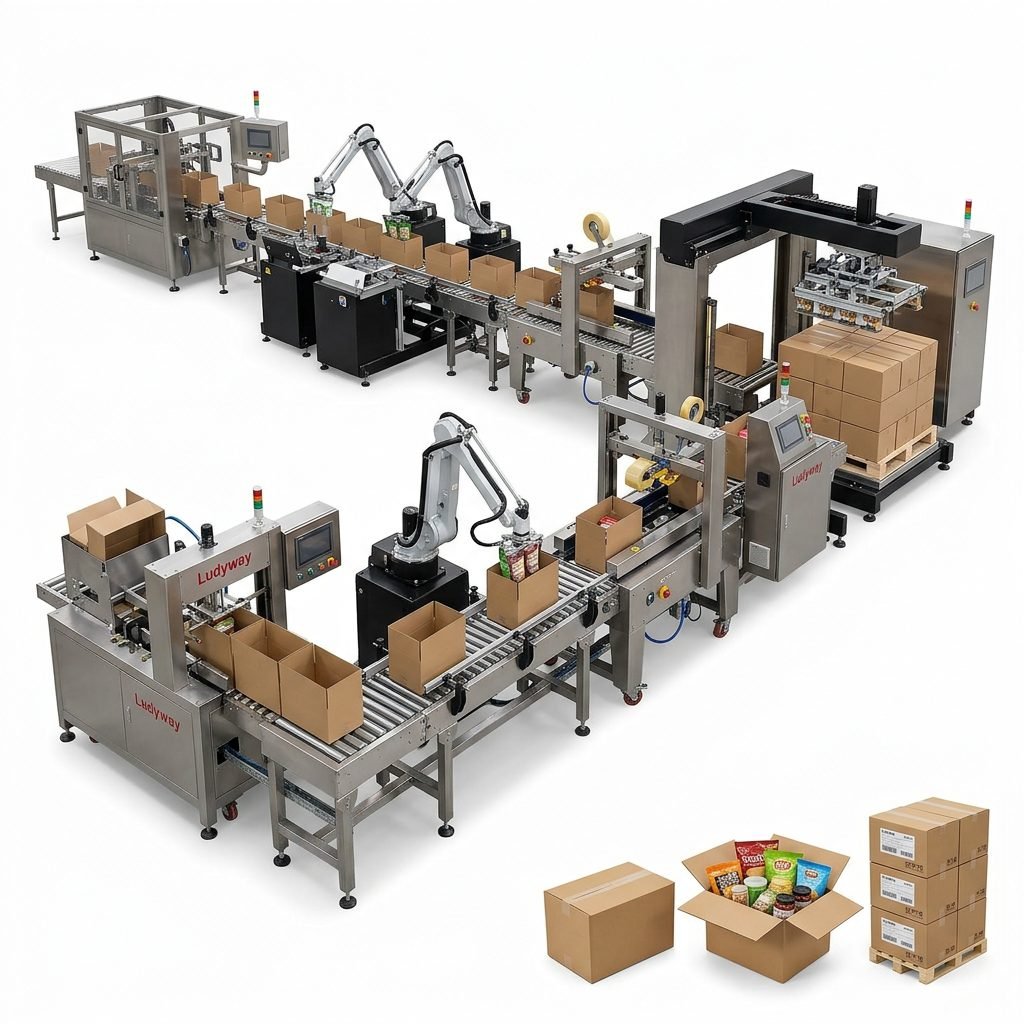
Common Product Types Packed into Boxes Automatically
- Sachets and stick packs
- Pouches and premade bags
- Bottles and jars
- Tubes and cosmetic packs
- Blister packs and pharmaceutical cartons
- Flow-wrapped food items
- Small retail multipacks
When Should a Business Upgrade?
A business should consider upgrading to automatic box packing and sealing equipment when it starts experiencing one or more of the following situations:
- Manual packing teams cannot keep up with production speed
- Carton quality varies between operators or shifts
- Labor costs continue to rise
- Export packaging standards require stronger consistency
- Frequent SKU changes demand faster box size adjustment
- There is a need to connect packaging, cartoning, and palletizing into one flow
Tips for Choosing the Right Equipment Supplier
The machine itself matters, but so does the supplier behind it. The right partner can help optimize layout, technical matching, customization, commissioning, and after-sales support.
Ask These Questions Before Buying
- Can the machine handle your current and future box sizes?
- Is it compatible with your existing packaging line speed?
- Can the supplier provide customization for your product format?
- Are installation guidance and technical support available?
- Can the supplier deliver a full turnkey solution if your automation expands later?
Final Considerations for Long-Term Efficiency
An automatic box packing and sealing machine is more than an end-of-line tool. It is a productivity asset that can help businesses improve labor utilization, packaging consistency, transport security, and line scalability. When selected correctly, it supports smoother daily operations and creates a stronger foundation for future production growth.
For manufacturers aiming to modernize packaging, reduce manual bottlenecks, and strengthen output reliability, investing in automatic box packing and sealing automation is a practical step toward higher efficiency and smarter packaging operations.