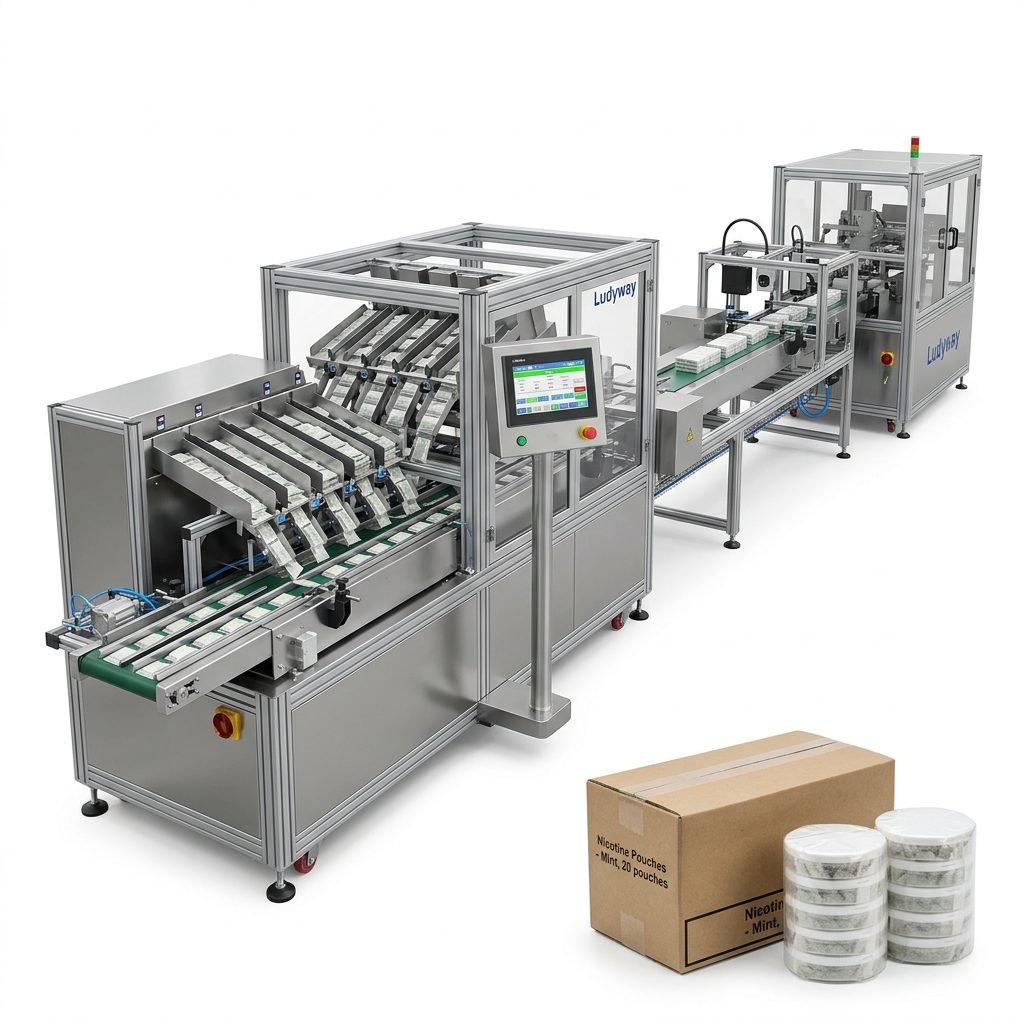
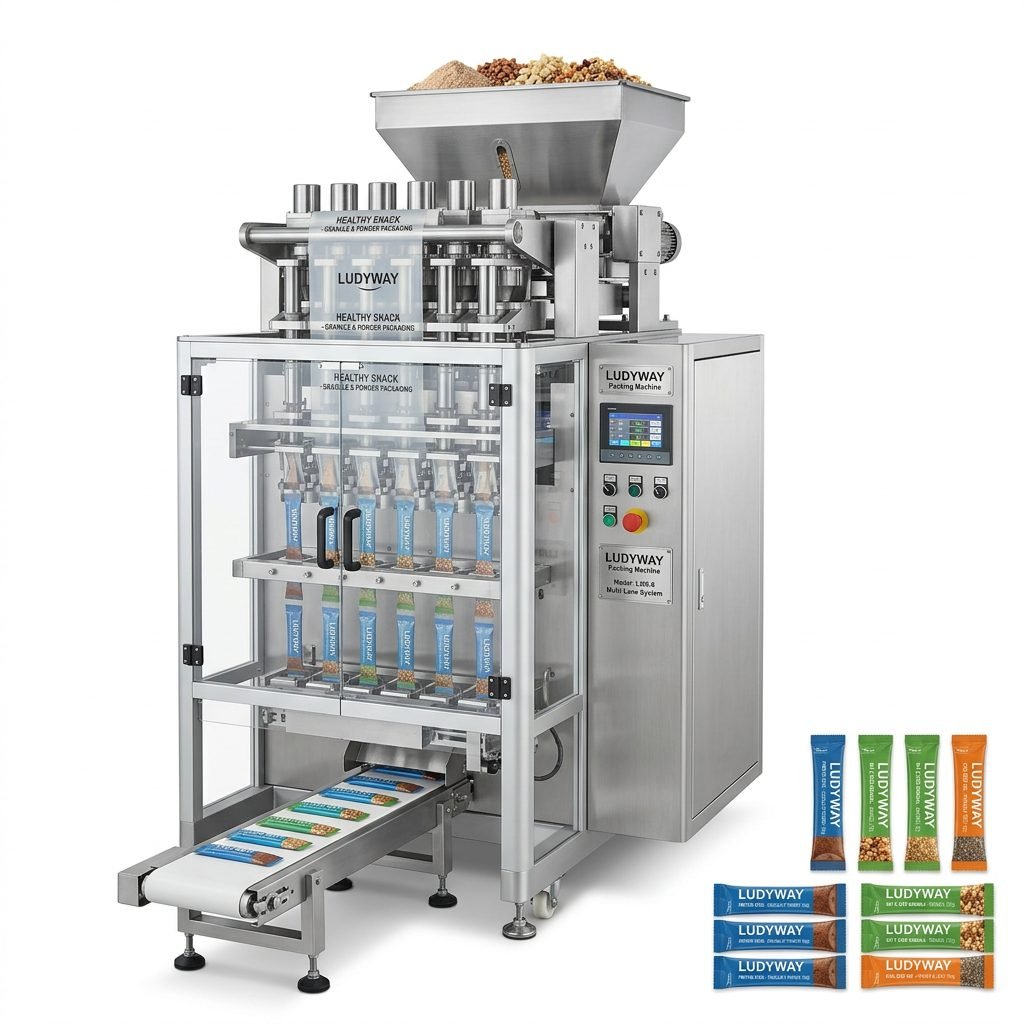
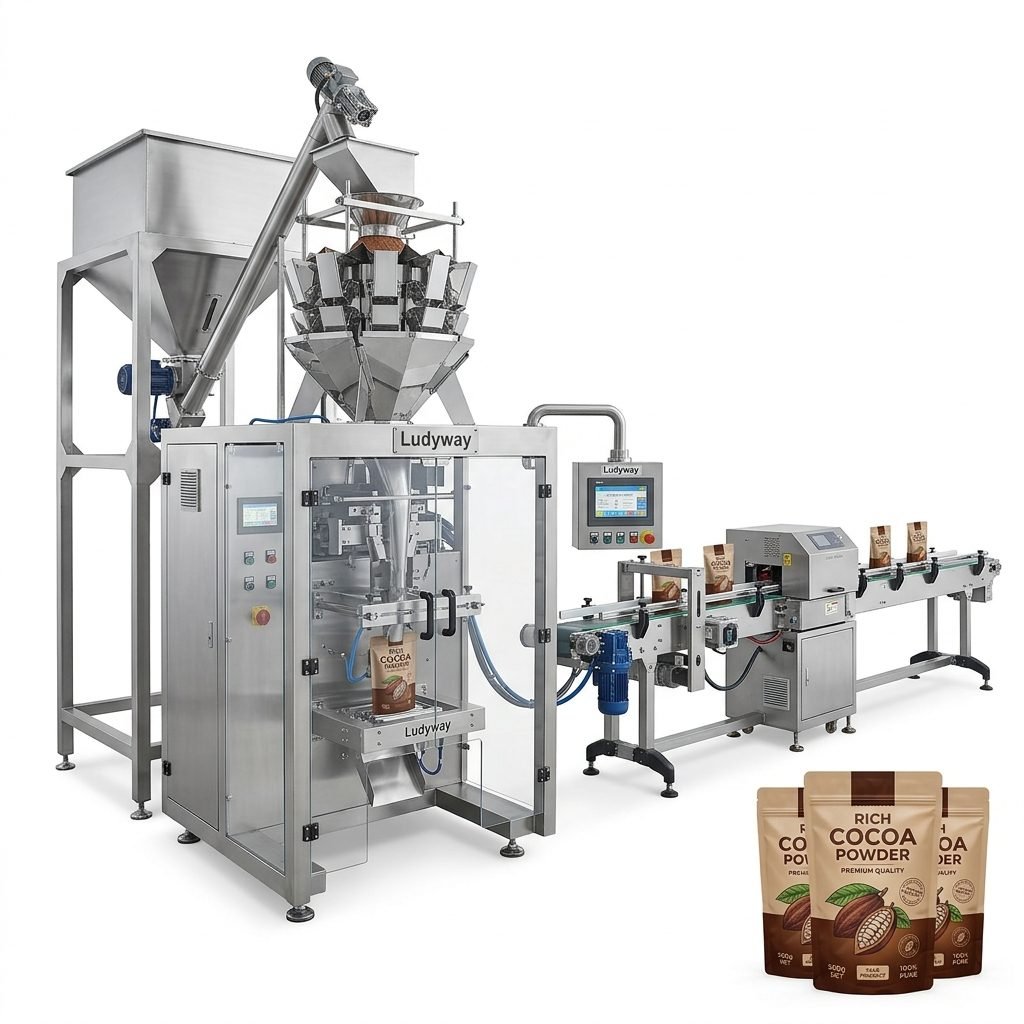
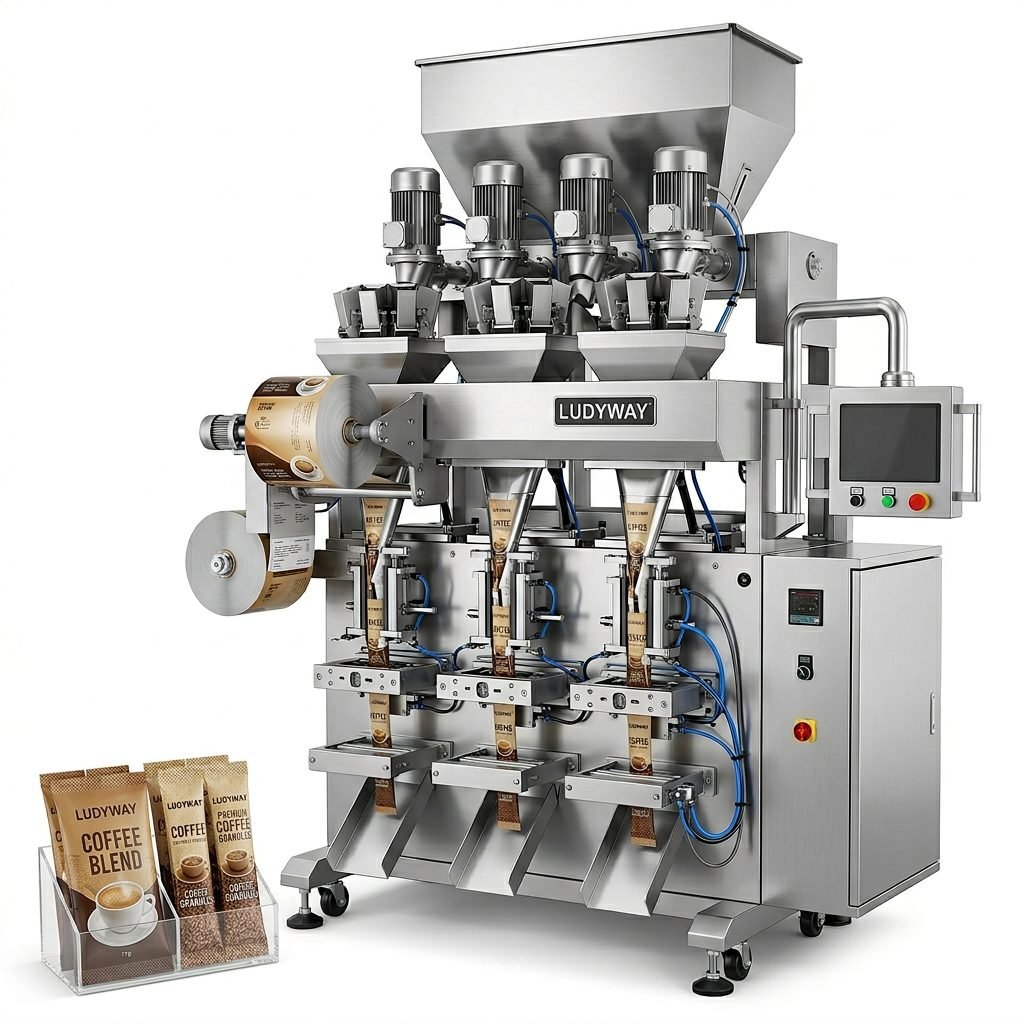
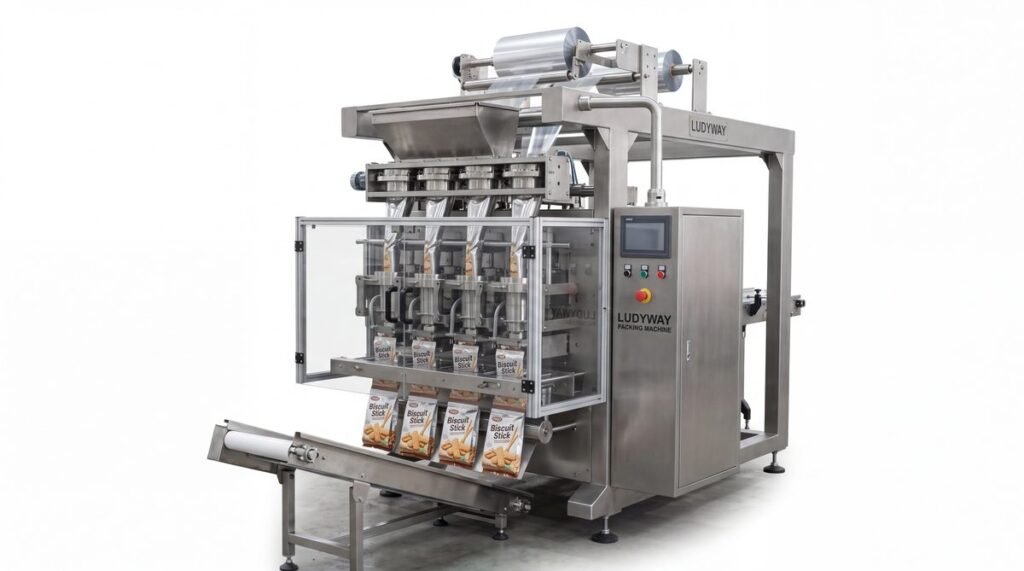
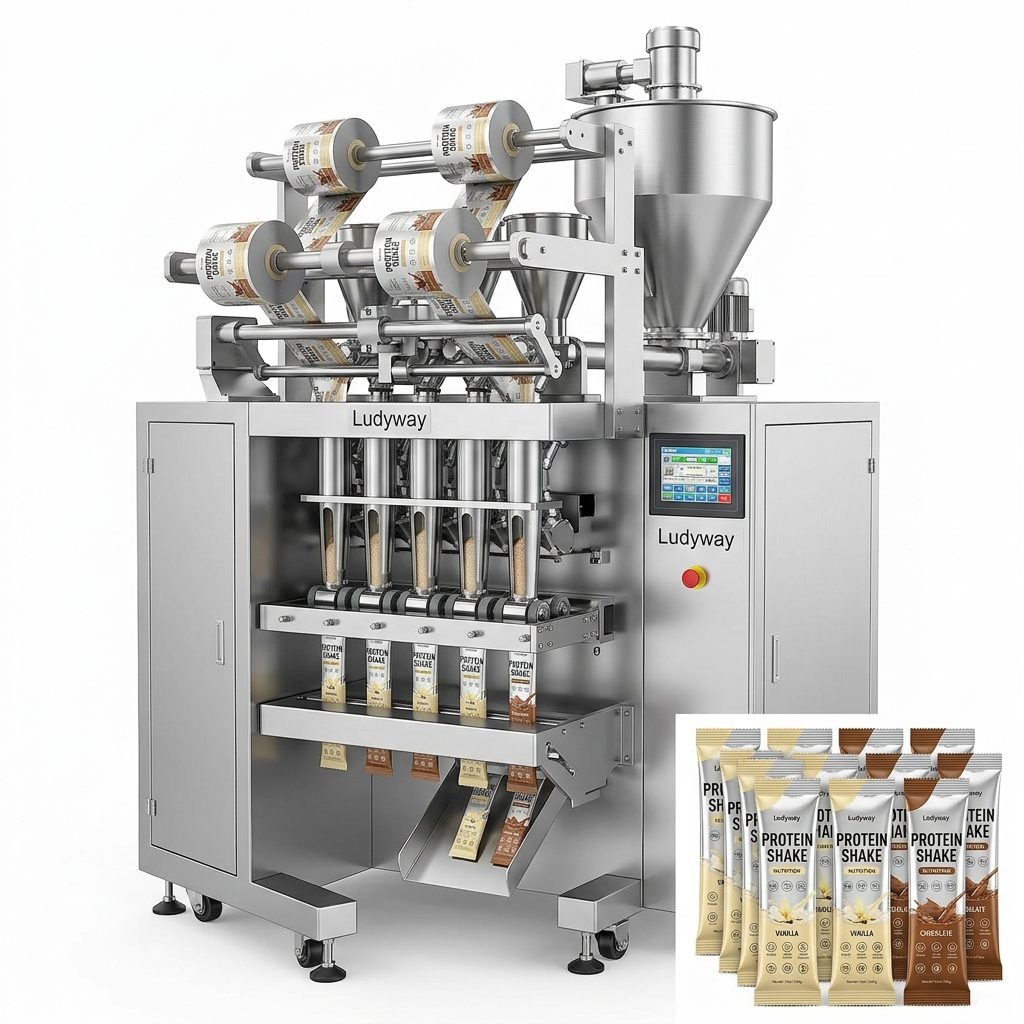
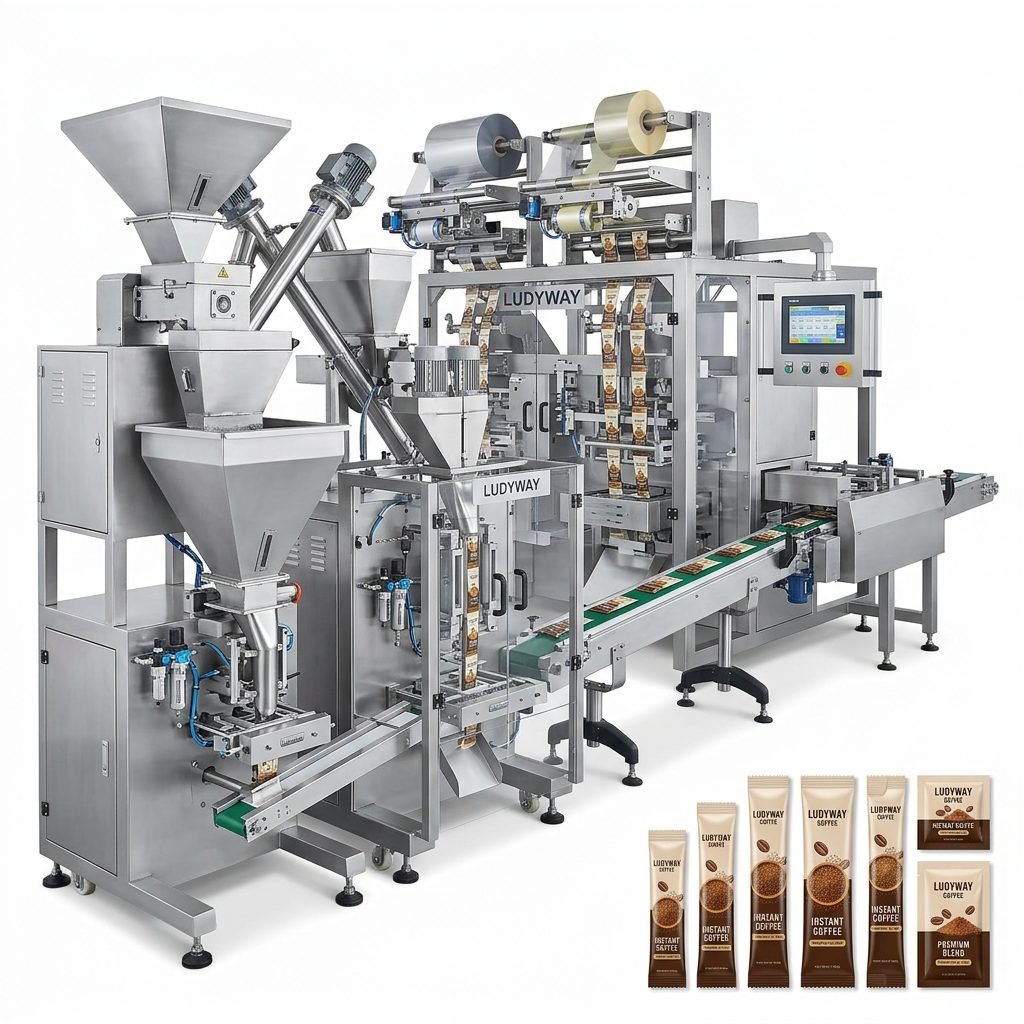
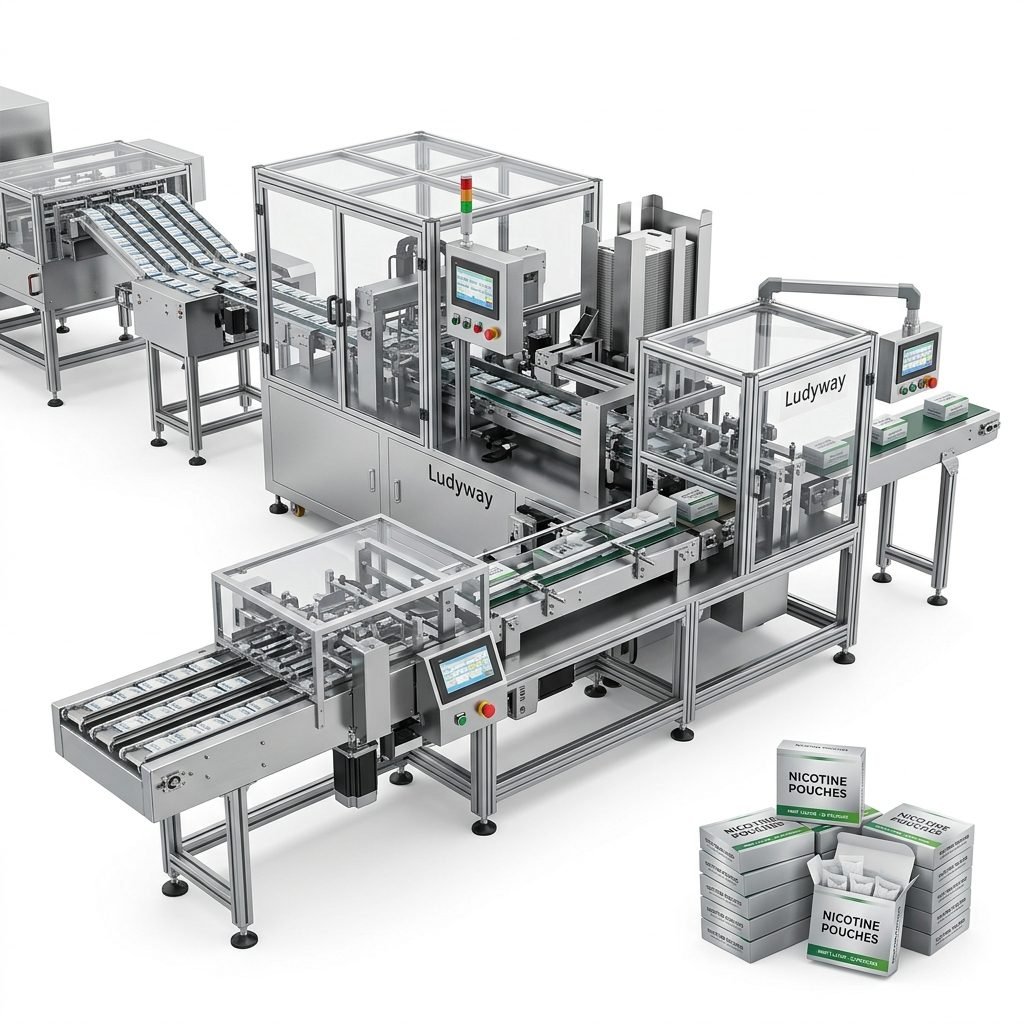
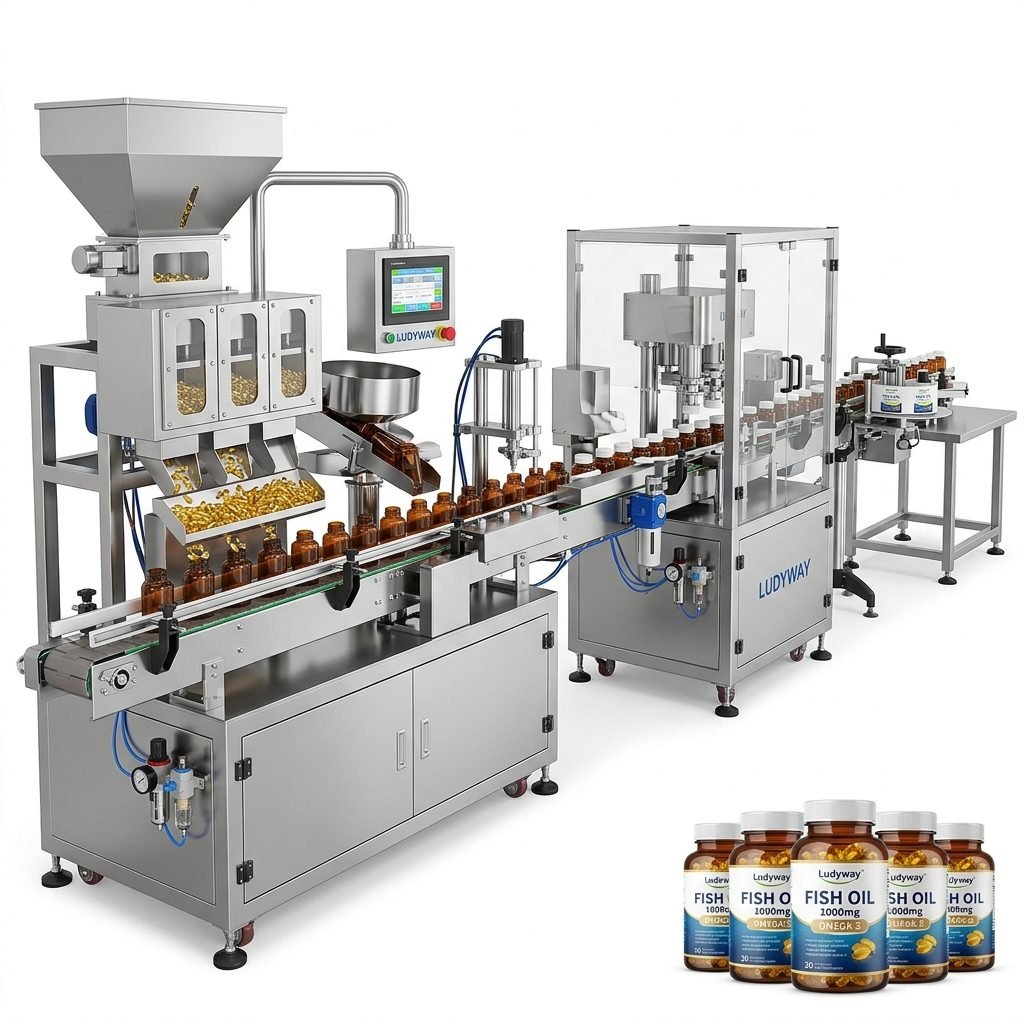
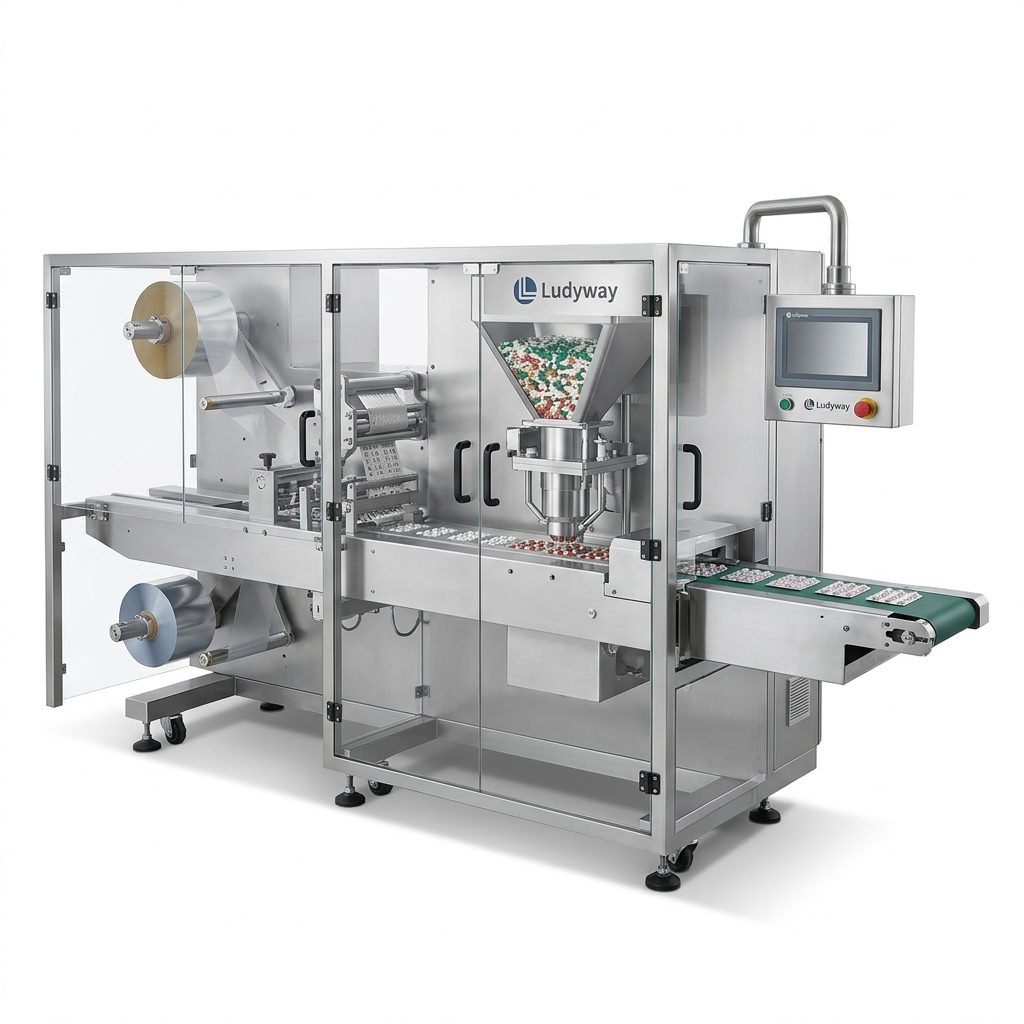
In hardware manufacturing and distribution, packaging is more than a final step. It directly affects counting accuracy, shipment efficiency, labor cost, traceability, and customer satisfaction. For screws, bolts, nuts, washers, anchors, brackets, and mixed furniture fittings, an automated packing machine helps businesses move from manual sorting to stable, repeatable, high-speed packaging.
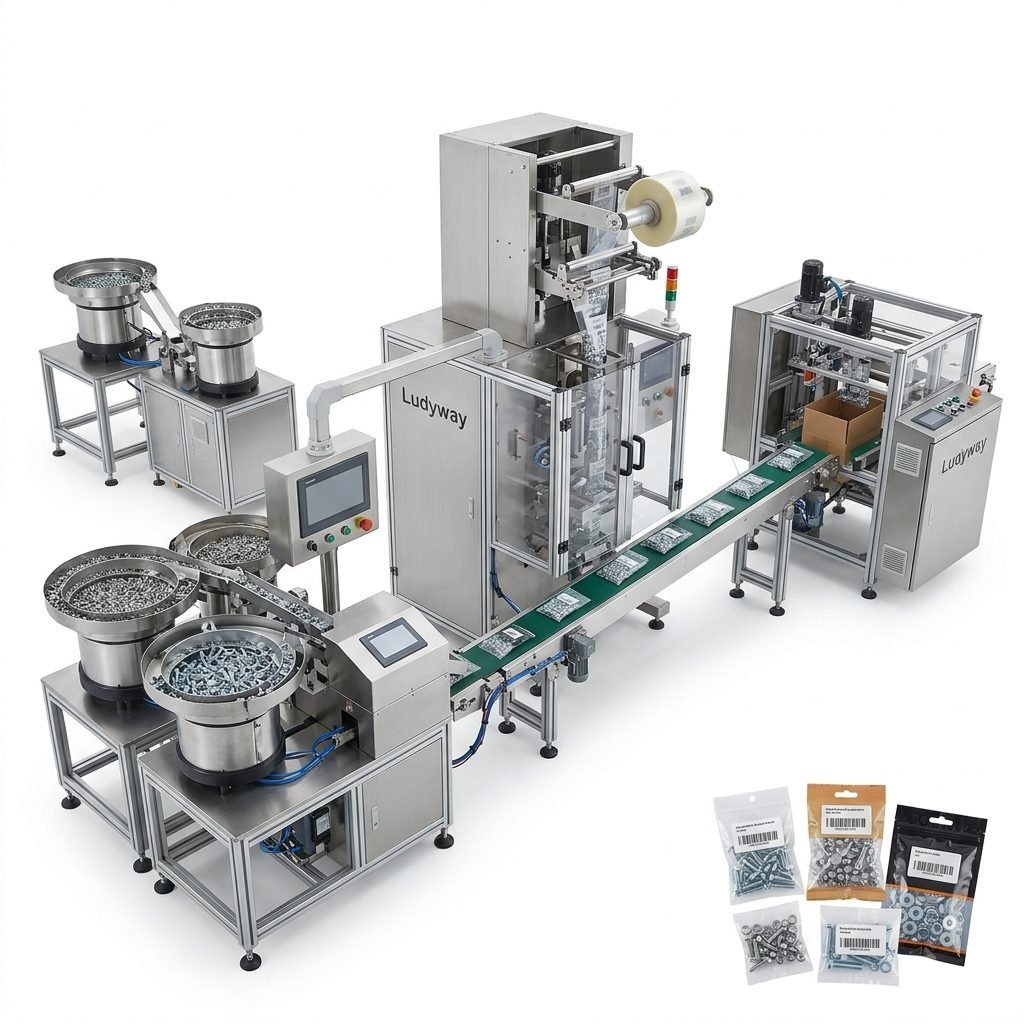
A furniture fittings packing machine is designed to count, weigh, fill, seal, label, and sometimes carton-pack small hardware components with precision. Whether you supply flat-pack furniture factories, cabinet hardware brands, e-commerce kits, or wholesale distributors, the right automation solution can reduce human error and improve packaging consistency across every batch.
What Is a Furniture Fittings Packing Machine?
A furniture fittings packing machine is an automated system built to package small metal or plastic hardware parts used in furniture assembly. These may include:
- Screws and self-tapping screws
- Bolts, nuts, and washers
- Cam locks and dowels
- Hinges, brackets, connectors, and clips
- Handles, fasteners, and accessory kits
- Mixed component sets for ready-to-assemble furniture
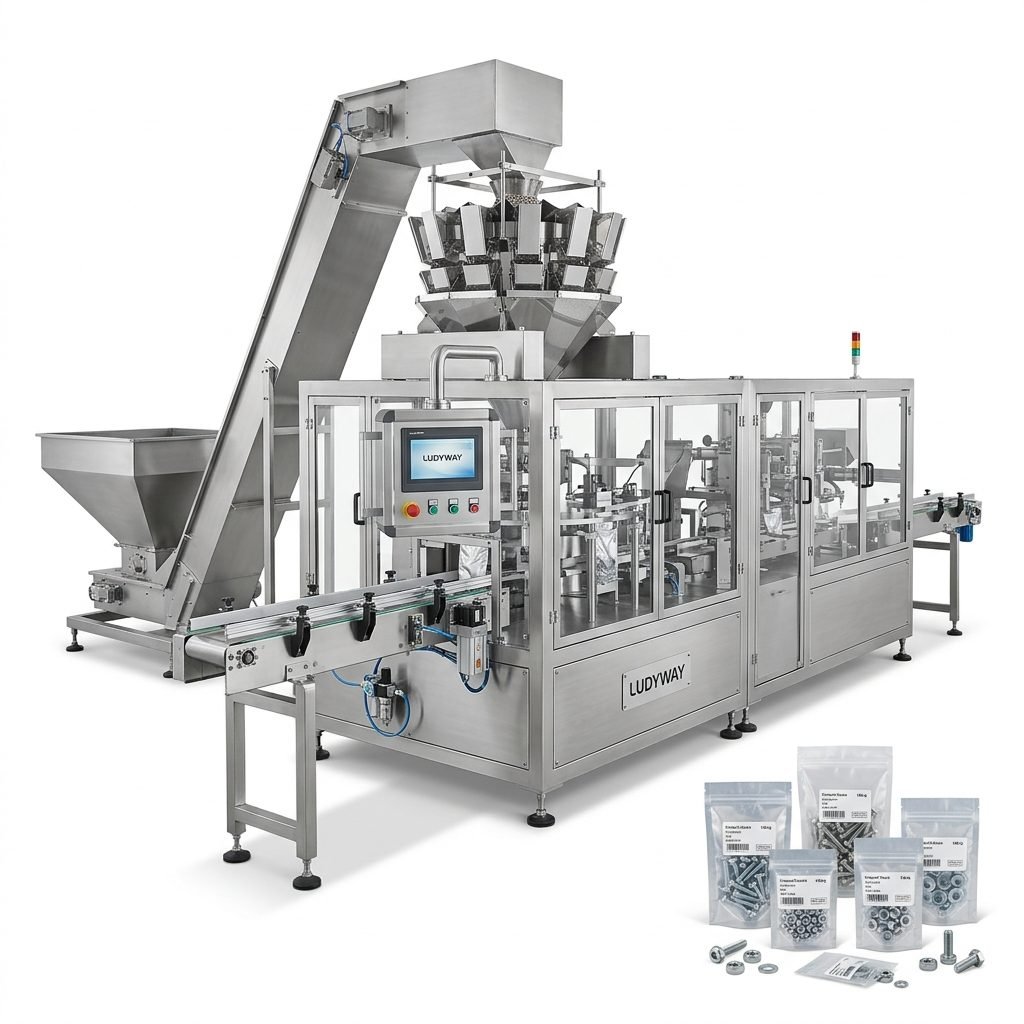
The machine can work with counting units, weighing modules, vibration feeders, conveyors, bag forming systems, pouch filling devices, sealing stations, coding systems, and end-of-line equipment. Depending on product type and package format, the system can be configured for single-item packaging or multi-component kit packing.
Why Automation Matters for Hardware Component Packaging
Manual packing of furniture fittings often leads to undercounts, overcounts, mixed-batch mistakes, and inconsistent bag quality. Automated solutions help manufacturers and suppliers solve these issues while increasing throughput.
- Improved counting accuracy for small and similarly sized parts
- Reduced labor dependency in repetitive packaging tasks
- Faster order fulfillment for OEM, wholesale, and retail kits
- More consistent bag sealing and presentation
- Better product traceability through coding and labeling
- Lower material waste and fewer customer complaints
Typical Packaging Formats for Furniture Fittings
Different furniture hardware products require different packaging styles based on sales channels, product value, and packing quantity.
| Packaging Format | Suitable Products | Key Advantage |
|---|---|---|
| Pillow bags | Screws, bolts, washers, mixed kits | Fast, economical, flexible |
| PE bags | Bulk hardware components | Durable and cost-effective |
| Zip pouches | Retail hardware kits and spare parts | Reusable and consumer-friendly |
| Blister packs | Premium fittings and display-ready items | Better visibility and retail presentation |
| Cartons/boxes | Set packaging and distribution orders | Easy transport and brand customization |
Core Functions of an Automated Furniture Fittings Packing System
A modern system usually combines several modules into one efficient production flow. The exact design depends on component shape, quantity per pack, and required output.
1. Automatic Feeding
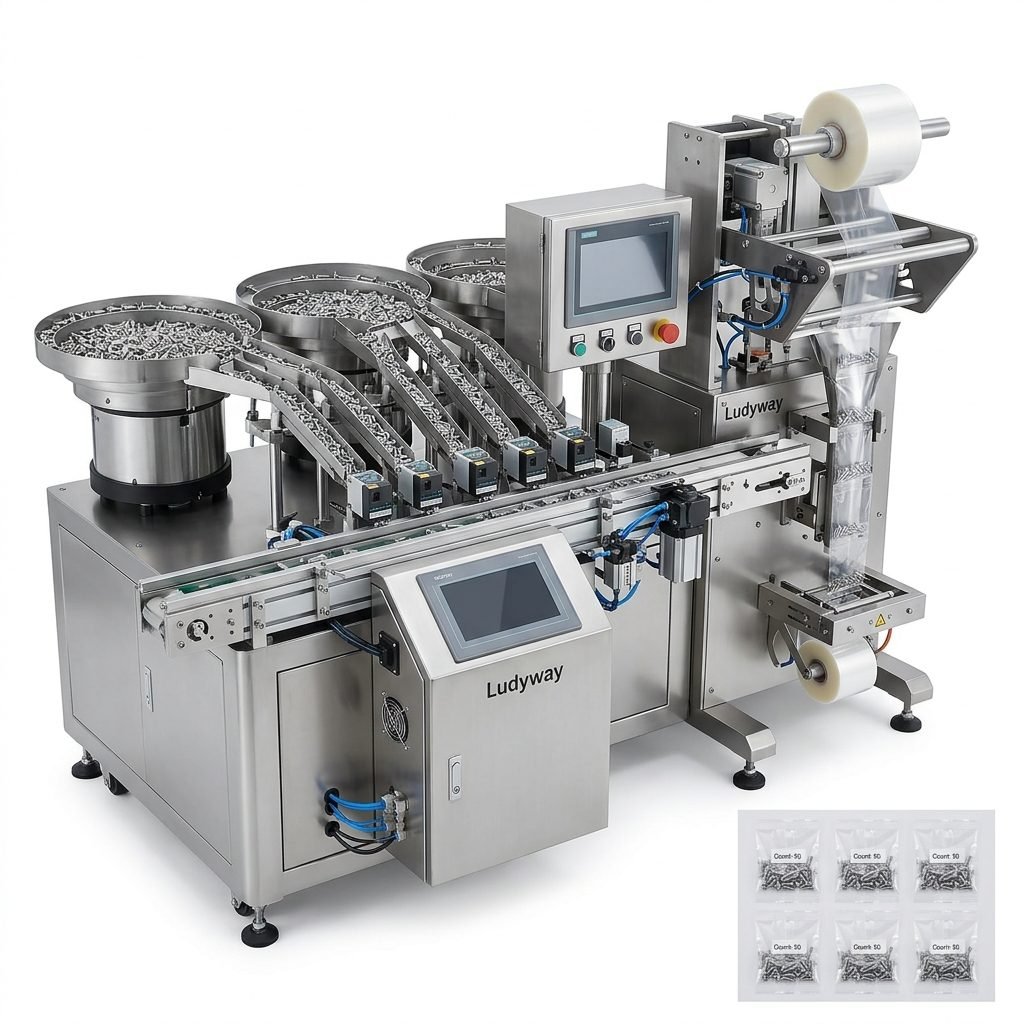
Vibration bowls, elevators, or customized feeding channels organize parts before counting and filling. This is essential for irregular fittings that can jam or overlap.
2. Counting or Weighing
For standard screws, nuts, and washers, optical or sensor-based counting is often preferred. For mixed kits or bulk packing, high-precision weighing may be more suitable.
3. Bag Forming and Filling
The machine forms bags from film rolls or fills pre-made pouches, then releases the hardware components into the package with controlled timing to reduce impact and material loss.
4. Sealing and Coding
Heat sealing creates a secure and professional package. Optional coding systems can print lot numbers, product IDs, dates, or traceability information.
5. Secondary Packaging
Integrated lines may also include checkweighing, labeling, cartoning, case sealing, and palletizing for complete end-of-line automation.
Key Benefits for Furniture Hardware Manufacturers and Suppliers
- Higher packaging speed for medium and large production volumes
- Stable counting performance for repetitive SKUs
- Flexible setup for assorted fitting combinations
- Lower risk of missing parts in DIY furniture kits
- Cleaner packaging workflow and easier inventory control
- Scalable line expansion for future product growth
Industries and Applications
Furniture fittings packing machines are widely used in:
- Flat-pack furniture manufacturing
- Cabinet and wardrobe hardware production
- Home improvement accessory packaging
- E-commerce spare parts fulfillment
- OEM furniture assembly kit production
- Industrial fastener and connector packaging
How to Choose the Right Furniture Fittings Packing Machine
Not every machine is suitable for every hardware product. The best solution depends on both the physical characteristics of the fittings and the commercial requirements of your business.
| Selection Factor | What to Consider |
|---|---|
| Product type | Size, shape, surface finish, tendency to tangle or scratch |
| Pack quantity | Single part count, mixed kit count, or bulk weight |
| Bag format | Pillow bag, pouch, PE bag, carton, or retail pack |
| Production capacity | Required packs per minute and shift output |
| Automation level | Standalone unit or full packaging line integration |
| Customization needs | Special feeders, counting channels, or multi-item kit assembly |
Important Features to Look For
Accurate Counting System
Precision is critical in furniture fitting kits. Missing even one washer or screw can create expensive after-sales issues. Look for machines with reliable sensor logic and stable feeding control.
Quick Changeover
If you package many SKUs, rapid changeover between different hardware sets can significantly improve line utilization.
Durable Machine Structure
Metal parts can create wear in feeding and transfer areas, so robust construction and practical maintenance access are important for long-term use.
User-Friendly Interface
A clear touch screen, recipe storage, alarm display, and production monitoring make operation easier for different teams and shifts.
Integration Capability
Many buyers benefit from linking the packing machine with conveyors, printers, labelers, carton sealers, checkweighers, and palletizing systems.
From Standalone Machines to Turnkey Packaging Lines
For growing hardware businesses, a standalone packing unit may be the first step. But for larger operations, a turnkey solution offers better production continuity. A complete line can include:
- Automatic feeders and sorting units
- Counting or weighing modules
- Bagging or pouch filling machine
- Date coding and labeling system
- Checkweigher and rejection system
- Cartoning and case sealing equipment
- Palletizing and final logistics handling
Customization Is Often the Real Advantage
Furniture fittings vary greatly in size, geometry, and packaging combinations. That is why custom engineering often matters more than choosing a standard model. A properly customized system can handle mixed hardware kits, unusual part shapes, anti-scratch transfer requirements, and customer-specific bag layouts.
For businesses looking for a scalable automation partner, furniture fittings packing machine solutions from Ludyway can be matched with broader packaging line integration needs, from bagging and coding to cartoning and end-of-line automation.
Common Challenges and How the Right Machine Solves Them
| Challenge | Packaging Solution |
|---|---|
| Parts sticking or overlapping | Optimized vibrating feeders and guided channels |
| Incorrect kit quantities | Sensor-based counting with recipe management |
| Frequent SKU changes | Quick change tooling and parameter storage |
| Slow manual packing | Automated feeding, filling, and sealing workflow |
| Poor shipment presentation | Uniform bag forming, sealing, and labeling |
Best Fit for OEM, Wholesale, and E-Commerce Packaging
Automated furniture fittings packaging is especially valuable for companies that manage frequent repeat orders, mixed part kits, and high-volume fulfillment. OEM furniture producers need packaging consistency for assembly lines. Wholesale hardware suppliers need efficient bulk order preparation. E-commerce sellers need accurate kits that minimize returns and complaints.
In all of these cases, the right machinery helps create a more predictable process with faster output, lower error rates, and stronger packaging quality control.
Final Considerations Before Investment
- Test your actual fittings on the machine before purchase
- Confirm counting tolerance and speed under production conditions
- Review future expansion possibilities for new SKUs
- Evaluate spare parts, technical support, and operator training
- Choose a supplier with experience in customized automated packaging systems
As furniture hardware markets become more competitive, investing in an efficient automated packing solution is no longer just about reducing labor. It is about building a reliable packaging process that supports product accuracy, customer trust, and long-term production growth.