Choosing the right packaging system is not just about buying a machine. It is about matching product type, production speed, packaging format, compliance needs, labor costs, and future expansion plans into one practical investment. For manufacturers in food, pharmaceutical, cosmetics, chemical, health supplement, and related sectors, the wrong choice can lead to downtime, waste, inconsistent output, and expensive upgrades.
This guide explains how to evaluate packaging equipment step by step, what machine types to compare, and how to identify a supplier that can support both standalone machines and full turnkey lines. For buyers looking for scalable automation, packaging equipment inc solutions from Ludyway are often considered for applications involving powders, granules, liquids, pastes, and pouch-based packaging.
Why the Right Packaging Solution Matters
Packaging directly affects production efficiency, product appearance, shelf life, transportation safety, and brand credibility. A well-matched machine can improve:
- Output consistency across batches
- Filling accuracy for powders, liquids, and granules
- Sealing performance and leak prevention
- Labor savings through automation
- Traceability and quality control
- Flexibility for different pouch sizes or product types
- Long-term total cost efficiency
When packaging equipment is selected only by initial price, companies often face hidden costs later. These include changeover delays, spare parts issues, unstable sealing, inaccurate dosing, or poor integration with upstream and downstream equipment.
Start with Your Product Characteristics
The first and most important step is understanding what exactly needs to be packed. Different product forms require different dosing, conveying, sealing, and handling technologies.
| Product Type | Typical Challenges | Recommended Packaging Approach |
|---|---|---|
| Powders | Dusting, bridging, dose accuracy | Auger filling, dust control, precise sealing |
| Granules | Flow variation, breakage, weight control | Weighing systems, vibratory feeding, multi-head solutions |
| Liquids | Dripping, foaming, hygiene, leakproof sealing | Pump filling, piston filling, multi-lane liquid systems |
| Pastes | Viscosity, residue, cleanability | Piston fillers, heated systems, easy-clean design |
| Pouch/Nicotine products | Counting, consistency, multi-lane speed | Multi-lane systems, counting, cartoning integration |
You should also define whether the product is moisture-sensitive, oxygen-sensitive, abrasive, sticky, fragile, or subject to regulatory labeling requirements. These details influence the machine frame, contact materials, filling method, and quality inspection system.
Choose the Right Packaging Format
The best machine is also determined by the final package style. Packaging format affects customer convenience, shelf presentation, logistics efficiency, and machine complexity.
Common packaging formats include:
- Sachets
- Stick packs
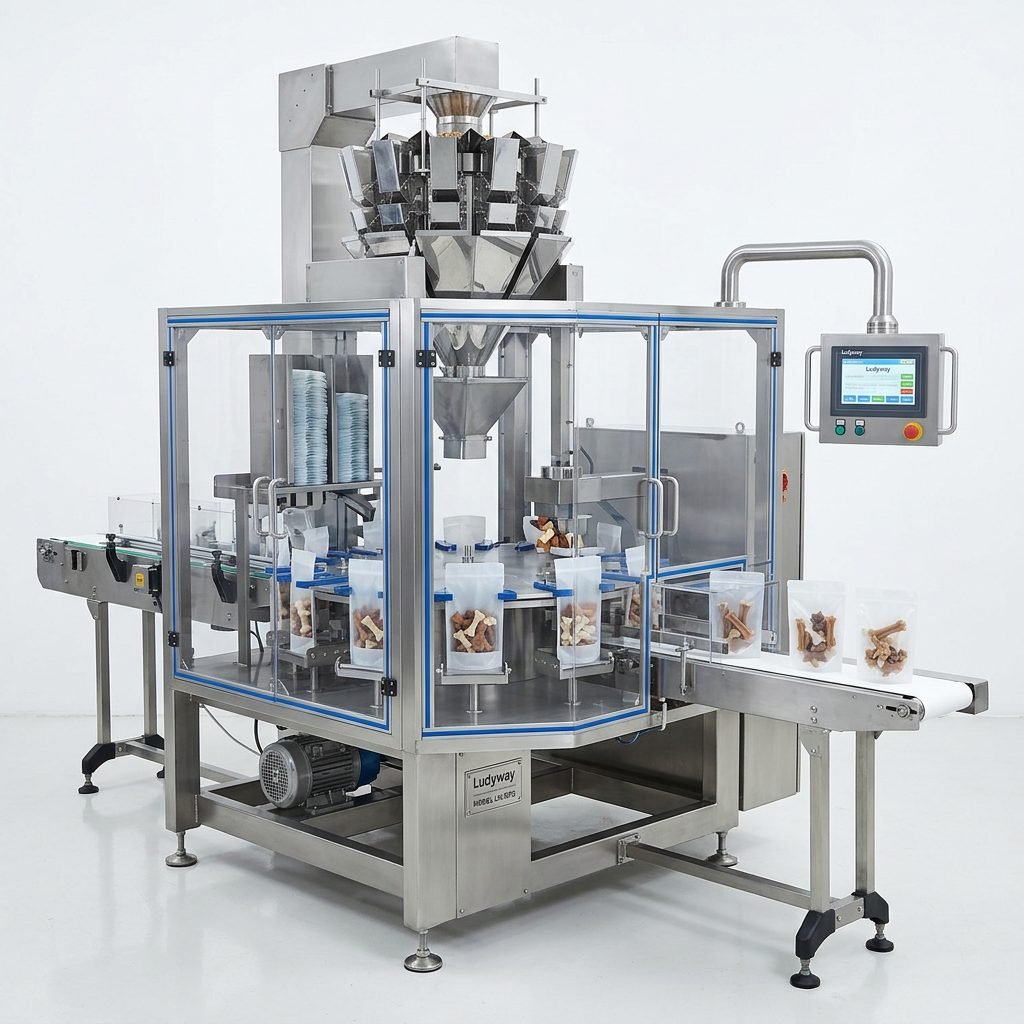
- Pouches
- Bottles
- Cartons
- Bulk bags and sacks
- Blister packs for pharmaceutical products
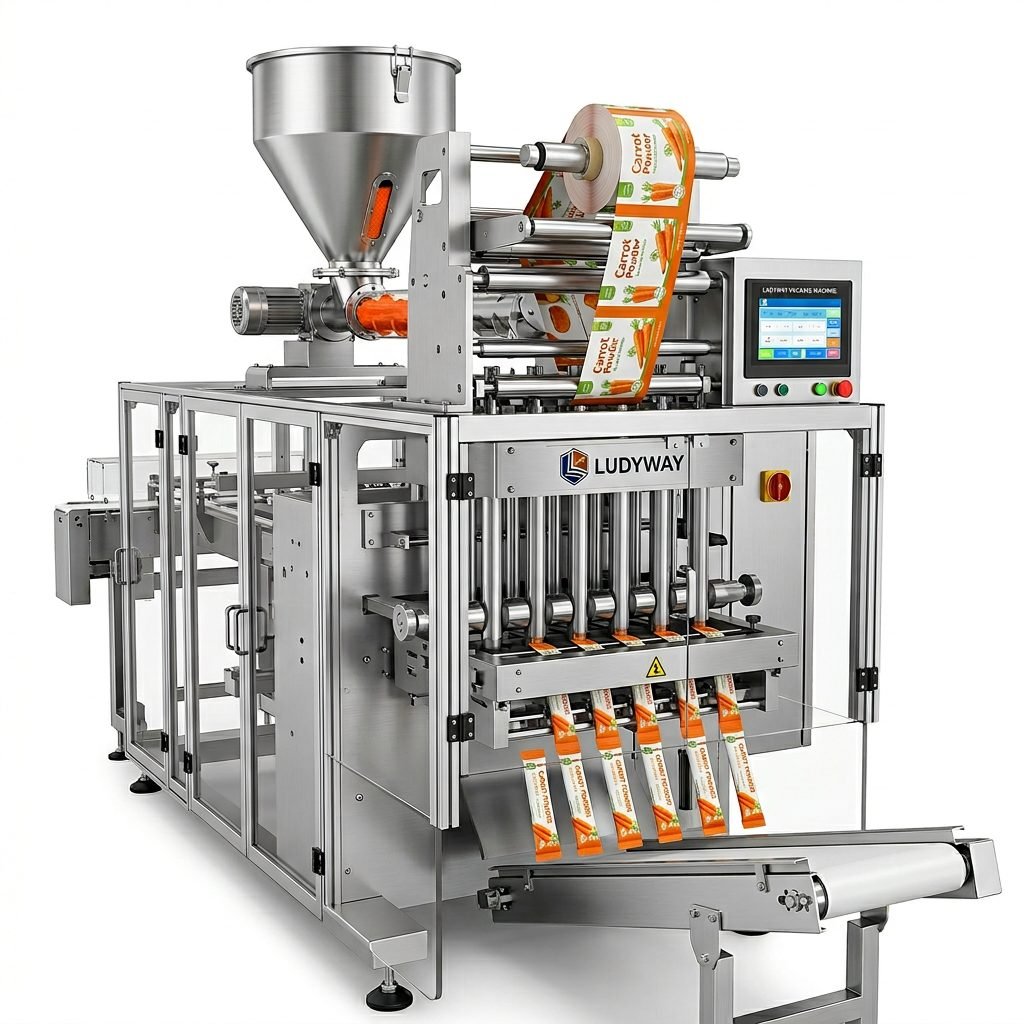
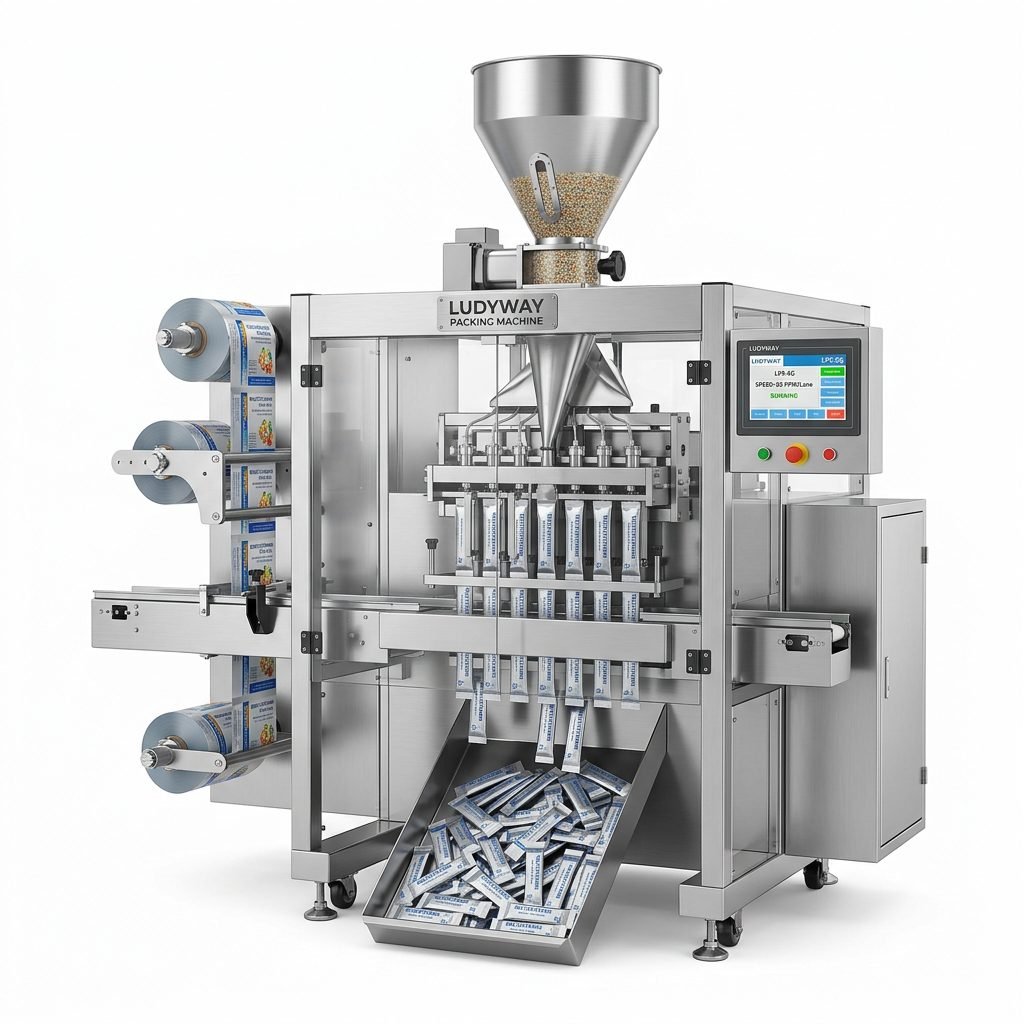
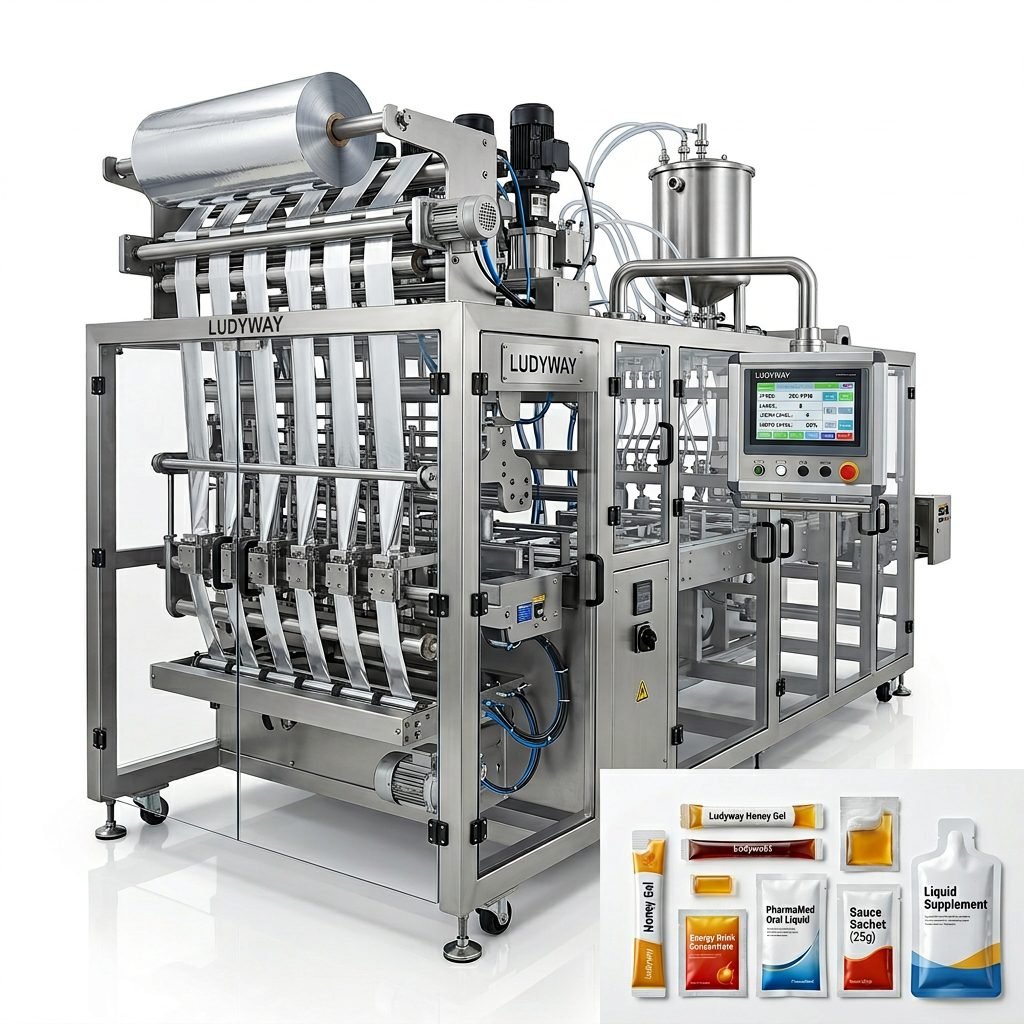
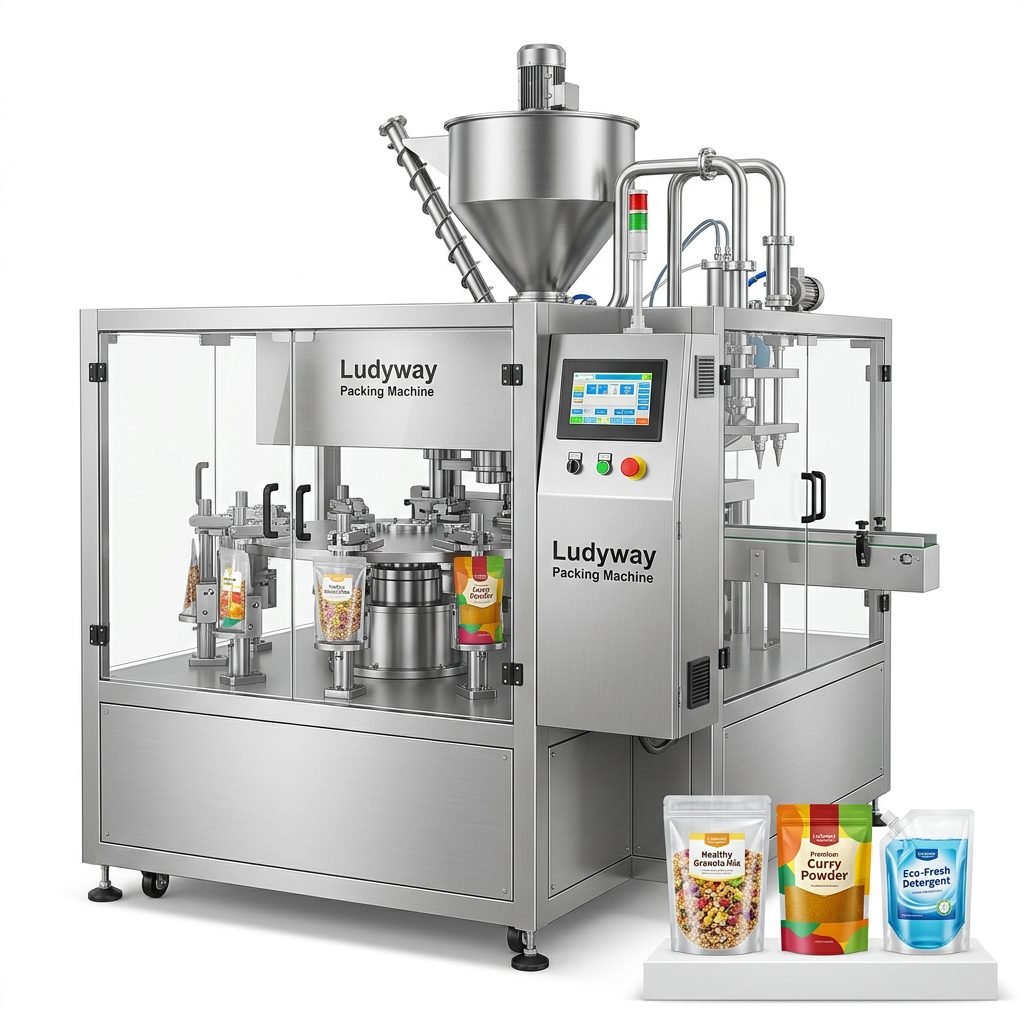
For example, stick pack systems are often ideal for single-dose powders, health supplements, drink mixes, and pharmaceutical granules. Sachet machines work well for powders, sauces, gels, liquids, and creams. Premade pouch systems may suit higher-end retail presentation or products requiring reclosable formats.
Understand the Main Types of Packaging Equipment
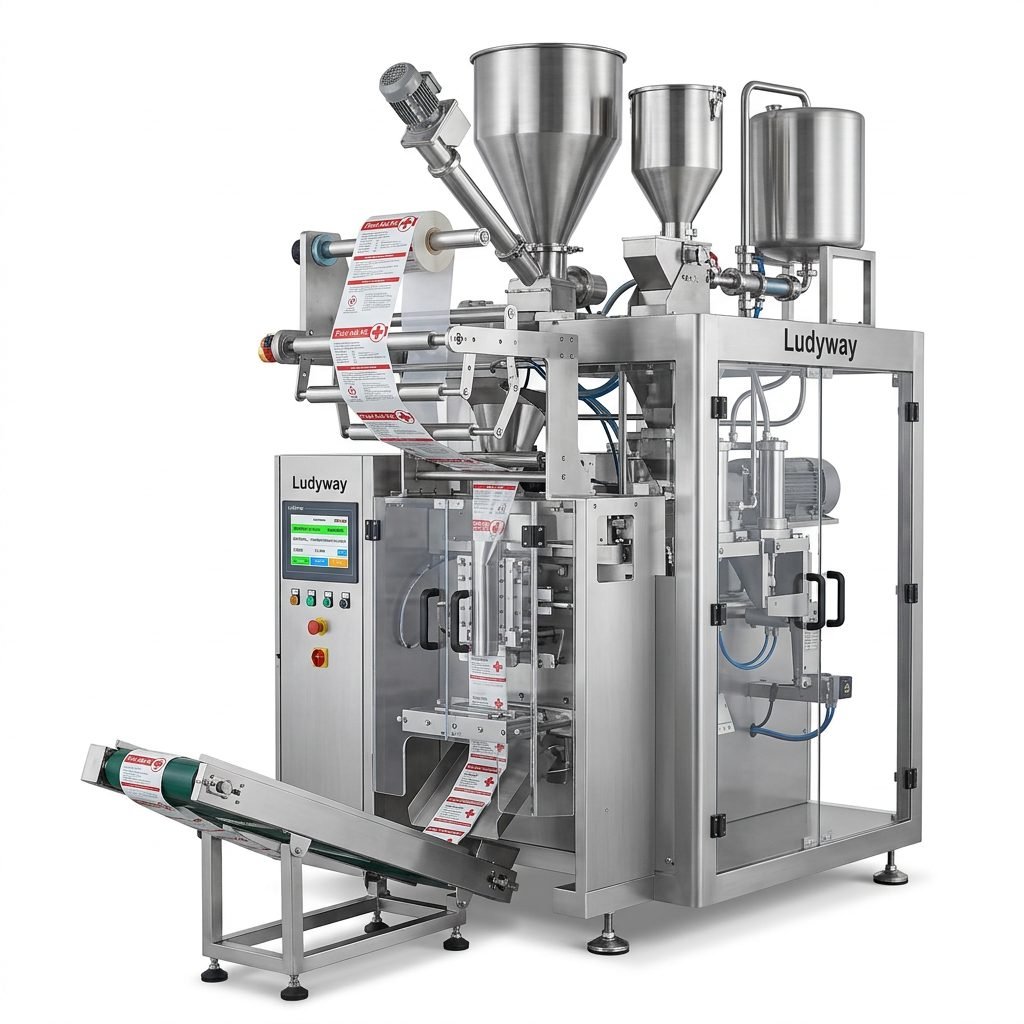
1. Vertical Packaging Machines
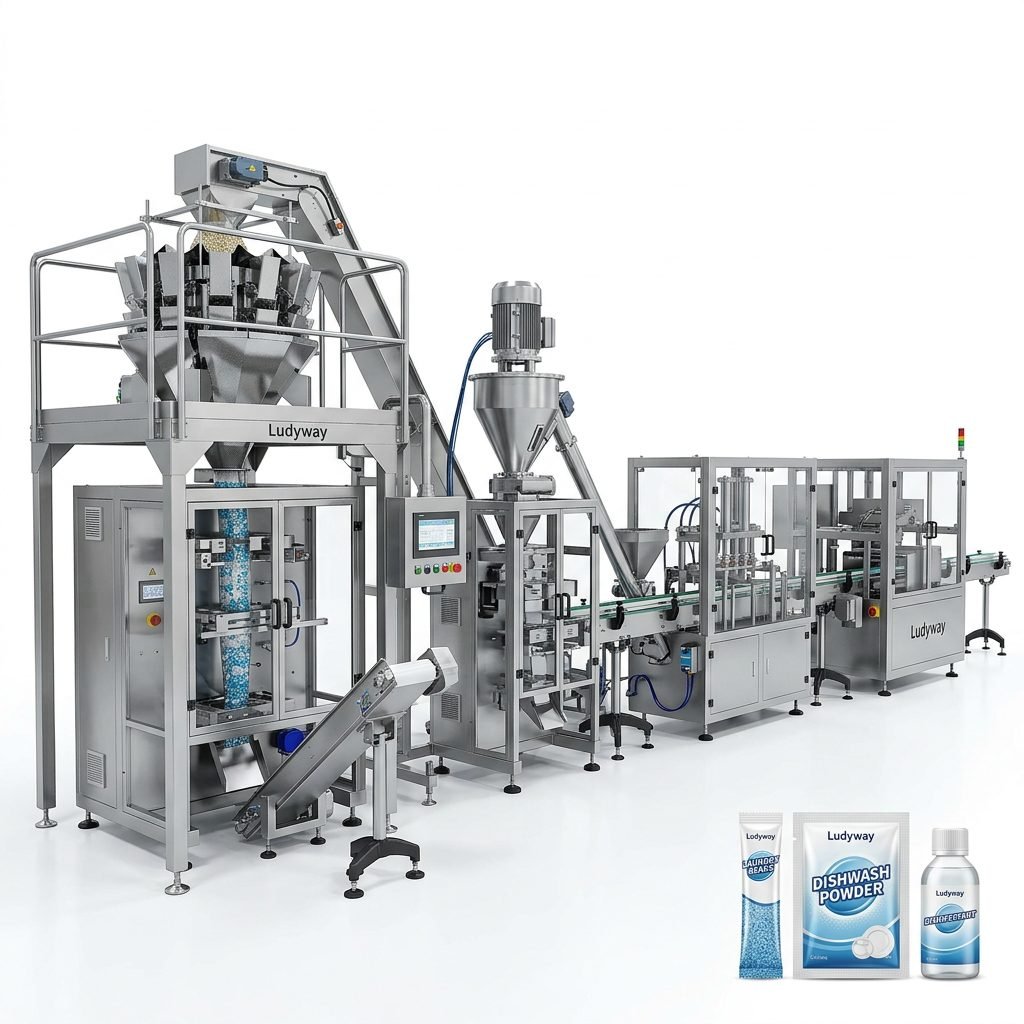
These are widely used for powders, granules, and some liquid applications. They are suitable for high-efficiency bag forming, filling, and sealing. Vertical systems are common in food, chemical, and agricultural sectors.
2. Sachet Packing Machines
Sachet machines are suitable for compact single-dose or small-volume packs. They are popular for seasoning powders, coffee, pharmaceutical granules, cosmetic creams, and cleaning products.
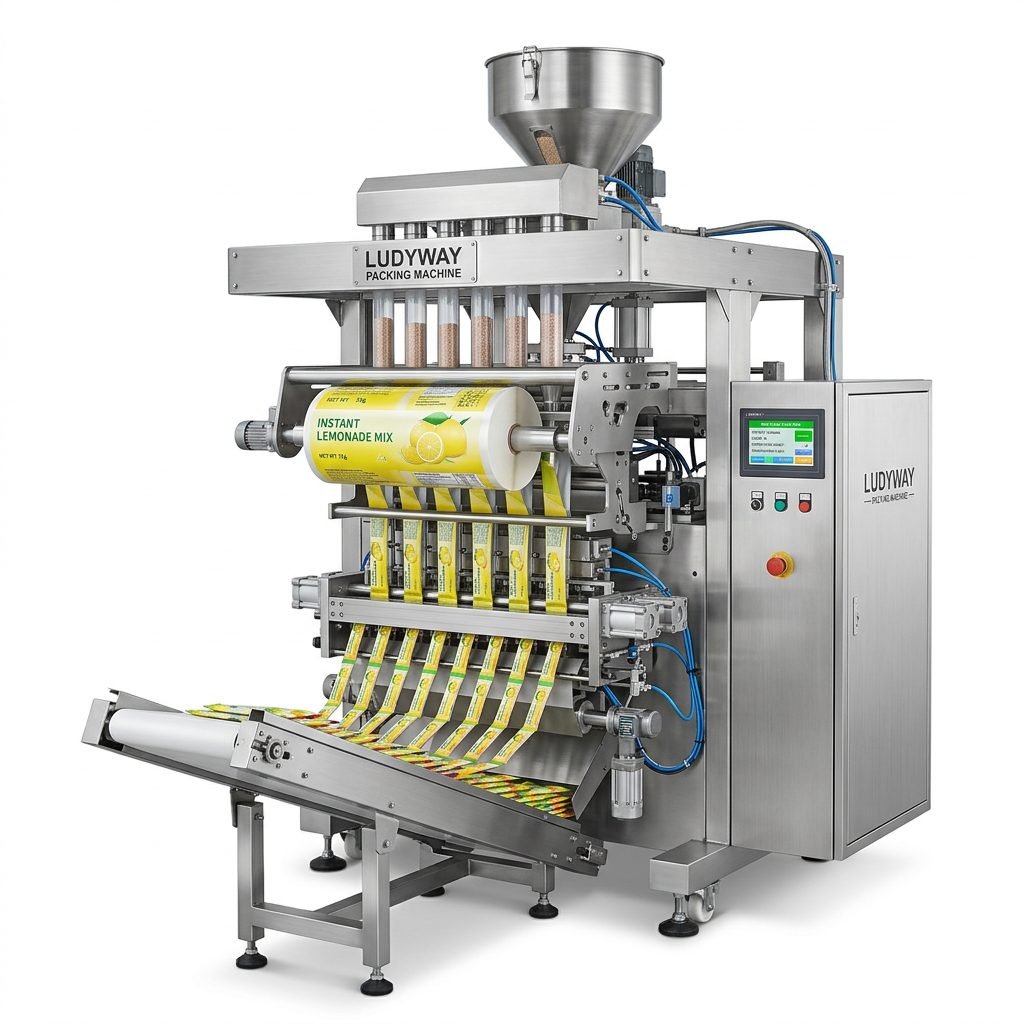
3. Multi-Lane Stick Pack Machines
These systems are designed for high-speed output with multiple lanes operating at the same time. They are ideal for high-volume applications where speed, precision, and compact pack size are critical.
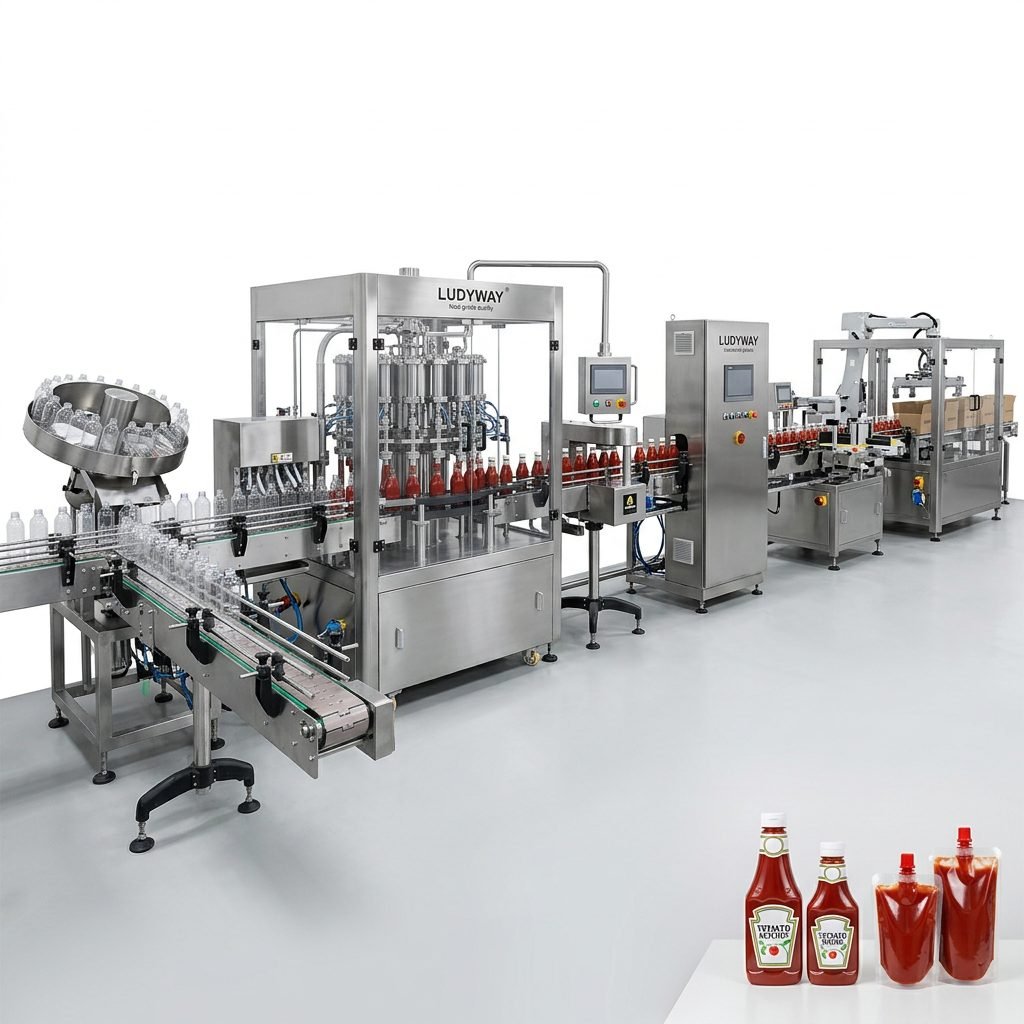
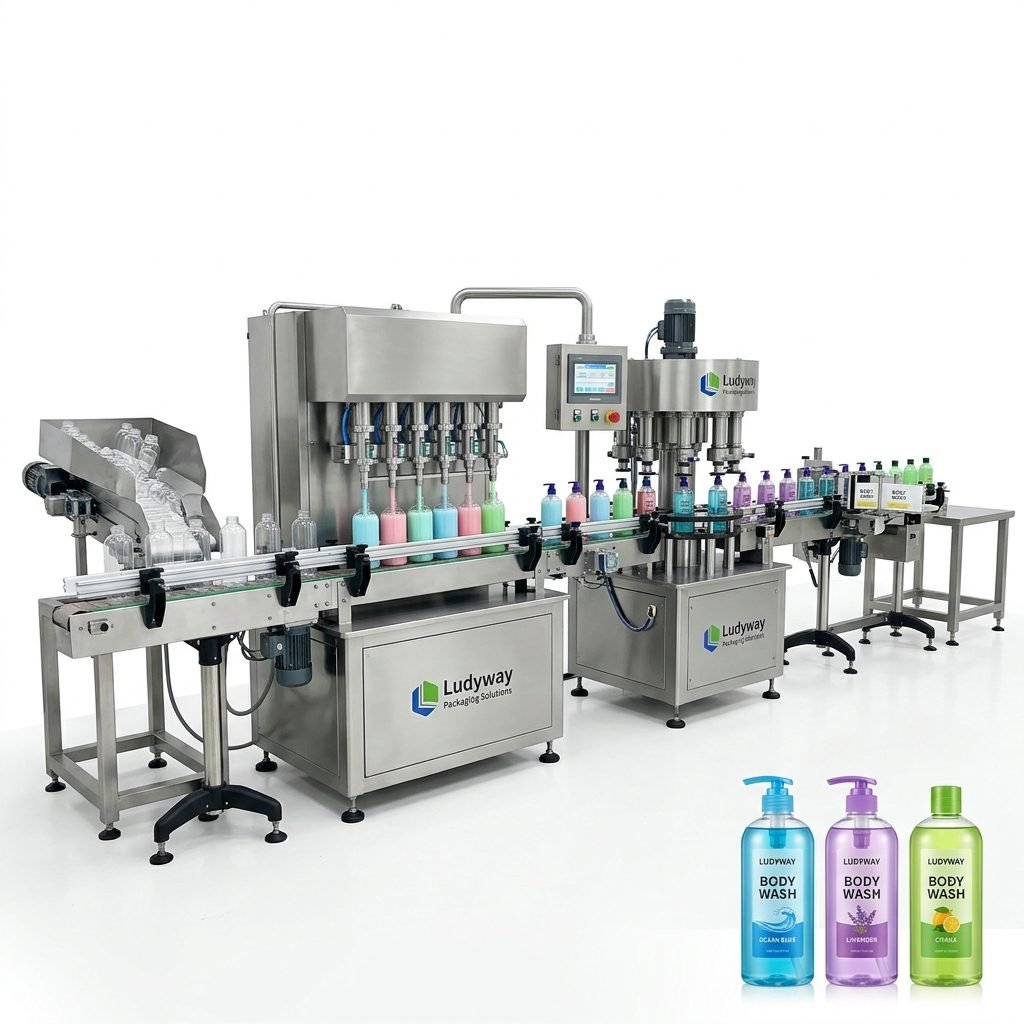
4. Filling and Sealing Machines
Used for liquids, pastes, creams, and bottle-based products. These systems can include capping, coding, labeling, and inspection depending on production needs.
5. Turnkey Packaging Lines
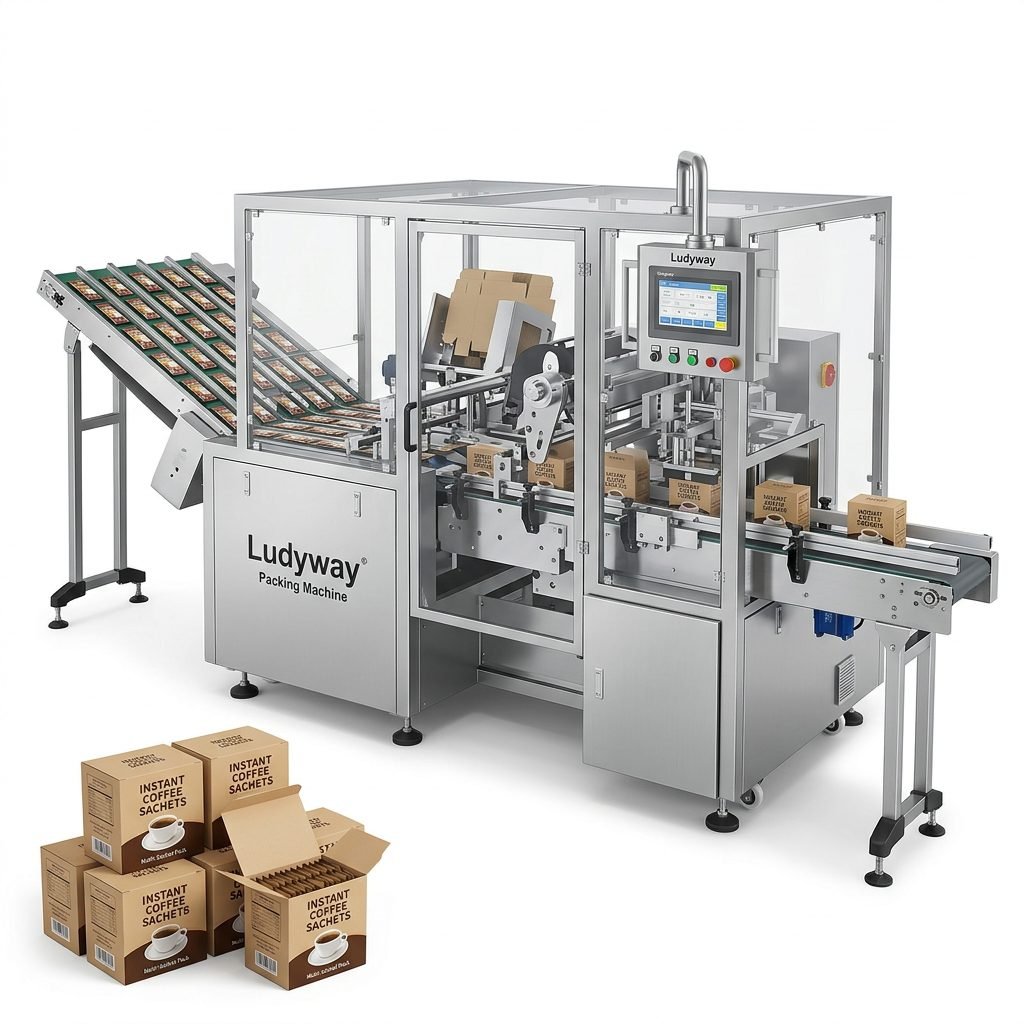
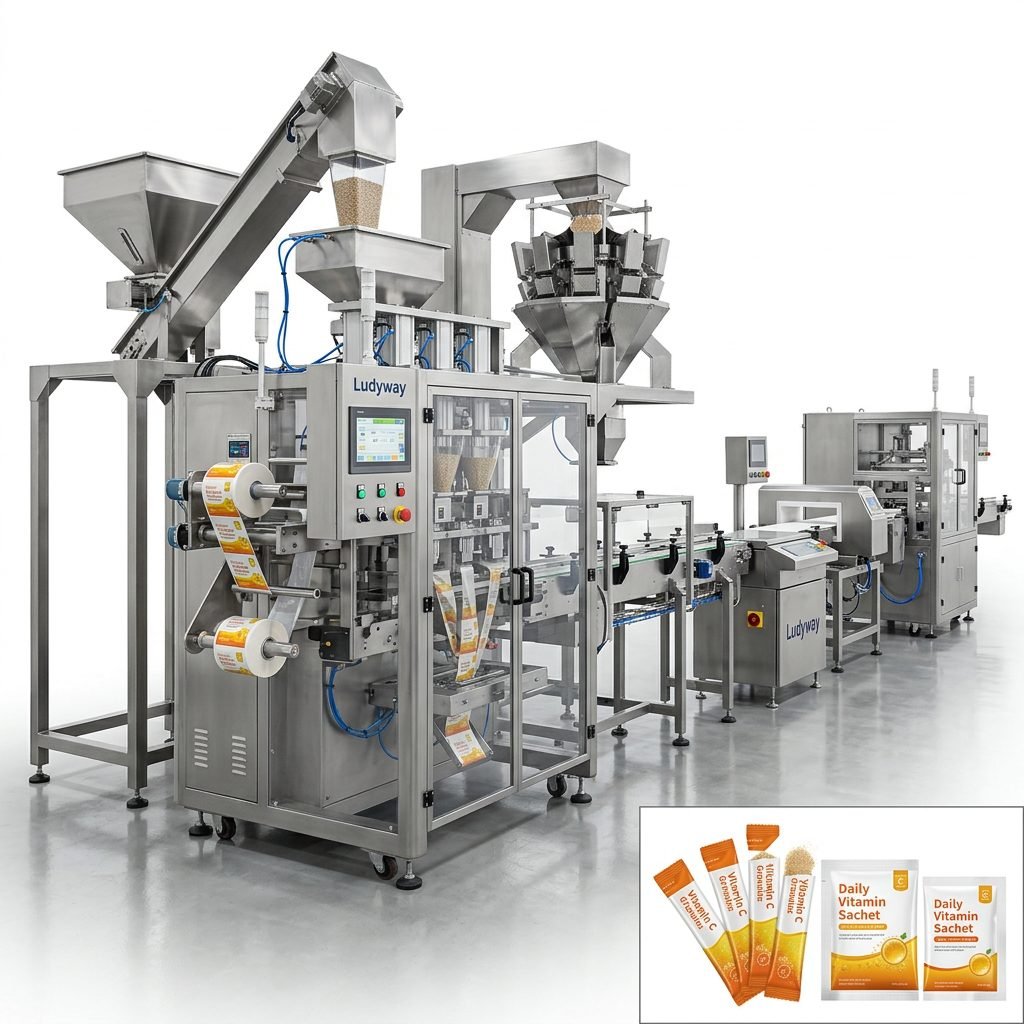
A turnkey line combines product feeding, dosing, filling, sealing, conveying, coding, inspection, cartoning, case packing, and palletizing into one integrated solution. This is often the best option for medium-to-large manufacturers planning stable growth.
Key Questions to Ask Before Buying
Before comparing suppliers, build your project around practical technical questions:
- What product will be packed, and in what form?
- What is the target pack size and package style?
- What hourly or daily output is required?
- Do you need a standalone machine or a complete packaging line?
- How often will you change pack size or product formula?
- What degree of automation do you want now and in the future?
- What hygiene, GMP, or industry compliance requirements apply?
- Do you need coding, labeling, checkweighing, metal detection, or cartoning?
- What is your installation space and plant layout?
- What after-sales support and spare parts response time do you expect?
How to Match Equipment to Your Industry
Food Industry
Food packaging requires stable dosing, clean seals, hygienic contact parts, and flexible pack styles. Popular applications include snacks, spices, coffee, sugar, milk powder, baking ingredients, sauces, and pet food.
Pharmaceutical Industry
Pharma packaging demands higher precision, cleaner design, validation-friendly systems, and stricter control over contamination risk. Granules, powders, liquids, tablets, and capsules all require different handling methods.
Health Supplement Industry
Supplements often need stick packs, sachets, pouches, or bottles with accurate dosing and attractive retail presentation. Speed matters, but dose consistency and product integrity matter even more.
Cosmetic and Personal Care Industry
Creams, serums, shampoos, lotions, and sachet-based travel formats require clean filling, reliable sealing, and packaging aesthetics. Flexibility is important for OEM and private-label production.
Chemical Industry
Chemical products can involve corrosive liquids, dusty powders, or bulk granules. Machine durability, safety, and material compatibility become primary factors.
Standalone Machine vs. Turnkey Packaging Line
| Option | Best For | Advantages | Considerations |
|---|---|---|---|
| Standalone Machine | Smaller lines, pilot production, targeted upgrades | Lower initial investment, faster setup | May require future integration work |
| Turnkey Packaging Line | Growing or large-scale production | Higher automation, better coordination, lower labor dependence | Requires careful planning and supplier capability |
If your operation expects expansion, multiple SKUs, or tighter labor control, a turnkey line is often more cost-effective over time than buying isolated machines one by one.
Important Performance Factors to Compare
Speed and Capacity
Do not choose based on maximum theoretical speed alone. Compare real operating speed under your actual product conditions and package dimensions.
Filling Accuracy
This is especially important for high-value powders, pharmaceuticals, and health supplements. Poor accuracy increases giveaway and reduces consistency.
Changeover Efficiency
If you run many SKUs, quick changeover is essential. Tool-less adjustments, recipe storage, and intuitive controls can save major production time.
Machine Stability
Stable operation matters more than occasional peak speed. Look for strong assembly quality, precision machining, and proven export project experience.
Cleaning and Maintenance
Easy-clean contact parts, accessible design, and clear maintenance routines reduce downtime and support hygiene compliance.
Integration Capability
Your machine should connect smoothly with conveyors, feeders, printers, checkweighers, metal detectors, cartoners, and palletizing units if required.
How to Evaluate a Packaging Equipment Manufacturer
Not every supplier can deliver a stable long-term solution. Beyond the machine itself, evaluate the manufacturer behind it.
- Years of industry experience
- Factory size and manufacturing capability
- Breadth of machine configurations
- Customization capability
- Export experience in multiple markets
- Engineering support and installation guidance
- Quality inspection process
- After-sales service and spare parts support
An experienced manufacturer is more likely to understand real application challenges such as powder dust control, seal quality, viscous liquid filling, lane synchronization, and packaging line integration.
What Buyers Often Overlook
Many buyers focus heavily on the machine model but miss system-level details. Watch for these commonly overlooked factors:
- Film or packaging material compatibility
- Utility requirements such as air, power, and floor conditions
- Operator training needs
- Future SKU expansion
- Lead time for custom components
- Spare parts inventory planning
- Remote technical support availability
- Line layout and space efficiency
Signs You Need a Customized Solution
A standard machine may not be enough if your project includes:
- Unusual product flow behavior
- Multiple packaging formats on one line
- Very high-speed production requirements
- Strict pharmaceutical or medical standards
- Integration with cartoning, case packing, or palletizing
- Special package dimensions or niche product categories
Customized engineering is often the difference between a machine that simply runs and a packaging system that supports long-term business growth.
Why Experience in Global Markets Matters
A supplier serving multiple export markets is usually better prepared for different compliance expectations, voltage standards, documentation requirements, and product applications. This can be especially helpful for buyers who need English-language support, clear technical communication, and a more structured project process.
Manufacturers with broad export coverage also tend to have stronger experience in adapting solutions for food processors, pharmaceutical companies, supplement brands, OEM manufacturers, and industrial packers across different regions.
A Practical Shortlist for Decision-Making
| Checklist Item | What to Confirm |
|---|---|
| Product compatibility | Powder, granule, liquid, paste, pouch, or mixed application suitability |
| Packaging format | Sachet, stick pack, pouch, bottle, bag, carton, blister |
| Output | Real-world speed under your material conditions |
| Accuracy | Target tolerance and consistency level |
| Automation | Standalone unit or integrated turnkey line |
| Support | Installation, training, troubleshooting, spare parts |
| Scalability | Ability to expand capacity or add downstream modules |
Final Buying Advice
The best packaging equipment is the one that fits your product, your output goals, your compliance requirements, and your long-term growth plan. Instead of starting with machine price alone, start with application analysis. A reliable supplier should be able to recommend the right filling method, machine structure, packaging format, and degree of automation based on actual production conditions.
For businesses in food, pharmaceuticals, health supplements, cosmetics, chemicals, and related sectors, choosing an experienced manufacturer with strong customization and turnkey integration capability can reduce risk and improve ROI. When you evaluate equipment through that lens, you are far more likely to invest in a packaging solution that performs well not just today, but for years ahead.