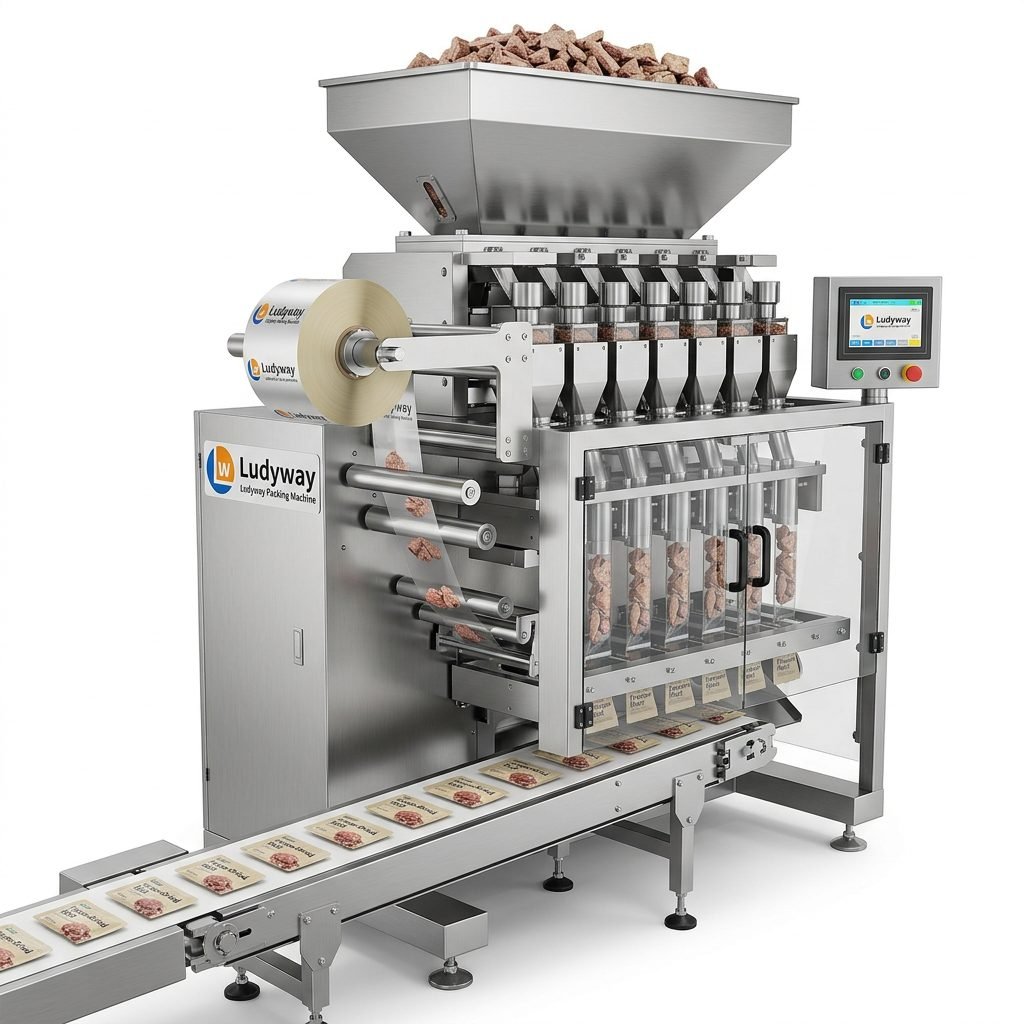
In modern bakery production, cake packaging is no longer just about putting a finished product into a box or pouch. It is a critical process that directly affects product freshness, food safety, shelf appeal, labor efficiency, and shipping stability. For bakeries, food factories, and contract manufacturers handling sponge cakes, layer cakes, cake slices, Swiss rolls, muffins, and cake mix products, choosing the right cake packaging machine can significantly improve output and reduce waste.
A high-performance cake packaging solution should protect delicate textures, maintain hygienic standards, support fast changeovers, and integrate smoothly with the upstream baking and downstream cartoning process. Whether you run a growing bakery brand or a large-scale food manufacturing plant, the right equipment helps create a packaging line that is fast, consistent, and scalable.

Why Cake Packaging Machines Matter in Bakery Production
Cakes are soft, fragile, and often sensitive to moisture, pressure, and contamination. Manual packing may work for small batches, but once production volumes increase, it becomes difficult to maintain uniformity and hygiene. A dedicated cake packaging machine helps solve these issues by automating the sealing, wrapping, pouching, or cartoning process with higher repeatability.
- Improved hygiene: Less direct human contact with baked goods
- Higher speed: Faster packing for retail and bulk orders
- Better consistency: Uniform seal quality and package appearance
- Reduced damage: Gentler handling of delicate cake products
- Lower labor dependence: Fewer manual steps on the line
- Easier traceability: Better support for coding, labeling, and inspection systems
Top Cake Packaging Solutions for Different Product Types
There is no single packaging system that fits every cake format. The best solution depends on cake shape, portion size, packaging material, shelf-life goals, and line speed requirements.
1. Flow Wrapping Machines for Individual Cakes
Flow wrapping is one of the most popular options for individually packed cakes, cupcakes, brownies, Swiss rolls, and sliced cakes. These machines create a sealed package from roll film, offering clean presentation and efficient output.
Flow wrappers are ideal for bakery products that need:
- Single-piece retail packaging
- Attractive shelf display
- Protection from dust and moisture
- High-speed continuous production
2. Tray + Film Packaging Systems
For premium cakes or products that need extra structural support, tray-based packaging is a strong solution. Cakes are placed in formed trays before being sealed with film or overwrapped. This reduces deformation during transportation and retail handling.
This method is often used for:
- Layer cake slices
- Frosted or cream-filled cakes
- Soft sponge cakes
- Premium dessert portions
3. Vertical Packaging Machines for Cake Mix and Powder Products
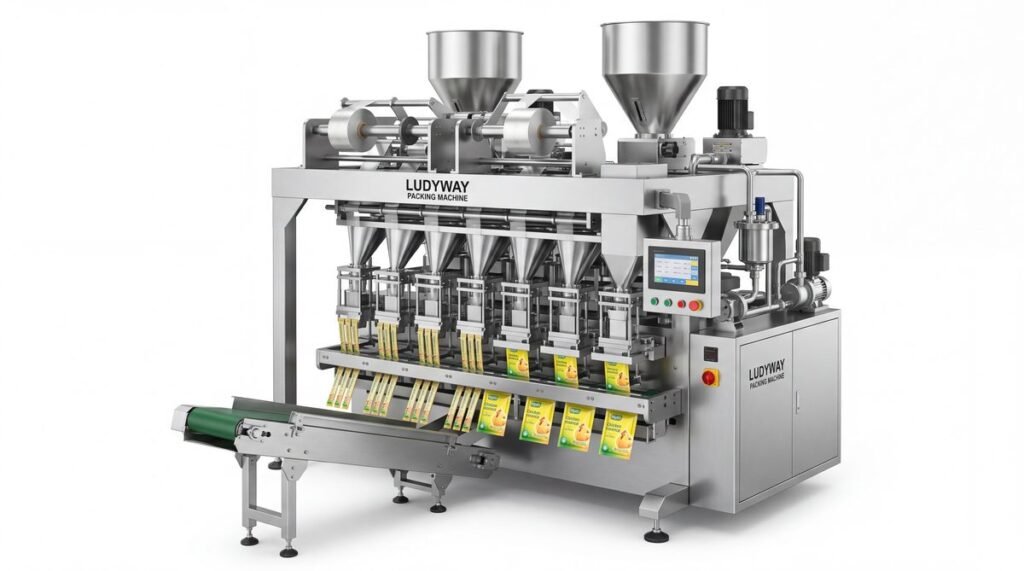
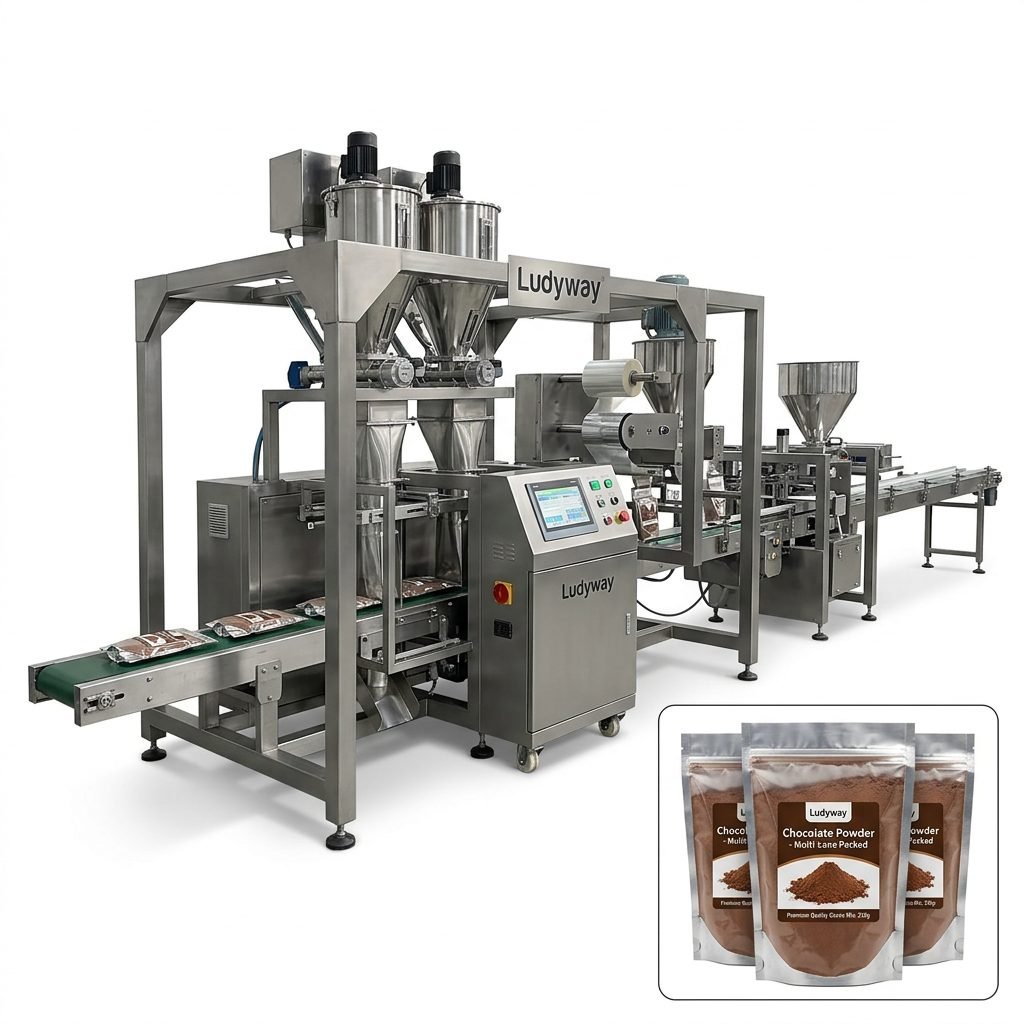
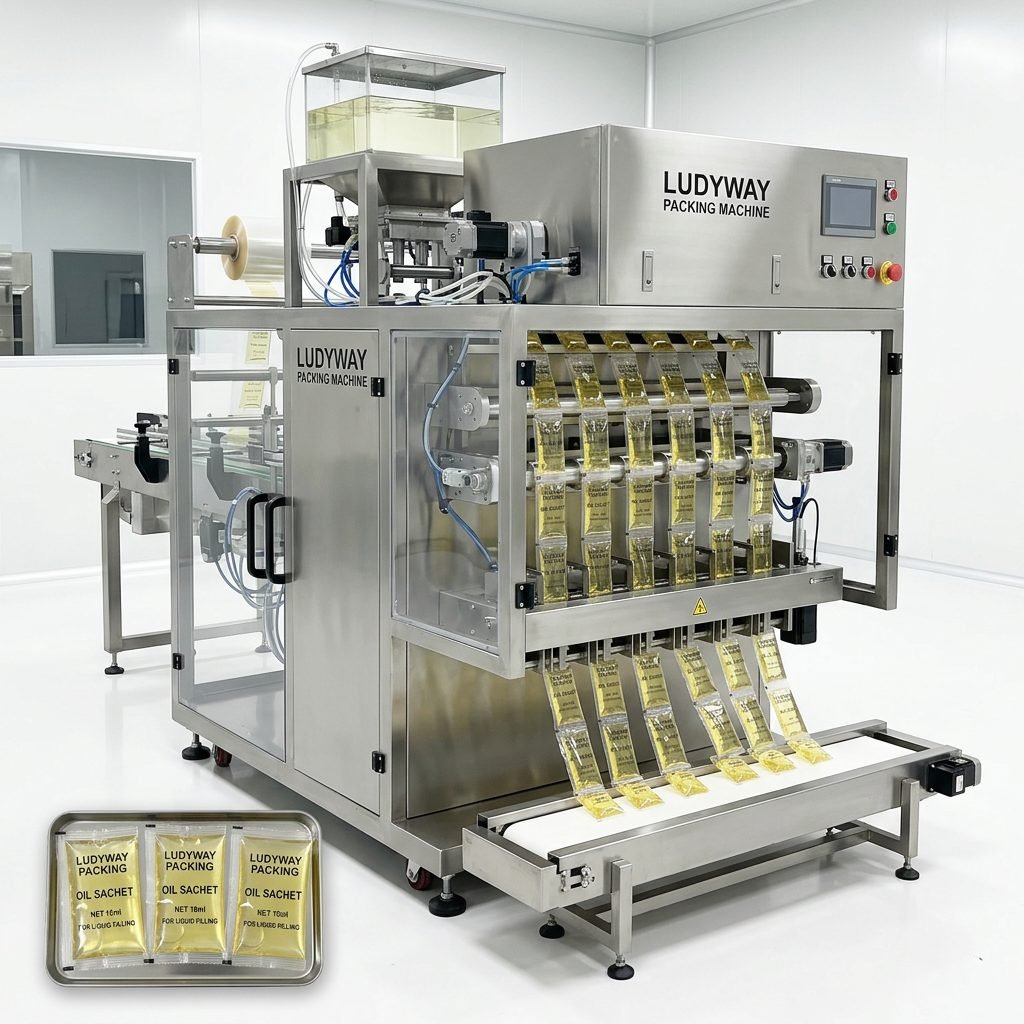
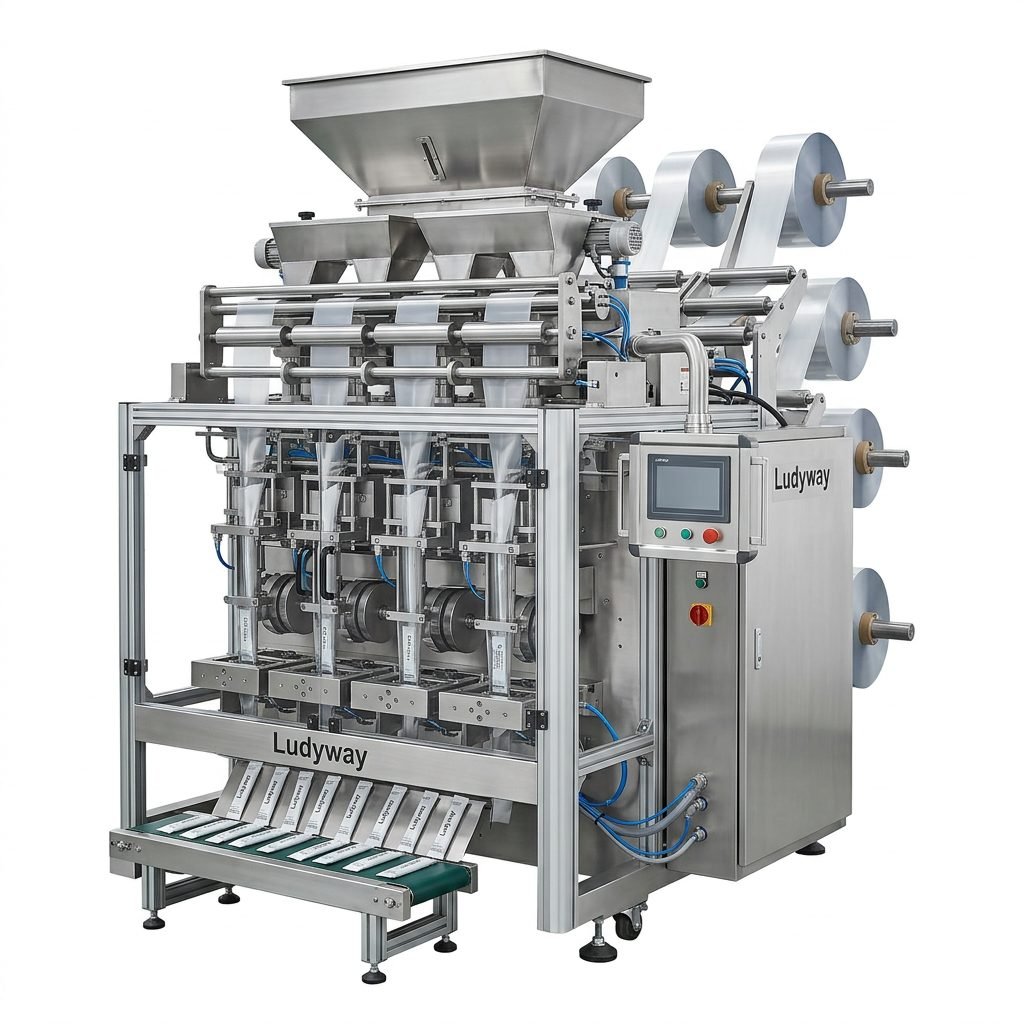
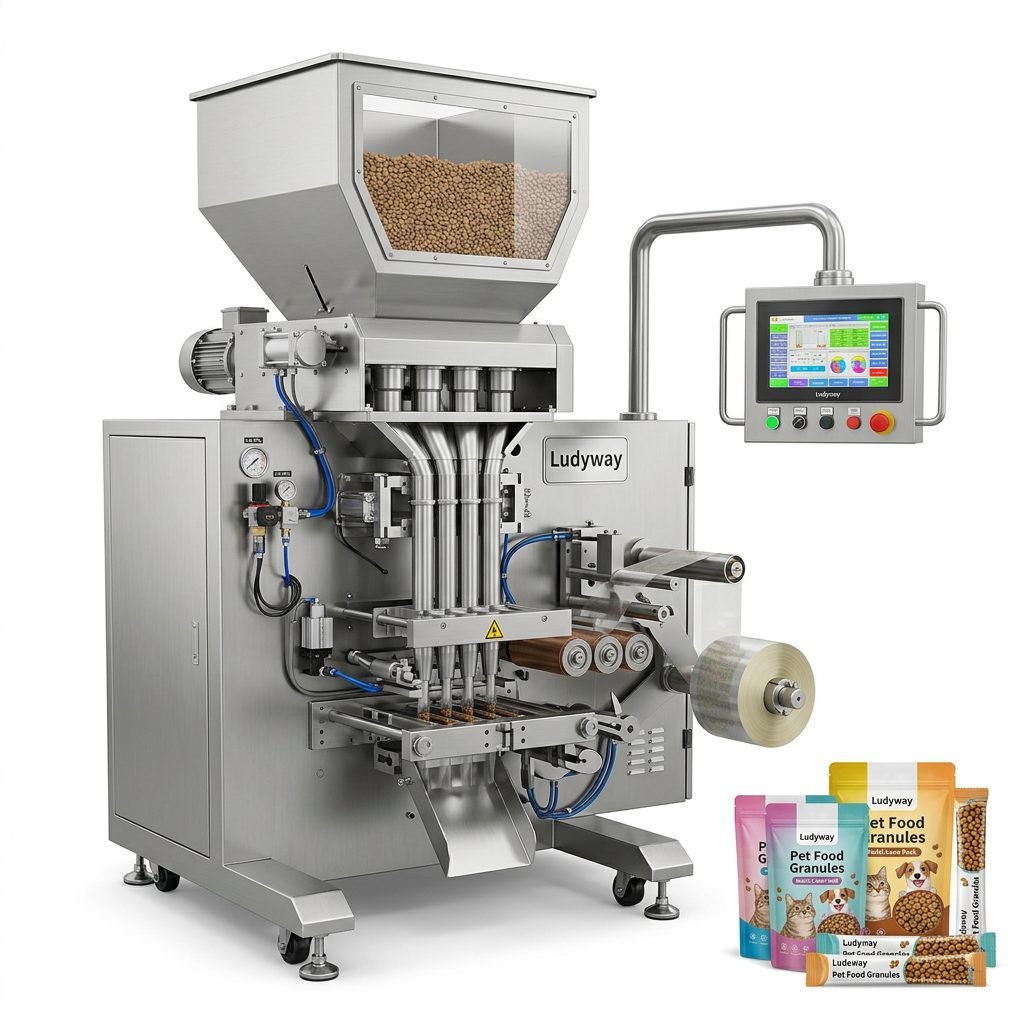
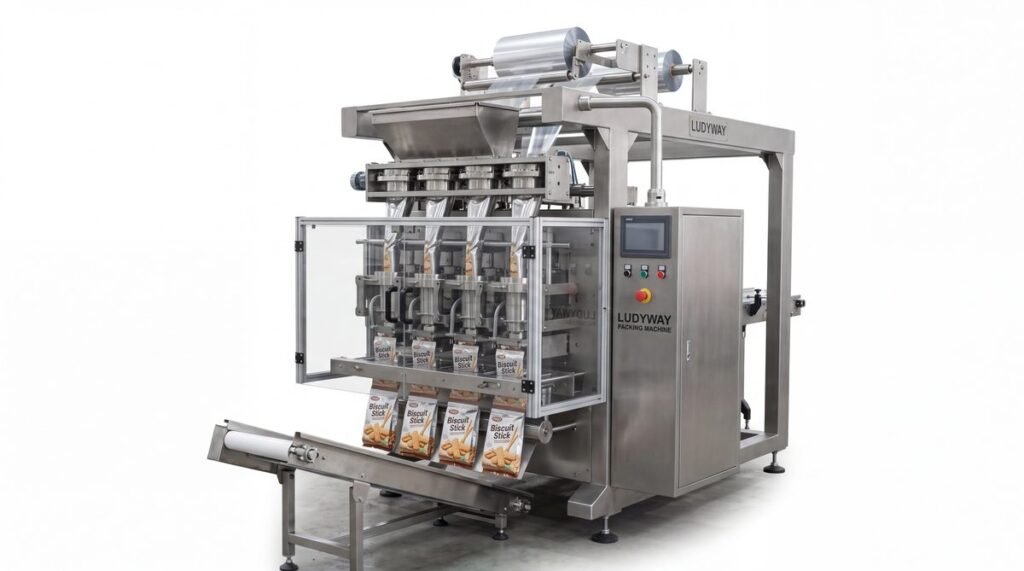
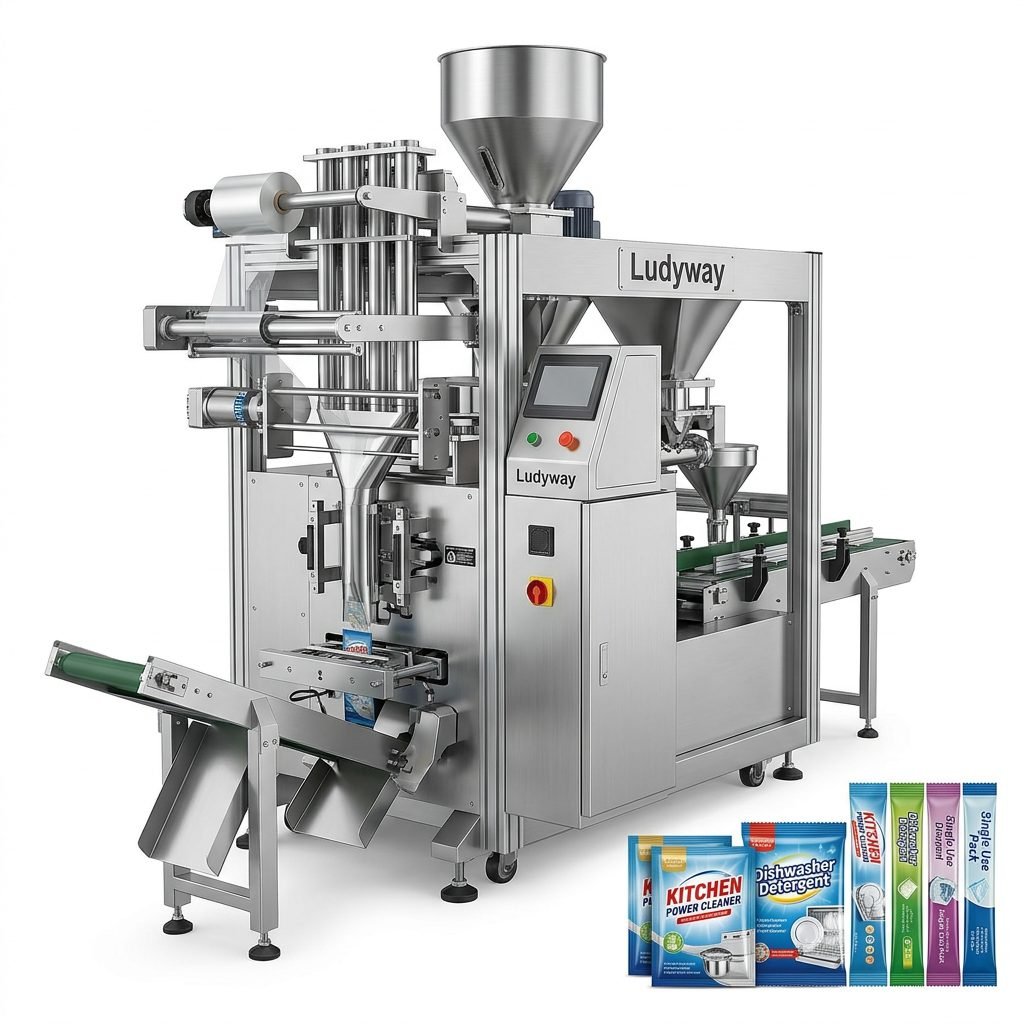
Not all cake packaging is for finished baked goods. Many bakeries and food brands also package cake mix powder, premixes, cocoa blends, and baking ingredients. In these applications, vertical form fill seal machines are highly efficient for sachets, pouches, and stick packs.
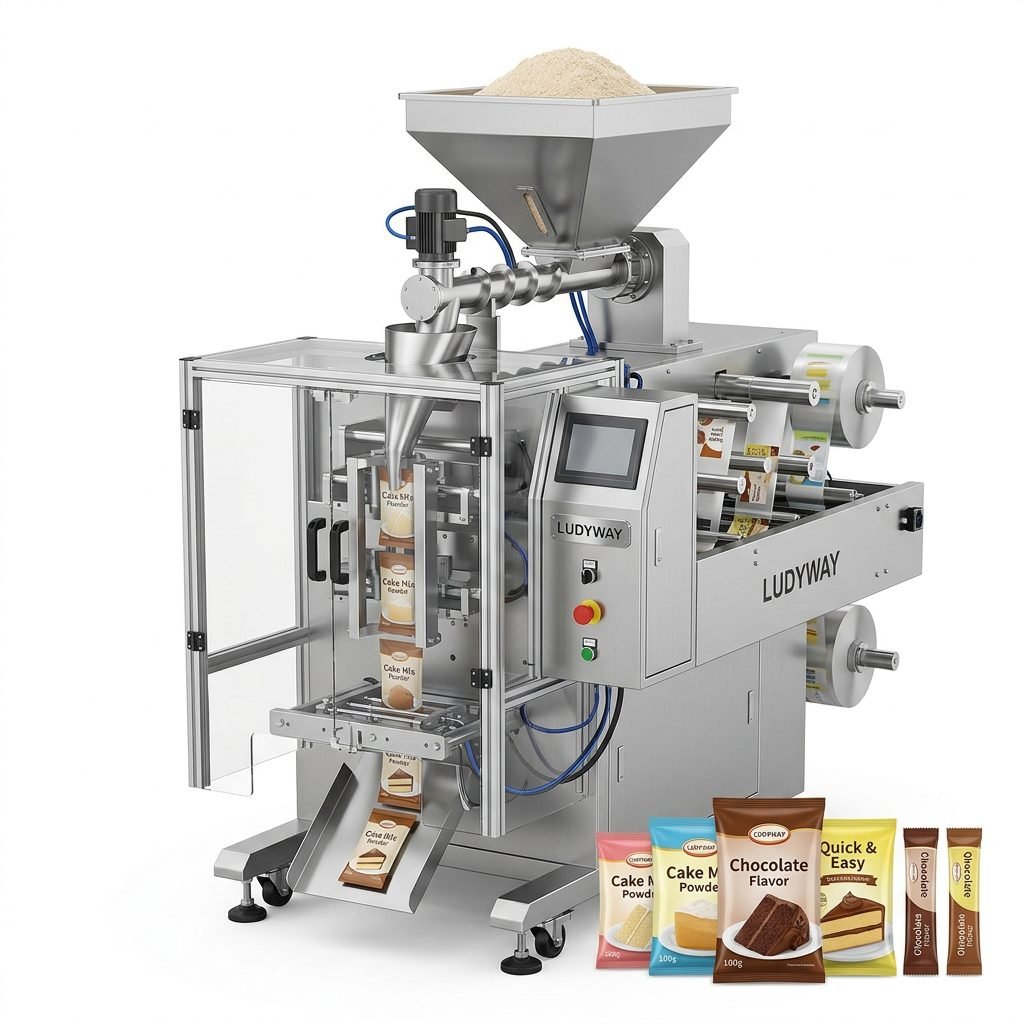
These systems are suitable for:
- Cake mix powder sachets
- Baking premix pouches
- Single-serve dessert mix packaging
- Retail and foodservice powder packs
4. Cartoning Machines for Secondary Cake Packaging
After primary wrapping, many cake products require secondary packaging into cartons or display boxes. Automatic cartoning machines can collect and arrange wrapped cakes before insertion into retail cartons, helping manufacturers improve packing speed and shipping efficiency.
5. Turnkey Cake Packaging Lines
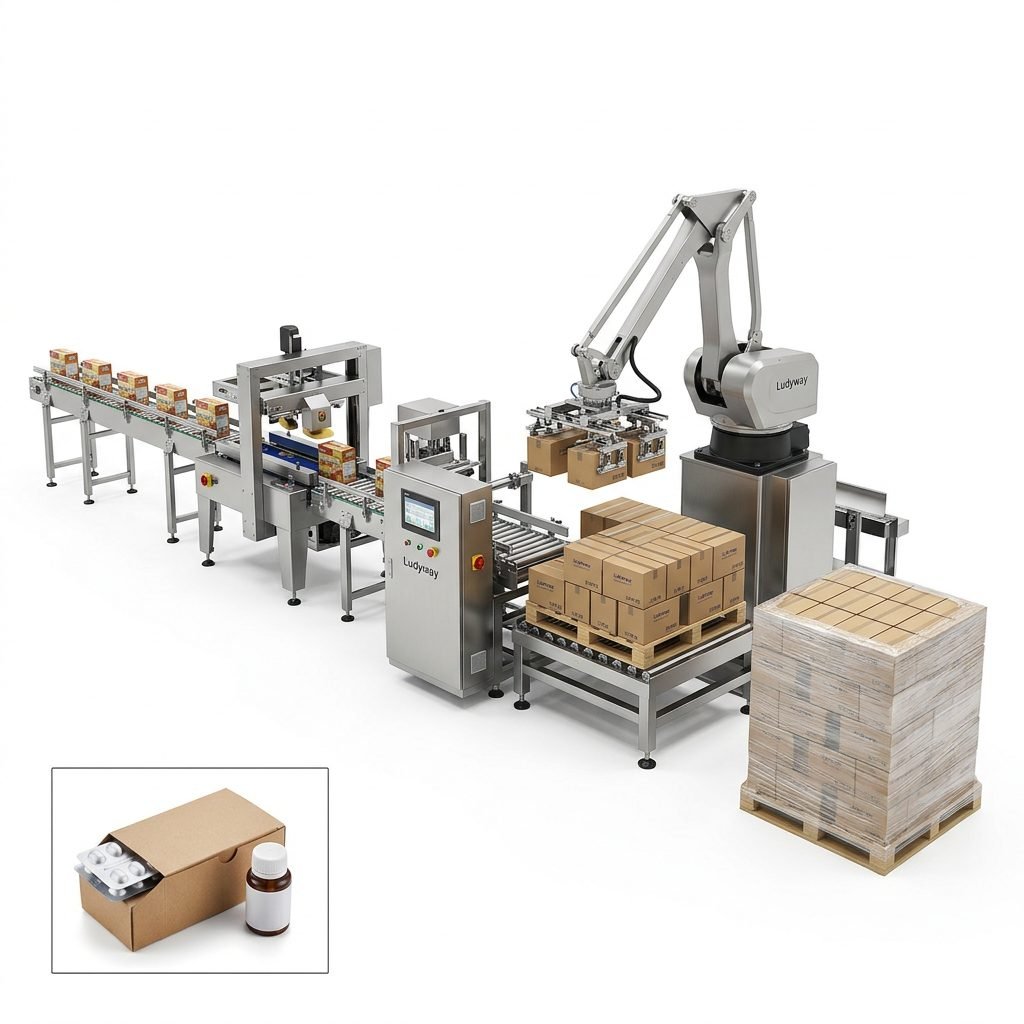
For medium and large-scale operations, an integrated line is usually the most efficient option. A turnkey solution may include conveyors, feeding systems, primary wrapping, metal detection, checkweighing, coding, cartoning, case packing, and palletizing.
Integrated automation reduces bottlenecks and allows the whole bakery packaging process to run more smoothly.
Key Features to Look for in a Cake Packaging Machine
When comparing cake packing equipment, focus on more than just speed. The best machine should also protect product quality and support long-term production flexibility.
| Feature | Why It Matters for Cake Packaging |
|---|---|
| Gentle product handling | Prevents crushing, cracking, or deformation of soft cakes |
| Food-grade contact parts | Supports hygienic operation and compliance |
| Easy cleaning design | Reduces downtime and improves sanitation |
| Fast changeover | Useful for different cake sizes and packaging formats |
| Accurate sealing control | Maintains freshness and package integrity |
| Integration capability | Connects with baking, cooling, conveying, coding, and cartoning systems |
| Servo-driven automation | Improves precision, speed, and repeatability |
How to Choose the Right Machine for Your Cake Products
Selecting the best cake packaging machine starts with understanding your product and production goals. A machine that works well for dry cake mix may not be suitable for cream cakes or sliced sponge cakes.
Consider Product Characteristics
- Is the cake soft, sticky, frosted, or crumbly?
- Does it require modified atmosphere packaging or moisture protection?
- Is the product packed individually or in multipacks?
- Will it be shipped long distances or displayed in retail stores?
Consider Production Requirements
- Required packs per minute
- Number of SKUs
- Packaging material type
- Need for date coding or label application
- Need for automatic cartoning or case packing
Consider Future Expansion
Many food companies initially buy for current demand, then outgrow the machine too quickly. It is often smarter to choose a solution that can scale with future volume, new cake formats, and line upgrades.
Hygiene and Food Safety in Cake Packing
Hygiene is especially important in cake production because bakery items are often ready-to-eat. Contamination risks can come from manual handling, poorly designed machine surfaces, or inconsistent cleaning procedures.
A hygienic cake packaging machine should support:
- Smooth and easy-to-clean product contact areas
- Stainless steel construction where needed
- Reduced crevices that trap crumbs or residue
- Stable sealing performance to avoid leaks
- Compatibility with inspection systems such as metal detectors and checkweighers
Tip: In high-volume bakery environments, hygienic design is not just a compliance issue—it directly affects cleaning time, uptime, and final product reputation.
Benefits of Automated Cake Packaging
Automation provides clear advantages for bakery manufacturers seeking better productivity and stronger quality control.
- Faster throughput for growing production demands
- Reduced manual errors in sealing and pack appearance
- Better product protection during handling and transport
- Improved labor efficiency in repetitive end-of-line tasks
- More consistent brand presentation across all packages
- Better data and control through integrated automation systems
Typical Cake Packaging Line Configuration
A complete cake packaging line can be configured in different ways depending on the product format. A common setup may include:
| Line Stage | Typical Equipment |
|---|---|
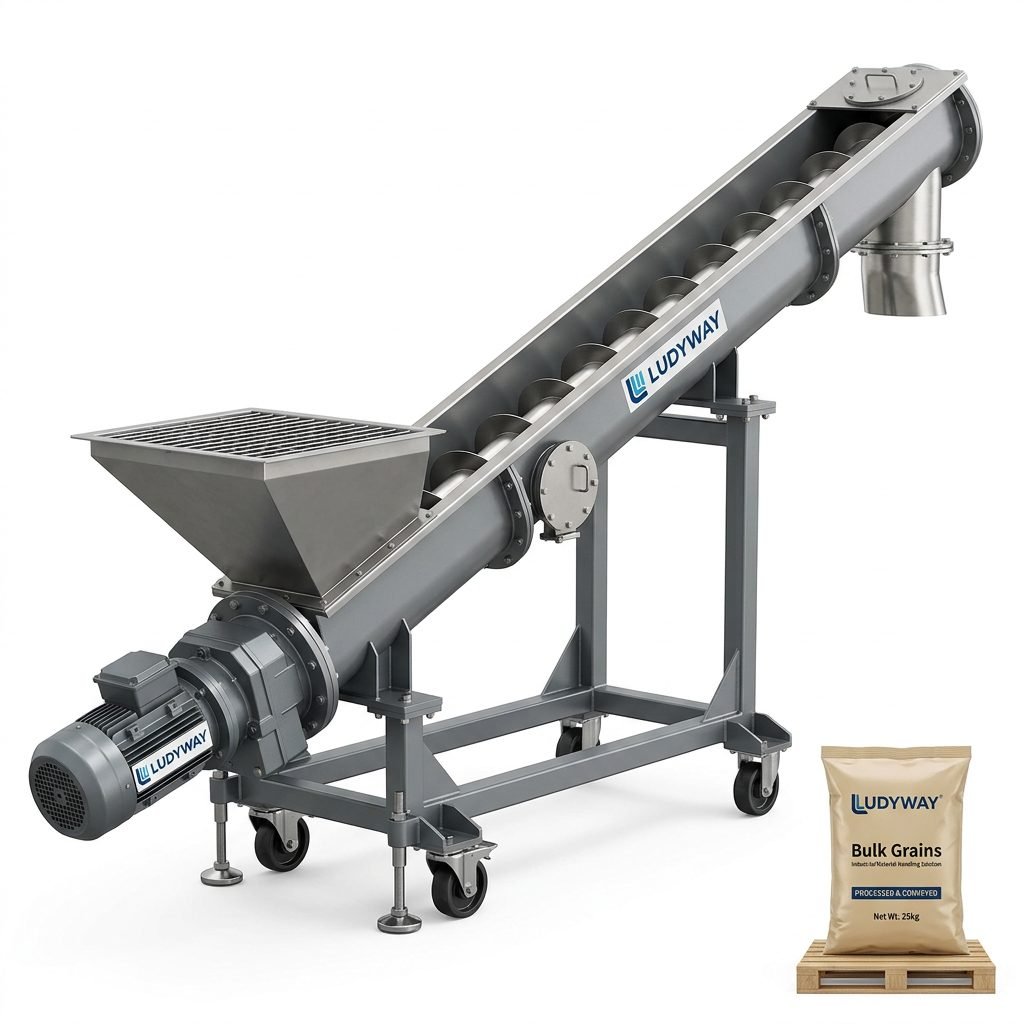
| Product transfer | Cooling conveyors, alignment systems, feeding conveyors |
| Primary packaging | Flow wrapper, tray sealer, pouch packer, vertical packer |
| Inspection | Metal detector, checkweigher, reject system |
| Coding and labeling | Date coder, printer, label applicator |
| Secondary packaging | Cartoning machine, case packer, sealing machine |
| End-of-line handling | Palletizer, wrapping system, conveying equipment |
What Makes a Reliable Packaging Equipment Partner
Choosing the machine is only part of the decision. The supplier’s engineering strength, customization capability, and after-sales support are equally important. Buyers should look for a manufacturer that can provide both standalone machines and complete packaging line solutions.
For businesses seeking scalable bakery and food automation, Ludyway cake packaging machine solutions are backed by more than 30 years of manufacturing experience, a factory of over 20,000 square meters, a broad export presence, and turnkey line integration capability for food, pharmaceutical, and related industries.
Best Applications for Cake Packaging Machines
Modern cake packaging systems are suitable for a wide range of bakery products, including:
- Individual sponge cakes
- Cake slices and tray cakes
- Swiss rolls
- Muffins and cupcakes
- Brownies and dessert bars
- Frozen cake portions
- Cake mix powders and baking premixes
- Multipack snack cakes
Final Buying Checklist Before You Invest
Before selecting a cake packaging machine, make sure you confirm the following:
- Product type: finished cake, frozen cake, or cake mix powder
- Pack format: pillow pack, tray seal, pouch, carton, or multipack
- Output target: current and future speed requirements
- Hygiene standard: cleaning and food safety requirements
- Automation level: standalone machine or full packaging line
- Factory layout: available space and line integration needs
- Support: installation, training, spare parts, and technical service
With the right solution, cake packaging can become a major competitive advantage—helping bakery businesses deliver products that are faster to pack, safer to handle, more attractive on the shelf, and more efficient to produce at scale.