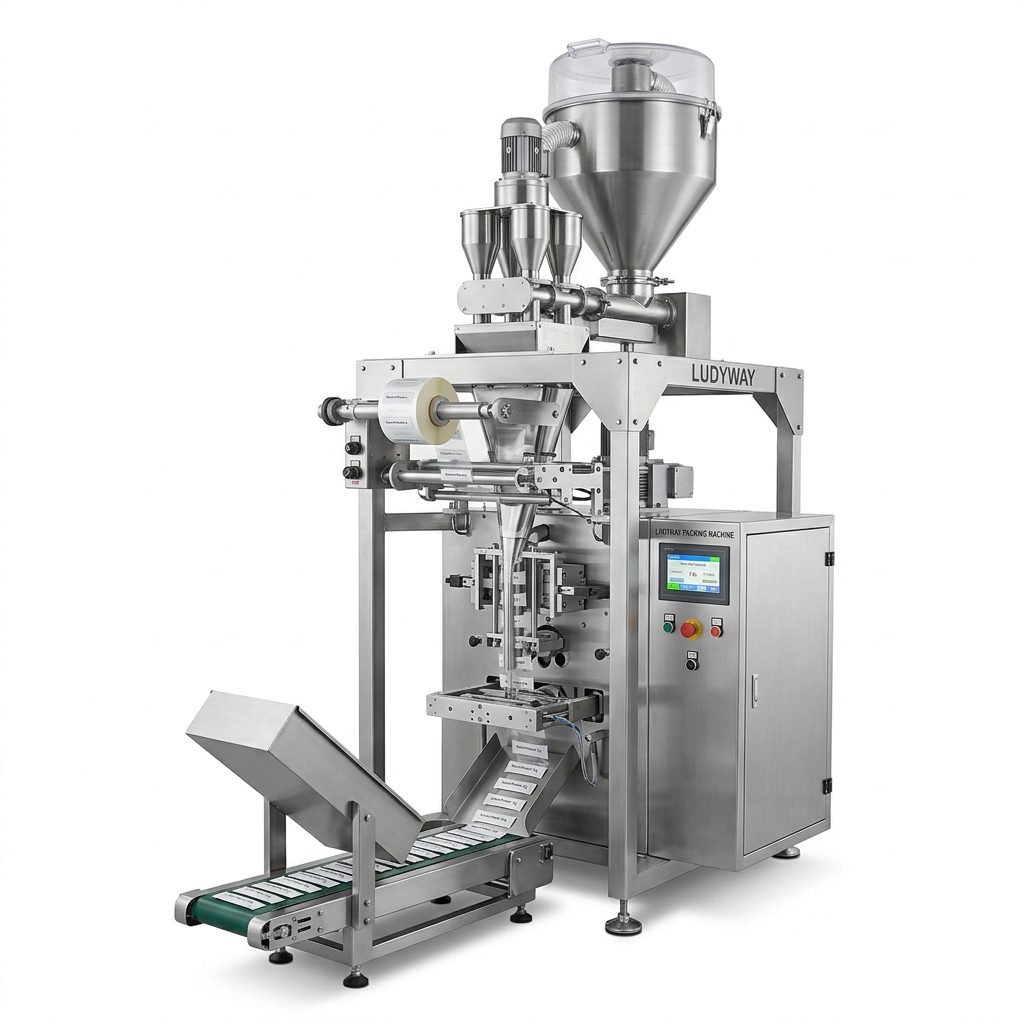
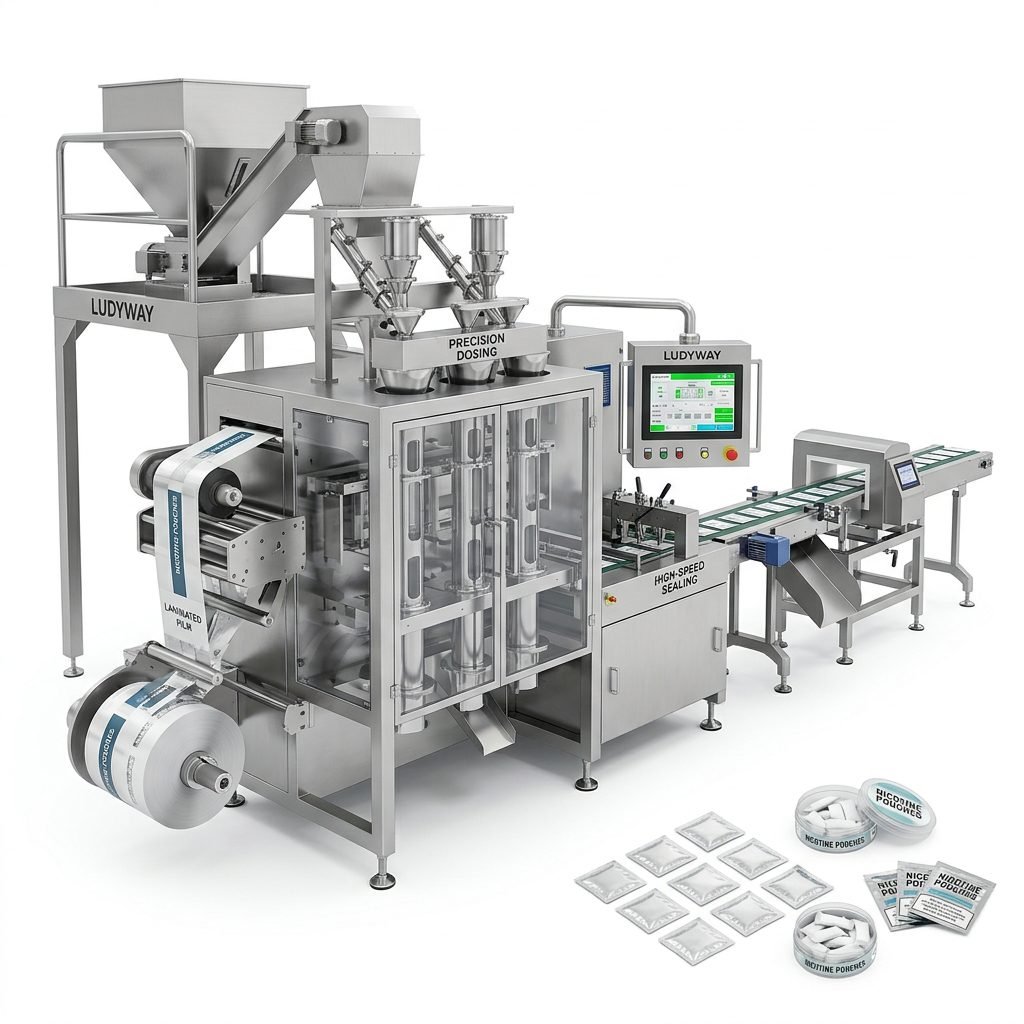
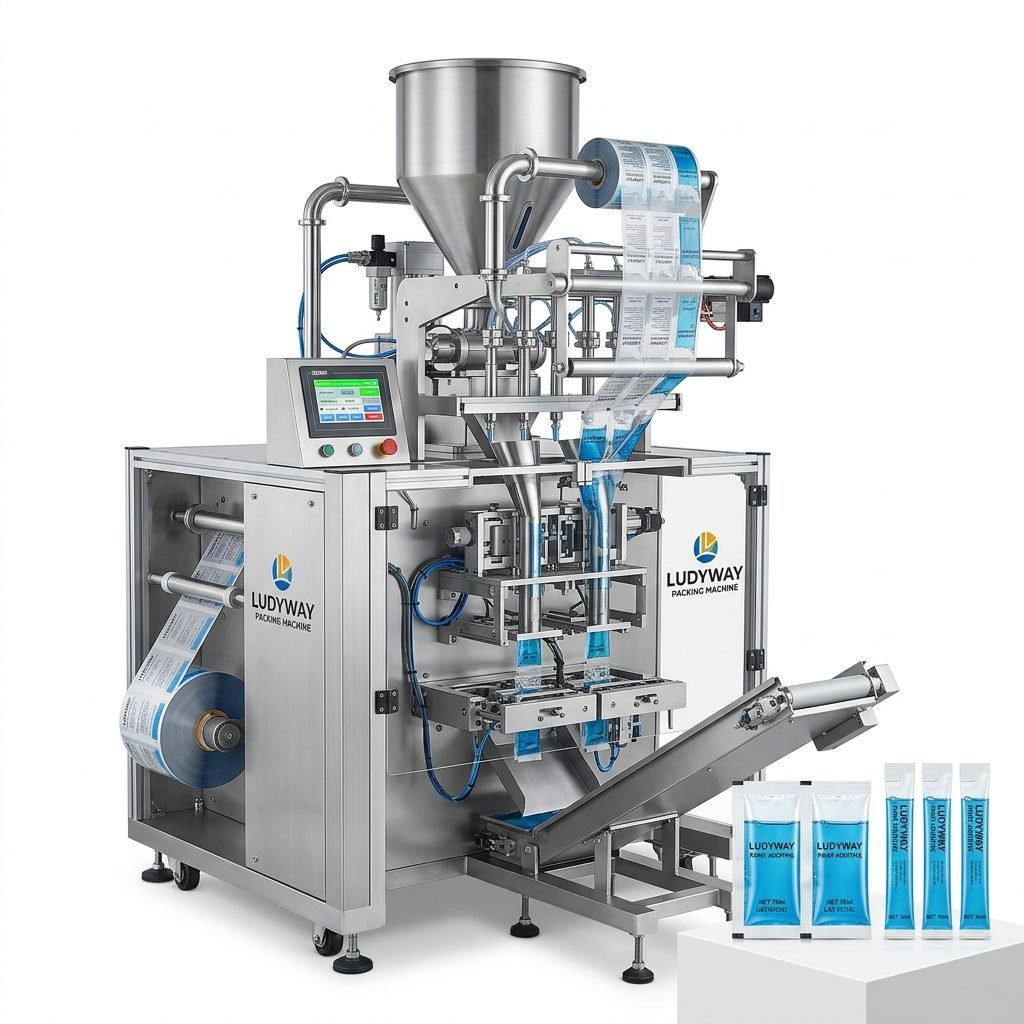
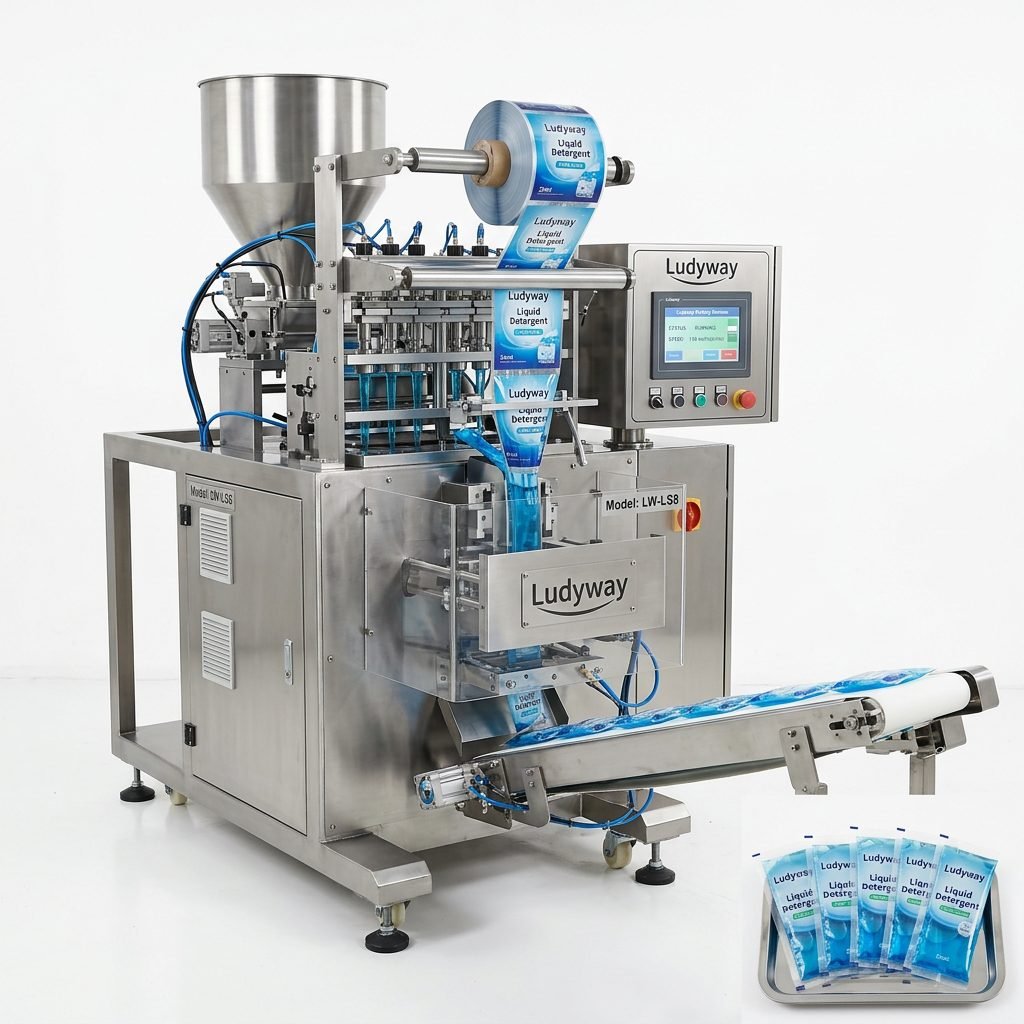
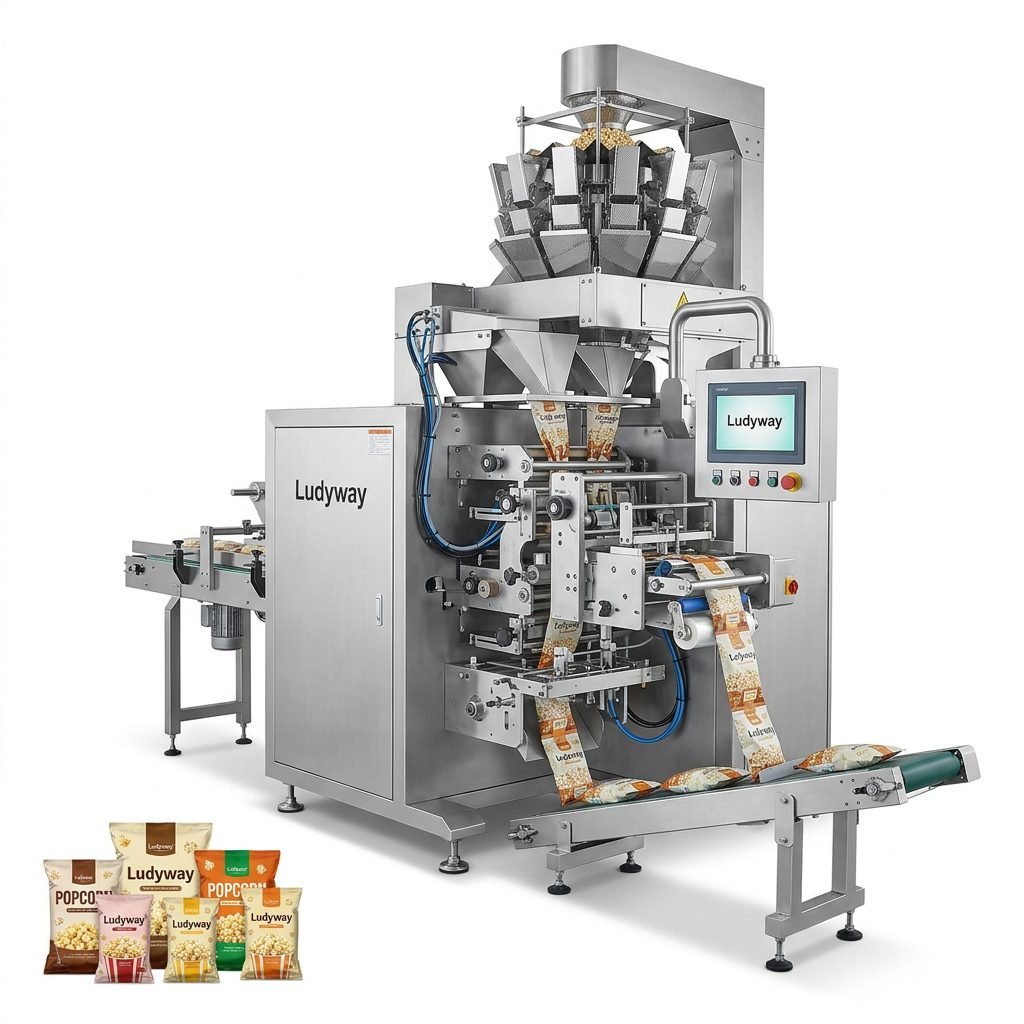
When buyers compare small pouch packing machine price, the first surprise is often how wide the price range can be. A compact semi-automatic unit may cost only a fraction of a fully automatic high-speed system, while customized pouch packaging lines can go much higher depending on application, output, and compliance requirements.
The real question is not only “How much does a pouch packing machine cost?” but also “What exactly am I paying for?” Understanding the cost drivers helps you avoid overpaying for unnecessary features or underinvesting in a machine that cannot meet your production goals.
What Is a Small Pouch Packing Machine?
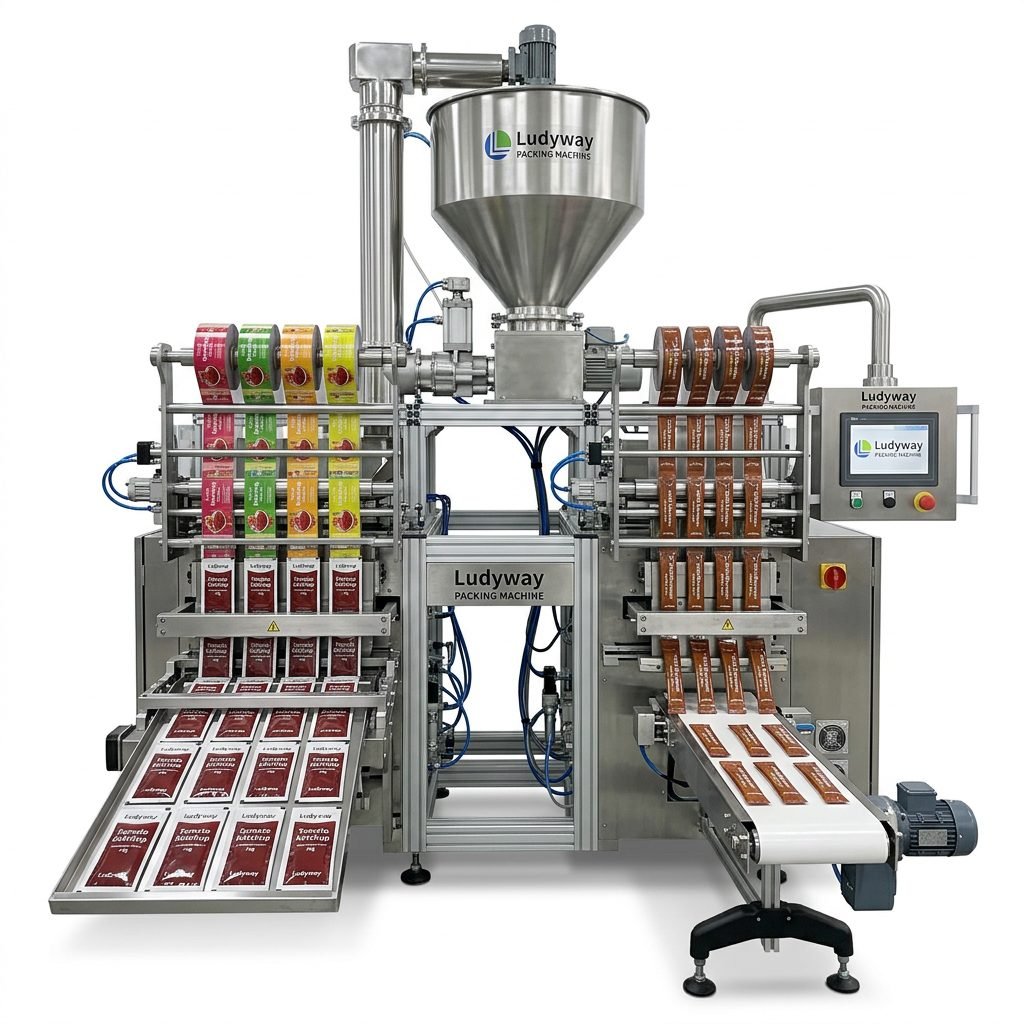
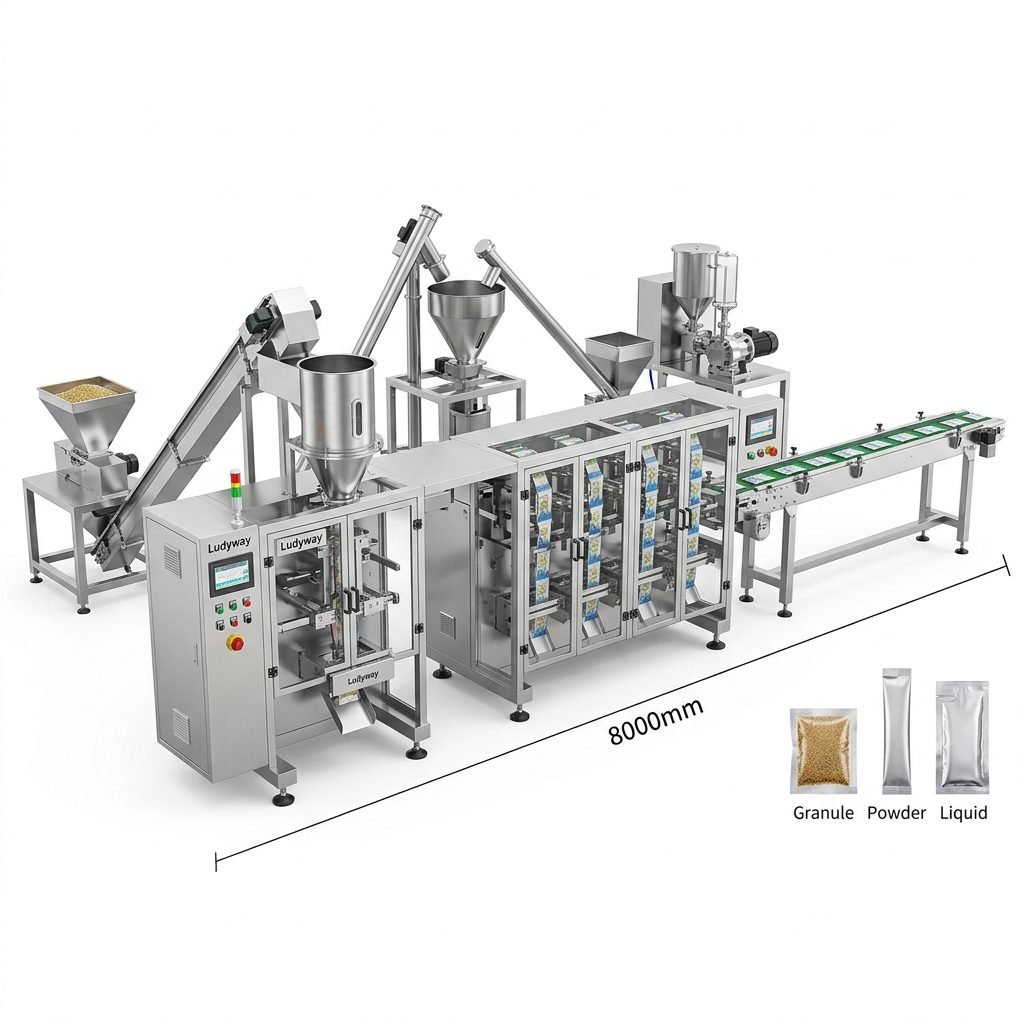
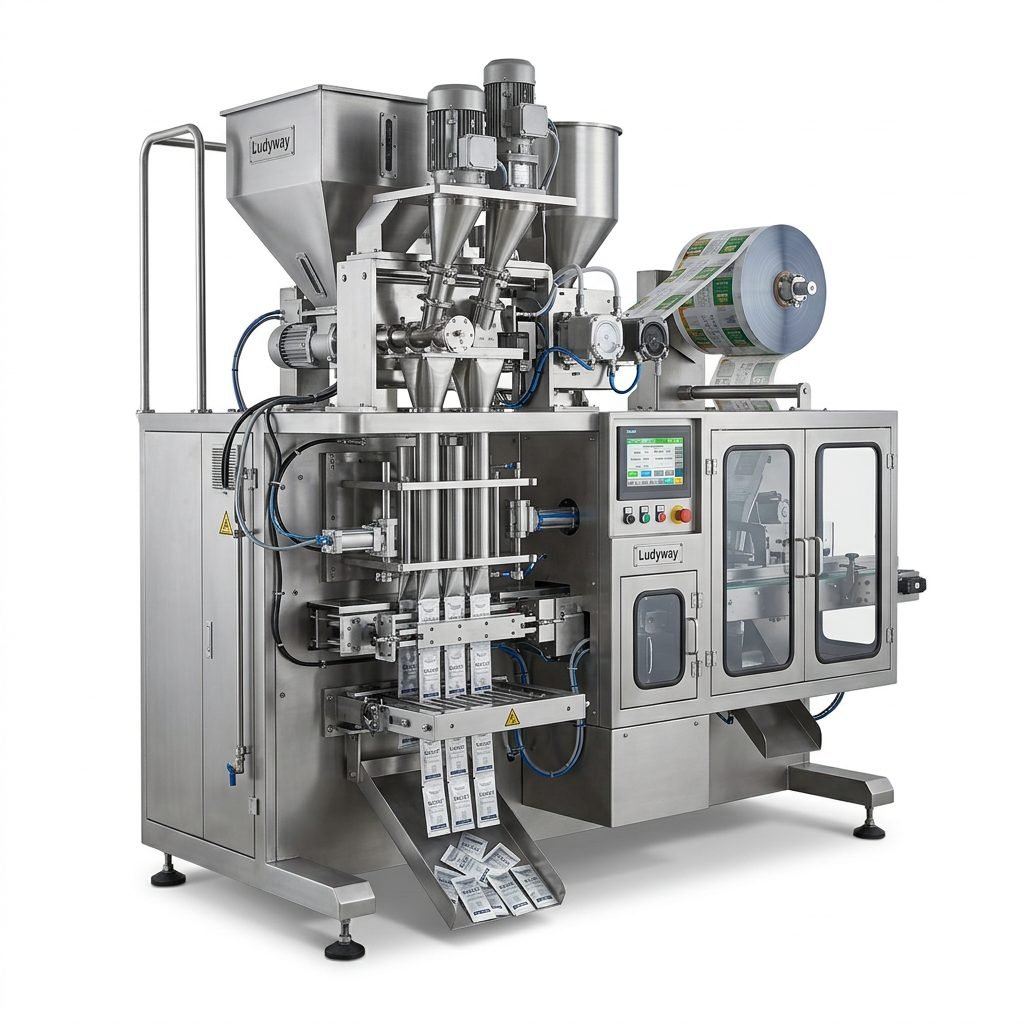
A small pouch packing machine is packaging equipment designed to fill and seal small-format pouches, sachets, or stick packs for products such as:
- Powders
- Granules
- Liquids
- Pastes
- Health supplements
- Pharmaceutical products
- Food seasonings and instant drinks
- Cosmetics and personal care samples
These machines are widely used by startups, contract packers, mid-size factories, and large manufacturers launching single-dose or travel-size products.
Typical Small Pouch Packing Machine Price Range
Although exact pricing depends on the machine configuration and supplier, the market usually falls into the following broad ranges:
| Machine Type | Estimated Price Range | Best For |
|---|---|---|
| Semi-automatic small pouch machine | US$3,000–US$10,000 | Small batches, startups, manual support lines |
| Standard automatic vertical pouch machine | US$8,000–US$30,000 | General food, powder, granule, and liquid packaging |
| Multi-lane sachet or stick pack machine | US$25,000–US$120,000+ | High-speed production, pharma, supplements, mass retail |
| Customized turnkey pouch packaging line | US$50,000–US$300,000+ | Integrated feeding, filling, coding, cartoning, and automation |
Important: these are reference ranges only. Final quotations depend on materials, speed, dosing method, packaging film, certification, and customization level.
What Affects the Cost of a Small Pouch Packing Machine?
1. Product Type and Filling System
Different products require different dosing systems, and this has a major impact on price.
- Powders often need auger fillers
- Granules may use volumetric cups or weighers
- Liquids require piston pumps or liquid metering systems
- Pastes need stronger filling and anti-drip control
If your product has poor flowability, dust, viscosity, or corrosive properties, the machine usually needs upgraded components, which increases the cost.
2. Packaging Speed
Speed is one of the strongest price drivers. A machine producing 30–60 pouches per minute will cost much less than one producing several hundred pouches per minute.
Higher speed usually means:
- More advanced servo control
- Better motion stability
- More accurate sealing and cutting
- Higher-grade electrical components
- Stronger frame and longer continuous-duty performance
3. Pouch Type and Bag Size
Simple 3-side seal or 4-side seal pouches are generally more affordable than highly customized pouch formats. The wider your pouch size range, the more flexibility the machine needs, and that usually adds cost.
Common formats include:
- Pillow pouch
- 3-side seal sachet
- 4-side seal sachet
- Stick pack
- Premade pouch
4. Machine Material and Hygiene Standards
A machine built with 304 or 316 stainless steel costs more than one with standard painted steel construction, but it is usually the better choice for food, pharmaceutical, and cosmetic applications.
If your industry requires GMP-friendly design, sanitary contact parts, or washdown compatibility, expect a higher initial investment.
5. Automation Level
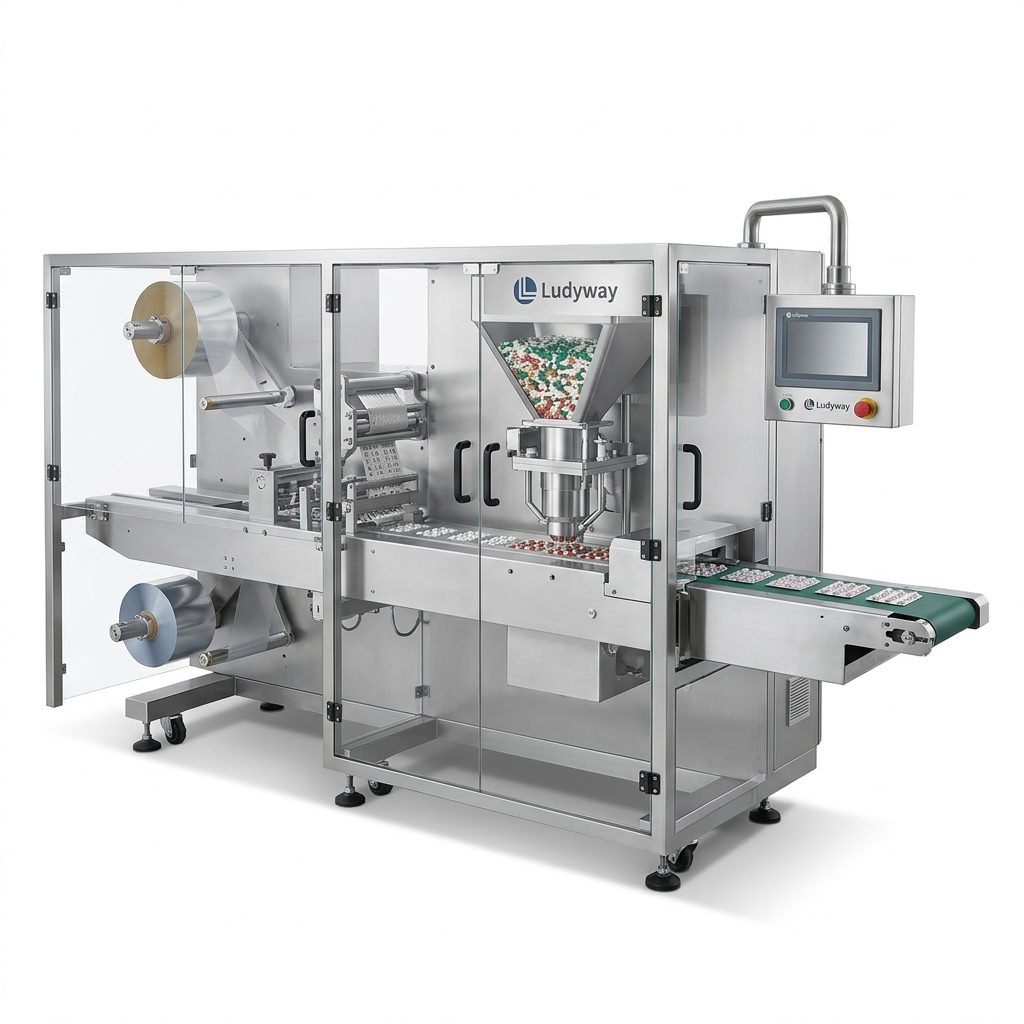
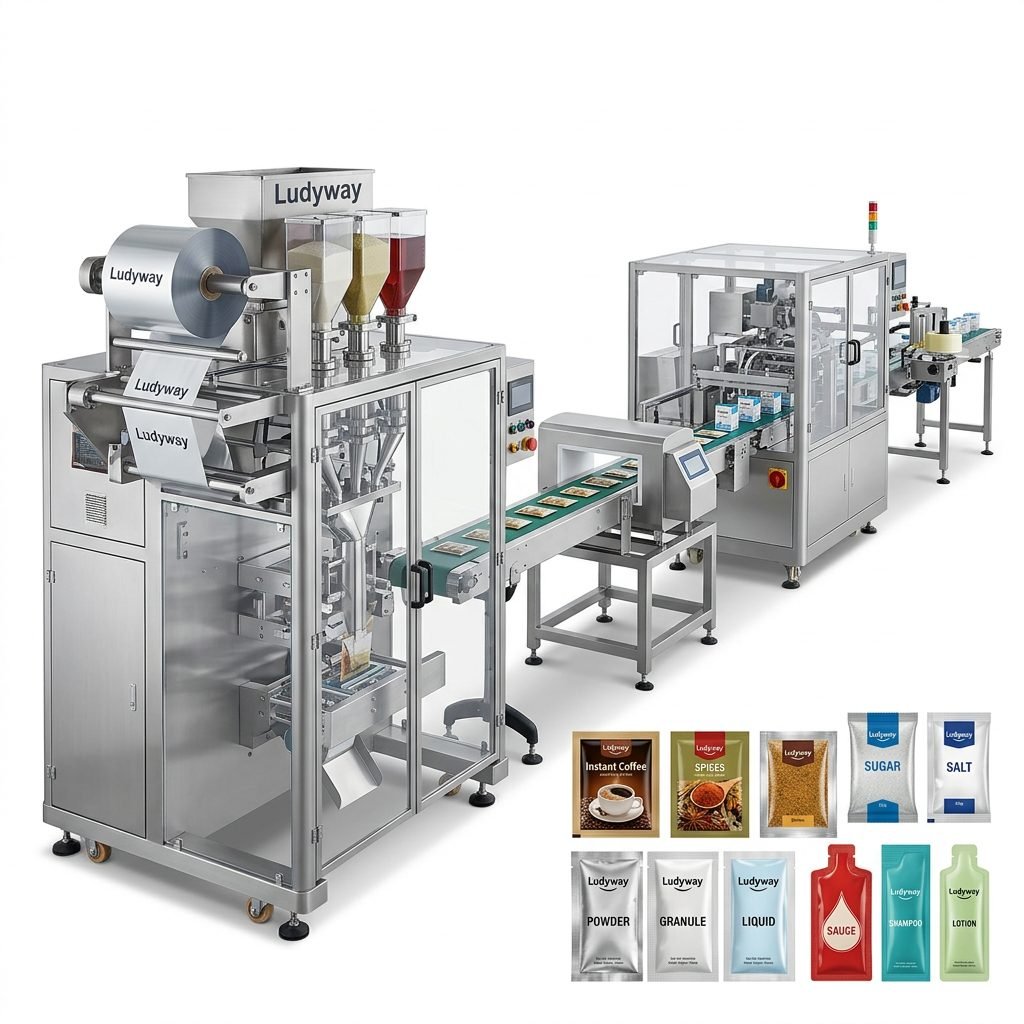
A basic pouch machine may only form, fill, and seal. A more advanced line may include:
- Automatic feeding system
- Checkweigher
- Metal detector
- Date coder
- Vision inspection
- Cartoning system
- Case packing and palletizing
The more processes integrated into one line, the higher the capital cost, but labor savings and efficiency often improve significantly.
6. Brand and Component Quality
Machines using internationally recognized PLCs, HMIs, sensors, servo motors, and pneumatic parts usually cost more. However, they can offer better reliability, easier maintenance, and stronger global parts support.
7. Customization Requirements
Custom requests often increase the quotation, such as:
- Special pouch dimensions
- Unique product handling requirements
- Nitrogen flushing
- Euro or North American electrical standards
- Explosion-proof designs
- Remote monitoring
- Factory layout integration
8. Certification and Export Compliance
If your market requires CE, UL-related electrical adaptation, FDA-compatible contact materials, or pharmaceutical validation support, the machine price may increase. Still, this cost is often essential for smooth import and compliant operation.
Hidden Costs Buyers Often Overlook
The machine purchase price is only part of the total investment. Many buyers underestimate the full cost of ownership.
| Cost Item | Why It Matters |
|---|---|
| Shipping and import duties | Can significantly affect landed cost |
| Installation and commissioning | Needed for stable startup and performance tuning |
| Operator training | Reduces errors, downtime, and film waste |
| Spare parts inventory | Improves maintenance response time |
| Packaging film compatibility tests | Important for seal quality and line speed |
| Utility requirements | Compressed air, electricity, and floor conditions impact setup |
A lower upfront price is not always the best deal if maintenance is difficult, spare parts are slow to arrive, or the machine cannot consistently meet your production target.
How to Choose the Right Machine Instead of the Cheapest One
Define Your Product Clearly
Before requesting a quote, prepare the following details:
- Product name and form
- Powder, granule, liquid, or paste
- Target pouch size
- Filling weight or volume
- Expected speed per minute
- Packaging film structure
- Required accuracy tolerance
Match Speed to Real Demand
Do not buy a high-speed machine simply because it sounds better. If your order volume does not justify it, your return on investment may be slow. On the other hand, buying too small may create a bottleneck within months.
Evaluate Changeover Flexibility
If you package multiple SKUs, ask how long it takes to change pouch size, film roll, or filling volume. Fast changeover can be just as valuable as top speed.
Check After-Sales Support
Good technical support can save far more money than a small discount on the machine price. Ask suppliers about:
- Remote troubleshooting
- English manuals and training videos
- Spare parts lead time
- Commissioning support
- Warranty terms
Consider Future Expansion
A machine with modular design may allow future upgrades such as additional lanes, coding systems, cartoning, or automatic feeding. That can be a smarter long-term investment than buying a very basic unit with no upgrade path.
Questions to Ask a Supplier Before You Buy
- What products has this machine packed successfully before?
- What is the actual stable speed, not just the maximum speed?
- What filling accuracy can be achieved with my product?
- What machine material is used for contact parts?
- Can you provide sample pouch testing?
- Which electrical and pneumatic brands are installed?
- What spare parts are recommended for the first year?
- What certifications are available?
- How long does production and delivery take?
- What support is available after installation?
Who Should Buy a Small Pouch Packing Machine?
This type of equipment is a good fit for businesses that need efficient, compact, and scalable packaging for small-dose products.
- Food manufacturers packaging spices, coffee, sugar, sauces, instant powders, and snacks
- Pharmaceutical companies packing oral powders, granules, and medical sachets
- Nutraceutical brands producing collagen, electrolytes, probiotics, and supplement sachets
- Cosmetic companies filling serums, creams, shampoos, and personal care samples
- Contract packaging providers serving multiple clients and SKUs
Why Supplier Capability Matters as Much as Price
A capable manufacturer can help you select the right dosing method, verify packaging material compatibility, and configure the machine around your real production conditions. That is often more valuable than receiving the lowest quote.
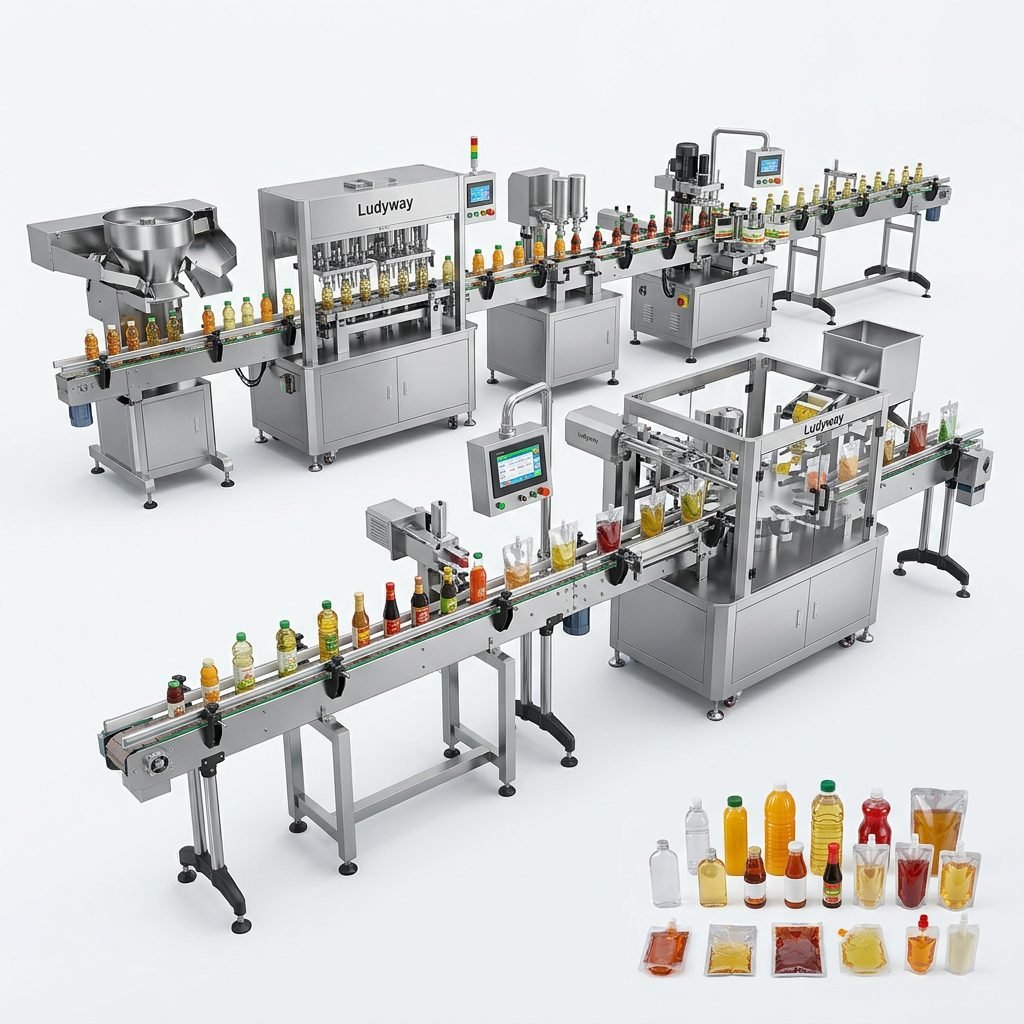
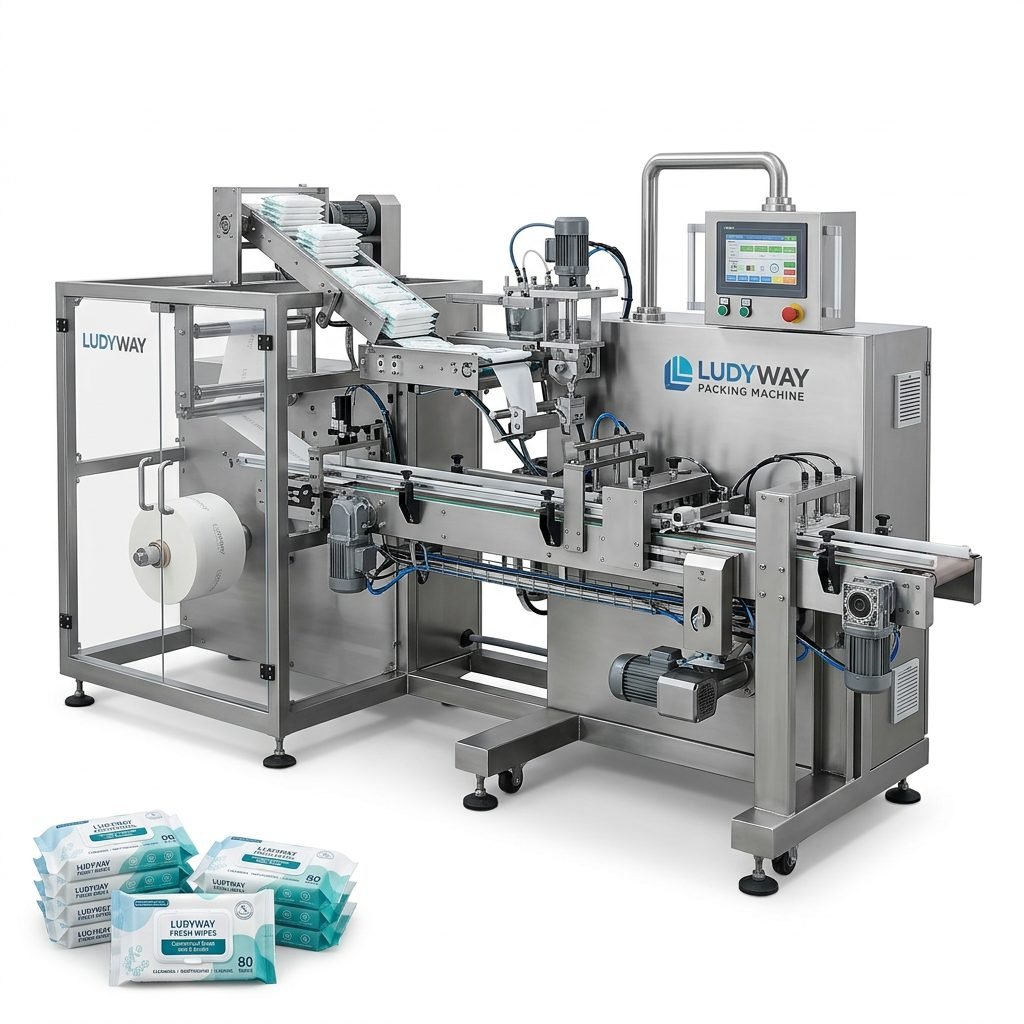
For buyers seeking a reliable Chinese manufacturer with strong export experience, small pouch packing machine solutions from Ludyway are often considered for food, pharmaceutical, health supplement, and pouch-based packaging projects. Founded in 1993, with over 30 years of experience, a factory area exceeding 20,000 square meters, and service coverage in more than 100 countries and regions, the company is known for offering standalone machines as well as turnkey packaging lines.
Final Buying Tip
The best small pouch packing machine price is not simply the cheapest number on a quotation sheet. It is the price that gives you the right balance of performance, reliability, product compatibility, service support, and long-term operating value.
If you compare machines by application fit, output, material quality, and after-sales support—not just by initial cost—you are far more likely to make a profitable investment.