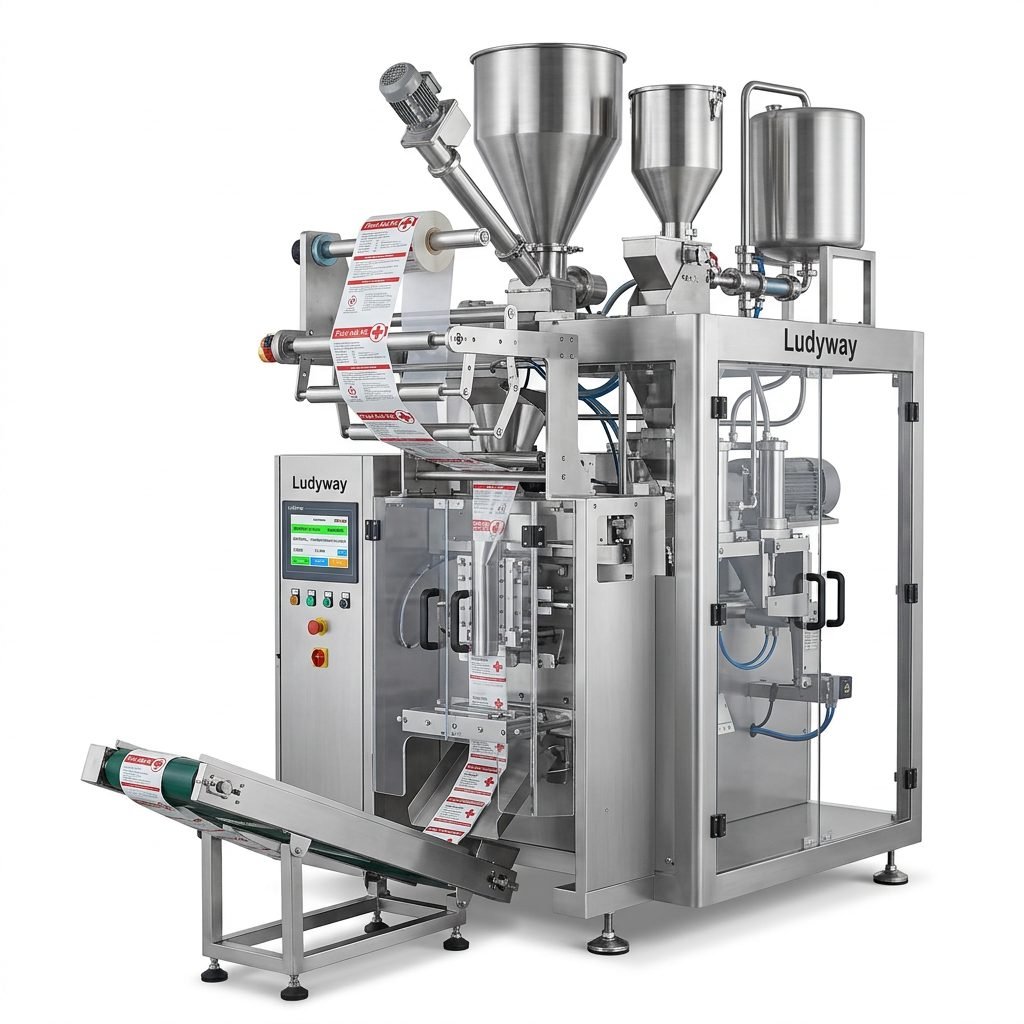
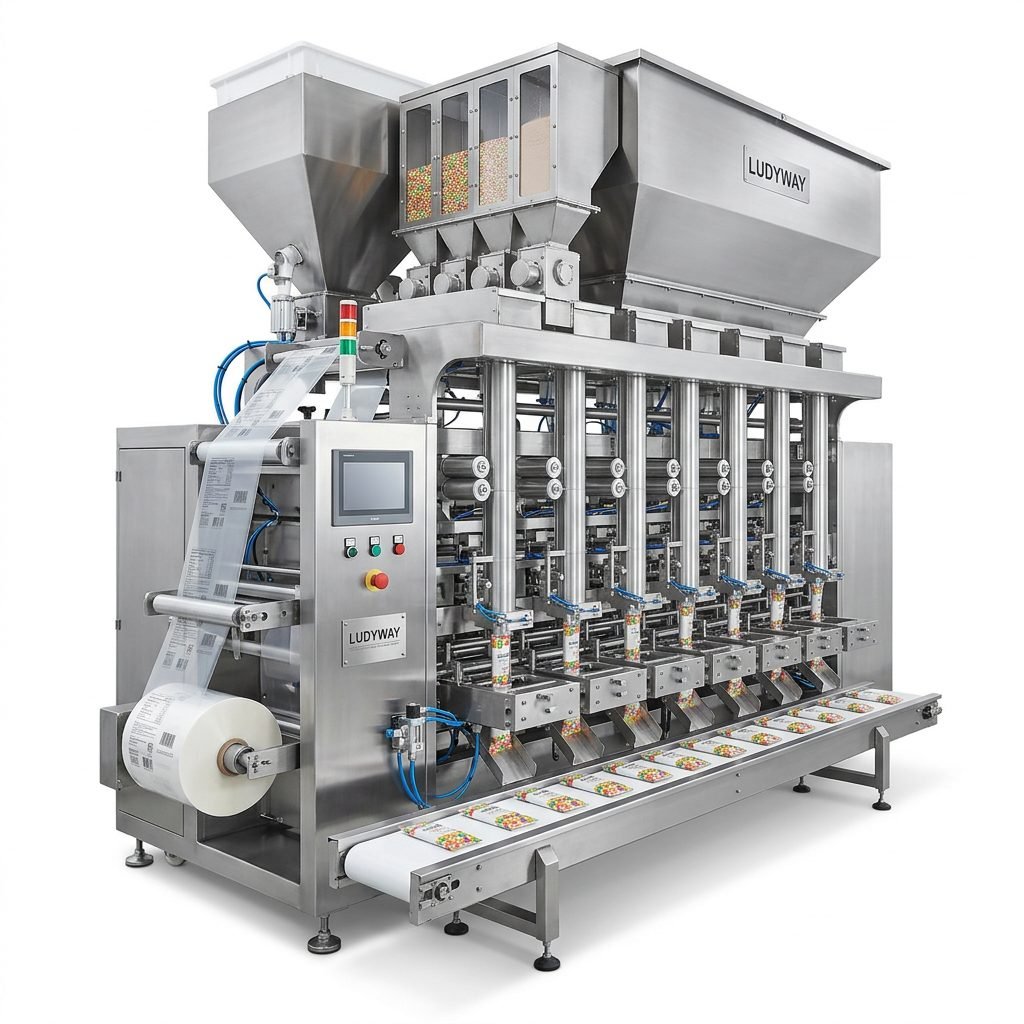
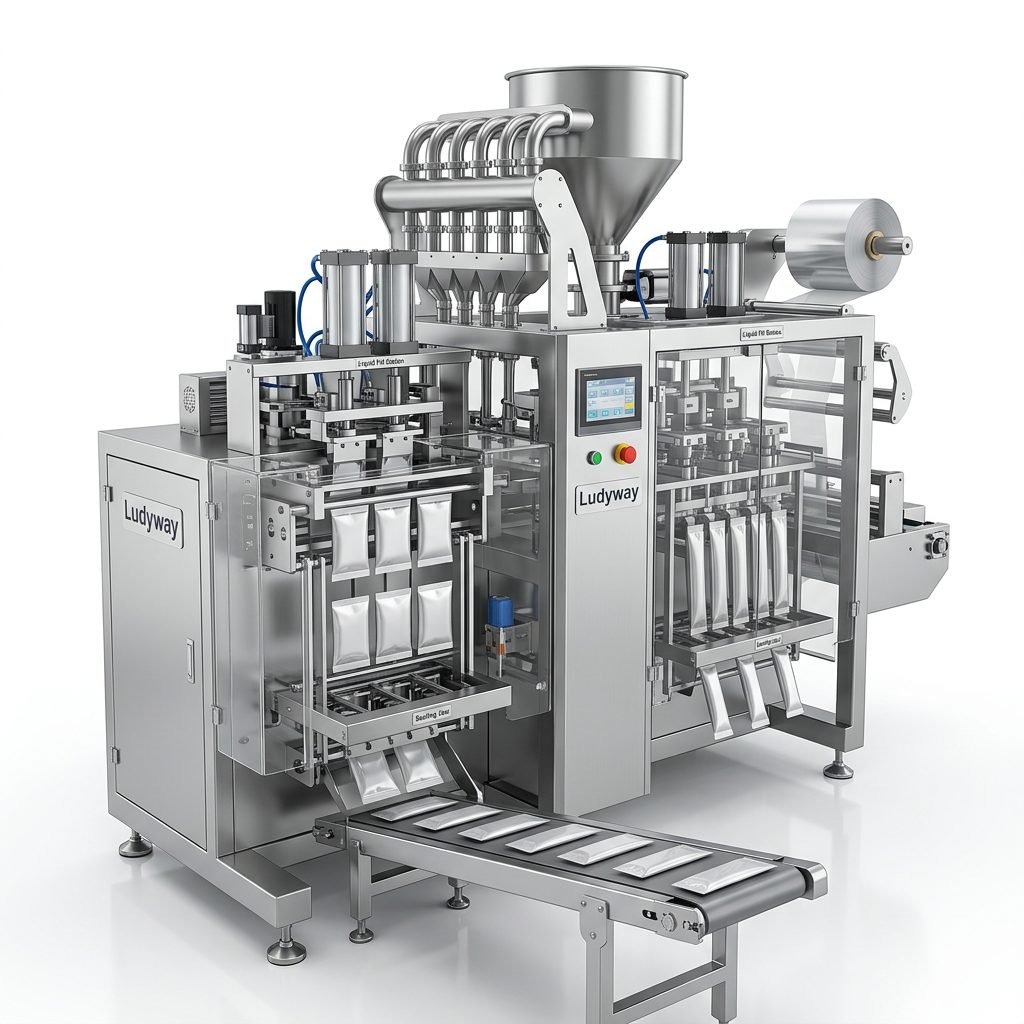
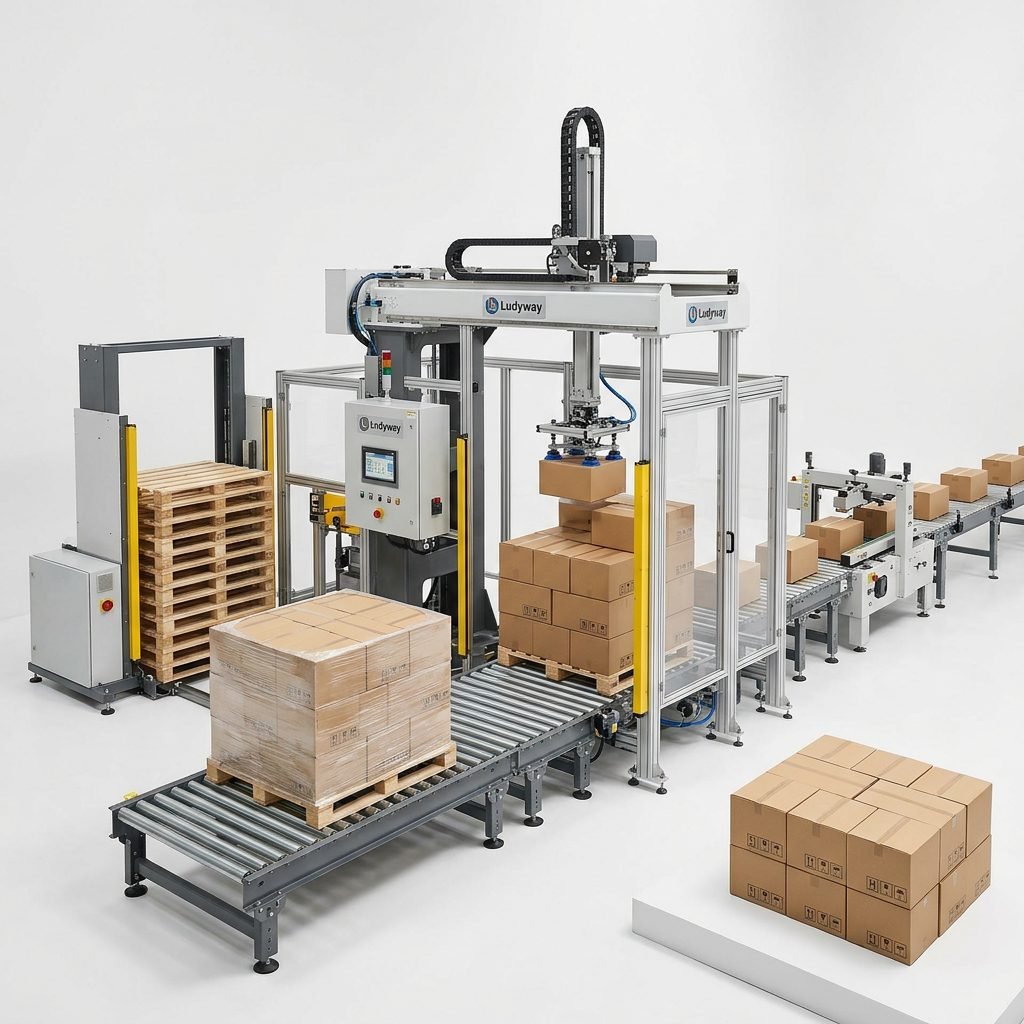
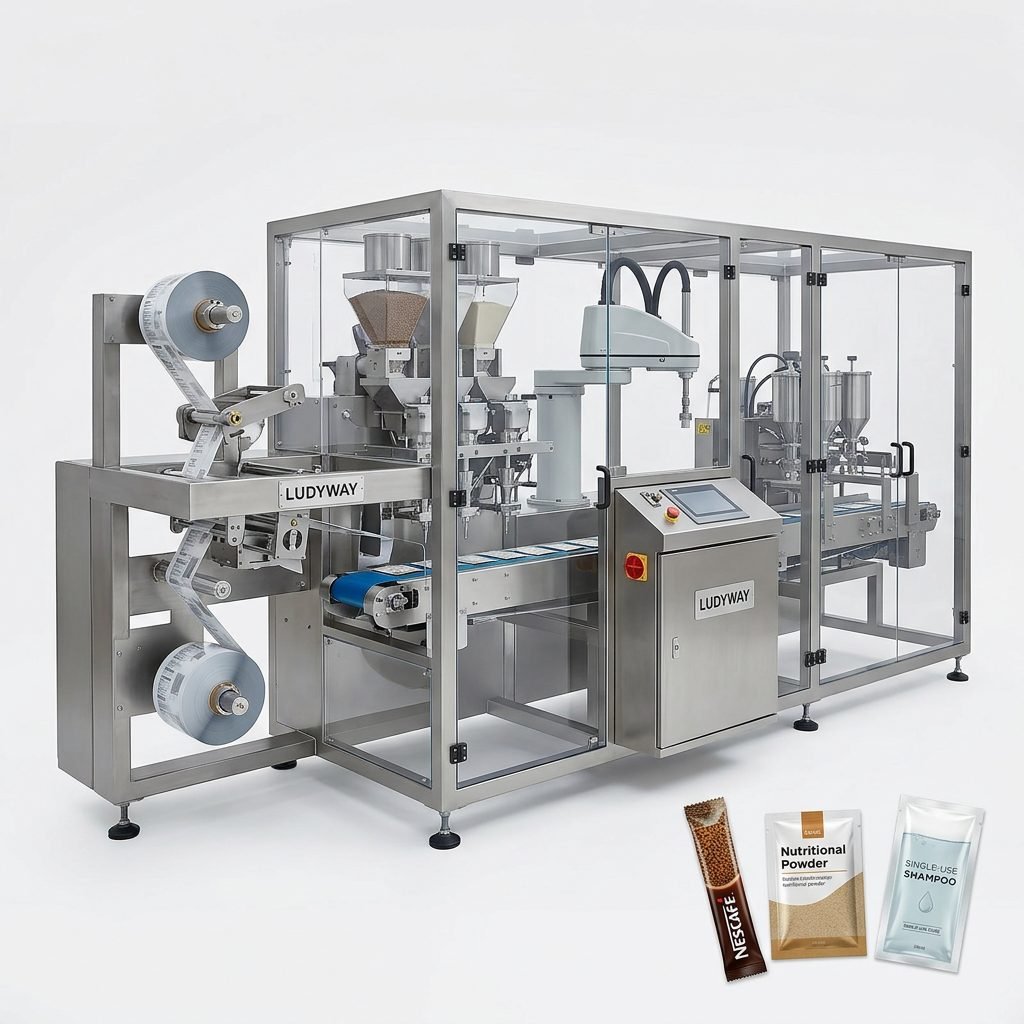
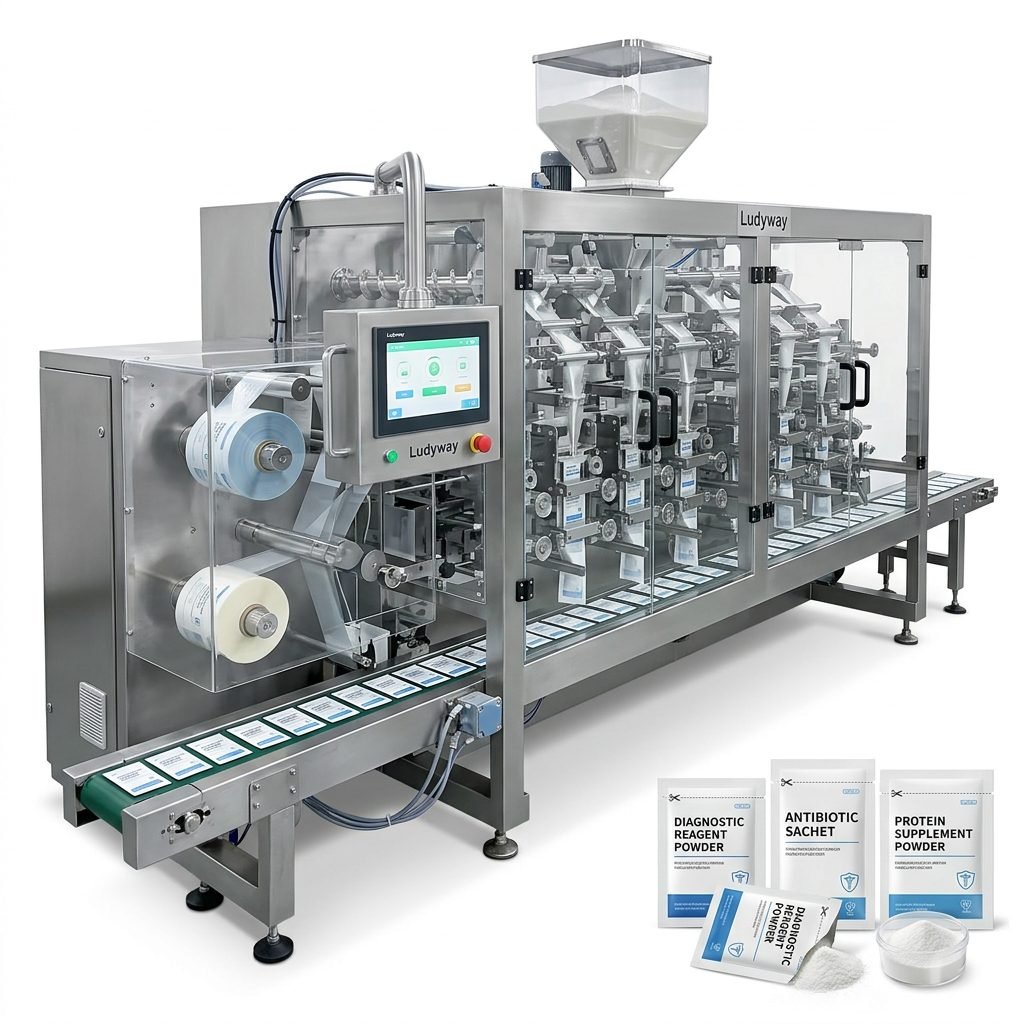
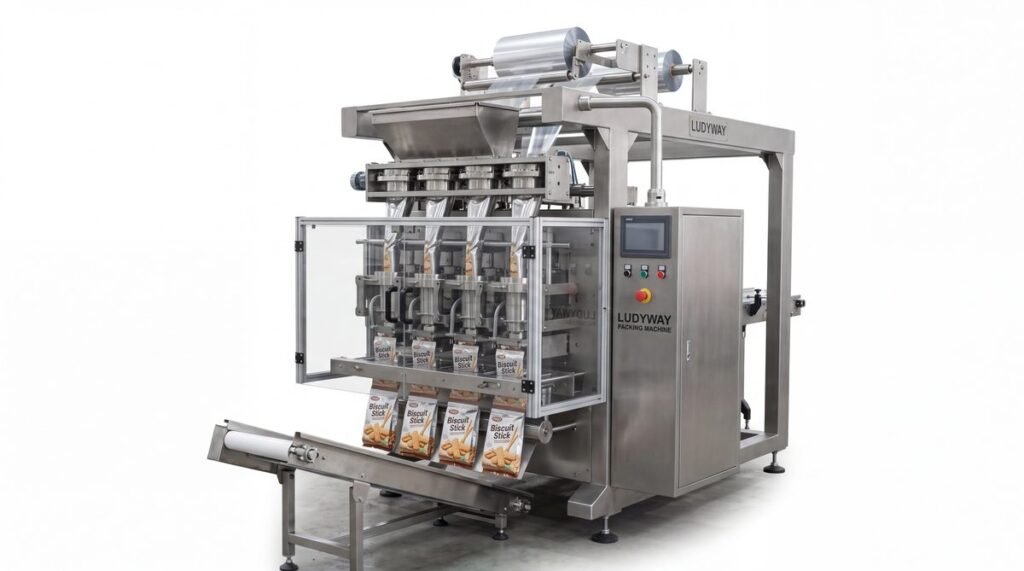
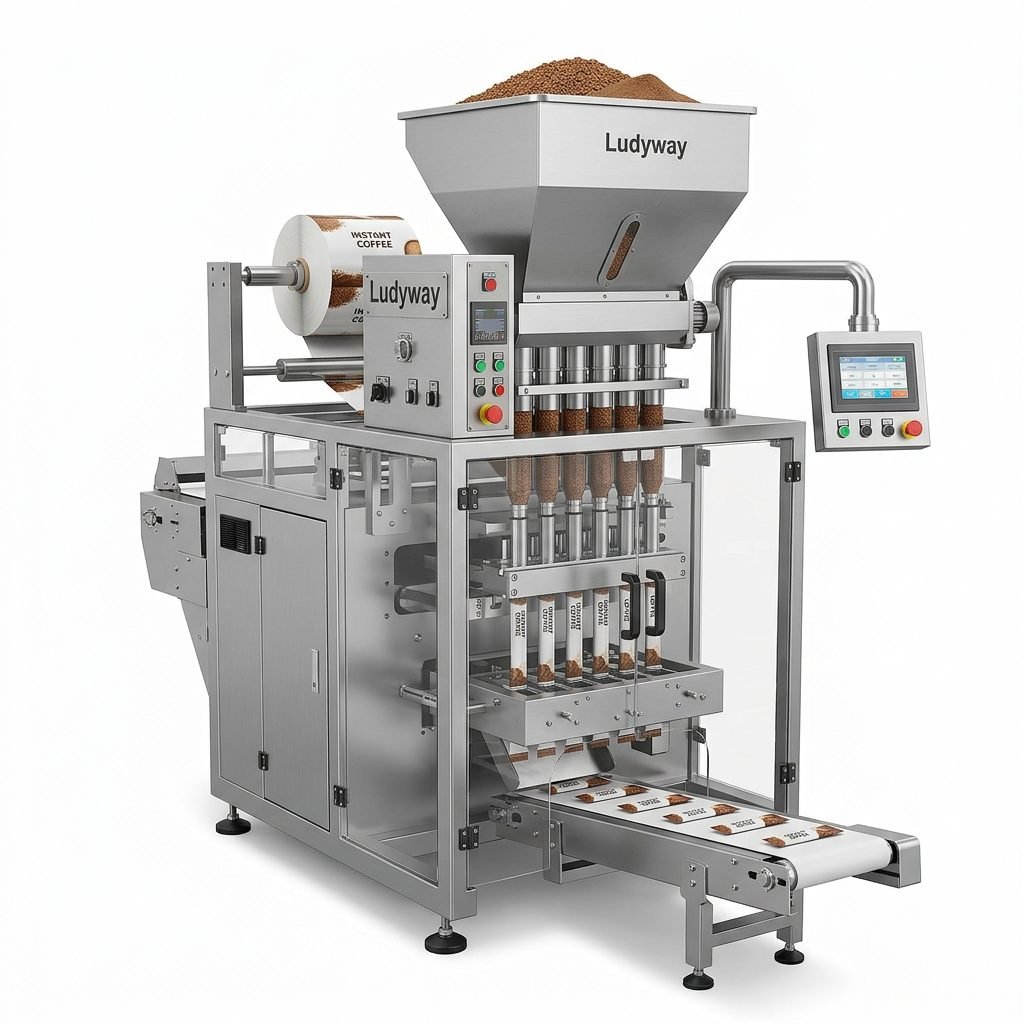
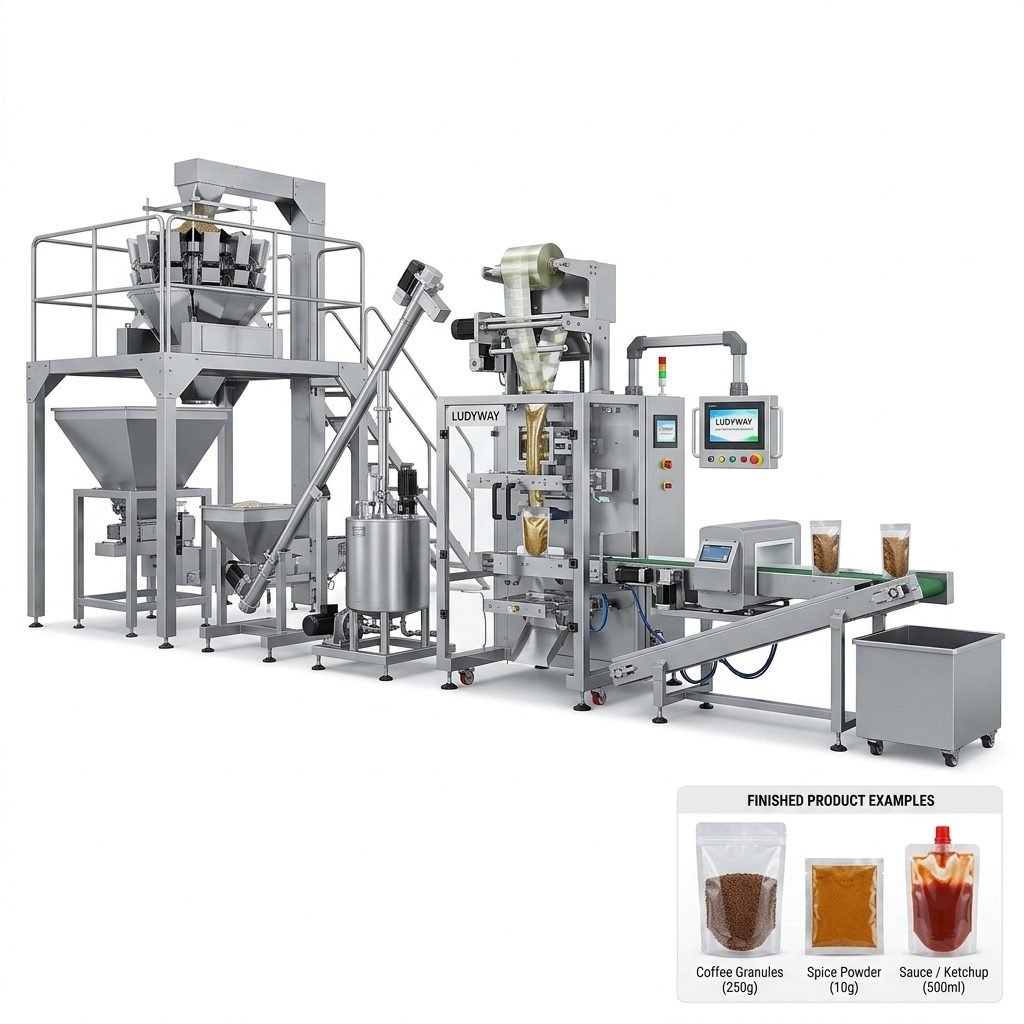
Charcoal and briquette products require packaging that is clean, fast, consistent, and durable. Whether you produce barbecue charcoal, coconut shell charcoal, shisha charcoal, biomass briquettes, activated carbon granules, or charcoal powder, the right packing system helps protect product quality while improving line efficiency.
A modern charcoal packing machine is designed to reduce manual work, improve weighing accuracy, minimize dust exposure, and support stable output for different bag types and capacities. For manufacturers and distributors, this means better productivity, lower packaging waste, and a more professional product presentation for wholesale and retail markets.
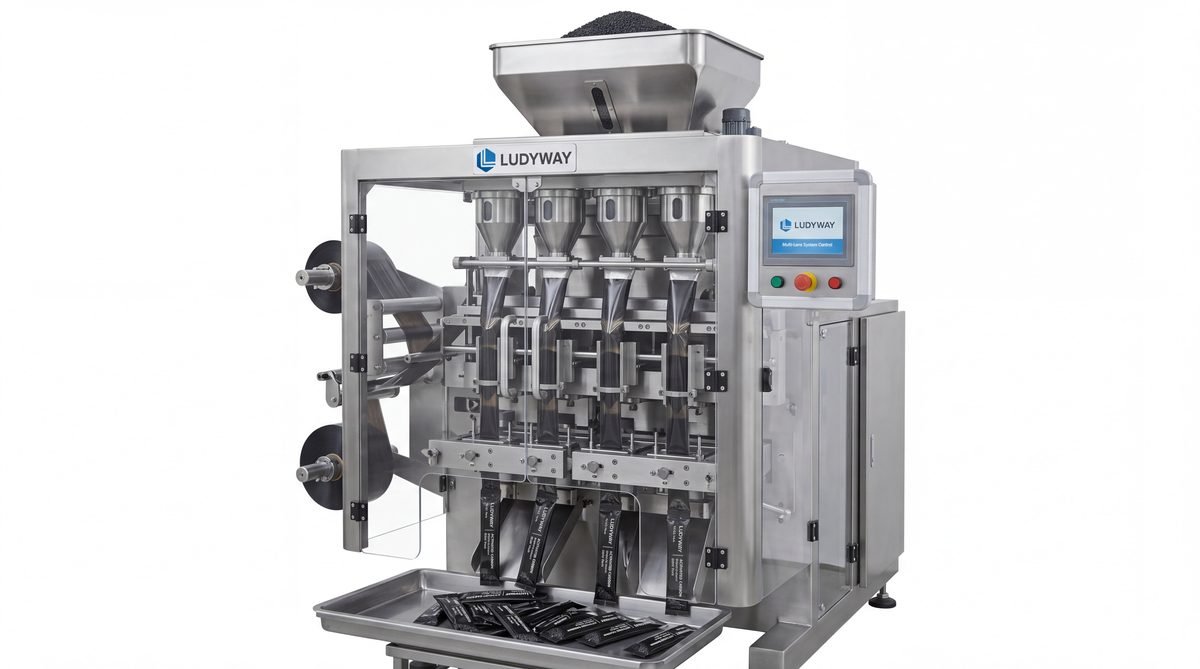
What Is a Charcoal Packing Machine?
A charcoal packing machine is packaging equipment used to weigh, fill, seal, and sometimes convey or palletize charcoal-related products. Depending on the product form, it can handle:
- Charcoal briquettes
- BBQ charcoal lumps
- Hookah or shisha charcoal cubes
- Charcoal powder
- Activated carbon granules
- Biomass fuel briquettes
These machines can be configured for small retail packs, medium bags, or large industrial sacks. In many factories, they are integrated with feeding systems, dust collection units, sealing devices, checkweighers, metal detectors, coding systems, carton packing, and palletizing equipment.
Why Efficient Charcoal Packaging Matters
Charcoal is a demanding product to pack. It can be dusty, abrasive, irregular in shape, and fragile in some briquette formats. Poor packaging leads to broken products, inaccurate fill weights, messy work areas, and inconsistent sealing.
An efficient packaging solution helps manufacturers achieve several important goals:
- Higher output with less manual handling
- Better bag appearance for retail and export sales
- Improved weight accuracy to reduce giveaway and complaints
- Cleaner production through dust control and enclosed transfer
- Lower labor dependence in repetitive bagging operations
- More stable sealing quality for transport and storage
Common Packaging Formats for Charcoal and Briquettes
Different charcoal products need different packaging formats based on market channel, product size, and transport requirements.
| Product Type | Typical Package | Recommended Machine Type |
|---|---|---|
| BBQ charcoal lumps | Pillow bags, PE bags, valve bags, woven sacks | Open-mouth bagging machine with weighing system |
| Charcoal briquettes | Retail bags, carry bags, cartons | Automatic weighing and bag filling line |
| Shisha charcoal cubes | Inner pouches + outer cartons | Counting/filling system plus cartoning solution |
| Activated carbon granules | Sachets, pouches, small bags, industrial sacks | Granule packing machine or bulk bagging line |
| Charcoal powder | Sealed pouches, laminated bags, valve bags | Auger filling machine with dust-control design |
| Biomass briquettes | Large bags, sacks, transport bags | Heavy-duty bagging and sealing system |
Key Features to Look for in a Charcoal Packing Machine
Accurate Weighing System
Weight consistency is critical in charcoal packaging. A reliable machine should include net weighing, gross weighing, or multi-head/linear weighing depending on the material form. This helps reduce overfill and keeps every pack within target tolerance.
Dust-Control Capability
Charcoal powder and fine granules can generate airborne dust that affects equipment cleanliness and sealing quality. Machines with enclosed feeding, dust extraction ports, and tight sealing areas are ideal for cleaner operation.
Bag Compatibility
A flexible line should support various bags such as pillow bags, gusseted bags, premade pouches, woven sacks, kraft paper bags, and PE-lined bags. This is especially useful for suppliers serving both domestic retail and export bulk markets.
Strong Sealing Performance
Because charcoal products may be transported over long distances, seal integrity is essential. Heat sealing, sewing, fold-and-stitch, or ultrasonic options may be selected depending on bag material.
Robust Machine Structure
Charcoal is abrasive, and packaging environments can be harsh. Durable contact parts, stable frames, and reliable control systems support long-term operation and lower maintenance risk.
Types of Charcoal Packing Machines
1. Semi-Automatic Charcoal Bagging Machines
Suitable for smaller factories or businesses with limited budget, semi-automatic systems usually require manual bag placement but automate weighing and filling. They are practical for low to medium output operations.
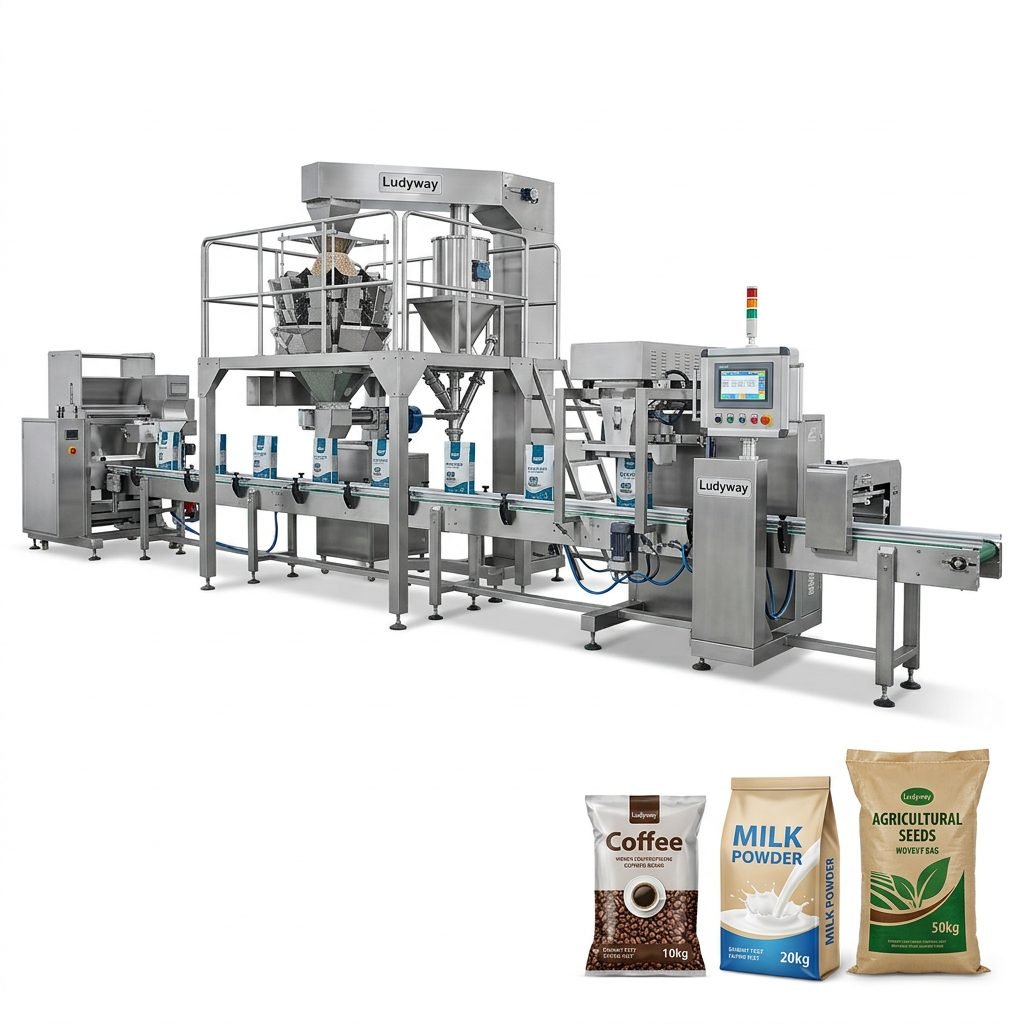
2. Fully Automatic Charcoal Packing Machines
These systems automate bag feeding, opening, filling, sealing, discharge, and often conveying. They are ideal for medium to large manufacturers looking for continuous, high-efficiency production.
3. Powder Packing Machines for Fine Charcoal
When packaging charcoal powder or activated carbon powder, auger filling systems are commonly used. They provide controlled dosing and work well with dust-proof structures.
4. Granule Packing Machines for Activated Carbon
Granule packaging machines are often used for activated carbon products in industrial, filtration, or chemical applications. Depending on bag size, they can be configured for sachets, pouches, or larger sacks.
5. Heavy-Duty Bagging Lines for Bulk Briquettes
For 10kg, 20kg, 25kg, or even 50kg packaging, a heavy-duty bagging line with conveyor, sealing, checkweighing, and palletizing is often the best solution for industrial-scale operations.
Benefits of Automated Packaging for Charcoal Producers
- More stable daily production capacity
- Reduced manual bagging errors
- Lower product loss during transfer and filling
- Cleaner packaging area and safer working conditions
- Better support for export-standard packaging
- Easier integration with printing, labeling, and palletizing
For businesses scaling up from manual or basic bagging, automation can significantly improve operational consistency while supporting growth into new sales channels such as supermarkets, distributors, wholesalers, and industrial buyers.
How to Choose the Right Machine for Your Product
Before selecting a charcoal packing machine, manufacturers should evaluate the following points:
| Selection Factor | Why It Matters |
|---|---|
| Product form | Lumps, cubes, granules, and powder need different feeding and dosing systems |
| Bag size | Retail packs and bulk sacks require different machine structures |
| Output target | Production speed determines whether semi-auto or fully automatic equipment is better |
| Dust level | Fine materials need better sealing and extraction design |
| Packaging material | Paper bags, woven bags, plastic pouches, and laminated films need matching sealing methods |
| Factory layout | Available floor space affects the line design and equipment arrangement |
| Future expansion | A scalable system helps support later upgrades and added automation |
Turnkey Packaging Lines for Charcoal and Briquette Products
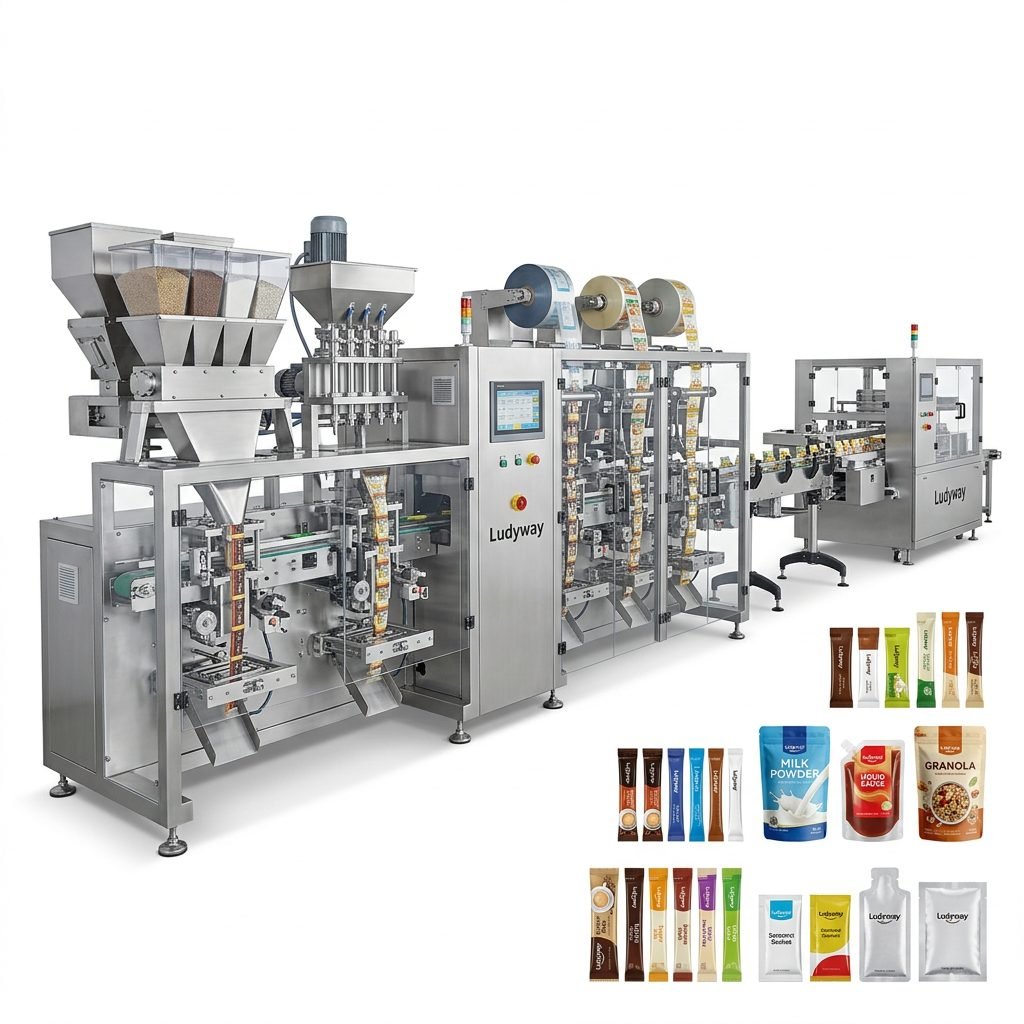
Many charcoal manufacturers prefer not just a standalone filler, but a complete packaging line. A turnkey solution can include:
- Automatic feeding and conveying
- Weighing and dosing units
- Bag making or bag feeding systems
- Filling and sealing equipment
- Checkweigher and metal detection
- Printing and coding units
- Cartoning or case packing
- Palletizing and end-of-line automation
This approach helps improve line coordination, simplify procurement, and reduce integration problems during installation and commissioning.
Maintenance and Operational Tips
To keep a charcoal packing machine operating efficiently, regular maintenance is important. A few practical recommendations include:
- Clean dust-prone parts frequently to avoid sealing contamination
- Check weighing calibration on a routine schedule
- Inspect sealing components for wear
- Maintain conveyors and feeding systems to prevent blockage
- Train operators on changeover, cleaning, and troubleshooting procedures
A well-maintained machine supports longer service life, fewer stoppages, and more consistent packaging quality.
Why Work With an Experienced Packaging Machine Manufacturer
Packaging charcoal and briquette products efficiently often requires more than a standard machine. Product flow behavior, dust level, bag material, and output requirements can all affect the final solution. That is why many buyers prefer a manufacturer with broad engineering experience, customization capability, and international project support.
If you are looking for a reliable partner for automated packaging equipment and turnkey lines, Ludyway charcoal packing machine solutions can support a wide range of granule, powder, pouch, and bagging applications. As one of China’s leading packaging machine and turnkey packaging line manufacturers, the company brings more than 30 years of industry experience, a factory of over 20,000 square meters, and service coverage across more than 100 countries and regions.
Final Buying Considerations
The best charcoal packing machine is not simply the fastest model. It should match your product characteristics, packaging format, automation goals, and budget. For some businesses, a semi-automatic bagging unit is enough. For others, a complete automated packaging line with weighing, sealing, inspection, and palletizing will deliver the best long-term return.
When the right equipment is selected, charcoal and briquette producers can achieve higher efficiency, better packaging consistency, lower labor costs, and stronger market competitiveness. In a growing and quality-driven market, efficient packaging is no longer optional—it is a key part of production success.