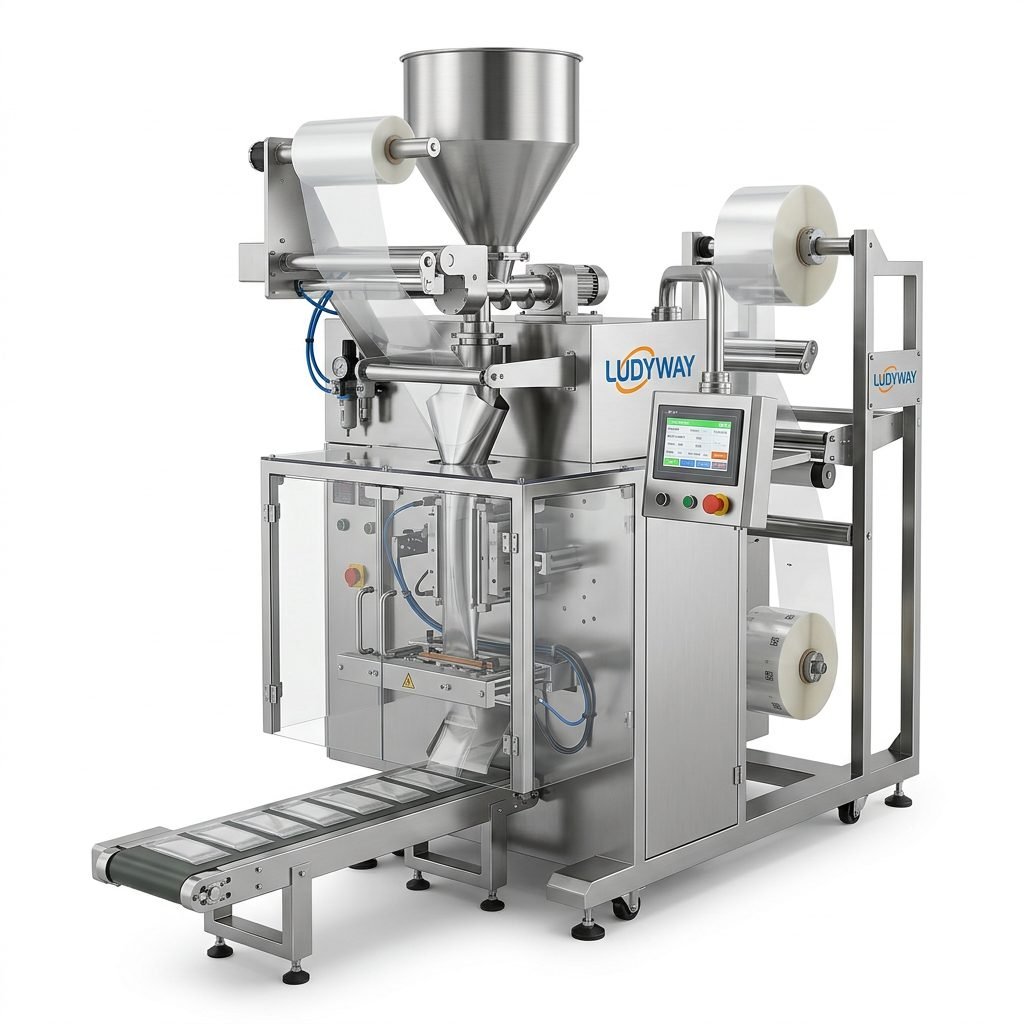
In competitive manufacturing environments, a fully automatic pouch packing machine helps brands achieve
higher throughput, better sealing consistency, lower labor dependence, and cleaner packaging presentation.
Whether you package powders, granules, liquids, pastes, or small-count products, the right automatic pouch system can transform the entire production workflow from feeding to final discharge.
Modern pouch packaging is no longer just about filling and sealing. Buyers now expect integrated performance:
accurate dosing, stable pouch forming, reliable sealing, date coding, inspection, cartoning compatibility, and easy product changeover. For manufacturers looking to scale output without sacrificing quality, automated pouch packing solutions have become a strategic investment rather than optional equipment.
What Is a Fully Automatic Pouch Packing Machine?
A fully automatic pouch packing machine is an integrated packaging system designed to
automatically feed, measure, fill, seal, cut, and discharge packaged products
into pouch formats. Depending on the machine design, it may work with premade pouches or create pouches from roll film.
These systems are widely used in industries such as:
- Food and beverage
- Pharmaceuticals
- Health supplements
- Cosmetics and personal care
- Chemicals and household products
- Nicotine and specialty pouch applications
The main goal is simple: deliver fast, repeatable, and hygienic packaging with minimal manual intervention.
Why Businesses Choose Automatic Pouch Packing Solutions
Manual or semi-automatic packaging often creates bottlenecks as production grows. Automatic machines solve this by standardizing the process and reducing variability. This is especially important for brands that need retail-ready packaging, export compliance, and reliable shelf presentation.
- High-speed production: supports large-volume output with stable cycle times
- Improved accuracy: reduces overfill, underfill, and product giveaway
- Consistent sealing quality: improves leak resistance and shelf life
- Lower labor costs: reduces dependence on manual handling
- Better hygiene: supports enclosed and cleaner packaging processes
- Flexible pouch formats: adapts to different materials and product types
- Scalability: easier to integrate into complete packaging lines
Key Applications for Fully Automatic Pouch Packing Machines
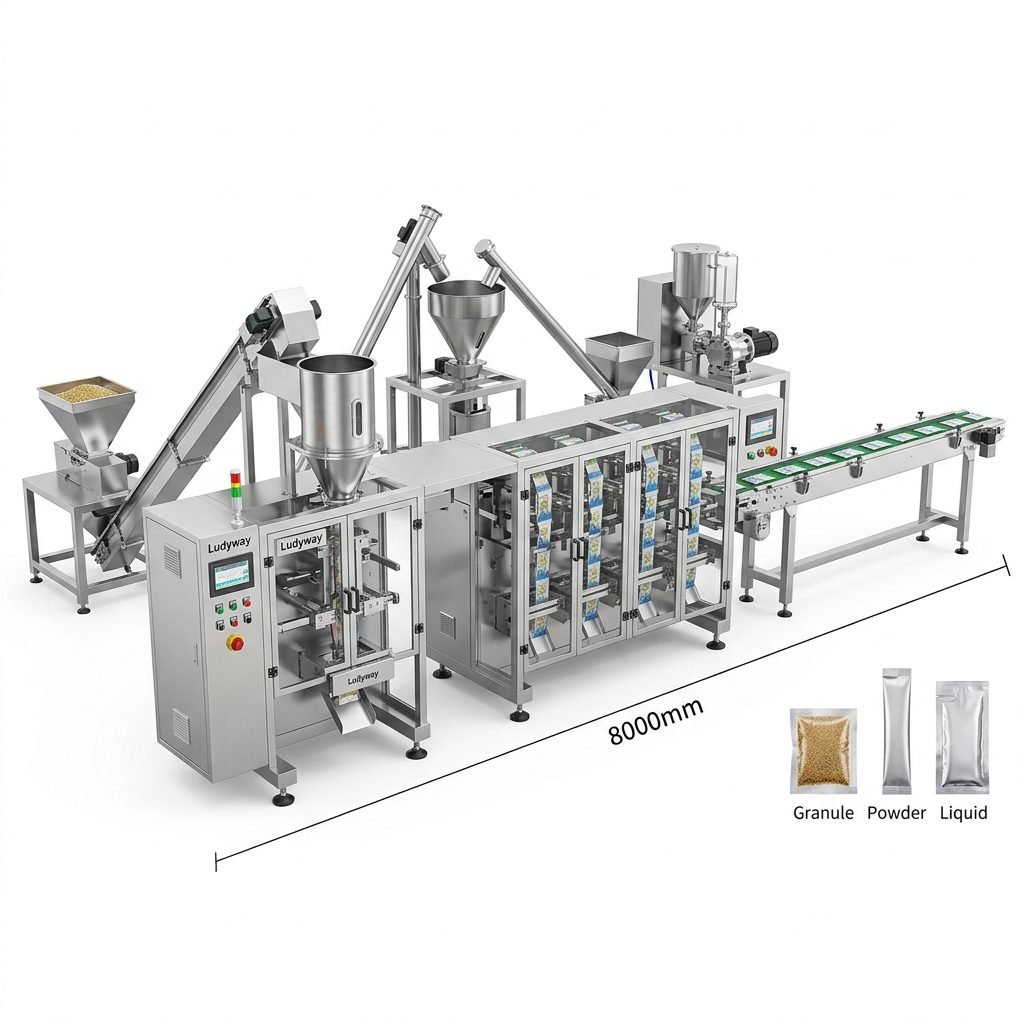
Automatic pouch packing equipment is highly versatile. The ideal machine configuration depends on the product’s flow characteristics, pouch style, dose range, target speed, and required level of automation.
| Product Type | Typical Examples | Recommended Filling Method |
|---|---|---|
| Powders | Milk powder, protein powder, seasoning, supplement powder | Auger filler |
| Granules | Sugar, coffee, seeds, snack granules, pellets | Cup filler or weighing system |
| Liquids | Sauce, oil, shampoo, oral liquid, detergent | Piston pump or liquid pump |
| Pastes | Cream, gel, honey, ketchup, cosmetic serum | Servo piston filling |
| Specialty Products | Nicotine pouches, medical sachets, functional mixes | Customized dosing and pouch systems |
Core Features to Look For
Not all pouch packing machines are built to the same standard. When comparing models, focus on practical performance rather than just headline speed. The best machine is the one that matches your product, plant conditions, and growth plans.
1. Accurate Filling System
Precision filling is essential for product consistency and cost control. A reliable dosing unit helps reduce waste while ensuring each pouch meets the target weight or volume.
2. Stable Sealing Performance
Strong seals directly affect package integrity. This matters even more for moisture-sensitive powders, liquid products, and export goods that may experience long transportation cycles.
3. PLC and Touchscreen Control
User-friendly control systems simplify parameter adjustment, recipe storage, troubleshooting, and format changes. This helps operators reduce downtime and improve repeatability.
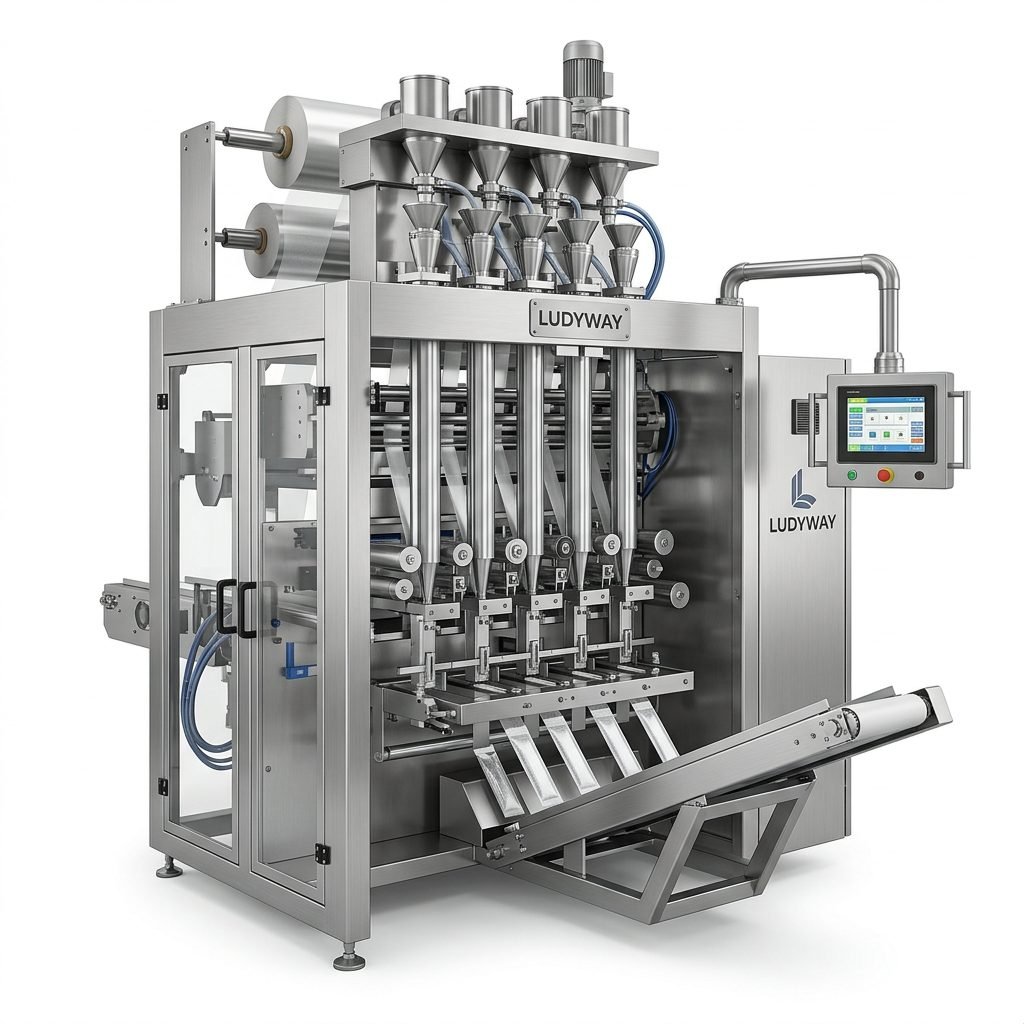
4. Multi-Lane or High-Speed Design
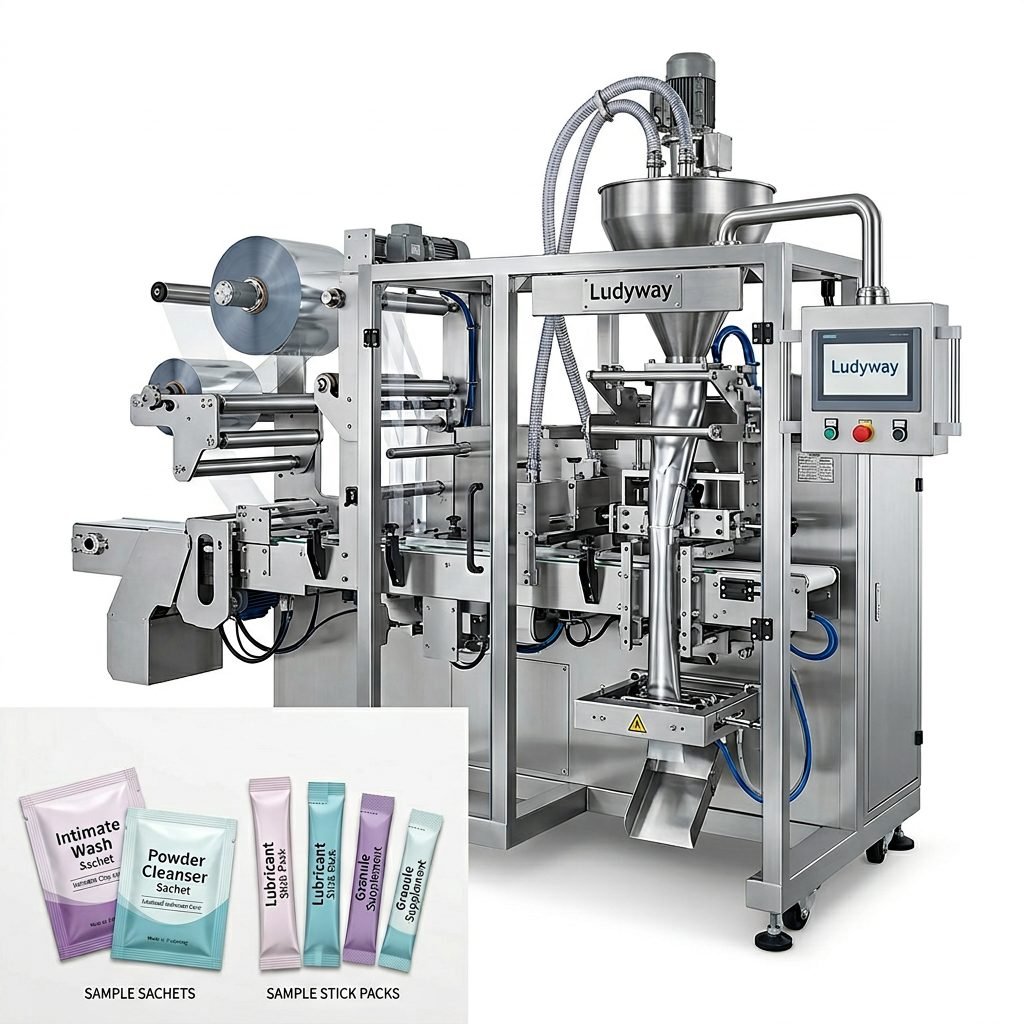
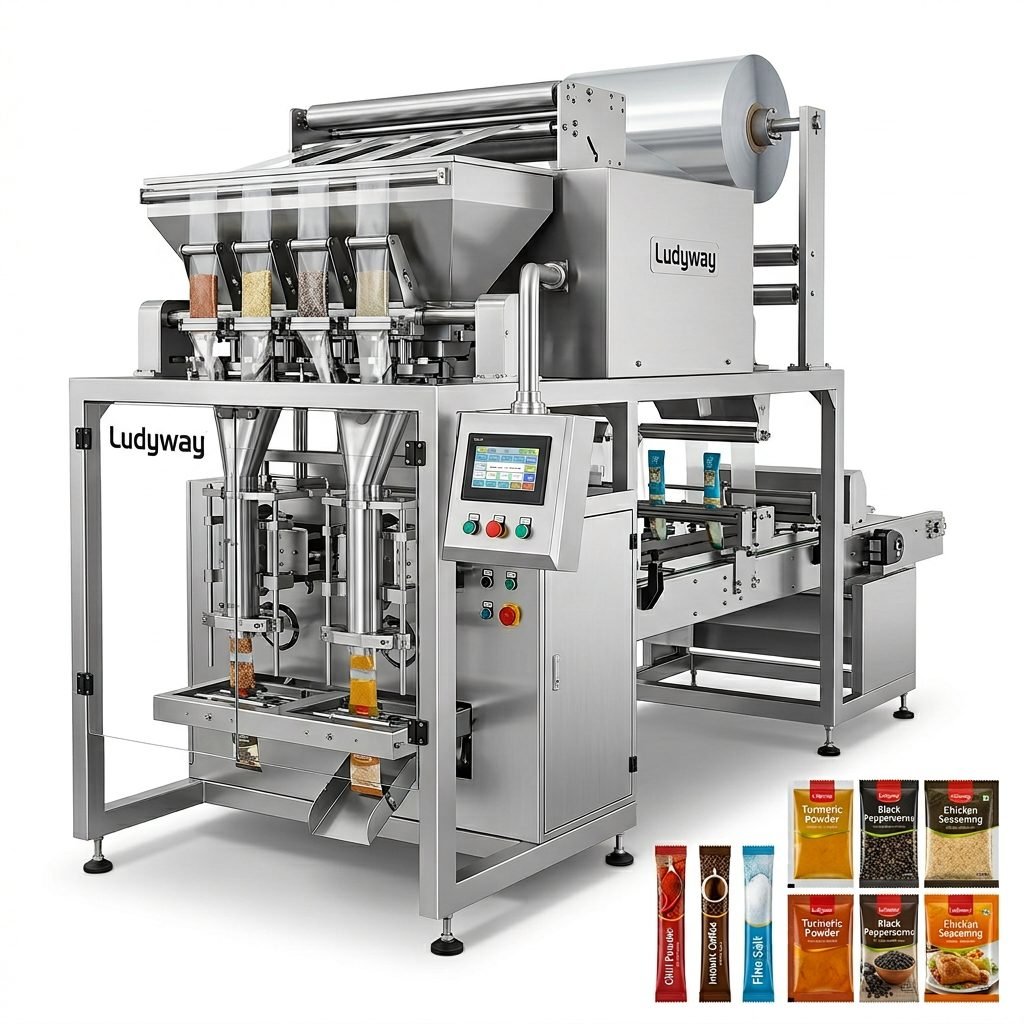
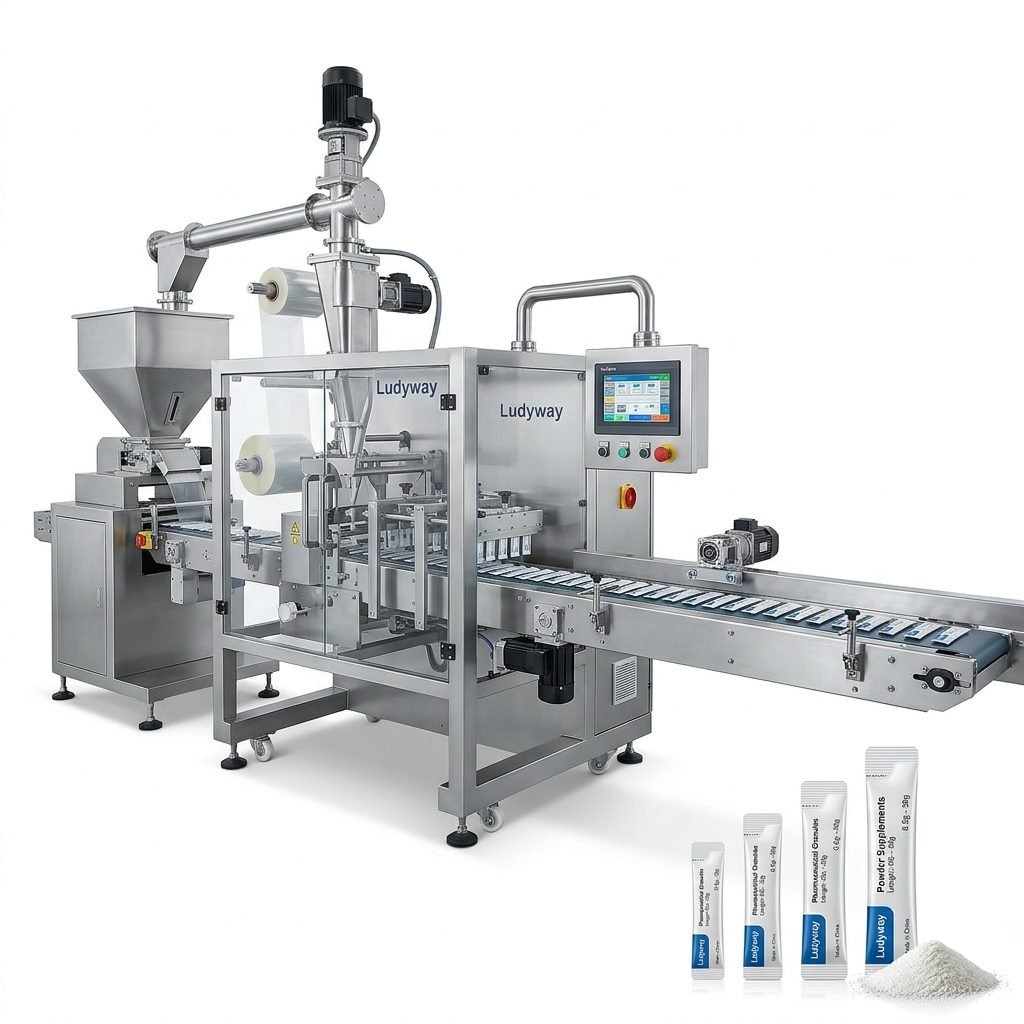
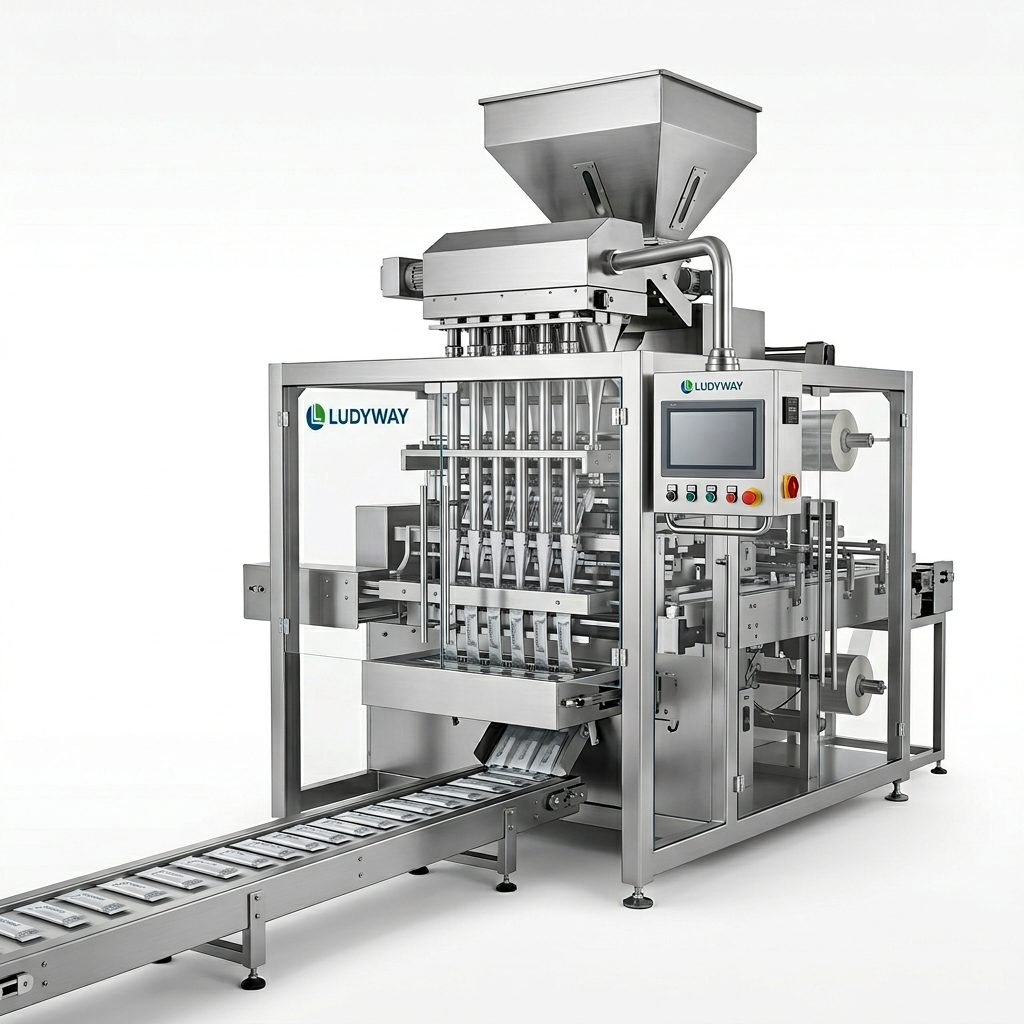
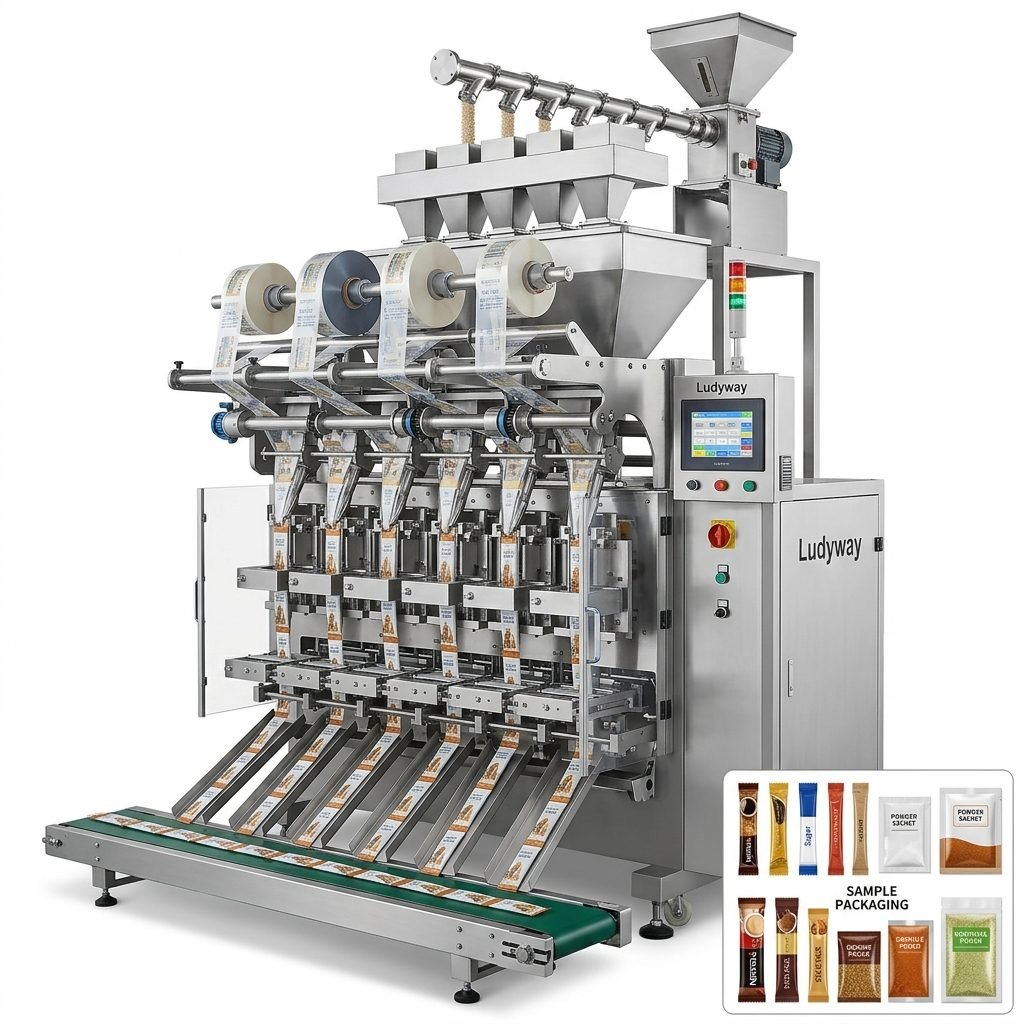
For high-output production, multi-lane configurations allow several pouches to be formed and filled simultaneously. This is especially useful for sachets, stick packs, and small-dose pouch applications.
5. Integration Capability
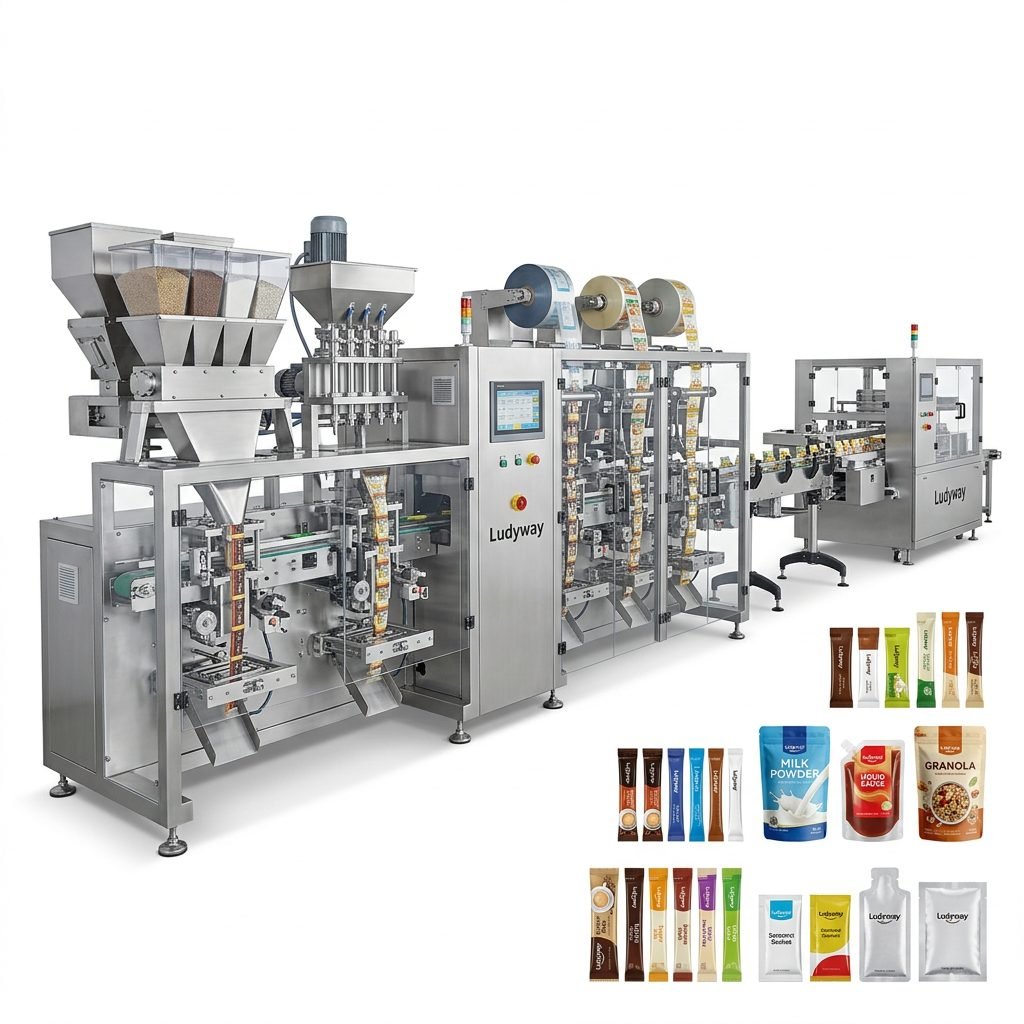
A modern system should connect smoothly with feeders, conveyors, coding devices, inspection equipment, cartoners, and case packing solutions. This allows businesses to move toward a complete automated line.
6. Material Compatibility
The machine should work with the required packaging films or premade pouches while maintaining proper tension, alignment, and seal quality.
Common Pouch Formats Supported
Packaging format influences product appeal, logistics, and machine selection. A fully automatic pouch packing machine may support one or more of the following:
- Pillow pouches
- Three-side seal pouches
- Four-side seal pouches
- Stick packs
- Sachets
- Shaped pouches
- Premade stand-up pouches
- Zipper pouches
If your business plans to launch multiple SKUs, choosing a machine with flexible format conversion can create long-term value.
Industries That Benefit the Most
Automated pouch packing has become a preferred packaging method across multiple sectors because it combines compact packaging, visual appeal, and efficient material use.
| Industry | Benefits of Automatic Pouch Packing |
|---|---|
| Food | Fresh appearance, portion control, high-speed retail packaging |
| Pharmaceutical | Dose accuracy, hygiene, traceability, compliance support |
| Health Supplement | Convenient single-dose packaging for powders and granules |
| Cosmetics | Travel-size sachets, sample packs, premium presentation |
| Chemical | Safer handling, controlled dosing, reduced contamination risk |
| Nicotine & Specialty Pouch | High-speed automation, format consistency, scalable packaging output |
How Automatic Pouch Machines Improve Packaging Efficiency
Packaging efficiency is not only about speed. It also includes uptime, material utilization, labor structure, quality control, and maintenance performance. A well-designed machine can optimize all of these at once.
- Reduces manual handling and operator fatigue
- Improves output predictability across long production runs
- Minimizes product loss through more accurate filling
- Enhances sealing reliability for better shelf stability
- Supports continuous operation with automated feeding and discharge
- Shortens changeover times when switching products or pouch sizes
For growing factories, these improvements often translate into measurable gains in daily production capacity and lower cost per packaged unit.
Single Machine or Turnkey Packaging Line?
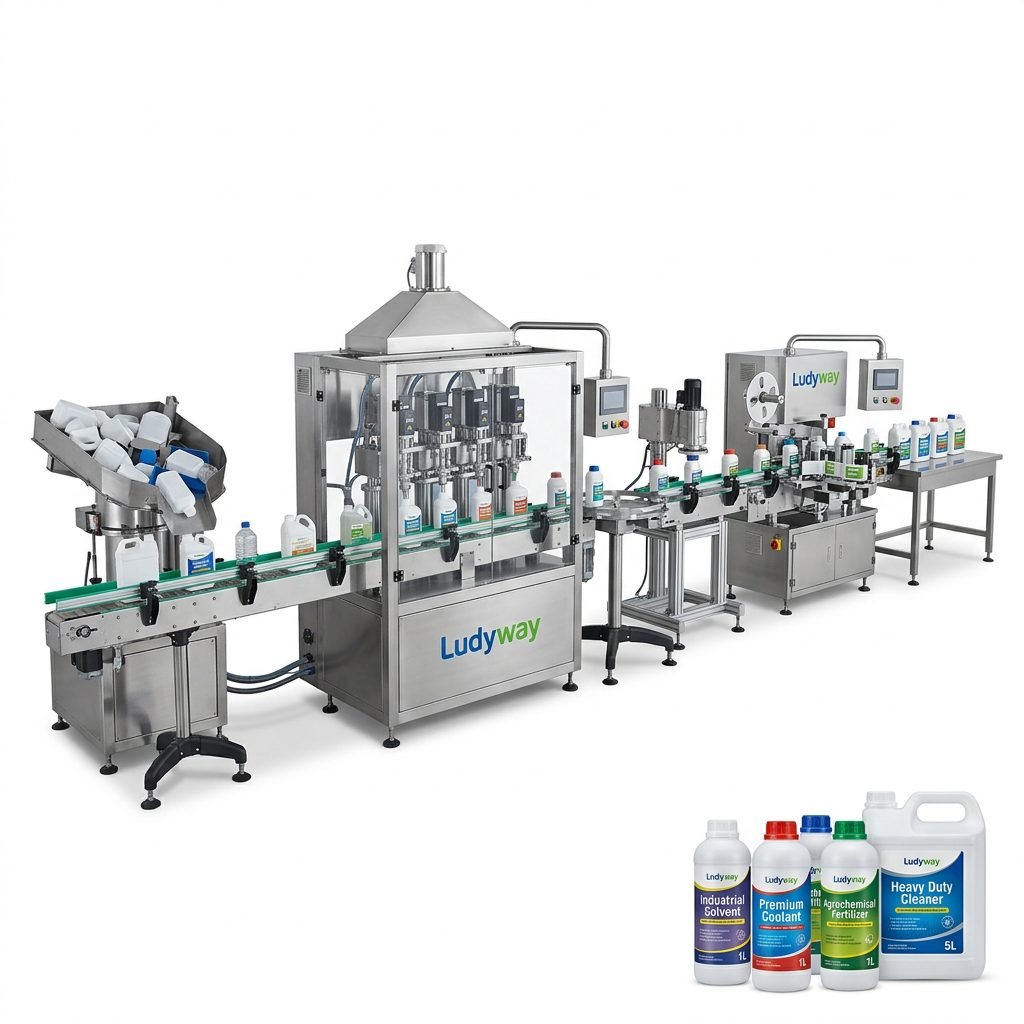
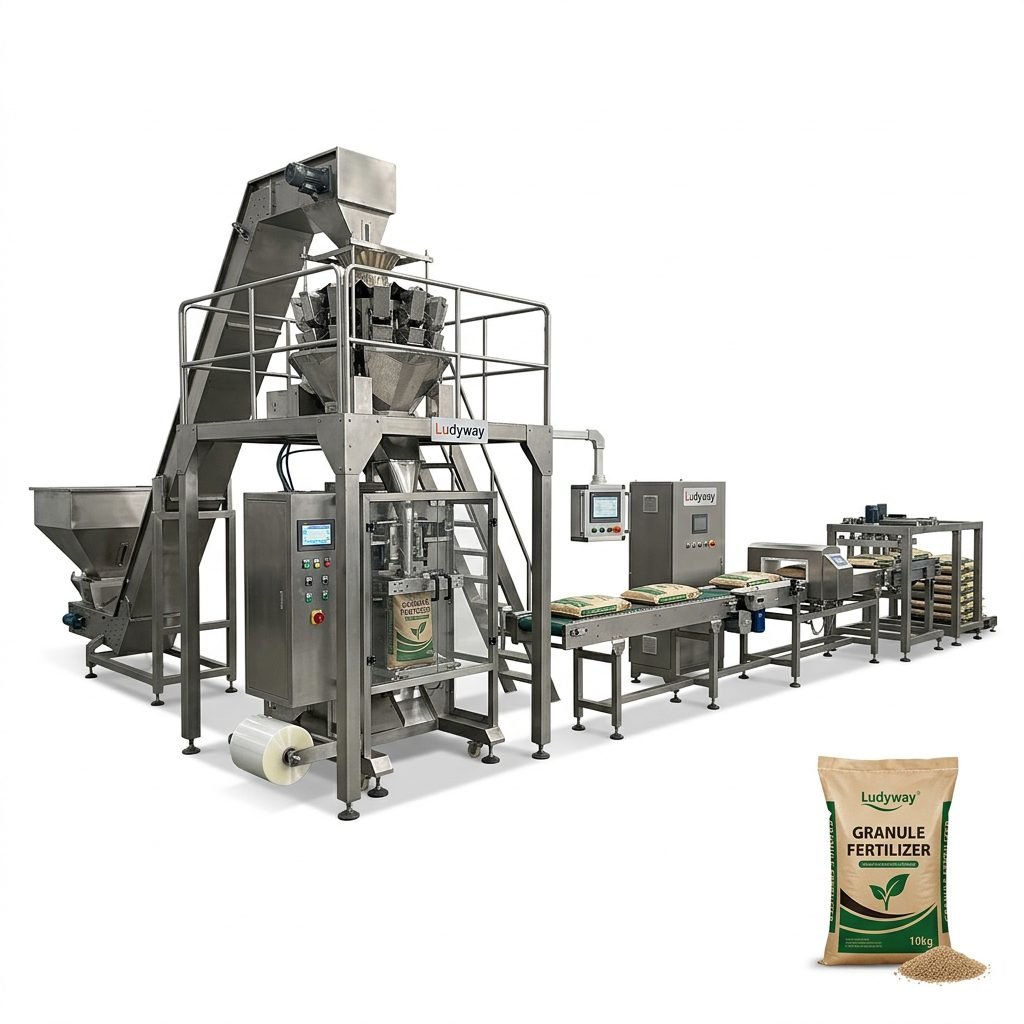
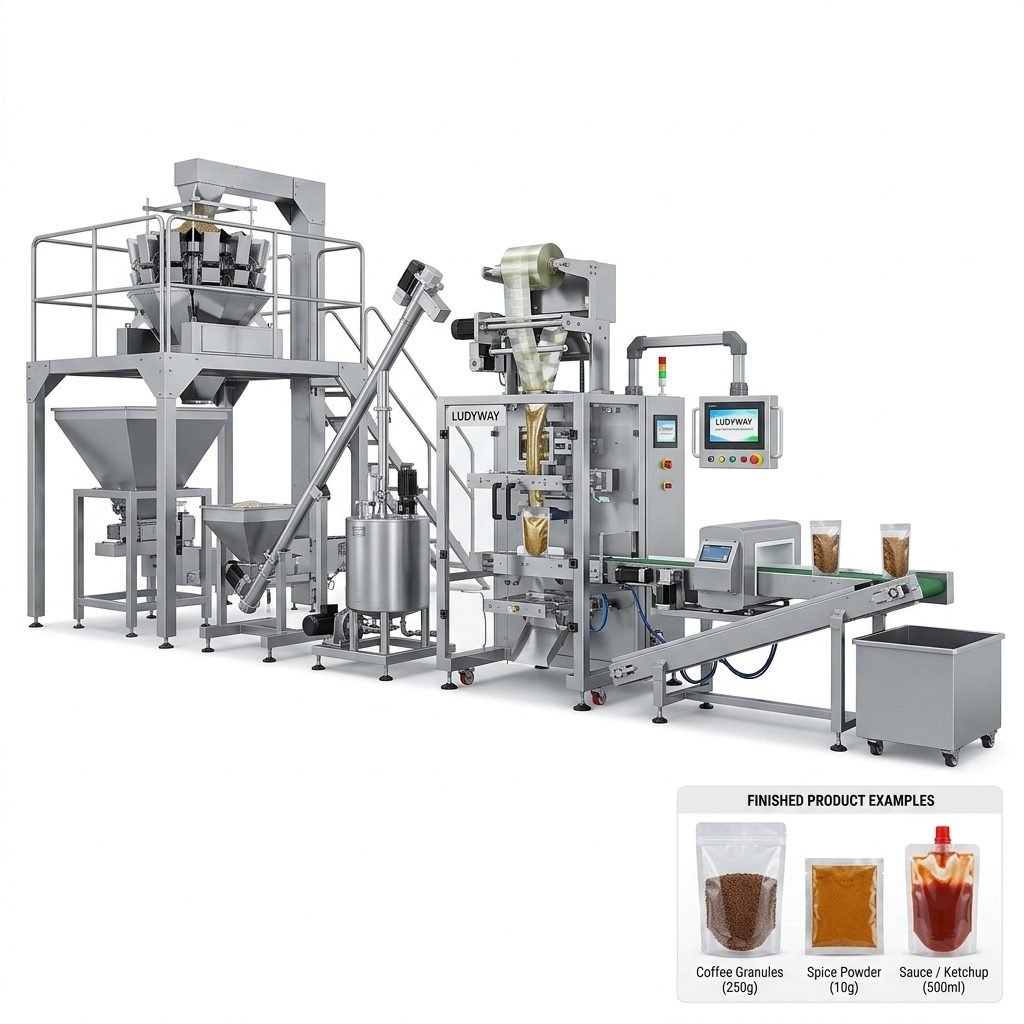
Some manufacturers only need a standalone pouch packing machine. Others require a complete automated line that includes feeding, weighing, filling, sealing, coding, inspection, cartoning, case packing, and palletizing.
If your production goals include rapid scale-up, export orders, or multiple product categories, a turnkey solution may be the more efficient long-term choice. This reduces integration risks and helps ensure all components work together under one production logic.
Companies seeking flexible automation often evaluate suppliers such as
Ludyway automatic pouch packing machine solutions
because of the ability to provide both standalone equipment and full turnkey packaging lines for food, pharmaceutical, health supplement, cosmetic, chemical, and pouch-based applications.
Important Buying Considerations
Before selecting a machine, define your production requirements clearly. A faster machine is not always the best machine if it cannot match your product behavior or packaging material.
- Product type: powder, granule, liquid, paste, or mixed material
- Pouch format: sachet, stick pack, premade pouch, stand-up pouch
- Required output: packs per minute, shift target, annual volume
- Packaging material: film structure, barrier requirements, sealing temperature range
- Accuracy expectations: weight tolerance and quality standard
- Available factory space: line layout, operator access, maintenance clearance
- Future expansion: possibility of adding coding, inspection, cartoning, or end-of-line automation
Maintenance and Long-Term Reliability
Reliable packaging performance depends on both machine quality and maintenance discipline. Preventive maintenance helps preserve filling accuracy, sealing stability, and mechanical life.
Best practices include:
- Routine cleaning of product-contact and sealing areas
- Scheduled inspection of wear parts and moving assemblies
- Calibration of dosing systems
- Monitoring of sealing temperature and pressure consistency
- Operator training for startup, shutdown, and troubleshooting
- Keeping critical spare parts in stock
Buyers should also consider supplier responsiveness, technical support availability, and the ability to customize the machine for changing production requirements.
Who Should Invest in a Fully Automatic Pouch Packing Machine?
This type of system is ideal for businesses that are moving beyond manual packaging or replacing outdated equipment. It is especially suitable for:
- Manufacturers expanding into high-volume production
- Brands launching new retail pouch products
- Contract packers handling multiple SKUs
- Export-oriented companies requiring consistent package quality
- Factories aiming to reduce labor dependency and improve automation
If your operation requires efficient, high-speed, repeatable, and scalable packaging, an automatic pouch packing machine is one of the most practical equipment upgrades available.
Final Selection Tips
The best packaging solution is the one that aligns machine structure, filling technology, pouch type, and downstream automation with your real production needs. Focus on performance under actual operating conditions, not just brochure specifications.
When comparing suppliers, ask for product-specific testing, similar application references, customization options, and support for future line integration. A good machine should not only run fast on day one, but also continue delivering stable output as your product range and market demand grow.