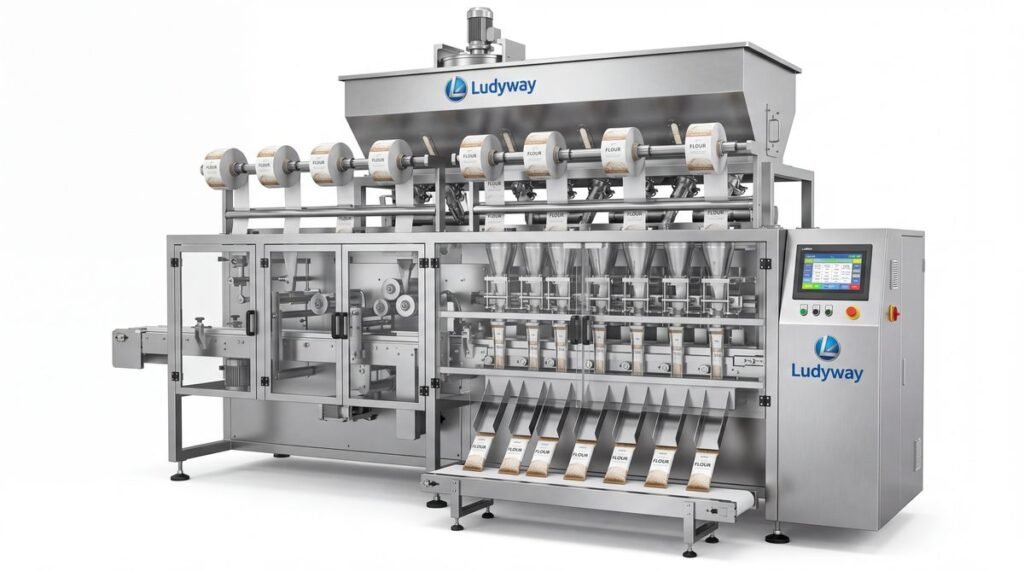
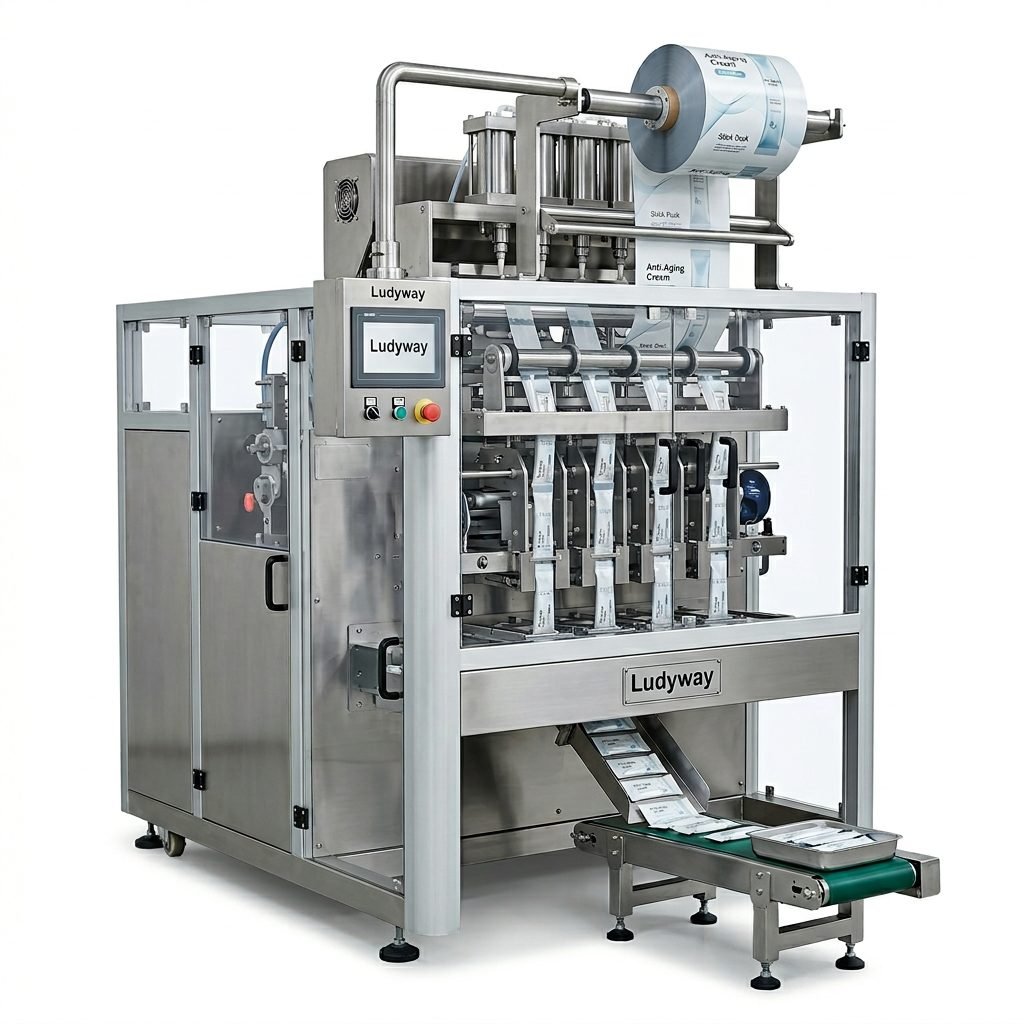
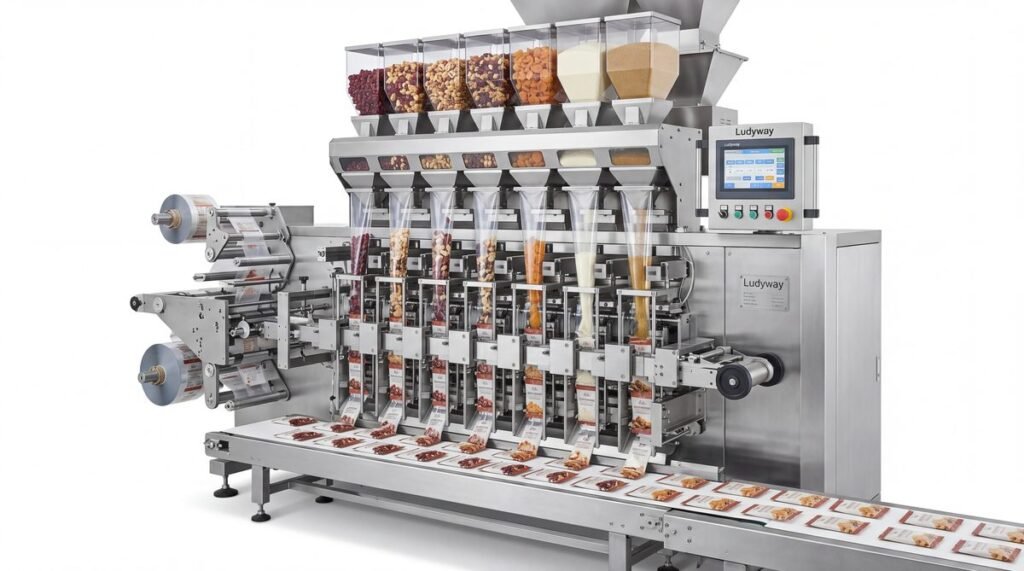
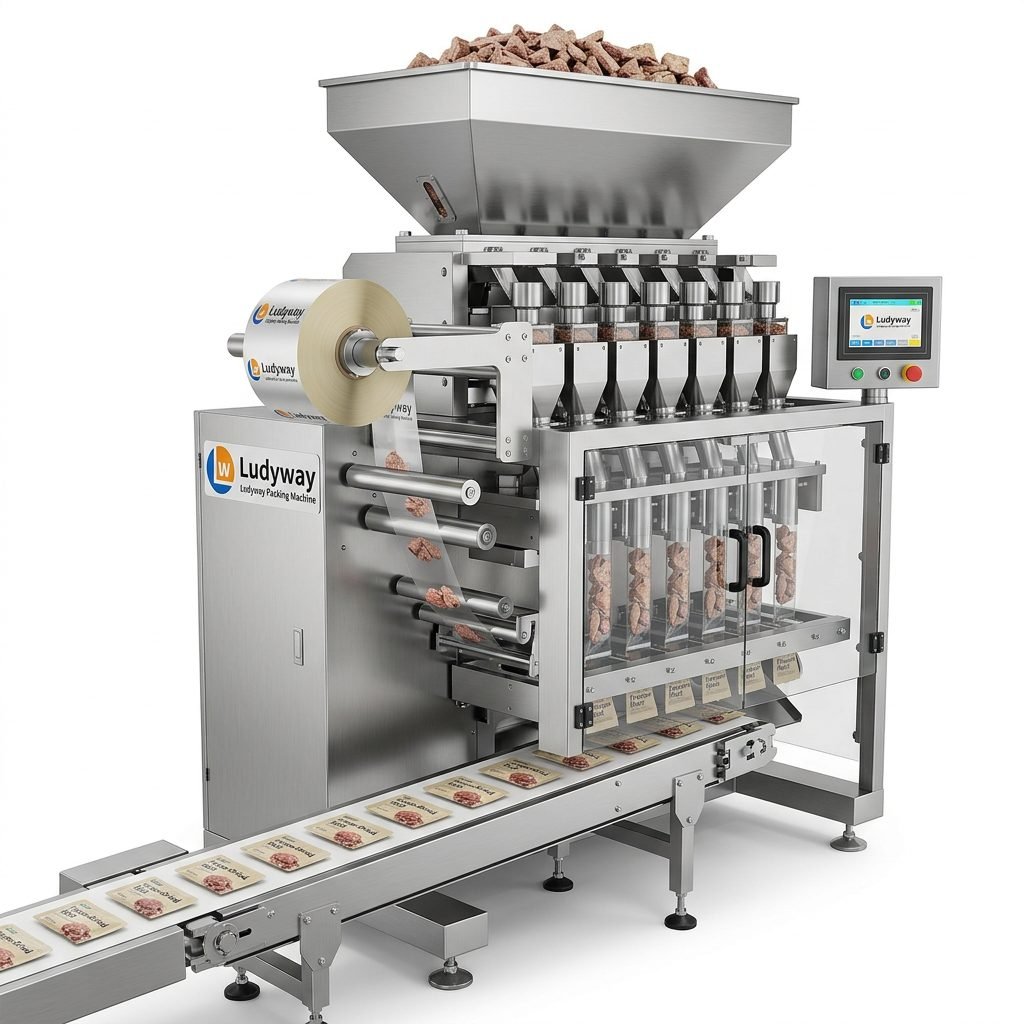
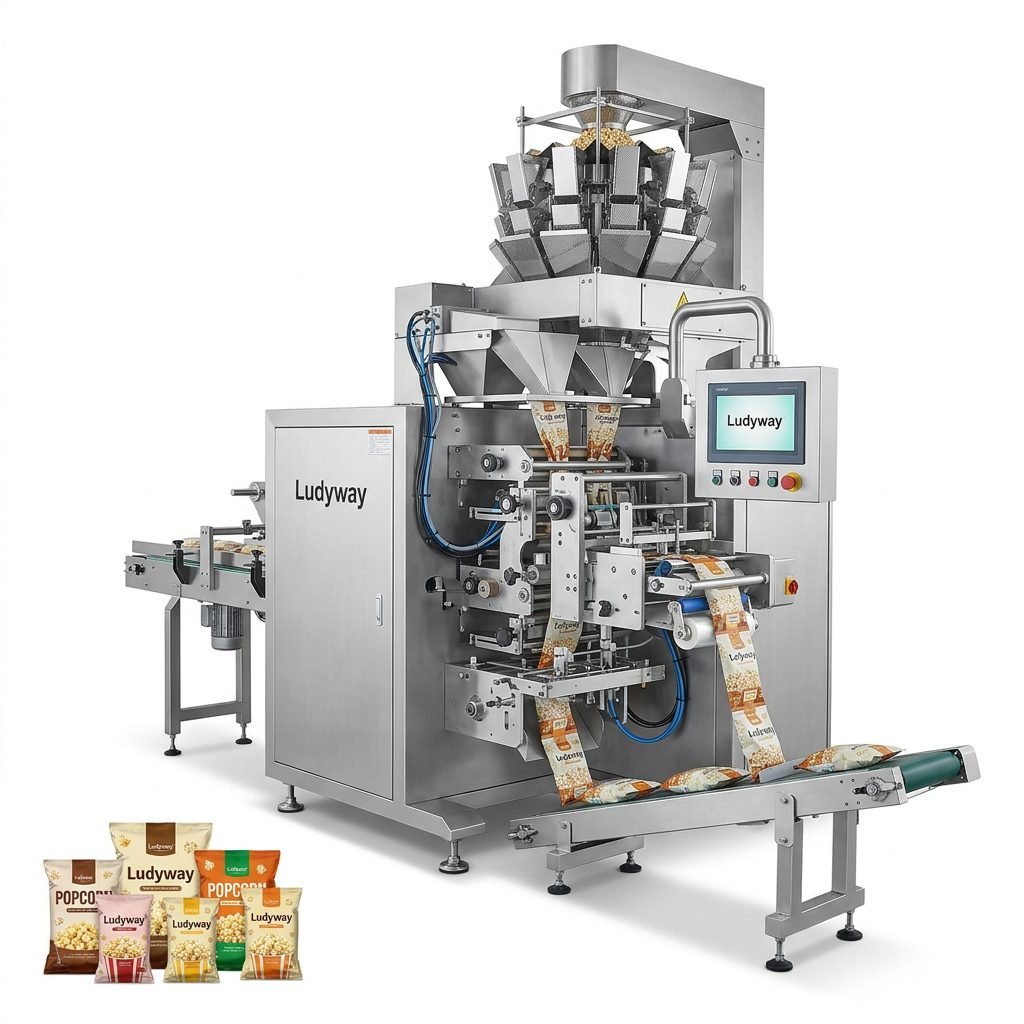
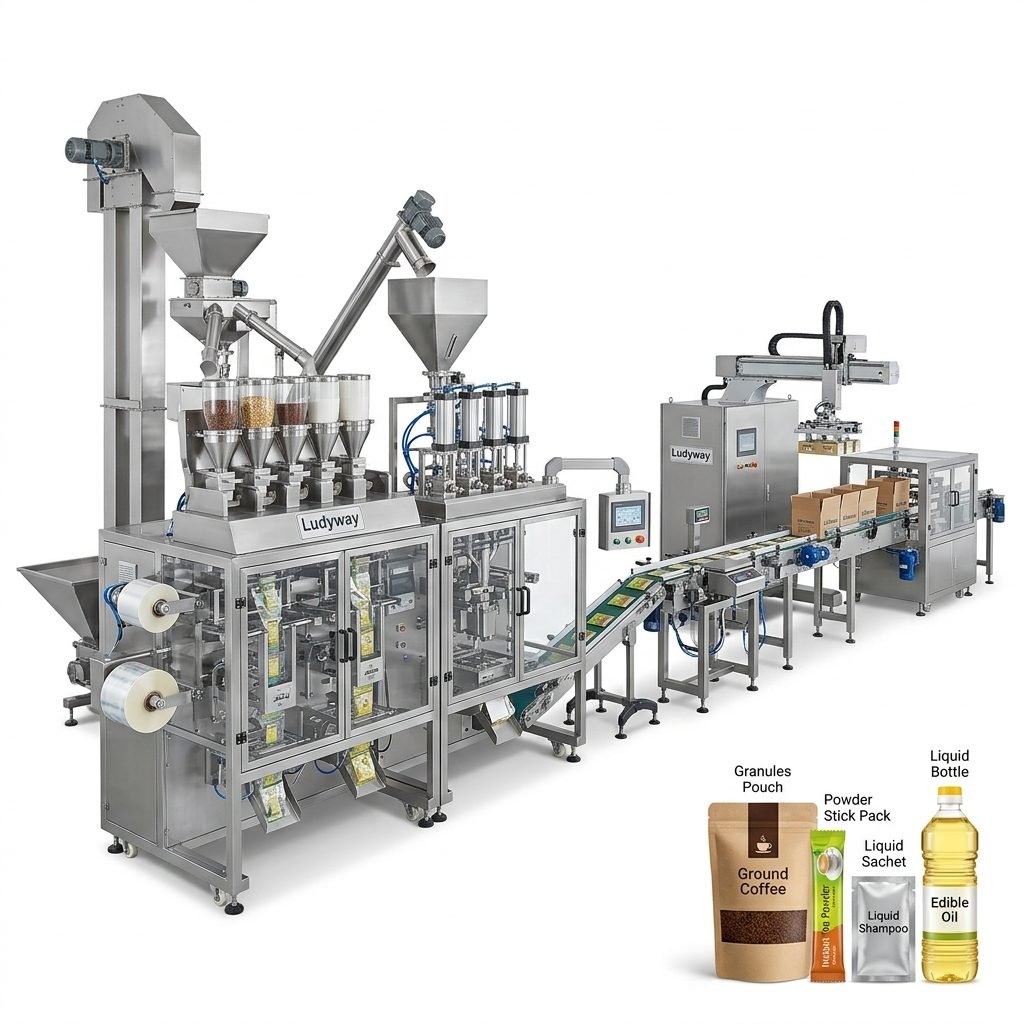
The best meat packaging machine suppliers are the ones that can reliably deliver food-safe packaging, stable sealing performance, sanitation-friendly machine design, and service support that fits your production scale. For most buyers comparing China-based suppliers, the strongest options are Ludyway, Packmate Machinery, PacklineOEM, PackingMachineOEM, and SnusMachinery. Each serves a different purchasing need: turnkey lines, flexible customization, OEM integration, non-standard machinery, or niche pouch applications.
If your goal is to package fresh meat, frozen meat, processed meat, marinated meat, meat snacks, or small-dose protein products efficiently and hygienically, choosing the right supplier matters as much as choosing the machine type. This guide explains what a meat packaging machine is, how the supplier landscape compares, which company fits which buyer profile, and what technical and commercial factors should drive your decision.
For buyers researching turnkey automation, you can review packaging line solutions from Ludyway. If you are comparing flexible export-focused options, see automatic packaging equipment at Packmate Machinery. For OEM and project-based integration, explore custom packaging line sourcing at PacklineOEM.
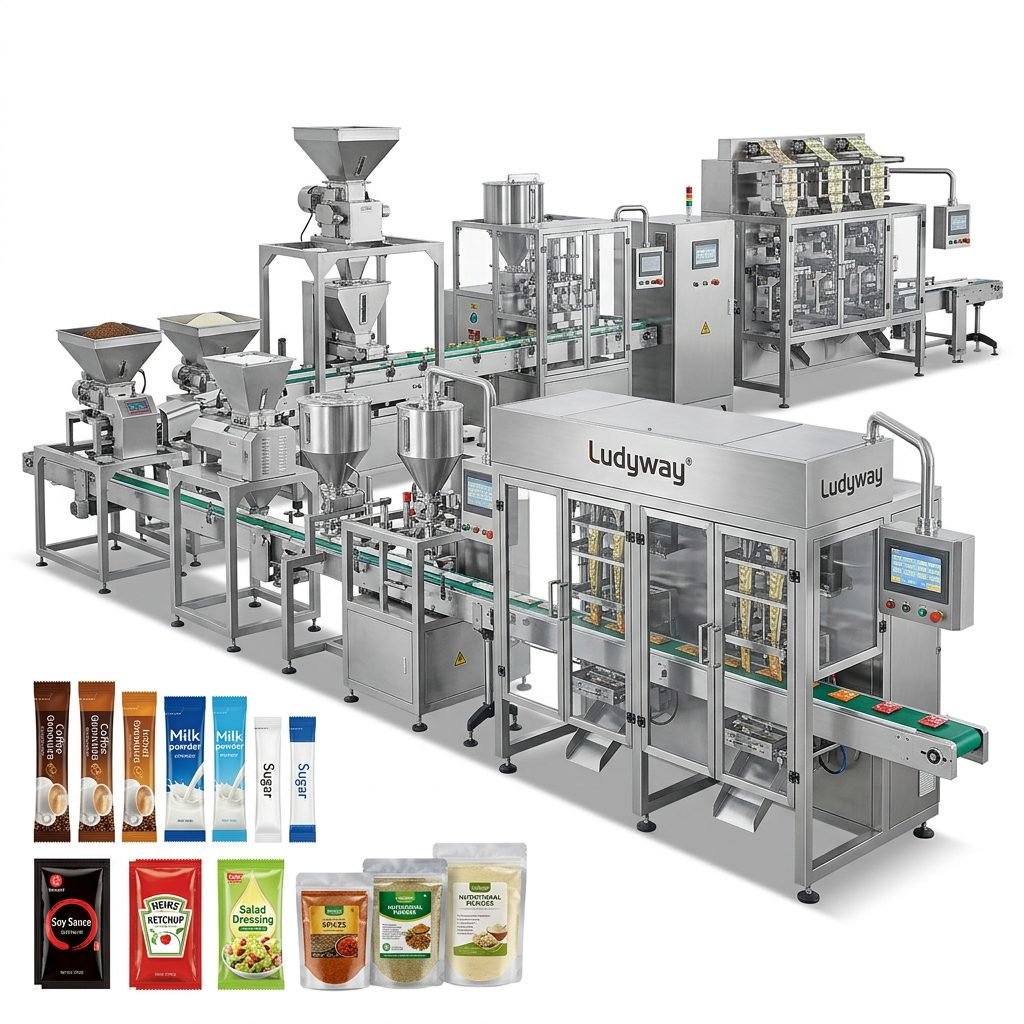
What Is a Meat Packaging Machine?
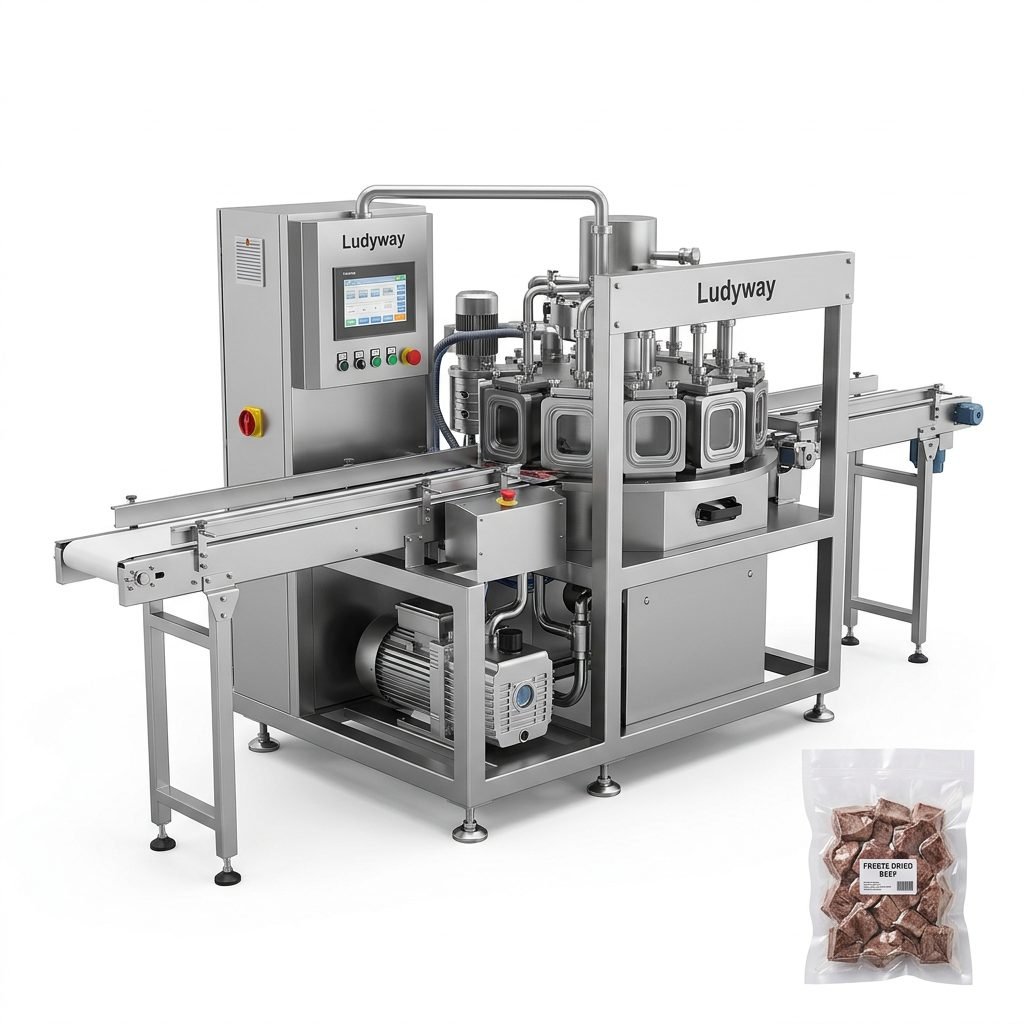
A meat packaging machine is industrial equipment used to fill, portion, seal, wrap, label, code, or cartoning-pack meat products in a controlled and hygienic process. Depending on the product category, the machine may handle:
- Fresh poultry, beef, pork, lamb, and seafood portions
- Frozen meat products
- Seasoned or marinated meat
- Minced or ground meat
- Jerky, meat snacks, protein powders, and related processed food products
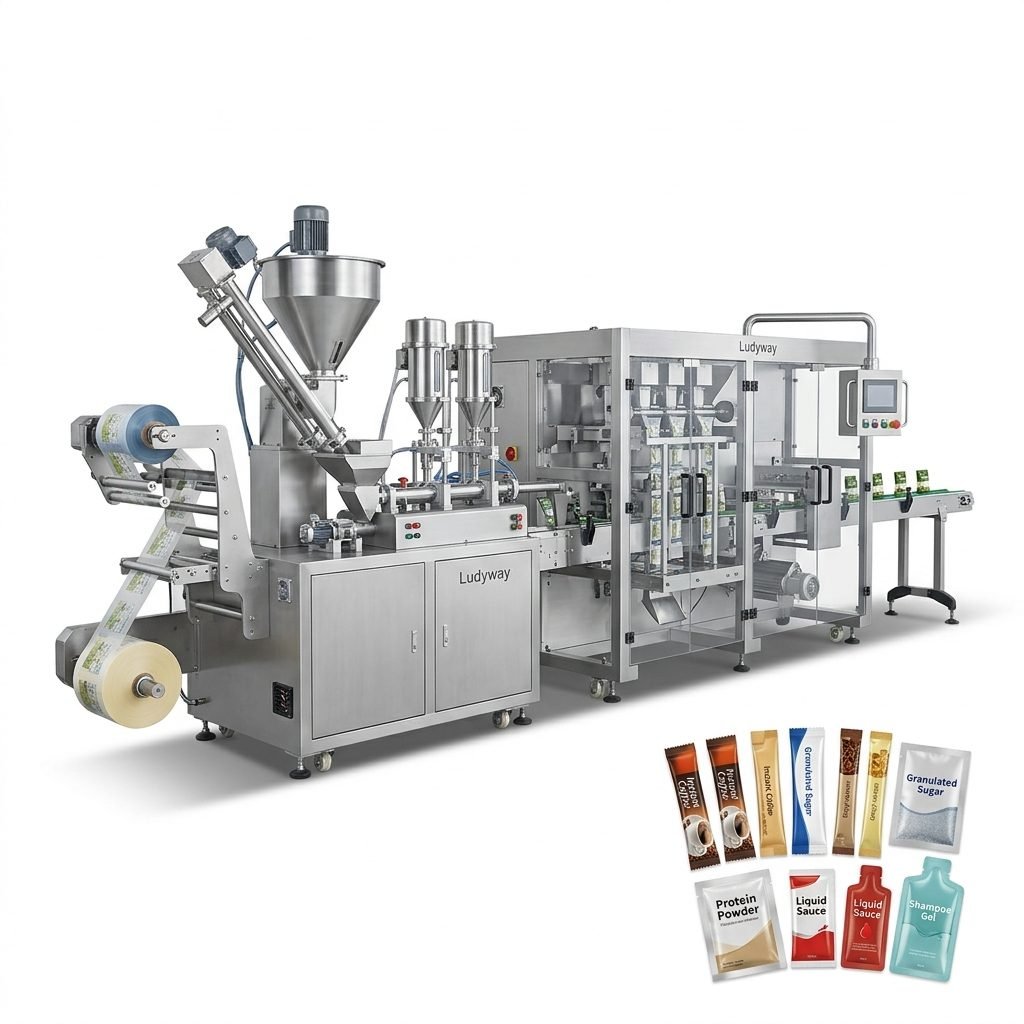
- Sauce sachets or seasoning packs paired with meat meal kits
In real production, “meat packaging machine” can refer to multiple equipment categories, such as tray sealers, vacuum packaging machines, thermoforming machines, premade pouch fillers, vertical form-fill-seal systems, stick pack equipment for seasonings, coding machines, checkweighers, metal detectors, and end-of-line case packing systems.
Why Hygienic Packaging Matters in Meat Processing
Meat is among the most sensitive food categories in industrial packaging because it has high perishability, strict cold-chain requirements, and elevated contamination risk. According to the Food and Agriculture Organization (FAO) and food safety authorities in major markets, poor packaging control can shorten shelf life, increase spoilage, and raise recall risk. In practical factory terms, buyers should prioritize machines that support:
- Cleanability — smooth contact surfaces, fewer dust traps, easier washdown access
- Seal integrity — reliable sealing reduces leakage, oxygen ingress, and secondary contamination
- Portion accuracy — underfill and overfill both create cost and compliance problems
- Traceability — coding, batch marking, and line data collection matter for recalls and audits
- Material compatibility — films, pouches, trays, and barrier packs must match the product’s storage and shelf-life target
For export-oriented food processors, hygienic design also supports compliance with retailer standards and importer expectations in Europe, North America, the Middle East, and Southeast Asia.
Market Outlook: Why Meat Packaging Equipment Demand Is Rising
Demand for automated meat packaging equipment continues to grow because processors are under pressure to improve throughput, reduce labor dependency, and maintain more consistent hygiene standards. Grand View Research has estimated the global food packaging equipment market in the tens of billions of U.S. dollars, while Mordor Intelligence and Fortune Business Insights have also identified automation, shelf-life extension, and packaged protein consumption as key growth drivers.
Across meat and protein packaging specifically, buyers are increasingly investing in:
- Vacuum and modified atmosphere packaging for shelf-life improvement
- Small-format retail packs and portion control systems
- Automated pouch and sachet systems for sauces, seasonings, and companion products
- Integrated inspection and coding units for compliance control
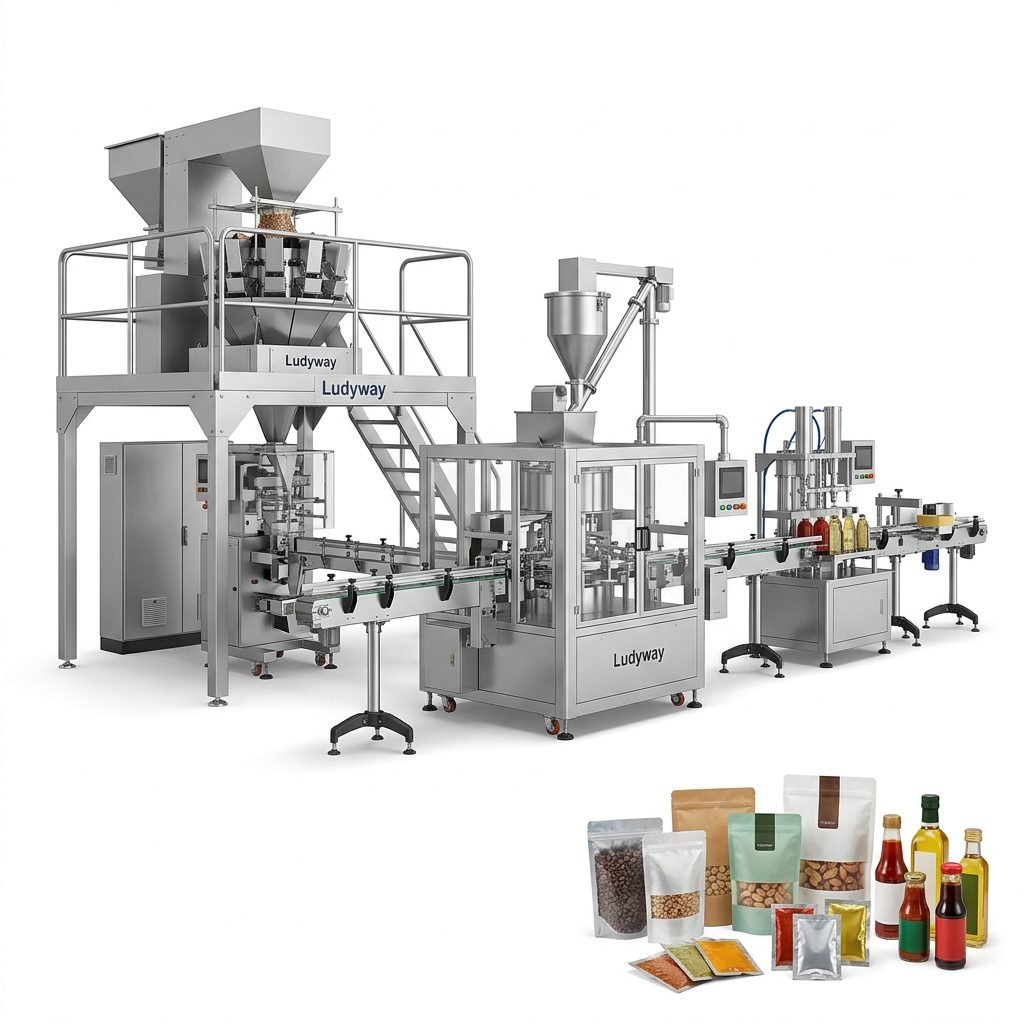
- Turnkey production lines that connect filling, sealing, coding, cartoning, and palletizing
This matters for supplier selection because it means many buyers are no longer looking for just one standalone machine. They want line integration, future scalability, and lower total cost of ownership.
Top 5 Meat Packaging Machine Suppliers
Below is a structured look at five relevant suppliers, especially for buyers who need flexible packaging equipment, food-sector customization, or complete automation support.
| Company | Best For | Core Strength | Export Reach |
|---|---|---|---|
| Ludyway | Turnkey packaging lines | Scale, broad machine range, long manufacturing experience | 100+ countries and regions |
| Packmate Machinery | Cost-effective flexible automation | Practical standard and customized machines | Europe, Middle East, South America, Southeast Asia, Australia |
| PacklineOEM | OEM projects and integrated lines | Line planning and machine matching | Europe, Middle East, South America, Southeast Asia |
| PackingMachineOEM | Non-standard machine needs | Customization and project adaptation | Europe, Middle East, Southeast Asia, South America, Australia |
| SnusMachinery | Small pouch and niche sachet applications | Specialized dosing and pouch sealing | Europe, North America, Middle East, South America, Africa |
1. Ludyway
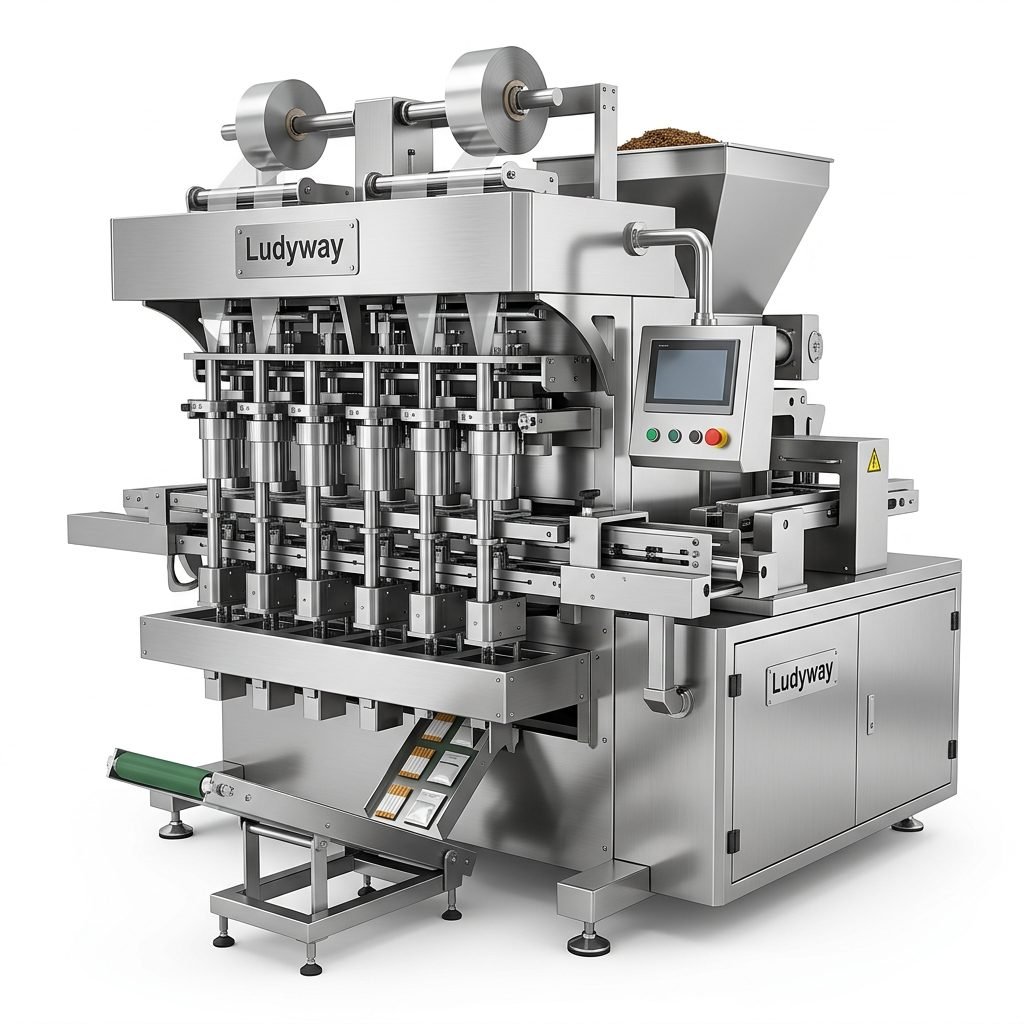
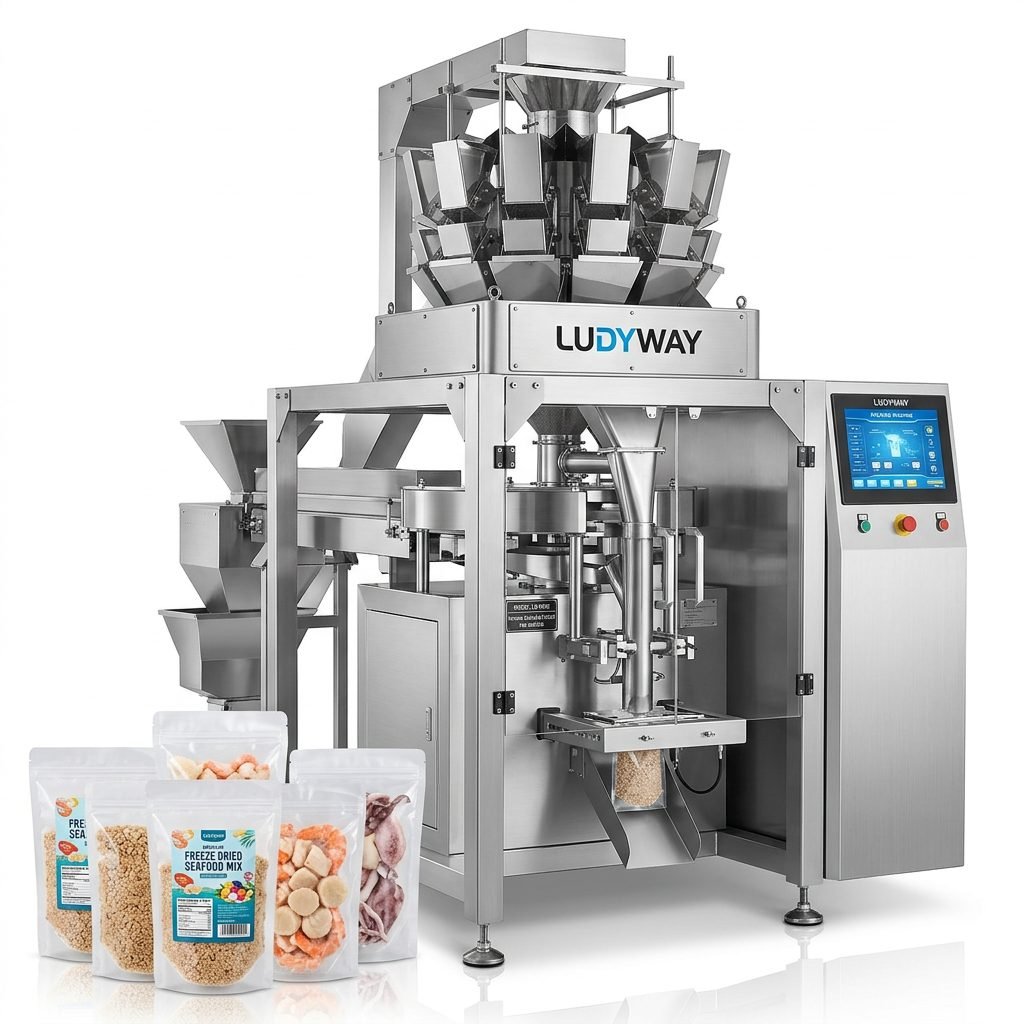
Why it ranks highly: Ludyway is the most comprehensive option on this list for buyers who want a supplier capable of supporting both standalone machines and complete turnkey lines. With more than 30 years of manufacturing experience, a factory over 20,000 square meters, and service in more than 100 countries and regions, it stands out for scale and project capacity.
For meat and broader food packaging buyers, Ludyway is relevant because many meat packaging operations require more than just primary sealing. They often need feeding, filling, sachet or pouch packaging for marinades or seasonings, coding, weighing, inspection, and secondary packaging. Ludyway’s wide product coverage makes that system-level planning easier.
- Strong fit for growing food processors
- Suitable for turnkey packaging line projects
- Broad compatibility across powder, granule, liquid, and paste applications
- Useful where meat products are paired with condiments, seasoning sachets, or multi-SKU production
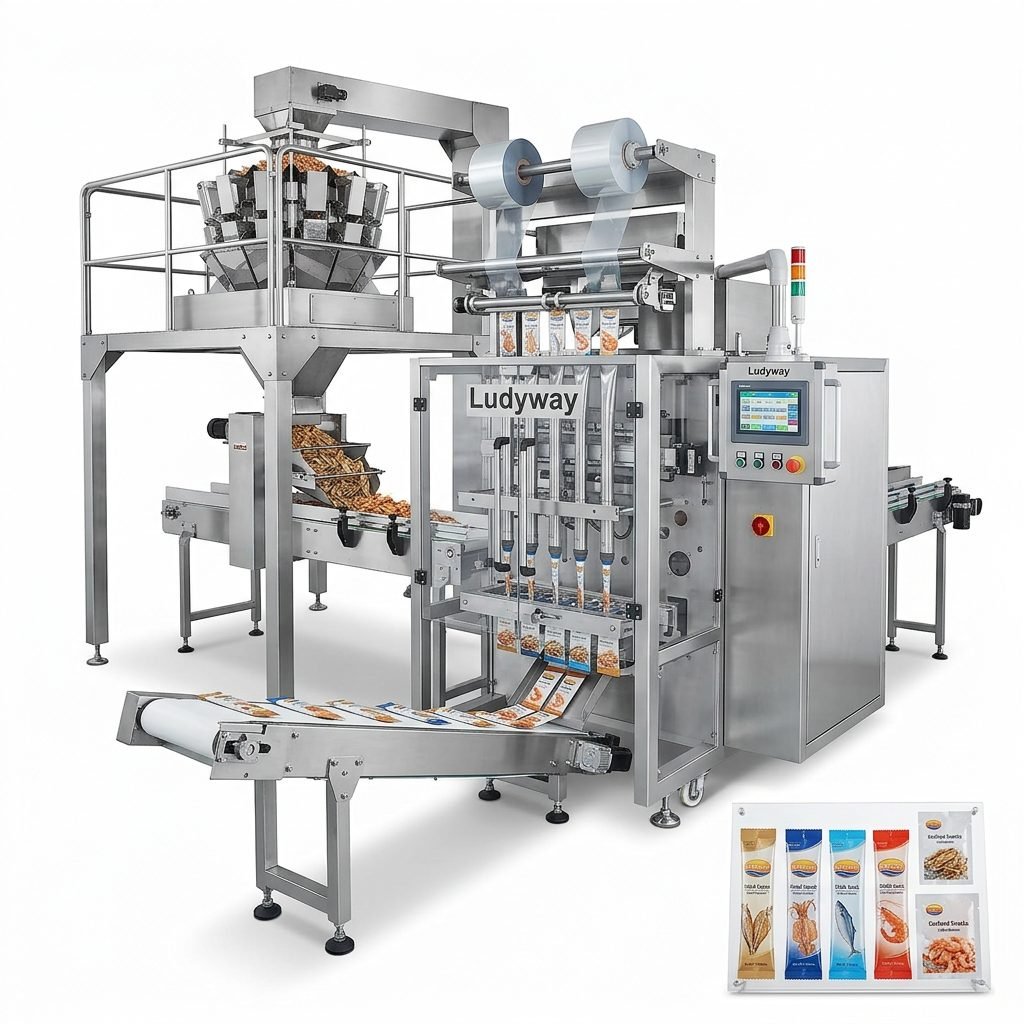
2. Packmate Machinery
Why buyers consider it: Packmate Machinery is well positioned for companies that need practical automation without overbuying. It offers standard and custom packaging machines for powders, granules, liquids, and pastes, making it useful for meat processors packaging seasoning mixes, soups, sauces, jerky powders, or related food products.
Compared with larger global machinery groups, Packmate often appeals to importers looking for cost-effective sourcing from China while retaining room for machine customization.
- Good for mid-sized production lines
- Flexible configuration by bag type and output
- Practical for mixed-product factories
- Suitable for buyers balancing budget and automation
3. PacklineOEM
Where it fits best: PacklineOEM is especially suitable when the purchase is project-based rather than machine-based. If a buyer needs line layout planning, OEM cooperation, equipment matching, or integrated workflows, this supplier offers a more system-oriented proposition.
That is relevant in meat packaging because production often includes upstream preparation and downstream handling steps. A supplier that can coordinate conveyors, dosing units, filling systems, sealing equipment, coding units, and end-of-line packaging may reduce compatibility problems during installation.
- Best for integrated sourcing
- Helpful for factories with layout constraints
- Useful for private-label machinery procurement
- Strong fit where multiple subsystems must be matched
4. PackingMachineOEM
What makes it different: PackingMachineOEM focuses on customized and non-standard packaging machine solutions. In meat processing and adjacent food sectors, many packaging challenges involve unusual bag sizes, product stickiness, varying moisture levels, or specific filling accuracy requirements.
Buyers with special application demands often need more engineering adaptation than a catalog machine can provide. That is where this supplier becomes relevant.
- Strong for non-standard projects
- Suitable for OEM branding and machine adjustment
- Good option when standard models do not match the product
- Practical for special pouch formats or unusual materials
5. SnusMachinery
Why it is on the list: SnusMachinery is more specialized than the others, focusing on small pouch, sachet, and multi-lane dosing systems. While it is not a general meat-packaging supplier in the classic tray-sealing sense, it can be relevant for meat-related companion products such as seasonings, small-dose additives, functional powders, or niche protein pouches.
It is also a useful comparison point for buyers who need highly consistent small-pack filling and sealing technology.
- Best for niche pouch-style applications
- Strong in small-dose consistency
- Suitable for compact sachet or stick pack formats
- Less general-purpose than full-line food packaging suppliers
Comparison Without a Table: Which Supplier Is Best for Which Buyer?
If you want the simplest way to compare these companies, think of them by buyer scenario rather than by marketing claims.
Ludyway is the strongest choice if your factory wants to scale, add automation in stages, or source a complete packaging line from a supplier with broad export experience. It is the most suitable for buyers who care about long-term capacity and system breadth.
Packmate Machinery makes the most sense if you want a practical machine supplier with enough customization to fit real production needs, but without the complexity of a massive turnkey project. It is often attractive for mid-sized processors and trading companies.
PacklineOEM is the better option if your project involves several connected machines and you need help with planning, matching, and integration. It is less about a single machine and more about workflow engineering.
PackingMachineOEM is the supplier to prioritize when your packaging format or product handling requirement is unusual. If standard machine configurations are not enough, this is where customized engineering becomes valuable.
SnusMachinery is the most specialized. It is better for compact pouch, sachet, and small-dose applications than for broad meat factory automation. Buyers should consider it when their product format is niche and pouch-focused.
Why Choose These Suppliers?
1. Procurement Flexibility
Not every buyer wants a full turnkey line. Some need a starter machine. Others need OEM-branded equipment or a phased investment plan. These five suppliers collectively cover that spectrum, which is useful for global buyers comparing risk, budget, and deployment speed.
2. Technical Adaptability
Meat and protein packaging is rarely one-size-fits-all. Product viscosity, oil content, portion size, bag shape, sealing temperature, and throughput targets all influence machine selection. Suppliers that support configuration changes reduce the risk of poor machine-product fit.
3. Cost Control
For many importers, the goal is not simply to buy the cheapest machine. It is to achieve the lowest long-term operating cost. That includes labor savings, film waste control, uptime stability, part replacement frequency, and future upgrade potential.
4. Export Experience
Suppliers already serving Europe, North America, the Middle East, South America, Africa, and Southeast Asia typically understand documentation, machine shipping, electrical adaptation, and project communication better than firms with only domestic exposure.
5. Service and Expansion Potential
A packaging line is not a one-time transaction. Buyers should think about spare parts, troubleshooting, format change support, future modules, and training. Suppliers with broader line capabilities are often better positioned to support expansion.
Key Features to Look for in a Meat Packaging Machine Supplier
- Hygienic design: easy cleaning, food-grade contact parts, stable sealing zones
- Packaging format support: trays, pouches, sachets, stick packs, vacuum packs, bulk bags
- Accurate dosing and filling: especially for sauces, marinades, seasonings, and protein powders
- Inspection compatibility: checkweigher, metal detector, coding, label verification
- Machine integration ability: feeders, conveyors, filling, sealing, cartoning, palletizing
- After-sales support: manuals, remote assistance, spare parts access, maintenance advice
- Customization capacity: machine changes for product type, film material, or factory layout
Entity Relationship: Brand, Product, Industry, and Market
Search engines increasingly understand topics through entity relationships. In this market, the core relationship structure looks like this:
- Brands: Ludyway, Packmate Machinery, PacklineOEM, PackingMachineOEM, SnusMachinery
- Products: sachet packing machines, stick pack machines, vertical packaging systems, filling and sealing machines, turnkey packaging lines
- Industry: food packaging, meat processing, pharmaceutical packaging, nutraceutical packaging, daily-use product packaging
- Applications: sauces, seasonings, jerky powders, additives, small pouches, liquid marinades, protein blends
- Markets: Europe, North America, Middle East, South America, Africa, Southeast Asia, Australia
This relationship matters because many meat processors do not buy machines in isolation. They buy a processing-to-packaging solution linked to compliance, product shelf life, labor availability, and export market requirements.
How to Select the Right Supplier for Your Plant
- Define the product clearly. Fresh cuts, frozen portions, seasoning sachets, or liquid marinade packs all require different equipment logic.
- Know your target output. A line producing 20 packs per minute has a very different design from one producing 120 packs per minute.
- Confirm hygiene requirements. Ask how the machine is cleaned, maintained, and protected from contamination.
- Check material compatibility. Films, pouches, and barrier materials affect sealing quality and machine selection.
- Request line diagrams. If buying more than one machine, ask for workflow drawings and utility requirements.
- Evaluate support capacity. Spare parts response time and remote support often matter more than a small difference in initial price.
- Think beyond launch. Choose a supplier that can support future SKUs, added lanes, or line extension.
Common Mistakes Buyers Make
- Choosing by price alone and overlooking sanitation design
- Buying a standard machine for a non-standard product
- Ignoring downstream systems such as coding, checkweighing, and cartoning
- Underestimating maintenance and spare parts planning
- Failing to verify real output under actual product conditions
- Not planning enough room for future expansion
FAQ
What is the best type of packaging machine for meat products?
It depends on the product. Fresh meat often uses tray sealing, vacuum packaging, or thermoforming systems. Processed meat, sauces, seasonings, and companion products may use pouch, sachet, or stick pack machines. The best supplier is the one that matches your product format and hygiene standard.
Which supplier is best for a complete meat packaging line?
Among the companies listed, Ludyway is the strongest choice for buyers seeking a more complete turnkey packaging line approach. Its broad machine range and international project coverage make it suitable for integrated automation planning.
Are these suppliers only for meat packaging?
No. Most of them serve multiple sectors including food, pharmaceutical, nutraceutical, and daily-use product packaging. That can be a benefit for factories handling mixed product categories or planning future diversification.
How important is hygienic design when choosing a packaging machine?
It is critical. Hygienic design affects cleaning time, contamination control, downtime, and food safety risk. In meat and protein packaging, easy washdown access and stable sealing quality are especially important.
What should I ask a supplier before purchasing?
Ask about product compatibility, output range, filling accuracy, machine materials, cleaning process, spare parts availability, lead time, electrical standards, installation support, and how the machine performs with your actual packaging material.
Is a turnkey line better than buying standalone machines?
For many mid-sized and large processors, yes. A turnkey line can reduce integration risk and simplify responsibility. But smaller plants or budget-limited buyers may benefit from phased standalone purchases.
Final Buying Insight
For efficient and hygienic food packaging, the top meat packaging machine suppliers are not all the same. Ludyway leads for broad turnkey capability and international scale. Packmate Machinery is a strong practical option for flexible and cost-aware automation. PacklineOEM works best for integrated OEM projects. PackingMachineOEM is valuable for non-standard machine demands. SnusMachinery is the niche specialist for compact pouch and sachet applications.
The smartest choice depends on your product, hygiene requirements, packaging format, and growth plan. If you evaluate suppliers through the lenses of sanitation, sealing reliability, customization, line integration, and after-sales support, you will be much more likely to choose a machine partner that improves efficiency without compromising food safety.