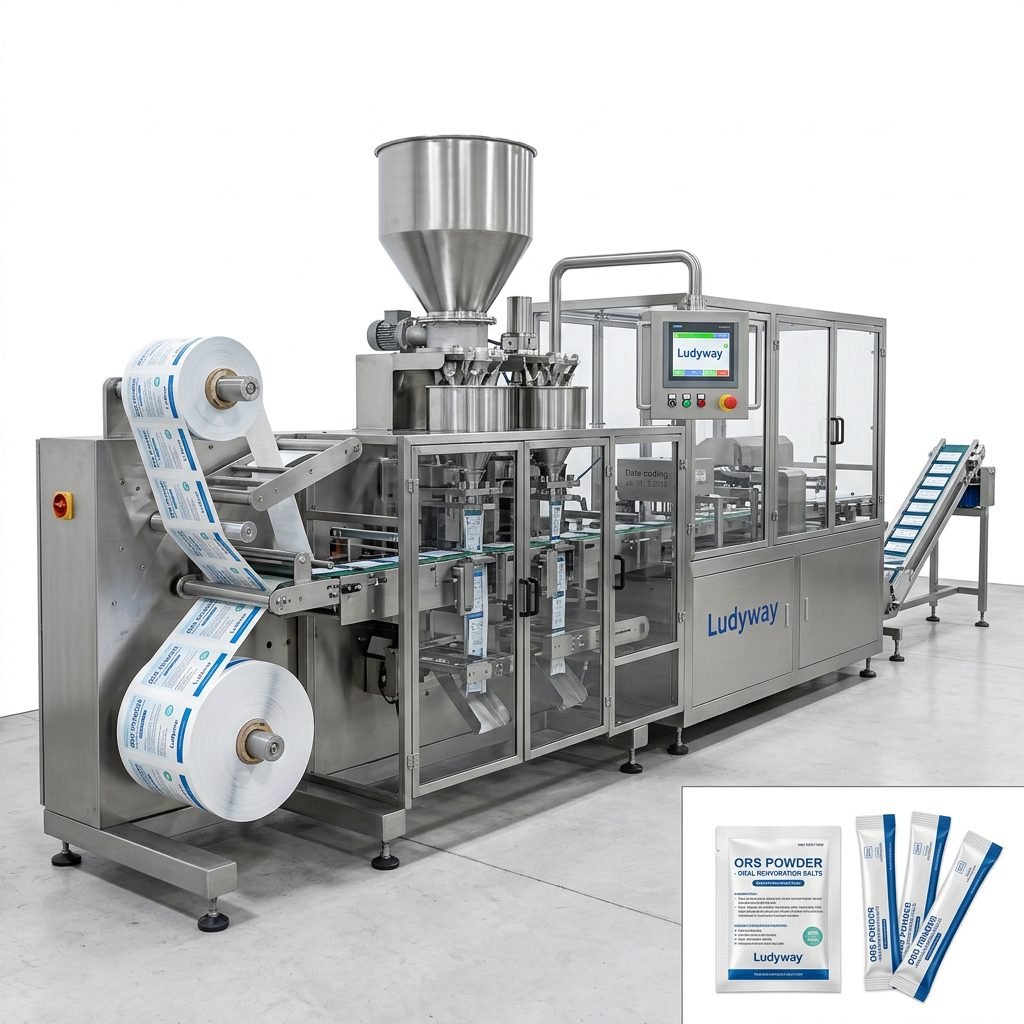
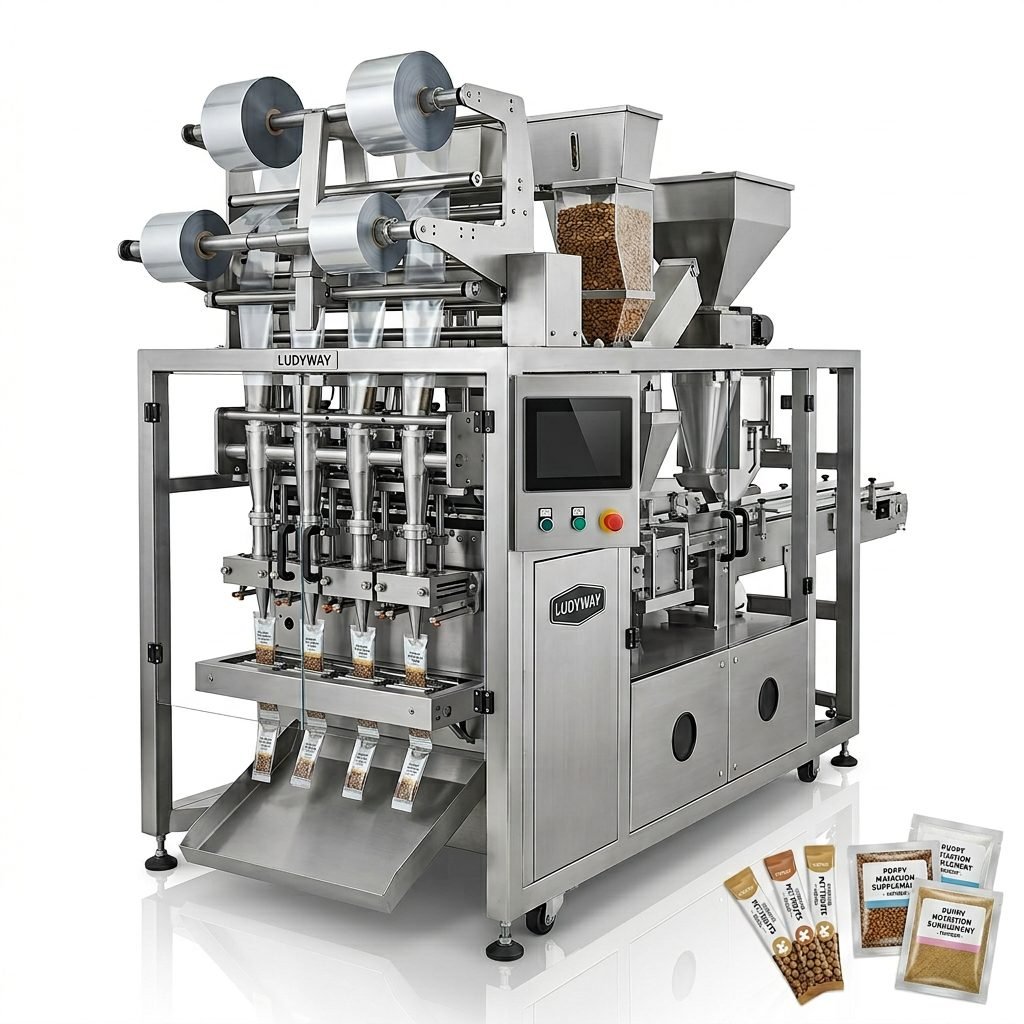
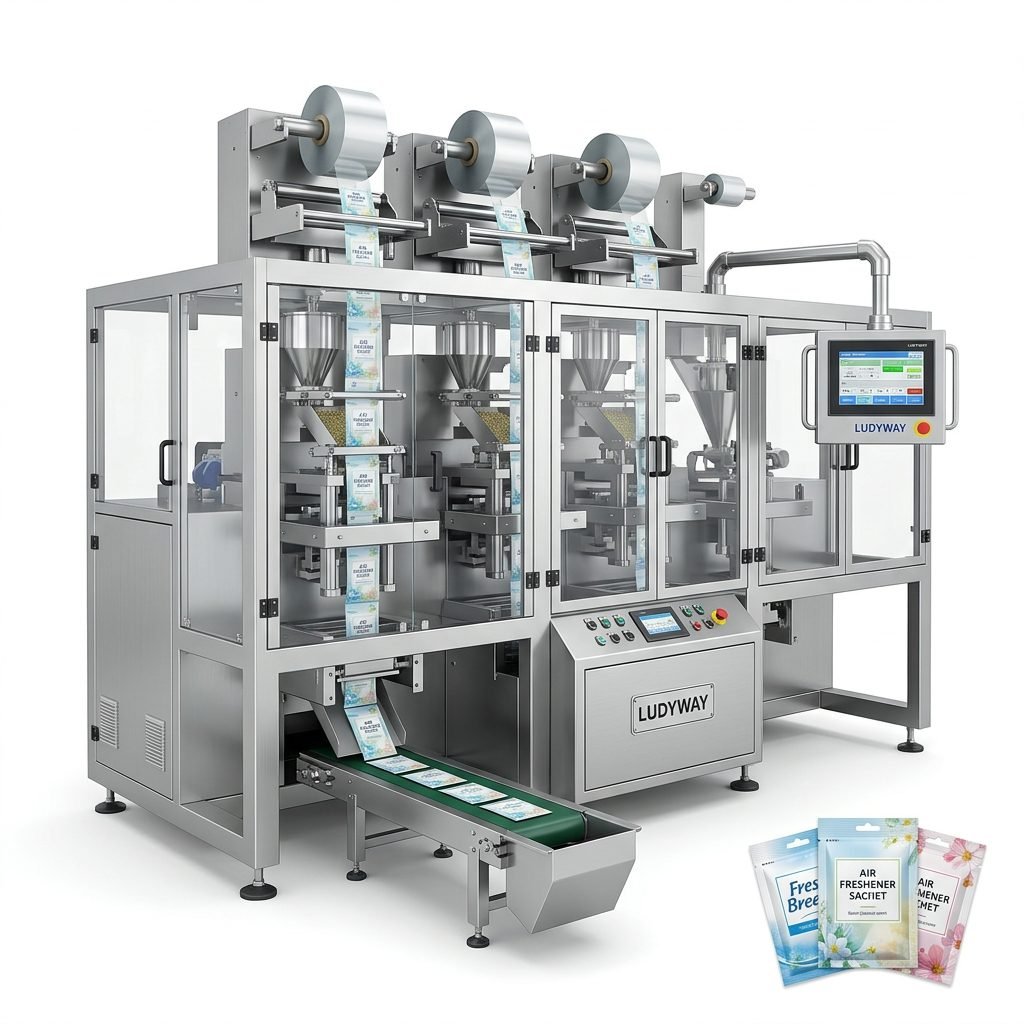
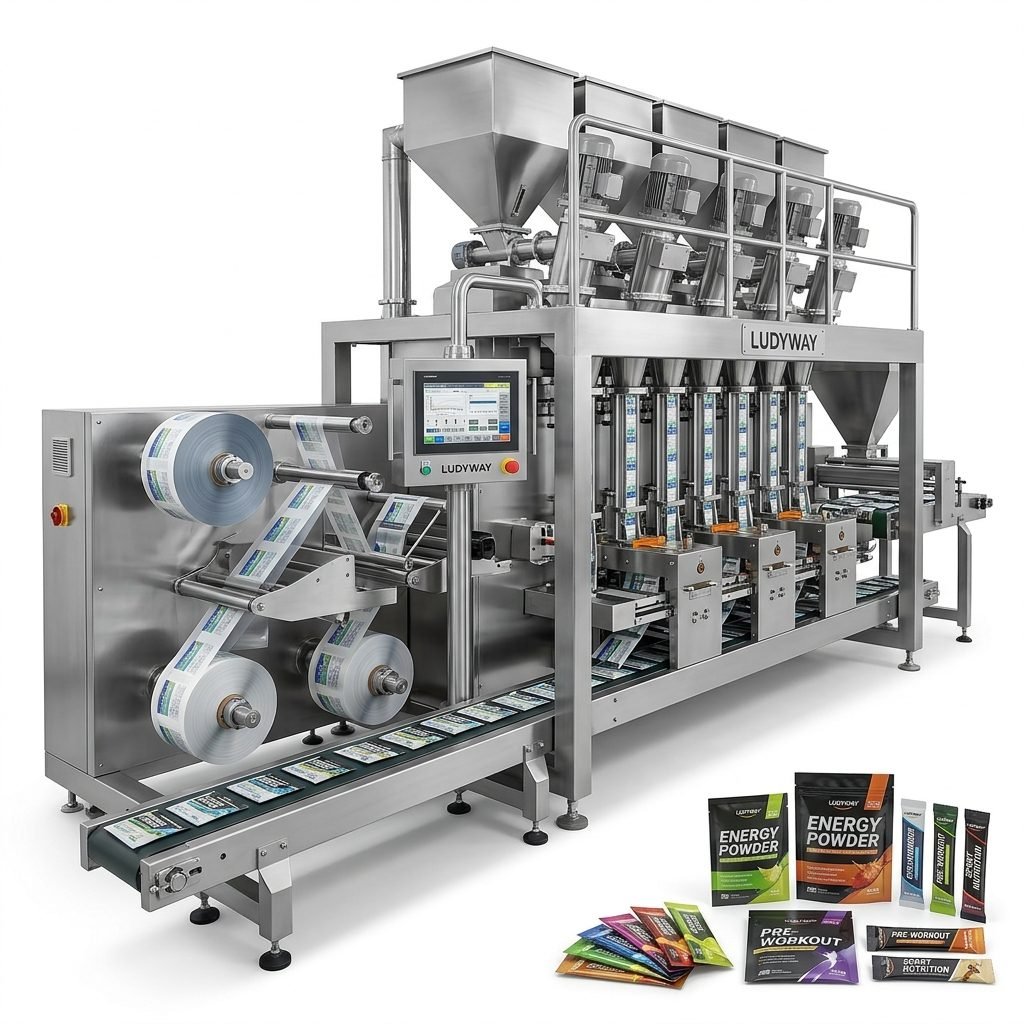
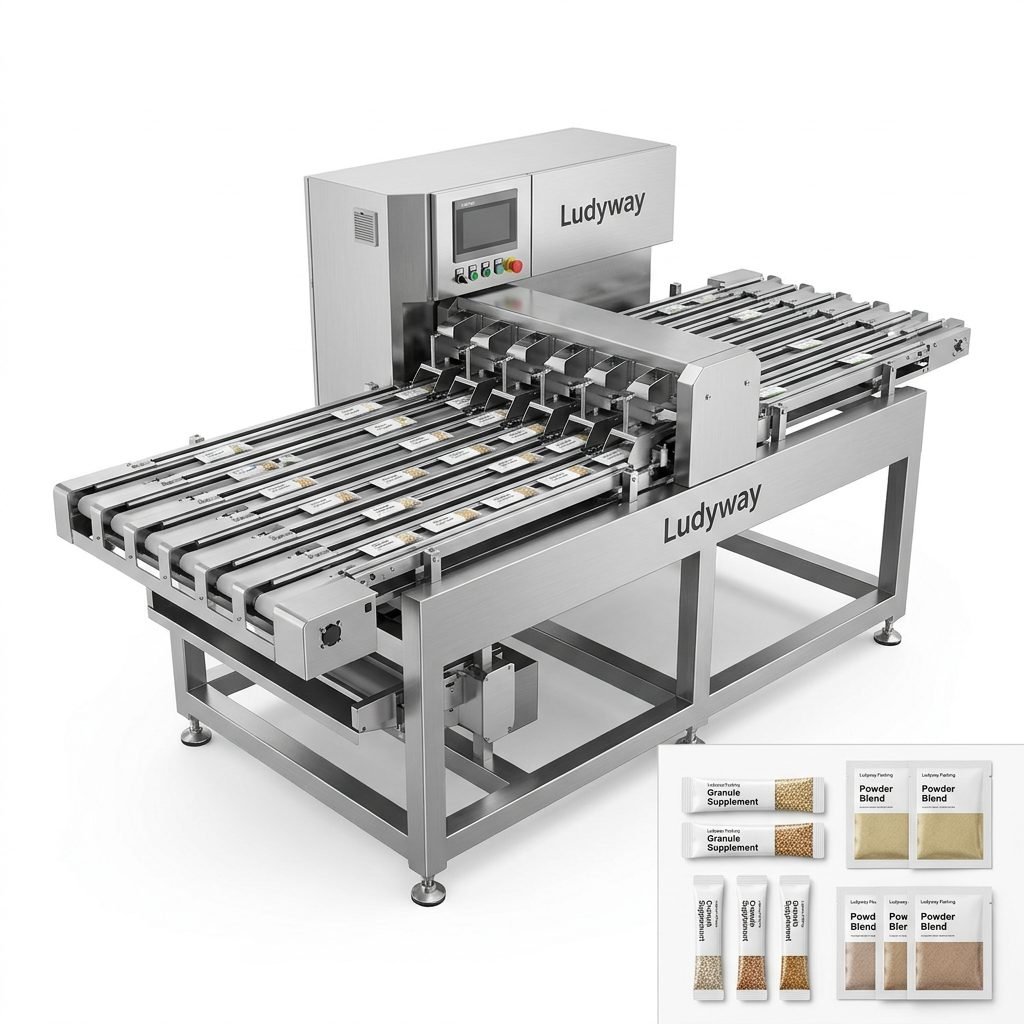
In the era of Industry 4.0, manufacturing facilities are rapidly evolving into highly interconnected, autonomous ecosystems. While upstream processes like raw material processing and product formulation receive significant technological investment, the final stage—packaging—is where the ultimate success of the production cycle is decided. Packaging is the last touchpoint before a product leaves the factory floor. Any error here can lead to compromised product integrity, costly recalls, and damaged brand reputation. Consequently, AI-powered packaging machinery has emerged as the critical final line of defense in modern smart factory operations, safeguarding product quality and optimizing downstream supply chains.
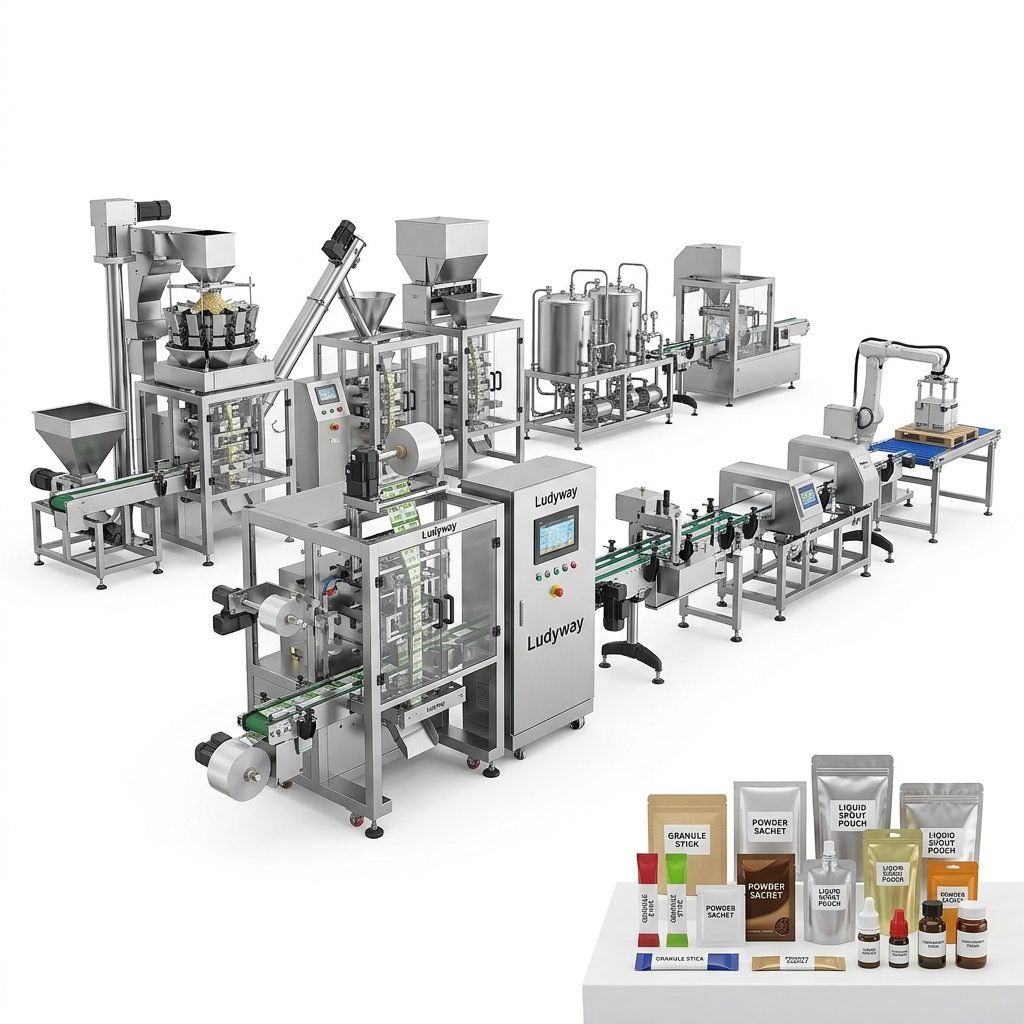
The Vulnerability of the Final Production Stage
In high-speed manufacturing environments, traditional packaging equipment often struggles to keep up with the complexity of diverse product runs. Minor deviations in fill weight, seal temperature, or label alignment can result in massive batches of unsellable goods. Traditional systems rely on manual quality checks or basic photoelectric sensors, which frequently miss micro-defects. This is particularly problematic in sensitive sectors like food, pharmaceuticals, and chemical processing, where strict regulatory standards leave zero margin for error.
Integrating artificial intelligence directly into the packaging line addresses these vulnerabilities. By analyzing massive amounts of operational data in real time, AI-driven systems transform packaging from a mechanical process into an intelligent, self-correcting operation that protects the manufacturer’s bottom line.
AI-Driven Vision Systems: Redefining Quality Control
The core of AI’s defensive capability in packaging lies in advanced computer vision. Unlike basic optical sensors that only check for the presence of an object, AI-powered cameras utilize deep learning algorithms to inspect packages from multiple angles. These systems can instantly identify:
- Micro-leaks and faulty seals: Detecting tiny wrinkles or product contamination in the sealing area of pouches and sachets.
- Label abnormalities: Ensuring barcodes, batch numbers, and expiration dates are perfectly printed and aligned for traceability.
- Foreign object detection: Identifying contaminants before the final sealing stage, preventing costly safety recalls.
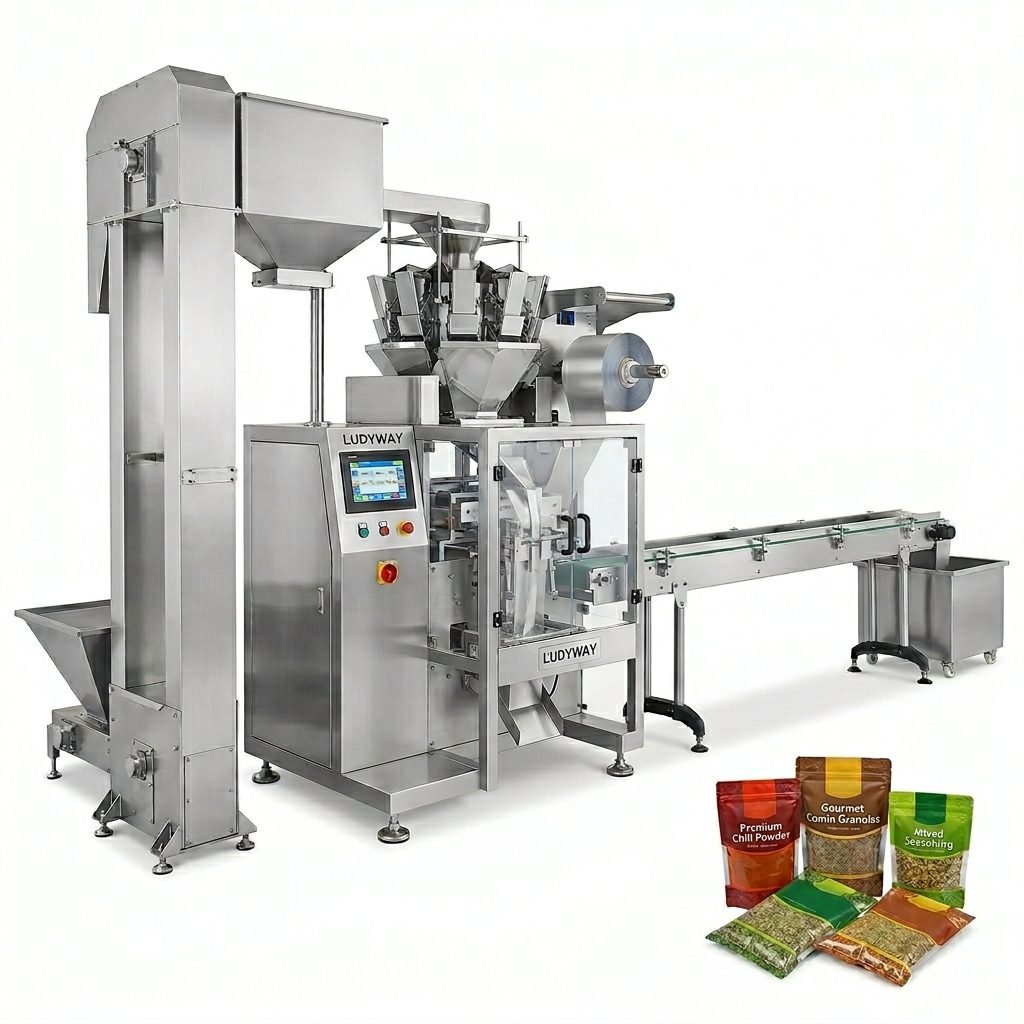
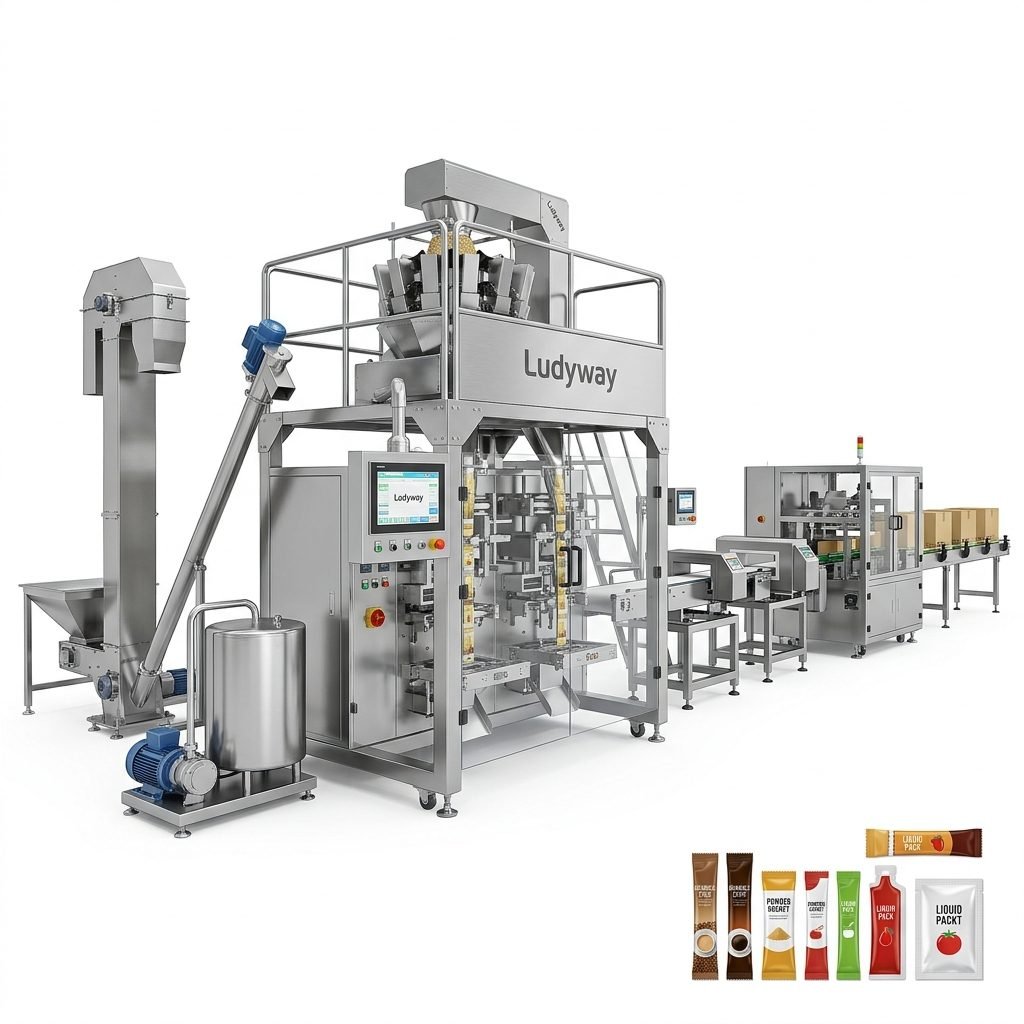
When a defect is identified, the system automatically triggers a reject mechanism, removing the flawed item from the line without interrupting the overall production flow. This level of precision is essential for modern turnkey setups, such as those designed by Ludyway packaging machines, which demand consistent, high-speed output across complex packaging formats.
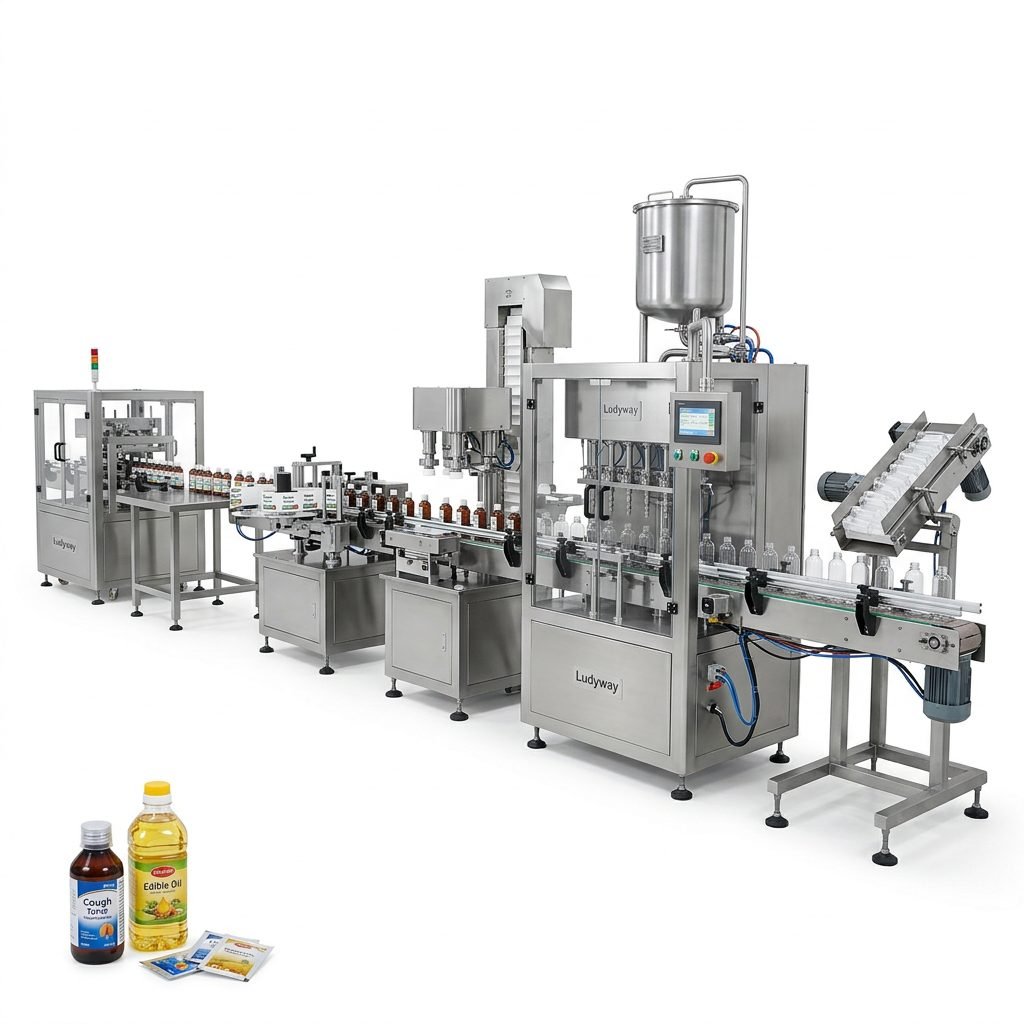
Comparing Traditional and AI-Powered Packaging Systems
To understand the business value of intelligence at the end of the production line, it is helpful to contrast conventional mechanical packaging setups with modern AI-integrated systems:
| Feature | Traditional Packaging Machinery | AI-Powered Packaging Machinery |
|---|---|---|
| Inspection Method | Basic sensors / Manual sampling | Real-time AI vision and deep learning |
| Error Correction | Requires manual machine stoppage and adjustment | Self-adjusting parameters (e.g., heat, speed) |
| Maintenance Approach | Reactive (fixing parts after breakdown) | Predictive (forecasting component wear) |
| Product Switchover | Time-consuming mechanical adjustments | Rapid program-based format changes |
Predictive Maintenance: Eliminating Unplanned Downtime
In a smart factory, downtime at the packaging stage behaves like a bottleneck, halting all upstream production processes. AI assists by shifting maintenance strategies from reactive to predictive. By embedding IoT sensors throughout the packaging machinery, operators can continuously monitor temperature fluctuations, vibration levels, and motor currents.
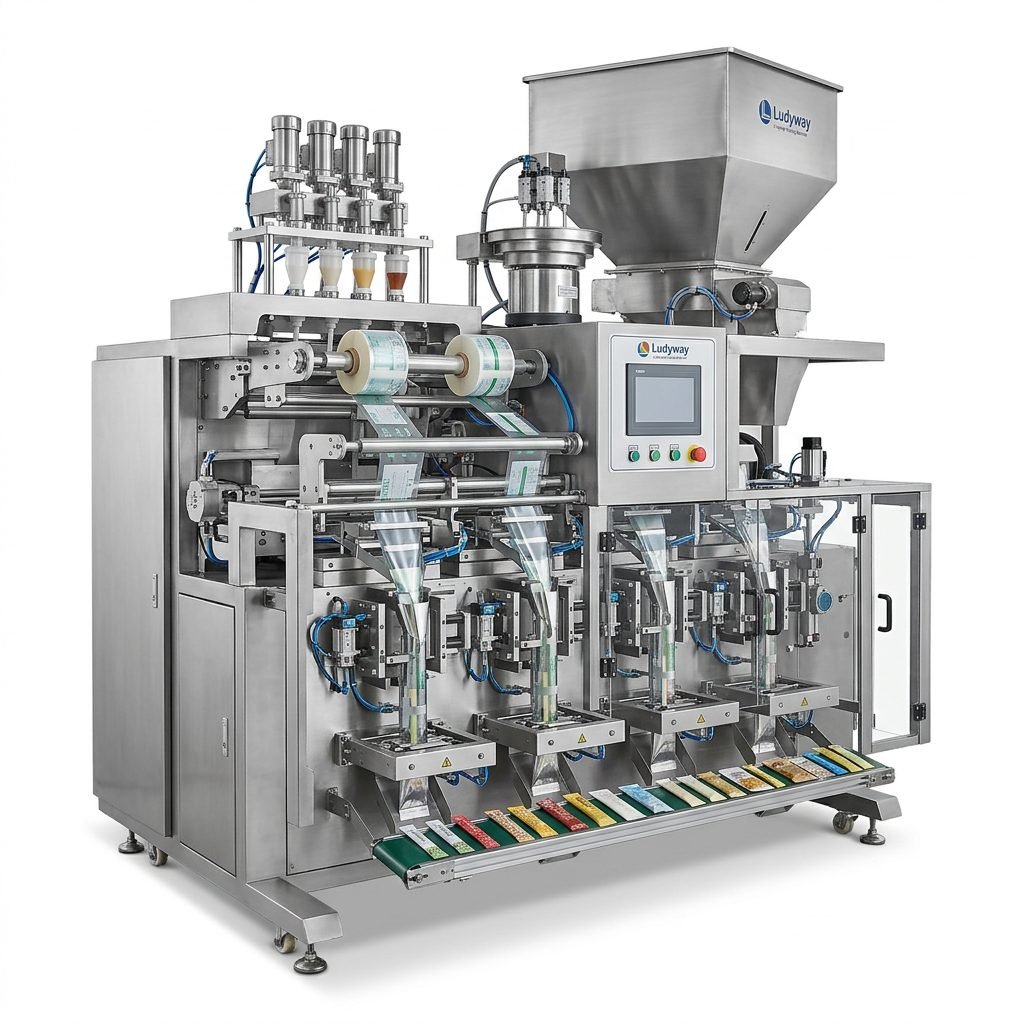
Machine learning models analyze these indicators to identify early signs of wear and tear long before a mechanical failure occurs. For instance, if a bearing in a multi-lane stick pack machine begins to degrade, the AI system flags the anomaly and schedules maintenance during a planned shift change. This proactive approach ensures that the packaging line remains operational, maximizing overall equipment effectiveness (OEE).
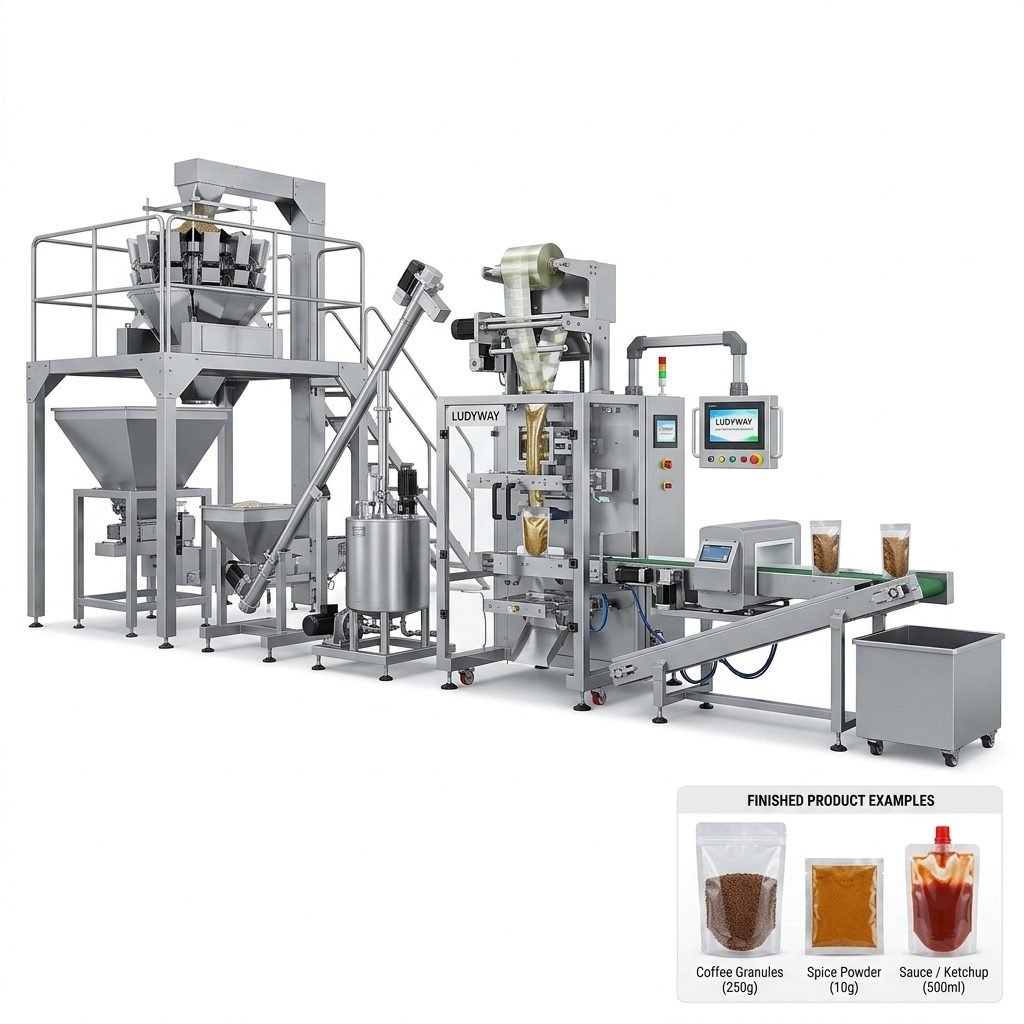
Seamless Integration with Factory-Wide IoT Systems
To truly serve as the final line of defense, AI-powered packaging machinery must not operate in isolation. It needs to communicate continuously with the facility’s Manufacturing Execution System (MES) and Enterprise Resource Planning (ERP) software. Through this integration, the packaging line acts as an information hub, feeding valuable performance metrics back to the central operations management team.
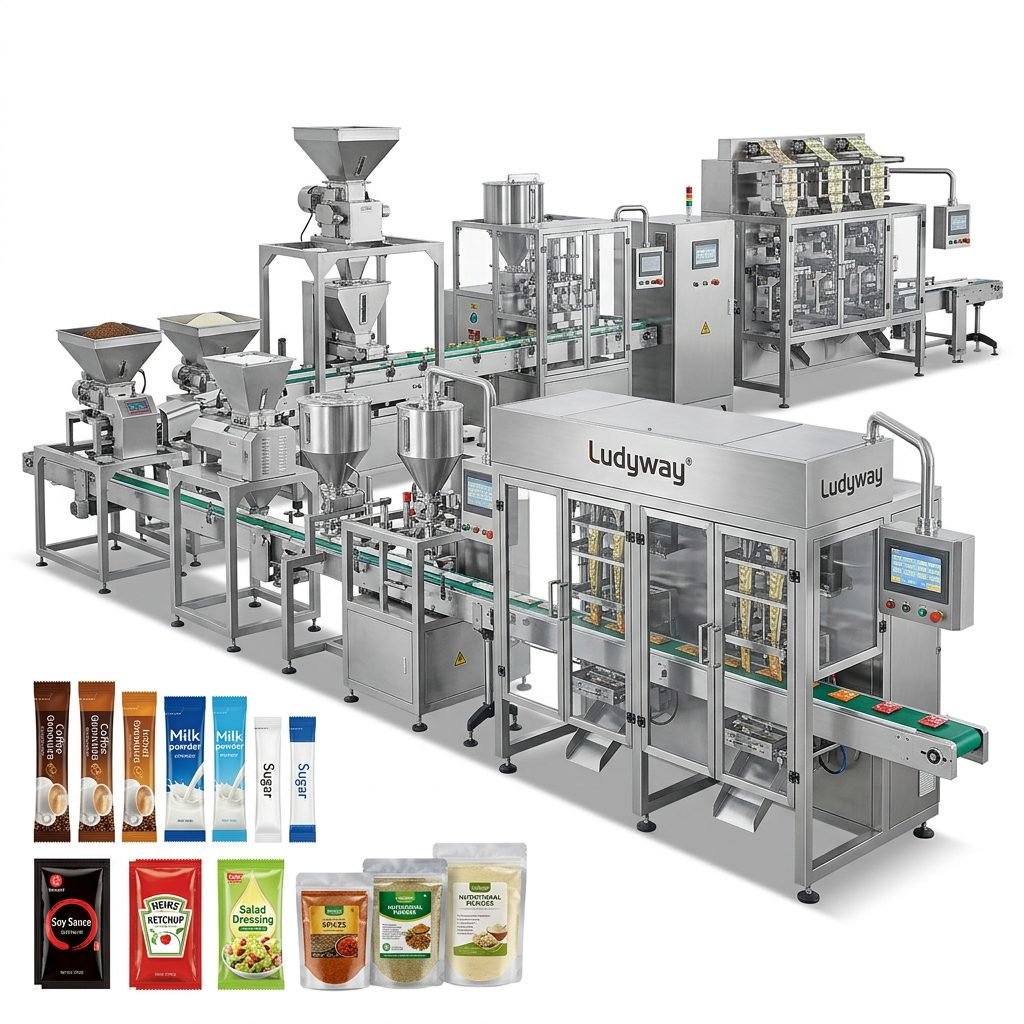
For example, if the packaging machine detects a recurring filling error in powder packaging, it can communicate upstream to adjust the dosing system or notify quality control of a potential raw material consistency issue. This closed-loop communication system ensures that quality control is dynamic, responsive, and fully automated from formulation to palletization.
Conclusion: Securing the Smart Factory’s Future
As smart factories continue to scale, the demands on packaging speed, versatility, and quality will only intensify. Relying on legacy machinery at the end of the line introduces significant operational risks. Implementing AI-powered packaging machinery is no longer just an upgrade—it is a strategic necessity. By automating quality control, predicting maintenance requirements, and enabling seamless integration with factory networks, intelligent packaging systems act as the ultimate safeguard, ensuring that every product leaving the facility meets the highest standards of excellence.