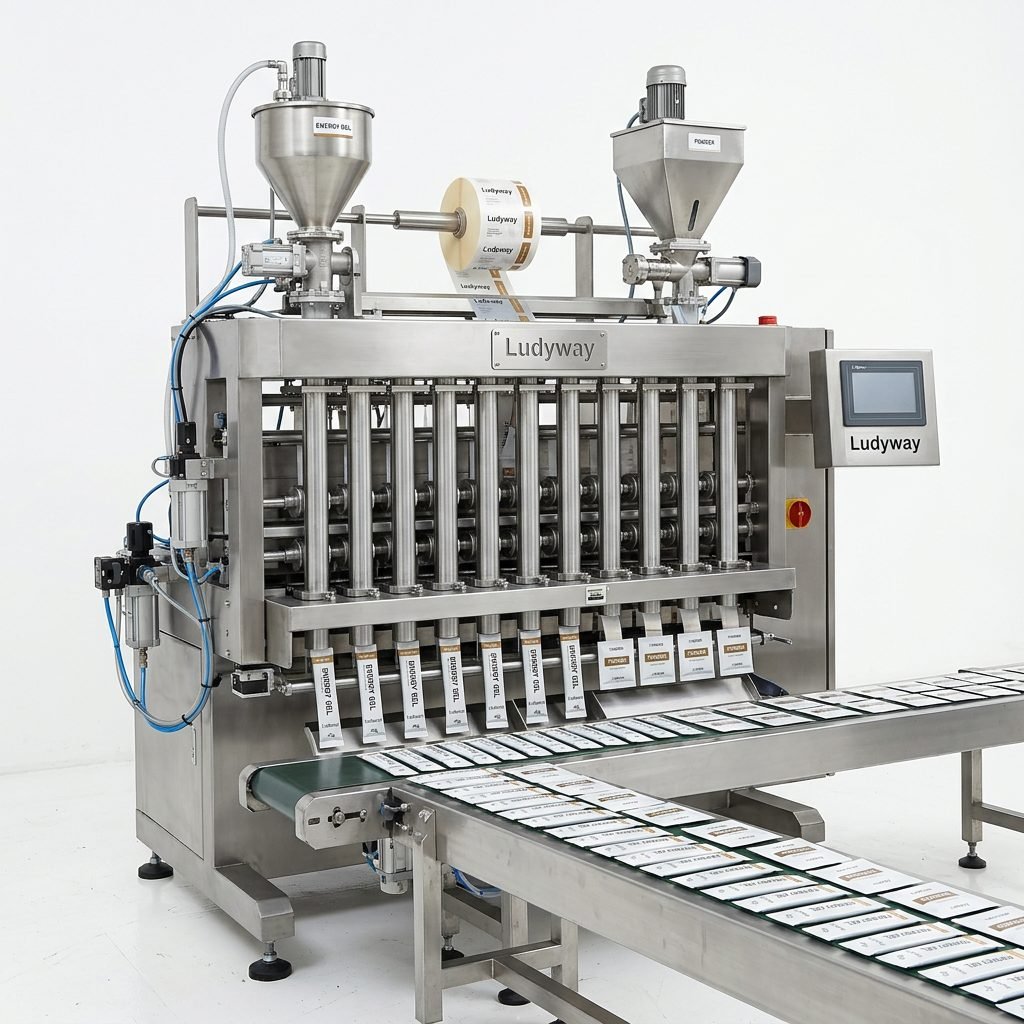
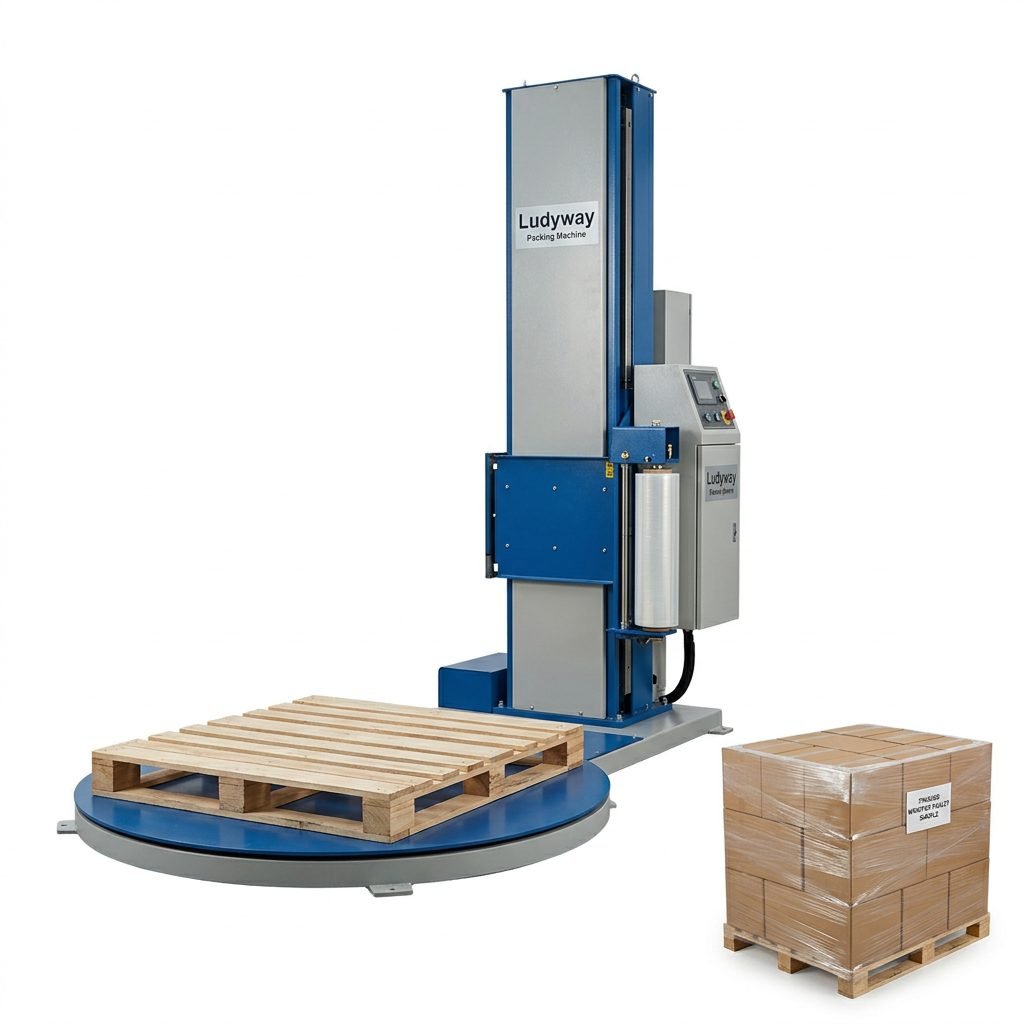
The global food manufacturing industry is undergoing a rapid transformation. Driven by shifting consumer habits, escalating labor costs, and increasingly stringent food safety regulations, production facilities must adapt to survive. Among these adaptations, one technology has quickly transitioned from a premium upgrade to an absolute industry standard: the fully automatic vertical packaging machine.
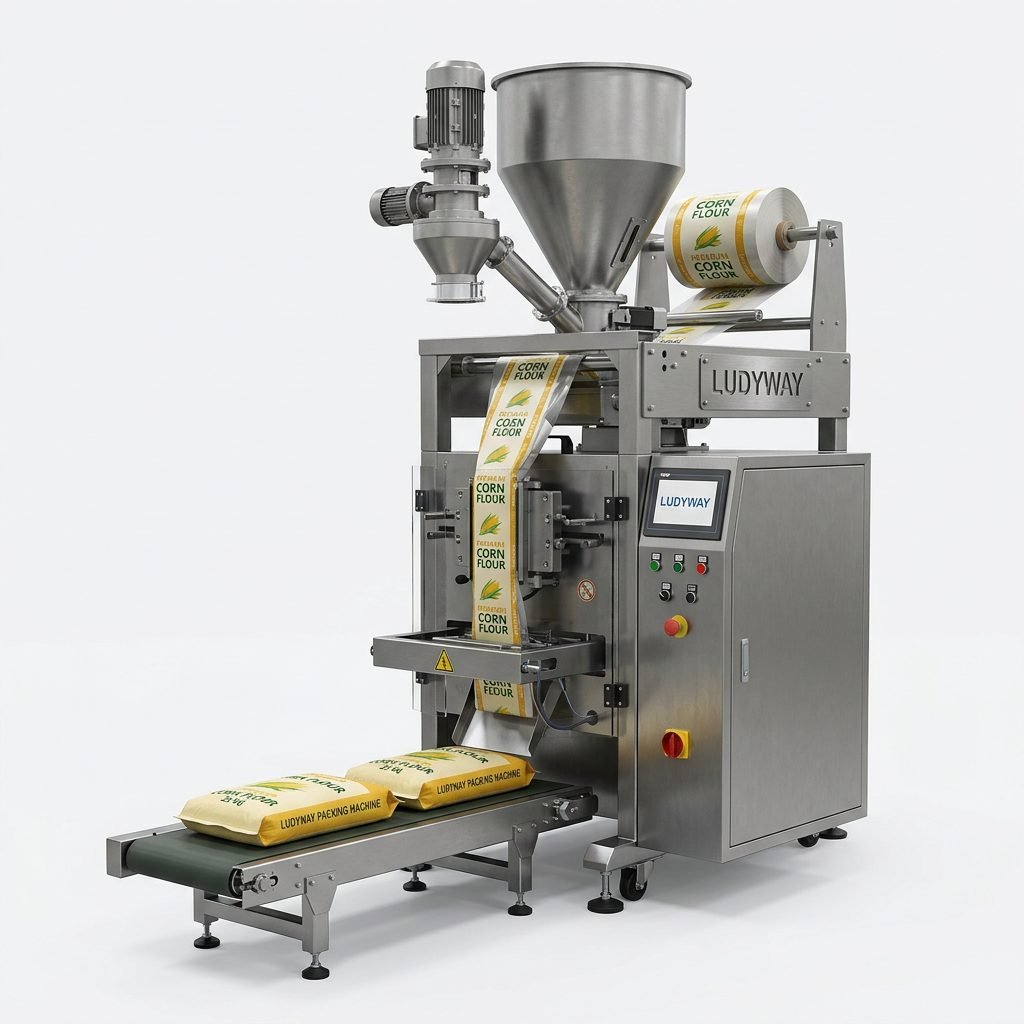
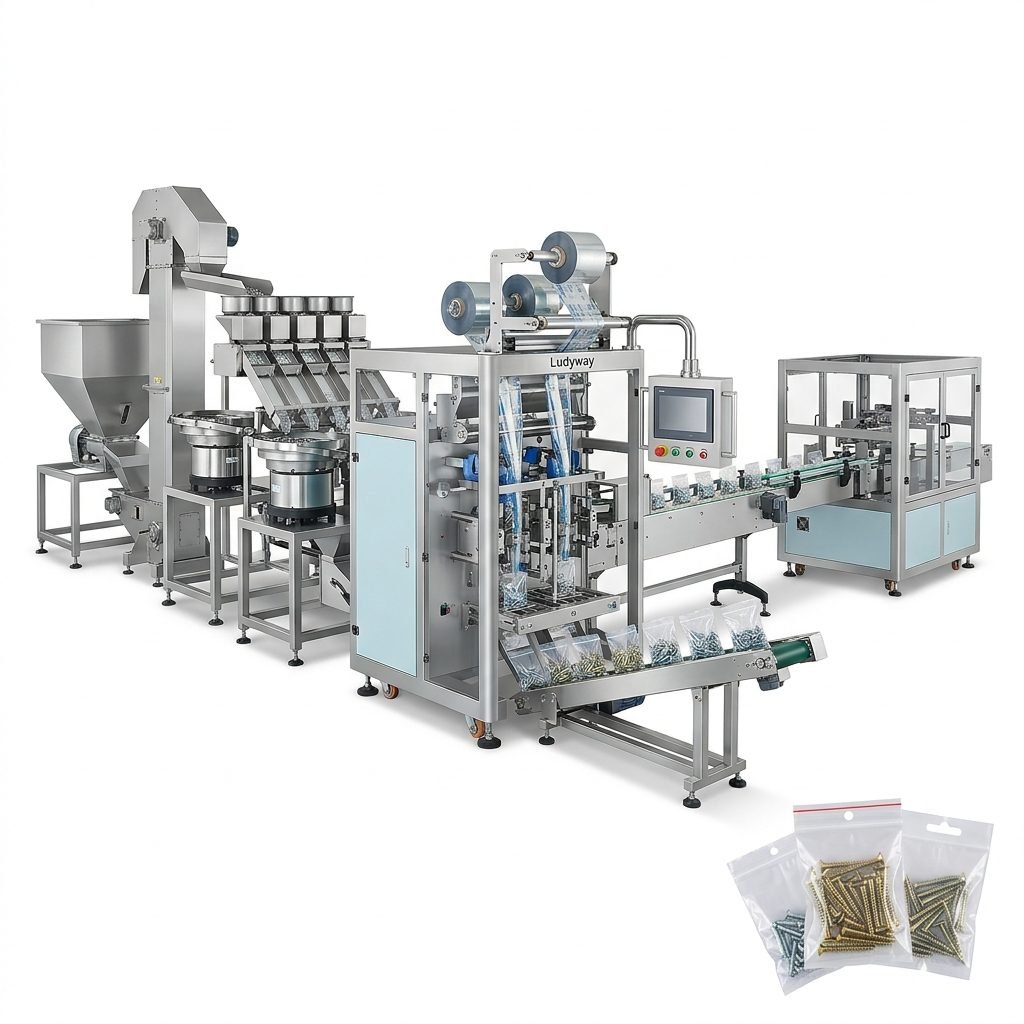
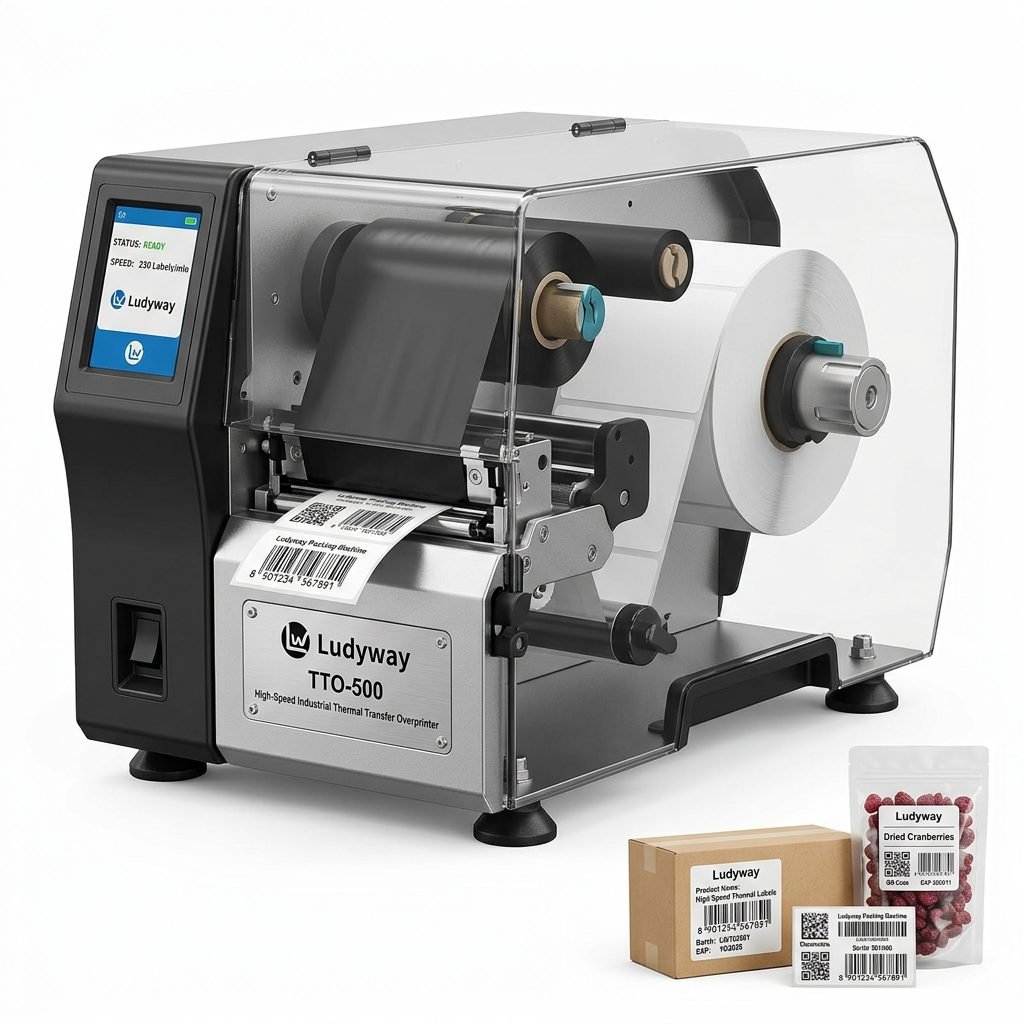
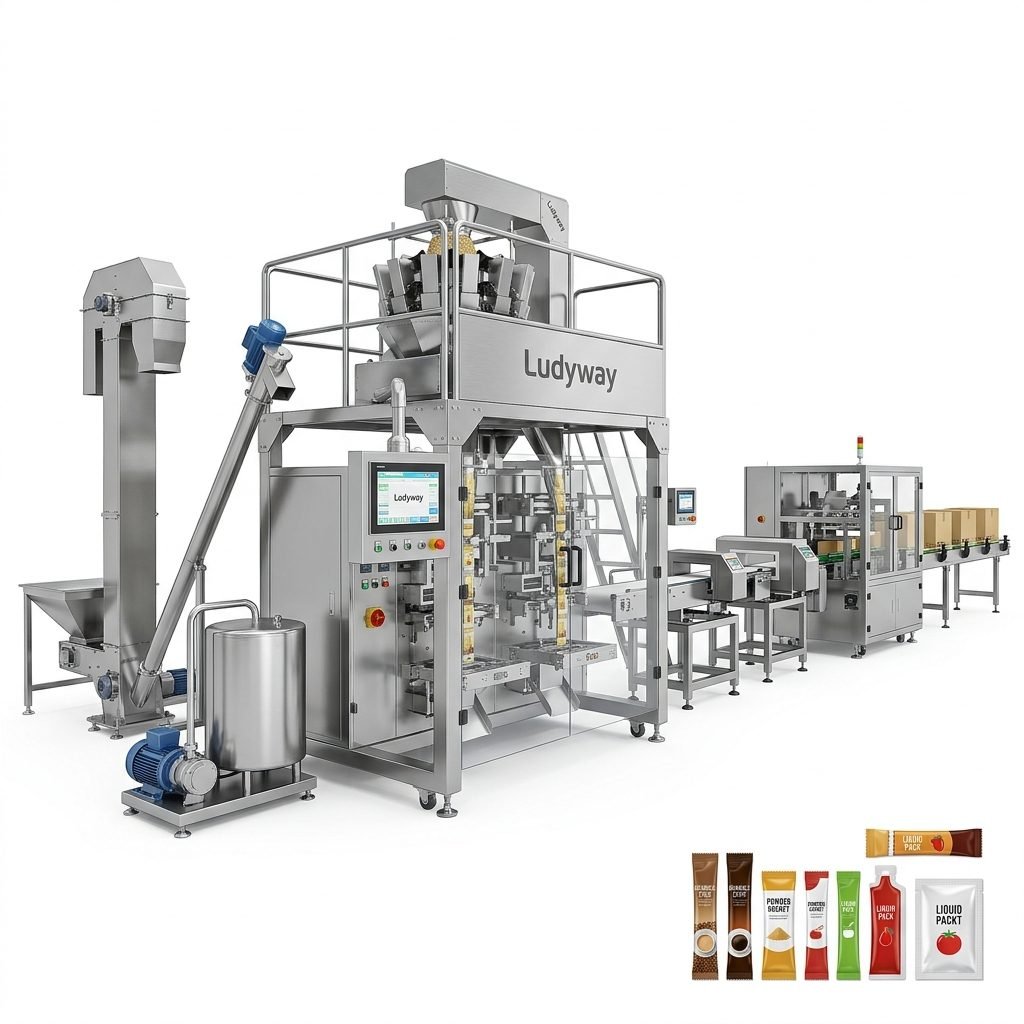
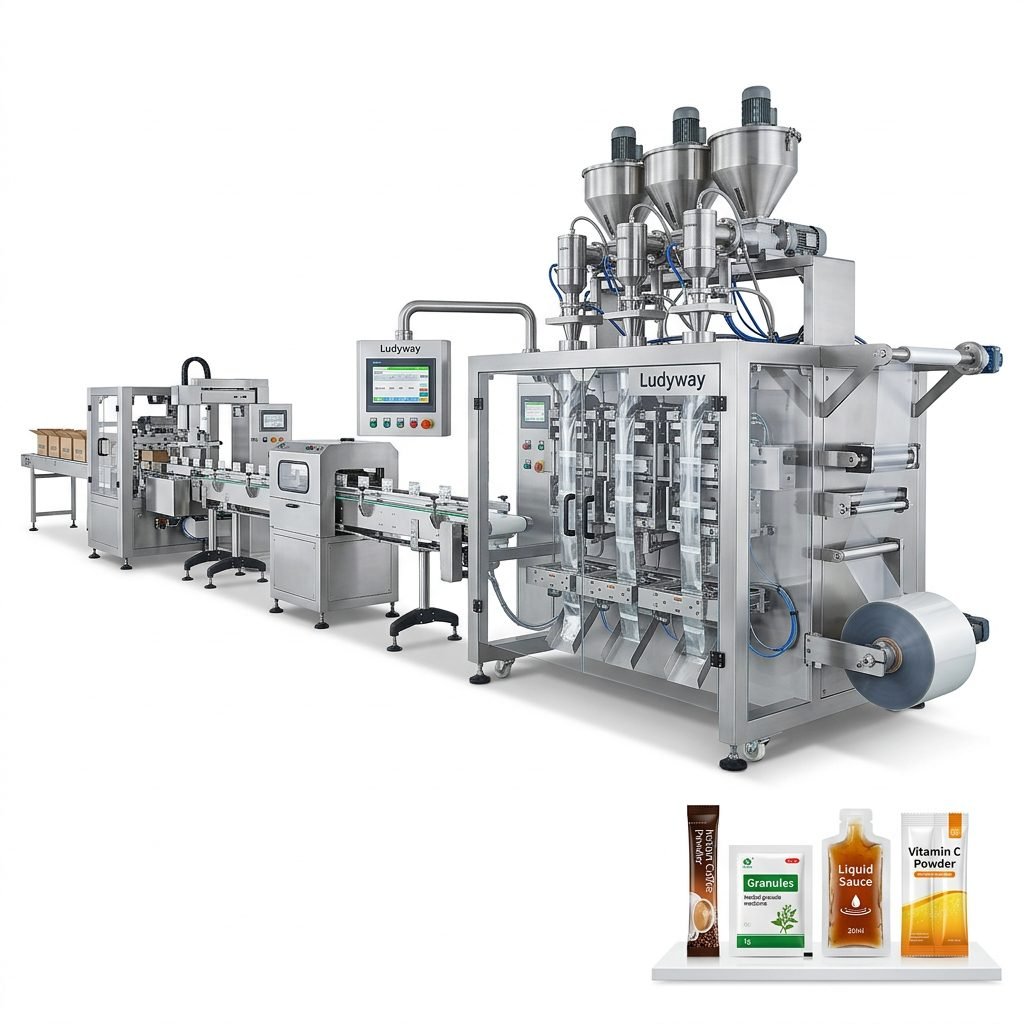
Vertical Form Fill Seal (VFFS) systems have redefined how food plants package everything from dry snacks and powders to fresh produce and liquids. By automating the entire process of bag forming, filling, sealing, and coding in a single vertical flow, these machines address the core operational challenges faced by modern food processors.
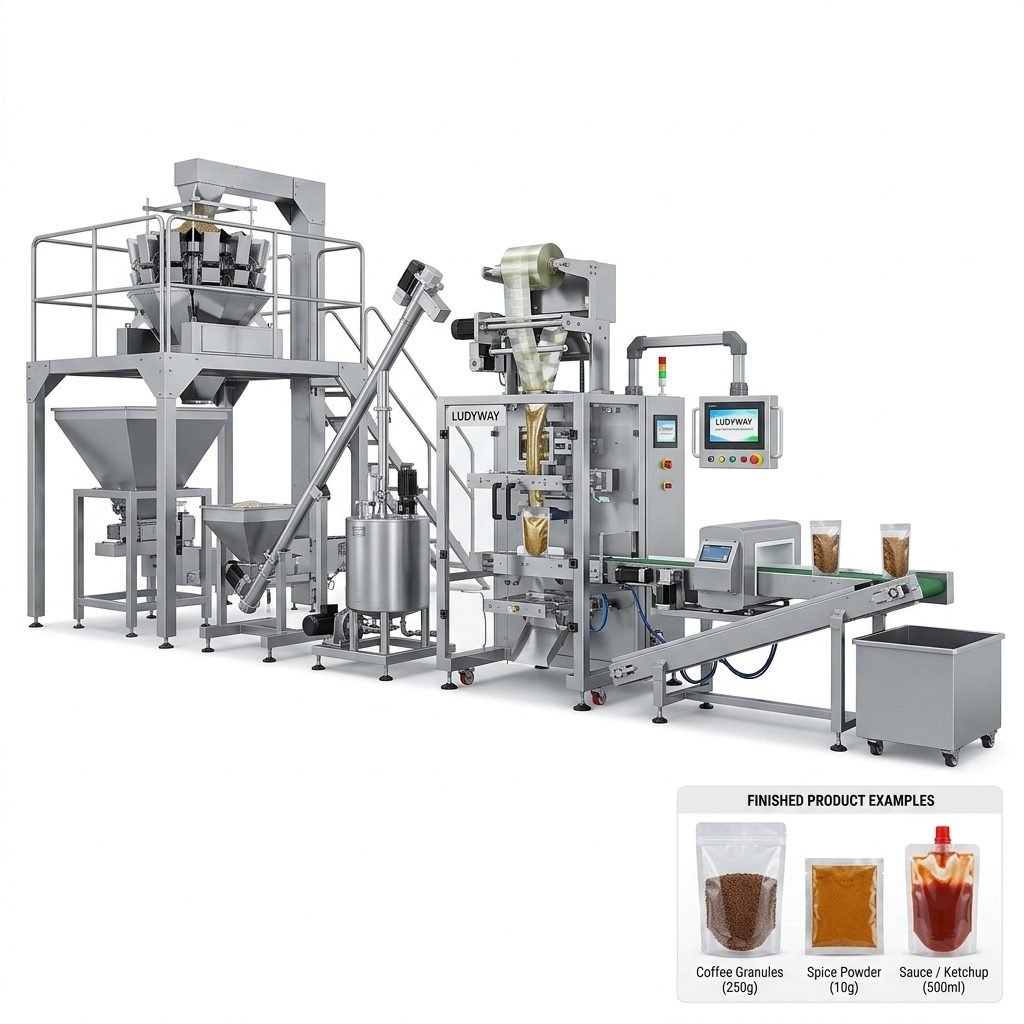
Maximizing Floor Space with Vertical Integration
Real estate inside a food processing plant is highly valuable. Traditional horizontal packaging systems require significant linear floor space to transition products from loading zones to sealing stations. In contrast, vertical packaging systems utilize height rather than width.
By dropping product from top to bottom, vertical systems minimize their physical footprint while maximizing throughput. This allows plants to install more production lines in the same square footage, scale up their output, and keep facility expansion costs to a minimum. Whether handling fragile potato chips or dense seasoning powders, the gravity-assisted vertical flow ensures smooth product delivery without requiring excessive mechanical transport.
Uncompromised Food Safety and Hygiene Standards
Human contact is one of the highest risk factors for contamination in food processing. Fully automatic systems eliminate manual handling at the most vulnerable stage—when the product is exposed before sealing.
Modern vertical machines are engineered with hygiene as a priority, featuring:
- Stainless steel construction (SUS304 or SUS316) that resists corrosion and handles harsh washdown environments.
- Dust control systems and enclosed filling areas that prevent airborne particulates from settling on the machinery or contaminating the plant floor.
- Tool-less component removal, which dramatically reduces cleaning and changeover times during sanitization cycles.
The Economics of Automation: Labor Savings and Film Efficiency
Food plants worldwide are facing severe labor shortages. Operating manual or semi-automatic packaging lines requires multiple operators to bag, weigh, seal, and verify packages. A fully automatic vertical machine requires minimal supervision, often allowing one operator to manage multiple lines simultaneously.
Additionally, automated systems optimize material usage. Integrated sensors ensure that packaging film is pulled, cut, and sealed with millimeter precision. This reduces film waste and eliminates human errors, such as misaligned seals or underfilled packages, directly improving the bottom line.
| Operational Parameter | Manual / Semi-Automatic Lines | Fully Automatic Vertical Systems |
|---|---|---|
| Labor Requirement | High (Multiple operators per line) | Low (One operator oversees multiple lines) |
| Material Waste | Variable (Depends on operator accuracy) | Minimal (Precise film control and dosing) |
| Dosing Accuracy | Lower consistency, higher product giveaway | High precision with multi-head weighers or augers |
| Production Speed | Slow to moderate (15-30 bags/min) | High speed (Up to 60-120+ bags/min depending on model) |
Unmatched Versatility Across Diverse Food Formats
Modern food brands rarely produce just one type of product. The ability to switch between different bag styles—such as pillow bags, gusseted bags, flat-bottom bags, and stick packs—gives manufacturers a distinct competitive edge.
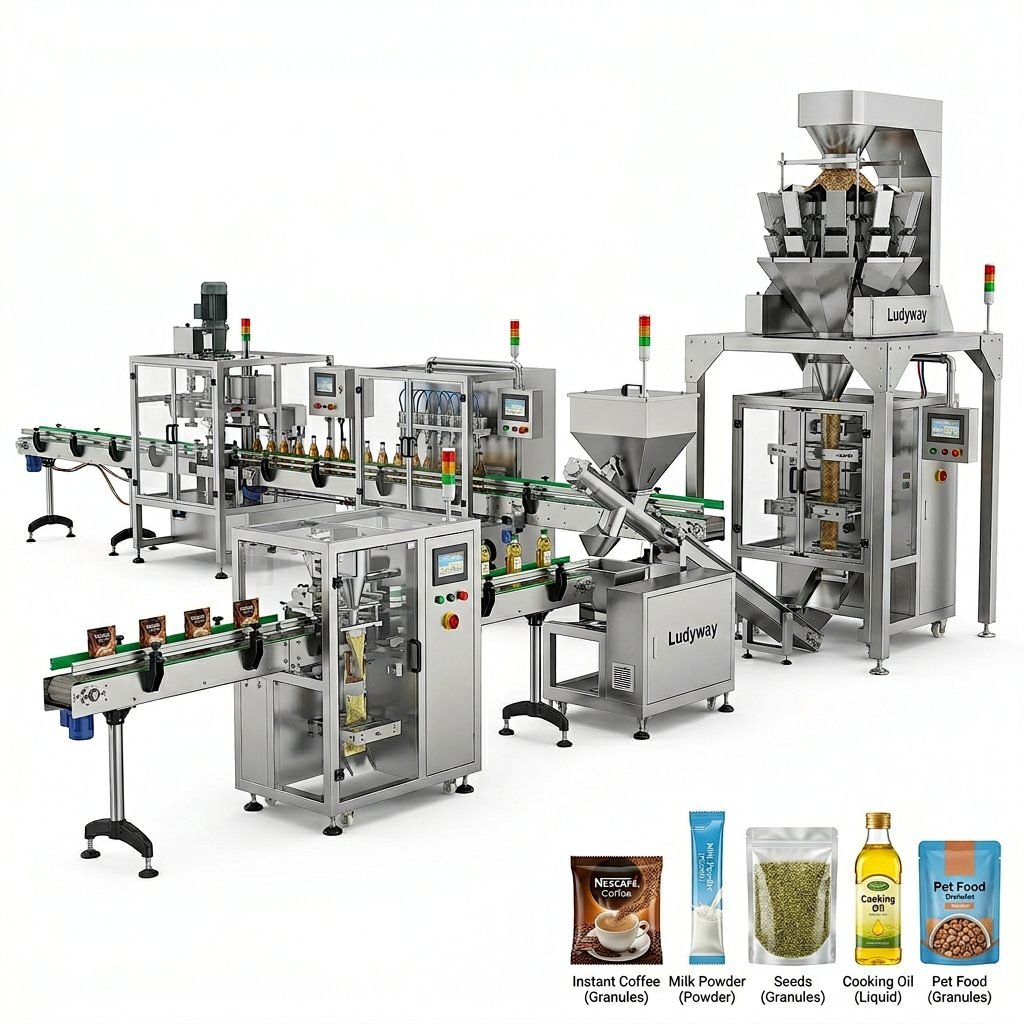
Fully automatic vertical packaging machines can be paired with different dosing systems to package a wide range of food textures:
- Multi-Head Weighers: Ideal for irregular or solid shapes like chips, nuts, frozen fruits, and pet food.
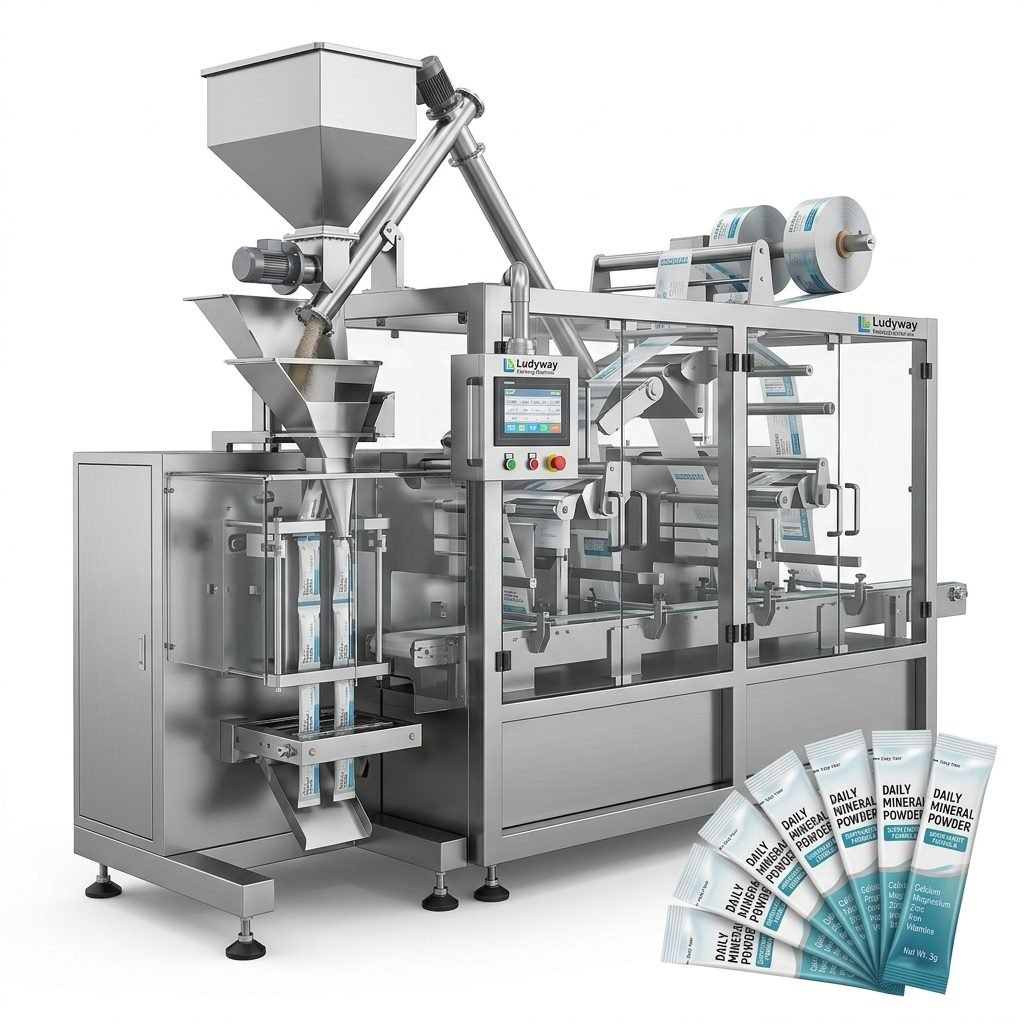
- Auger Fillers: Best for fine powders like milk tea powder, flour, spices, and coffee blends.
- Volumetric Cup Fillers: Highly efficient for free-flowing, uniform granules such as sugar, salt, and rice.
- Liquid Pumps: Designed for packaging viscous pastes and liquids, including sauces, dressings, and oils.
Selecting the Right Integration Partner
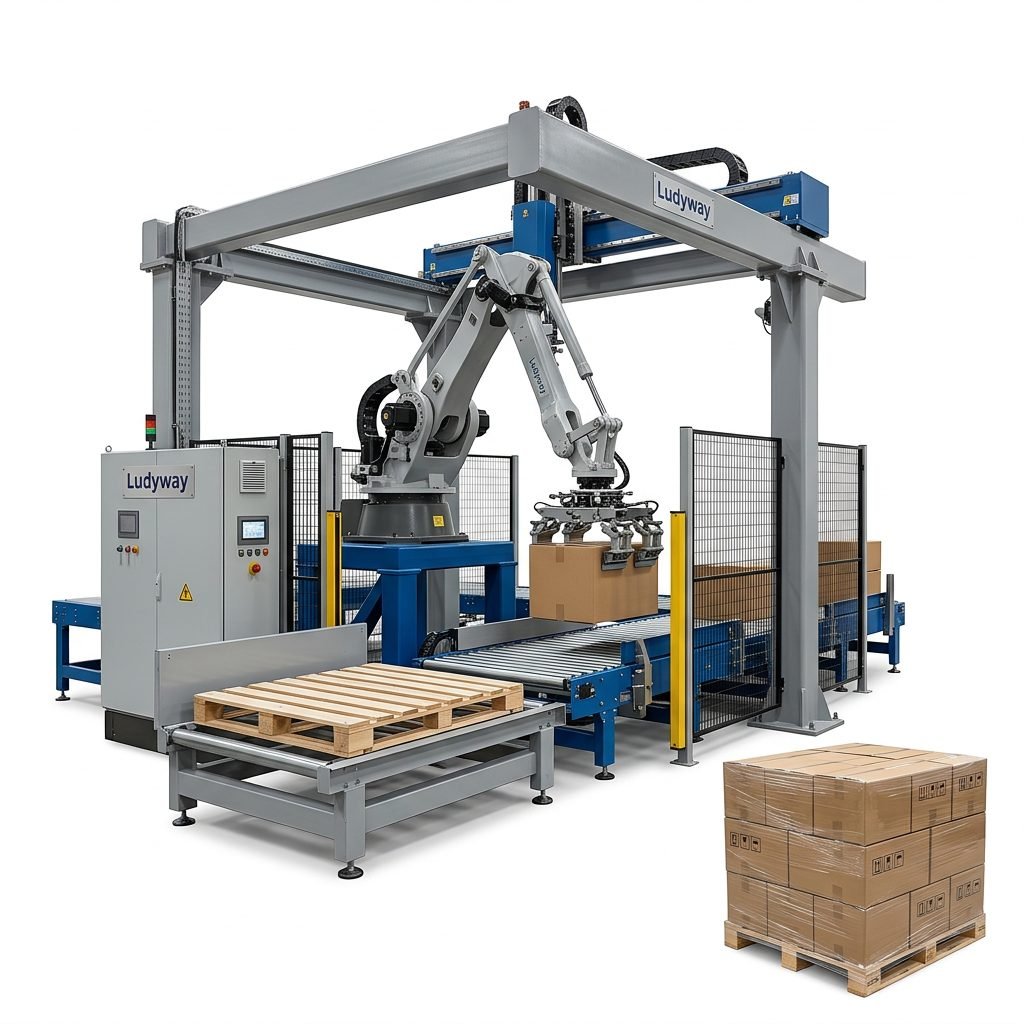
Deploying a vertical packaging line is not just about purchasing a standalone machine; it is about finding a complete production solution. To achieve seamless integration, food plants require robust equipment that can easily interface with upstream processing systems and downstream packaging equipment like cartoners and checkweighers.
For operations looking to scale efficiently, partnering with experienced manufacturers is crucial. Brands like Ludyway, one of China’s leading packaging machine and turnkey packaging line manufacturers, provide custom-engineered vertical systems that match specific production environments. With decades of industry experience, they design vertical lines that minimize downtime while maintaining consistent throughput.
A Long-Term Investment in Brand Reputation
In the food industry, packaging quality is a direct reflection of product quality. A poorly sealed bag can lead to premature spoilage, loss of freshness, and customer complaints. Fully automatic vertical packaging systems utilize advanced temperature control technologies and dual-belt pull systems to ensure clean, hermetic seals every time.
By ensuring that every package leaving the plant is perfectly sealed, weighted, and coded, food manufacturers protect their brand reputation, reduce product returns, and build trust with distributors and consumers alike. As technology continues to evolve, vertical packaging machines are no longer just an option for food plants—they are the key to long-term profitability and operational excellence.