The rapid expansion of global cross-border e-commerce has fundamentally reshaped the logistics and warehousing sectors. With consumers worldwide expecting fast, safe, and cost-effective deliveries, logistics providers and manufacturers face the monumental task of processing and shipping goods across vast distances. This logistics evolution has shifted the focus toward packaging efficiency, particularly at the shipping stage. As a result, the demand for automated stretch film wrapping machines has experienced a significant surge, becoming a cornerstone of modern supply chain optimization.
The Logistics Pressure of Cross-Border E-Commerce
Unlike domestic shipping, cross-border e-commerce involves multi-modal transportation, long transit routes, and frequent handling at customs and distribution hubs. Packages are subjected to mechanical vibrations, shifting forces, and varying environmental conditions. To prevent product damage and return-related losses, securing goods on pallets has become a critical operational requirement.
Manual stretch wrapping, once common in smaller warehouses, is no longer viable for high-volume operations. It is slow, physically demanding, and often leads to inconsistent load containment. To maintain throughput and ensure that goods arrive intact, e-commerce fulfillment hubs are rapidly transitioning to automated stretch film wrapping machinery.
Why Automation is Replacing Manual Wrapping
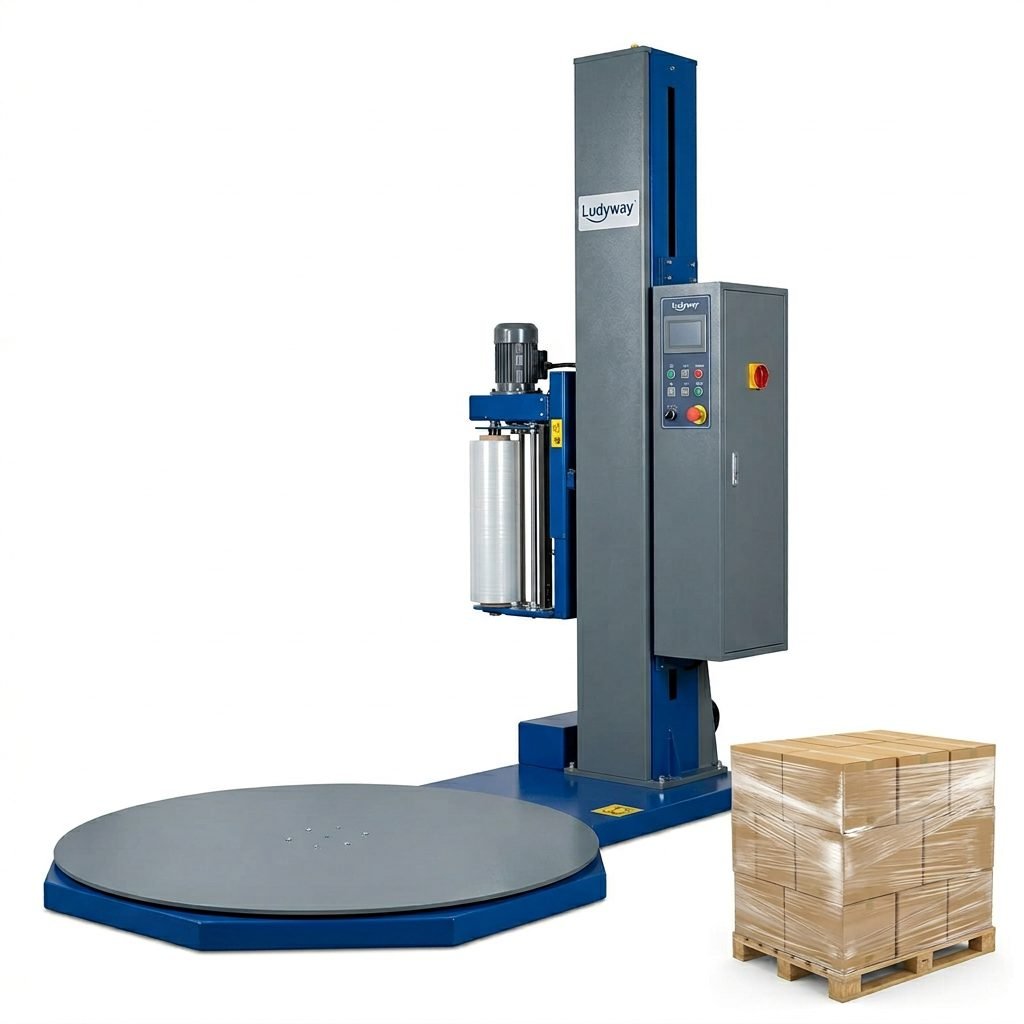
Automated stretch wrapping systems offer substantial improvements over manual methods by addressing the key challenges of modern logistics centers. The primary drivers behind this automation boom include:
- Consistent Load Containment: Automated machines apply a precise, pre-programmed tension to the stretch film, ensuring that the entire pallet load is tightly secured. This consistency minimizes the risk of shifting during transit.
- Significant Film Savings: Modern wrapping machines utilize advanced pre-stretch carriages that can stretch the film up to 250% or 300% of its original length. This dramatically reduces material consumption and packaging costs.
- Enhanced Labor Efficiency: Automating the wrapping process allows warehouse personnel to focus on higher-value tasks, reducing workplace injuries related to manual wrapping.
Comparing Packaging Methods in E-Commerce Fulfillment
| Feature | Manual Wrapping | Semi-Automatic Wrapping | Fully Automatic Systems |
|---|---|---|---|
| Wrap Quality | Inconsistent, operator-dependent | Consistent tension control | Highly optimized containment force |
| Material Use | High waste, low film stretch | Reduced waste, pre-stretched | Minimal waste, maximized pre-stretch |
| Labor Required | High (continuous labor) | Medium (operator loading needed) | None (fully conveyor-integrated) |
| Throughput Speed | Slow, limits warehouse capacity | Moderate, suitable for mid-sized hubs | High-speed, ideal for 24/7 operations |
Integration with Turnkey Packaging Lines
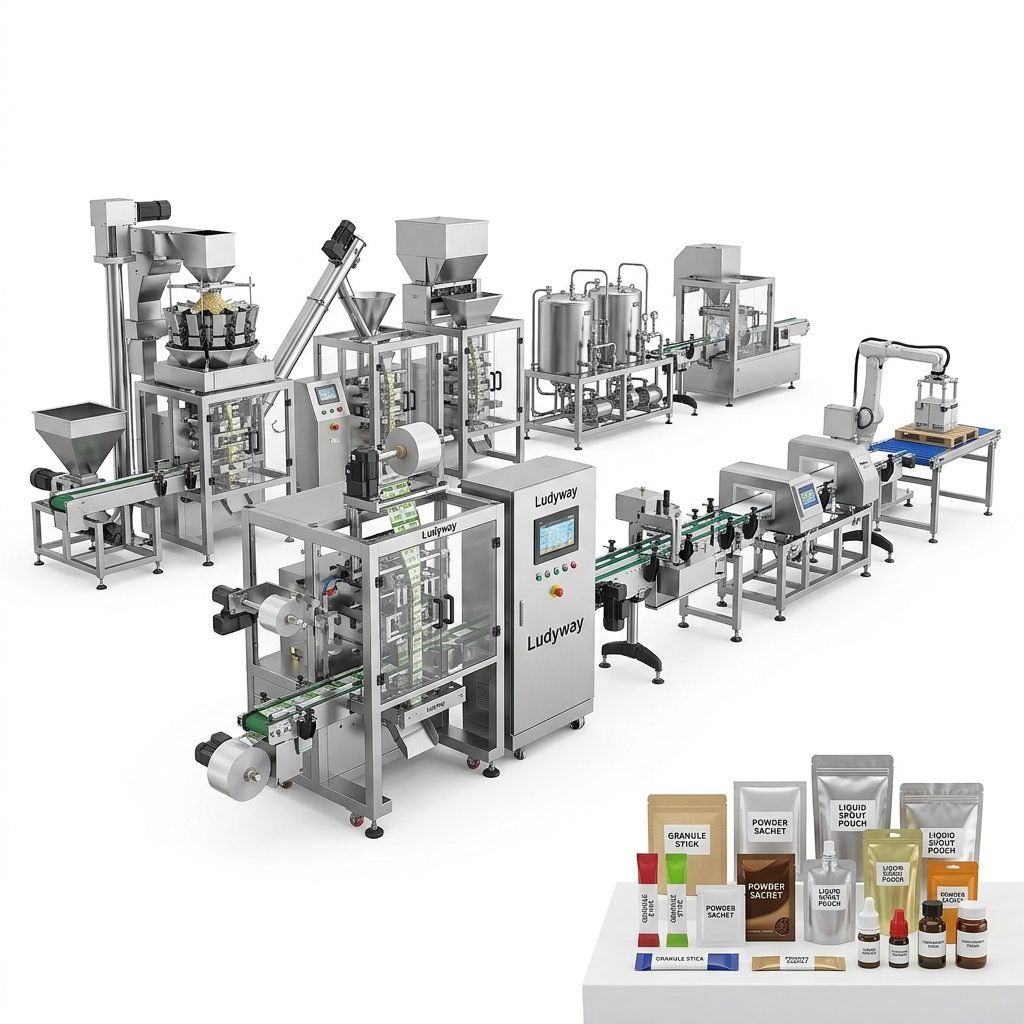
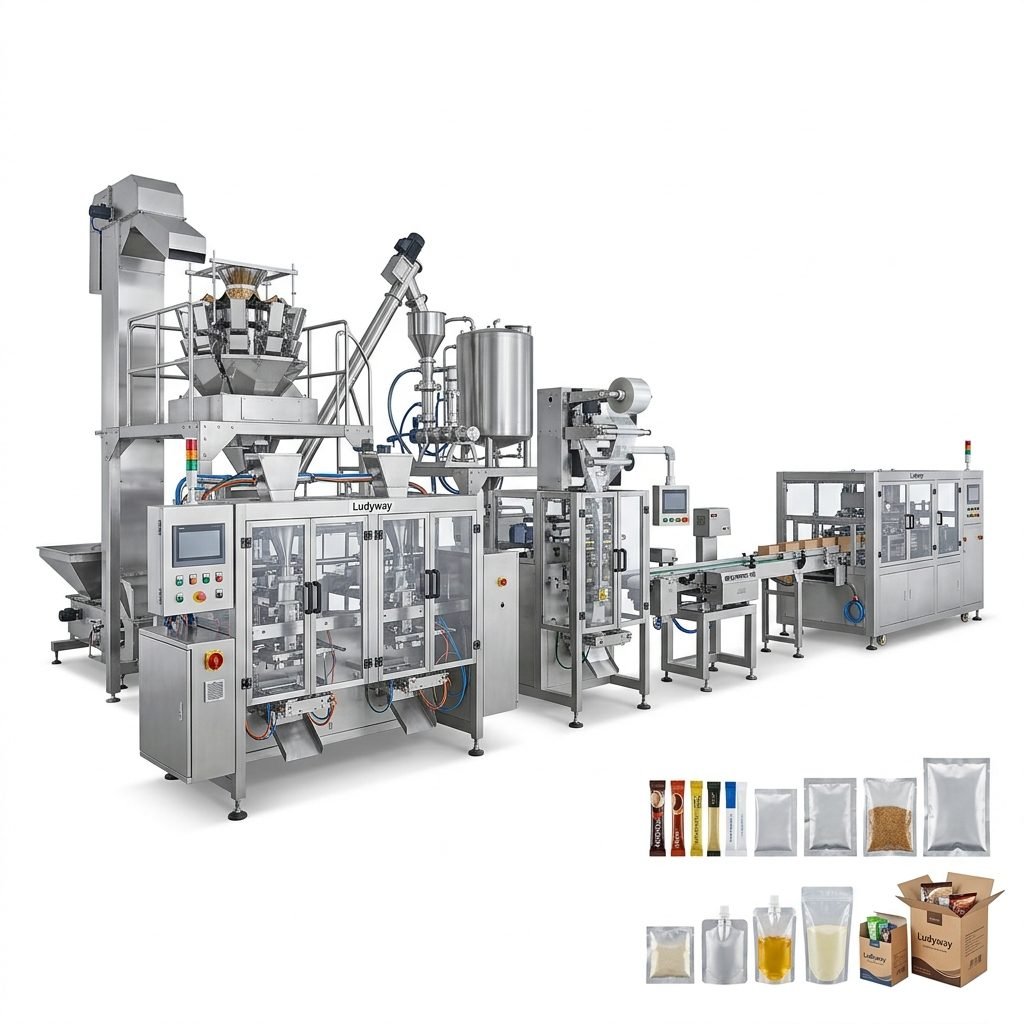
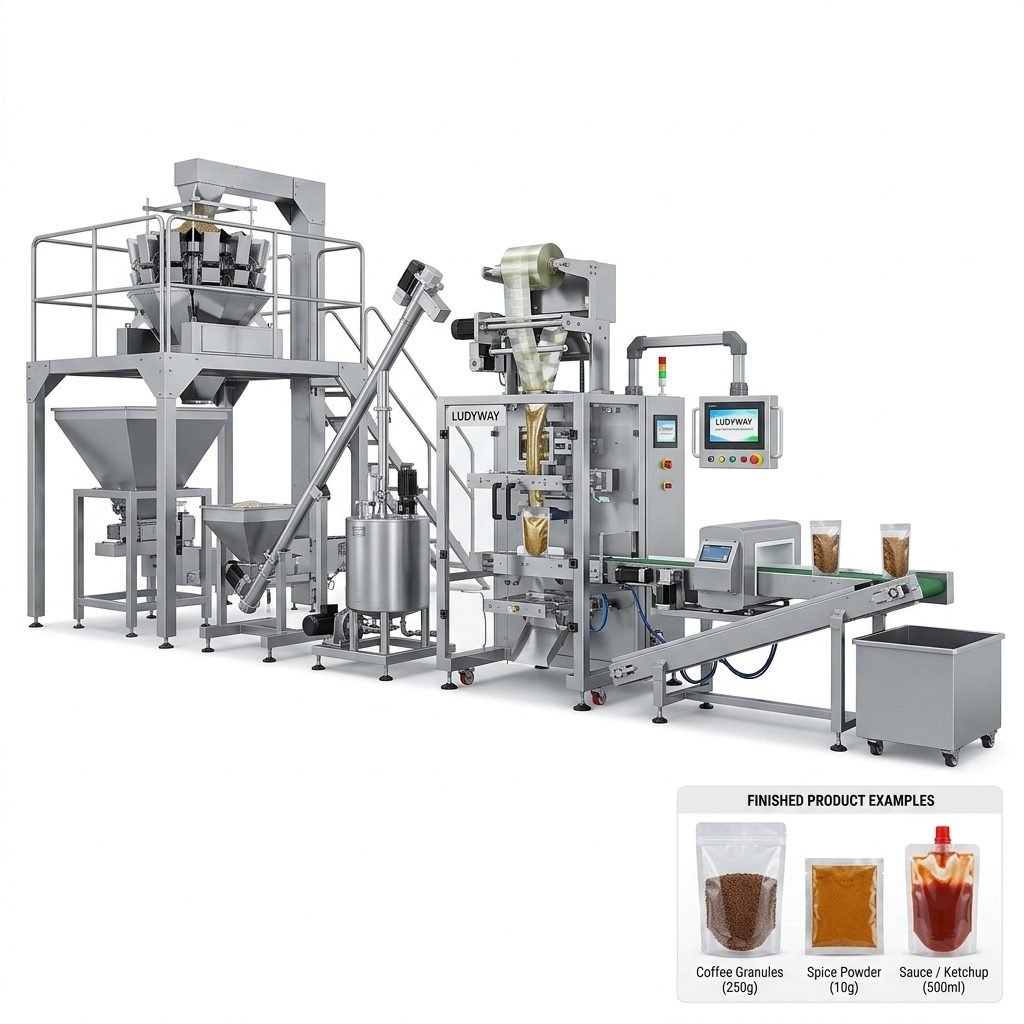
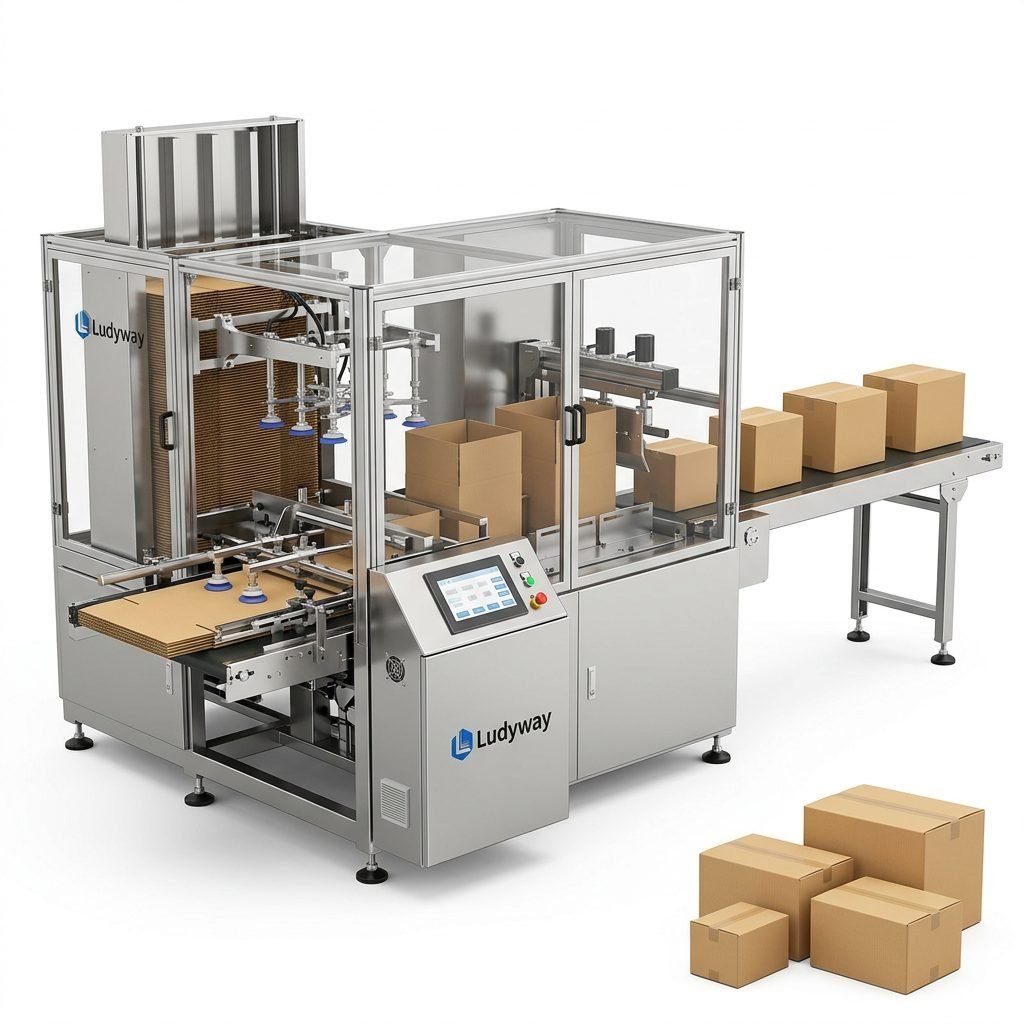
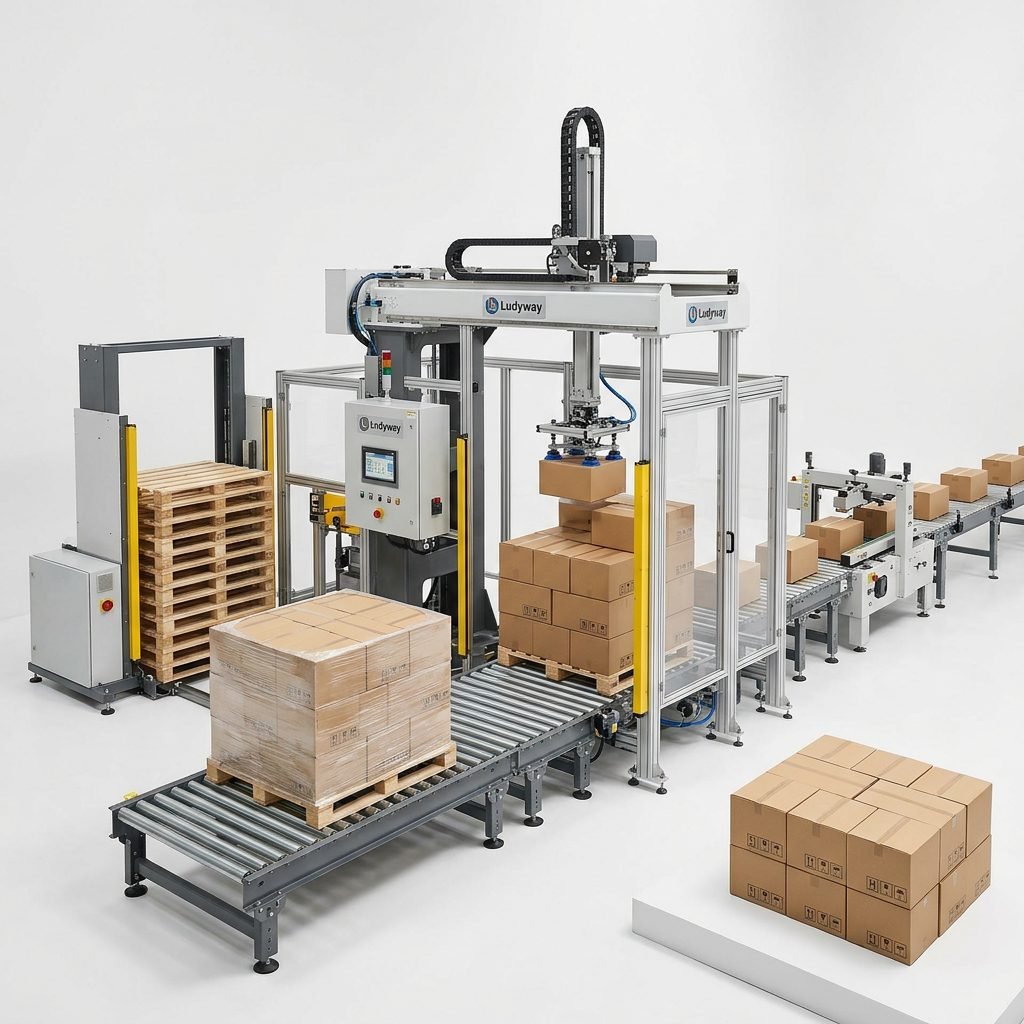
To maximize efficiency, leading e-commerce platforms and logistics providers are not just installing standalone wrapping machines; they are integrating them into fully automated turnkey packaging systems. By combining automatic palletizers, sorting systems, and wrapping machines, warehouses can establish seamless end-of-line packaging setups.
Industry leaders like Ludyway, a prominent China-based packaging machinery manufacturer with over 30 years of experience, design custom turnkey systems that synchronize sorting, bagging, palletizing, and stretch wrapping. This comprehensive approach eliminates operational bottlenecks, allowing goods to transition from packing tables to shipping containers with minimal manual intervention.
Future Trends in E-Commerce Pallet Packaging
As the market continues to expand across North America, Europe, the Middle East, and Southeast Asia, several trends are defining the future of automated stretch film wrapping:
- Smart Sensors and IoT Integration: Modern wrapping systems now feature smart sensors that adjust wrapping parameters in real-time based on load weight, size, and fragility.
- Eco-Friendly Film Compatibility: In response to global sustainability regulations, automated machines are being optimized to handle thinner, biodegradable, or recyclable stretch films without tearing.
- Compact Designs for Urban Hubs: As micro-fulfillment centers become popular in densely populated urban areas, manufacturers are developing wrapping machines with smaller footprints that fit into tight warehouse layouts.
In conclusion, the cross-border e-commerce boom shows no signs of slowing down. For logistics providers aiming to stay competitive, investing in automated stretch film wrapping technology is no longer optional. By securing palletized loads, reducing material waste, and improving operational speed, these machines play a vital role in keeping the global supply chain moving efficiently.