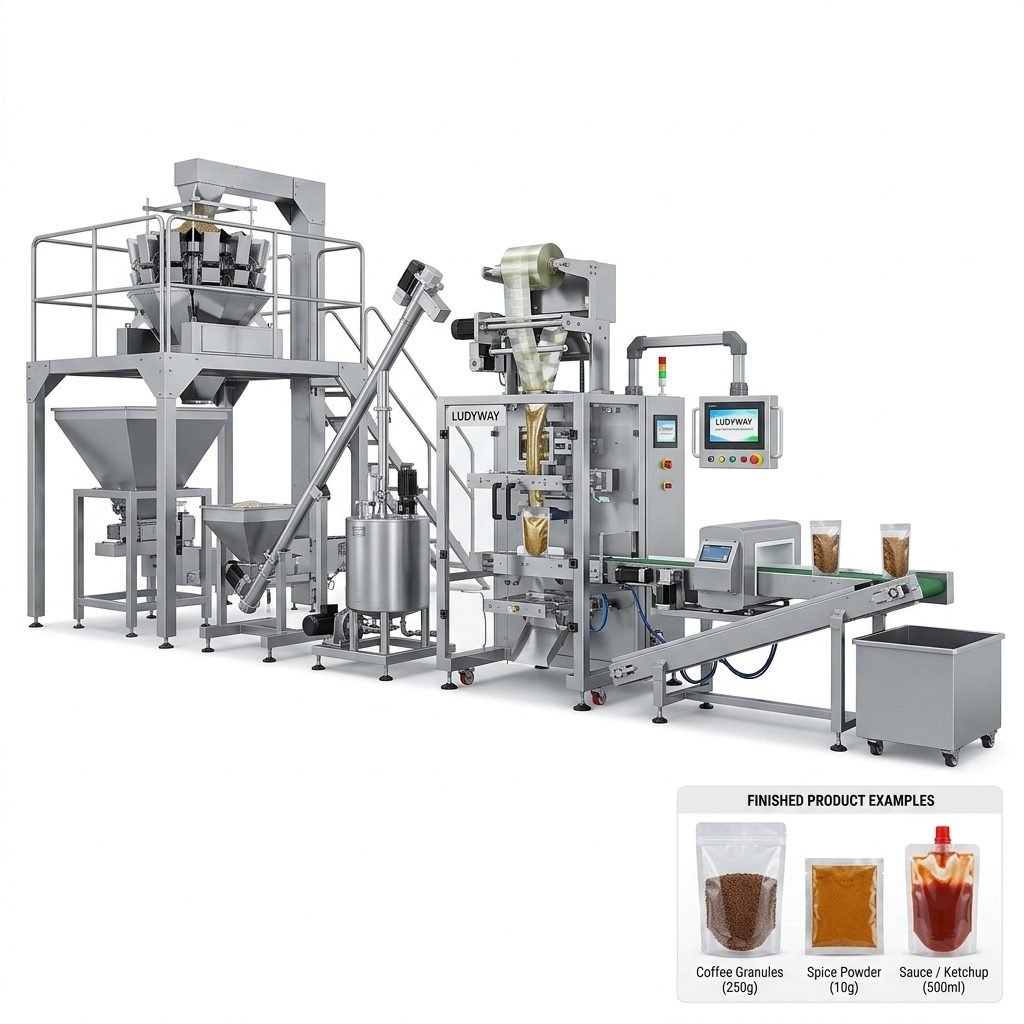
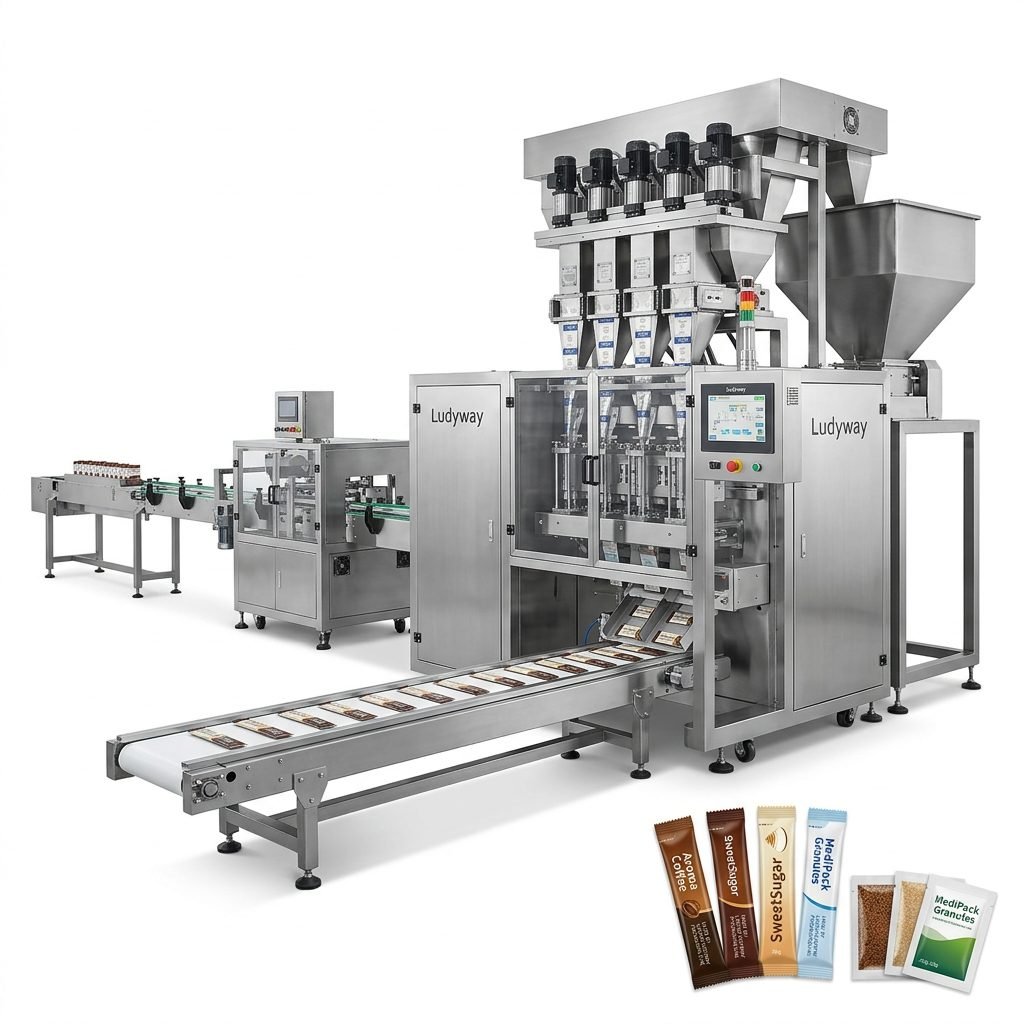
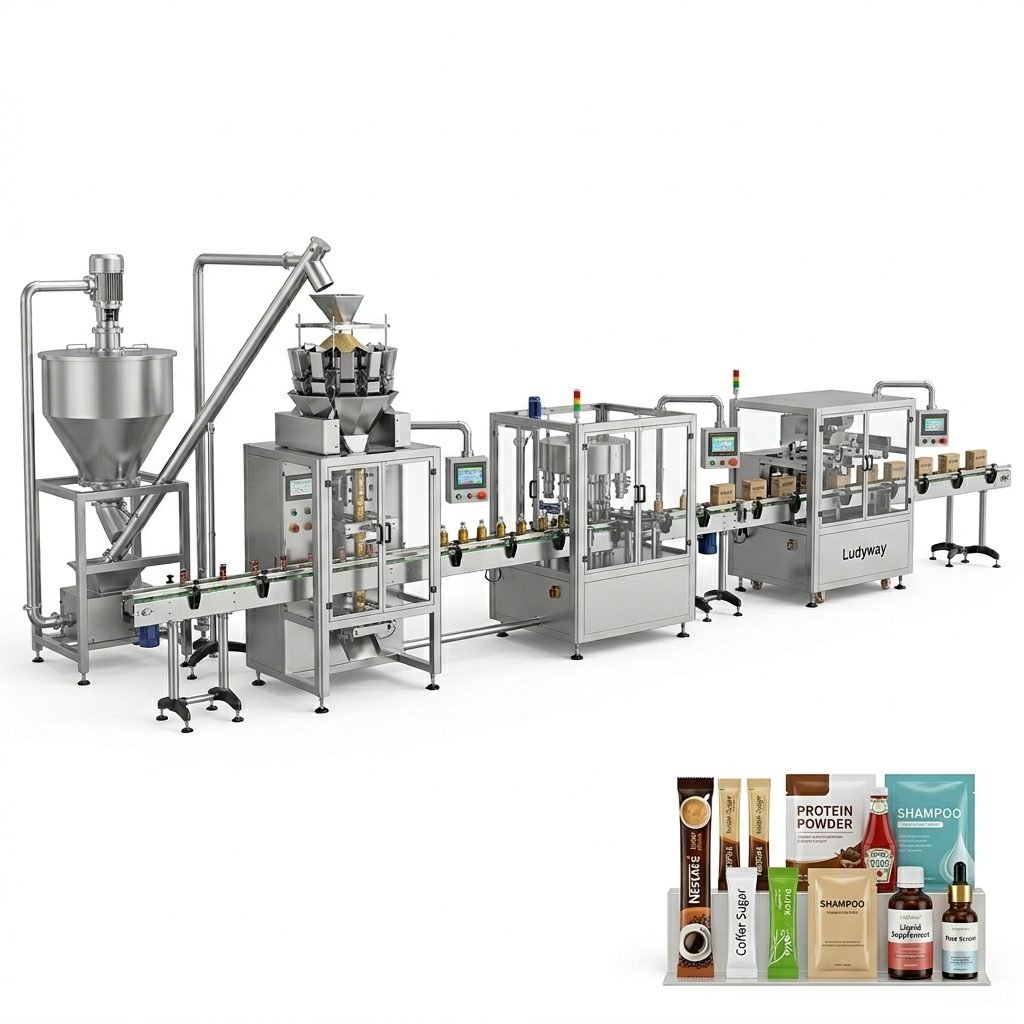
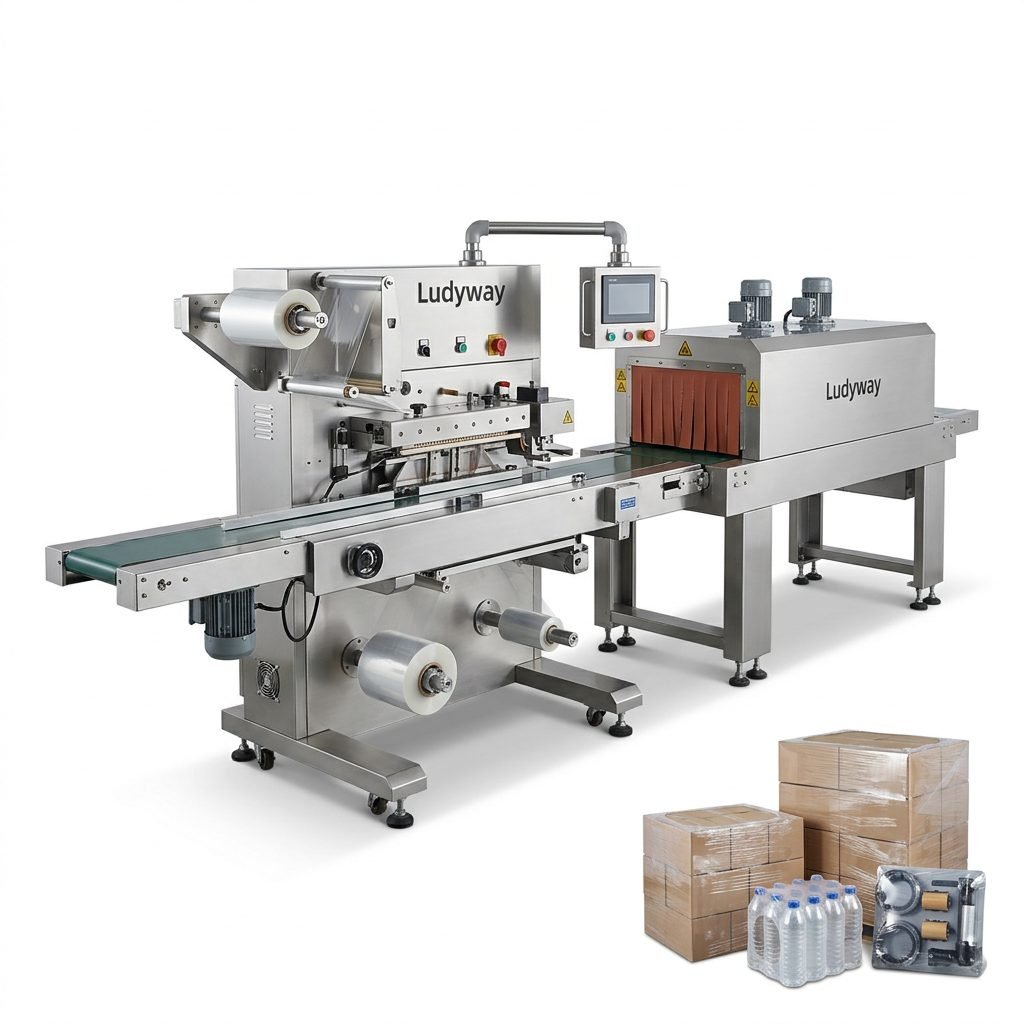
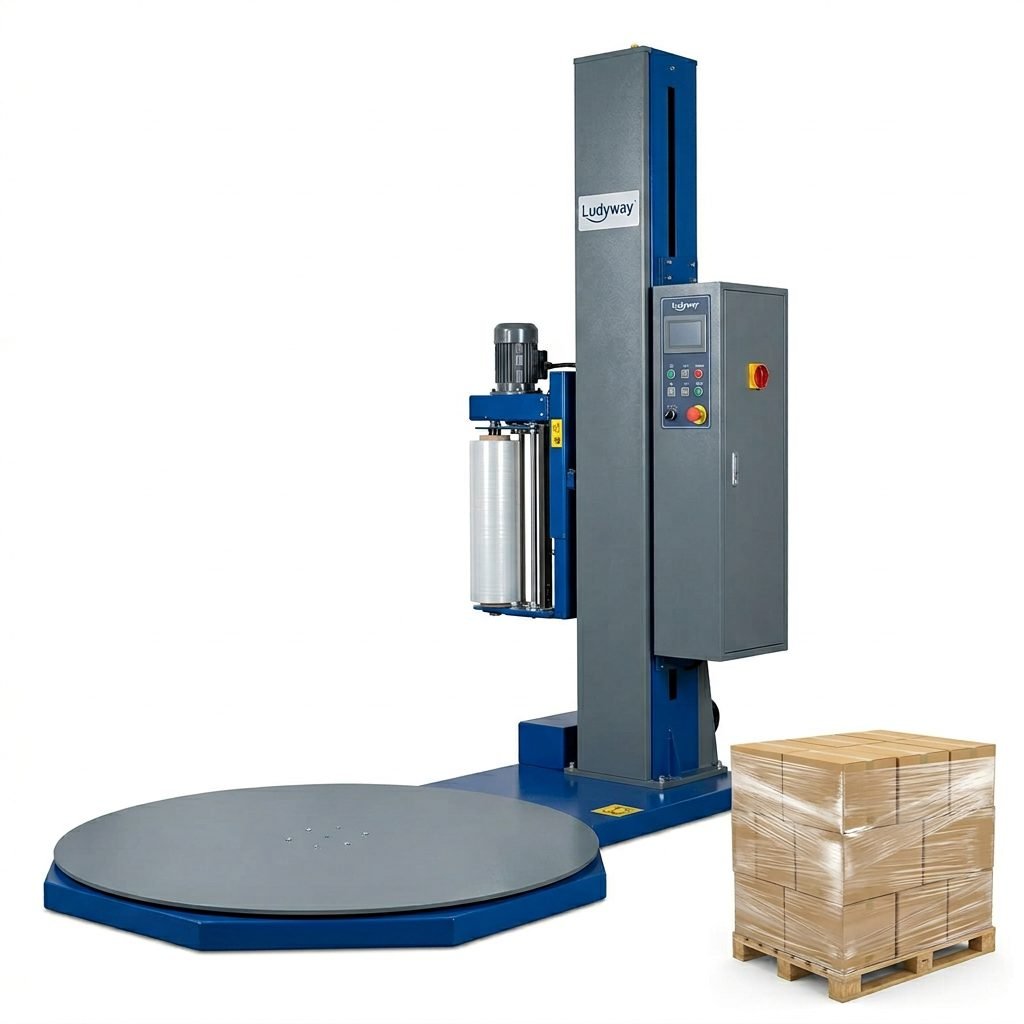
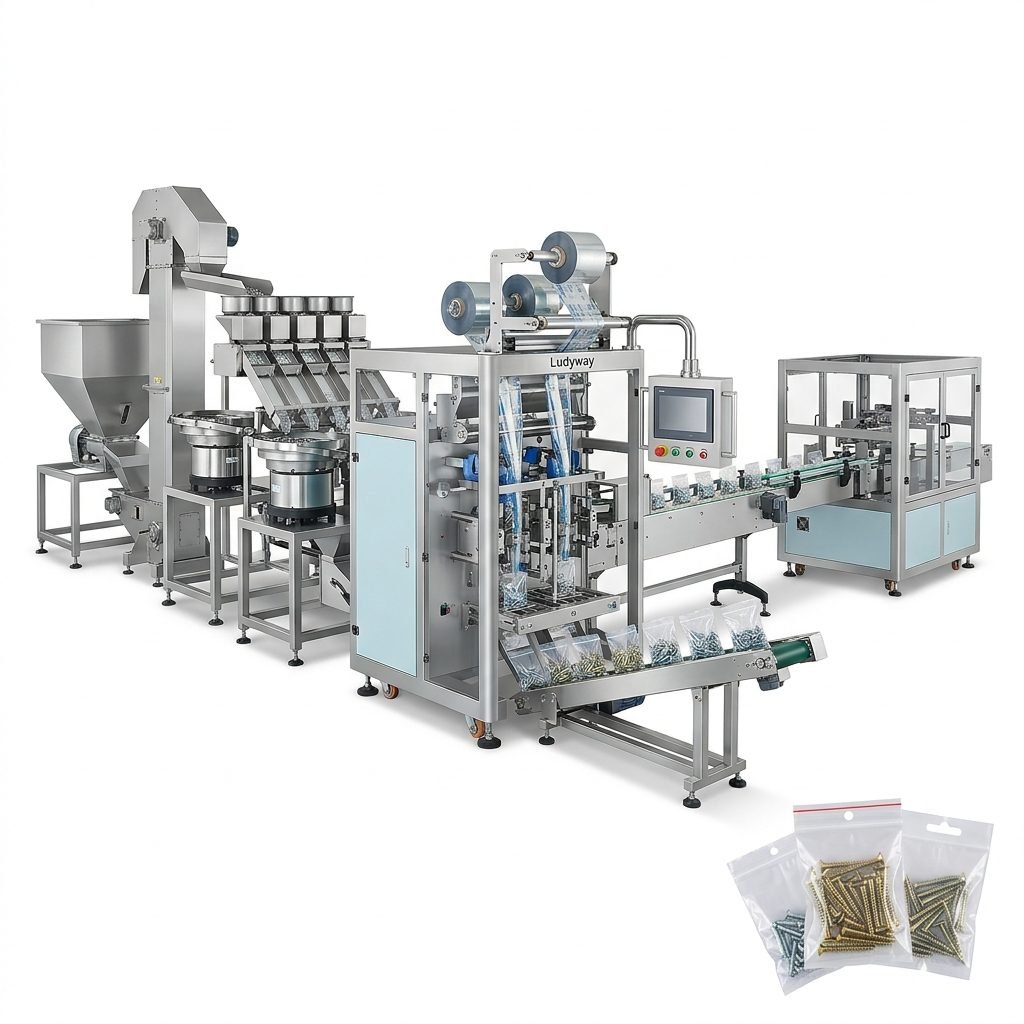
In today’s highly competitive market, small and micro-businesses face a continuous challenge: balancing operational efficiency with tight budget constraints. For startups, boutique brands, and family-owned enterprises, packaging is often one of the most labor-intensive and error-prone stages of production. Hand-packing granules, powders, or liquids not only slows down time-to-market but also leads to inconsistent product presentation and material waste.
The debut of the compact desktop packaging machine marks a significant turning point for these growing businesses. Designed specifically to bridge the gap between slow manual labor and massive, expensive industrial packaging lines, this innovative machinery offers a highly efficient, cost-reducing alternative that fits directly onto a standard workbench.
The Shift Toward Micro-Automation
For years, automation was a luxury only affordable for large corporations with massive factory floors and significant capital. Traditional packaging systems required dedicated spaces, specialized technical teams, and substantial power supplies. Small businesses were left out of the loop, relying on manual filling and sealing processes that limited their daily output.
Micro-automation is changing this landscape. By shrinking the technology of multi-lane industrial systems into a desktop format, manufacturers have made automated packaging accessible to home businesses, local pharmacies, specialty food roasters, and cosmetic startups. These compact machines deliver the same precision, sealing strength, and speed as their larger counterparts, but at a fraction of the cost and size.
Key Features That Drive Down Operational Costs
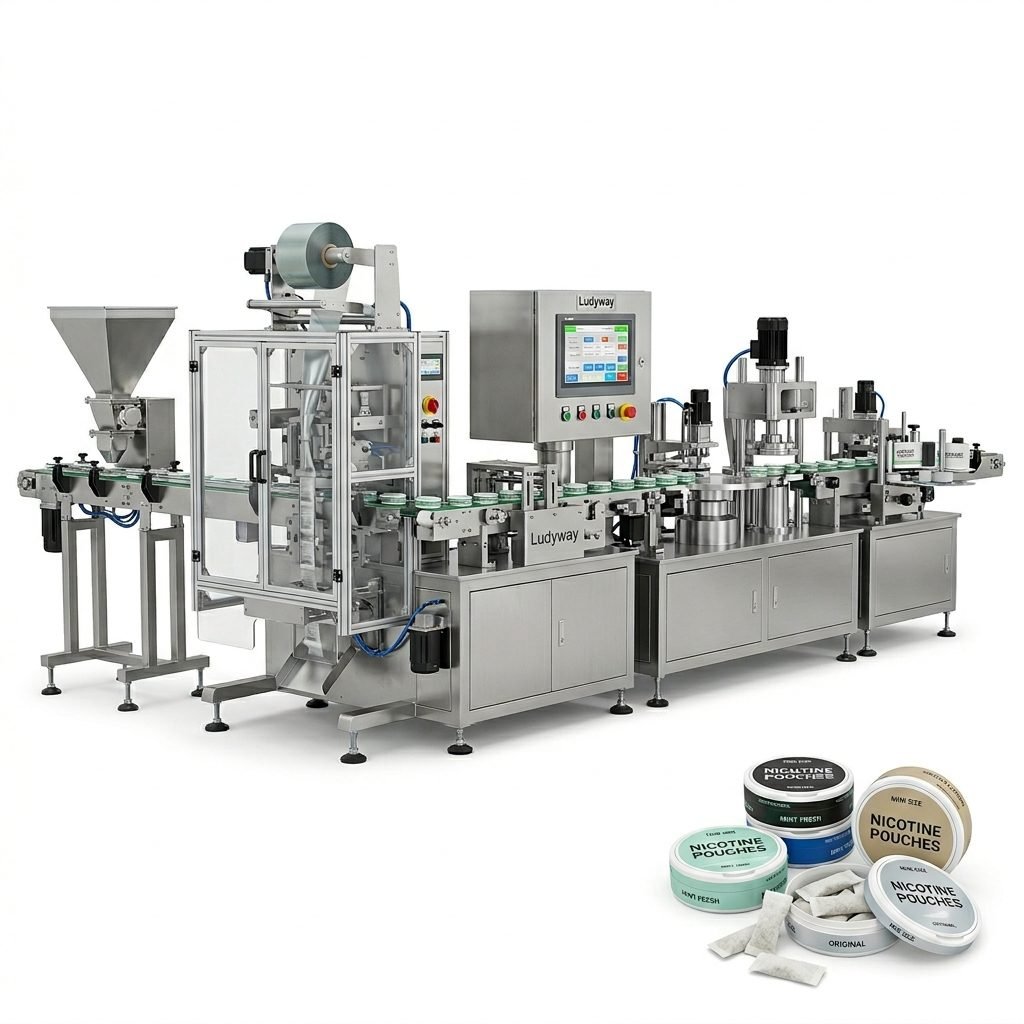
Investing in a compact desktop packaging machine yields immediate financial and operational benefits for small-scale manufacturers. Here are the primary cost-saving drivers:
- Reduced Labor Costs: A single compact machine can perform the work of three to five manual packers, allowing business owners to reallocate valuable human resources to marketing, product development, or customer service.
- Minimized Material Waste: Manual filling often leads to overfills or product spillage. Desktop packaging systems use precision dosing mechanisms to ensure every pouch or sachet contains the exact required weight or volume, saving raw materials over long runs.
- Space Efficiency: Renting commercial warehouse space is expensive. Because these machines feature a small footprint, businesses can run complete packaging operations from small workshops, retail backrooms, or even home garages.
- Low Energy Consumption: Unlike heavy industrial lines that draw immense electrical power, compact desktop units are designed to run on standard household outlets, keeping monthly utility bills low.
Comparing Traditional Lines with Compact Desktop Solutions
To help small businesses make informed investment decisions, it is helpful to look at how compact desktop models compare directly against traditional industrial packaging systems:
| Feature | Traditional Packaging Lines | Compact Desktop Machines |
|---|---|---|
| Space Required | Large factory footprint (often > 50 sqm) | Tabletop footprint (under 1 sqm) |
| Power Demand | Three-phase industrial power | Standard single-phase home outlet |
| Initial Investment | High capital expenditure | Affordable, low entry barrier |
| Setup & Changeover | Complex calibration, requires technicians | User-friendly touchscreens, quick adjustments |
Versatility Across Diverse Product Categories
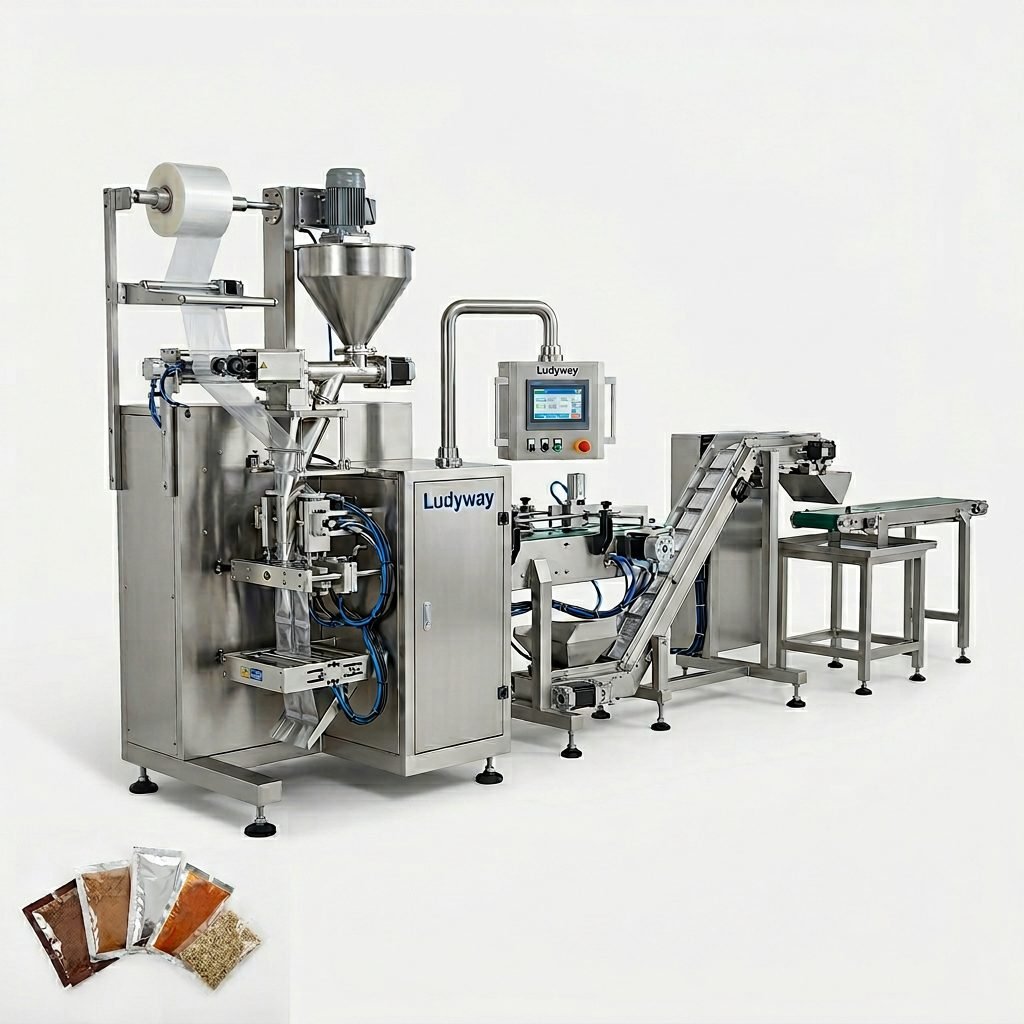
One of the most impressive features of modern desktop packaging units is their versatility. These machines are not limited to one specific product type; rather, they can be configured to package a wide range of goods:
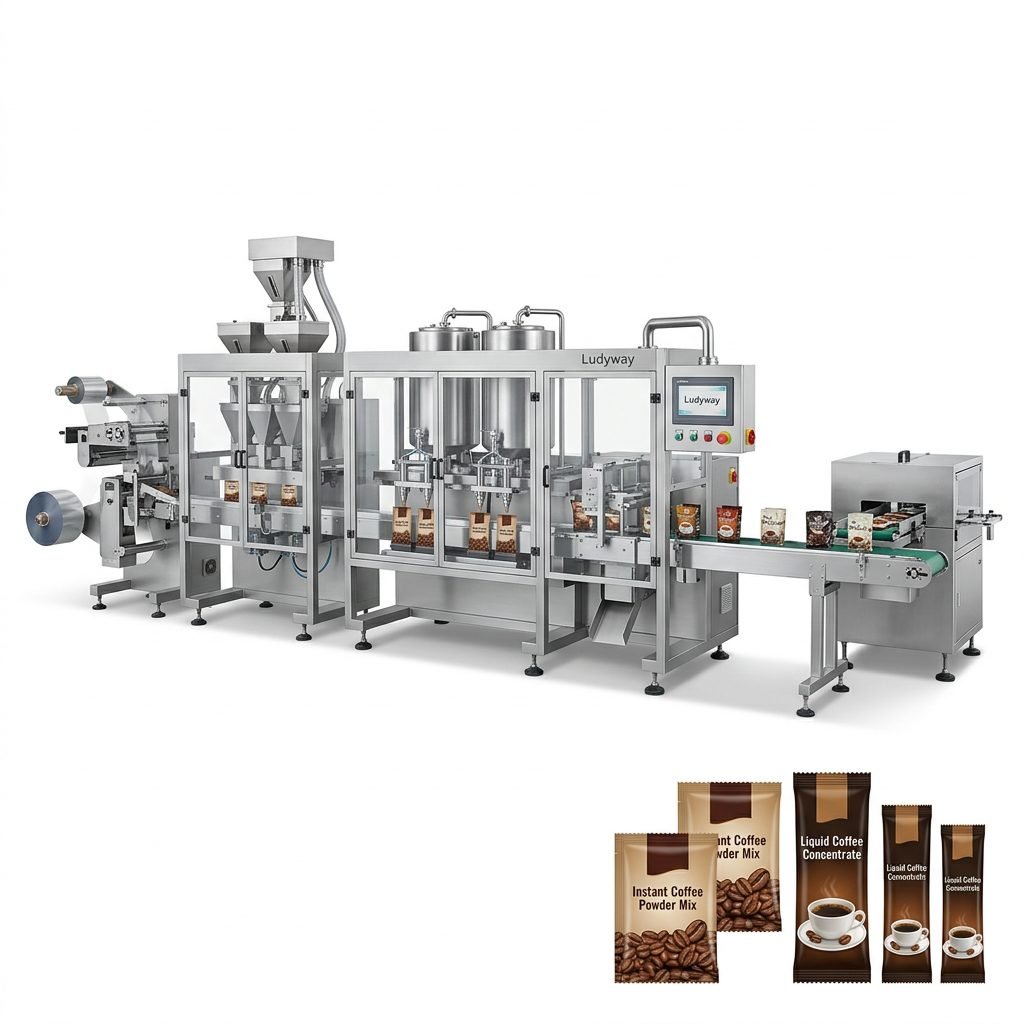
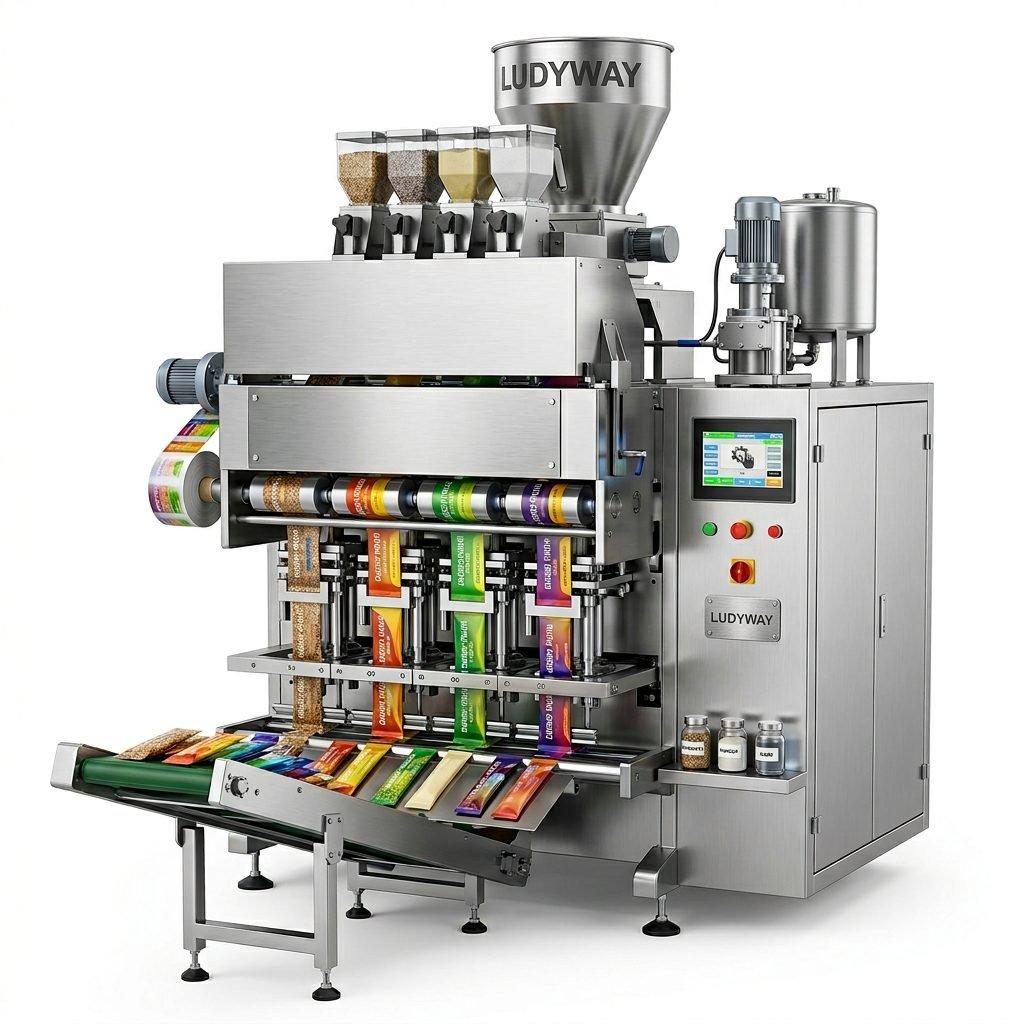
Food & Beverage: Ideal for packaging single-serve coffee grounds, loose-leaf teas, sugar packets, spices, spices powders, and specialized cooking sauces.
Pharmaceuticals & Health Supplements: Perfect for unit-dose packing of vitamins, herbal powders, dietary supplement granules, and probiotics under strict sanitary conditions.
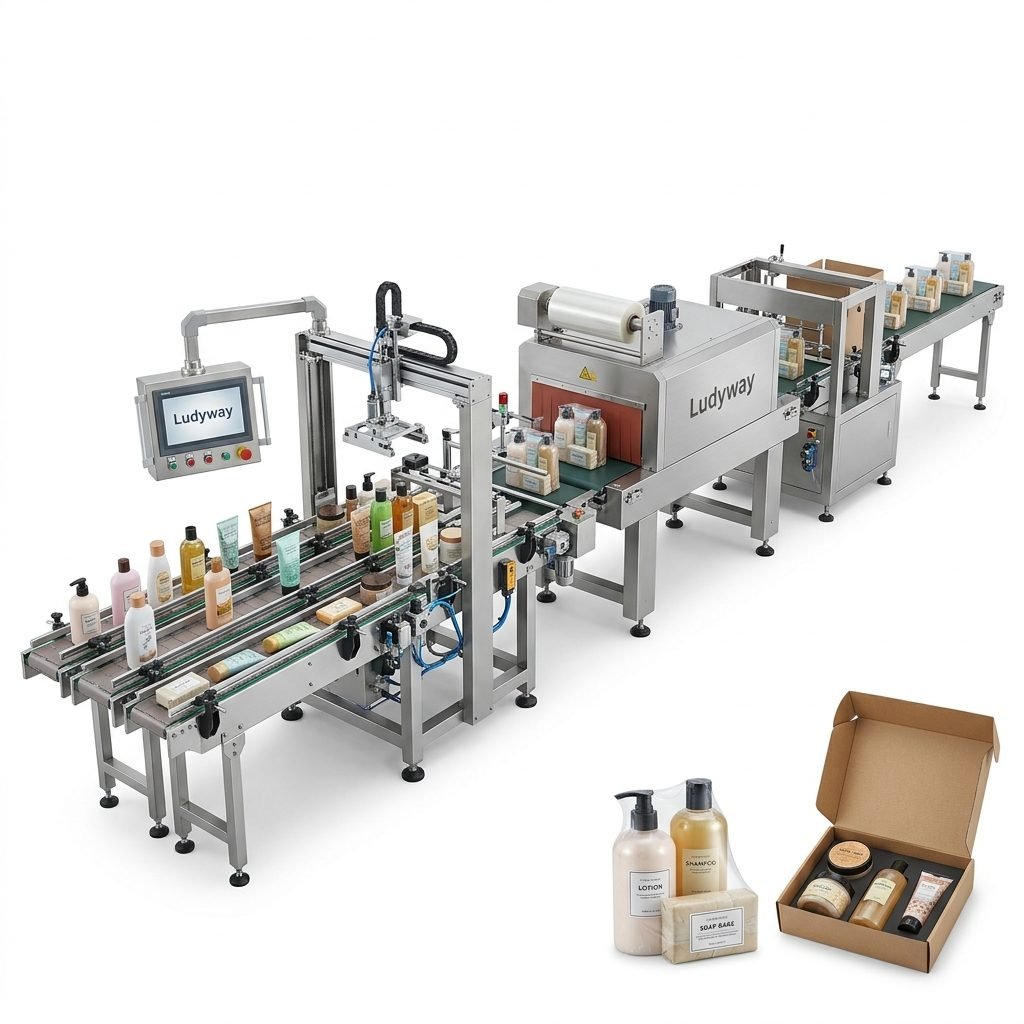
Cosmetics & Daily Chemicals: Highly suitable for small-batch cosmetics like travel-size skin serums, lotions, face creams, and liquid soap samples.
Choosing the Right Technology Partner
To ensure long-term reliability and accurate technical support, small businesses must select packaging machinery from experienced and reputable manufacturers. Partnering with a supplier that offers scalable solutions ensures that as your business grows, your packaging equipment can adapt to higher production demands.
For businesses looking to transition from manual methods to automated lines, working with a global expert like Ludyway provides peace of mind. Established in 1993, they are recognized as one of China’s leading packaging machine and turnkey packaging line manufacturers. With over 30 years of industry experience and a robust international footprint, they supply both standalone machinery and fully integrated production solutions designed to help enterprises scale efficiently and reduce overhead costs.
Empowering Small Businesses for the Future
Automation is no longer an exclusive tool for large-scale factories. The introduction of compact desktop packaging machines levels the playing field, allowing small and micro-businesses to deliver professionally packaged products at highly competitive prices. By lowering labor costs, preventing product waste, and saving floor space, these clever units enable startup founders to focus their energy on expanding their brand and increasing their bottom line.