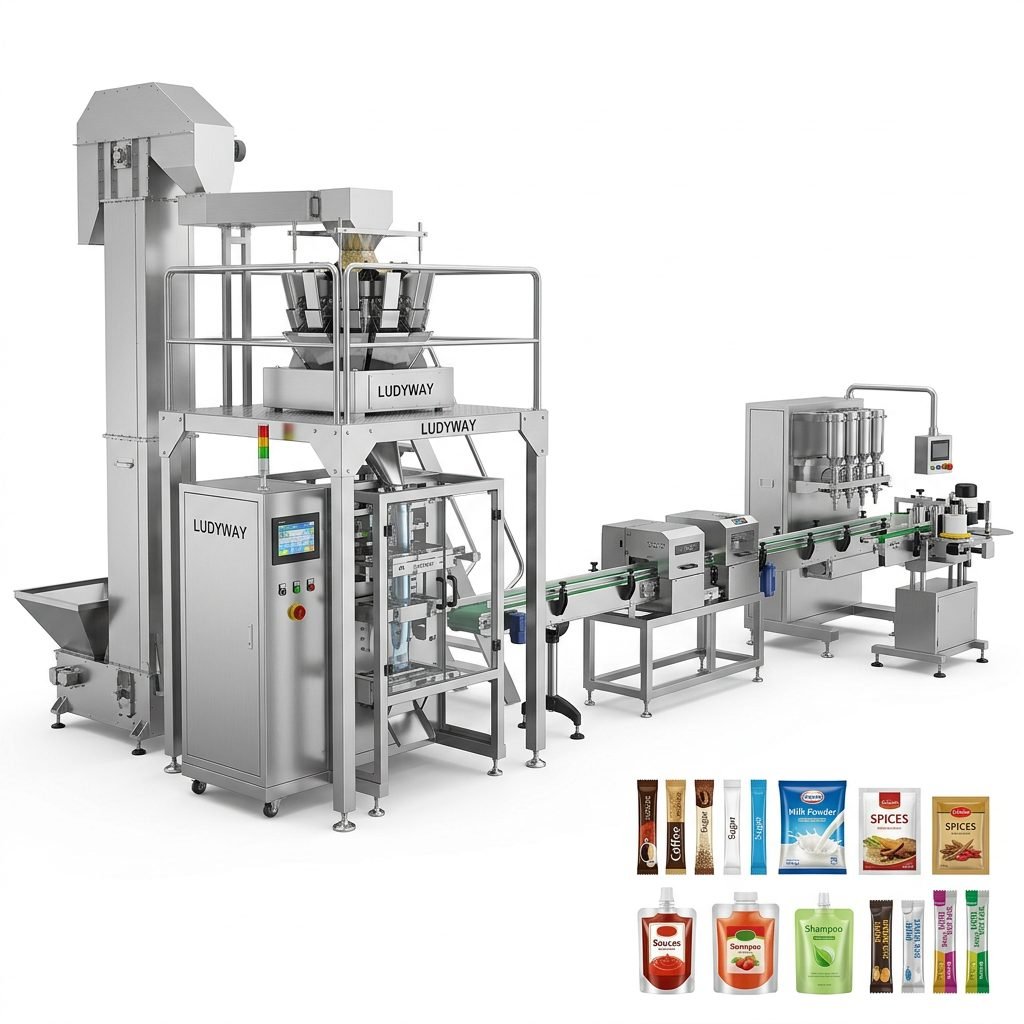
The daily chemical industry, encompassing personal care products like shampoos, body washes, skin lotions, and household cleaning agents, is experiencing a significant shift in production dynamics. Consumer demand for diverse packaging designs, varying bottle sizes, and premium product quality has forced manufacturers to re-evaluate their production lines. To stay competitive, factories are transitioning from legacy, semi-automated setups to high-end, fully integrated bottle packaging lines. This upgrade is not merely about increasing speed; it represents a comprehensive overhaul of efficiency, hygiene, precision, and operational flexibility.
The Evolution of Daily Chemical Packaging Requirements
Modern daily chemical products present unique packaging challenges. Liquids range from free-flowing alcohol-based sanitizers to highly viscous creams, gels, and structured pastes. Standard packaging machinery often struggles with drip control, foaming, and product separation. Additionally, the rapid pace of product launches requires lines that can adapt to new container configurations with minimal downtime.
Upgrading to a high-end bottle packaging line addresses these challenges through advanced engineering. High-precision filling nozzles, combined with servo-driven control systems, ensure that every container is filled to the exact volume without spilling or wasting valuable formula. Furthermore, sanitization standards have become more stringent, demanding systems that support automated Clean-in-Place (CIP) protocols to prevent cross-contamination between different product batches.
Core Components of a High-End Bottle Packaging Line
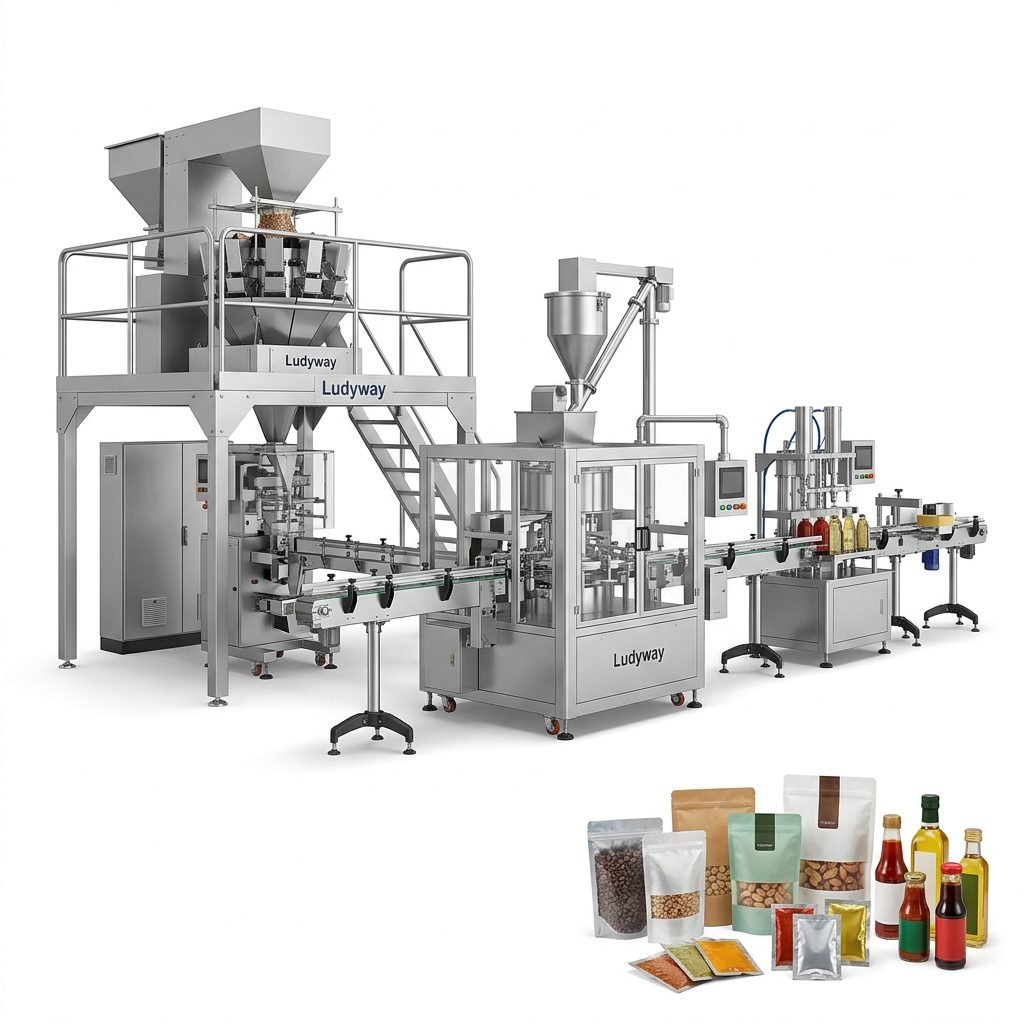
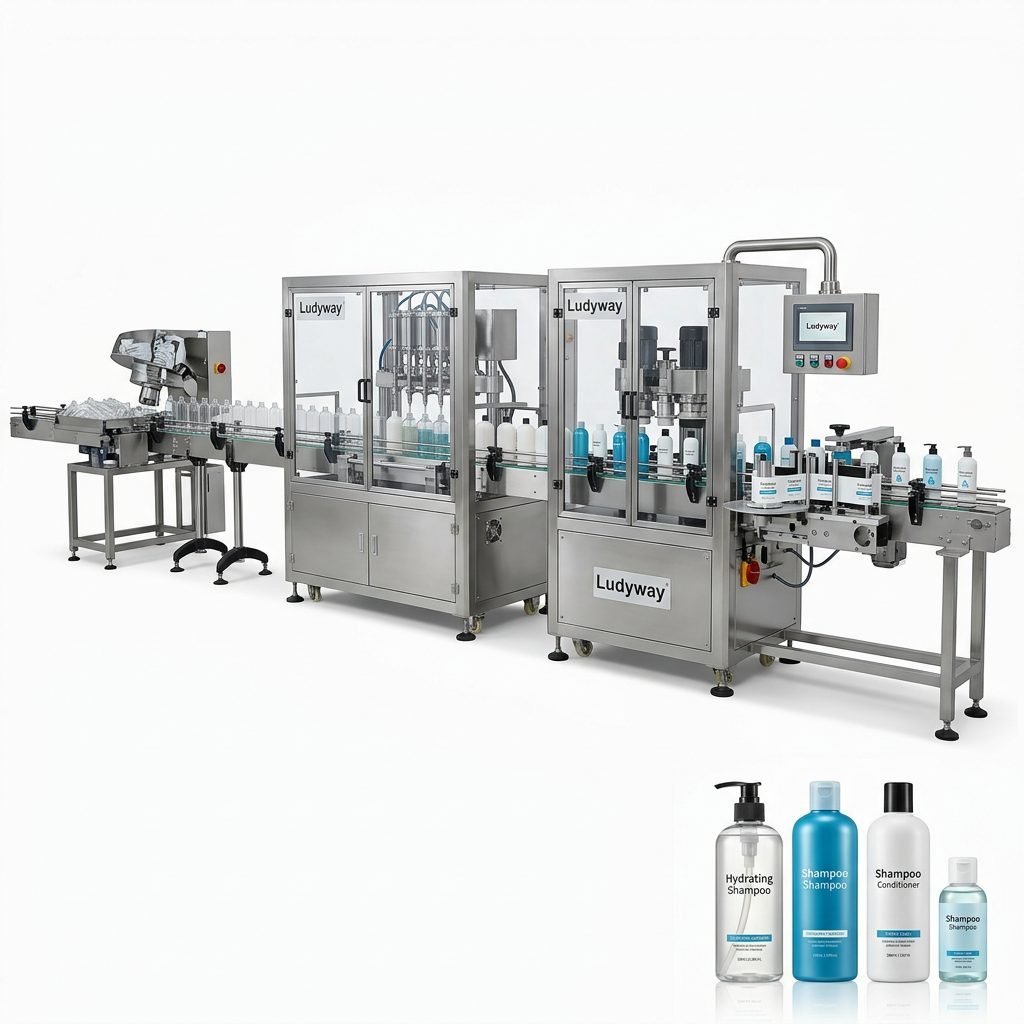
A complete turnkey bottling solution integrates several specialized machines working in perfect synchronization. A bottleneck in any single unit can disrupt the entire workflow, which is why premium lines focus on seamless communication between modules. The typical configuration of an advanced daily chemical line includes:
- Automatic Bottle Unscrambler: Organizes and feeds empty plastic or glass bottles onto the conveyor belt in a uniform orientation, eliminating manual handling.
- Multi-Head Servo Filling Machine: Employs precise volumetric piston pumps or flow meters to handle liquid viscosities ranging from water-thin liquids to dense lotions.
- High-Speed Capping Machine: Applies screw caps, pump dispensers, or press-on caps with constant, adjustable torque to prevent leakages and thread damage.
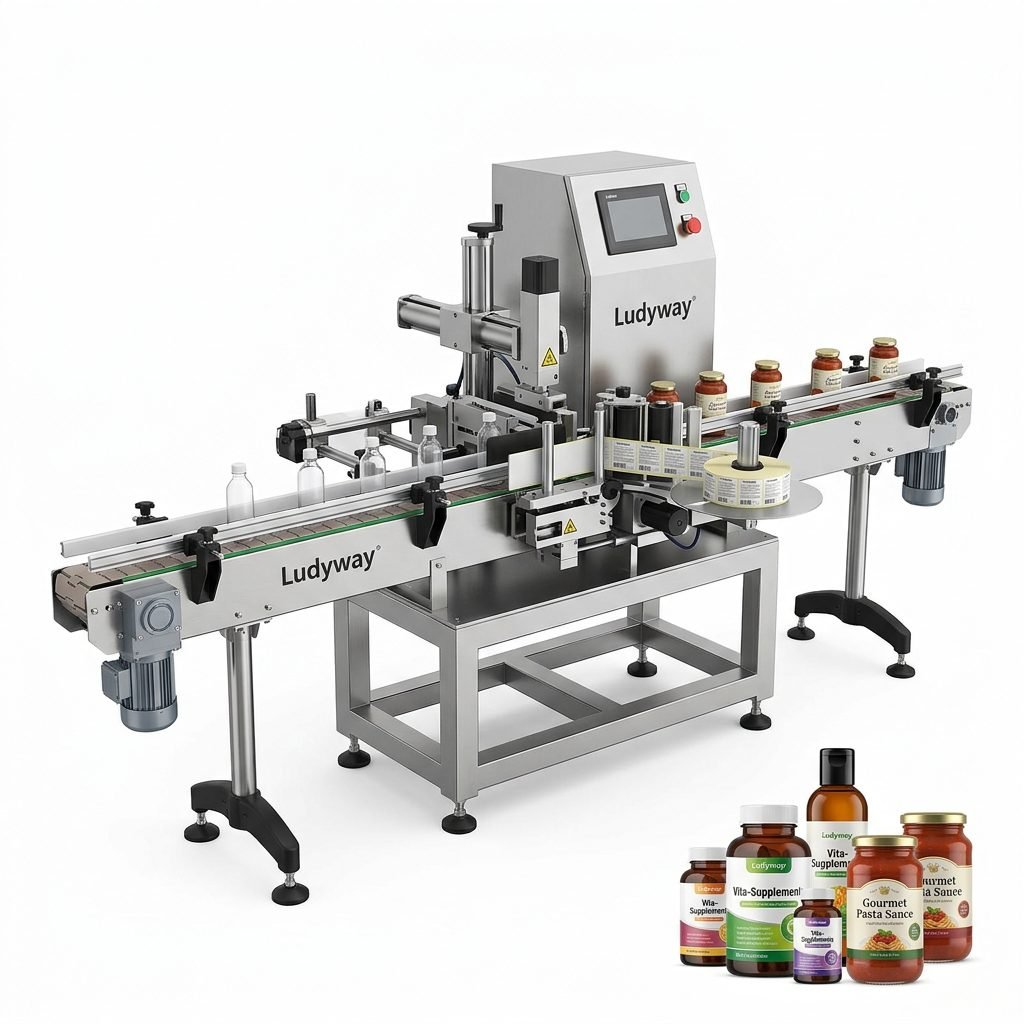
- Automatic Labeling System: Applies front, back, or wrap-around labels with high accuracy, even on contoured or non-standard bottle shapes.
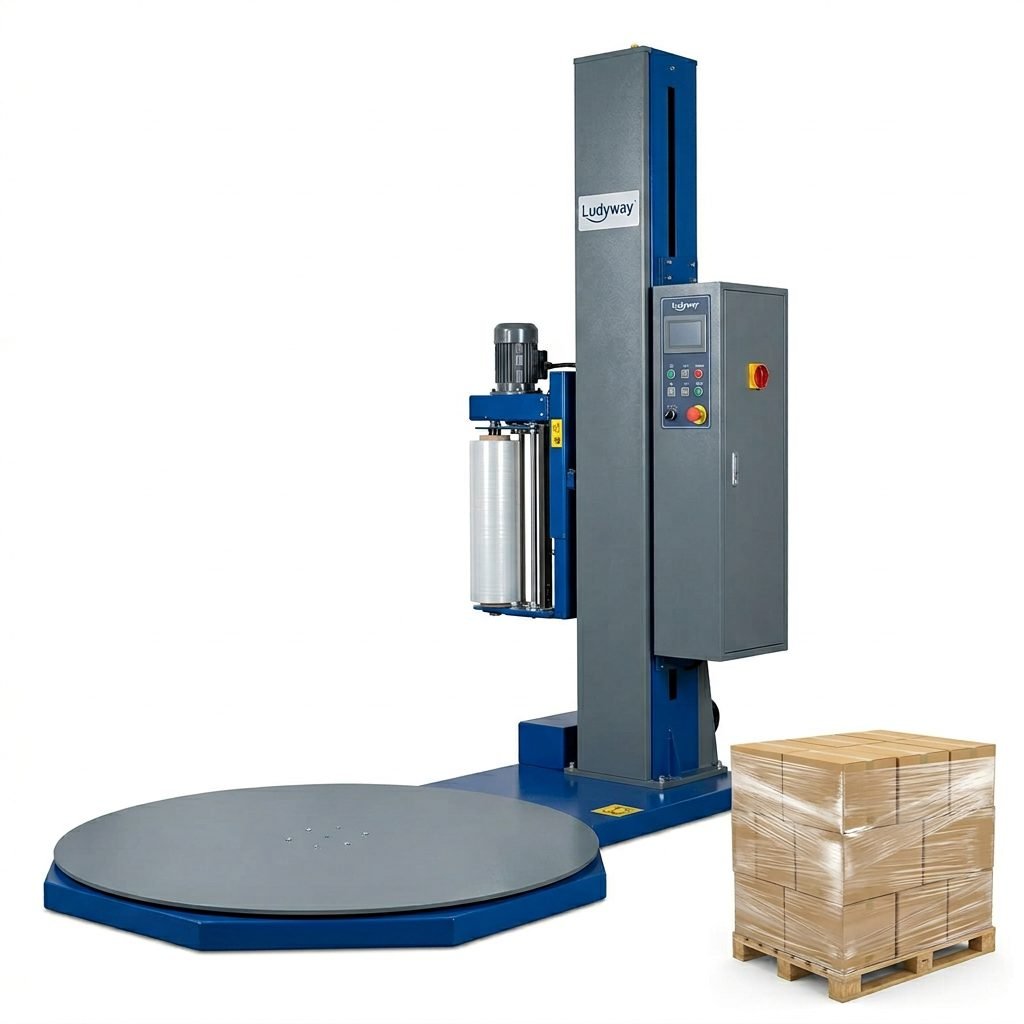
- End-of-Line Packaging: Includes automatic cartoning, case sealing, and robotic palletizing to prepare the finished products for bulk shipment.
Performance Metrics of Modern Packaging Machinery
When investing in high-end machinery, daily chemical manufacturers evaluate systems based on key operational parameters. The table below outlines the primary functions and advantages of upgrading to an integrated turnkey line:
| Process Stage | Key Technology | Operational Benefit |
|---|---|---|
| Bottle Feeding | Centrifugal unscrambler with air rinsing | Removes dust particles and ensures steady feed rate. |
| Liquid Filling | Servo-driven dive nozzles with anti-drip mechanisms | Prevents foaming in soapy products and ensures ±0.5% accuracy. |
| Bottle Capping | Magnetic hysteresis or servo capping heads | Guarantees consistent tightness without damaging delicate pump caps. |
| Outer Packing | Automatic carton erecting and hot-melt sealing | Enhances structural integrity of transit boxes and cuts labor costs. |
Addressing the Challenges of Complex Viscosities
Shampoos and conditioners behave differently under pressure than household detergents or body oils. A high-quality bottling line utilizes specialized filling technology to address these physical differences. For instance, bottom-up filling allows the nozzles to remain just above the liquid level as it rises, significantly reducing the generation of air bubbles in surfactant-heavy formulas like liquid soaps.
For thicker lotions and face creams, positive displacement rotary lobe pumps or heavy-duty piston systems force the product smoothly through the manifold without altering its texture. These engineering adjustments prevent the shear stress that can break down emulsions, preserving the aesthetic quality of high-end cosmetic formulations.
Strategic Implementation and Turnkey Sourcing
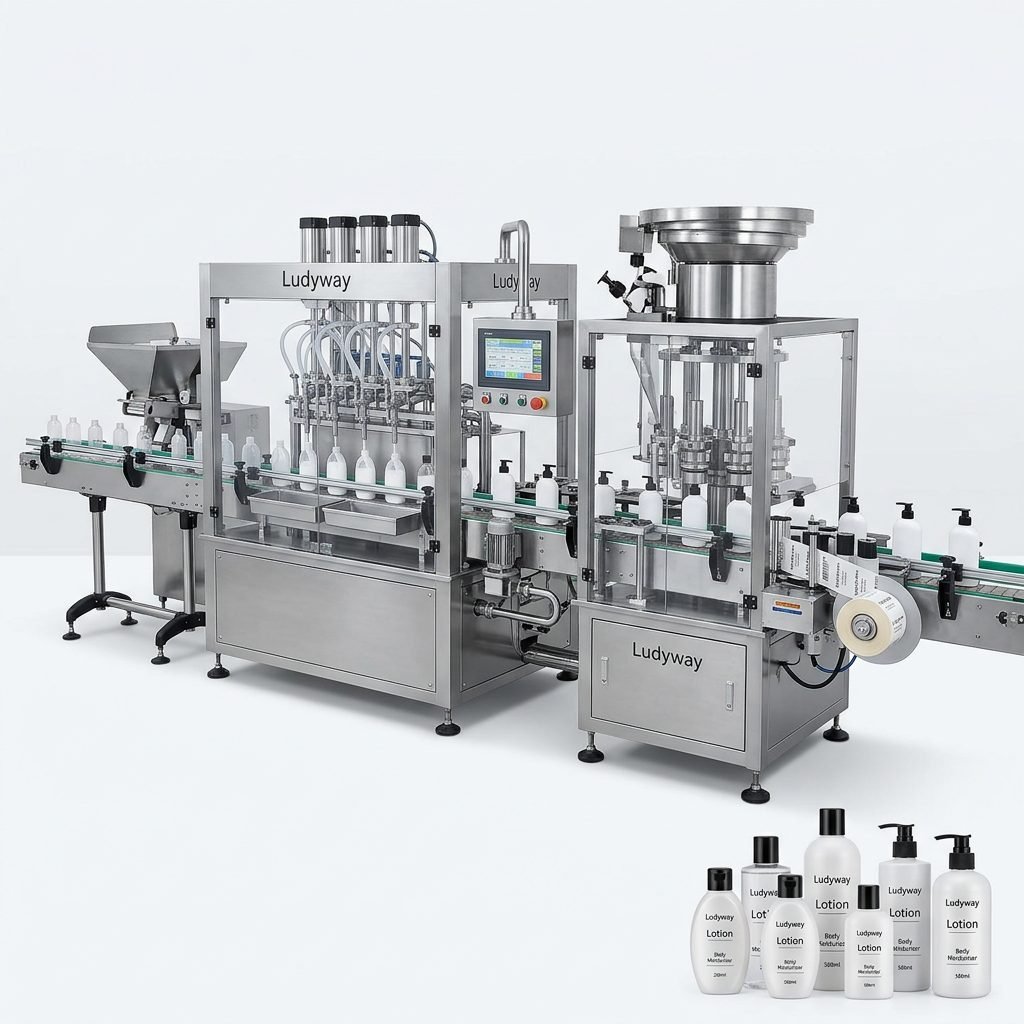
Upgrading a packaging facility requires a partner capable of delivering integrated engineering solutions rather than isolated components. Brands that attempt to piece together machines from different suppliers often face compatibility issues, communication lags between PLCs, and prolonged installation delays. Sourcing a complete, integrated system from an experienced manufacturer ensures that all machines are designed to operate under a unified control protocol.
For organizations seeking to implement these upgrades, Ludyway provides comprehensive turnkey packaging lines that streamline the transition. With over 30 years of manufacturing experience, a 20,000-square-meter modern production facility, and a strong export presence across Europe, North America, and the Middle East, the company specializes in custom automated solutions tailored to the daily chemical and cosmetic sectors. Their expertise ensures that issues like container stability, viscosity management, and high-speed capping are resolved during the design phase, rather than during factory installation.
Future Proofing Your Daily Chemical Production Line
The trend toward smart manufacturing means that today’s packaging lines must be prepared for tomorrow’s digital integration. Modern bottle packaging systems are increasingly equipped with IoT-enabled sensors that track machine health, monitor fill levels in real time, and predict maintenance needs before a breakdown occurs. This data-driven approach minimizes unplanned downtime, which is critical for high-volume factories operating on tight schedules.
Furthermore, sustainability goals are forcing brands to adopt eco-friendly materials, such as lightweight PET, recycled plastics, or biodegradable packaging components. High-end packaging systems are designed with the adaptability to handle these new, often more fragile materials without scuffing, denting, or misaligning the containers. By investing in a robust and adaptable bottling infrastructure, chemical brands ensure they can quickly pivot to match changing regulatory standards and consumer preferences for years to come.