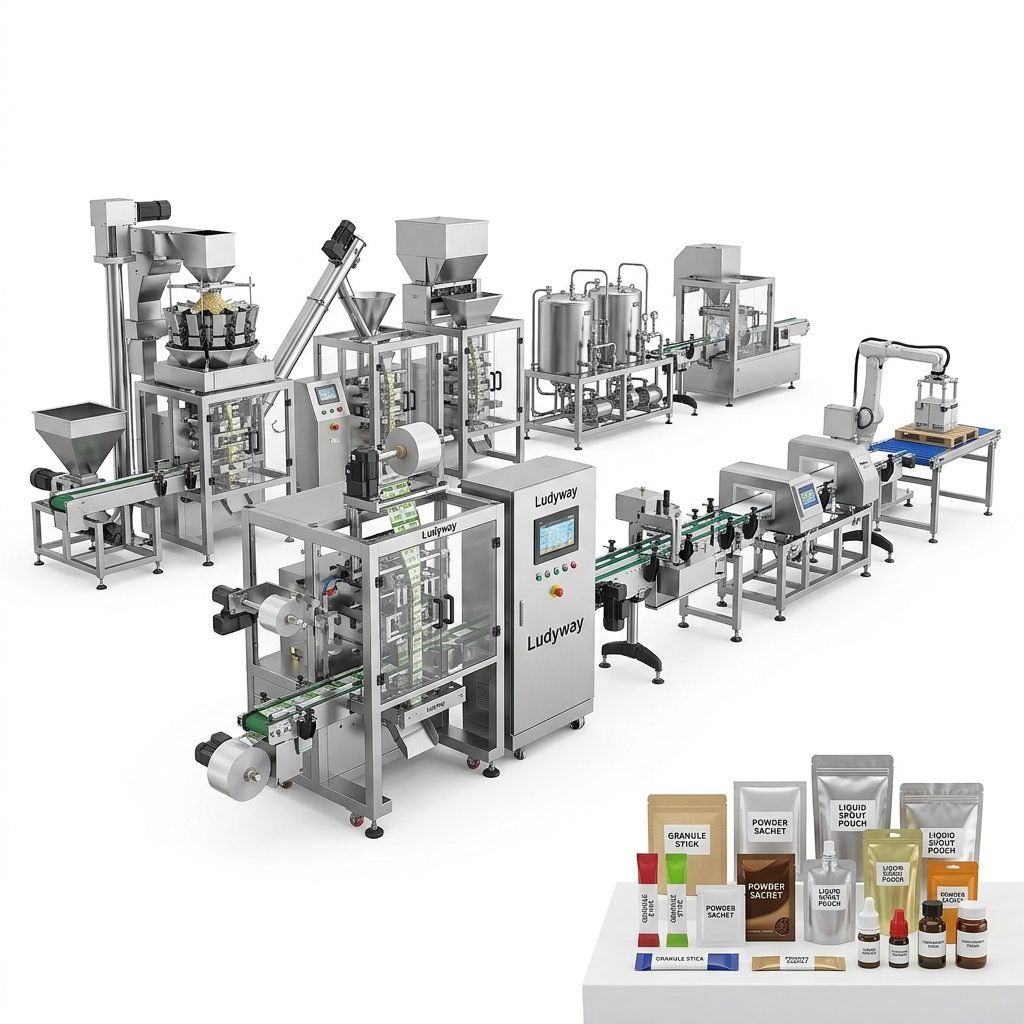
The Rise of Dynamic Automation in Modern Logistics
The global logistics and supply chain landscape is undergoing a monumental shift. Fueled by the exponential growth of e-commerce, pharmaceutical distribution, and global trade, fulfillment centers and production facilities face unprecedented pressure to process goods faster and more accurately than ever before. In this highly competitive environment, manual sorting and static weighing methods have become costly bottlenecks. To overcome these challenges, the integration of dynamic checkweighing and high-speed packaging technologies has emerged as a game-changing solution.
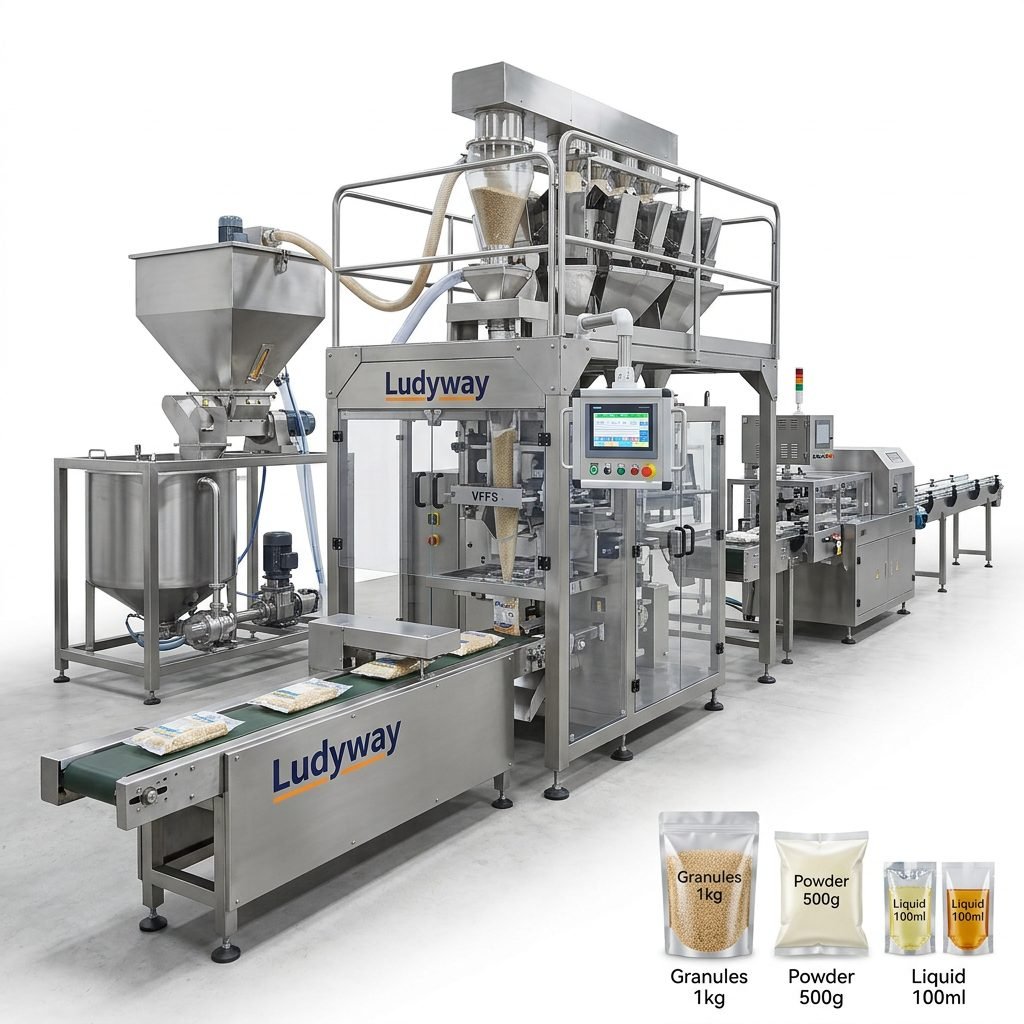
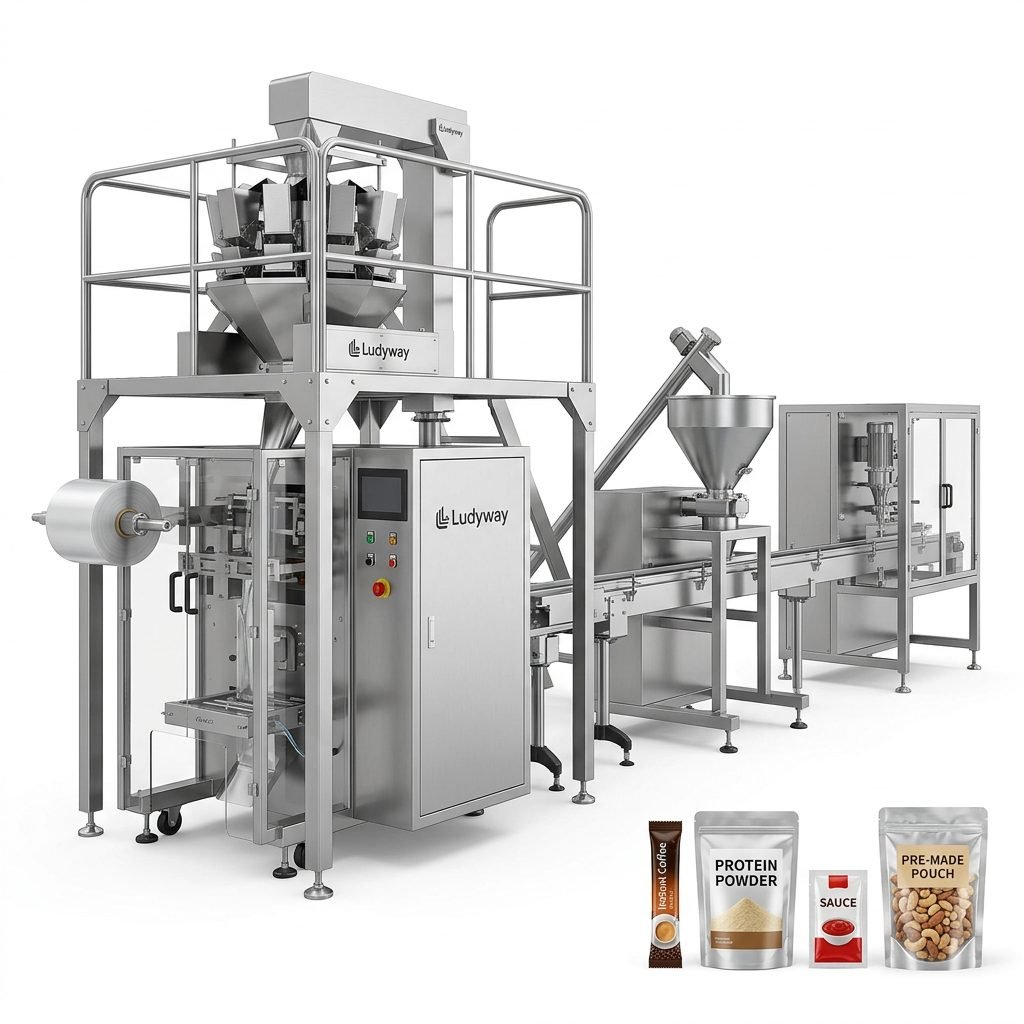
Historically, weighing and packaging were treated as separate, sequential steps in the logistics chain. Items had to be stopped, placed on a scale, recorded, and then routed to a packaging station. Today, the concept of “unseen weighing” has revolutionized this workflow. By embedding high-precision sensors directly into active conveyor networks, weight verification occurs seamlessly in mid-transit. When combined with high-speed automated packaging systems, this integrated approach ensures maximum throughput, absolute weight accuracy, and minimal labor overhead. Industry leaders, such as China’s leading packaging machine and turnkey packaging line manufacturer Ludyway, are driving this transition by developing scalable, fully automated lines designed to meet these rigorous international standards.
Understanding “Unseen Weighing” Technology
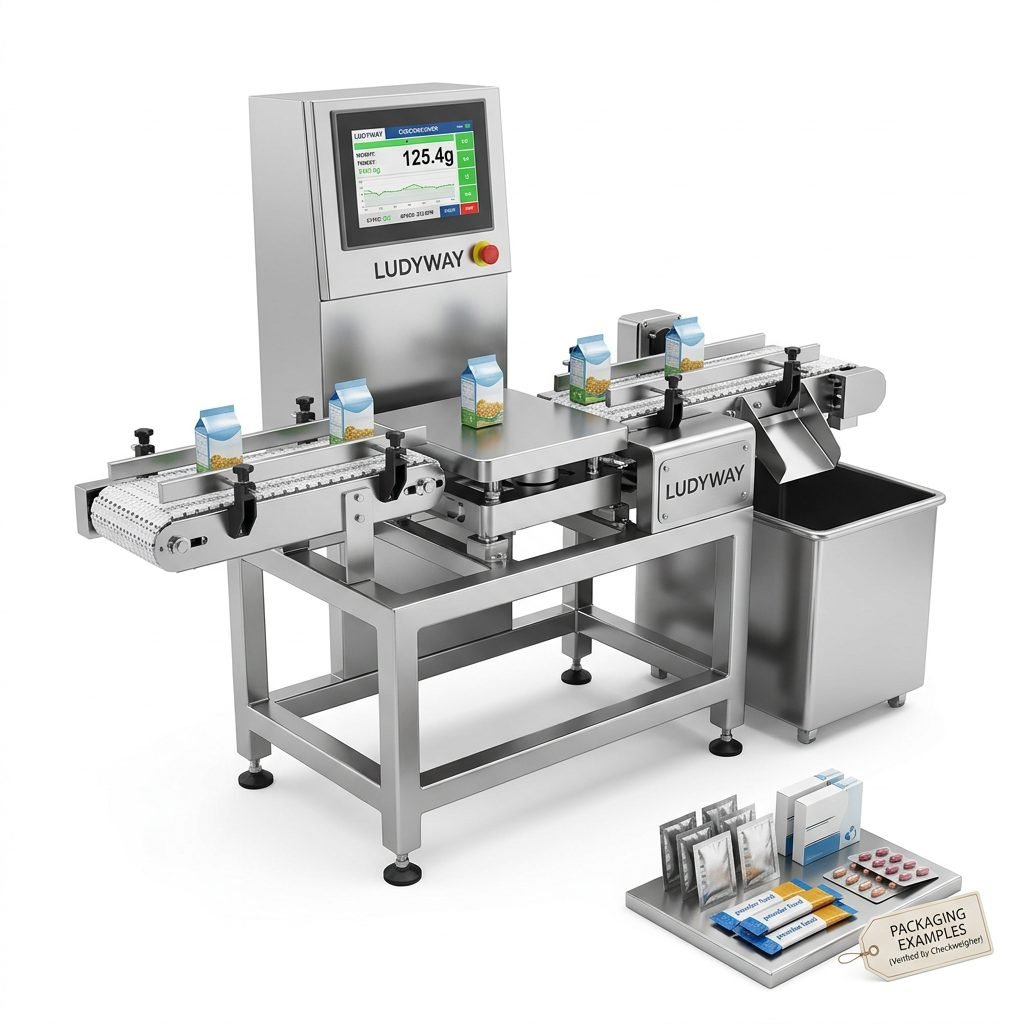
The term “unseen weighing” refers to dynamic, in-line weight detection that occurs without interrupting the flow of goods. As packages move along high-speed conveyors, advanced digital signal processing algorithms filter out mechanical vibrations and environmental noise, capturing highly accurate weight data in milliseconds.
This technology is critical for quality control and compliance. In logistics, it prevents shipping errors by verifying that the actual weight matches the manifest. In food and pharmaceutical packaging, it ensures that individual pouches, sachets, or cartons contain the exact product volume required. If a package falls outside the pre-set weight tolerance, automated reject systems immediately redirect it for inspection, ensuring only perfect packages proceed to final dispatch.
Synergizing Weighing with High-Speed Packaging
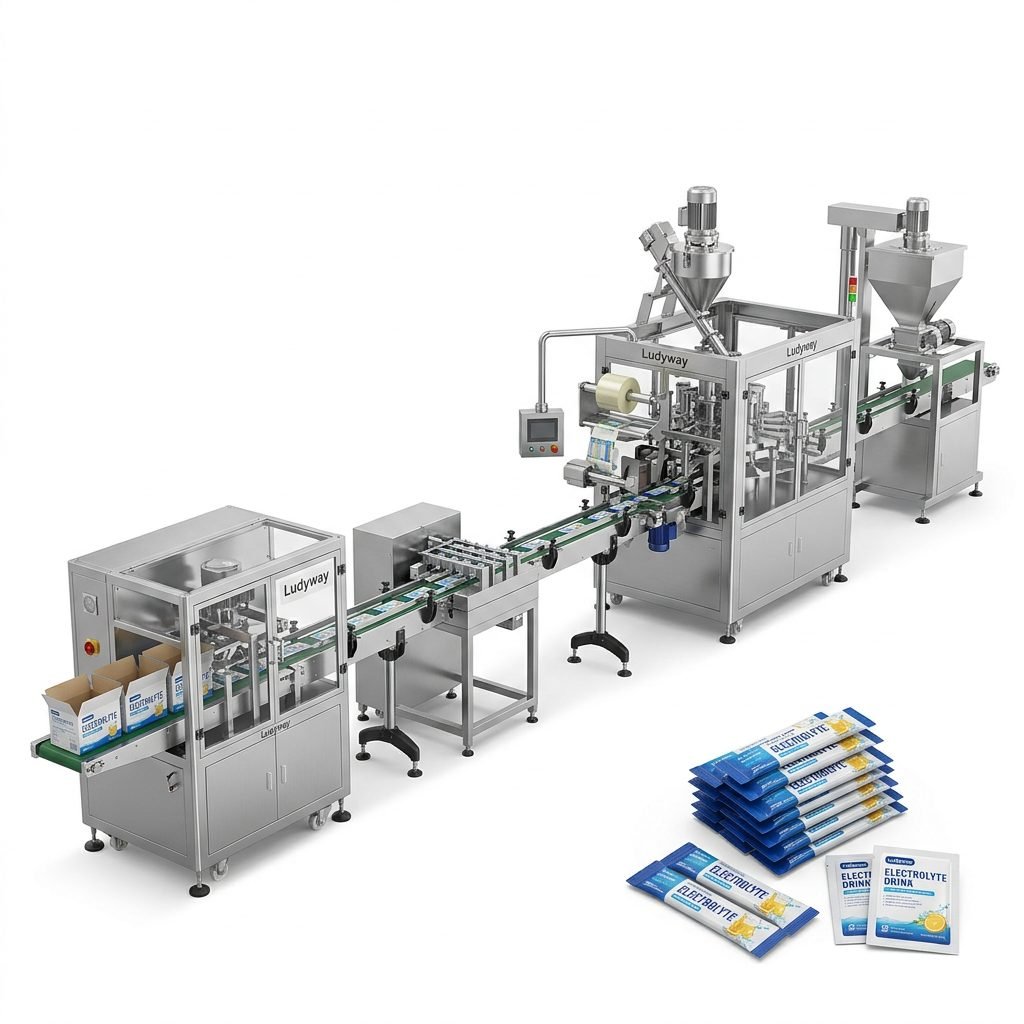
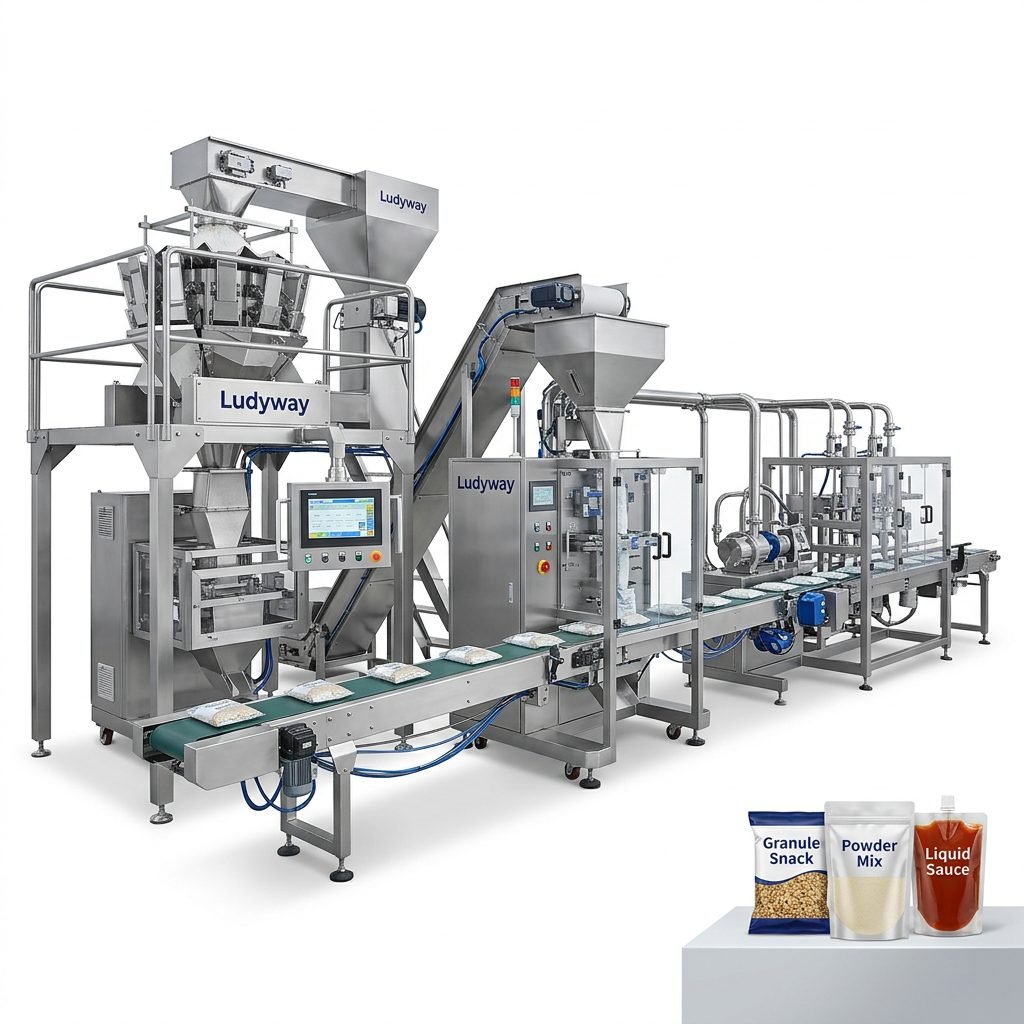
Dynamic weighing achieves its full potential only when paired with high-speed, flexible packaging machinery. An integrated sorting and packaging line acts as a singular, cohesive organism. The system tracks each product from the initial feed, through weight assessment, and directly into the packaging phase. Key components of these integrated setups include:
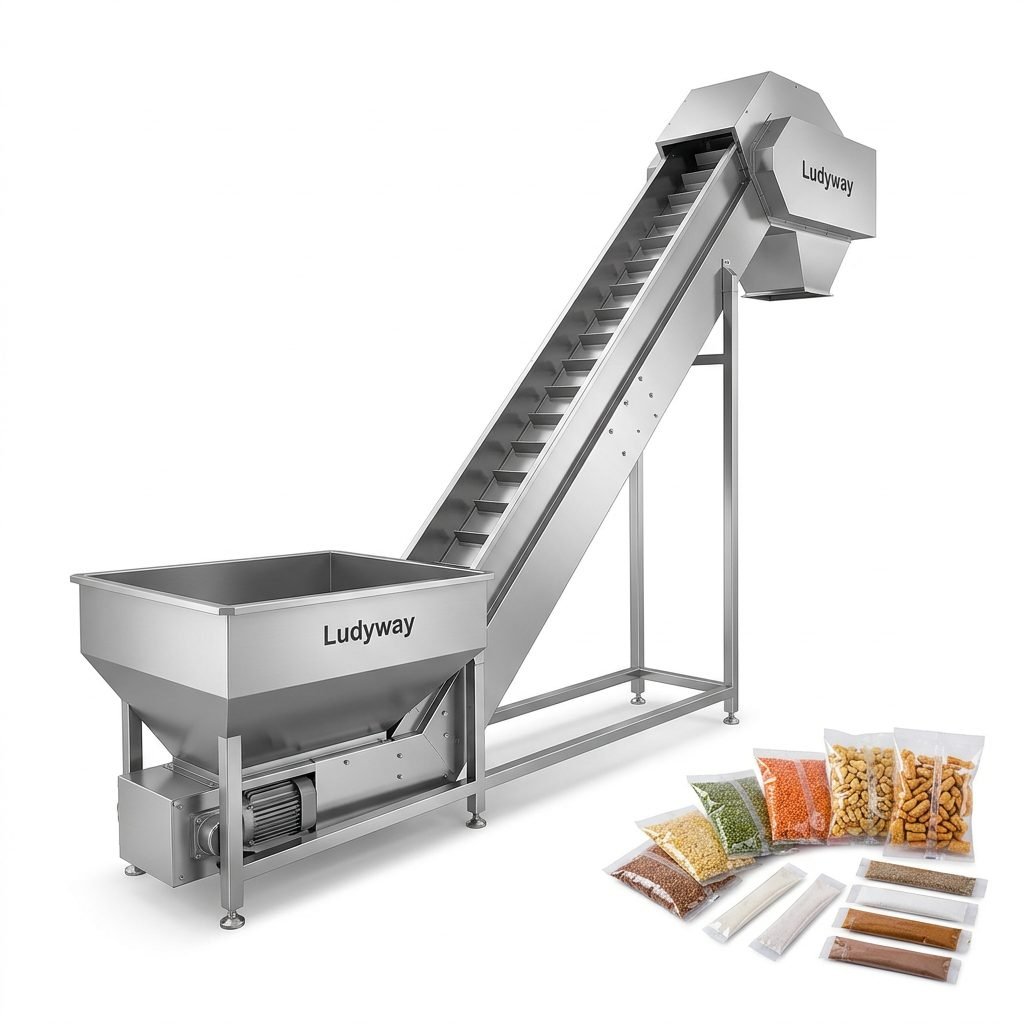
- Infeed Conveyors & Aligners: Properly space and orient items to prepare them for rapid weighing and sorting.
- Dynamic Checkweighers: Execute real-time weight verification at speeds exceeding hundreds of units per minute.
- Sorting & Diverting Modules: Utilize pneumatic pushers, air blasts, or swing arms to classify items based on weight categories.
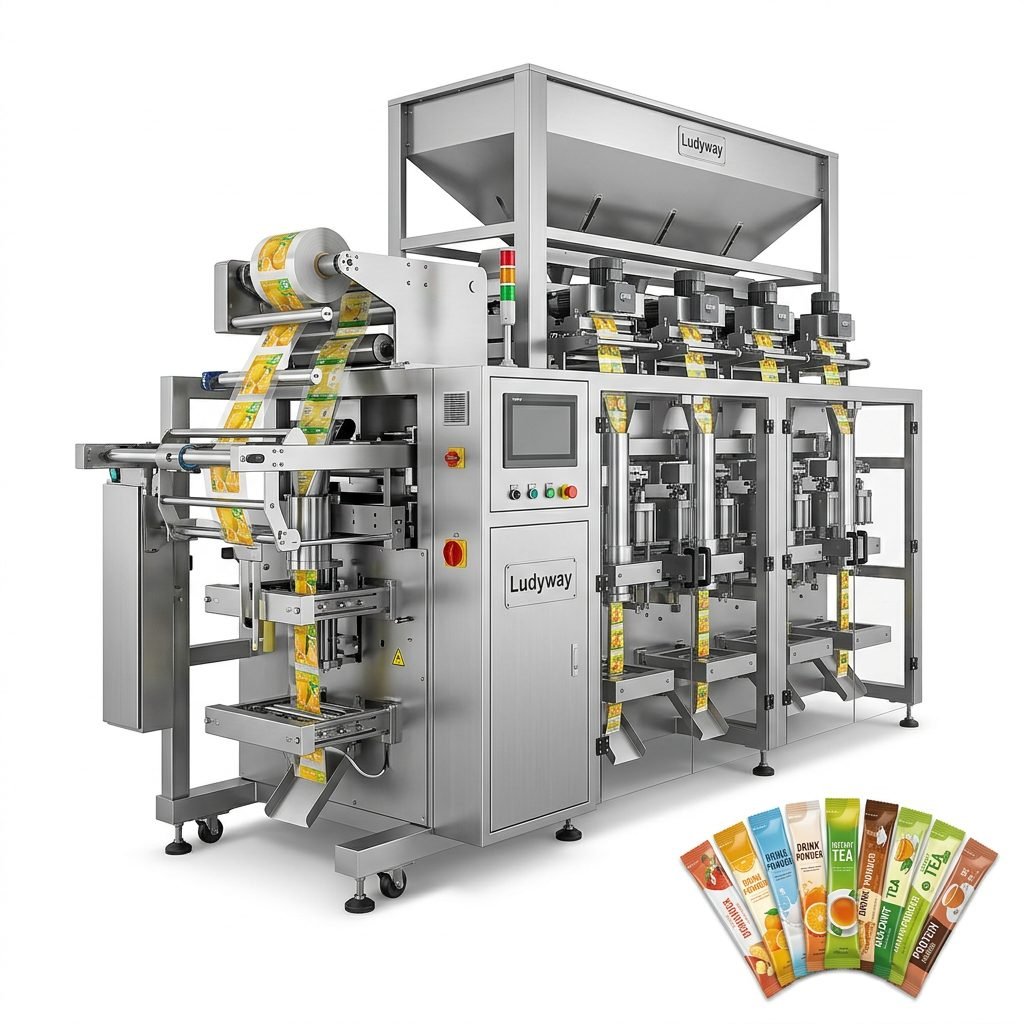
- High-Speed Bagging & Cartoning Systems: Automatically form, fill, and seal packages, matching the output rate of the sorting line.
Key Benefits of Integrated Logistics Sorting and Packaging Lines
Implementing an integrated weighing, sorting, and packaging system yields immediate operational advantages across diverse manufacturing and distribution sectors:
- Unmatched Operational Speed: Continuous processing eliminates start-stop delays, dramatically increasing daily throughput.
- Rigorous Quality Control: Real-time detection catches under-filled or over-filled packages, preventing costly product giveaway and customer complaints.
- Significant Labor Savings: Automating the transit, measurement, and packaging phases reduces reliance on manual operators, lowering overall operational costs.
- Seamless Data Integration: Modern systems record and export weight data, providing valuable insights for inventory management, yield analysis, and compliance tracking.
Technical Configuration of High-Speed Integrated Lines
To illustrate the capabilities of modern sorting and packaging systems, the following table highlights typical specifications for high-speed dynamic packaging lines:
| System Component | Key Specifications | Primary Function |
|---|---|---|
| Dynamic Checkweigher | Accuracy up to ±0.2g; Speed up to 150 pcs/min | In-line weight detection and feedback control |
| Sorting Mechanism | Pneumatic pusher, air jet, or drop-flap systems | Rejection of out-of-tolerance products |
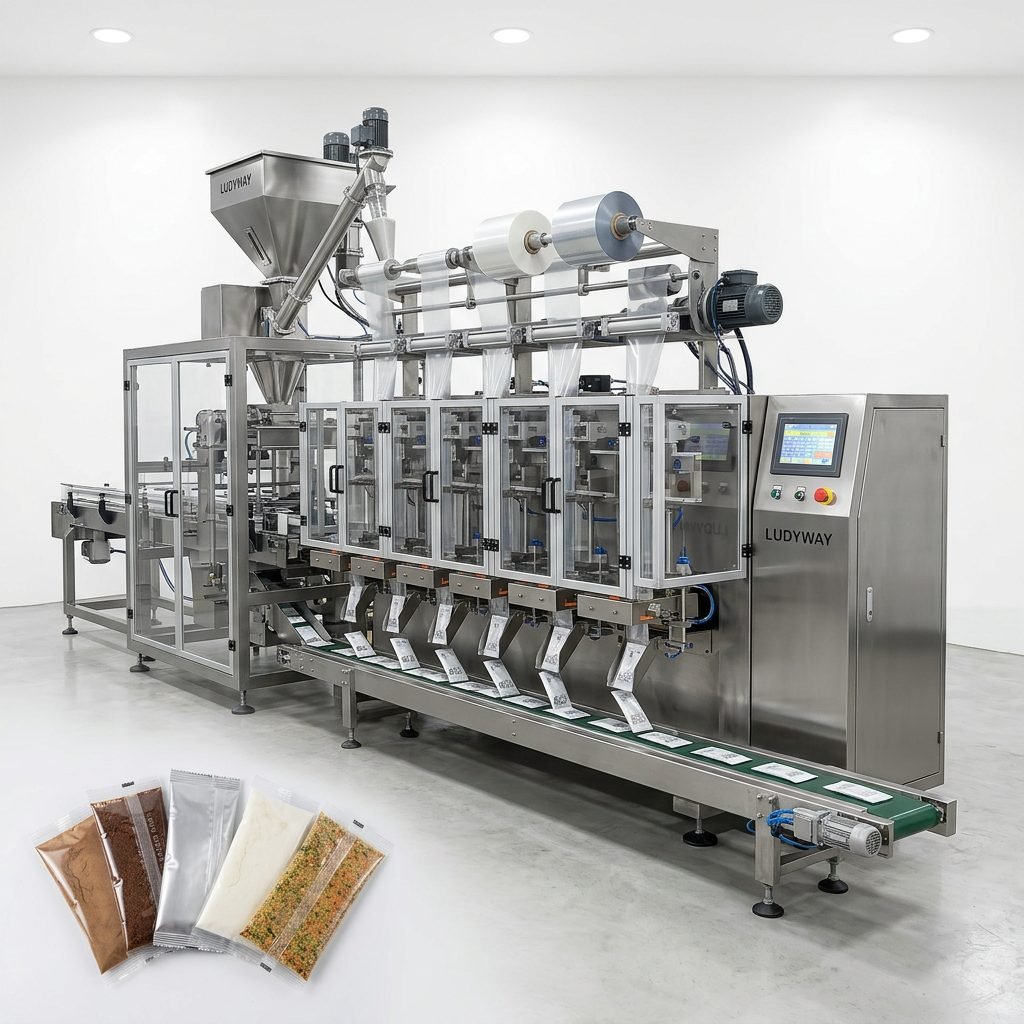
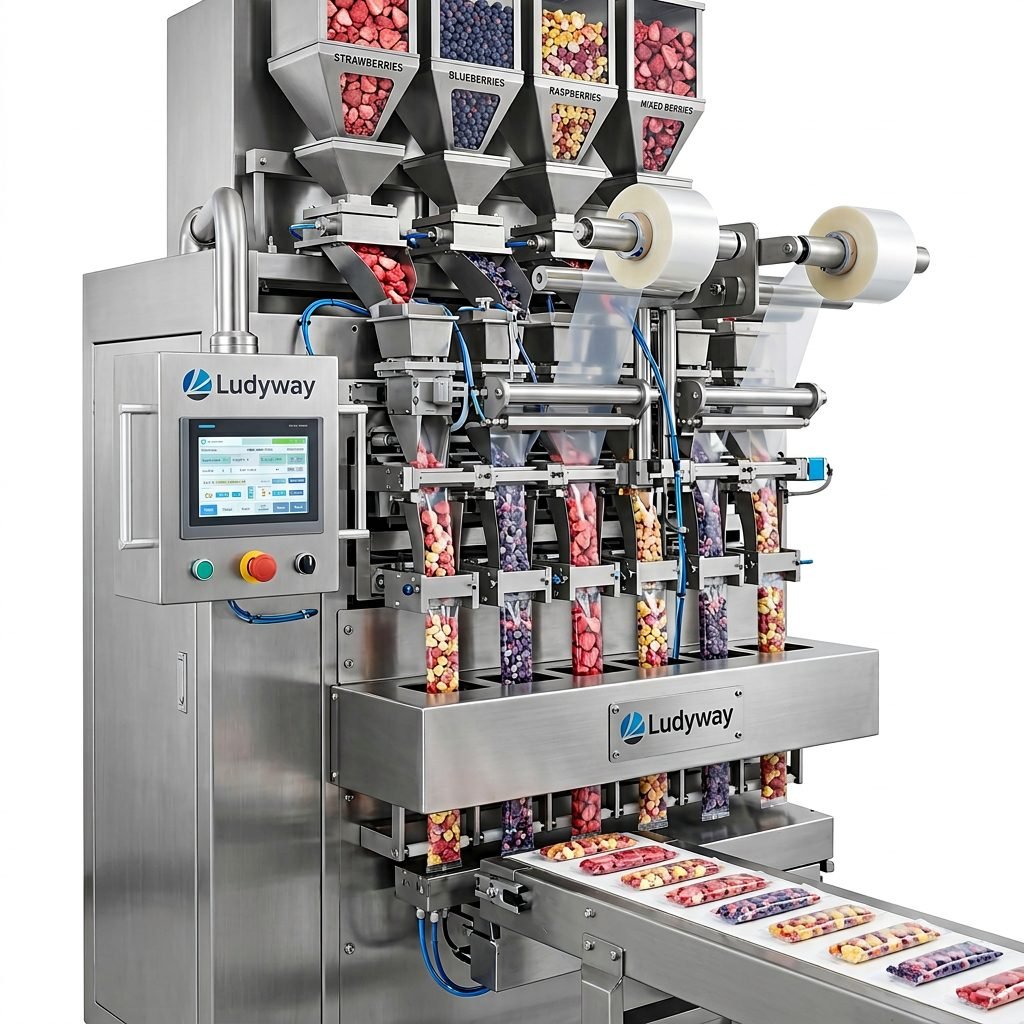
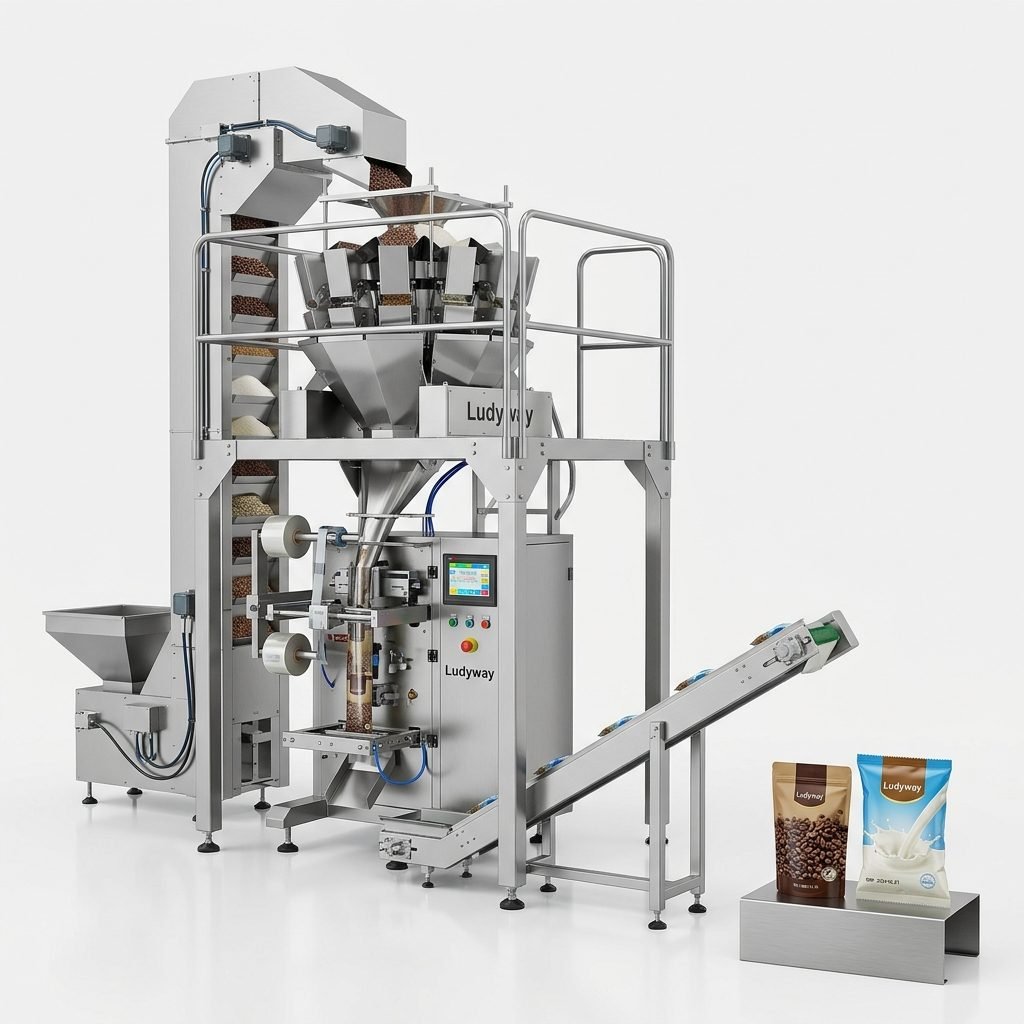
| Packaging Module | Vertical Form-Fill-Seal (VFFS) or Multi-Lane Sachet | Automatic bag forming, product filling, and sealing |
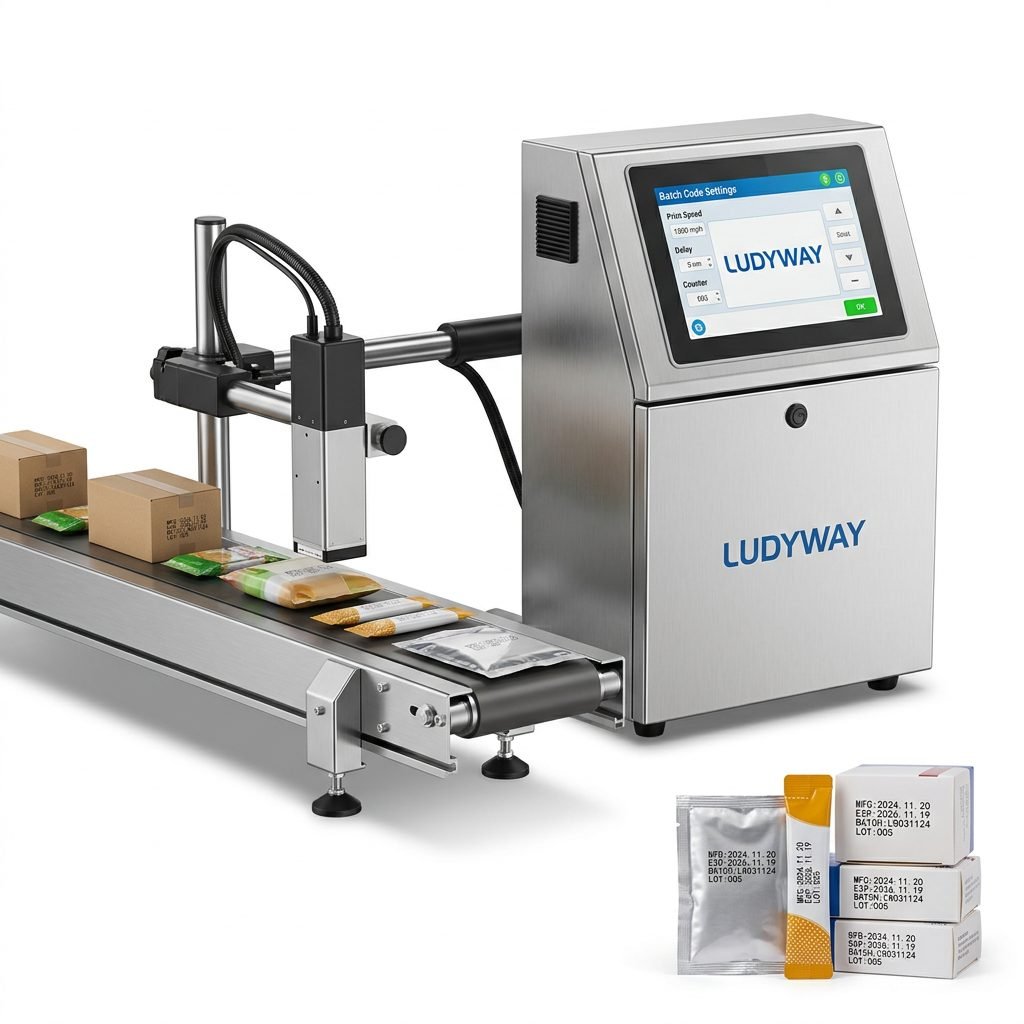
| Control Interface | PLC touch-screen with multi-language support | System configuration, recipe storage, and diagnostics |
Global Demand and Future Outlook
The demand for integrated sorting and packaging solutions is rising rapidly in key export markets, including Europe, North America, the Middle East, and Southeast Asia. As companies globally strive to build smarter factories, they seek modular packaging machinery that can adapt to changing product dimensions and packaging materials without requiring extensive downtime.
Looking ahead to 2025 and beyond, the integration of Artificial Intelligence (AI) and Machine Learning (ML) will further refine dynamic weighing. Predictive maintenance algorithms will analyze conveyor vibration patterns to identify component wear before a breakdown occurs, while self-adjusting dosing systems will interact with checkweighers in real-time to correct filling variations instantly. This continuous loop of measurement, analysis, and execution will redefine the standards of efficiency, cementing integrated sorting and packaging machines as indispensable assets in global logistics.
Conclusion
The rapid popularity of integrated logistics sorting and packaging systems is a direct response to the global demand for operational speed, accuracy, and cost-efficiency. By combining dynamic “unseen” checkweighing with automated packaging technologies, manufacturers and logistics providers can eliminate bottlenecks, reduce waste, and improve product consistency. Investing in robust, high-speed automated lines ensures that businesses remain agile and competitive in an increasingly automated world.