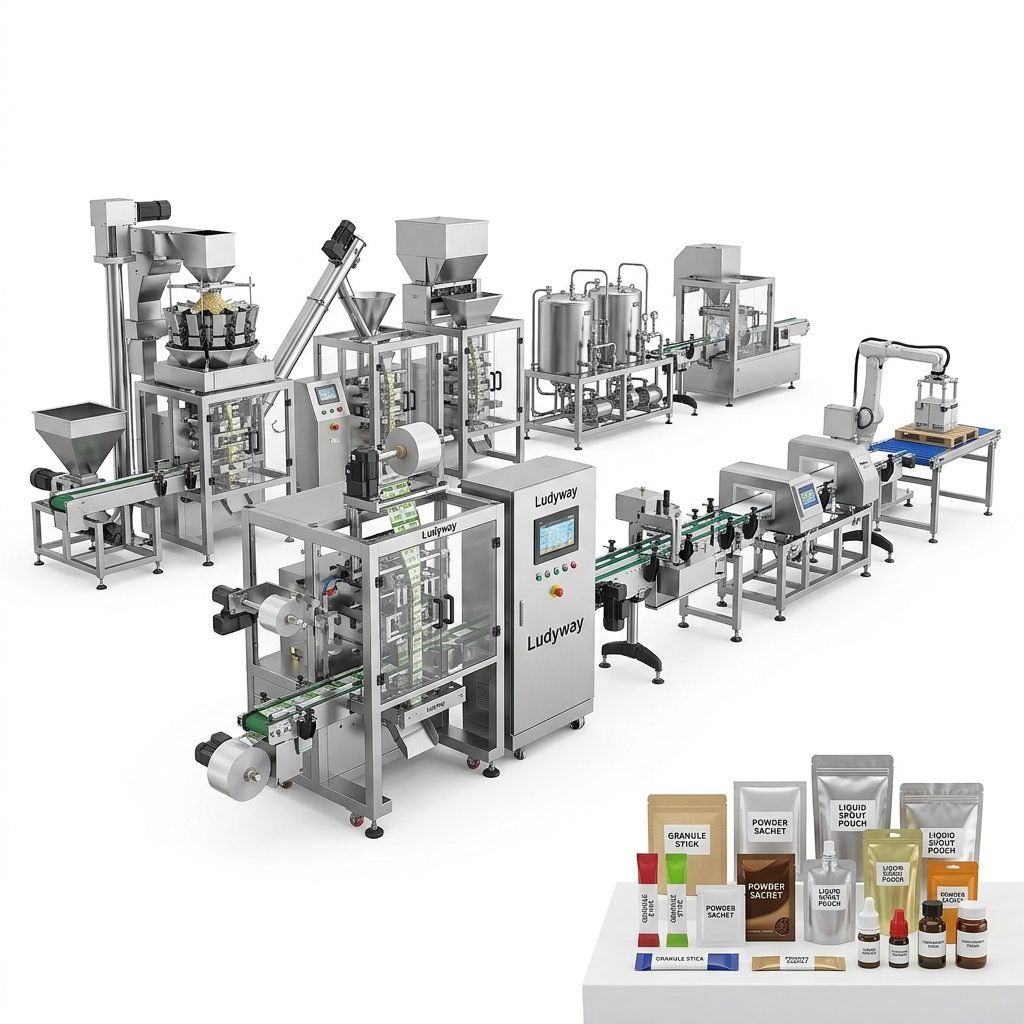
Packaging automation has revolutionized modern manufacturing, enabling high-speed production across the food, pharmaceutical, and chemical industries. However, packaging materials that are sticky, oily, or highly hygroscopic has remained a persistent challenge for production managers worldwide. Oily food ingredients, damp chemical granules, and sticky botanical powders frequently adhere to the contact surfaces of packaging machinery. This leads to issues such as material bridging, uneven dosing, and frequent line stoppages. To address these critical pain points, a state-of-the-art anti-sticking feeder machine has been officially launched, promising to streamline operations and enhance packaging efficiency.
The Root of the Sticky Packaging Challenge
Standard packaging systems rely heavily on gravity and uniform flow behavior. When handling materials with high moisture, oil, or sugar content, conventional gravity-fed hoppers and vibratory pans fail to maintain consistency. The consequences of using inadequate feeding technology are costly and highly disruptive:
- Material Clogging: Viscous substances stick to the internal walls of the hopper, reducing the effective flow area and starving the packaging system.
- Bridging and Arching: Sticky granules clump together over the discharge outlet, creating a physical “bridge” that completely stops material discharge.
- Dosing Inaccuracies: Irregular material flow leads to extreme weight variations in individual pouches, causing high reject rates and regulatory compliance risks.
- Increased Downtime: Operators must frequently pause the packaging line to manually clear blockages, which increases labor costs and introduces cross-contamination risks.
Key Technology Behind the Anti-Sticking Feeder
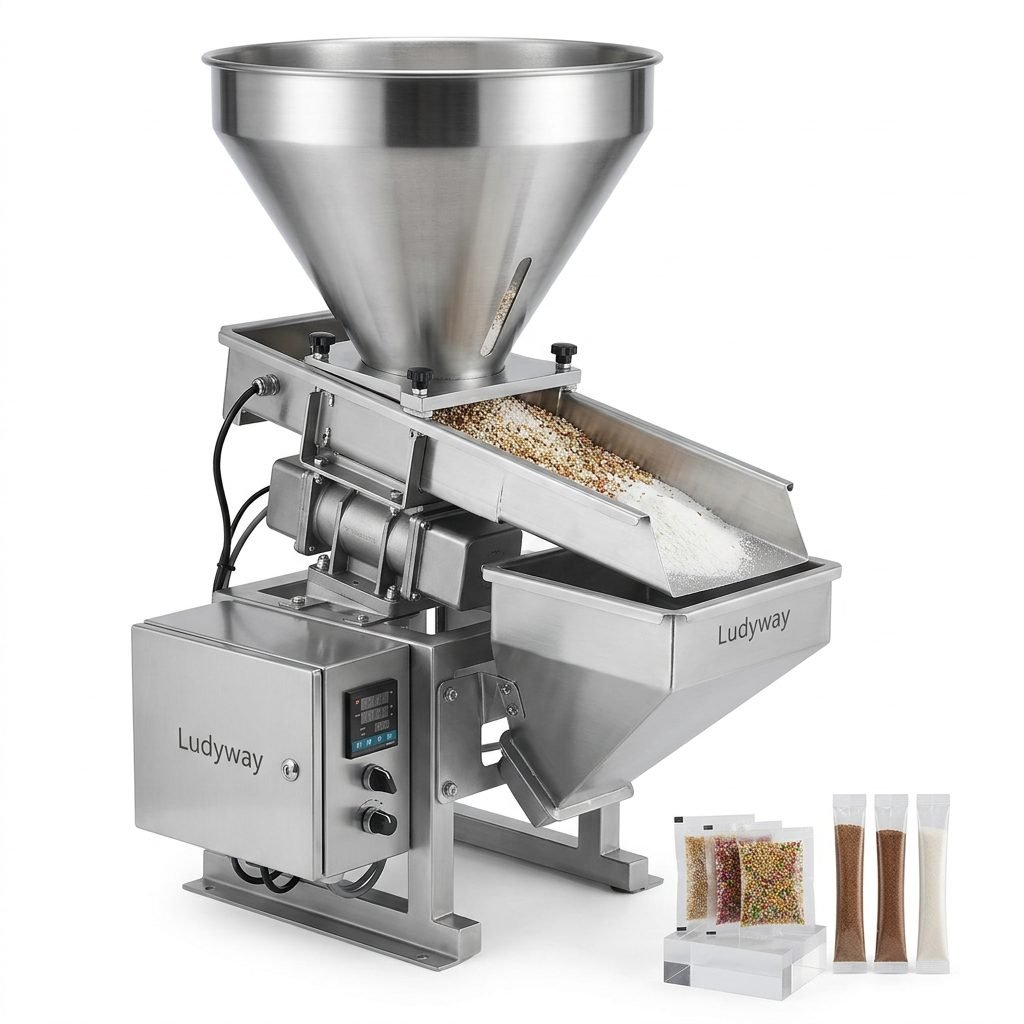
The newly launched anti-sticking feeder machine resolves these issues by integrating mechanical agitation, advanced material science, and intelligent controls. Unlike basic vibration plates, this system employs a multifaceted approach to keep challenging materials flowing smoothly.
1. Advanced Surface Treatment & Engineering
At the core of the new feeder is a proprietary surface treatment process. The contact parts are constructed from mirror-polished stainless steel or coated with industrial-grade, food-safe anti-adhesion layers. This drastically reduces the coefficient of friction, preventing sticky powders and wet granules from anchoring to the metal surface.
2. Dual-Drive Agitation System
To eliminate material bridging, the machine features a dual-drive system combining a high-frequency vibrator with a mechanical paddle agitator. The rotary paddle actively breaks down lumps inside the hopper, while the vibratory feeder pan fluidizes the material, ensuring a steady, constant feed rate down to the dosing nozzles.
3. Precise Flow Controls
Equipped with smart sensors, the machine dynamically adjusts the vibration amplitude based on real-time material density and flow speed. This guarantees that whether the hopper is full or running low, the discharge volume remains exceptionally uniform.
Feeder Performance Comparison
To highlight the practical advantages of the new system, the table below compares the operational metrics of traditional vibratory feeders against the newly launched anti-sticking feeding system:
| Performance Indicator | Traditional Feeders | New Anti-Sticking Feeder |
|---|---|---|
| Material Flow Rate | Inconsistent, prone to sudden stops | Continuous, regulated and highly stable |
| Manual Intervention | High (requires frequent scraping/poking) | Zero to minimal (fully automated flow) |
| Weight Accuracy Deviation | ±3% to ±5% for sticky powders | Under ±1% deviation |
| Clean-in-Place (CIP) Time | Long (requires intensive scrub downs) | Rapid (quick-release modular design) |
Industrial Applications and Market Impact
The versatility of the new anti-sticking feeder makes it an ideal upgrade for various sectors struggling with complex product profiles:
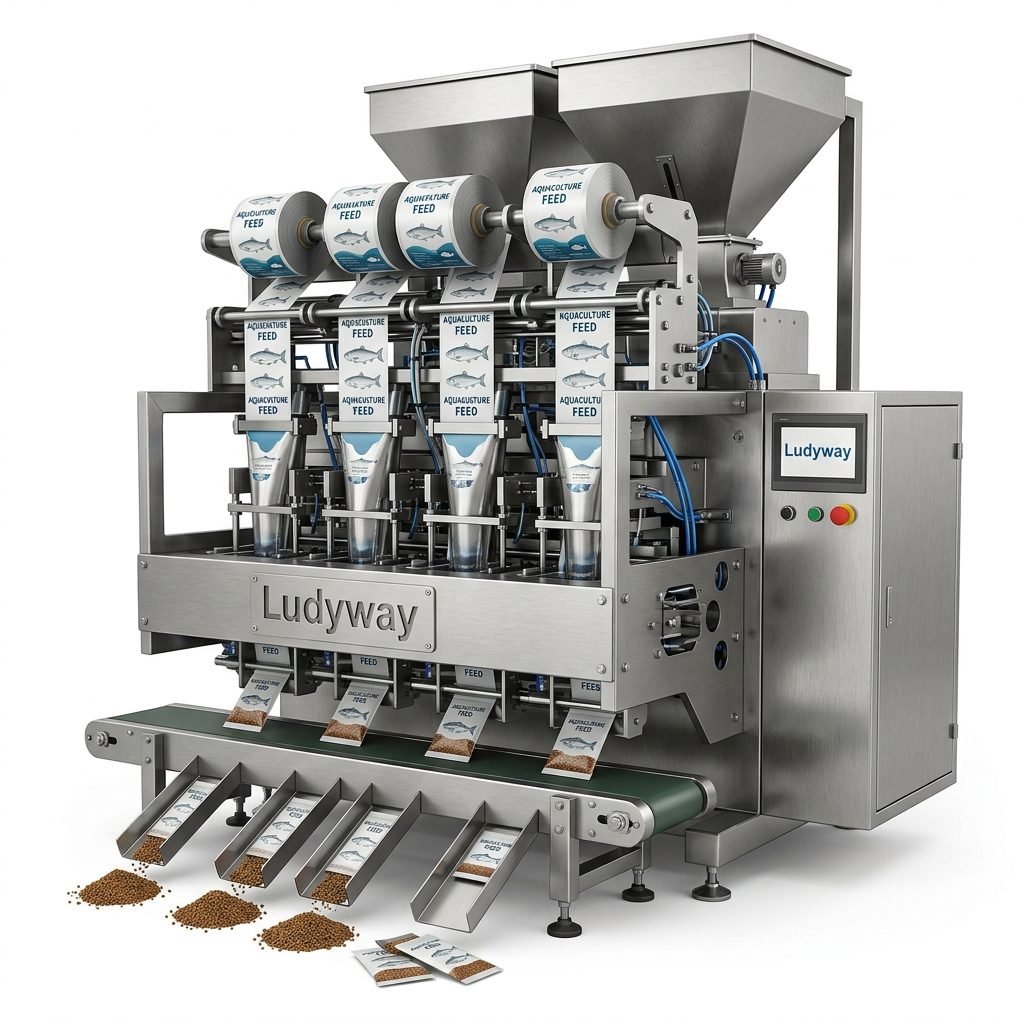
- Food Processing: Perfect for handling brown sugar, powdered honey, cocoa mixes, oily spice blends, dried fruit pieces, and semi-moist pet kibble.
- Pharmaceutical & Health Supplements: Ideal for sticky botanical extracts, collagen peptides, effervescent tablet granules, and hygroscopic chemical formulations that clump upon exposure to ambient humidity.
- Chemical Manufacturing: Highly suitable for damp fertilizers, metal powders, resin powders, and raw raw materials used in cosmetic manufacturing.
Integrating Next-Generation Feeders into Turnkey Packaging Lines
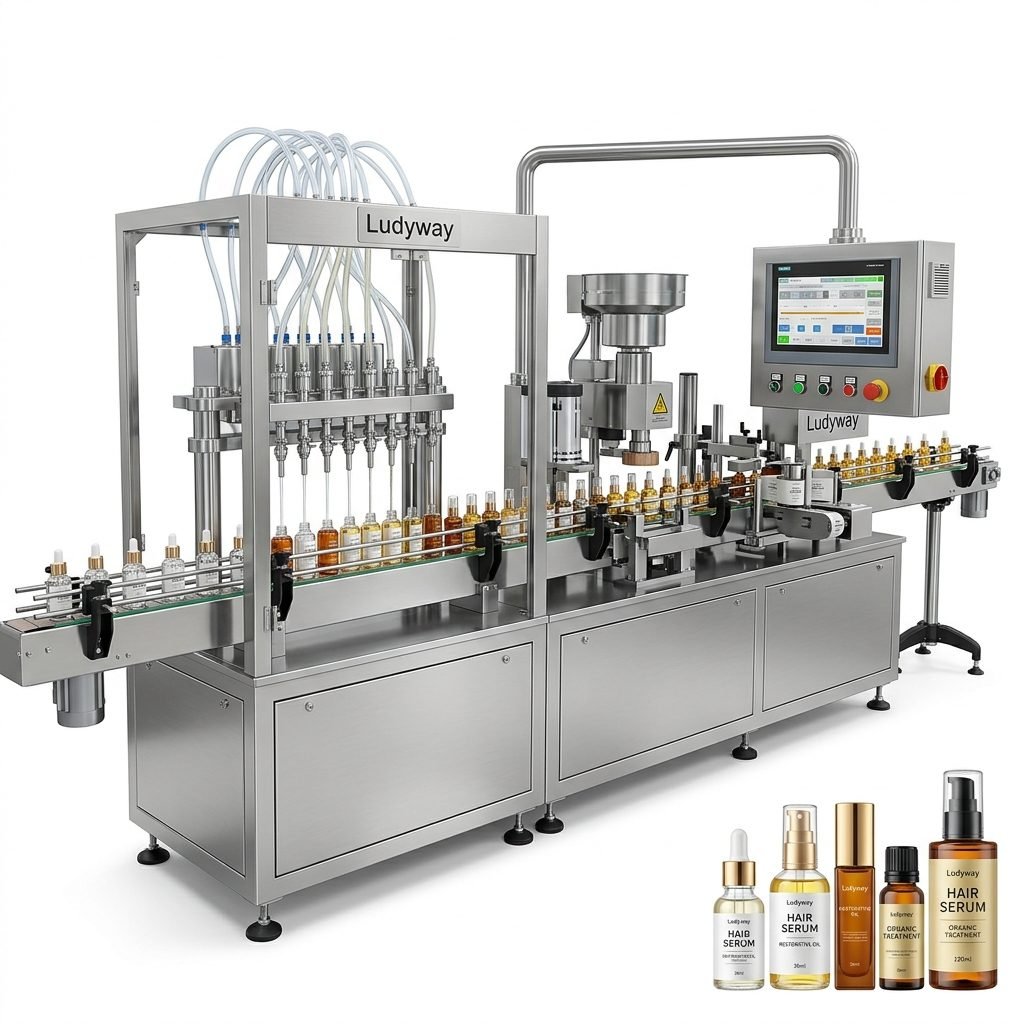
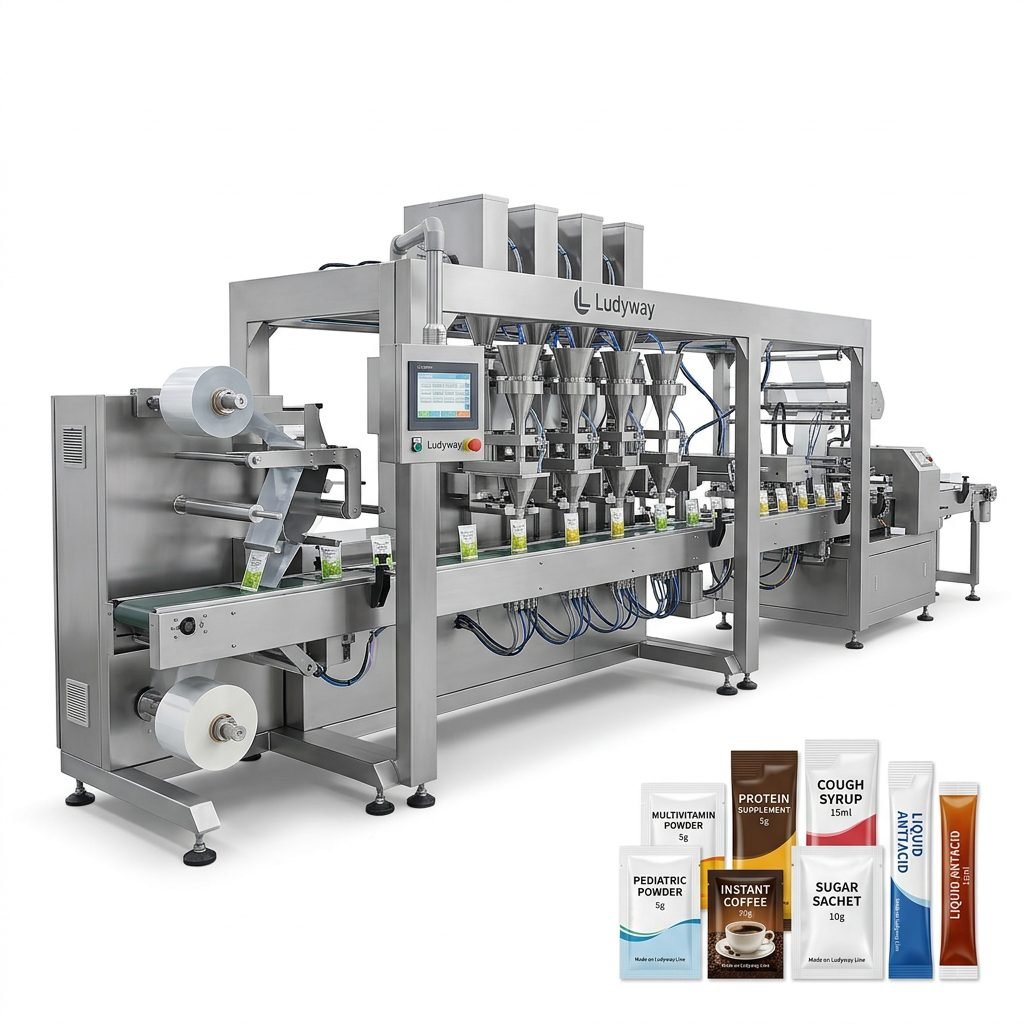
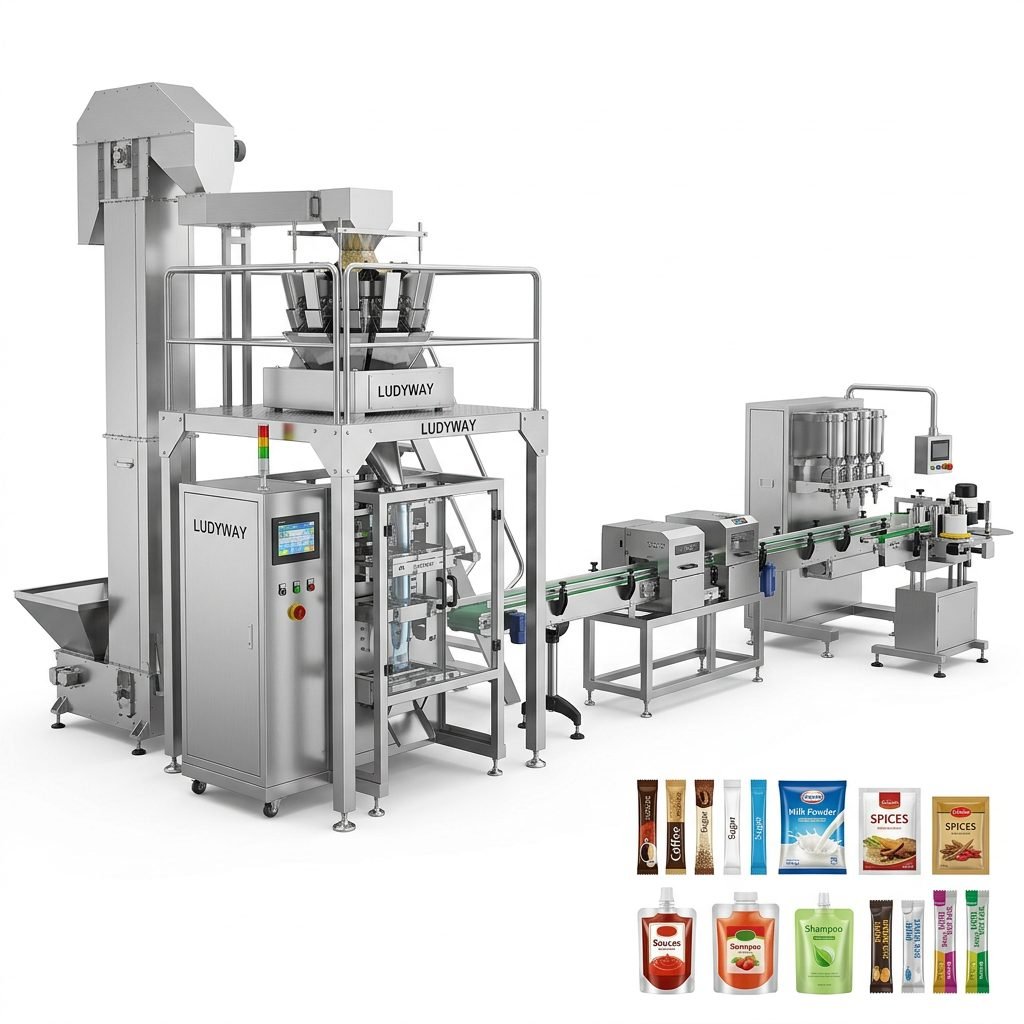
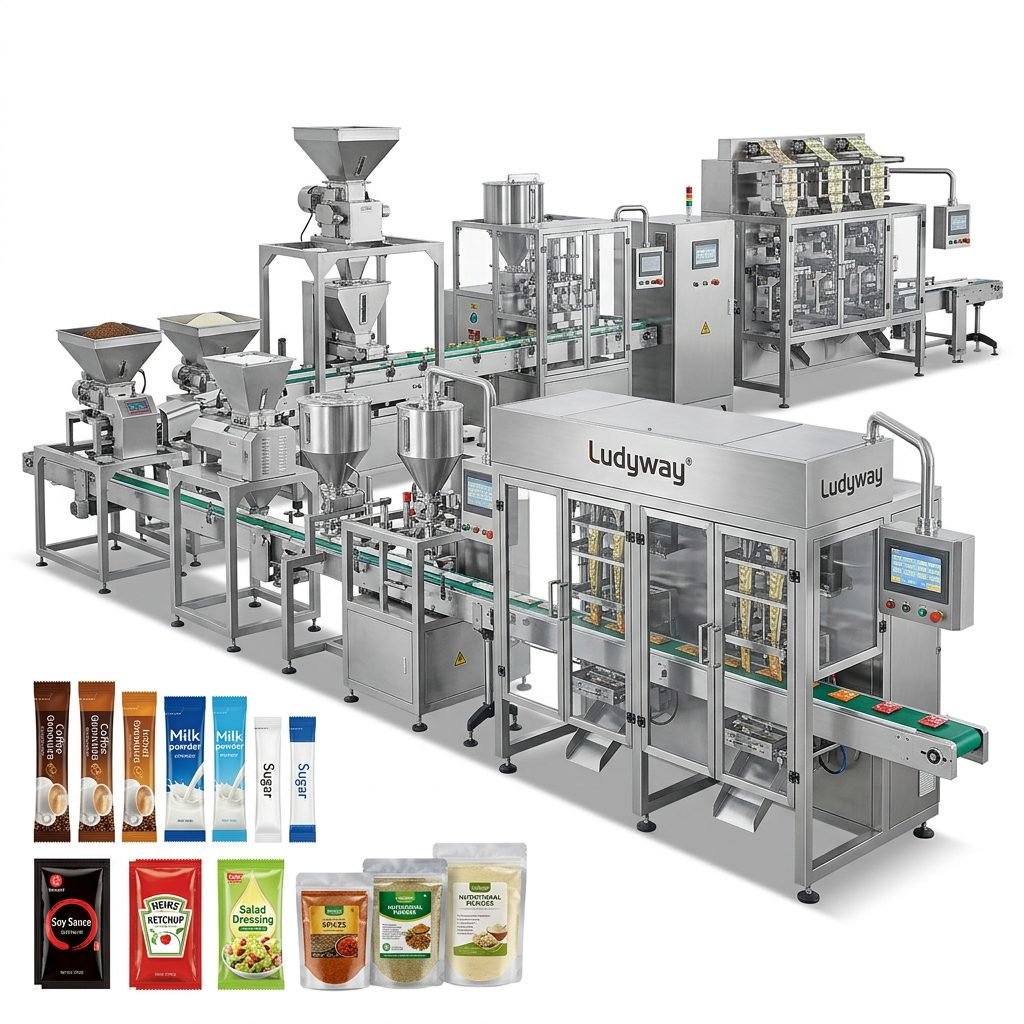
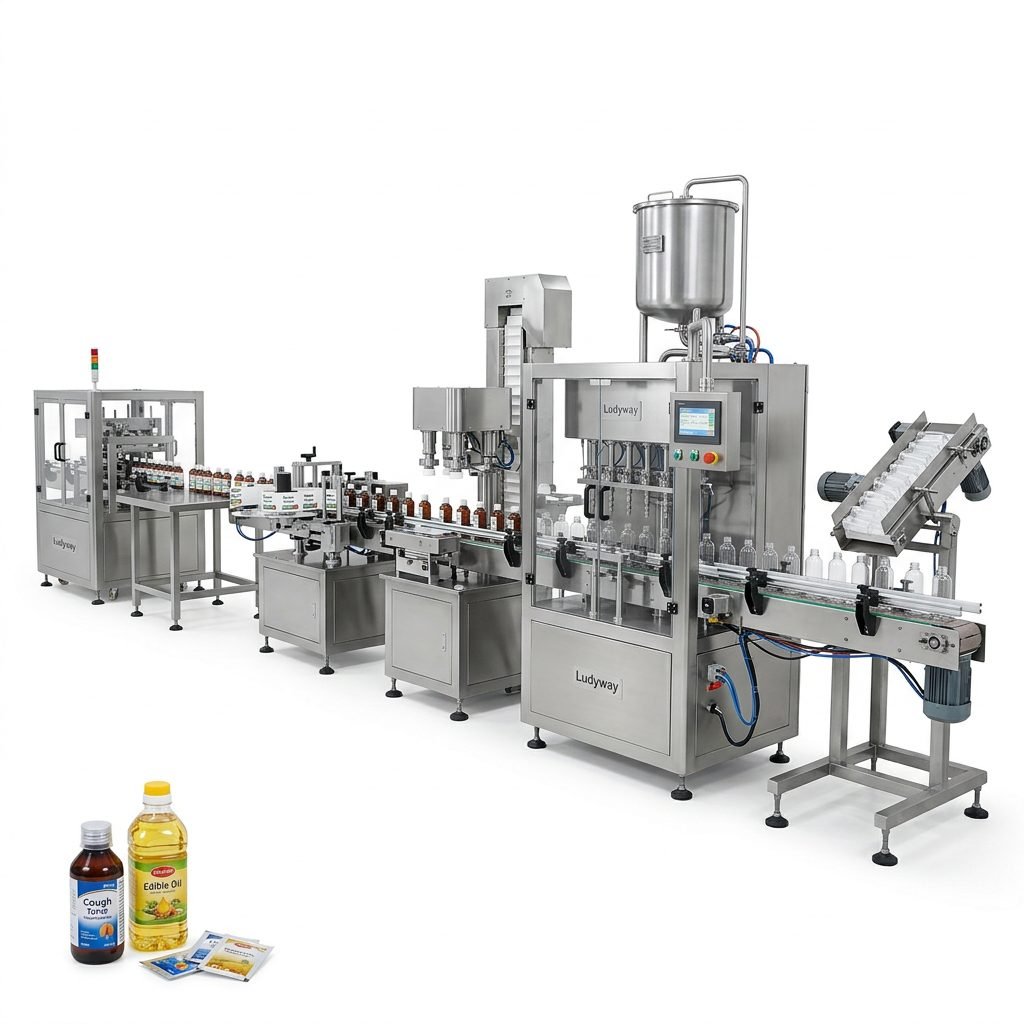
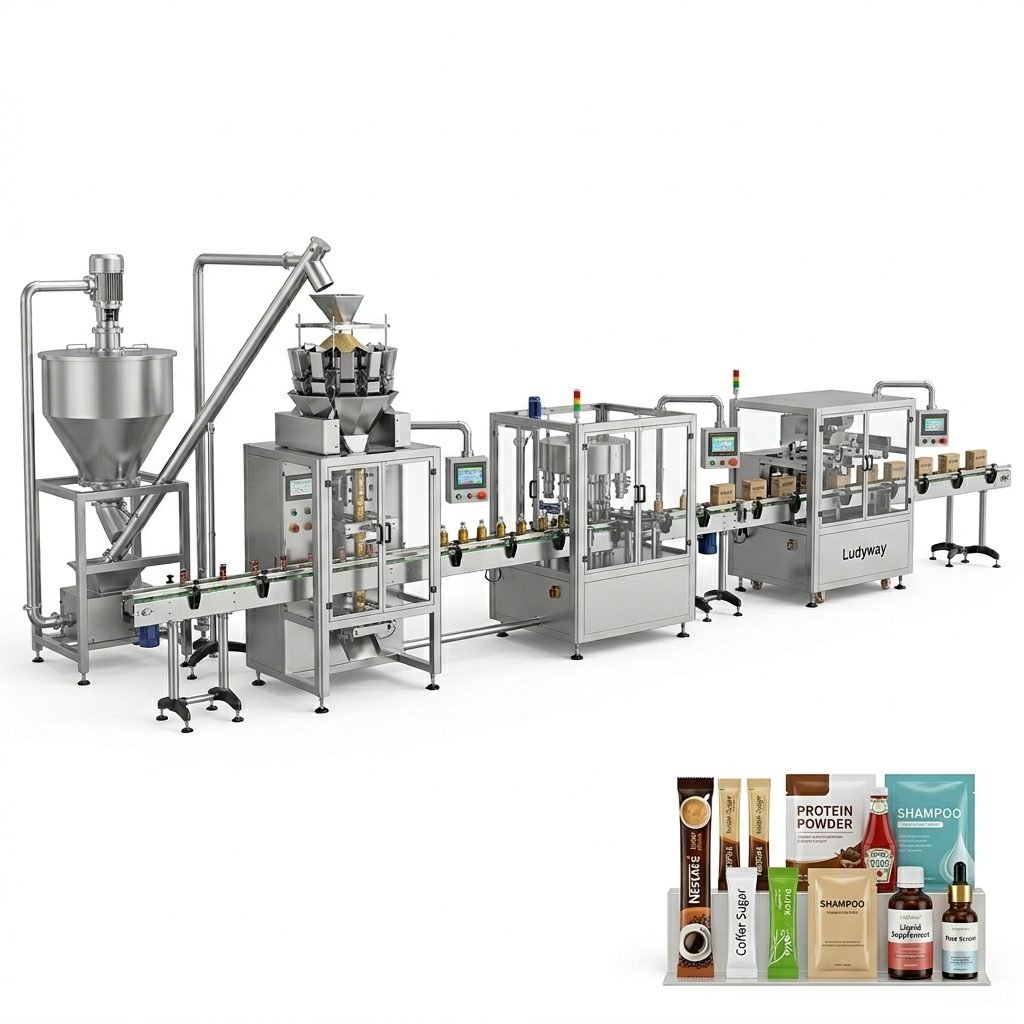
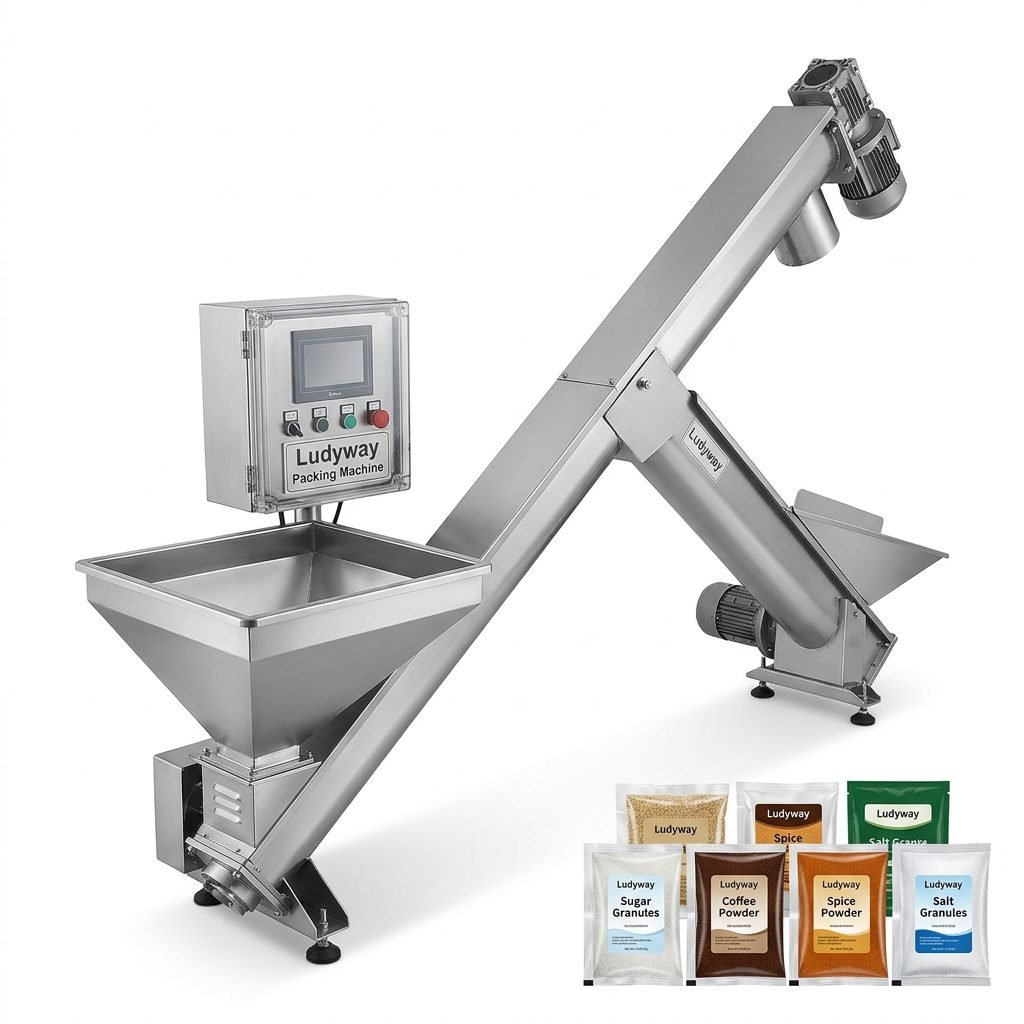
For manufacturers looking to upgrade their entire workflow, standalone machines are only part of the solution. Maximizing the speed and accuracy of an anti-sticking feeder requires seamless integration into the packaging line. As a pioneer in automated packaging innovation, Ludyway has integrated this advanced feeder technology directly into its turnkey packaging systems. Doing so ensures that the dosing mechanisms coordinate perfectly with vertical form-fill-seal (VFFS) systems, multi-lane stick pack machines, and sachet packers.
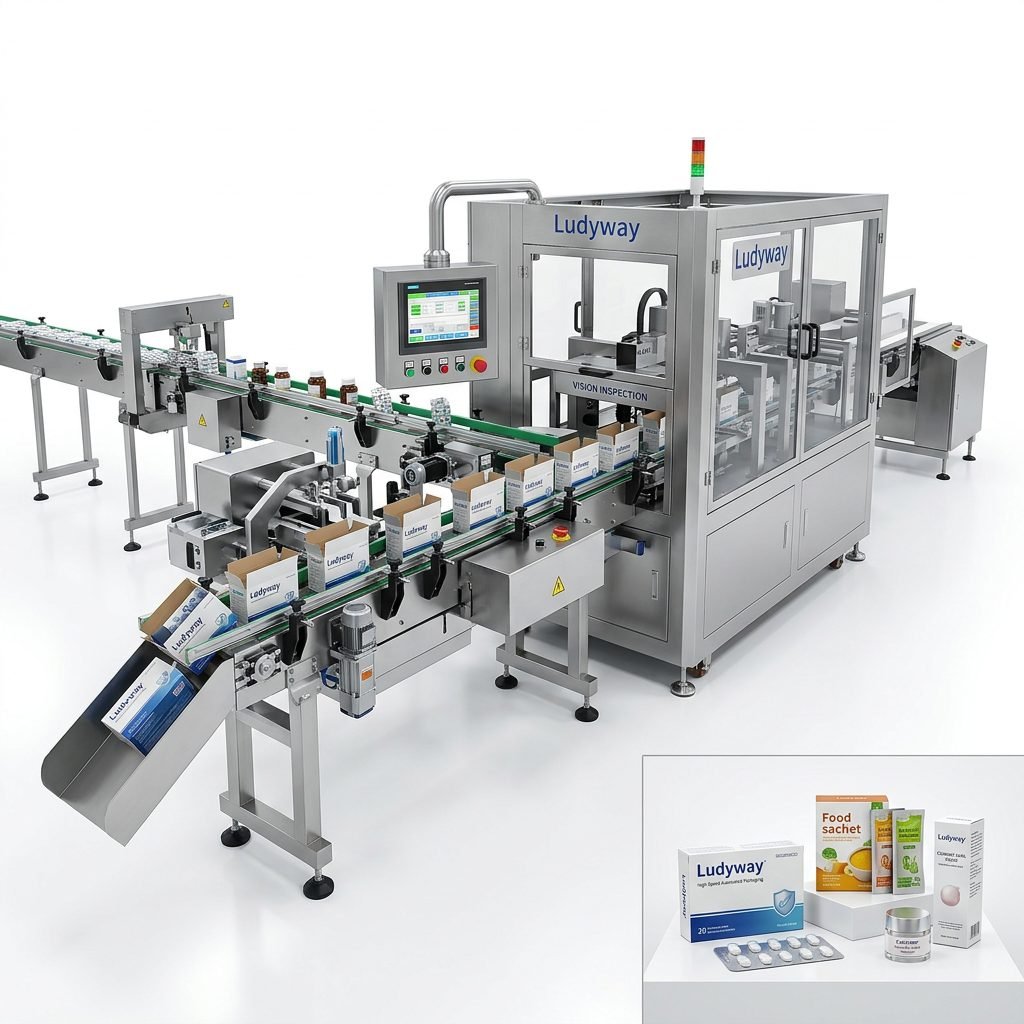
By preventing raw material blockages from the very beginning of the packaging cycle, downstream processes like heat sealing and cartoning run at maximum efficiency. Manufacturers benefit from a unified control interface, which automatically matches the feeder speed with the exact cycle time of the packaging machine, avoiding overfills and dry cycles.
Conclusion
The launch of the new anti-sticking feeder machine marks a major milestone in solving the age-old dilemma of sticky material handling. By combining modern surface engineering with active agitation and digital control interfaces, it removes the operational bottlenecks that have troubled packaging facilities for decades. Investing in this technology enables modern factories to boost production output, reduce product giveaway, and keep packaging lines running smoothly day in and day out.