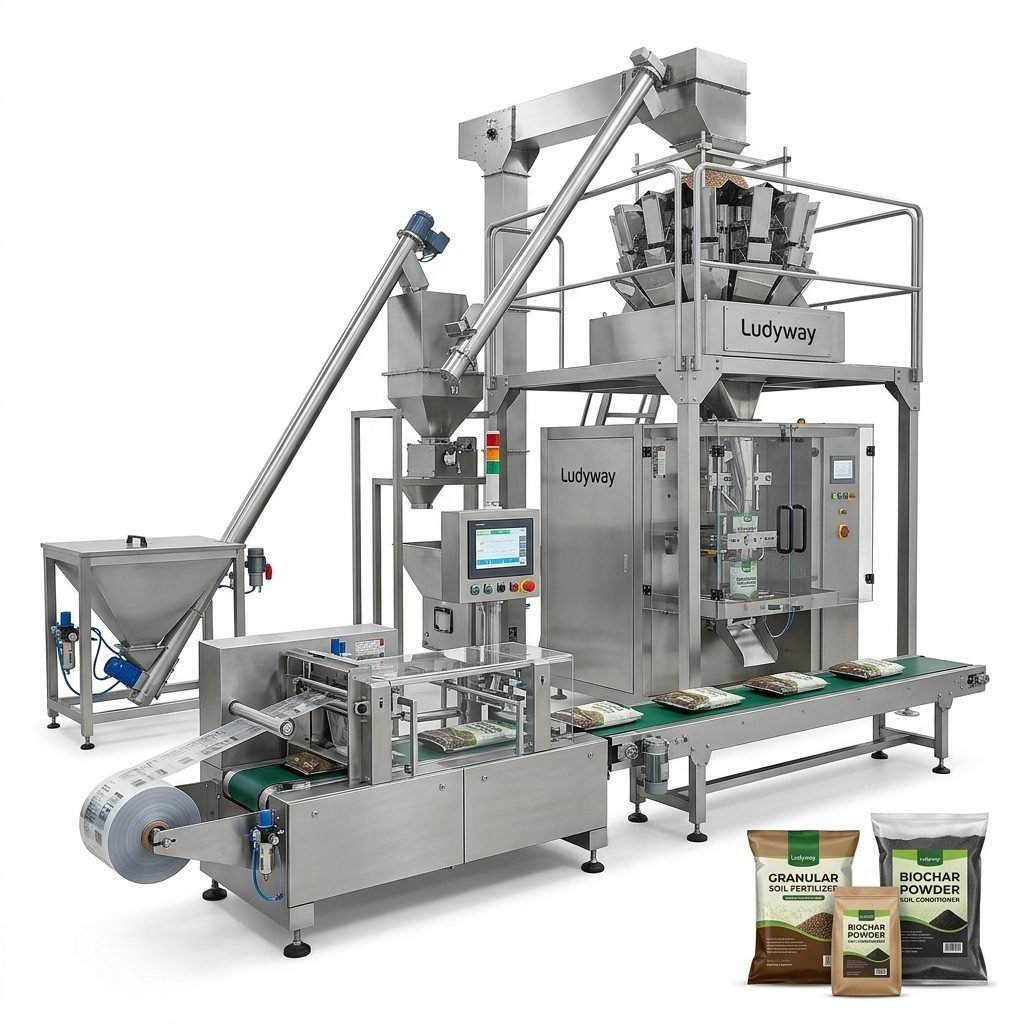
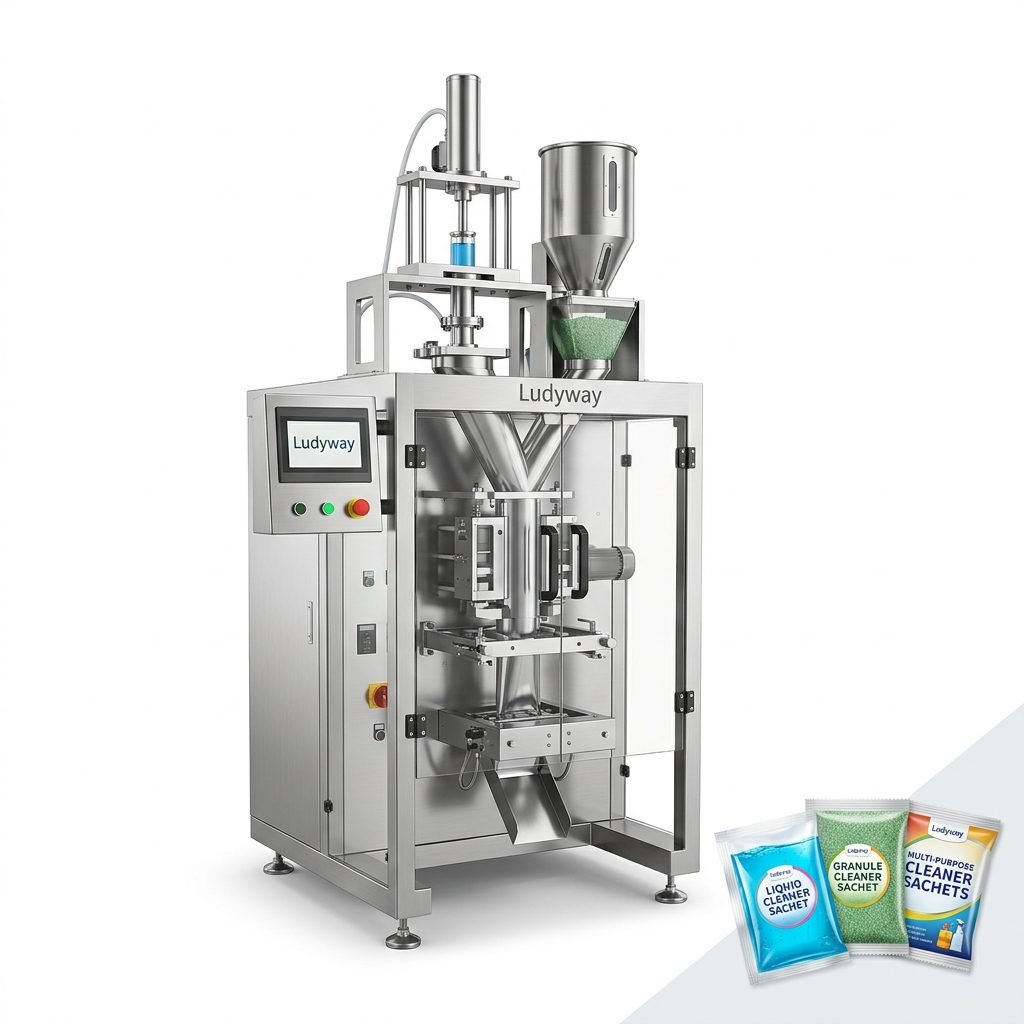
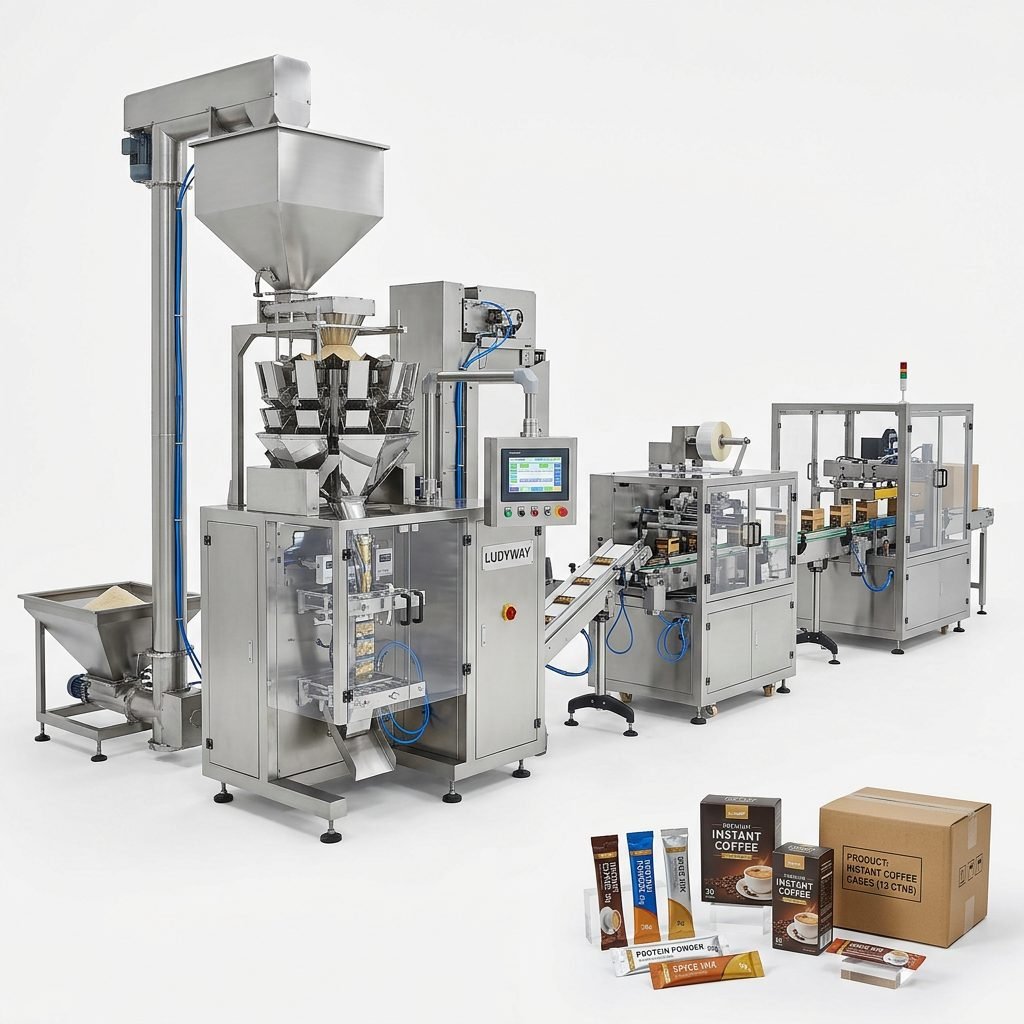
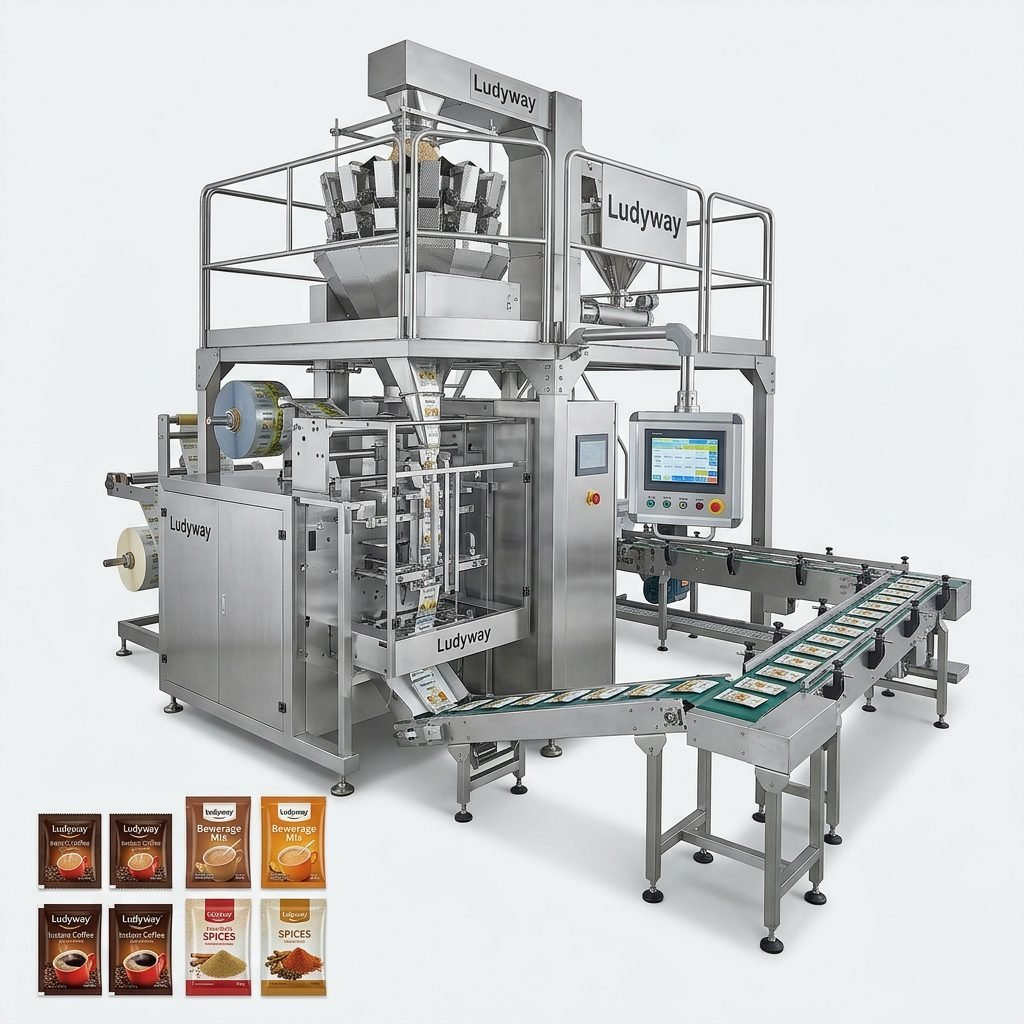
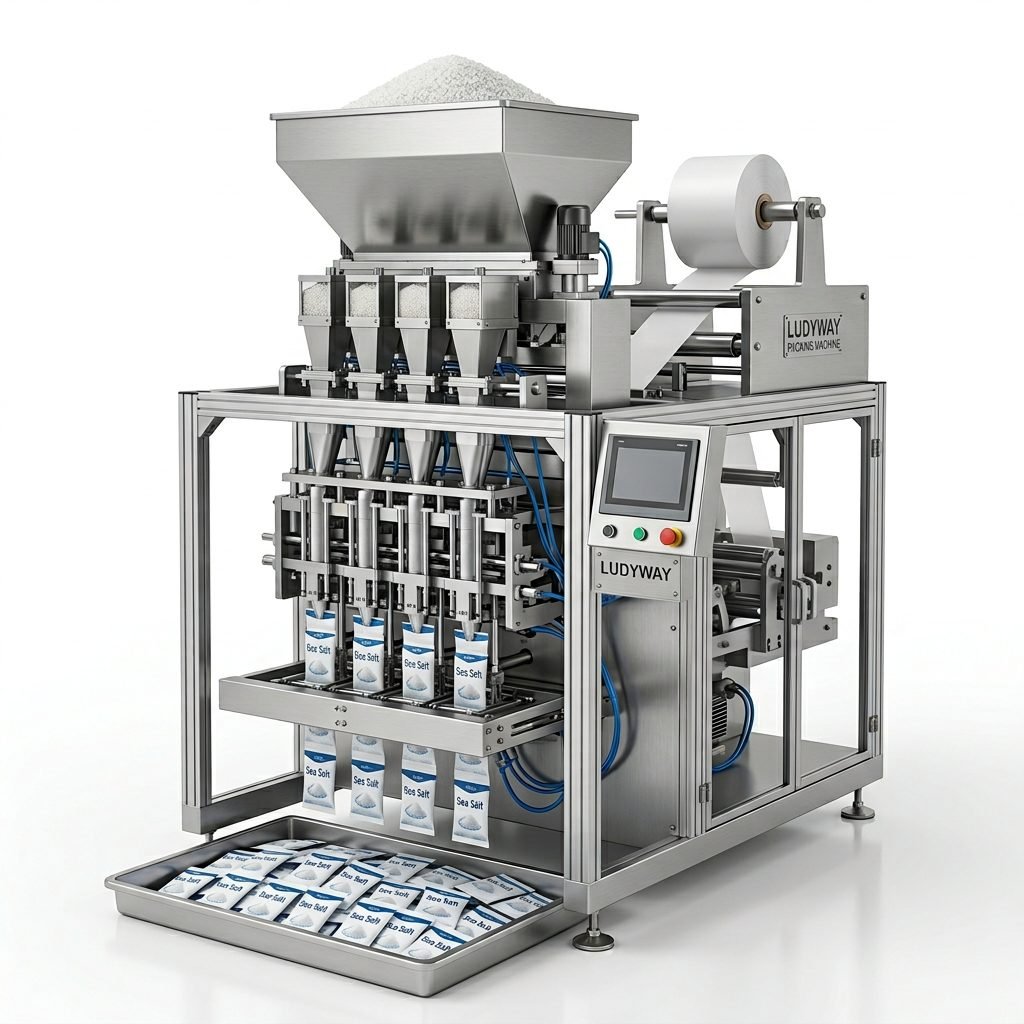
The global medical industry is witnessing a transformative shift in infection control and patient safety protocols. At the center of this evolution is the critical need for absolute sterile integrity. The packaging of surgical instruments, implants, single-use syringes, and diagnostic kits plays a vital role in preventing hospital-acquired infections (HAIs). To address these stringent requirements, a new, state-of-the-art medical device sterilization packaging machine has been officially unveiled, promising to enhance source-level antibacterial protection through cutting-edge sealing, vacuum, and gas-flushing technologies.
This high-precision packaging system is specifically engineered to establish a flawless sterile barrier. By integrating advanced automation with precise thermal control, the machine ensures that medical devices remain completely contamination-free from the production line to the operating room. Industry experts view this launch as a significant milestone in upgrading the safety standards of medical manufacturing globally.
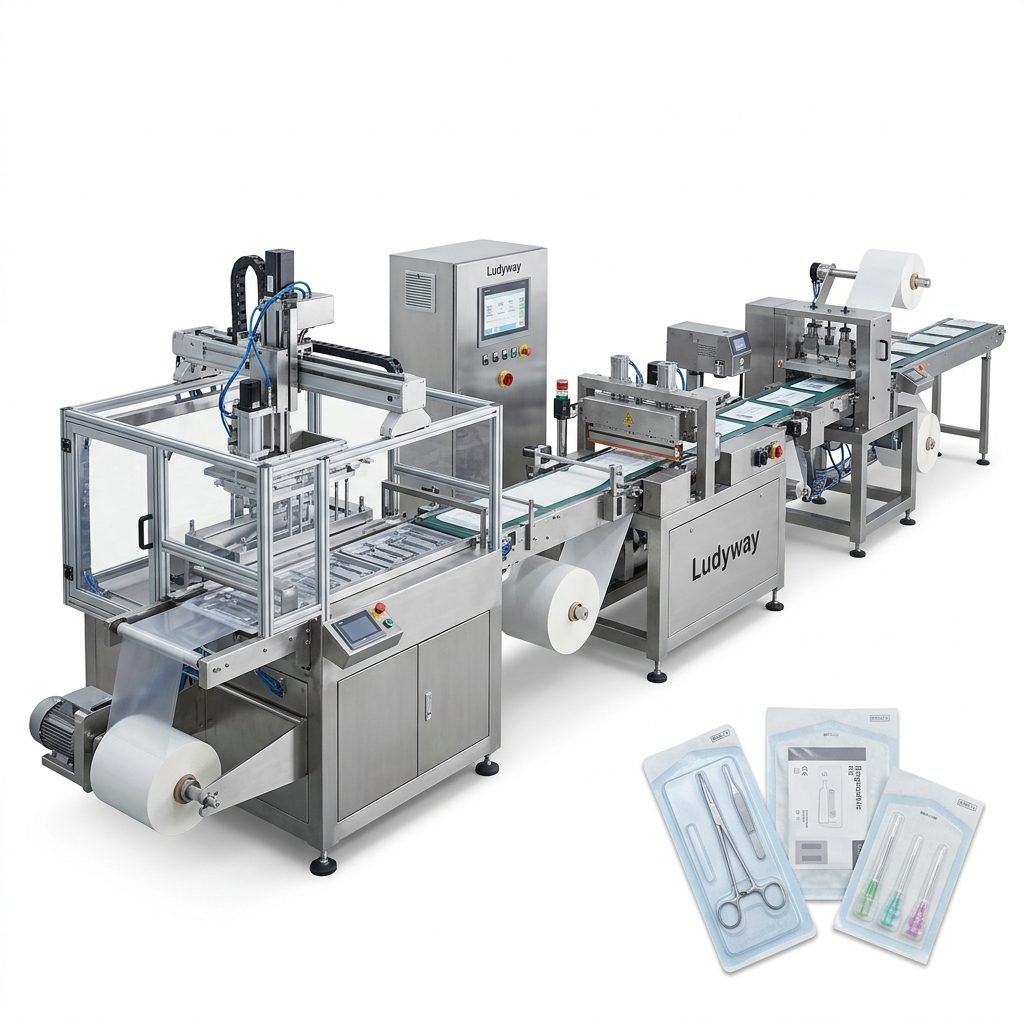
The Critical Role of Source-Level Antibacterial Protection
In medical manufacturing, “source-level protection” refers to preventing microbial contamination at the very moment the device is packaged. Traditional packaging methods often leave microscopic vulnerabilities due to inconsistent sealing temperatures or inadequate air extraction. Residual oxygen and moisture trapped inside a pouch can create micro-environments where bacteria and mold can survive, even after terminal sterilization.
The newly introduced sterilization packaging machine mitigates these risks by utilizing a multi-stage preservation process:
- Precision Vacuum Extraction: Removes ambient air to eliminate oxygen, which is essential for aerobic microbial growth.
- Inert Gas Flushing: Replaces oxygen with medical-grade nitrogen or carbon dioxide, stabilizing the internal environment and protecting delicate device components from oxidation.
- Hermetic Thermal Sealing: Applies uniform heat and pressure across the sealing bar, creating a continuous, impenetrable molecular bond that prevents any microbial ingress.
By addressing these variables during the initial packaging phase, manufacturers can guarantee a much higher sterility assurance level (SAL), safeguarding patients and reducing product recall rates.
Advanced Engineering for Sterile Barrier Systems (SBS)
A Sterile Barrier System must perform two primary functions: keep the medical device sterile until use and allow aseptic extraction at the point of care. Achieving this balance requires packaging machinery that can handle specialized medical materials such as Tyvek, medical-grade paper, laminated films, and aluminum foil structures without degrading their physical properties.
The new machine features an intelligent thermo-regulation system that monitors sealing temperatures down to the millisecond. This prevents issues like burn-through or weak seals, which are common causes of packaging failure. Additionally, the machine operates with low-emission pneumatic systems, making it fully compatible with Class 100 (ISO 5) cleanroom standards, where particulate contamination must be strictly managed.
| Key Parameter | Technical Specification | Operational Benefit |
|---|---|---|
| Cleanroom Compliance | ISO Class 5 / Class 100 Compatible | Ensures zero particulate contamination during automated packaging. |
| Sealing Mechanism | Impulse & Constant Heat Control | Guarantees hermetic sealing for Tyvek, medical paper, and films. |
| Gas Flushing Options | Nitrogen (N2) / Carbon Dioxide (CO2) | Prevents oxidation and maintains a sterile, dry internal atmosphere. |
| Data Validation | Real-time PLC Seal Parameter Logging | Provides full traceability for regulatory audits (FDA/CE). |
Compliance with Global Medical Standards
Medical device packaging is subject to some of the most rigorous audits of any manufacturing sector. Regulations such as ISO 11607 (Packaging for terminally sterilized medical devices) dictate that every seal must be validated, traceable, and repeatable. The software integrated into this new packaging line allows for continuous monitoring of pressure, temperature, and dwell time.
If any parameter falls outside the pre-programmed safety threshold, the machine automatically rejects the package and alerts the operator, preventing defective sterile barriers from entering the supply chain.
This level of automated quality control is essential for manufacturers exporting to highly regulated markets in Europe, North America, and the Asia-Pacific region, where compliance failures can lead to significant financial penalties and damage to brand reputation.

Meeting Global Demands for Medical Automation
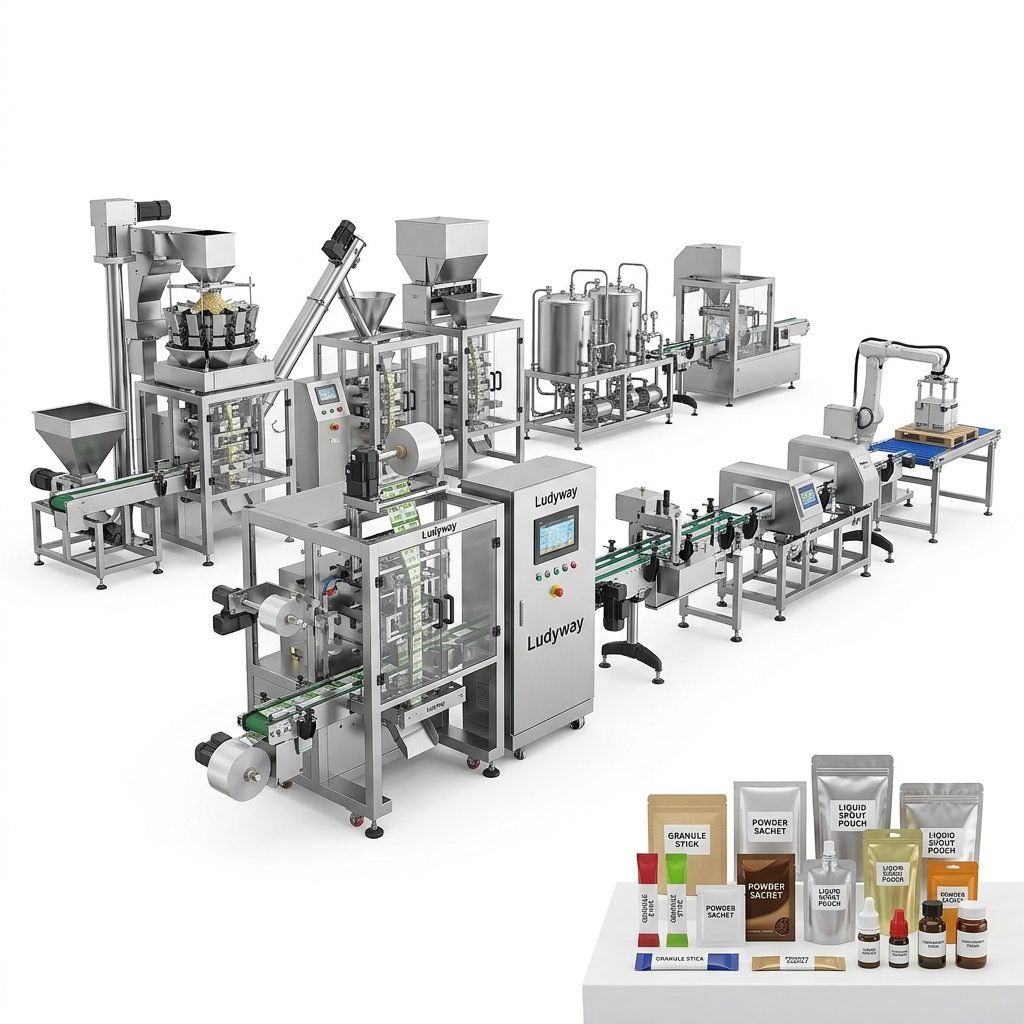
As healthcare systems worldwide expand, the demand for high-capacity, automated medical packaging solutions has reached an all-time high. Manufacturers require systems that not only protect the product but also scale efficiently to meet rising global demands. Advanced machinery manufacturers, such as Ludyway, are leveraging decades of engineering expertise to develop these specialized turnkey packaging lines, ensuring high throughput, minimal material waste, and seamless integration with downstream cartoning and sterilization systems.
By transition from manual or semi-automated sealing to fully integrated sterile packaging systems, medical device manufacturers can achieve:
- Enhanced Production Throughput: Continuous motion and multi-lane systems significantly increase the number of sterile pouches processed per hour.
- Reduced Labor Costs: Automation minimizes manual handling of sterile products, lowering the risk of human-introduced contamination.
- Consistent Quality: Robotic feeding and precise mechanical controls eliminate the variability associated with manual packaging.
Looking Ahead: The Future of Sterile Medical Packaging
The unveiling of this medical device sterilization packaging machine highlights the industry’s commitment to proactive infection control. As smart manufacturing and IoT (Internet of Things) integration continue to grow, the next generation of packaging machines will likely incorporate predictive maintenance and AI-driven quality checks, further reducing the margin of error in sterile barrier fabrication.
Ultimately, investing in robust, source-level antibacterial protection is not just a regulatory necessity; it is a fundamental pillar of modern patient care. By ensuring the absolute integrity of every medical package, manufacturers play a vital role in protecting lives and advancing global healthcare outcomes.