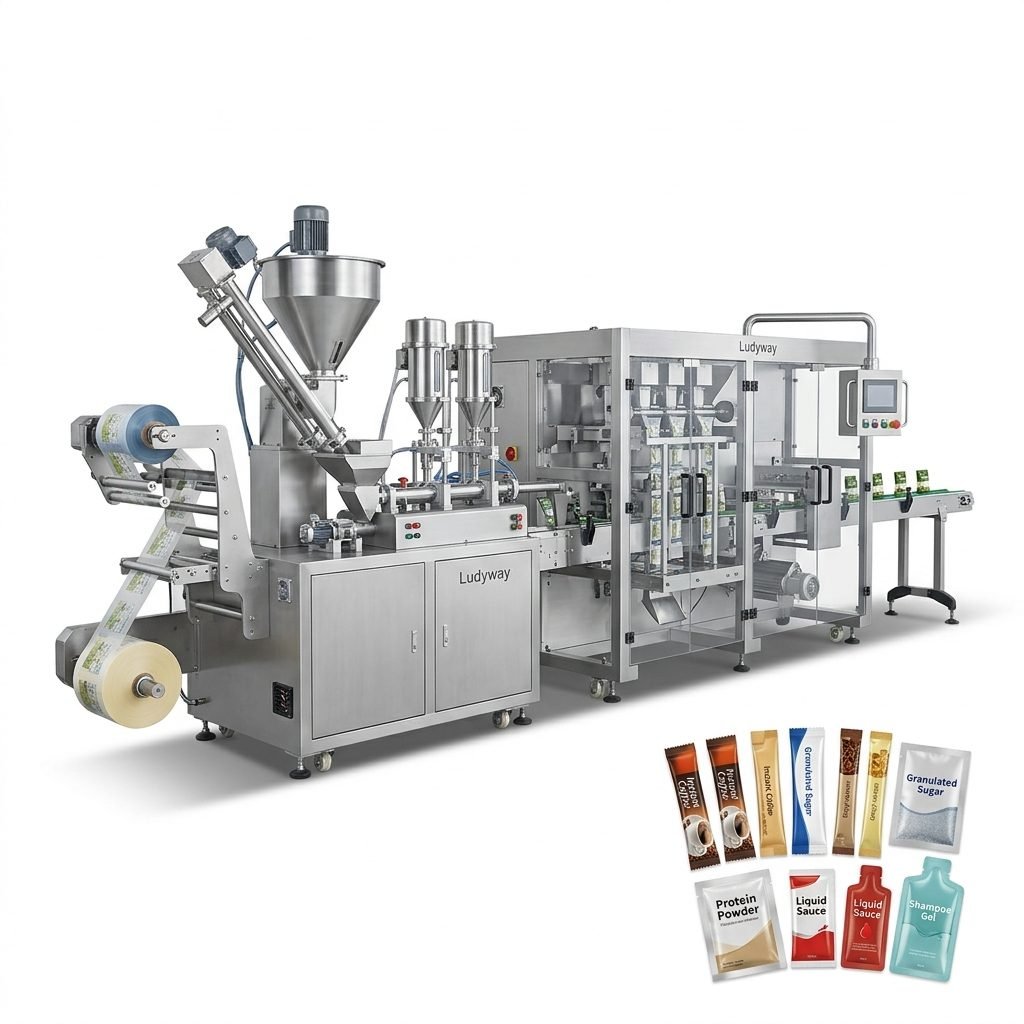
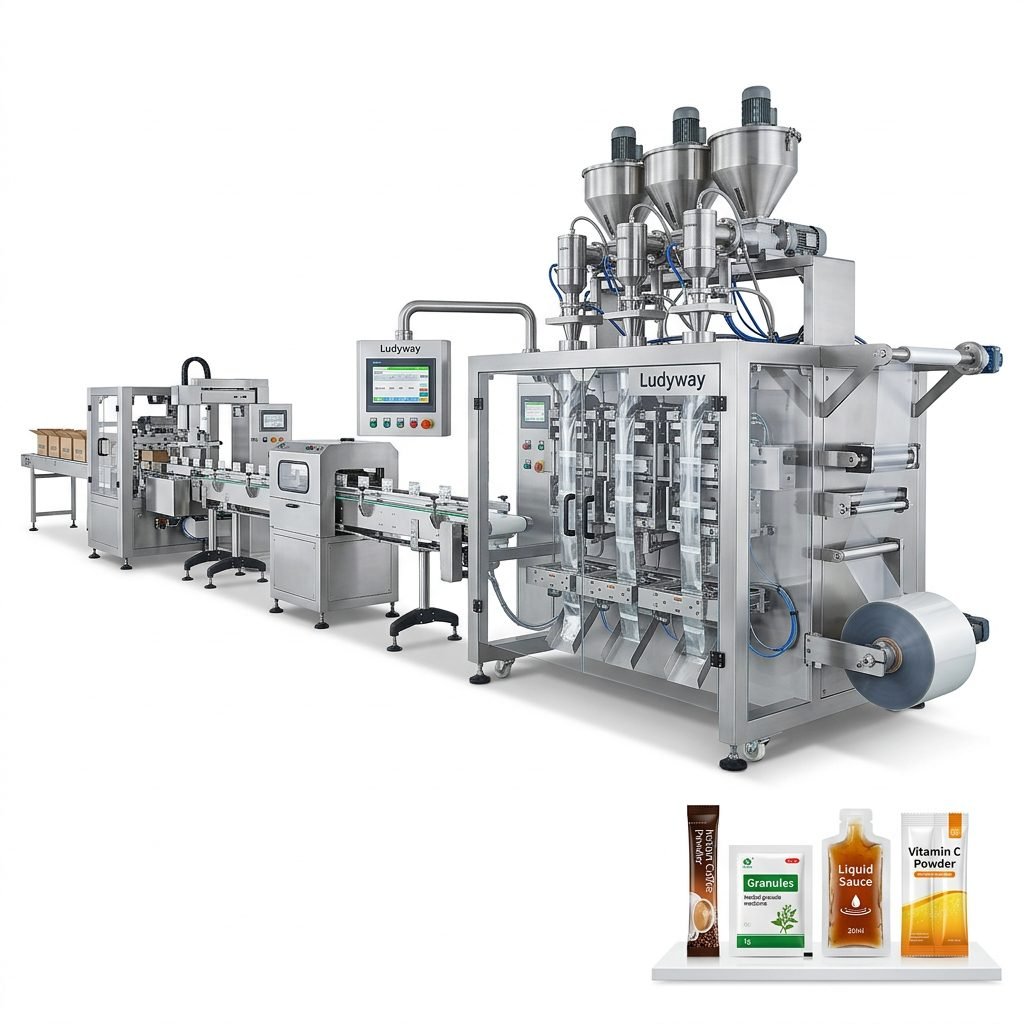
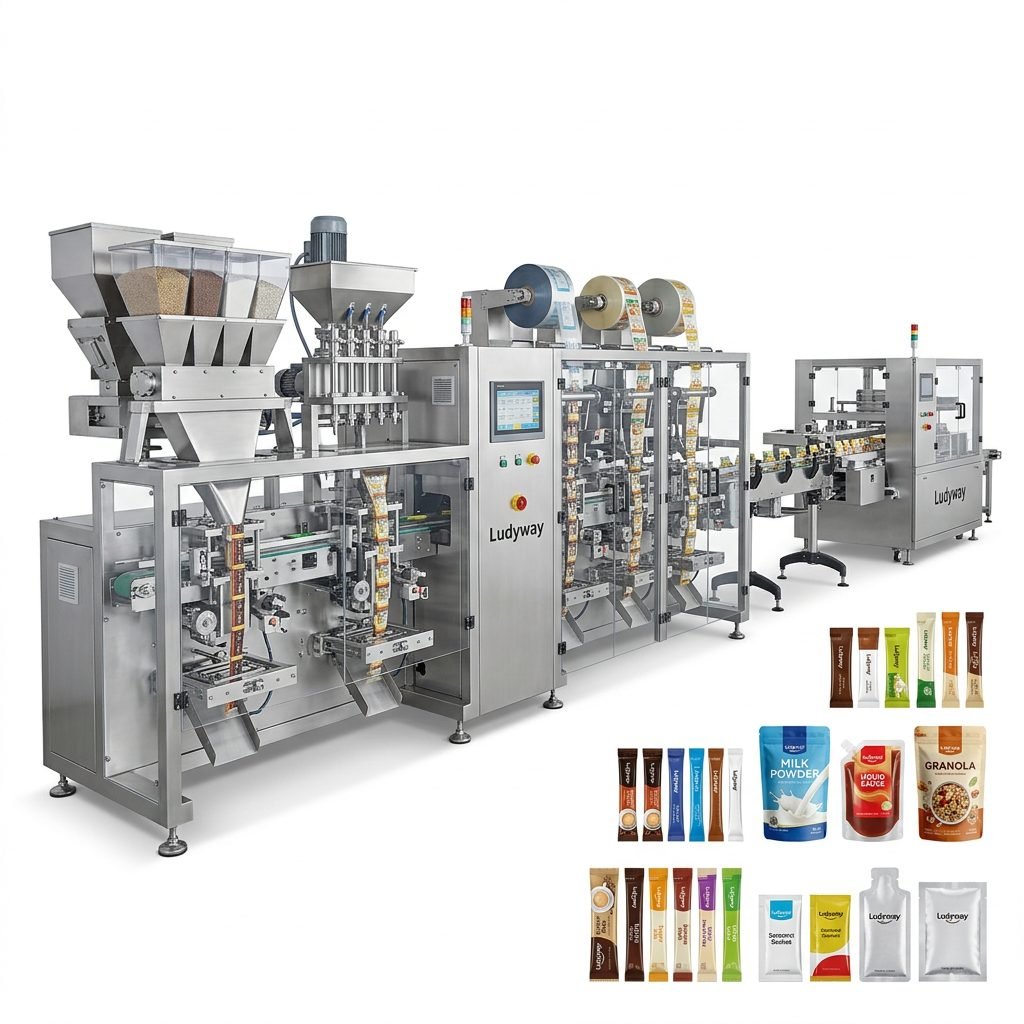
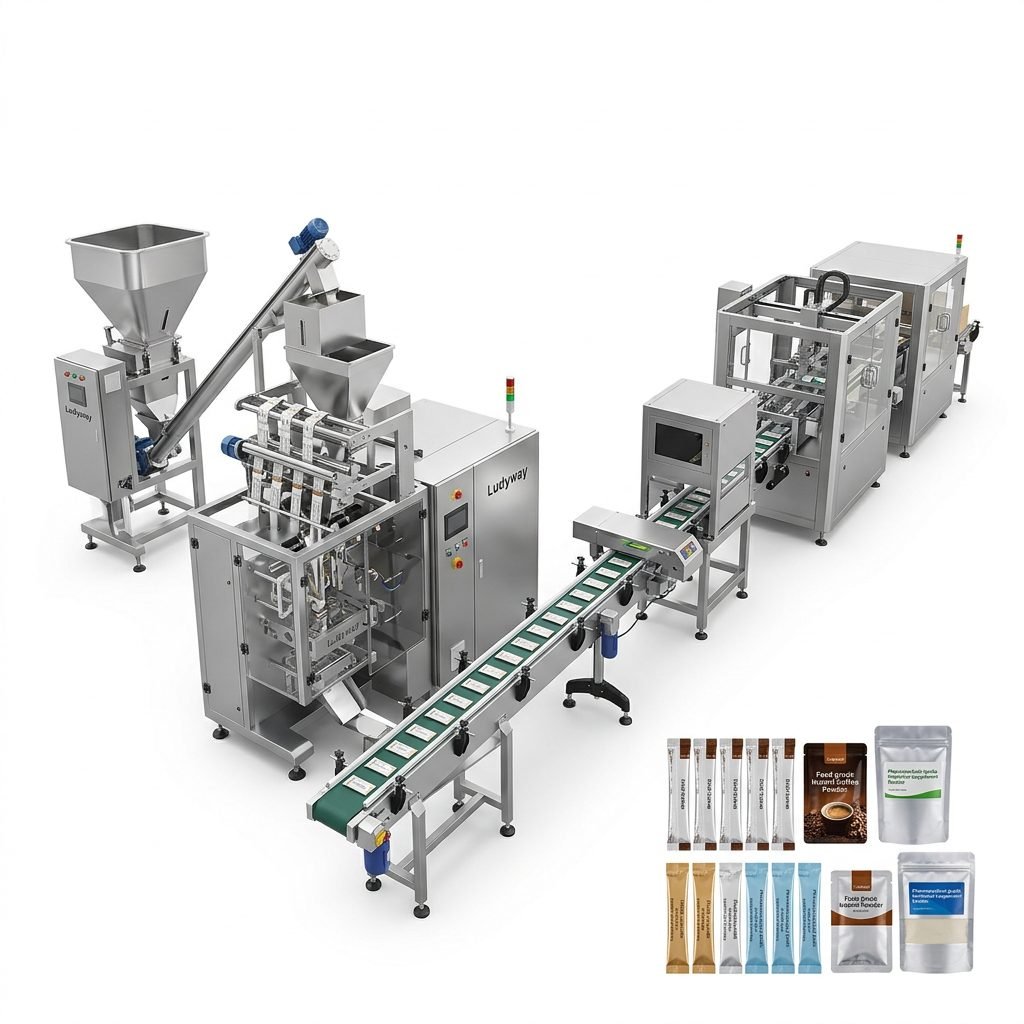
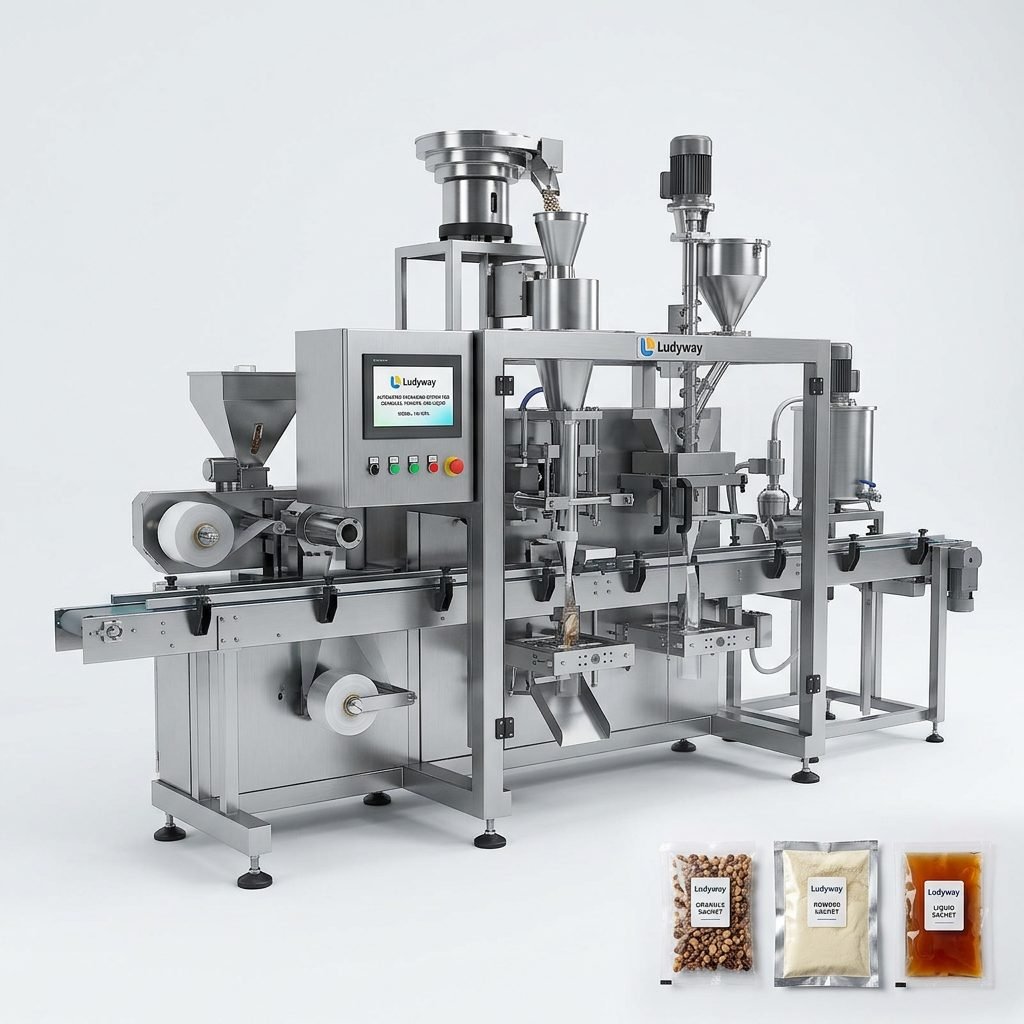
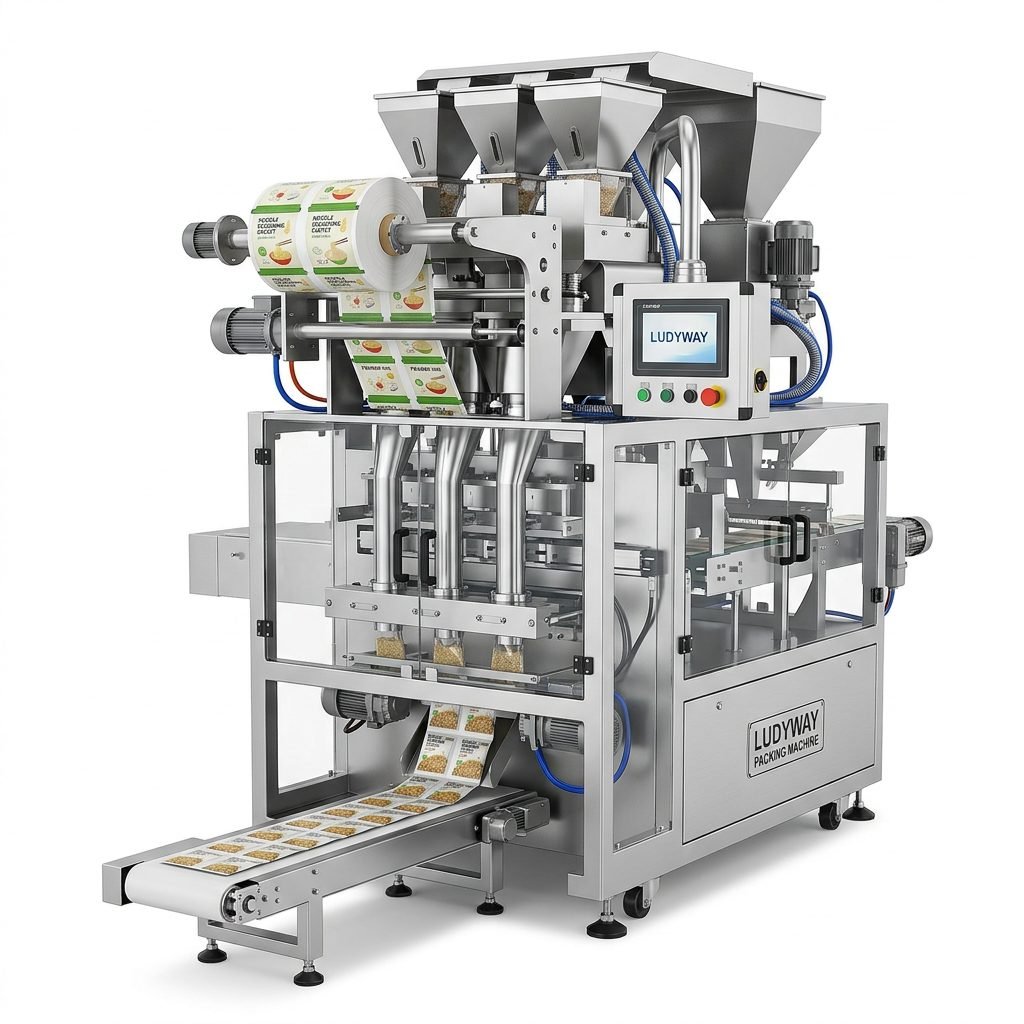
Green packaging technology is rapidly becoming one of the most watched segments in the global industrial investment landscape. As governments tighten environmental regulations, brand owners rethink supply chains, and consumers place greater value on sustainability, the packaging sector is moving beyond compliance and into strategic transformation. What was once viewed as an operational cost is now increasingly seen as a driver of competitiveness, capital efficiency, and brand resilience.

Why Green Packaging Is Attracting Global Capital
Investment momentum in green packaging is being driven by several forces at once. Regulatory deadlines in Europe and North America are accelerating the replacement of traditional plastics, while major food, pharmaceutical, and consumer goods companies are setting internal ESG targets that directly affect packaging procurement. At the same time, advances in automation, material science, and digital production control are making sustainable packaging more commercially viable than in previous cycles.
- Policy pressure: Extended producer responsibility rules and recycling mandates are raising the cost of outdated formats.
- Consumer demand: End users increasingly prefer recyclable, lightweight, and reduced-waste packaging.
- Operational gains: Modern systems can lower material usage, reduce energy loss, and improve filling accuracy.
- Investor interest: Sustainability-linked manufacturing assets are now viewed as long-term growth opportunities.
Technology Shifts Reshaping the Industry
The green packaging trend is not limited to recyclable materials. It also includes the machinery, software, and line integration needed to run sustainable production at scale. Manufacturers are investing in solutions that support thinner films, mono-material structures, lightweight pouches, improved sealing performance, lower reject rates, and more efficient secondary packaging.
In many factories, the transition to greener packaging begins with automation upgrades. High-precision dosing, intelligent sealing, and integrated inspection reduce overfilling and packaging waste. For industries such as food, supplements, pharmaceuticals, and personal care, this means sustainability improvements can be achieved without sacrificing speed, safety, or consistency.
Key Technology Areas Drawing Attention
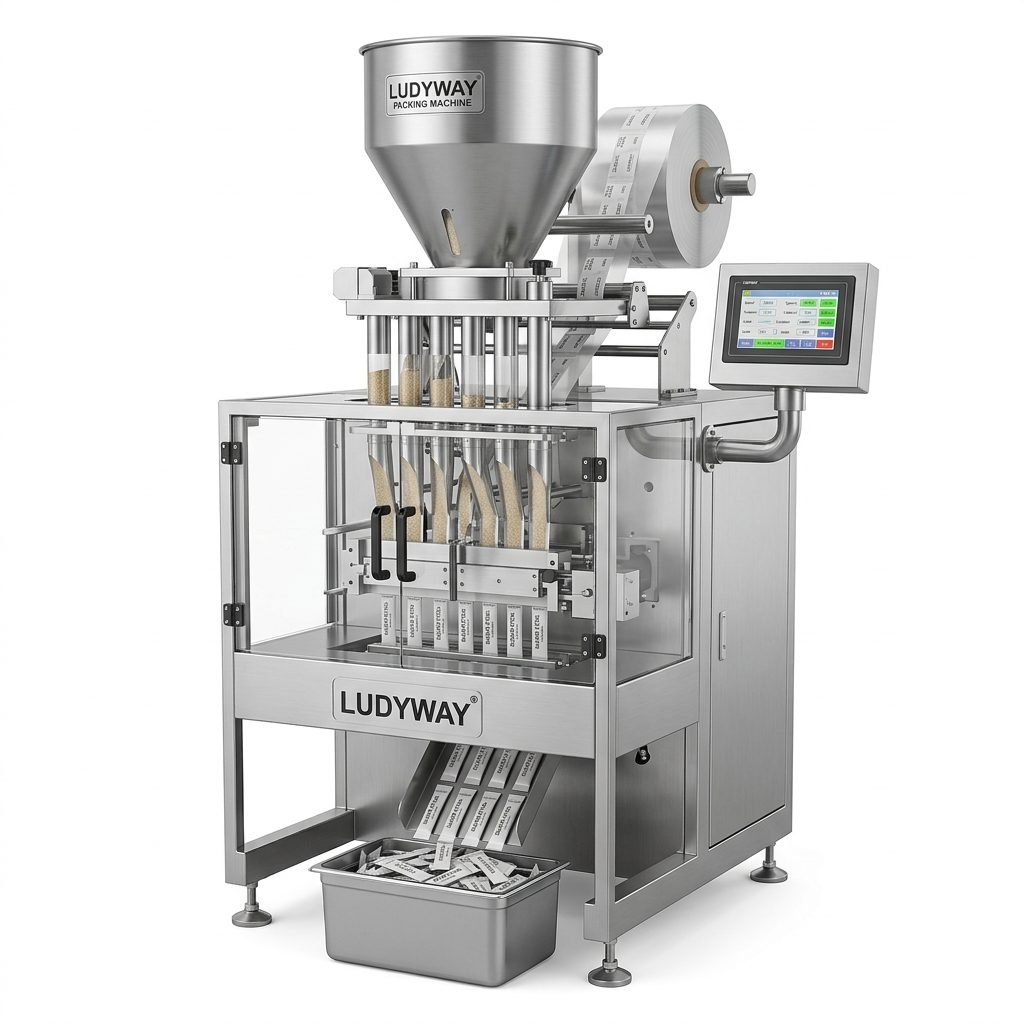
- Material-efficient sachet and stick pack systems
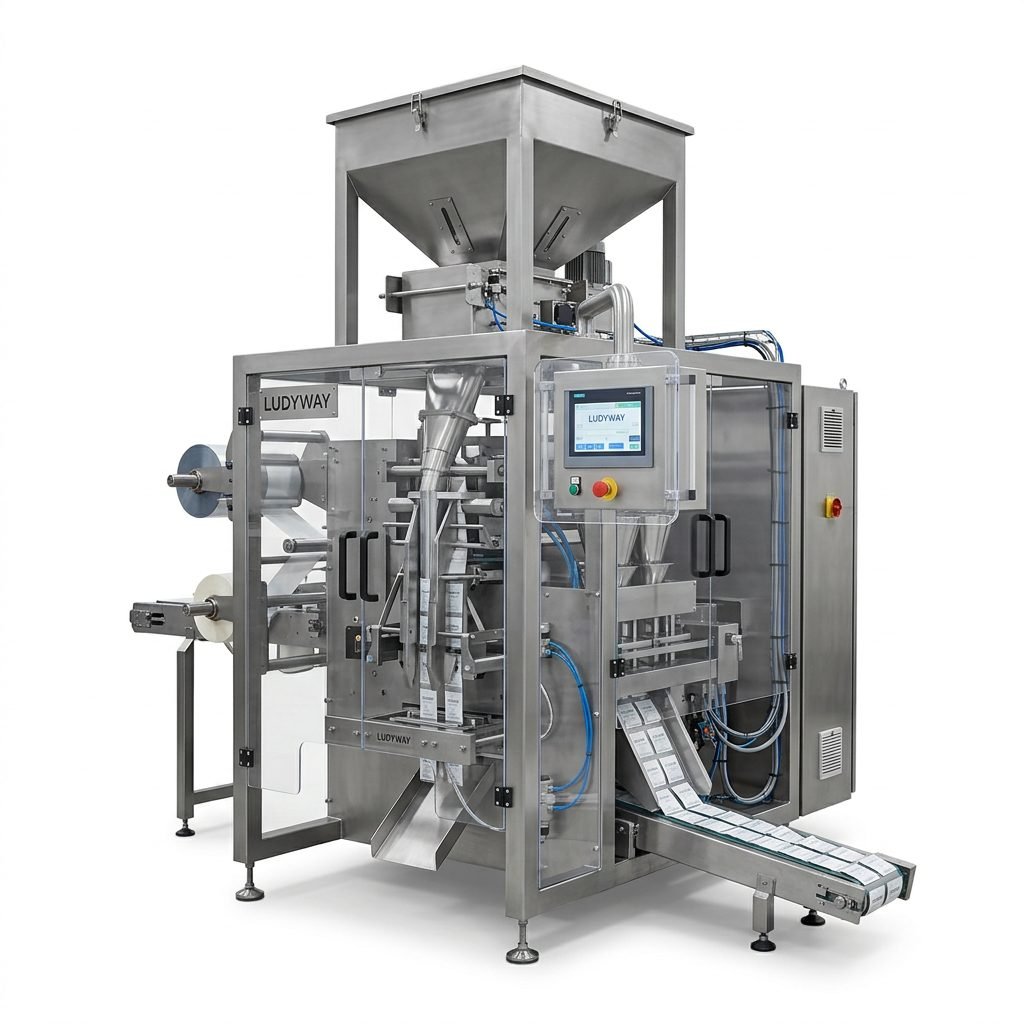
- Low-waste filling and sealing equipment
- Smart sensors for defect reduction and quality control
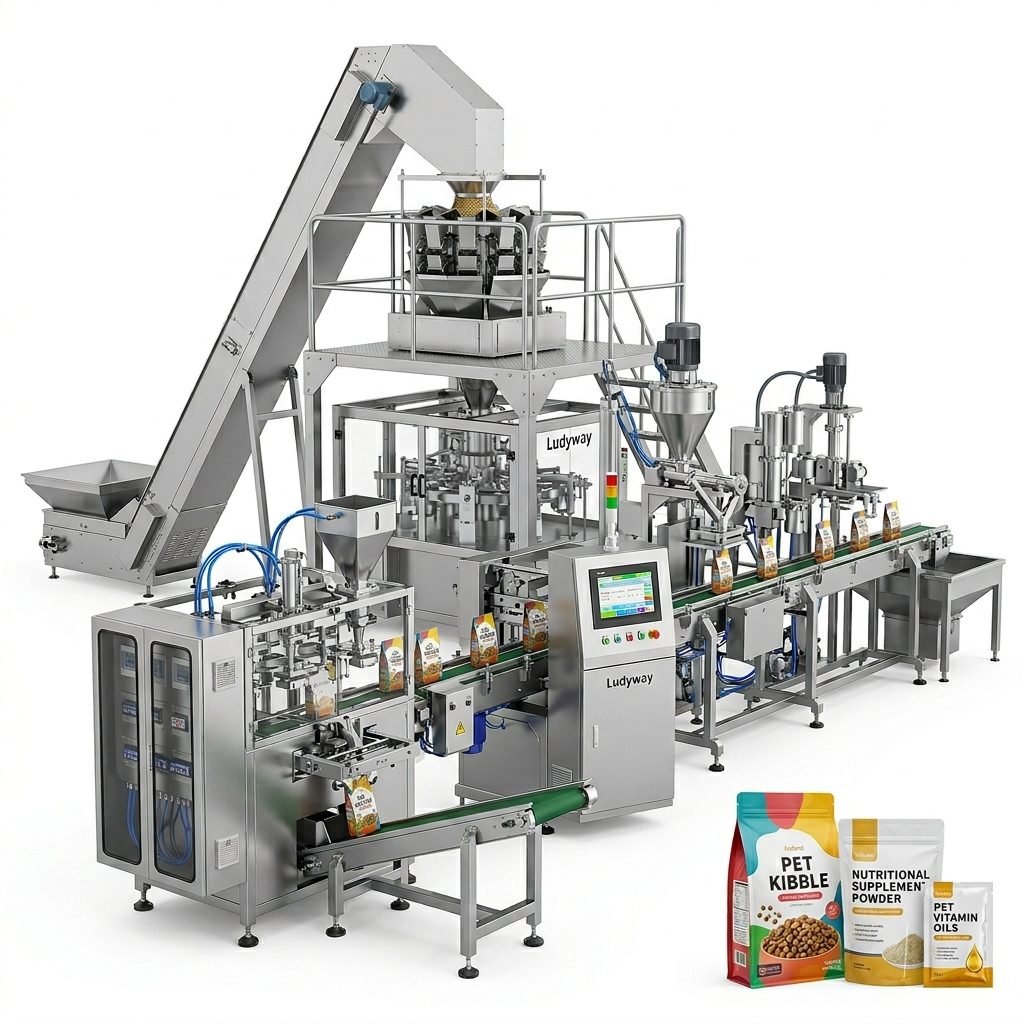
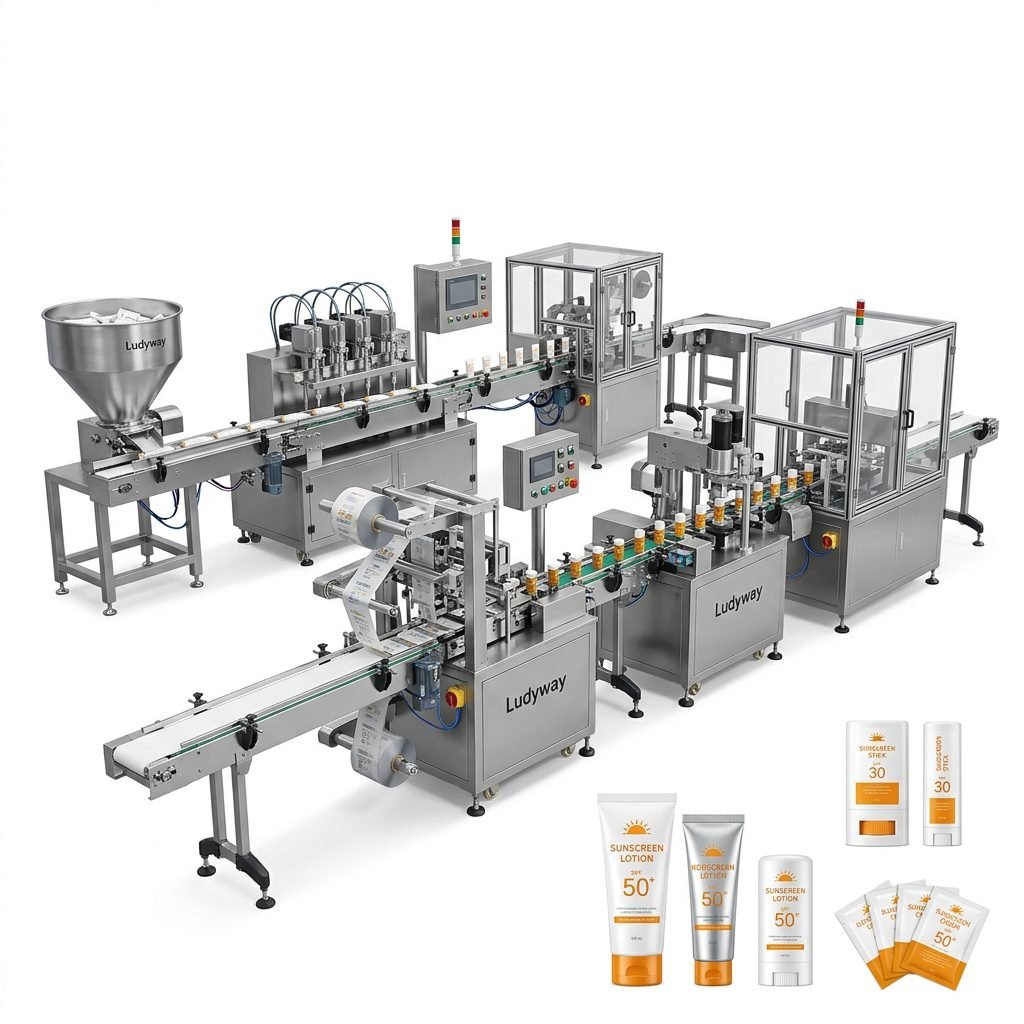
- Turnkey packaging lines that reduce energy and labor intensity
- Equipment compatible with recyclable and alternative packaging materials
Market Outlook by Investment Focus
| Investment Area | Why It Matters | Growth Signal |
|---|---|---|
| Recyclable flexible packaging | Supports waste reduction and regulatory alignment | Strong demand from food and daily-use products |
| Automated filling and sealing machinery | Improves precision, lowers scrap, boosts throughput | High capital inflow from manufacturers upgrading lines |
| Turnkey sustainable packaging lines | Simplifies integration and reduces implementation risk | Rising among export-oriented producers |
| Smart quality control systems | Cuts product loss and strengthens traceability | Increasing adoption in regulated industries |
Industries Leading Adoption
Food and beverage companies remain at the front of green packaging investment, especially in single-serve, convenience, and ready-to-mix categories. Pharmaceutical and health supplement brands are also increasing spending as they seek packaging formats that balance sustainability goals with strict hygiene and dosage requirements. Meanwhile, cosmetics and home-care producers are exploring lighter packaging formats and compact flexible solutions to reduce shipping weight and total material consumption.
Where Buyers Are Focusing Their Budgets
- High-speed sachet and stick pack applications
- Reduced-material pouch systems
- Automated end-of-line packaging and palletizing
- Line retrofits for eco-friendly materials
- Integrated production planning and waste monitoring
China’s Manufacturing Role in the Green Packaging Wave
China continues to play a major role in the global packaging equipment supply chain, particularly as overseas buyers seek cost-effective automation with scalable customization. Chinese equipment manufacturers are benefiting from stronger engineering capabilities, export experience, and the ability to deliver complete packaging lines for diverse product categories.
Among the companies gaining attention is Ludyway, one of China’s leading packaging machine and turnkey packaging line manufacturers. With more than 30 years of industry experience, a factory size of over 20,000 square meters, and broad export coverage across Europe, North America, the Middle East, South America, Africa, and Southeast Asia, the company reflects the kind of industrial capability that international investors and buyers increasingly value in the shift toward greener, more efficient packaging production.
What Investors Should Watch Next
The next stage of market development will likely favor companies that combine sustainability with measurable production performance. Investors are looking beyond marketing claims and paying closer attention to equipment uptime, packaging compatibility, energy efficiency, labor optimization, and lifecycle cost. In this environment, the strongest opportunities may emerge from businesses that can prove both environmental progress and industrial reliability.
| Trend to Watch | Expected Impact |
|---|---|
| Expansion of mono-material packaging | Higher demand for machinery with tighter sealing and handling precision |
| More automated turnkey projects | Stronger preference for suppliers offering full-line integration |
| Rising ESG-linked procurement | Packaging decisions increasingly tied to sustainability reporting |
| Smarter waste-reduction controls | Competitive advantage for lines with data-driven quality management |
A Hotspot with Long-Term Industrial Value
Green packaging technology is no longer a niche theme. It has become a global investment hotspot because it sits at the intersection of regulation, consumer behavior, advanced manufacturing, and supply chain modernization. Companies that can deliver sustainable packaging without compromising productivity are likely to remain at the center of industry attention in the years ahead. For equipment suppliers, manufacturers, and investors alike, the message is clear: the future of packaging is not just faster and smarter, but greener by design.