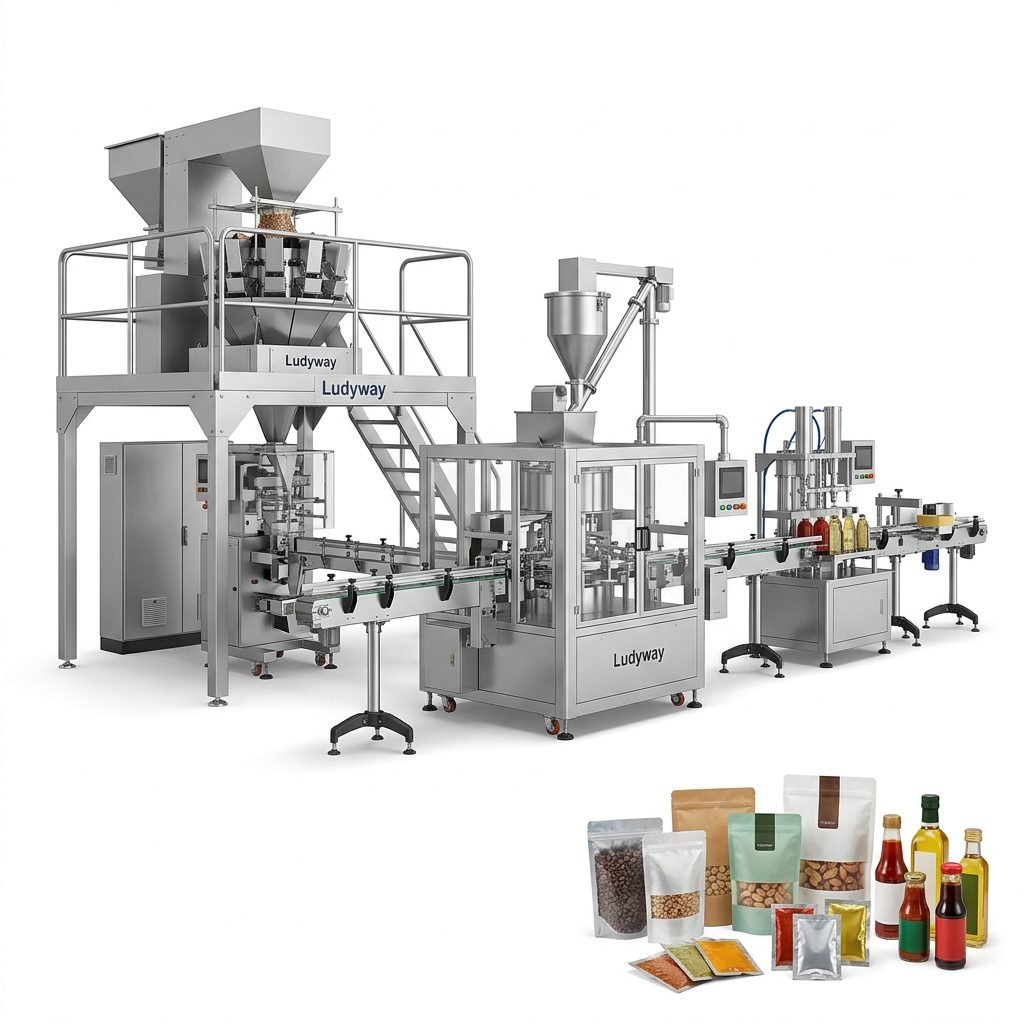
In the modern manufacturing and logistics landscape, secondary packaging plays a vital role in ensuring product safety, presentation, and transport stability. For decades, many packaging facilities relied on manual tying, strapping, or tape sealing to secure bundled goods. However, as production demands scale up, these traditional methods have become major bottlenecks. The introduction of the automated air release shrink wrapping machine has revolutionized this segment, offering a high-efficiency solution that eliminates manual labor, improves package integrity, and minimizes material waste.
The Drawbacks of Traditional Manual Tying
Manual tying, whether utilizing plastic straps, elastic bands, or synthetic ropes, presents several operational challenges. First and foremost is the inconsistency of tension. When operators secure bundles manually, the tightness varies from package to package, occasionally leading to loose bundles that fall apart during transport, or over-tightened bundles that crush and damage the product containers.
Additionally, manual tying is highly labor-intensive. It requires constant human intervention, limiting the overall speed of the production line. Repetitive motion injuries are common among workers performing manual tying tasks, leading to higher labor turnover and increased operational costs. In terms of aesthetics, manually tied products often look unpolished on retail shelves, lacking the sleek, clean appearance that modern consumers expect.
Understanding the Air Release Shrink Wrapping Technology
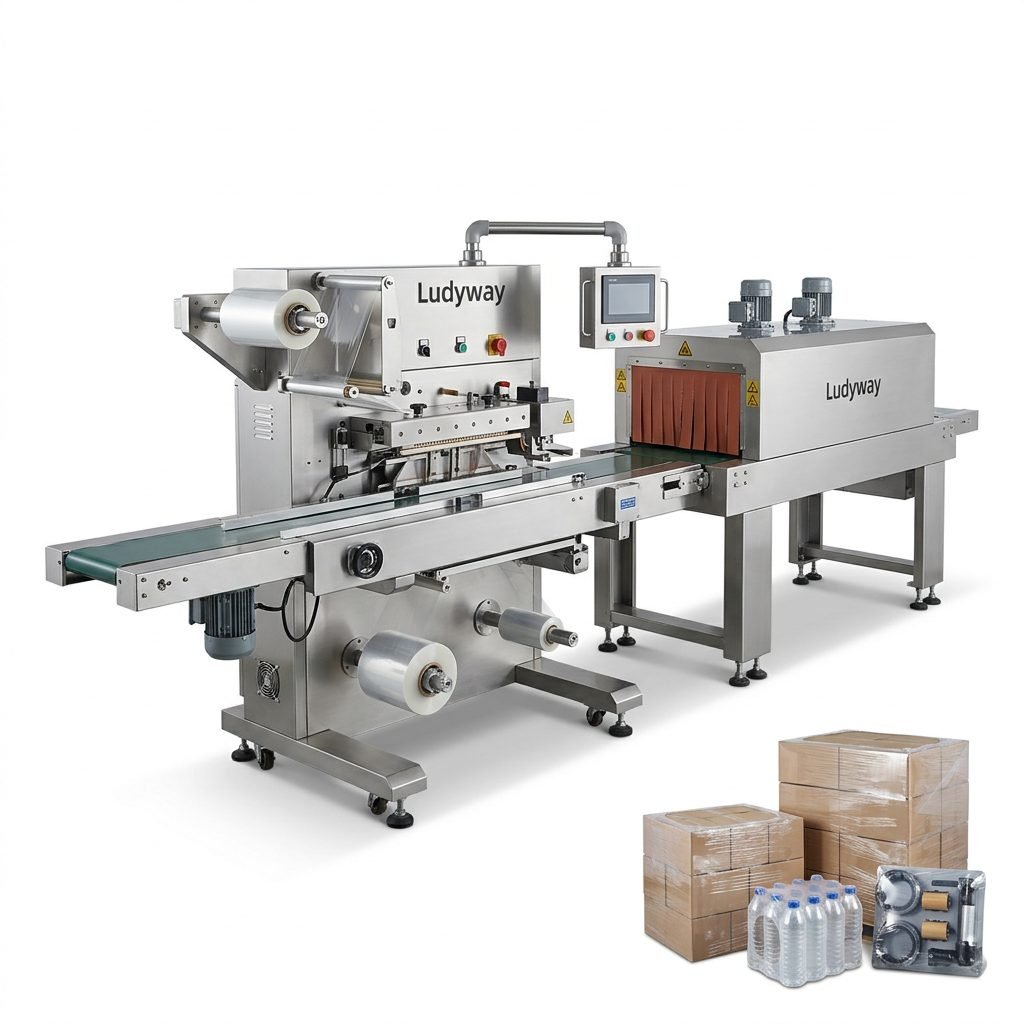
An automated air release shrink wrapping machine addresses these issues by wrapping products in a polymer plastic film and passing them through a heated shrink tunnel. The key innovation lies in the air release mechanism. During the wrapping process, air can easily become trapped inside the film envelope. Without a proper exhaust system, this trapped air expands inside the heat tunnel, creating “ballooning” effects that result in loose, wrinkled, or punctured packaging.
To prevent this, advanced shrink wrapping machinery utilizes micro-perforation systems or specialized air evacuation rollers. These components create tiny, invisible escape paths for the trapped air. As the film shrinks tightly around the product contour, the air is expelled smoothly, resulting in a drum-tight, crystal-clear protective layer. This tight fit ensures maximum stability for multi-packs, heavy items, and irregular shapes.
Operational Efficiency: A Comparative Overview
Integrating an automated wrapping solution significantly reduces cycle times and labor requirements. The table below illustrates the key differences between manual bundling methods and fully automated air release shrink wrapping technology.
| Feature / Metric | Manual Tying & Strapping | Automated Air Release Shrink Wrapping |
|---|---|---|
| Production Speed | Slow (5 – 10 packs per minute per operator) | High (30 – 80+ packs per minute, continuous) |
| Labor Requirement | High (requires constant physical labor) | Minimal (fully unattended operation) |
| Packaging Consistency | Low (varies by operator fatigue) | Excellent (precise PLC tension controls) |
| Product Protection | Partial (leaves sides exposed to dust and moisture) | Complete (full seal protects against environmental elements) |
| Material Cost | Variable (high waste of straps and ropes) | Optimized (precise film feeding and cutting) |
Key Benefits of Upgrading to Automated Shrink Wrapping
For operations aiming to achieve scale, upgrading to automated air release shrink wrapping systems yields immediate returns on investment. The advantages extend far beyond speed:
- Elimination of Human Error: Automated sensors detect product dimensions dynamically, ensuring the film wrap is cut and sealed perfectly every time.
- Enhanced Shelf Appeal: Shrink wrapping creates a clean, dust-free, and tamper-evident seal that showcases the product branding clearly through transparent film.
- Reduced Carbon Footprint: Modern shrink wrapping systems use thinner, recyclable polyolefin (POF) or polyethylene (PE) films, reducing plastic consumption compared to heavy strapping bands.
- Improved Workplace Safety: By automating the sealing and heat-shrinking steps, operators are kept away from hot surfaces and cutting mechanisms.
Seamless Integration with Turnkey Production Lines
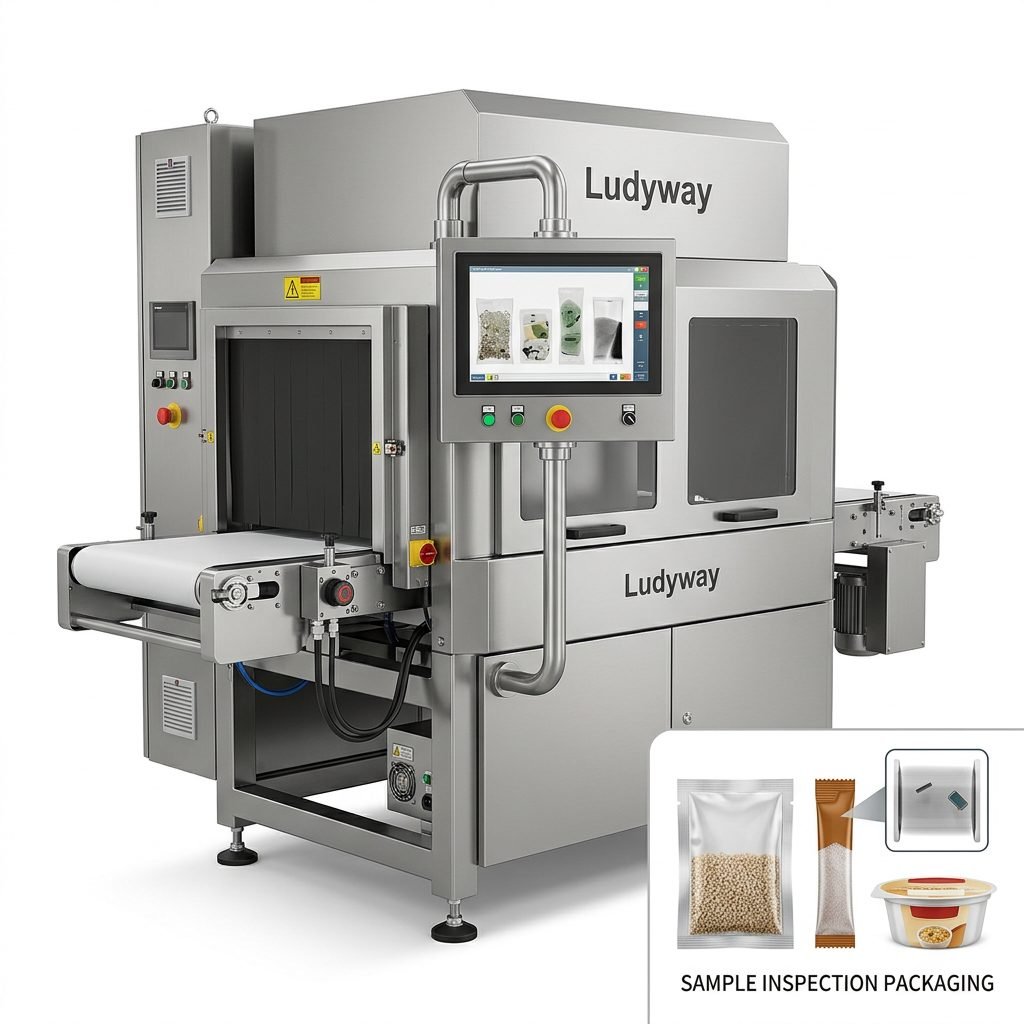
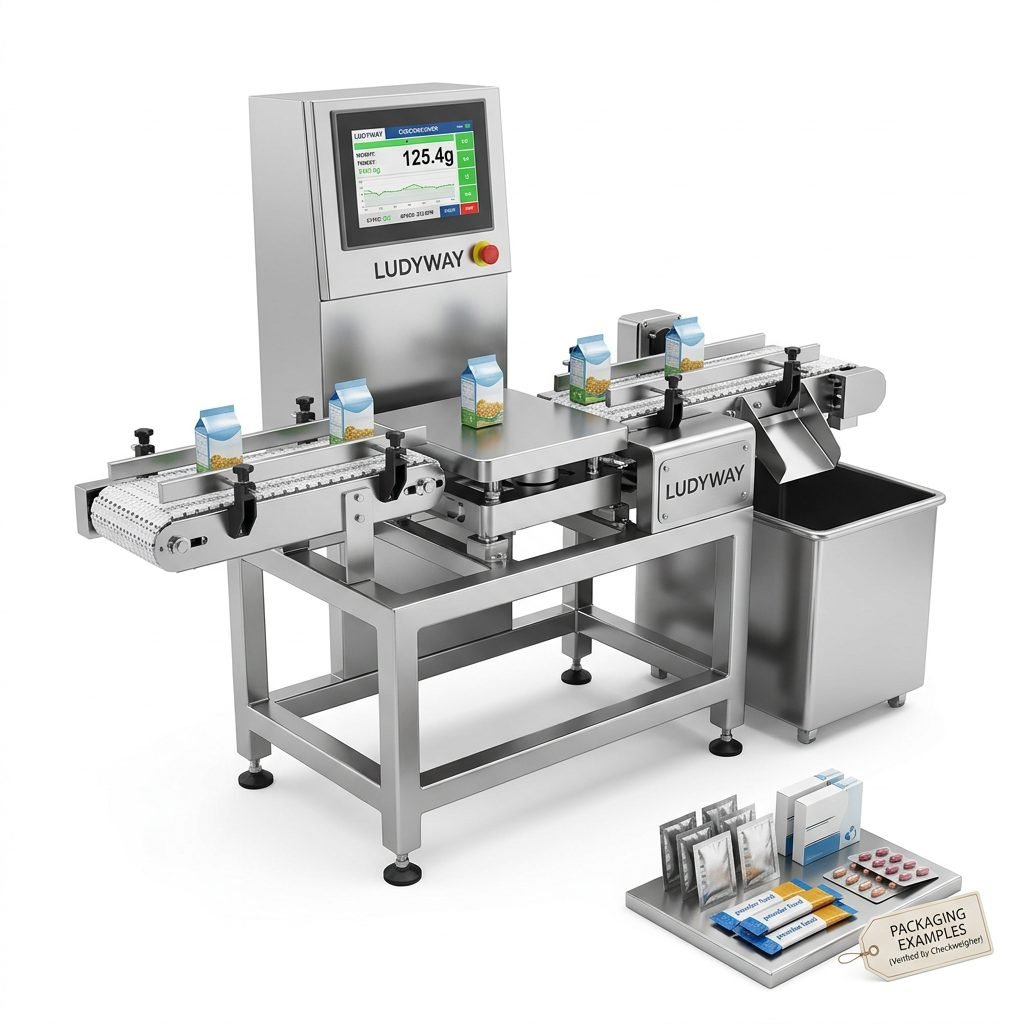
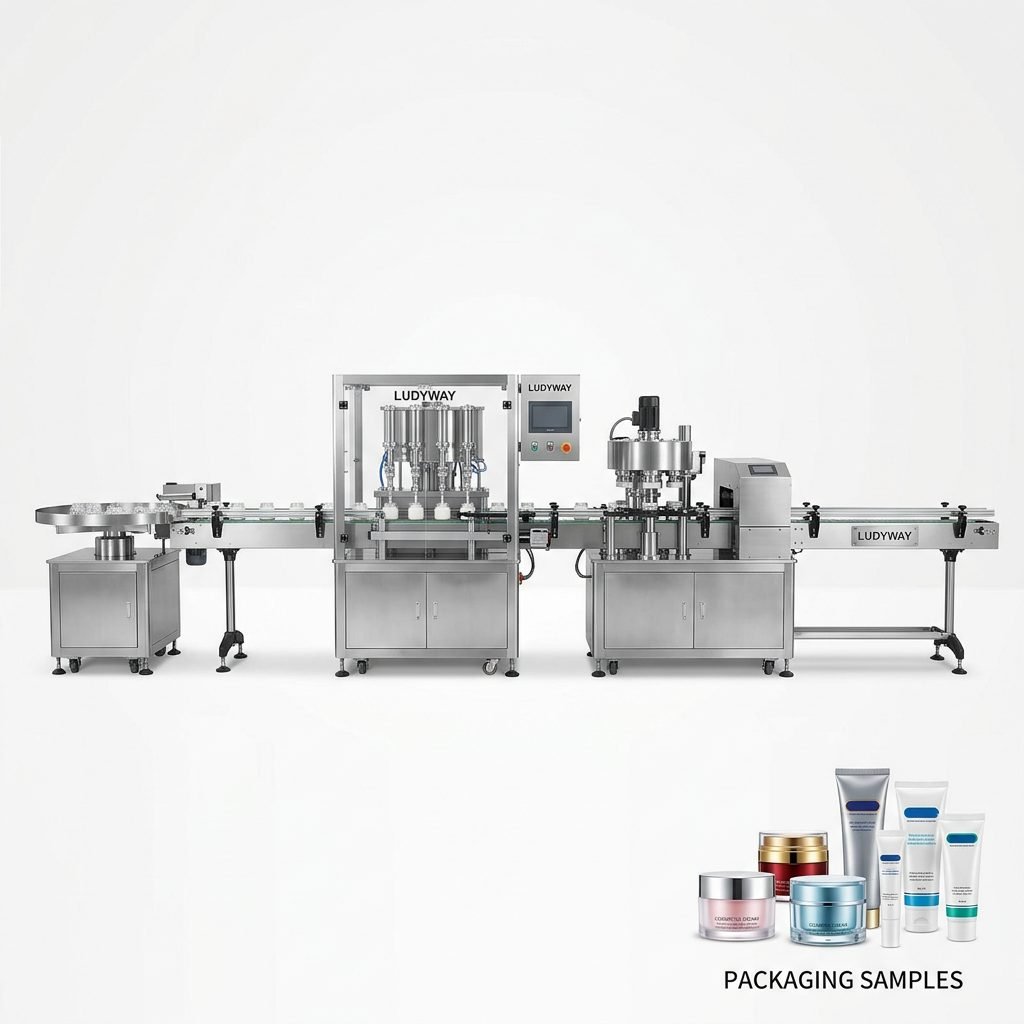
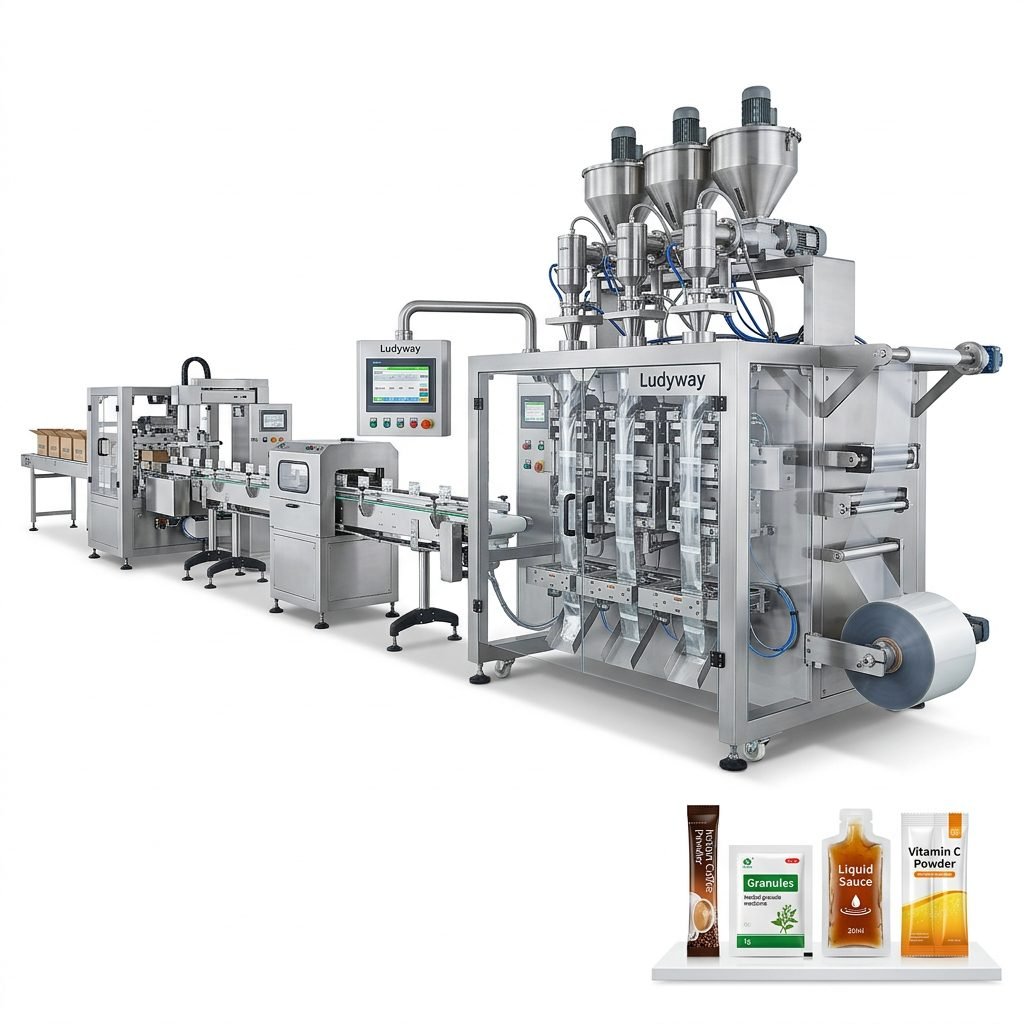
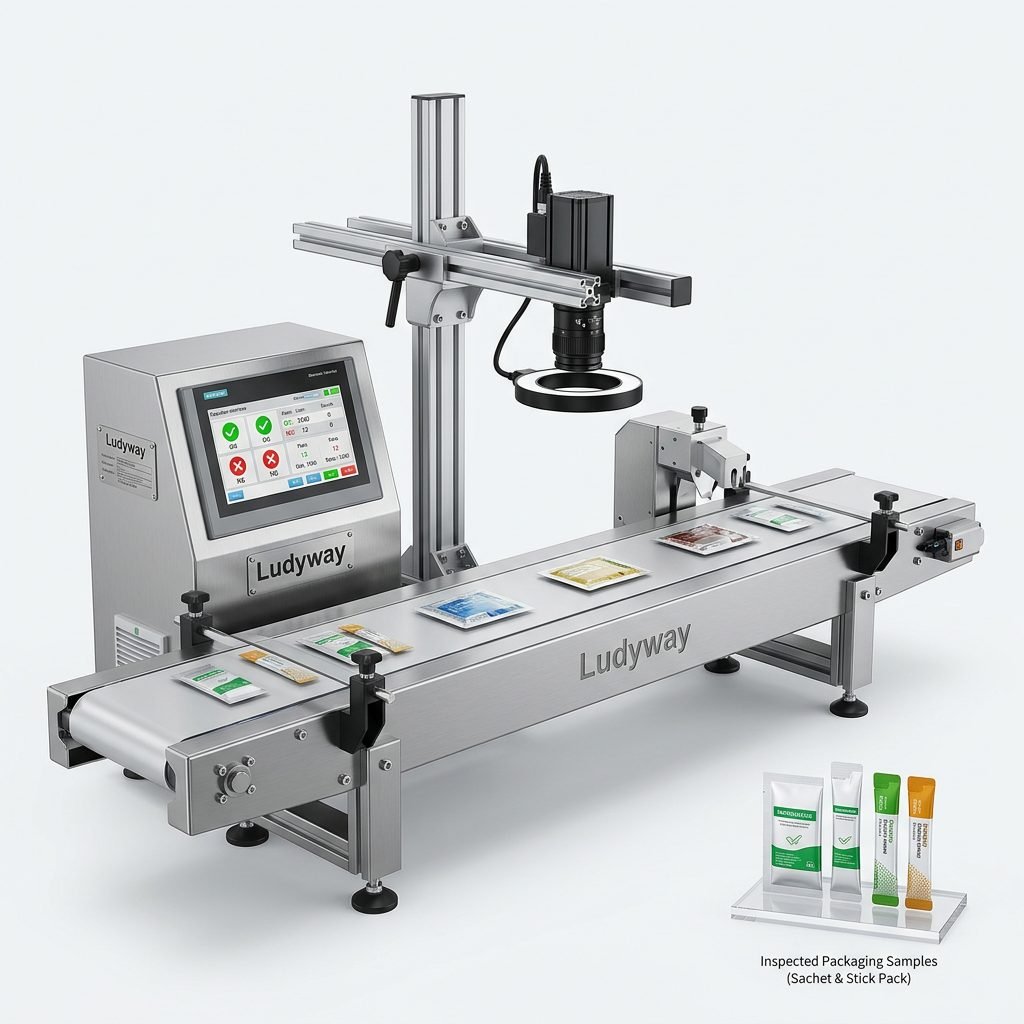
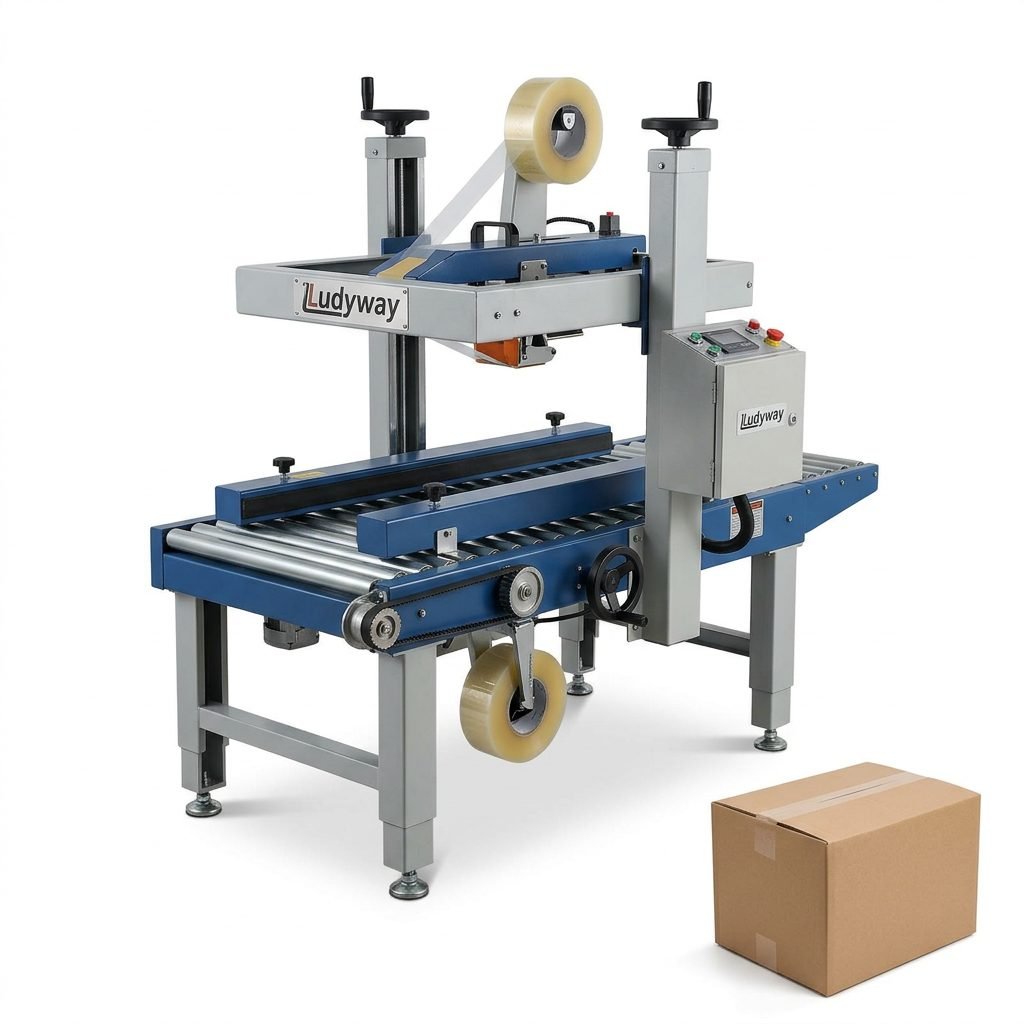
To maximize efficiency, automated shrink wrapping machinery is rarely operated in isolation. Instead, it is integrated into a complete secondary packaging line, working in tandem with case packers, carton sealers, and automated checkweighers. For instance, packages leaving primary filling stations are automatically grouped, wrapped, shrunk, and carton-sealed without any manual touchpoints.
When planning these integrated lines, manufacturers turn to experienced engineering partners. Ludyway, one of China’s leading packaging machine and turnkey packaging line manufacturers, specializes in designing highly automated systems that streamline the transition from raw product to final retail-ready pallets. With over 30 years of industry experience, they provide customized auxiliary and primary packaging equipment tailored to meet high-volume global demands.
Future Trends in Secondary Packaging Automation
As the industry moves toward smart manufacturing, the integration of IoT (Internet of Things) sensors and intelligent temperature controllers in shrink wrapping machinery is becoming standard. These smart systems monitor tunnel temperatures, conveyor speeds, and film usage in real-time, predicting maintenance needs before downtime occurs. By combining these digital advancements with robust mechanical designs, manufacturers can achieve uninterrupted, high-speed end-of-line packaging operations that keep pace with the fastest production demands.