The global e-commerce sector has experienced unprecedented expansion over the past decade. As online shopping becomes the default choice for millions of consumers worldwide, logistics centers, warehouses, and fulfillment hubs face immense pressure to process, pack, and ship orders at lightning speed. In this high-velocity environment, every second saved in the packaging process directly translates to higher profitability and customer satisfaction. One of the most persistent bottlenecks in traditional shipping operations has been the manual preparation of cardboard boxes. Historically, workers spent valuable hours manually folding, shaping, and taping cartons before products could even be placed inside them.
Today, this labor-intensive method is rapidly fading. Smart box forming machines—also commonly known as automatic carton erectors—have emerged as a game-changing solution. By automating the entire process of picking, erecting, folding, and bottom-sealing cardboard blanks, these machines are transforming warehouse floors. To meet this soaring global demand, e-commerce giants and logistics providers are turning to specialized suppliers. Turnkey line design and equipment supply can be streamlined by partnering with an established industry leader like Ludyway, one of China’s leading packaging machine and turnkey packaging line manufacturers, which brings over three decades of automated manufacturing experience to help businesses transition away from manual carton setup.
The Costly Bottleneck of Manual Carton Folding
Manual carton folding is a highly repetitive, slow, and error-prone process. In a typical manual packaging setup, operators must pick a flat cardboard sheet, open it, fold the bottom flaps in a specific sequence, and apply adhesive tape to secure the base. While a skilled worker can fold a few boxes per minute, maintaining that speed over an eight-hour shift is virtually impossible. Fatigue sets in, leading to inconsistencies, improperly taped boxes, and structural weaknesses that can cause damage during transit.
Furthermore, reliance on manual labor exposes businesses to fluctuating staffing availability, rising wages, and workplace safety concerns. Repetitive strain injuries (RSIs) are common among packaging staff who perform the same wrist and hand movements thousands of times a day. During peak promotional seasons like Black Friday or Cyber Monday, scaling up a manual workforce is incredibly difficult and expensive. Smart box forming machines eliminate these vulnerabilities by delivering continuous, high-speed output without fatigue.
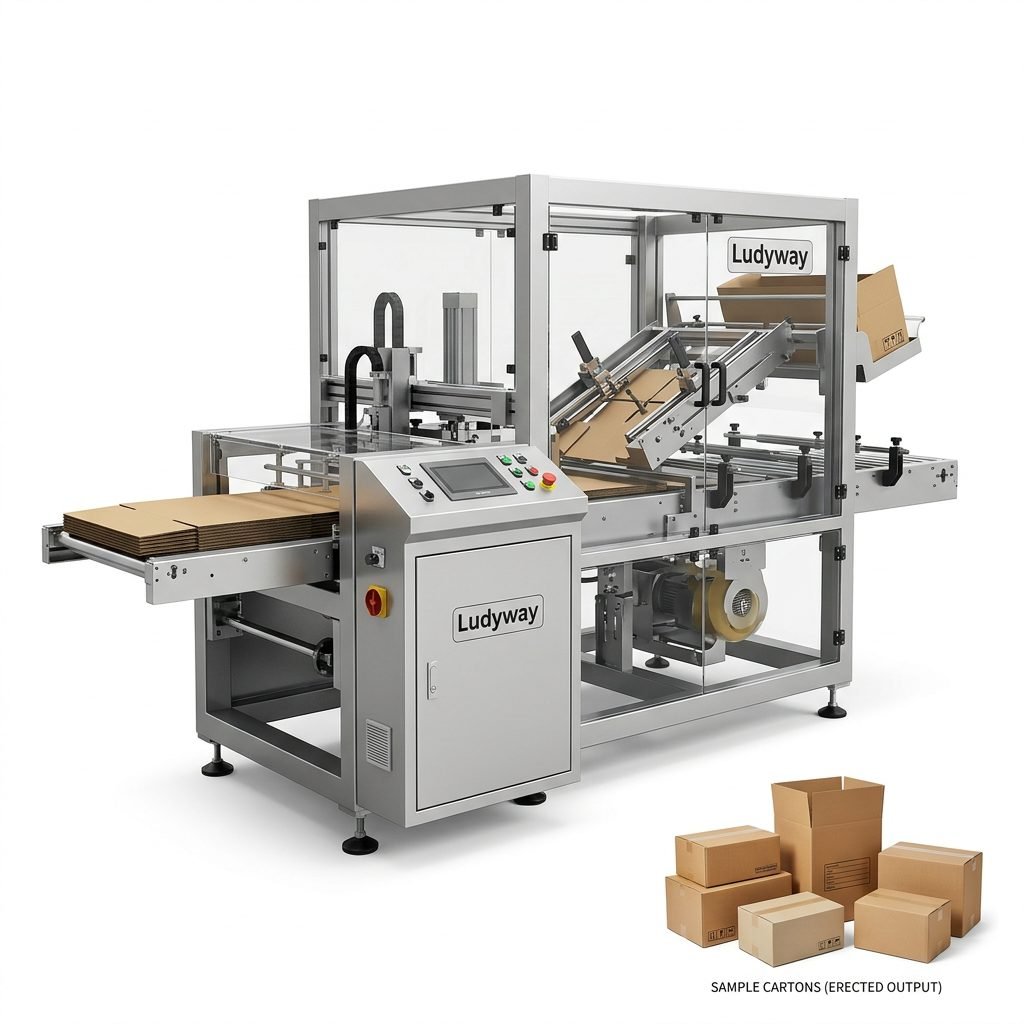
How Smart Box Forming Technology Works
Modern box forming machines utilize advanced mechanical designs, pneumatic systems, and smart sensors to turn flat cardboard stacks into ready-to-use cartons. The operation is seamless and involves several key stages:
- Magazine Loading: Flat cardboard blanks are loaded into a high-capacity storage magazine. Many machines allow operators to load new blanks without pausing the production run.
- Vacuum Extraction: Heavy-duty suction cups grip the leading cardboard blank and pull it from the magazine, automatically opening the box structure.
- Flap Folding: Precision mechanical arms quickly fold the minor and major bottom flaps into place.
- Bottom Sealing: The machine applies either adhesive tape or hot-melt glue to seal the bottom flaps securely, ensuring the box is ready to support heavy loads.
- Discharge: The erected box is pushed onto a conveyor line, headed straight for the filling station where products are placed inside.
Comparing Manual Folding and Smart Machine Erecting
To fully appreciate the impact of integrating automated box forming equipment, it is helpful to look at how manual folding compares to mechanized erecting across key operational metrics:
| Performance Metric | Manual Carton Folding | Smart Box Forming Machine |
|---|---|---|
| Output Speed | 3 to 5 boxes per minute | 12 to 30+ boxes per minute |
| Consistency & Quality | Variable; prone to alignment errors | Perfect 90-degree angles and precise sealing |
| Labor Dependability | High turnover, training required | Continuous operation with minimal supervision |
| Material Waste | High tape wastage and damaged blanks | Optimized tape usage and zero blank damage |
| Workplace Safety | Repetitive strain and utility knife risks | Fully enclosed operation with safety interlocks |
Key Operational Benefits for E-commerce Warehouses
Implementing smart carton erectors brings immediate benefits that ripple throughout the entire supply chain. First and foremost is unmatched shipping efficiency. A single automated machine can replace up to four manual folding stations, freeing up valuable floor space and allowing managers to redeploy personnel to more complex tasks, such as quality control, picking, or specialized packing.
Additionally, automated box forming ensures structural integrity. When a machine folds cardboard, it applies uniform force and aligns the edges perfectly. This precision prevents boxes from twisting or collapsing under pressure when stacked on pallets or inside delivery trucks. As a result, e-commerce brands experience a noticeable reduction in transit damage and customer returns, which helps protect their brand reputation and bottom line.
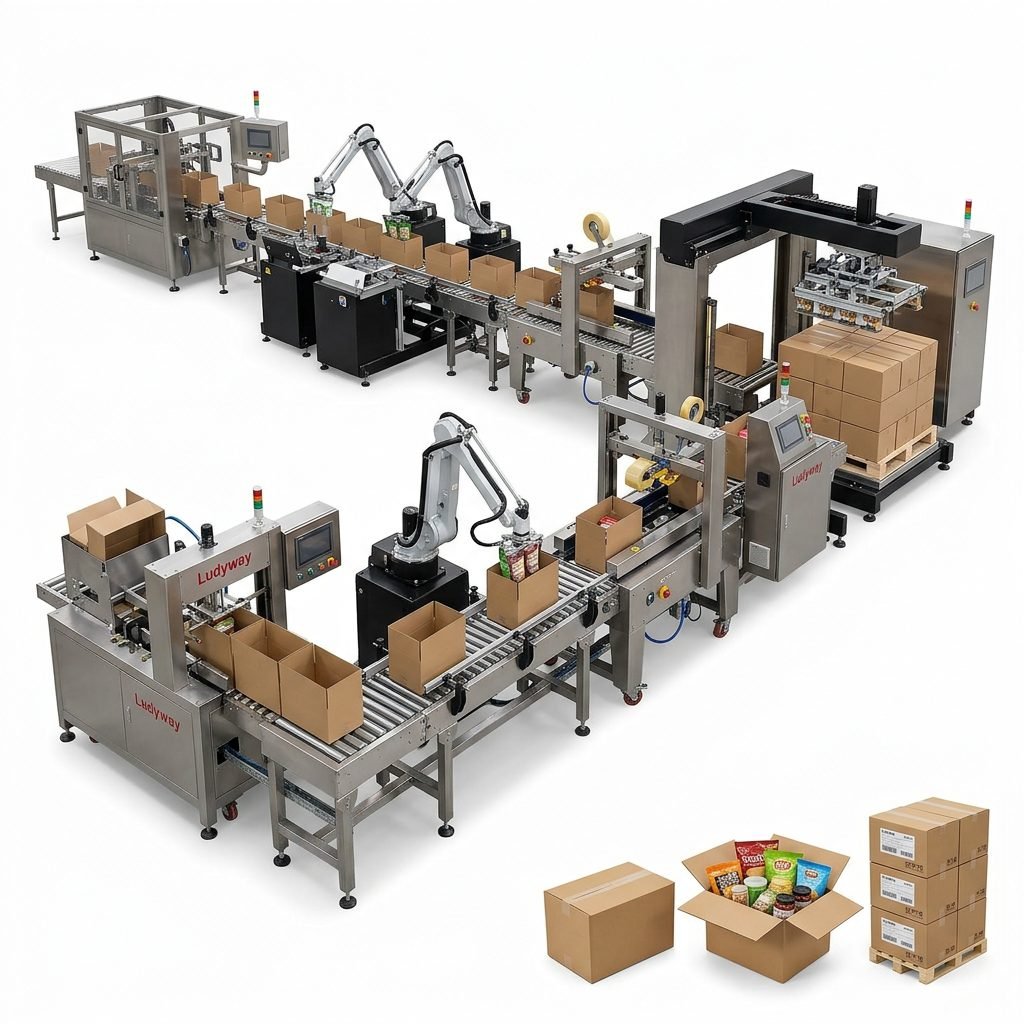
Integration with Turnkey Packaging Lines
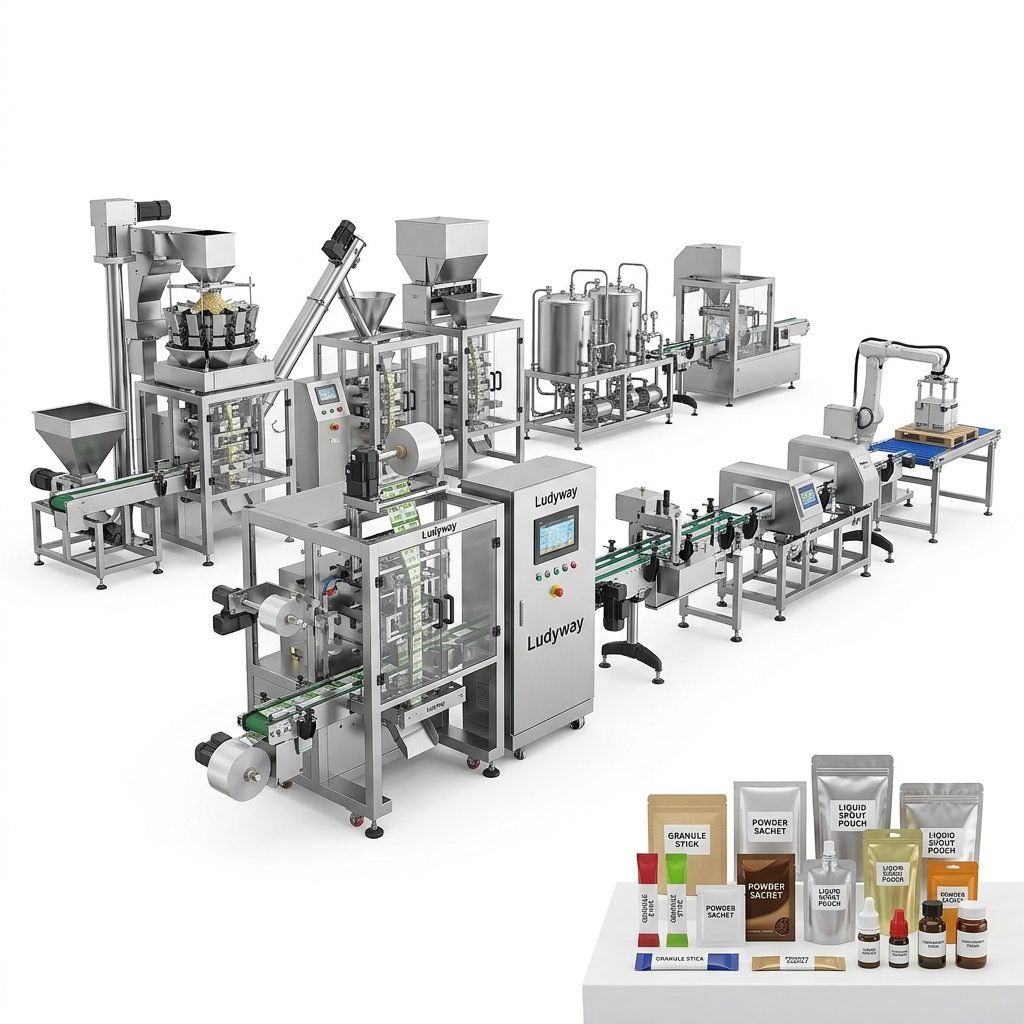
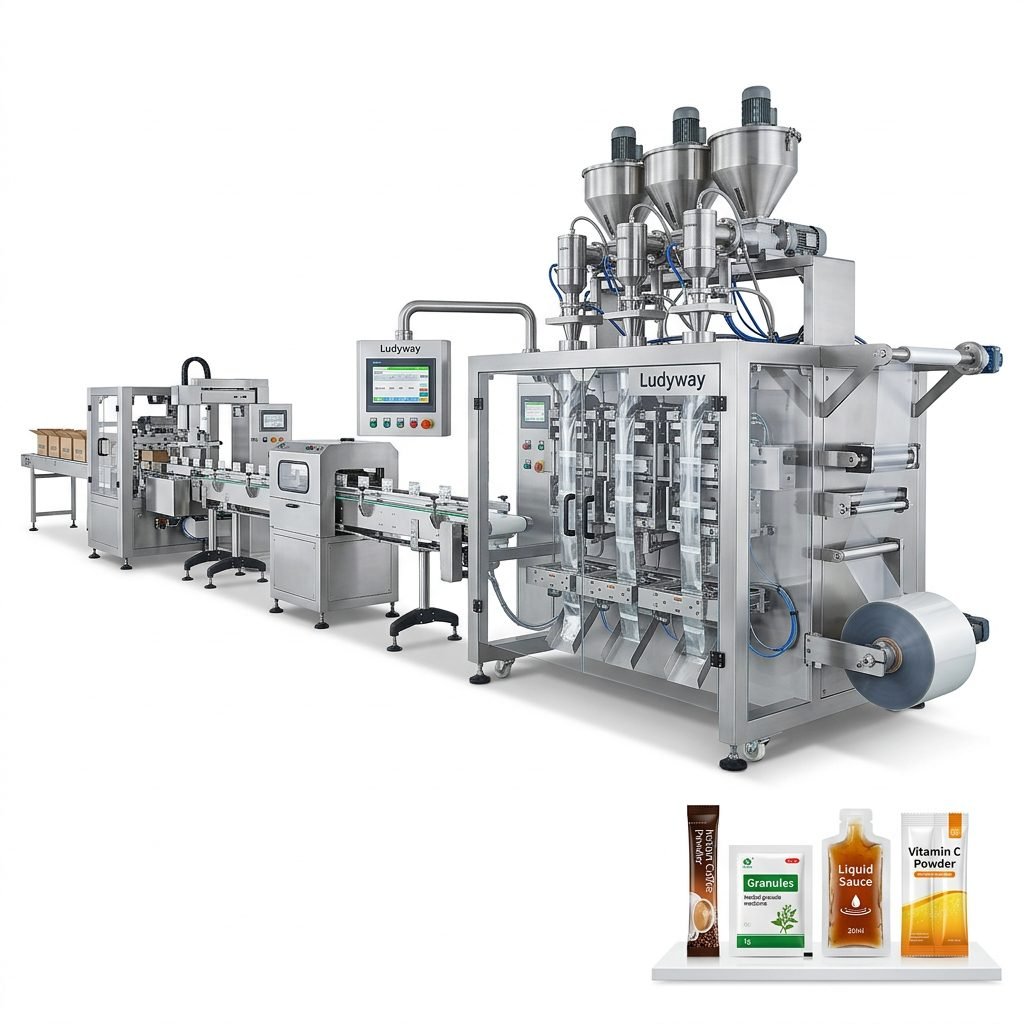
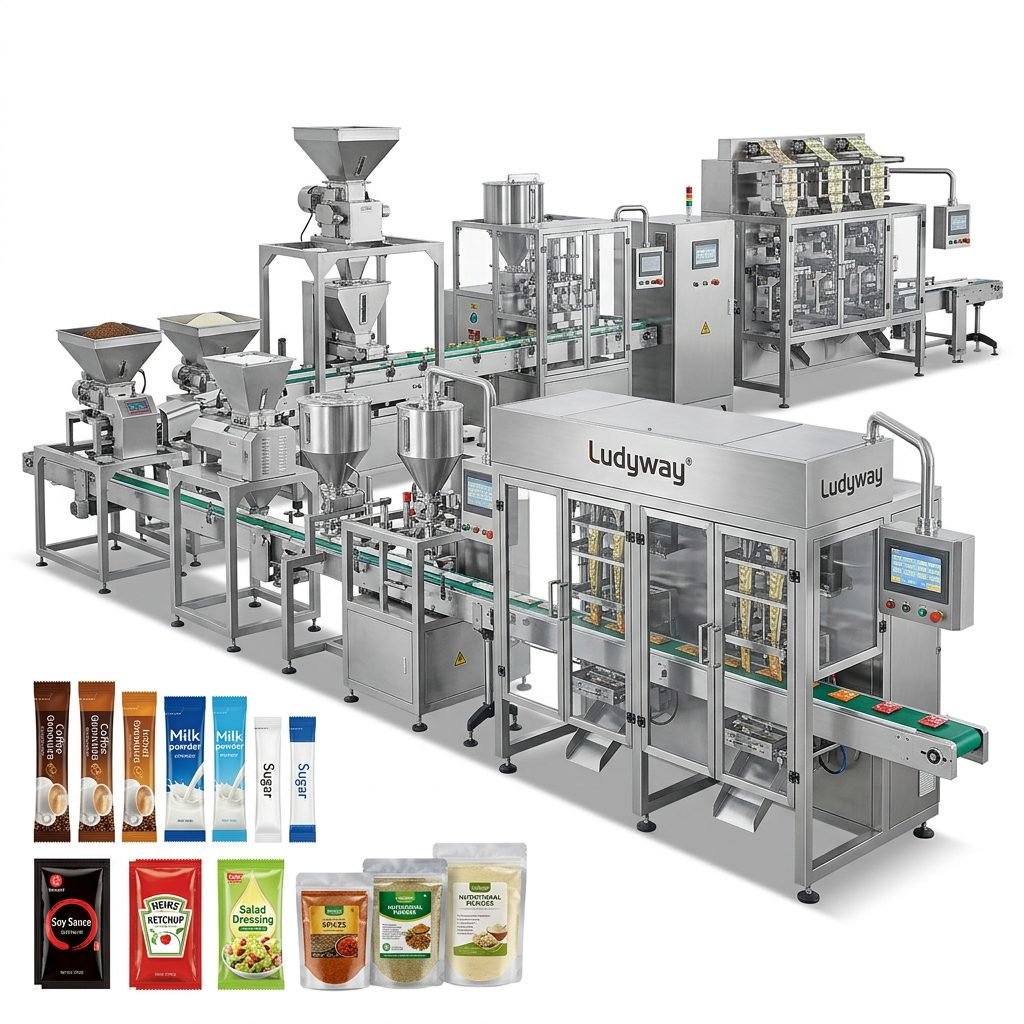
While standalone box forming machines provide substantial value, their true potential is unlocked when they are integrated into a fully automatic packaging line. In a modern automated warehouse, the carton erector sits at the very beginning of the line. Once a box is formed, it travels along intelligent conveyors through automated filling stations, weighing modules, barcode scanning systems, and top-sealing machines. The entire process requires minimal human intervention, ensuring that shipping operations can run smoothly day and night.
Furthermore, smart box forming systems are designed with flexibility in mind. Modern consumer demands require businesses to ship products in various box sizes. Advanced carton erectors feature quick-changeover designs, allowing operators to adjust the machine for different carton dimensions in under ten minutes. This adaptability is crucial for e-commerce retailers who manage diverse inventories and need to match box sizes with specific order profiles to minimize shipping volumes and dimensional weight charges.
The Future of E-commerce Fulfillment
As consumer expectations around shipping speeds continue to rise, manual processes will increasingly become liabilities. The transition toward smart box forming machines is no longer just an option for large-scale operations; it is becoming a necessity for any business looking to remain competitive in the modern e-commerce landscape. By investing in automation, logistics operators can secure a faster, safer, and more cost-effective packaging process, paving the way for sustainable growth in the years to come.