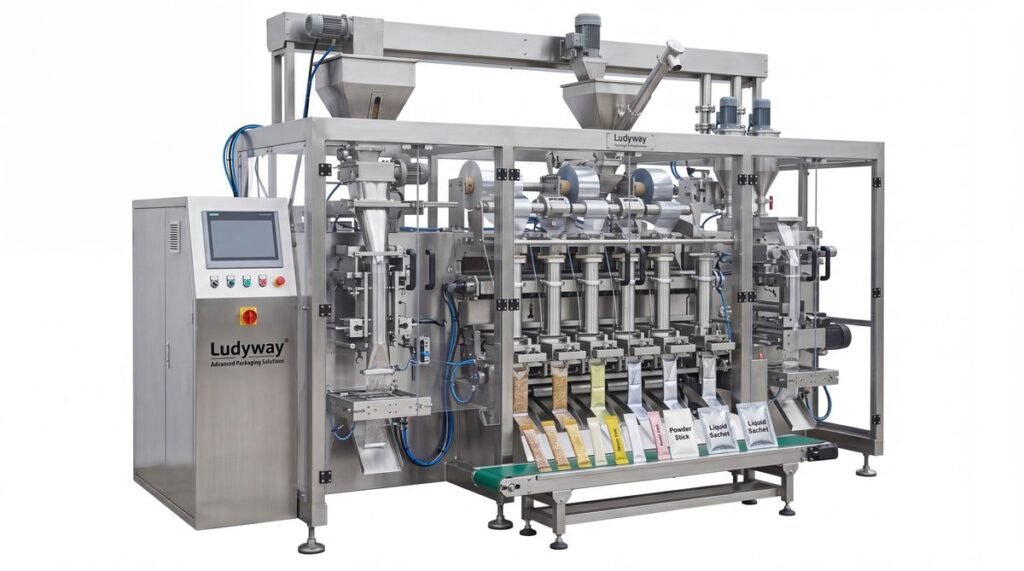
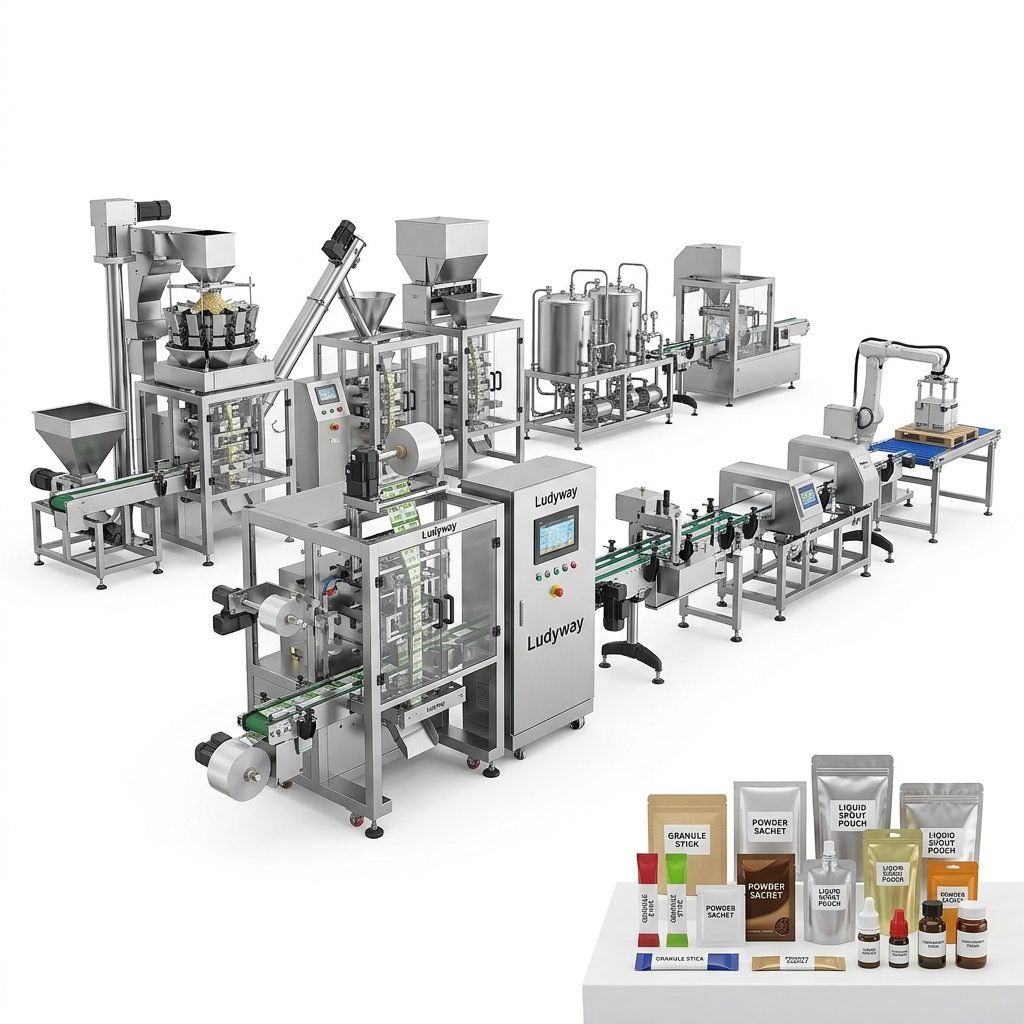
Investing in a brownie packaging machine is a strategic decision for bakeries, contract manufacturers, and food brands scaling their production. The right equipment not only protects product freshness but also enhances shelf appeal, speeds up throughput, and ensures consistent portioning. With so many configurations available — from simple flow wrappers to fully automated multi-lane systems — choosing the optimal machine requires a clear understanding of your product, production goals, and packaging format.
This guide walks you through the critical factors to evaluate before purchasing a brownie packaging machine, helping you avoid costly mistakes and select equipment that supports long-term growth. Whether you are packaging individually wrapped brownies, multi-count trays, or single-serve bars, understanding these key specifications will position you to make a confident, well-informed investment.
1. Understand Your Product Characteristics
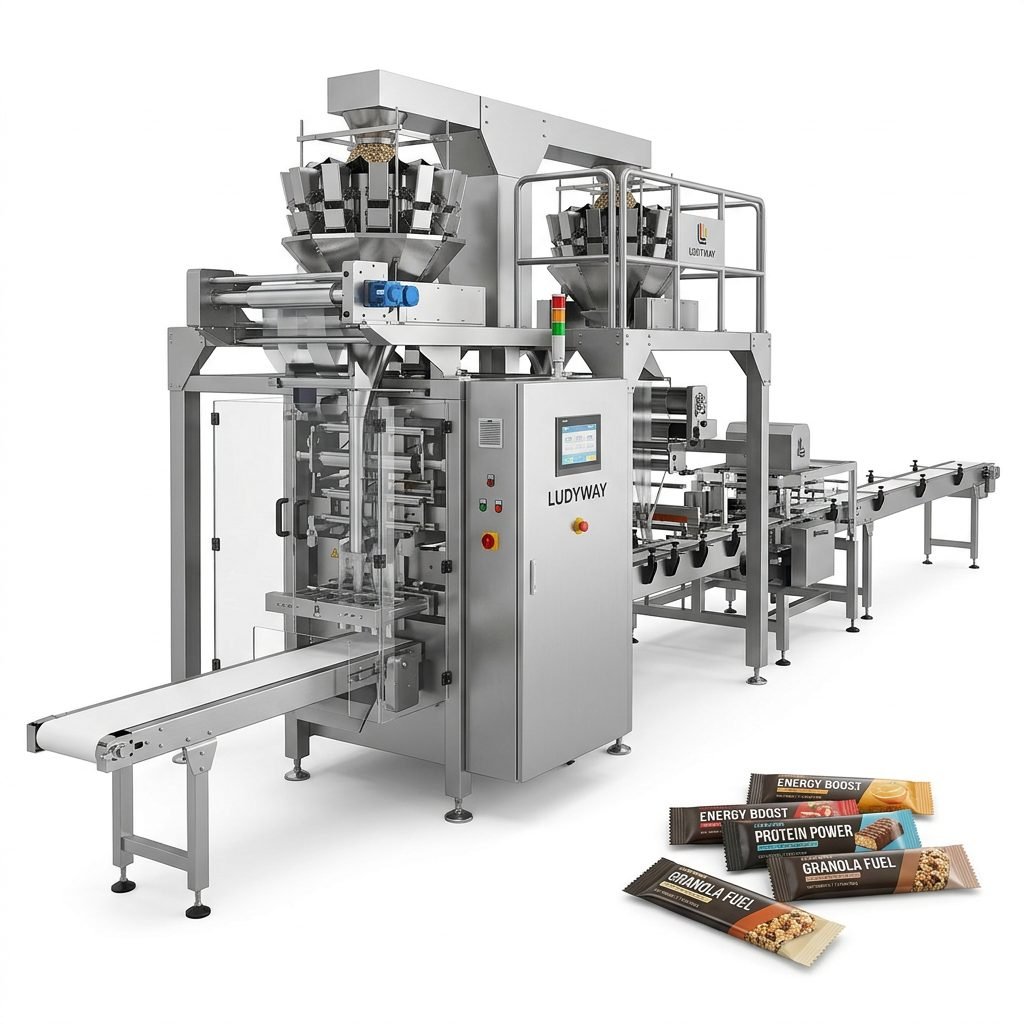
Brownies vary significantly in texture, moisture content, shape, and fragility. A machine designed for dry, rigid crackers will not handle a soft, sticky brownie effectively. Before contacting equipment suppliers, document the following product attributes:
- Texture and density: Soft-baked, fudgy brownies require gentle handling and often specialized feeding systems to prevent deformation.
- Moisture and oil content: High-moisture products may demand barrier packaging materials and sealing technologies that perform reliably despite product residue.
- Shape and dimensions: Rectangular bars, bite-sized squares, and irregularly shaped brownie pieces each need compatible infeed and wrapping mechanisms.
- Fragility: Crumbly toppings or delicate edges influence how the machine should grip, transfer, and wrap each piece without damage.
Properly characterizing your brownie is the foundation for every subsequent equipment decision. A machine optimized for your specific product will dramatically reduce waste and downtime compared to a generic solution.
2. Define Your Target Packaging Format
The packaging style you choose directly impacts the type of machinery required. Brownies are commonly packaged in several formats, each suited to different market channels:
- Horizontal flow wrap (pillow pack): The most common format for single-serve brownies and bars, offering good product visibility and high-speed capability.
- Modified atmosphere packaging (MAP): Ideal for extended shelf life; requires specialized machines capable of gas flushing and hermetic sealing.
- Multi-count carton or tray overwrap: Popular for family packs or club-store formats, often involving a combination of wrapping and cartoning equipment.
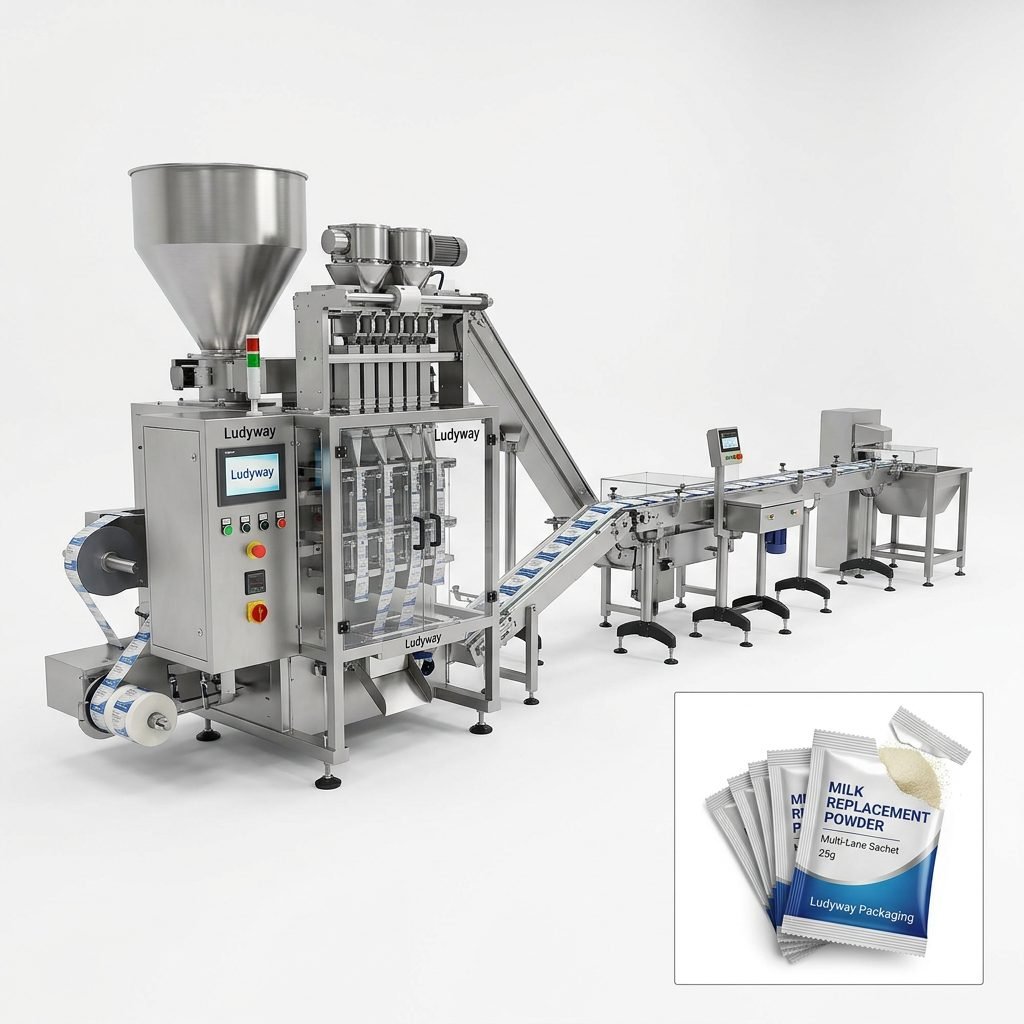
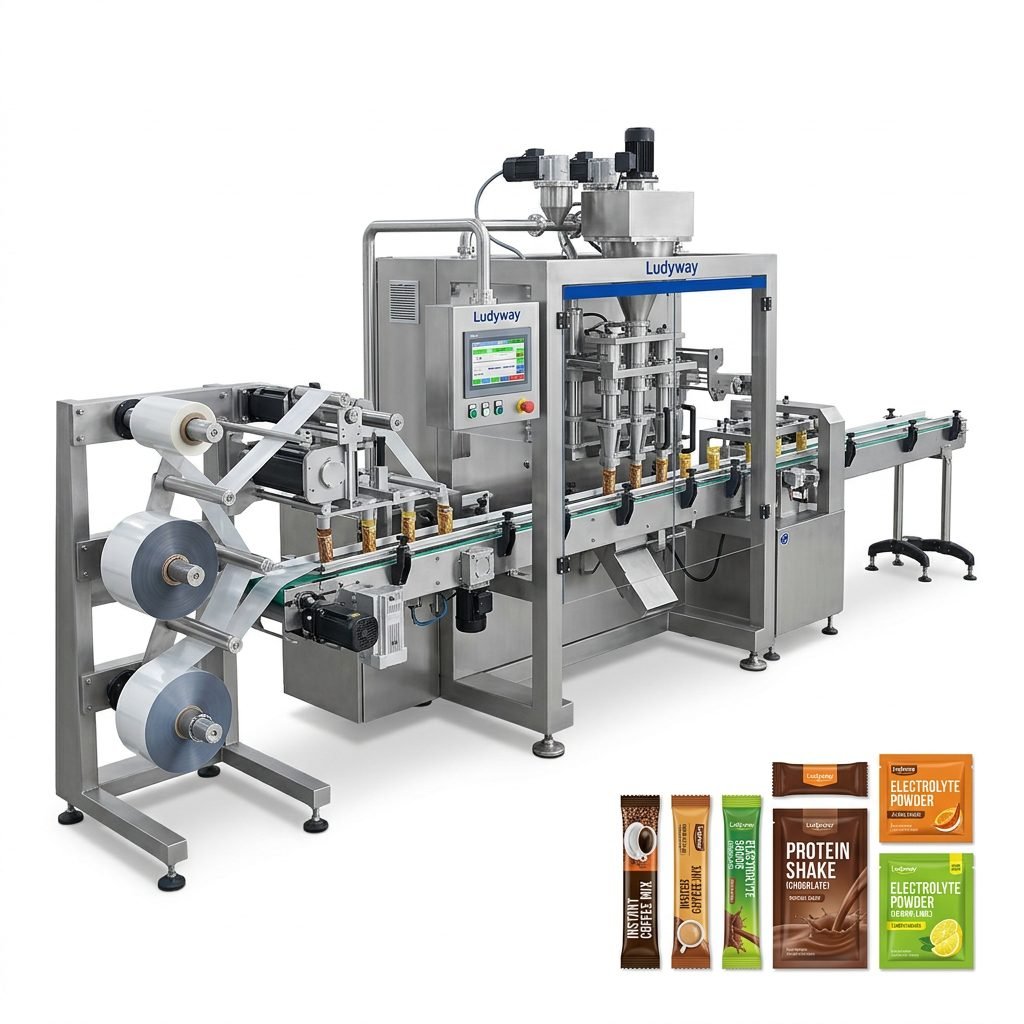
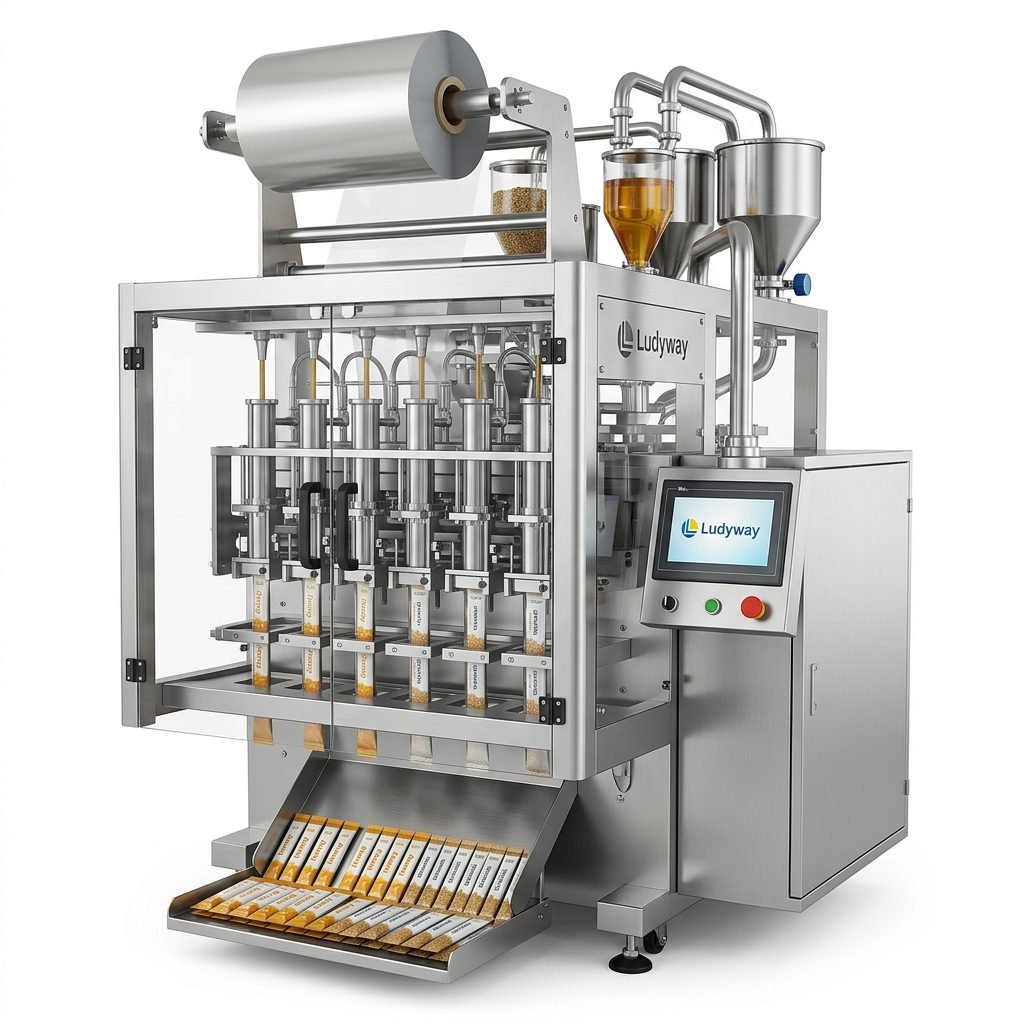
- Stick pack or sachet: Growing in popularity for bite-sized and mini brownies, especially in on-the-go and portion-controlled segments.
- Pre-made pouch filling: Suitable for premium or gift-oriented packaging, often used for larger, irregularly shaped brownies.
Your target retail channel — convenience stores, supermarkets, food service, or e-commerce — will heavily influence this decision. Ensure the machine you select can run the film or material compatible with your format, including consideration of sustainable packaging trends that are reshaping material choices across the industry.
3. Determine Your Production Speed and Capacity Requirements
Matching machine speed to your production forecast is one of the most important calculations in the purchasing process. Overestimating can lead to unnecessary capital expenditure, while underestimating creates bottlenecks that limit business growth.
Key speed metrics to evaluate:
- Pieces per minute (PPM): The core metric for single-piece wrapping; typical entry-level machines run 30–80 PPM, while advanced servo-driven systems can exceed 150–200 PPM.
- Packs per minute for multi-packs: When grouping multiple brownies, factor in the collating, stacking, and wrapping sequence time.
- OEE (Overall Equipment Effectiveness): A machine’s rated speed means little if changeover times, film-splicing delays, and cleaning procedures consume hours of each shift. Evaluate real-world throughput, not just maximum mechanical speed.
Consider not only your current volume but your 3- to 5-year growth projection. A modular or upgradeable platform can provide headroom without requiring a complete line replacement later.
4. Evaluate Automation Level and Line Integration
Modern brownie packaging machinery ranges from semi-automatic units requiring significant operator involvement to fully automated systems that integrate seamlessly with upstream cooling conveyors and downstream case packing. The right level depends on your labor costs, available floor space, and consistency requirements.
Automation Level Comparison
| Automation Level | Typical Speed Range | Best Suited For |
|---|---|---|
| Manual infeed / semi-auto wrap | 20–40 PPM | Start-ups, small bakeries, artisanal products |
| Automatic infeed, single lane | 40–80 PPM | Regional bakeries, co-packers with multiple SKUs |
| Multi-lane automatic system | 100–250+ PPM | High-volume producers, national brands |
| Fully integrated turnkey line | Custom; matched to upstream/downstream | Large-scale operations requiring seamless automation |
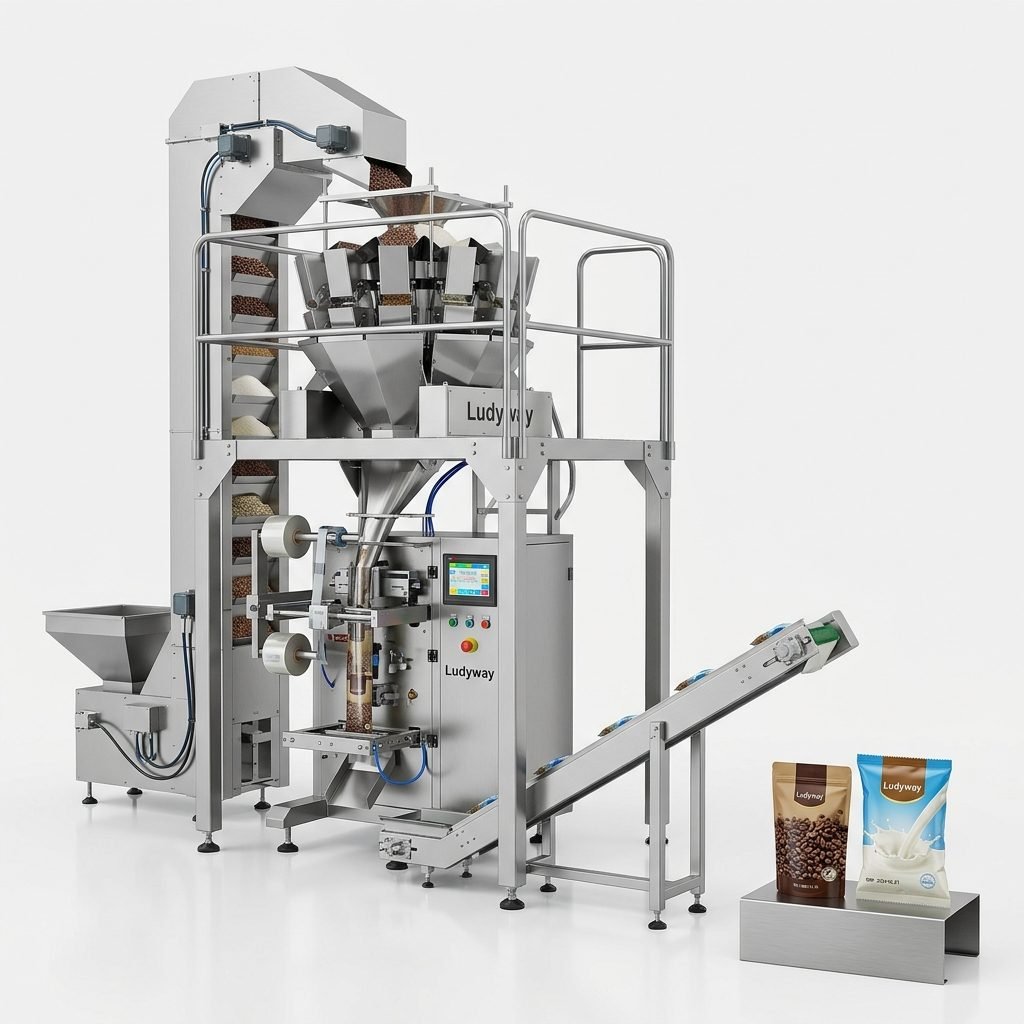
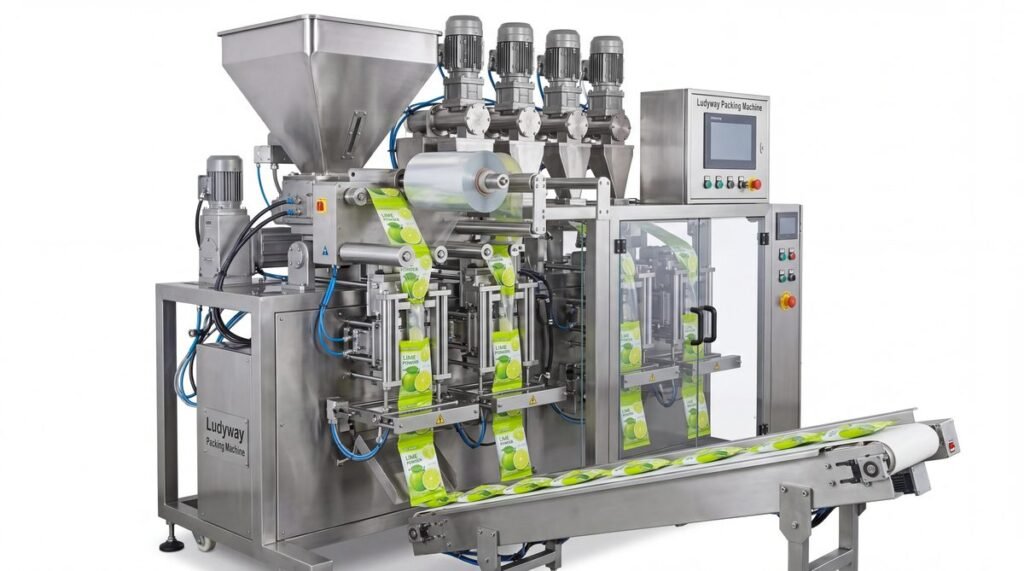
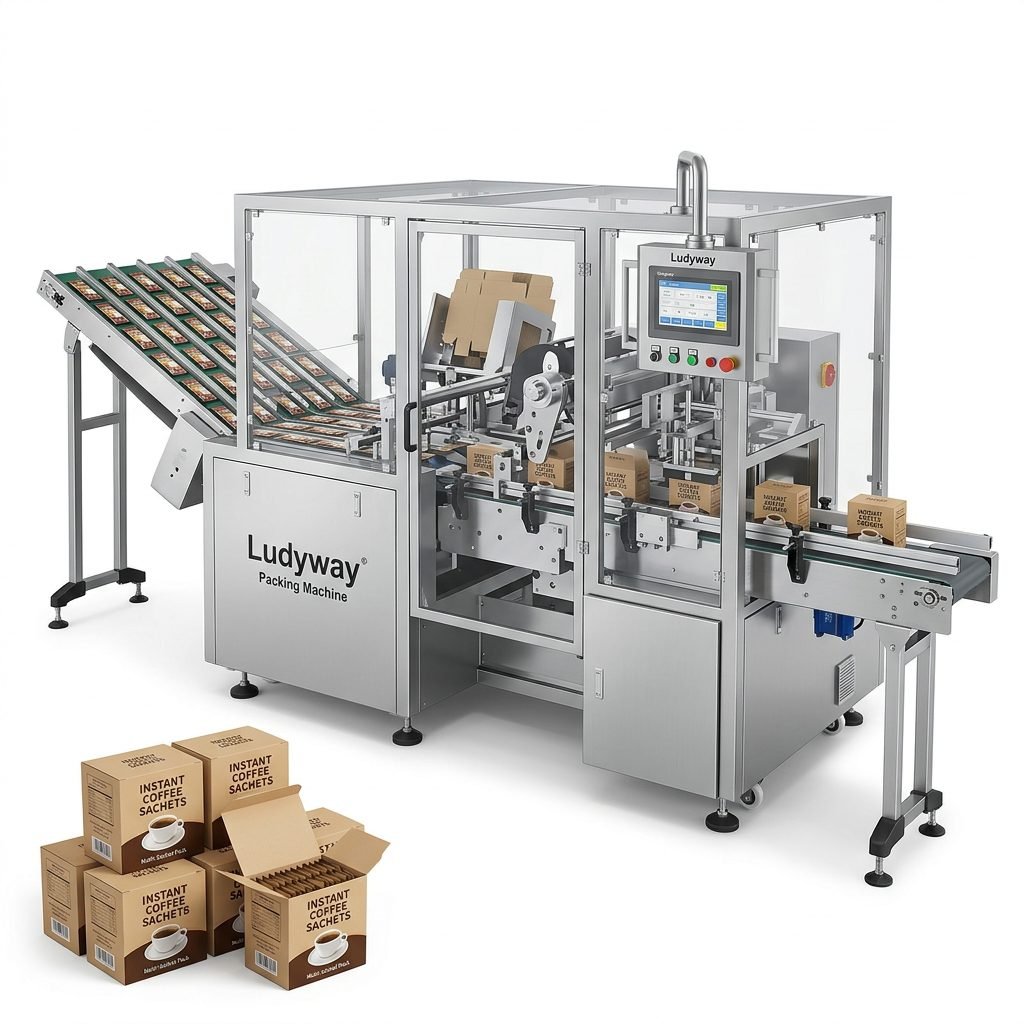
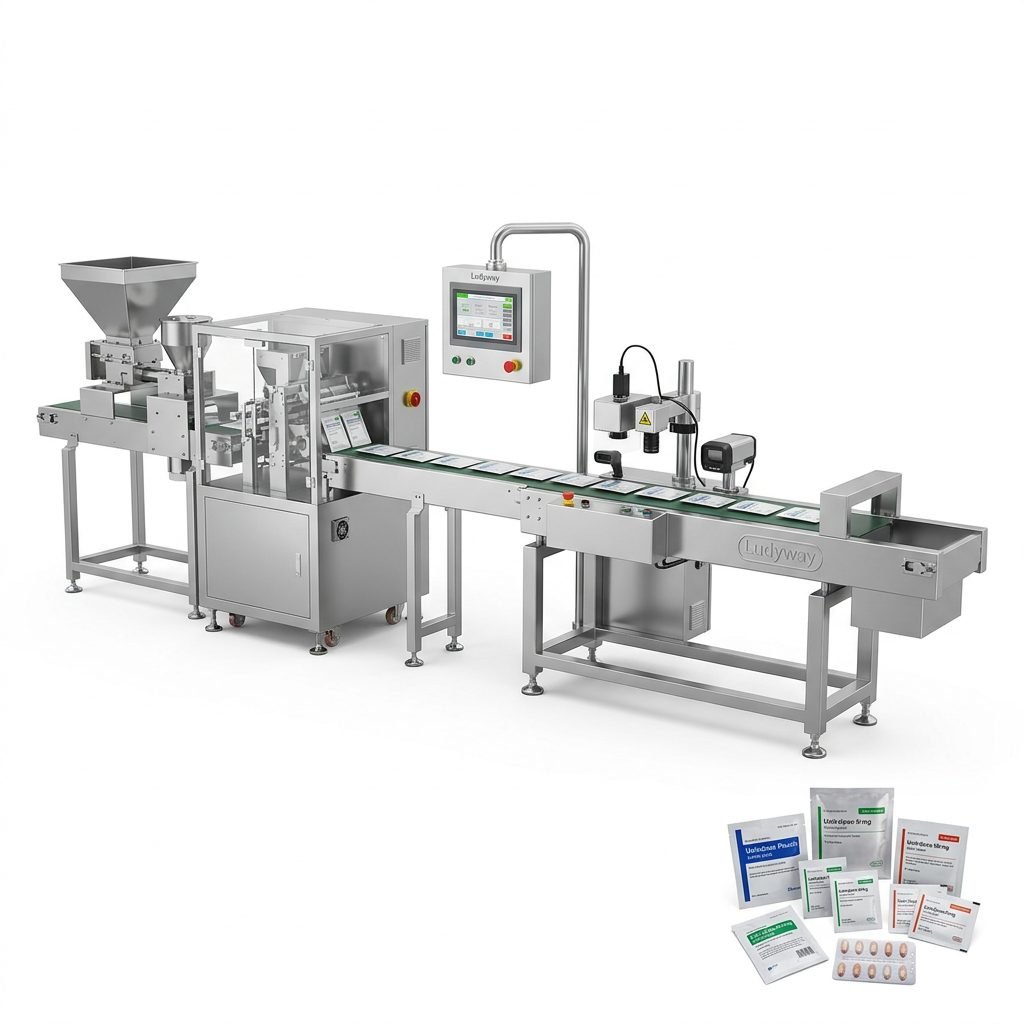
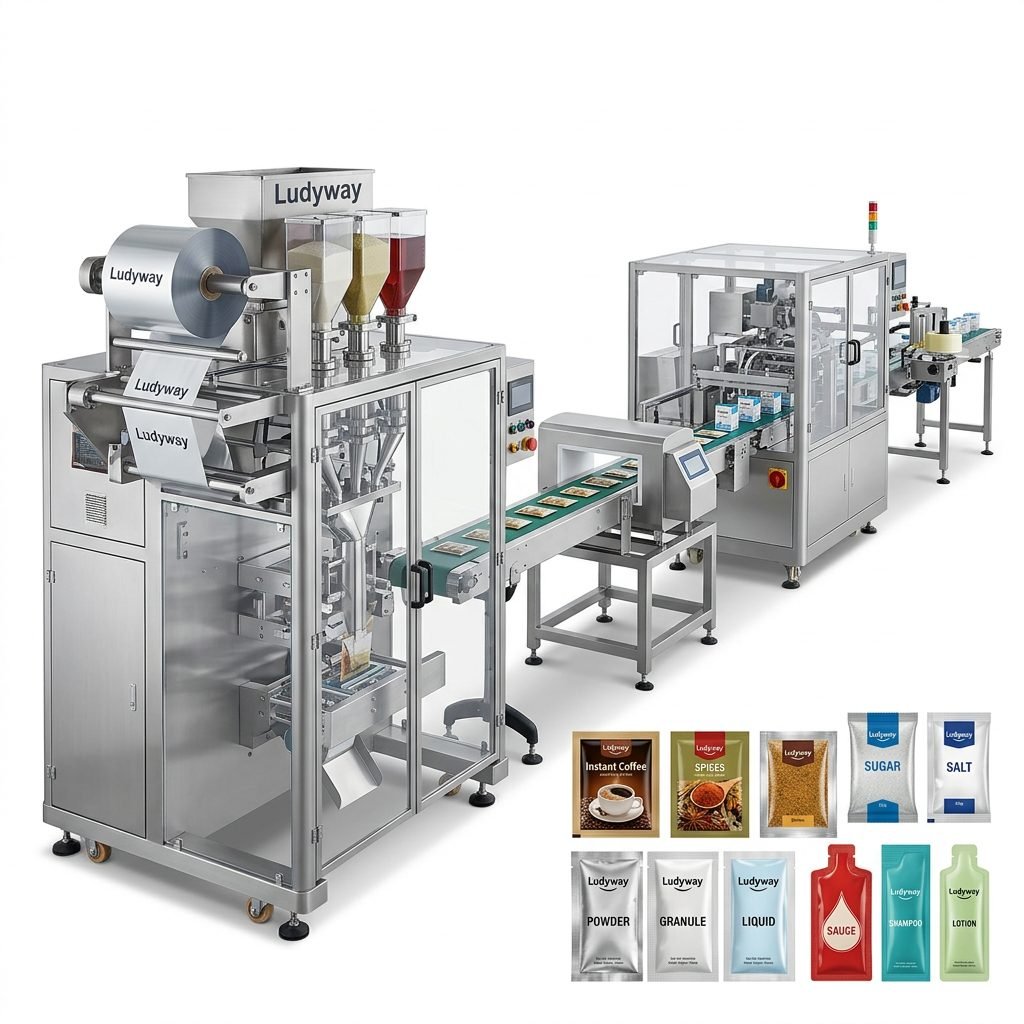
For operations seeking to connect multiple packaging stages under one integrated solution, working with a provider that offers turnkey packaging systems can simplify project management and accountability. One such manufacturer with over 30 years of experience in this approach is Ludyway Machinery, which engineers complete lines from product feeding through final case packing for bakeries and food manufacturers worldwide.
5. Key Technical Features to Prioritize
Beyond basic specifications, certain technical features can make a significant difference in daily operation, maintenance, and product quality. When comparing brownie packaging machines, pay close attention to the following:
Sealing system: Look for independent temperature control zones on both sealing jaws, precise PID controllers, and quick-release mechanisms that simplify cleaning and film-threading. For brownies with high oil content, contamination-resistant sealing surfaces are particularly valuable.
Film registration and tension control: Precise film handling minimizes waste and prevents misaligned graphics — critical if you are using pre-printed film with branding, nutritional panels, or promotional messaging.
Quick changeover capability: If you run multiple brownie SKUs with different sizes or film types, look for toolless adjustments, recipe storage, and servo-driven changeover systems that reduce downtime between production runs.
Sanitary design and cleanability: For food applications, stainless steel construction, sloped surfaces for drainage, and minimal crevices are essential to meet food safety regulations. Machines designed with washdown compatibility simplify sanitation protocols and reduce cross-contamination risk.
6. Assess Quality Standards and Compliance Requirements
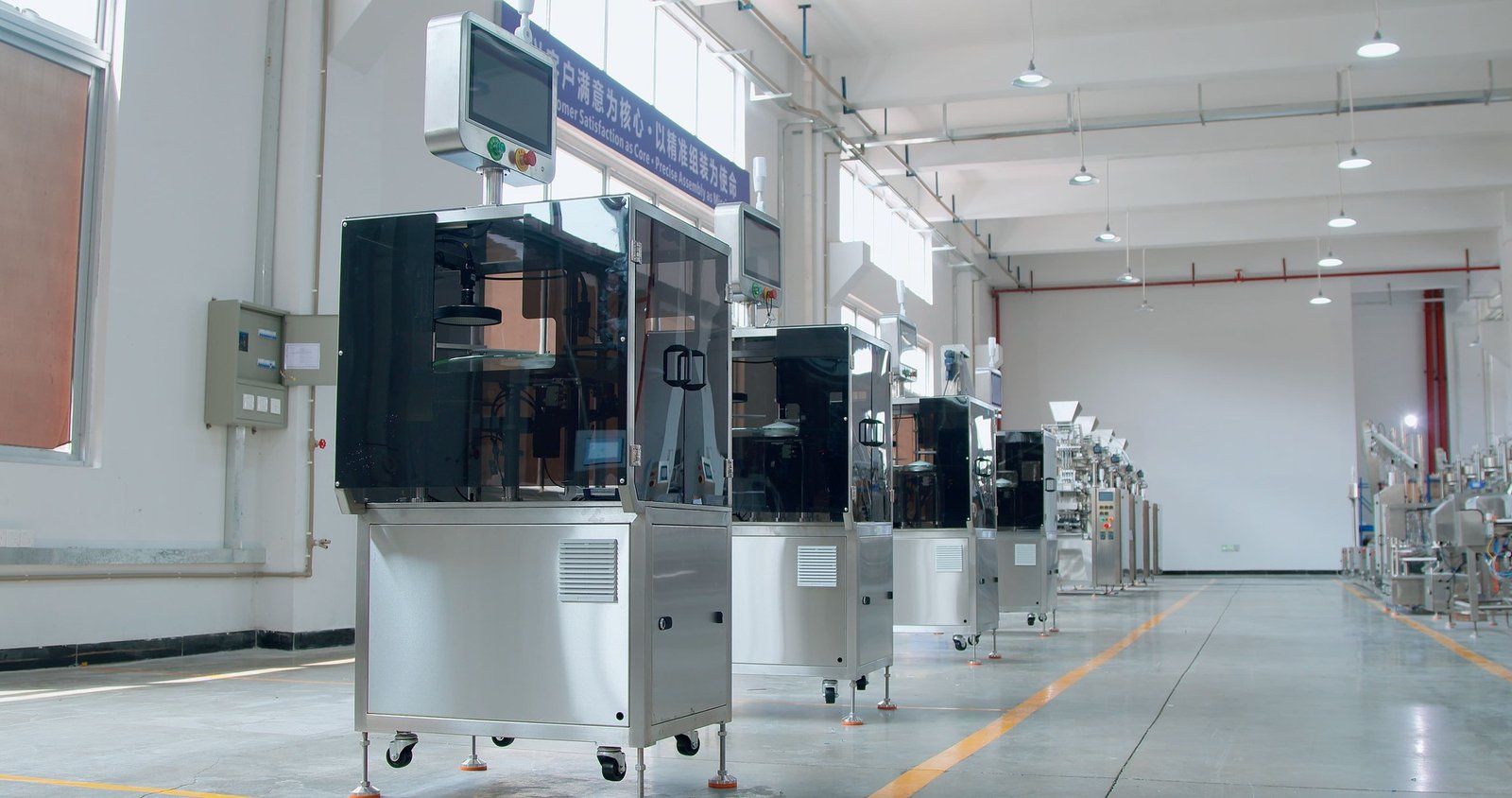
Packaging equipment destined for food production must adhere to relevant safety and quality standards. Depending on your market region, you may need to demonstrate compliance with specific regulations:
- North America: Equipment should comply with FDA requirements for food contact surfaces and packaging processes, as well as relevant ANSI/PMMI safety standards as outlined in resources published by PMMI – The Association for Packaging and Processing Technologies.
- European Union: CE marking and compliance with the Machinery Directive, along with materials that meet EU packaging and packaging waste regulations, are typically required.
- International exports: If you ship brownies to multiple countries, verify that the machine supports the relevant ISO packaging standards and can operate with the electrical specifications in your target markets.
Request compliance documentation from potential suppliers and confirm that certifications are current and applicable to the specific machine configuration being quoted.
7. Consider Customization and Flexibility
Off-the-shelf packaging machines rarely fit every operation perfectly. Customization may involve adjustments to infeed conveyor height to match existing cooling lines, custom-designed tooling for unique brownie dimensions, or integration of printers, labelers, and quality inspection systems. A manufacturer with in-house engineering capability can more efficiently deliver tailored solutions without relying on third-party integrators.
When evaluating a supplier’s customization track record, ask about projects similar to yours in product type or packaging format. This helps verify that the engineering team understands the specific challenges of brownie packaging and can anticipate issues before they arise on your production floor.
8. Analyze Total Cost of Ownership
Purchase price is only one component of the total investment. A comprehensive cost analysis should include the following factors to avoid surprises after installation:
| Cost Factor | Considerations |
|---|---|
| Initial capital expenditure | Machine price, shipping, import duties, installation, initial training |
| Consumables | Packaging film, lubricants, wear strips, sealing bands |
| Energy consumption | Electrical load, compressed air requirements, thermal efficiency |
| Preventive maintenance and parts | Recommended spare parts inventory, service contract costs, wear-part replacement intervals |
| Downtime risk | Machine reliability history, availability of remote support, local service engineer access |
A slightly higher upfront investment in a robust, well-supported machine often yields lower total cost of ownership over a 5- to 10-year operating horizon.
9. Evaluate After-Sales Support and Service Infrastructure
Even the most reliable packaging machine will require technical support, preventive maintenance, and eventually replacement parts. Before committing to a supplier, investigate the strength and responsiveness of their after-sales infrastructure.
Essential support capabilities to verify:
- Remote diagnostic capability: Modern machines with remote access allow technicians to troubleshoot PLC programs and parameters without an on-site visit, reducing downtime significantly.
- Spare parts availability and delivery time: Confirm that critical components are stocked regionally or can be shipped quickly. Long lead times for specialized parts can halt your entire production line.
- Local service presence: If your facility is outside the manufacturer’s home country, determine whether they have trained service partners or regional engineers who can respond within an acceptable time frame.
- Operator training and documentation: Comprehensive training at installation — and accessible, well-translated technical manuals — empower your team to operate the machine efficiently and perform routine maintenance independently.
10. Plan for Installation, Commissioning, and Validation
Bringing a new brownie packaging machine online involves more than simply connecting utilities. Proper site preparation, operator training, and performance validation are essential to achieving a smooth start-up. Key steps include:
- Facility readiness: Confirm electrical supply, compressed air capacity, ventilation, and floor space are adequate for the machine footprint and operational clearances.
- Factory acceptance testing (FAT): Whenever practical, visit the manufacturer’s facility to test the machine with your actual brownie product and packaging film before shipment.
- Installation and commissioning: Plan for a qualified technician to oversee setup, alignment, and initial calibration, especially for integrated multi-component lines.
- Performance qualification: Run production trials at target speeds to verify seal integrity, product handling, and output consistency meet your specifications before signing off on final acceptance.
Taking the time to properly commission your equipment pays dividends in long-term reliability and avoids costly rework or production delays after launch.
Making the Right Choice for Your Brownie Packaging Line
Selecting a brownie packaging machine is a decision that ripples through your entire operation — from product quality and shelf life to labor efficiency and brand perception. By methodically evaluating your product characteristics, target packaging format, speed requirements, automation level, technical features, compliance needs, and total cost of ownership, you can narrow the field to equipment that aligns with both your current realities and your future ambitions.
Investing time in this evaluation process, engaging with multiple suppliers, and seeking references from other bakeries running similar equipment will help you avoid the hidden pitfalls that often accompany hasty equipment purchases. Whether you are a growing artisan producer or a large-scale contract baker, packaging automation trends point toward ever-increasing demand for flexibility, efficiency, and integration — and the right machine partner will help you stay ahead of that curve.