Investing in a butter packaging machine is a significant decision for any dairy processor, food manufacturer, or commercial kitchen. The right equipment directly impacts product shelf life, production efficiency, and brand presentation. With dozens of machine types, configurations, and automation levels available, narrowing down the options requires a structured approach to your specific production needs.
This guide walks you through the essential factors to evaluate before purchasing a butter packaging machine, helping you make an informed investment that aligns with your operational goals. For broader industry insights, the PMMI Business Intelligence Library offers valuable packaging market research and trend data.
Understanding Butter Product Characteristics
Butter presents unique packaging challenges due to its semi-solid consistency at room temperature, sensitivity to temperature fluctuations, and susceptibility to oxidation. Before evaluating machines, define your product parameters clearly:
- Product form: Blocks, sticks, tubs, portion cups, or bulk quantities
- Butter type: Salted, unsalted, cultured, clarified (ghee), or plant-based butter alternatives
- Fat content: Standard butter (80%+ fat) versus reduced-fat spreads with different viscosity profiles
- Temperature requirements: Chilled filling (8-12°C) versus ambient or warm filling processes
- Shelf life targets: Refrigerated distribution versus ambient shelf-stable requirements
These characteristics directly influence the dosing mechanism, seal integrity requirements, and packaging material compatibility needed from your equipment. The FDA Food Packaging and Food Contact Substances guidelines provide essential regulatory context for dairy packaging compliance.
Key Types of Butter Packaging Machines
Different production scales and packaging formats call for distinct machine categories. Understanding the strengths and limitations of each type helps narrow your selection:
1. Semi-Automatic Butter Filling Machines
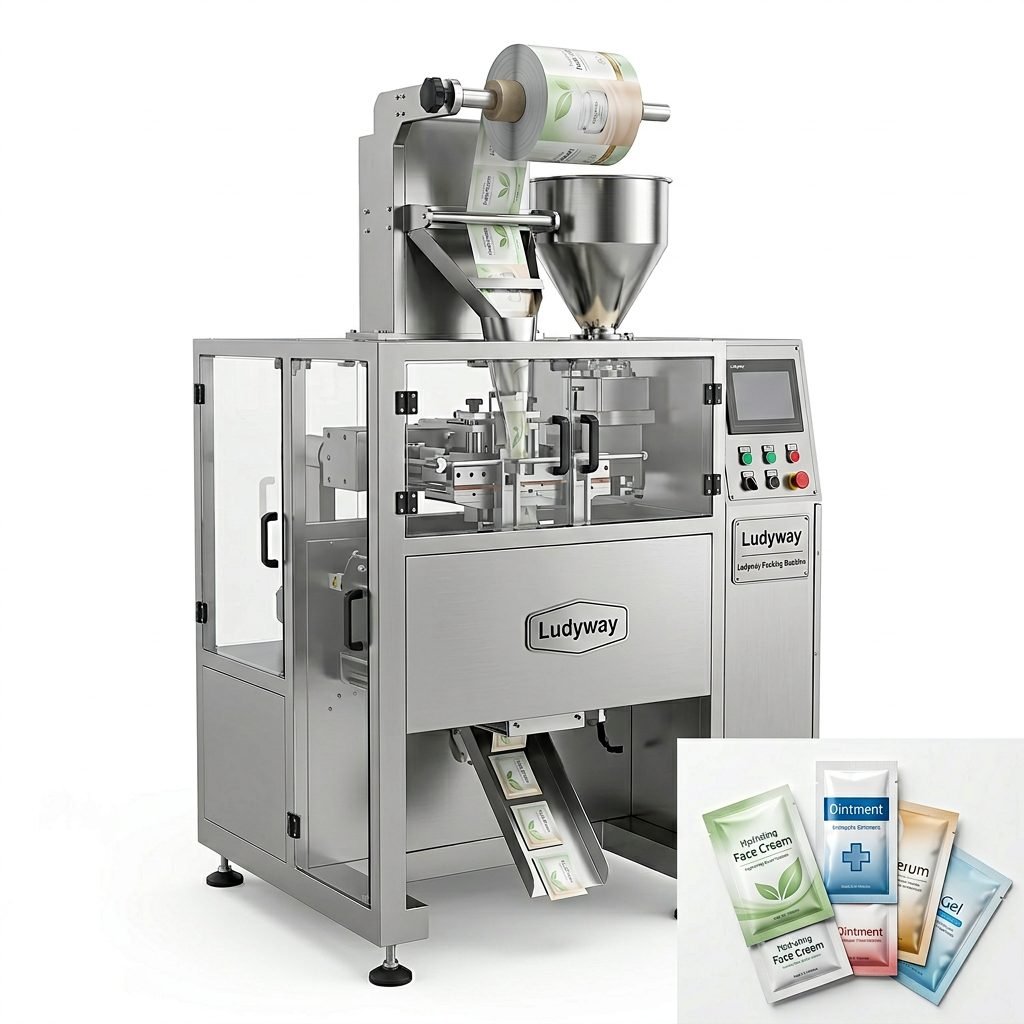
These entry-level machines require manual container placement and removal but automate the filling and dosing process. They suit small to medium dairy operations producing 500-2,000 units per day. Advantages include lower capital investment and flexibility for multiple product formats. However, they demand more labor and offer slower throughput compared to fully automatic systems.
2. Fully Automatic Inline Packaging Systems
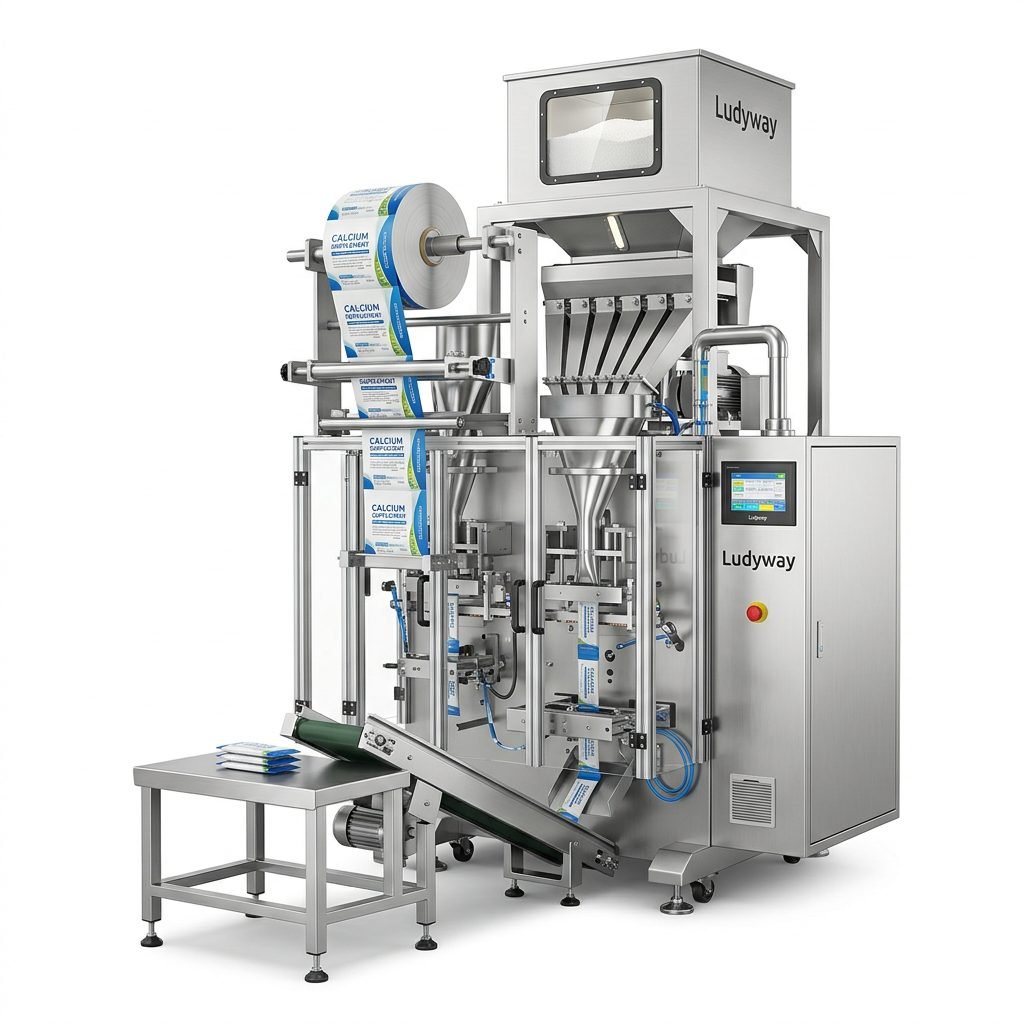
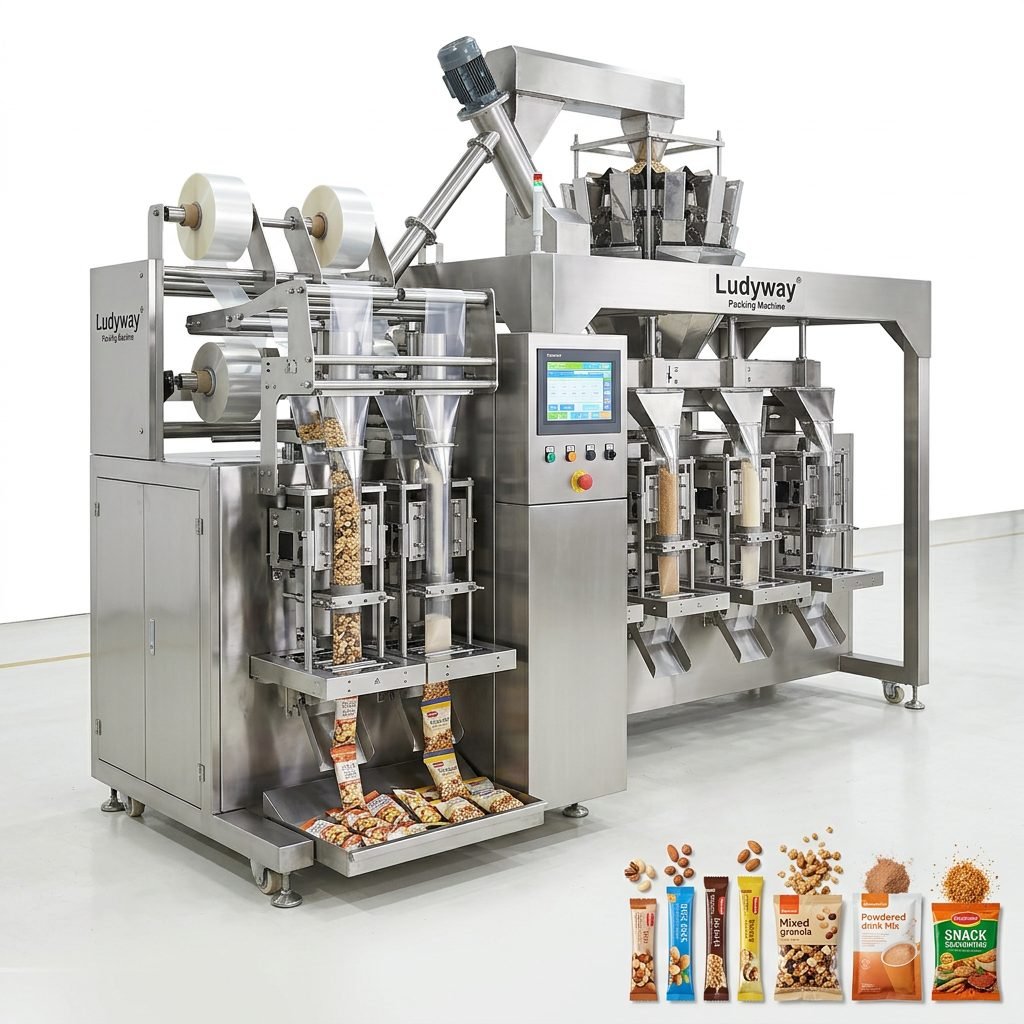
Designed for high-volume production environments, these integrated systems handle container feeding, filling, sealing, coding, and labeling in a continuous automated sequence. Production speeds typically range from 3,000 to 15,000 units per hour depending on configuration. They minimize human contact, improving hygiene and consistency for dairy applications.
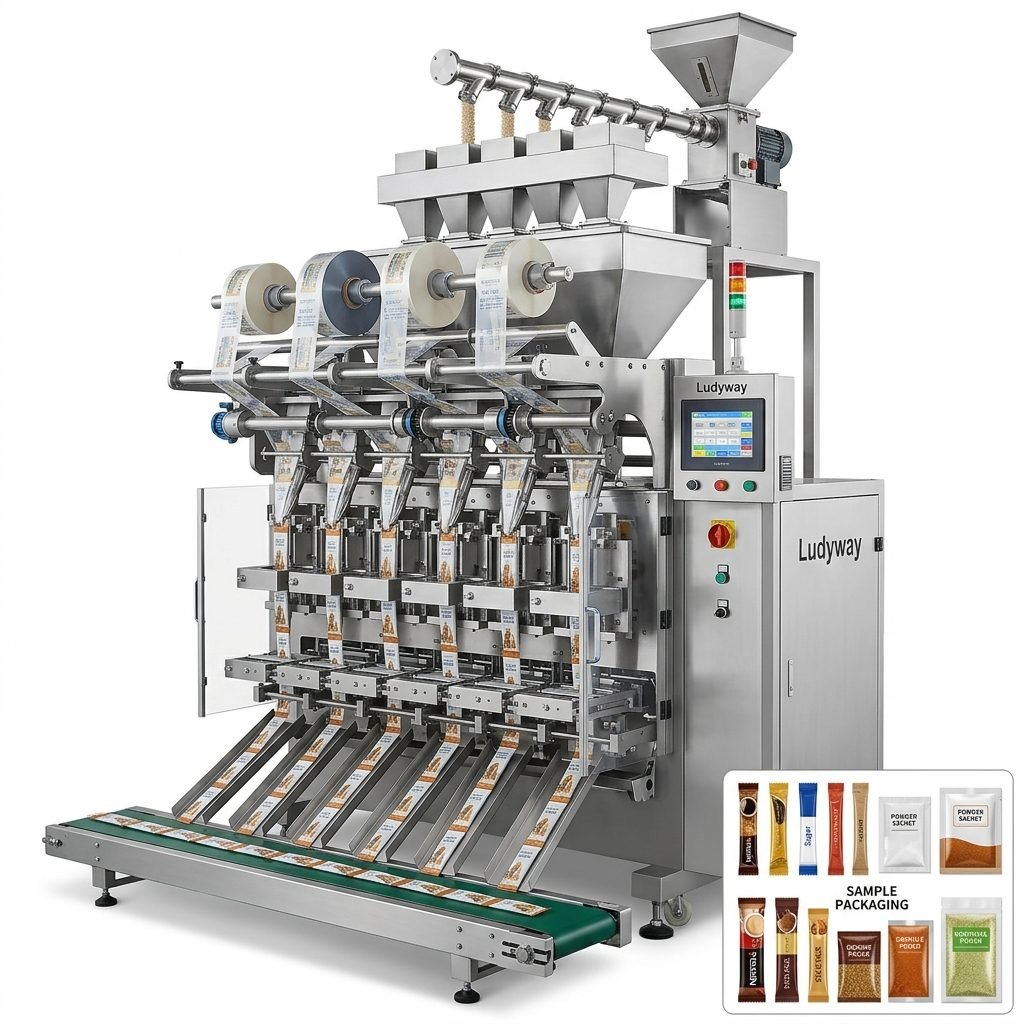
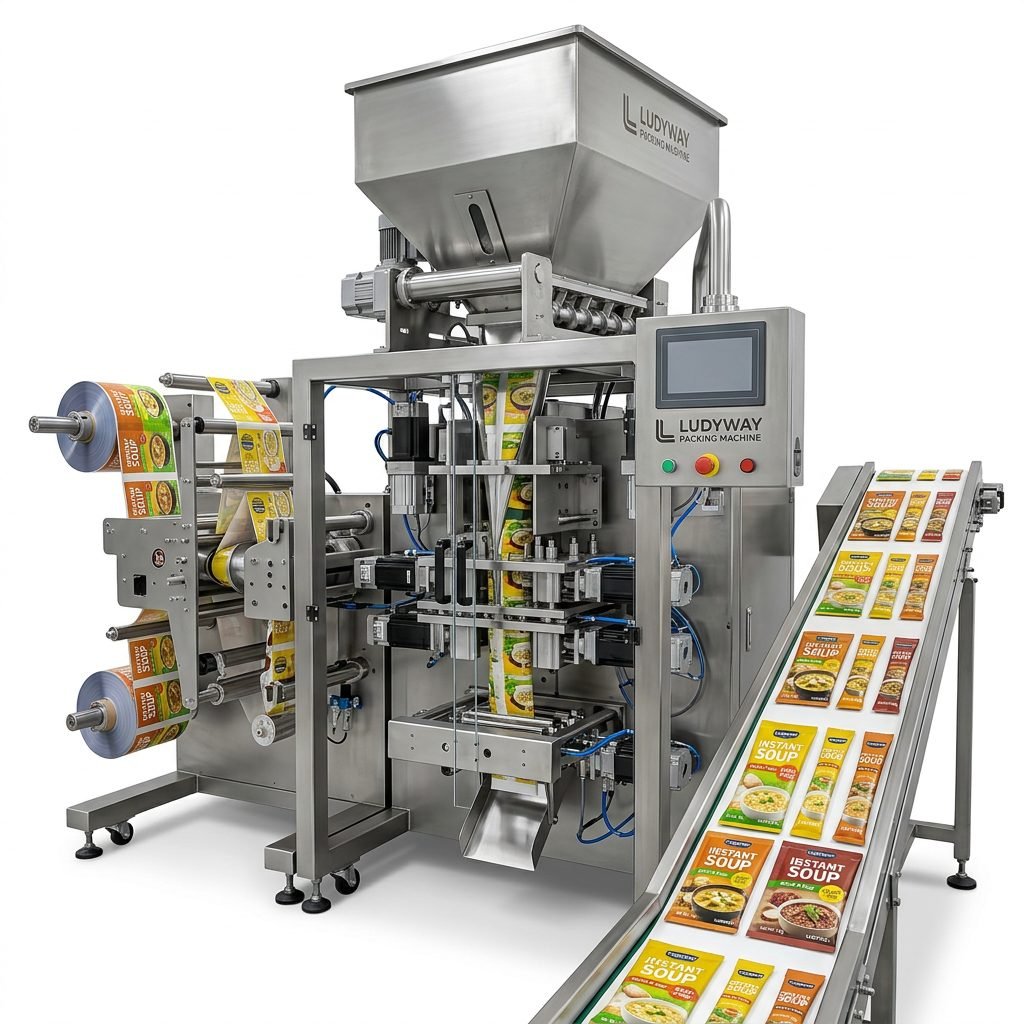
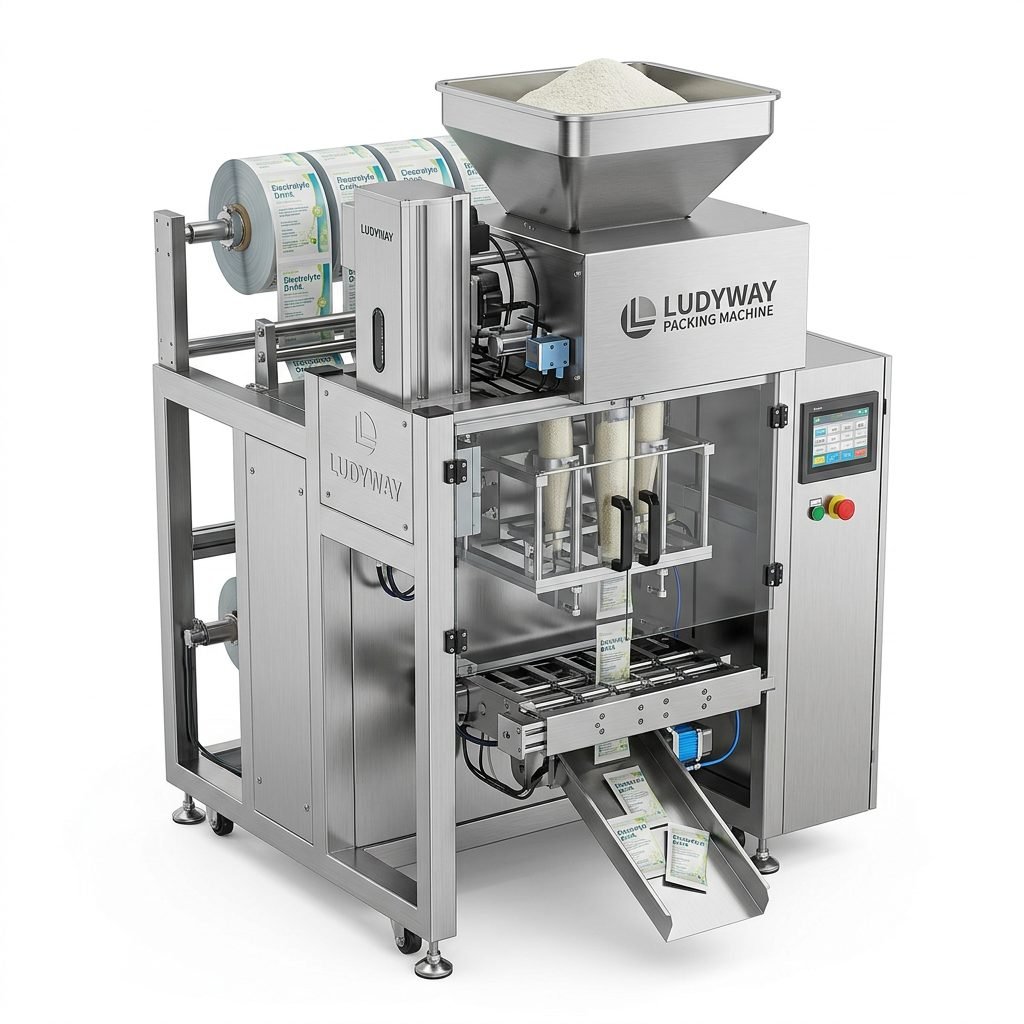
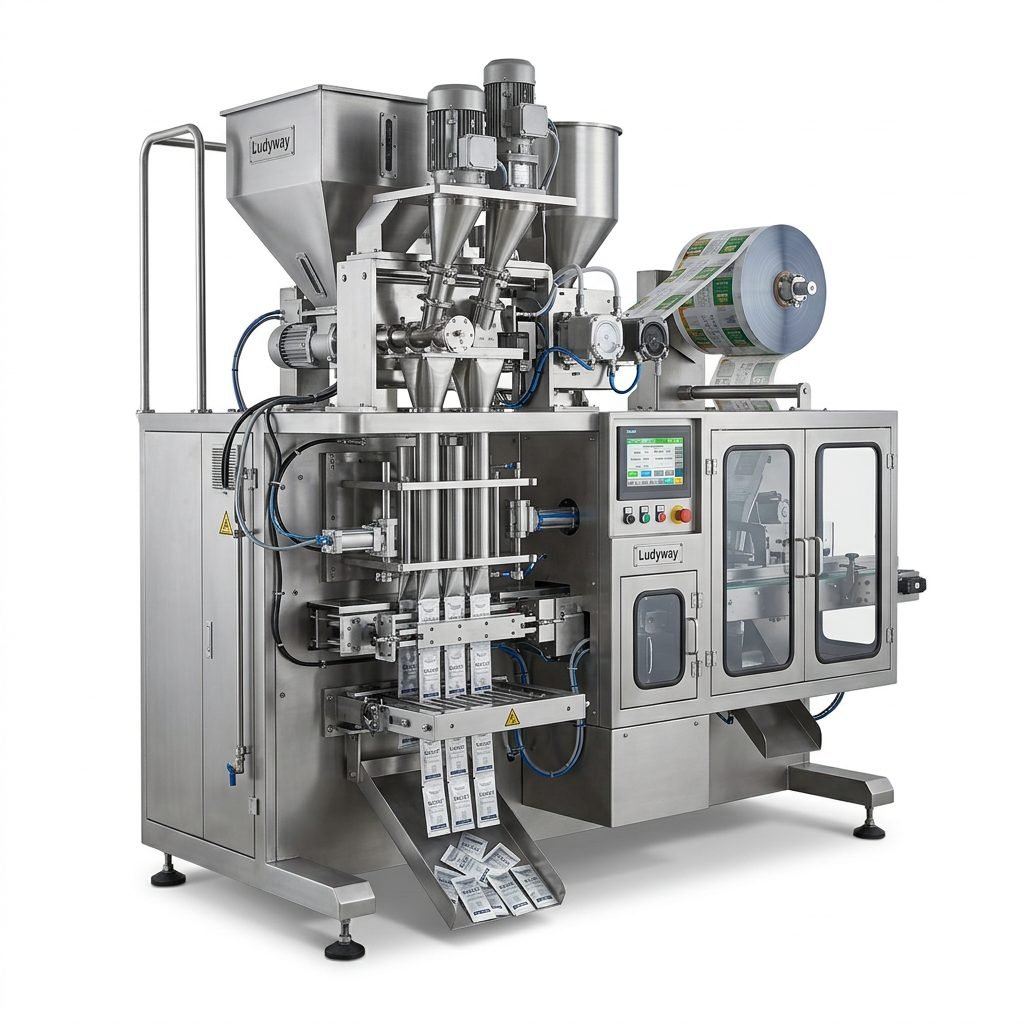
3. Multi-Lane Stick Pack and Sachet Machines
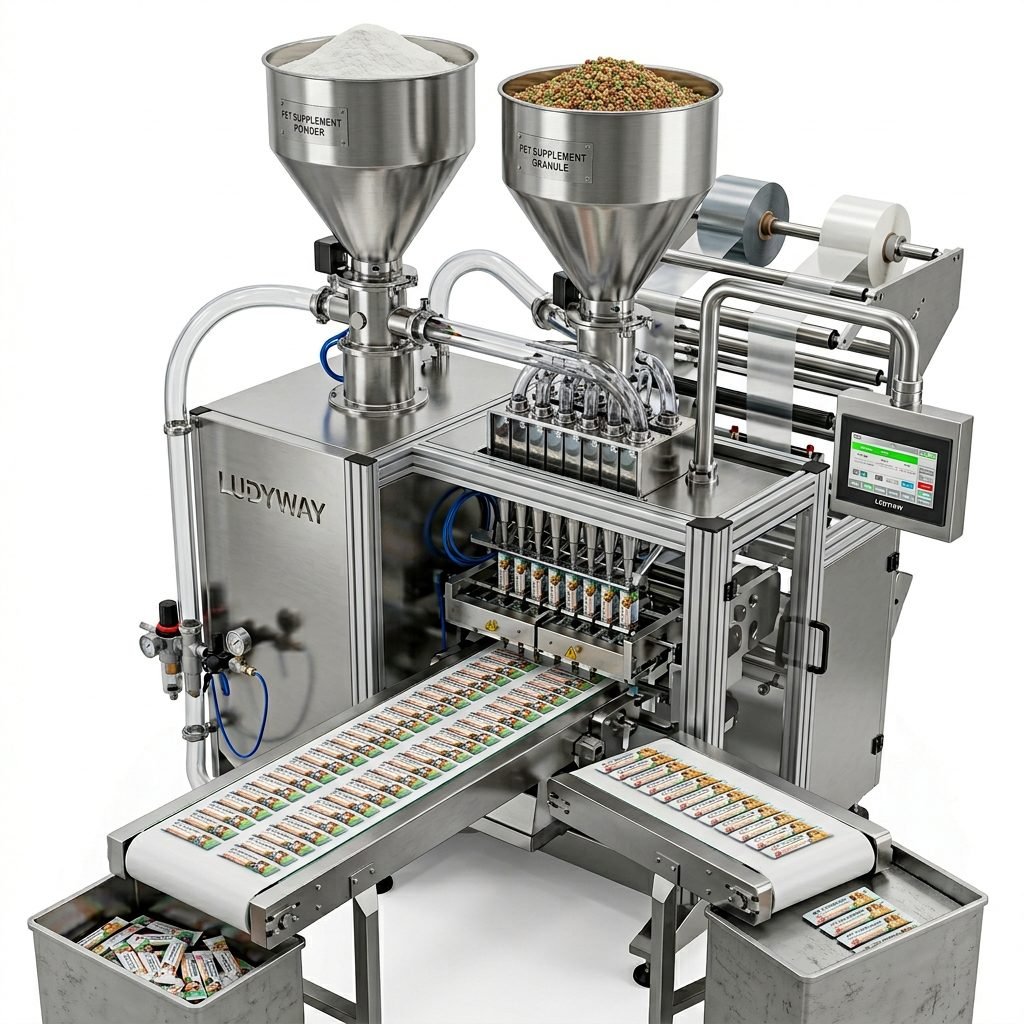
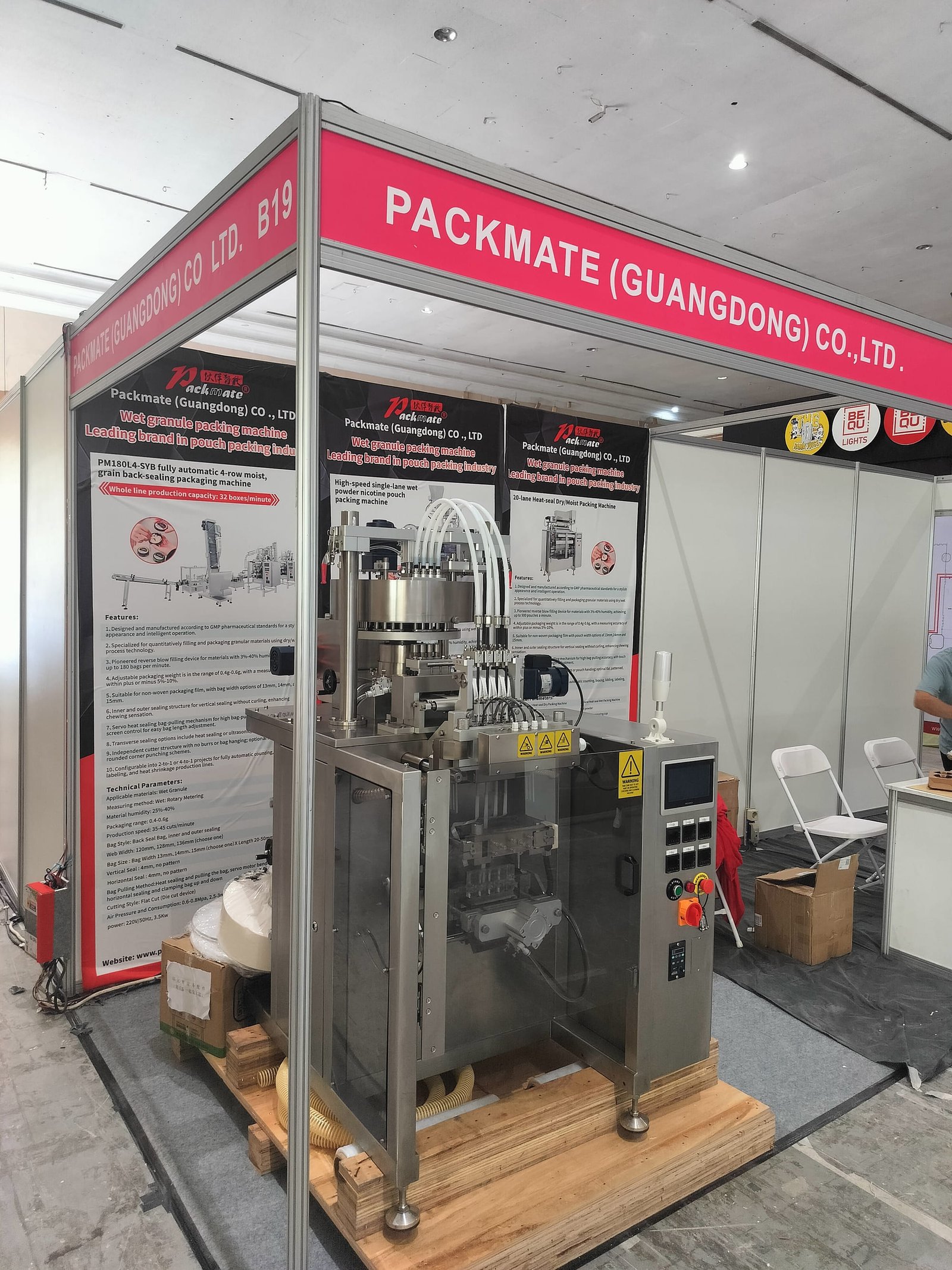
For portion-control butter servings—popular in food service, hospitality, and airline catering—multi-lane sachet packaging machines offer exceptional throughput. These systems can run 4 to 12 lanes simultaneously, producing individually sealed butter portions at speeds exceeding 400 packs per minute per lane. They require precise temperature-controlled filling systems to handle butter’s viscosity.
Critical Features to Evaluate
Once you have identified the appropriate machine category, scrutinize these technical features that significantly affect operational performance and product quality:
Dosing Accuracy and Consistency
Butter’s semi-solid nature demands positive displacement piston fillers or servo-driven auger systems for precise weight control. Look for machines offering dosing accuracy within ±0.5% to ±1.5% of target weight. Inaccurate dosing leads to product give-away, eroding profit margins over high-volume production runs. Volumetric cup fillers work for consistent-density butter but struggle with temperature-related viscosity changes.
Temperature Control Integration
Maintaining butter at the optimal filling temperature—typically 10-15°C for block butter and 15-20°C for spreadable formulations—requires integrated hopper cooling or jacketed product tanks. Machines without adequate temperature management risk product separation, inconsistent fill weights, and compromised seal integrity from product contamination in seal areas.
Packaging Material Compatibility
Butter packaging commonly uses aluminum foil laminates, parchment paper, metallized films, and polypropylene tubs. Verify that the machine’s forming, filling, and sealing stations accommodate your chosen materials. Heat-seal parameters must match the film’s sealing layer, and the machine should offer adjustable temperature, pressure, and dwell time controls for different material specifications.
| Machine Type | Best For | Typical Speed Range | Relative Investment |
|---|---|---|---|
| Semi-Automatic Piston Filler | Small dairies, artisan butter producers | 300-1,000 units/hour | $15,000-$45,000 |
| Inline Automatic Cup/Tub Filler | Medium-large dairy processors | 2,000-8,000 units/hour | $60,000-$200,000 |
| Multi-Lane Sachet/Stick Pack | Portion packs, food service | 200-600 packs/min | $50,000-$180,000 |
| Block Butter Wrapping Line | Standard 250g/500g blocks | 40-120 packs/min | $80,000-$300,000 |
| Turnkey Packaging Line | Large-scale fully integrated operations | 5,000-15,000+ units/hour | $250,000-$800,000+ |
Automation Level and Production Scalability
Selecting the right automation level requires balancing current production volumes against future growth projections. Over-investing in automation prematurely strains capital resources, while under-investing creates bottlenecks as demand increases.
Consider these automation tiers:
- Manual loading with automatic filling: Suitable for startups and seasonal producers; labor-intensive but capital-efficient
- Semi-automatic with conveyor integration: Operators place containers; automatic indexing, filling, and sealing handle the rest
- Fully automatic inline systems: Minimal operator intervention; includes automatic feeding, filling, sealing, date coding, and optional labeling
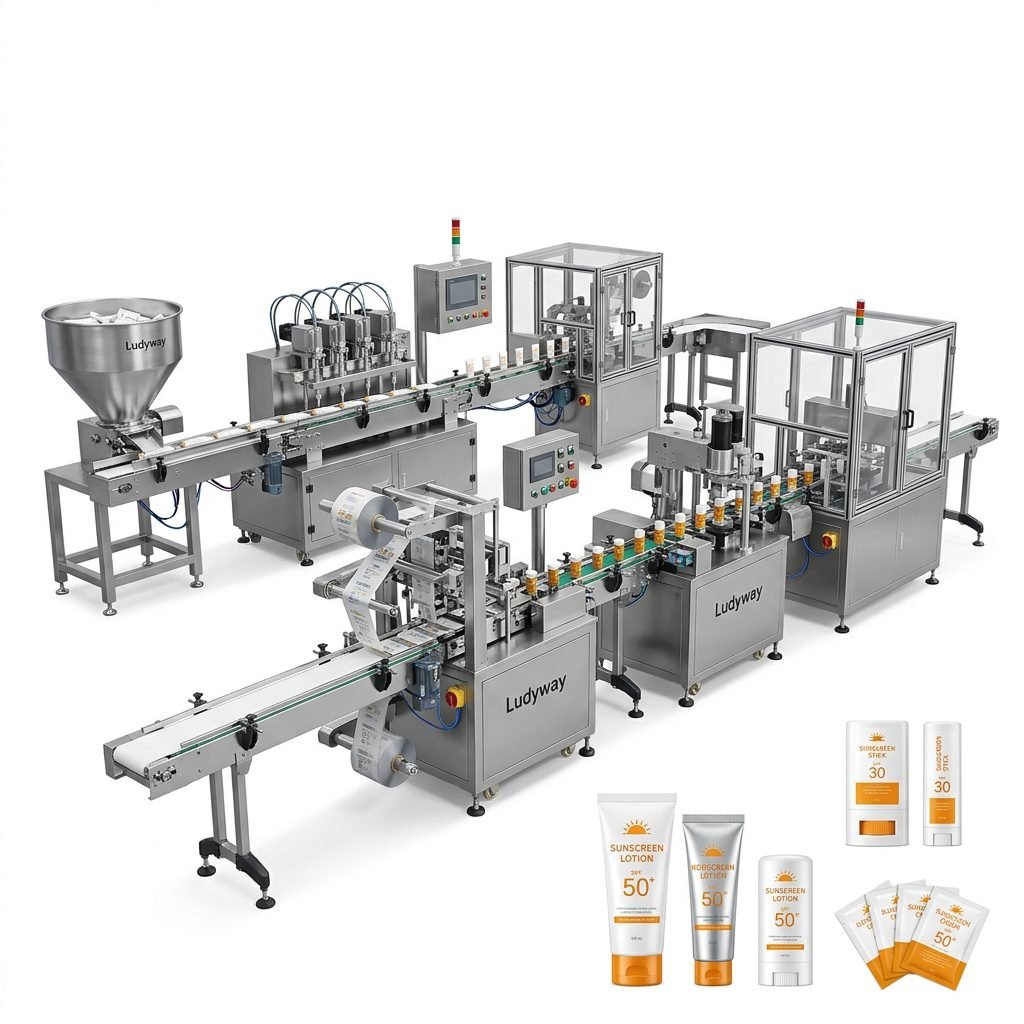
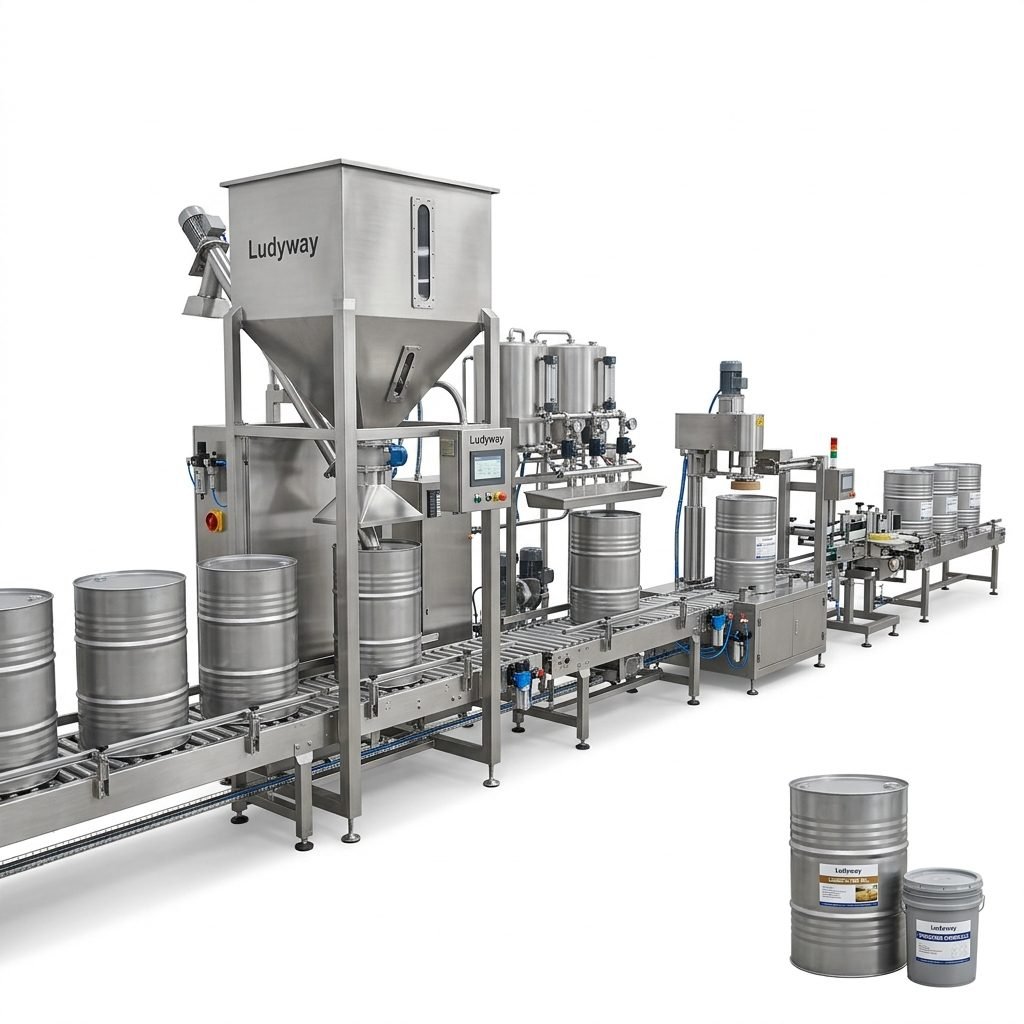
- Complete turnkey lines: End-to-end automation from raw product receiving through secondary packaging and palletizing
For authoritative information on packaging industry automation trends and economic outlook, the PMMI State of the Industry reports provide comprehensive market analysis that can inform your investment timing.
Hygiene, Cleanability, and Regulatory Compliance
Dairy processing operates under stringent food safety regulations worldwide. Your butter packaging machine must support rigorous sanitation protocols and comply with applicable standards:
Construction Materials
All product contact surfaces should use 304 or 316L stainless steel with appropriate surface finish (typically Ra ≤0.8μm for dairy applications). Frame components should resist corrosion from cleaning chemicals. Avoid machines with exposed carbon steel, unsealed bearings, or crevices that trap product residue.
CIP and COP Compatibility
Clean-in-place (CIP) capability significantly reduces downtime between product changeovers. Machines designed for CIP integration feature sanitary connections, sloped surfaces for drainage, and minimal disassembly requirements. For smaller operations, clean-out-of-place (COP) designs should allow quick tool-free disassembly of filling heads and product pathways.
Compliance Documentation
Request documentation confirming compliance with FDA 21 CFR Part 110/117, EU Regulation 852/2004, or equivalent regional standards. Machines should support HACCP protocols with accessible validation points for temperature monitoring and sanitation verification. The ISO packaging standards provide additional guidance on internationally recognized requirements for food packaging machinery.
Total Cost of Ownership and ROI Analysis
Purchase price alone tells an incomplete story. Evaluate total cost of ownership (TCO) across these dimensions:
- Energy consumption: Compare motor ratings, heating element power draw, and compressed air requirements between competing models
- Consumable parts: Sealing jaws, cutting blades, gaskets, and filters have predictable replacement intervals that affect operating budgets
- Packaging material waste: Machines with precise film registration and tension control reduce material waste by 3-8% compared to less sophisticated systems
- Downtime and maintenance: Assess availability of spare parts, technical documentation quality, and remote diagnostic capabilities
- Labor requirements: Calculate the operator-to-output ratio and compare across automation levels
A properly specified machine typically achieves ROI within 18-36 months through labor savings, reduced product give-away, and lower material waste. For flexible packaging industry benchmarks, the Flexible Packaging Association industry data provides useful context on material costs and efficiency metrics.

Supplier Evaluation and After-Sales Support
Beyond the machine specifications, the manufacturer’s reliability and support infrastructure critically impact long-term satisfaction. Key evaluation criteria include:
- Factory acceptance testing (FAT): Insist on witnessing your machine running with your actual product before shipment
- Installation and commissioning: Confirm on-site support availability in your region, including operator training programs
- Spare parts availability: Evaluate guaranteed delivery times for critical components and regional distribution networks
- Technical support responsiveness: Assess whether remote diagnostic capabilities and multilingual support meet your operational needs
- Warranty terms: Compare coverage periods, inclusions, and exclusions across manufacturers
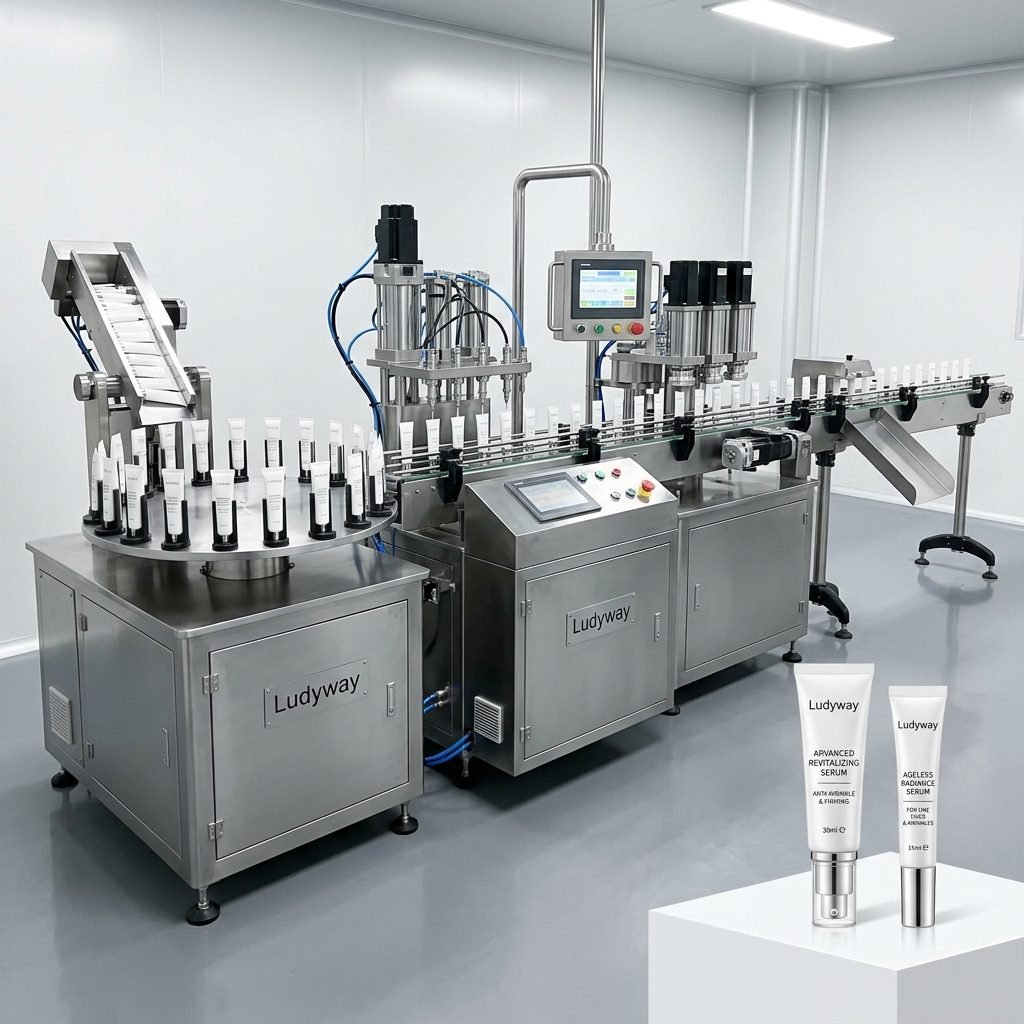
Manufacturers with comprehensive engineering capabilities can also provide customized machine configurations tailored to unique product characteristics or packaging formats rather than offering only standardized models. For operations seeking a single-source partner, companies like Ludyway Machinery—a packaging machinery manufacturer with over 30 years of experience and a 20,000-square-meter facility—provide integrated packaging solutions spanning equipment selection, customization, installation, and technical support for dairy and food manufacturers worldwide. For additional industry references, explore PACK EXPO International where leading packaging machinery suppliers showcase their latest dairy processing innovations.
Final Selection Checklist
Before finalizing your butter packaging machine purchase, verify these decision points:
- Machine throughput aligns with current and projected 3-5 year production volumes
- Dosing system is validated for your specific butter formulation and viscosity range
- Packaging material compatibility confirmed through sample testing with your actual films
- Sanitary design features meet applicable regulatory requirements in your target markets
- Supplier provides documented installation, training, and ongoing technical support
- Total cost of ownership analysis completed, including energy, consumables, maintenance, and labor
- Machine configuration allows for future format changeovers or production expansion
Taking a methodical approach to equipment selection ensures your packaging line investment delivers consistent product quality, operational efficiency, and long-term profitability in the competitive dairy market.
For further reading on packaging machinery standards and industry best practices, visit the PMMI packaging industry resources and the Flexible Packaging Association knowledge hub for comprehensive technical guidance.