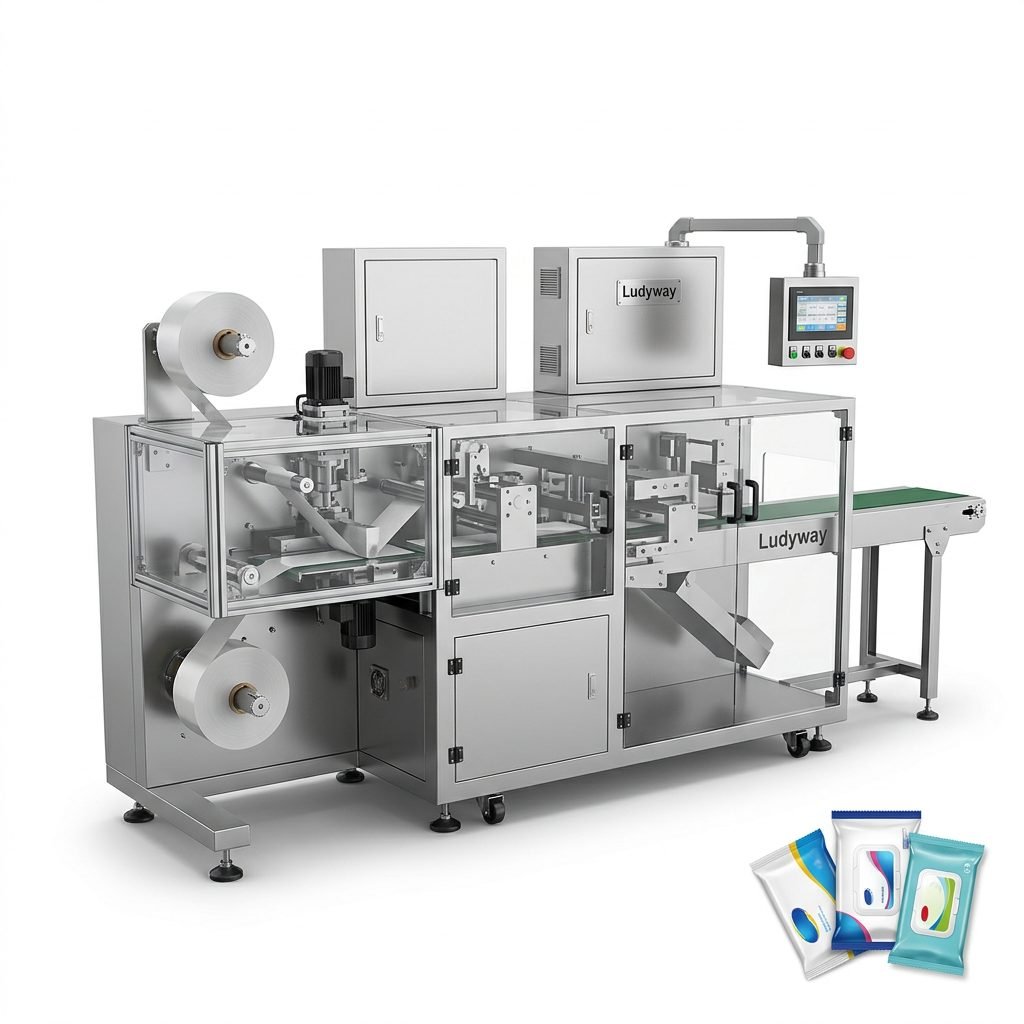
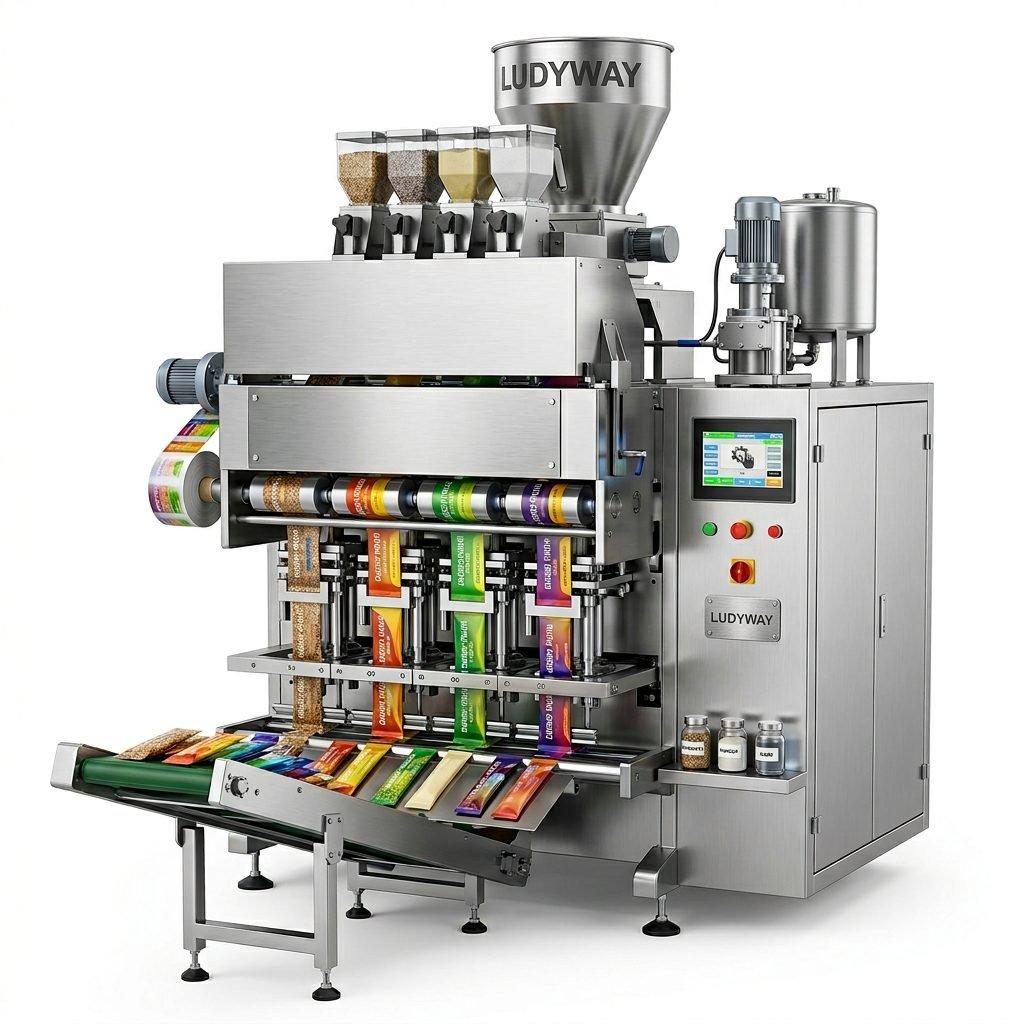
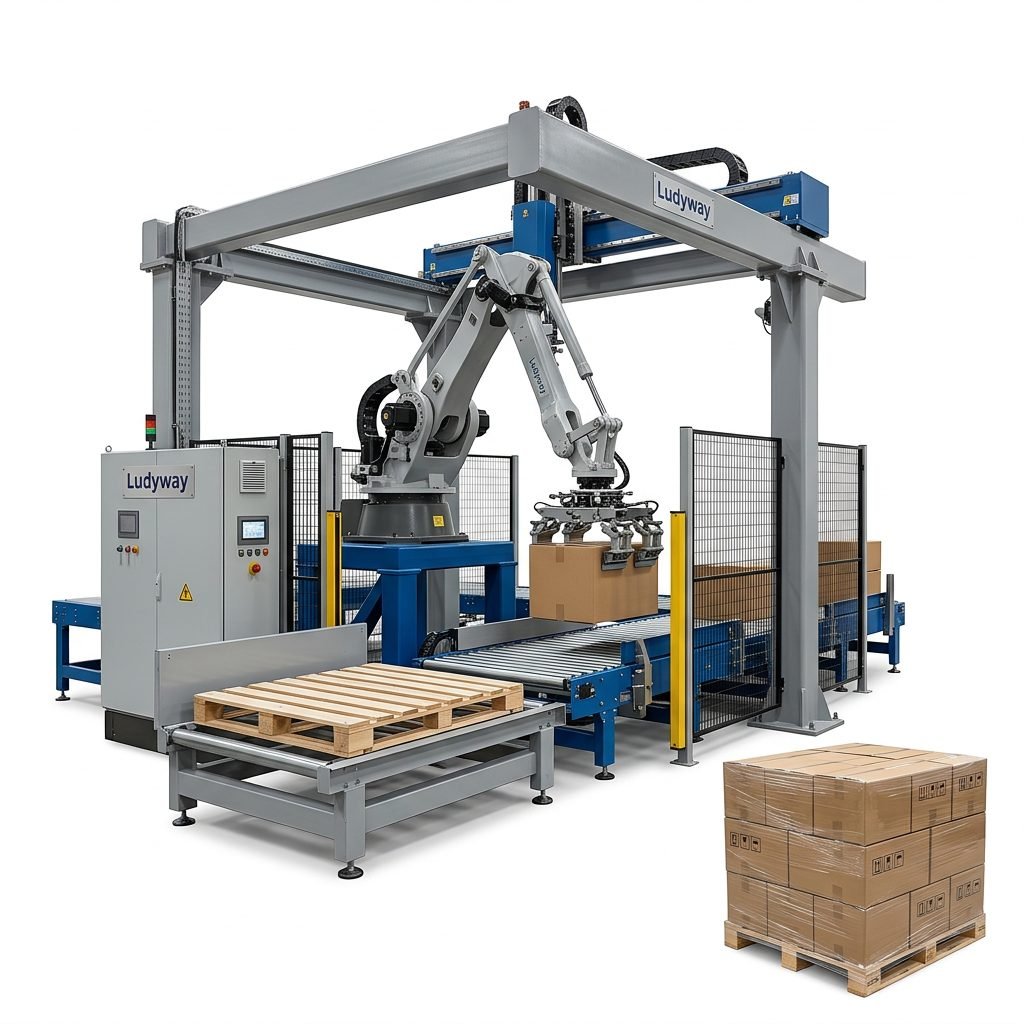
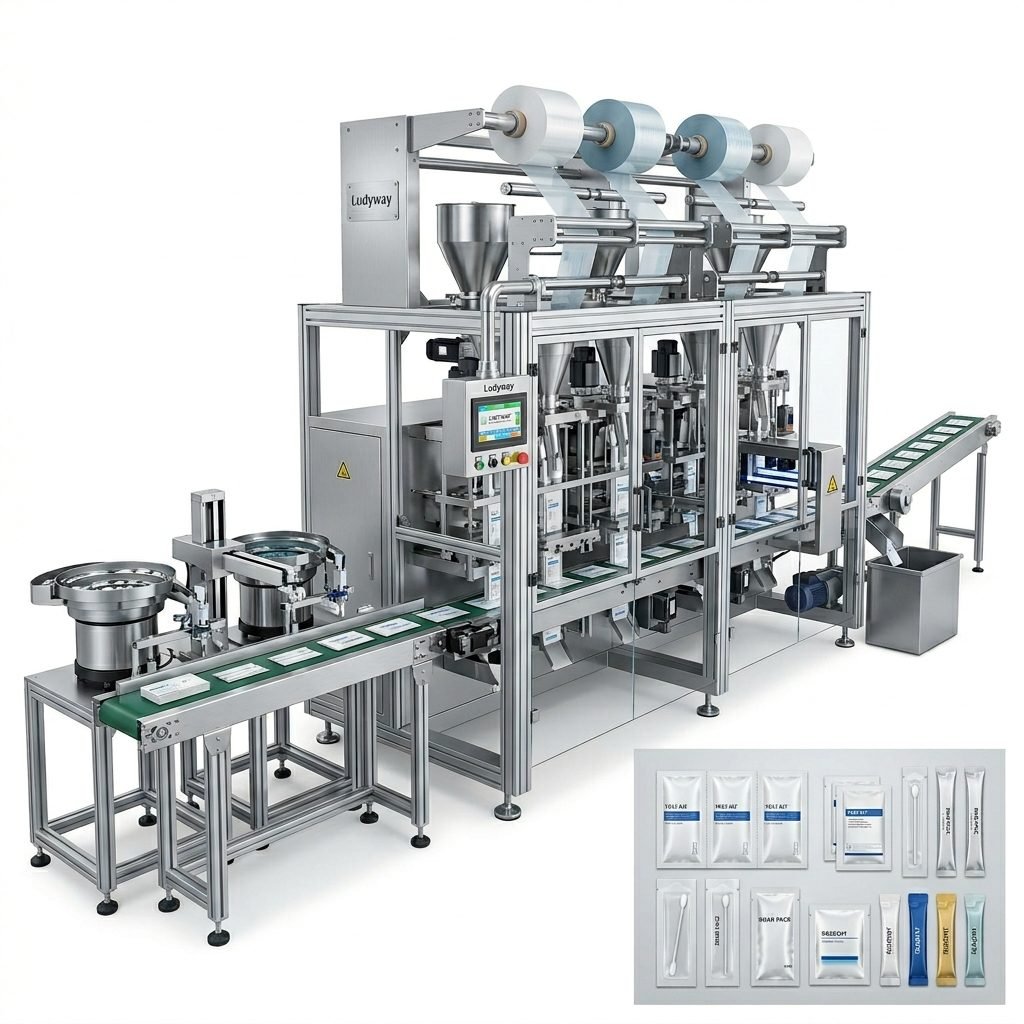
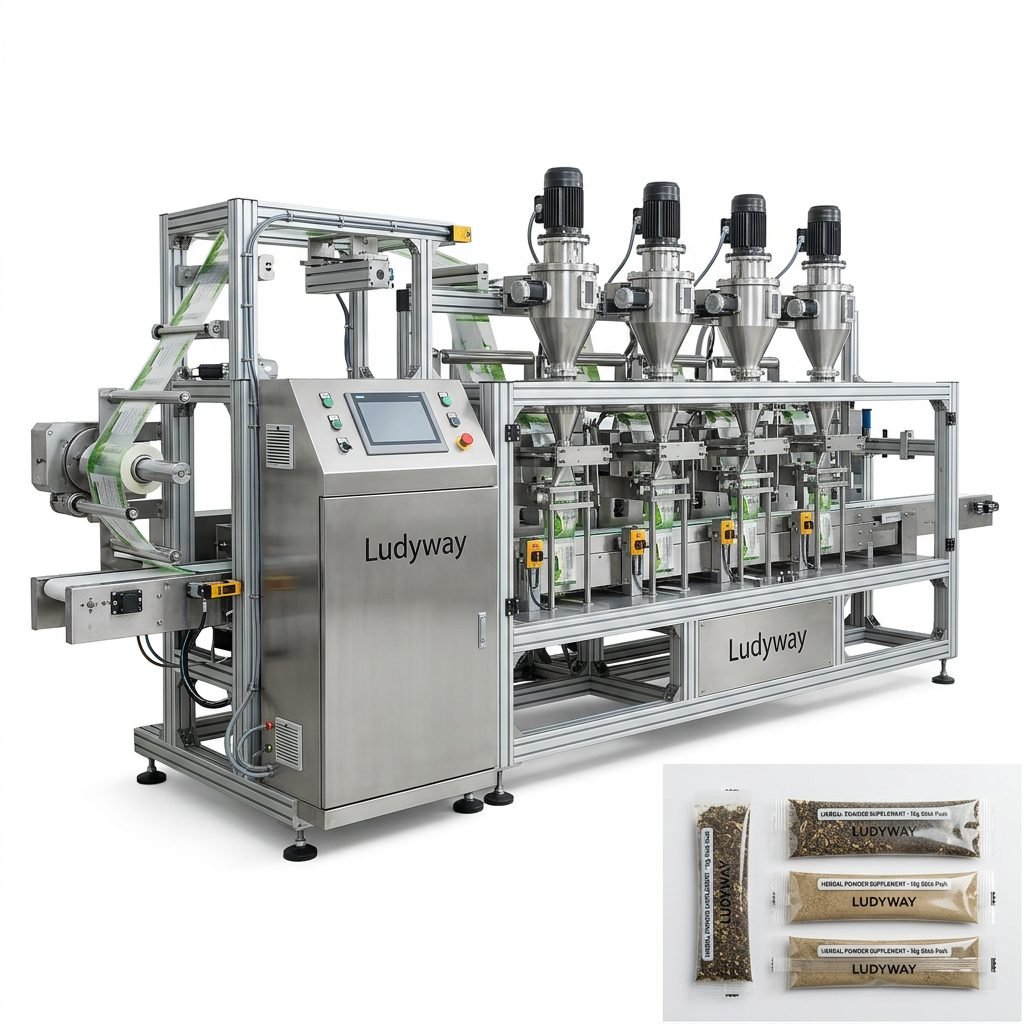
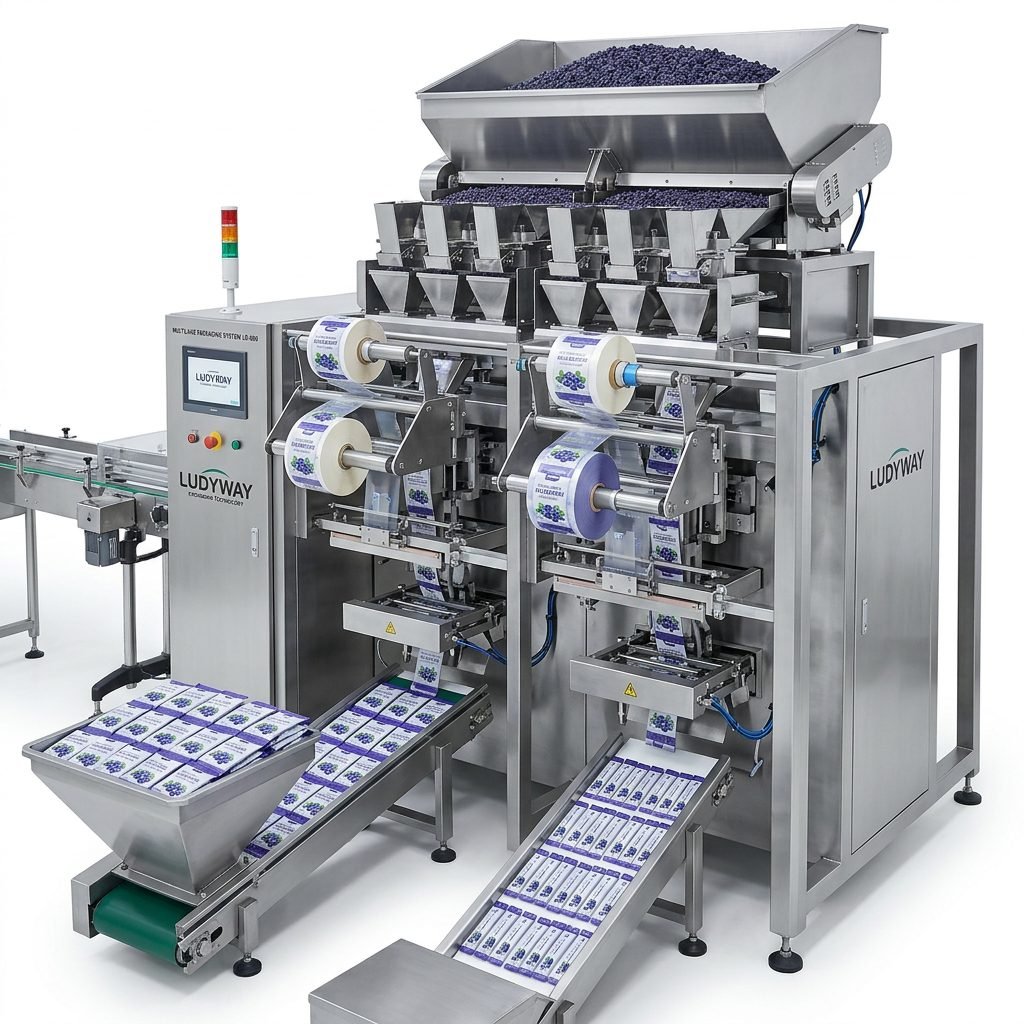
Investing in the right candy bar packaging machine is one of the most critical decisions a confectionery manufacturer can make. Whether you are launching a new product line or upgrading an existing facility, the equipment you choose will directly impact production efficiency, product shelf life, and brand presentation. A well-selected machine ensures consistent seal integrity, accurate portioning, and attractive packaging that stands out on retail shelves.
The global confectionery packaging market continues to evolve, driven by consumer demand for convenience, portion control, and sustainable materials. According to industry data from the PMMI Business Intelligence Library, packaging machinery innovation is accelerating to meet these changing market requirements. This guide will walk you through every factor you need to evaluate before making a purchase.
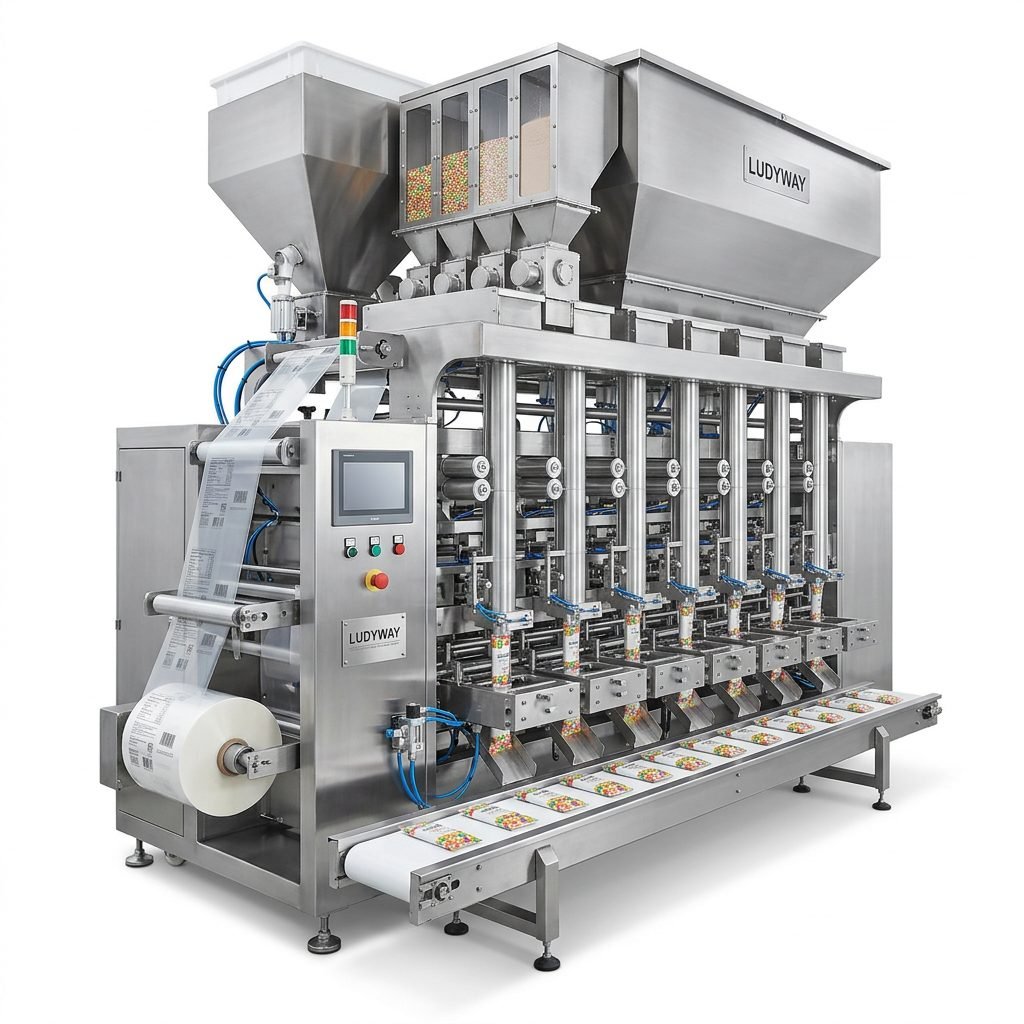
Understanding Your Product Characteristics
Before comparing machine specifications, you must thoroughly analyze your candy bar product. Different formulations require different handling approaches, and overlooking this step can lead to costly integration problems down the line.
Physical Form and Consistency
Candy bars come in countless variations — solid chocolate, layered wafers, nougat-filled, caramel-coated, or granola-based. Each type presents unique challenges:
- Solid chocolate bars require precise temperature control during wrapping to prevent melting or bloom
- Filled bars with liquid or soft centers need gentle handling to avoid compression damage
- Granola or cereal bars often produce crumbs, requiring machines with effective debris management
- Multi-layer bars demand accurate alignment during the feeding and wrapping stages
Bar Dimensions and Weight
Your packaging machine must accommodate the exact length, width, thickness, and weight of your candy bars. Many manufacturers offer adjustable forming boxes and sealing jaws, but you should verify the adjustment range matches your product portfolio — both current and future. A machine that cannot scale with new product development represents a limited investment.
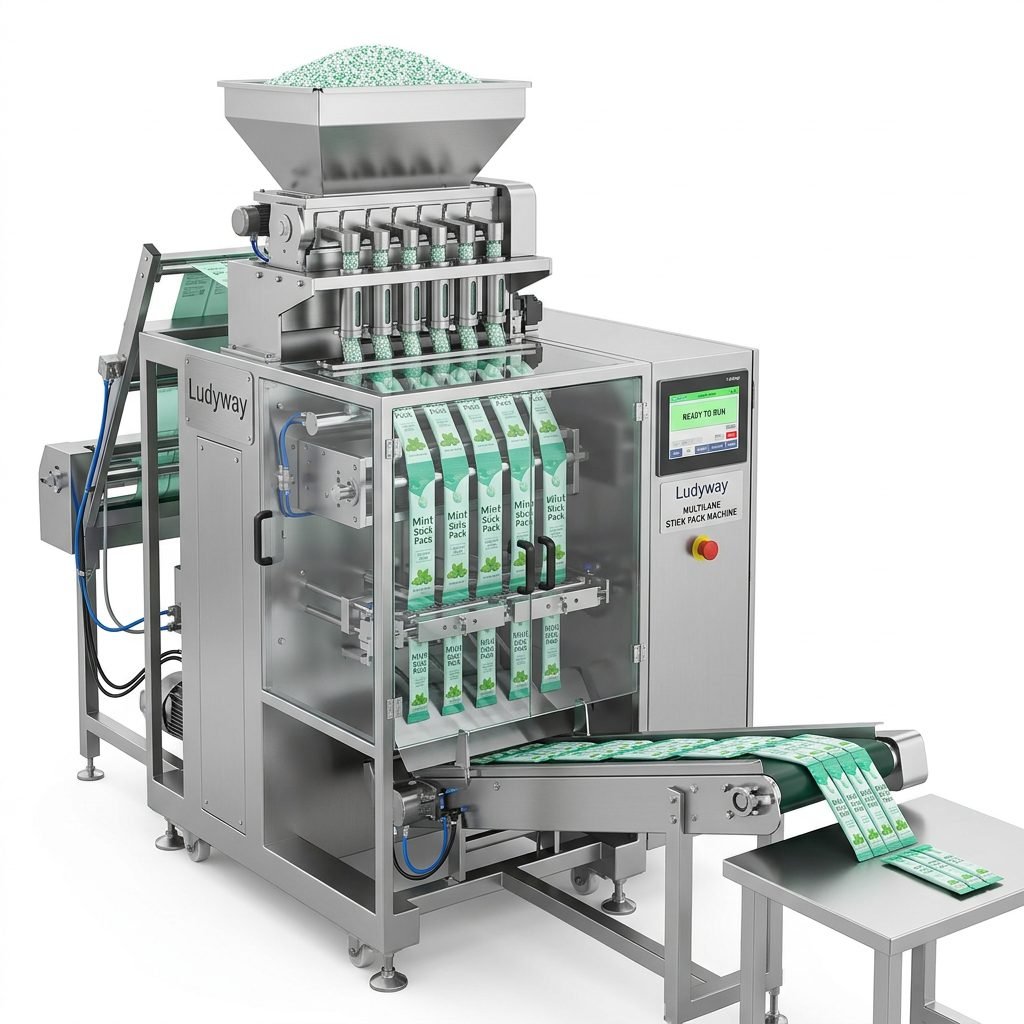
Packaging Formats and Material Compatibility
Selecting the correct packaging format influences not only machine choice but also consumer perception and shelf impact. The most common formats for candy bars include:
| Packaging Format | Best Suited For | Key Advantages |
|---|---|---|
| Flow Wrap / Pillow Pack | Standard chocolate bars, granola bars | High speed, excellent product visibility, cost-effective film usage |
| Fin Seal Wrapper | Premium chocolate bars, gift packs | Hermetic sealing, extended shelf life, premium appearance |
| Fold Wrap | Traditional chocolate tablets | Classic presentation, foil and paper combination |
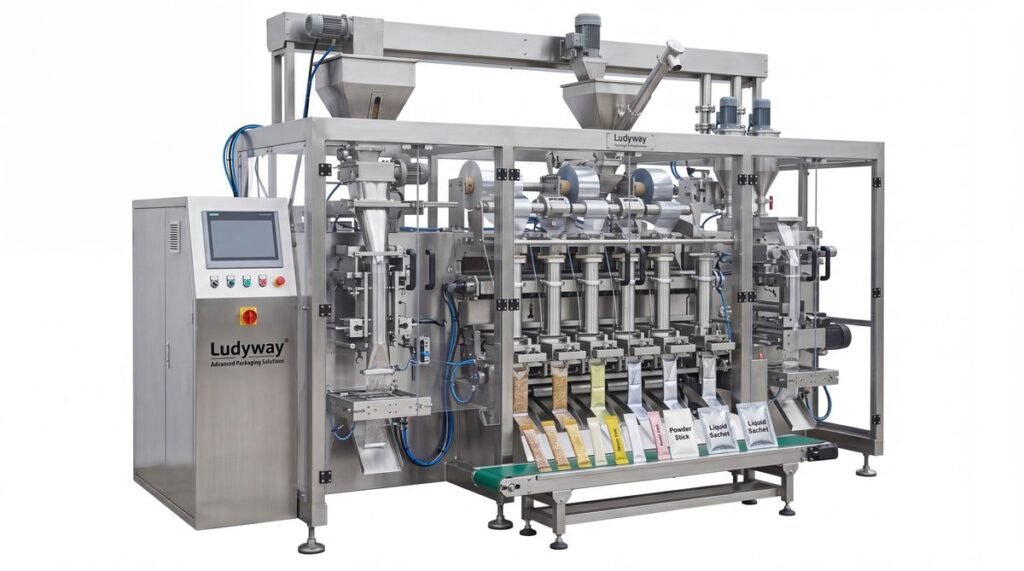
| Stick Pack / Sachet | Bite-sized candy, powder-filled bars | Portion control, convenience, multi-lane capability |
| Vertical Form Fill Seal | Loose candy pieces, mini bars | Versatile bag sizes, pillow or gusseted bags |
Film and Material Considerations
Your choice of packaging material — whether BOPP, CPP, metallized film, paper-based laminates, or biodegradable films — must be compatible with the machine’s sealing system. Key considerations include:
- Heat seal temperature range: Different films require different sealing temperatures and dwell times
- Cold seal compatibility: Some heat-sensitive products require cold seal adhesives
- Material thickness: Affects tension control, cutting precision, and seal integrity
- Sustainability goals: Recyclable mono-materials and bio-based films often require modified sealing parameters
For detailed information on flexible packaging materials and industry standards, resources from the Flexible Packaging Association provide valuable guidance on material selection and regulatory compliance.
Production Speed and Automation Level
Matching machine speed to your production requirements is essential for operational efficiency and cost control. Candy bar packaging machines typically range from semi-automatic models producing 30-80 packs per minute to fully automated high-speed lines capable of 800-1,200 packs per minute or more.
Evaluating Your Speed Requirements
Consider both your current production volume and projected growth over the next 3-5 years. A machine running at maximum capacity from day one leaves no room for expansion. Conversely, an oversized machine may result in unnecessary capital expenditure and higher operating costs.
Automation Features to Look For
- Automatic film splicing: Reduces downtime for roll changes
- Servo-driven systems: Provide precise control over acceleration, deceleration, and positioning
- Integrated printing and coding: Enables batch codes, date stamps, and barcodes within the packaging process
- Vision inspection systems: Automatically reject packages with seal defects or misaligned film
- Multi-lane configurations: Dramatically increase throughput for smaller format products
Changeover Flexibility
If your production line handles multiple SKUs with varying bar sizes and packaging formats, rapid changeover capability becomes a critical factor. Look for machines with tool-less adjustments, recipe-based settings, and modular components that minimize downtime between product runs.
Quality, Hygiene, and Compliance Standards
Food packaging machinery must meet stringent hygiene and safety regulations. The design and construction of your candy bar packaging machine should align with applicable standards in your target markets.
Key Compliance Frameworks
- FDA compliance: For equipment sold into the U.S. market, machines should comply with FDA food contact substance regulations
- EU regulations: European manufacturers must meet EU packaging and packaging waste directives
- ISO standards: Relevant ISO packaging standards provide international benchmarks for quality and safety
- GMP requirements: Good Manufacturing Practice guidelines influence machine design for cleanability and contamination prevention
Construction and Material Quality
Stainless steel construction is standard for food contact surfaces. Key design features to evaluate include:
- Tool-free disassembly for cleaning and sanitation
- Sloped surfaces to prevent product accumulation
- Sealed bearings and components to prevent lubricant contamination
- Washdown-rated electronics where wet cleaning is required
- Dust extraction ports for crumb and powder management
Total Cost of Ownership and ROI Analysis
The purchase price of a candy bar packaging machine is only one component of its total cost of ownership. A comprehensive financial analysis should account for:
| Cost Category | Considerations | Impact on TCO |
|---|---|---|
| Initial capital investment | Machine price, shipping, import duties, installation | 25-35% of TCO |
| Packaging material costs | Film waste rate, material efficiency, roll utilization | 30-40% of TCO |
| Labor and training | Operators required per shift, skill level, training programs | 10-15% of TCO |
| Maintenance and spare parts | Preventive maintenance schedule, parts availability, service contracts | 8-12% of TCO |
| Energy consumption | Electrical requirements, compressed air usage | 3-5% of TCO |
Evaluating Supplier Support
A machine is only as good as the support network behind it. Before committing to a manufacturer, investigate their technical support capabilities, spare parts availability, and response times in your region. Remote diagnostic capabilities and preventative maintenance programs can significantly reduce unplanned downtime.
Integration with Existing Production Lines
For manufacturers adding packaging capacity to an existing facility, equipment integration deserves careful planning. Your candy bar packaging machine should communicate seamlessly with upstream production equipment — such as cooling tunnels, enrobing lines, and distribution conveyors — as well as downstream systems including cartoners, case packers, and palletizers.
Key integration considerations include:
- Line speed synchronization to prevent bottlenecks or product accumulation
- Communication protocols compatible with your facility’s control systems
- Physical footprint and layout within available floor space
- Utility requirements including electrical, compressed air, and exhaust connections
Making the Final Decision: Key Questions to Ask Vendors
When evaluating potential equipment suppliers, arm yourself with specific questions that reveal the true capabilities and limitations of each machine, including their broader expertise in packaging machinery manufacturing. Critical questions include:
- What is the demonstrated efficiency rate (OEE) of this machine in comparable applications?
- Can you provide references from similar confectionery manufacturers?
- What is the expected film waste rate during normal operation and during changeovers?
- How quickly can a full format changeover be completed by a trained operator?
- What preventive maintenance schedule do you recommend, and what are the critical spare parts?
- Do you offer remote technical support and diagnostic capabilities?
- What warranty terms apply, and what is covered beyond the standard period?
- How do you handle operator training — both initial and ongoing?
Industry Trends and Future-Proofing Your Investment
The confectionery packaging landscape is evolving rapidly. Manufacturers who anticipate future requirements can make more resilient equipment investments. According to the 2025 State of the Industry report from PMMI, several trends are shaping packaging machinery development:
- Sustainable packaging: Growing demand for recyclable, compostable, and reduced-material packaging solutions is driving innovation in sealing technology and film handling
- Smart factory integration: IoT-enabled machines with real-time data collection, predictive maintenance alerts, and remote monitoring capabilities
- Flexible production: Machines capable of handling multiple packaging formats and rapid changeovers to support shorter production runs
- E-commerce ready packaging: Formats optimized for direct-to-consumer shipping and online retail presentation
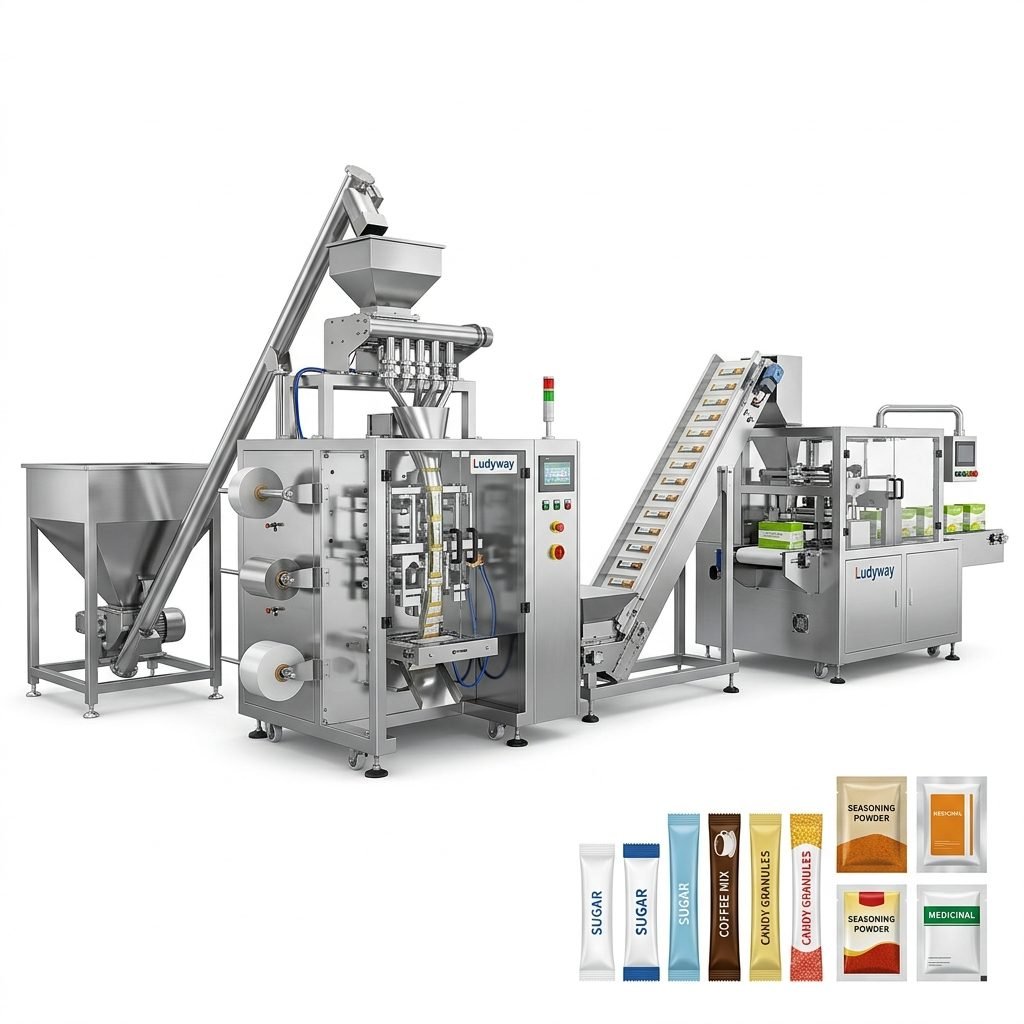
When selecting a candy bar packaging machine manufacturer, prioritize those with a proven track record of innovation and the engineering depth to support evolving requirements. Ludyway Machinery, with more than three decades of packaging machinery experience, provides automated packaging solutions that help confectionery manufacturers improve production efficiency while maintaining flexibility for future growth.
Conclusion: A Strategic Approach to Equipment Selection
Choosing the right candy bar packaging machine requires balancing technical specifications, commercial considerations, and long-term strategic goals. By thoroughly analyzing your product characteristics, packaging format requirements, production volumes, and compliance obligations, you can narrow the field to machines that genuinely match your operational needs.
Remember that the lowest purchase price rarely equates to the lowest total cost of ownership. Factors such as film efficiency, changeover speed, reliability, and manufacturer support often have a far greater impact on long-term profitability. Take time to visit supplier facilities, conduct product trials on your actual materials, and speak with existing customers before making a final commitment.
With the insights provided in this guide, you are well-equipped to evaluate your options, ask the right questions, and select a candy bar packaging machine that will serve your business effectively for years to come.