Selecting the ideal chicken packaging machine is a critical decision that directly affects your product’s shelf life, brand reputation, and operational efficiency. Whether you are handling fresh poultry, frozen chicken parts, or ready-to-eat meals, the right packaging equipment must deliver speed, precision, and uncompromising hygiene. This comprehensive guide provides a deep dive into the key factors to evaluate before making your investment, ensuring you choose a solution that aligns perfectly with your production goals and market demands.
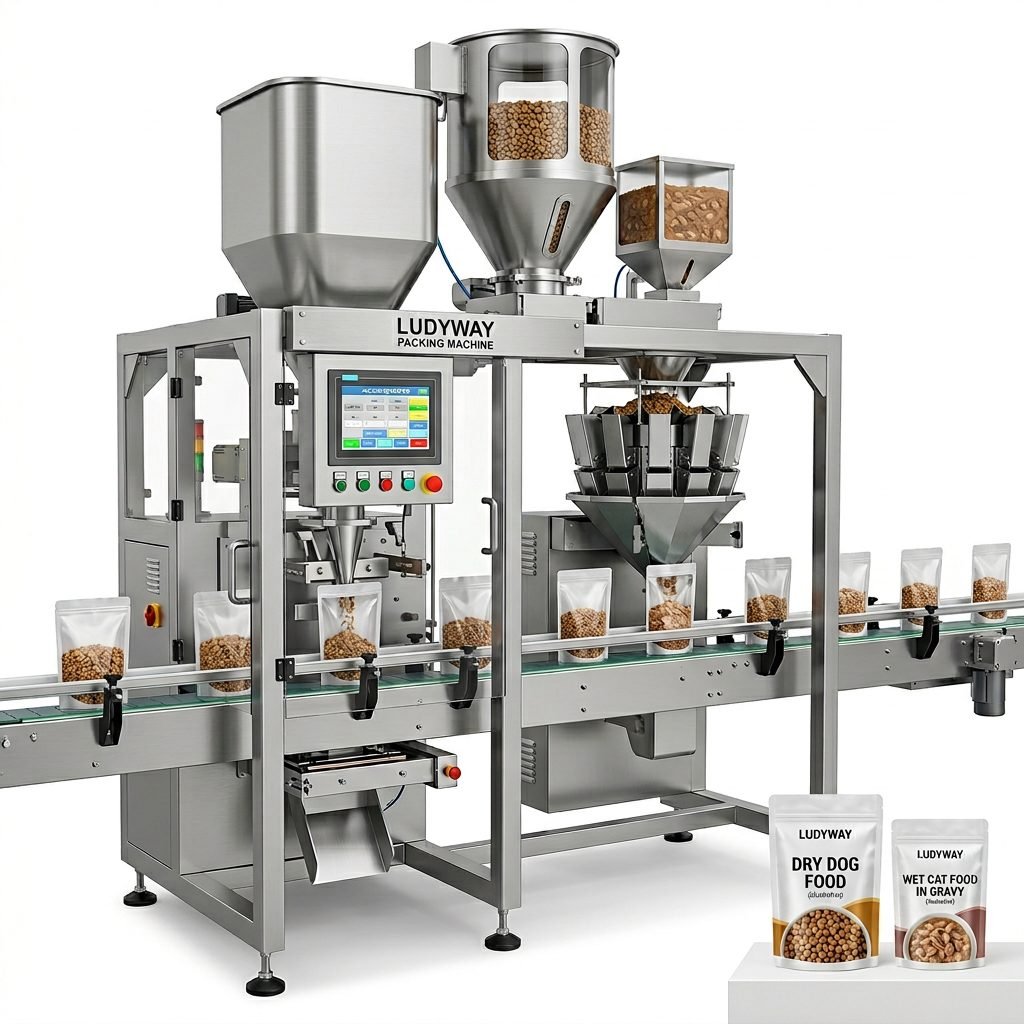
1. Assessing Your Chicken Product and Production Volume
Before comparing machine specifications, you must clearly define your product parameters. Chicken packaging varies significantly depending on the physical state and cut of the meat. Fresh tray packs require totally different handling than frozen IQF (Individually Quick Frozen) chicken breasts or marinated chicken wings. Your first step is to analyze whether your product is dry, moist, sticky, frozen, or cooked, as this influences the feeding and filling mechanism.
Production volume is equally vital. A small poultry farm might thrive with a semi-automatic solution, while large-scale processing plants demand high-speed automated lines. Calculate your target output per minute or hour to ensure the machine can meet your peak season demands without causing bottlenecks. Overestimating your needs can lead to unnecessary capital expenditure, while underestimating can cripple your supply chain.
2. Choosing the Right Packaging Format and Technology
The packaging format is the cornerstone of your product’s market appeal and protection. Modern chicken packaging machines offer versatile format options. You must decide between Vacuum Packaging (VAC), Modified Atmosphere Packaging (MAP), flow wrapping, or pre-made pouch filling. For fresh chicken, MAP technology is often preferred as it extends shelf life by replacing oxygen with a mixture of gases, preserving color and freshness. For frozen chicken, robust vacuum packaging is essential to prevent freezer burn.
| Packaging Technology | Best For | Key Benefits |
|---|---|---|
| Vacuum Packaging | Frozen whole birds, cuts | Extended frozen shelf life, no freezer burn |
| Modified Atmosphere Packaging (MAP) | Fresh tray-sealed fillets, drumsticks | Preserves color, inhibits bacterial growth |
| Flow Wrapping | Frozen chicken products, trays | High speed, low packaging material cost |
| Pouch/Zipper Bags | Ready-to-eat chicken grills, strips | Consumer convenience, resealability |
Compatibility with flexible packaging materials is crucial. Ensure the machine can handle the gauge and type of film you need, whether it is standard PE, recyclable mono-materials, or high-barrier laminates. The sealing system must provide consistent, leak-proof seals to prevent contamination and spoilage, a necessity for raw protein products.
3. Key Technical Specifications to Prioritize
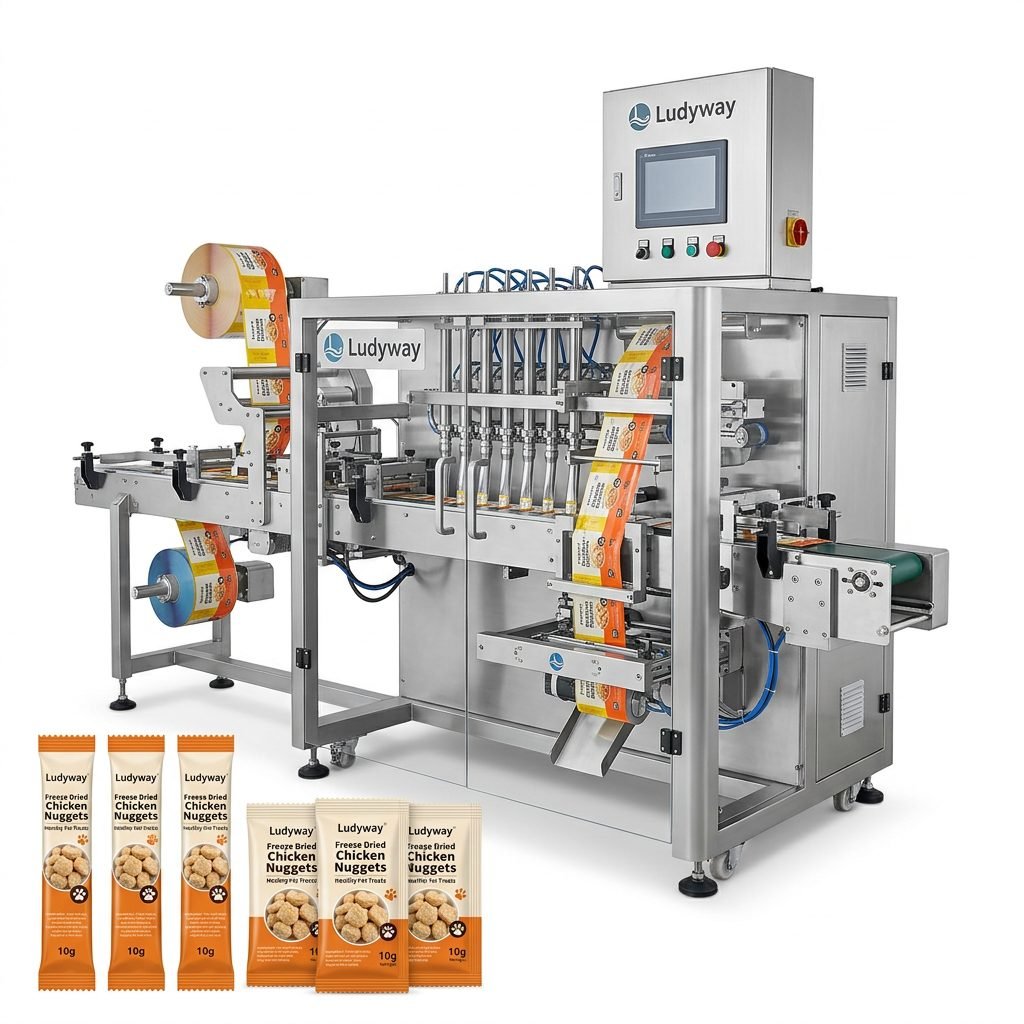
When narrowing down your options, focus on the technical build that guarantees reliability in harsh wash-down environments. The construction material is non-negotiable: look for SUS304 stainless steel frames and contact parts. This resists the corrosive effects of salt, brine, and acids commonly present in chicken processing. High IP ratings (IP65 or higher) protect electrical components during rigorous sanitation cycles.
Automation features significantly reduce labor costs and human error. Consider the following integrated components:
- Multi-head weighers: Ensure precise weight portions, reducing costly product giveaway.
- CIP (Clean-in-Place) systems: Simplify the cleaning process and minimize downtime between product changeovers.
- Servo-driven drives: Deliver precise film tension control and smooth operation at high speeds.
- Gas flushing systems: Essential for MAP applications to achieve optimal residual oxygen levels.
Ensure the machine adheres to global safety standards. Reputable manufacturers operate in compliance with PMMI packaging industry standards and offer configurations that meet FDA regulations for food contact substances.
4. Evaluating Manufacturer Reliability and Support
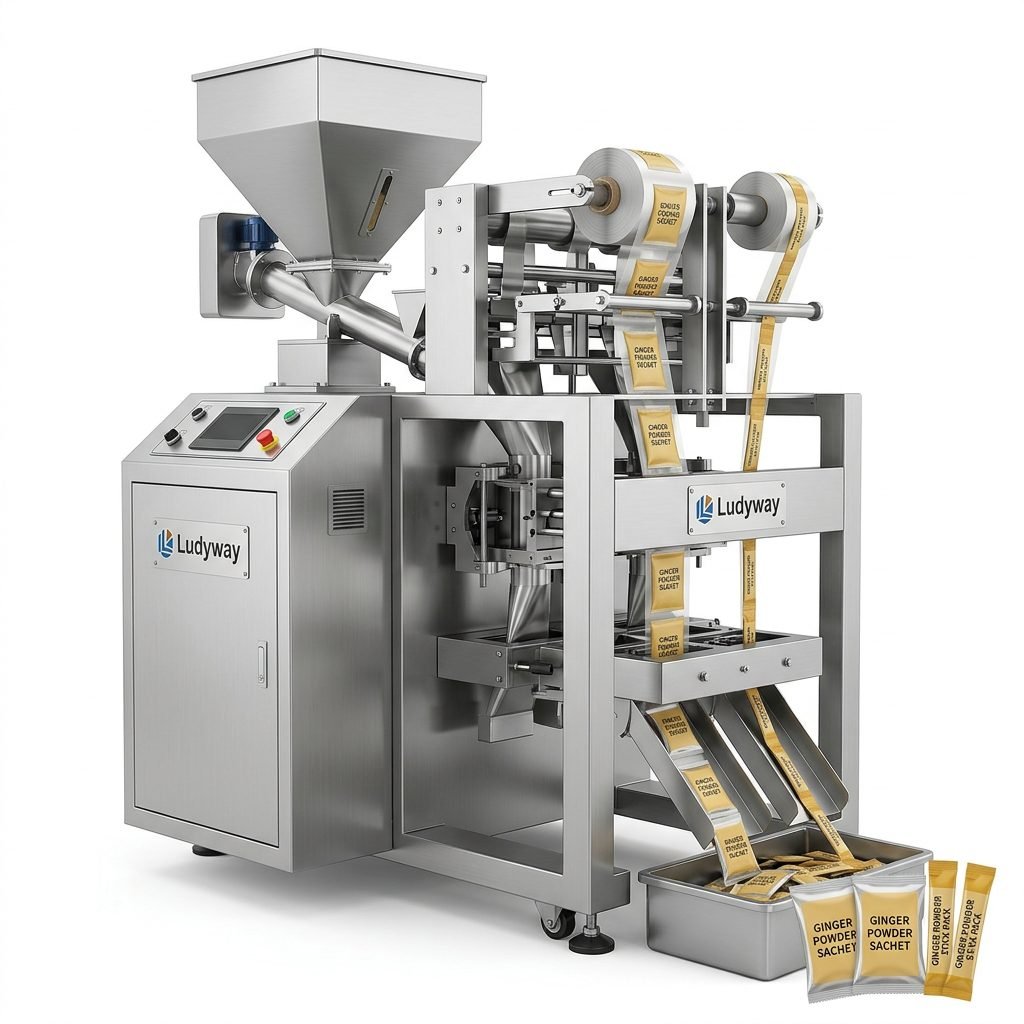
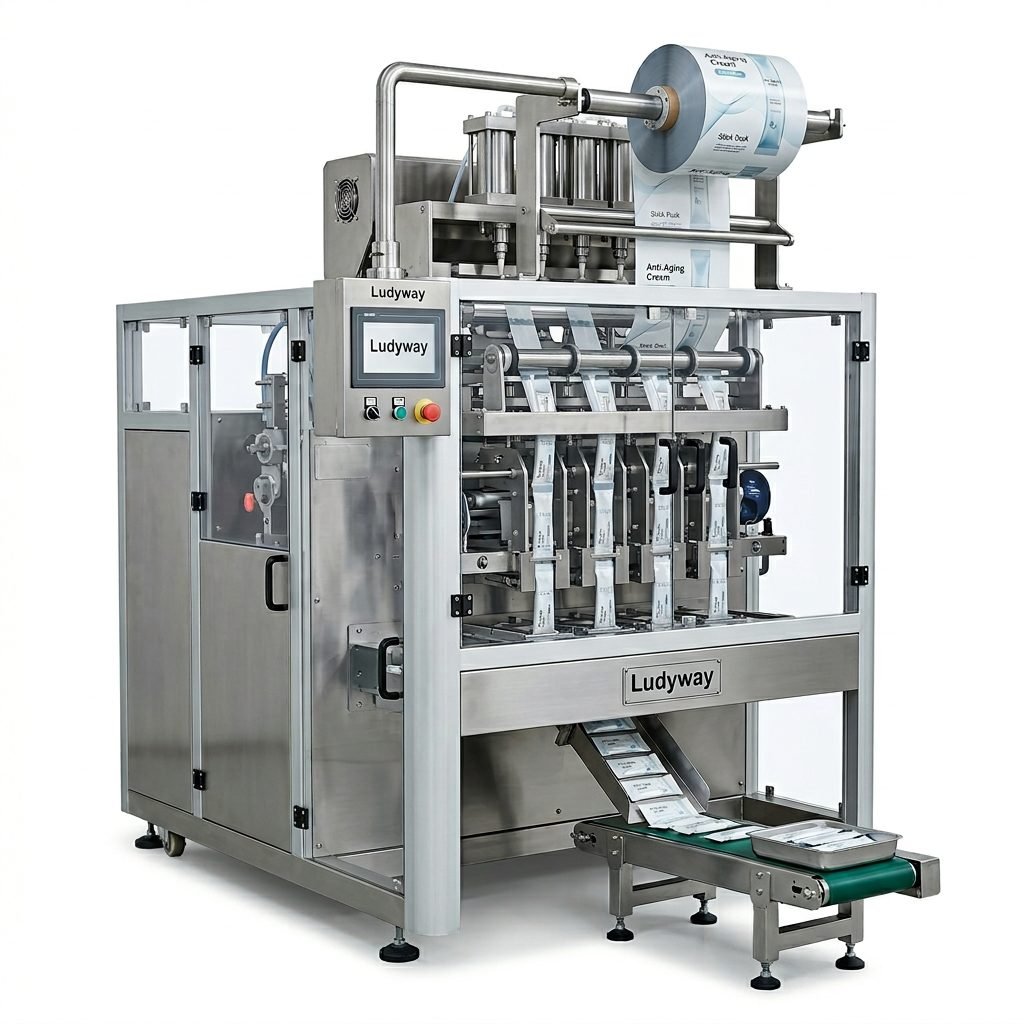
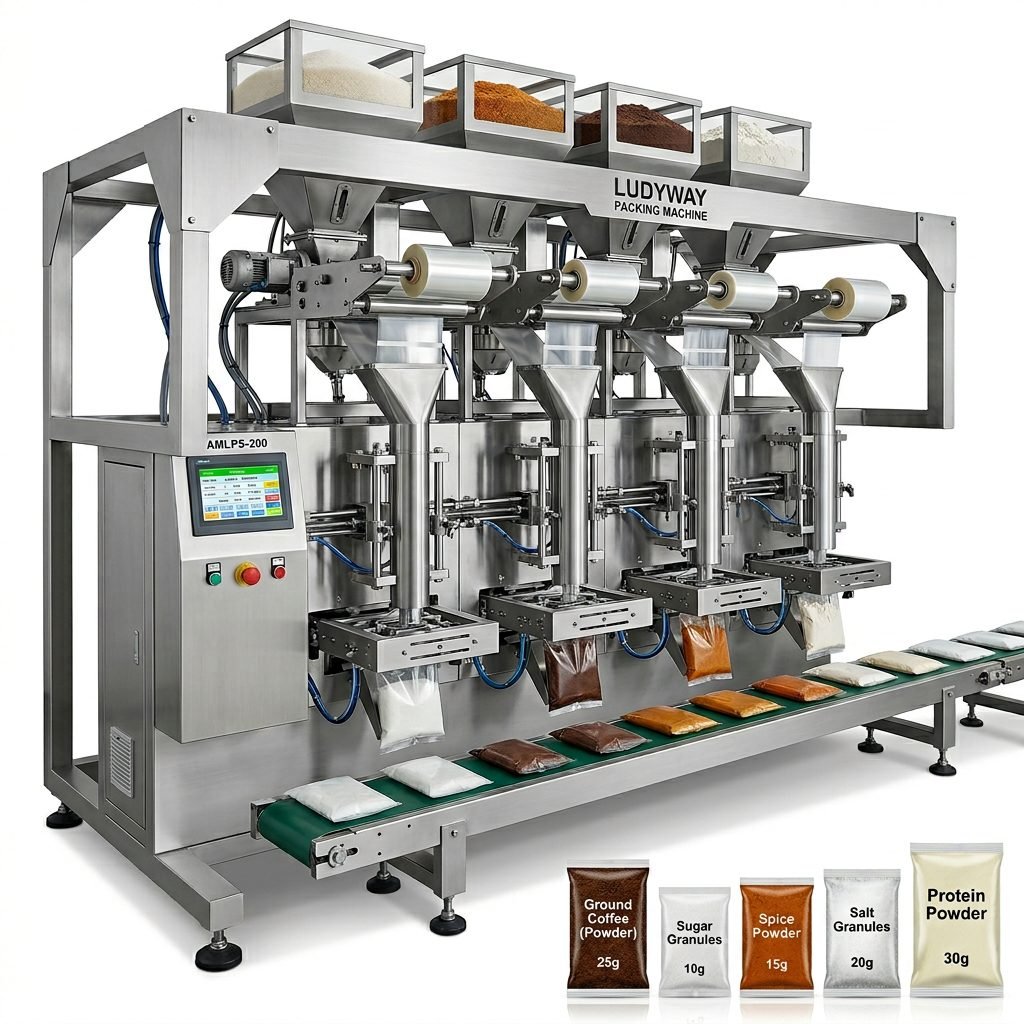
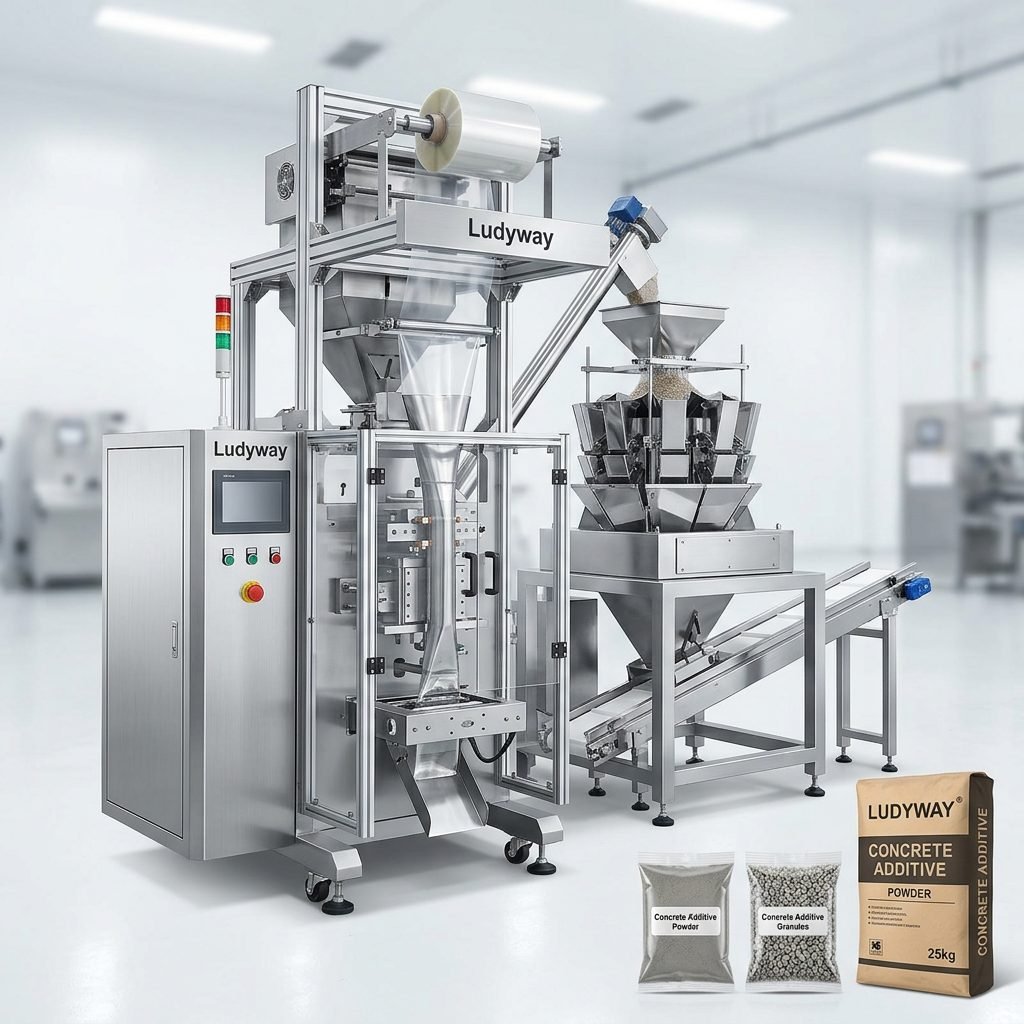
Your relationship with the equipment manufacturer extends far beyond the initial purchase date. A reliable partner provides comprehensive after-sales support, technical training, and spare parts availability. Working with an experienced manufacturer like Ludyway Machinery, a China-based packaging machinery manufacturer, can ensure you get tailored solutions for your specific chicken processing requirements, from individual high-speed sachet lines for chicken powder to turnkey frozen chicken bagging systems.

Before committing, investigate the supplier’s track record. Review their portfolio to see if they have experience with similar poultry applications. Ask about their testing capabilities: can they run your specific chicken product and film on their machines before shipping? Remote diagnostic services and field support responsiveness are critical for minimizing production line stoppages. According to a recent industry analysis, the demand for automated poultry packaging solutions is surging globally, making lead times and technical support key differentiators.
5. Calculating Long-Term ROI and Total Cost of Ownership
The cheapest machine on the market often becomes the most expensive one to operate. When calculating your budget, shift your focus from the initial purchase price to the Total Cost of Ownership (TCO). A high-efficiency chicken packaging machine reduces film waste, lowers labor costs, and minimizes product giveaways, yielding a rapid return on investment.
Analyze the cost of consumables, the energy efficiency of the motor systems, and the projected lifespan of critical wear parts like sealing jaws and belts. A machine that saves just a few grams of chicken per pack recoups tens of thousands of dollars annually in high-volume operations. Modular designs also offer future-proofing, allowing you to upgrade the machine with new feeding systems or inspection options as your business grows, rather than buying a whole new line.

6. Conclusion
Choosing the right chicken packaging machine requires a meticulous evaluation of your product characteristics, desired packaging format, automation level, and the manufacturer’s credibility. By prioritizing build quality, hygiene standards, and long-term service support, you can secure a packaging line that not only protects your chicken products but also enhances your operational efficiency and brand value in a competitive market.