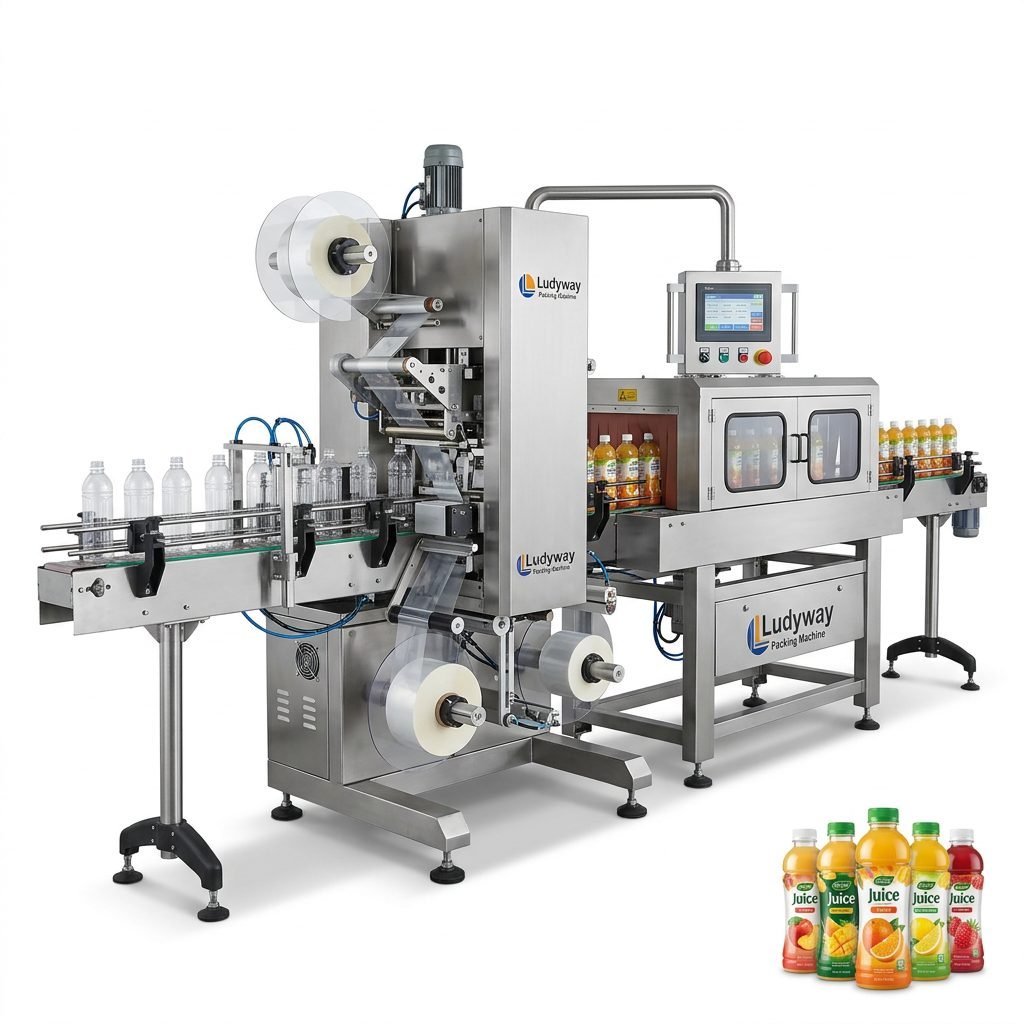
Investing in a feed packaging machine is a significant decision for any manufacturer in the agricultural, animal nutrition, or feed processing industry. The right equipment can dramatically improve production efficiency, reduce labor costs, and ensure consistent product quality. The wrong choice, however, can lead to costly downtime, product waste, and operational bottlenecks. This comprehensive buyer’s guide walks you through every critical factor to consider before making your purchase, helping you select equipment that aligns perfectly with your production goals.
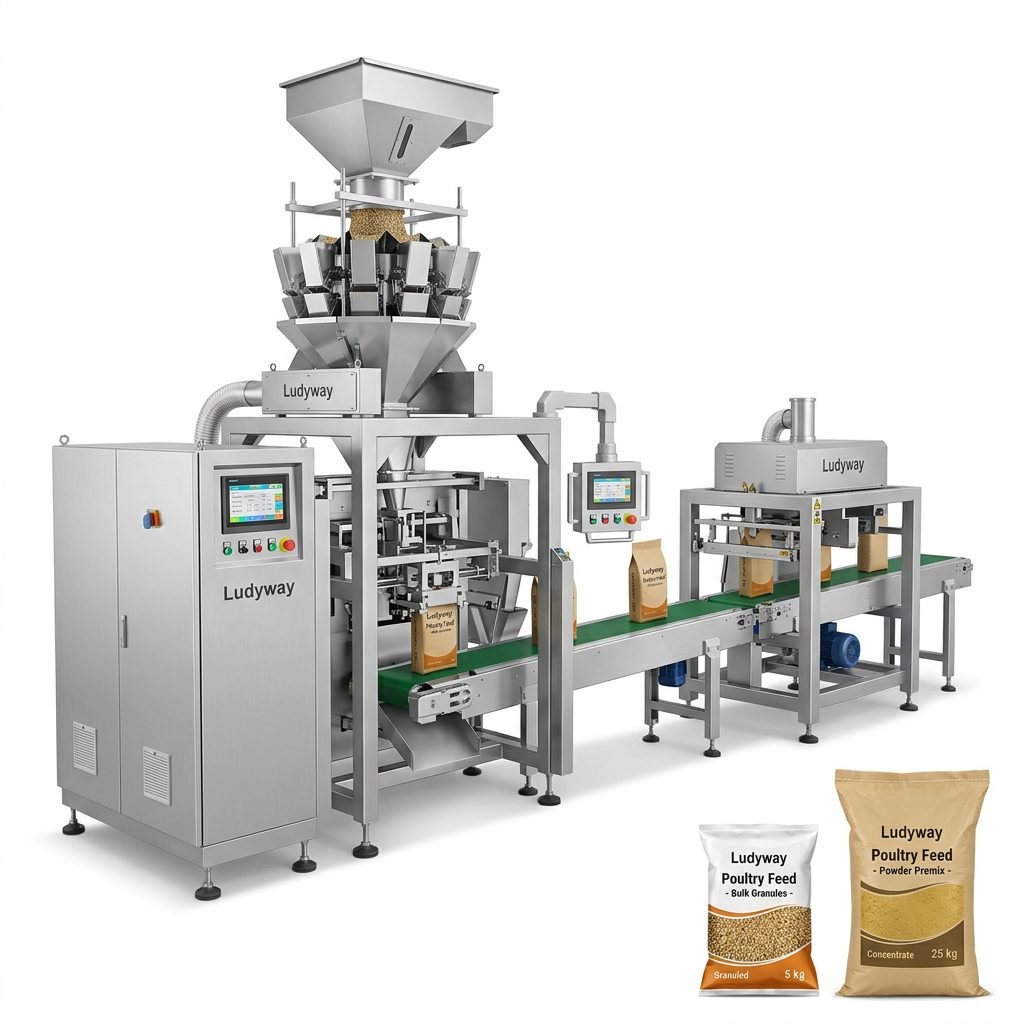
Understanding Feed Packaging Machine Types
Feed products come in diverse forms — from fine powders and coarse granules to pellets and crumbles. Each format demands specific handling and filling technology. Before evaluating individual machines, it’s essential to understand the primary equipment categories available on the market.
By Packaging Format
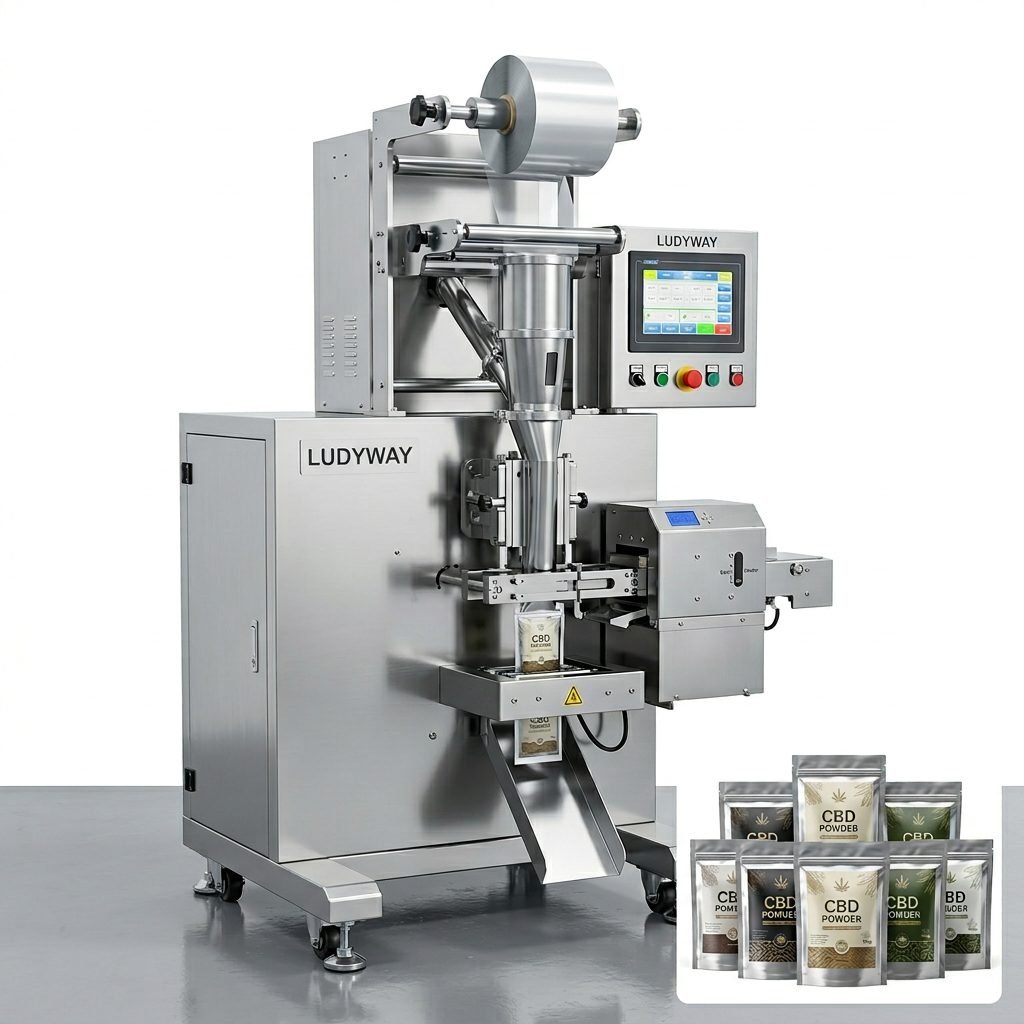
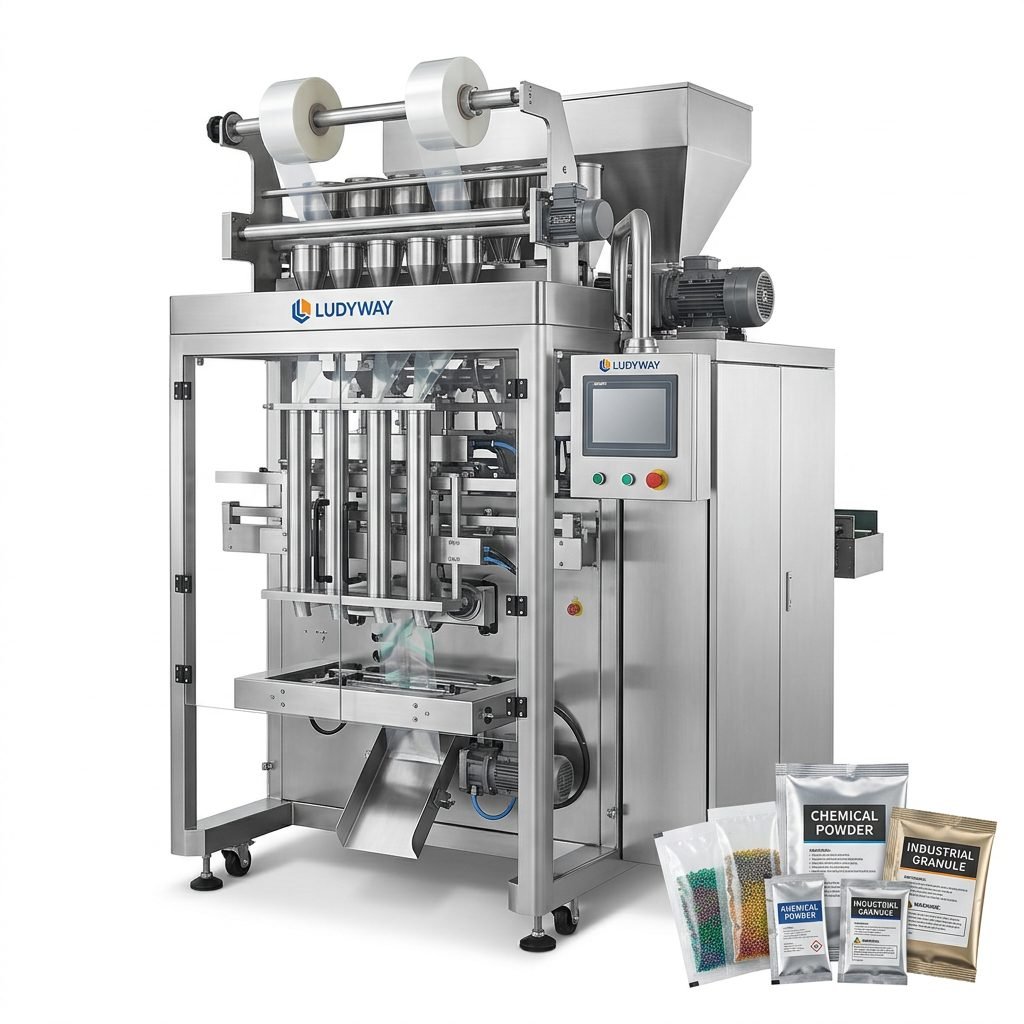
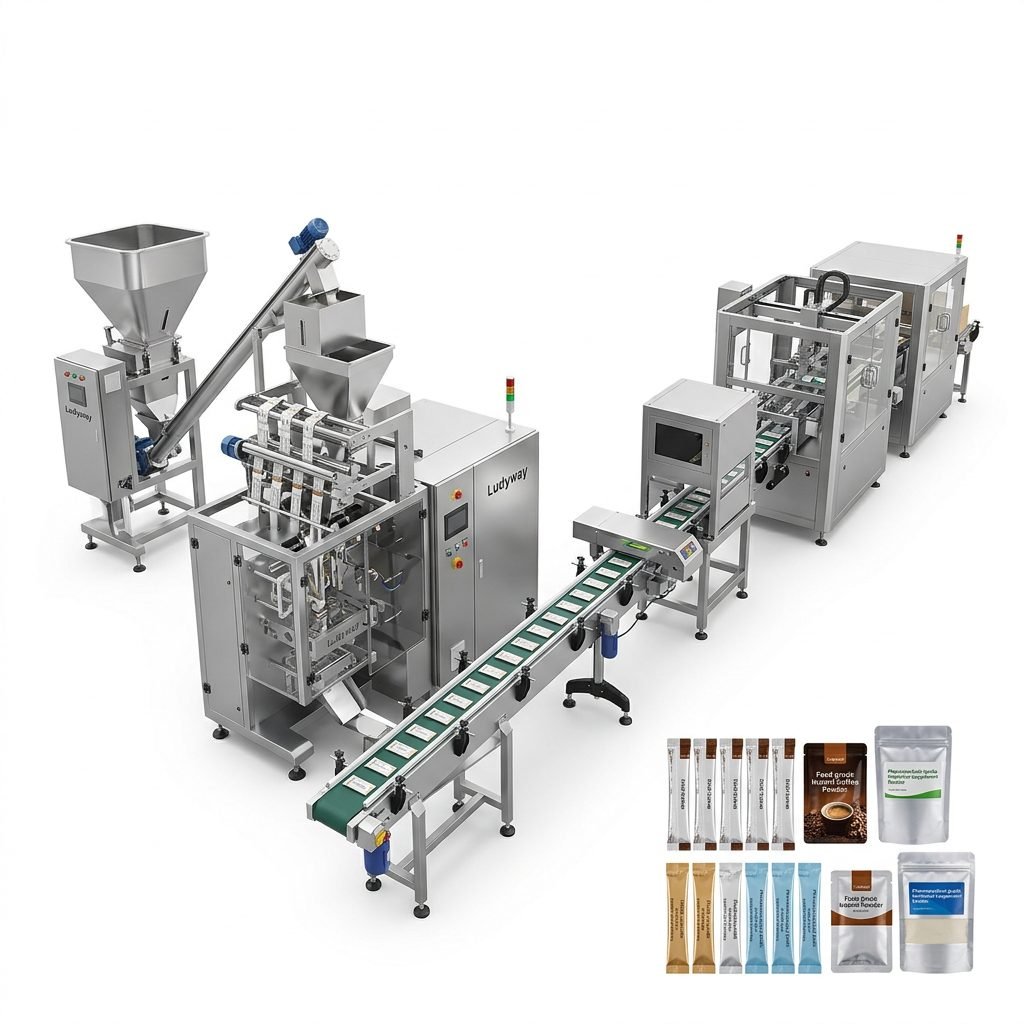
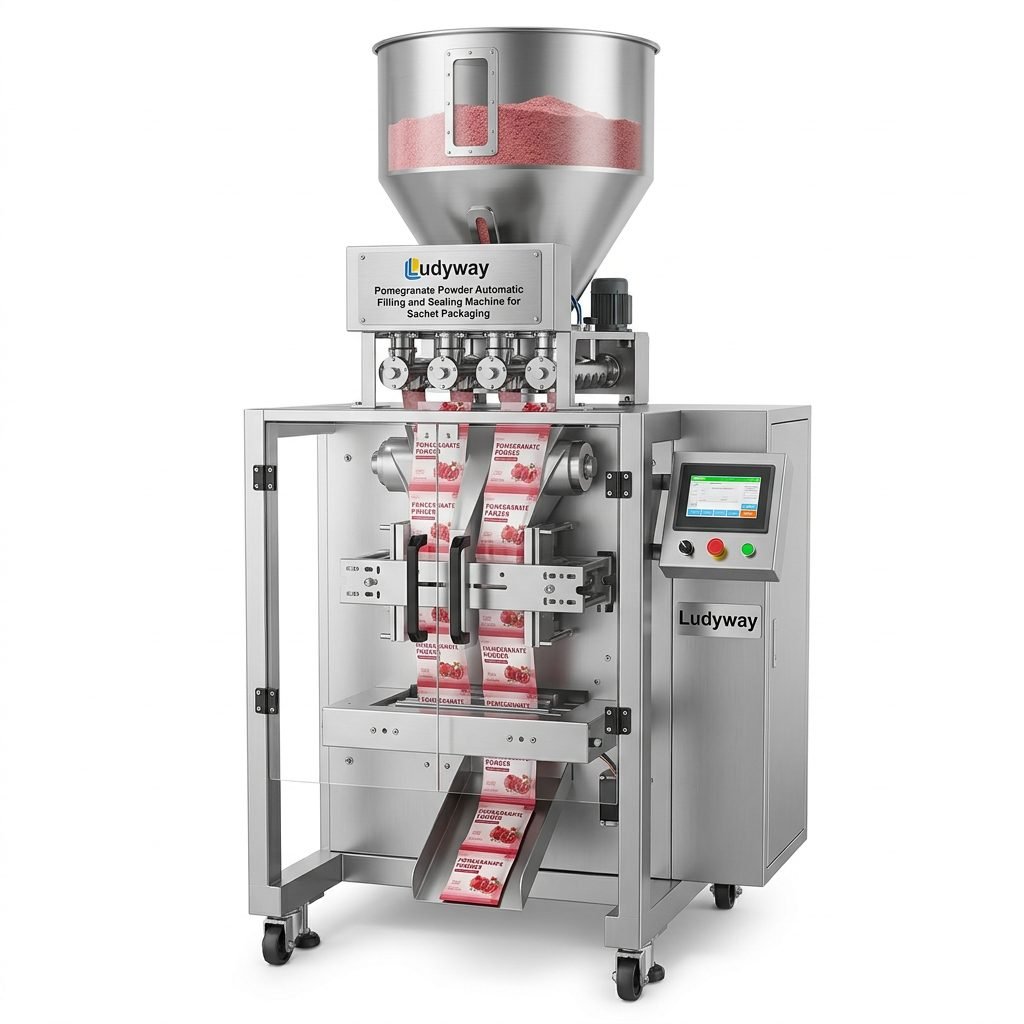
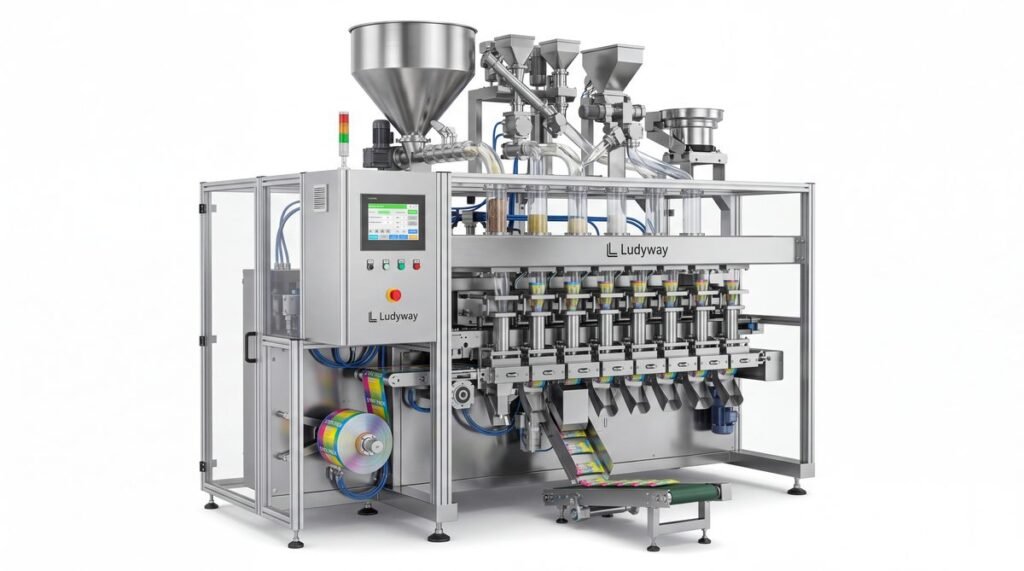
Modern feed packaging equipment can be configured for various bag styles and sizes. Small sachets and stick packs are increasingly popular for premium feed supplements and nutritional additives, while larger bags remain the standard for bulk feed products. Multi-lane stick pack machines offer high-speed output for single-serve portions, making them ideal for specialty animal nutrition products. Premade pouch packaging machines provide flexibility for different pouch styles, including stand-up pouches with zipper closures that enhance product freshness and consumer convenience.
By Filling Technology
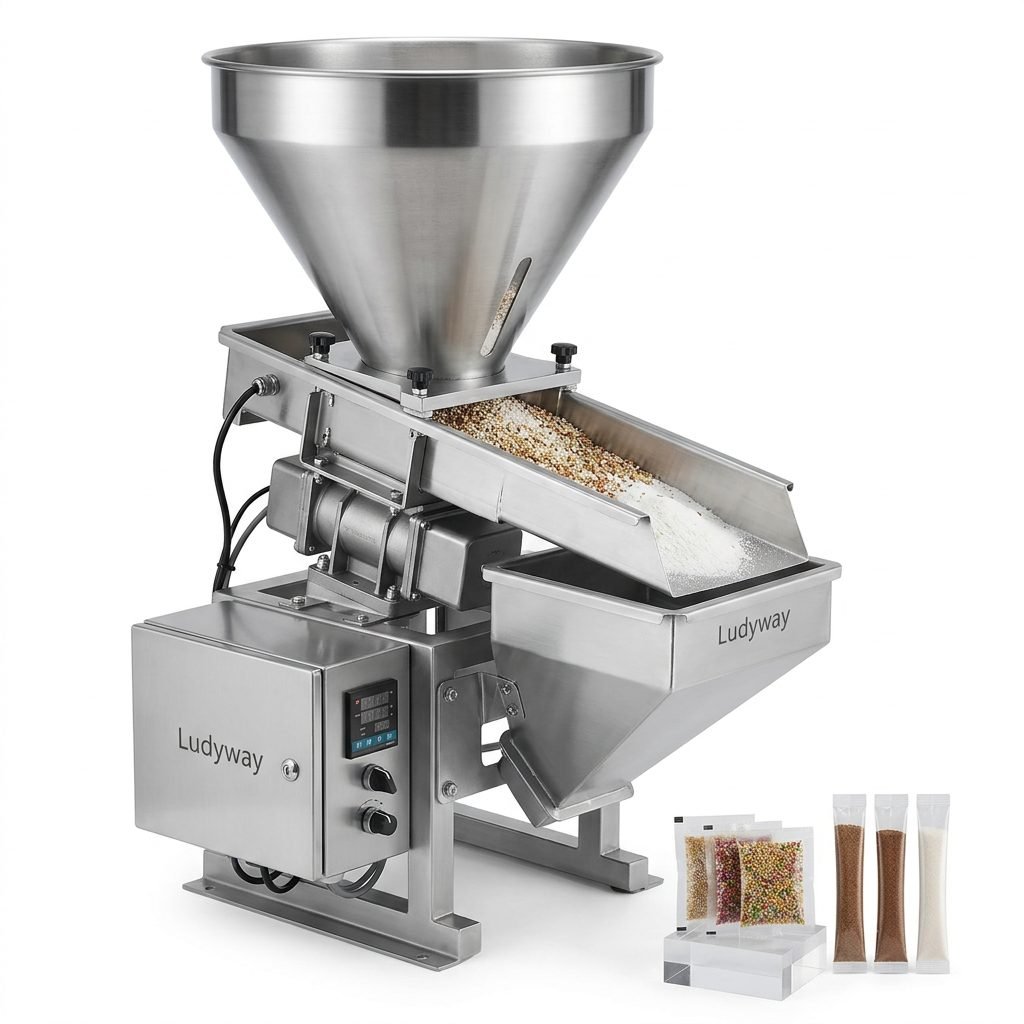
The dosing and filling mechanism is arguably the most critical component of any packaging system. Packaging machinery market research consistently shows that filling accuracy directly impacts profitability through reduced product giveaway. Volumetric cup fillers work well for free-flowing granules, while auger fillers excel with powders and non-free-flowing materials. Multi-head weighers provide the highest precision for high-value feed ingredients, combining speed with exceptional accuracy. Liquid feed supplements require specialized piston or pump-based filling systems designed for varying viscosities.
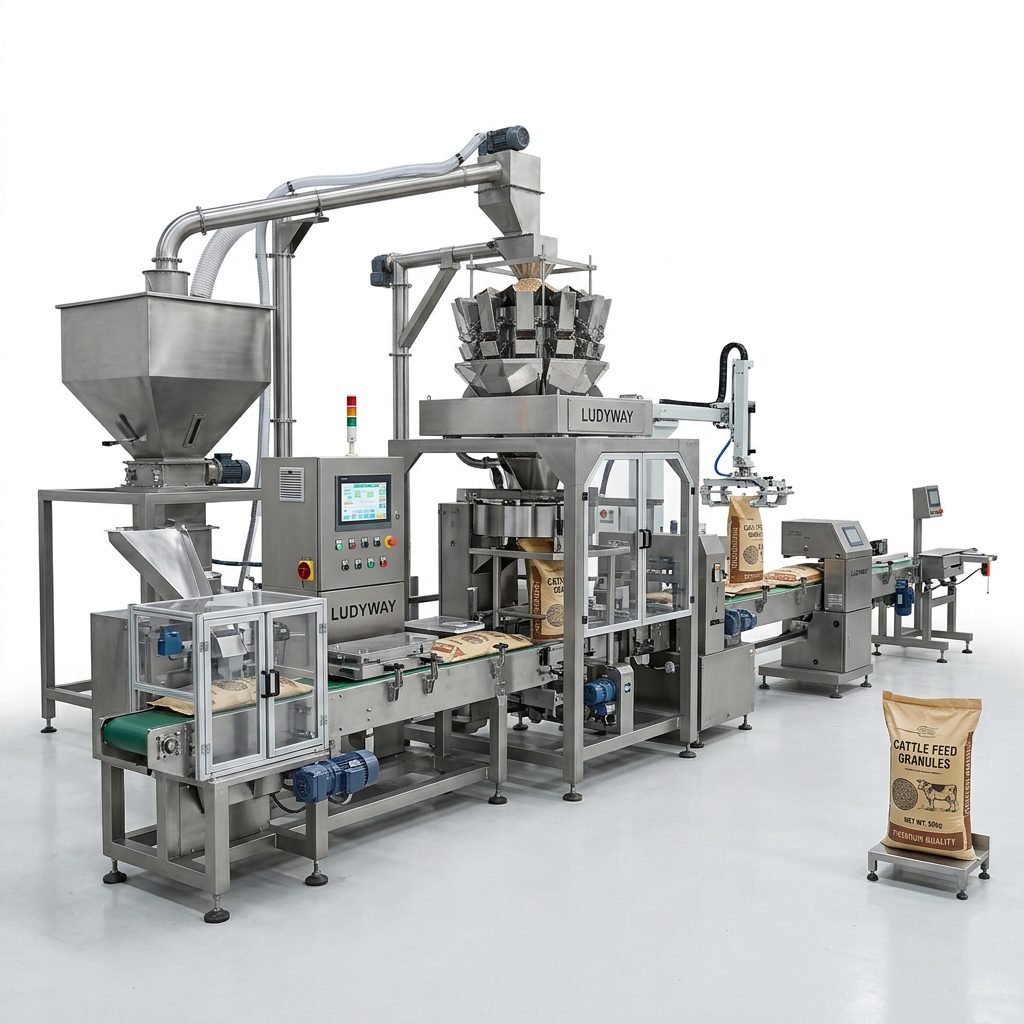
Key Factors to Evaluate Before Purchasing
Selecting the ideal feed packaging machine requires a thorough analysis of your specific production environment. The following factors should form the foundation of your evaluation process.
Product Characteristics
Your product’s physical properties dictate which machine configurations will work effectively. Particle size distribution, bulk density, flowability, moisture content, and temperature sensitivity all influence equipment selection. Fine powders may require dust-tight sealing systems and specialized filling nozzles, while abrasive materials demand wear-resistant contact surfaces. Products with high fat or oil content can present unique challenges for sealing and material handling that must be addressed during machine specification.
Production Capacity Requirements
Understanding your current and projected output needs is essential for right-sizing your investment. Consider both peak season demands and year-round averages. A machine operating at 80% of its maximum rated speed typically offers the best balance of throughput and reliability. Multi-lane configurations can multiply output without proportionally increasing floor space requirements, making them an attractive option for manufacturers scaling up production.
Packaging Material Compatibility
Different film structures and laminates behave differently during the forming, filling, and sealing process. Your machine must be compatible with the flexible packaging materials you intend to use. Consider factors like seal strength requirements, barrier properties needed for product shelf life, and any sustainability goals that might influence material selection. Machines with adjustable temperature controls and pressure settings offer greater flexibility across material types.
| Machine Type | Best For | Speed Range | Bag Formats |
|---|---|---|---|
| Vertical Form Fill Seal (VFFS) | Bulk granules, powders, pellets | 30-120 bags/min | Pillow, gusseted, block-bottom |
| Multi-Lane Stick Pack | Single-serve supplements, additives | 200-600 packs/min | Stick packs, sachets |
| Premade Pouch Machine | Premium feed, specialty products | 30-80 pouches/min | Stand-up, zipper, spout pouches |
| Open-Mouth Bagging System | 10-50kg bulk bags | 6-20 bags/min | Sewn or heat-sealed bags |
| Valve Bag Packing Machine | Fine powders, bulk feed ingredients | 4-12 bags/min | Valve bags with self-closing |
Technical Specifications That Matter
Beyond basic machine types, several technical specifications can significantly impact performance, maintenance requirements, and long-term reliability in feed packaging operations.
Automation and Control Systems
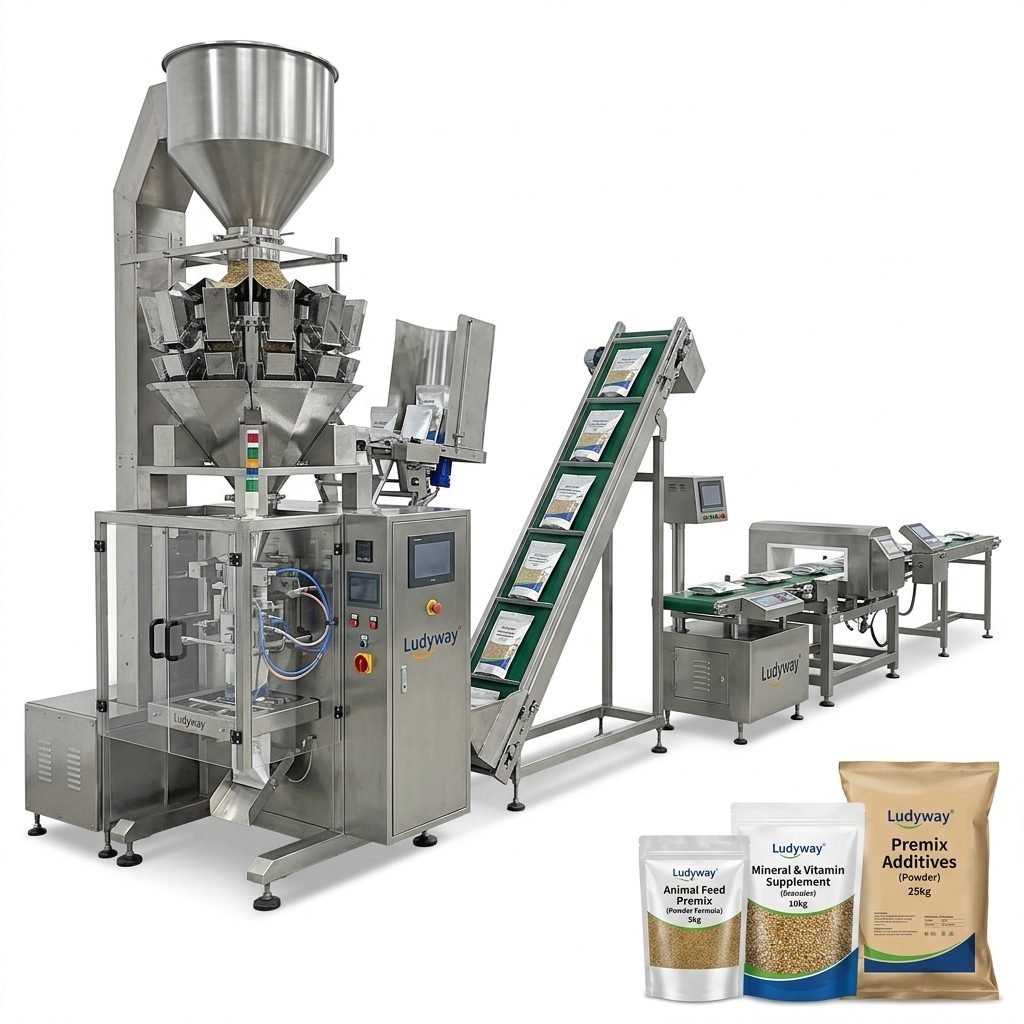
Modern feed packaging machinery increasingly incorporates advanced automation features. PLC-controlled systems with HMI touchscreens enable precise parameter adjustments and recipe storage for different products. Servo-driven motors provide superior accuracy and repeatability compared to pneumatic or mechanical alternatives. Integration capabilities with upstream and downstream equipment — including conveyors, checkweighers, metal detectors, and palletizers — should be evaluated as part of a complete line solution rather than in isolation.
Hygiene and Cleanability
Feed safety regulations continue to tighten globally. Equipment designed with sanitary principles — sloped surfaces, minimal crevices, tool-free disassembly — significantly reduces cross-contamination risks between production runs. FDA food packaging regulations and GMP guidelines increasingly influence machine design, particularly for feed supplements that border on food-grade standards. Stainless steel construction with appropriate surface finishes is becoming the industry benchmark.
Industry-Specific Considerations
Feed packaging encompasses a broad spectrum of products, each with unique requirements that influence machine selection.
- Poultry feed: Typically requires high-speed granule handling with dust extraction capabilities for crumbled formulations.
- Cattle and livestock feed: Often involves bulk bagging systems for 25-50kg bags with durable sealing for transport.
- Aquaculture feed: Demands precise weight control and moisture-resistant packaging for sinking and floating pellets.
- Pet food: Increasingly uses premium packaging formats including resealable pouches and small-portion packs.
- Feed additives and premixes: Requires high-accuracy dosing, often with multi-lane sachet or stick pack formats for precise portion control.
- Specialty supplements: May need nitrogen flushing or modified atmosphere packaging to preserve active ingredients.
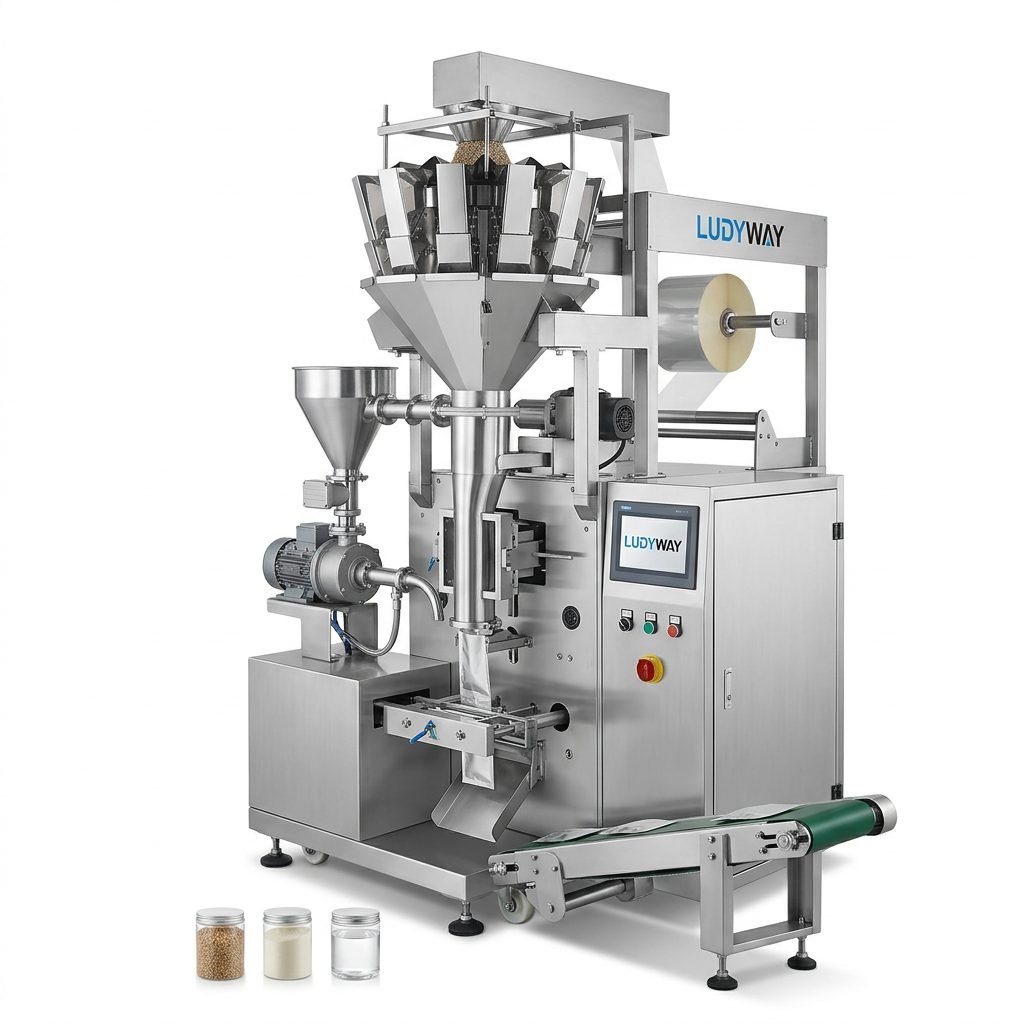
Evaluating Packaging Machine Suppliers
Choosing the right equipment partner is as important as selecting the right machine. A thorough supplier evaluation should examine several dimensions of capability and reliability.
Manufacturing Capabilities and Quality Standards
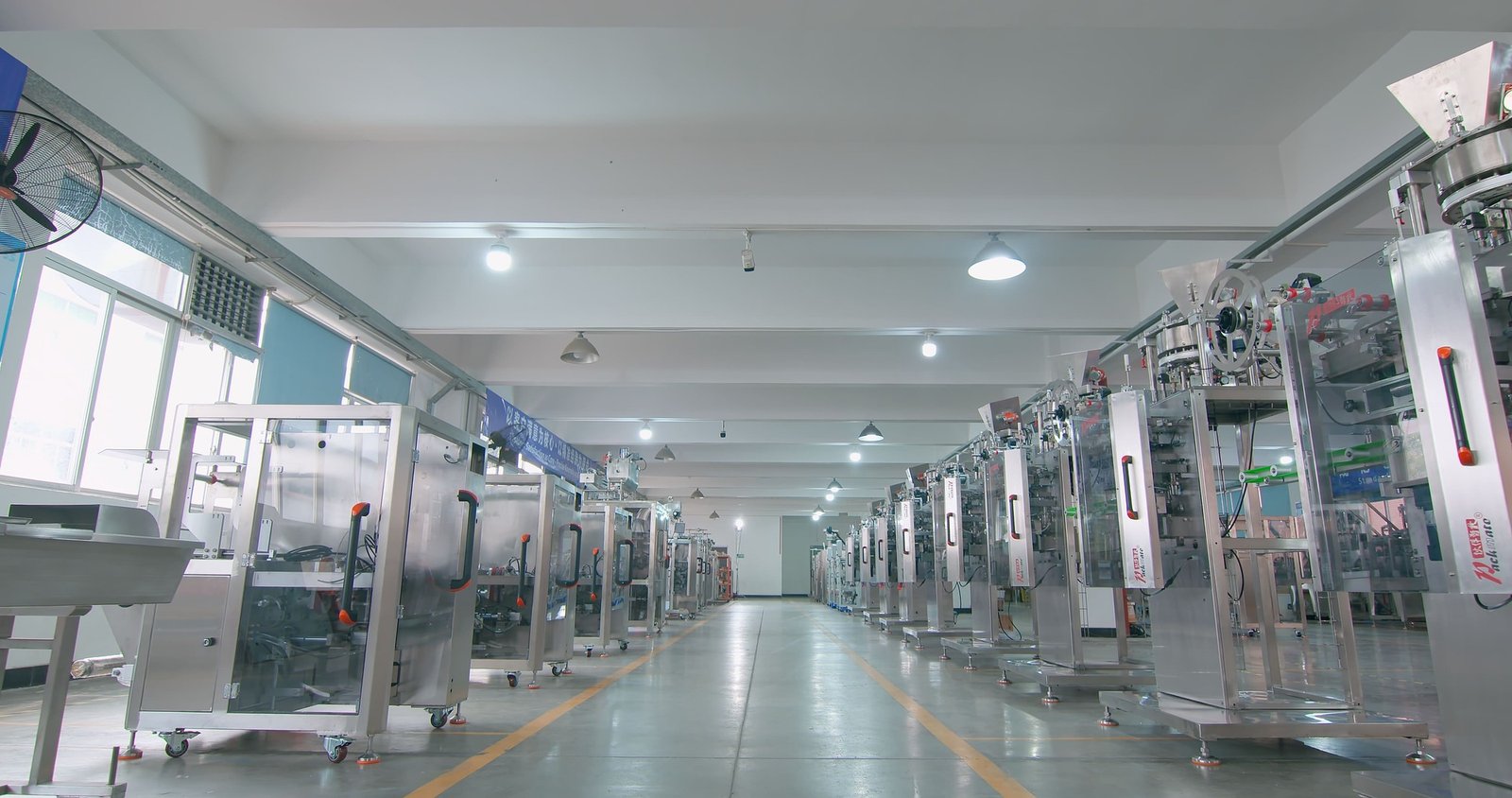
Look for suppliers with demonstrated manufacturing expertise and in-house engineering capabilities. Facilities with integrated design, fabrication, assembly, and testing departments typically deliver more consistent quality than those relying heavily on outsourced components. Certifications such as ISO standards and compliance with ISO packaging standards provide objective benchmarks for quality management systems. Supplier partnerships with established automation and component brands also indicate a commitment to reliability.
Customization and Engineering Support
Standard machines rarely address every operational nuance. Leading suppliers offer custom engineering services to adapt machine configurations for specific product characteristics, facility layouts, and automation requirements. This bespoke approach is particularly valuable for manufacturers with unique feed formulations or those transitioning from manual to automated packaging processes. The ability to integrate auxiliary equipment — such as automatic feeders, coding systems, and inspection modules — into a cohesive packaging line distinguishes full-service providers from equipment-only vendors.
After-Sales Service and Global Support
Equipment uptime depends heavily on responsive technical support and readily available spare parts. Evaluate potential suppliers based on their service infrastructure, response times, remote diagnostic capabilities, and spare parts logistics. For manufacturers operating across multiple locations or in remote areas, a supplier’s global service network can be a deciding factor. Comprehensive operator training programs also contribute significantly to long-term equipment performance and safety.
Cost Analysis and ROI Considerations
The purchase price represents only one component of total ownership cost. A comprehensive financial analysis should account for installation, commissioning, operator training, ongoing maintenance, spare parts inventory, energy consumption, and expected service life. Higher-quality machines with robust construction and reliable components often deliver lower total cost of ownership despite higher initial investment, thanks to reduced downtime and longer operational lifespans.
When calculating return on investment, consider both hard savings — reduced labor, less product giveaway, lower packaging material waste — and soft benefits like improved product consistency, enhanced brand perception, and the ability to pursue new market opportunities that demand specific packaging formats. Many manufacturers achieve payback periods of 18 to 36 months on well-specified equipment when all productivity gains are factored in.
Questions to Ask Before Finalizing Your Decision
A structured approach to supplier engagement helps ensure no critical detail is overlooked. Use the following checklist during discussions with potential equipment providers.
- Can the machine handle my full range of product types and packaging formats without extensive changeover time?
- What is the demonstrated speed and efficiency on products similar to mine, not just the theoretical maximum?
- How does the sealing system perform with my specific packaging materials, particularly at varying production speeds?
- What are the typical spare parts consumption rates, and how quickly can critical components be sourced?
- Does the supplier provide on-site installation, commissioning, and operator training as part of the standard package?
- What remote diagnostic and troubleshooting capabilities are available to minimize downtime?
- Can the machine be integrated with my existing upstream and downstream equipment, or expanded for future automation?
- What are the energy consumption and compressed air requirements for normal operation?
The Value of a Single-Source Packaging Partner
Coordinating multiple vendors for different packaging line components — filling machines, conveyors, inspection systems, cartoning equipment — often creates integration challenges and complicates accountability. Working with a single packaging machinery partner that provides integrated solutions can streamline project management, simplify technical support, and ensure seamless compatibility between all line components. This approach is particularly advantageous for manufacturers establishing new packaging lines or undertaking major upgrades.
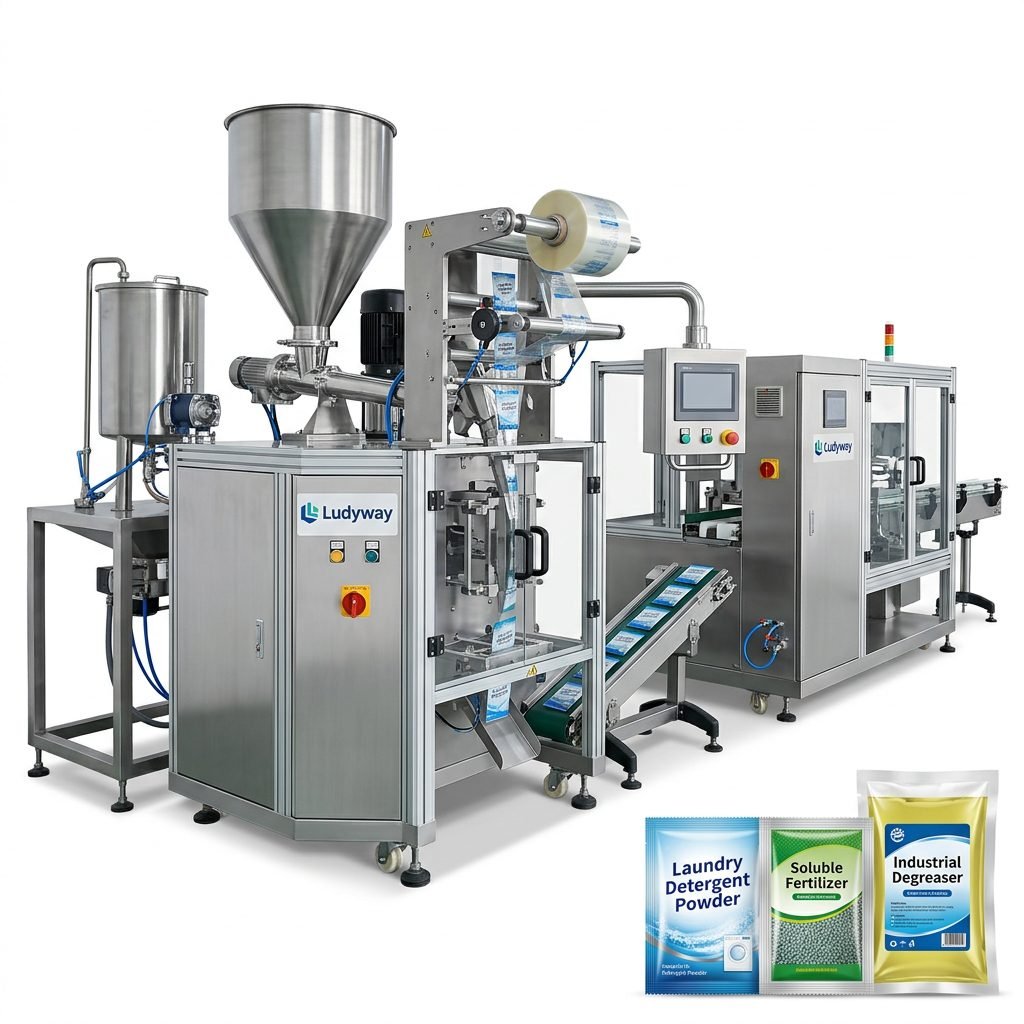
One example of a manufacturer with this comprehensive capability is Ludyway Machinery, a China-based packaging machinery manufacturer with over three decades of industry experience. The company provides a broad portfolio of automatic packaging equipment and turnkey packaging solutions for powder, granule, liquid, stick pack, sachet, and pouch applications across multiple industries including feed, food, pharmaceuticals, and chemicals. With a 20,000-square-meter manufacturing facility, more than 130 professionals, and over 50 packaging machine models, the company combines in-house manufacturing with engineering and automation expertise to deliver customized packaging systems. Its equipment can be configured for different production speeds, filling volumes, packaging materials, and bag formats, and the company provides technical support throughout the entire project lifecycle — from machine selection and solution design through installation, commissioning, training, and after-sales service. This integrated approach enables feed manufacturers to work with a single partner for all their packaging equipment needs.
Making Your Final Selection
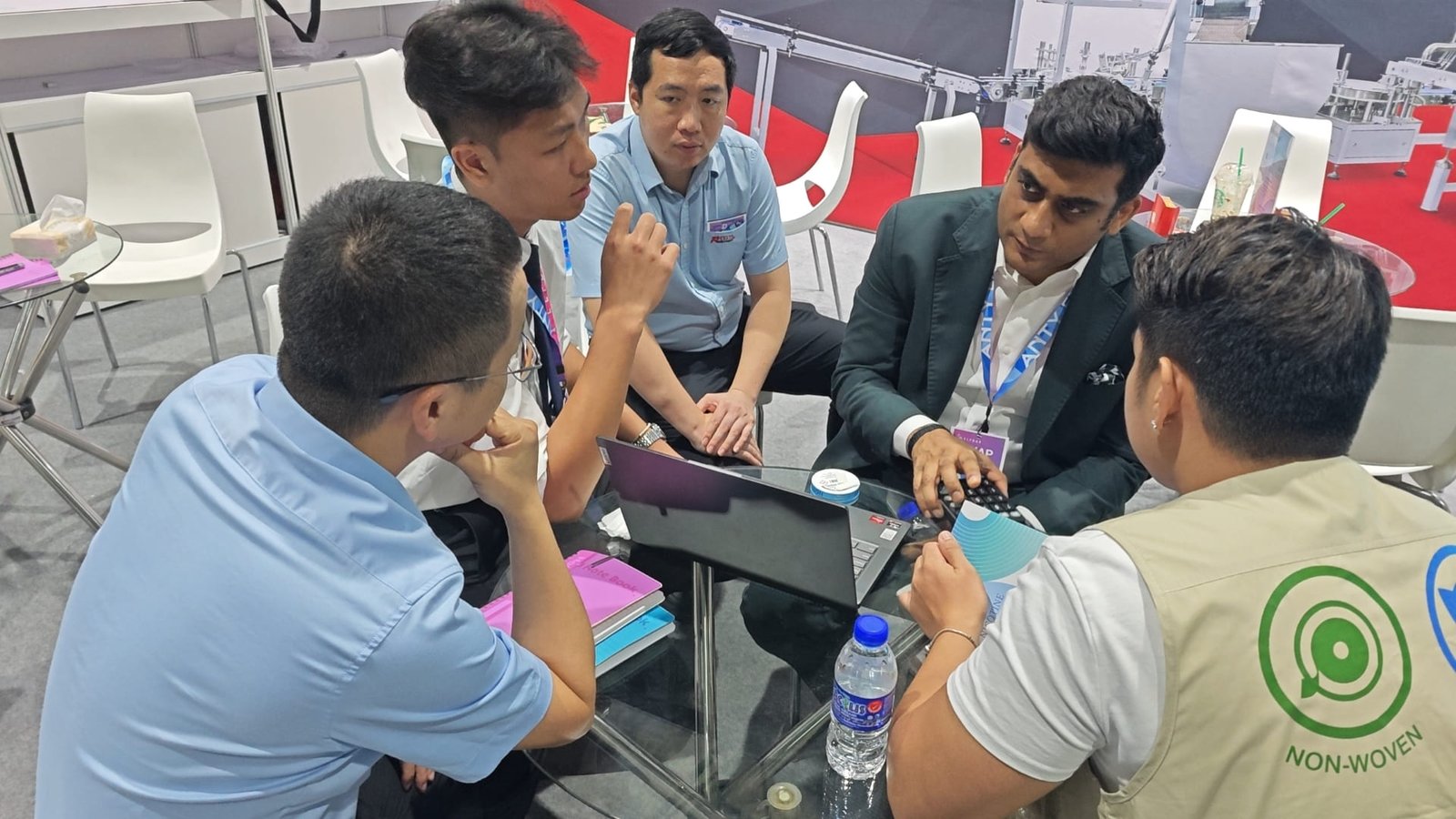
Choosing the right feed packaging machine is a strategic decision that affects your production efficiency, product quality, and competitive position for years to come. By systematically evaluating your product requirements, production goals, technical specifications, and supplier capabilities, you can confidently select equipment that delivers reliable performance and strong return on investment. Take time to visit supplier facilities when possible, conduct product trials with your actual materials, and speak with existing customers about their real-world experiences. These steps, combined with the framework outlined in this guide, will position you to make an informed purchasing decision that supports your long-term business objectives.