Investing in a tea bag making machine is a strategic decision that directly impacts your production efficiency, product consistency, and long-term operational costs. Whether you are scaling up from manual packing or upgrading an existing line, understanding the key selection criteria helps you avoid costly mistakes. This guide walks you through the essential factors to evaluate before making a purchase, covering machine types, technical specifications, material compatibility, and after-sales support.
Understanding Tea Bag Packaging Machine Types
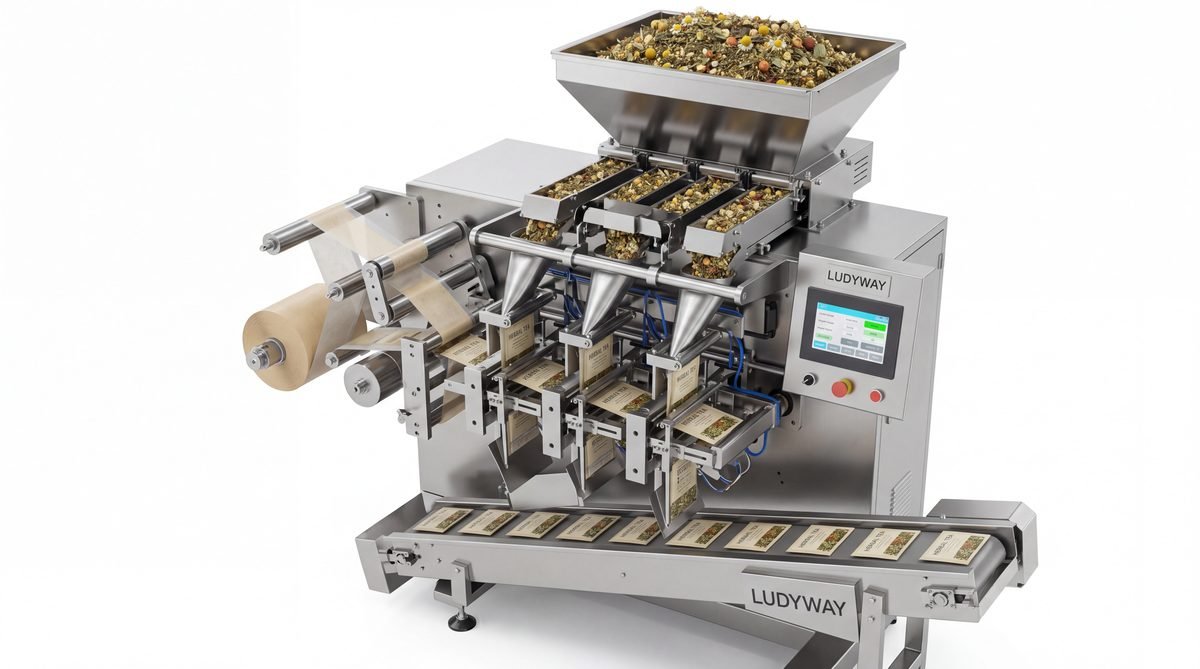
Before comparing specifications, it is important to identify which category of tea bag making machine matches your production requirements. The three most common configurations are:
- Single-lane machines – Suitable for small-batch production, startups, and specialty tea brands with lower output requirements. They offer simplicity and easier maintenance.
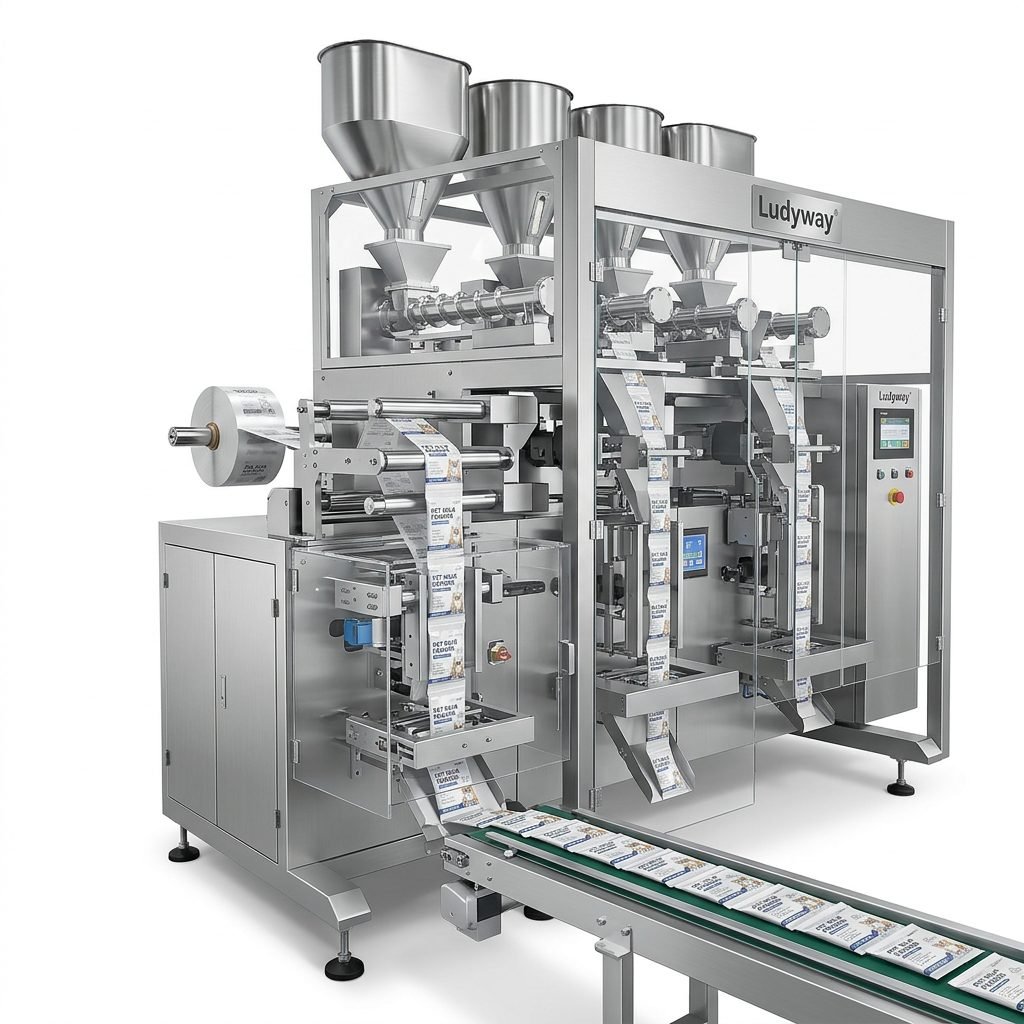
- Multi-lane machines – Designed for medium to high-volume production, these machines can run 4 to 12 lanes simultaneously, dramatically increasing output without proportionally increasing floor space.
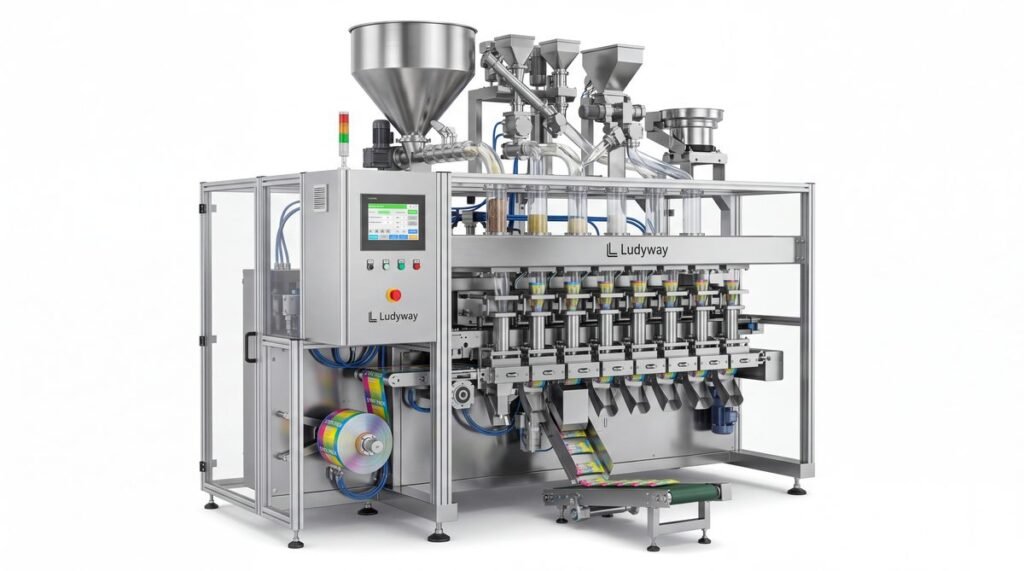
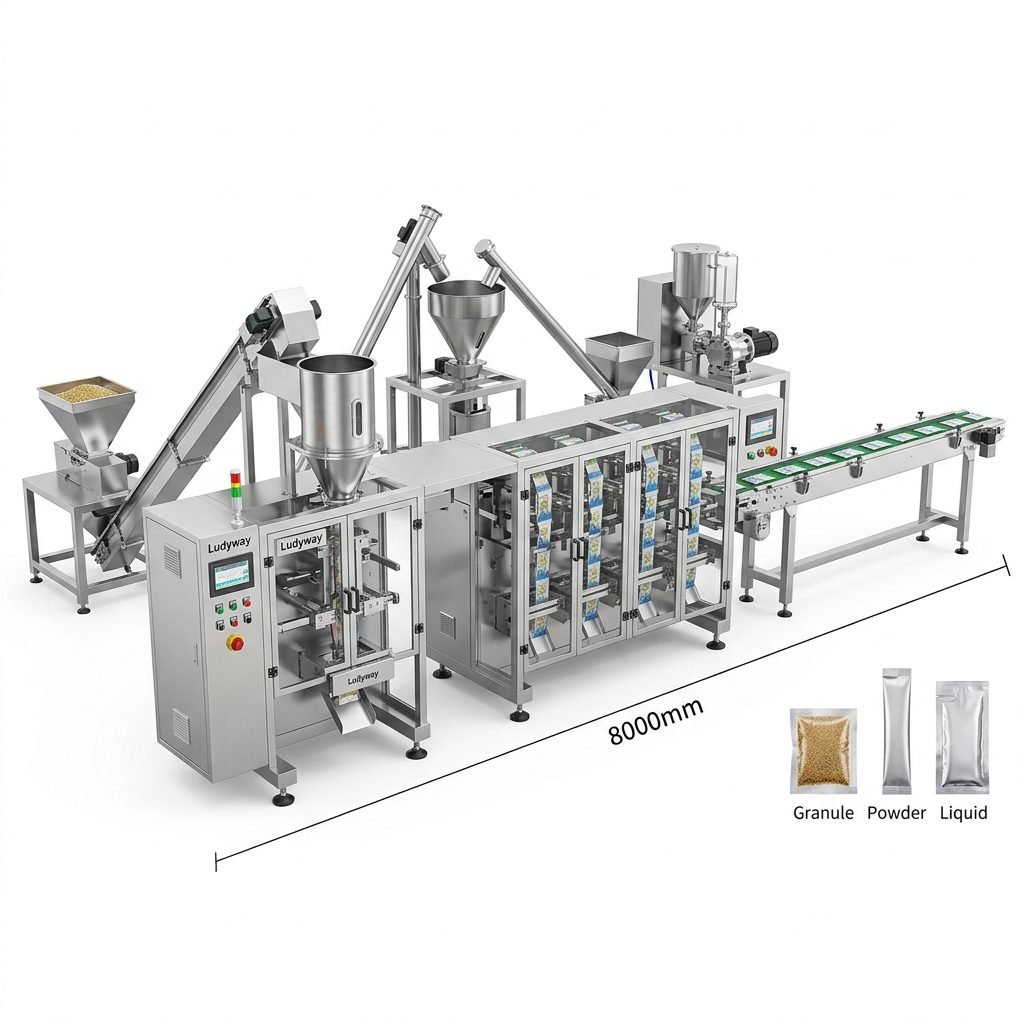
- High-speed automated systems – Fully integrated solutions that combine filling, sealing, coding, and cartoning in one continuous line, ideal for large-scale manufacturers targeting maximum throughput.
Each type serves different production scales, and selecting the wrong configuration can lead to either under-capacity or unnecessary capital expenditure. For guidance on production scaling, refer to resources from the Packaging Machinery Manufacturers Institute (PMMI).
Key Factors to Evaluate Before Buying
When shortlisting a tea bag packaging machine, the following criteria should form the core of your evaluation framework:
- Production speed – Measured in bags per minute (BPM), this determines your daily output capacity.
- Bag format and size range – The machine must accommodate your specific bag dimensions and style (string-and-tag, pyramid, double-chamber, etc.).
- Filling accuracy – Consistent dosing is critical for product quality and regulatory compliance.
- Material compatibility – Machines should handle your chosen filter paper, foil, or biodegradable materials without causing tears or misalignment.
- Changeover flexibility – If you produce multiple SKUs, quick changeover features reduce downtime.
- Automation and control systems – PLC-based controls with ISO-compliant packaging standards ensure reliable operation.
| Machine Type | Typical BPM Range | Best Suited For |
|---|---|---|
| Single-Lane | 30–80 BPM | Small-batch, specialty teas |
| Multi-Lane (4–8 Lanes) | 200–600 BPM | Mid-scale commercial production |
| High-Speed Integrated Line | 600–1,200+ BPM | Large-scale, continuous manufacturing |
Production Speed and Capacity Planning
Your current and projected production volume should guide the speed specification. A common mistake is purchasing a tea bag making machine that meets today’s demand but leaves no room for growth. Consider the following:
- Calculate your peak daily output during high season rather than average demand.
- Factor in a 15–25% capacity buffer for order spikes and future expansion.
- Understand that actual BPM may vary based on bag size, material type, and fill weight.
For market data on packaging machinery demand and capacity trends, the PMMI Business Intelligence Library provides valuable industry reports.
Packaging Material Compatibility
Not all machines handle every material equally well. Your chosen tea bag packaging machine must be compatible with the specific filter paper, non-woven fabric, or biodegradable material you intend to use. Key material considerations include:
- Heat-seal vs. cold-seal – Some materials require specific sealing technologies.
- Material thickness and tensile strength – Affects tension control and cutting precision.
- Sustainability requirements – Biodegradable and compostable materials may require specialized handling to prevent tearing.
Industry guidance on flexible packaging materials is available through the Flexible Packaging Association.
Automation Level and Integration
The degree of automation you choose affects labor requirements, error rates, and overall line efficiency. Options range from semi-automatic machines requiring manual feeding to fully automated systems with:
- Automatic feeder integration for bulk material input
- String-and-tag attachment mechanisms
- Envelope overwrapping stations
- Vision inspection systems for quality control
- Automated cartoning and case packing
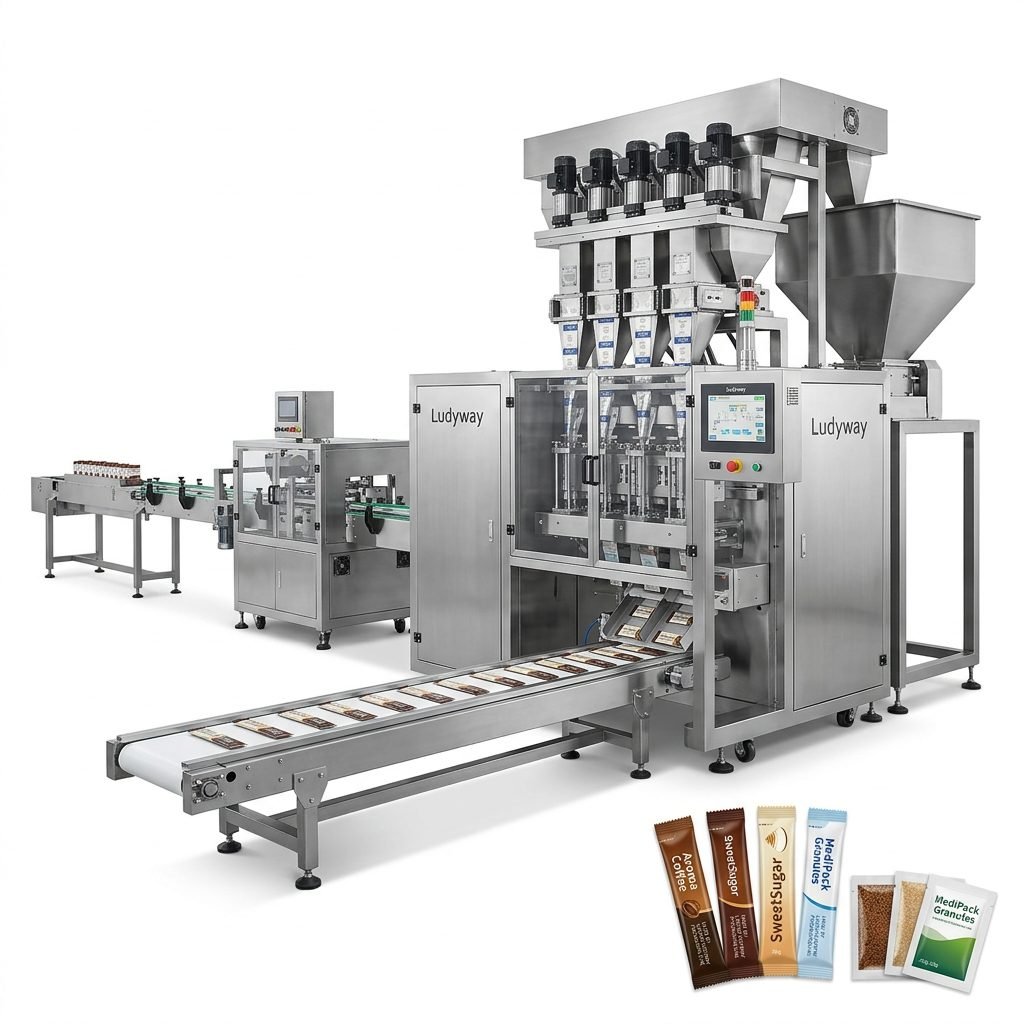
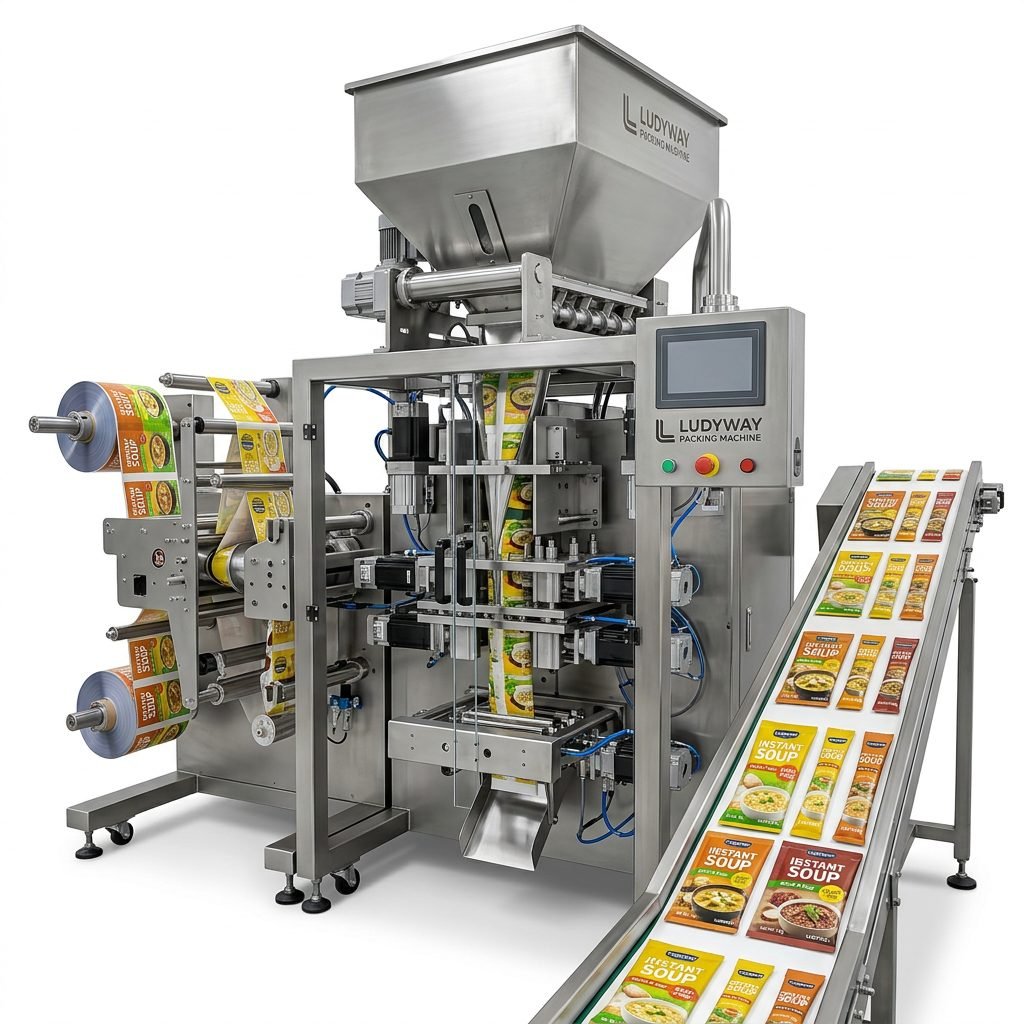
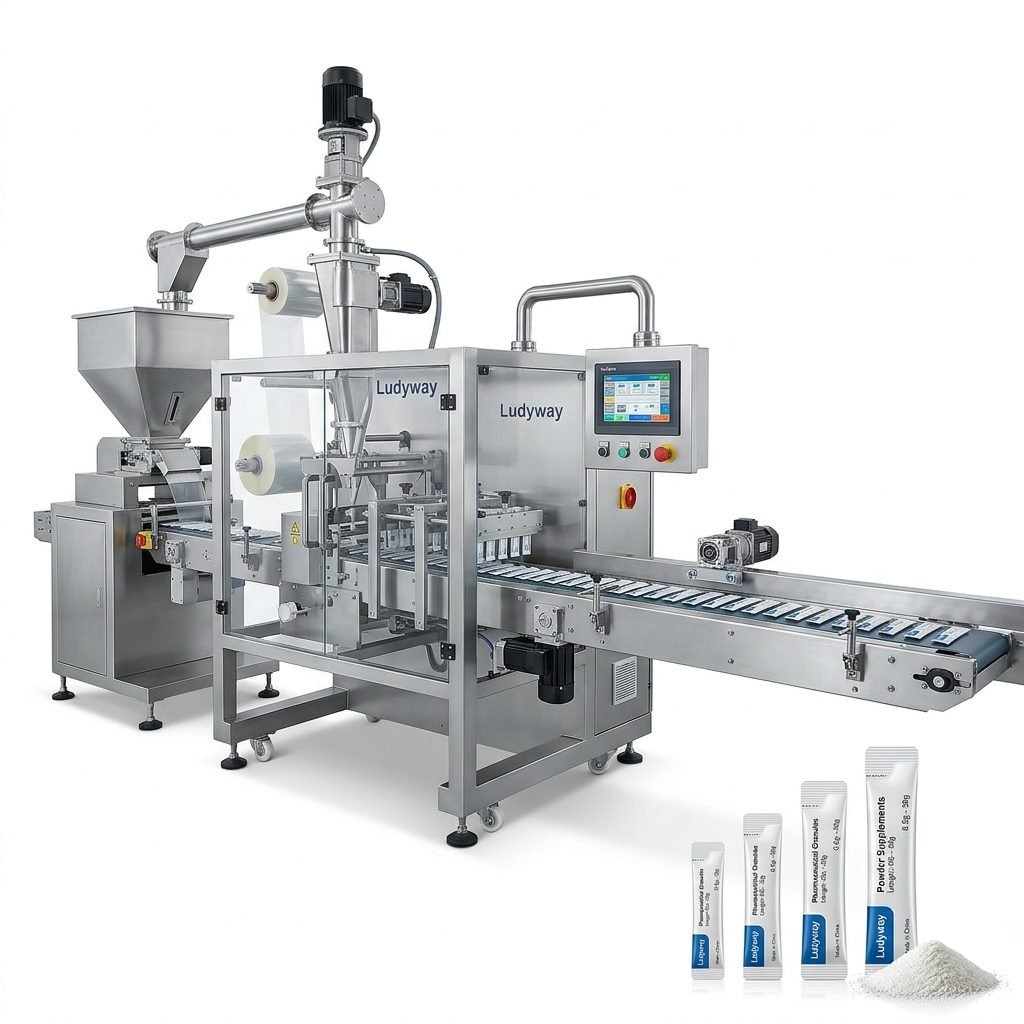
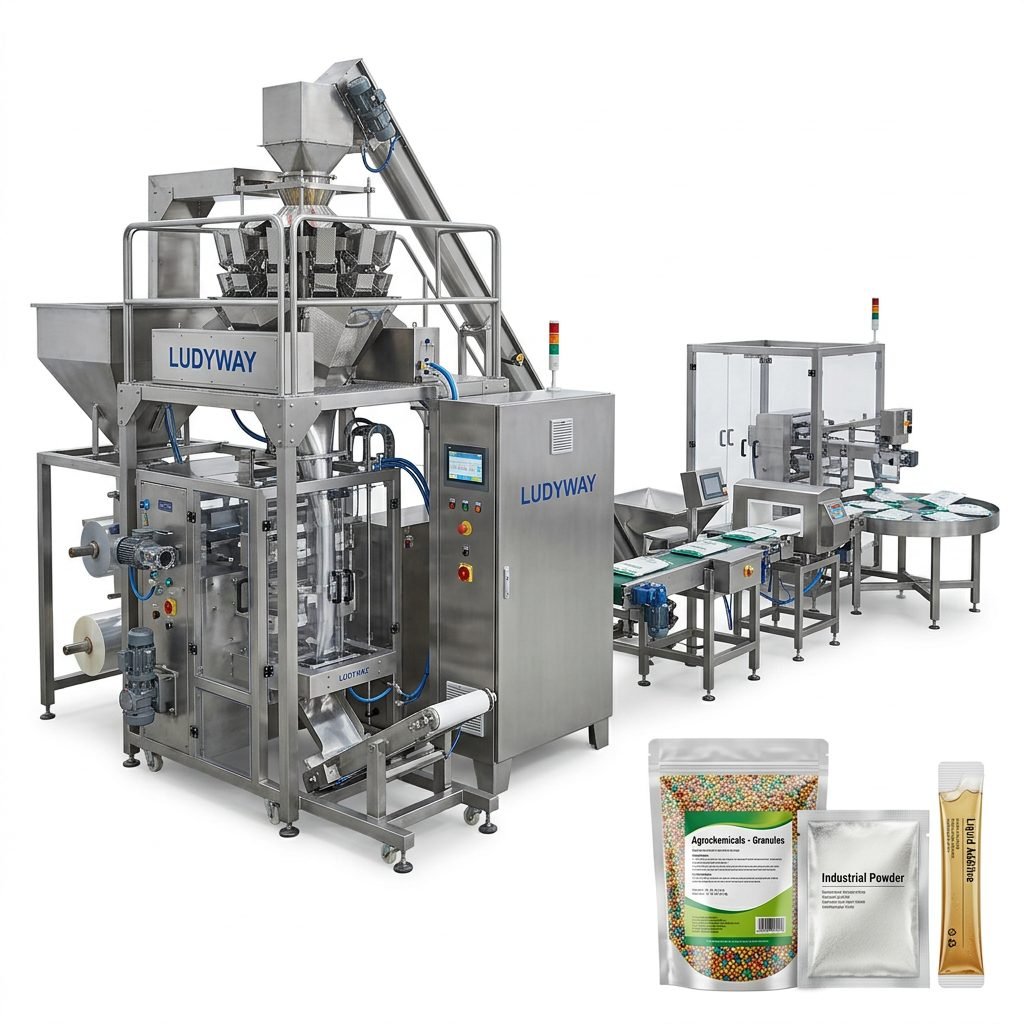
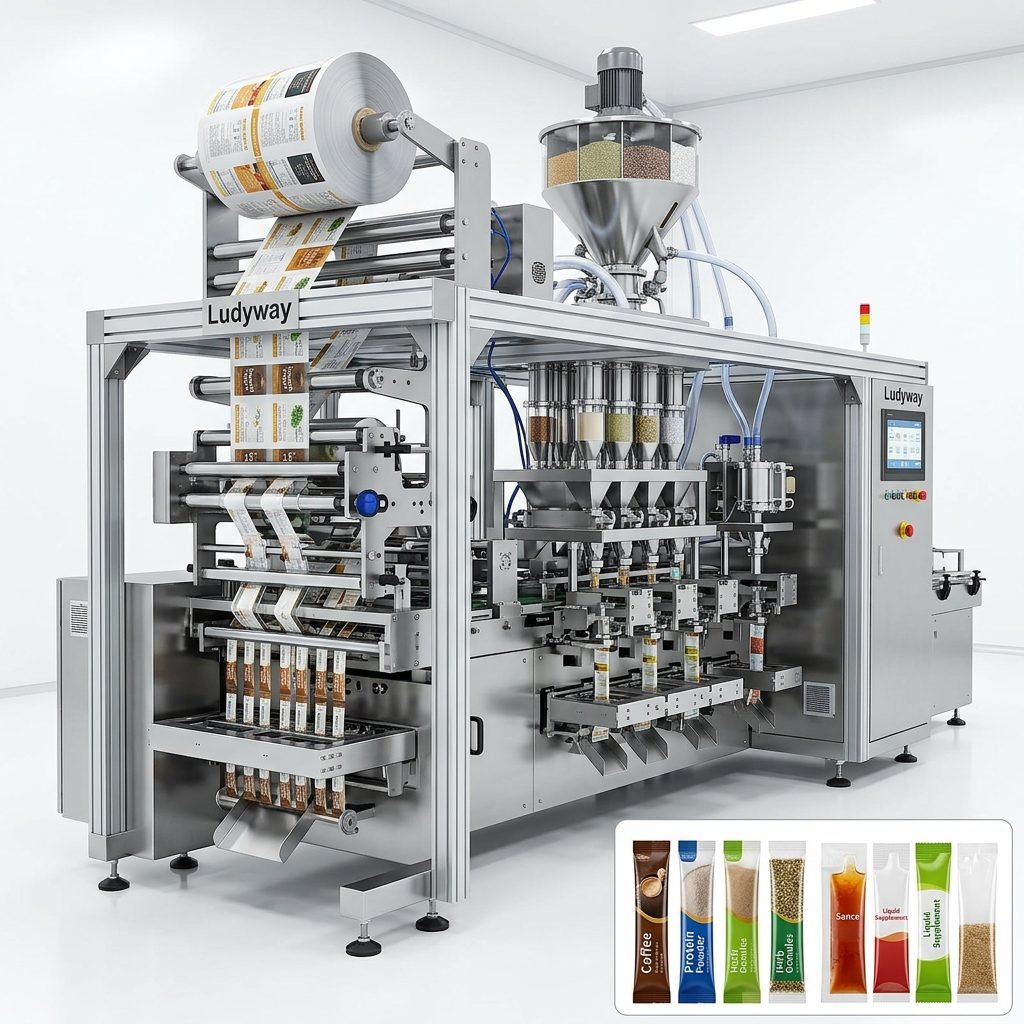
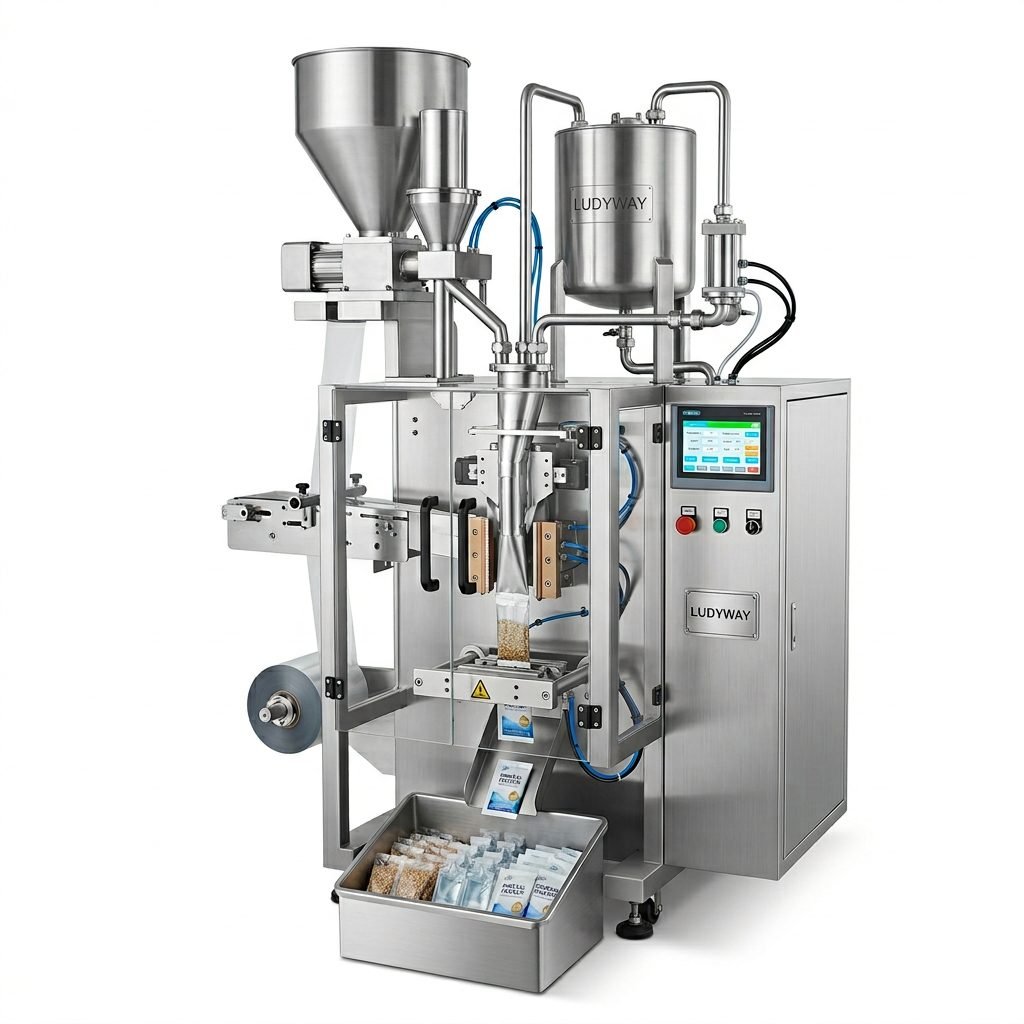
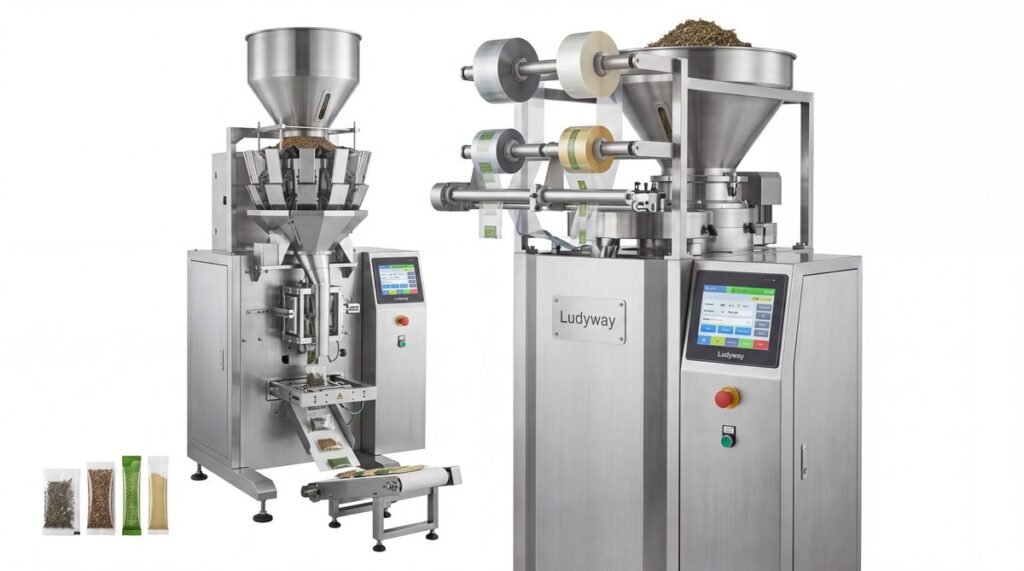
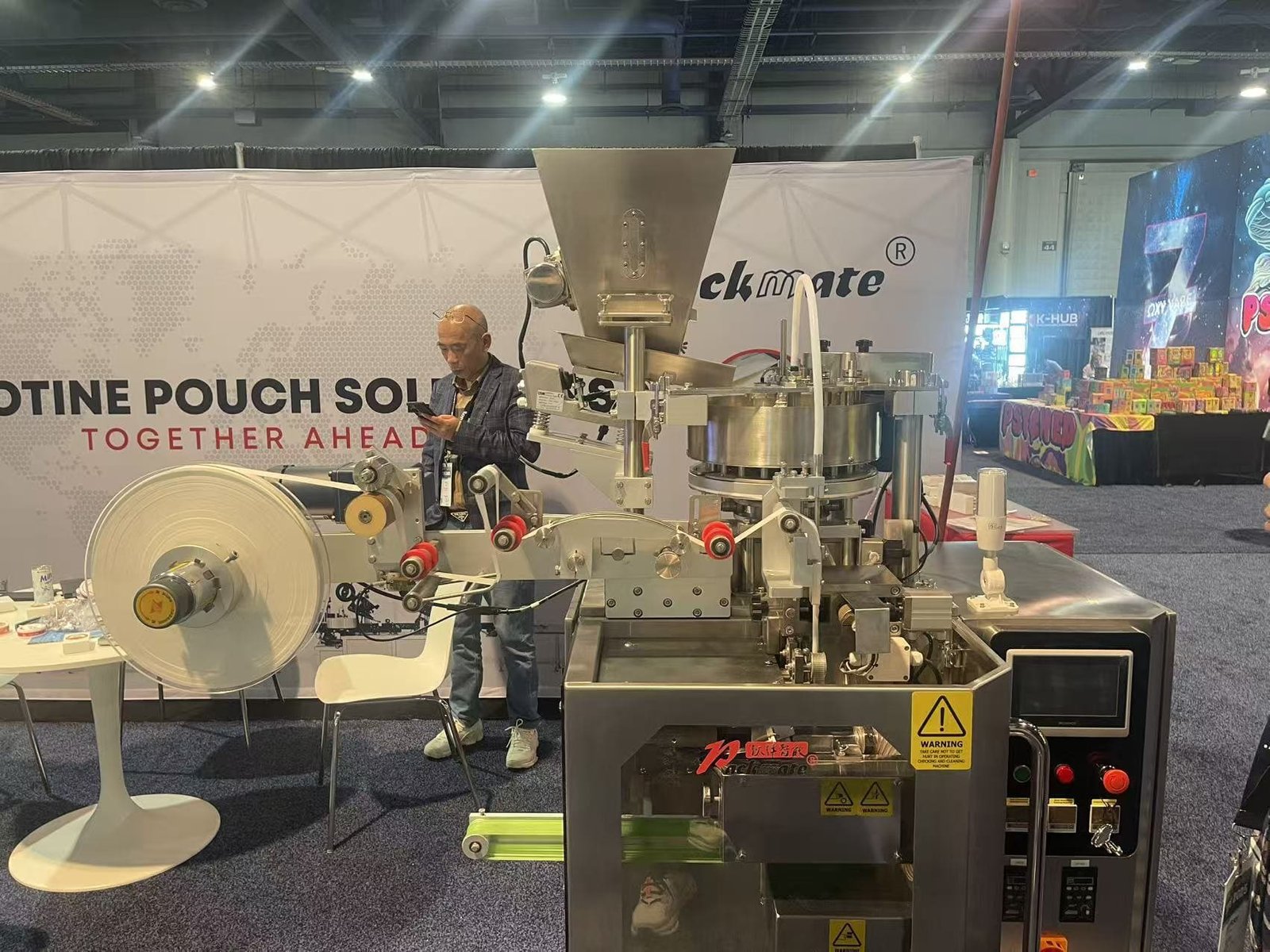
For manufacturers seeking integrated solutions, some packaging machinery manufacturers offer complete turnkey packaging lines that connect multiple stages of the process. Ludyway Machinery, a China-based packaging machinery manufacturer with over 30 years of experience, provides such automated packaging equipment and turnkey solutions across industries including food, beverage, and pharmaceuticals. Their multi-lane systems are engineered for different bag formats and production speeds, supported by a 20,000-square-meter manufacturing facility and global technical service network.
Machine Configuration Options
Modern tea bag making machines offer various configuration options that directly impact your final product presentation and market competitiveness:
- Bag styles: Double-chamber, pyramid, round, or flat rectangular bags
- Closure types: Heat-seal, staple, or knot methods
- Tag and string options: Single or double tags, various string lengths
- Envelope options: Plain, printed, or foil-laminated outer wraps
- Coding and marking: Integration with inkjet, laser, or thermal transfer printers for batch codes and expiration dates
Quality, Compliance, and Standards
For manufacturers targeting regulated markets, compliance with applicable standards is non-negotiable. When evaluating equipment, verify the following:
- Food-grade material certification for all product-contact parts
- Compliance with FDA food packaging and food contact substance regulations
- Adherence to ISO packaging standards for mechanical safety and performance
- CE marking or equivalent certification for the target market
- Auditable documentation for validation and quality assurance
For flexible packaging-specific regulatory updates, the FPA Regulatory Affairs resource center provides current guidance.
After-Sales Service and Technical Support
A tea bag making machine represents a significant capital investment, and ongoing support is critical to maintaining uptime. Evaluate suppliers on the following support criteria:
- Installation and commissioning support – On-site or remote assistance to ensure proper setup
- Operator training programs – Comprehensive training reduces operator error and improves efficiency
- Spare parts availability – Quick access to critical components minimizes downtime
- Technical troubleshooting – Remote diagnostic capabilities and responsive service teams
- Warranty coverage – Clear terms on parts and labor during the warranty period
For additional insights on packaging machinery selection and industry best practices, visit the PMMI Packaging Industry Resources portal.
Budget Considerations and ROI Analysis
While upfront cost is important, the total cost of ownership (TCO) provides a more accurate picture. Factor in the following when calculating your return on investment:
- Initial purchase price of the tea bag packaging machine
- Installation and facility modification costs – Electrical, compressed air, and space requirements
- Consumables and replacement parts – Filters, sealing elements, and wear components
- Energy consumption – Operational efficiency impacts long-term costs
- Labor savings – Automation reduces manual handling and associated costs
- Expected machine lifespan – Quality machines typically deliver 10–15+ years of service
Common Questions When Buying a Tea Bag Machine
Q: How do I determine the right number of lanes for my production?
Calculate your peak daily output requirement, then work backward to BPM per lane. Allow a capacity buffer of 20% or more.
Q: Can one machine handle different bag sizes and styles?
Some machines offer quick-change tooling for different bag formats, but verify changeover time and compatibility with your required sizes before purchasing.
Q: What is the typical lead time for a tea bag packaging machine?
Lead times vary from 6–16 weeks depending on customization level and manufacturer capacity. Confirm delivery schedules during the quotation stage.
Q: Is remote technical support available for international buyers?
Many established manufacturers offer remote diagnostics and video-assisted troubleshooting. Confirm the supplier’s support infrastructure for your region. For more on packaging machinery export trends and global service capabilities, see this industry report on global packaging machinery growth.
Selecting the right tea bag making machine requires thorough evaluation across multiple dimensions—from production capacity and material compatibility to automation features and after-sales service. By prioritizing long-term operational value over upfront price alone, and by choosing a supplier with proven engineering expertise and global support capabilities, you can build a packaging operation that scales efficiently with your business growth.