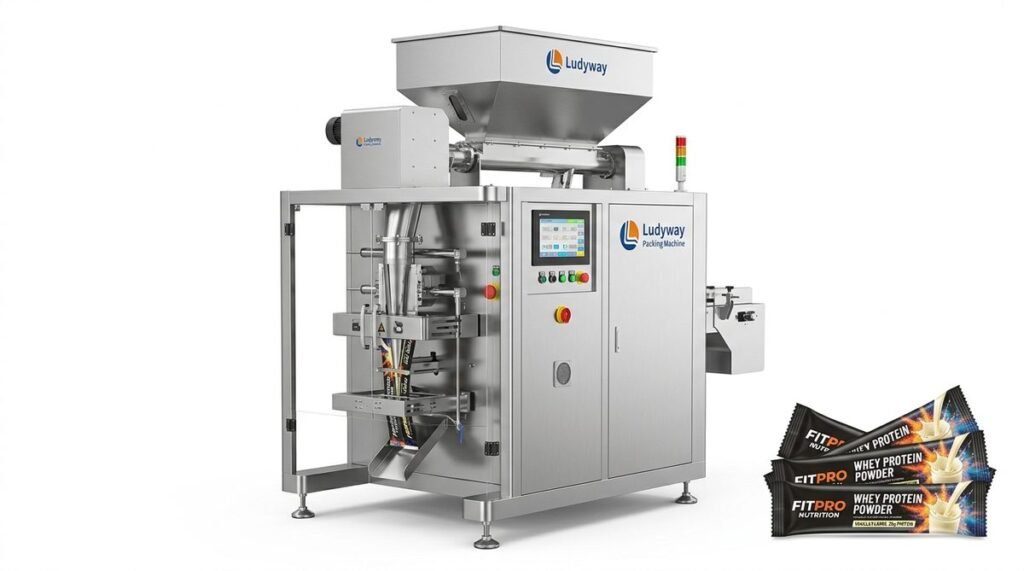
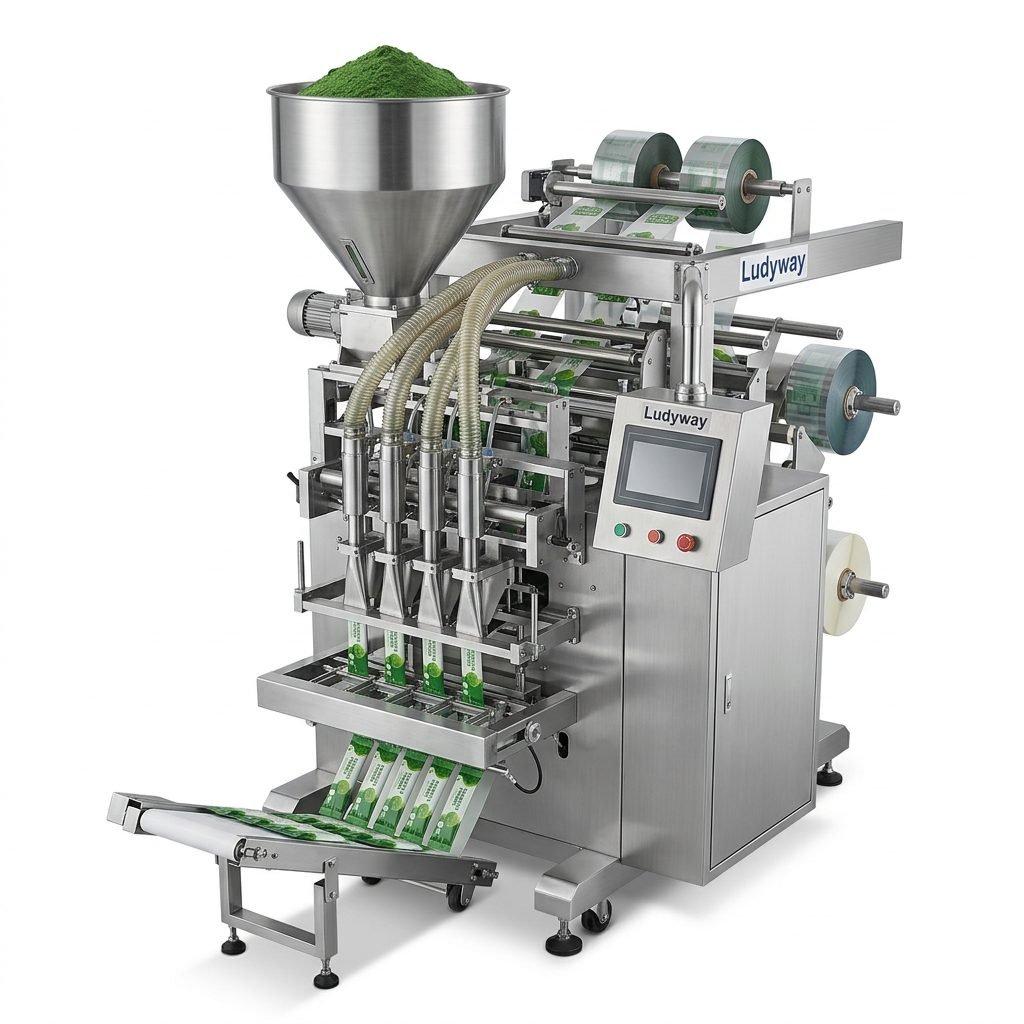
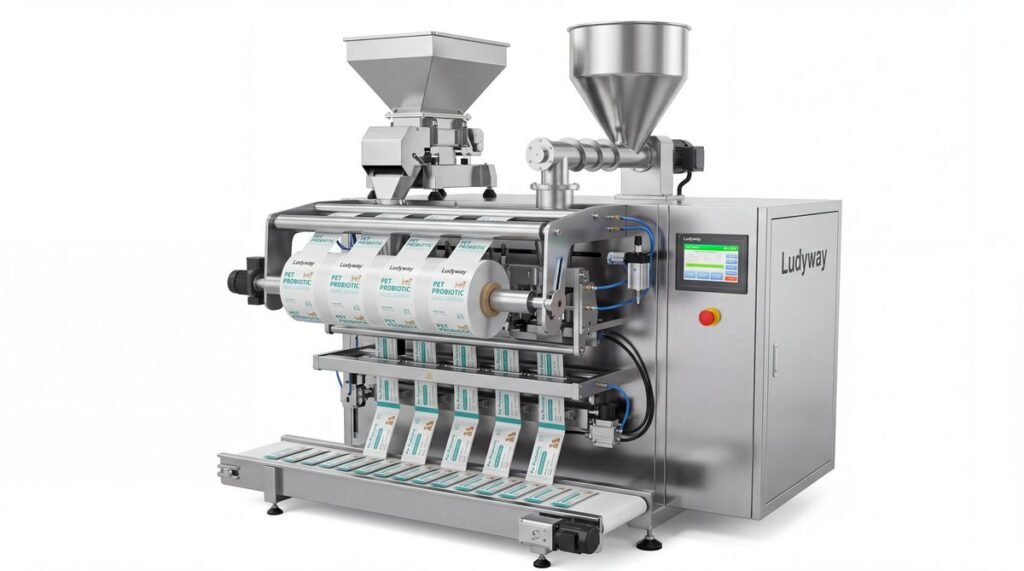
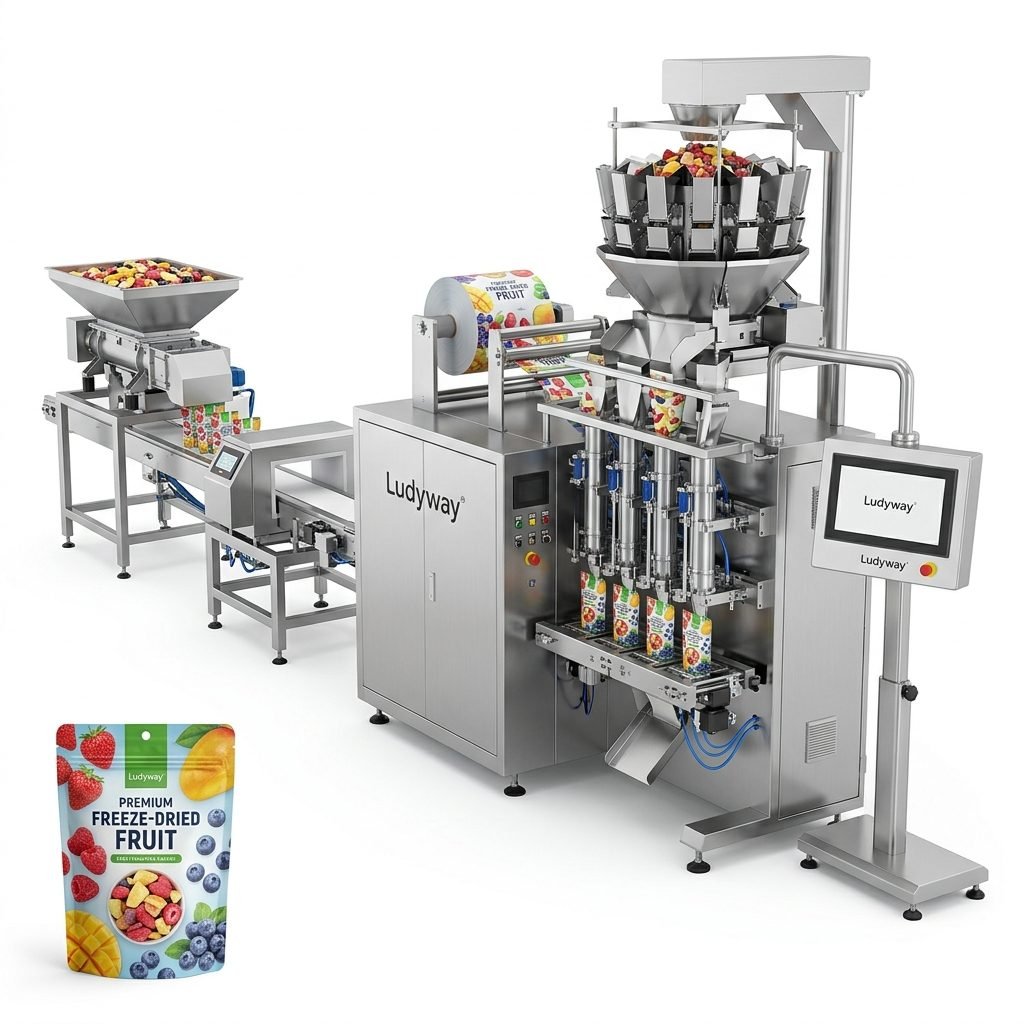
Selecting the right liquid packaging machine is one of the most critical decisions for manufacturers handling fluid products. Whether you are filling sachets, stick packs, pouches, or bottles, the equipment you choose directly impacts production efficiency, product quality, and long-term operational costs. This guide walks you through the essential factors to evaluate before making your investment.
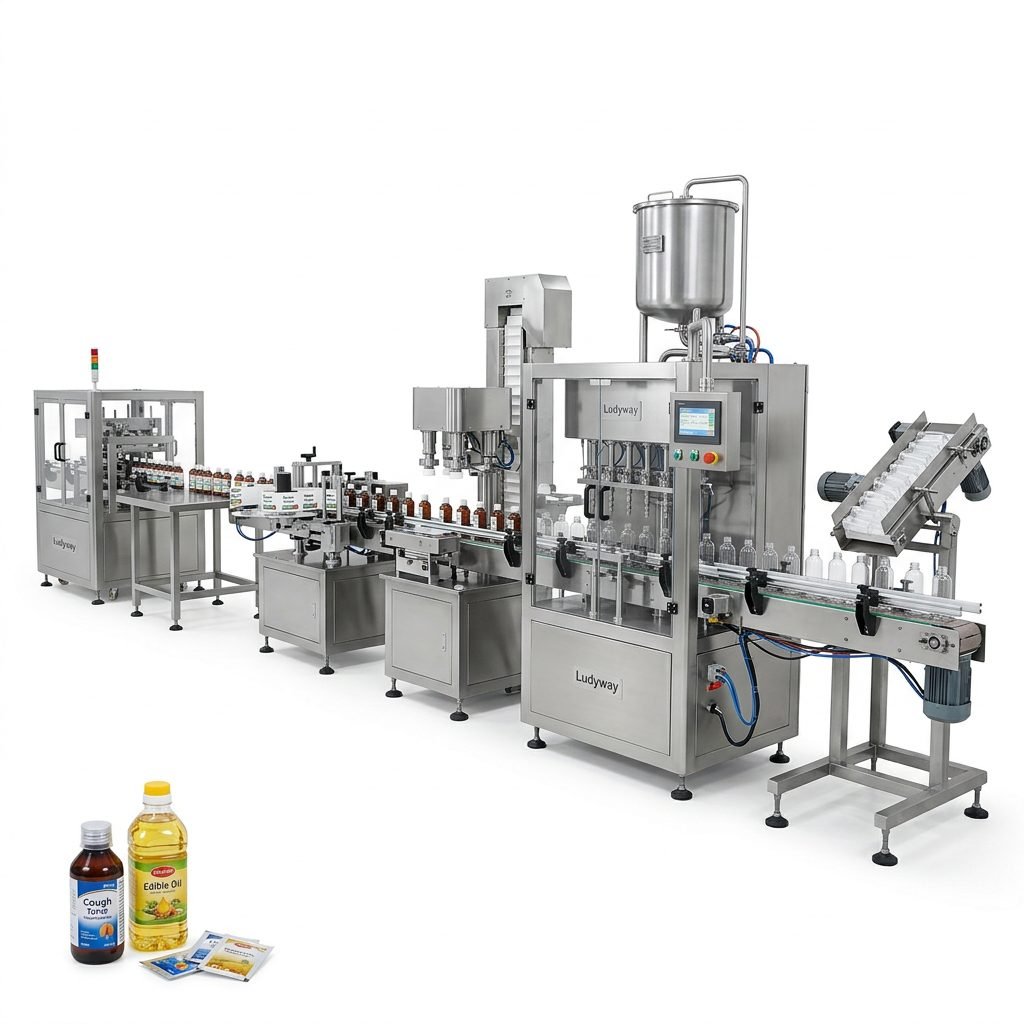
Understanding Your Liquid Product Characteristics
Not all liquids behave the same way during the filling process. Before evaluating machine specifications, you must first define your product’s physical properties:
- Viscosity: Free-flowing liquids (water, juice, alcohol) require different filling systems than high-viscosity products (honey, gels, creams, pastes).
- Foaming tendency: Products like shampoo or liquid detergent may foam during filling, affecting accuracy and requiring special nozzle designs.
- Particle content: Liquids containing suspended solids, pulp, or particulates need filling systems that prevent clogging and ensure consistent portioning.
- Temperature sensitivity: Heat-sensitive liquids require temperature-controlled filling environments to maintain product integrity.
- Chemical reactivity: Acidic, alkaline, or corrosive liquids demand machines built with compatible materials such as 316L stainless steel and food-grade seals.
According to PMMI packaging industry research, product characteristics should always be the starting point for equipment selection, as they determine the appropriate dosing technology and machine configuration.
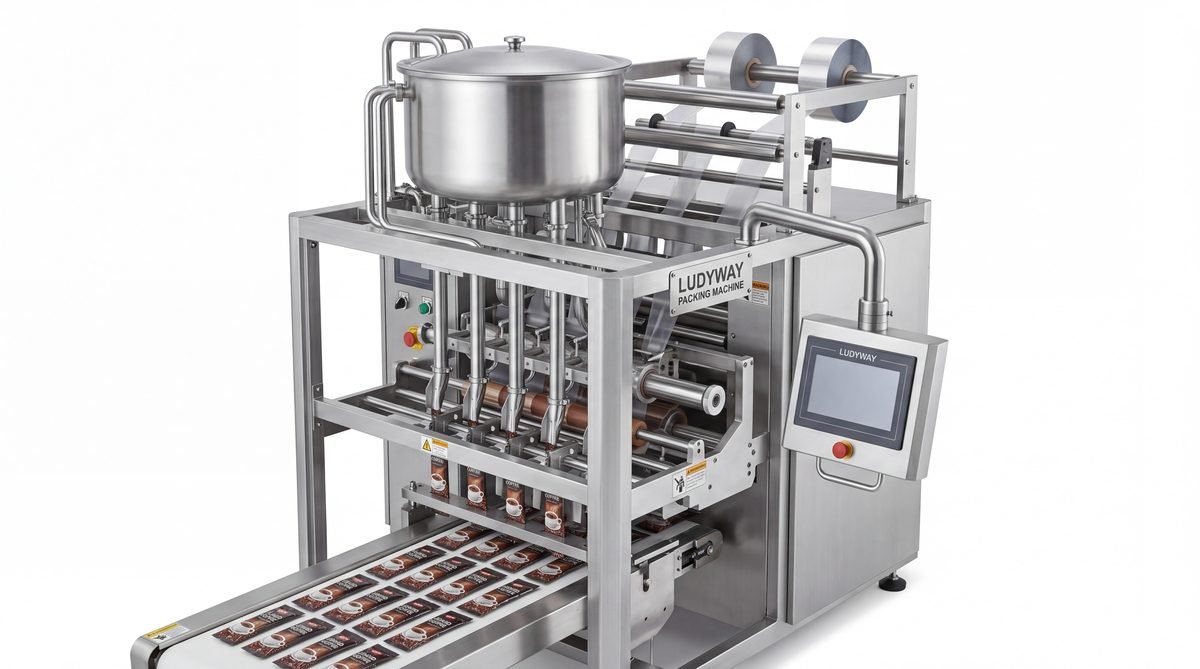
Key Types of Liquid Packaging Machines
The liquid packaging machinery market offers several distinct machine categories, each suited to different production requirements. Understanding these categories helps narrow your options quickly:
| Machine Type | Best For | Packaging Format | Typical Speed Range |
|---|---|---|---|
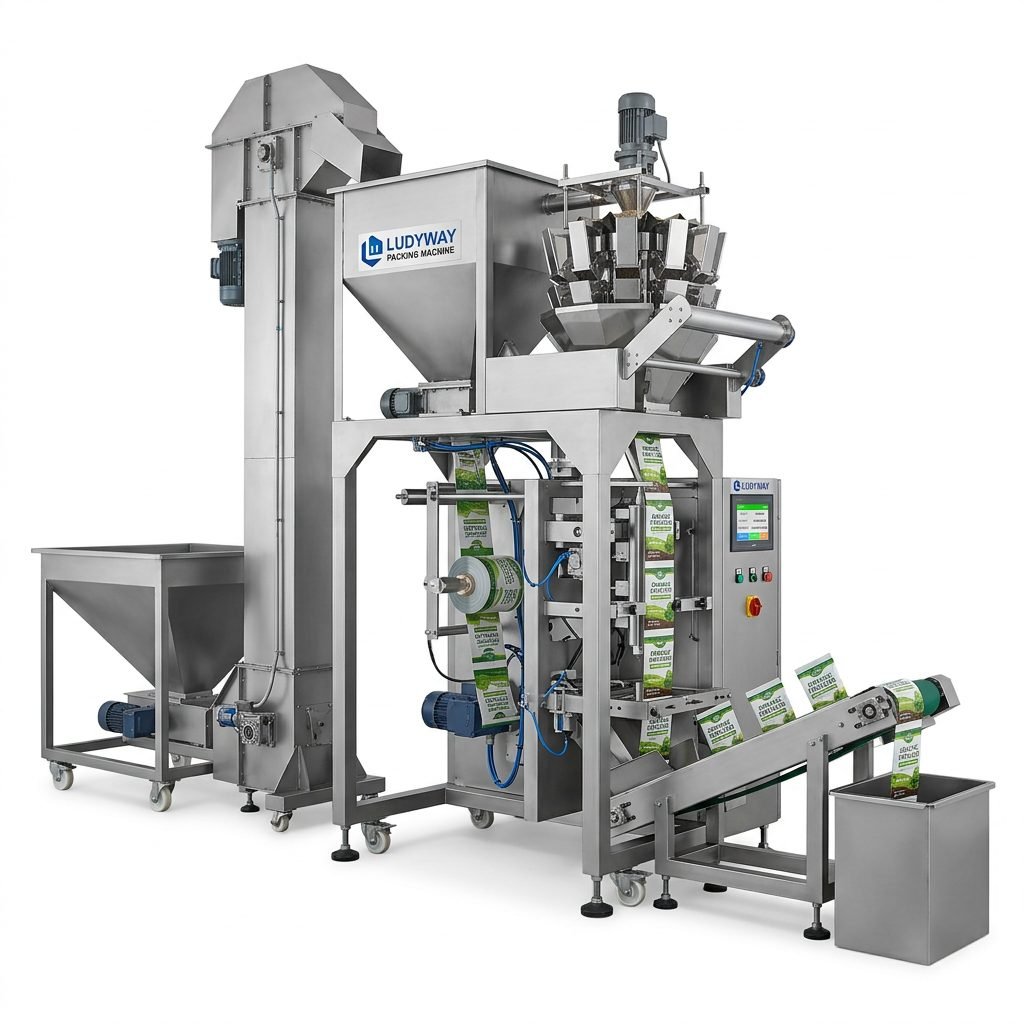
| Single-Lane Vertical FFS | Small to medium production volumes | Sachets, stick packs, pouches | 30-80 packs/min |
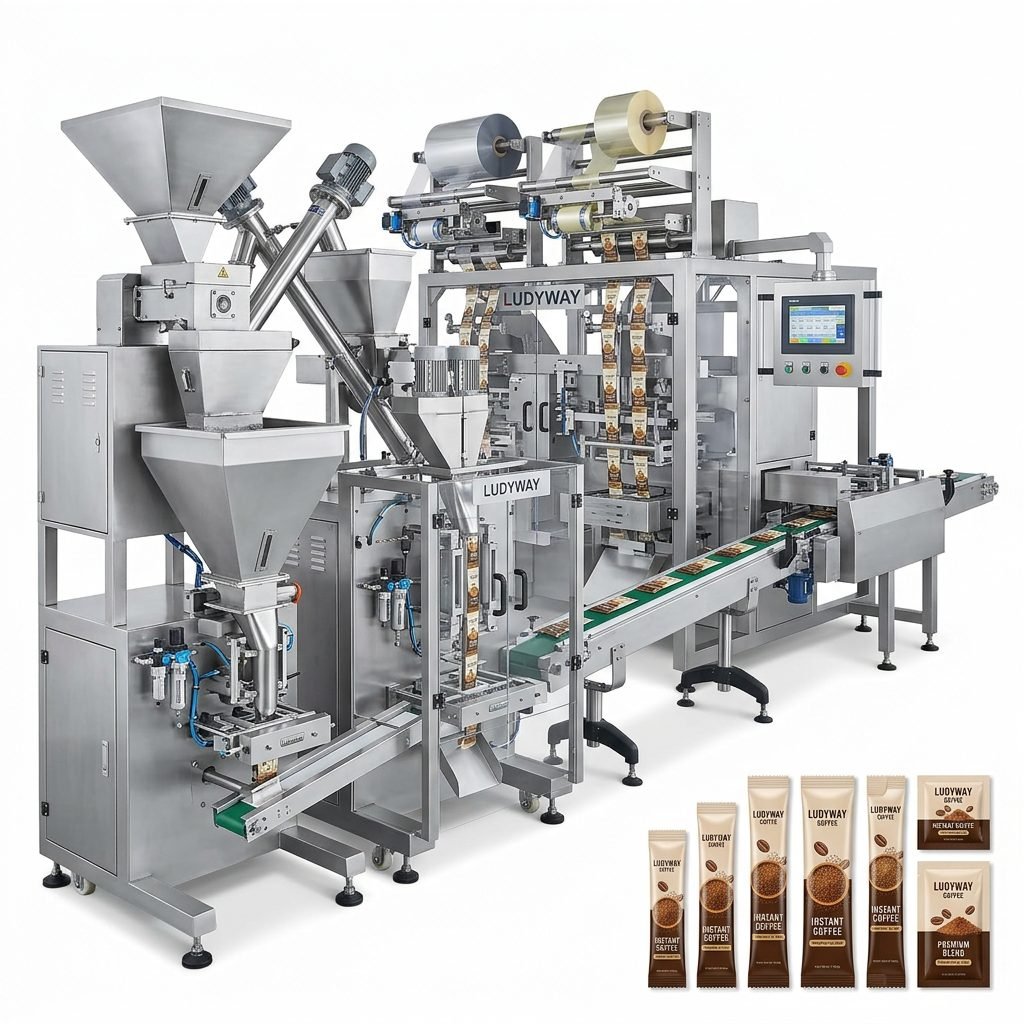
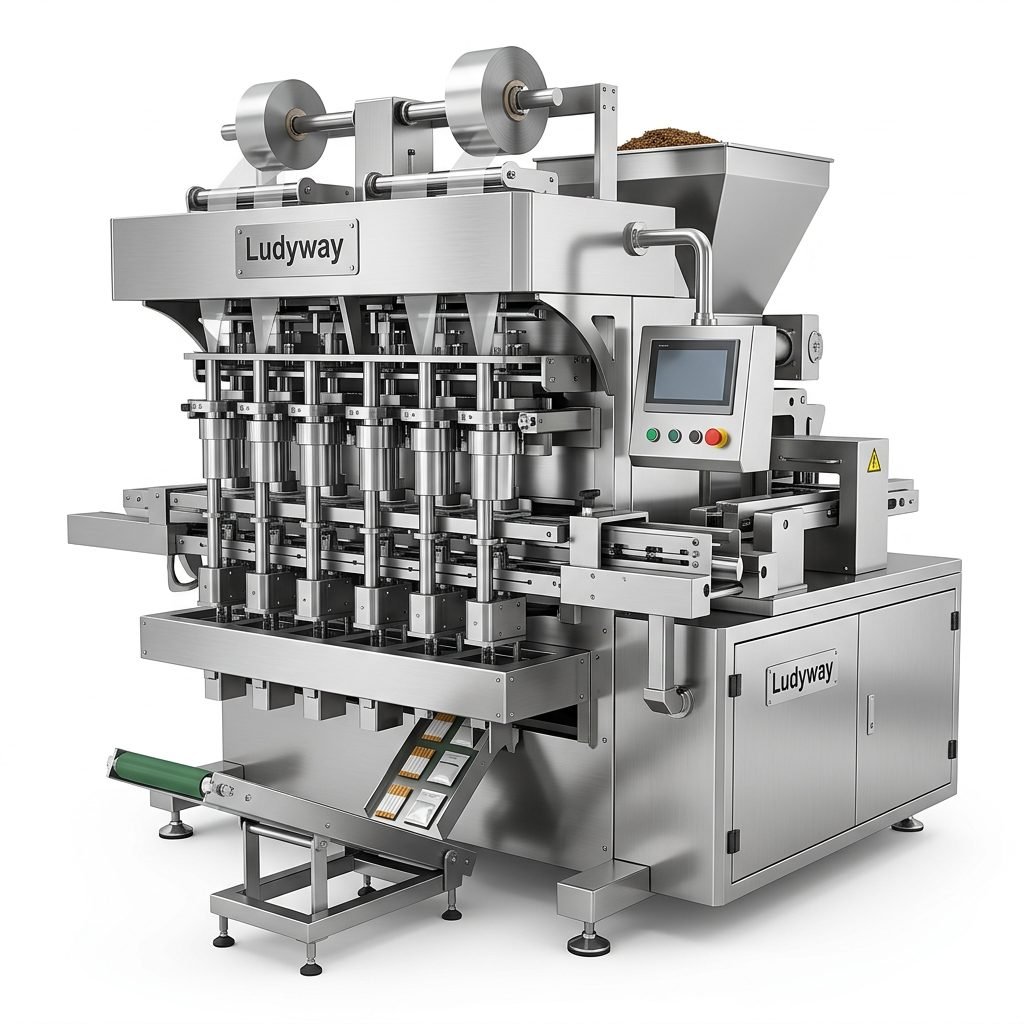
| Multi-Lane Stick Pack Machine | High-volume single-serve products | Stick packs (4-20 lanes) | 200-1,200+ packs/min |
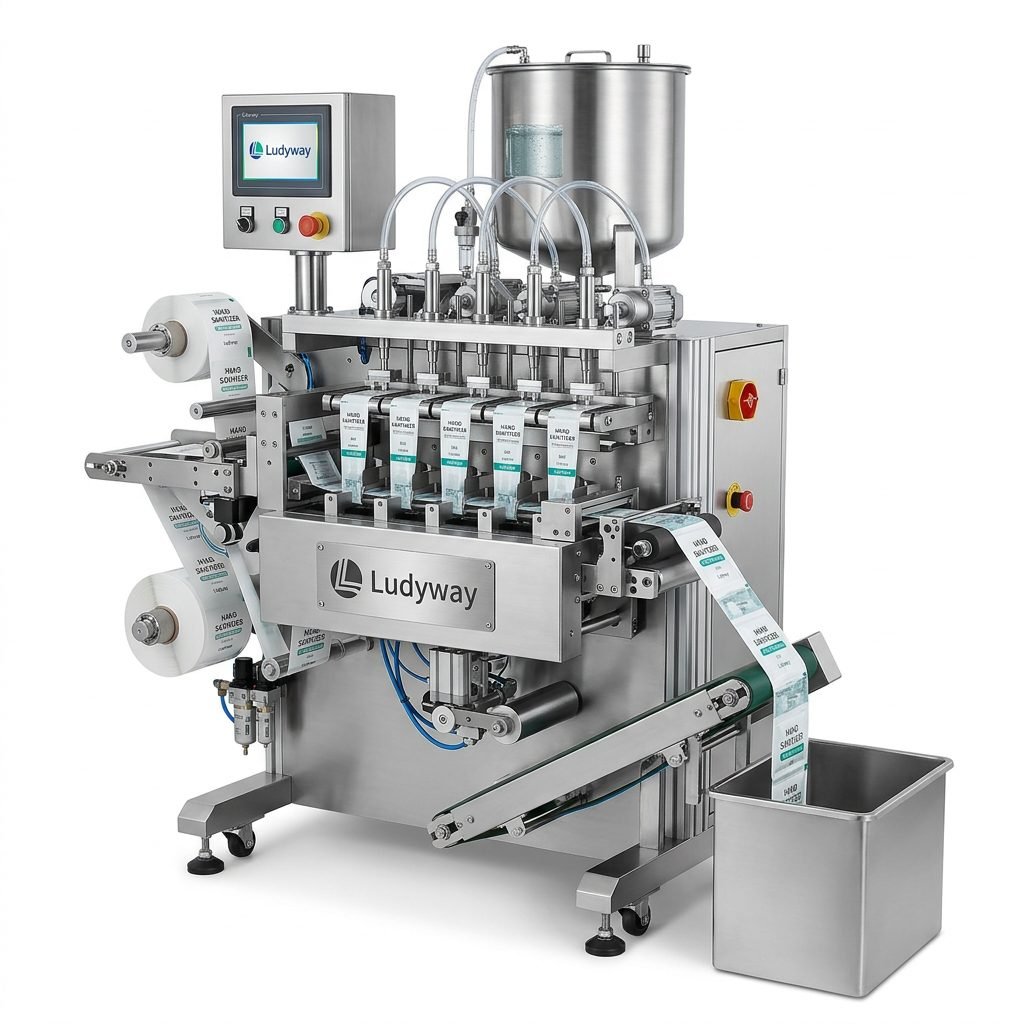
| Multi-Lane Sachet Machine | Liquid sachets for consumer goods | Flat sachets, shaped sachets | 150-800+ packs/min |
| Rotary Liquid Filling Line | Bottles, jars, and rigid containers | Bottles, vials, ampoules | 50-400+ containers/min |
| Premade Pouch Filling Machine | Premium stand-up pouches with zippers | Stand-up pouches, spouted pouches | 20-80 pouches/min |
For manufacturers producing single-serve liquid products like shampoo sachets, condiments, or hand sanitizer sachets, multi-lane sachet and stick pack machines offer the best combination of speed and efficiency.
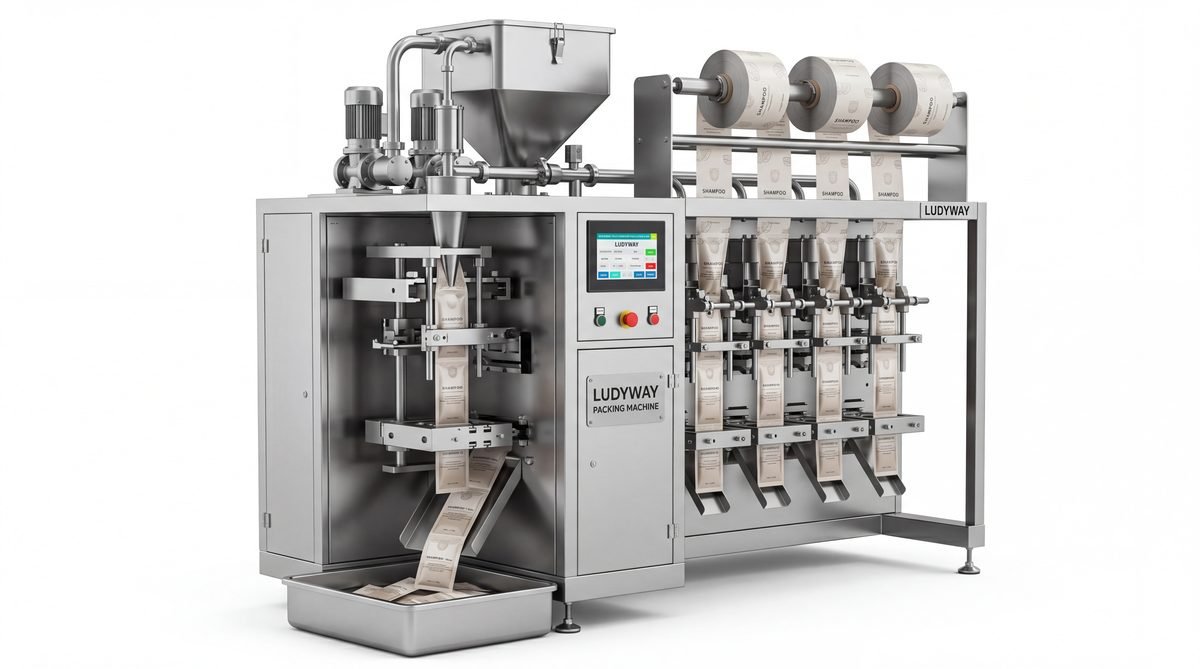
Critical Factors to Evaluate When Choosing a Liquid Packaging Machine
Once you understand your product and the available machine types, the following criteria will guide your final selection. Each factor directly impacts operational performance and return on investment.
Filling Accuracy and Consistency
For liquid products, filling accuracy is non-negotiable. Overfilling leads to product giveaway and lost revenue, while underfilling risks regulatory non-compliance and customer dissatisfaction. Look for machines equipped with high-precision dosing systems such as piston fillers, peristaltic pumps, or magnetic flow meters. The FDA packaging regulations set strict requirements for net content accuracy, making precision filling essential for regulated industries.
Evaluate the machine’s accuracy tolerance under continuous operation. Premium liquid packaging systems maintain accuracy within ±0.5% to ±1% depending on fill volume, while entry-level machines may drift over extended runs.
Production Speed and Capacity
Your current and projected production volumes determine the speed class of machine you need. Single-lane machines suit startups and low-volume producers, while multi-lane configurations serve high-volume manufacturers. Consider not just the machine’s maximum rated speed, but its sustainable running speed under real production conditions. Factor in downtime for film changes, cleaning, and maintenance when calculating actual output.
Packaging Format and Bag Style
The desired packaging format significantly influences machine selection. Common liquid packaging formats include:
- Stick packs — narrow, elongated sachets ideal for single-serve liquid servings
- Flat sachets — economical format for shampoo, condiment, and cosmetic samples
- Stand-up pouches — premium packaging with shelf appeal and resealable features
- Bottles and vials — traditional rigid packaging for pharmaceutical and cosmetic liquids
Ensure the machine supports your required bag dimensions, fill volume range, and any additional features like tear notches, euro slots, or zipper closures.
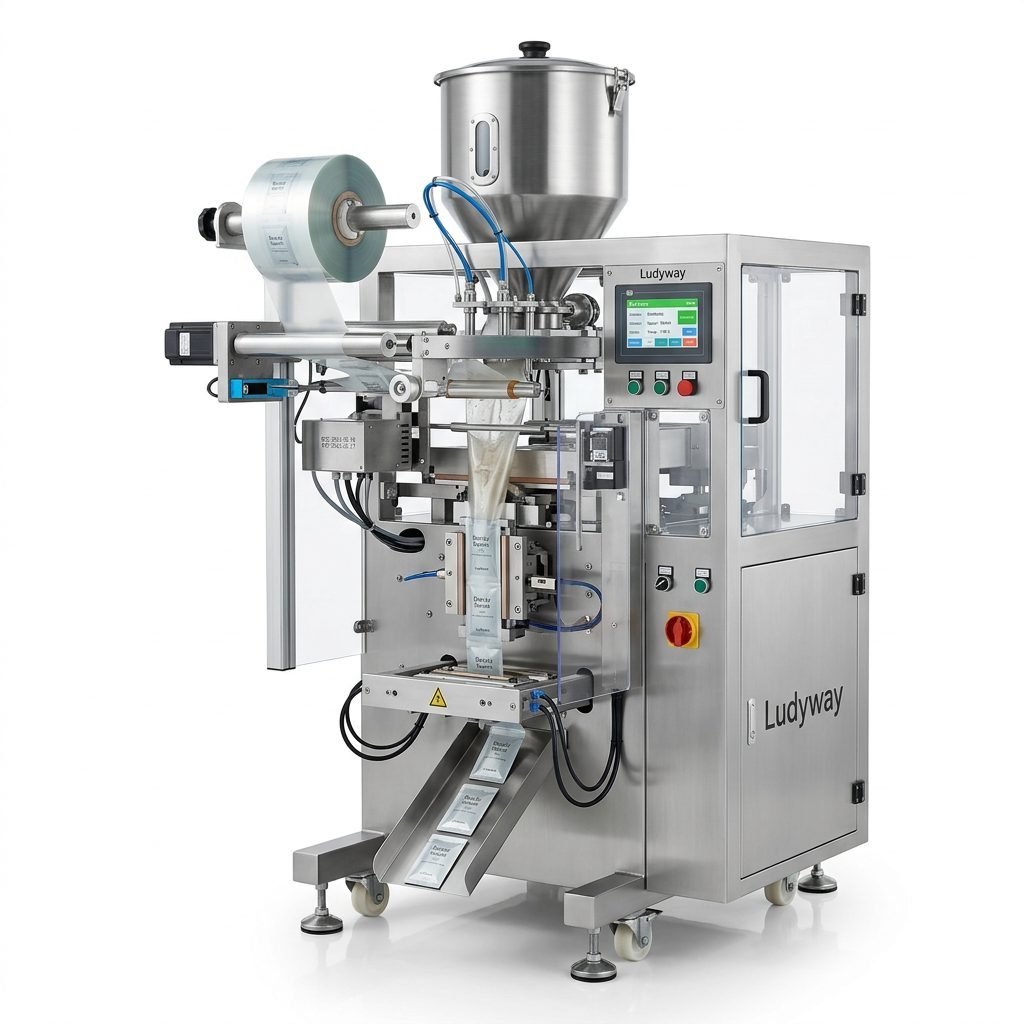
Material Compatibility and Hygiene Standards
Liquid packaging machines must be constructed from materials that are compatible with your product and meet industry hygiene requirements. For food, pharmaceutical, and cosmetic applications, wetted parts should use 316L stainless steel and food-grade elastomers. Machines handling corrosive chemicals require specialized alloys or coatings. The ISO packaging standards provide guidance on material selection and hygienic design principles.
Key design features that support hygiene and cleanability include sanitary fittings, sloped surfaces to prevent liquid pooling, CIP-compatible fluid paths, and tool-free disassembly for cleaning access. If you produce multiple products on the same line, quick-changeover design becomes especially important to prevent cross-contamination.
Comparing Liquid Packaging Machine Configurations
Different machine configurations offer distinct advantages depending on your application. The table below compares key attributes to help you evaluate options:
| Evaluation Criterion | Single-Lane Machine | Multi-Lane Machine | Rotary Filling System |
|---|---|---|---|
| Initial Investment | Lower | Moderate to High | High |
| Output Capacity | Low to Medium | High to Very High | Medium to High |
| Floor Space Requirement | Compact | Larger footprint | Moderate to Large |
| Changeover Flexibility | Fast, simple adjustments | More complex, lane-by-lane | Moderate, format-dependent |
| Maintenance Complexity | Low | Moderate to High | Moderate |
| Best Application | Startups, pilot production | Mass production, single-serve | Bottle and vial filling |

Questions to Ask Before Buying a Liquid Packaging Machine
Before engaging with equipment suppliers, prepare answers to these essential questions. Clear requirements help manufacturers recommend the most appropriate liquid packaging solution for your specific needs:
- What is your product’s viscosity range and flow behavior? This determines the dosing technology — piston, pump, gravity, or magnetic flow meter.
- What is your target output in packs per minute or bottles per hour? Be specific about both current needs and 2-3 year growth projections.
- What packaging materials will you use? Film laminates, aluminum foil, paper-based, or biodegradable materials each require different sealing parameters.
- What are your fill volume requirements and acceptable tolerance? Define the minimum and maximum fill volumes and the accuracy you need to maintain.
- What regulatory standards apply to your industry? Pharmaceutical, food, and chemical products each have distinct compliance requirements for packaging machinery standards and regulations.
- Do you need integration with upstream or downstream equipment? Consider how the machine connects with filling tanks, conveyors, checkweighers, cartoners, and palletizers.
- What is your available floor space and facility layout? Multi-lane machines require more space but deliver exponentially higher output per square meter.
The Role of Automation and Smart Features
Modern liquid packaging equipment increasingly incorporates automation technologies that reduce operator intervention and improve consistency. Features to look for include servo-driven filling systems with recipe management, automatic film tension control, real-time production monitoring, and integrated vision inspection for seal integrity and fill level verification. These capabilities reduce waste, minimize downtime, and provide traceability data for quality management systems.
The PMMI State of the Industry report highlights that automation adoption in packaging machinery continues to accelerate, driven by labor availability challenges and the need for consistent product quality across global supply chains.
Partnering with the Right Manufacturer
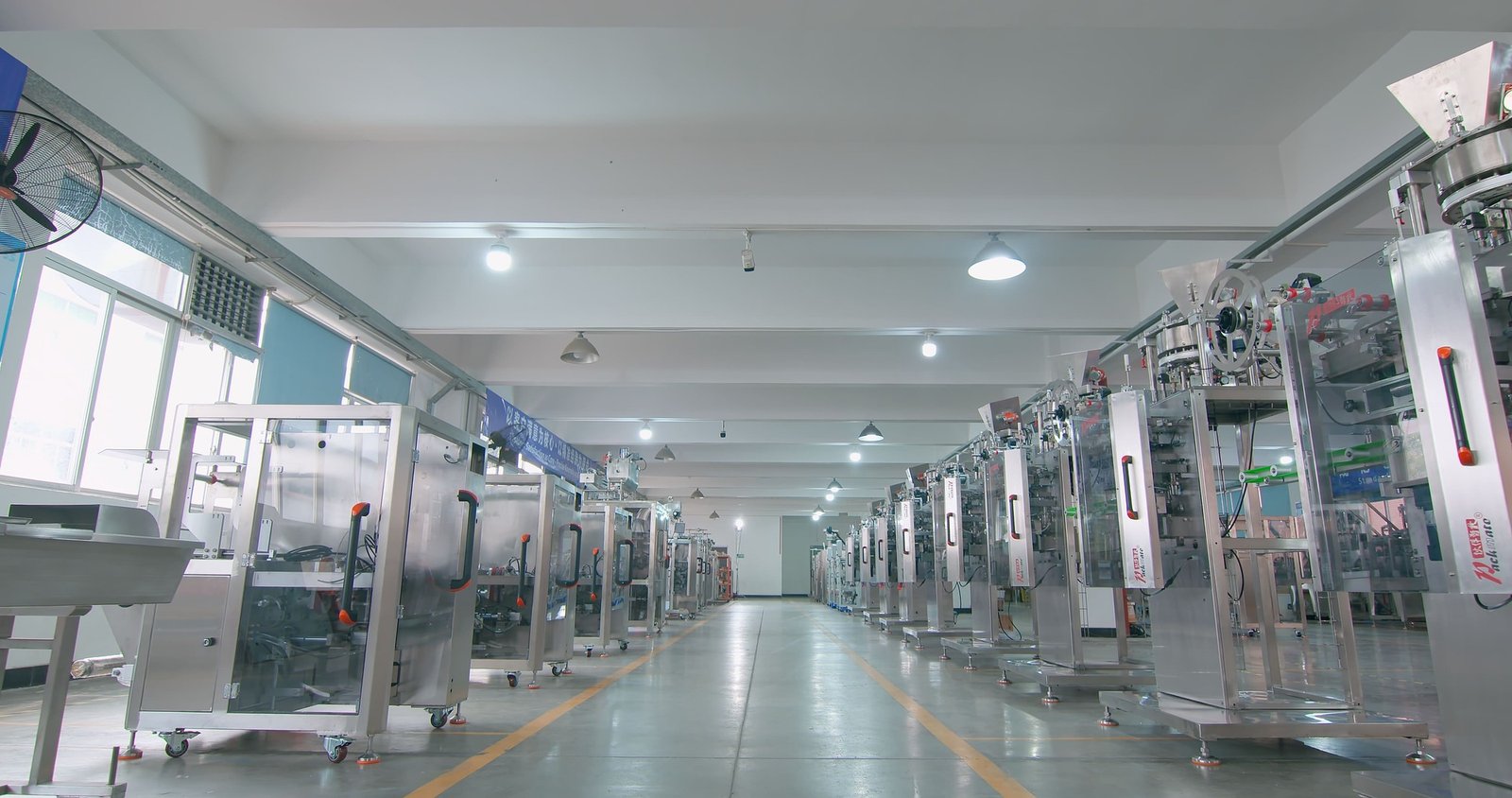
Choosing the right equipment is only part of the equation. The manufacturer you select becomes a long-term partner in your production success. Look for suppliers with proven experience in your industry segment, demonstrated engineering capabilities, and comprehensive after-sales support. Evaluate their technical team’s ability to customize machine configurations to your exact product and packaging requirements rather than offering only standardized models.
One example of a manufacturer with extensive experience in liquid packaging machinery is Ludyway Machinery, a China-based packaging equipment manufacturer with more than 30 years of industry experience and a 20,000-square-meter manufacturing facility. Companies with this depth of engineering resources can provide customized solutions, from individual machines to complete turnkey packaging lines spanning filling, sealing, coding, inspection, and end-of-line automation. You can learn more about their growth trajectory in this industry report on global packaging machinery trends.
Beyond equipment supply, evaluate whether the manufacturer provides installation support, operator training, remote technical assistance, and readily available spare parts. These services significantly impact your long-term equipment uptime and total cost of ownership.
Final Considerations for Your Liquid Packaging Investment
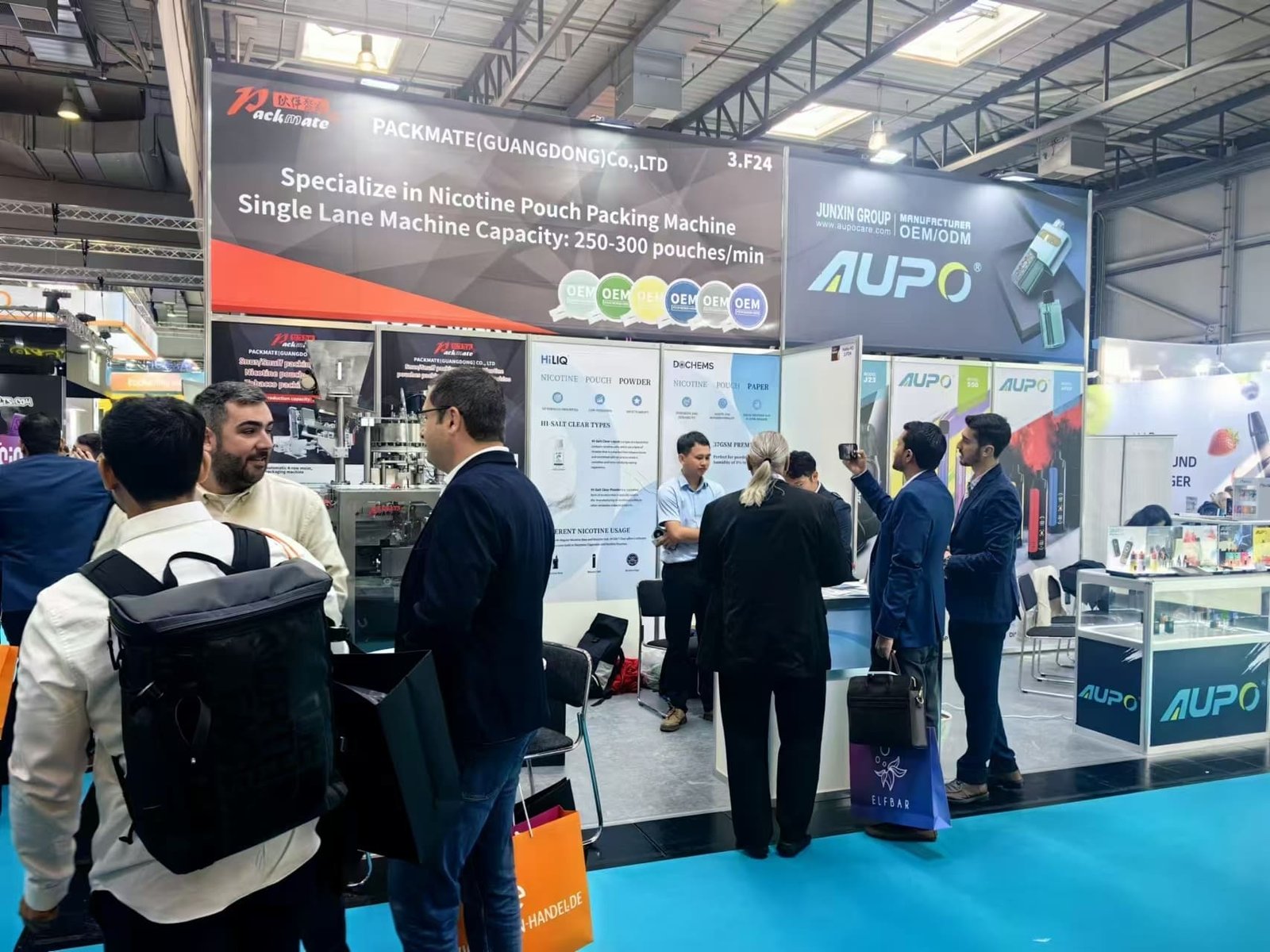
Investing in a liquid packaging machine is a strategic decision that affects your production capabilities for years to come. Take time to thoroughly define your product characteristics, production goals, packaging format preferences, and regulatory requirements before evaluating specific equipment. Request product trials or sample runs whenever possible to verify machine performance with your actual liquid product and packaging materials. By following a structured evaluation process and partnering with an experienced manufacturer, you can select equipment that delivers reliable performance, scalable capacity, and strong return on investment.
For further reading on packaging machinery selection and industry best practices, explore resources from PMMI – The Association for Packaging and Processing Technologies and the Flexible Packaging Association, both of which offer comprehensive technical guidance for packaging professionals.