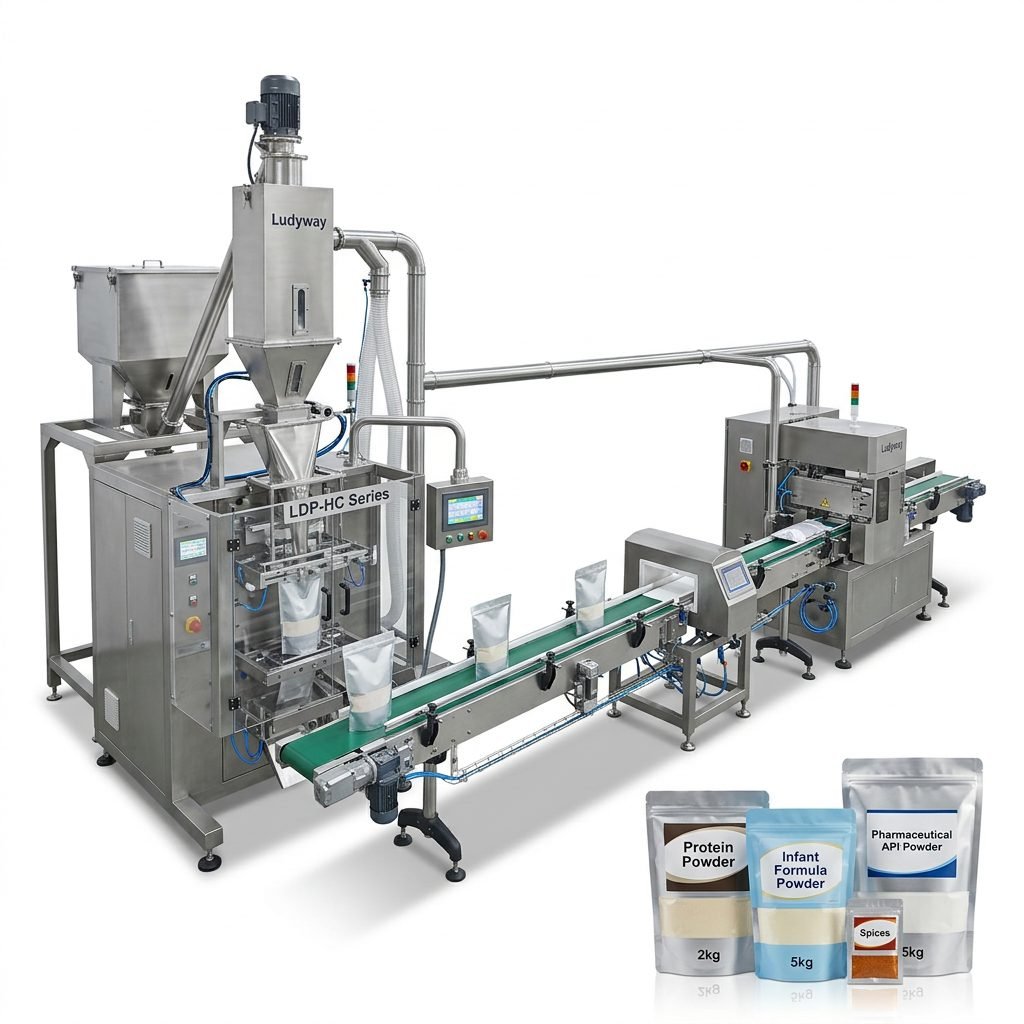
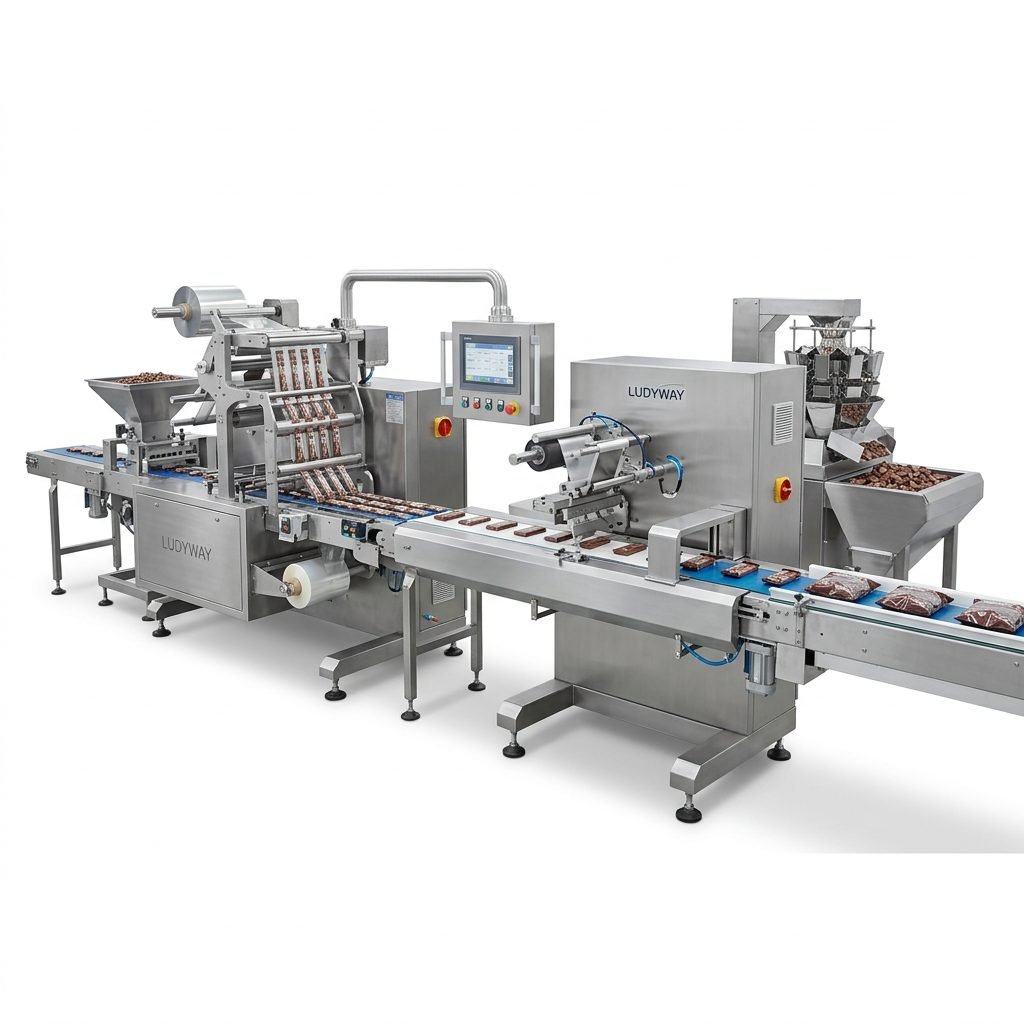
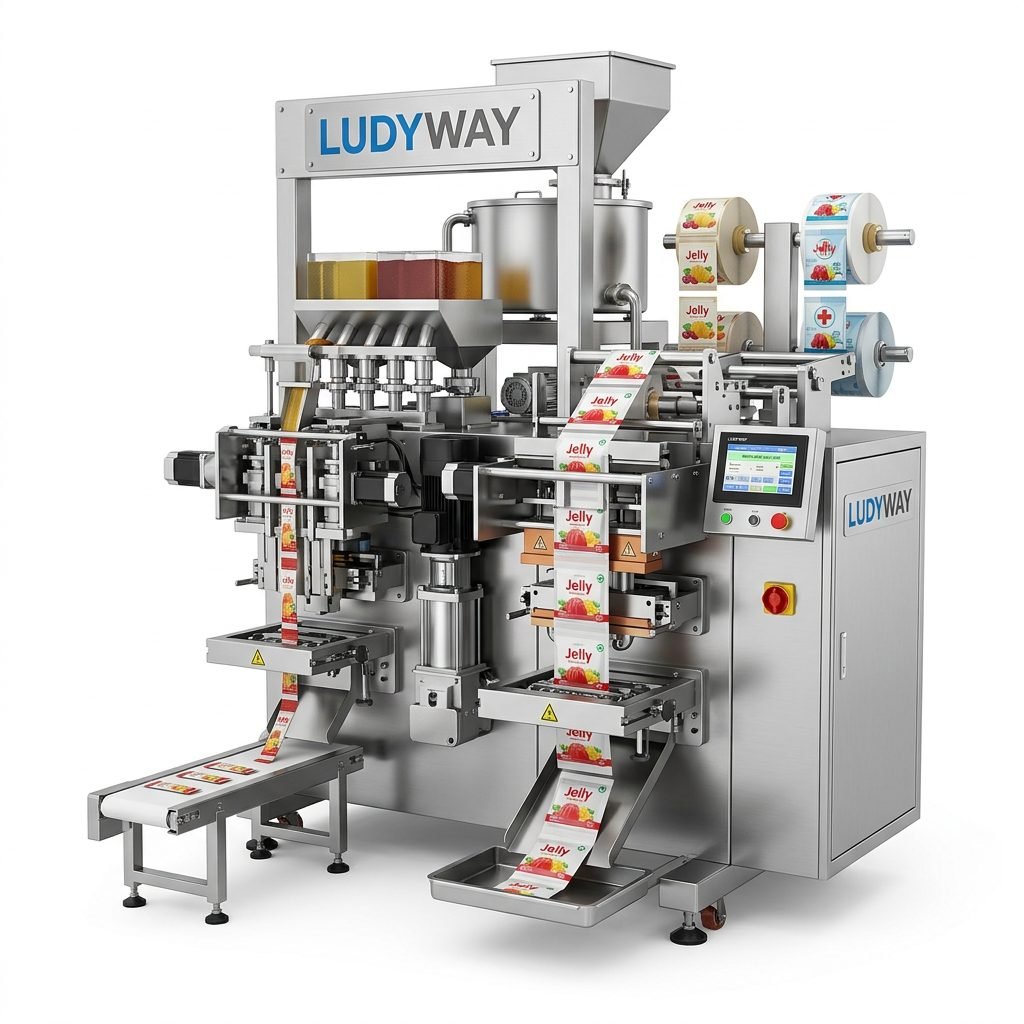
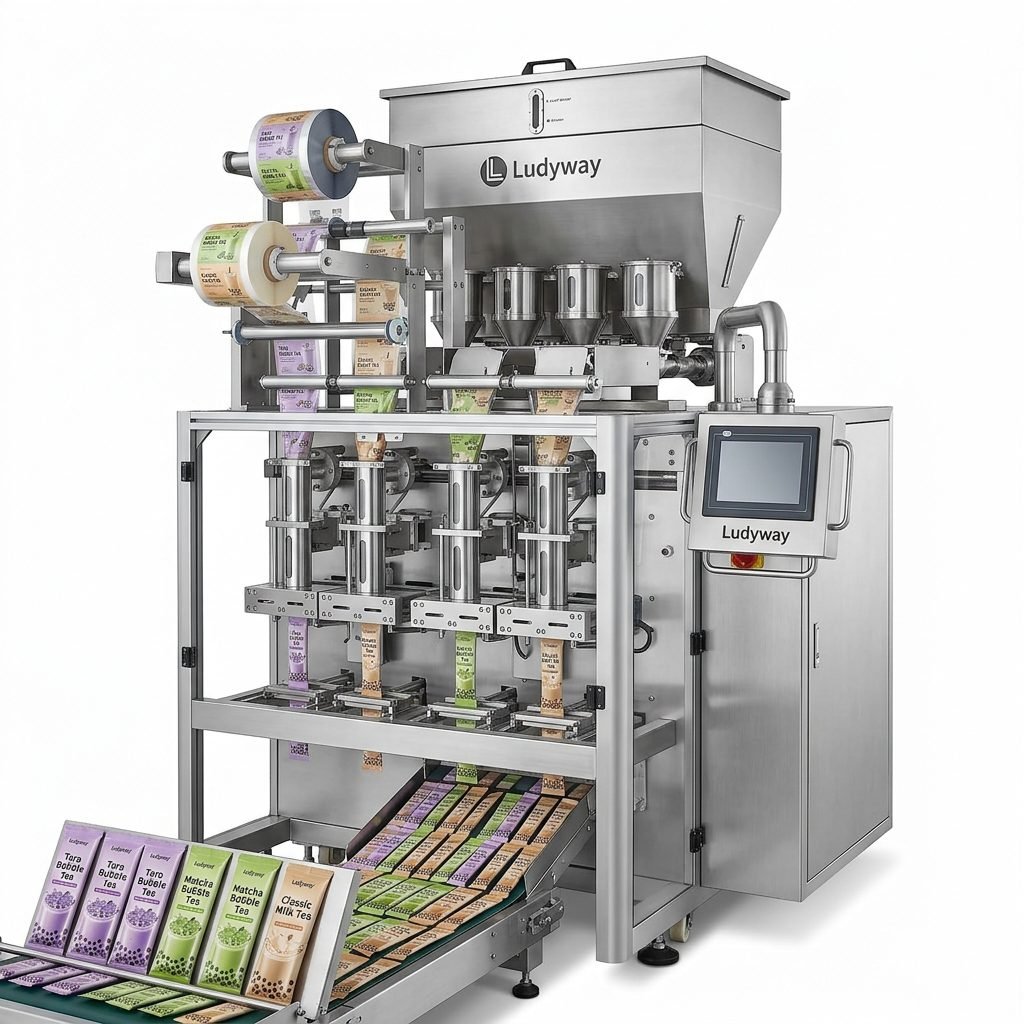
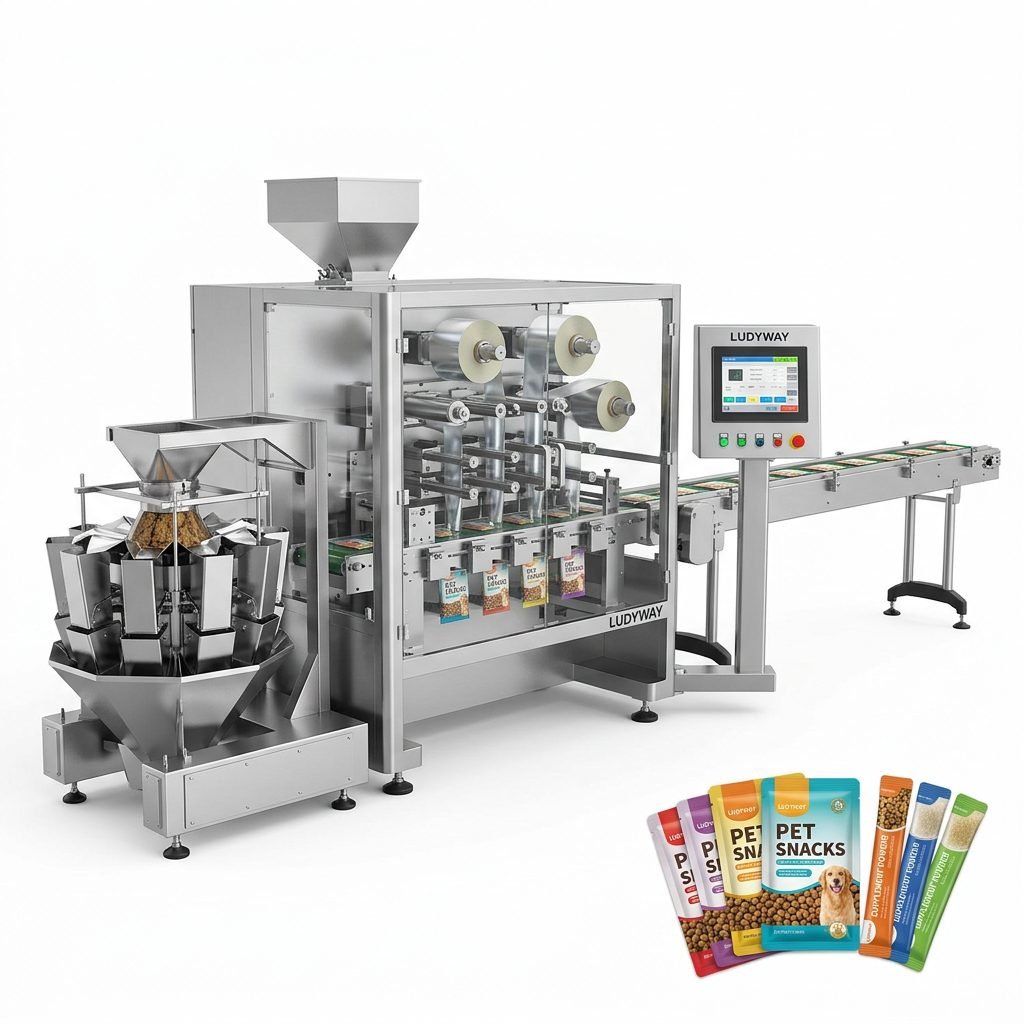
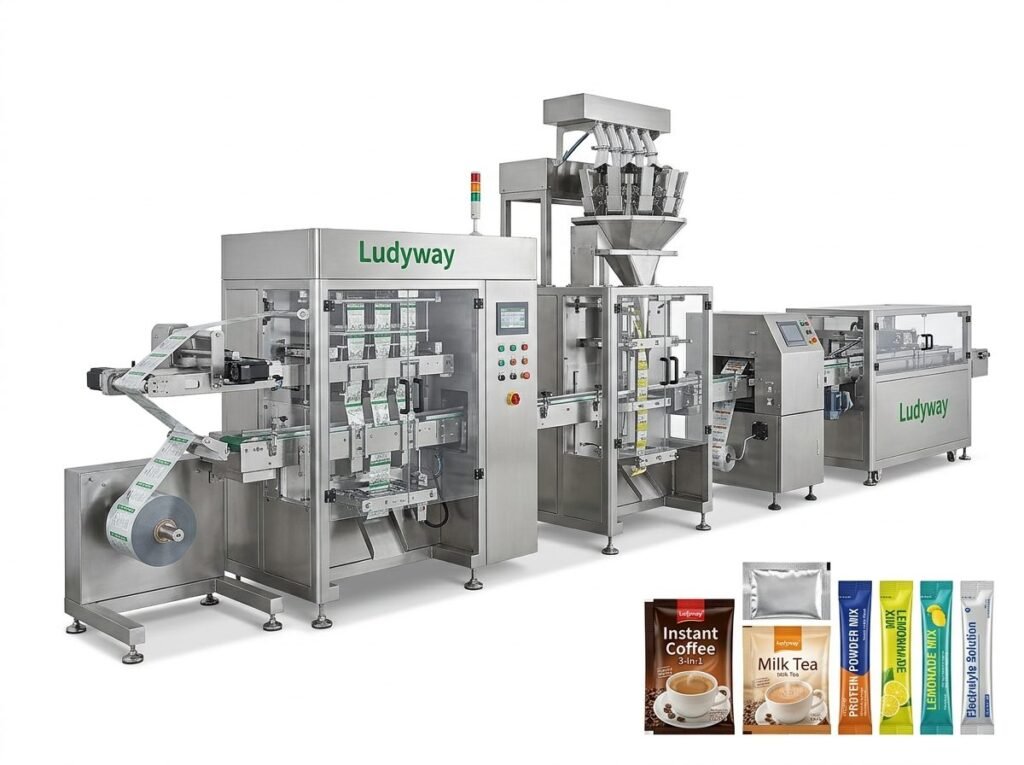
Investing in a liquid foam packaging machine is a significant decision that directly impacts production efficiency, product quality, and your bottom line. Whether you are packaging shampoos, detergents, hand sanitizers, or food-grade liquid foams, selecting the right equipment requires a thorough understanding of your product characteristics, production goals, and operational environment. This guide walks you through every critical factor to help you make an informed purchase.
Understanding Liquid Foam Packaging Machines
A liquid foam packaging machine is a specialized filling and sealing system designed to handle products that generate foam during the filling process — or products that are intentionally formulated as foams. Unlike standard liquid fillers, these machines must manage air content, product expansion, and foam stabilization to ensure accurate fill volumes and consistent package quality. They are widely used across the automatic packaging equipment spectrum in industries such as personal care, household chemicals, food and beverage, and pharmaceuticals.
Types of Liquid Foam Packaging Machines
Before diving into selection criteria, it is essential to understand the main categories of foam-compatible packaging machinery available on the market:
- Overflow Fillers — Ideal for low-viscosity foaming liquids; they fill to a consistent level regardless of minor container variations, making them popular for transparent bottles where visual shelf appeal matters.
- Piston Fillers — Deliver precise volumetric fills and work well with medium-to-high viscosity foam products such as creams and gels that incorporate air.
- Gravity Fillers — Suitable for thin, free-flowing liquids with low foam potential; often used with anti-foam nozzles for gentle filling.
- Net Weight Fillers — Fill by weight rather than volume, providing the highest accuracy for expensive formulations where foam density may vary.
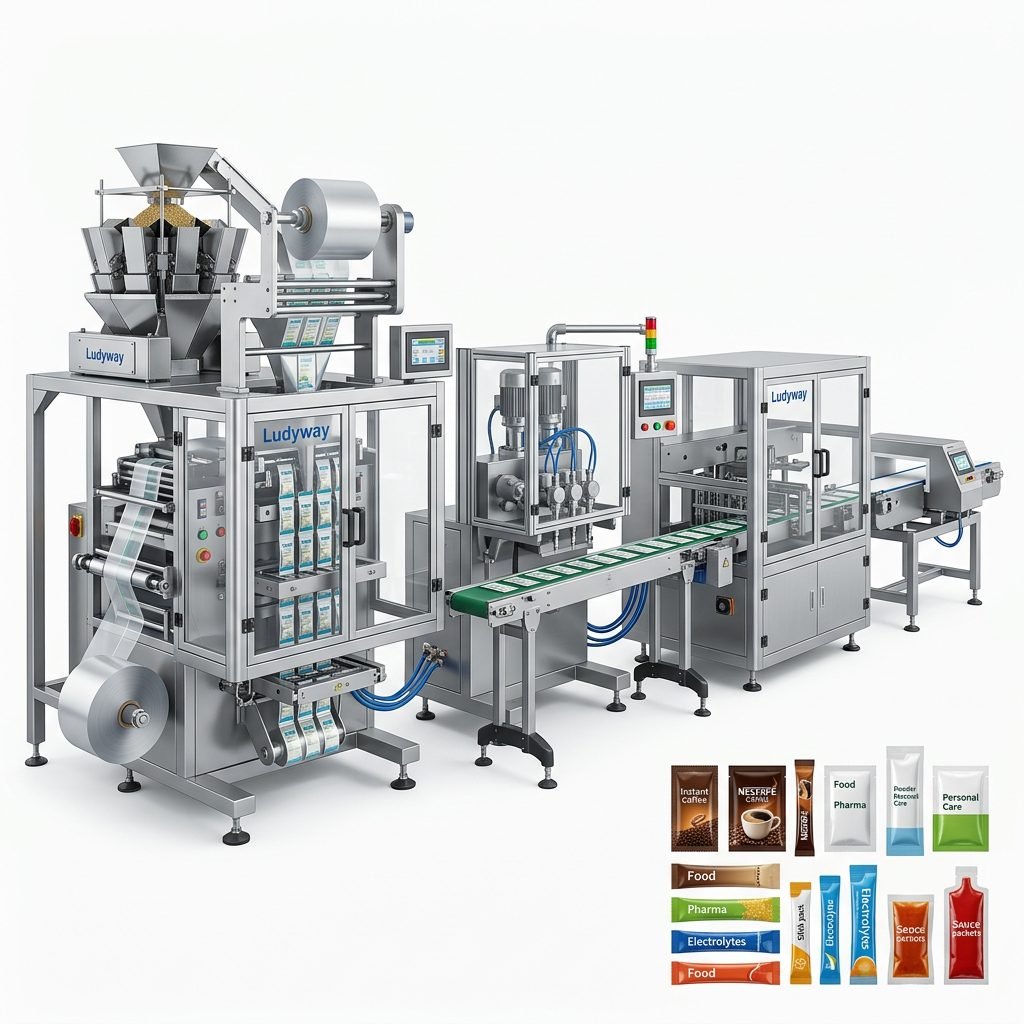
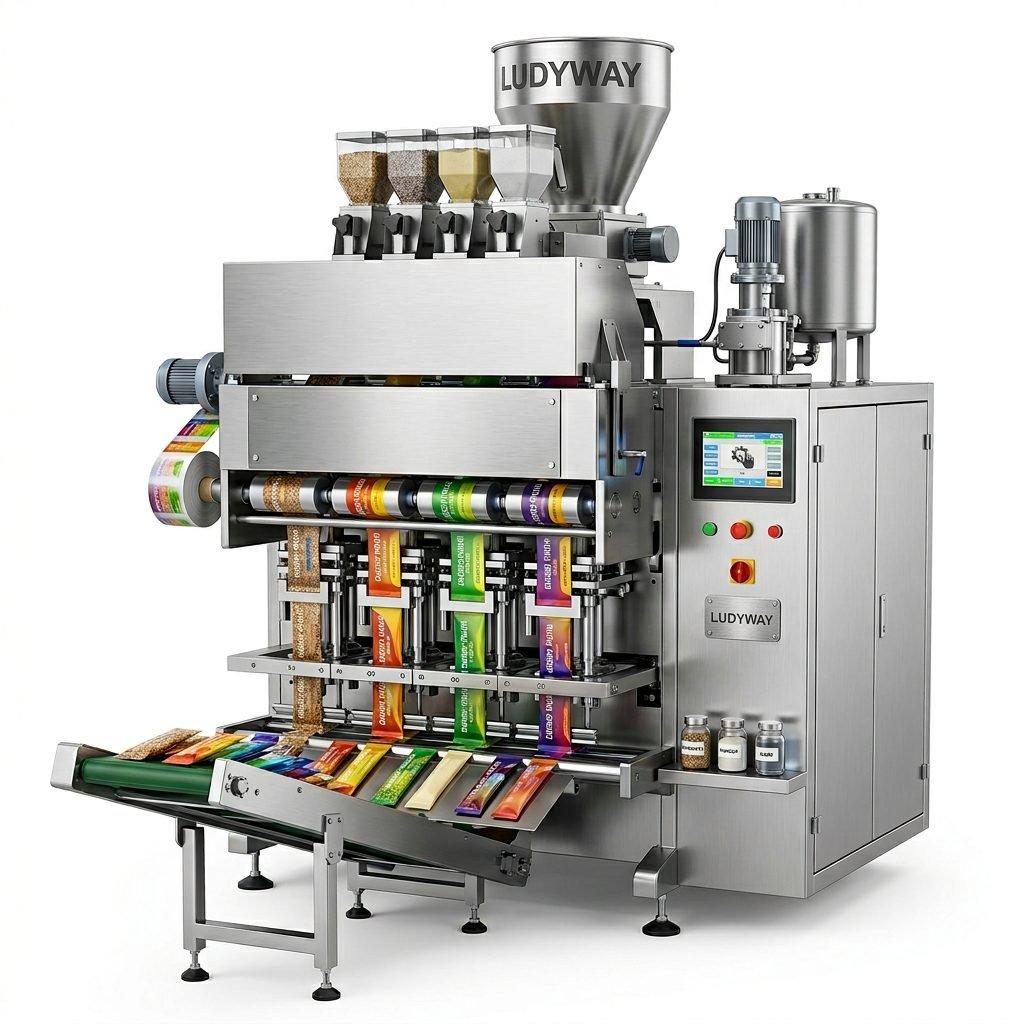
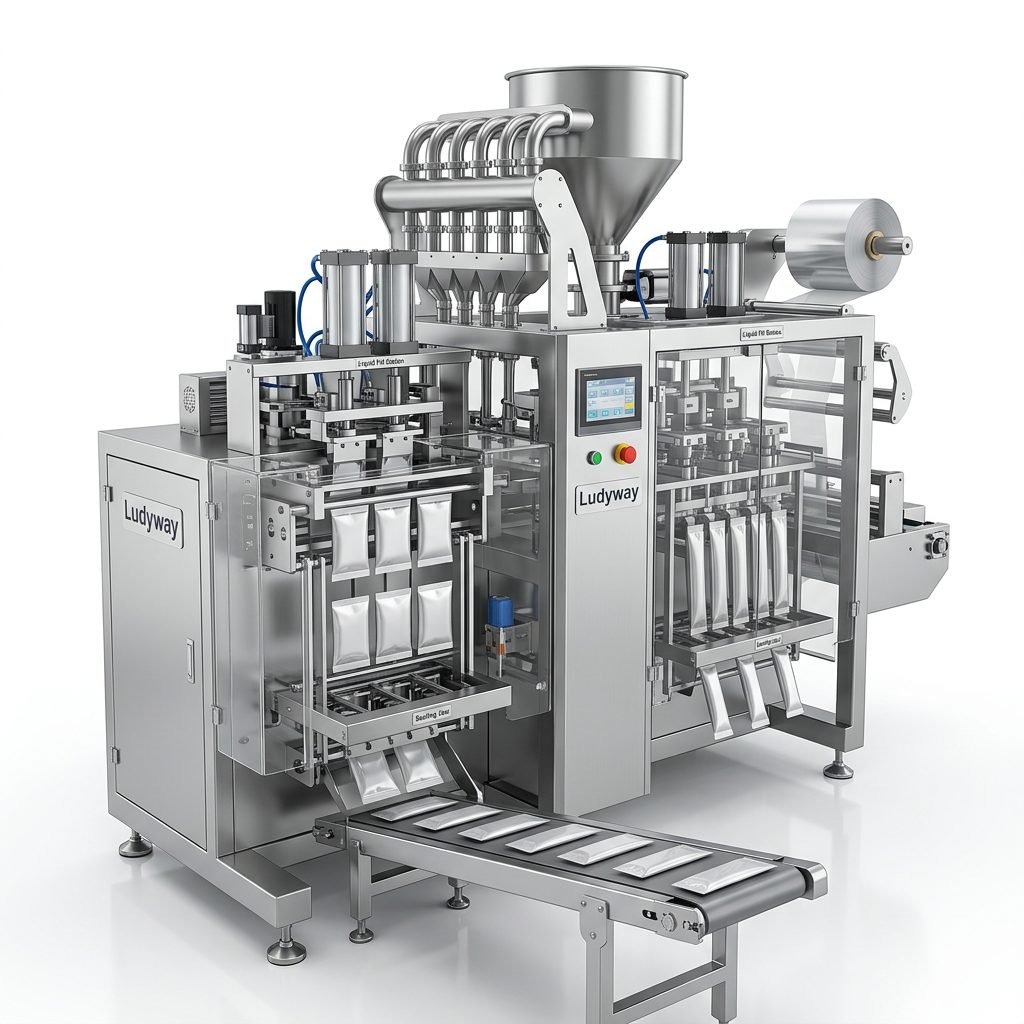
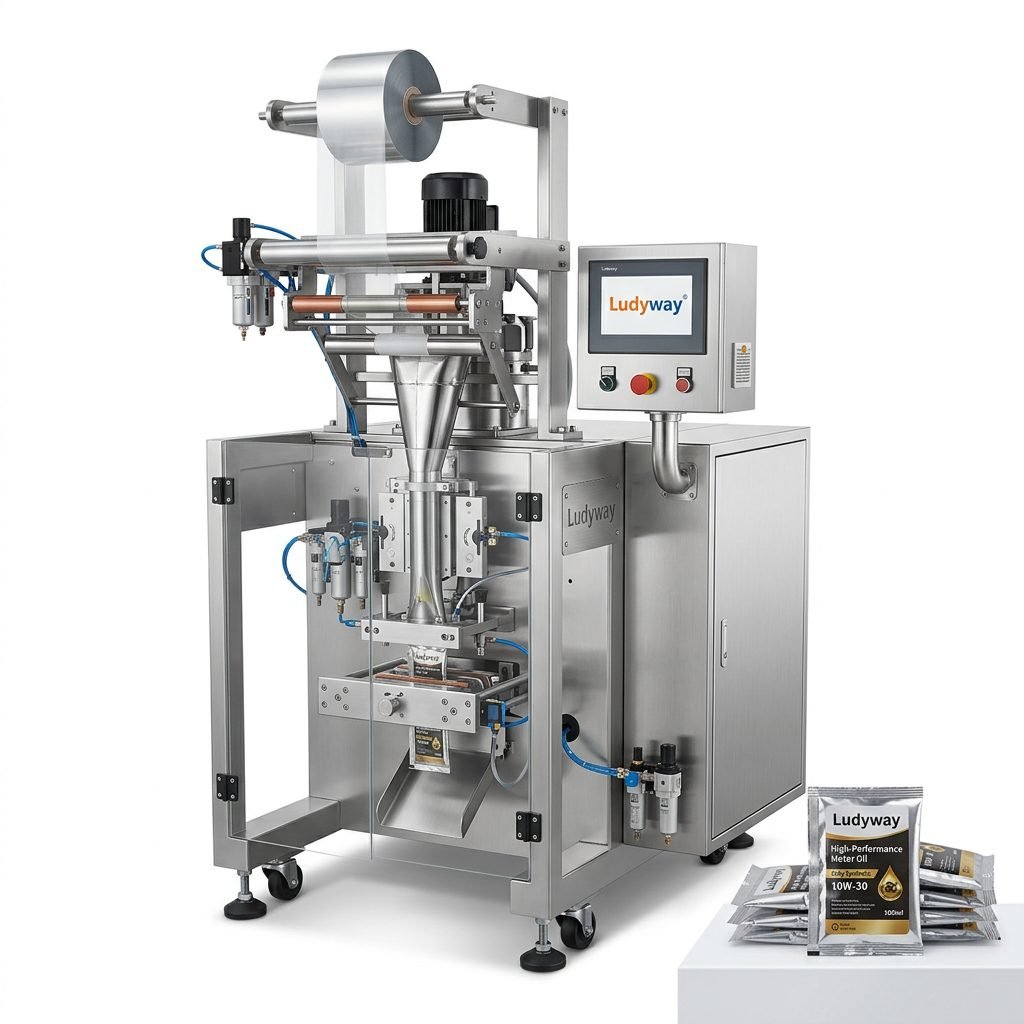
- Multi-Lane Stick Pack and Sachet Machines — Designed for small-format packaging of liquid foam products such as shampoo samples, hand sanitizer sachets, and single-serve food foams. These are increasingly popular for flexible packaging applications.
Key Factors to Consider When Choosing a Machine
Selecting the right foam packaging system involves evaluating multiple interconnected variables. Below, we break down the most important considerations that should guide your decision-making process.
1. Product Characteristics That Influence Machine Selection
Your product’s physical and chemical properties are the single most important factor in determining which machine type and configuration will work best. Key properties include:
- Viscosity — Measured in centipoise (cP), viscosity ranges from water-thin (1 cP) to paste-like (over 100,000 cP). Foaming tends to increase with lower viscosity, but high-viscosity products may trap air differently.
- Foam Tendency — Some liquids naturally foam when agitated (e.g., soaps, detergents), while others are formulated as stable foams (e.g., mousse products). Understanding whether foam is a feature or a problem shapes machine selection.
- Temperature Sensitivity — Products that change viscosity with temperature may require jacketed hoppers or temperature-controlled filling environments.
- Chemical Compatibility — Corrosive or reactive formulations demand stainless steel contact parts, specialized seals, and compatible gasket materials such as PTFE or EPDM.
2. Production Capacity and Speed Requirements
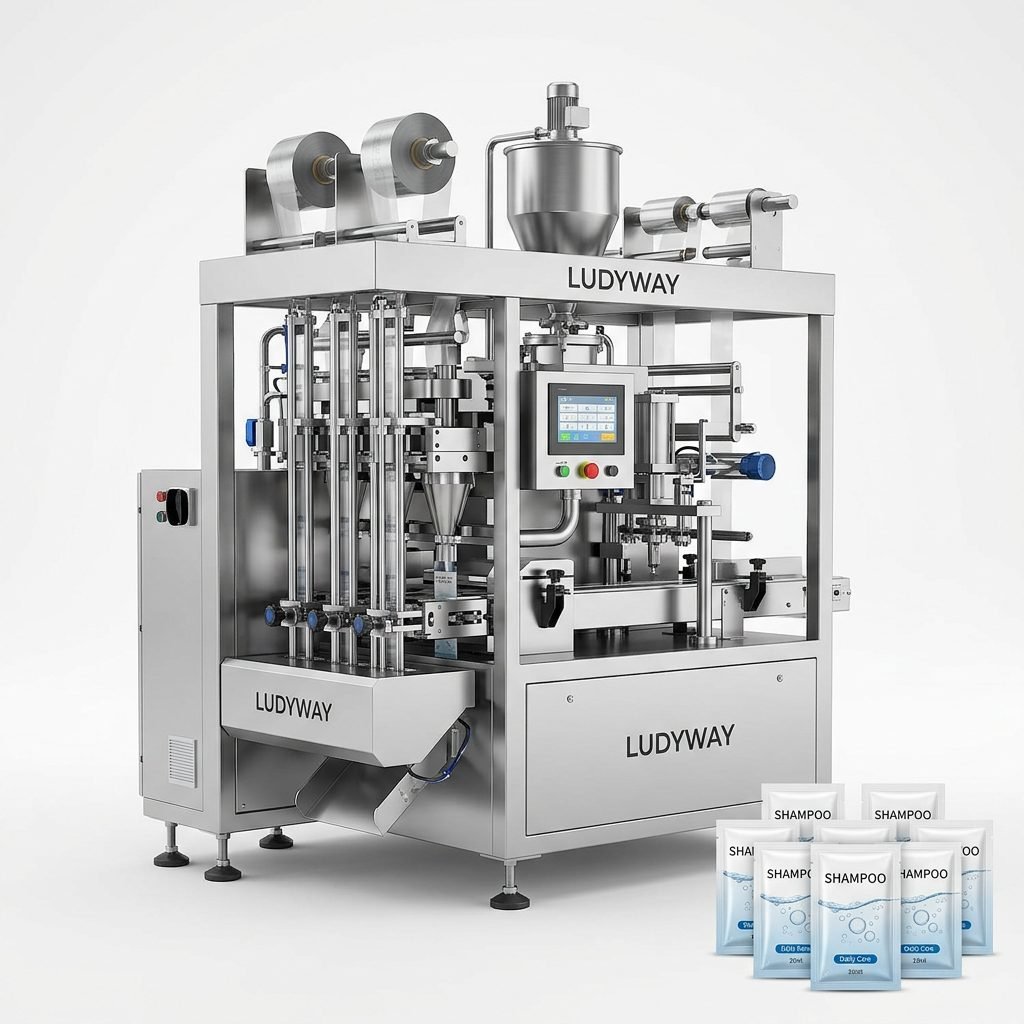
Production speed is typically measured in units per minute (UPM) or pouches per minute (PPM) for sachet and stick pack formats. When evaluating speed, consider the following:
- Current vs. Future Demand — Choose a machine that meets your current throughput needs while allowing for growth. A common rule of thumb is to select equipment rated for at least 20-30% above your current peak capacity.
- Changeover Frequency — If you run multiple SKUs with different foam characteristics, rapid changeover features become critical. Look for tool-less adjustments and recipe-driven settings.
- Fill Volume Range — Machines have minimum and maximum fill volumes. Ensure your target volume falls comfortably within the machine’s sweet spot — not at the extreme ends of its range.
3. Packaging Material Compatibility
The interaction between your foam product and the packaging material cannot be overlooked. Different flexible packaging substrates — including PET/AL/PE laminates, BOPP, and biodegradable films — have varying barrier properties, seal strengths, and chemical resistance. Ensure that your chosen machine is compatible with your preferred packaging format, whether it be:
- Pre-made pouches (rotary or inline fill-seal systems)
- Form-fill-seal (FFS) sachets (vertical or horizontal configurations)
- Stick packs (multi-lane systems for high-output single-serve formats)
- Bottles and jars (overflow or piston fillers with capping stations)
4. Automation Level and Integration
Modern liquid foam packaging lines range from semi-automatic tabletop units to fully integrated turnkey systems. Consider the following levels of automation:
- Semi-Automatic — Operators manually load containers or initiate fill cycles; suitable for low-volume production or startups with limited budgets.
- Fully Automatic — Conveyor-fed systems with automatic container handling, filling, sealing, coding, and ejection; ideal for medium to high-volume operations.
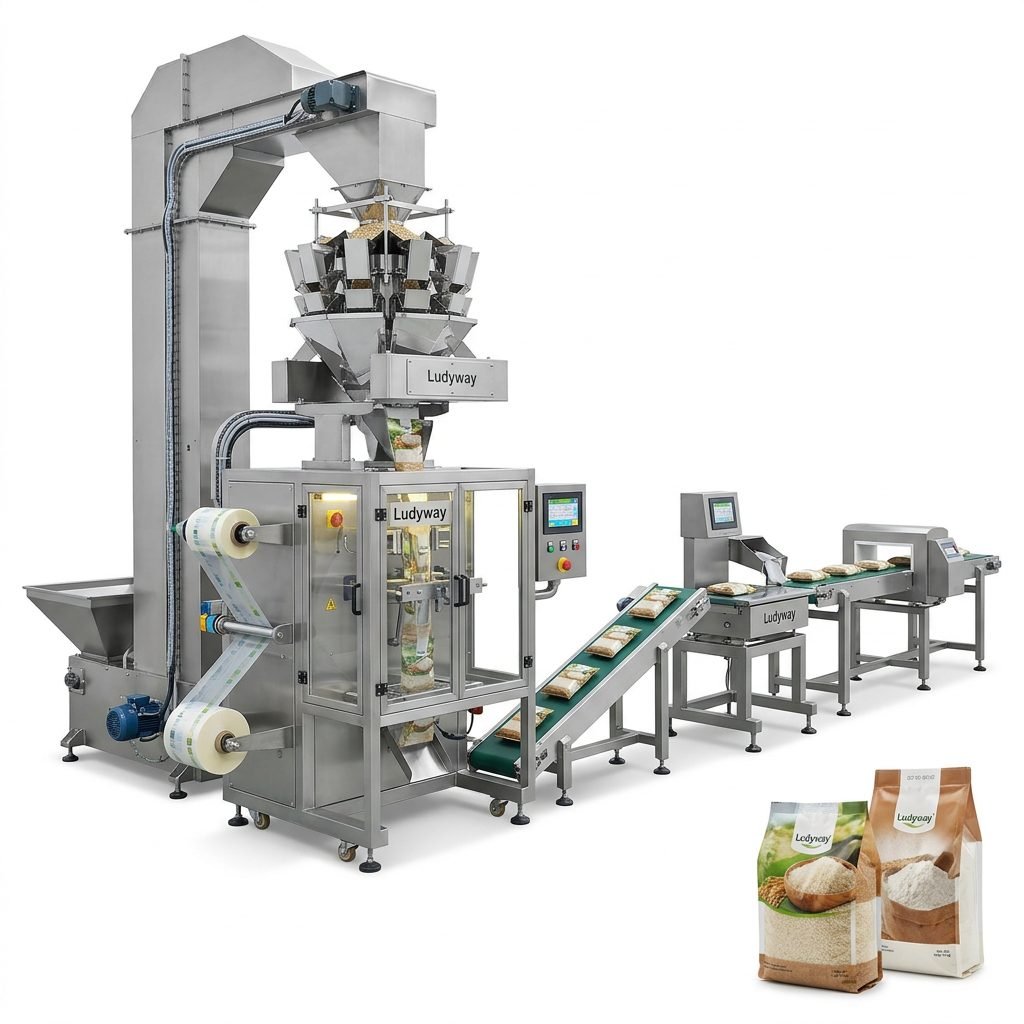
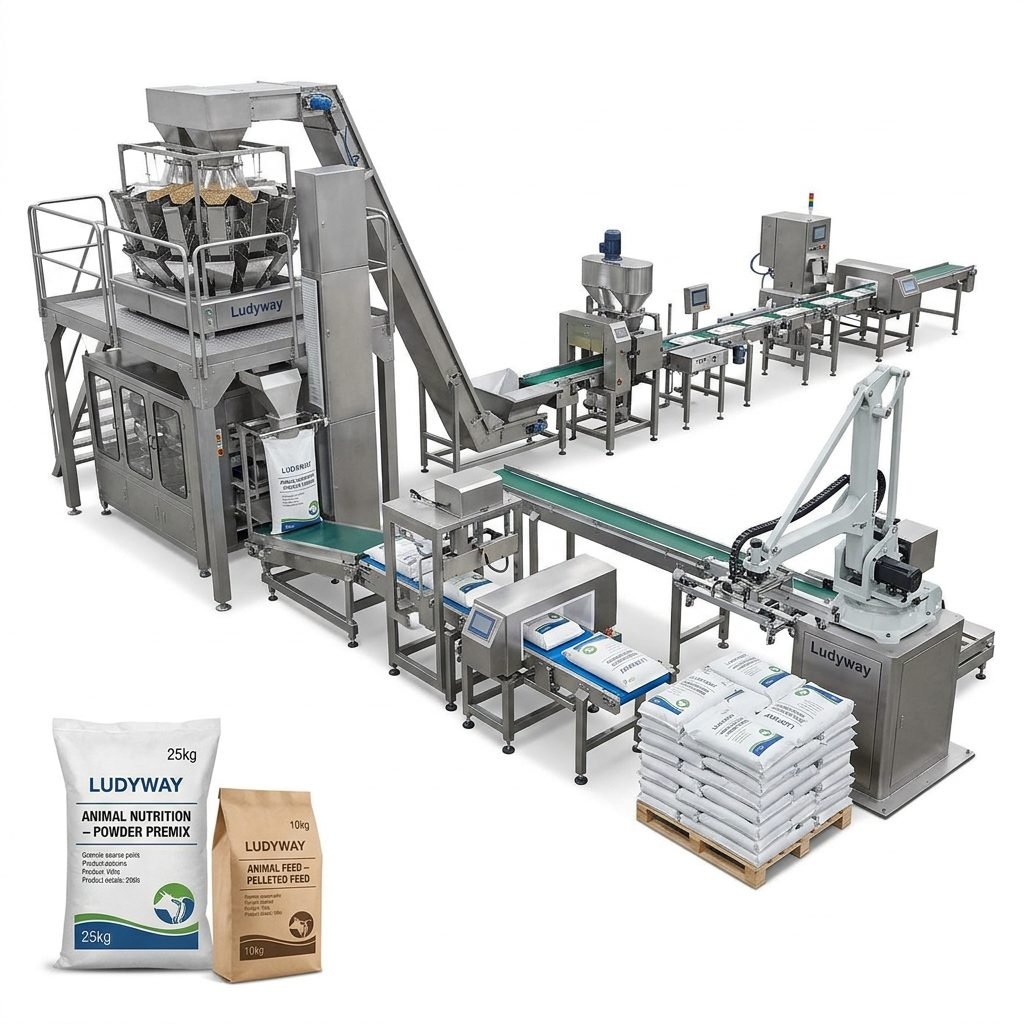
- Turnkey Packaging Lines — Complete systems that integrate filling, capping, labeling, cartoning, and palletizing. These are recommended for manufacturers seeking a single-source packaging machinery manufacturer for end-to-end solutions.
Budget, ROI, and Total Cost of Ownership
The purchase price of a foam packaging machine is only one component of its total cost. A comprehensive ROI analysis should include:
- Initial equipment cost
- Installation and commissioning
- Operator training
- Spare parts inventory
- Preventive maintenance contracts
- Energy consumption
- Downtime costs
While it may be tempting to select the lowest-priced option, a more expensive machine with higher reliability and faster changeovers often delivers a lower total cost of ownership over a 5-10 year lifecycle.
Cost Comparison by Machine Type
| Machine Type | Typical Speed Range | Best For |
|---|---|---|
| Semi-Automatic Piston Filler | 10–30 UPM | Startups, small batches, viscous foams |
| Automatic Overflow Filler | 40–80 UPM | Transparent bottles, consistent fill levels |
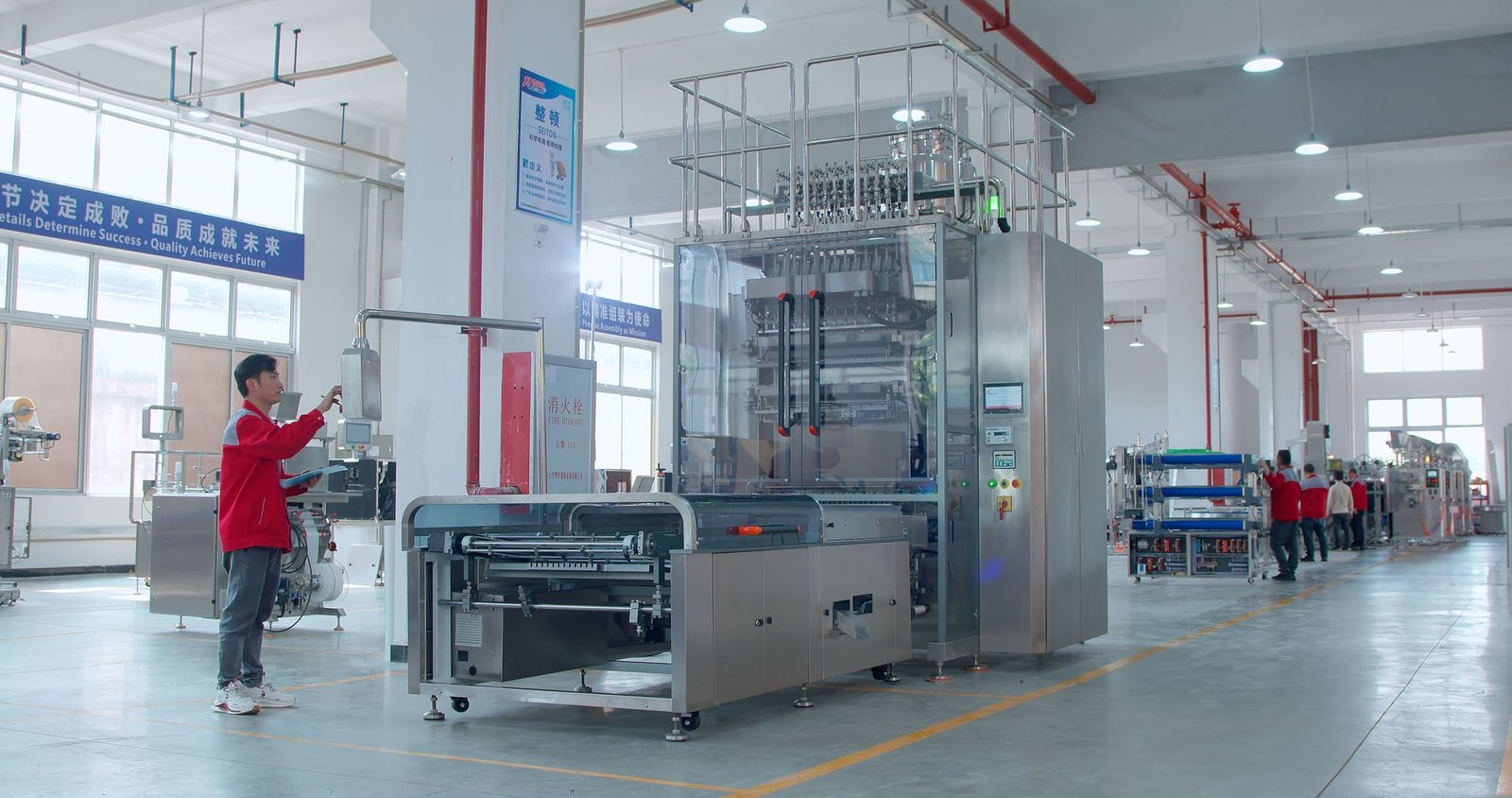
| Multi-Lane Sachet Machine | 200–600 PPM | Single-serve sachets, sample packs |
| Multi-Lane Stick Pack Machine | 300–800 PPM | High-volume single-serve foam products |
| Turnkey Integrated Line | Custom | Large manufacturers, full automation |
Maintenance, Service, and Technical Support
A foam packaging machine is a long-term investment, and the quality of after-sales support can make or break your production uptime. When evaluating suppliers, ask these critical questions:
- What is the warranty period and what does it cover?
- Is remote technical support available for troubleshooting?
- Are spare parts readily available in your region?
- Does the supplier offer operator training and installation support?
- What preventive maintenance programs are recommended?
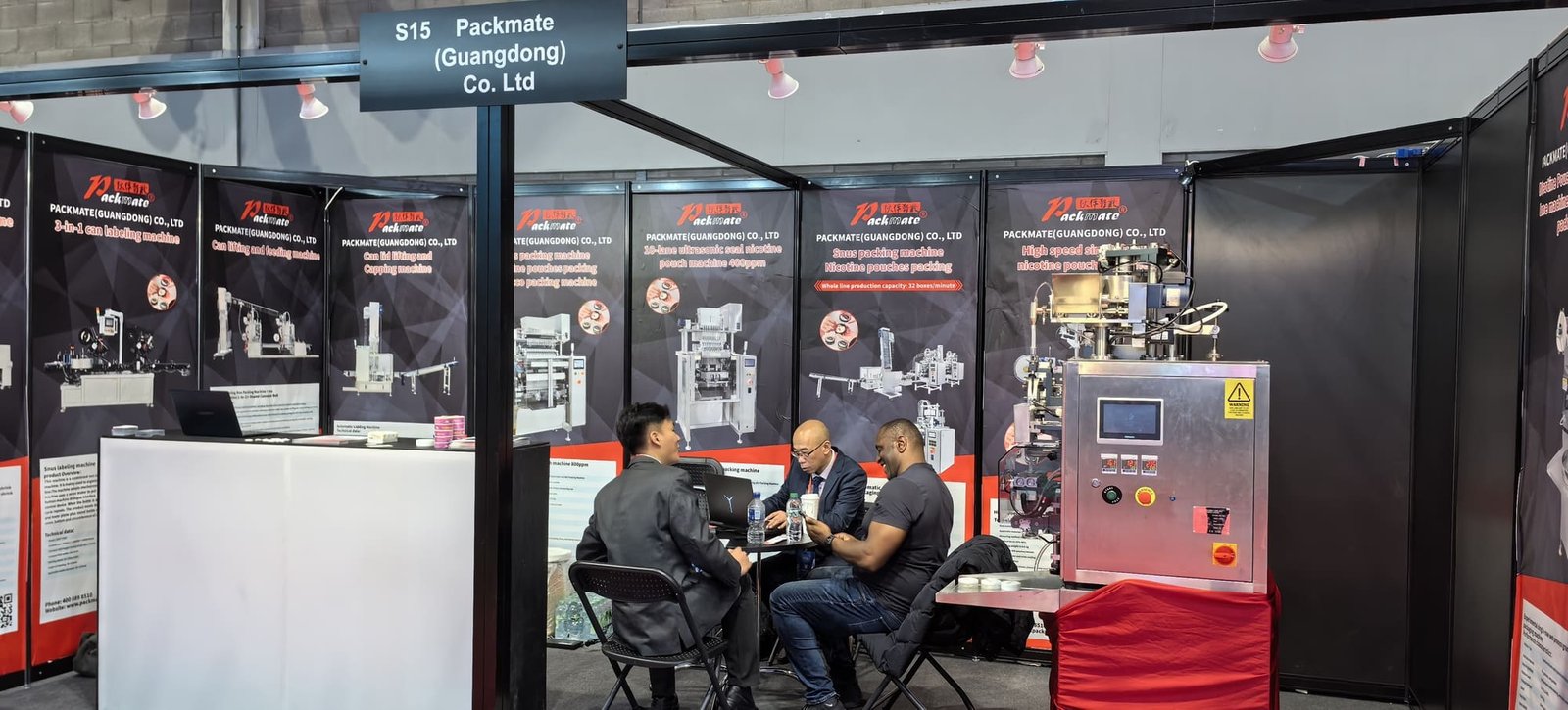
Ludyway Machinery, a China-based packaging machinery manufacturer with over 30 years of experience and a 20,000-square-meter manufacturing facility, serves customers in more than 100 countries with comprehensive technical support including machine selection, installation, commissioning, operator training, and after-sales service.
Industry Standards and Compliance
Depending on your target market and product category, your packaging equipment may need to comply with specific regulations and standards. Key frameworks to be aware of include:
- FDA 21 CFR — For food contact substances and packaging materials sold in the United States. Refer to the FDA Food Packaging guidelines for detailed requirements.
- EU Packaging and Packaging Waste Regulation — Governs packaging sustainability and material restrictions in the European market. Check the European Commission packaging waste portal for updates.
- ISO 11607 — Standards for packaging terminally sterilized medical devices, relevant if you package foam-based medical or pharmaceutical products.
- PMMI Standards — The Packaging Machinery Manufacturers Institute provides valuable resources on machinery safety, design standards, and industry benchmarks.
Application-Specific Considerations
Different industries place unique demands on foam packaging equipment. Here is how selection criteria vary across key sectors:
- Personal Care & Cosmetics — Requires hygienic design, gentle filling to preserve foam texture, and compatibility with aesthetically sensitive packaging formats. Products like facial cleansers, mousses, and shampoo sachets fall into this category.
- Household Chemicals — Demands chemical-resistant materials (often 316L stainless steel), robust sealing for leak-proof sachets, and compliance with safety regulations for products such as liquid detergents and cleaning foams.
- Food & Beverage — Requires food-grade materials, CIP (Clean-in-Place) capability for dairy-based foams, and compliance with relevant food safety standards. Applications include whipped cream, foam-based beverages, and single-serve sauce sachets.
- Pharmaceuticals — Demands the highest level of precision, validated filling accuracy, sterile or cleanroom-compatible designs, and full traceability for products like topical foams and oral liquid sachets.
Frequently Asked Questions
Q: How do I determine the right fill volume accuracy for my foam product?
The required accuracy depends on your product cost and regulatory requirements. For high-value formulations, net weight fillers offer ±0.5% accuracy. For standard consumer goods, volumetric piston fillers with ±1–2% tolerance are typically sufficient.
Q: Can one machine handle both foaming and non-foaming liquids?
Yes, many modern multi-purpose liquid packaging machines are designed with adjustable parameters to accommodate different product types. However, you should confirm this flexibility with the manufacturer during the selection process.
Q: What is the typical lead time for a customized foam packaging machine?
Lead times vary from 8 to 20 weeks depending on customization level, machine complexity, and the manufacturer’s current production schedule. Standard configurations are generally available more quickly than highly customized systems.
Q: How important is the machine’s control system?
The control system — typically PLC-based with an HMI touchscreen — is critical for recipe management, diagnostics, and production data tracking. Look for systems that support multi-language interfaces, remote access for troubleshooting, and integration with factory MES/ERP systems.
Making the Final Decision
Choosing the right liquid foam packaging machine requires a holistic evaluation of your product, production goals, budget, and long-term operational needs. Start by thoroughly documenting your product specifications, desired output, packaging format, and compliance requirements. Then, engage with experienced manufacturers who can provide customized recommendations, factory acceptance testing, and ongoing technical support.
For more detailed guidance on packaging machinery selection and to explore a comprehensive portfolio of liquid packaging solutions — including multi-lane sachet machines, stick pack systems, and fully integrated turnkey lines — connect with an experienced packaging machinery partner who can evaluate your specific application requirements.
Additional industry data and market intelligence can be found through the PMMI Business Intelligence Library and the Flexible Packaging Association Industry Resources hub, both of which offer valuable reports on packaging trends, machinery market data, and regulatory developments.
You may also review industry coverage of packaging machinery growth trends to better understand market dynamics and supplier capabilities before making your final equipment investment.