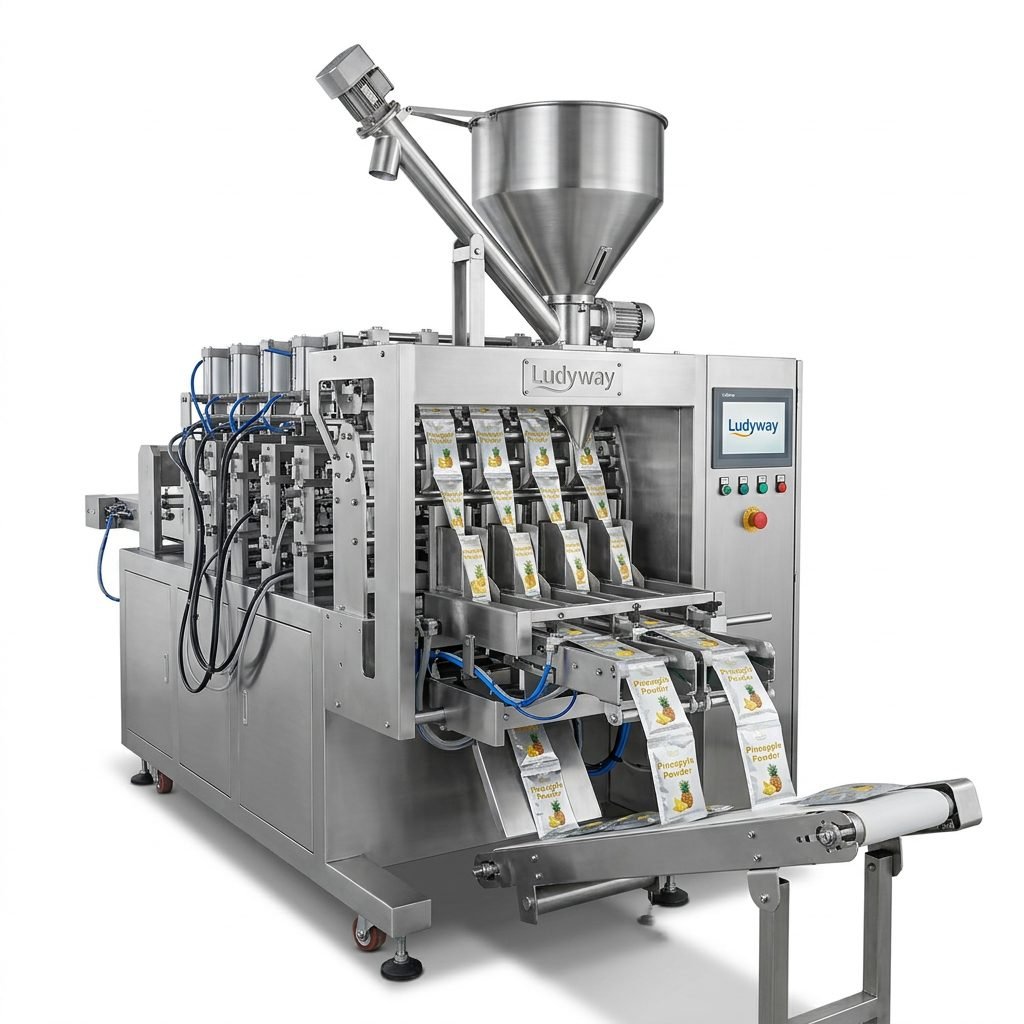
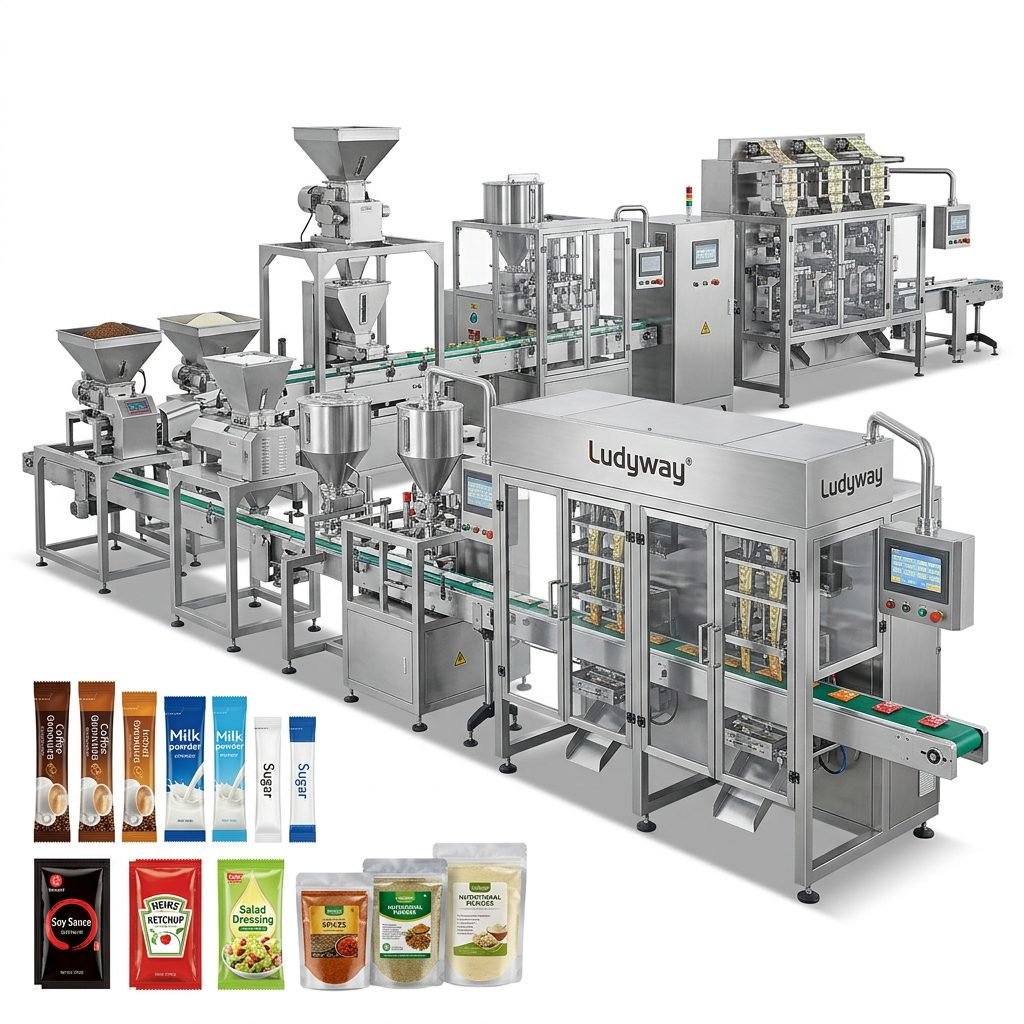
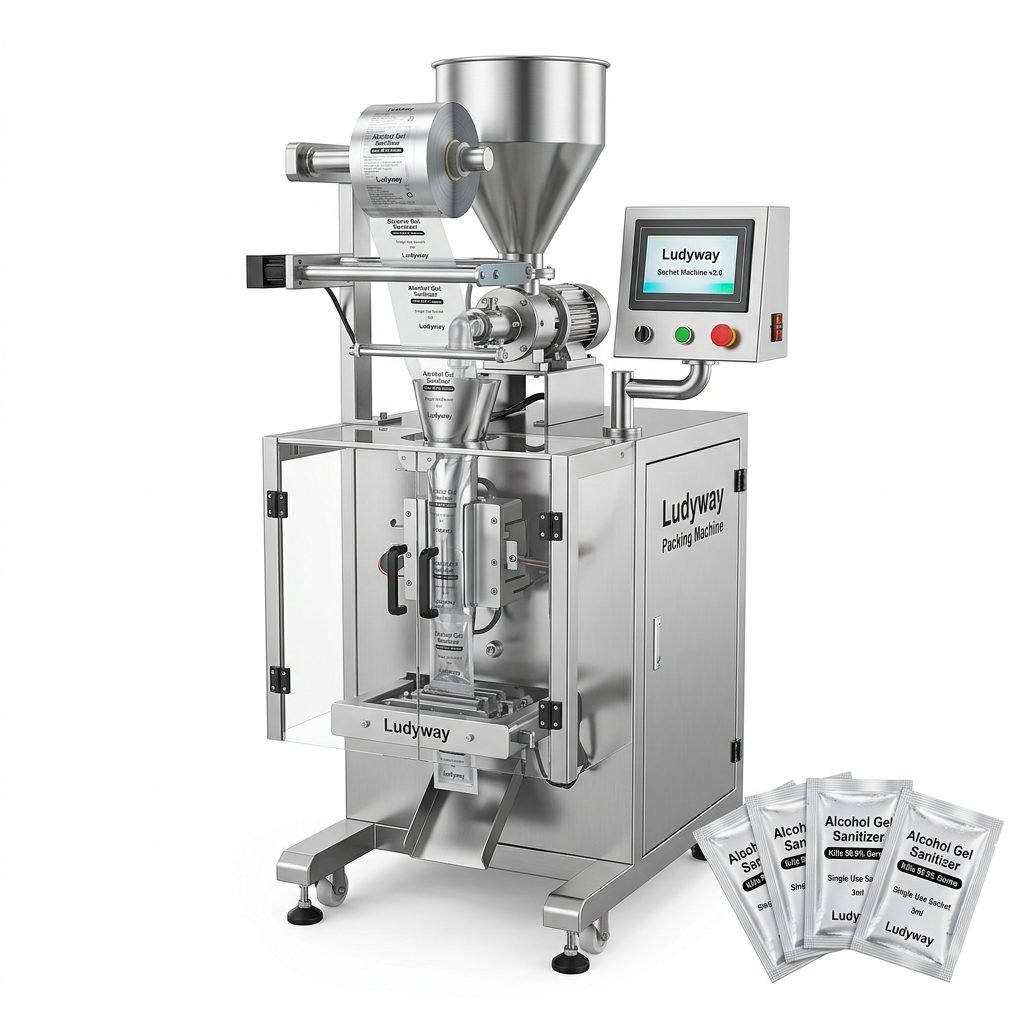
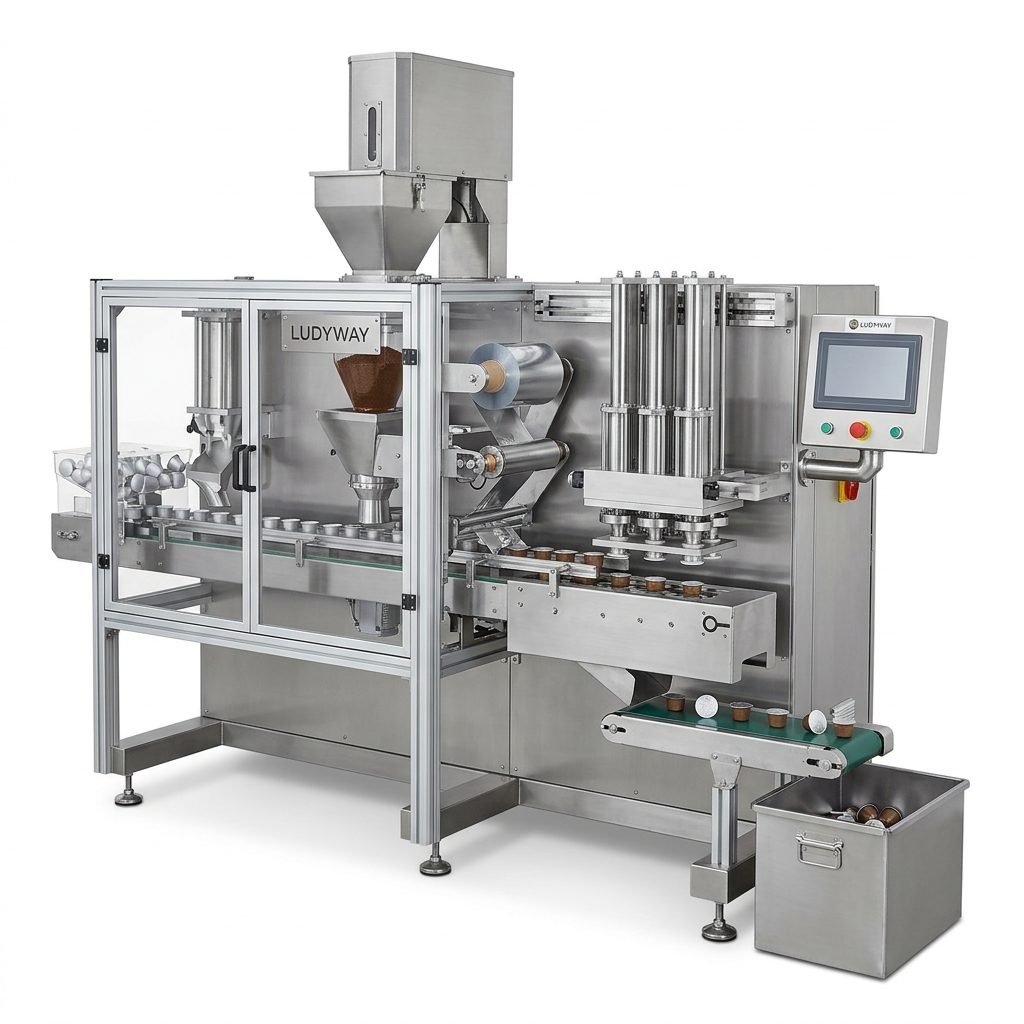
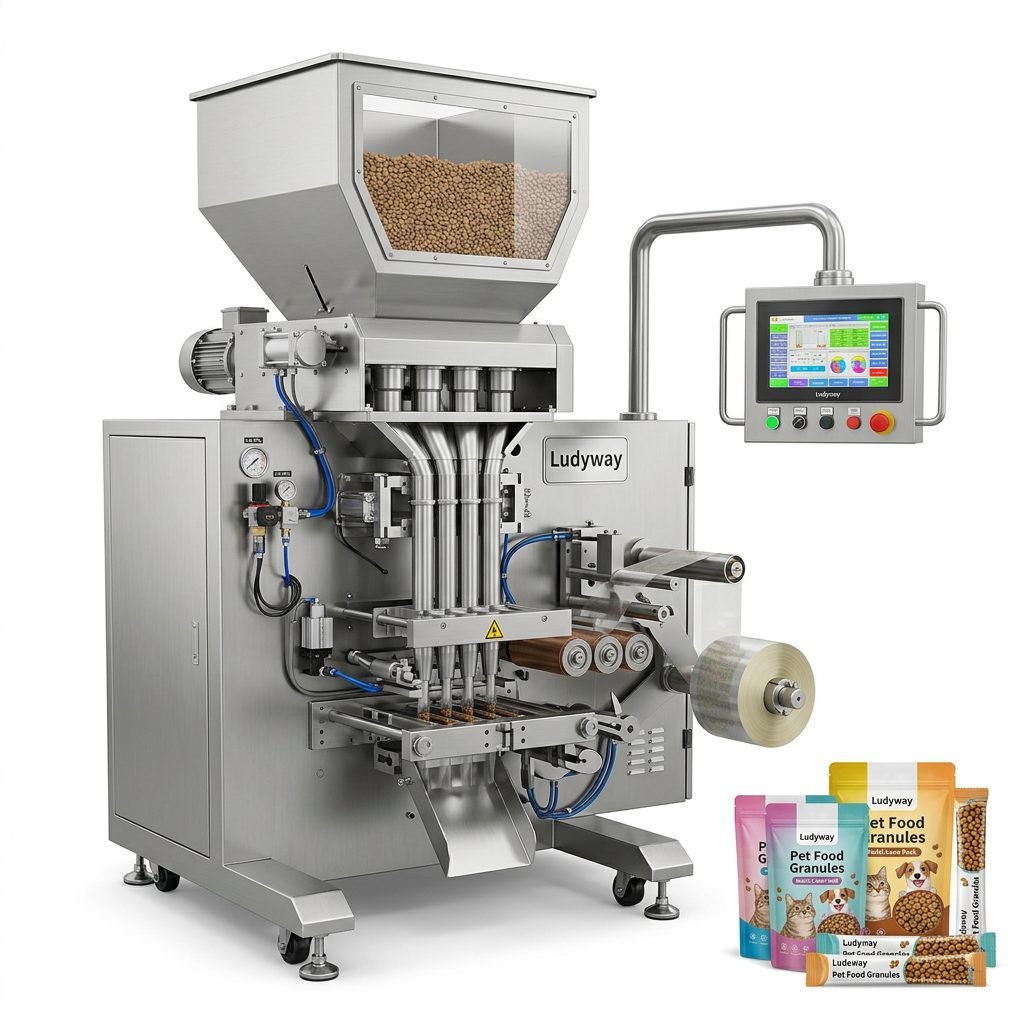
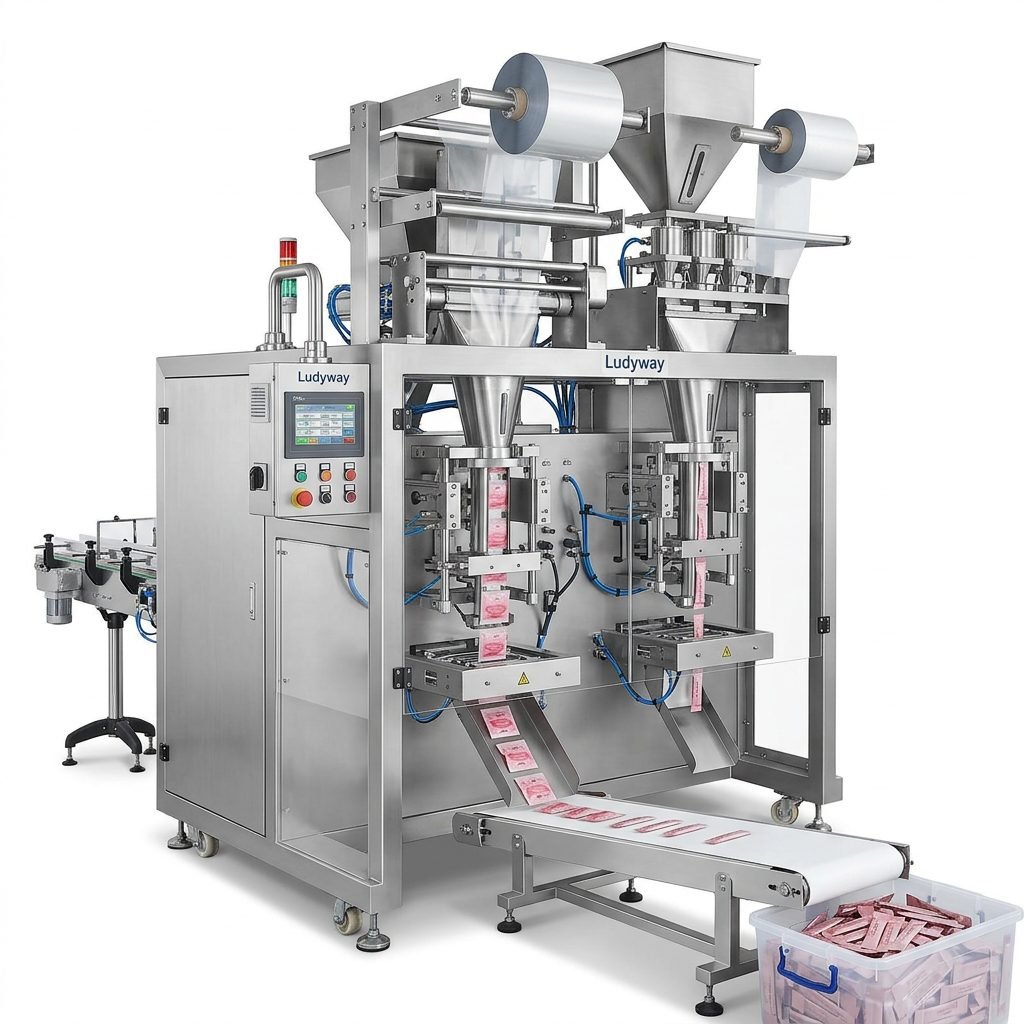
Investing in a box packaging machine is a significant decision that affects production efficiency, product protection, and overall operational costs. With so many machine types, configurations, and suppliers on the market, making the right choice can feel overwhelming. This guide walks you through a structured selection process to help you identify the equipment that best fits your packaging requirements.
1. Define Your Product and Packaging Specifications First
Before comparing machine models, clearly document your product characteristics and packaging requirements. The physical properties of your product directly determine the suitable dosing and filling technology.
- Product type: Is it a free-flowing powder, granule, sticky paste, liquid, or solid item?
- Product density and flowability: Affects feeding systems, hopper design, and filling accuracy.
- Packaging format: Do you need cartons, boxes, cases, trays, or display packaging?
- Box dimensions and style: Regular slotted containers (RSC), die-cut boxes, or custom designs?
- Sealing method: Hot melt glue, cold glue, pressure-sensitive tape, or self-locking tabs?
Skipping this step often leads to costly mismatches between the machine and the actual production needs.
2. Understand the Types of Box Packaging Machines
Different machine types serve different functions within a packaging line. Knowing the categories helps narrow your search.
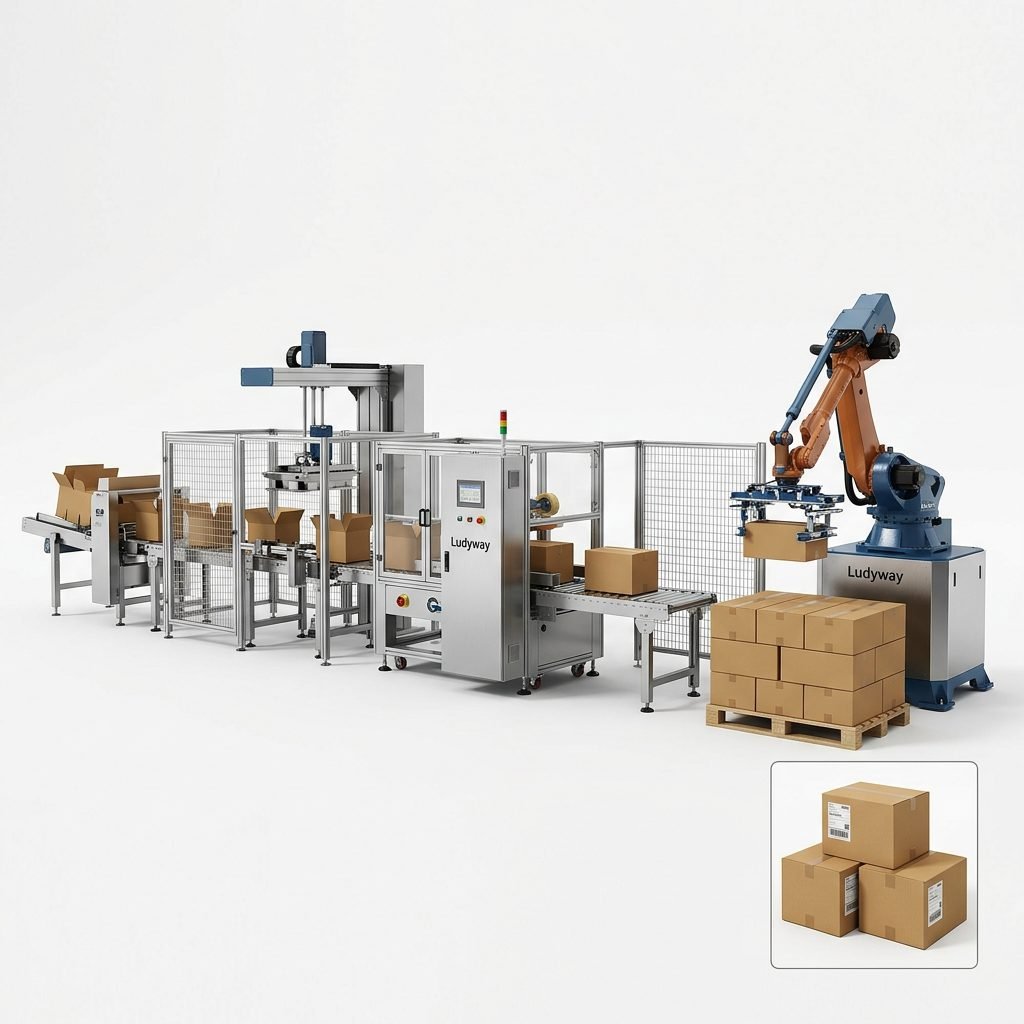
Carton Erectors
These machines take flat, pre-glued carton blanks and automatically form them into open boxes. They are essential for high-volume operations that use corrugated or paperboard cartons. Modern automatic carton erectors can handle various sizes with quick changeover features.
Carton Sealers
Carton sealers close and seal filled boxes. They typically apply tape or hot melt adhesive to the top and bottom flaps. Adjustable side-belt systems accommodate different box widths, making them versatile for multi-product lines.
Box Filling Machines
These integrate product loading into boxes. Depending on the application, filling may be manual, semi-automatic, or fully automated with robotic pick-and-place systems. Products can be loaded from the top or side.
Carton Packers / Case Packers
Case packers load primary packages — such as sachets, pouches, bottles, or stick packs — into secondary cartons or cases. They can be configured for wrap-around, side-load, or top-load patterns. For high-speed lines, high-speed automatic case packers are often integrated with upstream packaging machines.
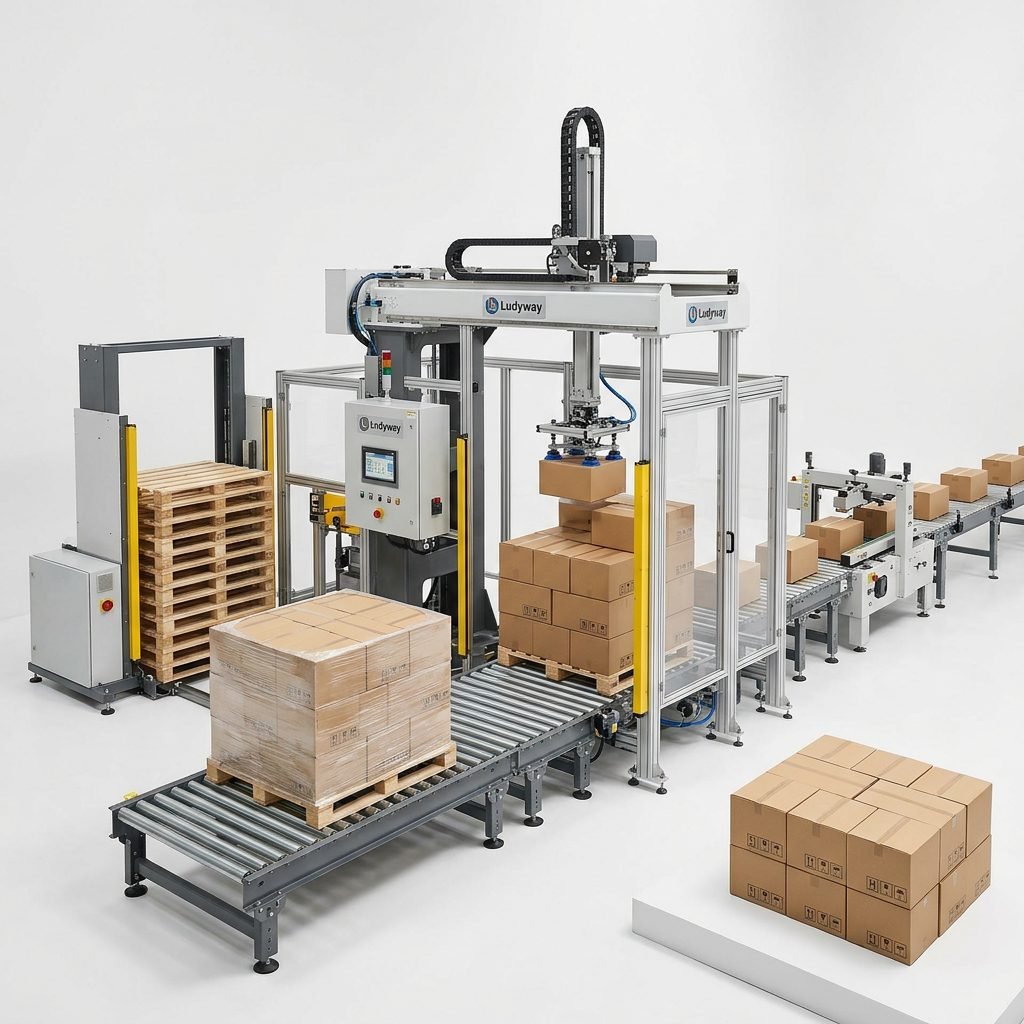
Palletizing Systems
At the end of the line, palletizers stack sealed boxes onto pallets for storage and shipping. Robotic palletizers offer flexibility for mixed product runs, while conventional layer palletizers provide high throughput for uniform cases.
3. Key Technical Specifications to Evaluate
Once you know the machine type, compare technical parameters. The table below summarizes critical specifications to review when selecting cartoning and case packing equipment.
| Specification | Why It Matters | Typical Range |
|---|---|---|
| Production Speed | Must match or exceed your throughput target | 5–30+ cartons/min |
| Box Size Range | Determines format flexibility for current and future products | Length: 150–600mm |
| Changeover Time | Minimizes downtime for frequent size changes | 5–30 minutes |
| Sealing Technology | Affects closure integrity and material costs | Tape, hot melt, cold glue |
| Automation Level | Balances labor reduction with capital investment | Semi-auto to fully automatic |
4. Automation and Integration Considerations
A box packaging machine rarely operates in isolation. It typically connects to upstream filling equipment and downstream palletizing systems. When evaluating options, consider:
- Line integration capability: Can the machine communicate with existing conveyors, fillers, and inspection systems?
- Control system compatibility: PLC-driven machines with standardized communication protocols simplify integration.
- Buffer accumulation: Look for machines with accumulation zones to handle intermittent product flow without stopping.
- Modular design: Modular equipment allows incremental upgrades — from manual packing to semi-automatic to fully automated lines.
For manufacturers seeking a comprehensive solution, working with a supplier that offers turnkey packaging lines — from product feeding through palletizing — can reduce complexity and single-source responsibility. Complete turnkey packaging solutions are particularly valuable when scaling production or entering new markets.

5. Material Compatibility and Sustainability
Packaging material trends are evolving rapidly due to sustainability mandates and consumer preferences. Your box packaging machine should be compatible with the materials you plan to use — both now and in the future.
- Corrugated grades: Single-wall, double-wall, or triple-wall board? Heavier grades require more robust forming and handling mechanisms.
- Recycled content: High recycled content corrugated may behave differently during folding and sealing.
- Coatings and barriers: Water-based, biopolymer, or traditional PE coatings affect sealing performance.
- Adhesive selection: Hot melt adhesives with lower application temperatures can reduce energy consumption and improve workplace safety.
Industry resources from organizations like the Flexible Packaging Association and PMMI provide valuable guidance on material trends and machinery standards.
6. Quality, Safety, and Compliance Requirements
Packaging machinery must meet applicable regulatory and safety standards, particularly for food, pharmaceutical, and medical device industries. When evaluating a box packaging machine, verify:
- CE marking or equivalent compliance for the target market.
- Food-grade materials for product contact surfaces if applicable.
- Safety guarding and interlocks compliant with local workplace safety regulations.
- FDA-compliant components for pharmaceutical and food applications. Reference FDA packaging and food contact substances guidance for specific requirements.
- ISO standards such as ISO 11607 for medical device packaging where applicable.
- Validation documentation and factory acceptance testing (FAT) protocols.
Ask potential suppliers for relevant certifications and documentation early in the evaluation process.
7. Evaluating Total Cost of Ownership
The purchase price is only one part of the cost equation. A proper comparison should account for total cost of ownership (TCO) over the machine’s expected lifecycle.
| Cost Category | Considerations |
|---|---|
| Capital Investment | Machine price, shipping, import duties, installation |
| Operating Costs | Energy consumption, compressed air usage, adhesive/tape costs |
| Maintenance | Spare parts availability, preventive maintenance schedules, technician training |
| Downtime Risk | Reliability track record, local service support, remote diagnostics capability |
| Changeover Efficiency | Labor time and material waste per format change |
8. Selecting the Right Packaging Machinery Partner
Beyond machine specifications, the supplier you choose has a long-term impact on your packaging operations. Look for a partner that provides more than just equipment.
- Industry experience: How many years has the manufacturer served your specific sector?
- Engineering capabilities: Can they provide custom configurations, not just standard models?
- Manufacturing scale: A well-equipped facility indicates production capacity and quality control.
- Global service network: After-sales support, spare parts availability, and technical assistance are critical for minimizing downtime.
- Project lifecycle support: From initial consultation to installation, commissioning, and operator training.
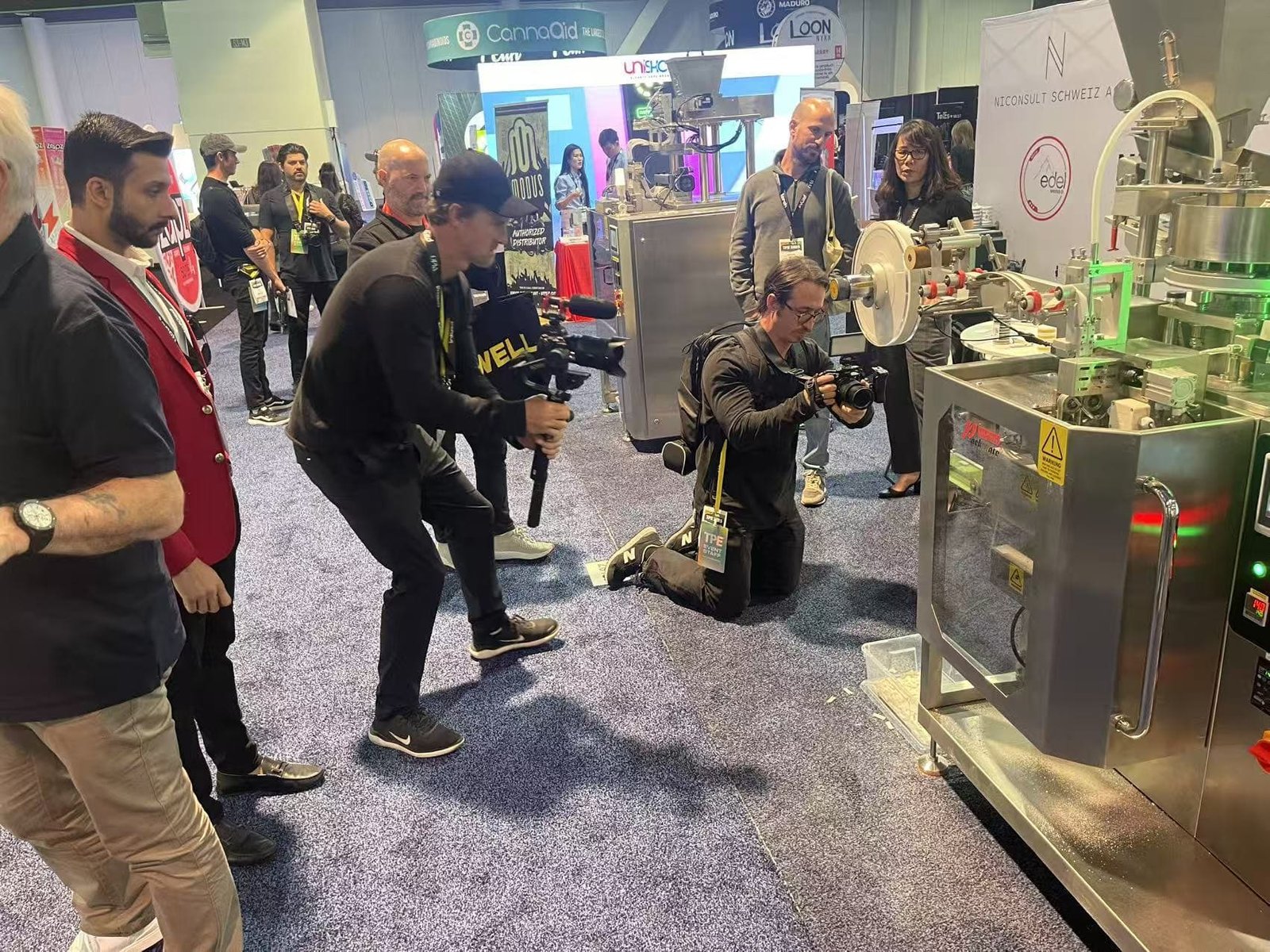
For example, Ludyway Machinery — a China-based packaging machinery manufacturer with more than 30 years of industry experience — combines in-house manufacturing, engineering, and automation expertise to help manufacturers develop customized packaging systems. With a 20,000-square-meter facility, over 130 professionals, and more than 50 packaging machine models, the company provides equipment and turnkey solutions covering powder, granule, liquid, stick pack, sachet, pouch, and cartoning applications. Its global service network spans over 100 countries.
9. Common Mistakes to Avoid
Many packaging equipment purchases go wrong due to preventable errors. Be aware of these pitfalls:
- Buying on price alone: The lowest upfront cost often translates to higher long-term expenses through downtime, maintenance, and inefficiency.
- Ignoring future needs: A machine that barely meets current requirements may become obsolete if your product range expands.
- Underestimating installation complexity: Budget for proper site preparation, utilities, and integration time.
- Neglecting operator training: Even the best machine underperforms without properly trained staff.
- Overlooking material waste: Poorly adjusted machines can generate excessive packaging material waste, increasing operating costs.
10. Final Decision Checklist
Use this checklist before finalizing your box packaging machine purchase:
- Product specifications and packaging format clearly documented
- Required production speed confirmed and matched to machine capability
- Box size range compatible with all current and planned SKUs
- Automation level aligned with labor strategy and budget
- Material compatibility verified with intended substrates
- Safety and regulatory compliance confirmed for target market
- Total cost of ownership calculated, not just purchase price
- Supplier capability, track record, and service support evaluated
- Integration plan defined for upstream and downstream equipment
- Operator training and after-sales support included in the agreement
Choosing the right box packaging machine is a strategic decision that influences production efficiency, product quality, and profitability for years to come. By taking a methodical approach — starting with your product and packaging requirements, understanding machine types and specifications, evaluating total cost of ownership, and selecting a capable packaging machinery partner — you can make a confident investment that supports your manufacturing goals. Industry reports from organizations like PMMI’s State of the Industry can also provide context on broader packaging machinery trends and benchmarks.