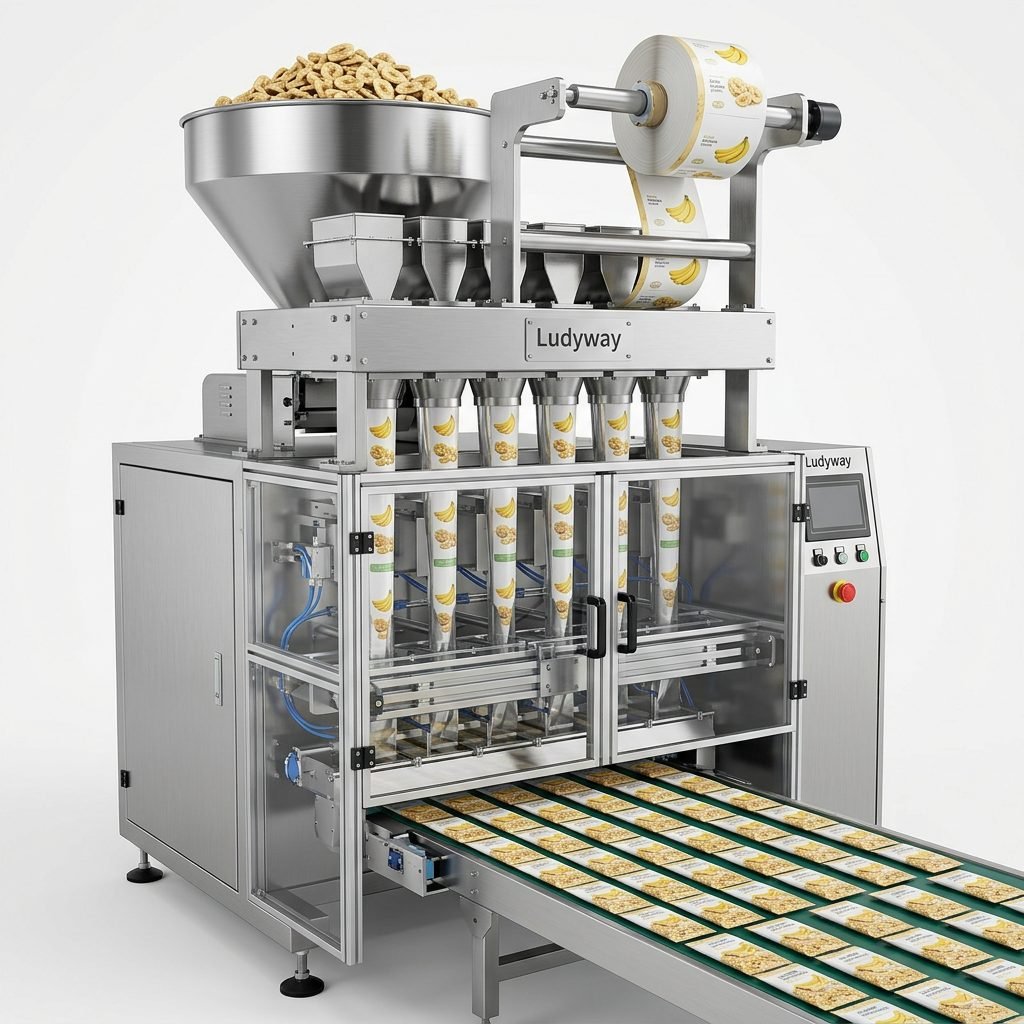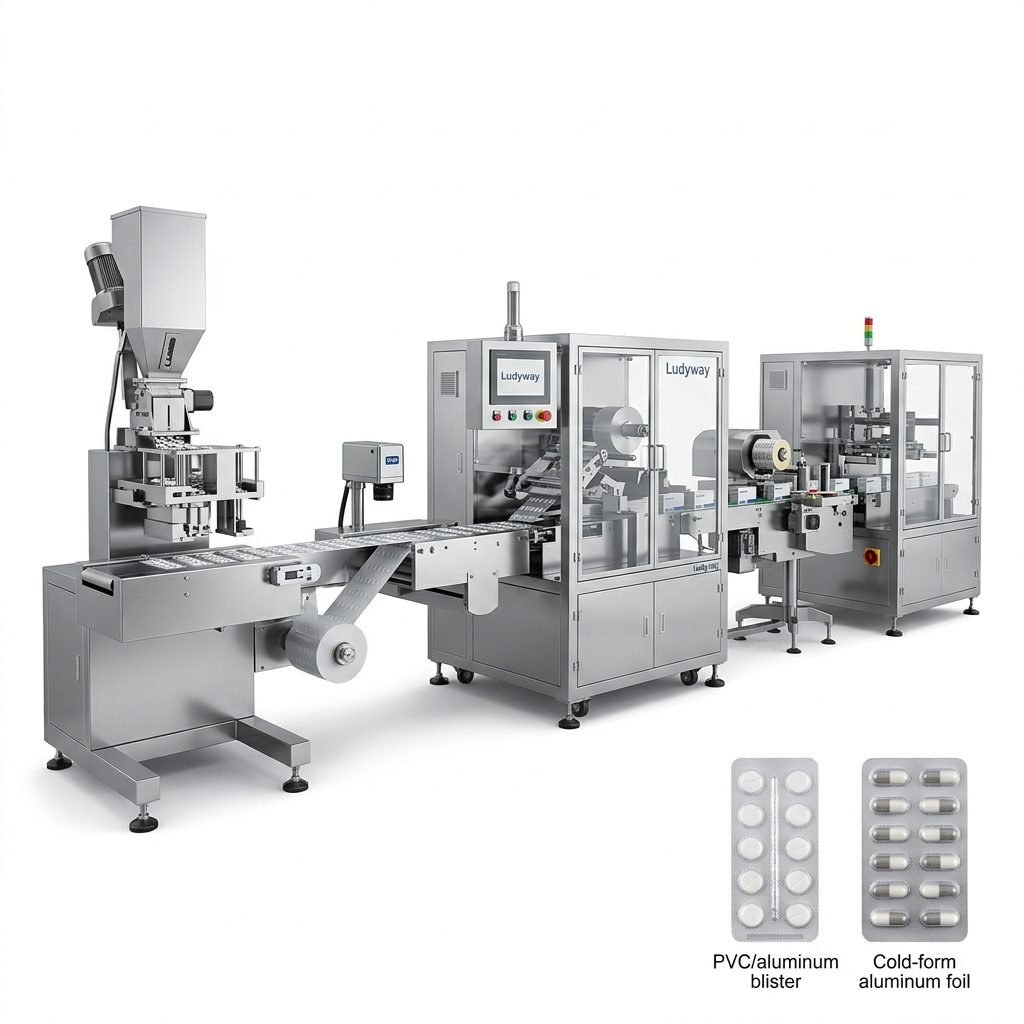
Understanding the Role of a Counting Packing Machine
A counting packing machine is a specialized piece of equipment designed to accurately count and package individual items—such as tablets, capsules, hardware components, fasteners, and small consumer goods—into bags, bottles, pouches, or boxes. Unlike weigh-based filling systems, counting machines ensure each package contains the exact number of pieces specified, which is critical for industries where dosage accuracy, retail unit consistency, or component quantity verification is essential. Investing in the right counting packing machine can dramatically improve production efficiency, reduce giveaway, and strengthen quality assurance across your packaging line.
According to the latest packaging machinery market research, demand for precision counting and packaging systems continues to grow as manufacturers seek automation solutions that minimize human error and maximize throughput. Before exploring specific models, it is important to understand how these machines function and which factors most directly influence long-term performance and return on investment.
Key Factors to Consider When Selecting a Counting Packing Machine
Choosing the correct counting packing machine requires evaluating several interconnected variables. A machine that works perfectly for one product may be entirely unsuitable for another. Below are the most critical considerations to guide your selection process.
1. Product Characteristics and Compatibility
The physical properties of your product dictate which counting technology and feeding mechanism will perform most reliably. Key product attributes to assess include:
- Shape and uniformity: Round tablets, irregularly shaped hardware, and cylindrical components each require different handling approaches.
- Size and weight: Very small items (such as micro-screws) demand higher-precision counting sensors, while heavier items may require reinforced conveying systems.
- Surface friction and fragility: Delicate coated tablets or polished components may require gentler handling to avoid chipping, scratching, or cosmetic damage.
- Static sensitivity: Electronic components and plastic parts often require anti-static measures integrated into the counting packing machine design.
- Cleanliness requirements: Pharmaceutical and food-grade applications typically require stainless steel construction and easy-clean configurations compliant with GMP standards.
For manufacturers navigating regulatory considerations, the FDA food packaging and food contact substances guidelines and applicable ISO packaging standards provide essential compliance frameworks.
2. Counting Accuracy and Precision Requirements
Accuracy is the single most important performance metric for any counting packing machine. Even a small error rate can lead to product giveaway costing thousands of dollars annually, or worse—customer complaints, regulatory violations, and reputational damage in industries like pharmaceuticals and nutraceuticals. When evaluating accuracy specifications, consider both the stated percentage error rate and the consistency of that performance across long production runs. Optical counting systems, infrared sensors, and multi-channel vibratory feeding technologies each offer different accuracy profiles at different speed ranges.
3. Production Speed and Throughput
The required production speed—typically measured in pieces per minute (ppm) or packages per minute—directly influences the type of counting packing machine you need. Machines range from semi-automatic models suitable for small batches to fully automated multi-lane systems capable of handling thousands of pieces per minute. It is essential to match machine capacity not only to current demand but also to projected growth over the next three to five years. Oversizing can strain capital budgets initially, while undersizing leads to costly upgrades or replacements sooner than anticipated. The packaging industry state of the industry report offers valuable benchmarking data on throughput trends across sectors.
4. Packaging Format and Material Compatibility
Counting packing machines can discharge counted products into a variety of packaging formats, including stand-up pouches, sachets, stick packs, bottles, jars, blister packs, and cartons. The machine you select must be compatible with your chosen packaging material—whether that involves heat-sealable films, cold-seal laminates, or pre-formed containers. For operations using flexible packaging, resources from the Flexible Packaging Association provide guidance on material selection, sustainability considerations, and industry standards that may influence your equipment configuration.
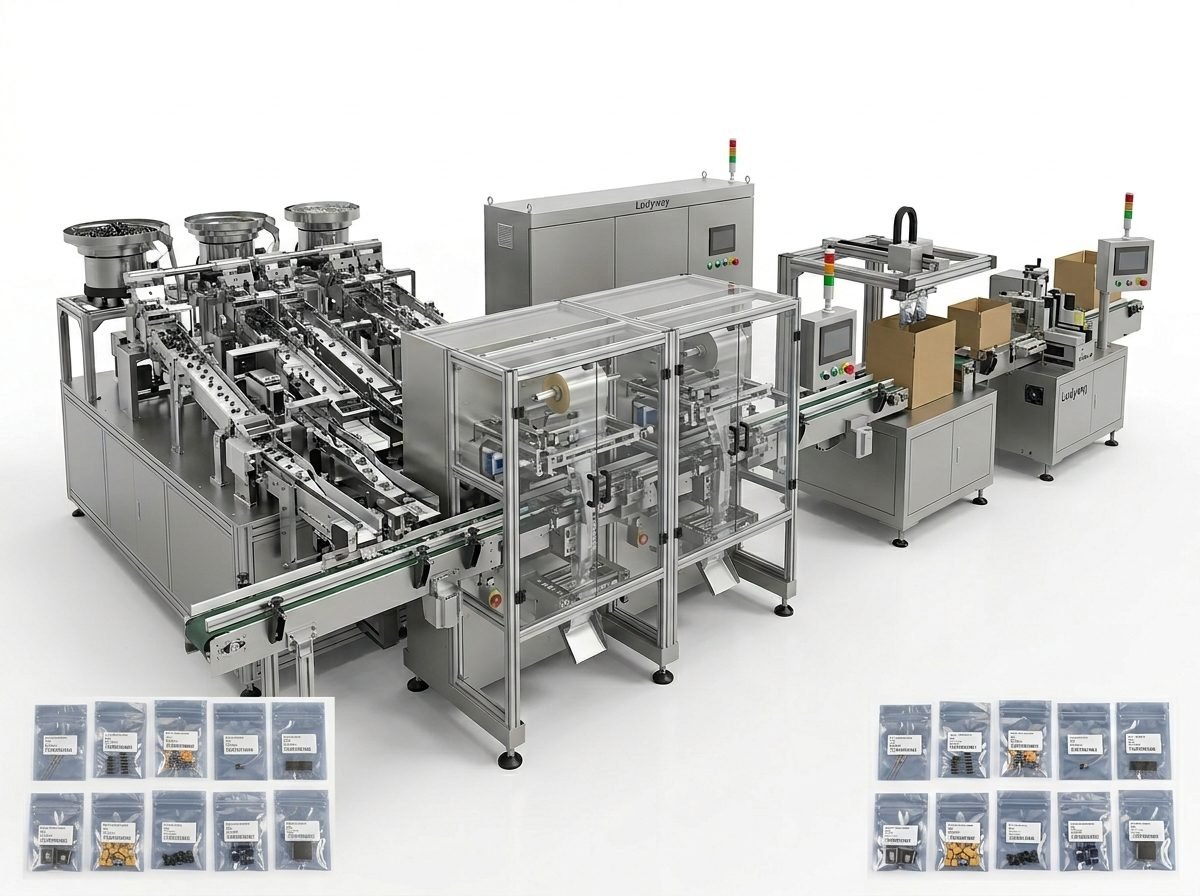
Types of Counting Technologies in Modern Packaging Equipment
Different counting technologies offer distinct advantages depending on the application. The table below summarizes the most widely used counting methods in contemporary packaging machinery and their typical use cases.
| Counting Technology | Best Suited For | Typical Accuracy | Speed Range |
|---|---|---|---|
| Optical / Camera-Based Counting | Tablets, capsules, electronic components, hardware fasteners | 99.9%+ | Up to 10,000+ ppm |
| Infrared / Laser Counting | Small parts, seeds, granular items | 99.5%–99.9% | Up to 5,000 ppm |
| Vibratory Bowl Counting | Hardware, connectors, plastic components | 99%–99.8% | Up to 3,000 ppm |
| Weight-Count Hybrid Systems | Extremely small or lightweight items | 99%–99.5% | Up to 2,000 ppm |
Essential Specifications to Evaluate Before Purchase
Beyond the core counting technology, several auxiliary specifications significantly impact the overall performance, maintainability, and lifecycle cost of a counting packing machine. Carefully reviewing these details during the sourcing process helps avoid unexpected operational issues after installation.
- Changeover flexibility: How quickly can the machine switch between different product types and package formats? Quick-change tooling and recipe-based controls reduce downtime in multi-product environments.
- Integration capability: Can the machine seamlessly connect with upstream feeding systems and downstream cartoning, labeling, or palletizing equipment? Look for standard communication protocols and modular design.
- Data logging and traceability: For regulated industries, the machine should support batch tracking, serialization, and audit trail functions that comply with FDA 21 CFR Part 11 or equivalent requirements.
- Maintenance accessibility: Easy access to sensors, belts, and wear components reduces service time and keeps overall equipment effectiveness (OEE) high.
- Dust and debris management: Products that generate dust (such as uncoated tablets) require sealed cabinets and dust extraction ports to protect sensors and electronics.
- Validation support: In pharmaceutical applications, equipment suppliers should provide documentation packages supporting Installation Qualification (IQ), Operational Qualification (OQ), and Performance Qualification (PQ).
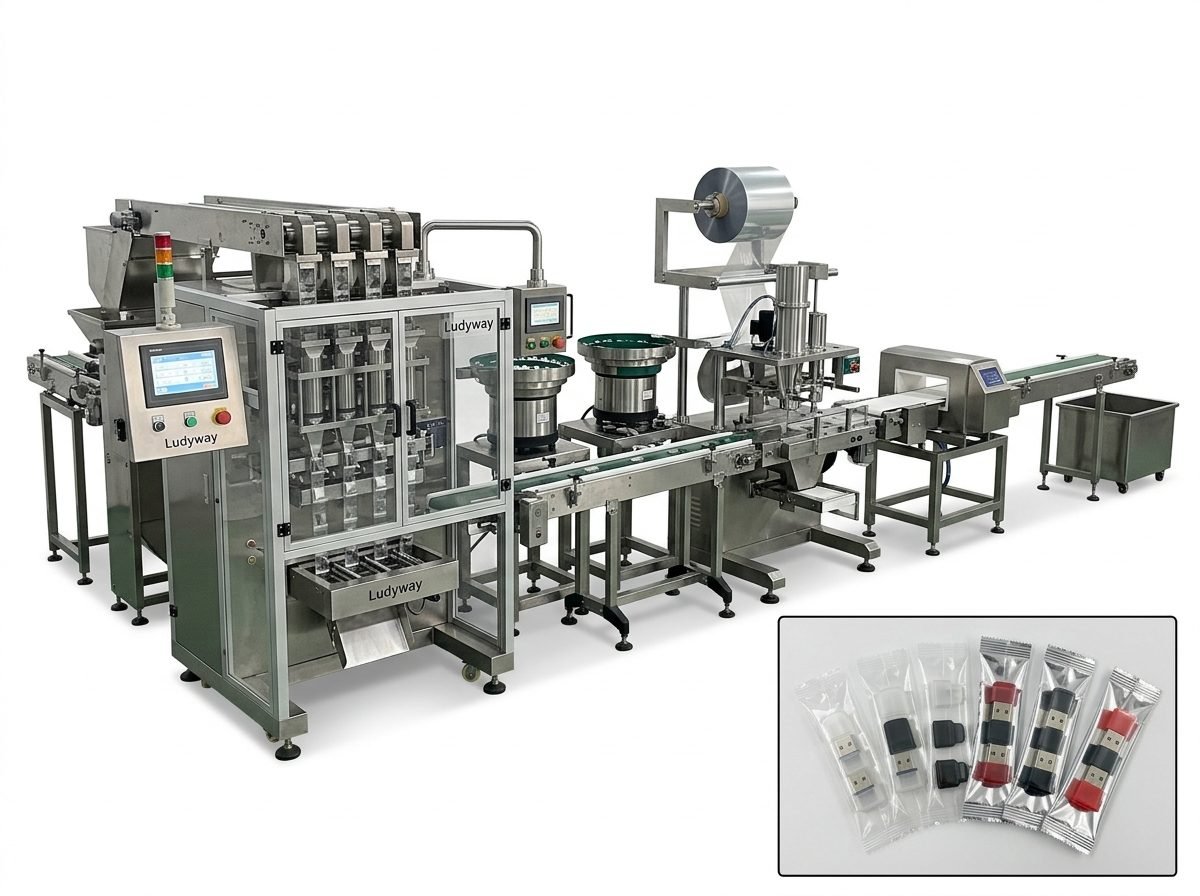
Industry-Specific Considerations for Counting Packaging
Different industries impose distinct demands on counting packing machines. Understanding the specific requirements of your sector is essential for making an informed investment.
Pharmaceutical and Nutraceutical Applications
This sector demands the highest levels of accuracy and regulatory compliance. Counting packing machines used for prescription drugs, over-the-counter medications, and dietary supplements must meet stringent GMP requirements, often including validated counting accuracy, tamper-evident sealing, and comprehensive batch recordkeeping. The ISO 11607 packaging for terminally sterilized medical devices framework provides relevant guidance for pharmaceutical packaging validation processes.
Hardware and Fastener Packaging
Manufacturers of screws, bolts, nuts, washers, and construction fasteners prioritize durability, speed, and multi-piece counting capability. Machines in this category must handle heavy, often abrasive components without premature wear. Counting accuracy for mixed kits—where multiple different fasteners are counted into a single package—adds complexity and may require multi-channel counting configurations.
Consumer Electronics and Small Components
Items such as USB accessories, connectors, SIM card ejectors, and other small electronic parts require static-protected environments and gentle handling to prevent cosmetic or functional damage. High-resolution optical counting systems with anti-static conveyors are commonly deployed in these applications, often integrated with automated pouch or blister packaging lines.
How to Evaluate a Counting Packing Machine Supplier
Selecting the right equipment partner is as important as selecting the right machine. A supplier with deep application experience, robust engineering capabilities, and responsive after-sales support adds value far beyond the initial equipment purchase. When evaluating potential suppliers, consider the following criteria:
- Industry experience: How many installations has the supplier completed in your specific industry? Ask for case studies and references from similar applications.
- Customization capability: Can the supplier adapt machine configurations to your unique product characteristics, facility layout, and automation requirements rather than offering only off-the-shelf solutions?
- Technical support infrastructure: Does the supplier offer remote troubleshooting, on-site service, spare parts availability, and operator training programs across your region?
- Quality certifications: Look for ISO certifications and familiarity with international packaging machinery standards including CE marking, UL compliance, and applicable regional requirements.
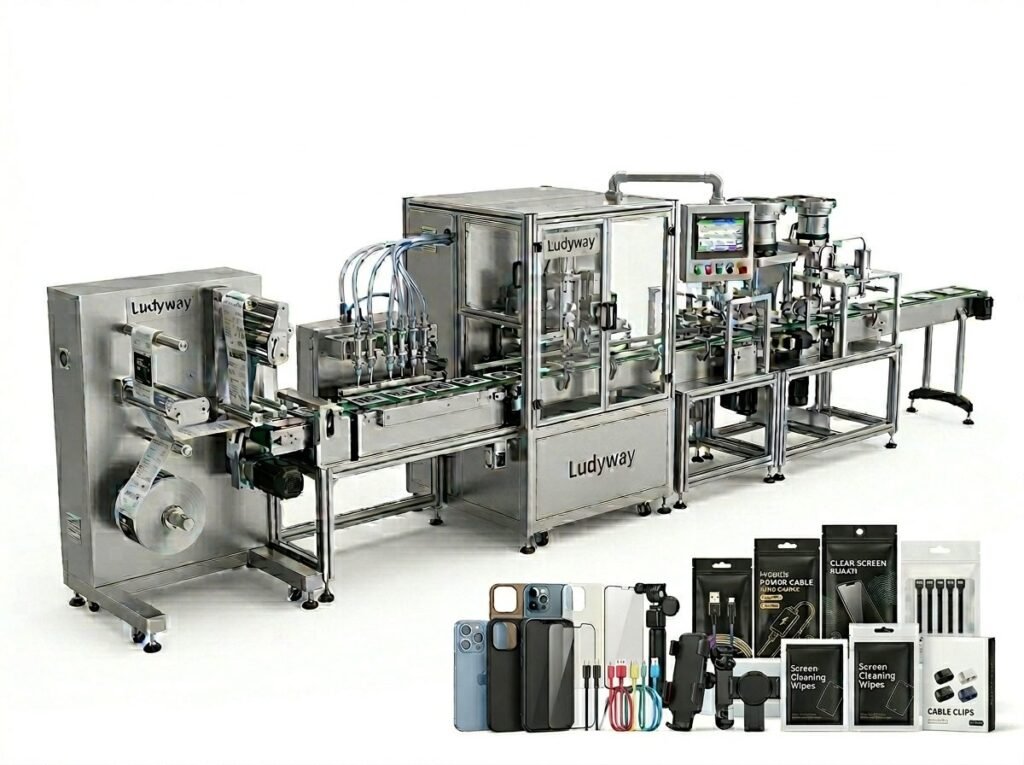
- Turnkey integration experience: A supplier that can provide complete packaging line engineering—connecting counting, filling, sealing, coding, inspection, and cartoning stages—simplifies project management and accountability.
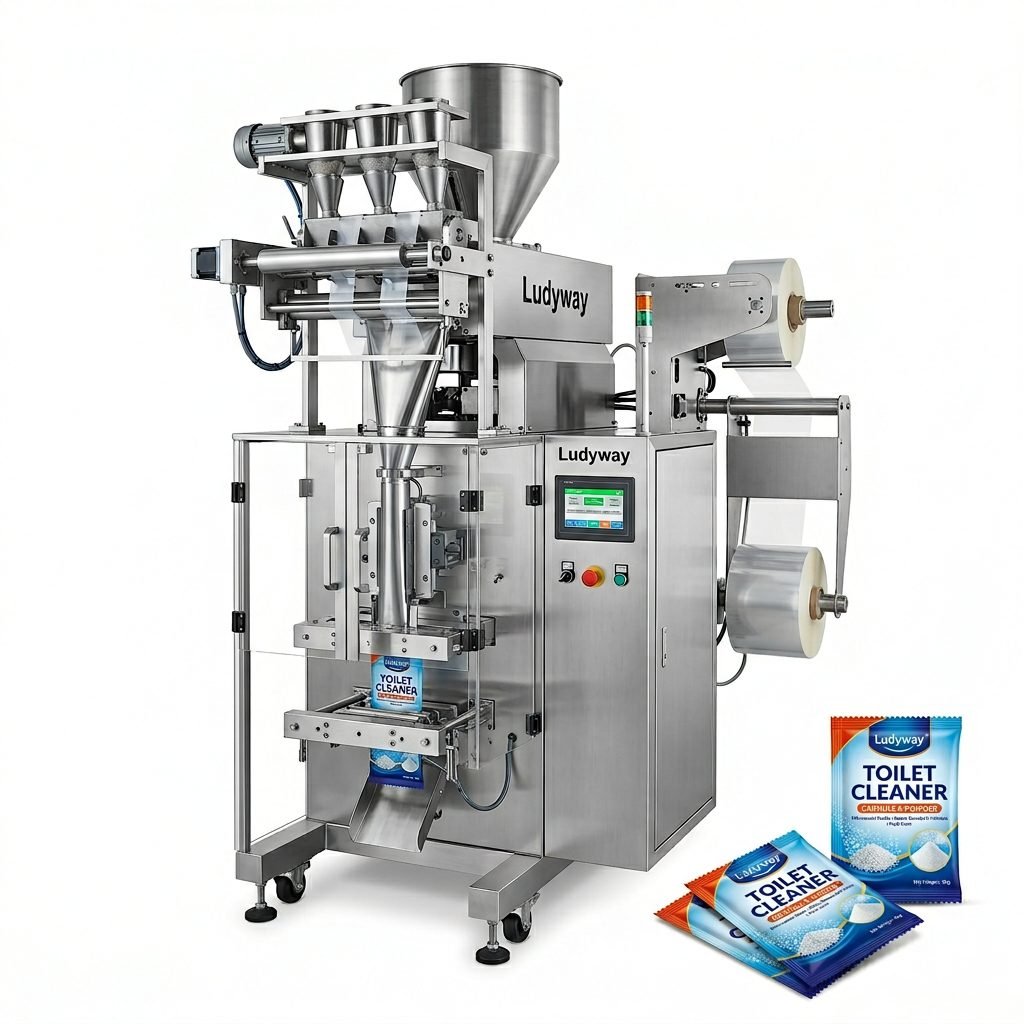
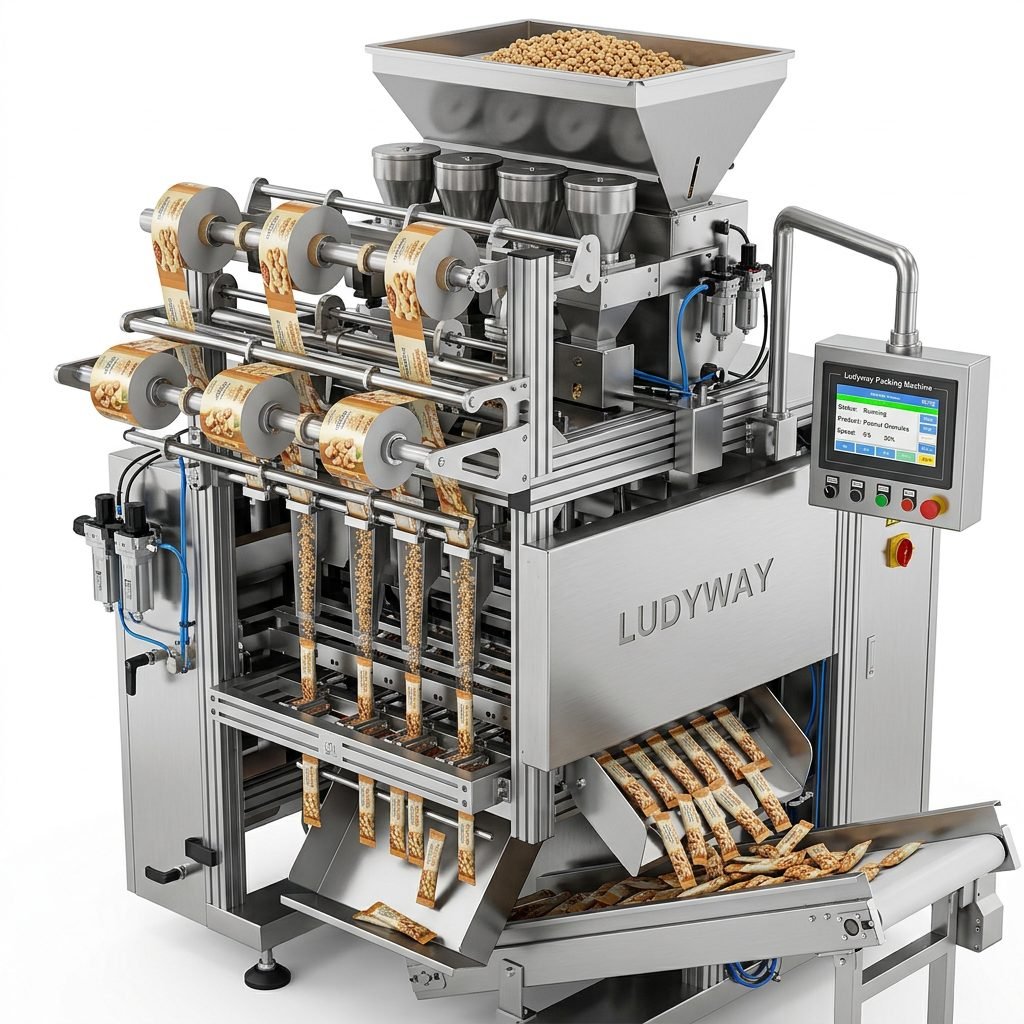
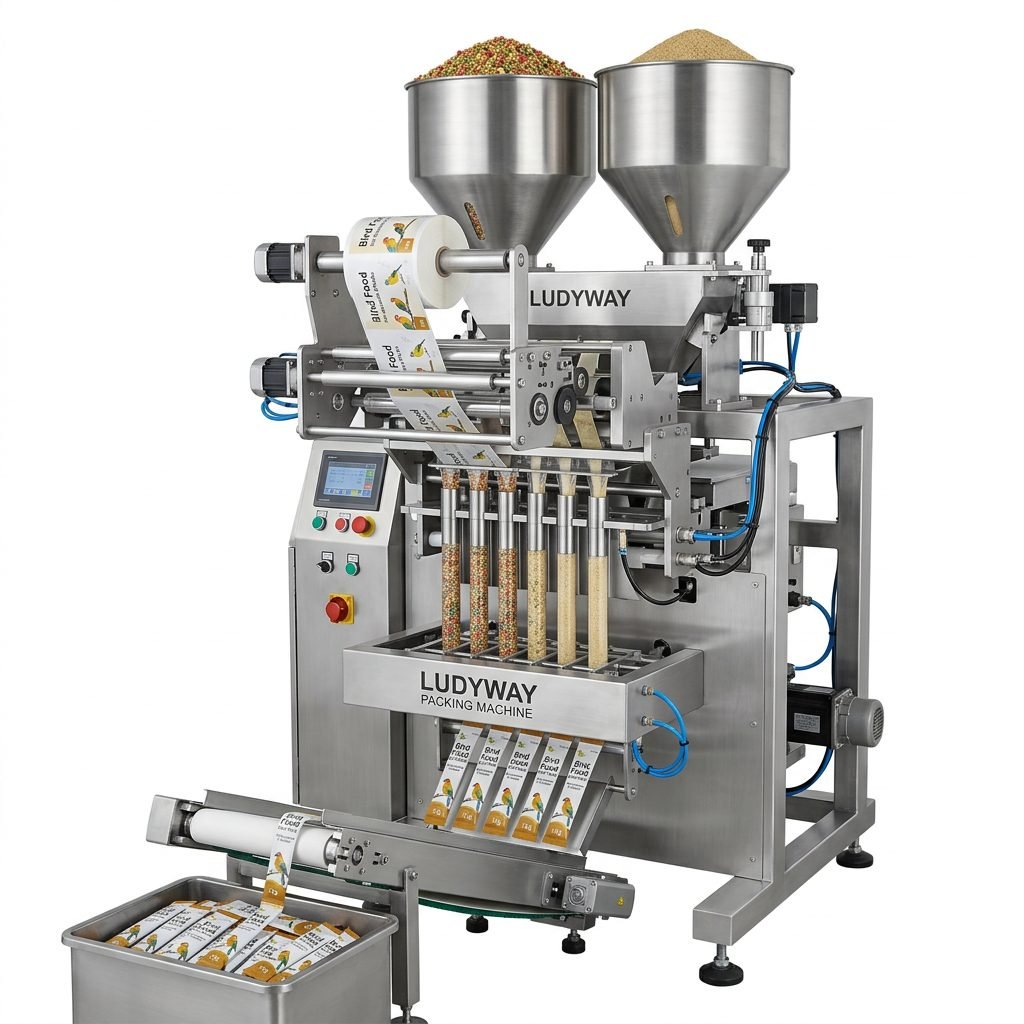
For example, Ludyway Machinery—a China-based packaging machinery manufacturer with over 30 years of experience—has developed a broad portfolio of automated packaging equipment for global markets, serving customers across more than 100 countries with customized counting, filling, and packaging solutions spanning pharmaceutical, food, chemical, and consumer product industries. Their approach to integrating engineering, manufacturing, and technical support under one roof illustrates the value of working with an experienced, full-service packaging machinery partner capable of delivering both individual machines and complete turnkey production lines.

Understanding Costs and Return on Investment
The total cost of ownership for a counting packing machine extends well beyond the initial purchase price. A comprehensive ROI analysis should account for all direct and indirect costs and benefits over the expected service life of the equipment.
| Cost Category | Typical Considerations | Impact on ROI |
|---|---|---|
| Initial Capital Expenditure | Machine cost, shipping, import duties, installation | High upfront impact |
| Operational Costs | Labor, energy, consumables, packaging materials | Ongoing; automation reduces labor |
| Maintenance and Spare Parts | Preventive maintenance, wear parts, unexpected repairs | Moderate annual cost |
| Product Giveaway Reduction | Savings from eliminating overfills with precise counting | Significant positive impact |
| Downtime and Efficiency Loss | Production stoppages due to machine issues | Can erode ROI quickly |
For most manufacturers, the payback period for a well-specified counting packing machine ranges from 12 to 24 months, driven primarily by labor savings, reduced product giveaway, and increased throughput. Companies processing high-value products such as pharmaceuticals or premium nutraceuticals often achieve even faster returns due to the higher cost of overfilling errors.

Making the Final Decision: A Step-by-Step Approach
To ensure a confident and well-informed purchase, follow this structured decision-making process when selecting your counting packing machine:
- Define your product and packaging specifications in writing, including all physical characteristics, target output rates, accuracy requirements, packaging formats, and regulatory constraints.
- Research available counting technologies and narrow down the methods that best suit your product profile. Consult with multiple suppliers to understand the pros and cons of each approach for your specific application.
- Request factory acceptance testing (FAT) using your actual products whenever possible. Testing with your own materials provides the most realistic assessment of counting accuracy and handling performance.
- Evaluate supplier capabilities beyond the machine itself—consider engineering support, spare parts logistics, training programs, and long-term service commitments.
- Conduct a total cost of ownership analysis spanning at least five years, factoring in all capital, operational, maintenance, and efficiency-related costs as outlined in the table above.
- Visit reference installations or request video demonstrations of similar machines operating in real production environments within your industry.
- Negotiate warranty terms and after-sales support agreements that provide clear service level expectations, response times, and spare parts availability guarantees.
Conclusion
Selecting the right counting packing machine is a strategic investment that affects product quality, operational efficiency, and long-term competitiveness. By thoroughly evaluating product compatibility, counting technology options, accuracy requirements, production speed, packaging formats, and supplier capabilities, manufacturers can make informed decisions that deliver reliable performance and attractive returns. Whether you are packaging pharmaceutical tablets, hardware fasteners, electronic components, or consumer goods, the time invested in careful equipment selection pays dividends in consistent quality, reduced waste, and scalable production capacity for years to come. For additional guidance on packaging machinery standards and industry trends, resources from PMMI – The Association for Packaging and Processing Technologies and the Flexible Packaging Association industry resources provide valuable ongoing reference material.